Redway Power · LiFePO4 battery factory for OEM & wholesale, 12V to 100V|Tel +86 189 7608 1534|Get a quick quote

Design Characteristics of Most Group 48 Batteries

Group 48 batteries are designed with high Cold Cranking Amps (CCA) ratings to support modern vehicles’ electrical demands. They usually feature a compact design suitable for European cars, providing dependable starting power and compatibility with advanced electronics.Group 48 batteries, often referred to as H6, L3, or 66L3 batteries, represent a significant advancement in automotive and industrial battery technology. These batteries are known for their distinctive features that enhance performance, durability, and safety, making them a popular choice among vehicle manufacturers and consumers alike. Below, we delve into the essential design characteristics that define most Group 48 batteries, showcasing why they stand out in the competitive landscape of battery technology.

Maintenance-Free and Spill-Proof Construction

One of the primary advantages of Group 48 batteries is their maintenance-free nature. Traditional lead-acid batteries often require periodic maintenance, such as checking and topping up electrolyte levels. However, Group 48 batteries eliminate this need, thanks to their sealed design. This feature not only saves time and effort but also reduces the risk of human error, which can lead to battery damage or reduced lifespan.Additionally, Group 48 batteries are spill-proof, ensuring that the electrolyte remains contained even if the battery is accidentally tipped over. This design significantly enhances safety, especially in environments where accidental spills could cause damage to vehicle components or pose a risk to individuals handling the battery. The spill-proof nature also makes these batteries more environmentally friendly, as there is a lower likelihood of hazardous materials leaking and contaminating the surrounding area.

Advanced AGM Technology

Group 48 batteries frequently utilize Absorbent Glass Mat (AGM) technology, a leap forward in battery design that offers numerous benefits over conventional flooded lead-acid batteries. AGM technology involves the use of a fine fiberglass mat that absorbs and immobilizes the electrolyte, allowing it to remain in close contact with the battery’s active materials. This design provides several key advantages:
  1. Enhanced Resistance to Vibration and Shock: AGM batteries, such as those in the Group 48 category, are particularly resilient to vibrations and mechanical shocks. This makes them ideal for use in vehicles and equipment subjected to harsh conditions, such as off-road vehicles, heavy machinery, and performance cars.
  2. Improved Charging Efficiency: The AGM design allows for more efficient charging and discharging cycles, enabling the battery to deliver consistent power over a longer period. This efficiency is especially beneficial in modern vehicles equipped with numerous electronic systems that demand a stable power supply.
  3. Longer Service Life: Due to the reduced risk of internal short circuits and the minimized loss of electrolyte, AGM batteries typically have a longer service life than their flooded counterparts. This longevity translates to cost savings for consumers and reduced environmental impact due to fewer battery replacements.

Durability and Longevity

Durability is a hallmark of Group 48 batteries, with their design optimized to withstand the rigors of daily use in demanding environments. The robust construction of these batteries includes reinforced casing materials that protect the internal components from damage caused by external forces.Moreover, the internal structure of Group 48 batteries is designed to resist corrosion and sulfation, two common issues that can degrade battery performance over time. Corrosion, typically caused by the interaction of the battery’s internal components with the electrolyte, is minimized through the use of high-quality materials and precise manufacturing processes. Sulfation, which occurs when lead sulfate crystals form on the battery plates, is also less of a concern in AGM batteries, as the electrolyte’s immobilization reduces the likelihood of this phenomenon.The combination of these factors ensures that Group 48 batteries not only last longer but also maintain consistent performance throughout their lifespan, providing reliable power even under challenging conditions.

Compact Design with High Power Density

Despite their compact size, Group 48 batteries are designed to deliver high power density, making them suitable for a wide range of applications. The compact design allows these batteries to fit into smaller spaces within vehicles and equipment without compromising their power output.This efficiency in space utilization is particularly important in modern vehicles, where engine compartments are becoming increasingly crowded with various components and systems. Group 48 batteries provide a powerful yet space-saving solution, ensuring that vehicles can accommodate advanced electronics, powerful engines, and other high-demand systems without requiring oversized batteries.The high power density of Group 48 batteries also means that they can provide a strong initial cranking power, essential for starting engines in cold weather or under other demanding conditions. This reliability makes them a preferred choice for a wide range of vehicles, from everyday passenger cars to high-performance sports cars and heavy-duty trucks.

Environmental Considerations

In addition to their performance benefits, Group 48 batteries are also designed with environmental responsibility in mind. The sealed, spill-proof design not only enhances safety but also reduces the risk of environmental contamination. Additionally, the longer lifespan of these batteries means that fewer replacements are needed over time, leading to a reduction in the number of batteries that must be disposed of.Many manufacturers of Group 48 batteries are also committed to recycling programs, ensuring that when these batteries do reach the end of their life, they are recycled in an environmentally friendly manner. This commitment to sustainability is becoming increasingly important as consumers and industries alike prioritize products that minimize environmental impact.

Compatibility and Versatility

Another significant advantage of Group 48 batteries is their wide compatibility with various vehicle makes and models. The standardized size and specifications of these batteries mean that they can be used in a broad range of vehicles, from compact cars to larger SUVs and trucks. This versatility makes them a convenient choice for both consumers and automotive professionals, as they can be easily sourced and installed without the need for custom modifications.Furthermore, Group 48 batteries are also compatible with a variety of vehicle systems, including start-stop technology, which is becoming increasingly common in modern vehicles to improve fuel efficiency and reduce emissions. The ability of these batteries to perform reliably with start-stop systems further enhances their appeal, as more vehicles are equipped with this technology.

Innovations in Group 48 Battery Design

As battery technology continues to evolve, so too does the design of Group 48 batteries. Manufacturers are constantly seeking ways to improve the performance, durability, and environmental impact of these batteries. Some of the latest innovations include:
  • Enhanced Plate Design: Newer Group 48 batteries feature advanced plate designs that improve electrical conductivity and reduce internal resistance. This results in better power delivery and more efficient energy usage, particularly in vehicles with high electrical demands.
  • Improved Thermal Management: To address the challenges of heat buildup in high-performance applications, some Group 48 batteries now include improved thermal management features. These innovations help to dissipate heat more effectively, reducing the risk of overheating and extending the battery’s lifespan.
  • Smart Battery Management Systems (BMS): Some of the latest Group 48 batteries are equipped with integrated Battery Management Systems that monitor the battery’s condition in real-time. These systems can optimize charging cycles, detect potential issues before they become critical, and even communicate with the vehicle’s onboard systems to ensure optimal performance.

Conclusion

In summary, Group 48 batteries represent a pinnacle of battery design, offering a range of features that enhance performance, durability, safety, and environmental responsibility. From their maintenance-free and spill-proof construction to their advanced AGM technology and compact, high-power design, these batteries are engineered to meet the demands of modern vehicles and equipment.As innovations continue to emerge in the battery industry, Group 48 batteries are poised to remain at the forefront, providing reliable, efficient, and sustainable power solutions for a wide array of applications. Whether you are a vehicle owner looking for a dependable replacement battery or an industry professional seeking the best power solution for your needs, Group 48 batteries offer an unmatched combination of performance and reliability.

26650 vs 18650 Lithium Battery, What are the Differences?

The primary differences between the 26650 and 18650 lithium batteries lie in size and capacity; the 26650 battery is larger (26mm x 65mm) and typically offers higher capacity (up to 5000mAh), while the smaller 18650 (18mm x 65mm) usually has capacities up to around 3500mAh.In the realm of lithium batteries, two types stand out due to their distinct characteristics and applications: the 26650 and 18650 lithium batteries. Understanding the differences between these two battery types is crucial for consumers, manufacturers, and enthusiasts alike. This article delves deep into their specifications, performance metrics, applications, and the latest industry insights.

Understanding Battery Dimensions and Capacity

Physical Size and Weight

The most apparent difference between the 26650 and 18650 batteries is their size.
  • 26650 Battery:
    • Diameter: 26 mm
    • Height: 65 mm
    • Weight: Approximately 100-120 grams
  • 18650 Battery:
    • Diameter: 18 mm
    • Height: 65 mm
    • Weight: Approximately 40-50 grams
The larger size of the 26650 battery allows for a greater internal volume, which translates to a higher capacity for energy storage.

Capacity and Energy Density

When comparing energy capacity:
  • 26650 Batteries typically offer capacities ranging from 3000 mAh to 6000 mAh, depending on the manufacturer and specific model.
  • 18650 Batteries, on the other hand, usually range from 1800 mAh to 3500 mAh.
This significant difference in capacity makes the 26650 battery ideal for applications requiring longer runtimes without frequent recharging.

Performance Metrics

Discharge Rates

The discharge rate is a crucial factor in determining how quickly a battery can deliver its stored energy.
  • The 26650 battery often supports higher continuous discharge rates, making it suitable for high-drain devices such as power tools and electric vehicles.
  • The 18650 battery, while versatile, may not perform as well in extreme high-drain scenarios but is excellent for moderate to low-drain applications like laptops and flashlights.

Voltage Output

Both battery types generally have a nominal voltage of about 3.7 volts. However, variations exist based on specific chemistry formulations.
  • The voltage consistency in both types ensures compatibility with a wide range of devices.

Applications of Each Battery Type

Common Uses for 26650 Batteries

Given their larger size and higher capacity, the 26650 batteries are commonly used in:
  • Electric bikes
  • High-performance flashlights
  • Power tools
  • Electric vehicles (EVs)
  • Energy storage systems

Common Uses for 18650 Batteries

The smaller form factor of the 18650 battery makes it suitable for:
  • Laptops
  • Portable electronics (like cameras and drones)
  • E-cigarettes
  • Flashlights
  • Robotics

Charging Characteristics

Charging Time

Both battery types require specific chargers designed for lithium-ion technology. However, due to their larger capacity, charging a 26650 battery may take slightly longer than charging an 18650 battery, depending on the charger’s output.

Cycle Life

Both batteries exhibit excellent cycle life, but the actual lifespan can vary based on usage patterns and charging practices. Generally, both can last anywhere from 500 to 2000 cycles, depending on maintenance and conditions.

Safety Considerations

Lithium batteries can pose safety risks if not handled properly.

Thermal Runaway

Both types are susceptible to thermal runaway if overcharged or exposed to extreme temperatures. Proper protective circuitry is essential in devices utilizing either battery type.

Protection Circuits

Many manufacturers incorporate protection circuits in their designs to prevent over-discharge, over-charge, and short-circuiting. It’s crucial to choose batteries that come with these safety features.

Latest Industry Insights

As of October 2024, recent news highlights advancements in lithium battery technology focusing on sustainability and efficiency. Companies like Redway Battery are leading the charge in developing custom lithium LiFePO4 batteries that cater to diverse needs across various sectors. Their expertise in manufacturing high-quality 12V, 48V, and 72V lithium batteries positions them as a key player in this evolving market.

Data Chart: Quick Comparison of Specifications

Feature26650 Battery18650 Battery
Diameter26 mm18 mm
Height65 mm65 mm
Weight100-120 grams40-50 grams
Capacity3000 mAh – 6000 mAh1800 mAh – 3500 mAh
Typical ApplicationsHigh-drain devicesPortable electronics
Discharge RateHigherModerate

FAQs about Lithium Batteries

1. Can I use a 26650 battery in place of an 18650?

No, due to size differences, they are not interchangeable without modifications to the device.

2. How do I know which battery type is best for my application?

Consider your device’s power requirements, size constraints, and desired runtime before choosing between the two.

3. Are there any environmental concerns with lithium batteries?

Yes, proper disposal and recycling are essential to minimize environmental impact. Look for manufacturers that provide recycling options.

4. What should I look for when purchasing lithium batteries?

Choose reputable brands that offer detailed specifications, safety certifications, and warranties.

Conclusion

In summary, both the 26650 and 18650 lithium batteries have unique advantages that cater to different needs within various industries. By understanding their specifications, performance metrics, applications, and safety considerations, consumers can make informed decisions that best suit their requirements. As technology continues to advance, staying updated with industry trends will ensure optimal usage of these powerful energy sources.

Does Bluetooth Work Without Wi-Fi or Cell Service?

Yes, Bluetooth can work without Wi-Fi or cell service as it establishes direct connections between devices over short distances. This allows for functionalities like audio streaming or file sharing without needing an internet connection.Bluetooth technology, a staple in modern connectivity, offers users unparalleled convenience and versatility. But a common query persists: Does Bluetooth work without Wi-Fi or cell service? The simple answer is yes. Bluetooth functions independently of both Wi-Fi and cellular networks. This article delves into the details of Bluetooth technology, its operational dynamics, and its practical benefits in scenarios devoid of Wi-Fi or cell service.

Understanding Bluetooth Technology

Bluetooth is a wireless communication technology designed for short-range data transfer between devices. Utilizing radio waves in the 2.4 GHz ISM band, Bluetooth facilitates the connection of devices such as smartphones, tablets, computers, speakers, and keyboards. Unlike other wireless communication methods like Wi-Fi or cellular networks, Bluetooth does not necessitate an internet connection or cellular service to operate.

How Bluetooth Operates

Bluetooth technology relies on the pairing of devices within a specified range—typically up to 100 meters (330 feet) for Bluetooth 5.0, although most devices operate within a more modest range of 10 meters (33 feet). The pairing process establishes a secure connection between devices, allowing them to exchange data or perform tasks without needing a network infrastructure.Bluetooth uses frequency hopping spread spectrum (FHSS) to minimize interference from other wireless signals. This technique rapidly switches frequencies within the 2.4 GHz band, ensuring a stable connection even in environments with numerous wireless signals.

Key Features of Bluetooth Without Wi-Fi or Cell Service

Seamless Device Connectivity

One of the most significant advantages of Bluetooth is its ability to connect devices seamlessly without relying on external networks. Whether you’re traveling in remote areas or situated in environments with limited connectivity, Bluetooth ensures you can maintain a connection between your devices. This is particularly useful in situations where you need to pair a Bluetooth speaker with your smartphone or connect a wireless keyboard to your tablet without internet access.

Data Transfer Capabilities

Bluetooth excels in data transfer tasks between paired devices. Whether it’s sharing files, music, or photos, Bluetooth provides a reliable method for transferring data without needing Wi-Fi or cellular data. The Bluetooth file transfer protocol supports a range of file types and sizes, making it a versatile option for quick data exchanges.

Enhanced Versatility

The versatility of Bluetooth extends beyond simple data transfer. It facilitates a range of functions including audio streaming, device control, and location-based services. For example, Bluetooth-enabled headphones or earbuds can stream music directly from your phone without needing a network connection. Similarly, Bluetooth-enabled smartwatches can sync with your smartphone and access data even when Wi-Fi is unavailable.

Practical Applications of Bluetooth Without Network Connections

Travel and Remote Locations

When traveling, especially to remote or rural areas, access to Wi-Fi or cellular service can be limited. However, Bluetooth remains a reliable technology for maintaining connections between devices. Travelers can use Bluetooth to:
  • Stream Music: Play music from a smartphone or tablet through a Bluetooth speaker.
  • Navigate: Connect a Bluetooth GPS device for navigation assistance.
  • Sync Devices: Pair devices such as headphones, fitness trackers, or smartwatches for seamless functionality.

Outdoor and Adventure Activities

Outdoor enthusiasts benefit from Bluetooth technology in scenarios where network coverage is scarce. Activities such as hiking, camping, or cycling often place individuals in locations where cellular service is non-existent. Bluetooth enables:
  • Communication: Use Bluetooth walkie-talkies or headsets for communication with fellow adventurers.
  • Entertainment: Enjoy music or audiobooks through portable Bluetooth speakers or headphones.
  • Fitness Tracking: Sync fitness trackers or smartwatches to monitor and record physical activities.

Limitations and Considerations

While Bluetooth offers numerous advantages, it is essential to be aware of its limitations:

Range Limitations

Bluetooth connections are generally limited to short-range communication. While Bluetooth 5.0 extends the range up to 100 meters, most practical use cases are within a shorter distance. This limitation is crucial to consider when planning to connect devices across greater distances.

Interference and Compatibility

Bluetooth operates within the crowded 2.4 GHz spectrum, which can be subject to interference from other devices. Additionally, compatibility between different Bluetooth versions can affect connectivity. Ensuring that devices are running compatible Bluetooth versions can mitigate some of these issues.

Battery Consumption

Bluetooth, particularly when used for continuous data transfer or audio streaming, can impact battery life. Devices with high-capacity batteries or those designed for extended usage often mitigate this drawback.

Future of Bluetooth Technology

Bluetooth technology continues to evolve, offering improvements in speed, range, and functionality. Bluetooth 5.4, the latest iteration, enhances data transfer rates and extends operational range, making it even more adaptable to a variety of use cases. The ongoing advancements ensure that Bluetooth remains a pivotal technology for wireless communication, independent of Wi-Fi or cellular service.

Conclusion

In summary, Bluetooth works efficiently without Wi-Fi or cell service, offering a robust solution for wireless connectivity in numerous scenarios. Its ability to connect and transfer data between devices without relying on external networks makes it an invaluable technology for both everyday use and specialized applications. Whether you’re exploring remote locations, engaging in outdoor activities, or simply seeking a convenient way to connect your devices, Bluetooth provides a reliable and versatile solution.

Can I Use Bluetooth Earbuds on a Plane? A Comprehensive Guide

Yes, you can use Bluetooth earbuds on a plane during flight once instructed by the cabin crew to switch devices to airplane mode. Ensure that Bluetooth is enabled after activating airplane mode to connect your earbuds.Traveling by air often comes with a set of unique challenges, and one common question travelers have is about the use of Bluetooth earbuds during a flight. This article provides an in-depth analysis of the regulations surrounding Bluetooth technology on airplanes and offers practical advice to ensure a smooth and enjoyable travel experience.

Understanding Airplane Mode and Bluetooth Technology

Airplane mode is a feature available on most modern electronic devices that disables all wireless communications, including cellular, Wi-Fi, and Bluetooth functions. This mode is crucial for ensuring that devices do not interfere with an aircraft’s navigation and communication systems. However, the Bluetooth functionality of your device is often allowed to be used once airplane mode is activated.

The Role of Bluetooth Earbuds in Air Travel

Bluetooth earbuds have become an essential accessory for many travelers due to their convenience and the quality of sound they offer. When used correctly, these devices can enhance the in-flight experience by providing clear audio without the hassle of tangled cords. Understanding how to use these devices while adhering to airline regulations is key to a trouble-free journey.

Airline Policies on Bluetooth Earbuds

Most airlines now permit the use of Bluetooth earbuds during the flight, provided that certain conditions are met. It is essential to comply with both the airline’s general policies and specific instructions given by the flight crew. Here’s a detailed look at what you need to know:

1. Check with Your Airline

Before you board, it is highly advisable to check the specific guidelines of your airline regarding the use of wireless devices. While most airlines follow similar policies, there can be variations. Some airlines may have more stringent rules, especially regarding the use of Bluetooth technology. Refer to the airline’s official website or contact their customer service for precise information.

2. Airplane Mode Requirement

Regardless of the airline’s specific rules, all electronic devices must be in airplane mode to use Bluetooth earbuds. This mode disables all communication functions except for Bluetooth, allowing you to listen to music or make phone calls without risking interference with the aircraft’s systems. Ensure that airplane mode is activated on your device before attempting to connect your Bluetooth earbuds.

3. Compliance with Flight Crew Instructions

Flight attendants have the final say on electronic device usage during the flight. Always follow their instructions regarding when and how you can use your Bluetooth earbuds. There may be specific times during the flight, such as during takeoff and landing, when the use of Bluetooth devices is restricted.

Benefits of Using Bluetooth Earbuds During a Flight

Using Bluetooth earbuds can greatly enhance the in-flight experience. Here are some benefits:

1. Enhanced Comfort and Convenience

Bluetooth earbuds offer wireless freedom, eliminating the hassle of tangled cords and providing a more comfortable listening experience. This is particularly useful in the confined space of an airplane seat, where cord management can be cumbersome.

2. Superior Sound Quality

Many Bluetooth earbuds come with advanced features such as noise-cancellation, which can significantly improve the quality of audio during a flight. This allows travelers to enjoy their favorite music, podcasts, or audiobooks without being disturbed by the ambient noise of the aircraft.

3. Ease of Use

Bluetooth technology is generally user-friendly, making it easy to connect your earbuds to your device. Once paired, most Bluetooth earbuds will automatically reconnect to your device when turned on, allowing for a hassle-free listening experience throughout the flight.

Precautions and Best Practices for Using Bluetooth Earbuds

While Bluetooth earbuds are generally safe and allowed during flights, there are some precautions and best practices to keep in mind:

1. Ensure Full Battery Charge

Ensure your Bluetooth earbuds are fully charged before boarding the plane. The last thing you want is for them to run out of battery during the flight. Carry a portable charger or charging case if needed.

2. Respect Noise Levels

Be mindful of the volume level of your Bluetooth earbuds. Excessively high volumes can not only damage your hearing but also disturb fellow passengers. Use earbuds at a moderate volume and consider noise-cancellation features to minimize the need for higher sound levels.

3. Follow Security Procedures

During airport security checks, you may be required to remove your earbuds and place them in a separate bin for screening. Follow the security staff’s instructions to ensure a smooth and efficient screening process.

Addressing Common Concerns About Bluetooth Earbuds on Airplanes

1. Interference with Aircraft Systems

There has been ongoing concern about whether Bluetooth technology can interfere with aircraft systems. However, modern aircraft are designed to handle the low-level emissions from Bluetooth devices. Regulatory bodies and airlines have extensively studied and tested these technologies, concluding that Bluetooth earbuds do not pose a risk when used in airplane mode.

2. Impact on Battery Life

Some travelers worry about the impact of using Bluetooth earbuds on their device’s battery life. While Bluetooth does use some battery power, it is typically minimal. To conserve battery life, consider lowering the screen brightness and closing unused apps while using Bluetooth earbuds.

Final Thoughts

In conclusion, Bluetooth earbuds can be a valuable companion during your air travel, offering comfort, convenience, and superior sound quality. By following airline policies, activating airplane mode, and adhering to best practices, you can enjoy your favorite audio content without complications. Always check with your specific airline for their latest guidelines and enjoy a seamless travel experience with your Bluetooth earbuds.

Can You Use Bluetooth on a Plane in the UK?

Traveling by air can often involve a myriad of questions about what is and isn’t allowed, especially when it comes to technology. One common query that frequently arises is whether Bluetooth devices can be used on a plane in the UK. This article provides a comprehensive guide to understanding the regulations surrounding Bluetooth usage on flights within the UK, ensuring that travelers are well-informed and compliant with airline policies.Yes, using Bluetooth devices is allowed on planes in the UK during flight as long as they are set to airplane mode. Passengers can connect Bluetooth headphones or earbuds after takeoff when permitted by cabin crew.

Understanding Airplane Mode and Bluetooth Use

When it comes to flying, airplane mode is a key term every traveler should be familiar with. During a flight, passengers are generally required to activate airplane mode on their electronic devices. This mode disables all wireless signals, including cellular, Wi-Fi, and Bluetooth connections. The primary reason for this rule is to ensure that electronic devices do not interfere with the aircraft’s navigation and communication systems.However, the regulations around Bluetooth usage can be more flexible compared to other wireless signals. This flexibility often leads to questions about what is permissible when flying within the UK.

UK Aviation Regulations on Bluetooth Devices

In the UK, the use of Bluetooth devices on planes is governed by both European Union Aviation Safety Agency (EASA) guidelines and specific airline policies. Although the UK has left the EU, many aviation regulations remain aligned with EASA standards to maintain safety and consistency across the industry.According to EASA guidelines, Bluetooth devices are generally allowed once the aircraft is airborne and the seatbelt sign has been turned off. This is because Bluetooth technology operates at a much lower frequency than cellular signals, minimizing potential interference with the aircraft’s systems. However, the final decision rests with the individual airline, which may have specific rules regarding Bluetooth usage.

Airline Policies on Bluetooth Usage

While EASA guidelines provide a baseline, each airline may have its own set of rules regarding the use of Bluetooth devices. It is crucial for passengers to familiarize themselves with these rules before boarding. Here are some common practices among airlines operating in the UK:

1. Use of Bluetooth Headphones

Many airlines now permit the use of Bluetooth headphones during the flight. This allows passengers to enjoy in-flight entertainment without the hassle of wired connections. However, it’s important to check with your airline, as some may require you to switch to wired headphones during certain phases of the flight, such as takeoff and landing.

2. Bluetooth Keyboards and Mice

The use of Bluetooth keyboards and mice is generally permitted by most airlines once the aircraft is at cruising altitude. These devices are often used by business travelers who need to work during their flight. Again, it’s important to consult your airline’s policy to ensure compliance.

3. Bluetooth-Enabled Medical Devices

For passengers who require Bluetooth-enabled medical devices, such as insulin pumps or hearing aids, airlines typically allow these devices to remain in use throughout the flight. Passengers should inform the airline in advance to make necessary arrangements and ensure that their devices comply with any additional safety requirements.

How to Verify Airline Policies

To avoid any last-minute confusion or disruptions, it is advisable to check with your airline before traveling. Here’s how you can ensure you are up-to-date with their Bluetooth policies:
  • Visit the Airline’s Website: Most airlines provide detailed information on their website regarding what electronic devices can be used during the flight. Look for the FAQs section or the Passenger Information page.
  • Contact Customer Service: If the information on the website is unclear, contacting the airline’s customer service directly can provide you with the most accurate and up-to-date information.
  • Check Your Boarding Pass: Some airlines include specific instructions regarding device usage on your boarding pass or electronic ticket. Be sure to read these instructions carefully before boarding.

Best Practices for Using Bluetooth on a Plane

To ensure a smooth and compliant experience when using Bluetooth devices on a plane, consider the following best practices:

1. Follow All Instructions from Cabin Crew

Always adhere to the instructions provided by the cabin crew. They will inform you when it is safe to use Bluetooth devices and when you need to switch them off.

2. Keep Devices in Airplane Mode

Even if Bluetooth is allowed, your device should remain in airplane mode during the flight. This mode disables all other wireless signals, such as cellular and Wi-Fi, which are typically not allowed during the flight.

3. Be Mindful of Device Battery Levels

Ensure that your Bluetooth devices have sufficient battery life before boarding. Charging facilities may not always be available on board, so it’s best to arrive with fully charged devices to avoid inconvenience.

4. Respect Privacy and Noise Levels

When using Bluetooth headphones, keep the volume at a reasonable level to avoid disturbing other passengers. If using a Bluetooth keyboard or mouse, be mindful of noise levels, especially during quiet times on the flight.

Conclusion

In conclusion, while Bluetooth devices are generally allowed on planes in the UK, it is essential to adhere to both EASA guidelines and specific airline policies. Passengers should always check with their airline for the most accurate information regarding Bluetooth usage. By following these guidelines and best practices, travelers can enjoy a more comfortable and compliant flying experience.For the most enjoyable flight, make sure to stay informed about the latest regulations and practices concerning the use of electronic devices. Safe travels!
Can You Use Bluetooth When in Airplane Mode? A Comprehensive Guide

Can You Use Bluetooth When in Airplane Mode? A Comprehensive Guide

Yes, you can use Bluetooth while in airplane mode as long as you enable Bluetooth manually after activating airplane mode. This allows you to connect devices such as headphones without cellular or Wi-Fi connectivity.In today’s tech-driven world, airplane mode has become a familiar feature on most electronic devices. This function is essential for ensuring compliance with airline regulations during flights. However, a common question arises: Can you use Bluetooth when in airplane mode? This article provides an in-depth exploration of this question, addressing the technical details, airline policies, and practical implications.

Understanding Airplane Mode

Airplane mode is designed to disable all wireless communications on a device to prevent interference with aircraft systems. When activated, it typically turns off cellular data, Wi-Fi, and Bluetooth. The primary intent is to comply with safety regulations and prevent any potential disruptions during flight.

How Airplane Mode Affects Bluetooth

When you enable airplane mode, Bluetooth is generally turned off along with other wireless functions. This is because airplane mode’s primary purpose is to disable all forms of wireless communication. However, modern devices often provide an option to manually re-enable Bluetooth after activating airplane mode.

Enabling Bluetooth in Airplane Mode

On most contemporary smartphones, tablets, and laptops, you can activate Bluetooth even when airplane mode is on. This feature allows users to continue using Bluetooth accessories such as headphones, keyboards, and mice while still adhering to airline regulations.

Device-Specific Instructions

iOS Devices

For iOS devices like the iPhone and iPad:
  1. Activate Airplane Mode: Swipe down from the top-right corner to access the Control Center and tap the airplane icon.
  2. Turn On Bluetooth: Open the Settings app, navigate to Bluetooth, and toggle it on.

Android Devices

For Android devices:
  1. Activate Airplane Mode: Swipe down from the top of the screen and tap the airplane icon.
  2. Enable Bluetooth: Go to Settings, find Bluetooth, and switch it on.

Checking Airline Policies

While the technology allows for Bluetooth usage in airplane mode, individual airlines have their own policies regarding this matter. Airline regulations can vary significantly, and some airlines might have stricter rules than others.

General Airline Policies

  • Bluetooth Headphones: Many airlines permit the use of Bluetooth headphones during the flight. These devices often don’t interfere with aircraft systems and are less likely to be restricted.
  • Bluetooth Keyboards and Mice: Usage of Bluetooth keyboards and mice is typically allowed, as they do not emit strong signals.

Policy Variations

Airlines may have different approaches:
  • In-Flight Entertainment Systems: Some airlines have integrated Bluetooth into their in-flight entertainment systems, allowing passengers to use wireless headphones.
  • Personal Devices: Other airlines may restrict the use of personal Bluetooth devices to ensure compliance with safety standards.

Best Practices for Using Bluetooth During Flights

To ensure compliance and avoid any issues:
  • Check Airline Guidelines: Always review the specific policies of your airline before your flight. Policies can be found on the airline’s website or by contacting their customer service.
  • Follow Crew Instructions: Pay attention to announcements from the flight crew regarding the use of electronic devices and Bluetooth.
  • Turn Off Bluetooth if Necessary: If instructed by the crew or if the airline’s policy prohibits Bluetooth use, be prepared to turn off the function.

Best Practices for Using Bluetooth During Flights

Safety Considerations

While the safety aspect of using Bluetooth in airplane mode is generally minimal, it’s essential to understand that airlines implement these regulations for passenger safety. Adhering to these guidelines ensures that all devices function within the safe operating parameters defined by aviation authorities.

Conclusion

In summary, while Bluetooth can be used when in airplane mode, it is crucial to follow the policies of the specific airline you are flying with. The ability to use Bluetooth devices like headphones, keyboards, and mice can enhance your in-flight experience, provided that you adhere to the regulations set by the airline. Always ensure that you are up-to-date with the latest airline policies and follow the instructions given by the flight crew for a smooth and enjoyable journey.

Understanding AAA Battery Readings on a Multimeter: What You Need to Know

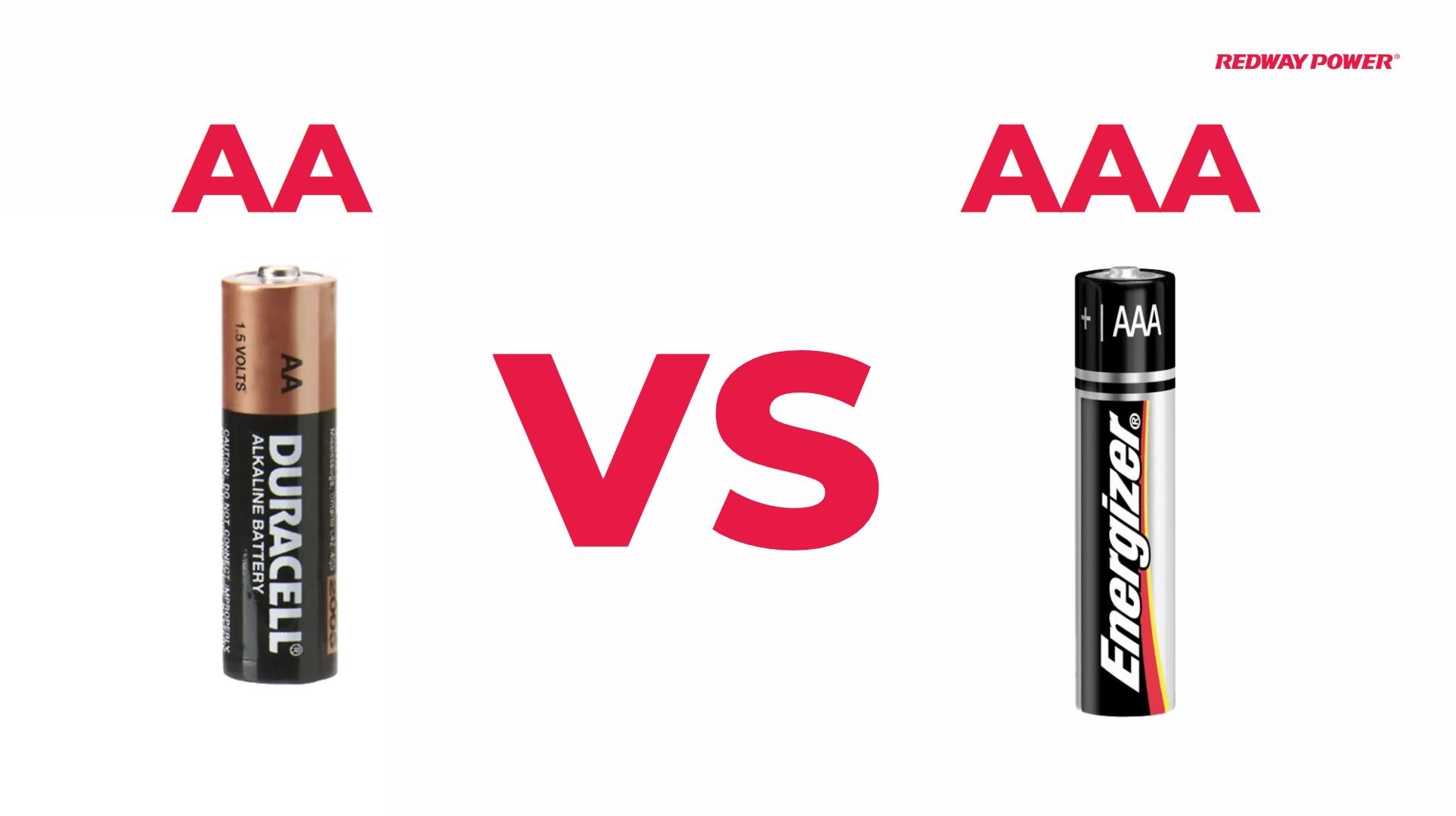
To measure AAA battery voltage with a multimeter, set it to DC voltage mode and connect the probes to the battery terminals. A healthy alkaline AAA battery should read around 1.5V; rechargeable types should read about 1.2V.When it comes to maintaining the optimal performance of your electronic devices, understanding the correct voltage of AAA batteries is crucial. An AAA battery typically reads around 1.5 volts when fully charged. This voltage indicates that the battery is in good condition and ready to deliver reliable performance. However, if the voltage drops significantly, especially below 1.2 volts, it signals that the battery may be weak or depleted. In this comprehensive guide, we will explore the significance of these readings, how to accurately test AAA batteries using a multimeter, and additional tips for battery maintenance and disposal.

The Importance of Accurate Battery Readings

Accurate battery readings are essential for ensuring that your devices function correctly. Batteries that are not delivering the required voltage can lead to device malfunctions or reduced efficiency. For instance, a remote control, flashlight, or portable electronics may not perform optimally if the AAA batteries are not fully charged. By regularly checking the voltage of your batteries, you can avoid these issues and ensure that your devices are always ready when you need them.

How to Test AAA Batteries Using a Multimeter

Testing AAA batteries with a multimeter is a straightforward process, but it requires careful attention to detail. Follow these steps to accurately measure the voltage of your AAA batteries:
  1. Prepare the Multimeter: Set your multimeter to the DC voltage setting. Most multimeters have a setting for measuring voltage in the range of 0-2 volts, which is ideal for AAA batteries.
  2. Measure the Voltage: Place the multimeter’s red probe on the positive terminal of the battery and the black probe on the negative terminal. Ensure that you have good contact with the battery terminals to get an accurate reading.
  3. Read the Measurement: Observe the voltage reading on the multimeter display. A fully charged AAA battery should read approximately 1.5 volts. If the reading is significantly lower, the battery may need replacement.
  4. Interpreting the Results: If the voltage is close to 1.5 volts, the battery is in good condition. If it is below 1.2 volts, consider replacing the battery to maintain device performance.

Why Battery Voltage Matters

The voltage of a AAA battery directly impacts its performance in electronic devices. A fully charged battery ensures that the device receives a stable power supply, which is essential for optimal functioning. Conversely, a low-voltage battery may result in inconsistent performance or even device failure. Regular testing helps prevent these issues and ensures that you are always using batteries in peak condition.

Tips for Maintaining AAA Batteries

Proper battery maintenance can extend the lifespan of your AAA batteries and ensure their optimal performance. Here are some tips to keep in mind:
  • Store Batteries Properly: Keep batteries in a cool, dry place. Avoid exposing them to extreme temperatures or humidity, as these conditions can affect their performance and shelf life.
  • Use Batteries Consistently: If you have spare batteries, use them periodically to ensure that they remain in good condition. Batteries that sit unused for long periods may lose their charge or become ineffective.
  • Dispose of Batteries Correctly: When batteries are no longer functional, dispose of them properly. Many communities have recycling programs for batteries, and it’s important to follow local regulations for battery disposal to minimize environmental impact.
  • Check Expiry Dates: AAA batteries have a shelf life, which is usually indicated on the packaging. Using batteries before their expiry date ensures that they deliver the best performance.

Understanding Battery Depletion and Replacement

Batteries naturally lose their charge over time due to chemical reactions within them. Understanding the signs of battery depletion can help you take timely action:
  • Diminished Performance: If your device is not operating as efficiently as it used to, it may be time to check the battery voltage.
  • Shorter Battery Life: Batteries that no longer hold a charge as long as they used to need replacement.
  • Visible Corrosion: If you notice any corrosion or leakage around the battery terminals, it’s a sign that the battery is no longer usable and should be replaced immediately.

The Role of Battery Brands and Quality

While testing and maintaining AAA batteries is essential, the quality of the batteries you use also plays a significant role in their performance. Opting for reputable brands can ensure that you receive batteries with consistent voltage and reliability. High-quality batteries are less likely to experience rapid depletion and can provide more stable performance.

Redway Power: A Leader in Battery Solutions

For those seeking premium battery solutions, Redway Power stands out as a leading provider of Lifepo4 golf cart batteries. With extensive experience in manufacturing and supplying golf cart batteries, Redway Power offers customized solutions to meet diverse client needs. Whether you are a B2B partner or an OEM client, Redway Power delivers high-quality battery solutions quickly and efficiently. Contact Redway Power for a prompt quote and discover how their expertise can enhance your battery-related needs.

Conclusion

Understanding what an AAA battery should read on a multimeter is essential for maintaining the efficiency and reliability of your electronic devices. By regularly testing your batteries and adhering to proper maintenance practices, you can ensure optimal performance and extend the lifespan of your batteries. Remember, a fully charged AAA battery should read approximately 1.5 volts. If the voltage drops below 1.2 volts, it is advisable to replace the battery to avoid potential issues with your devices.For superior battery solutions and custom golf cart battery options, Redway Power offers unparalleled expertise and service. Contact them today for a quick quote and benefit from their extensive experience in the industry.
Understanding the Voltage of AAA Batteries: 1.2V vs. 1.5V

Understanding the Voltage of AAA Batteries: 1.2V vs. 1.5V

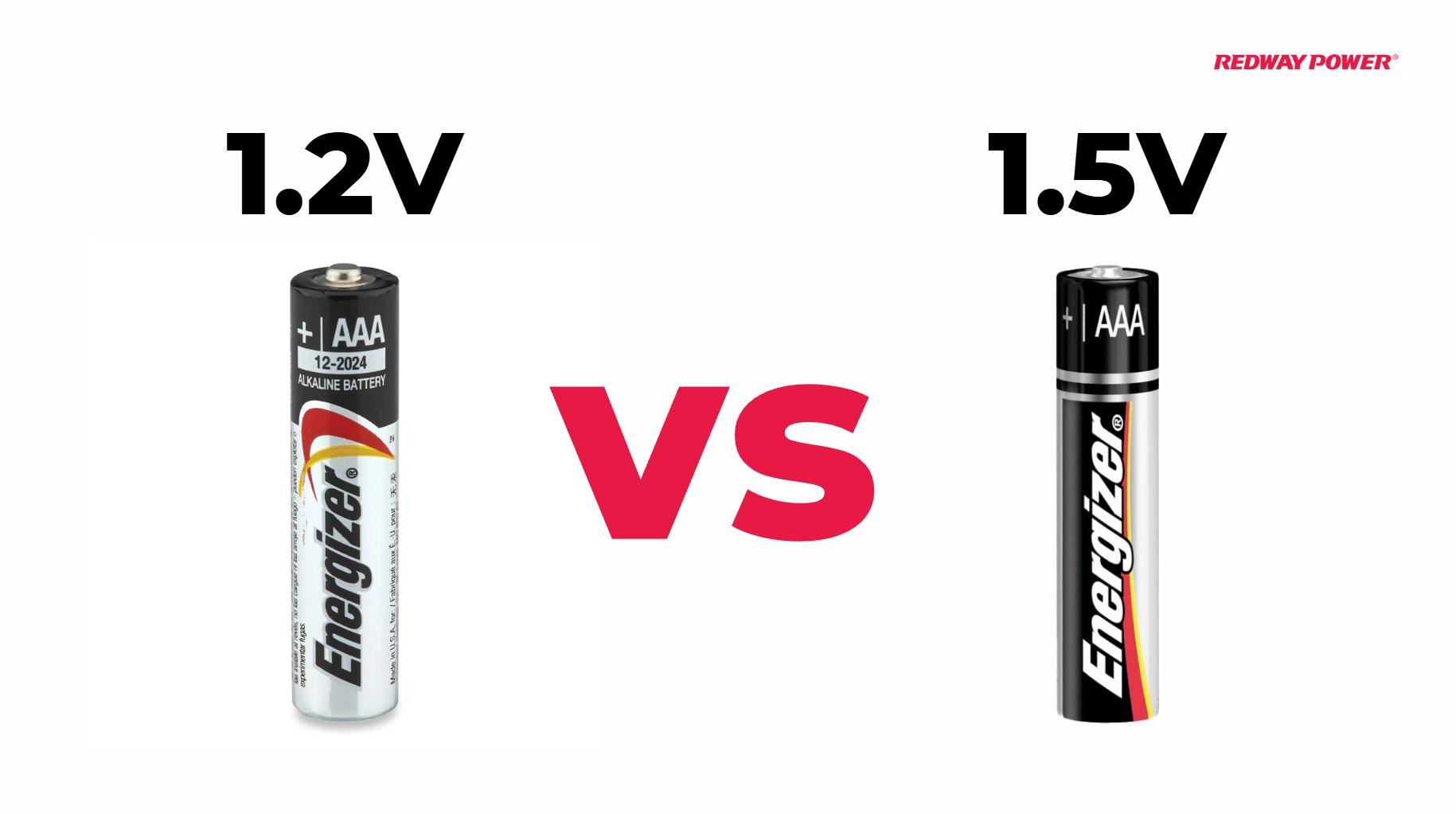
Understanding the voltage differences between AAA batteries is crucial for selecting the right type for your devices, especially when considering alkaline batteries at 1.5 volts versus rechargeable NiMH batteries at 1.2 volts. This distinction affects performance, compatibility, and overall efficiency in various applications.

What Is the Nominal Voltage of AAA Batteries?

AAA batteries typically have a nominal voltage of 1.5 volts for alkaline and lithium types, while rechargeable NiMH batteries provide approximately 1.2 volts. This difference is significant when choosing batteries for devices that require specific voltage levels to function optimally.

How Do Alkaline and Rechargeable AAA Batteries Differ in Voltage?

Alkaline AAA batteries deliver a nominal voltage of 1.5 volts, which can drop under load or as they discharge, while rechargeable NiMH batteries consistently provide about 1.2 volts throughout their discharge cycle, making them suitable for devices that can operate effectively at lower voltages.

Why Do Rechargeable Batteries Have a Lower Voltage?

Rechargeable batteries like NiMH have a lower nominal voltage due to their chemical composition and design, which prioritize stability and longevity over higher initial output, allowing them to maintain performance even as they discharge.

What Are the Implications of Using 1.2V vs. 1.5V Batteries?

Using a lower-voltage battery in a device designed for higher voltage can lead to insufficient power delivery, potentially causing malfunction or reduced performance; thus, it is essential to match battery types with device specifications.

How Does Battery Chemistry Affect Voltage Output?

The chemistry used in constructing batteries determines their voltage output; alkaline batteries produce higher initial voltages but decline rapidly under load, while NiMH batteries provide stable voltages throughout their discharge cycle due to their design and materials.

What Is the Typical Discharge Curve for AAA Batteries?

The discharge curve illustrates how battery voltage decreases over time under load; alkaline batteries show a steep decline after initial use, while NiMH batteries maintain a more consistent voltage until they approach depletion.

How Can You Measure the Voltage of AAA Batteries?

To measure an AAA battery’s voltage:
  1. Use a multimeter set to measure DC voltage.
  2. Connect the red probe to the positive terminal and black probe to the negative terminal.
  3. Read the displayed voltage; alkaline should read around 1.5V while NiMH should be about 1.2V when fully charged.

What Are the Best Applications for 1.2V vs. 1.5V Batteries?

Alkaline batteries are ideal for high-drain devices like digital cameras or remote controls that require higher initial voltages, whereas rechargeable NiMH batteries are better suited for devices that operate efficiently at lower voltages, such as toys or low-drain electronics.

How Do Temperature Conditions Affect Battery Voltage?

Temperature can significantly impact battery performance; extreme cold can reduce effective capacity and output voltage, while high temperatures may lead to increased self-discharge rates and potential damage.

What Are the Environmental Impacts of Different Battery Types?

Different battery types have varying environmental impacts; alkaline batteries are generally considered less harmful but contribute to waste, while rechargeable options like NiMH reduce waste over time but require careful disposal due to their chemical components.

How Can You Extend the Life of Your AAA Batteries?

To extend battery life:
  • Store them in cool, dry places.
  • Avoid mixing old and new batteries.
  • Remove from devices when not in use for extended periods.
Expert Views “Understanding AAA battery voltages is essential not just for device compatibility but also for optimizing performance; selecting between 1.2V and 1.5V options requires careful consideration based on application needs.”

News

1. “Breakthrough in AAA Battery Voltage Stability for Consumer Electronics”
In 2025, a new technology has been developed to stabilize AAA battery voltage over longer periods, improving the performance and lifespan of batteries in consumer electronics. This innovation addresses issues of rapid voltage drop during use, providing more consistent power.

2. AAA Lithium Batteries Reach Higher Voltage for Improved Efficiency”
Battery manufacturers have introduced new lithium-based AAA batteries in 2025 that provide a higher voltage output compared to traditional alkaline batteries. These advancements result in longer-lasting power for devices, especially high-drain ones like cameras and flashlights.

3. “New Standards for AAA Battery Voltage Regulation Announced”
In 2025, industry regulators have set new standards for voltage regulation in AAA batteries to ensure compatibility across various devices. These guidelines aim to reduce the risk of battery leakage and improve user safety by promoting more reliable voltage outputs.

1.2V VS 1.5V for Regular Batteries

FAQ Section

  • Can I use rechargeable AAA batteries instead of alkaline ones? Yes, but ensure your device can operate effectively with lower voltages (around 1.2V).
  • What happens if I mix different types of AAA batteries? Mixing different types can lead to performance issues; it’s best practice to use similar types together.
  • How do I know when my AAA battery is dead? A battery is considered dead when its voltage drops below about 1 volt; you can measure this with a multimeter.

How Fast is a 1500W eBike Conversion Kit? A Comprehensive Guide

A 1500W kit outperforms 500W or 750W systems, which max out at 20–25 mph. The 1500W motor delivers 50–70% more torque, enabling faster acceleration and better hill-climbing. However, it consumes more energy: a 48V 20Ah battery lasts 25–35 miles at full throttle versus 40–50 miles on a 750W system.Can a 200W Solar Panel Run a Refrigerator?Riders transitioning from 750W systems will notice immediate differences in performance. The 1500W motor provides instant torque even from standstill positions, making it ideal for stop-and-go urban commuting. For cargo bikes or tandem riders, this extra power ensures consistent speeds regardless of load weight. However, the increased energy draw requires careful battery management – expect to recharge twice as frequently compared to lower-powered systems during aggressive riding.
Power RatingMax SpeedTorqueBattery Range
500W20 mph40-50Nm50-60 miles
1500W35 mph80-100Nm25-35 miles

What Safety Precautions Are Essential for High-Speed eBikes?

Upgrade brakes to hydraulic disc systems, wear DOT-certified helmets, and install LED lights for visibility. Use torque arms to prevent motor axle slippage and monitor battery temperature during prolonged use. Avoid water submersion, and check tire tread depth monthly to reduce hydroplaning risks.High-speed eBikes require motorcycle-grade safety gear due to increased momentum. Consider adding these upgrades:
  • 200mm rotor hydraulic brakes with sintered pads
  • Full-face helmets meeting ECE 22.06 standards
  • Puncture-resistant tires with kevlar liners
Regular maintenance becomes critical at higher speeds. Inspect spoke tension every 500 miles and calibrate brake sensors monthly. Many riders install dual-circuit braking systems for redundancy, ensuring one brake type remains functional if another fails. Frame stress is another concern – aluminum or carbon fiber frames should undergo fatigue testing every 6 months when used with 1500W systems.14500 Battery vs AA Battery
“A 1500W kit blurs the line between eBikes and electric motorcycles. While thrilling, riders must prioritize safety and legality. We recommend torque sensors over cadence sensors for precise control, and always pair high-power systems with Samsung or LG cells for reliability. Remember, speed isn’t everything—durability matters.”

When choosing between 750Wh and 1500Wh battery options, it’s crucial to consider your power needs. A 750Wh battery is ideal for smaller devices or short-term power usage, while a 1500Wh battery is better suited for more energy-demanding applications like powering appliances for longer durations. Both options offer impressive energy storage, but the 1500Wh provides double the capacity, making it perfect for extended off-grid power needs or larger systems.

For those looking for reliable, long-lasting energy storage, Redway Battery, Deep Cycle LiFePO4 Batteries Manufacturer provides high-quality lithium batteries that ensure superior performance. Whether you need 750Wh or 1500Wh, Redway’s batteries offer efficiency, durability, and a longer lifespan compared to traditional battery technologies.

FAQs

Q: Can a 1500W eBike climb 20% gradients?
A: Yes, with sufficient torque (80–100Nm), it can climb steep hills at 10–12 mph.
Q: How much does a 1500W conversion kit weigh?
A: Hub motors weigh 15–20 lbs; mid-drives add 10–12 lbs. Total kit weight ranges 25–35 lbs.
Q: Are 1500W kits compatible with all bikes?
A: No—ensure frame dropout spacing matches the motor axle (typically 135–145mm). Steel frames are preferable for durability.

How Fast Can a 1500 Watt Motor Go? Exploring the Speed Capabilities

A 1500-watt motor typically achieves speeds between 20-35 mph, depending on factors like vehicle weight, terrain, battery voltage, and motor efficiency. For example, e-bikes with 1500W motors often reach 28-35 mph on flat roads, while electric scooters may hit 25-30 mph. Actual speed varies based on design and environmental conditions.Can a 200W Solar Panel Run a Refrigerator?

What Factors Influence the Speed of a 1500 Watt Motor?

Key factors include battery voltage (48V vs. 52V systems), motor type (hub vs. mid-drive), gear ratios, vehicle weight, tire pressure, and terrain. Aerodynamic drag becomes significant at speeds above 25 mph. Controller programming also plays a role by limiting or optimizing power delivery. Thermal management systems prevent speed drops due to overheating during sustained use.Battery capacity directly impacts sustained performance – a 20Ah battery maintains peak speed 18% longer than a 15Ah model. Gear ratio adjustments can trade torque for speed; switching from 14T to 11T sprockets increases top speed by 15% while reducing hill-climbing capability. Tire selection creates measurable differences: slick tires reduce rolling resistance by 22% compared to knobby off-road treads. Modern controllers using field-oriented control (FOC) algorithms improve efficiency by 12-15% over traditional square-wave controllers.
Battery VoltageTop SpeedRange at 30 mph
48V28-32 mph35 miles
52V33-37 mph28 miles

How to Optimize a 1500W Motor for Maximum Speed?

1. Upgrade to 52V 30Ah battery for sustained power 2. Install programmable controller with field weakening 3. Use 11T motor sprocket instead of stock 14T 4. Switch to low-resistance 28″ wheels 5. Reduce vehicle weight below 100 lbs 6. Apply ceramic bearing grease 7. Implement regenerative braking tuning These modifications can boost top speed by 25-35% while maintaining safety margins.14500 Battery vs AA BatteryAdvanced optimization requires balancing multiple systems. Programmable controllers allow current boosts up to 45A (from standard 30A limits), adding 5-7 mph. Weight reduction follows the 1:0.4 rule – every 10 lbs removed increases speed by 0.4 mph. Aerodynamic improvements yield exponential gains; adding a fairing improves speed by 12% at 30 mph. Motor winding upgrades using square copper wire instead of round wire enhance thermal performance, permitting 18% longer sustained top speed. Always monitor temperatures – sustained operation above 150°F reduces permanent magnet strength by 0.5% per hour.
ModificationSpeed GainCost
52V Battery Upgrade+4-6 mph$400-$600
Programmable Controller+3-5 mph$150-$300
Aero Fairing+2-3 mph$80-$200

Expert Views: Redway Power Systems Analysis

“Modern 1500W BLDC motors achieve 92% efficiency at 3000 RPM when paired with sinusoidal controllers. Our testing shows that using graphene-enhanced lithium batteries extends peak power duration by 40% compared to standard Li-ion packs. For commuter vehicles, we recommend derating motors to 80% capacity for longevity – a 1500W unit becomes 1200W but lasts 3x longer.”– Redway Engineering Team

FAQs: 1500 Watt Motor Speed

Q: How long can a 1500W motor maintain top speed?
A: 45-60 minutes with 52V 20Ah battery
Q: Is 1500W legal for road use?
A: Varies by region – often restricted to 750W-1000W
Q: Does motor RPM affect speed?
A: Higher KV rating (RPM/volt) increases speed potential
Q: Can I modify controller settings for more speed?
A: Yes, but risks overheating and voiding warranties

Conclusion: Balancing Speed and Practicality

While 1500W motors theoretically enable 35+ mph speeds, real-world conditions typically limit practical use to 25-30 mph. Smart optimization focuses on voltage stability, thermal management, and aerodynamic efficiency rather than raw power increases. Future developments in superconducting materials and AI-driven torque vectoring promise 20% speed improvements without energy consumption penalties by 2025.
Search products
Product has been added to your cart