Universal Lithium Battery Supply (ULBS) has recently opened its headquarters in Brookshire, Texas, marking its entry into the US market for lithium iron phosphate (LiFePO4) battery packs and chargers. This innovative company aims to revolutionize the material handling industry by providing high-performance, sustainable battery solutions that enhance efficiency and reduce operational costs.
What Is Universal Lithium Battery Supply (ULBS)?
Universal Lithium Battery Supply (ULBS) is a manufacturer specializing in lithium iron phosphate (LiFePO4) battery packs and chargers designed for various applications, particularly in material handling equipment. Established with a mission to improve operational efficiency and sustainability, ULBS focuses on delivering high-quality products that meet the evolving needs of businesses.
How Do LiFePO4 Batteries Compare to Traditional Batteries?
LiFePO4 batteries offer several advantages over traditional lead-acid batteries:
Longer Lifespan: LiFePO4 batteries typically last longer than lead-acid batteries, often exceeding 2,000 charge cycles.
Faster Charging: These batteries can be charged more quickly, reducing downtime for equipment.
Higher Efficiency: LiFePO4 batteries have a higher energy density, meaning they store more energy in a smaller space.
Safer Chemistry: They are less prone to overheating and thermal runaway compared to other lithium-ion batteries.
Chart Title: Comparison of LiFePO4 and Lead-Acid Batteries
Feature
LiFePO4 Batteries
Lead-Acid Batteries
Lifespan
2,000+ cycles
500-1,000 cycles
Charging Time
Faster
Slower
Energy Density
Higher
Lower
Safety
More stable
Risk of overheating
Why Did ULBS Choose Brookshire, Texas for Its Headquarters?
Brookshire, Texas was selected as the headquarters for ULBS due to its strategic location near major logistics hubs and access to a skilled workforce. The area provides logistical advantages for distribution while supporting the company’s growth objectives in the rapidly expanding US battery market.
What Products Does ULBS Offer?
ULBS offers a comprehensive range of products tailored for material handling applications:
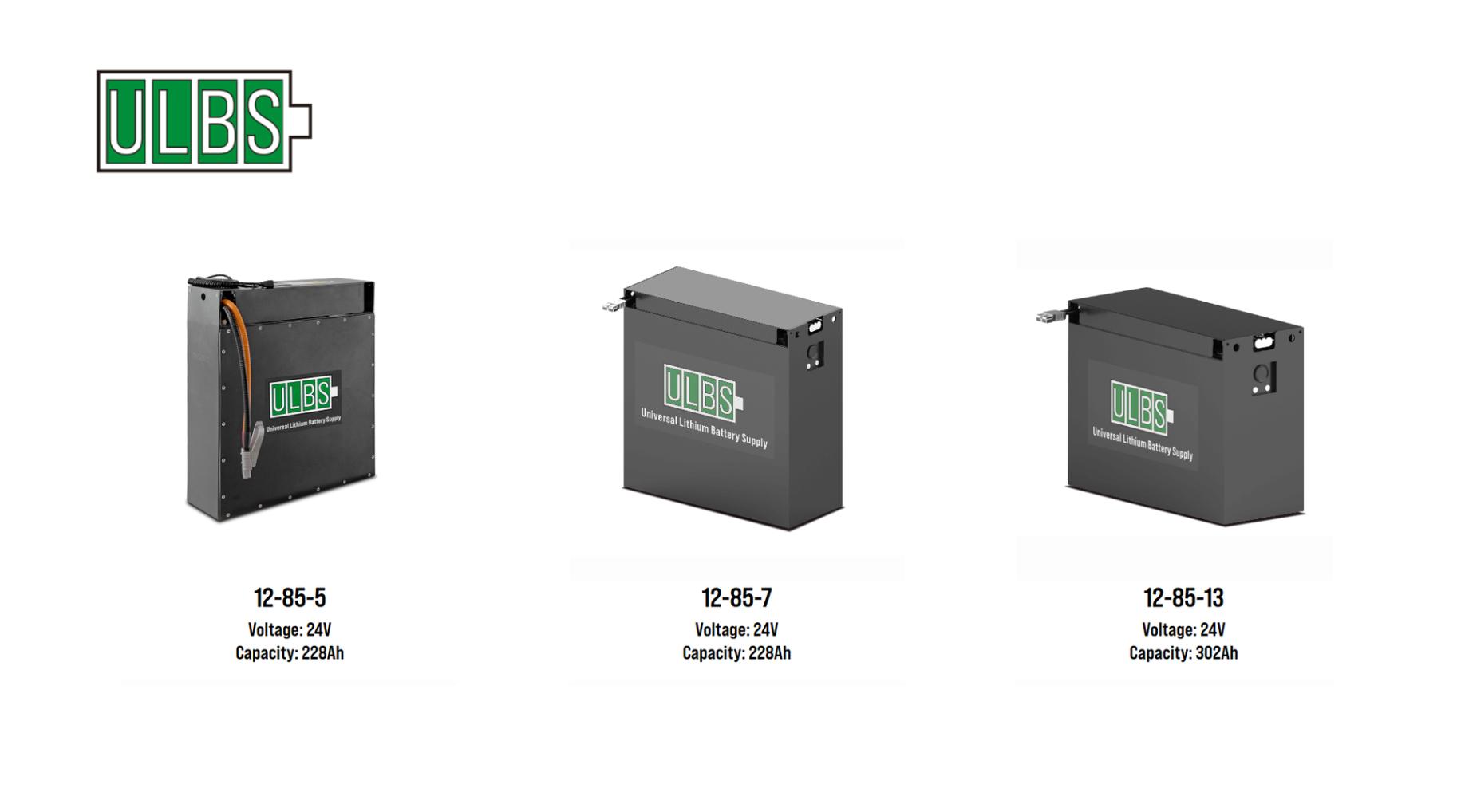
LiFePO4 Battery Packs: Available in various voltages (24V, 36V, 48V, 72V, and 80V), these batteries are designed as direct replacements for lead-acid systems.
Chargers: High-efficiency chargers that complement their battery packs.
Aftermarket Support Services: Ensuring customers have access to maintenance and support.
How Will ULBS Impact the Material Handling Industry?
By introducing advanced LiFePO4 technology, ULBS aims to enhance operational efficiency in material handling equipment. Their products allow businesses to upgrade existing systems without significant capital investment while improving performance and sustainability.
What Are the Benefits of LiFePO4 Battery Technology?
The benefits of using LiFePO4 batteries include:
Enhanced Performance: Improved run times and reliability under heavy loads.
Environmental Sustainability: Lower carbon footprint compared to traditional batteries.
Cost Savings: Reduced maintenance costs and longer replacement intervals lead to lower total cost of ownership.
Chart Title: Benefits of Using LiFePO4 Technology
Benefit
Description
Performance
Better efficiency and reliability
Sustainability
Environmentally friendly alternative
Cost Efficiency
Lower lifetime costs due to longevity
How Does ULBS Plan to Ensure Customer Satisfaction?
ULBS is committed to customer satisfaction through:
Quality Assurance: Implementing rigorous testing protocols for all products.
Comprehensive Support: Offering training and resources for customers on battery management.
Feedback Mechanisms: Engaging with customers to continuously improve product offerings based on their needs.
What Are the Future Prospects for ULBS in the US Market?
With increasing demand for sustainable energy solutions in various industries, ULBS is well-positioned for growth in the US market. The company plans to expand its product line further and strengthen partnerships within the logistics sector, ensuring it remains competitive as demand for efficient battery solutions continues to rise.
Industrial News
Universal Lithium Battery Supply (ULBS) celebrated its grand opening on September 26, 2024, in Brookshire, Texas. The event highlighted their innovative LiFePO4 battery technology designed specifically for material handling applications. By providing high-performance battery packs that can replace traditional lead-acid systems, ULBS aims to enhance operational efficiency while promoting sustainability across industries.Frequently Asked Questions
What is Universal Lithium Battery Supply (ULBS)?
ULBS is a manufacturer specializing in lithium iron phosphate (LiFePO4) battery packs and chargers aimed at enhancing material handling efficiency.
What are the advantages of LiFePO4 batteries?
LiFePO4 batteries offer longer lifespans, faster charging times, higher energy density, and safer operation compared to traditional lead-acid batteries.
Why did ULBS choose Texas for its headquarters?
Brookshire, Texas was chosen due to its strategic location near logistics hubs and access to a skilled workforce conducive to business growth.
What products does ULBS offer?
ULBS provides a range of products including various voltages of LiFePO4 battery packs, high-efficiency chargers, and aftermarket support services.
How does ULBS ensure customer satisfaction?
The company focuses on quality assurance, comprehensive support services, and actively seeks customer feedback for continuous improvement.
LiTime’s recommendations for lithium marine deep cycle batteries highlight a significant shift from traditional lead-acid options, emphasizing longer lifespan, lighter weight, and superior performance. These advancements cater to boating enthusiasts seeking reliable and efficient power solutions for their vessels, ultimately enhancing their on-water experience.
How do lithium marine deep cycle batteries compare to traditional lead-acid batteries?
Lithium marine deep cycle batteries offer several advantages over traditional lead-acid batteries. They typically last 2 to 4 times longer, with some models providing up to 10,000 cycles compared to the 300–500 cycles of lead-acid batteries. Additionally, lithium batteries are lighter, reducing overall boat weight and improving fuel efficiency.Comparison Chart
Feature
Lithium Marine Batteries
Lead-Acid Batteries
Lifespan
Up to 10,000 cycles
300–500 cycles
Weight
Up to 70% lighter
Heavier
Maintenance
Maintenance-free
Requires regular maintenance
Depth of Discharge
Up to 80%
Limited to 50%
What are the advantages of using lithium marine batteries?
Lithium marine batteries provide numerous benefits:
Longer Lifespan: They last significantly longer than lead-acid batteries, reducing replacement frequency.
Faster Charging: Lithium batteries can charge up to five times faster than their lead-acid counterparts.
Weight Reduction: Their lightweight nature allows for better handling and fuel efficiency on boats.
No Maintenance: Unlike lead-acid batteries, lithium options do not require regular maintenance like water checks.
Eco-Friendly: They do not contain toxic materials like lead, making them a safer choice for the environment.
Advantages Chart
Advantage
Description
Lifespan
Lasts up to 10 years or more
Charging Speed
Charges up to 5 times faster
Weight
Up to 70% lighter than lead-acid
Maintenance
No need for regular upkeep
Environmental Impact
Non-toxic materials
How should consumers choose the right lithium marine battery?
When selecting a lithium marine battery, consumers should consider:
Application Needs: Identify whether the battery will be used for starting engines, running electronics, or powering trolling motors.
Capacity Requirements: Determine the required amp-hour (Ah) rating based on usage patterns and equipment demands.
Voltage Configuration: Choose between different voltage options (12V, 24V, 36V) depending on the boat’s electrical system.
Brand Reputation: Opt for reputable brands like LiTime that offer warranties and customer support.
Budget Constraints: While initial costs may be higher, consider long-term savings on replacements and maintenance.
What types of lithium marine batteries are available?
There are several types of lithium marine batteries tailored for specific applications:
Deep Cycle Batteries: Designed for sustained energy output over long periods, ideal for powering trolling motors and electronics.
Starting Batteries: Provide high bursts of energy needed for starting engines.
Hybrid Batteries: Combine features of both deep cycle and starting batteries for versatile use.
High Voltage Options: Available in configurations like 24V or 36V for specific applications such as electric outboard motors.
Why are lithium batteries considered more environmentally friendly?
Lithium batteries are more environmentally friendly than lead-acid batteries due to several factors:
Reduced Toxicity: They do not contain harmful materials like lead or sulfuric acid.
Recyclability: Many components in lithium batteries can be recycled effectively, minimizing waste.
Lower Emissions: The increased efficiency and longevity reduce overall emissions associated with battery production and disposal.
Sustainability Initiatives: Manufacturers are increasingly adopting sustainable practices in battery production.
How can users ensure optimal performance from their lithium marine batteries?
To maximize the performance and lifespan of lithium marine batteries:
Regular Monitoring: Use smart technology or apps to monitor battery status and health.
Proper Charging Practices: Use compatible chargers designed specifically for lithium-ion technology.
Avoid Deep Discharges: While they can handle deep discharges better than lead-acid, it’s best to avoid regularly depleting them below 20%.
Temperature Management: Store and operate within recommended temperature ranges to prevent damage.
Expert Comment Section – Redway Expert Views
“LiTime’s advancements in lithium marine battery technology represent a significant leap forward in boating power solutions,” states an industry expert from Redway Technologies. “Their focus on longevity, safety, and environmental impact aligns perfectly with modern boating needs, making them an excellent choice for enthusiasts looking to enhance their experience on the water.”
Industrial News
Recent updates in the lithium marine battery sector highlight significant developments:
LiTime has launched a new line of high-performance lithium deep cycle batteries designed specifically for marine applications.
The growing trend towards electric propulsion in boats is driving demand for efficient energy storage solutions.
Industry experts predict that as technology improves, prices for lithium marine batteries will continue to decrease, making them more accessible to consumers.
Frequently Asked Questions
Q1: What is the lifespan of a lithium marine battery compared to a lead-acid battery?
A1: Lithium marine batteries can last up to 10 years or more, while lead-acid typically lasts only 3–5 years.
Q2: Are there any maintenance requirements for lithium marine batteries?
A2: No, lithium marine batteries are maintenance-free unlike lead-acid counterparts that require regular checks on water levels.
Q3: How do I choose the right capacity for my needs?
A3: Assess your power requirements based on your equipment usage and select a battery with an appropriate amp-hour (Ah) rating.