How Temperature Affects the Performance of Your Lithium Batteries

How Temperature Affects the Performance of Your Lithium Batteries

Understanding how temperature influences lithium battery performance is essential for optimizing their efficiency and longevity. Lithium batteries, particularly LiFePO4 (Lithium Iron Phosphate) batteries, are widely used in various applications, from electric vehicles to renewable energy storage. In this article, we delve into the effects of temperature on lithium battery performance, providing insights to enhance battery usage and maintenance.

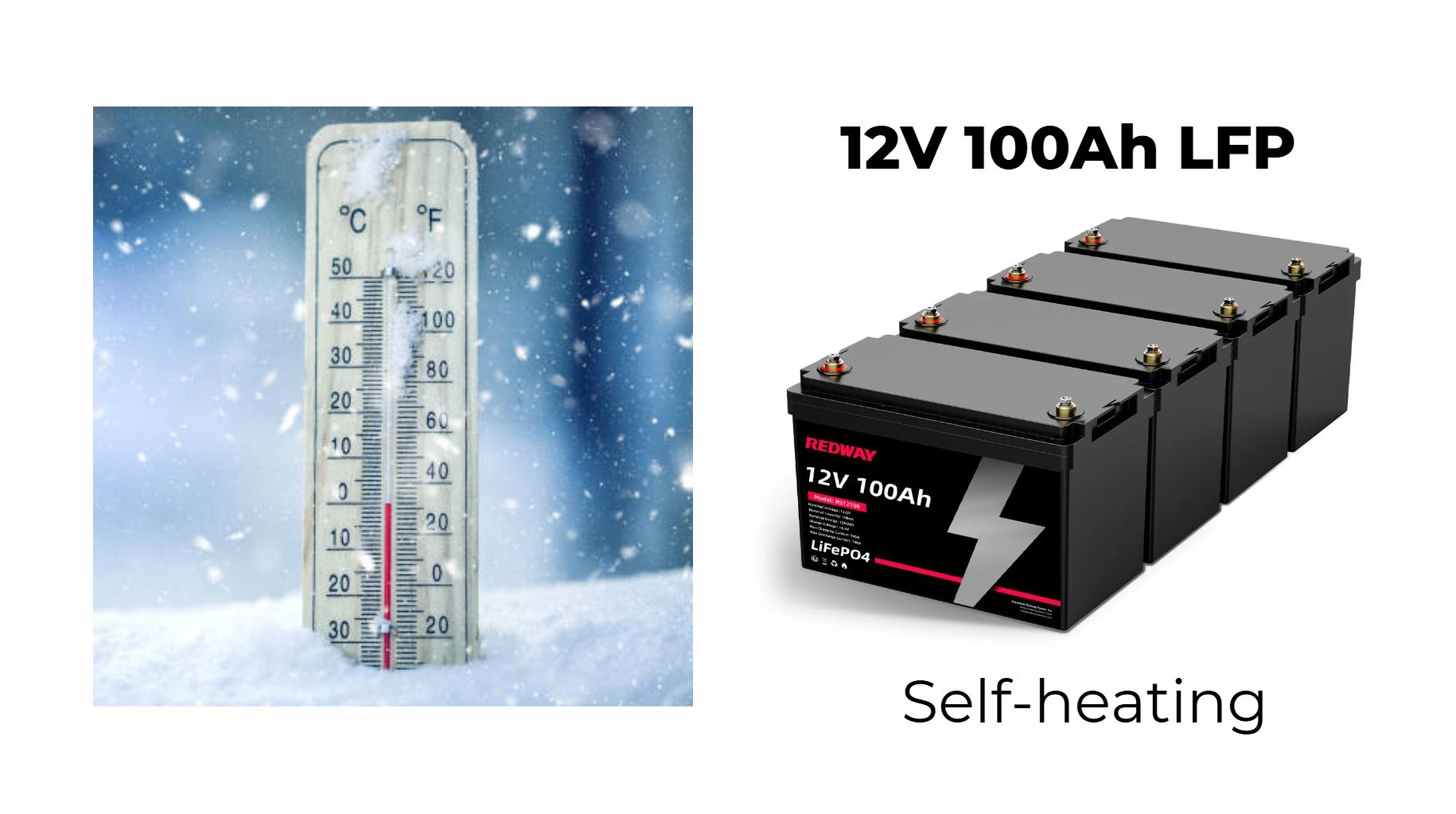
Temperature plays a crucial role in lithium battery performance. High heat can shorten battery life, while cold can reduce capacity. Keeping your batteries within the ideal range of 20°C to 25°C (68°F to 77°F) ensures they operate efficiently and safely.

1. Optimal Operating Temperature Range

Lithium batteries function best within a specific temperature range, typically between 20°C and 25°C (68°F and 77°F). Within this range, the chemical reactions that generate power occur efficiently, allowing for optimal performance. When temperatures fall outside this ideal range, battery efficiency can decline significantly.

2. Effects of High Temperatures

High temperatures can adversely affect lithium batteries in several ways:

  • Increased Chemical Reaction Rates: Elevated temperatures can accelerate the chemical reactions within the battery, leading to increased self-discharge rates. This phenomenon can reduce the battery’s overall capacity and lifespan.
  • Thermal Runaway Risk: At excessively high temperatures, lithium batteries may experience thermal runaway—a condition where the battery’s temperature rises uncontrollably, potentially leading to fire or explosion. This risk highlights the importance of thermal management in battery applications.
  • Decreased Cycle Life: High temperatures can also shorten the cycle life of lithium batteries. For every 10°C increase in temperature, the rate of degradation can double, significantly impacting battery longevity.

3. Effects of Low Temperatures

Conversely, low temperatures also present challenges for lithium battery performance:

  • Reduced Capacity: At low temperatures, the electrochemical reactions in lithium batteries slow down, leading to reduced capacity. Users may notice that their battery drains more quickly when exposed to cold environments.
  • Voltage Drops: Cold temperatures can cause a drop in voltage output. This reduction can impair the battery’s ability to deliver power effectively, especially in high-demand applications like electric vehicles and RVs.
  • Slower Charging Rates: Charging lithium batteries in low temperatures can be less efficient. Many battery management systems (BMS) will limit the charging current to prevent damage, extending charging times.

4. Temperature Management Strategies

To maximize the performance and lifespan of lithium batteries, implementing temperature management strategies is crucial:

  • Insulation and Protection: Use insulating materials to protect batteries from extreme temperatures. This step can help maintain a more stable internal environment and prevent overheating or freezing.
  • Ventilation: Proper ventilation is essential for cooling batteries in high-temperature conditions. Ensure that battery compartments allow heat to dissipate effectively.
  • Temperature Monitoring: Utilize battery management systems equipped with temperature sensors. These systems can monitor the battery’s temperature in real-time, enabling users to take corrective actions as needed.

5. Choosing the Right Battery for Temperature Conditions

When selecting lithium batteries, consider the operating environment. LiFePO4 batteries are generally more stable and have a higher thermal tolerance than other lithium types. They can handle higher temperatures better, making them suitable for various applications, including RVs and renewable energy systems.

6. Conclusion: Maintaining Optimal Performance

Temperature significantly impacts the performance of lithium batteries, influencing factors such as capacity, charging efficiency, and overall lifespan. By understanding these effects and implementing appropriate temperature management strategies, users can enhance the performance and longevity of their lithium batteries.

For high-quality LiFePO4 batteries designed for optimal performance in diverse conditions, look no further than Redway Battery. With over 12 years of experience, we specialize in providing custom lithium battery solutions to meet your specific needs. Contact us today for a quick quote!

Latest News

  • Temperature Studies: Recent studies reveal that extreme temperatures can significantly impact the performance and lifespan of lithium batteries, with optimal operating conditions being between 20°C and 25°C.
  • User Guidelines: Experts recommend proper insulation and temperature management strategies to mitigate performance degradation in extreme conditions.
  • Industry Insights: Manufacturers are working on developing temperature-resistant battery technologies to enhance performance across varying climates.

Redway Expert Comment

“Temperature plays a crucial role in the performance of lithium batteries. Operating outside the optimal range can lead to reduced capacity and shorter lifespans. It’s essential to implement temperature management strategies—such as insulation or climate-controlled storage—to protect your investment. As an expert in LiFePO4 technology, I advise users to be proactive about temperature conditions to ensure optimal battery performance.”

Understanding LiFePO4 RV Batteries: A Complete Guide

Understanding LiFePO4 RV Batteries: A Complete Guide

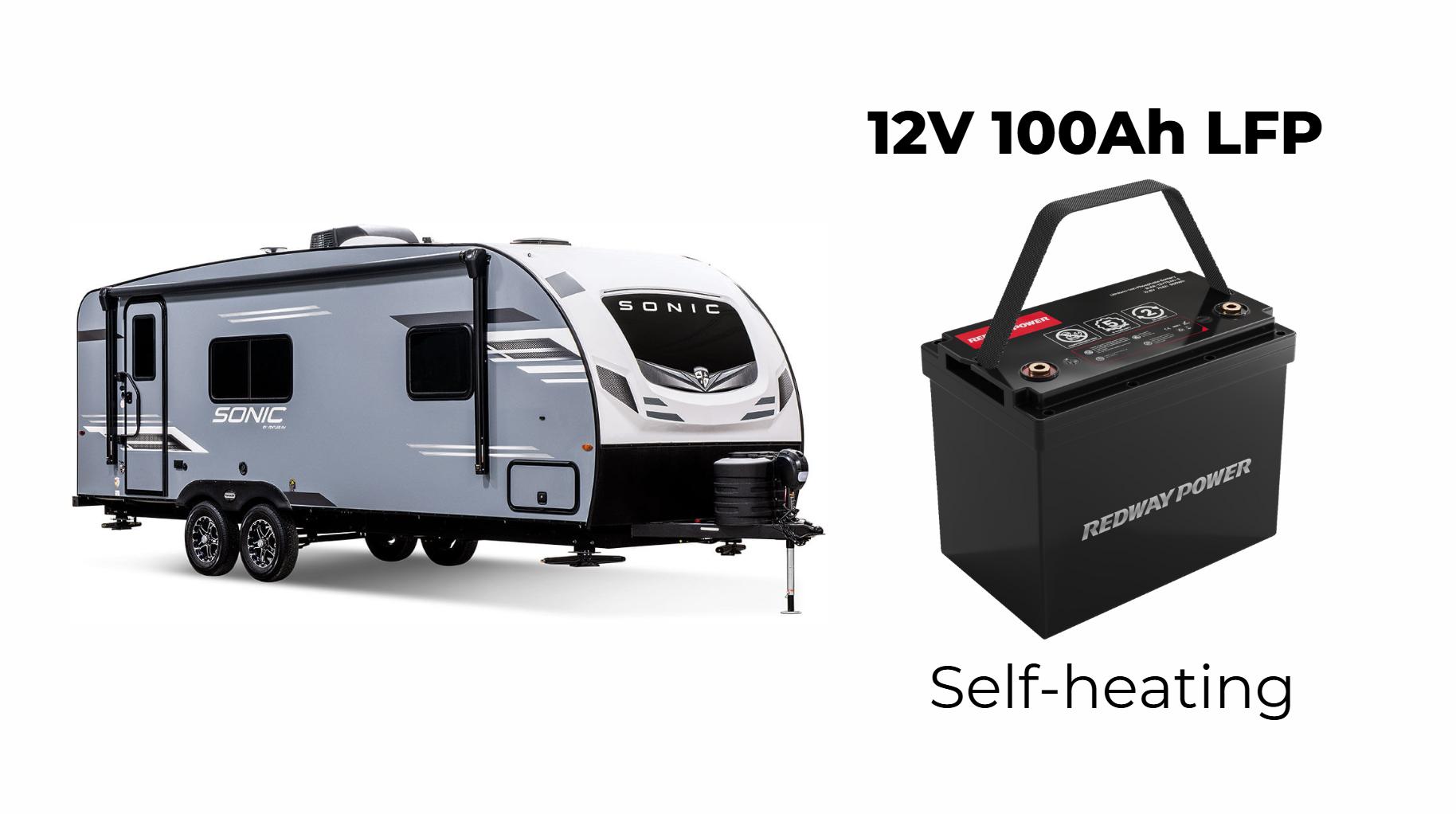
In the realm of recreational vehicles (RVs), the choice of battery technology is critical for ensuring a reliable power supply. LiFePO4 (Lithium Iron Phosphate) batteries have emerged as a superior option, offering numerous benefits over traditional lead-acid batteries. In this comprehensive guide, we will explore the features, advantages, and considerations of using LiFePO4 batteries in RV applications.
LiFePO4 batteries are ideal for RVs because they are safe and long-lasting. They resist overheating better than other lithium types, ensuring safer use. With high cycle life and stable chemistry, they provide reliable power for your adventures.

What are LiFePO4 Batteries?

LiFePO4 batteries are a type of lithium-ion battery that utilizes lithium iron phosphate as the cathode material. This chemistry provides several distinct advantages, particularly in energy storage and usage scenarios, such as those found in RVs.

Key Advantages of LiFePO4 Batteries for RV Use

1. Long Cycle Life

One of the most significant benefits of LiFePO4 batteries is their impressive cycle life. These batteries can typically endure between 2,000 and 5,000 cycles, depending on usage and maintenance. This longevity means less frequent replacements, making them more cost-effective over time compared to traditional lead-acid batteries, which usually last for about 500 to 1,000 cycles.

2. High Energy Density

LiFePO4 batteries have a high energy density, meaning they can store more energy in a smaller, lighter package. This characteristic is particularly advantageous for RV owners who must manage weight and space efficiently. A higher energy density allows for longer usage of appliances without the bulk of heavier batteries.

3. Enhanced Safety Features

Safety is paramount when it comes to battery technology, especially in mobile applications like RVs. LiFePO4 batteries are known for their thermal stability and reduced risk of thermal runaway. Most come equipped with advanced Battery Management Systems (BMS) that monitor voltage, current, and temperature, preventing issues such as overcharging and overheating.

4. Fast Charging Capabilities

LiFePO4 batteries can accept a higher charge rate, allowing for quicker recharging compared to traditional batteries. This feature is especially beneficial for RV owners who may need to recharge their systems quickly during short stops or overnight stays.

Integrating LiFePO4 Batteries into Your RV

1. Compatibility with Inverters

To effectively utilize LiFePO4 batteries, RV owners must consider inverter compatibility. These batteries work seamlessly with inverters that convert DC power to AC power, allowing the use of standard household appliances. Ensure that the inverter is rated to handle the peak load requirements of your RV’s appliances.

2. Solar Power Integration

Many RV enthusiasts opt for solar panels to power their systems sustainably. LiFePO4 batteries work exceptionally well with solar setups, storing energy generated during the day for use at night or during cloudy weather. This combination enhances energy independence, making it easier to enjoy off-grid adventures.

Installation Considerations

1. Proper Sizing

Choosing the right battery size is crucial for meeting your RV’s energy needs. Calculate the total wattage of your appliances and select a LiFePO4 battery with sufficient capacity. A common recommendation is to aim for a battery that can handle at least 100-200 amp-hours for typical RV usage, but this may vary based on individual needs.

2. Professional Installation

While DIY installations can be tempting, it’s essential to approach them with caution. We recommend consulting with a professional technician to ensure that the battery is installed correctly, adhering to safety standards and optimal configurations.

Maintenance of LiFePO4 Batteries

LiFePO4 batteries require minimal maintenance compared to traditional batteries. However, periodic checks are recommended:

  • Regular Monitoring: Keep an eye on the battery’s state of charge (SOC) and voltage levels using the BMS.
  • Clean Connections: Ensure all connections are clean and secure to prevent resistance and power loss.
  • Temperature Management: Avoid exposing the battery to extreme temperatures, which can affect performance and longevity.

Cost Considerations

Although the initial investment for LiFePO4 batteries can be higher than that of lead-acid options, the long-term savings from their durability and efficiency often outweigh the upfront costs. When calculating the overall expense, consider the number of replacements, maintenance, and potential energy savings over time.

Conclusion

LiFePO4 batteries represent a transformative advancement in battery technology for RV applications. With their long cycle life, high energy density, and robust safety features, these batteries provide RV owners with a reliable and efficient power source. As more adventurers seek sustainable energy solutions, understanding and adopting LiFePO4 batteries can enhance the RV experience.

For more tailored solutions and inquiries regarding custom lithium setups for your RV, reach out to us at Redway Battery for a quick quote today!

Latest News

  • Comprehensive Guides Released: New guides are emerging that provide detailed information about the benefits, installation, and maintenance of LiFePO4 RV batteries.
  • User Testimonials: Many RV owners are reporting enhanced performance and reliability after switching from traditional lead-acid batteries.
  • Market Growth: The popularity of LiFePO4 batteries is increasing as more RV manufacturers begin offering them as standard options.

Redway Expert Comment

“Understanding LiFePO4 RV batteries is essential for maximizing your RV experience. These batteries offer longer lifespans, faster charging times, and lower maintenance compared to traditional options. By investing time into learning about their features and best practices for installation and care, users can significantly enhance their RV’s reliability and efficiency. As an expert in lithium technologies, I encourage all RV owners to explore these benefits fully.”

Can LiFePO4 Batteries Improve Golf Cart Speed and Range?

Can LiFePO4 Batteries Improve Golf Cart Speed and Range?

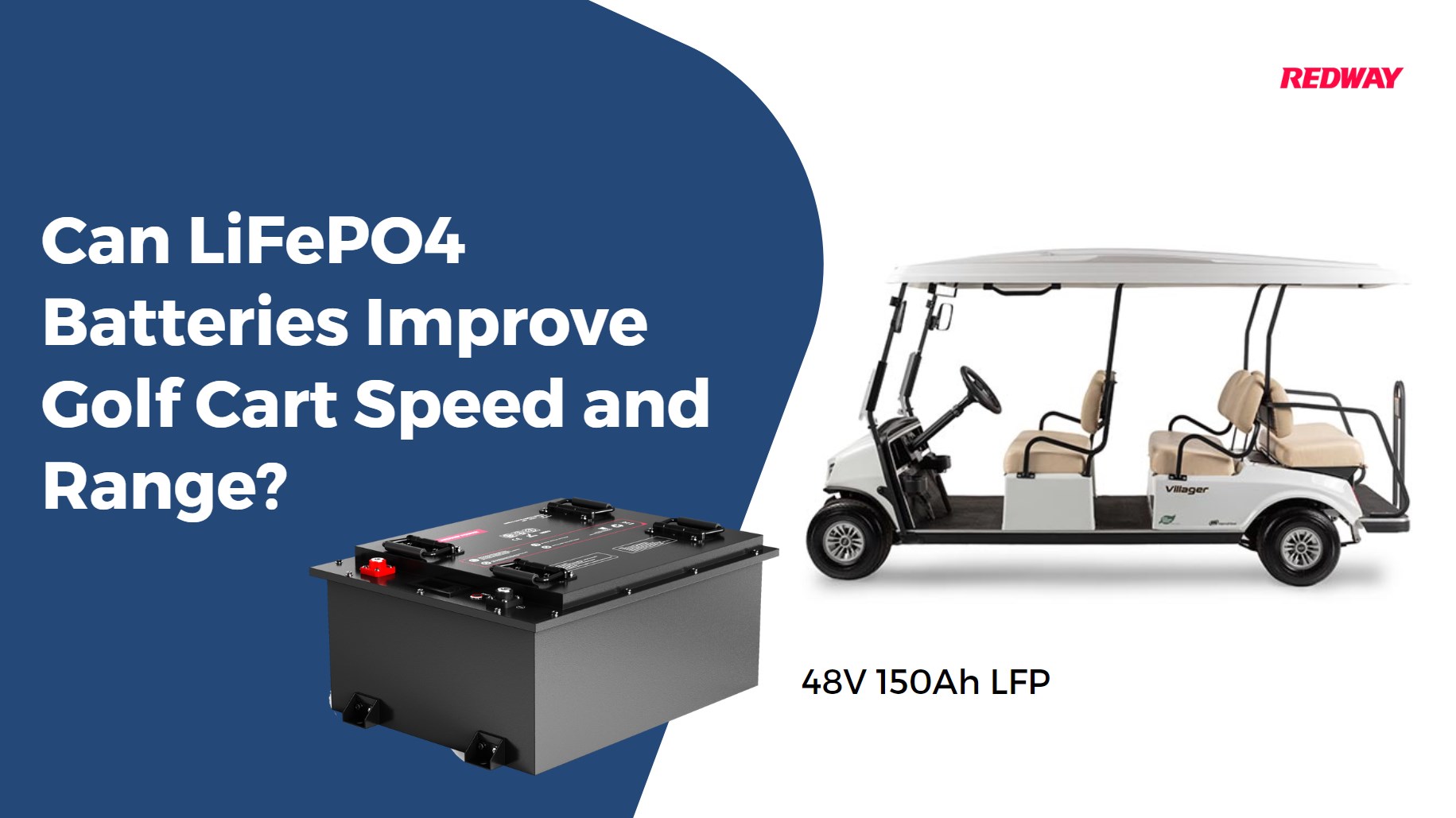
In recent years, the popularity of LiFePO4 (Lithium Iron Phosphate) batteries has surged, particularly within the golf cart industry. As we seek to enhance the performance and efficiency of golf carts, we must consider whether switching to LiFePO4 batteries can indeed improve speed and range. At Redway Battery, with over 12 years of experience as a leading manufacturer of LiFePO4 batteries, we explore the numerous advantages these batteries offer to golf cart owners and manufacturers alike.

Yes, LiFePO4 batteries can improve golf cart speed and range! They have a higher energy density than lead-acid batteries, allowing for more power without added weight. This results in longer distances traveled on a single charge and faster acceleration, enhancing your golf cart’s performance.

Understanding LiFePO4 Batteries

LiFePO4 batteries stand out in the lithium battery market due to their safety, longevity, and environmental friendliness. Unlike traditional lead-acid batteries, which often limit a golf cart’s performance, LiFePO4 batteries provide a more stable energy source, reducing the risks associated with overheating or thermal runaway. This enhanced safety profile allows for better performance under various conditions, making them an excellent choice for golf carts used in diverse environments.

Enhancing Speed with LiFePO4 Batteries

One of the primary concerns for golf cart owners is achieving optimal speed. The weight and energy density of the battery play crucial roles in this aspect. LiFePO4 batteries are significantly lighter than lead-acid alternatives, contributing to an overall reduction in the cart’s weight. This reduction translates to improved acceleration and higher speeds. With a lower center of gravity, LiFePO4 batteries also enhance the stability of golf carts during operation.

Furthermore, LiFePO4 batteries provide a higher discharge rate, which means they can deliver more power when needed. This capability is particularly beneficial during acceleration, allowing the golf cart to achieve higher speeds more quickly.

Extending Range with LiFePO4 Batteries

Range is another critical factor that golfers consider when evaluating their equipment. Golf carts equipped with LiFePO4 batteries can travel further distances on a single charge compared to those using traditional lead-acid batteries. This extended range is attributed to the superior energy efficiency of LiFePO4 batteries, which can maintain higher voltage levels throughout their discharge cycle.

Typically, a LiFePO4 battery can provide consistent performance until it reaches a lower charge level, whereas lead-acid batteries often experience a significant drop in voltage as they discharge. This feature ensures that golf carts powered by LiFePO4 batteries can cover greater distances without compromising performance.

Custom Lithium Golf Cart Battery Solutions

At Redway Battery, we specialize in providing custom lithium golf cart battery solutions tailored to meet the unique needs of our customers. Our extensive experience allows us to work closely with OEM manufacturers and wholesalers to create high-performance batteries that can enhance the speed and range of golf carts.

We understand that different applications require different specifications. Our custom solutions can include variations in capacity, voltage, and size to fit specific golf cart models. This flexibility ensures that our clients receive the most effective battery solution for their requirements.

Benefits of LiFePO4 Batteries for Golf Carts

The transition to LiFePO4 batteries offers a multitude of benefits beyond just speed and range:

1. Longer Lifespan

LiFePO4 batteries can last up to 10 years or more, significantly outpacing lead-acid batteries, which typically last only 3 to 5 years. This longevity translates to lower overall costs over the life of the battery, making it a smart investment for golf cart owners.

2. Low Maintenance

Unlike lead-acid batteries, which require regular maintenance such as watering and equalization charges, LiFePO4 batteries are virtually maintenance-free. This convenience saves time and reduces the overall cost of ownership.

3. Fast Charging

LiFePO4 batteries can be charged much more quickly than their lead-acid counterparts. Many LiFePO4 batteries can reach a full charge in as little as 1 to 2 hours, allowing golf cart users to spend more time on the course and less time waiting for their batteries to charge.

4. Environmental Considerations

As more people prioritize sustainability, using LiFePO4 batteries aligns with environmentally friendly practices. These batteries are recyclable, and their use reduces reliance on lead, which can be harmful to the environment.

Factors to Consider When Switching to LiFePO4 Batteries

While the benefits are clear, there are several factors to consider when switching to LiFePO4 batteries for golf carts:

1. Initial Cost

The initial investment in LiFePO4 batteries may be higher than that of lead-acid options. However, when considering the long-term savings in maintenance and replacement costs, the switch often pays off.

2. Compatibility

Before making the switch, it is essential to ensure that your golf cart is compatible with LiFePO4 batteries. Our team at Redway Battery can assist in evaluating compatibility and making necessary adjustments.

3. Charging Systems

LiFePO4 batteries require specific charging systems to maintain their performance and longevity. Investing in a quality charger designed for LiFePO4 technology is essential to maximize the benefits of these batteries.

Golf cart lithium battery Factors to Consider When Switching to LiFePO4 Batteries

Conclusion

In conclusion, the switch to LiFePO4 batteries can significantly enhance the speed and range of golf carts. With their lightweight design, higher discharge rates, and longer lifespan, LiFePO4 batteries provide an excellent solution for golf cart owners looking to improve their performance. At Redway Battery, we are committed to providing custom lithium golf cart battery solutions that meet the diverse needs of our clients.

Contact us today for a quick quote and discover how our LiFePO4 batteries can transform your golf cart experience!

Latest News

  • Performance Enhancements Reported: Recent studies indicate that upgrading golf carts with LiFePO4 batteries can lead to improved speed and extended range compared to traditional lead-acid options.
  • User Experiences Shared: Many golfers report noticeable differences in performance after switching to lithium technology.
  • Market Trends: The demand for high-performance golf carts equipped with LiFePO4 is rising as more consumers recognize these benefits.

Redway Expert Comment

“Upgrading golf carts with LiFePO4 batteries can indeed enhance both speed and range significantly. The lightweight nature of lithium technology allows for better acceleration while providing consistent power throughout usage. This upgrade not only improves performance but also extends operational time between charges. As an expert in this field, I highly recommend considering this transition for any serious golfer looking to maximize their experience on the course.”

Search products

Need a Quick Quote on Wholesale Prices? Contact Redway Battery Now.

X
Product has been added to your cart


Shenzhen Redway Power, Inc

Tel: +86 189 7608 1534
Tel: +86 (755) 2801 0506
E-mail: contact@redwaybattery.com
Website: www.redway-tech.com
Youtube: @RedwayPower
TikTok: @redwaybattery

Get a Quick Quote

Hot OEM

Forklift Lithium Battery
Golf Cart Lithium Battery
RV Lithium Battery
Rack-mounted Lithium Battery

Hot Batteries

24V 150Ah Forklift Lithium Battery
24V 200Ah Forklift Lithium Battery
48V 400Ah Forklift Lithium Battery
48V 600Ah Forklift Lithium Battery
80V 400Ah Forklift Lithium Battery
36V 100Ah Golf Cart Lithium Battery
48V 100Ah Golf Cart Lithium Battery
51.2V 50Ah 3U Rack-mounted Lithium Battery
51.2V 100Ah 3U Rack-mounted Lithium Battery
12V 100Ah RV LiFePO4 Lithium Battery (Self-heating)

Hot Blog

Golf Carts
Server Rack Battery
Knowledge