Forklift Battery Pack: A Comprehensive Guide
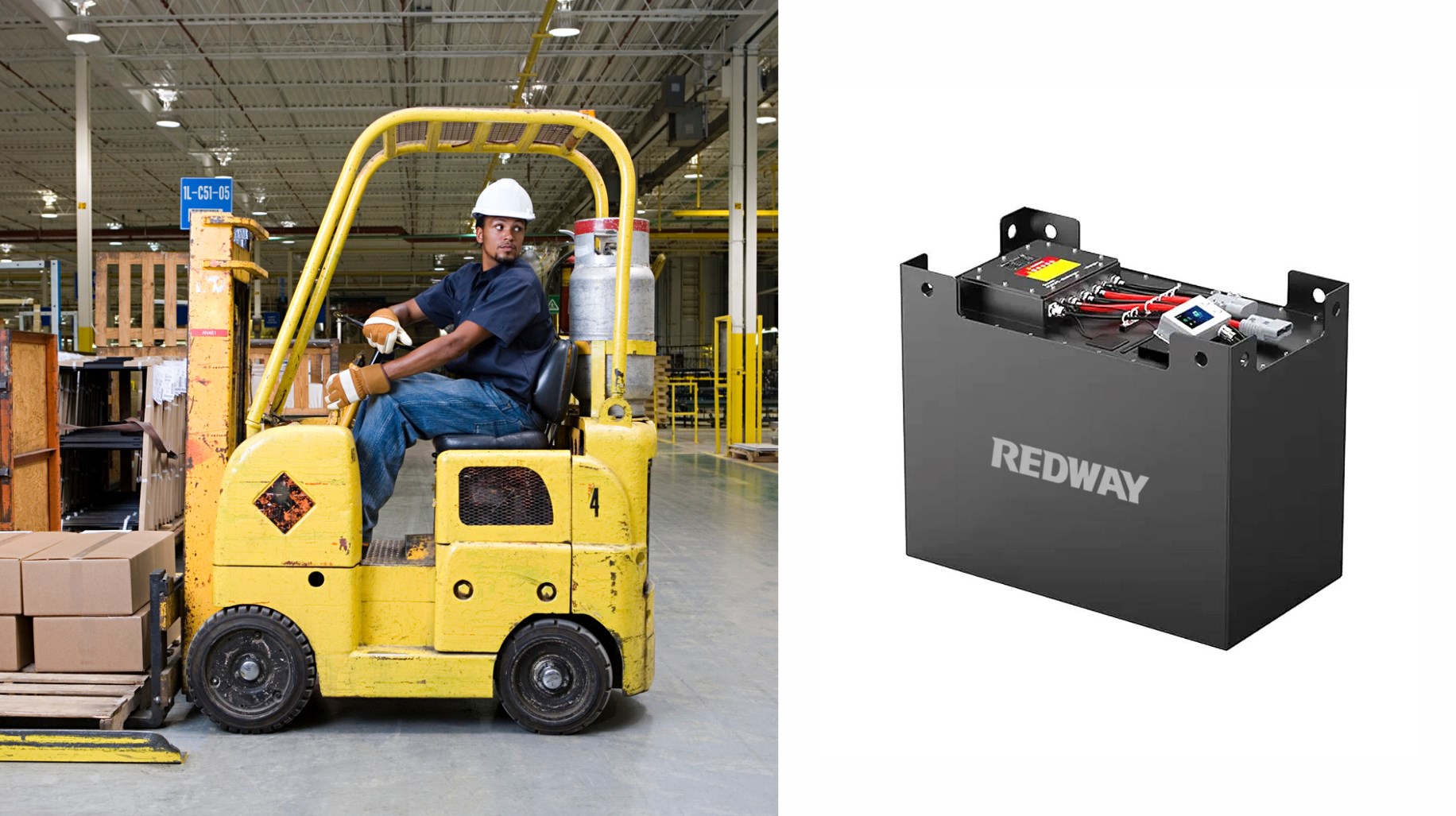
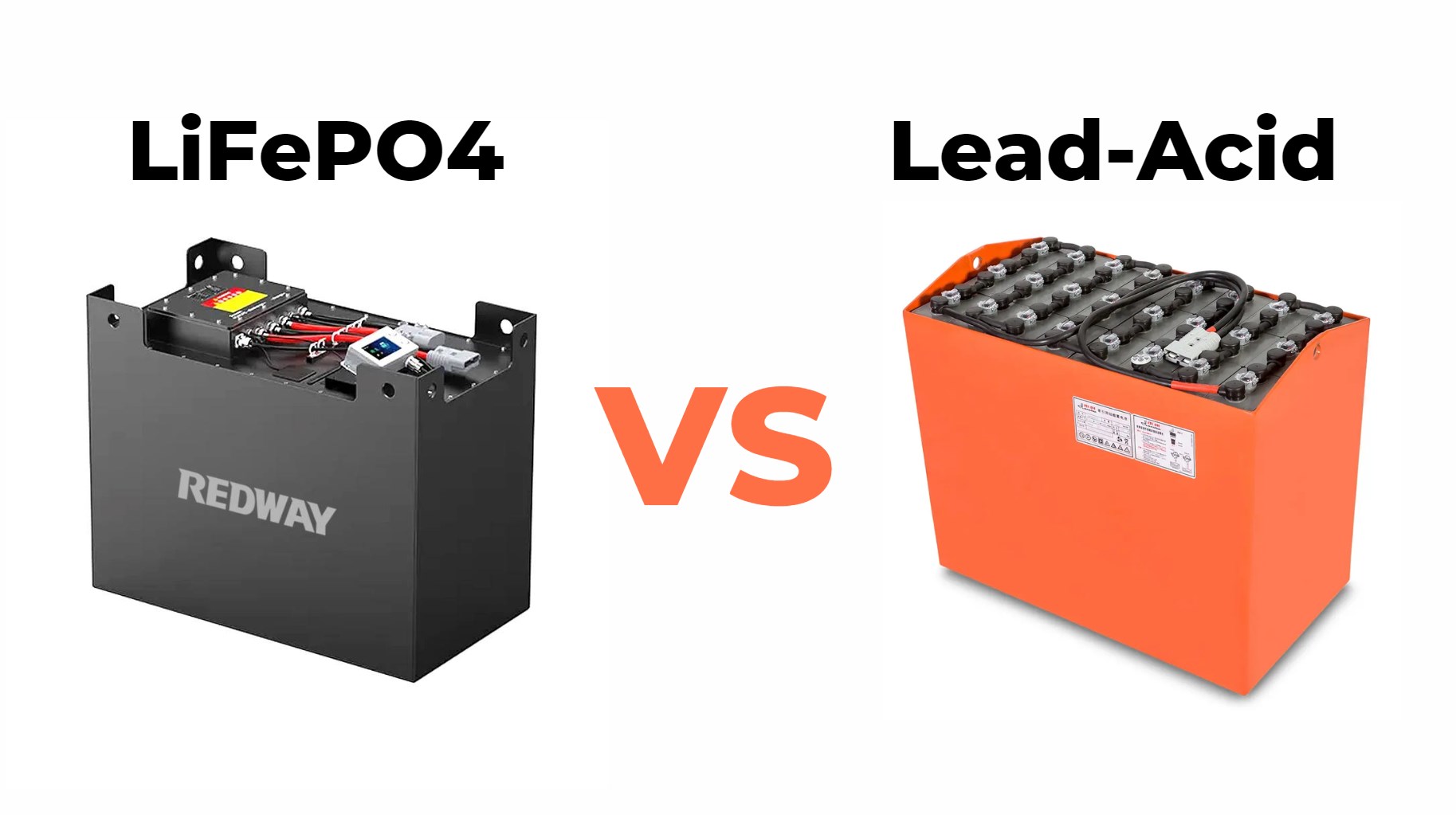
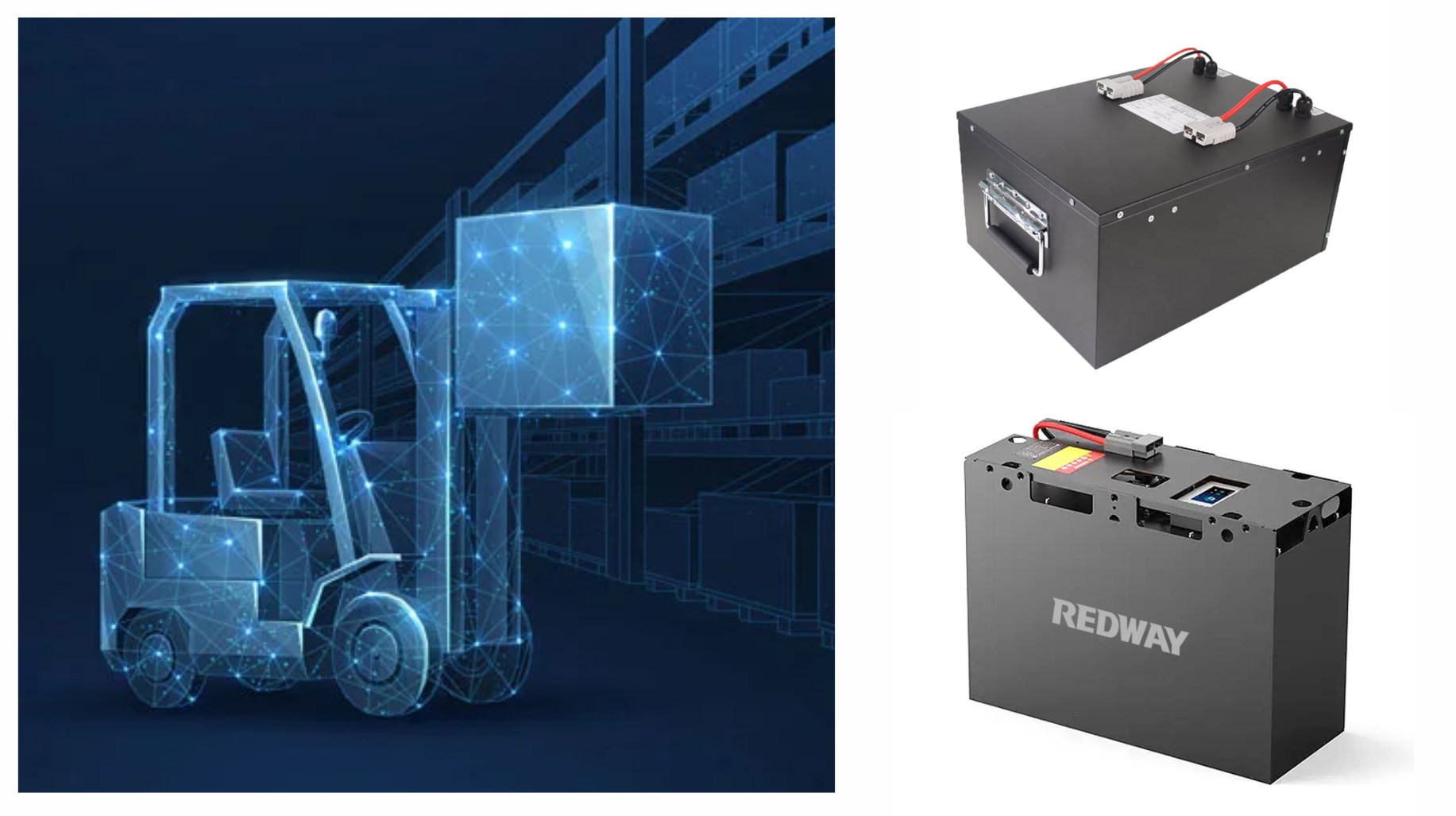
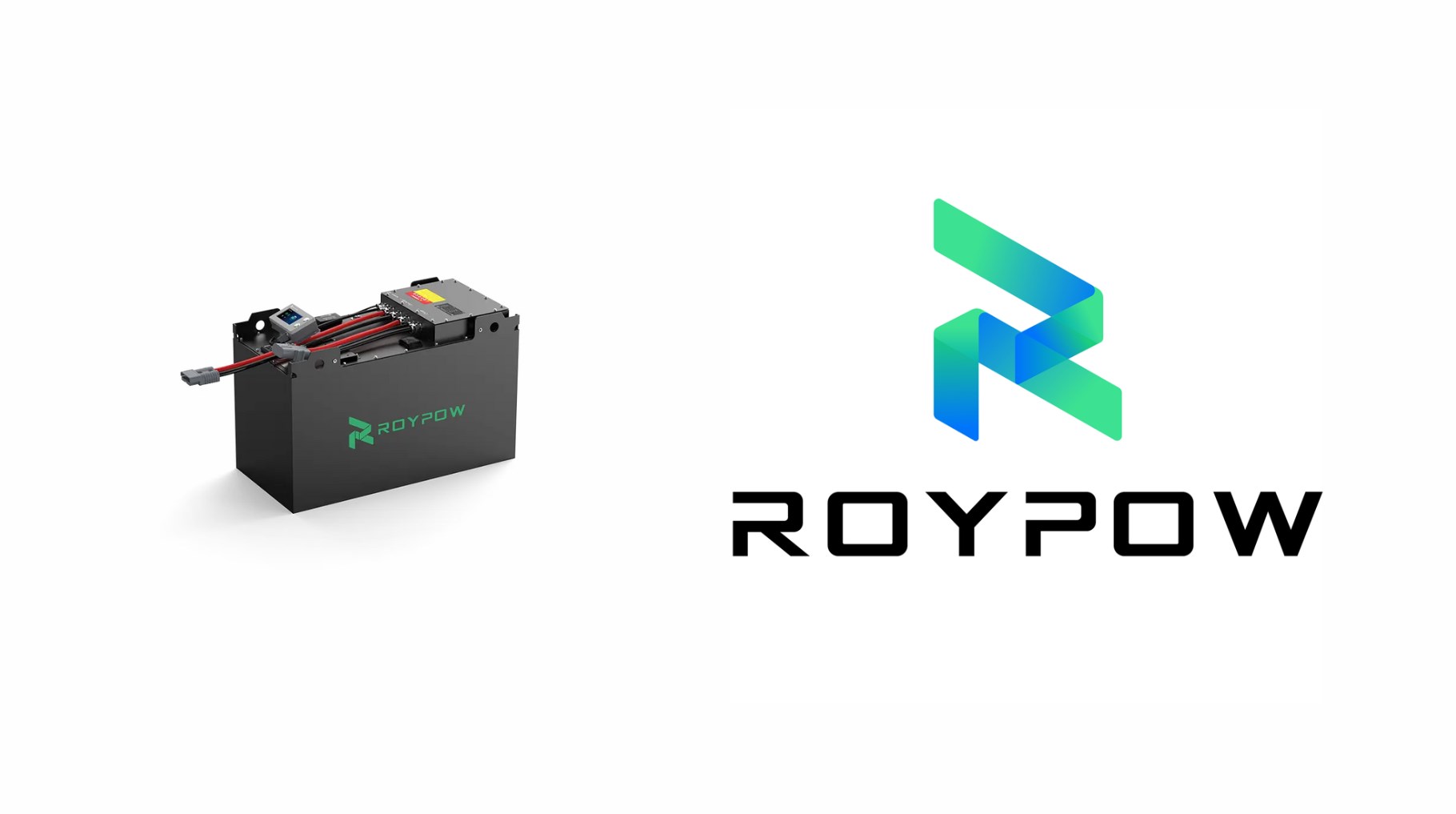
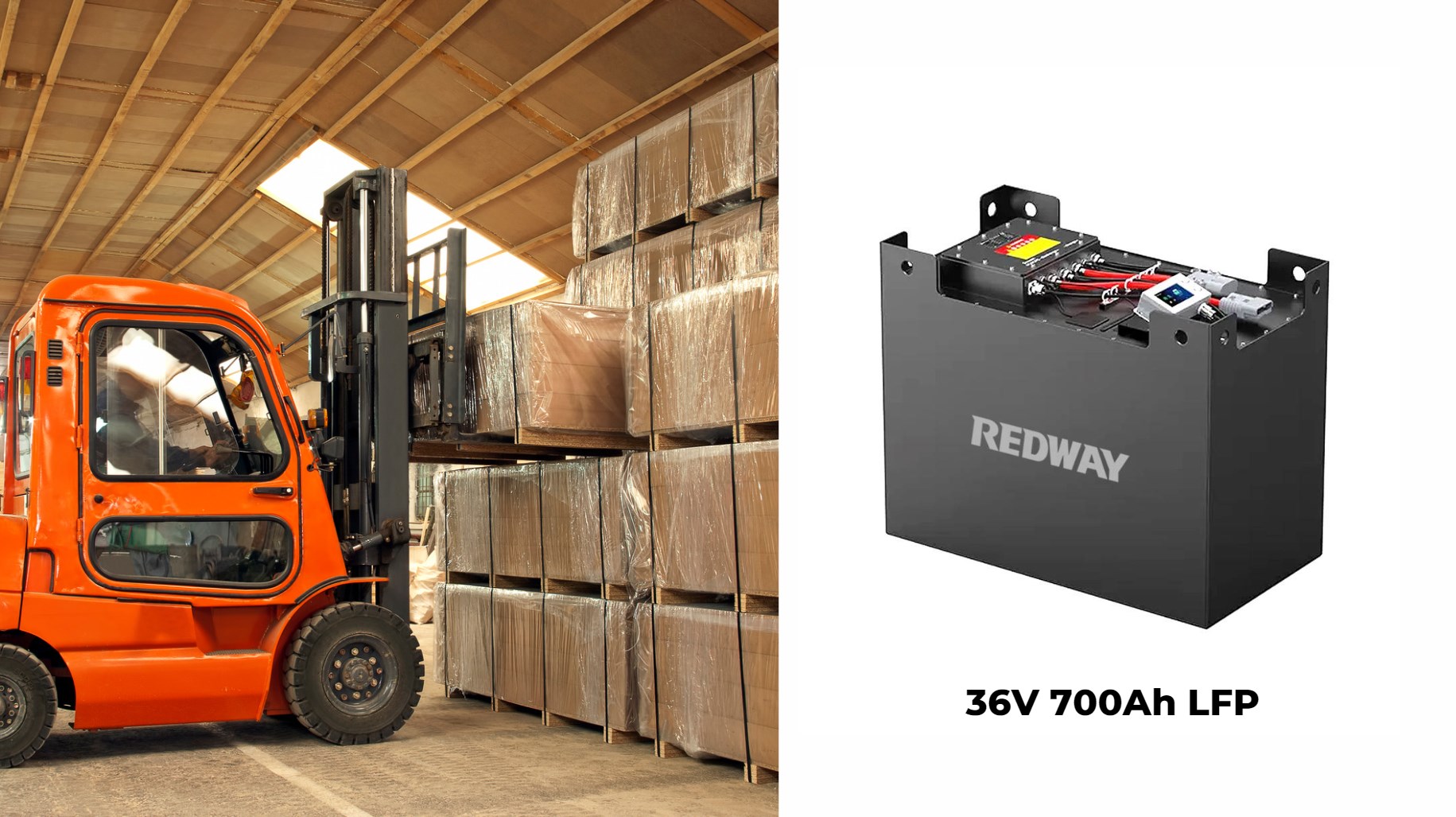
A forklift battery pack is an essential component for powering electric forklifts, delivering the necessary energy to ensure efficient and effective material handling. This article provides an in-depth look at the various types of forklift battery packs, their specifications, purchasing options, and additional considerations.Forklift battery packs come in various types including lead-acid and lithium-ion. Lithium forklift batteries are lighter, charge faster, and have longer lifespans compared to traditional lead-acid options. Choose based on application needs such as runtime and charging infrastructure.
Types of Forklift Battery Packs
Lead Acid Battery Packs
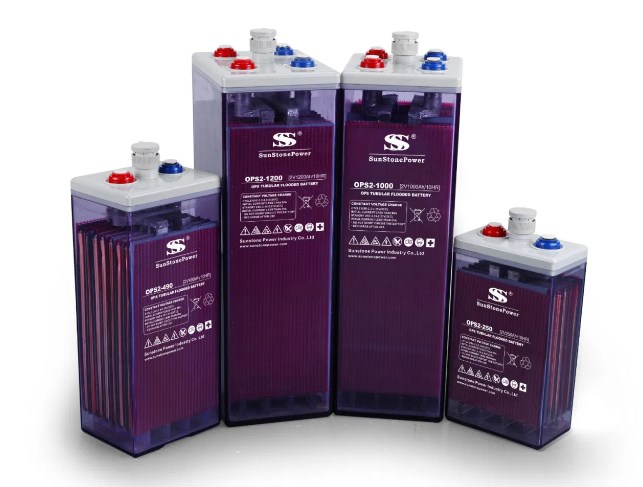
Description Lead-acid battery packs are the traditional choice for forklifts. They consist of lead plates submerged in sulfuric acid, which provides the chemical reactions necessary for energy storage and delivery.Lifespan Typically, lead-acid battery packs last between 1,000 to 1,500 cycles, translating to approximately 3 to 5 years with proper maintenance. Their lifespan can be significantly affected by usage patterns and maintenance practices.Maintenance Lead-acid batteries require regular maintenance, including periodic watering to keep the electrolyte levels consistent and careful charging to prevent damage. Regular inspection and proper handling are crucial for extending their operational life.Lithium-Ion Battery Packs
Description Lithium-ion battery packs are an emerging technology gaining popularity due to their efficiency and reduced maintenance needs. They use lithium compounds to store and release energy, offering a more advanced alternative to lead-acid batteries.Lifespan Lithium-ion battery packs typically last between 4,000 to 6,000 cycles, equating to about 7 to 10 years. Their extended lifespan is a significant advantage over lead-acid options.Advantages- Maintenance-Free: No need for regular watering or extensive maintenance.
- Faster Charging Times: Can be recharged more quickly compared to lead-acid batteries.
- Higher Energy Density: Offers greater power output and efficiency.
Battery Specifications
Voltage Options
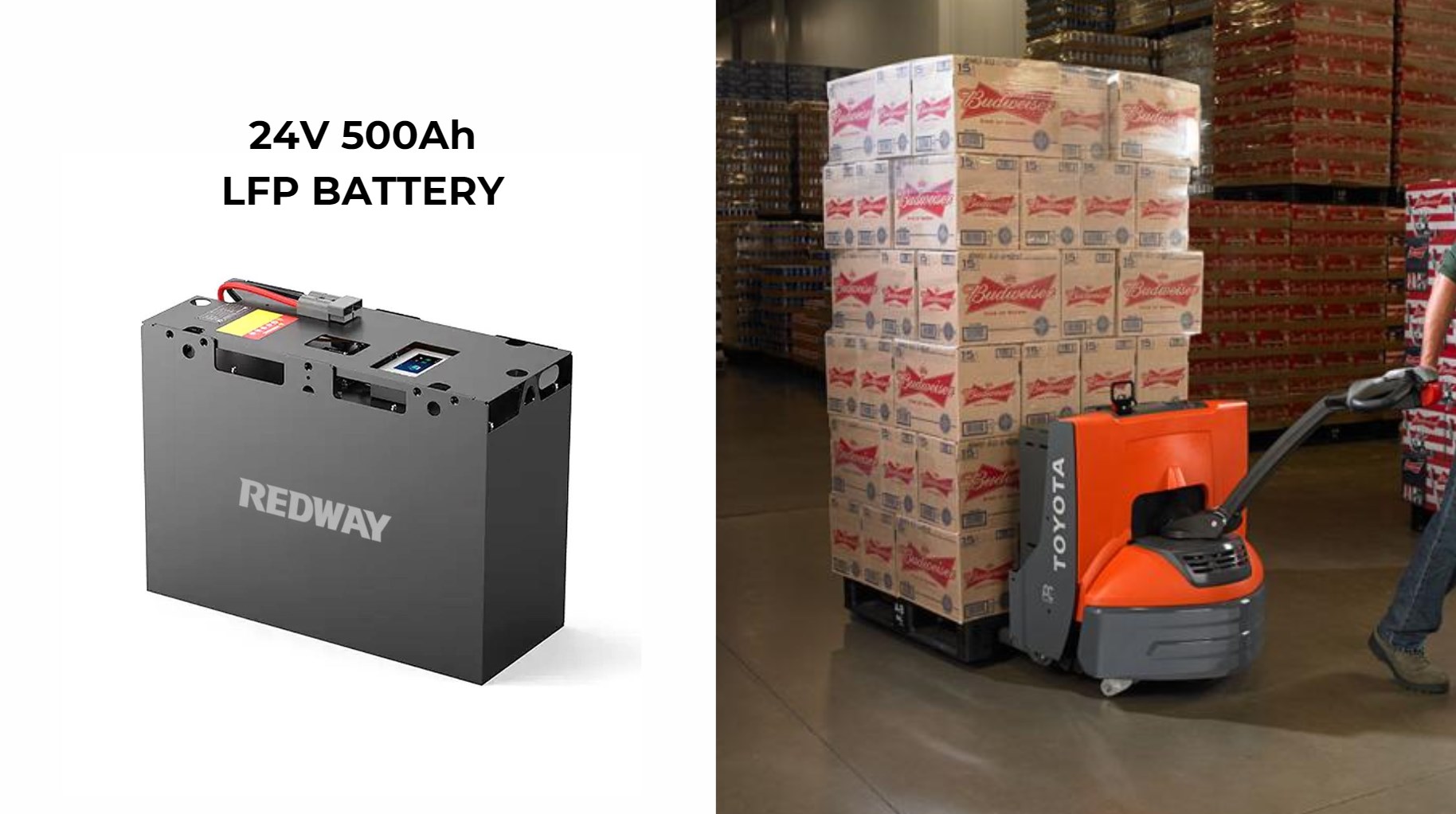
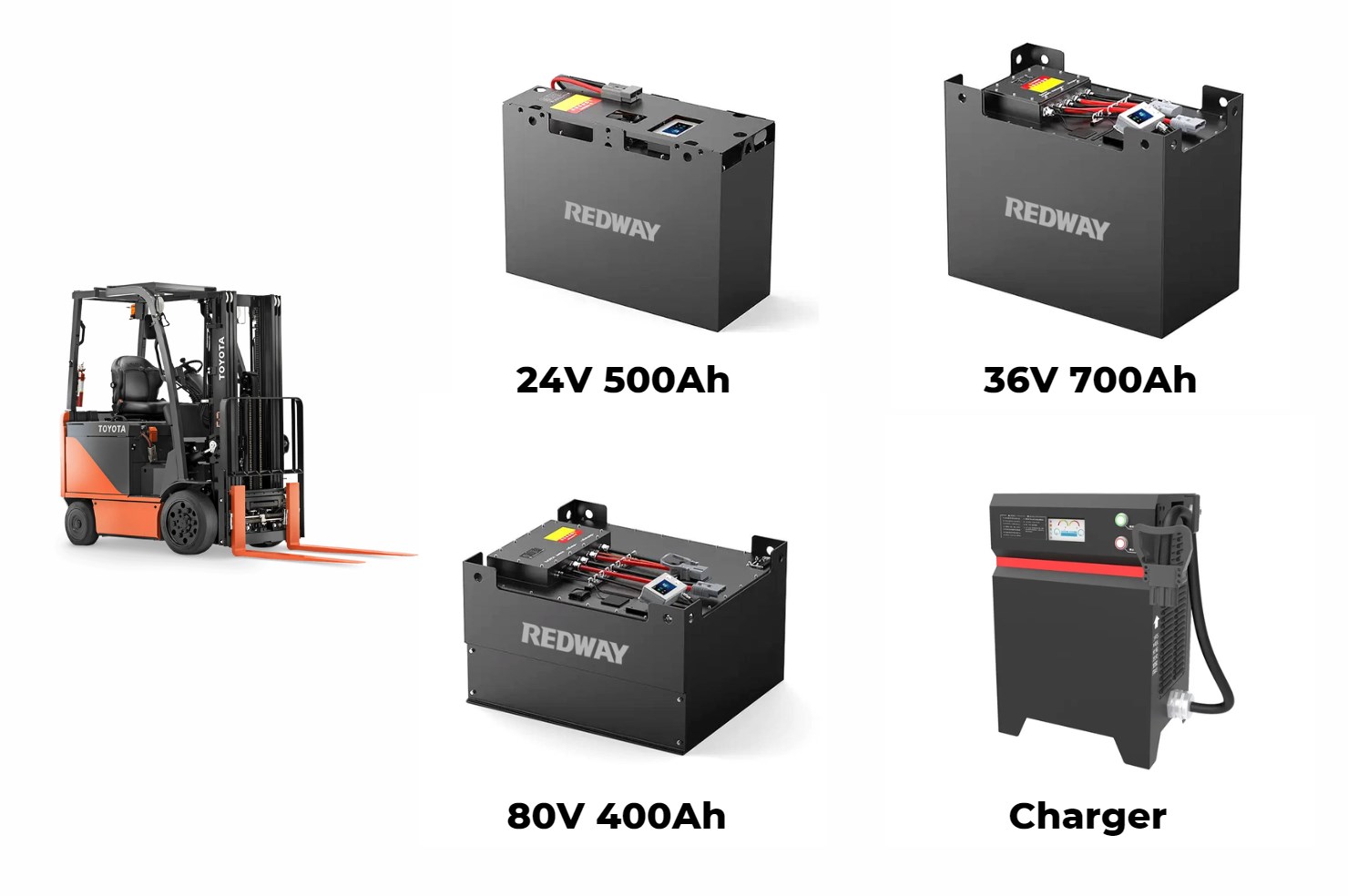
Forklift battery packs come in various voltage configurations, including:- 24V: Commonly used in smaller lift equipment.
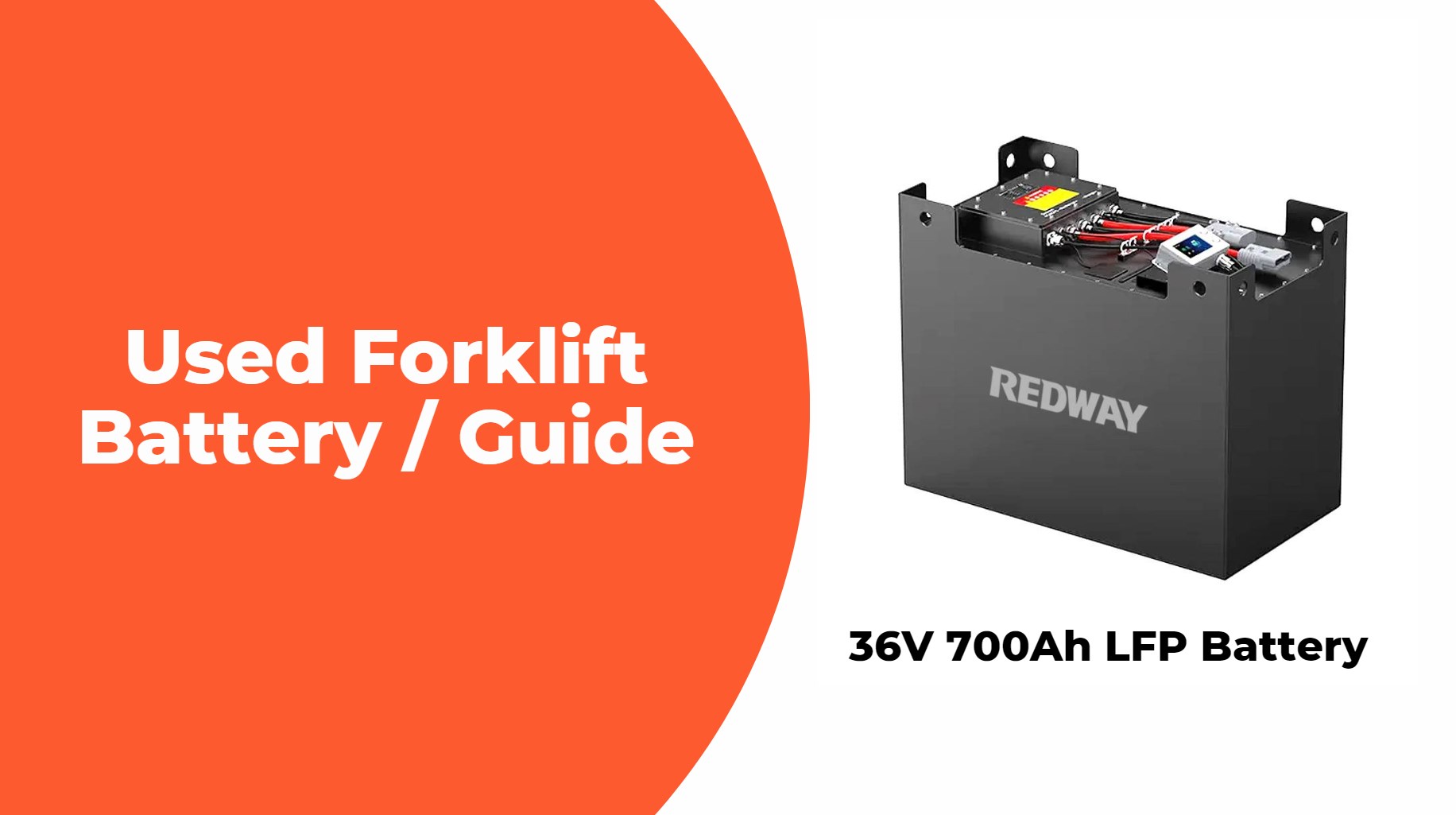
- 36V: Suitable for mid-sized forklifts.
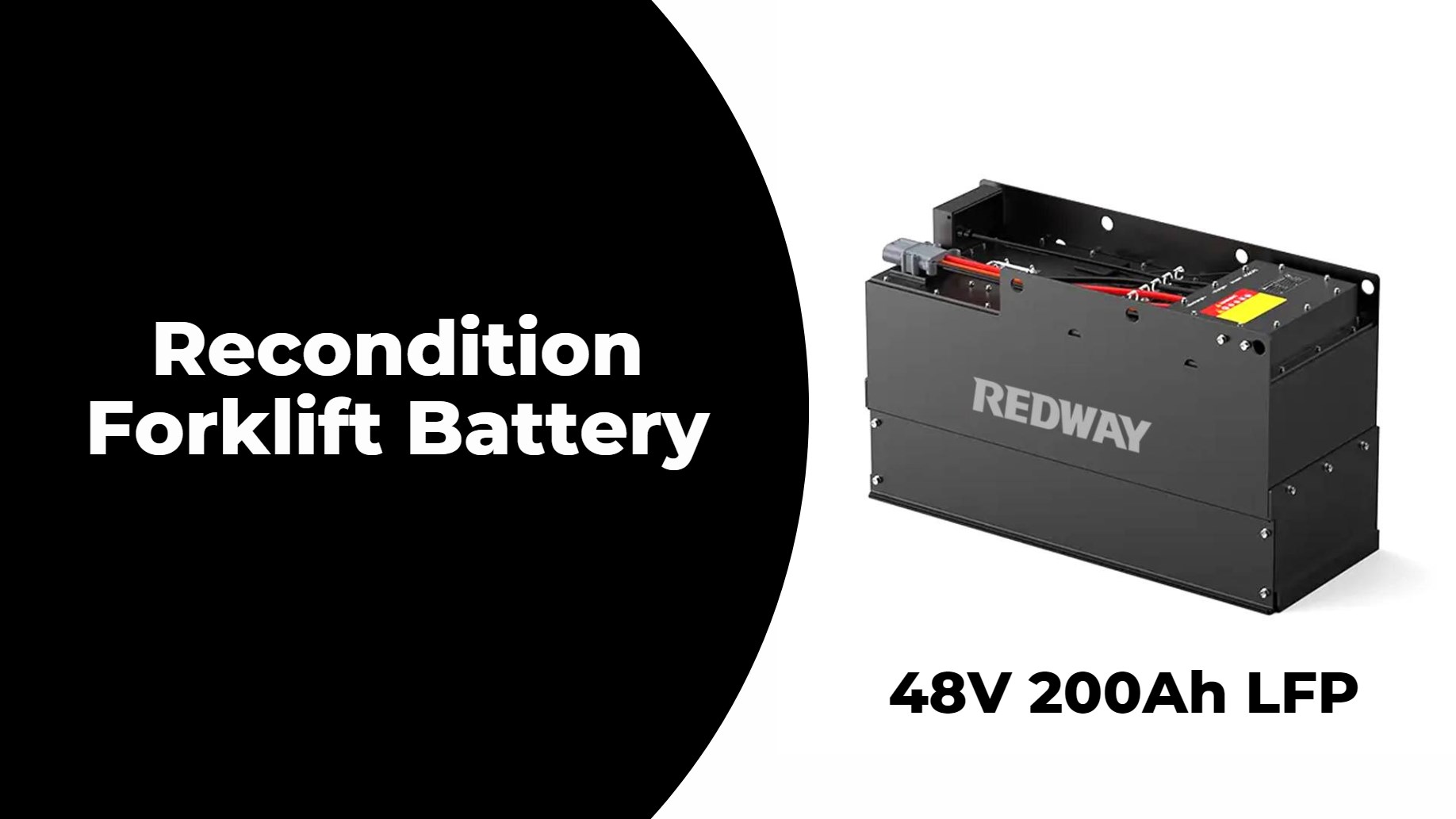
- 48V: Ideal for larger forklifts and high-performance needs.
- 80V: Used for heavy-duty and high-capacity applications.
Capacity
Battery capacity is measured in amp-hours (Ah), indicating the amount of energy the battery can store and how long it can power the forklift before needing a recharge. Higher capacity batteries provide longer operation times, which can be crucial for extended shifts or demanding applications.Purchasing Forklift Battery Packs
New vs. Used
Businesses have the option to purchase either new or used forklift battery packs:- New Batteries: Offer the latest technology and full lifespan. Ideal for businesses seeking maximum reliability and minimal maintenance.
- Used Batteries: Available at significantly lower prices, often around 50% less than new units. While cost-effective, it is important to assess their condition and remaining lifespan. Used batteries may be suitable for budget-conscious operations but require careful evaluation.
Where to Buy
- Specialized Suppliers: Companies like PB Battery Solutions and Battery Group offer a range of both new and used forklift batteries. They often provide additional services such as installation and maintenance.
- Online Marketplaces: Platforms like eBay provide numerous options for purchasing forklift batteries, allowing for easy comparison of prices and conditions. Detailed listings with descriptions and photos can aid in making informed decisions.
- Local Dealers: Many local forklift dealerships stock battery packs and can offer expert advice tailored to specific operational needs. This option provides the benefit of immediate availability and personalized service.
Additional Considerations
Charging Requirements
- Lead-Acid Batteries: Require dedicated charging stations with proper ventilation to avoid overheating and ensure safety during the charging process.
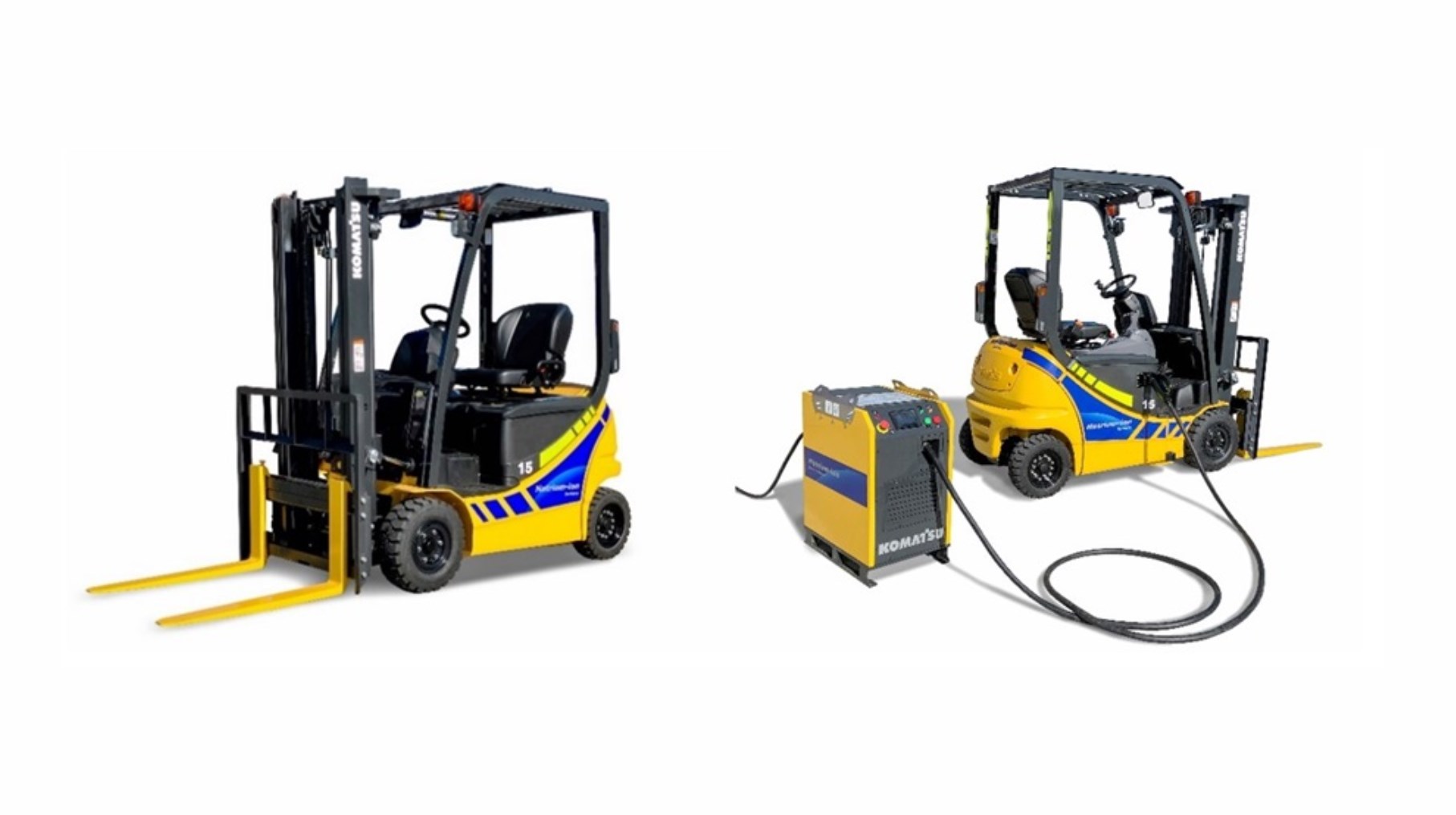
- Lithium-Ion Batteries: Can be charged directly on the forklift, simplifying the charging process and reducing the need for specialized equipment.
Battery Maintenance
- Lead-Acid Batteries: Regular maintenance is essential to ensure optimal performance, including checking electrolyte levels and cleaning terminals.
- Lithium-Ion Batteries: Require minimal upkeep, with occasional inspections to ensure proper function and performance.
Conclusion
Forklift battery packs are vital for the smooth operation of electric forklifts. With options ranging from traditional lead-acid batteries to advanced lithium-ion packs, businesses can select the most suitable solution based on their specific needs, budget, and maintenance capabilities. Understanding the types, specifications, and purchasing options available ensures a reliable power source for efficient material handling operations.FAQs
Forklift Battery Pack: A Comprehensive Guide Recondition Forklift Battery: A Comprehensive Guide Reconditioned Forklift Battery: An Economical and Eco-Friendly Solution Used Forklift Battery: A Comprehensive Guide Lithium Forklift Batteries: The Future of Material Handling The Future of Electric Forklift Batteries: Innovations and Trends Understanding 24V Forklift Batteries: A Comprehensive Guide 36 Volt Forklift Battery: A Comprehensive Overview Understanding 12V Forklift Batteries: A Comprehensive Guide A Comprehensive Guide to Forklift Batteries: Types, Advantages, and Considerations Understanding the Types of Forklift Batteries: A Comprehensive GuideContinue exploring: Use the Forklift BMS, Fleet Monitoring & Telematics guide for the related decision process, evidence, and practical guidance.
 Key Features and Advantages1. Power and Performance