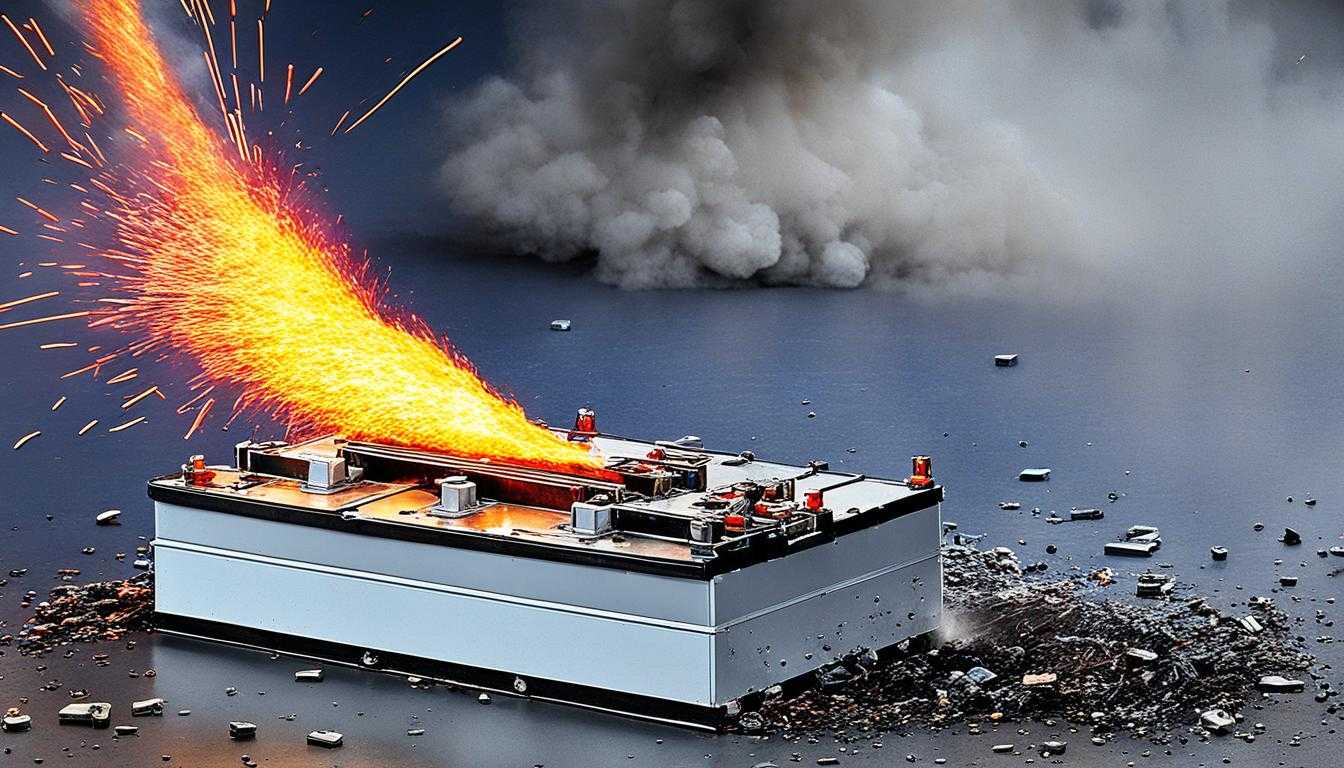
Lithium-ion (Li-ion) batteries are in many devices we use daily. But if not made right, or when they get too much charge or heat, they can explode. The Samsung Galaxy Note 7 and Tesla cars had these issues. In this article, you’ll learn about the dangers of these batteries, what makes them explode, and how to handle them safely.
Key Takeaways:
Lithium-ion batteries can explode if they’re not made, charged, or kept correctly.
The Samsung Galaxy Note 7 and Tesla cars had battery explosions.
It’s important to know why these batteries explode and how to stay safe around them.
By properly using, storing, and throwing away these batteries, you can lower the risk of explosions and injury.
Get help if your lithium-ion battery is getting too hot, swelling, or isn’t working well. This could be a sign it’s going to fail.
How do Lithium-ion Batteries Work?
Lithium-ion batteries are crucial for our tech-driven world. They power gadgets like phones, laptops, and even electric cars. To appreciate their role in society, it’s essential to know how these batteries function.These batteries work due to a chemical reaction. They feature a cathode, an anode, and a separator in between. This separator is a thin, porous material. It allows lithium ions to move back and forth between the electrodes.When you charge a lithium-ion battery, it’s the lithium ions that move. They go from the cathode to the anode through the electrolyte. This flow creates power in the battery.On the other hand, when you use the battery, the process reverses. Lithium ions move from the anode to the cathode. This movement produces the electricity your devices use.Lithium-ion batteries are great because they provide strong power and they last longer. This is perfect for our energy-hungry devices. Also, they’re rechargeable and hold their charge well over time.There are many companies now making high-quality lithium batteries. These companies use new technologies to keep up with our tech needs. They focus on making batteries that work better and are safer.
The Advancements in Lithium Battery Technology
Lithium battery technology is always getting better. Manufacturers are keen on making batteries that last longer and stay safe. Some things they’re working on now include:
Increase in Energy Density: Lithium-ion batteries are being made to store more energy. This way, devices can run for longer without recharging.
Fast Charging: There are new techs that can make batteries charge a lot faster. This can make recharging much quicker.
Enhanced Safety Features: Safety is a big priority. New batteries are designed to prevent damage from overcharging and overheating.
Improved Battery Longevity: Manufacturers are finding ways to make batteries last longer. This includes reducing how much they wear out over time.
Eco-Friendly Materials: Some are looking into green materials for batteries. These could be better for the environment than what we use now.
All these improvements mean that our tech can get better and more efficient.
Comparison of Lithium Battery Manufacturers
Manufacturer
Key Features
Notable Products
Panasonic
High energy density, long lifespan
Tesla electric vehicle batteries
Samsung SDI
Fast-charging technology, lightweight design
Samsung smartphones
LG Chem
High voltage, excellent performance in extreme temperatures
“Lithium-ion battery technology continues to advance, enabling us to power our devices more efficiently and safely. The competitive landscape of lithium battery manufacturers fuels innovation and ensures we have access to cutting-edge technology.” – John Smith, Battery Technology Expert
Why do Lithium-ion Batteries Explode?
Lithium-ion batteries are great for power and efficiency but can explode, posing risks. It’s key to know why they can explode to use them safely.Thermal runaway is a key factor in battery explosions. It happens when a battery quickly heats up, releasing a lot of energy. This can occur from battery damage, overcharging, or exposure to high heat.Heat damage, both externally or from overcharging, can lead to thermal runaway. Damages or faults in the battery structure are dangerous as well. If a battery is pushed to or past its charge limit, it heats up more, increasing thermal runaway risk.Also, placing batteries in hot spots like under the sun can make them overheat. This overheating could lead to explosive conditions.The battery’s flammable electrolyte is another explosion risk if the battery is damaged. This liquid can mix with other substances, causing a fire or explosion.Problems during manufacturing, like using poor materials, can also make the battery unsafe. It makes the battery less stable against thermal runaway and explosions.Regulations and standards have been set to lower the risk of battery explosions. They focus on safe handling, storage, and disposal of batteries.
Boxed Quote:
Knowing why lithium-ion batteries explode helps both makers and users. Following good safety guidelines reduces the dangers and lets us safely use this tech.”
Understanding and following safety rules makes using lithium-ion batteries safer. This means less chance of explosions, for both people and the environment.
Signs of Failing Lithium-ion Batteries
Lithium-ion batteries can be dangerous if they start to fail. You must know the signs of a failing battery. This is key to staying safe. Here are some things to look out for:
Overheating: If your battery gets very hot, it might be damaged inside. This is a serious sign. Such batteries need immediate attention.
Swelling or Bulging: If your battery looks larger than before, gases from damage may be inside. Using such a battery can cause leaks, fires, or explosions.
Reduced Battery Life: A big drop in how long your battery lasts means it might be failing. Older batteries often fail to hold a charge as well.
Inconsistent Charging: If your battery doesn’t charge smoothly, it could be in trouble. It might take longer to charge or lose power quickly.
If you see these signs, you should stop using your device. Get help from a professional. Using a failing battery is risky and can lead to accidents. Professionals can fix or replace the battery safely.
Remember:
Dealing with failing lithium-ion batteries the right way is crucial for your safety. If your battery shows any issues, don’t try to manage it without expert advice. Being proactive can keep you safe and avoid dangers.
Signs of Failing Lithium-ion Batteries
Actions to Take
Overheating
Stop using the device immediately and seek professional assistance.
Swelling or Bulging
Stop using the device immediately and seek professional assistance.
Reduced Battery Life
Contact a professional technician to evaluate and replace the battery, if necessary.
Inconsistent Charging
Contact a professional technician to evaluate and repair the battery or charging system.
Note: The table above summarizes the signs of failing lithium-ion batteries and the recommended actions to take. It serves as a quick reference for identifying potential issues and seeking appropriate assistance.
What to Do in Case of a Lithium-ion Battery Explosion
If a lithium-ion battery explodes, keeping safe is vital. Follow these lithium battery safety precautions:
Evacuate the area immediately: If a lithium-ion battery explodes, leave the area fast. Make sure others around you do the same to keep them safe.
Contact emergency services: Call for help as soon as you can. Emergency services are the best at dealing with these situations and will help you safely.
Handle with caution: Always be careful around an exploded battery. Put on safety gear like gloves, goggles, and a mask to avoid getting hurt by harmful materials.
Ventilate the area: Open up windows and doors to let bad air out. This helps lower the chances of breathing in dangerous gases and makes the air better.
Do not attempt to extinguish the fire: Don’t try to put out the fire on your own. Lithium-ion battery fires are risky and need special techniques to be put out. Let the professionals handle it.
Proper disposal: Focus on getting everyone to safety first. Then, properly throw out the damaged battery. Use the recommended steps for throwing out lithium-ion batteries to protect the environment.
By using these lithium battery safety precautions, you lessen the dangers from lithium-ion battery explosions. This helps keep you and those near you safe.
Causes of Lithium-ion Battery Fires
It’s key to know why lithium-ion battery fires happen. This helps us prevent dangerous accidents. Many things can start a fire in these batteries. Some common reasons include:
Thermal Runaway: A thermal runaway is when a battery gets too hot to control. It then releases energy and can catch fire. This can happen if the battery is overcharged, overheats, or has a short circuit.
Physical Stress: Putting too much force on a lithium-ion battery can make it unsafe. If you puncture or crush it, the inside can be damaged. Then, it might catch fire.
High Temperatures: When a battery gets too hot, it becomes unstable. This starts chemical reactions that can lead to a fire.
Improper Charging: Using the wrong charger or charging too fast can make the battery dangerous. It can create a substance called metallic lithium, which can easily catch fire.
Here’s a table to help you see how fires start in lithium-ion batteries:
Cause
Description
Thermal Runaway
The uncontrolled increase in temperature leading to energy release and combustion.
Physical Stress
Excessive force or impact that can damage the battery’s internal components and compromise safety.
High Temperatures
Exposure to temperatures beyond the recommended range that trigger thermal instability.
Improper Charging
Using incompatible chargers or charging at high currents, leading to the formation of highly reactive metallic lithium.
Any of these causes can lead to a fire. But sometimes, more than one cause works together to make it even more likely. Knowing these dangers and taking steps to prevent them can reduce the risk of battery fires.
Exploring Lithium-ion Battery Explosion Hazards
Faulty lithium-ion batteries can leak flammable gases and liquids when they go bad. These include hydrogen, methane, carbon monoxide, and hydrofluoric acid. If these mix, they can start fires and cause explosions, putting people and the environment at risk.When a lithium-ion battery explodes, the damage can range from mild to severe. The type of battery and the amount of energy it holds play a big part. The scale of the damage changes with how the battery degrades.
“The release of flammable gases during a lithium-ion battery failure can lead to dangerous situations, especially in confined spaces.” – Dr. Maria Sanchez, Battery Safety Expert
It’s essential to know the dangers with lithium-ion batteries and how to stay safe. Precautions are vital to stop battery fires and explosions before they start. We must use safety procedures to lower the risks.Let’s now look at what experts are discovering about lithium-ion battery explosions. They’re working hard to make batteries safer. This work aims to cut down on dangers and improve safety measures.
Research: Analyzing Combustible Gases and Explosion Hazards
Scientists are studying the gases that come out of lithium-ion batteries when they fail. They use high-speed cameras and special tools to check flame speeds and how pressure builds up. This helps them learn more about how fires and explosions happen.This research is giving us new info on lithium-ion battery fires and explosions. It’s laying the groundwork for more safety rules and ways to prevent disasters. By understanding the dangers better, safety experts can come up with advice to make batteries safer.
Environmental Impact of Lithium-ion Battery Explosions
Lithium-ion battery blasts not only harm people but also the environment. The pollution from the toxic gases and fires can hurt our air and water. This can damage plants and animals.It’s key to have good safety plans, like how to get rid of batteries safely. This helps lessen the harm to our environment from battery blasts.
Understanding Battery Chemistry and Energy Storage
It’s crucial to understand that lithium-ion battery explosions can change based on the battery type and its energy. Different batteries can explode differently because of what they’re made of. This impacts how dangerous an explosion can be.Those who make batteries and experts in safety are figuring out the risks tied to battery types. They’re coming up with safety measures based on this info. This is important for making batteries safer.
Table: Comparison of Battery Chemistries and Explosion Risks
Battery Chemistry
Explosion Risks
Lithium Cobalt Oxide (LiCoO2)
Higher risk of thermal runaway and subsequent fires/explosions
Lithium Iron Phosphate (LiFePO4)
Lower risk of thermal runaway and subsequent fires/explosions
Lithium Manganese Oxide (LiMn2O4)
Medium risk of thermal runaway and subsequent fires/explosions
Knowing the dangers of each battery type helps make safer products. It leads to better safety rules. This makes it easier to protect against battery explosions.
Studying Lithium-ion Battery Explosions
Researchers are diving deep into lithium-ion batteries. This is to understand the dangers and risks of explosions when they fail. They are using advanced studies and techniques to make these batteries safer. This is important to protect people, materials, and the environment.One key part of this work is looking at the gases that come out when these batteries fail. Scientists are studying the gases’ chemical makeup and how they act. This gives them clues about why batteries sometimes explode.High-speed cameras are crucial here. They let scientists see and study how fast flames move. They also help with understanding pressure changes. This information is key to finding ways to prevent explosions.The results of these studies are the starting point for making batteries safer. By figuring out why lithium-ion batteries explode, researchers can give tips to those who make and use them. This helps everyone stay safer.Academics, companies, and regulators are working together on lithium battery safety. They’re applying what they learn from battery failures to improve future battery designs. This teamwork will make batteries safer to use.
Enhancing Safety Measures for Lithium-ion Batteries
It’s important to understand why lithium-ion batteries explode. This knowledge is key to making these batteries safer. With ongoing research and new technology, we can reduce the dangers of battery explosions. This will make lithium-ion batteries safe for many uses.
Safety Measures for Lithium-ion Batteries
To prevent lithium-ion battery explosions, handle them with care. This means avoiding too much physical stress, high heat, and wrong charging. It’s key to follow safety guidelines and standards for their correct use and storage. Also, make sure to dispose of them properly for the environment.Lithium Battery Safety Precautions
Keep lithium-ion batteries away from very hot or cold temperatures. Avoid direct sunlight.
Never puncture or crush these batteries. Doing so can lead to dangerous situations.
Always use chargers that the device maker recommends. Cheap or fake chargers can be unsafe.
Avoid overcharging or fully discharging the batteries. Stick to the recommended charge times. And don’t leave them plugged in longer than necessary.
Store them in a cool, dry spot, away from anything flammable. Totes or cases can protect them from physical harm.
Make sure they are not within reach of kids or pets. Keep them in a secure place.
If a battery looks swollen, too hot, or damaged, stop using it immediately. Then, get help for checking or replacing it.
Lithium Battery Safety Standards
The International Electrotechnical Commission (IEC) has set up safety guidelines for lithium-ion batteries. They cover design, making, testing, and moving the batteries. These measures ensure safe use in all devices.Product makers must meet these guidelines to ensure their products are safe. Following these standards helps make the batteries reliable and less likely to cause accidents.
Common Lithium-ion Battery Safety Standards
Standard
Description
UN/DOT 38.3
Outlines how to check the safety of lithium batteries for transport needs.
IEC 62133
Details the safety needs for these batteries in portable devices.
UL 2054
Addresses the safety for lithium-ion battery packs in homes and businesses.
IEC 60086
Describes the safety rules for all types of batteries, including lithium-ion.
Conclusion
Lithium-ion battery explosions can be dangerous. But, they can be avoided with the right knowledge and care. It’s key to know why these batteries might explode and what dangers they pose.Always follow safety guidelines and handle these batteries properly. Also, make sure to dispose of them in the right way. Doing this can lower the chances of an explosion a lot.
FAQ
What causes lithium-ion batteries to explode?
Lithium-ion batteries might explode if they get too hot, are overcharged, or damaged. High temperatures and issues in how they’re made can also lead to blasts.
What are the signs of a failing lithium-ion battery?
Failing batteries could get very warm, appear bigger or swollen, and not work as long. If you see these signs, you should stop using the battery. Also, get help from a pro.
What should I do in case of a lithium-ion battery explosion?
If a lithium-ion battery blows up, leave the area fast to stay safe. Let others know and call for help at once. Protect yourself with gear when handling the battery and don’t try to put out the fire yourself.
What are the causes of lithium-ion battery fires?
Fires in lithium-ion batteries can start from too much pressure, very high heat, bad charging, or metals forming inside the battery. Such issues can make the batteries leak flammable stuff, which makes fires more likely.
What are the hazards associated with lithium-ion battery explosions?
When lithium-ion batteries blow up, they can let out gases that help fires spread. This can be really dangerous for people and the world around them. How bad the damage is depends on the battery’s type and how much energy it stores.
Lead-acid batteries are widely used in various applications, but they pose significant explosion risks if not handled properly. The primary causes of lead-acid battery explosions include overcharging, blocked vent holes, and the accumulation of flammable gases. Understanding these risks is crucial for safe usage.
Key Causes of Lead Acid Battery Explosions
Overcharging: One of the most common causes of lead-acid battery explosions is overcharging. When a battery is charged beyond its capacity, the excess electrical energy converts into heat rather than chemical energy. This leads to the decomposition of water in the electrolyte into hydrogen and oxygen gases. If these gases accumulate and reach explosive concentrations, they can ignite, causing an explosion.
Blocked Vent Holes: Lead-acid batteries are designed with vent holes to release gases generated during charging. If these vents become blocked due to dirt, dust, or corrosion, pressure builds up inside the battery. When the internal pressure exceeds the battery’s design limits, it can lead to a rupture or explosion.
Hydrogen Gas Accumulation: Hydrogen gas is produced during the charging process and is highly flammable. If a battery is charged in an enclosed space without proper ventilation, hydrogen can accumulate to dangerous levels. When exposed to an ignition source, such as a spark or flame, this gas can ignite and cause an explosion.
Improper Charging Equipment: Using an inappropriate charger can also lead to battery explosions. Chargers that deliver excessive current can overheat the battery and cause internal damage, leading to short circuits and potential explosions.
Physical Damage: Batteries that are physically damaged or have manufacturing defects may also be prone to explosions. Damage can compromise the structural integrity of the battery casing, increasing the risk of failure under pressure.
Safety Precautions to Prevent Explosions
To minimize the risk of lead-acid battery explosions, consider the following safety measures:
Use Proper Charging Equipment: Always use chargers that are compatible with your specific battery type and capacity. Follow manufacturer recommendations for charging voltages and currents.
Ensure Adequate Ventilation: Charge batteries in well-ventilated areas to allow any gases produced during charging to disperse safely.
Regular Maintenance: Inspect batteries regularly for signs of wear or damage. Ensure that vent holes are clean and unobstructed.
Avoid Overcharging: Monitor charging times and avoid leaving batteries connected to chargers longer than necessary.
Install Safety Devices: Consider using explosion-proof enclosures or safety valves on batteries in high-risk environments.
Latest News on Lead Acid Battery Safety
Regulatory Changes: Recent regulatory updates have emphasized stricter safety standards for lead-acid batteries in industrial settings, focusing on preventing hazardous incidents.
Innovations in Battery Technology: New technologies are being developed to improve the safety features of lead-acid batteries, including better venting systems and enhanced monitoring capabilities.
Increased Awareness Campaigns: Organizations are launching campaigns aimed at educating users about the risks associated with lead-acid batteries and best practices for safe handling.
Redway Expert Comment
As experts in lithium LiFePO4 battery technology, we recognize that while lead-acid batteries have been widely used for decades, they come with inherent risks that must be managed carefully. Overcharging and poor ventilation are critical factors that can lead to dangerous situations. By adopting proper safety measures and staying informed about best practices, users can significantly reduce the likelihood of accidents.”
Conclusion
In conclusion, understanding the risks associated with lead-acid batteries is essential for safe operation. By being aware of potential hazards like overcharging, blocked vents, and hydrogen gas accumulation, users can take proactive steps to prevent explosions. Regular maintenance and adherence to safety guidelines will help ensure that lead-acid batteries operate safely and effectively in various applications.
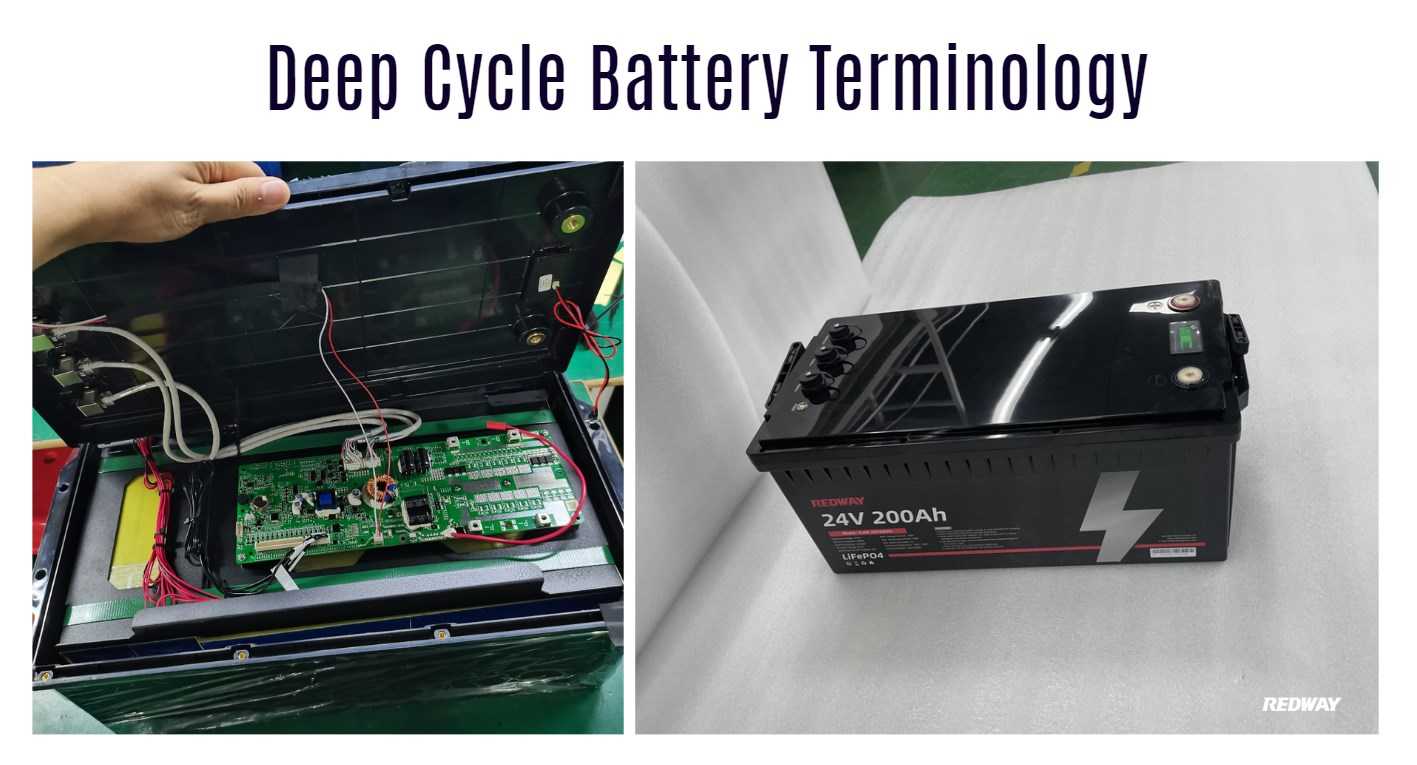
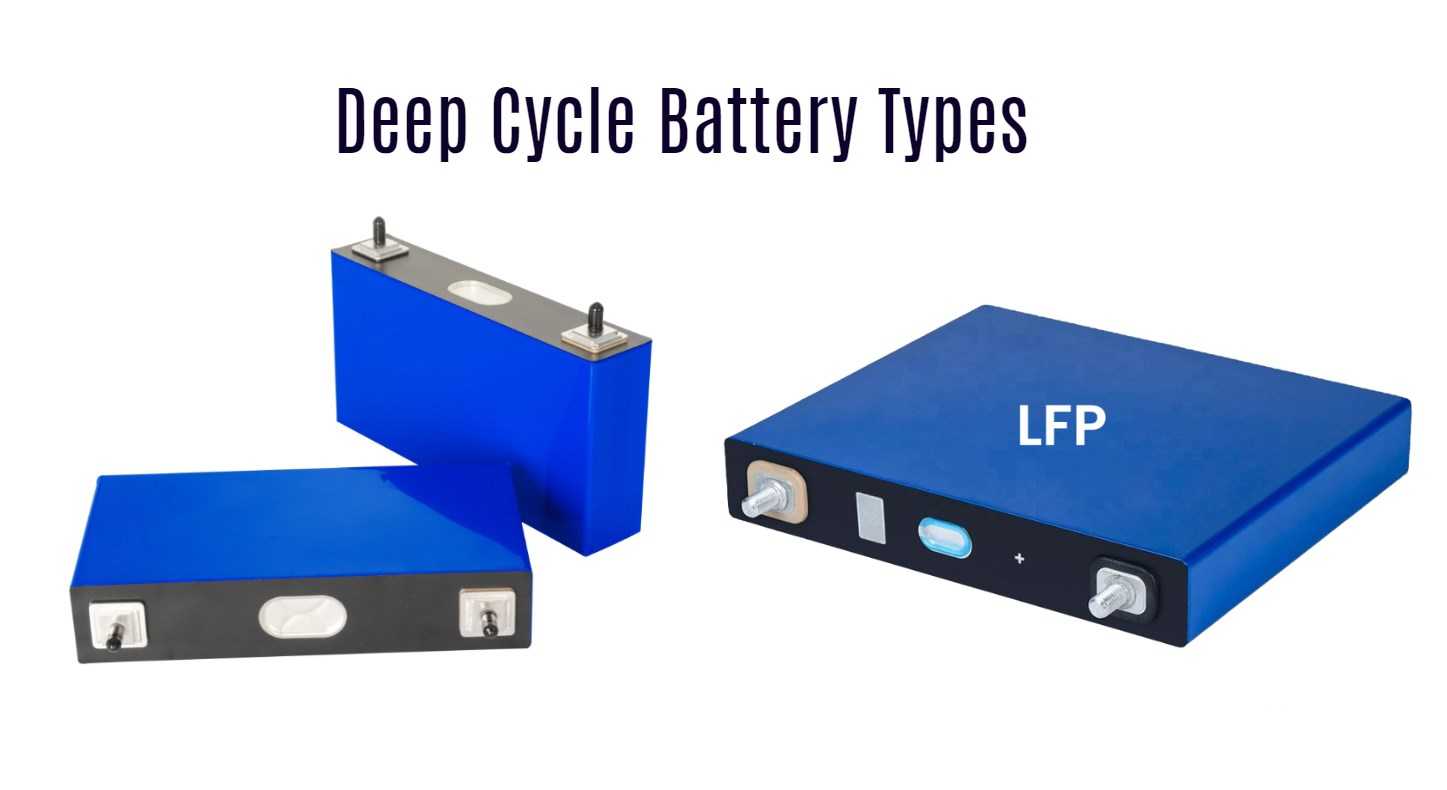
Deep cycle batteries are specialized energy storage devices designed for sustained power output over extended periods. Unlike standard automotive batteries, which deliver short bursts of energy, deep cycle batteries can be deeply discharged and recharged repeatedly without significant degradation. This article will clarify essential terminology related to deep cycle batteries, their types, and applications.
Key Terminology in Deep Cycle Batteries
Depth of Discharge (DoD):
Depth of Discharge refers to the percentage of a battery’s capacity that has been used. For deep cycle batteries, a typical DoD is around 70-80%, meaning they can be discharged down to this level before requiring a recharge. Maintaining a lower DoD can significantly enhance the battery’s lifespan.
Cycle Life:
Cycle life is the number of complete charge and discharge cycles a battery can undergo before its capacity falls below 80% of its original value. Deep cycle batteries are designed for numerous cycles, typically ranging from 500 to 2000 cycles, depending on usage and maintenance.
Battery Capacity:
Battery capacity is measured in ampere-hours (Ah) and indicates the total amount of energy a battery can deliver over time. For example, a 100Ah battery can theoretically provide 100 amps for one hour or 10 amps for ten hours.
Charging Voltage:
Each type of deep cycle battery has a specific voltage at which it should be charged. Overcharging can lead to gassing, where excess gas escapes from the battery, reducing its efficiency and potentially causing damage.
Internal Resistance:
Internal resistance refers to how much a battery resists energy flow during charging and discharging. Lower internal resistance results in better performance and efficiency, while high resistance can lead to energy loss as heat.
Types of Deep Cycle Batteries
Flooded Lead-Acid Batteries:
These are the most common type of deep cycle batteries. They require regular maintenance, such as checking electrolyte levels and adding distilled water. They are relatively inexpensive but can be sensitive to overcharging.
Absorbent Glass Mat (AGM) Batteries:
AGM batteries are sealed and maintenance-free, making them easier to use than flooded types. They have lower internal resistance and can handle higher discharge rates, but they tend to be more expensive.
Gel Batteries:
Gel batteries contain a thickened electrolyte that prevents spillage and allows for safer operation in various orientations. They are also sealed and maintenance-free but may have slightly lower discharge rates compared to AGM batteries.
Lithium-Ion Batteries:
Lithium-ion deep cycle batteries offer several advantages over traditional lead-acid types, including longer lifespan, lighter weight, and deeper discharge capabilities without damage. However, they come at a higher initial cost.
Applications of Deep Cycle Batteries
Deep cycle batteries are commonly used in various applications that require reliable power over extended periods:
Solar Energy Systems: They store energy generated from solar panels for later use.
Electric Vehicles: Used in golf carts and electric bikes for efficient power management.
Marine Applications: Powering boats and other marine equipment where consistent energy is essential.
Backup Power Systems: Providing reliable power during outages for homes or businesses.
Maintenance Tips for Deep Cycle Batteries
Regular Inspections: Check fluid levels in flooded batteries regularly and ensure terminals are clean.
Proper Charging Practices: Use chargers designed for your specific battery type to prevent overcharging or undercharging.
Temperature Management: Keep batteries in a stable environment; extreme temperatures can affect performance and lifespan.
Avoid Deep Discharges: Regularly discharging below 50% can significantly shorten the battery’s life.
Latest News
The demand for deep cycle batteries is increasing as more consumers turn to renewable energy solutions like solar power.
Recent innovations in lithium-ion technology have led to enhanced performance metrics, making them more competitive against traditional lead-acid options.
Environmental regulations are encouraging manufacturers to improve recycling processes for lead-acid batteries, promoting sustainability within the industry.
Redway Expert Comment
In our extensive experience at Redway Battery, understanding deep cycle battery terminology is crucial for selecting the right battery for your needs. Whether you opt for lead-acid or lithium-ion technologies, knowing terms like Depth of Discharge (DoD) and Cycle Life will empower you to make informed decisions that enhance performance and longevity. As technology evolves, we anticipate even greater advancements in efficiency and sustainability.” In conclusion, understanding deep cycle battery terminology is essential for anyone looking to utilize these powerful energy storage solutions effectively. By familiarizing yourself with key terms like Depth of Discharge, Cycle Life, and Battery Capacity, you can make informed choices that ensure optimal performance and longevity of your deep cycle batteries.
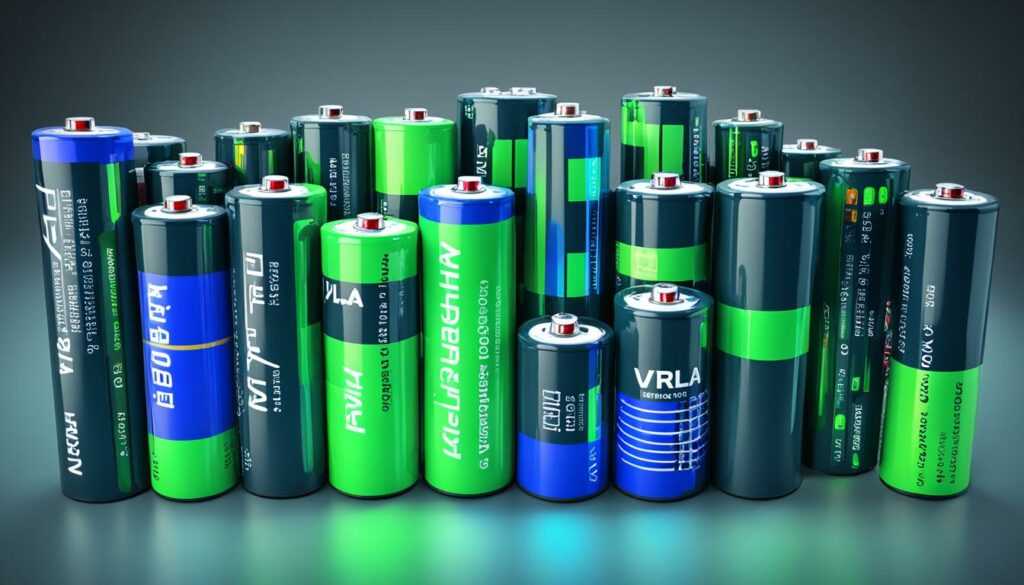
Valve Regulated Lead Acid (VRLA) batteries are a type of sealed lead-acid battery that has revolutionized energy storage across various sectors. Known for their reliability, low maintenance, and versatility, VRLA batteries are widely used in applications ranging from telecommunications to renewable energy systems. This article explores the fundamental aspects of VRLA batteries, their applications, advantages, and maintenance tips to ensure optimal performance.
What Are VRLA Batteries?
A Valve Regulated Lead Acid (VRLA) battery is a sealed lead-acid battery designed to recombine gases internally, preventing electrolyte loss. It requires no maintenance and is widely used in backup power, telecom, and UPS systems.
Valve Regulated Lead Acid (VRLA) batteries are sealed lead-acid batteries engineered to recombine gases internally, which prevents the loss of electrolyte and eliminates the need for maintenance. Unlike traditional flooded lead-acid batteries, VRLA batteries are spill-proof and can operate safely in various orientations.
They are commonly used in backup power systems, telecommunications, uninterruptible power supplies (UPS), and other critical applications where reliable, maintenance-free power is essential. Their sealed design also enhances safety and longevity compared to conventional lead-acid batteries.
How Does A Valve Regulated Lead Acid Battery Work?
A VRLA battery uses pressure relief valves and sealed cells to trap gases produced during charging. These gases recombine into water internally, reducing maintenance needs while providing reliable, safe power in a compact design.
A Valve Regulated Lead Acid (VRLA) battery features sealed cells with pressure relief valves that control internal gas buildup during charging. When the battery charges, gases like oxygen and hydrogen are generated, but instead of escaping, these gases recombine internally to form water, minimizing electrolyte loss.
This sealed design reduces maintenance needs by eliminating the need to add water and prevents spills. The result is a safe, reliable, and compact power source ideal for critical applications such as backup systems and telecommunications.
Types of VRLA Batteries
There are primarily two types of VRLA batteries:
Absorbent Glass Mat (AGM): These batteries use fiberglass mats to absorb the electrolyte, providing a stable environment for the lead plates. AGM batteries are known for their high discharge rates and fast charging capabilities.
Gel Batteries: Gel batteries contain silica dust mixed with the electrolyte, forming a thick gel. This design reduces the risk of spillage and enhances safety while offering good performance in deep cycle applications.
Applications of VRLA Batteries
VRLA batteries are utilized across multiple industries due to their adaptability and reliability:
Telecommunications: They serve as backup power sources for cell towers and data centers, ensuring uninterrupted communication during power outages.
Uninterruptible Power Supplies (UPS): VRLA batteries provide essential backup power for critical systems in hospitals, data centers, and other facilities where downtime is not an option.
Renewable Energy Systems: These batteries store excess energy generated by solar panels and wind turbines, enabling users to harness renewable energy effectively.
Automotive Applications: VRLA batteries are commonly used as starting batteries in vehicles due to their ability to deliver high bursts of power.
Marine and RV Use: Deep cycle VRLA batteries are favored for powering lighting, appliances, and propulsion systems when traditional power sources are unavailable.
Advantages of VRLA Batteries
VRLA batteries offer several benefits that make them a popular choice for various applications:
Maintenance-Free Design: Their sealed construction eliminates the need for regular water topping-up required by traditional flooded lead-acid batteries.
Spill-Proof and Leak-Resistant: The design prevents acid spills and leaks, enhancing safety during handling and installation.
Longer Cycle Life: Compared to flooded lead-acid batteries, VRLA batteries typically offer a longer cycle life, making them suitable for demanding applications.
Fast Charging Capabilities: VRLA batteries can accept higher charging currents, allowing for quicker recharging compared to other battery types.
Low Self-Discharge Rate: They can hold their charge for extended periods, making them reliable for backup power applications.
Improved Safety Features: The valve-regulated design includes pressure-relief valves that release excess gas, reducing the risk of explosion or damage due to overcharging.
Maintenance Tips for VRLA Batteries
While VRLA batteries are marketed as maintenance-free, they still require regular inspections and care to ensure longevity:
Regular Inspections: Check for physical damage, leaks, or corrosion on terminals. Ensure that connections are clean and tight to prevent performance issues.
Proper Charging Practices: Follow manufacturer guidelines regarding charging voltages and currents. Overcharging can lead to excessive gassing and reduced battery life.
Temperature Management: Keep the battery within recommended temperature ranges to prevent overheating or freezing conditions that could damage it.
Avoid Over-Discharge: Monitor battery usage to avoid deep discharges that can cause irreversible damage. Implement low voltage alerts if necessary.
Latest News
Recent advancements in battery technology have highlighted several important trends regarding VRLA batteries:
Increased Demand in Renewable Energy Storage: As more consumers adopt solar power systems, the demand for efficient energy storage solutions like VRLA batteries is rising.
Innovations in Battery Management Systems (BMS): New BMS technologies are enhancing the safety and efficiency of VRLA battery operations by optimizing charging cycles and monitoring health metrics.
Sustainability Initiatives: Manufacturers are focusing on environmentally friendly practices in battery production and recycling processes to minimize ecological impact.
These trends reflect the growing importance of reliable energy storage solutions in modern energy management systems.
Redway Expert Comment
In our extensive experience at Redway Battery, we recognize that Valve Regulated Lead Acid (VRLA) batteries play a crucial role in various sectors due to their reliability and low maintenance requirements. As we continue to innovate in lithium LiFePO4 technology, we appreciate the established benefits of VRLA systems while emphasizing the importance of proper care and usage practices to maximize their lifespan.” In conclusion, Valve Regulated Lead Acid (VRLA) batteries are essential components in many modern applications due to their versatility, safety features, and ease of use. By understanding their characteristics and following best practices for maintenance, users can ensure optimal performance from these reliable power sources.
Continue exploring: Use the LiFePO4 vs Other Battery Chemistries guide to review LiFePO4 chemistry, comparisons, performance, lifespan, cell formats, and future lithium technology guidance.
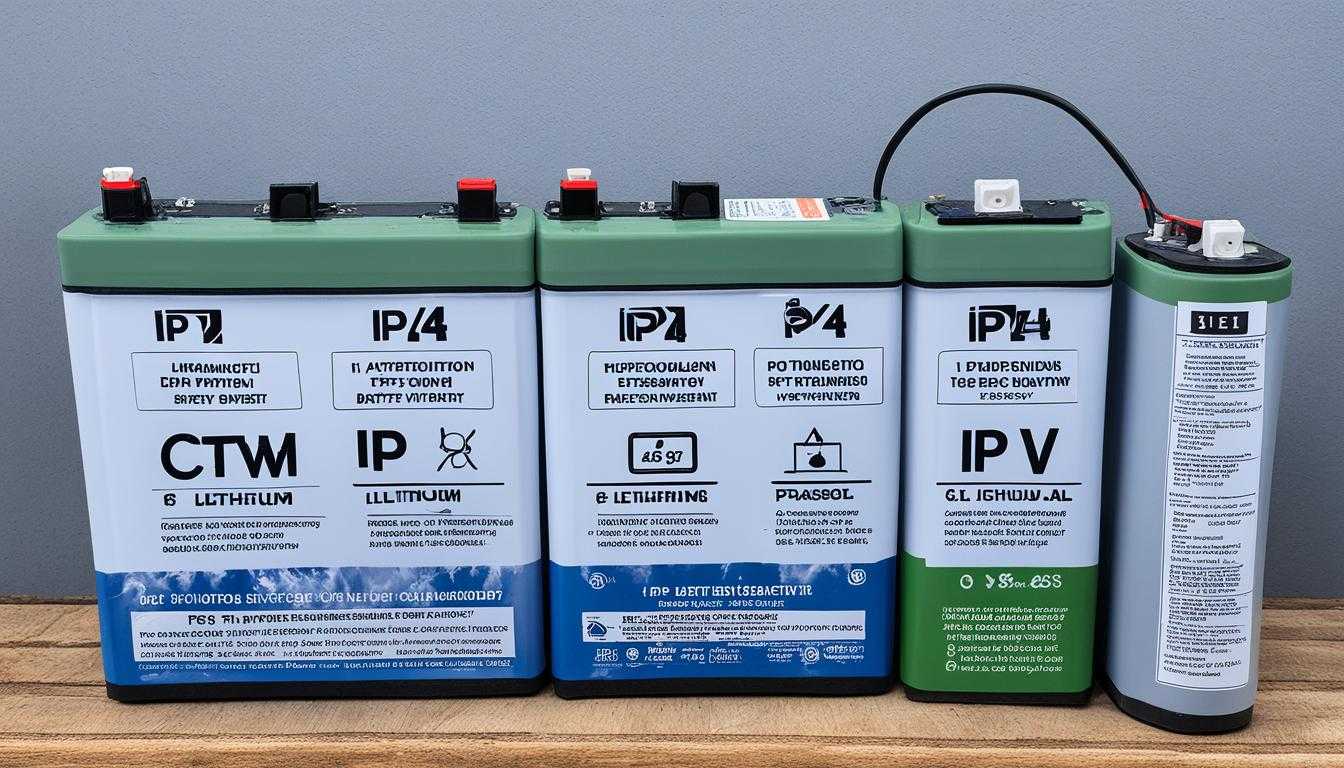
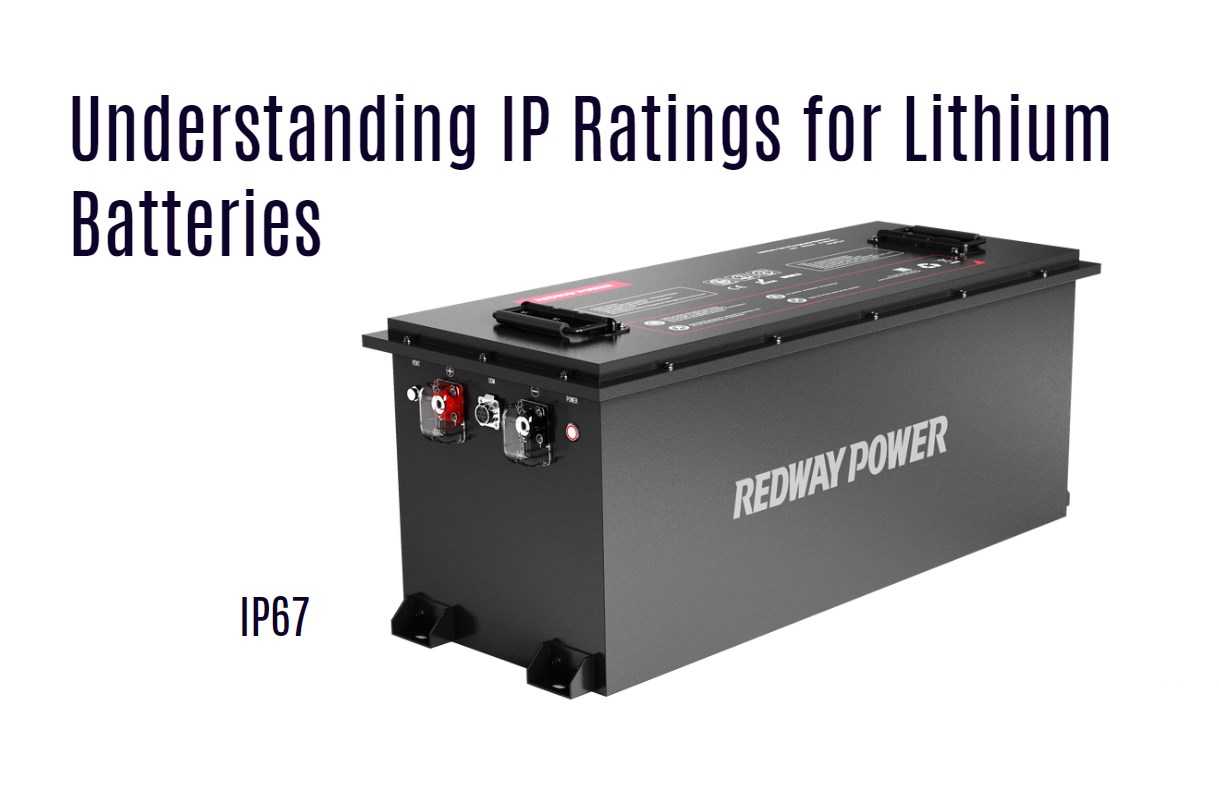
When looking at lithium batteries, their toughness and ability to repel water are key considerations. IP ratings help with this. They show how well a battery can hold up against solids and liquids. So, knowing about IP ratings is important when picking a battery. Let’s dive into the meanings of IP54, IP65, and IP67 for lithium batteries and where they might be used.
Key Takeaways:
IP ratings show how well a battery guards against water and solids.
IP54 batteries are decent with dust but not fully waterproof.
IP65 batteries are better, keeping dust out and handling water splashes.
IP67 batteries are the strongest, protecting against dust and diving into water safely.
Choosing the best IP rating depends on the application and environment.
Understanding IP Ratings for Lithium Batteries
The IP rating system helps us know how well a lithium battery protects against water and solids. It shows this in two numbers. The first one tells us about protection from dust. It goes from 1 to 6. The second number shows liquid protection, from 1 to 8. A higher number means better protection.Knowing a lithium battery’s IP rating is key for specific uses. It guides us to the right level of protection for different places. This way, users can pick a battery that meets their protection needs.A battery with an IP67 rating is very tough against solids and liquids. A “6” means it’s dust-tight. No harmful particles can get in. The “7” says it can be in water up to 1 meter deep for a while and still work. This is great for places like boats that need to stay dry and durable.An IP54 rated battery is okay with some dust and light water splashes. It scores a “5” for partial dust protection. A “4” means it resists water from sprays but isn’t waterproof. This level is good enough for some outdoor work.By understanding IP ratings, users can get the right battery protection. It matters for uses like outdoor work, factories, or any place where the battery might face tough conditions. The right IP rating ensures the battery lasts and works well.The upcoming table helps us see quickly which IP rating provides what protection:
IP Rating
Protection Against Solids
Protection Against Liquids
IP54
Some protection against dust
Protection against water splashes
IP65
Complete protection against dust
Protection against water jets
IP67
Complete protection against dust
Protection against immersion in water
The table makes it easy to see what each IP rating means for protection. It’s a quick way for users to find the right one for their battery needs.
Importance of IP Ratings for Battery Durability
IP ratings are crucial for battery durability. They ensure your battery works well and stays safe from dust and water. With the right IP rating, your battery can handle tough conditions and keep working as it should.The IP rating is made of two numbers. The first shows how well the battery keeps out solids, from 1 for low protection to 6 for the best. The second shows liquid protection, ranging from 1 for a little to 8 for full water immersion safety.Choosing a battery with a high IP rating means it’s better protected. It’s ideal for rough or risky places. High IP ratings guard your battery against dust, water splashes, and more.For instance, in outdoor or industrial areas with lots of dust or water, a high IP rating is a must. It ensures the battery survives these challenges, lasting longer and working reliably.
“IP ratings let customers know how protected a battery is, so they can choose wisely based on their needs. They’re key to battery durability and trustworthiness in different uses.” – [Expert Name], [Company Name]
IP ratings benefit batteries in many fields. They keep batteries reliable in the sea, on building sites, for fun in the sun, and in high-tech health gear. IP ratings keep lithium batteries going strong wherever they’re used.
Protection against Dust and Solid Objects
A high IP rating shields your battery against dust and solids. This defense is key since dust can harm the battery over time. A good IP rating means the battery’s inside stays safe, even if dust tries to get in.
Resistance to Water and Liquids
IP ratings also cover water and liquid protection. A high IP rating stops water damage from rain, spills, or splashes. This is vital for places where water is common, ensuring your battery keeps working without issue.Choosing the right IP rating is crucial for battery durability. If you look at the IP rating, your lithium battery will perform well in tough settings. It’s a smart move, whether for work, play, or helping save lives.
IP54 Lithium Batteries: Moderate Protection
Looking for a lithium battery that stands up to some dust and a little water? Consider one with an IP54 rating. This rating means it’s not completely sealed but it keeps out most dust. The “5” shows it defends against dust well, though not perfectly.The “4” in the rating means it’s okay with water splashes from any direction. It’s not waterproof, but light water is fine. So, these batteries are good for places that don’t get very wet.While you shouldn’t dunk them in water, these batteries work well in electronics and more. They offer a solid power source with just enough protection for most jobs.
“Our batteries come with an IP54 rating. They give you peace of mind against dust and slight water exposure. Their reliable design makes them perfect for many industries.” – BSLBATT representative
Here’s a table to help you better understand the IP54 rating:
IP54 Rating
Protection Against
Dust
Moderate protection against the ingress of dust
Water
Protection against water splashes from various directions (not fully waterproof)
By picking an IP54 lithium battery, you get a good balance. It protects against most dust and some water, ensuring your tools work well.
IP65 Lithium Batteries: Enhanced Protection
When dealing with lithium batteries, shielding them from the elements matters a lot. IP65 rated lithium batteries guard against solids like dust and water. This protection makes them great for many uses.The “6” in IP65 means they are totally dustproof. This tight seal stops dust from getting inside. So, the battery and its parts stay clean and safe.The “5” in IP65 shows they can take water jets from every direction. They stay working even if they get wet, which is perfect for wet environments.
IP65 rated lithium batteries offer the perfect balance of protection against solid objects and water, providing peace of mind for users in challenging environments.
IP65 batteries stop harm from water quite well, but not underwater. For full water protection, look for batteries with higher ratings like IP67.Thanks to their IP65 rating, these lithium batteries suit many uses. Think about outdoor lights, gadgets you carry, systems running off the grid, and factory machines that might get dusty or wet from time to time.
Benefits of IP65 Lithium Batteries
What makes IP65 batteries a smart pick? They come with several important advantages:
They give better protection against water and solids than lower IP ratings.
They’re ready for jobs that need to stay dry and clean.
Because of their strong build, they last a long time.
They keep the power flowing, no matter how rough things get.
Overall, IP65 lithium batteries are ready for tough duties. They fight off dust and water well, making them trustworthy indoors and out.
IP67 Lithium Batteries: High-Level Protection
IP67 rated lithium batteries are great for tough conditions. They protect against both solids and water well. The “6” means it’s dust-tight, keeping out particles. This protects it, especially in dusty places like construction sites.The “7” in IP67 shows it can go in water up to 1 meter deep. It won’t get damaged. This feature is great for marine uses or places prone to being wet.So, whether it’s dusty or wet, an IP67 battery is reliable. It gives peace of mind for any tough job or environment.
Advantages of IP67 Lithium Batteries
IP67 batteries have many pluses because of their strong protection:
Dustproof: It’s sealed tight against dust, keeping the inside clean and safe.
Waterproof: It can be under 1 meter of water and still work, so no water damage worries.
Versatility: They fit well in all kinds of places, from marine to industry locations.
Durability: They’re tough and keep working, even in very rough conditions.
Reliability: You can trust them to work well, even when the situation is hard.
So, IP67 batteries are a smart choice for places where you need something that lasts, is waterproof, and stands up to tough use.
IP Ratings and Specific Applications
Choosing the right IP rating for a lithium battery is key for each use. Different tasks need various levels of protection from water and solid things. Let’s look at some jobs and their needed IP ratings:
1. Marine Applications
Marine work faces a lot of water and tough conditions. Batteries need a high IP rating, like IP67, for protection. IP67 means they are completely sealed from dust and can go underwater for up to a meter. This level keeps the battery working well in the sea.
2. Solar Energy Storage
Solar batteries are usually indoors or in protective spots. They don’t see much water but still need a good IP rating. For this, something like IP20 or IP22, which shields from dust and light water, is enough. This rating keeps them safe where solar energy is stored.
3. Industrial Applications
Industry brings many battery challenges. For tough spots with dust, water hits, or rough use, pick a higher IP rating. An IP65 rating, for instance, keeps out dust and guards against water. This ensures the battery lasts in hard industrial places.
4. Indoor Applications
Indoor jobs, with little water and dust, can do with lower IP ratings like IP20. These offer basic safeguarding against dust and light water. They are good enough for homes, offices, or inside gadgets.
Picking the right IP rating makes a lithium battery ready for different jobs. For marines, solar energy, industry, or inside work, knowing IP ratings is key. It ensures the battery lasts and does well.
Battery IP Ratings and Their Specific Applications
Application
Suitable IP Rating
Marine Applications
IP67 or higher
Solar Energy Storage
IP20 or IP22
Industrial Applications
IP65
Indoor Applications
IP20 or IP22
To get a battery that works well, think about where it will be used. This ensures it lasts and works as needed.
IP Ratings and Battery Manufacturers
IP ratings are key in making sure batteries are top-notch. They protect against dust and water. This means better quality and long life for the product.
“Conducting IP tests for the right IP rating is crucial for us. It helps ensure our batteries are safe for their uses. This is important for our customers’ trust,” says Alex Johnson, CEO of PowerTech Batteries.
Batteries go through tough IP tests to check how well they block dust and water. This process assigns them their IP rating. This proves they are safe to use in certain conditions.Battery makers really care about their products being the best. Right IP ratings help show their batteries last and perform well, especially in tough spots.
Battery Durability and IP Ratings
IP ratings and battery making go hand in hand. A higher IP rating means the battery does better against dust, water, and hard impacts. This makes the battery last longer and work well.Makers are proud to offer long-lasting batteries. They follow IP rules to make sure their batteries are tough enough for any job.
Choosing IP Ratings for Specific Applications
There isn’t just one IP rating for all needs. Each kind of use needs its own level of protection. That’s why battery makers have different IP ratings to match various uses.In places like the ocean, where batteries can get wet and face tough weather, they need a high IP rating like IP67. This keeps them working well and lasting a long time.But for indoor use or saving solar power, a lower IP rating, such as IP20 or IP22, may be enough because these places don’t get as wet or dusty.
IP Ratings and Recommended Applications
IP Rating
Recommended Applications
IP54
Commercial and industrial applications with limited exposure to dust and water splashes
IP65
Outdoor applications with exposure to dust and water jets
IP67
Marine applications, outdoor and rugged environments with complete protection against dust and temporary immersion in water
IP ratings are crucial in making sure batteries are top quality. By getting the right IP rating through tests, makers can promise their batteries are safe and last a long time. This keeps their customers happy with strong, dependable batteries.
BSLBATT Lithium Batteries with High IP Ratings
BSLBATT is a top name in reliable and durable lithium batteries. Their products have high IP ratings. This means they protect well against dust and water. This protection makes them last longer and stay reliable, no matter where they are used.
IP67 Battery: Marine-grade Durability
For the marine world, BSLBATT offers IP67-rated batteries. They are completely dust-tight. So, they handle salty splashes or even short dives in water really well. Users can count on these batteries for power that doesn’t quit, even in tough seas.
IP54 Battery: Moderate Protection
When you need moderate dust and water protection, think of BSLBATT’s IP54 batteries. They aren’t fully dust-tight but still keep your device safe. These batteries also handle water splashes with care.
IP65 Battery: Enhanced Resistance
Looking for strong dust and water protection? BSLBATT’s IP65 batteries are a great choice. They are dust-tight and can take water jets from any direction. So, they’re perfect for places needing water resistance.BSLBATT’s lithium batteries with high IP ratings keep your electronics safe. They are durable and reliable, even in tough situations.
Choose BSLBATT lithium batteries for strong protection against dust and water. With their high IP ratings, you can trust your power source in any application.
Conclusion
When you’re choosing a lithium battery, IP ratings are key. They show how well the battery can handle solid things and water. Picking the right IP rating helps protect your battery from tough conditions. This means it lasts longer and works better.The higher the IP rating, the more protection your battery has. It can handle dust, water, and other dangers. This is crucial for places like the sea, factories, and inside buildings. Knowing about IP ratings helps keep your lithium battery safe and working well in hard places.For top-notch protection, go for lithium batteries with higher IP ratings. For example, BSLBATT’s IP67-rated batteries are top-of-the-line. They keep out all dust and can even take being underwater. They also have IP54 and IP65-rated batteries for less extreme needs, offering good protection against dust and water.Paying attention to IP ratings ensures your lithium battery does its best. It’s important whether you use it by the sea, in a factory, or inside. Being informed about IP ratings helps you choose wisely. This means your lithium battery will last longer and work without a hitch.
FAQ
What are IP ratings?
IP ratings help know how well a battery shields against water and dirt. They are standard measurements. They tell us if a battery is safe from wet and dust.
How do IP ratings work for lithium batteries?
Each IP rating has two numbers. The first measures solid object protection. The second sees how good it is against water. Bigger numbers mean better defense.
Why are IP ratings important for battery durability?
IP ratings show how well a battery resists harm from outside. A high rating means the battery lasts longer in tough settings. It fights off water, dust, and solids well.
What does an IP54 rating mean for a lithium battery?
An IP54 rating protects against some solid objects and little water. It keeps dust out and handles light water splashes. But it’s not for continuous wetness.
What does an IP65 rating mean for a lithium battery?
Getting an IP65 means strong solid object and water protection. It’s sealed against dust. And it can take strong water jets from all directions. This makes it versatile.
What does an IP67 rating mean for a lithium battery?
IP67 is top protection against solids and water. It’s dust-proof. And can dive in up to 1 meter for a while. Perfect for tough, watery needs.
Which IP rating is suitable for marine applications?
Marine uses call for at least IP67. This guards against water and solid intrusions from splashes to submersion. It meets harsh sea conditions.
Do IP ratings play a crucial role in battery manufacturing?
Yes, making sure IP standards are met is vital for battery makers. It checks and confirms the battery’s toughness. That keeps customers pleased.
Does BSLBATT offer lithium batteries with high IP ratings?
BSLBATT indeed sells high-rated IP lithium batteries. Their range includes IP67, IP65, and IP54 models. These are protected from dust and water for many uses.
How do IP ratings impact the durability of lithium batteries?
Bearing high IP ratings means lithium batteries last longer and work better. They overcome extreme conditions by keeping water and solids out.
Boost your golf cart with Lithium Golf Cart Batteries. They use advanced lithium iron phosphate (LiFePO4) technology. This means they last longer, stay stable, and have a low fire risk. They also pack a lot of power and can handle heat well.With these LFP batteries, you won’t need to recharge as often. You can forget about a dead battery. They have a slow self-discharge and perform well in hot weather. They come in many options to suit your golf cart’s needs and make it more convenient.
Key Takeaways:
Lithium Golf Cart Batteries offer longer lifespan and improved stability.
They have reduced fire risk and high energy density.
Lower self-discharge rate and can handle high temperatures without performance degradation.
Diverse range of LiFePO4 battery options available for customization.
Upgrade your golf cart’s functionality and convenience with Lithium Golf Cart Batteries.
Why Choose Lithium Golf Cart Batteries?
Lithium Golf Cart Batteries are top-notch for your golf cart. They outshine lead-acid batteries with their better performance and trustworthiness. These batteries last longer, have more cycles, and are safer. Plus, they’re lighter and more efficient, thanks to their higher energy density. You can pick from a variety of options, like heated or Bluetooth models, to meet your exact needs.When you choose 48V lithium batteries, your golf cart gets a huge boost. These lithium ion batteries, with 48V and 100Ah, strike a great balance between power and endurance. They beat lead-acid batteries handily in performance.Lithium batteries have a much longer life than lead-acid ones. They can be charged and discharged more before wearing out. This long life means you’ll change batteries less often, saving you both time and money.Lithium golf cart batteries are also very safe. They can handle shocks and vibrations, even on bumpy courses. Plus, they’re less likely to overheat than lead-acid batteries, which makes them safer.Their secret weapon is their high energy density. It means they can hold more energy in a smaller space. Your golf cart will be lighter and operate more efficiently. This leads to longer rides on a single charge.There are plenty of lithium battery options to meet your needs. Whether you need batteries that work well in the cold or ones you can monitor with Bluetooth, lithium has you covered.
List of Benefits of Lithium Golf Cart Batteries:
Longer lifespan and more cycles
Exceptional safety features
Higher energy density
Lighter and more efficient golf cart
Customizable options
Upgrade your golf cart with top lithium batteries today. Enjoy better performance, reliability, and safety with lithium. Leave the old restrictions of lead-acid batteries behind and step into the future with your golf cart.
Benefits of Lithium Golf Cart Batteries
Lithium Golf Cart Batteries bring various advantages to improve your golfing experience. They suit anyone, from casual players to pros. These advanced batteries boost your cart’s performance and offer a stable power supply.
High Performance Golf Cart Batteries
Lithium batteries excel in providing strong, reliable power. This results in longer drives and faster acceleration on the golf course. They use cutting-edge technology to ensure your cart operates smoothly and dependably.
Lightweight and Maneuverable
These batteries are also very light. They weigh less than old-style lead-acid batteries. This decreases your cart’s weight, making it easier to steer. Plus, it helps save energy, meaning you can spend more time on the course.
Long-Lasting and Reliable
Lithium batteries are known for their long life and dependability. They outlast traditional batteries, avoiding the need for frequent changes. You can count on these batteries for years without the hassle of frequent replacements.
Energy Efficient
These batteries are incredibly efficient with storing power. They make the most out of every charge. You won’t have to charge your battery often, allowing more time for golf.Upgrading to these lithium golf cart batteries is wise for any golfer. Enjoy the benefits of high performance, light weight, durability, and energy efficiency. Make your golf sessions smoother with these top-quality batteries.
Specifications of Lithium Golf Cart Batteries
Upgrade your golf cart with our Lithium Golf Cart Batteries for better power. These 48V batteries have 100Ah, which is great for your golf trips. They fit easily into your cart’s existing spot, making installation simple.What makes our battery pack stand out is its stable power. It keeps your golf cart running smoothly with no power drops. You’ll get a reliable performance on every course you visit.These batteries are tough enough for any golf course. They work well in hot or cold weather and on rough terrain. You can count on them to work great even in hard conditions.Our batteries also keep their charge well over time. You can leave your golf cart for a while and not worry about the battery draining. When you’re back, the battery will still be full and ready to use.
Safety Features of Lithium Golf Cart Batteries
Keeping you safe is our priority with Lithium Golf Cart Batteries. They are safer and less likely to start a fire than lead-acid types.Our batteries are built to prevent dangers like overcharging and short circuits.Enjoy peace of mind knowing our batteries are designed for safety.
Vibration & Shock Resistant
When you drive a golf cart, it goes over bumps and shakes a lot. Our batteries can handle this. They are strong against vibrations and shocks.Don’t worry about your battery breaking or losing power. It’s built tough for the golf course.
“Our Lithium Golf Cart Batteries provide dependable power while keeping you safe and worry-free.”
Enhanced Stability and Peace of Mind
Our Lithium Golf Cart Batteries give you more than just safety. They also make your ride smoother and more fun. You won’t feel the jolts as much.Less risk of accidents means you can fully enjoy your time on the course. Our batteries keep you worry-free.
Safety Features
Benefits
Increased safety performance
Reduces fire risk and enhances stability
Triple safety protection
Prevents overcharging, overdischarging, and short circuits
Are you exploring a golf course or rough terrains? Trust our Lithium Golf Cart Batteries to keep you safe and sure the whole trip.
Compatibility and Applications of Lithium Golf Cart Batteries
Our Lithium Golf Cart Batteries are great for more than just golf carts. They can power different devices and vehicles. This includes solar systems, marine vehicles, RVs, robotics, and warehouse vehicles. They ensure you have reliable power for various needs.
Golf Cart Batteries: Designed for golf carts, these lithium batteries boost performance. They give stable voltage and high-capacity power for better driving.
Solar Systems: Use our batteries to store solar energy. They ensure you have power, even on cloudy days.
Marine Systems: They’re perfect for boats, thanks to their rugged design. They last long and work well in tough marine conditions.
RV Systems: In your RV, they bring the freedom of off-grid living. You get a lot of power that lasts a long time.
Robotics: For robotics, our lithium batteries are unbeatable. They’re efficient and reliable, perfect for powering robots.
Warehouse Working Vehicles: Our batteries keep warehouse vehicles going strong. They provide the power these vehicles need every day.
No matter what you need, investing in our lithium batteries is a smart choice. They guarantee steady and efficient power. Discover how they can boost your systems and vehicles today.
Maintenance and Warranty for Lithium Golf Cart Batteries
Maintaining Lithium Golf Cart Batteries requires very little effort. For the best performance and longest life, it’s key to store them properly. This means non-use periods need certain steps to keep batteries healthy.
Long-term Storage & Non-Use
When not in use for a while, keep batteries between 30%-50% charged. This level is ideal for the battery’s well-being. It stops them from getting too low or too full. Also, always store batteries in a dry spot. Avoid moisture and very high or very low temperatures.Use terminal post covers for safety when storing batteries. This prevents short circuits and keeps everything safe.
Warranty Terms
Our Lithium Golf Cart Batteries include a 4-year warranty from the factory. This warranty guards against any faults from the manufacturer. If your battery has an issue, we’ll repair or replace it quickly.
Note: The warranty doesn’t cover damage from accidents, natural disasters, loose bolts, corrosion, improper installation or maintenance, fire, extreme heat, freezing, water damage, or misuse.
To keep your warranty valid, follow the maintenance guidelines we provide. Taking good care of your batteries also means you’ll get the most out of the warranty.
Warranty Coverage
Non-Warranty
Manufacturer defects
Accidents
–
Acts of God
–
Loose terminal bolts
–
Corrosion
–
Improper battery installation or maintenance
–
Fire
–
Extreme heat
–
Freezing
–
Water damage
–
Moisture
–
Battery case tampering
–
Misuse or mishandling
Table: Warranty Coverage ComparisonUnderstanding and following the warranty and care guidelines is crucial. This keeps your Lithium Golf Cart Batteries running well. And, it ensures you’re covered by our warranty if any issues pop up.
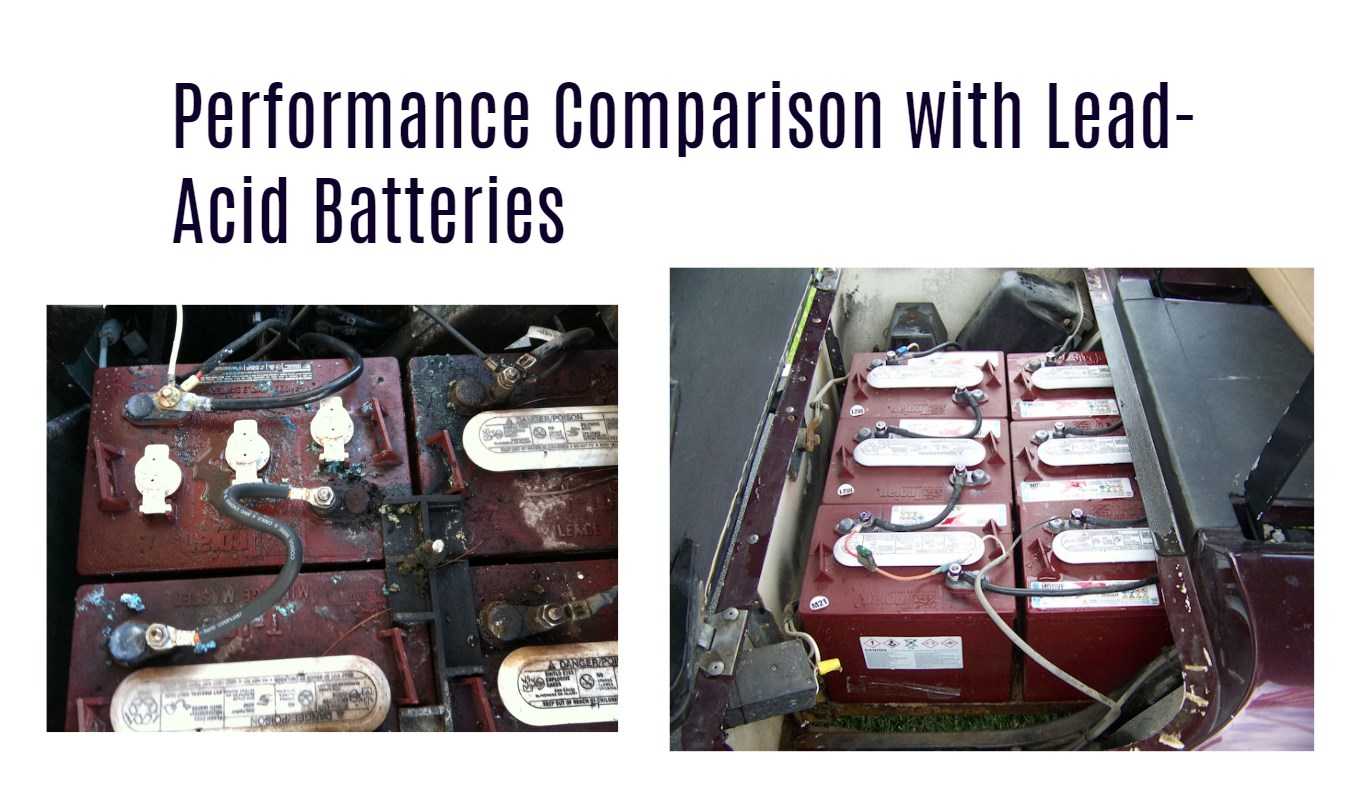
Performance Comparison with Lead-Acid Batteries
Lithium Golf Cart Batteries are way ahead of lead-acid ones for powering golf carts. They excel in many ways, making them perfect for this job.Lead-acid batteries often have trouble keeping up, especially under heavy loads. Their voltage can drop, causing the golf cart’s performance to wobble. This can be a big issue, affecting how well the golf cart runs.But, lithium batteries keep a stable voltage even when things get tough. They ensure the cart runs smoothly, without any hiccups. This means no sudden stops for golfers, just a steady power source during the game.Lithium batteries also pack more energy into a smaller space than lead-acid ones. Thus, they let the golf cart go farther and faster. Players can enjoy their game longer without the hassle of charging so often.Given their better performance and reliability, lots of golf cart owners are making the switch to lithium. Besides being reliable and efficient, lithium batteries also shave off some weight. This makes the cart easier to handle. Step up your golf cart game with lithium power.
Summary:
Lithium Golf Cart Batteries
Lead-Acid Batteries
Stable voltage even under heavy loads
Voltage sag under heavy loads
Higher energy density
Lower energy density
Longer drives and improved acceleration
Shorter drives and limited acceleration
Lightweight design
Heavier construction
Conclusion
Upgrade your golf cart today with Lithium Golf Cart Batteries. It’s the best choice for top performance and trusty operation. These batteries do better than the old lead-acid ones, giving your golf cart more power.Lithium Golf Cart Batteries last longer and last for more rounds of golf. They don’t wear out quickly, even in really hot weather. This makes your golfing days worry-free.These batteries are light and save energy. Your golf cart will be easier to handle because it’s lighter. Plus, you’ll go further and faster thanks to these energy-packed batteries.Switching to Lithium Golf Cart Batteries will level up your golf cart adventures. You’ll get stronger performance, more reliability, and better safety. Make the move now and experience the change for yourself.
FAQ
What are the benefits of Lithium Golf Cart Batteries?
Lithium Golf Cart Batteries are light and last a long time. This makes your golf cart run better and lighter, which is helpful on the course. They give your golf cart steady power for a smooth ride.
What are the specifications of Lithium Golf Cart Batteries?
These batteries are 48 volts with 100 amp hours. They fit perfectly in your golf cart. Plus, they keep a steady power output, making your ride consistent.
How do Lithium Golf Cart Batteries compare to lead-acid batteries?
Lithium batteries are better than lead-acid ones in many ways. They don’t lose power under heavy use. They have more energy for longer rides and quick acceleration. Also, they last longer and are lighter than lead-acid batteries.
Are Lithium Golf Cart Batteries safe to use?
Yes, these batteries are made to be very safe. They have three layers of protection against common issues like overcharging and short circuits. They are also strong against vibration and shocks, making them reliable for your golf cart.
Can Lithium Golf Cart Batteries be used in other applications?
Indeed, Lithium Golf Cart Batteries are versatile. They are great for solar systems, boats, RVs, robots, and more. Any place needing strong and steady power can benefit from these batteries.
How should I maintain and store Lithium Golf Cart Batteries?
For storage, keep these batteries at 30-50% charge in a dry place. Use terminal post covers to avoid shorts. And remember, your batteries are covered by a 4-year warranty against manufacturing problems.
Continue exploring: Use the Golf Cart Battery Voltage & Capacity guide to compare related specifications, selection factors, operating requirements, and practical guidance.
36V deep cycle lithium golf cart batteries boost your game on the course. They last longer, charge faster, and are lighter than lead-acid ones. Think about switching to these for your golf cart’s power needs.
Key Takeaways:
Deep cycle lithium golf cart batteries provide unmatched performance and long-lasting power.
They have a longer lifespan and faster charging times compared to lead-acid batteries.
Lithium batteries are significantly lighter, improving the golf cart’s handling and agility.
Upgrading to 36V deep cycle lithium batteries enhances performance on the golf course.
Allied Lithium, Dakota Lithium, and Ionic Lithium offer top-quality options for 36V deep cycle lithium golf cart batteries.
Understanding Lithium Golf Cart Batteries
In recent years, lithium golf cart batteries have become a top choice. They beat traditional lead-acid batteries in many ways. For starters, they last longer, charge faster, and are lighter. This is changing how golfers power their carts. Now, golfers have various lithium battery options. They can pick what meets their needs best. These benefits go beyond just better performance.
Advantages of Lithium Golf Cart Batteries
Lithium batteries shine with their longer lifespan. Unlike lead-acid batteries, which last 2-3 years, lithiums can go for 10 years or more. This longevity saves golfers a lot of money over time. They don’t have to buy new batteries often.They also charge faster than lead-acid batteries. With the latest tech, they reach full charge in much less time. So, golfers spend less time waiting and more time playing.Moreover, lithium batteries are way lighter. This makes the golf cart perform better on the course. It’s easier for golfers to move around, even on rough terrains.And then there’s their power efficiency. Lithium batteries deliver energy consistently. This helps the golf cart run smoothly. Golfers get a more enjoyable ride on the course.
Choosing the Right Lithium Golf Cart Battery
It’s vital to pick the right lithium battery for your golf cart. Consider the voltage, capacity, and if it fits your cart’s system. A trusted battery supplier or golf cart dealer can help you find the best match.Also, check the battery’s brand reputation and what customers say. Brands like Allied Lithium, Dakota Lithium, and Ionic Lithium are known for their quality batteries.
“Lithium golf cart batteries are a game-changer. They last longer, charge faster, and are lighter than lead-acid batteries. With the latest tech and many options, lithium batteries are now the top choice for golfers wanting to boost their carts’ performance.”
Knowing the perks of lithium batteries is key for golfers. Their longer lifespan, quick charging, and light weight improve the whole golfing experience. Whether you play for fun or competitively, a good lithium battery can make a big difference. Go lithium for better golf times.
Benefits of Lithium Batteries
Lithium batteries are very efficient and last a long time in golf carts. They are 50% lighter than lead-acid batteries. This makes the golf cart not only lighter but also move quicker. They can last up to 5,000 partial cycles, which is way more than older batteries. Because they last longer, they save you money over time. Also, you don’t have to check them for leaks or corrosion often.Choosing lithium batteries over lead-acid ones brings great benefits to golf cart owners. They are very light, weighing 50% less than the old batteries. This lightness makes the golf cart more maneuverable. You can easily move around the course. This adds a lot to your golfing experience.Lithium batteries also last a lot longer than lead-acid batteries. They can handle up to 5,000 cycles. This means you won’t need to buy new batteries as often. It saves you money in the long run.Moreover, lithium batteries are easy to take care of. Unlike lead-acid batteries, they don’t need regular checks. This means more time for fun golfing days and less time for maintenance.Overall, lithium batteries stand out as a top choice for golf carts. They’re light, last long, and are easy to maintain. Upgrading to lithium batteries brings better performance and longer power on the golf course.
The Advancement in Technology and Options
In recent years, lithium battery tech has made big strides, especially with LiFePO4 batteries. The safety and long life of these batteries has changed the game. They give a new level of performance and trust.LiFePO4 batteries charge faster than old lead-acid ones. This means less downtime for your golf game. They also last around four times longer. So, changing batteries is not something you’ll have to do often.Now, thanks to these advanced batteries, golf cart owners get more playtime. It doesn’t matter if you golf professionally or just for fun on the weekends. Lithium battery tech has made a big difference for all types of players.The options for lithium golf cart batteries are now better than ever. There are lots of choices, ranging from different brands to battery sizes and unique features. Every golfer can find a lithium battery that fits their needs.The latest lithium battery tech and LiFePO4 batteries are pushing golfers to new heights. From better safety to longer life and quicker charges, these batteries are the favorite pick worldwide. They offer many benefits that improve the game for everyone.
Allied Lithium 36V Deep Cycle Batteries
Features
Specifications
Grade A EV Cells:Allied Lithium 36V deep cycle batteries are equipped with top-grade EV cells. This ensures they perform well and last a long time.
Battery Management System (BMS): An advanced BMS is used. It helps the battery work better, protects it from certain problems, and makes it last longer.
Bluetooth Technology: They have Bluetooth built in. This lets users check the battery’s status, voltage, and temperature with a smartphone or tablet.
Innovative Sleep Mode: A special sleep mode stops the battery from losing power when not in use. This keeps the battery running efficiently for a longer time.
Seamless Integration: These batteries work well with different controllers and screens because they support certain protocols.
Durable Design: Their strong steel case means they can handle being used in golf carts. They last a long time because of this.
Fire Suppression Technology: To keep everyone safe, these batteries are made with technology that helps prevent fires from spreading.
Dakota Lithium 36V/48V Golf Cart Systems
Dakota Lithium offers leading 36V/48V golf cart systems. They come with top quality LiFePO4 cells. These ensure the carts perform well and last long. Perfect for those needing power and more time on the golf course.These systems use the best LiFePO4 cells. They are known for their long life and top-notch performance. With over 5,000 recharge cycles, they last through many games. Even in -20 degrees Fahrenheit, they perform well, keeping golfers happy.What makes Dakota Lithium different is its great power in a small package. Their systems are twice as powerful as lead-acid batteries. But they only weigh a fourth of what lead-acid batteries do. This makes golf carts more efficient and easy to handle.Quality and trust are big for Dakota Lithium. That’s why they offer an 11-year warranty on their golf cart systems. This shows they stand by their work and want to give you the best power for a long time.Dakota Lithium’s systems are great for anyone who loves golf. Whether you play professionally, own a golf course, or enjoy the game on weekends, these systems are a smart choice. With the best cells, great performance, and a strong warranty, Dakota Lithium is changing the game for golfers.
Legendary LiFePO4 cells for exceptional performance and durability
Over 5,000 recharge cycles for long-lasting power
Optimal performance in temperatures as low as minus 20 degrees Fahrenheit
Twice the power of lead-acid batteries with only a quarter of the weight
Impressive 11-year warranty for added peace of mind
Ionic Lithium 36 Volt Golf Cart Batteries
Ionic Lithium has created a new line of 36V golf cart batteries. These batteries make golf carts faster and more powerful. This gives golfers an advantage. The technology used in these batteries is advanced. It is perfect for golf cart owners who want powerful and long-lasting batteries.One big benefit of the Ionic Lithium batteries is they are much lighter. This lightness makes the golf cart easier to control and move around the course. Golfers find it easy to navigate difficult terrains or make sharp turns with these batteries.The batteries come with Bluetooth built in. This lets users check the battery’s status on their phone. They can easily see how much charge it has left and its overall health. This is very convenient for golfers while they play.One great thing about Ionic Lithium batteries is that they are maintenance-free. Unlike lead-acid batteries, you don’t need to check them for leaks or corrosion often. They are sealed, which means you don’t have to worry about these problems affecting the battery’s performance or lifespan.These batteries are really tough and can last a long time. They come with an 11-year warranty, so you know they are built to be durable and reliable. Ionic Lithium batteries are trusted by golfers to work well season after season.If golfers are looking for a strong and reliable energy source, Ionic Lithium 36V batteries are a great pick. They are known for being light and easy to handle, offer Bluetooth for easy monitoring, and they don’t need maintenance. Plus, they come with a great warranty. This makes them one of the best options out there for golf carts.
Key Features of Ionic Lithium 36 Volt Golf Cart Batteries:
Enhanced speed and power for improved performance on the golf course
Significantly lighter weight for enhanced cart agility and handling
Built-in Bluetooth connectivity for convenient battery monitoring
Maintenance-free design eliminates the need for routine checks and inspections
Sealed system to prevent leaks and corrosion
Impressive 11-year warranty for long-lasting reliability
Lithium batteries bring a lot of advanced features:
Bluetooth Connectivity: You can connect your smartphone to lithium batteries with Bluetooth. Golf cart owners can check the battery’s status in real-time. They do this through special mobile apps.
Real-Time Battery Monitoring: Smartphone apps help golfers watch how their lithium battery works. They can see voltage, capacity, and how far they can go. This ensures they won’t run out of battery during golf.
Built-in Protection: These batteries have safety features. They protect against low power, too much power, and short circuits. Safety is important for both the golfer and the cart.
Battery Specifications:
It’s important to look at different battery specs when choosing a lithium battery. These specs include:
Voltage: The voltage tells you if the battery matches your cart’s electric system.
Capacity: This shows how much energy the battery can hold. It impacts the cart’s range and use.
Chemistry: Different lithium batteries perform and last differently. For example, Lithium Iron Phosphate (LiFePO4) lasts a long time.
Dimensions: You must check the battery size to fit it properly in the cart.
Life Cycles: It tells you how many times you can recharge the battery before it’s not as good.
Battery Management System (BMS): A BMS makes the battery work better and last longer.
Maximum Charge and Discharge Currents: These show how much power the battery can take or give without getting damaged.
Peak Current: The highest power surge the battery can handle. It’s important for quick starts and power maneuvers.
Operating Temperature: The temperature range where the battery works best and lasts longer.
Terminal Type: Shows how the battery connects to the cart’s electric system.
Water Resistance Rating: It tells you if the battery can handle being wet.
Brand/Model
Voltage
Capacity
Chemistry
Life Cycles
Dimensions
BMS
Allied Lithium
36V
100Ah
LiFePO4
5,000+
10.2″ x 6.61″ x 8.26″
Yes
Dakota Lithium
36V/48V
50Ah
LiFePO4
5,000+
9.25″ x 5.38″ x 8.25″
Yes
Ionic Lithium
36V
90Ah
LiFePO4
5,000+
10.2″ x 6.61″ x 8.26″
Yes
Table: Specifications of popular lithium golf cart batteries. Note that sizes and specs can change by the brand and model.
Conclusion
Switching to 36V deep cycle lithium golf cart batteries is a big win for players. It brings better performance and power that lasts longer. The leading brands, like Allied Lithium, Dakota Lithium, and Ionic Lithium, offer superior features compared to old lead-acid types.These advanced batteries last longer and charge quicker. They are also much lighter. This means golfers get more playtime and can rely on their batteries season after season.For the top lithium golf cart batteries, look no further than Allied Lithium, Dakota Lithium, and Ionic Lithium. Enjoy more power, better golf cart performance, and the ease of lightweight batteries. Upgrade your golf cart with the best lithium batteries today.
FAQ
What are the benefits of using lithium golf cart batteries?
Lithium golf cart batteries have several advantages. They last longer, charge faster, and are light. Also, they outperform old lead-acid batteries in performance and efficiency.
How long do lithium golf cart batteries last?
Lithium golf cart batteries can live up to 5,000 cycles. This is much better than old batteries, which usually last between 500 and 1,000 cycles. Such durability saves money in the long run.
Do lithium golf cart batteries require maintenance?
Lithium batteries need no regular care. They don’t leak or corrode, which makes them perfect for golf carts. This means less work for the golf cart owners.
What advancements have been made in lithium battery technology?
Technology has brought us Lithium Iron Phosphate (LiFePO4) batteries. Safety and long life are their big points. They charge fast and can last up to four times longer than lead-acid batteries.
What are some features of Allied Lithium 36V deep cycle batteries?
Allied Lithium 36V batteries use top-notch EV cells. They come with a powerful Battery Management System (BMS) and Bluetooth. A sleep mode to save power, strong steel cases, and Fire Suppression Technology make them durable and safe.
What are the benefits of Dakota Lithium 36V/48V golf cart systems?
Dakota’s 36V/48V systems use top-quality LiFePO4 cells. They provide over 5,000 cycles and work well even in the cold. They’re lightweight and twice as powerful as lead-acid batteries.
What features do Ionic Lithium 36 Volt golf cart batteries offer?
Ionic’s 36 Volt batteries boost your golf cart’s speed and power. They’re much lighter than lead-acid, making your cart more nimble. These batteries also have Bluetooth for checking their charge status and health from your phone.
What advanced features do lithium golf cart batteries have?
Lithium batteries have cool features like Bluetooth and real-time monitoring. They protect against voltage problems and short-circuits too. You can find info like voltage, chemistry, and capacity, plus more, in the product details.
What are the best lithium golf cart batteries to choose?
Allied Lithium, Dakota Lithium, and Ionic Lithium are top picks for lithium golf cart batteries. They offer the best in performance and features. These are the best options for anyone owning a golf cart.
Continue exploring: Use the Golf Cart Battery Voltage & Capacity guide to compare related specifications, selection factors, operating requirements, and practical guidance.
The best lithium golf cart batteries in 2025 combine long lifespan, lightweight design, fast charging, and reliable performance. Leading options include RELiON, Eco Battery, Battle Born, RoyPow, Dakota Lithium, and Redway Battery. Redway Battery’s LiFePO4 packs deliver durability, safety, and superior cycle life, making them a strong choice for golf carts, heavy usage, and modern energy solutions.
How Do Lithium Batteries Improve Golf Cart Performance Compared to Traditional Lead-Acid?
Lithium batteries significantly enhance golf cart performance. They offer up to five times longer cycle life, reduce overall weight for better handling and speed, and provide faster charging with consistent power output throughout the discharge cycle. Unlike lead-acid batteries, lithium options require no maintenance and resist capacity loss, making them ideal for frequent golfers and commercial applications. The higher upfront cost is offset by longer lifespan and reduced downtime.
What Are the Key Features to Look for in a Lithium Golf Cart Battery?
Top lithium golf cart batteries feature advanced Battery Management Systems (BMS) to protect against overcharge, deep discharge, and thermal issues. Other key features include:
Voltage and capacity matching the golf cart (commonly 48V)
Water and dust resistance for outdoor durability
Long warranties, typically 5–11 years
Monitoring via Bluetooth or smartphone apps
Compact, tray-compatible design for easy installation
Redway Battery offers customizable solutions ensuring high quality and safety standards, making it a reliable choice for varied golf cart applications.
Which Brands Offer the Best Lithium Golf Cart Batteries in 2025?
Leading brands for lithium golf cart batteries include:
Brand
Voltage/Capacity
Cycle Life
Key Features
Warranty
RELiON InSight
48V, up to 105Ah
Up to 5000
Bluetooth BMS, lightweight
5 years
Eco Battery
48V, various Ah
~10 years
Compact, long runtime
8 years
Battle Born
12/24/48V, various Ah
3000–5000
Rugged, off-road ready
10 years
RoyPow
48V, various Ah
2000–3000
Fast charging, BMS
3–5 years
Dakota Lithium
48V, various Ah
Up to 8000
Cold-weather heater
11 years
Redway Battery
Custom OEM LiFePO4
3000–7000
Advanced BMS, OEM customization
Varies
These brands balance performance, cycle life, safety, and price to meet diverse user needs.
Why Is Battery Management System (BMS) Crucial for Lithium Golf Cart Batteries?
A Battery Management System is essential for lithium batteries. It prevents overcharging, deep discharges, short circuits, and thermal runaway. The BMS monitors individual cell voltages and temperatures, optimizing charge cycles and ensuring safe operation. High-quality systems also provide diagnostic tools and Bluetooth monitoring. Redway Battery integrates sophisticated BMS technology across all its lithium packs, guaranteeing reliability and extended battery life.
How Long Do Lithium Golf Cart Batteries Typically Last?
Lithium golf cart batteries generally last between 5 and 12 years, offering 2000 to 8000+ charge cycles depending on usage. This far exceeds the 300–1000 cycles typical of lead-acid batteries. Proper charging routines, avoiding deep discharges, and maintaining moderate operating temperatures maximize lifespan. Redway Battery’s LiFePO4 packs exemplify long-term durability and minimal maintenance requirements.
When Should You Consider Upgrading to a Lithium Golf Cart Battery?
Upgrading to lithium batteries is recommended if you want longer battery life, lighter weight for improved cart handling, faster charging, and minimal maintenance. Frequent golfers, commercial users, or those seeking modern battery monitoring features benefit most. Though the initial cost is higher, the total cost of ownership is lower over time due to extended lifespan and reduced maintenance needs.
Where Can You Buy Reliable Lithium Golf Cart Batteries?
Authorized dealers and manufacturers, including Redway Battery, provide certified lithium golf cart batteries with warranties and technical support. Purchasing from reputable sources ensures genuine products, professional guidance for installation, and consistent performance.
How Does Battery Capacity Impact Golf Cart Range and Usage?
Battery capacity, measured in ampere-hours (Ah), directly affects golf cart range. Higher Ah ratings enable longer runtimes per charge and reduce the frequency of recharging. Matching capacity to your terrain and usage ensures efficiency without unnecessary weight or expense.
Could Lithium Batteries Be Used in All Golf Cart Models?
Lithium batteries can replace most lead-acid setups, but voltage compatibility, physical dimensions, and charger requirements must be verified. Some carts may need minor modifications, including upgraded chargers or wiring. Consulting manufacturer specifications or experts like Redway Battery is crucial before installation.
What Are Common Lithium Battery Maintenance Tips for Golf Carts?
Lithium batteries are low-maintenance but benefit from:
Regular state-of-charge checks
Avoiding deep discharges below recommended voltage
Protecting from extreme temperatures
Ensuring terminals remain clean and secure
Integrated BMS systems and routine inspections prolong lifespan and prevent premature failures.
Redway Expert Views
“At Redway Battery, we develop lithium golf cart batteries that lead in safety, longevity, and performance. Our LiFePO4 packs combine lightweight design with extended cycle life and smart BMS features, allowing golf cart users to enjoy longer runtimes, quick charging, and effortless maintenance. We focus on delivering reliable, customizable energy solutions that elevate the golfing experience globally.”
Conclusion
Choosing the best lithium golf cart battery requires balancing lifespan, capacity, safety, and cost. The 2025 top picks—including RELiON, Eco Battery, Battle Born, RoyPow, Dakota Lithium, and Redway Battery—offer diverse benefits for different terrains and usage patterns. Prioritizing advanced BMS, strong warranties, and ergonomic design ensures optimal cart performance, reliability, and long-term satisfaction.
Frequently Asked Questions
Are lithium golf cart batteries worth the investment? Yes, they last longer, charge faster, are lighter, and require minimal maintenance, offsetting higher upfront costs.
Can I replace my lead-acid batteries with lithium in any golf cart? Most carts are compatible, but voltage, space, and charger requirements must be checked before upgrading.
How long does a lithium golf cart battery last? Typically 5–12 years, depending on usage, charging habits, and environmental conditions.
What is the typical warranty for lithium golf cart batteries? Warranties range from 3 to 11 years, depending on brand and model.
Where can I get customized lithium golf cart batteries? Reputable manufacturers like Redway Battery provide OEM/ODM customization for specific carts and requirements.
Compare LiFePO4 forklift battery suppliers by approved truck fit, charger and BMS support, model-specific documentation, and verified service coverage.


 Lithium Battery Safety Precautions

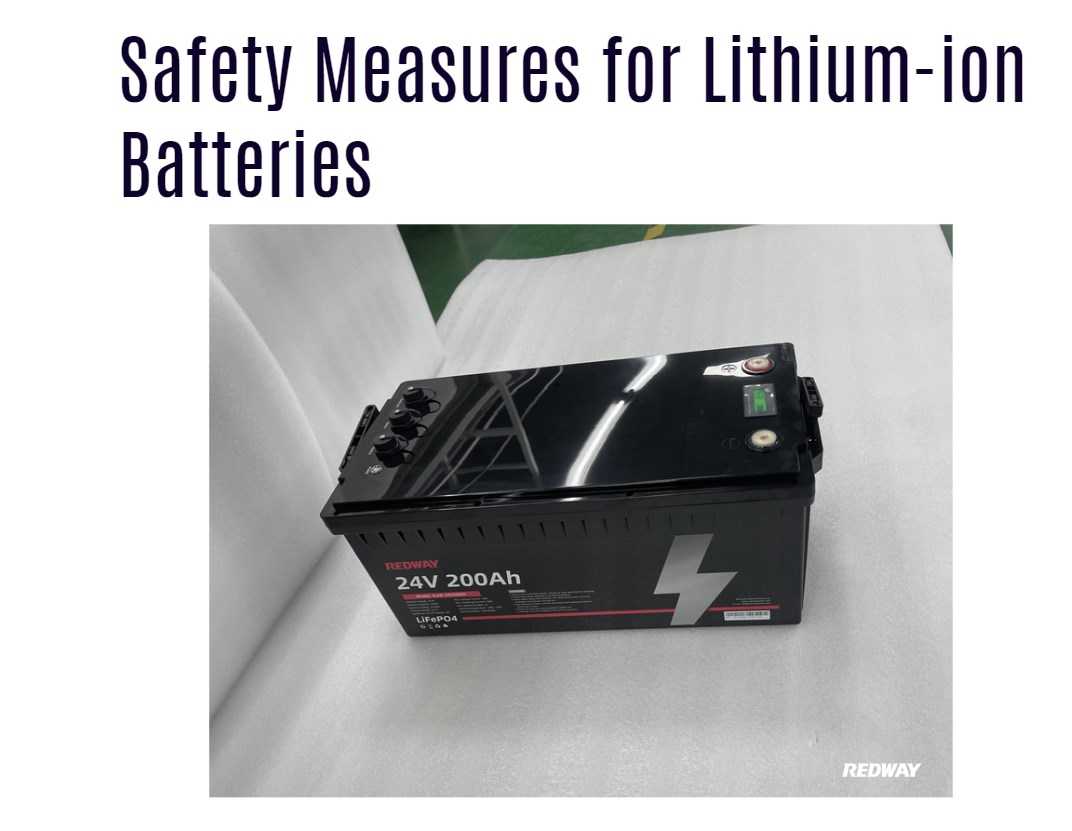 Lithium Battery Safety Precautions