Charging an AGM battery incorrectly may lead to overcharging, overheating, loss of capacity, shortened lifespan, and even safety hazards.Explanation:
Overcharging: Applying a voltage higher than recommended can lead to overcharging, causing excessive heat, electrolyte loss, and damage to internal components.
Heat Buildup: Incorrect charging can generate excess heat, accelerating aging processes, and potentially causing the battery to bulge or leak.
Loss of Capacity: Improper charging, especially at high voltages, can result in irreversible damage to the battery’s internal structure, leading to a permanent loss of capacity.
Reduced Lifespan: Continuous incorrect charging accelerates wear and tear, significantly shortening the overall lifespan of the AGM battery.
Safety Hazards: In extreme cases, overcharging may generate gas and heat, leading to the risk of a sealed AGM battery leaking or even exploding.
To avoid these issues, always adhere to the manufacturer‘s charging recommendations, use a compatible charger, and follow proper charging procedures. Regularly monitor the battery during charging to ensure it stays within safe parameters. If you suspect incorrect charging has occurred, it’s advisable to assess the battery’s condition and, if necessary, seek professional assistance.
Are you scratching your head wondering why your AGM battery isn’t holding a full charge? Well, you’re not alone! AGM batteries are known for their reliability and longevity, but sometimes they can throw us a curveball. In this blog post, we’ll dive into the world of AGM batteries, explore common reasons for incomplete charging, discuss the importance of proper charging techniques, and provide valuable tips to troubleshoot and prevent this frustrating issue. Let’s unravel the mystery behind your undercharged AGM battery together!
Common Reasons for Incomplete Charging
If you’ve noticed that your AGM battery isn’t charging fully, there are several common reasons that could be causing this issue. One possible culprit is a faulty or worn-out alternator, which may not be providing enough power to recharge the battery adequately. Another reason could be corroded or loose battery terminals, hindering the flow of electricity between the battery and the charging system.Additionally, old or damaged wiring can also impede the charging process by creating resistance in the electrical connections. It’s essential to check for any signs of frayed wires or exposed insulation that may be affecting the charging efficiency. Furthermore, overcharging or undercharging can lead to incomplete charging cycles and shorten the lifespan of your AGM battery.Moreover, extreme temperatures can impact how efficiently your AGM battery charges. High temperatures can cause water loss and premature aging, while cold weather can slow down chemical reactions within the battery cells. Keeping an eye on these common issues can help ensure your AGM battery receives a full charge when needed.
The Importance of Proper Charging for AGM Batteries
AGM batteries are known for their high performance and reliability, making them a popular choice for various applications. However, to ensure that these batteries operate at their best, proper charging is crucial.When it comes to AGM batteries, the charging process plays a significant role in maintaining their efficiency and prolonging their lifespan. Insufficient or improper charging can lead to issues like undercharging or overcharging, which can impact the battery’s overall performance.Properly charging AGM batteries not only ensures that they reach full capacity but also helps prevent damage and premature failure. It is essential to follow manufacturer guidelines and use compatible chargers to avoid any potential risks.By understanding the importance of proper charging for AGM batteries, users can maximize their battery’s potential and optimize its performance for long-term use.
Tips for Troubleshooting and Preventing Incomplete Charging
If you’re encountering issues with your AGM battery not charging fully, there are a few troubleshooting tips to consider. First off, make sure the battery connections are clean and tight – any corrosion can hinder the charging process. Check the charger itself to ensure it’s functioning properly and compatible with AGM batteries.Another tip is to monitor the charging voltage regularly using a multimeter to ensure it’s within the recommended range. If the voltage is too low or too high, it could be affecting the charging efficiency. Additionally, avoid over-discharging your AGM battery as this can shorten its lifespan and lead to incomplete charging cycles.Consider investing in a smart charger specifically designed for AGM batteries, as these chargers are equipped with features that optimize the charging process. If you’re still experiencing issues despite troubleshooting efforts, don’t hesitate to seek professional help from a technician who specializes in automotive batteries.
When to Seek Professional Help
If you’ve tried troubleshooting your AGM battery and it still isn’t charging fully, it might be time to seek professional help. Professional technicians have the expertise and tools to diagnose and fix complex battery issues that you might not be able to tackle on your own.Don’t wait until the problem worsens or causes damage to other components of your system. Seeking professional help early can save you time, money, and frustration in the long run.Look for certified professionals who specialize in AGM batteries to ensure that they have the necessary knowledge and experience to address your specific concerns effectively.Remember that attempting DIY repairs when you’re unsure of what you’re doing can potentially make matters worse. It’s better to rely on experts who can accurately assess the situation and provide appropriate solutions tailored to your battery’s needs.
Alternative Solutions and Considerations for AGM Batteries
When dealing with AGM batteries that are not charging fully, considering alternative solutions and factors is crucial. One option to explore is investing in a smart charger specifically designed for AGM batteries. These chargers can help optimize the charging process and ensure maximum efficiency.Additionally, examining the battery’s connections and terminals for any corrosion or loose fittings is vital. Poor connections can hinder the charging process and lead to incomplete charging cycles. Regular maintenance of these components can prevent potential issues from arising.Another consideration is the ambient temperature where the battery is stored and charged. Extreme temperatures can impact the battery’s performance and overall lifespan. Ensuring that the battery is kept in a suitable environment can help maintain its optimal functioning.Exploring different charging methods, such as trickle-charging or pulse-charging, may also provide alternative solutions for ensuring your AGM battery charges fully each time it undergoes a charging cycle.
Conclusion
Ensuring your AGM battery charges fully is crucial for its performance and longevity. By understanding common reasons for incomplete charging, the importance of proper charging methods, troubleshooting tips, and knowing when to seek professional help, you can optimize your AGM battery’s lifespan. Remember to follow manufacturer guidelines and consider alternative solutions when necessary. Taking care of your AGM battery will not only save you money in the long run but also ensure reliable power for your devices or vehicles.
Continue exploring: Use the Charging Troubleshooting & Safety guide to review charger selection, LiFePO4 charging profiles, fast charging, sizing, troubleshooting, and safety guidance.
Are you a proud owner of a 12V deep cycle battery but unsure about the best time to charge it? Don’t fret! In this blog post, we will dive into the world of deep cycle batteries, exploring when and how to charge them for optimal performance. Get ready to power up your knowledge and keep those batteries running smoothly!
Understanding 12V Deep Cycle Batteries
12V deep cycle batteries are specially designed to provide a consistent level of power over an extended period. Unlike traditional car batteries that deliver a quick burst of energy, deep cycle batteries are built to withstand frequent charging and discharging cycles without losing efficiency.These batteries are commonly used in marine, RV, solar power systems, and other applications where a reliable and long-lasting power source is needed. They can handle deep discharges better than regular starting batteries, making them ideal for powering appliances or electronics off-grid.Deep cycle batteries come in various types including flooded lead-acid, sealed lead-acid (AGM), and gel cell. Each type has its own set of advantages and maintenance requirements. It’s important to choose the right type based on your specific needs and budget.Understanding the unique characteristics of 12V deep cycle batteries will help you maximize their lifespan and performance. Proper care and maintenance are essential to ensure they continue to meet your power needs efficiently.
Factors that Affect Battery Charge
When it comes to 12V deep cycle batteries, various factors can influence their charge levels. One key factor is the usage pattern of the battery. If you frequently discharge the battery to low levels or use high power loads, it will require more frequent charging.Another important factor is temperature. Extreme temperatures, whether hot or cold, can impact the performance and lifespan of your battery. High temperatures can accelerate chemical reactions within the battery and lead to faster self-discharge rates.The charging method also plays a significant role in affecting battery charge. Using an incorrect charger or overcharging can damage the battery and reduce its overall capacity over time.Additionally, age and maintenance of the battery are crucial factors that determine how efficiently it holds a charge. Regular maintenance such as checking water levels (for flooded batteries) and ensuring proper connections can prolong the life of your deep cycle battery.By understanding these factors that affect battery charge, you can optimize your charging routine for better performance and longevity of your 12V deep cycle battery.
Recommended Charging Frequency
When it comes to maintaining your 12V deep cycle battery, knowing the recommended charging frequency is crucial. The ideal charging schedule can vary depending on how often you use your battery and its overall condition.As a general rule of thumb, it’s recommended to recharge your deep cycle battery after each use to ensure optimal performance and longevity. Regular charging helps prevent deep discharges which can damage the battery over time.If you’re not using your battery regularly, it’s still important to check its charge level periodically and top it off as needed. Neglecting to charge your battery for extended periods can lead to sulfation, reducing its capacity and lifespan.By following a consistent charging routine, you’ll help maintain the health of your 12V deep cycle battery and maximize its efficiency when you need it most.
Signs that Your Battery Needs to be Charged
Your 12V deep cycle battery is an essential component of your off-grid power system, but how do you know when it needs a charge? There are some key signs to watch out for that indicate your battery may be running low on power.The first sign to look for is dimming lights or decreased performance from your appliances. If you notice that your lights are not as bright as usual or if your devices are not operating at full capacity, it could be a signal that your battery needs recharging.Another common indicator that your battery needs charging is a decrease in the amount of time it can provide power. If you find yourself needing to recharge more frequently than before, this could mean that the battery is losing its charge faster than normal.Keep an eye out for warning lights on any monitoring systems connected to your battery. These indicators are designed to alert you when the voltage drops below a certain level, signaling that it’s time to recharge. Paying attention to these signs will help ensure that your 12V deep cycle battery stays in optimal condition for longer periods of time.
Tips for Properly Charging Your 12V Deep Cycle Battery
When it comes to properly charging your 12V deep cycle battery, there are a few key tips to keep in mind to ensure optimal performance and longevity. Make sure you use a charger specifically designed for deep cycle batteries to avoid overcharging or undercharging.It’s important to follow the manufacturer‘s guidelines on charging voltage and current levels for your particular battery model. Overcharging can lead to reduced battery life, while undercharging may not fully replenish the battery’s capacity.Another tip is to charge your battery in a well-ventilated area away from flammable materials as some batteries can emit gases during the charging process. Additionally, always disconnect the charger after the battery is fully charged to prevent any damage from excessive trickle charging.Regularly check the electrolyte levels if you have a flooded lead-acid battery and top them up with distilled water as needed. Consider investing in a smart charger with built-in safety features like temperature compensation and automatic shut-off capabilities for peace of mind during charging sessions.
Common Mistakes to Avoid When Charging Your Battery
When it comes to charging your 12V deep cycle battery, there are some common mistakes that you’ll want to avoid to ensure optimal performance and longevity. One of the most important things to remember is to never overcharge your battery. Overcharging can lead to excessive heat build-up and damage the battery cells.Another mistake to steer clear of is using the wrong type of charger. Make sure you use a charger specifically designed for deep cycle batteries to prevent overcharging or undercharging. It’s also essential not to undercharge your battery as this can result in sulfation, reducing its capacity over time.Avoid charging your battery in extreme temperatures as it can affect the charging efficiency and overall lifespan of the battery. Additionally, don’t forget to check the water levels in your flooded lead-acid batteries regularly and top them off with distilled water if necessary.By steering clear of these common mistakes when charging your 12V deep cycle battery, you can prolong its life and ensure reliable performance for all your power needs.
Conclusion
Knowing when to charge your 12V deep cycle battery is crucial for maintaining its performance and longevity. By understanding the factors that affect battery charge, recognizing the signs that your battery needs charging, and following proper charging techniques while avoiding common mistakes, you can ensure that your battery serves you well for years to come. Remember to prioritize regular charging based on usage frequency and always keep an eye out for any indications that your battery may need attention. With these tips in mind, you’ll be able to maximize the efficiency and lifespan of your 12V deep cycle battery effortlessly.
Are you looking to power up your adventures with a 100Ah AGM battery but feeling puzzled about how to charge it effectively? Look no further! In this comprehensive guide, we will unravel the mysteries of charging a 100Ah AGM battery and equip you with the knowledge needed to keep your power source running smoothly. So, buckle up and let’s dive into the world of AGM batteries together!
Understanding the Basics of 100Ah AGM Batteries
AGM batteries, or Absorbent Glass Mat batteries, are a type of sealed lead-acid battery known for their durability and versatility. Unlike traditional flooded batteries, AGM batteries use a fiberglass mat to absorb the electrolyte solution, making them spill-proof and maintenance-free.With a capacity of 100Ah (amp-hours), these batteries can store a significant amount of energy, perfect for powering various applications like RVs, boats, solar systems, and more. The amp-hour rating indicates how much current the battery can deliver over time – in this case, 100 amps per hour.One key advantage of AGM batteries is their ability to handle deep discharges without causing damage. This makes them ideal for off-grid setups where consistent power supply is crucial. Additionally, AGM batteries have low self-discharge rates and perform well in both high and low temperatures.Understanding the basics of 100Ah AGM batteries is essential before diving into the charging process. By grasping their construction and capabilities, you can make informed decisions about maintaining and maximizing the lifespan of your battery investment.
Different Methods of Charging an AGM Battery
When it comes to charging a 100Ah AGM battery, there are several methods you can choose from. The first method is using a traditional charger that delivers a constant voltage to the battery until it’s fully charged. This method is simple and effective but requires monitoring to prevent overcharging.
Another option is utilizing a smart charger that automatically adjusts the charging rate based on the battery’s condition. These chargers are convenient and help extend the lifespan of your AGM battery by preventing damage caused by overcharging.
Additionally, you can opt for a solar panel charger, which harnesses sunlight to charge your battery. This eco-friendly approach is ideal for off-grid situations or outdoor activities where access to electricity may be limited.Remember to always refer to the manufacturer‘s guidelines for the recommended charging method for your specific 100Ah AGM battery model.
Step-by-Step Guide for Charging a 100Ah AGM Battery
Charging a 100Ah AGM battery may seem like a daunting task, but with the right approach, it can be straightforward. Here’s a step-by-step guide to help you through the process:1. Start by ensuring that the battery charger is compatible with AGM batteries and that it is unplugged before connecting.2. Connect the positive (red) clamp of the charger to the positive terminal of the battery and repeat for the negative (black) clamp.3. Set your charger to the appropriate voltage and current settings recommended for AGM batteries, usually around 14.4-14.8 volts.4. Turn on your charger and let it run until fully charged, monitoring progress periodically.5. Once fully charged, disconnect the charger starting with the negative clamp followed by the positive one.6. Remember to store your battery in a cool, dry place when not in use to prolong its life span.By following these steps carefully, you can ensure your 100Ah AGM battery stays charged and ready for use whenever needed!
Tips for Properly Maintaining and Extending the Life of Your Battery
Proper maintenance is key to ensuring your 100Ah AGM battery performs optimally and lasts for as long as possible. One important tip is to keep the battery clean and free of dirt or debris that could cause damage. Regularly inspect the terminals for any signs of corrosion, and if present, clean them with a mixture of baking soda and water.Another tip is to avoid overcharging or undercharging the battery, as this can lead to decreased performance and a shorter lifespan. Invest in a quality charger designed specifically for AGM batteries to ensure safe and efficient charging every time.It’s also recommended to store your battery in a cool, dry place when not in use. Extreme temperatures can have a negative impact on its performance, so keeping it in a stable environment will help prolong its life.Consider investing in a battery maintainer or desulfator to help prevent sulfation buildup, which can reduce the capacity of your AGM battery over time. By following these tips, you can maximize the lifespan of your 100Ah AGM battery and get the most out of its performance.
Common Mistakes to Avoid When Charging AGM Batteries
When it comes to charging your 100Ah AGM battery, there are some common mistakes that you should avoid to ensure optimal performance and longevity. One of the most frequent errors is overcharging the battery. This can lead to excessive heat generation and ultimately reduce the lifespan of the battery.Another mistake to steer clear of is undercharging the AGM battery. Insufficient charging can cause sulfation, where sulfate crystals build up on the plates, diminishing the battery’s capacity over time. It’s crucial to follow manufacturer guidelines for proper charging voltage and current levels.Additionally, using an incompatible charger or incorrect charging settings can harm your AGM battery. Always use a charger specifically designed for AGM batteries and double-check that it matches the recommended parameters.Avoid exposing your AGM battery to extreme temperatures while charging as this can impact its overall performance. Neglecting regular maintenance checks on your battery’s terminals and connections could lead to poor electrical conductivity.By steering clear of these common mistakes when charging your 100Ah AGM battery, you’ll help ensure its efficiency and durability in powering your devices effectively.
Conclusion
Properly charging a 100Ah AGM battery is crucial for its performance and longevity. By understanding the basics of AGM batteries, utilizing the different methods of charging available, following a step-by-step guide, and implementing proper maintenance techniques, you can ensure that your battery operates efficiently. Remember to avoid common mistakes such as overcharging or undercharging the battery. With these tips in mind, you can maximize the lifespan of your 100Ah AGM battery and enjoy reliable power for your applications.
Continue exploring: Use the Choosing Battery Chargers guide to review charger selection, LiFePO4 charging profiles, fast charging, sizing, troubleshooting, and safety guidance.
Are you curious about the optimal charge rate for a 100Ah AGM battery? Look no further! Understanding how to efficiently charge your AGM battery is crucial for maximizing its performance and lifespan. In this blog post, we’ll delve into the world of AGM batteries, uncovering the secrets behind their charging rates and providing you with valuable insights on how to keep your battery in top condition. Let’s explore together!
Understanding the charge rate of a battery
AGM batteries are a popular choice for many applications due to their sealed construction and maintenance-free design. Understanding the charge rate of a battery is crucial to ensure its optimal performance and longevity.The charge rate refers to how quickly a battery can accept energy during the charging process. It is essential to match the charge rate with the battery’s specifications to prevent overcharging or undercharging, which can impact its lifespan.Factors such as temperature, state of charge, and internal resistance influence how fast an AGM battery can be charged safely. Manufacturers provide recommended charge rates for their specific batteries to help users achieve efficient and safe charging practices.By adhering to these guidelines and using compatible chargers, you can optimize the charging time for your 100Ah AGM battery while extending its overall lifespan. Remember that proper understanding of the charge rate is key in maximizing your battery’s performance capabilities.
Factors that affect charging time for AGM batteries
When it comes to charging AGM batteries, several factors come into play that can affect the overall charging time. The first factor to consider is the temperature of the environment where the battery is being charged. Extreme temperatures, whether too hot or too cold, can impact how efficiently the battery charges.Another crucial factor is the state of charge of the battery before beginning the charging process. A deeply discharged battery will naturally take longer to recharge compared to one that was only partially depleted.The type of charger being used also plays a significant role in determining how quickly an AGM battery can be recharged. Different chargers have varying output capacities and charging algorithms that can influence charging times.Additionally, the age and condition of the AGM battery itself are important factors to consider when estimating how long it will take to reach full charge capacity. Older batteries or those with internal damage may require more time to recharge fully.Understanding these various factors and taking them into account when charging your AGM battery can help optimize its performance and prolong its lifespan in the long run.
Calculating the charge rate for a 100Ah AGM battery
AGM batteries are known for their efficiency and durability, making them a popular choice for various applications. When it comes to charging these batteries, understanding the charge rate is crucial to ensure optimal performance and longevity.To calculate the charge rate for a 100Ah AGM battery, you need to consider the C-rate, which indicates how fast the battery can be charged or discharged relative to its capacity. For example, a charge rate of 0.1C means charging at 10% of the battery’s capacity per hour.Factors like temperature, state of charge, and charger specifications can affect the charging time for AGM batteries. It’s essential to follow manufacturer recommendations to prevent overcharging or undercharging, which can impact battery life negatively.By calculating the appropriate charge rate and following best practices for charging AGM batteries, you can optimize their performance and maximize their lifespan.
Recommended charge rates from manufacturers
When it comes to AGM batteries, manufacturers provide specific guidelines on the recommended charge rates. These recommendations are crucial for maximizing the performance and longevity of your battery.Manufacturers typically suggest a charge rate between 10-30% of the battery’s Ah rating. For a 100Ah AGM battery, this translates to a recommended charging current between 10A and 30A.Exceeding the manufacturer’s recommended charge rate can lead to overheating and damage to the battery. On the other hand, charging at too low of a rate may result in undercharging, reducing the battery’s capacity over time.It is important to follow these guidelines to ensure optimal performance from your AGM battery. Always refer to your specific manufacturer’s instructions for accurate information tailored to your battery model.
Tips for optimizing charging time and prolonging battery life
When it comes to optimizing the charging time and enhancing the lifespan of your AGM battery, there are a few key tips to keep in mind. Make sure to use a compatible charger that is specifically designed for AGM batteries. This will help prevent overcharging and ensure a safe and efficient charging process.Additionally, it’s important to avoid discharging your battery completely before recharging. Regularly topping up your battery can help maintain its health and extend its overall longevity. Monitoring the temperature during charging is also crucial – excessive heat can damage the battery cells, so try to charge in a cool environment whenever possible.Furthermore, implementing a regular maintenance schedule can greatly benefit your AGM battery. This includes checking for any signs of corrosion or leaks, as well as ensuring proper ventilation around the battery. By following these simple yet effective tips, you can optimize charging times and prolong the life of your 100Ah AGM battery for years to come.
Conclusion
Understanding the charge rate for a 100Ah AGM battery is crucial in maximizing its performance and longevity. By considering the factors that affect charging time, calculating the appropriate charge rate, and following manufacturer recommendations, you can ensure efficient charging and optimal battery health. Remember to implement tips for optimizing charging time and prolonging battery life to get the most out of your AGM battery. With proper care and attention to charging rates, your AGM battery will continue to power your devices effectively for years to come.
Are you looking to get the most out of your AGM batteries? Wondering if charging them to 100% is the way to go? Let’s dive into the world of AGM batteries, explore their charging process, and uncover the benefits (and risks) of reaching that full charge. Get ready for a deep dive into powering up your batteries like never before!
Understanding AGM Batteries
AGM batteries, or Absorbent Glass Mat batteries, are a type of lead-acid battery that packs a punch when it comes to power storage. Unlike traditional flooded lead-acid batteries, AGM batteries use fiberglass mats to absorb the electrolyte solution, making them spill-proof and maintenance-free. This design also allows for a higher resistance to vibrations and shocks, making AGM batteries ideal for mobile applications like RVs and boats.One key feature of AGM batteries is their low self-discharge rate, meaning they can hold onto their charge for longer periods without needing constant recharging. This makes them perfect for backup power supplies or off-grid energy storage solutions. Additionally, AGM batteries offer fast charging capabilities compared to other types of lead-acid batteries.Understanding the unique characteristics and benefits of AGM batteries is essential in maximizing their performance and longevity.
The Charging Process for AGM Batteries
AGM batteries, or Absorbent Glass Mat batteries, are a popular choice for various applications due to their efficiency and reliability. When it comes to charging AGM batteries, the process is crucial in ensuring optimal performance and longevity of the battery.Charging an AGM battery involves supplying a controlled current to replenish the charge lost during use. It’s essential to follow manufacturer guidelines on charging rates and voltages to prevent damage to the battery.One key aspect of the charging process for AGM batteries is ensuring that they are not undercharged or overcharged. Undercharging can lead to sulfation, reducing the battery’s capacity over time. On the other hand, overcharging can cause overheating and potentially damage the internal components of the battery.To effectively charge an AGM battery, using a smart charger with built-in safety features is recommended. These chargers monitor voltage levels and adjust accordingly to prevent overcharging.Understanding the proper charging process for AGM batteries is essential in maximizing their performance and lifespan.
Factors That Affect Charging to 100%
When it comes to charging AGM batteries to 100%, several factors come into play. One essential factor is the temperature at which the battery is being charged. Extreme temperatures, whether too hot or too cold, can affect the charging process and potentially hinder reaching a full charge.Another factor to consider is the charger’s voltage and current settings. Using a charger that does not match the specifications of your AGM battery can lead to incomplete charging or even overcharging, both of which are detrimental to battery health.The age and overall condition of the AGM battery also play a significant role in how effectively it can be charged to 100%. Older batteries or those that have been previously overcharged may struggle to reach full capacity despite optimal charging conditions.Additionally, proper maintenance and regular inspection of the battery connections and terminals are crucial in ensuring efficient charging. Poor connections can impede the flow of electricity and result in incomplete charging cycles.
Benefits of Charging AGM Batteries to 100%
Charging AGM batteries to 100% offers numerous benefits that can enhance their performance and longevity.By fully charging the battery, you ensure maximum energy storage capacity, allowing it to deliver optimal power output when needed. This is especially crucial in applications where consistent and reliable power supply is essential.Moreover, a fully charged AGM battery tends to have better efficiency, which can result in longer run times and improved overall performance. This means fewer interruptions or downtime due to low battery levels.Additionally, maintaining a full charge on your AGM battery can help prevent sulfation – a common issue that occurs when batteries are left undercharged for prolonged periods. Sulfation can significantly reduce the lifespan of the battery and diminish its overall effectiveness.Charging your AGM batteries to 100% not only ensures better performance but also helps extend their lifespan, ultimately maximizing their value and utility.
Risks of Overcharging AGM Batteries
Overcharging AGM batteries can lead to various risks that may compromise their performance and lifespan. One major risk is the potential for overheating, which can cause the battery to swell or leak harmful chemicals. This not only poses a safety hazard but also decreases the battery’s efficiency over time.Additionally, overcharging can result in excessive gassing within the battery, leading to pressure build-up that could ultimately cause it to rupture. This not only damages the battery but also creates a dangerous situation due to the release of toxic gases.Moreover, continuous overcharging can accelerate grid corrosion within the battery, reducing its overall capacity and longevity. It’s essential to avoid overcharging AGM batteries to ensure they operate optimally and safely for an extended period.
How to Safely Charge AGM Batteries to 100%
To safely charge AGM batteries to 100%, it’s crucial to follow some key steps. Make sure you have the right charger for AGM batteries – using the wrong type can cause damage. Before charging, check the battery for any signs of damage or leaks.Ensure proper ventilation in the charging area to prevent overheating. It’s advisable not to leave the battery unattended while charging and always follow the manufacturer’s guidelines for charging rates and voltage settings.Avoid fast-charging methods that can lead to overcharging and reduce the lifespan of your AGM battery. Once fully charged, disconnect the charger promptly to prevent overcharging.Regularly inspect your AGM battery for maintenance and ensure it is stored in a cool, dry place when not in use. By following these safety measures, you can efficiently charge your AGM battery without risking any damage or hazards.
Conclusion
AGM batteries can be charged to 100% under the right conditions. Understanding the charging process and factors that affect it is crucial for maximizing the performance and lifespan of these batteries. While there are benefits to fully charging AGM batteries, such as increased capacity and longevity, overcharging can lead to damage and reduce their efficiency.To safely charge AGM batteries to 100%, it’s important to use a compatible charger with the correct voltage settings and monitoring capabilities. Regularly checking the battery’s state of charge and avoiding prolonged overcharging will help maintain optimal performance.By following proper charging practices and being mindful of how you care for your AGM batteries, you can ensure they deliver reliable power when you need it most. Take care of your AGM batteries, and they will take care of your energy needs for years to come.
Are you ready to power up your knowledge on charging a 200AH AGM battery? Whether you’re a seasoned pro or new to the world of batteries, this blog post will shed light on how long it takes to charge these powerful energy storage devices. Get ready to dive into the basics, factors affecting charging time, and some handy tips for maximizing efficiency. Let’s rev up those chargers and get started!
The Basics of Battery Charging
When it comes to charging a 200AH AGM battery, understanding the basics is key. Battery charging is essentially the process of replenishing energy into the battery cells to restore their capacity for use. This involves applying an electrical current to reverse the chemical reactions that occur during discharge.The voltage and current levels used in charging must be carefully regulated to prevent damage to the battery. Overcharging can lead to overheating and reduced battery life, while undercharging can result in incomplete recharging and decreased performance.It’s important to follow manufacturer guidelines for charging rates and voltages specific to your 200AH AGM battery model. Using incompatible chargers or incorrect settings can have negative effects on the battery’s longevity and overall performance.By mastering these fundamental principles of battery charging, you’ll be better equipped to keep your 200AH AGM battery running smoothly and efficiently.
Factors Affecting Charging Time
When it comes to charging a 200AH AGM battery, several factors can influence the charging time. The first factor to consider is the current rating of the charger being used. A higher amp charger will charge the battery faster compared to a lower amp charger.Another critical factor is the state of discharge of the battery. A deeply discharged battery will take longer to recharge compared to one that is only partially discharged. It’s essential to avoid completely draining your AGM battery whenever possible.The temperature also plays a significant role in charging time. Extreme temperatures, whether too hot or too cold, can affect how quickly the battery charges. Ideally, you should charge your AGM battery at moderate temperatures for optimal results.The age and condition of the battery itself can impact charging time. Older batteries or those that have been heavily used may require more time to reach full capacity compared to newer ones.
Different Ways to Charge a 200AH AGM Battery
When it comes to charging a 200AH AGM battery, there are various methods you can choose from. The first option is using a traditional charger designed specifically for AGM batteries. These chargers provide a steady and controlled charge to ensure the longevity of your battery.Another way to charge your 200AH AGM battery is through solar power. Solar panels can harness the sun’s energy to charge your battery, making it an eco-friendly option that works well for remote locations or off-grid setups.You can also opt for a smart charger with built-in technology that automatically adjusts the charging rate based on the battery’s condition. This helps prevent overcharging and extends the lifespan of your 200AH AGM battery.For those looking for a quick solution, fast chargers are available but should be used cautiously as they can potentially damage the battery if not used correctly. It’s important to follow manufacturer guidelines when using fast chargers to avoid any mishaps during the charging process.
Recommended Charging Times for Various Methods
When it comes to charging a 200AH AGM battery, the recommended charging times can vary depending on the method used.If you are using a standard charger, it may take anywhere from 10 to 20 hours to fully charge the battery. Slow and steady wins the race in this case!For those utilizing a smart charger, the process might be quicker due to its ability to adjust the charging rate based on the battery’s condition. This could cut down your charging time significantly.Solar chargers are another popular option for AGM batteries, offering an eco-friendly solution that takes advantage of sunlight to power up your battery. Keep in mind that solar charging times can fluctuate depending on weather conditions.No matter which method you choose, always refer to the manufacturer’s guidelines for optimal charging durations tailored specifically for your 200AH AGM battery.
Tips for Maximizing Battery Charging Efficiency
To maximize the charging efficiency of your 200AH AGM battery, consider utilizing a smart charger that is designed specifically for AGM batteries. These chargers are equipped with features such as temperature compensation and voltage regulation to ensure a safe and efficient charging process.Another tip is to avoid overcharging your battery, as this can reduce its lifespan and performance. It’s important to monitor the charging progress regularly and disconnect the charger once the battery reaches full capacity.Additionally, maintaining proper ventilation during the charging process can help prevent overheating and prolong the life of your battery. Make sure to place the battery in a well-ventilated area away from flammable materials.It’s recommended to follow the manufacturer’s guidelines for charging your specific 200AH AGM battery model. This will ensure that you are using the correct charging parameters for optimal performance and longevity of your battery.
Common Mistakes and Misconceptions About Charging a 200AH AGM Battery
When it comes to charging a 200AH AGM battery, there are some common mistakes and misconceptions that people often make. One of the most prevalent errors is assuming that all chargers work the same way for different types of batteries. It’s essential to use a charger specifically designed for AGM batteries to ensure optimal performance.Another mistake is not considering the temperature conditions during charging. Extreme temperatures can affect the charging efficiency and overall lifespan of the battery. It’s crucial to charge the battery in a moderate temperature environment.Some people also overlook the importance of regular maintenance and monitoring while charging their AGM battery. Checking the voltage levels, ensuring proper ventilation, and avoiding overcharging are key factors in prolonging the battery’s life span.Additionally, there is a misconception that faster charging always means better results. In reality, slow and steady charging often yields more efficient results with less risk of damage to the battery cells.
Conclusion
Understanding the charging process for a 200AH AGM battery is essential to ensure its longevity and optimal performance. By considering factors such as charging rate, method, and capacity, you can effectively manage the charging time for your battery. Remember to follow recommended charging times and practices to maximize efficiency and prevent damage. With proper care and attention to detail, your AGM battery will continue to power your devices reliably for years to come.
Continue exploring: Use the Fast Charging & Charger Sizing guide to review charger selection, LiFePO4 charging profiles, fast charging, sizing, troubleshooting, and safety guidance.
The main disadvantage of an AGM battery is its high initial cost. AGM batteries are generally more expensive upfront compared to traditional flooded lead-acid batteries. However, they offer advantages such as maintenance-free operation and better performance in certain applications.
High Initial Cost:
AGM batteries typically have a higher upfront cost compared to traditional flooded lead-acid batteries. This can be a significant consideration, especially when multiple batteries are required for a specific application.
Maintenance-Free Operation:
Despite the higher initial cost, AGM batteries offer maintenance-free operation, eliminating the need for regular water refilling and electrolyte checks. This can save time and effort in the long run.
Better Performance in Certain Applications:
AGM batteries excel in applications that require deep cycling, high power output, and vibration resistance. They are commonly used in marine, RV, and off-grid solar power systems, where their superior performance justifies the higher cost.
Advantages of AGM batteries
The advantages of AGM batteries include maintenance-free operation, better vibration resistance, high power output, deep cycling capabilities, and longer lifespan. These features make AGM batteries suitable for various applications such as marine, RV, and off-grid solar power systems.
Maintenance-Free Operation:
AGM batteries are sealed and do not require regular maintenance like adding water or checking electrolyte levels. This makes them convenient and hassle-free to use.
Vibration Resistance:
AGM batteries are designed with a construction that provides better resistance to vibration. This makes them suitable for applications where the batteries may experience movement or vibration, such as in vehicles or boats.
High Power Output:
AGM batteries can deliver high power output, making them suitable for applications that require a burst of energy or quick power delivery. This makes them ideal for starting engines in vehicles or powering electrical equipment.
Deep Cycling Capabilities:
AGM batteries can withstand deep discharges and recharge cycles without losing performance. This makes them suitable for applications that require frequent and deep cycling, such as renewable energy systems or electric vehicles.
Longer Lifespan:
AGM batteries generally have a longer lifespan compared to traditional flooded lead-acid batteries. This means they can provide reliable power for a longer period before needing replacement.
The main disadvantage of AGM batteries: high initial cost
The main disadvantage of AGM batteries is their high initial cost. AGM batteries are generally more expensive upfront compared to traditional flooded lead-acid batteries. However, they offer advantages such as maintenance-free operation and better performance in certain applications.
High Initial Cost:
AGM batteries typically have a higher upfront cost compared to traditional flooded lead-acid batteries. This can be a significant consideration, especially when multiple batteries are required for a specific application.
Maintenance-Free Operation:
Despite the higher initial cost, AGM batteries offer maintenance-free operation, eliminating the need for regular water refilling and electrolyte checks. This can save time and effort in the long run.
Better Performance in Certain Applications:
AGM batteries excel in applications that require deep cycling, high power output, and vibration resistance. They are commonly used in marine, RV, and off-grid solar power systems, where their superior performance justifies the higher cost.
Factors that contribute to the higher cost
The higher cost of AGM batteries can be attributed to several factors. These include the construction and materials used in AGM batteries, the manufacturing process, and the incorporation of specific features and technologies. Despite the higher cost, AGM batteries offer advantages such as maintenance-free operation and better performance in certain applications.
Construction and Materials:
AGM batteries are constructed differently from traditional flooded lead-acid batteries. They use an absorbent glass mat separator that holds the electrolyte in place, allowing for a more efficient and compact design. The materials used in AGM batteries, such as the glass mat and lead plates, are of higher quality, contributing to the overall cost.
Manufacturing Process:
The manufacturing process for AGM batteries involves additional steps and specialized equipment compared to flooded lead-acid batteries. This includes the assembly of the AGM separator, precise filling of electrolyte, and sealing of the battery. These extra processes add to the production cost.
Specific Features and Technologies:
AGM batteries often incorporate specific features and technologies to enhance their performance and durability. This can include advanced lead alloys, improved internal structures, and enhanced safety features. These additional features and technologies contribute to the higher cost of AGM batteries.
Comparison with other battery types
When comparing AGM batteries with other battery types like flooded lead-acid, lithium-ion, and gel batteries, it’s important to consider factors such as performance, cost, maintenance, and lifespan. AGM batteries offer advantages like maintenance-free operation, better vibration resistance, and deep cycling capabilities. However, each battery type has its own unique features and considerations. Evaluating these factors will help determine the most suitable battery type for specific applications.
Performance:
AGM batteries offer maintenance-free operation, better vibration resistance, high power output, and deep cycling capabilities. Flooded lead-acid batteries are more affordable but require regular maintenance. Lithium-ion batteries offer high energy density and longer lifespan but come at a higher cost. Gel batteries provide good cycling performance but have lower power output.
Cost:
AGM batteries have a higher initial cost compared to flooded lead-acid batteries but may have a similar or lower cost compared to lithium-ion batteries. Gel batteries can also be more expensive than AGM batteries. It’s important to consider the overall cost of ownership, including factors like maintenance and replacement.
Maintenance:
AGM batteries are maintenance-free, requiring no watering or electrolyte checks. Flooded lead-acid batteries require regular maintenance, including adding water and checking electrolyte levels. Lithium-ion batteries and gel batteries are also maintenance-free.
Regularly maintaining and caring for your AGM battery can extend its lifespan and optimize its performance. This includes following the manufacturer‘s guidelines for charging, avoiding overcharging or deep discharging, and keeping the battery clean and free from corrosion. By maximizing the lifespan of your AGM battery, you can minimize the need for frequent replacements.
Consider Alternative Suppliers:
When purchasing an AGM battery, it’s worth exploring different suppliers and comparing prices. Different suppliers may offer varying prices and deals, so it’s important to research and find the most cost-effective option without compromising on quality. Consider reputable suppliers and read customer reviews to ensure reliability.
Compare Prices:
Take the time to compare prices from different retailers or online platforms. Look for promotions, discounts, or bulk purchase options that can help reduce the cost per unit. It’s important to balance price with quality and consider the reputation of the seller.
Explore Warranty Options:
AGM batteries often come with warranty options that can provide added value and cost savings. Familiarize yourself with the warranty terms and conditions, including coverage period and any limitations. Opting for a battery with a longer warranty period can provide peace of mind and potential cost savings in case of any issues.
Conclusion: Considering the overall benefits and drawbacks of AGM batteries
Considering the overall benefits and drawbacks of AGM batteries is crucial in making an informed decision. AGM batteries offer advantages like maintenance-free operation, better performance, and longer lifespan. However, they come with a higher initial cost and are sensitive to overcharging. Evaluating these factors will help determine the suitability of AGM batteries for specific applications.
Benefits of AGM Batteries:
AGM batteries offer maintenance-free operation, eliminating the need for regular maintenance tasks like watering or electrolyte checks. They also provide better vibration resistance, making them suitable for applications where shocks and vibrations are common. AGM batteries have high power output, deep cycling capabilities, and a longer lifespan compared to traditional flooded lead-acid batteries.
Drawbacks of AGM Batteries:
One of the main drawbacks of AGM batteries is their higher initial cost compared to flooded lead-acid batteries. AGM batteries are also sensitive to overcharging, which can lead to reduced performance and shortened lifespan. It’s important to use a compatible charger and follow the manufacturer’s guidelines to avoid overcharging.
Suitability for Specific Applications:
Evaluating the benefits and drawbacks of AGM batteries is essential in determining their suitability for specific applications. AGM batteries are well-suited for applications that require reliable power, deep cycling capabilities, and minimal maintenance. They are commonly used in recreational vehicles, marine applications, backup power systems, and off-grid solar installations.
Final thoughts on whether the high initial cost is a major disadvantage or not
The high initial cost of AGM batteries may be seen as a major disadvantage, but it’s important to consider the long-term benefits. AGM batteries offer maintenance-free operation, longer lifespan, and improved performance, which can offset the initial investment and provide value over time. Evaluating these factors will help determine whether the high initial cost is a significant drawback or not.
Maintenance-Free Operation:
AGM batteries offer maintenance-free operation, eliminating the need for regular maintenance tasks. This can result in cost savings over time, as there is no need to invest in additional maintenance equipment or spend time on maintenance activities.
Longer Lifespan:
AGM batteries have a longer lifespan compared to traditional flooded lead-acid batteries. This means that they may not need to be replaced as frequently, reducing the overall cost of ownership in the long run.
Improved Performance:
AGM batteries provide improved performance characteristics such as high power output and deep cycling capabilities. This can lead to increased productivity and reduced downtime, resulting in potential cost savings in various applications.
In conclusion, while the high initial cost of AGM batteries may be perceived as a major disadvantage, it’s important to consider the long-term benefits and cost-effectiveness. AGM batteries offer maintenance-free operation, longer lifespan, and improved performance, which can offset the initial investment and provide value over time. Evaluating these factors will help determine whether the high initial cost is a significant drawback or not.
FAQs
Is a Lithium Battery Considered a Flooded Battery?
A lithium battery and a flooded battery are distinct battery types. A lithium battery utilizes lithium-ion technology and does not require liquid electrolyte, while a flooded battery contains a liquid electrolyte that freely moves within the battery. The absence of liquid electrolyte in a lithium battery contributes to its lightweight and compact design, making it suitable for portable devices and electric vehicles. On the other hand, flooded batteries are commonly used in applications that require deep cycling and prolonged discharge periods. Each battery type has its own advantages and considerations, and the choice depends on the specific requirements of the application.
Lithium Battery: A lithium battery utilizes lithium-ion technology and does not require liquid electrolyte. This results in a lightweight and compact design, making it ideal for portable devices and electric vehicles. Lithium batteries offer high energy density and long cycle life, making them suitable for applications that require frequent charging and discharging.
Flooded Battery: A flooded battery, also known as a wet cell battery, contains a liquid electrolyte that freely moves within the battery. These batteries are commonly used in applications that require deep cycling and prolonged discharge periods. Flooded batteries are known for their durability and ability to handle high current loads. However, they require regular maintenance, including checking and refilling the electrolyte levels.
What Benefits Do Lithium-Ion Batteries Have Over AGM and Flooded?
Lithium-ion batteries have several advantages over AGM and flooded batteries. They offer higher energy density, longer lifespan, faster charging, lighter weight, lower self-discharge, and enhanced safety features. With a higher depth of discharge, lithium-ion batteries can utilize a larger percentage of their stored energy. They require minimal maintenance and are suitable for various applications such as solar energy storage, RVs, boats, and electric vehicles. Choose lithium-ion batteries for efficient and reliable power storage.
Higher Energy Density: Lithium-ion batteries have a higher energy density, meaning they can store more energy per unit of weight. This allows for smaller and lighter battery systems without compromising performance.
Longer Lifespan: Lithium-ion batteries have a longer lifespan compared to AGM and flooded batteries. They can withstand a greater number of charge-discharge cycles, resulting in a longer usable life.
Faster Charging: Lithium-ion batteries have faster charging capabilities, allowing for quicker replenishment of stored energy. This is especially beneficial in applications where fast charging is required.
Lighter Weight: Lithium-ion batteries are significantly lighter than AGM and flooded batteries. This weight reduction is advantageous in applications where weight savings are crucial, such as in RVs, boats, and portable devices.
Lower Self-Discharge: Lithium-ion batteries have a lower self-discharge rate, meaning they retain their charge for longer periods when not in use. This reduces the need for frequent recharging and ensures the battery remains ready for use.
Enhanced Safety Features: Lithium-ion batteries are designed with built-in safety features, such as battery management systems, to prevent overcharging, undercharging, and thermal runaway. This enhances the overall safety of the battery system.
Why Are Flooded Batteries Not Preferred Over AGM?
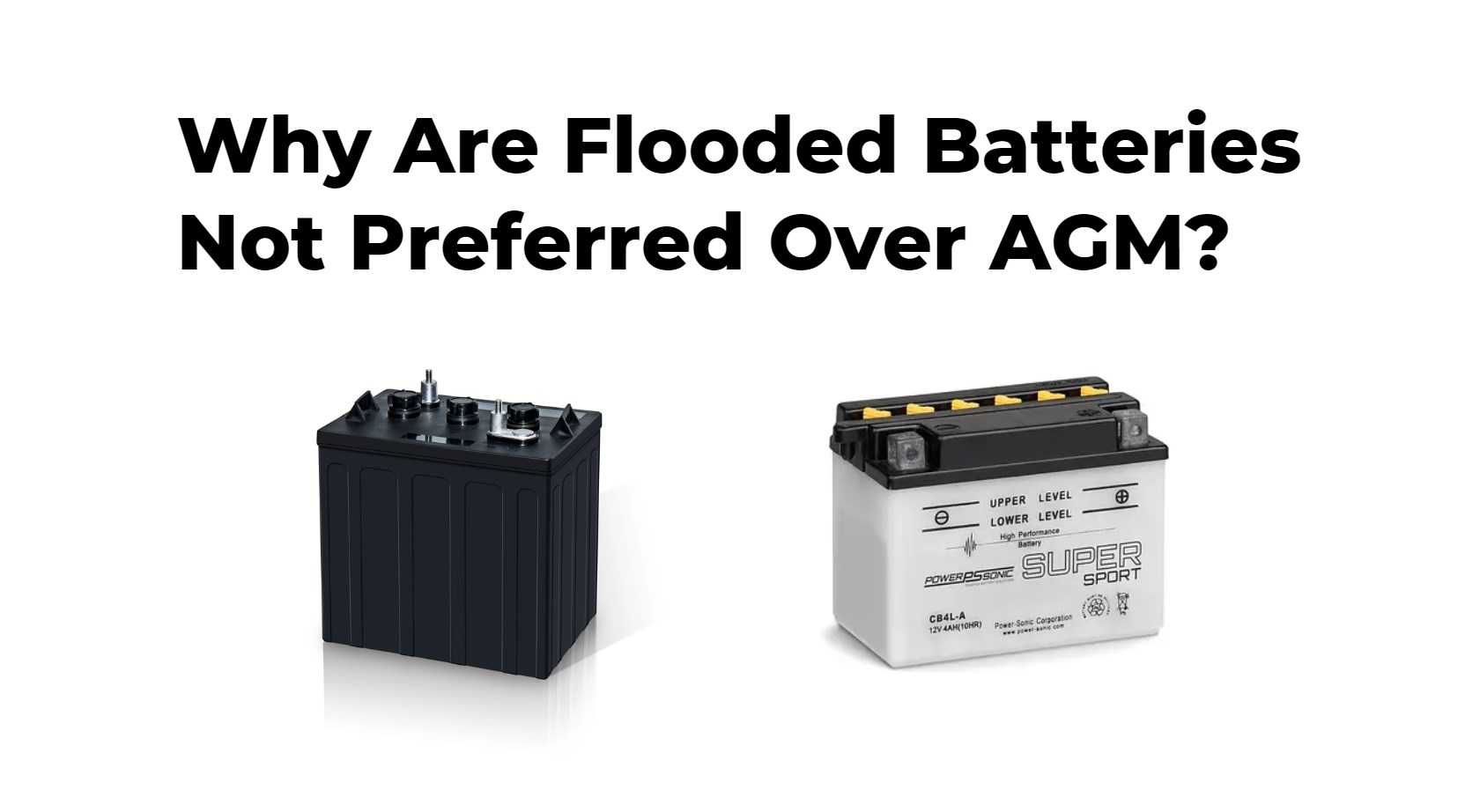
Flooded batteries are not preferred over AGM batteries due to several factors. Flooded batteries require regular maintenance, including checking and maintaining proper fluid levels and adding distilled water. They are more susceptible to damage from movement and extreme temperature conditions. AGM batteries, on the other hand, are maintenance-free and offer a longer lifespan. They have better resistance to vibrations and shocks, making them suitable for applications with infrequent or seasonal use. Choose AGM batteries for hassle-free and reliable power storage.
Regular Maintenance: Flooded batteries require regular maintenance, including checking and maintaining proper fluid levels and adding distilled water. This maintenance routine adds to the overall cost and effort of using flooded batteries. AGM batteries, on the other hand, are maintenance-free and do not require fluid level checks or topping up, providing convenience and ease of use.
Susceptibility to Damage: Flooded batteries are more susceptible to damage from movement and extreme temperature conditions. Any forceful movement can impact their ability to function at the highest level. Extreme temperatures, such as freezing in cold weather or evaporation in hot weather, can significantly affect the battery’s performance and lifespan. AGM batteries, with their sealed design and glass mat separators, are highly resistant to vibrations and shocks, ensuring reliable performance even in challenging conditions.
Longevity and Reliability: AGM batteries have a longer lifespan compared to flooded batteries, making them a more reliable choice. They offer better resistance to vibrations and shocks, ensuring durability in various applications. AGM batteries are ideal for applications with infrequent or seasonal use, as they can retain their charge for longer periods when not in use.
Can Flooded Batteries Replace AGM Batteries?
Replacing AGM batteries with flooded batteries may not be recommended due to the differences between the two battery types. AGM batteries are maintenance-free and offer advantages such as longer lifespan, higher resistance to vibrations, and better charge acceptance. On the other hand, flooded batteries require regular maintenance and have specific charging profiles that may not be compatible with AGM batteries. It is crucial to consider the specific requirements and characteristics of each battery type before making a replacement decision.
Do AGM Batteries Generally Last Longer Than Flooded Ones?
AGM batteries generally have a longer lifespan compared to flooded batteries. On average, AGM batteries can last anywhere from 4 to 8 years, depending on usage factors, charging practices, and environmental conditions. Flooded batteries, on the other hand, can provide an operating life of around 3 to 5 years with proper maintenance and careful consideration of charging methods. It is important to consider specific application requirements and maintenance practices when determining the lifespan of AGM and flooded batteries.
Lifespan of AGM Batteries: AGM batteries are known for their longer lifespan compared to flooded batteries. On average, AGM batteries can last anywhere from 4 to 8 years, depending on various factors such as usage patterns, charging practices, and environmental conditions. Proper care and maintenance can help maximize the lifespan of AGM batteries.
Lifespan of Flooded Batteries: While flooded batteries may not match the lifespan of AGM batteries, they can still provide a decent operating life with proper maintenance. On average, flooded batteries can last around 3 to 5 years. Regular maintenance, including checking and topping up electrolyte levels, and careful consideration of charging methods can help extend the lifespan of flooded batteries.
Factors Affecting Lifespan: The lifespan of both AGM and flooded batteries can be influenced by various factors. These include usage patterns, charging practices, environmental conditions (such as temperature and humidity), and maintenance routines. Following manufacturer guidelines and recommendations for proper care and maintenance is crucial in ensuring optimal performance and longevity.
How to Determine If a Battery Is AGM or Flooded?
To determine if a battery is AGM or flooded, you can check the label on the battery, which should clearly state the type. AGM batteries typically have a grey or black casing and are sealed tightly, while flooded batteries have removable caps for maintenance. AGM batteries are maintenance-free and do not require the addition of water, distinguishing them from flooded batteries. By looking for these indicators, you can easily identify the type of battery you have.
Checking the Label: One way to determine if a battery is AGM or flooded is by checking the label on the battery itself. The label should clearly state the type of battery, providing a straightforward identification method.
Physical Examination: Another way to identify the battery type is by examining its physical characteristics. AGM batteries typically have a grey or black casing and are tightly sealed, while flooded batteries have removable caps for maintenance. The design and color of the casing can provide clues about the battery type.
Maintenance Requirements: AGM batteries are maintenance-free and do not require the addition of water, distinguishing them from flooded batteries. AGM batteries are sealed, eliminating the need for regular fluid level checks. In contrast, flooded batteries require periodic maintenance, including checking and topping up electrolyte levels.
What Defines an AGM and a Flooded Battery?
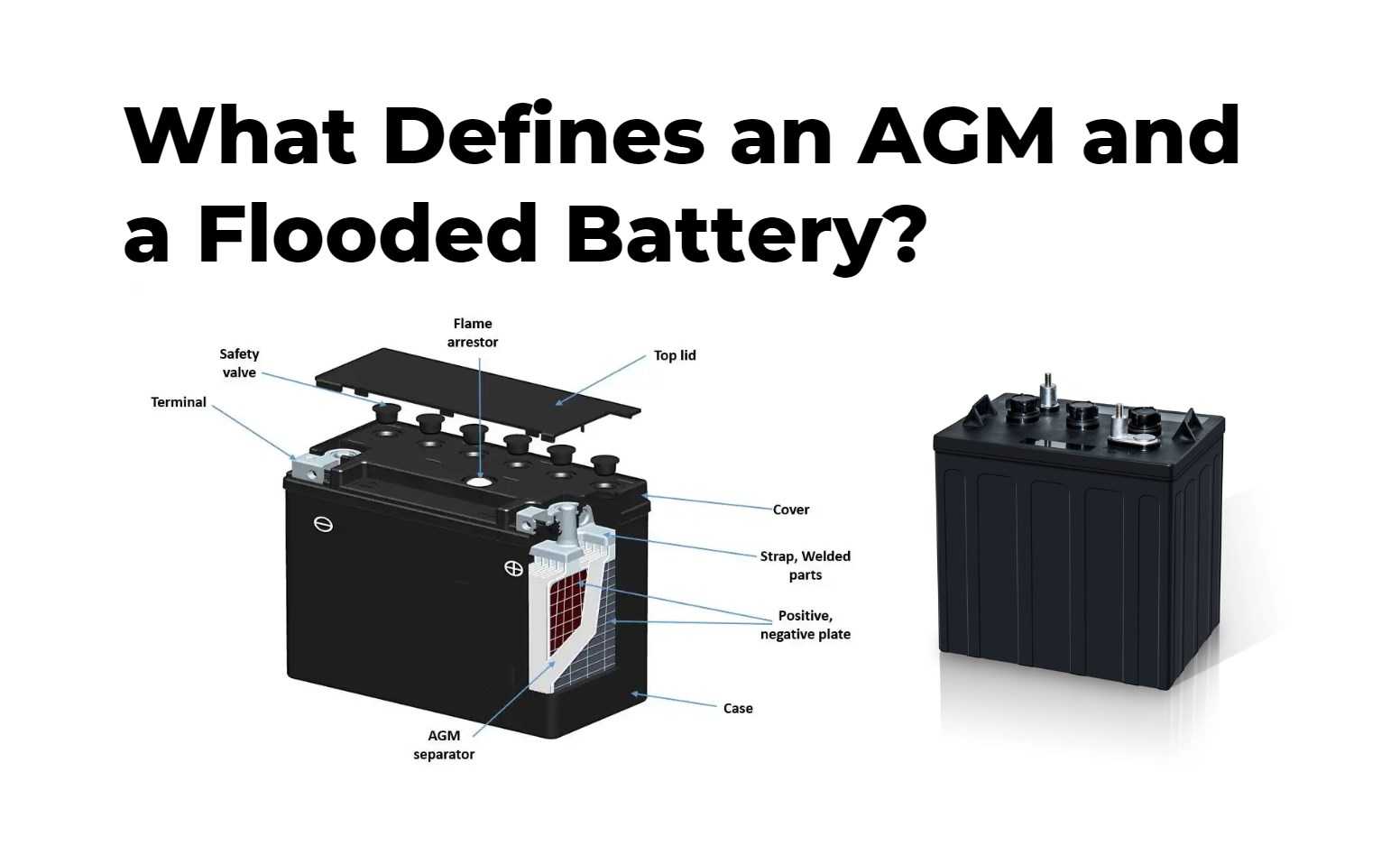
AGM batteries are characterized by their sealed design with a fiberglass mat soaked in electrolyte, eliminating the need for maintenance associated with fluid levels. They are referred to as maintenance-free batteries and do not require the addition of water or electrolyte checks. Flooded batteries, on the other hand, have a traditional design with lead plates submerged in a liquid electrolyte solution. They require regular maintenance, including checking and topping up electrolyte levels. Understanding the defining characteristics of AGM and flooded batteries is crucial for selecting the appropriate battery type for specific applications.
AGM Batteries: AGM batteries feature a sealed design with a fiberglass mat soaked in electrolyte. This design eliminates the need for maintenance associated with fluid levels, making AGM batteries maintenance-free. They do not require the addition of water or electrolyte checks, providing convenience and ease of use.
Flooded Batteries: Flooded batteries have a traditional design with lead plates submerged in a liquid electrolyte solution. These batteries require regular maintenance, including checking and topping up electrolyte levels. The liquid electrolyte must be carefully measured and maintained to ensure proper battery performance.
Distinctive Features: The defining characteristics of AGM batteries include their sealed design, maintenance-free operation, and no requirement for water or electrolyte checks. On the other hand, flooded batteries are known for their traditional design, regular maintenance needs, and the ability to handle higher discharge rates.
Which Battery Type is Superior: AGM or Flooded?
The superiority of AGM or flooded batteries depends on specific application requirements. AGM batteries are maintenance-free and offer better resistance to vibrations and shocks. They have a lower self-discharge rate and perform well in extreme temperatures. On the other hand, flooded batteries are cost-effective and have a longer lifespan with regular maintenance. They can handle higher discharge rates and are commonly used in backup power applications. Choosing the superior battery type depends on factors such as maintenance preferences, power demands, and environmental conditions.
AGM Batteries: AGM batteries offer maintenance-free operation, resistance to vibrations and shocks, and a lower self-discharge rate. They perform well in extreme temperatures and provide a higher power output required for luxury and performance vehicles.
Flooded Batteries: Flooded batteries require regular maintenance but are cost-effective and have a longer lifespan when properly cared for. They can handle higher discharge rates and are commonly used in backup power applications, utility, and grid energy storage.
Application-Specific Considerations: The choice between AGM and flooded batteries depends on specific application requirements. AGM batteries are suitable for sealed and maintenance-free setups, while flooded batteries excel in applications where cost is a primary concern and regular maintenance can be performed. Factors such as power demands, environmental conditions, and budgetary constraints should be evaluated.
Is your AGM battery feeling a bit low on power? Knowing when it’s fully charged can make all the difference in keeping your devices running smoothly. In this blog post, we’ll dive into the ins and outs of AGM batteries, from understanding their importance to recognizing the signs of a fully charged battery. So, buckle up as we explore how to ensure your AGM battery is always ready to go!
Understanding AGM Batteries
AGM batteries, or Absorbent Glass Mat batteries, are a type of lead-acid battery that uses fiberglass mats to absorb and hold the electrolyte solution. This design makes AGM batteries spill-proof and maintenance-free, perfect for various applications like marine vehicles, RVs, and solar power systems.The construction of AGM batteries allows for higher energy density and faster recharge rates compared to traditional flooded lead-acid batteries. The absorbed electrolyte also provides better resistance to vibration damage, making AGM batteries more durable in rough conditions.One key feature of AGM batteries is their ability to deliver high currents without significant voltage drops. This characteristic makes them ideal for starting engines or powering electronic devices that require quick bursts of power.Understanding the unique composition and benefits of AGM batteries can help you maximize their performance and longevity in your equipment or vehicle.
Importance of Fully Charged Batteries
A fully charged AGM battery is crucial for optimal performance in various applications. Whether you rely on it to power your vehicle, boat, RV, or electronic devices, having a fully charged battery ensures that you have the necessary energy when you need it most.Imagine being out on a road trip with a dead battery – not an ideal situation! Ensuring your AGM battery is fully charged means peace of mind and reliability in any situation. It can also extend the lifespan of your battery by preventing deep discharges that can damage its cells over time.From starting your car effortlessly to powering up your camping gear without interruptions, a fully charged AGM battery is a reliable companion wherever you go. So, remember to keep an eye on the charge level and recharge as needed to always stay prepared for whatever comes your way.
Signs of a Fully Charged AGM Battery
When it comes to AGM batteries, knowing when they’re fully charged is crucial for optimal performance. One of the most common signs that your AGM battery is fully charged is a stable voltage reading on a multimeter. This indicates that the battery has reached its maximum capacity and is ready to power your devices efficiently.Another sign to look out for is the absence of bubbles or excessive heat during charging. A fully charged AGM battery will not produce these symptoms, which can be indicative of overcharging or other issues. Additionally, you may notice that the charging current decreases as the battery approaches full capacity.Furthermore, some AGM batteries come equipped with built-in indicators such as LED lights that change color when the battery reaches full charge. These visual cues can be helpful in determining when your battery is ready for use. Paying attention to these signs will help you ensure that your AGM battery remains in top condition and delivers reliable power when needed.
How to Charge your AGM Battery
When it comes to charging your AGM battery, following the right steps is crucial to ensure optimal performance. Start by selecting a charger specifically designed for AGM batteries to prevent overcharging or undercharging. Make sure the charger is compatible with your battery’s voltage and capacity.Before connecting the charger, remove any accessories or loads from the battery. Clean the terminals to ensure a good connection between the charger and the battery. Connect the positive (red) clamp of the charger to the positive terminal on the battery, followed by connecting negative (black) clamp.Set the charging parameters according to manufacturer recommendations. Slow charging at a low amp rate is ideal for AGM batteries as it helps maintain their longevity. Monitor the charging process regularly and disconnect once fully charged.Properly maintaining and charging your AGM battery will extend its lifespan and keep it running smoothly when you need it most.
Maintaining a Fully Charged Battery for Optimal Performance
To ensure optimal performance from your AGM battery, it is crucial to maintain it properly. Regularly checking the battery’s charge level and keeping it fully charged can extend its lifespan and efficiency. Avoid letting the battery drain completely, as this can lead to irreversible damage.When not in use, consider using a trickle charger to keep the battery topped up. This slow charging method helps maintain a consistent charge without overcharging or undercharging the battery. Additionally, storing the battery in a cool and dry place can also help prolong its life span.It’s important to follow the manufacturer’s guidelines for charging and maintenance to prevent any issues with your AGM battery down the line. By taking these simple steps, you can ensure that your battery performs at its best when you need it most.
Common Misconceptions About Charging AGM Batteries
One common misconception about charging AGM batteries is that you need to fully discharge them before recharging. This is not true for AGM batteries; in fact, it’s recommended to avoid deep discharges as they can shorten the battery’s lifespan.Another myth is that leaving an AGM battery on a charger indefinitely will overcharge it. AGM batteries are designed to handle being left on a charger, as long as the charger has proper voltage regulation.Some people believe that fast charging an AGM battery will damage it. While rapid charging may generate some heat, modern chargers are equipped with safeguards to prevent overheating and protect the battery.It’s also commonly thought that all chargers work the same for AGM batteries. It’s essential to use a charger specifically designed for AGM batteries to ensure optimal performance and longevity of your battery.Be sure to research and understand how best to care for your specific type of battery – don’t fall for these misconceptions when it comes to charging your AGM battery!
Conclusion
AGM batteries are a crucial component of many electronic devices and vehicles, providing reliable power when needed. Knowing when your AGM battery is fully charged is essential to ensure optimal performance and longevity.By understanding the signs of a fully charged AGM battery, such as stable voltage readings and reduced charging current, you can effectively monitor the charging process. It’s also important to follow proper charging techniques and maintenance practices to keep your battery in top condition.Remember that maintaining a fully charged AGM battery will not only prolong its lifespan but also optimize its performance. Avoid common misconceptions about charging AGM batteries, such as overcharging or undercharging, to prevent damage and maximize efficiency.By staying informed about how to identify a fully charged AGM battery and following best practices for charging and maintenance, you can ensure that your battery operates at its best when you need it most. Stay proactive in caring for your AGM battery to reap the benefits of long-lasting power supply for years to come.
Are you a battery enthusiast looking to step up your charging game? If you’ve got questions about using an AGM charger on a LiFePO4 battery, you’re in the right place! Buckle up as we dive into the world of battery types and chargers, exploring the possibilities, advantages, and potential risks. Let’s power up our knowledge together!
Understanding Battery Types: AGM and LiFePO4
Batteries are the unsung heroes of our modern world, quietly powering everything from cars to smartphones. When it comes to understanding battery types, two popular options stand out: Absorbent Glass Mat (AGM) and Lithium Iron Phosphate (LiFePO4). AGM batteries use a fiberglass mat soaked in electrolyte for efficient energy storage, ideal for applications like vehicles and UPS systems.On the other hand, LiFePO4 batteries pack a punch with high energy density and longer cycle life compared to traditional lead-acid batteries. They’re gaining popularity in renewable energy systems and electric vehicles due to their lightweight design and fast-charging capabilities.Each battery type has its unique strengths and weaknesses, so choosing the right one depends on your specific needs. Whether you prioritize durability or portability, understanding these battery types is key to making informed decisions about your power supply needs.
What is an AGM Charger?
An AGM charger, or Absorbent Glass Mat charger, is a type of battery charger specifically designed for Absorbent Glass Mat batteries. These chargers work by delivering a controlled amount of current to the battery to ensure safe and efficient charging.AGM chargers are known for their ability to provide a steady charge without overcharging the battery, which can prolong its lifespan. They often feature smart technology that monitors the charging process and adjusts accordingly to prevent damage to the battery.One key advantage of using an AGM charger is its compatibility with various types of batteries, including lead-acid and gel cell batteries. This versatility makes it a convenient option for those who have multiple types of batteries to charge.An AGM charger is a reliable and efficient tool for keeping your batteries charged and ready for use.
Advantages of using an AGM Charger on a LiFePO4 Battery
When it comes to charging your LiFePO4 battery, using an AGM charger can offer some unique advantages. AGM chargers are designed to provide a controlled and efficient charging process, which can help optimize the performance and lifespan of your LiFePO4 battery.One key advantage is that AGM chargers are usually equipped with advanced technology that ensures a precise charging voltage and current, which is crucial for safely charging LiFePO4 batteries. This can help prevent overcharging or undercharging, which could potentially damage the battery.Additionally, AGM chargers often come with built-in safety features such as temperature sensors and overload protection mechanisms. These features can further enhance the safety of charging your LiFePO4 battery and reduce the risk of any mishaps during the charging process.Using an AGM charger on a LiFePO4 battery can be a reliable and convenient way to ensure optimal performance and longevity for your battery investment.
Potential Risks and Compatibility Issues
When considering using an AGM charger on a LiFePO4 battery, it’s essential to be aware of potential risks and compatibility issues that may arise.LiFePO4 batteries have different charging requirements than traditional lead-acid batteries like AGM ones. Using the wrong charger can result in overcharging or undercharging, leading to decreased battery life or even safety hazards.Compatibility is another factor to consider – while some AGM chargers may work with LiFePO4 batteries, others may not be suitable due to differences in voltage and charging algorithms. It’s crucial to ensure that the charger you choose is compatible with your specific battery type to avoid any damage.To mitigate these risks, always consult the manufacturer’s guidelines for both the battery and charger before use. Additionally, investing in a charger specifically designed for LiFePO4 batteries can provide peace of mind and optimal performance.
Alternatives to Using an AGM Charger on a LiFePO4 Battery
If using an AGM charger on a LiFePO4 battery isn’t recommended, what are your alternatives? One option is to invest in a charger specifically designed for LiFePO4 batteries. These chargers are equipped with the necessary technology to safely and efficiently charge these batteries without risking damage.Another alternative is to explore smart chargers that have settings compatible with both AGM and LiFePO4 batteries. These versatile chargers can be adjusted to suit the specific requirements of your LiFePO4 battery, ensuring a safe charging process every time.Additionally, considering solar or wind power options could be beneficial for charging your LiFePO4 battery. Renewable energy sources offer eco-friendly charging solutions that align well with the environmentally conscious nature of LiFePO4 batteries.By exploring these alternatives, you can ensure that your LiFePO4 battery receives the proper care it needs for optimal performance and longevity.
Tips for Safe Charging of LiFePO4 Batteries
When it comes to charging LiFePO4 batteries, safety should be a top priority. To ensure safe charging practices, always use a charger specifically designed for LiFePO4 batteries. Avoid using chargers intended for other types of batteries to prevent damage or accidents.Make sure to read the manufacturer’s instructions carefully before charging your LiFePO4 battery. Each battery may have specific requirements that need to be followed for optimal performance and longevity. Overcharging can be detrimental to the lifespan of your battery, so avoid leaving it connected to the charger longer than necessary.It’s recommended to charge your LiFePO4 battery in a well-ventilated area away from flammable materials. This helps dissipate heat and reduces the risk of overheating or potential fire hazards. Additionally, never attempt to charge a damaged or swollen battery as it can pose serious safety risks.Regularly inspect your charger and battery for any signs of wear or damage. If you notice any abnormalities, discontinue use immediately and seek professional assistance. By following these tips, you can safely charge your LiFePO4 battery and prolong its overall lifespan.
Conclusion: Making the Right Choice for Your Battery Needs
When it comes to choosing the right charger for your LiFePO4 battery, it’s important to consider compatibility and safety. While AGM chargers can be used on LiFePO4 batteries with some advantages, there are also risks and compatibility issues to be aware of.If you decide to use an AGM charger on a LiFePO4 battery, make sure to monitor the charging process closely and follow all manufacturer guidelines. Alternatively, you can opt for chargers specifically designed for LiFePO4 batteries to ensure optimal performance and longevity.The choice between using an AGM charger or a dedicated LiFePO4 charger will depend on your specific needs and preferences. By understanding the differences between these two types of chargers and considering the safety implications, you can make an informed decision that best suits your battery requirements. Choose wisely to keep your batteries charged efficiently and safely in the long run!

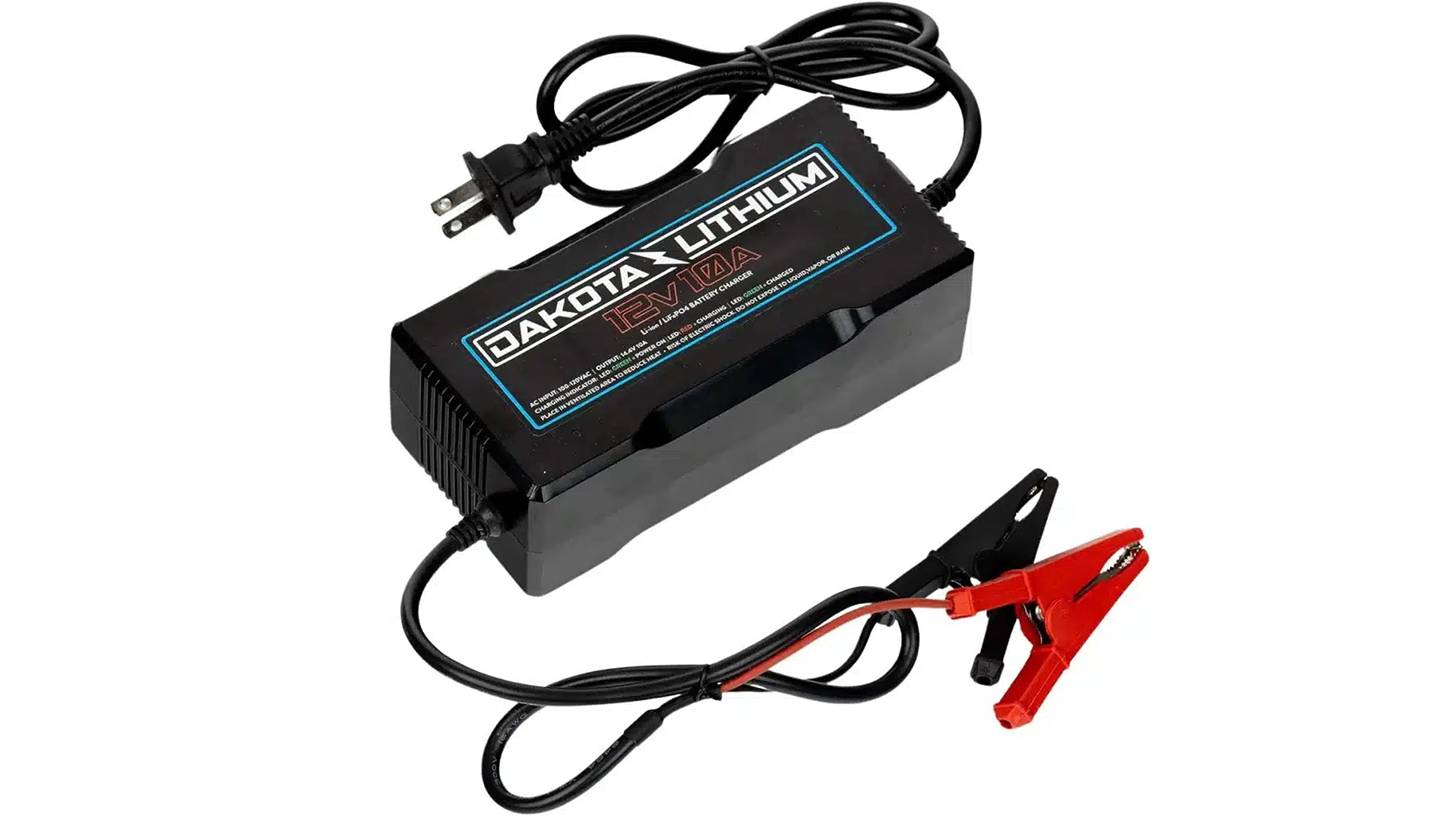
 Explanation:
 Explanation: