Can lithium ion batteries be used for solar power?
Lithium ion batteries and solar power, a match made in heaven? Let’s find out!

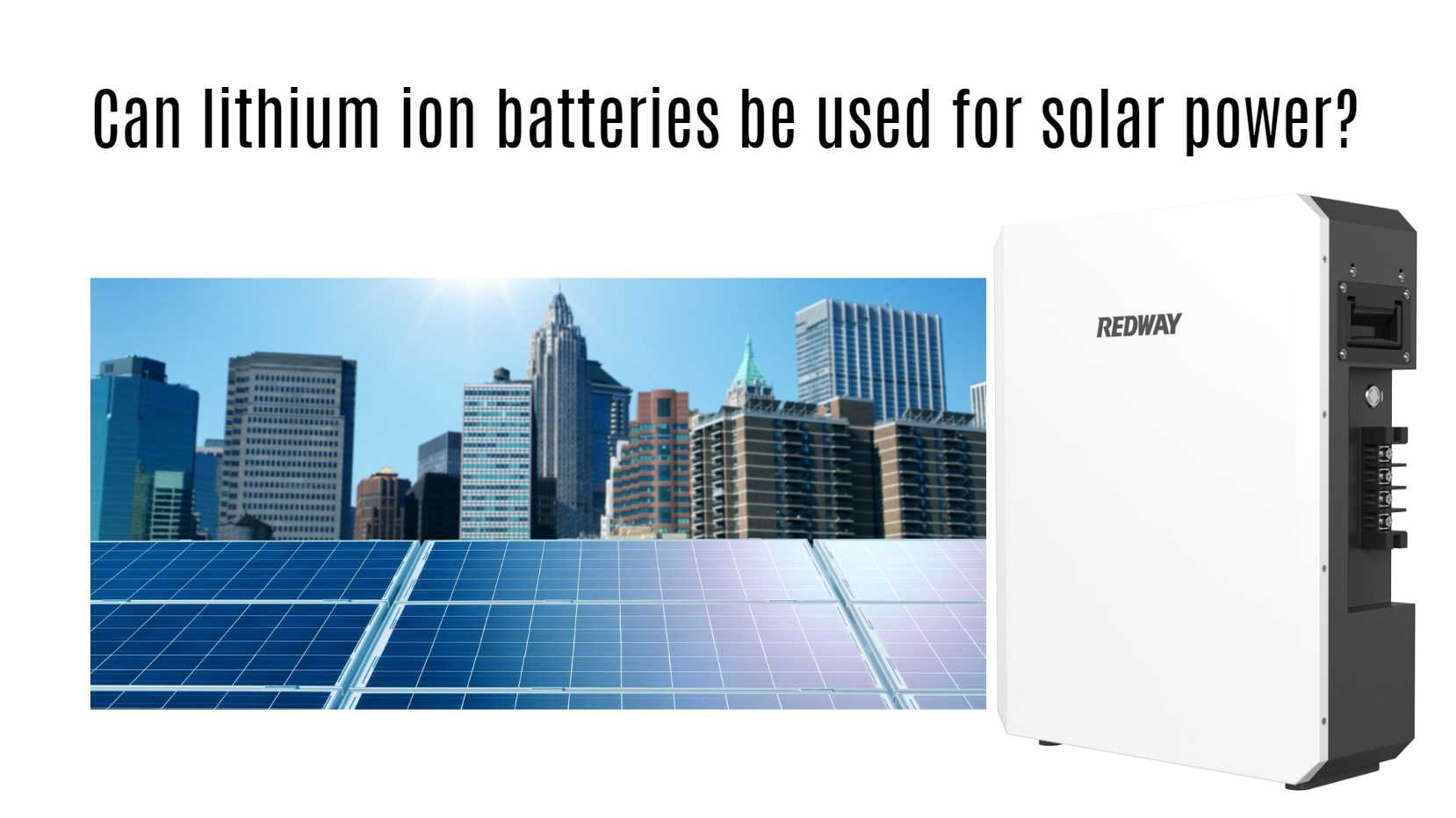
Lithium ion batteries and solar power, a match made in heaven? Let’s find out!
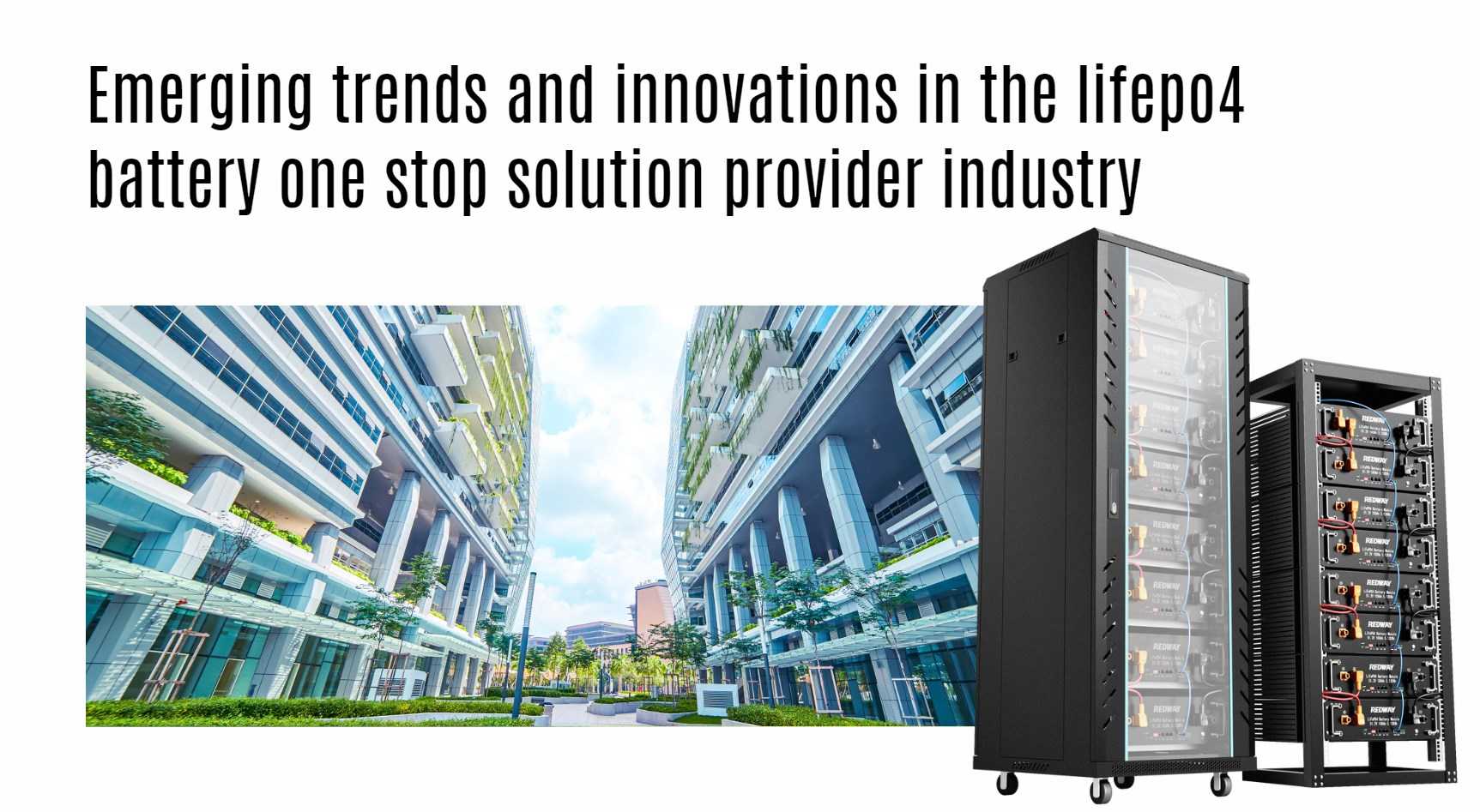
As the demand for sustainable energy continues to grow, the lifepo4 battery one-stop solution provider industry is evolving at a rapid pace. From advancements in battery technology to innovative solution designs, the future looks bright for this industry. Let’s take a closer look at some of the emerging trends and innovations that are shaping the lifepo4 battery industry.
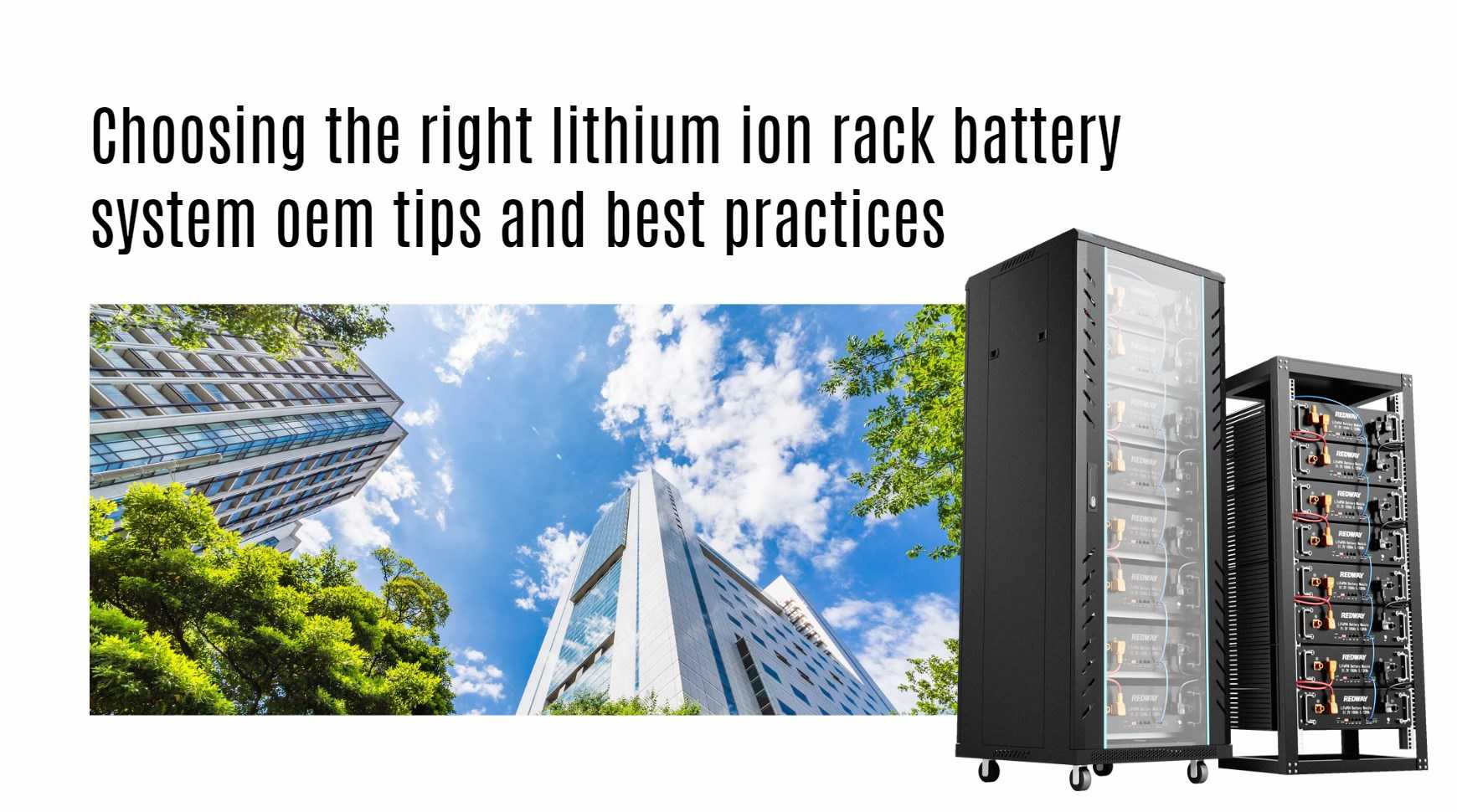
Powering up your business with the right lithium ion rack battery system has never been easier! Let us guide you through the OEM tips and best practices to make your choice a breeze.
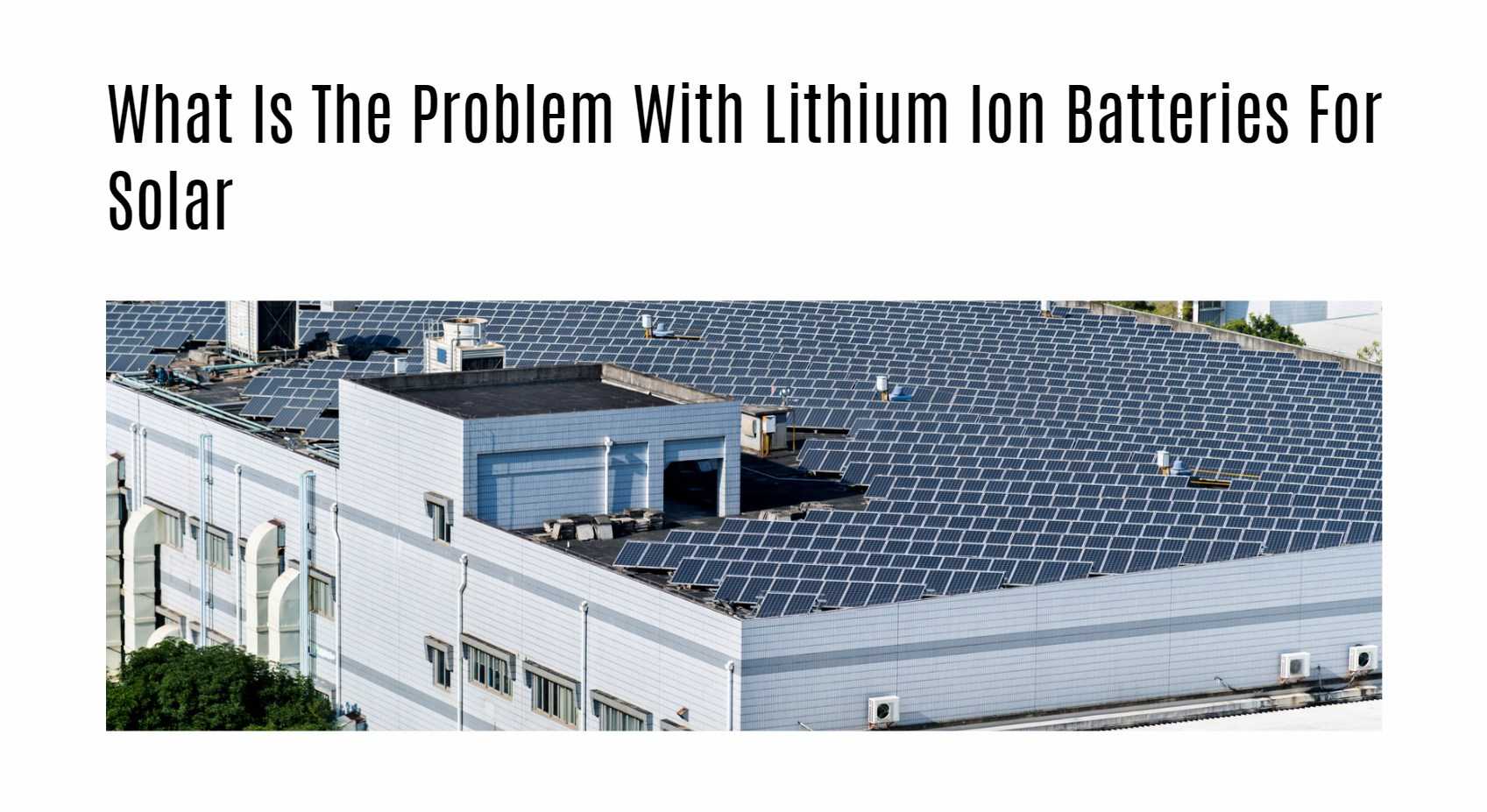
Lithium ion batteries have been hailed as the solution to energy storage for solar power. However, while these batteries are popular, they come with their own set of problems. Some of the issues include the high cost of manufacturing, the need for consistent maintenance to prevent overheating, and the potential for lithium-ion cells to catch fire.
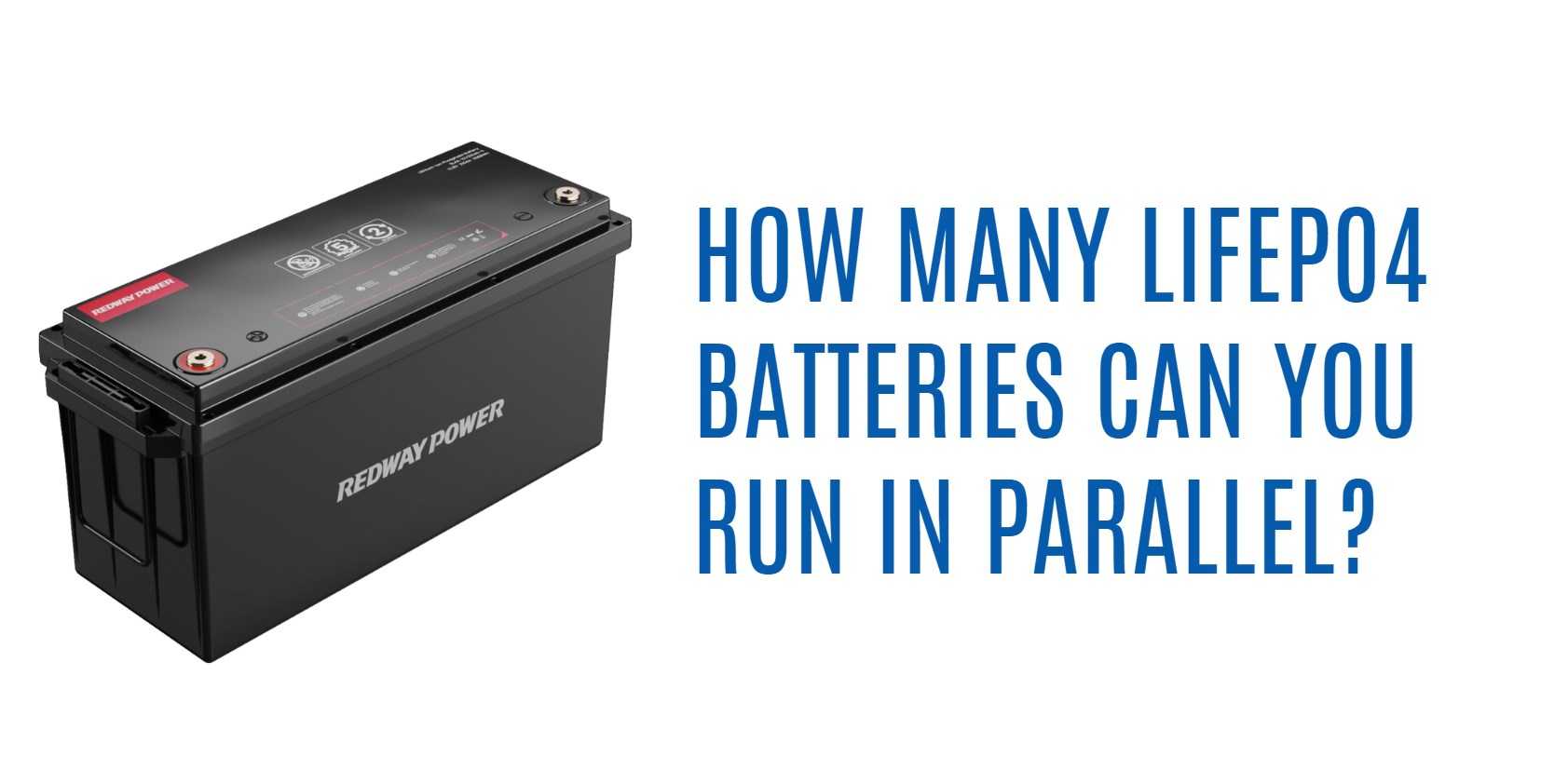
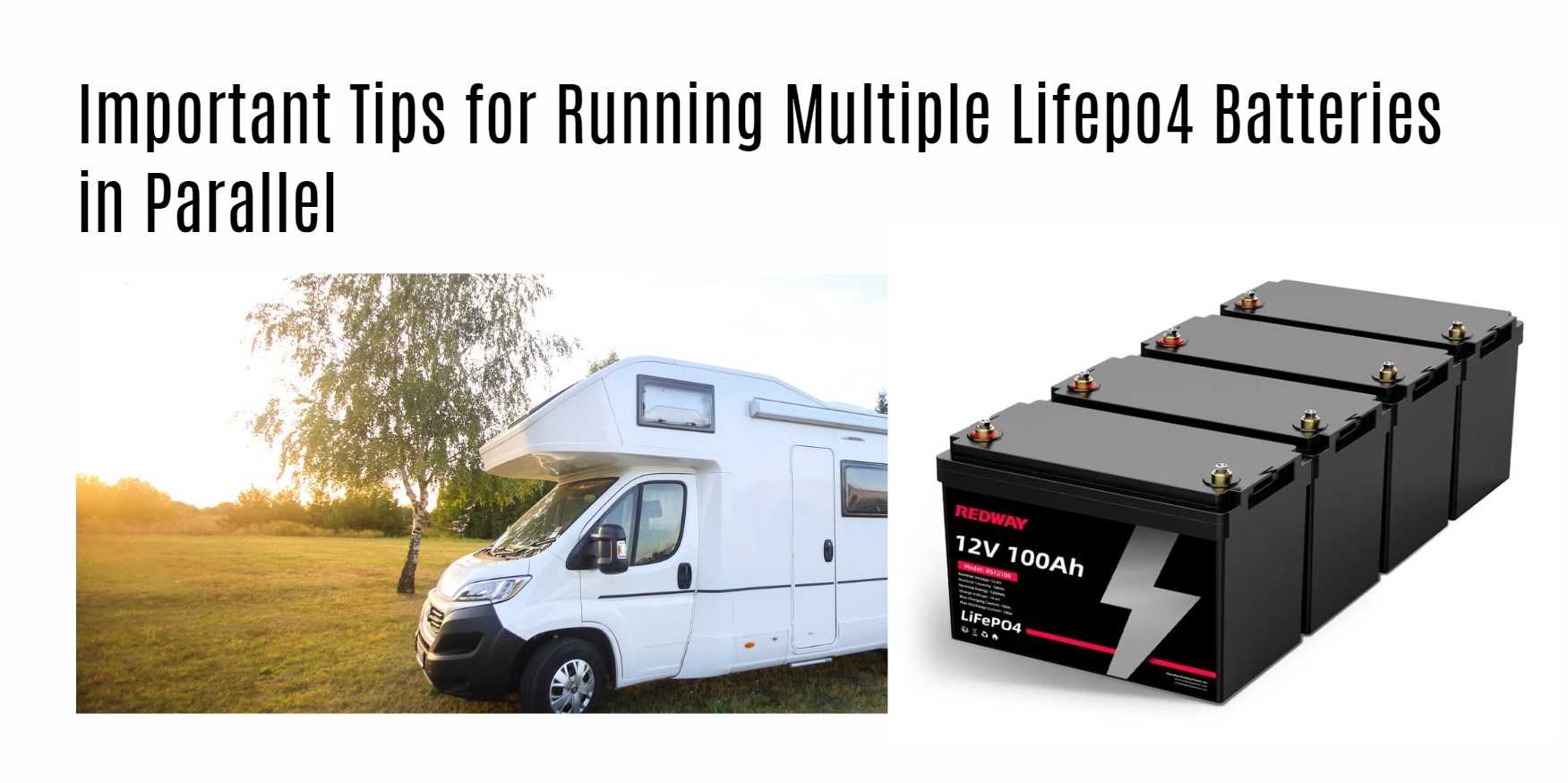
Continue exploring: Use the Battery Voltage Testing, Charts & Cutoffs guide for the related decision process, evidence, and practical guidance.
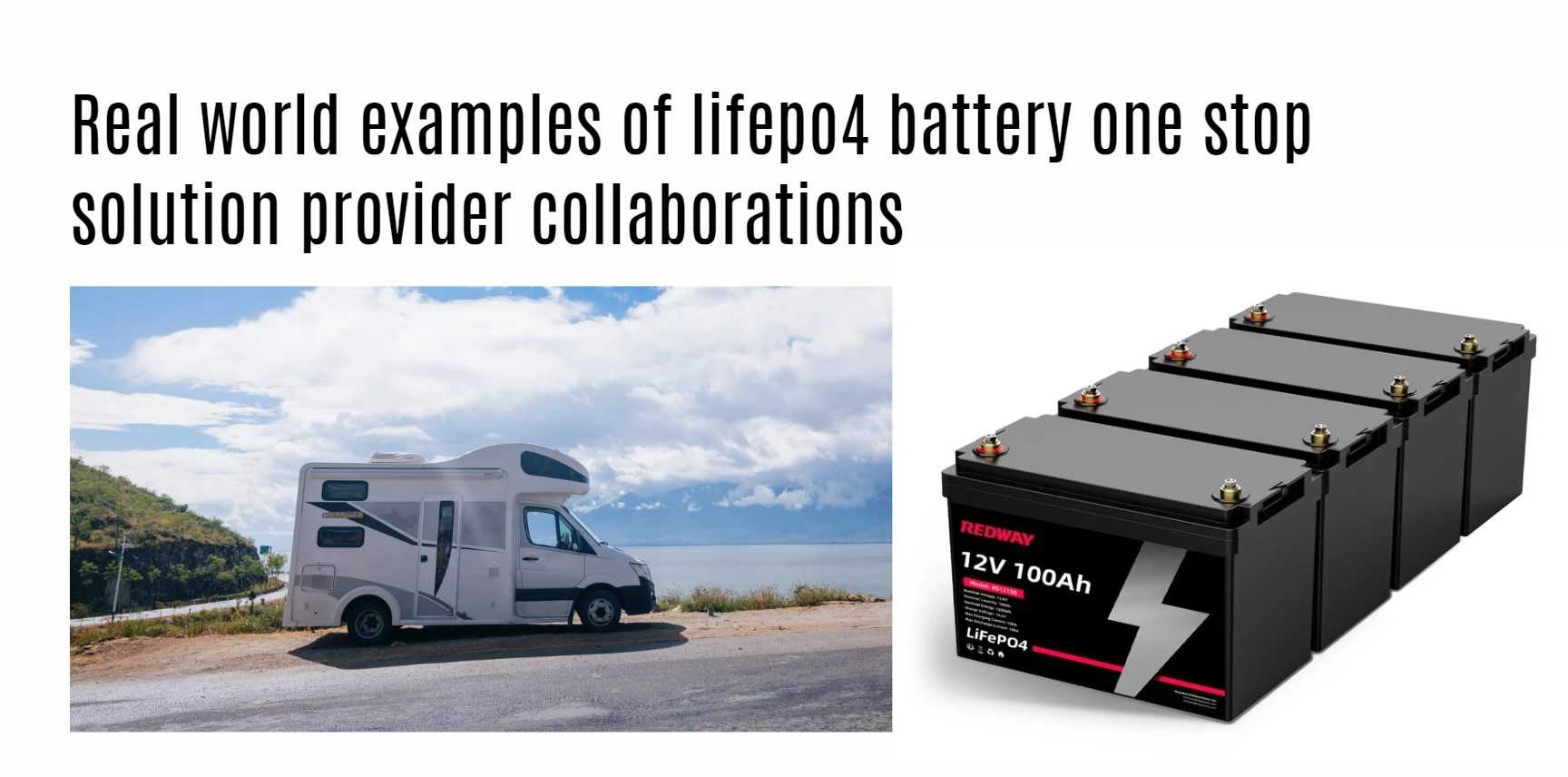
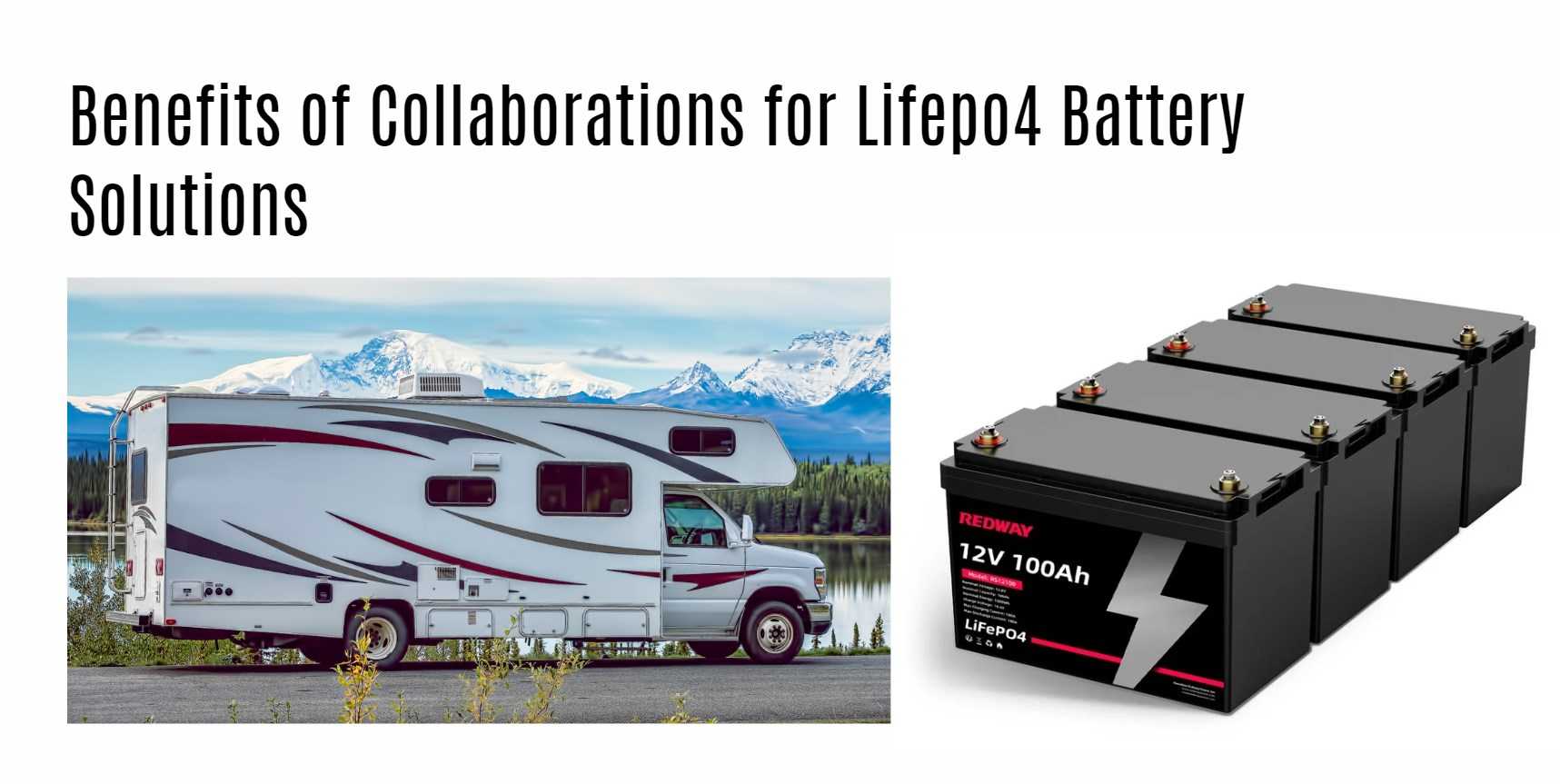
Continue exploring: Use the LiFePO4 Battery Basics & Chemistry guide to review LiFePO4 chemistry, comparisons, performance, lifespan, cell formats, and future lithium technology guidance.
Continue exploring: Use the Battery Storage, Temperature & Shelf Life guide for the related decision process, evidence, and practical guidance.

Continue exploring: Use the Battery Recycling, Disposal & Second Life guide for the related decision process, evidence, and practical guidance.
Continue exploring: Use the LiFePO4 Safety, Fire, Water & Ventilation guide for the related decision process, evidence, and practical guidance.
Wind energy, while renewable and clean, has several notable drawbacks, including its intermittent availability, impact on wildlife, and noise and visual pollution. These challenges affect the reliability, environmental footprint, and public acceptance of wind power, requiring technological innovations and strategic planning to mitigate.
Wind energy is intermittent because it depends on weather conditions—wind speeds vary daily and seasonally. This variability means wind turbines cannot consistently generate electricity on demand, leading to challenges in grid stability and power supply. To address this, wind power often requires energy storage systems or complementary energy sources to balance the electricity supply when wind is low.
The unpredictability of wind restricts its ability to serve as a sole energy source without backup solutions.
Wind turbines pose risks to birds and bats, which can collide with spinning blades causing injury or death. Additionally, turbines can disturb migration routes and local habitats. While these impacts are lower compared to other human activities, they are significant concerns for conservation. Ongoing research and improved turbine siting aim to minimize harm through technology and environmental planning.
Protective measures and innovation are vital to reducing wildlife mortality from wind farms.
Wind turbines generate mechanical and aerodynamic noise from blade rotation and machinery, which can be disruptive to nearby residents and wildlife. Visually, turbines are large and often placed in scenic landscapes, leading to aesthetic concerns and opposition from local communities. These factors can delay or prevent wind energy project approvals.
Mitigation strategies include sound-dampening technology and careful site selection away from sensitive areas.
Wind energy requires sites with strong, consistent wind speeds, typically coastal areas, open plains, or hills. Areas lacking reliable wind are unsuitable, leading to low energy output and poor investment returns. Additionally, wind farms often need to be located far from urban centers, raising issues over transmission infrastructure and energy loss.
Strategic site assessment ensures optimal performance and economic viability of wind projects.
Large wind farms require significant land or offshore space for turbine placement and infrastructure like roads and transmission lines. This large physical footprint can lead to habitat disruption and changes in land use patterns. While wind farms allow continued agricultural or grazing activities, their installation alters the landscape and ecosystem functions to some degree.
Balancing energy needs with land conservation is essential in wind energy planning.
Energy storage systems like batteries or pumped hydro help buffer wind energy’s intermittency by storing excess power generated during high winds and releasing it during lulls. This enhances grid stability and helps integrate wind power more effectively. Advances in battery technology from companies like Redway Battery play a crucial role in making wind energy a more reliable resource.
Storage solutions are key to overcoming wind energy’s supply variability.
Technological advances are addressing wind energy’s challenges. Improved turbine designs reduce wildlife collisions and noise output. Remote monitoring and predictive maintenance optimize turbine efficiency and longevity. Enhanced energy storage and hybrid systems increase reliability. Redway Battery’s durable lithium solutions support wind farms by providing resilient power storage systems, further advancing the sustainable integration of wind power.
Continuous innovation underpins the transition to cleaner, more efficient wind energy.
Offshore wind farms benefit from stronger, steadier winds but face challenges including higher installation and maintenance costs, potential impacts on marine life from construction noise and habitat alteration, and technical difficulties from harsh ocean environments. Offshore projects also require specialized vessels and infrastructure, making them more complex than land-based wind farms.
Assessing marine ecology and engineering resilience is critical for offshore wind success.
Public opposition due to perceived noise, visual impact, and effects on health or property values can stall or cancel planned wind projects. Community engagement and transparent environmental assessments help improve acceptance. Educating stakeholders about wind energy benefits and addressing concerns with mitigation measures are necessary to balance development and social license.
Societal support is crucial for expanding wind energy capacity sustainably.
Yes, combining wind with solar, hydro, or conventional power and advanced storage systems creates hybrid systems that ensure stable energy supply despite wind fluctuations. These integrated approaches leverage strengths of different sources, minimizing reliance on any single power form and enhancing overall grid resilience and efficiency.
Hybridization represents a practical approach to overcoming renewable energy intermittency.
| Disadvantage | Description | Mitigation Strategies |
|---|---|---|
| Intermittency | Variable wind causes inconsistent power supply | Energy storage, hybrid systems, demand response |
| Wildlife Impact | Bird and bat collisions and habitat disruption | Improved turbine siting, technology, research |
| Noise & Visual Pollution | Turbine noise and landscape alteration | Sound reduction tech, public engagement |
| Location Constraints | Requires windy, suitable locations | Site assessments and transmission upgrades |
| Land Use | Large physical footprint and land alteration | Careful planning, dual land use |
| Offshore Challenges | Higher costs, marine impacts | Specialized tech, environmental monitoring |
| Public Opposition | Community resistance | Stakeholder engagement, education |
“At Redway Battery, we recognize that wind energy is pivotal for a sustainable future but must overcome certain challenges to reach its full potential. Our advanced lithium battery storage solutions help address intermittency, enabling reliable power supply even when the wind is calm. By supporting efficient energy integration and promoting environmental stewardship, we contribute to cleaner, smarter energy systems worldwide.” – Redway Battery Technical Team
While wind energy offers many environmental benefits, it faces challenges such as intermittency, negative impacts on wildlife, and noise and visual pollution. Addressing these requires a combination of technological innovation, careful siting, energy storage integration, and public engagement. Solutions like advanced battery storage from Redway Battery improve reliability, helping wind energy fulfill its promise as a key renewable resource in the global energy transition.
What limits the reliability of wind energy? Wind variability causes intermittent power output affecting grid stability.
How do wind turbines affect wildlife? They can cause bird and bat fatalities and disrupt habitats, though research seeks to minimize this.
Why are some communities opposed to wind farms? Due to noise, visual impact, and concerns over health or property values.
Can energy storage solve wind energy’s intermittency? Yes, batteries and hybrid systems smooth supply fluctuations.
Are offshore wind farms more problematic? They have higher costs and marine environmental impacts but benefit from stronger winds.
Continue exploring: Use the Solar Battery Sizing, Autonomy & Runtime guide for the related decision process, evidence, and practical guidance.
Continue exploring: Use the Battery Glossary & Fundamentals guide for the related decision process, evidence, and practical guidance.

Continue exploring: Use the Battery Performance & Lifespan guide to review battery fundamentals, chemistry comparisons, performance, lifespan, testing, storage, and recycling guidance.
 Shenzhen Redway Power, IncTel: +86 189 7608 1534Tel: +86 (755) 2801 0506 E-mail: [email protected] Website: www.redway-tech.com Youtube: @RedwayPower TikTok: @redwaybattery Get a Quick Quote | Hot OEMForklift Lithium BatteryGolf Cart Lithium Battery RV Lithium Battery Rack-mounted Lithium Battery | Hot Batteries24V 150Ah Forklift Lithium Battery24V 200Ah Forklift Lithium Battery 48V 400Ah Forklift Lithium Battery 48V 600Ah Forklift Lithium Battery 80V 400Ah Forklift Lithium Battery 36V 100Ah Golf Cart Lithium Battery 48V 100Ah Golf Cart Lithium Battery 51.2V 50Ah 3U Rack-mounted Lithium Battery 51.2V 100Ah 3U Rack-mounted Lithium Battery 12V 100Ah RV LiFePO4 Lithium Battery (Self-heating) | Hot BlogGolf CartsServer Rack Battery Knowledge |