Why Is It Important to Have a Reliable Battery Management System (BMS) in Place?

Having a reliable Battery Management System (BMS) is essential for ensuring the safety, efficiency, and longevity of lithium-ion batteries used in various applications such as electric vehicles and renewable energy systems. A robust BMS monitors battery health, optimizes performance, and prevents hazardous situations like overheating or overcharging.

What Are the Key Functions of a Battery Management System (BMS)?

A BMS performs several critical functions that are vital for maintaining battery health and safety:

  • Monitoring: Continuously tracks voltage, temperature, and current to ensure safe operation.
  • Protection: Prevents overcharging, deep discharging, and short circuits.
  • Balancing: Ensures all cells within the battery pack are charged evenly to optimize performance.

Functions Overview Chart:

Function Description
Monitoring Tracks key parameters continuously
Protection Prevents unsafe operating conditions
Balancing Equalizes charge levels among cells

How Does a BMS Enhance Safety for Lithium-Ion Batteries?

Safety is one of the primary reasons for implementing a reliable BMS. It actively monitors battery conditions and can shut down operations if unsafe parameters are detected, thus preventing thermal runaway or other hazardous situations.Safety Features Chart:

Safety Feature Description
Overcharge Protection Disconnects charging when voltage exceeds limits
Temperature Monitoring Shuts down system if temperatures rise too high

What Role Does a BMS Play in Extending Battery Life?

By managing charge cycles effectively and preventing conditions that lead to premature aging, such as overcharging or excessive heat, a BMS significantly extends the lifespan of lithium-ion batteries.Battery Life Extension Chart:

Mechanism Impact on Lifespan
Controlled Charging Reduces stress on battery cells
Thermal Regulation Maintains optimal operating temperatures

How Does a BMS Optimize Performance?

A well-designed BMS ensures that batteries operate at peak efficiency by balancing cell voltages during charging and discharging cycles. This optimization leads to improved energy utilization and longer runtimes.Performance Optimization Chart:

What Are the Cost Benefits of Implementing a BMS?

Implementing a reliable BMS can lead to significant cost savings by reducing maintenance needs, extending battery life, and maximizing energy utilization. This efficiency translates into lower operational costs over time.Cost Benefits Chart:

Benefit Description
Reduced Maintenance Costs Fewer repairs needed due to effective monitoring
Increased Energy Efficiency More usable energy from each charge

How Does a BMS Contribute to Environmental Sustainability?

By optimizing battery usage and extending their lifespan, a BMS contributes to environmental sustainability by reducing waste associated with battery disposal and minimizing resource consumption during production.

What Are the Risks of Not Using a BMS?

Without a reliable BMS, batteries are at risk of overheating, overcharging, or becoming unbalanced, leading to potential failures or even catastrophic incidents like fires or explosions.

How Can Users Choose the Right BMS for Their Needs?

When selecting a BMS, users should consider factors such as compatibility with their battery type, required features (like temperature monitoring), scalability for future needs, and overall reliability based on manufacturer reputation.

Conclusion

A reliable Battery Management System (BMS) is indispensable for ensuring the safety, longevity, and performance optimization of lithium-ion batteries across various applications. By understanding its functions and benefits, users can make informed decisions that enhance their energy storage solutions.

Expert Views

“A robust Battery Management System is not just an accessory; it is an essential component that ensures safe operation while maximizing battery performance,” states an expert from Redway Tech. Investing in quality management systems pays off through enhanced safety and extended battery life.

FAQ Section

  • What are the main functions of a Battery Management System?
    A BMS monitors battery parameters, provides protection against unsafe conditions, balances cell voltages, and optimizes performance.
  • How does a BMS enhance safety?
    It continuously monitors conditions like temperature and voltage, shutting down operations if unsafe levels are detected.
  • What risks are associated with not using a BMS?
    Without it, batteries may overheat or become unbalanced, leading to potential failures or hazardous situations.

What is the cycle life of typical LiFePO4 rack-mounted batteries?

What Is the Cycle Life of Typical LiFePO4 Rack-Mounted Batteries?

The cycle life of typical LiFePO4 rack-mounted batteries generally ranges from 2000 to over 7000 cycles, depending on various factors such as usage patterns, charging practices, and environmental conditions. Understanding these elements is crucial for maximizing battery longevity and ensuring reliable energy storage solutions.

What Is the Typical Cycle Life of LiFePO4 Rack-Mounted Batteries?

LiFePO4 rack-mounted batteries typically offer a cycle life exceeding 6000 cycles under optimal conditions, with some models reaching up to 7000 cycles or more. This longevity significantly surpasses that of traditional lead-acid batteries, which usually have a cycle life of only 300 to 500 cycles.Chart: Typical Cycle Life Comparison

Battery Type Average Cycle Life (Cycles)
LiFePO4 6000–7000
Lead-Acid 300–500

How Do Charging and Discharging Practices Affect Cycle Life?

Charging and discharging practices play a critical role in determining the cycle life of LiFePO4 batteries. Slow charging is preferable as it generates less heat and minimizes stress on battery cells. Additionally, avoiding deep discharges can significantly extend battery lifespan; maintaining a depth of discharge (DoD) around 80% is advisable.Chart: Impact of Charging Methods on Cycle Life

Charging Method Effect on Cycle Life
Slow Charging Extends lifespan
Fast Charging Reduces lifespan
Overcharging Significantly shortens lifespan

What Role Does Depth of Discharge Play in Battery Longevity?

Depth of discharge is a key factor affecting battery longevity; lower DoD generally leads to longer cycle life. For instance, maintaining a DoD at or below 80% can help achieve maximum cycle counts, while deeper discharges can lead to quicker degradation.Chart: Depth of Discharge vs. Cycle Life

Depth of Discharge (%) Average Cycles
80% Up to 7000
100% Approximately 2000

How Do Temperature Conditions Influence Cycle Life?

Temperature conditions significantly impact the performance and cycle life of LiFePO4 batteries. Optimal operating temperatures are typically between 20°C and 30°C (68°F to 86°F). Extreme heat can accelerate degradation, while very low temperatures can reduce efficiency.Chart: Temperature Effects on Battery Performance

Temperature Range (°C) Effect on Performance
20–30 Optimal performance
Above 45 Accelerated degradation
Below 0 Reduced efficiency

What Are the Best Practices for Extending the Cycle Life?

To maximize cycle life, implement best practices such as maintaining optimal charging rates, avoiding deep discharges, ensuring proper thermal management, and utilizing a quality battery management system (BMS). Regular maintenance checks also contribute to longevity.Chart: Best Practices for Extending Cycle Life

Practice Description
Optimal Charging Use slow charging rates
Avoid Deep Discharges Keep DoD below 80%
Thermal Management Maintain ideal temperature

How Does Battery Management System (BMS) Impact Cycle Life?

A robust battery management system (BMS) enhances cycle life by monitoring individual cell voltages, managing charge levels, and providing thermal protection. A well-designed BMS can prevent overcharging and overheating, both critical factors in prolonging battery lifespan.Chart: BMS Features Impacting Longevity

BMS Feature Benefit
Cell Voltage Monitoring Prevents over-voltage issues
Temperature Control Maintains optimal operating conditions

What Are the Environmental Benefits of Using LiFePO4 Batteries?

LiFePO4 batteries are considered environmentally friendly due to their non-toxic materials and lower risk profile compared to other lithium-ion chemistries. They do not contain cobalt or lead, which are associated with significant environmental concerns.Chart: Environmental Impact Comparison

Material Environmental Concerns
Lead-Acid Toxicity
Lithium Cobalt Mining impacts
LiFePO4 Low toxicity

How Do Different Brands Compare in Terms of Cycle Life?

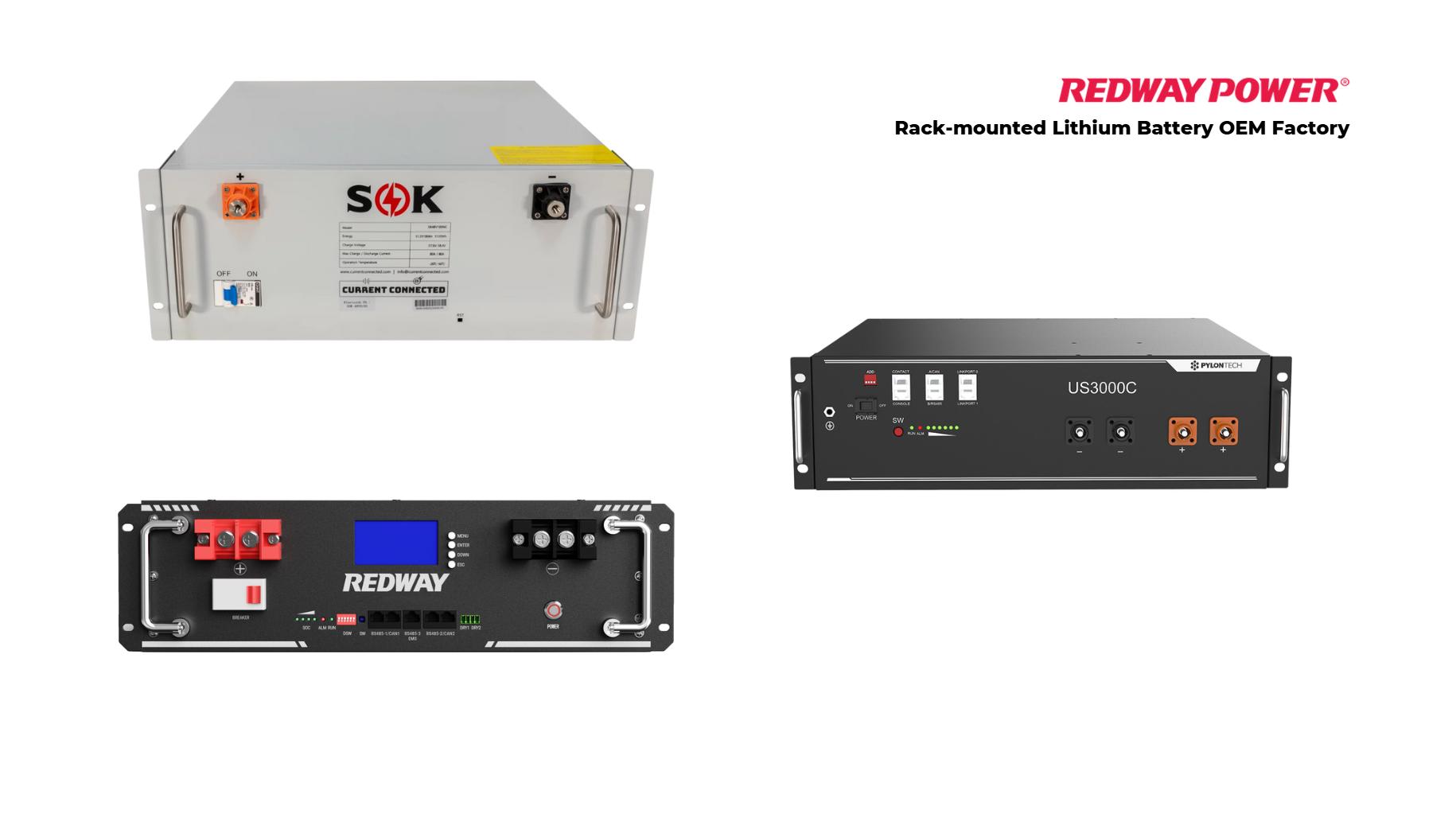
Various brands offer different specifications regarding cycle life for their LiFePO4 batteries. For example, SOK batteries often claim up to 7000 cycles, while Pylontech typically offers around 6000 cycles depending on usage patterns.Chart: Brand Comparison on Cycle Life

Brand Average Cycle Life
SOK Up to 7000
Pylontech Approximately 6000

Conclusion

The cycle life of typical LiFePO4 rack-mounted batteries ranges from approximately 2000 to over 7000 cycles depending on various factors including charging practices, depth of discharge, temperature conditions, and proper management systems. By understanding these elements and implementing best practices, users can maximize their battery’s longevity and efficiency.

Expert Views

LiFePO4 technology offers remarkable advantages in terms of cycle life compared to traditional battery technologies,” states an expert from Redway. “By adhering to optimal usage practices and leveraging advanced battery management systems, users can significantly extend their investment’s lifespan.”

FAQ Section

  • What is the average cycle life for LiFePO4 batteries?
    The average cycle life typically ranges from 2000 to over 7000 cycles based on usage patterns.
  • How does depth of discharge affect battery lifespan?
    Maintaining a lower depth of discharge generally leads to longer cycle life; keeping it below 80% is ideal.
  • What temperature range is best for operating LiFePO4 batteries?
    The optimal temperature range is between 20°C and 30°C (68°F to 86°F) for maximum performance.
How Do LiFePO4 Batteries Perform Under Various Load Conditions?

How Do LiFePO4 Batteries Perform Under Various Load Conditions?

LiFePO4 batteries demonstrate unique performance characteristics under various load conditions, making them suitable for a range of applications from electric vehicles to renewable energy systems. Their ability to handle high discharge rates, coupled with their thermal stability, allows them to maintain efficiency even under demanding circumstances.

What Is the Impact of Load Conditions on LiFePO4 Battery Performance?

LiFePO4 batteries are designed to perform efficiently across a variety of load conditions, but their performance can vary significantly based on the nature and intensity of the load applied. Under normal operating conditions, they can deliver stable power output, but as load increases, potential issues such as voltage drop and heat generation may arise.Performance Metrics Chart:

Load Condition Voltage Drop Cycle Life Impact
Light Load Minimal Long-lasting
Moderate Load Moderate Moderate
High Load Significant Reduced

How Do High Discharge Rates Affect Cycle Life?

High discharge rates can lead to accelerated wear and tear on LiFePO4 batteries, resulting in a shortened cycle life. While these batteries can handle high C-rates (the rate at which a battery is charged or discharged), consistently operating at or near maximum capacity may reduce their lifespan significantly.Cycle Life vs Discharge Rate Chart:

Discharge Rate (C-rate) Expected Cycle Life
0.5C 2000+ cycles
1C 800 cycles
2C 300 cycles

What Role Does Temperature Play in Battery Efficiency?

Temperature has a profound impact on the efficiency and performance of LiFePO4 batteries. They operate best within a temperature range of 20°C to 45°C (68°F to 113°F). Outside this range, performance can degrade, leading to reduced capacity and increased internal resistance.Temperature Impact Chart:

Temperature Range Performance Effect
Below 0°C Reduced capacity
20°C to 45°C Optimal performance
Above 45°C Risk of thermal runaway

How Do Different Load Profiles Affect Battery Life?

Different load profiles—ranging from steady-state loads to intermittent high bursts—can affect battery health differently. Consistent high loads may lead to faster degradation compared to variable loads that allow for periods of rest and recovery.

Know More:

How Do LiFePO4 Batteries Perform Under Various Load Conditions?
What Is the Cycle Life of Typical LiFePO4 Rack-Mounted Batteries?
How Does Temperature Affect the Performance of LiFePO4 Batteries?

What Are the Safety Considerations for High Load Applications?

When operating under high load conditions, safety becomes paramount. Overheating can lead to thermal runaway; thus, incorporating thermal management systems is essential to ensure safe operation during peak demand periods.

How Can You Optimize Charging Strategies for Varying Loads?

Optimizing charging strategies involves adjusting charge currents based on load conditions and usage patterns. Keeping charge levels between 20% and 80% can prolong battery life while also ensuring availability during peak demand times.

What Are the Self-Discharge Rates of LiFePO4 Batteries?

LiFePO4 batteries typically have a low self-discharge rate, usually below 3% per month, which makes them ideal for applications where they may not be used frequently.

Conclusion

Understanding how LiFePO4 batteries perform under various load conditions is crucial for optimizing their use in practical applications. By recognizing the effects of discharge rates, temperature, load profiles, safety considerations, and self-discharge rates, users can maximize battery efficiency and lifespan.

Expert Views

“LiFePO4 batteries are incredibly versatile but require careful management under varying loads,” states an expert from Redway Tech. “By understanding their performance characteristics and implementing optimal charging strategies, users can significantly enhance both safety and longevity.”

FAQ Section

  • How do load conditions affect LiFePO4 battery performance?
    Load conditions directly impact voltage stability and cycle life; higher loads may lead to voltage drops and reduced lifespan.
  • What happens if I frequently use high discharge rates?
    Frequent use at high discharge rates can significantly shorten the cycle life of a LiFePO4 battery.
  • What temperature range is optimal for LiFePO4 batteries?
    LiFePO4 batteries perform best within a temperature range of 20°C to 45°C (68°F to 113°F).
How Does Temperature Affect the Performance of LiFePO4 Batteries?

How Does Temperature Affect the Performance of LiFePO4 Batteries?

Temperature significantly affects the performance of LiFePO4 batteries, with optimal operating conditions typically between 20°C and 30°C (68°F to 86°F). Deviations from this range can lead to reduced capacity, efficiency losses, and potential safety risks. Understanding these impacts is crucial for maximizing battery longevity and reliability.

What Is the Optimal Temperature Range for LiFePO4 Batteries?

LiFePO4 batteries perform best within an optimal temperature range of 20°C to 30°C (68°F to 86°F). Within this range, they can deliver their full rated capacity with minimal degradation over time. Operating outside this range can lead to diminished performance and increased wear.Chart: Optimal Operating Temperatures

Condition Recommended Range (°C)
Optimal Operation 20°C to 30°C
Charging 5°C to 45°C
Discharging -20°C to 60°C

How Do Low Temperatures Affect Performance?

At low temperatures, particularly below 0°C (32°F), LiFePO4 batteries experience reduced capacity and increased internal resistance. For instance, at -20°C (-4°F), a battery may only achieve about 60% of its rated capacity, resulting in slower discharge rates and diminished efficiency.Chart: Capacity Reduction at Low Temperatures

Temperature (°C) Capacity (% of Rated)
25 100%
0 ~80%
-20 ~60%

How Do High Temperatures Impact LiFePO4 Batteries?

Conversely, high temperatures can lead to increased self-discharge rates and potential safety hazards such as thermal runaway. While LiFePO4 batteries can operate up to 60°C (140°F), prolonged exposure above this threshold can significantly reduce cycle life and overall performance.Chart: Effects of High Temperatures

What Are the Best Practices for Thermal Management?

To ensure optimal performance, it is essential to implement thermal management strategies such as proper ventilation, insulation during extreme weather conditions, and using battery heaters or coolers when necessary. Regular monitoring of battery temperature can also help prevent issues.Chart: Thermal Management Strategies

Strategy Description
Ventilation Ensure adequate airflow
Insulation Protect against extreme cold
Heating/Cooling Systems Use heaters or coolers as needed

How Does Temperature Influence Battery Longevity?

Temperature directly impacts battery longevity; consistent operation within optimal ranges can extend cycle life significantly. Conversely, frequent exposure to extreme temperatures can accelerate degradation, reducing overall lifespan.Chart: Impact of Temperature on Cycle Life

Average Operating Temp (°C) Estimated Cycle Life (Cycles)
25 ~6000
Above 40 ~3000
Below 0 ~2000

How Do Different Brands Address Temperature Sensitivity?

Different brands may utilize various materials and designs to mitigate temperature sensitivity in their LiFePO4 batteries. Some manufacturers incorporate advanced thermal management systems that enhance performance across a broader temperature range.Chart: Brand Comparison on Thermal Management

Brand Thermal Management Features
Brand A Advanced BMS with cooling
Brand B Insulation and heating options

What Are the Safety Risks Associated with Extreme Temperatures?

Operating LiFePO4 batteries outside their recommended temperature ranges poses safety risks such as reduced capacity, increased self-discharge rates, and potential thermal runaway at high temperatures. Proper monitoring and adherence to guidelines are essential for safety.Chart: Safety Risks by Temperature

Condition Risk Level
High (>60°C) High risk of thermal runaway
Low (<0°C) Reduced capacity

How Can Users Monitor Battery Temperature Effectively?

Users can monitor battery temperature using built-in sensors integrated into modern battery management systems (BMS). Additionally, external temperature monitoring devices can provide real-time data, allowing users to take preventive measures when necessary.Chart: Monitoring Methods

Method Description
Built-in BMS Real-time temperature alerts
External Sensors Additional monitoring options

Conclusion

Temperature plays a critical role in determining the performance and longevity of LiFePO4 batteries. By understanding how both low and high temperatures affect battery behavior, users can implement effective strategies for thermal management that enhance battery life and ensure reliable operation across various applications.

Expert Views

“Temperature management is vital when using LiFePO4 batteries,” states an expert from Redway. “By adhering to recommended operating conditions and utilizing effective monitoring systems, users can significantly enhance both performance and safety.”

FAQ Section

  • What is the optimal operating temperature for LiFePO4 batteries?
    The optimal operating temperature range is between 20°C and 30°C (68°F to 86°F).
  • How do low temperatures affect battery capacity?
    At low temperatures, especially below freezing, capacity can drop significantly—down to about 60% at -20°C (-4°F).
  • What should I do if my battery is exposed to extreme temperatures?
    Implement thermal management strategies such as insulation or cooling systems and regularly monitor battery temperature.
How Do Different Brands (e.g., SOK, Pylontech) Compare in Terms of Performance and Price?

How Do SOK and Pylontech Batteries Compare in Performance and Price?

When comparing rack-mounted batteries from different brands like SOK and Pylontech, it’s essential to evaluate performance metrics, pricing structures, features, and customer experiences. This article provides a comprehensive analysis to help you make an informed decision about which battery best suits your needs.

How Do Pylontech Batteries Perform Compared to SOK?

Pylontech batteries generally offer a longer cycle life and higher depth of discharge (DoD) compared to SOK batteries. Pylontech models, such as the US5000, provide around 8,000 cycles at 95% DoD, while SOK batteries typically have a lower cycle life. However, SOK batteries are often more affordable, making them a cost-effective option for many users.

Feature Pylontech SOK
Cycle Life ~6000 cycles Up to 7000 cycles
Depth of Discharge 95% 80%
Usable Capacity 2.16 kWh (US2000C) 5.12 kWh (48V model)

What Are the Key Features of Pylontech Batteries?

Pylontech batteries feature advanced battery management systems (BMS) for safety, offering protection against overcharge, over-discharge, and temperature extremes. They support modular stacking for scalability, have a long cycle life of up to 8,000 cycles at 95% DoD, and are compatible with various inverters for easy integration into existing systems.

What Are the Key Features of SOK Batteries?

SOK batteries are known for their affordability and solid performance. They typically offer a good balance of capacity and power rating, with a focus on high discharge rates. SOK batteries also feature built-in BMS for safety and reliability, making them suitable for various applications including off-grid systems.

Feature Description
Smart BMS Includes multiple safety features
UL9540 Certification Ensures safety standards
Low Self-Discharge Rate Ideal for long-term storage

How Do Pricing Structures Compare Between Brands?

Pricing structures vary significantly; Pylontech batteries tend to be more expensive due to their advanced features and longer cycle life, often priced around $2,500 to $3,300 per unit. In contrast, SOK batteries are generally more budget-friendly, with prices ranging from $1,500 to $2,200 depending on specifications.

Brand Price per kWh
Pylontech ~$480
SOK ~$500-$600

What Are the Customer Reviews and Experiences with Each Brand?

Customer reviews indicate that Pylontech users appreciate the longevity and reliability of their batteries but note the higher price. SOK users often highlight the cost-effectiveness and decent performance but may mention shorter cycle life compared to Pylontech. Overall satisfaction varies based on individual needs and expectations.

Brand Positive Feedback Negative Feedback
Pylontech Reliability Supply chain issues
SOK Customer service Fewer advanced features

How Does Warranty Coverage Differ Between Brands?

Pylontech typically offers robust warranty coverage of up to 10 years, reflecting confidence in their product’s durability. SOK batteries usually come with a shorter warranty period of around 5 years. Warranty terms can influence purchasing decisions based on perceived reliability and long-term value.

Brand Warranty Duration
Pylontech Up to 10 years
SOK Up to 20 years

What Are the Installation Requirements for Each Brand?

Both Pylontech and SOK batteries require compatible mounting systems and proper ventilation for optimal performance. Pylontech batteries are designed for easy integration into standard server racks, while SOK batteries may require additional mounting hardware depending on the setup. Always follow manufacturer guidelines during installation.

Brand Installation Complexity
Pylontech Moderate
SOK Easy

How Do Environmental Ratings Impact Battery Selection?

Environmental ratings impact battery selection by indicating how well a battery can perform under specific conditions such as temperature and humidity. Batteries with higher ratings are better suited for extreme environments. Choosing a battery that matches your local climate ensures reliable operation and longevity in your application.

Brand Environmental Rating
Pylontech IP20 (indoor use only)
SOK IP65 (suitable for harsher conditions)

Conclusion

When comparing rack-mounted battery brands like SOK and Pylontech, it’s crucial to consider factors such as performance metrics, pricing structures, features, customer experiences, warranty coverage, installation requirements, and environmental ratings. By evaluating these aspects thoroughly, consumers can make informed decisions tailored to their energy storage needs.

Expert Views

“Understanding the nuances between different battery brands is essential for making an informed choice,” states an expert from Redway. “Both SOK and Pylontech offer unique advantages that cater to varying consumer needs.”

FAQ Section

  • Which brand offers better longevity?
    Generally, SOK batteries have a longer lifespan potential compared to Pylontech due to their design specifications.
  • Are there significant price differences between SOK and Pylontech?
    Yes, while both brands are competitively priced, Pylontech typically offers lower costs per kWh compared to SOK.
  • What should I consider when choosing between these two brands?
    Consider your specific energy needs, budget constraints, installation environment, and desired warranty coverage when making your choice.
What factors should be considered when selecting a rack-mounted battery?

What Factors Should You Consider When Selecting a Rack-Mounted Battery?

Selecting a rack-mounted battery involves careful consideration of several critical factors to ensure optimal performance and reliability. When selecting a rack-mounted battery, consider factors such as battery chemistry, capacity, power rating, physical size, thermal management, cycle life, warranty terms, scalability for future needs, environmental conditions, and inverter efficiency. Evaluating these aspects ensures you choose a battery that meets your energy requirements and operational goals.

What Is the Importance of Battery Chemistry in Selection?

Battery chemistry is crucial as it affects performance characteristics, safety, and longevity. For instance, LiFePO4 batteries offer excellent thermal stability and cycle life. Understanding the chemistry helps ensure compatibility with your application and minimizes risks associated with overheating or degradation.

Chart: Comparison of Battery Chemistries

Chemistry Type Safety Lifespan (Cycles) Energy Density
LiFePO4 High Up to 10,000 Moderate
Lead Acid Moderate 300-500 Low
Nickel-based Variable 500-1,000 High

How Do Capacity and Power Rating Influence Your Choice?

Capacity (measured in ampere-hours or kilowatt-hours) indicates how much energy a battery can store, while power rating (in kilowatts) reflects its ability to deliver energy. Choosing a battery with appropriate capacity and power rating ensures it can handle your load requirements effectively during operation.

Chart: Capacity vs. Power Rating

Why Is Physical Size and Form Factor Critical?

Physical size and form factor are critical to ensure the battery fits within your rack system. It’s essential to match standard rack dimensions for seamless integration while considering weight limits to avoid structural issues. Proper sizing also facilitates maintenance and airflow around the batteries.

Rack Size Width (inches)
Standard 19-inch rack 19
Custom sizes Varies

How Does Thermal Management Affect Battery Performance?

Thermal management significantly impacts battery performance by regulating temperature during operation. Effective cooling prevents overheating, which can lead to reduced efficiency and lifespan. Ensuring batteries operate within optimal temperature ranges enhances reliability and safety during use.

Cooling Method Description
Active Cooling Fans or cooling systems
Passive Cooling Natural airflow without additional systems

What Role Do Cycle Life and Warranty Play in Decision Making?

Cycle life indicates how many charge-discharge cycles a battery can endure before significant capacity loss occurs. A longer cycle life reduces replacement frequency and costs. Warranty terms reflect manufacturer confidence; a robust warranty often indicates quality and reliability in the product.

Cycle Life Warranty Duration
3,000 cycles 5 years
10,000 cycles 10 years

How Can Scalability Impact Future Needs?

Scalability allows you to expand your energy storage capacity as your needs grow. Choosing a modular battery system enables easy addition of more units without significant redesigns. This flexibility ensures that your energy solution remains effective over time as demands change.

Scalability Type Description
Modular Systems Add or remove modules as needed
Fixed Systems Limited expansion capabilities

What Are the Environmental Considerations for Rack-Mounted Batteries?

Environmental considerations include temperature range, humidity levels, and exposure to elements. Choose batteries designed for specific climate conditions to ensure optimal performance. Additionally, consider recycling options and the environmental impact of materials used in the battery’s construction.

Condition Effect
High Temperatures Accelerated degradation
High Humidity Risk of corrosion

How Does Inverter Efficiency Affect Overall Performance?

Inverter efficiency affects overall performance by determining how effectively stored energy is converted for use. Higher efficiency means less energy loss during conversion, maximizing the usable power from your batteries. Selecting an efficient inverter optimizes system performance and enhances overall energy savings.

Efficiency Rating Effective Capacity Loss
85% 15% loss
95% 5% loss

Conclusion

When selecting a rack-mounted battery, it is essential to consider various factors including battery chemistry, capacity, physical size, thermal management, cycle life, scalability, environmental conditions, and inverter efficiency. By carefully evaluating these aspects, users can ensure they choose a reliable energy storage solution tailored to their specific needs.

Expert Views

“Selecting the right rack-mounted battery requires thorough consideration of multiple factors,” states an expert from Redway. “Understanding how each element affects performance will empower users to make informed choices that enhance system reliability.”

FAQ Section

  • What types of batteries are best for rack-mounted applications?
    LiFePO4 batteries are often preferred due to their safety features, long cycle life, and thermal stability compared to traditional lead-acid batteries.
  • How do I determine the capacity needed for my application?
    Calculate the total wattage of all devices connected to determine the required capacity while considering future growth.
  • What maintenance is required for rack-mounted batteries?
    Regular inspections, cleaning terminals, monitoring charge levels, and ensuring proper ventilation are essential maintenance practices.
Choosing the Right LiFePO4 Rack Mounted Battery

How Can You Choose the Right LiFePO4 Rack Mounted Battery?

Choosing the right LiFePO4 rack mounted battery is essential for ensuring reliable energy storage tailored to your specific needs. To choose the right LiFePO4 rack-mounted battery, consider factors like capacity, safety, and compatibility with your system’s voltage. Evaluate the physical size to ensure it fits your rack and assess scalability for future needs. Additionally, check for monitoring capabilities and the manufacturer’s reputation for reliability.

What Is the Importance of Battery Chemistry in Selection?

Battery chemistry is crucial because it determines safety, cycle life, and performance characteristics. LiFePO4 chemistry offers enhanced thermal stability and longevity compared to other lithium-ion types. Understanding chemistry helps ensure you select a battery that meets your specific application needs while minimizing risks.

Battery Chemistry Comparison Chart:

Chemistry Type Safety Lifespan Energy Density
LiFePO4 High 2000-10,000 cycles Moderate
Lithium-ion Moderate 500-2000 cycles High
Lead-acid Low 300-500 cycles Low

How Do Capacity and Power Rating Influence Your Choice?

Capacity (measured in ampere-hours) indicates how much energy a battery can store, while power rating (in kilowatts) reflects its ability to deliver energy. Choosing a battery with adequate capacity and power rating ensures it can support your load requirements effectively during operation.

Capacity vs Power Rating Chart:

Metric Description
Capacity (kWh) Total energy storage available
Power Rating (kW) Maximum output power during peak demand

What Physical Size and Form Factor Should You Consider?

Consider the physical size and form factor of the battery to ensure it fits within your rack system. Measure available space and account for ventilation needs. Choose a design that allows for easy installation and maintenance while accommodating future expansion if necessary.

Know More:

How Can You Choose the Right LiFePO4 Rack Mounted Battery?
What Factors Should You Consider When Selecting a Rack-Mounted Battery?
How Do SOK and Pylontech Batteries Compare in Performance and Price?
Best Models of LiFePO4 Rack-Mounted Batteries in 2025

How Does Thermal Management Affect Battery Performance?

Thermal management is vital for maintaining optimal battery performance. Effective cooling prevents overheating, which can lead to reduced efficiency and lifespan. Proper thermal design ensures that the battery operates within safe temperature ranges, enhancing reliability and safety during use.

Why Are Safety Features Critical When Choosing a Battery?

Safety features are critical to prevent hazards like thermal runaway or fire. Look for batteries with built-in protection mechanisms such as overcharge, over-discharge, and short-circuit protection. Prioritizing safety helps ensure reliable operation and minimizes risks associated with battery use.

How Can You Assess Your Energy Needs for Battery Selection?

Assess energy needs by calculating total load requirements based on devices you plan to power. Consider both continuous and peak power demands, as well as duration of use. This evaluation helps determine the appropriate capacity and power rating for your selected LiFePO4 battery.

What Are the Environmental Considerations When Choosing a Battery?

Environmental considerations include not only the physical location where the battery will be installed but also factors such as temperature fluctuations, humidity levels, and exposure to corrosive substances that may affect battery lifespan.

How Do Monitoring Features Impact Battery Performance?

Monitoring features provide real-time data on battery health, charge status, and performance metrics, allowing users to make informed decisions about maintenance and operation. Advanced monitoring systems can enhance overall efficiency by optimizing charging cycles based on usage patterns.

Conclusion

Selecting the right LiFePO4 rack mounted battery involves careful consideration of several factors including chemistry, capacity, physical dimensions, thermal management, safety features, energy needs assessment, environmental conditions, and monitoring capabilities. By understanding these elements, users can ensure they choose a battery that meets their specific requirements while maximizing performance and longevity.

Expert Views

“Choosing the right LiFePO4 rack mounted battery is not just about specifications; it’s about understanding how those specifications align with your operational needs,” states an expert from Redway Tech. “By focusing on safety features and monitoring capabilities alongside capacity requirements, you can significantly enhance your system’s reliability.”

FAQ Section

  • What are the key factors to consider when selecting a LiFePO4 battery?
    Key factors include battery chemistry, capacity and power rating, physical size and form factor, thermal management features, safety considerations, and available monitoring options.
  • How does capacity impact my choice of battery?
    Capacity determines how much energy can be stored; it should align with both current usage patterns and anticipated future demands.
  • Why is thermal management important for battery performance?
    Effective thermal management prevents overheating which can reduce efficiency or lead to failure; it’s crucial for maintaining optimal operating conditions.
Best Models of LiFePO4 Rack-Mounted Batteries Available in 2024

Best Models of LiFePO4 Rack-Mounted Batteries in 2025

In 2025, selecting the best LiFePO4 rack-mounted batteries involves evaluating several top models that cater to various energy storage needs. Leading options include EG4 LifePower4, Redway Power, Aolithium, Powersync, GoKWh, and PKNERGY batteries, each offering unique features tailored for reliability and efficiency.

What Are the Top Lithium LiFePO4 Batteries Available in 2025?

The leading models for rack-mounted applications in 2025 include:

  • EG4 LifePower4
  • Redway Power 48V 100Ah
  • Aolithium 51.2V 100Ah
  • Powersync High Power
  • GoKWh 51.2V 100Ah
  • PKNERGY 3U 51.2V 100Ah

These batteries are designed to meet diverse requirements in data centers, renewable energy systems, and critical power applications.

How Does the EG4 LifePower4 Battery Stand Out?

The EG4 LifePower4 battery stands out with its impressive 7,000 deep charge cycles and a 10-year warranty. It features a built-in battery management system (BMS) for safety and efficiency, operates at 99% efficiency, and allows for parallel connections of up to 64 batteries, making it versatile for various applications.

Performance Metrics Chart:

What Key Features Does the Redway Power Battery Offer?

Redway Power batteries are known for their modular design, allowing easy upgrades and replacements. They incorporate advanced battery management systems (BMS) for safety, ensuring protection against overcharging and overheating. These batteries also emphasize sustainability in manufacturing, making them a reliable choice for various energy storage applications.

Key Features Chart:

Feature Description
Voltage 48V
Capacity 100Ah
Fast-Charging Capability Yes
Safety Features Advanced BMS

What Are the Specifications of Aolithium Batteries?

Aolithium batteries typically feature a nominal voltage of 51.2V and capacities ranging from 100Ah to higher options. They are designed for long cycle life, often exceeding 6,000 cycles at 80% depth of discharge. Their robust BMS ensures safe operation and efficient energy management in various applications.

Aolithium Specs Chart:

Specification Value
Voltage 51.2V
Capacity 100Ah
Efficiency High

How Do Powersync High Power Batteries Perform?

Powersync high power batteries deliver reliable performance with a nominal capacity of 100Ah and an energy output of 5.12kWh. They have a cycle life of around 6,000 cycles while retaining 70% capacity. With over 98% discharge efficiency, these batteries are ideal for high-demand applications requiring consistent power delivery.

Performance Overview Chart:

Specification Value
Nominal Voltage Varies (12.8V / 51.2V)
Capacity Up to 400Ah
Cycle Life Up to 6000 cycles

What Are the Benefits of GoKWh 51.2V 100Ah Batteries?

GoKWh 51.2V 100Ah batteries offer excellent energy density and long cycle life, making them suitable for various applications. They feature built-in BMS for enhanced safety and performance monitoring. Their compact design allows easy installation in rack-mounted systems, providing reliable energy storage solutions.

Why Choose PKNERGY 3U 51.2V 100Ah Rack Mounted Battery?

The PKNERGY 3U 51.2V 100Ah rack-mounted battery is designed for high performance with a robust BMS ensuring safety during operation. Its compact size fits standard racks easily, while its long cycle life makes it a cost-effective choice for energy storage in residential or commercial applications.

PKNERGY Specs Chart:

Specification Value
Voltage 51.2V
Capacity 100Ah
Cycle Life Up to 6000 cycles

How Do Warranty and Support Impact Your Choice?

Warranty and support are crucial factors when selecting a battery. A longer warranty period indicates manufacturer confidence in product durability, while responsive customer support ensures assistance with installation and troubleshooting. Reliable warranty coverage can significantly reduce long-term ownership costs and enhance peace of mind.

Conclusion

Choosing from the best models of LiFePO4 rack-mounted batteries available in 2025 requires careful consideration of specifications, features, and intended applications. The EG4 LifePower4, Redway Power, Aolithium, Powersync, GoKWh, and PKNERGY batteries all present excellent options tailored to various energy storage needs.

Expert Views

“Selecting a high-quality LiFePO4 rack-mounted battery is crucial for ensuring reliable power supply in critical applications,” states an expert from Redway Tech. “Understanding each model’s unique features can help users make informed decisions that align with their operational requirements.”

FAQ Section

  • What are the best LiFePO4 rack-mounted batteries available in 2025?
    The top models include EG4 LifePower4, Redway Power, Aolithium, Powersync High Power, GoKWh, and PKNERGY batteries.
  • How do I choose between different battery models?
    Consider factors such as capacity, voltage ratings, cycle life, safety features, and specific application needs when choosing a battery model.
  • What role does warranty play in my battery selection?
    A longer warranty often indicates manufacturer confidence in product durability; it also provides peace of mind regarding potential future issues.
How to Troubleshoot Common Issues with Rack-Mounted LiFePO4 Batteries

How Can You Troubleshoot Common Issues with Rack-Mounted LiFePO4 Batteries?

Troubleshooting common issues with rack-mounted LiFePO4 batteries is essential for maintaining optimal performance and longevity. Users can identify problems through systematic checks, follow effective troubleshooting steps, and implement preventive maintenance practices. This guide provides comprehensive insights into diagnosing and resolving common battery issues.

How Do You Identify Common Issues with Rack-Mounted LiFePO4 Batteries?

Common issues with rack-mounted LiFePO4 batteries can be identified by checking for symptoms like reduced capacity, swelling, or unusual heat. Use a multimeter to measure voltage and ensure connections are secure. Monitoring the battery management system (BMS) alerts you to any faults or performance drops.

Chart: Symptoms of Common Battery Issues

Symptom Possible Cause
Reduced Runtime Aging battery or poor connections
Failure to Charge Faulty charger or battery management system (BMS) issues
Overheating Poor ventilation or internal damage

What Are the Steps for Effective Troubleshooting?

Effective troubleshooting involves several steps: first, inspect the charger and cables for damage. Next, check the battery for swelling or leakage. Clean connections and ensure they are secure. Finally, verify the BMS settings and update any necessary firmware to resolve issues. Chart: Step-by-Step Troubleshooting Process

Step Action
Inspect Charger Test with another charger
Check Connections Ensure all connections are secure
Clean Terminals Use isopropyl alcohol on terminals
Verify BMS Settings Check if any protections are triggered

How Can You Address Charging Problems?

To address charging problems, first check if the charger is functioning properly and compatible with your battery. Inspect connections for corrosion or looseness. If issues persist, measure the battery voltage with a multimeter and ensure it’s within the acceptable range before attempting to charge again. Chart: Charging Problem Diagnosis

Issue Solution
Insufficient Voltage Use a compatible charger
Undervoltage Protection Activate battery using a specific charger

What Maintenance Practices Help Prevent Issues?

Preventive maintenance practices include regular inspections of battery connections, cleaning terminals, and monitoring charge levels. Avoid deep discharges and store batteries in optimal conditions. Following manufacturer guidelines for charging and usage also helps prevent common issues from arising. Chart: Recommended Maintenance Practices

Practice Frequency
Clean Terminals Monthly
Inspect Connections Monthly
Capacity Testing Quarterly

How Do You Recognize When to Replace a Battery?

Recognize when to replace a LiFePO4 battery by observing signs like significant capacity loss, swelling, or consistent failure to hold charge. If the battery frequently triggers BMS protection or shows abnormal voltage readings, it may be time for a replacement.

Chart: Indicators for Battery Replacement

Indicator Action
Swelling Immediate replacement
Reduced Capacity Consider replacement
Overheating Investigate cause; replace if persistent

How Can Environmental Factors Affect Battery Performance?

Environmental factors such as temperature extremes, humidity levels, and exposure to contaminants can significantly impact battery performance. Ensuring proper ventilation and avoiding extreme conditions can help maintain optimal functionality. Chart: Environmental Impact on Performance

Factor Effect
High Temperatures Accelerated degradation
High Humidity Risk of corrosion

What Tools Are Essential for Troubleshooting LiFePO4 Batteries?

Essential tools include multimeters for voltage checks, cleaning supplies like isopropyl alcohol, and appropriate chargers designed for LiFePO4 batteries. Having these tools readily available simplifies troubleshooting tasks. Chart: Essential Tools for Troubleshooting

Tool Purpose
Multimeter Voltage measurement
Cleaning Supplies Terminal maintenance
Specialized Charger Safe charging practices

How Do Firmware Updates Influence Battery Functionality?

Firmware updates can enhance battery management systems by improving monitoring capabilities and addressing known issues. Keeping firmware current ensures optimal performance and safety features are functioning correctly.Chart: Benefits of Firmware Updates

Benefit Description
Enhanced Monitoring Real-time tracking of battery health
Bug Fixes Resolves known software issues

Conclusion

Troubleshooting common issues with rack-mounted LiFePO4 batteries involves identifying symptoms, following systematic steps, addressing charging problems, implementing preventive maintenance practices, recognizing replacement indicators, considering environmental factors, utilizing essential tools, and keeping firmware updated. By employing these strategies, users can ensure their battery systems operate efficiently and reliably.

Expert Views

“Understanding how to troubleshoot common issues is vital for any user of rack-mounted LiFePO4 batteries,” states an expert from Redway. “Proactive maintenance combined with effective troubleshooting techniques not only extends battery life but also enhances overall system reliability.”

FAQ Section

  • What should I do if my rack-mounted LiFePO4 battery won’t charge?
    First, check the charger and connections; ensure they are functioning correctly. If everything seems fine but it still won’t charge, consider testing the battery voltage.
  • How can I tell if my battery needs replacing?
    Look for signs like swelling, reduced capacity (below 80%), or consistent overheating during use as indicators that replacement may be necessary.
  • What maintenance should I perform regularly on my batteries?
    Regularly clean terminals, inspect connections monthly, and test capacity quarterly to ensure optimal performance.

How Can You Effectively Maintain Your LiFePO4 Rack Mounted Batteries?

Maintaining your LiFePO4 rack-mounted batteries is crucial for ensuring optimal performance and longevity. To effectively maintain LiFePO4 rack-mounted batteries, regularly inspect connections for corrosion and tightness. Clean terminals, monitor performance through the battery management system (BMS), and avoid deep discharges. Store batteries in a cool, dry place and follow manufacturer guidelines for charging practices to ensure optimal performance.

What Is the Importance of Regular Inspections for LiFePO4 Batteries?

Regular inspections are vital for identifying potential issues before they escalate into major problems. By routinely checking connections for corrosion, ensuring terminals are clean, and monitoring performance metrics through the Battery Management System (BMS), users can maintain optimal functionality and prevent unexpected failures. Inspection Checklist:

  • Check battery connections for tightness.
  • Inspect terminals for corrosion.
  • Monitor voltage levels with a multimeter.
  • Look for signs of physical damage.

How Should You Follow Safety Precautions When Maintaining LiFePO4 Batteries?

Safety is paramount when handling LiFePO4 rack-mounted batteries. Users should always wear appropriate personal protective equipment (PPE), ensure proper ventilation during maintenance tasks, and avoid short-circuiting terminals by keeping tools away from exposed connections. Safety Guidelines:

  • Use insulated tools.
  • Work in a well-ventilated area.
  • Keep flammable materials away from batteries.

What Are the Best Charging Practices for LiFePO4 Batteries?

Proper charging practices are essential to extend the lifespan of LiFePO4 batteries. Users should follow manufacturer guidelines regarding charging voltage and current, use compatible chargers, and avoid overcharging or undercharging, which can lead to reduced battery life. Charging Protocol:

  • Charge before reaching a 20% state of charge.
  • Use manufacturer-recommended chargers.
  • Monitor charging progress regularly.

Know More:

How Can You Effectively Maintain Your LiFePO4 Rack Mounted Batteries?
How Can You Ensure Longevity Through Effective Maintenance Practices?
How Can You Troubleshoot Common Issues with Rack-Mounted LiFePO4 Batteries?
How Can You Effectively Monitor Indicators for Battery Health?

Where Should You Store Your LiFePO4 Batteries for Optimal Performance?

Storing LiFePO4 rack-mounted batteries in appropriate conditions is critical for maintaining their health. Ideal storage environments are cool, dry places with minimal temperature fluctuations, typically between 20°C to 25°C (68°F to 77°F). Storage Recommendations:

  • Store at a partial charge (50%-70%).
  • Avoid extreme temperatures and humidity.
  • Periodically check stored batteries for degradation.

When Should You Conduct Periodic Checks on Your LiFePO4 Batteries?

Periodic checks should be conducted every few months or after significant usage periods to ensure that batteries remain in good condition. This includes monitoring voltage levels, inspecting physical condition, and ensuring that all connections are secure. Periodic Check Activities:

  • Test voltage levels with a multimeter.
  • Inspect for any signs of wear or damage.
  • Clean terminals as needed.

How Does Temperature Affect LiFePO4 Battery Performance?

Temperature significantly impacts LiFePO4 battery performance; optimal operating temperatures range from 15°C to 30°C. Extreme cold can reduce capacity and efficiency, while high temperatures may accelerate aging and increase self-discharge rates, leading to potential safety hazards.

Temperature Impact Chart:

Temperature Range Performance Impact
Below 0°C (32°F) Reduced capacity
0°C to 45°C (32°F to 113°F) Optimal performance
Above 45°C (113°F) Risk of overheating

What Are the Signs of a Failing LiFePO4 Battery?

Signs of a failing LiFePO4 battery include swelling or leakage, reduced capacity or performance, unusual heat during charging or discharging, and frequent voltage drops. If you notice these symptoms, discontinue use immediately and consult the manufacturer. Signs of Failure:

  • Voltage discrepancies between cells.
  • Physical swelling or leakage.
  • Inconsistent power output during operation.

How Can You Extend the Lifespan of Your LiFePO4 Batteries?

To maximize the lifespan of LiFePO4 rack-mounted batteries, users should adhere to best practices including regular maintenance checks, proper charging techniques, and avoiding deep discharges whenever possible. Lifespan Extension Tips:

  • Follow recommended charging cycles.
  • Keep batteries clean and dust-free.
  • Store at optimal temperatures.

Conclusion

By implementing these maintenance practices, users can ensure that their LiFePO4 rack-mounted batteries operate efficiently and reliably over time. Regular inspections, safe handling protocols, proper charging methods, suitable storage conditions, and timely checks are all essential components in maintaining battery health.

Expert Views

“Maintaining your LiFePO4 rack-mounted batteries is not just about following guidelines; it’s about understanding their unique characteristics and treating them with care,” says an expert from Redway Tech. “Proper maintenance can significantly extend their lifespan and enhance performance.”

FAQ Section

  • How often should I inspect my LiFePO4 batteries?
    Inspections should be conducted every few months or after significant usage periods to ensure optimal performance.
  • Can I store my batteries fully charged?
    It is recommended to store your batteries at a partial charge (50%-70%) to maintain their health during long-term storage.
  • What happens if I overcharge my LiFePO4 battery?
    Overcharging can lead to overheating and significantly reduce battery life; always follow manufacturer guidelines on charging practices.

What Safety Precautions Should Be Taken During Installation?

When installing LiFePO4 batteries, it is crucial to follow specific safety precautions to ensure both personnel safety and battery integrity. Key measures include using personal protective equipment (PPE), ensuring proper ventilation, and adhering strictly to manufacturer guidelines.

What Are the Key Safety Precautions When Installing LiFePO4 Batteries?

Key safety precautions include wearing personal protective equipment (PPE) like gloves and goggles, working in a well-ventilated area, and following the manufacturer’s installation guidelines. Avoid short circuits by using insulated tools and ensure that batteries are securely mounted to prevent movement during operation.

Chart Title: Key Safety Precautions Checklist

Precaution Description
Read Manufacturer Guidelines Understand specific requirements for installation
Use Insulated Tools Prevent accidental short circuits
Maintain Clean Workspace Reduce risks associated with spills or debris

Why Is Proper Ventilation Essential During Installation?

Proper ventilation is essential to dissipate any heat generated during installation and prevent gas accumulation. While LiFePO4 batteries emit fewer gases than other types, adequate airflow helps maintain optimal operating temperatures and reduces the risk of thermal events.

Chart Title: Importance of Ventilation

Aspect Importance
Heat Dissipation Prevents overheating
Gas Accumulation Reduces risk of harmful fume buildup

How Should You Handle Batteries Safely?

Handle batteries carefully to avoid physical damage or short circuits. Always use insulated tools, keep terminals covered when not in use, and avoid placing conductive materials near battery terminals. If a battery is damaged or shows signs of leakage, do not attempt to use it.

Know More:

How to Install LiFePO4 Rack Mounted Batteries Efficiently?
How to Properly Install LiFePO4 Batteries in a Server Rack?
What Safety Precautions Should Be Taken During Installation?
How to Ensure Optimal Ventilation and Cooling for Rack-Mounted Batteries?

What Personal Protective Equipment (PPE) Is Necessary?

Necessary PPE includes safety goggles to protect your eyes, gloves to prevent skin contact with chemicals, and protective clothing to shield against potential hazards during installation. Wearing appropriate gear minimizes the risk of injury.

Chart Title: Recommended PPE

Equipment Purpose
Safety Goggles Protect eyes from splashes
Gloves Prevent skin contact with chemicals
Protective Clothing Shield against physical injuries

How Do You Ensure Proper Electrical Connections?

Ensure proper electrical connections by following the manufacturer’s wiring diagram closely. Use insulated tools, check that all connections are tight, and verify voltage levels with a multimeter before powering on the system to prevent electrical faults.

What Should You Do If a Battery Shows Signs of Damage?

If a battery shows signs of damage, such as swelling or leakage, stop using it immediately. Contact the manufacturer for guidance on repair or replacement. Never attempt to fix a damaged battery yourself, as it can pose safety risks.

When Is It Necessary to Consult a Professional Installer?

Consult a professional installer if you are unsure about any part of the installation process or if you encounter complex wiring configurations. Professional help ensures that the installation is safe, compliant with regulations, and optimally configured for performance.

Conclusion

Taking appropriate safety precautions during the installation of LiFePO4 batteries is essential for ensuring both personal safety and system integrity. By following best practices such as using PPE, ensuring proper ventilation, and adhering to manufacturer guidelines, users can mitigate risks associated with battery installations.

Expert Views

“Safety cannot be overstated when installing lithium batteries,” states an expert from Redway. “Proper precautions not only protect personnel but also enhance the longevity and reliability of battery systems.”

FAQ Section

Frequently Asked Questions

  • What should I do if I notice damage on my battery before installation?
    If you observe any damage or irregularities on a battery before installation, do not proceed; contact the manufacturer immediately for further instructions.
  • How can I ensure my workspace is safe during installation?
    Keep your workspace organized, free from clutter, moisture, and flammable materials while ensuring adequate ventilation.
  • Is it necessary to wear gloves when handling batteries?
    Yes, wearing gloves is essential as it protects your skin from potential chemical exposure and reduces the risk of electrical shocks.

How Can You Ensure Longevity Through Effective Maintenance Practices?

Ensuring longevity through effective maintenance practices is crucial for maximizing the performance of LiFePO4 batteries. To ensure longevity, regularly inspect your LiFePO4 batteries for corrosion and loose connections. Maintain proper charging practices, avoid deep discharges, and store them in optimal conditions. Routine cleaning and monitoring through a battery management system (BMS) also help identify issues early, extending battery life.

How Do Proper Charging Techniques Affect Battery Longevity?

Proper charging techniques are fundamental to maintaining battery health. Using a charger specifically designed for LiFePO4 chemistry ensures optimal performance and prevents overcharging, which can lead to capacity loss. Adhering to recommended voltage levels, typically between 3.2V and 3.6V per cell, safeguards against potential damage.

Chart: Impact of Charging Techniques on Lifespan

Charging Technique Average Lifespan (Years)
Recommended Charger 10
Non-Compatible Charger 3

What Role Does Temperature Management Play in Battery Care?

Temperature management is critical as it directly affects battery performance and longevity. LiFePO4 batteries operate best within a moderate temperature range, ideally between 15°C and 30°C. Extreme temperatures can accelerate degradation, so it’s essential to avoid exposing batteries to heat or freezing conditions.

Chart: Temperature Effects on Performance

Temperature Range (°C) Performance Impact
0 to 30 Optimal
Above 45 Significant degradation

How Important is Regular Maintenance for Lifepo4 Batteries?

Regular maintenance is vital for identifying issues early and ensuring that batteries operate efficiently. This includes routine inspections, cleaning terminals, and monitoring voltage levels. Keeping an eye on these factors helps detect potential problems before they escalate.

Chart: Frequency of Inspections vs. Battery Health

What Storage Conditions Are Ideal for Extending Battery Life?

Storing LiFePO4 batteries under optimal conditions can significantly enhance their lifespan. They should be kept at a partial charge (around 60%-70%) in a cool, dry environment away from direct sunlight or moisture. Checking the state of charge periodically during storage is also recommended.

Chart: Ideal Storage Conditions

Condition Recommended Level
Temperature 0°C to 25°C
Humidity Below 60% relative humidity

How Can Depth of Discharge Management Enhance Longevity?

Managing the depth of discharge (DoD) enhances battery longevity by preventing over-discharging. Keeping the DoD shallow—ideally between 20% and 80%—allows for more charge cycles without significant degradation, ultimately extending the lifespan of your LiFePO4 batteries.

How Do Voltage Imbalances Impact Battery Performance?

Voltage imbalances can lead to uneven charging and discharging among cells, reducing overall performance. This may cause some cells to degrade faster than others, leading to capacity loss and potential safety hazards. Regular monitoring helps maintain balanced voltage levels.

Chart: Voltage Imbalance Effects

Voltage Imbalance (mV) Performance Impact
<10 Optimal
>20 Significant degradation

What Tools Are Essential for Effective Battery Maintenance?

Essential tools for effective battery maintenance include a multimeter for checking voltage levels, a torque wrench for secure connections, cleaning supplies for terminals, and a battery management system (BMS) for monitoring performance. These tools help ensure safe and efficient operation.

Chart: Essential Tools for Maintenance

Tool Type Purpose
Multimeter Voltage measurement
Cleaning Cloth Terminal cleaning
Manufacturer Charger Safe charging practices

How Can User Education Improve Battery Care Practices?

User education improves battery care practices by informing users about proper charging techniques, maintenance routines, and storage conditions. Understanding the specific needs of LiFePO4 batteries empowers users to take proactive measures that enhance performance and extend lifespan.

Conclusion

Effective maintenance practices are essential for ensuring the longevity of LiFePO4 batteries. By focusing on proper charging techniques, temperature management, regular inspections, ideal storage conditions, depth of discharge management, addressing voltage imbalances, utilizing essential tools, and promoting user education, users can maximize their battery systems’ performance and lifespan.

Expert Views

“Understanding the nuances of battery maintenance can significantly extend the life of LiFePO4 batteries,” states an expert from Redway. “By implementing simple yet effective practices, users can ensure their systems operate safely and efficiently.”

FAQ Section

  • How often should I check my LiFePO4 battery?
    Monthly checks are recommended to monitor performance and detect issues early.
  • What is the best way to store my LiFePO4 battery?
    Store it at a partial charge (60%-70%) in a cool, dry place away from sunlight.
  • Can I fully discharge my LiFePO4 battery?
    It’s best to avoid deep discharges; maintain a depth between 20% and 80% for optimal longevity.
Search products

Need a Quick Quote on Wholesale Prices? Contact Redway Battery Now.

X
Product has been added to your cart


Shenzhen Redway Power, Inc

Tel: +86 189 7608 1534
Tel: +86 (755) 2801 0506
E-mail: contact@redwaybattery.com
Website: www.redway-tech.com
Youtube: @RedwayPower
TikTok: @redwaybattery

Get a Quick Quote

Hot OEM

Forklift Lithium Battery
Golf Cart Lithium Battery
RV Lithium Battery
Rack-mounted Lithium Battery

Hot Batteries

24V 150Ah Forklift Lithium Battery
24V 200Ah Forklift Lithium Battery
48V 400Ah Forklift Lithium Battery
48V 600Ah Forklift Lithium Battery
80V 400Ah Forklift Lithium Battery
36V 100Ah Golf Cart Lithium Battery
48V 100Ah Golf Cart Lithium Battery
51.2V 50Ah 3U Rack-mounted Lithium Battery
51.2V 100Ah 3U Rack-mounted Lithium Battery
12V 100Ah RV LiFePO4 Lithium Battery (Self-heating)

Hot Blog

Golf Carts
Server Rack Battery
Knowledge