
How Can You Effectively Monitor Indicators for Battery Health?

Monitoring indicators for battery health is essential for ensuring optimal performance and longevity, particularly for lithium-ion batteries. Effectively monitor battery health by regularly checking voltage, capacity, and internal resistance. Use a battery management system (BMS) to track performance metrics, and conduct physical inspections for signs of wear. Keeping detailed records of these indicators helps identify trends and potential issues early.

What Is the Importance of Monitoring Voltage and Capacity?

Monitoring voltage and capacity is crucial because they directly reflect battery health. Low voltage can indicate a depleted or failing battery, while reduced capacity signals wear and diminished performance. Regular checks help ensure the battery operates efficiently and safely.

Voltage Monitoring Chart:

Voltage Range Status
4.2V Fully Charged
3.7V Nominal Operating
Below 3.0V Potential Damage Risk

How Does Temperature Influence Battery Health?

Temperature significantly impacts battery performance and longevity. Lithium-ion batteries operate best within a temperature range of 20°C to 25°C (68°F to 77°F). Extreme temperatures can accelerate degradation processes, leading to reduced capacity and increased internal resistance. Temperature Impact Chart:

Temperature Range Effect on Performance
Below 0°C Reduced capacity
20°C to 25°C Optimal performance
Above 40°C Increased degradation rate

Which Direct Health Indicators Should You Track?

Key direct health indicators include State of Health (SOH), Coulomb efficiency (CE), and charging/discharging times (CCCT/CVCT). These metrics provide insights into how well a battery retains charge over time and its overall efficiency during operation. Key Indicators Overview:

Indicator Description
State of Health Ratio of remaining useful capacity
Coulomb Efficiency Ratio of charged vs discharged capacity
Charge Times Time taken to reach specific charge phases

What Role Do Charging and Discharging Behaviors Play?

Charging and discharging behaviors are critical in assessing battery health as they reveal how effectively a battery can store and release energy. Abnormal patterns can indicate underlying issues such as increased internal resistance or capacity fade.

Know More:

How Can You Effectively Maintain Your LiFePO4 Rack Mounted Batteries?
How Can You Ensure Longevity Through Effective Maintenance Practices?
How Can You Troubleshoot Common Issues with Rack-Mounted LiFePO4 Batteries?
How Can You Effectively Monitor Indicators for Battery Health?

How Can Physical Examinations Help Assess Battery Condition?

Physical examinations help assess battery condition by identifying visible signs of damage, such as swelling or leakage. Inspecting terminals for corrosion and ensuring secure connections can prevent performance issues and enhance safety during operation.

How Do Environmental Factors Affect Battery Health?

Environmental factors like humidity, temperature, and exposure to elements can significantly impact battery health. High humidity can lead to corrosion, while extreme temperatures can cause capacity loss or accelerated degradation. Proper storage conditions are essential for maintaining battery longevity.

What Is the Role of Internal Resistance in Battery Performance?

Internal resistance affects how efficiently a battery delivers power. Higher internal resistance leads to energy loss as heat during charging and discharging, reducing overall efficiency. Monitoring internal resistance helps assess battery health and predict potential performance issues.

How Can You Use Software Tools for Battery Monitoring?

Software tools for battery monitoring provide real-time data on voltage, temperature, and capacity through a user-friendly interface. These tools often integrate with a battery management system (BMS) to analyze trends over time, enabling proactive maintenance decisions to enhance battery life.

Conclusion

Effectively monitoring indicators for battery health is crucial for optimizing performance and extending lifespan, particularly in lithium-ion batteries used across various applications. By focusing on voltage, capacity, temperature, internal resistance, and utilizing software tools for monitoring, users can ensure their batteries remain reliable and efficient.

Expert Views

“Understanding the key indicators that reflect battery health is essential for anyone relying on lithium-ion technology,” states an expert from Redway Tech. “By regularly monitoring these parameters, users can significantly enhance the longevity and reliability of their energy storage systems.”

FAQ Section

  • What are the key indicators to monitor for battery health?
    Monitoring voltage, capacity, temperature, internal resistance, and direct health indicators like State of Health (SOH) are essential for assessing battery health.
  • How does temperature affect battery performance?
    Extreme temperatures can accelerate degradation processes in batteries, leading to reduced capacity and increased internal resistance.
  • Why is it important to check physical conditions?
    Physical examinations help identify visible signs of wear or damage, allowing for early detection of potential failures that could compromise safety.
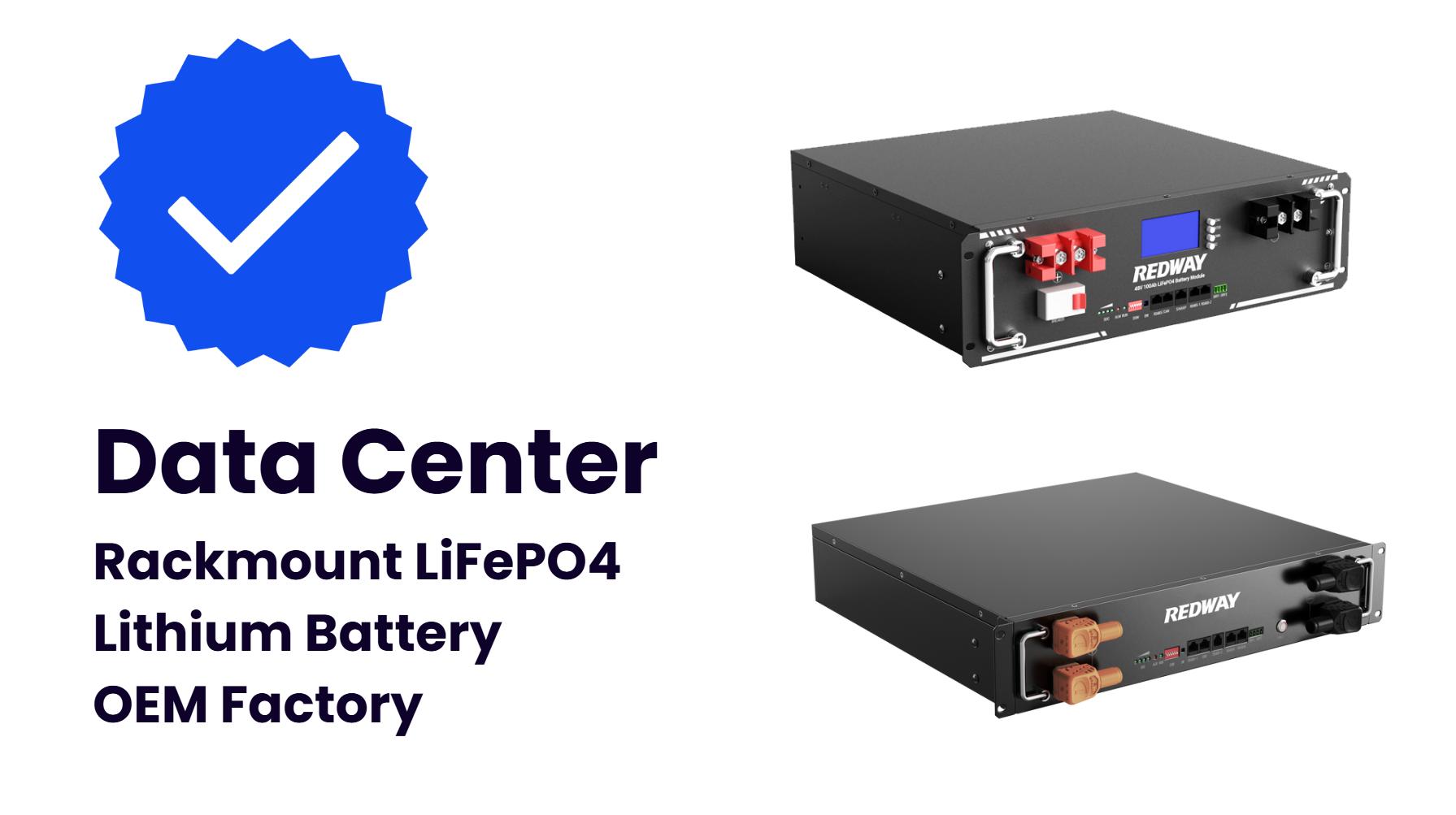

How to Install LiFePO4 Rack Mounted Batteries Efficiently?

Installing LiFePO4 rack-mounted batteries involves several critical steps, including selecting appropriate tools, ensuring proper ventilation, and following safety precautions. This guide provides a detailed overview of how to install these batteries effectively, ensuring optimal performance and safety.

What Tools and Materials Do You Need for Installation?

For installing LiFePO4 rack-mounted batteries, you need tools like screwdrivers, wrenches, wire strippers, and a multimeter. Materials include the batteries themselves, mounting brackets, cables, connectors, a battery management system (BMS), and safety gear like gloves and goggles.

Before beginning the installation of LiFePO4 rack-mounted batteries, gather essential tools and materials:

  • Tools: Screwdrivers, wrenches, pliers, multimeter, cable cutters.
  • Materials: LiFePO4 rack-mounted batteries, battery rack, mounting brackets, cables, connectors, and a battery management system (BMS).

Chart Title: Essential Tools and Materials for Installation

Tool/Material Purpose
Screwdrivers For securing screws in mounting brackets
Wrenches For tightening bolts
Multimeter To check voltage and connections
Battery Management System (BMS) For monitoring battery performance

How Do You Choose an Appropriate Installation Location?

Select a clean, dry, and well-ventilated area away from direct sunlight and moisture. Ensure easy access for maintenance and avoid locations near flammable materials or extreme temperatures to ensure safety and optimal battery performance.

  • Ventilation: Ensure adequate airflow to prevent overheating.
  • Accessibility: Choose a location that allows easy access for maintenance.
  • Environmental Conditions: Avoid areas exposed to extreme temperatures or moisture.

What Are the Steps to Prepare the Battery Rack for Installation?

First, securely assemble the battery rack to support the weight of the batteries. Ensure it is anchored properly to prevent tipping. Check that it meets all safety requirements and is positioned in a suitable location for installation.

Preparing the battery rack involves several key actions:

  1. Secure Mounting: Ensure that the rack is firmly anchored to prevent tipping.
  2. Adjust for Size: Confirm that the rack dimensions accommodate your specific battery size.

Chart Title: Preparing Your Battery Rack

Step Description
Secure Mounting Anchor rack securely
Adjust Dimensions Ensure compatibility with battery size

How Do You Install LiFePO4 Rack Mounted Batteries Step-by-Step?

Start by placing the batteries in the rack and aligning them with connectors. Secure them using brackets, then connect the wiring according to the provided diagram. Ensure all connections are tight and check for proper alignment before powering on.

Follow these steps for a successful installation:

  1. Positioning: Carefully place the batteries onto the rack according to manufacturer specifications.
  2. Secure Fastening: Use provided mounting brackets to fasten batteries securely.
  3. Wiring Setup: Connect batteries in series or parallel as required by your system’s voltage needs.

Know More:

How to Install LiFePO4 Rack Mounted Batteries Efficiently?
How to Properly Install LiFePO4 Batteries in a Server Rack?
What Safety Precautions Should Be Taken During Installation?
How to Ensure Optimal Ventilation and Cooling for Rack-Mounted Batteries?

Why Is Proper Ventilation Important During Installation?

Proper ventilation is crucial because it helps dissipate heat generated during battery operation. This prevents overheating, which can reduce battery efficiency and lifespan, and minimizes safety risks associated with battery failure.

Proper ventilation is crucial because:

  • It helps dissipate heat generated during charging and discharging.
  • Adequate airflow prevents potential gas buildup, enhancing safety.

What Safety Precautions Should Be Followed During Installation?

Always wear safety gear such as gloves and goggles. Handle batteries carefully to avoid short circuits, follow manufacturer guidelines closely, and ensure that the installation area is free from hazards to maintain a safe working environment.

  • Read Manufacturer Guidelines: Understand specific installation requirements.
  • Use Personal Protective Equipment (PPE): Wear gloves and goggles during installation.
  • Avoid Short Circuits: Use insulated tools and ensure no conductive materials touch terminals.

How Do You Connect a Battery Management System (BMS)?

Connect the BMS according to its specific instructions. This typically involves wiring it to each battery cell to monitor voltage levels, manage charging cycles, and protect against issues like overcharging or short circuits for safe operation.

  1. Following manufacturer instructions for wiring connections.
  2. Ensuring that all connections are secure before powering up.
  3. Testing functionality after installation.

Conclusion

Installing LiFePO4 rack-mounted batteries requires careful planning, attention to detail, and adherence to safety protocols. By following this comprehensive guide, users can ensure a successful installation that maximizes battery performance and longevity.

Expert Views

“Proper installation of LiFePO4 batteries is crucial not only for performance but also for safety,” states an expert from Redway. “By following best practices during installation, users can significantly enhance their energy systems’ reliability.”

FAQs

  • What tools are necessary for installing LiFePO4 batteries?
    Essential tools include screwdrivers, wrenches, pliers, multimeters, and cable cutters.
  • Why is ventilation important during battery installation?
    Ventilation helps dissipate heat generated during operation and prevents gas buildup.
  • What safety gear should be worn during installation?
    Personal protective equipment such as gloves and goggles should always be worn.

How to Properly Install LiFePO4 Batteries in a Server Rack?

Proper installation of LiFePO4 batteries in a server rack is essential for optimal performance and safety. Key steps include ensuring proper ventilation, following safety precautions, and correctly connecting the batteries to your power system.

What Are LiFePO4 Batteries?

LiFePO4 batteries, or Lithium Iron Phosphate batteries, are a type of rechargeable lithium battery known for their safety, long life, and thermal stability. They are commonly used in applications like electric vehicles and renewable energy systems due to their high energy density and low risk of overheating.

Chart Title: Comparison of Battery Types

Feature Lead-Acid LiFePO4
Energy Density Low (30-50 Wh/kg) High (90-160 Wh/kg)
Cycle Life Short (500-1500) Long (2000-5000)
Weight Heavy Light
Charging Speed Slower Fast

What Are the Safety Precautions for Installing LiFePO4 Batteries?

When installing LiFePO4 batteries, wear personal protective equipment (PPE) like gloves and goggles. Work in a well-ventilated area, avoid short circuits by using insulated tools, and follow the manufacturer’s guidelines closely to ensure safety during the installation process.

Safety is paramount when installing LiFePO4 batteries. Key precautions include:

  • Read Manufacturer’s Manual: Always start by reviewing installation guidelines specific to your battery model.
  • Qualified Installer: Hire an experienced installer familiar with lithium technology.
  • Safety Gear: Use appropriate safety gear such as gloves and goggles during installation.

Chart Title: Safety Precautions Checklist

Precaution Description
Read Manual Understand specific requirements
Hire Qualified Help Ensure proper installation
Use Safety Gear Protect against potential hazards

How Should You Prepare for Installation?

Before installation, gather all necessary tools and materials, including batteries, mounting brackets, and cables. Choose a suitable location that is dry and well-ventilated. Read the manufacturer’s instructions thoroughly to understand specific installation requirements.

Preparation is crucial for successful installation:

  • Turn Off All Power Sources: Disconnect power from all connected systems.
  • Check Equipment Compatibility: Ensure your server rack can accommodate the size and voltage of your chosen batteries.
  • Gather Necessary Tools: Have all tools ready before starting.

Know More:

How to Install LiFePO4 Rack Mounted Batteries Efficiently?
How to Properly Install LiFePO4 Batteries in a Server Rack?
What Safety Precautions Should Be Taken During Installation?
How to Ensure Optimal Ventilation and Cooling for Rack-Mounted Batteries?

What Are the Key Steps in Installing LiFePO4 Batteries?

To install LiFePO4 batteries, first secure the battery rack. Then, place the batteries in their designated slots, ensuring they are properly oriented. Connect the batteries according to the wiring diagram, ensuring all connections are tight before powering on.

Follow these steps for proper installation:

  1. Select Appropriate Batteries: Choose batteries based on voltage and capacity requirements.
  2. Securely Mount Batteries: Place batteries into the rack, ensuring they are stable and properly oriented.
  3. Connect Wiring Correctly: Follow wiring diagrams provided by manufacturers to avoid incorrect connections.

Chart Title: Step-by-Step Installation Process

Step Action
Select Batteries Choose based on specifications
Secure Mounting Ensure stability within rack
Connect Wiring Follow manufacturer guidelines

How Do You Ensure Proper Ventilation During Installation?

Ensure proper ventilation by installing the batteries in an open area with good airflow. Avoid enclosed spaces where heat can build up. This helps dissipate any heat generated during operation and prevents potential gas accumulation.

Adequate ventilation is essential to prevent overheating:

  • Choose Ventilated Locations: Install batteries in areas with good airflow.
  • Avoid Flammable Materials: Keep batteries away from combustible substances.

What Tools Are Required for Installing LiFePO4 Batteries?

Essential tools for installing LiFePO4 batteries include screwdrivers, wrenches, pliers, a multimeter for testing connections, wire strippers, and cable cutters. Having these tools ready ensures a smoother installation process.

  • Socket Set: For securing battery mounts.
  • Wire Strippers/Cutters: For preparing electrical connections.
  • Multimeter: To test voltage levels post-installation.

When Should You Test Your Installation?

Test your installation after completing all connections but before using the system. Check for correct voltage levels and ensure there are no loose connections. This step is crucial for confirming that everything is functioning safely and effectively.

  1. Power Up System: Turn on all connected systems.
  2. Monitor Performance: Check battery performance metrics using monitoring software or devices.

Conclusion

Proper installation of LiFePO4 batteries in server racks is crucial for maximizing their benefits while ensuring safety and reliability in critical applications like data centers. By following best practices and safety guidelines, users can achieve optimal performance from their energy storage solutions.

Expert Views

“Installing LiFePO4 batteries correctly is vital not only for performance but also for safety,” states an expert from Redway. “Attention to detail during installation can prevent potential hazards and ensure a long-lasting energy solution.”

FAQs

  • What should I do before starting the installation?
    Before starting, ensure all power sources are turned off and gather necessary tools.
  • How can I ensure my batteries are ventilated?
    Install them in well-ventilated areas away from flammable materials.
  • What happens if I connect the batteries incorrectly?
    Incorrect connections can lead to system failure or even damage; always double-check polarity before powering up.

What Safety Precautions Should Be Taken During Installation of LiFePO4 Batteries?

When installing LiFePO4 batteries, it is crucial to follow strict safety precautions to ensure both the safety of personnel and the integrity of the battery system. As the popularity of LiFePO4 batteries continues to grow due to their advantages in energy density and longevity, understanding and implementing safety measures during installation becomes paramount. This article outlines essential safety precautions to take during the installation of LiFePO4 batteries.

During installation of LiFePO4 batteries, ensure proper grounding, use insulated tools, and follow manufacturer guidelines. Maintain adequate ventilation to prevent gas accumulation and avoid short circuits by keeping terminals covered until connections are made. Wear appropriate personal protective equipment (PPE) to safeguard against potential hazards.

1. Read Manufacturer Guidelines

Before installation, it is vital to thoroughly read and understand the manufacturer’s guidelines and specifications. Each battery may have specific requirements regarding installation, handling, and usage. Adhering to these guidelines will minimize risks and ensure optimal performance.

2. Use Personal Protective Equipment (PPE)

Always wear appropriate personal protective equipment (PPE) during the installation process. This includes safety goggles, gloves, and protective clothing to safeguard against potential chemical exposure, electrical hazards, or physical injury.

3. Ensure Proper Ventilation

LiFePO4 batteries are less prone to emitting harmful gases compared to other battery types, but it is still essential to work in a well-ventilated area. Adequate airflow helps dissipate any heat generated during installation and prevents the accumulation of any potential fumes.

4. Avoid Short Circuits

When handling batteries, be cautious to avoid short circuits. Ensure that tools do not come into contact with both terminals simultaneously. Always work with insulated tools, and keep conductive materials away from the battery terminals to reduce the risk of accidental shorting.

5. Secure Battery Mounting

Ensure that batteries are securely mounted to prevent movement during operation. Rack-mounted systems should be installed according to specifications, with appropriate brackets and supports. This stability is essential for safety and efficiency, particularly in mobile or high-vibration environments.

6. Monitor Temperature Conditions

LiFePO4 batteries operate best within a specific temperature range. During installation, ensure that the ambient temperature is within the recommended limits. If the environment is too hot or too cold, it can affect battery performance and safety. Use temperature monitoring devices if necessary.

7. Proper Wiring and Connections

Ensure that all wiring and connections are secure and correctly configured. Use wires that are rated for the appropriate voltage and current capacity of the battery system. Double-check all connections for signs of wear, corrosion, or damage before powering up the system.

8. Implement a Battery Management System (BMS)

A Battery Management System (BMS) is crucial for monitoring and protecting the battery during operation. Ensure that the BMS is installed correctly and configured to manage charging, discharging, and temperature monitoring. This system enhances safety by preventing overcharging and overheating.

9. Conduct a Safety Inspection

Before finalizing the installation, conduct a thorough safety inspection of the entire battery system. Check for any signs of damage, loose connections, or incorrect installations. Ensure that all safety devices, such as fuses and circuit breakers, are in place and functional.

10. Follow Emergency Procedures

Be familiar with emergency procedures in case of an incident during installation. This includes knowing the location of fire extinguishers, emergency exits, and first aid kits. Training personnel on how to respond to battery-related emergencies can significantly improve safety outcomes.

Conclusion

In summary, the installation of LiFePO4 batteries requires careful attention to safety precautions. By following manufacturer guidelines, using appropriate PPE, ensuring proper ventilation, and securing all connections, we can create a safe and efficient battery installation environment. Implementing these safety measures not only protects personnel but also enhances the performance and longevity of the battery system. For tailored battery solutions and expert guidance, contact Redway Battery today.

How to Ensure Optimal Ventilation and Cooling for Rack-Mounted Batteries?

Ensuring optimal ventilation and cooling for rack-mounted batteries is vital for maintaining their performance, safety, and longevity. Effective thermal management strategies can prevent overheating, enhance efficiency, and prolong battery life, particularly in high-demand applications like renewable energy storage.

Why Is Ventilation and Cooling Important for Rack-Mounted Batteries?

Ventilation and cooling are crucial for rack-mounted batteries to prevent overheating, which can lead to reduced performance and lifespan. Proper airflow helps dissipate heat generated during operation, ensuring batteries operate within their optimal temperature range, enhancing efficiency and safety.

Chart Title: Importance of Ventilation in Battery Performance

Aspect Importance
Safety Prevents thermal runaway
Efficiency Maintains optimal charge/discharge cycles
Longevity Extends overall battery life

How Does Heat Generation Affect Battery Performance?

Heat generation negatively impacts battery performance by accelerating chemical reactions that can lead to capacity loss and degradation. Excessive heat can also cause thermal runaway, posing safety risks. Maintaining an optimal temperature is essential for maximizing battery lifespan and reliability.

Heat generation can significantly impact battery performance:

  • Increased Resistance: Higher temperatures can increase internal resistance, reducing efficiency.
  • Decreased Lifespan: Prolonged exposure to elevated temperatures can shorten battery life.

What Design Features Enhance Airflow Around Batteries?

Design features that enhance airflow include open rack designs, strategically placed vents, and the use of fans to facilitate air circulation. Elevated battery placements allow hot air to rise and escape, while proper spacing between batteries prevents airflow obstruction.

Design features that enhance airflow include:

  • Adequate Spacing: Maintain sufficient space between batteries to facilitate air circulation.
  • Ventilation Openings: Incorporate strategically placed openings to promote airflow.
  • Cooling Fans: Utilize fans or blowers to enhance air movement if passive cooling is insufficient.

Chart Title: Design Features That Enhance Airflow

Feature Description
Adequate Spacing Allows free air circulation
Ventilation Openings Promotes airflow across battery units
Cooling Fans Enhances airflow in critical areas

How Can Thermal Management Systems Be Implemented Effectively?

Effective thermal management systems can be implemented using air cooling, liquid cooling, or phase change materials. These systems monitor battery temperatures and adjust cooling as needed to maintain optimal operating conditions, preventing overheating and ensuring safety.

Implementing effective thermal management systems involves:

  • Forced Air Cooling: Using fans to push or pull air through the battery rack.
  • Liquid Cooling Systems: Circulating coolant through tubes attached to battery cells for superior heat dissipation.
  • Thermal Insulation: Using insulating materials to minimize heat transfer from external sources.

Know More:

How to Install LiFePO4 Rack Mounted Batteries Efficiently?
How to Properly Install LiFePO4 Batteries in a Server Rack?
What Safety Precautions Should Be Taken During Installation?
How to Ensure Optimal Ventilation and Cooling for Rack-Mounted Batteries?

Why Is Regular Maintenance Essential for Cooling Systems?

Regular maintenance of cooling systems is essential to ensure they function efficiently. This includes cleaning filters, checking fan operations, and inspecting for blockages. Proper maintenance helps avoid overheating issues, ensuring the longevity and reliability of battery systems.

Regular maintenance is essential to ensure that cooling systems operate effectively:

  • Cleaning Filters: Remove dust buildup from air filters and fans to maintain airflow.
  • Inspecting Systems: Regularly check liquid cooling systems for leaks or inefficiencies.

What Are the Risks of Inadequate Ventilation for Batteries?

Inadequate ventilation can lead to overheating, which increases the risk of battery failure, reduced performance, and potential safety hazards like thermal runaway or fire. Ensuring proper airflow is vital for maintaining safe operating conditions.

Inadequate ventilation poses several risks:

  • Overheating: Leads to reduced efficiency and potential damage.
  • Thermal Runaway: In extreme cases, inadequate cooling can result in catastrophic failure.

Conclusion

Optimal ventilation and cooling are critical components in the effective operation of rack-mounted batteries, particularly LiFePO4 systems. By implementing appropriate design features, thermal management systems, and regular maintenance practices, users can ensure enhanced performance, safety, and longevity of their battery installations.

Expert Views

“Effective thermal management is not just an accessory; it’s a necessity,” states an expert from Redway. “Implementing proper ventilation strategies can significantly enhance battery life and performance while minimizing safety risks.”

FAQs

  • Why is proper ventilation necessary for rack-mounted batteries?
    Proper ventilation prevents overheating by allowing heat generated during operation to dissipate effectively, ensuring safe operation.
  • What are common methods used for cooling rack-mounted batteries?
    Common methods include forced air cooling using fans, liquid cooling systems, and ensuring adequate spacing between battery units.
  • How often should maintenance be performed on cooling systems?
    Regular maintenance should be performed at least quarterly or more frequently based on environmental conditions to ensure optimal performance.
Why Are LiFePO4 Batteries Preferred for Server Racks and Data Centers?

Why Are LiFePO4 Batteries Preferred for Server Racks and Data Centers?

LiFePO4 batteries are increasingly favored for server racks and data centers due to their superior safety, longevity, and cost-effectiveness compared to traditional battery technologies like lead-acid or nickel-cadmium batteries.

How Do LiFePO4 Batteries Work?

LiFePO4 batteries utilize lithium iron phosphate as a cathode material, providing high thermal stability and safety compared to other lithium-ion batteries. This chemistry allows for efficient energy storage and discharge cycles, making them ideal for high-demand applications such as data centers.Chart Title: Comparison of Battery Chemistries

Property Lead-Acid NiCd LiFePO4
Energy Density Low Moderate High
Cycle Life Short Moderate Long
Thermal Stability Low Moderate High
Safety Low Moderate High

What Are the Advantages of Using LiFePO4 Batteries in Data Centers?

LiFePO4 batteries offer numerous advantages for data centers:

  • Longevity: With a cycle life exceeding 2000 cycles, they significantly outlast traditional batteries.
  • Safety: Their stable chemistry minimizes risks associated with overheating or fire.
  • Efficiency: They provide higher energy efficiency with lower self-discharge rates.

Chart Title: Benefits of Using LiFePO4 in Data Centers

Advantage Description
Longevity Up to 10 years lifespan
Safety Non-toxic materials, lower risk of thermal runaway
Efficiency Higher charge/discharge efficiency

How Do LiFePO4 Batteries Compare to Other Battery Technologies?

When compared to lead-acid and nickel-cadmium batteries, LiFePO4 batteries stand out due to their superior energy density, longer life span, and enhanced safety features. While initial costs may be higher, the long-term savings on replacements and maintenance make them more economical over time.

Know More:

Why Choose LiFePO4 Rack Mounted Batteries?
Why Are LiFePO4 Batteries Preferred for Server Racks and Data Centers?
What Advantages Do LiFePO4 Batteries Offer Over Lead-Acid Batteries in Rack-Mounted Systems?
Why is a Battery Management System (BMS) Essential for LiFePO4 Batteries?

Why Is Safety a Key Consideration with LiFePO4 Batteries?

Safety is paramount in data center operations where downtime can lead to significant financial losses. The inherent stability of LiFePO4 chemistry reduces risks associated with battery failures, making it a preferred choice among IT managers.

How Do LiFePO4 Batteries Enhance Energy Efficiency?

LiFePO4 batteries enhance energy efficiency through their high charge/discharge rates and minimal energy loss during operation. This efficiency translates into lower operational costs and reduced carbon footprints for data centers.

What Role Do LiFePO4 Batteries Play in Renewable Energy Integration?

As data centers increasingly adopt renewable energy sources such as solar or wind power, integrating efficient storage solutions like LiFePO4 batteries becomes crucial. They can store excess energy generated during peak production times for use during high-demand periods.

When Should Data Centers Consider Upgrading to LiFePO4?

Data centers should consider upgrading to LiFePO4 batteries when seeking improved reliability, safety, and cost-effectiveness in their energy storage solutions—especially when planning expansions or retrofitting existing systems.

Conclusion

LiFePO4 batteries represent a transformative technology for server racks and data centers, combining safety, longevity, and efficiency into one robust solution. As demand for reliable power grows alongside advancements in renewable energy integration, these batteries will likely play an increasingly vital role in ensuring operational continuity.

Expert Views

LiFePO4 technology is not just a trend; it’s becoming essential for modern data center operations,” says an expert from Redway. “Its combination of safety features and cost-effectiveness makes it an ideal choice as we move toward more sustainable practices.”

FAQs

  • What is the lifespan of a typical LiFePO4 battery?
    A typical LiFePO4 battery can last up to 10 years or more with proper maintenance.
  • Are there any environmental concerns with using lithium-based batteries?
    While lithium mining has environmental impacts, the overall lifecycle emissions of LiFePO4 are lower than traditional battery technologies.
  • Can I use existing infrastructure with new LiFePO4 batteries?
    Yes, most existing setups can accommodate upgrades to include LiFePO4 batteries with minimal modifications.

Why Choose LiFePO4 Rack Mounted Batteries?

LiFePO4 rack-mounted batteries are increasingly favored for their safety, longevity, and efficiency in energy storage applications. These batteries offer superior thermal stability and cycle life compared to other lithium technologies, making them ideal for various settings including renewable energy systems and backup power solutions.

What Are the Key Features of LiFePO4 Batteries?

LiFePO4 batteries are known for their high thermal stability, long cycle life (up to 3,000-5,000 cycles), and excellent safety characteristics. They have a lower risk of thermal runaway compared to other lithium-ion batteries. Additionally, they offer high energy density, fast charging capabilities, and are environmentally friendly due to their non-toxic materials.

LiFePO4 batteries are known for their unique chemical composition that provides several advantages:

  • Safety: They are less prone to thermal runaway compared to other lithium-ion batteries.
  • Longevity: With a cycle life exceeding 2000 cycles, they offer long-term reliability.
  • Efficiency: High charge/discharge efficiency ensures optimal performance.

Chart Title: Key Features of LiFePO4 vs Other Lithium Technologies

Feature LiFePO4 Other Lithium Technologies
Thermal Stability High Moderate
Cycle Life >2000 cycles 500-1500 cycles
Cost Moderate Variable

How Do Rack Mounted Systems Improve Efficiency and Space Utilization?

Rack-mounted systems enhance efficiency and space utilization by allowing vertical stacking of equipment within standardized racks. This design maximizes floor space, enables better organization, and simplifies maintenance. It also facilitates airflow management, reducing cooling costs and improving overall data center performance by optimizing capacity.

Rack-mounted systems allow for efficient use of space in commercial and industrial settings:

  • Compact Design: They maximize storage capacity without sacrificing floor space.
  • Scalability: Easily expandable as energy needs grow.
  • Integration: Seamlessly integrates with existing infrastructure.

Chart Title: Benefits of Rack-Mounted Systems

Benefit Description
Space Efficiency Optimizes floor space usage
Modular Design Allows easy expansion
Integration Compatible with various energy systems

Why Is Safety Critical When Using LiFePO4 Technology?

Safety is critical with LiFePO4 technology due to its application in various sectors, including renewable energy and electric vehicles. LiFePO4 batteries have built-in safety features that prevent overheating and thermal runaway. Ensuring safe operation protects users and equipment while enhancing reliability in critical applications.

Safety is paramount in battery technology:

  • Low Risk of Fire: Unlike other lithium batteries, they have a lower risk of combustion.
  • Built-in Protection Circuits: Many systems include safeguards against overcharging and overheating.

Know More:

Why Choose LiFePO4 Rack Mounted Batteries?
Why Are LiFePO4 Batteries Preferred for Server Racks and Data Centers?
What Advantages Do LiFePO4 Batteries Offer Over Lead-Acid Batteries in Rack-Mounted Systems?
Why is a Battery Management System (BMS) Essential for LiFePO4 Batteries?

What Are the Cost Benefits of Choosing LiFePO4 Batteries?

Choosing LiFePO4 batteries offers significant cost benefits over time. Although the initial investment is higher, their long lifespan (up to 10 years) and low maintenance needs reduce replacement frequency and operational costs. Additionally, their higher charge efficiency leads to lower energy bills, making them a cost-effective choice in the long run.

While initial costs may be higher, the long-term savings are significant:

  • Lower Replacement Frequency: Their longevity reduces replacement costs.
  • Energy Savings: Higher efficiency translates into lower operational costs.

How Does Environmental Sustainability Influence Battery Selection?

Environmental sustainability influences battery selection by encouraging the use of eco-friendly materials and recycling capabilities. LiFePO4 batteries are non-toxic and recyclable, making them a greener option compared to lead-acid batteries. Choosing sustainable technologies aligns with corporate responsibility goals and reduces environmental impact.

LiFePO4 batteries are among the most environmentally friendly options available:

  • Recyclability: They can be recycled effectively at end-of-life.
  • Lower Toxicity: Compared to other lithium technologies, they have a reduced environmental impact.

What Specifications Should You Consider When Choosing a Battery?

When choosing a battery, consider specifications such as capacity (Ah), voltage, cycle life, discharge rates, energy density, and physical dimensions. Evaluate the battery’s compatibility with your application requirements, including temperature tolerance and safety features to ensure optimal performance in your specific use case.

When selecting a battery, consider these specifications:

  • Capacity (Ah): Determines how much energy can be stored.
  • Voltage Rating: Ensures compatibility with your system.
  • Cycle Life: Impacts long-term performance and cost-effectiveness.

How Do Temperature Extremes Affect Battery Performance?

Temperature extremes can significantly impact battery performance; high temperatures may lead to faster degradation while low temperatures can reduce capacity and efficiency. Maintaining an optimal operating temperature range is essential for maximizing lifespan and ensuring reliable performance in various applications.

Temperature can significantly influence battery efficiency:

  • Performance Degradation: Extreme temperatures can reduce capacity and lifespan.
  • Optimal Operating Range: Maintaining a moderate temperature enhances performance.

Can You Use LiFePO4 Batteries for Off-Grid Applications?

Yes, LiFePO4 batteries are ideal for off-grid applications due to their long cycle life, deep discharge capabilities, and efficient charging characteristics. They provide reliable energy storage for solar power systems, backup power supplies, and remote installations where consistent performance is crucial for energy independence.

  • Reliable Energy Storage: Perfect for solar or wind energy systems.
  • Independence from Grid Supply: Provides autonomy in energy management.

Conclusion

Choosing LiFePO4 rack-mounted batteries offers numerous advantages including safety, longevity, efficiency, and environmental sustainability. Their unique features make them suitable for various applications from renewable energy storage to backup power solutions. As technology advances, these batteries will continue to play a crucial role in our energy landscape.

Expert Views

“LiFePO4 technology represents a significant leap forward in battery safety and efficiency,” says an expert from Redway. “Its ability to withstand harsh conditions while providing reliable power makes it an excellent choice for both commercial and residential applications.”

FAQ Section

  1. What is a rack-mounted battery system?
    A rack-mounted battery system is an organized setup that allows multiple batteries to be housed together efficiently, optimizing space while providing scalable energy solutions.
  2. How long do LiFePO4 batteries last?
    LiFePO4 batteries typically last over 2000 cycles, making them one of the longest-lasting options available on the market.
  3. Are there any disadvantages to using LiFePO4 batteries?
    While they may have a higher upfront cost compared to other battery types, their long lifespan and low maintenance needs often offset this investment over time.

What Advantages Do LiFePO4 Batteries Offer Over Lead-Acid Batteries in Rack-Mounted Systems?

LiFePO4 batteries provide significant advantages over lead-acid batteries in rack-mounted systems, including longer lifespan, higher energy density, reduced weight, and enhanced safety features, making them a more efficient and reliable choice for modern energy storage needs.

What Are LiFePO4 Batteries?

LiFePO4 batteries are a type of lithium-ion battery that utilizes lithium iron phosphate as a cathode material, offering improved safety and thermal stability compared to other lithium chemistries and traditional lead-acid batteries.Chart Title: Comparison of Battery Types

Feature Lead-Acid LiFePO4
Energy Density Low (30-50 Wh/kg) High (90-160 Wh/kg)
Cycle Life Short (500-1500) Long (2000-5000)
Weight Heavy Light
Charging Speed Slower Fast

What Are the Key Advantages of LiFePO4 Batteries Over Lead-Acid?

LiFePO4 batteries offer several advantages over lead-acid batteries, including longer lifespan (2,000-3,000 cycles vs. 500-1,000), higher energy density for more power in a smaller size, and lower maintenance requirements. They are also more environmentally friendly, with no toxic materials, and provide better performance in extreme temperatures.

LiFePO4 batteries offer several key advantages over lead-acid batteries:

  • Longer Lifespan: They can last up to ten times longer than lead-acid batteries.
  • Higher Energy Density: This allows for more energy storage in a smaller footprint.
  • Reduced Weight: Lighter batteries ease installation and reduce structural load.
  • Lower Maintenance Costs: Fewer replacements lead to lower overall operational costs.

Chart Title: Benefits of Using LiFePO4

Advantage Description
Longevity Up to 10 years lifespan
Efficiency Higher usable capacity
Safety Non-toxic materials, lower risk of thermal runaway

How Do LiFePO4 Batteries Compare to Lead-Acid Batteries?

LiFePO4 batteries outperform lead-acid batteries in terms of lifespan, energy density, and safety. They can be discharged more deeply without damage and charge faster. In contrast, lead-acid batteries are heavier, require regular maintenance, and have a shorter cycle life, making them less efficient for modern applications.

Know More:

Why Choose LiFePO4 Rack Mounted Batteries?
Why Are LiFePO4 Batteries Preferred for Server Racks and Data Centers?
What Advantages Do LiFePO4 Batteries Offer Over Lead-Acid Batteries in Rack-Mounted Systems?
Why is a Battery Management System (BMS) Essential for LiFePO4 Batteries?

Why Is Lifespan an Important Factor in Battery Selection?

Lifespan is crucial because it directly impacts the total cost of ownership. A longer-lasting battery reduces replacement frequency and associated costs. Choosing a battery with a longer lifespan ensures reliable performance over time, making it a more cost-effective investment for users needing consistent energy supply.

How Do Weight and Size Impact Rack-Mounted Systems?

Weight and size significantly affect rack-mounted systems by influencing installation flexibility and structural integrity. Lighter batteries allow for easier handling and installation while reducing the load on racks. Smaller sizes enable more efficient use of space, allowing for additional battery capacity or other equipment in the same area.

What Are the Safety Features of LiFePO4 Batteries?

LiFePO4 batteries are equipped with exceptional safety features including thermal stability that minimizes the risk of thermal runaway, built-in protection against overcharging and discharging, and robust chemical stability. These features make them safer than other lithium-ion batteries and suitable for various applications.

When Should Businesses Transition to LiFePO4 Technology?

Businesses should consider transitioning to LiFePO4 technology when seeking improved performance, reduced maintenance costs, or enhanced safety in their energy storage solutions. If operations require frequent cycling or if existing lead-acid systems are underperforming or costly to maintain, switching to LiFePO4 can provide significant benefits.

Conclusion

LiFePO4 batteries present numerous advantages over traditional lead-acid batteries in rack-mounted systems, from enhanced performance metrics to significant cost savings over time. Their superior characteristics make them an ideal choice for businesses looking to optimize their energy storage solutions.

Expert Views

Transitioning to LiFePO4 technology is not just about immediate benefits; it’s about future-proofing your energy strategy,” states an expert from Redway. “Investing in these advanced battery systems can yield substantial long-term savings while ensuring safer operations.”

FAQs

  • What is the lifespan difference between LiFePO4 and lead-acid batteries?
    LiFePO4 batteries typically last between 2000 to 5000 cycles compared to lead-acid’s 500 to 1500 cycles.
  • How does the weight of these batteries affect installation?
    LiFePO4 batteries are lighter than lead-acid options, simplifying installation and reducing structural load on racks.
  • What are the environmental impacts of using these battery types?
    LiFePO4 batteries are more environmentally friendly as they do not contain harmful heavy metals like lead and are easier to recycle.

Why is a Battery Management System (BMS) Essential for LiFePO4 Batteries?

A Battery Management System (BMS) is crucial for LiFePO4 batteries as it ensures safety, enhances performance, and prolongs lifespan by monitoring individual cell conditions, preventing overcharging and discharging, and balancing cell voltages. Implementing a robust BMS maximizes battery efficiency and reliability across various applications.

What Are the Core Functions of a Battery Management System (BMS)?

The core functions of a BMS include monitoring battery parameters like voltage and temperature, protecting against overcharging and discharging, performing cell balancing to maintain uniform charge levels, estimating state of charge (SoC) and state of health (SoH), and providing data logging for performance analysis. These functions are crucial for battery safety and efficiency.

The core functions of a Battery Management System encompass several critical aspects:

  • Monitoring: The BMS continuously tracks voltage, current, and temperature across all cells.
  • Protection: It prevents overcharging, deep discharging, and overheating.
  • Balancing: Ensures uniform charge distribution among cells to optimize performance.

Chart Title: Core Functions of a Battery Management System

Function Description
Monitoring Tracks voltage, current, temperature
Protection Prevents overcharging and overheating
Balancing Distributes charge evenly across cells

How Does a BMS Enhance Safety and Performance for LiFePO4 Batteries?

A BMS enhances safety by continuously monitoring battery conditions and preventing hazardous situations like overcharging or overheating. It balances cell voltages to ensure uniform performance and optimizes charging rates, which improves overall efficiency. This proactive management helps extend battery life and reduces the risk of failure.

A well-designed BMS significantly enhances safety by:

  • Preventing Thermal Runaway: Monitors temperature to avoid conditions that could lead to fires.
  • Ensuring Safe Operation: Keeps battery operation within safe limits to prevent damage.

By optimizing charging cycles and maintaining cell health, the performance of LiFePO4 batteries is maximized.

Why Is Cell Balancing Critical in LiFePO4 Batteries?

Cell balancing is critical because it ensures all cells in a battery pack maintain similar voltage levels. Imbalances can lead to reduced capacity, efficiency loss, and premature aging of individual cells. A BMS performs balancing to optimize performance, prolong lifespan, and prevent potential safety hazards associated with overcharged or undercharged cells.

Cell balancing is essential because:

  • Uniform Charge Distribution: Prevents capacity loss due to imbalances.
  • Increases Lifespan: Extends overall battery life by ensuring all cells operate effectively.

Chart Title: Importance of Cell Balancing

Benefit Description
Capacity Maintenance Ensures all cells maintain similar capacities
Lifespan Extension Prolongs overall battery life

What Monitoring Features Should Be Included in a BMS?

A BMS should include monitoring features such as real-time voltage and temperature readings for each cell, state of charge (SoC) estimation, state of health (SoH) assessment, and alerts for abnormal conditions. Advanced systems may also offer data logging and remote monitoring capabilities to enhance user awareness and control.

Essential monitoring features include:

  • Voltage Monitoring: Tracks individual cell voltages.
  • Temperature Sensors: Detects overheating conditions.
  • Current Measurement: Monitors charging/discharging rates.

These features are vital for maintaining optimal performance and safety.

Know More:

Why Choose LiFePO4 Rack Mounted Batteries?
Why Are LiFePO4 Batteries Preferred for Server Racks and Data Centers?
What Advantages Do LiFePO4 Batteries Offer Over Lead-Acid Batteries in Rack-Mounted Systems?
Why is a Battery Management System (BMS) Essential for LiFePO4 Batteries?

How Does a BMS Contribute to Longevity and Efficiency of Batteries?

A BMS contributes to longevity by preventing conditions that can degrade battery performance, such as overcharging or deep discharging. By optimizing charging cycles and maintaining balanced cell voltages, it enhances overall efficiency. This careful management allows batteries to operate within safe limits, extending their usable life.

A robust BMS contributes to longevity by:

  • Preventing Damage: Protects against conditions that can shorten battery life.
  • Optimizing Charge Cycles: Enhances efficiency during charging processes.

This results in significant cost savings over time due to reduced maintenance needs.

Which Technologies Are Used in Modern BMS for LiFePO4 Batteries?

Modern BMS for LiFePO4 batteries utilize technologies such as microcontrollers for real-time data processing, MOSFETs for controlling charge/discharge cycles, and communication interfaces like CAN or Bluetooth for integration with external systems. Advanced models may incorporate thermal management systems to regulate temperature effectively.

Modern BMS technologies include:

  • Active Balancing Systems: Redistribute energy between cells actively.
  • Smart Algorithms: Use data analytics for predictive maintenance.

These advancements improve overall battery management capabilities.

How Do Environmental Conditions Affect Battery Performance with or without a BMS?

Environmental conditions significantly affect battery performance; extreme temperatures can lead to capacity loss or overheating. A BMS helps mitigate these issues by monitoring temperatures and adjusting operations accordingly. Without a BMS, batteries are more susceptible to damage from environmental extremes, leading to reduced efficiency and lifespan.

Environmental factors such as temperature extremes can significantly impact battery performance:

  • Without a BMS: Increased risk of damage from overheating or freezing.
  • With a BMS: Continuous monitoring mitigates these risks by adjusting operations accordingly.

Conclusion

The integration of a Battery Management System is essential for maximizing the safety, efficiency, and longevity of LiFePO4 batteries. By continuously monitoring critical parameters, preventing hazardous conditions, and ensuring balanced charging, a robust BMS transforms how these batteries perform across various applications. As technology evolves, investing in advanced battery management solutions will be paramount for optimizing energy storage systems.

Expert Views

“Implementing an advanced Battery Management System is not just an option; it’s essential for ensuring that LiFePO4 batteries operate safely and efficiently,” states an expert from Redway. “The benefits extend beyond mere performance; they encompass safety, longevity, and reliability.”

FAQs

  • What is the primary function of a Battery Management System?
    The primary function of a Battery Management System is to monitor battery parameters like voltage, current, and temperature while ensuring safe operation through protective measures against overcharging or discharging.
  • Why do LiFePO4 batteries need cell balancing?
    LiFePO4 batteries require cell balancing to ensure that each cell maintains similar charge levels, which prevents capacity loss and extends overall battery life.
  • Can you use LiFePO4 batteries without a BMS?
    While it is technically possible to use LiFePO4 batteries without a Battery Management System, doing so significantly increases risks related to overcharging, overheating, and reduced lifespan.

What Are the Typical Applications for LiFePO4 Rack-Mounted Batteries?

LiFePO4 rack-mounted batteries are widely used in applications requiring reliable, efficient, and uninterrupted power supply, such as data centers, telecommunications, renewable energy systems, and industrial automation. Their high energy density and long cycle life make them ideal for critical operations that demand consistent performance.

What Are Rack-Mounted LiFePO4 Batteries?

Rack-mounted LiFePO4 batteries are lithium iron phosphate batteries designed to fit into standard 19-inch racks, commonly used in data centers and telecommunications. Their compact design allows for efficient space utilization while providing reliable power storage and backup solutions across various applications.

Feature Description
Compact Design Fits into standard rack systems
High Energy Density Stores significant energy in a small footprint
Long Lifespan Typically lasts over 10 years

What Are the Key Advantages of Using LiFePO4 Batteries?

Key advantages of LiFePO4 batteries include longer lifespan (up to 3,000-5,000 cycles), high energy density, rapid charging capabilities, and enhanced safety features. They are also environmentally friendly, non-toxic, and require minimal maintenance compared to traditional lead-acid batteries, making them a cost-effective choice for energy storage.

Advantage Description
Safety Lower risk of thermal runaway
Longevity Capable of thousands of charge cycles
Low Maintenance Minimal upkeep compared to lead-acid batteries

How Do Rack-Mounted LiFePO4 Batteries Enhance Energy Efficiency?

Rack-mounted LiFePO4 batteries enhance energy efficiency by maximizing space utilization and allowing for modular expansion. Their high energy density means more power can be stored in a smaller footprint. Additionally, they support fast charging and discharging, ensuring quick availability of stored energy when needed.

Metric Description
Charge Rate Fast charging capabilities
Discharge Rate High efficiency during power delivery

What Are Typical Applications for Rack-Mounted LiFePO4 Batteries?

Typical applications for rack-mounted LiFePO4 batteries include data centers, telecommunications, renewable energy storage systems, backup power supplies, and electric vehicles. Their reliability and efficiency make them suitable for critical infrastructure requiring consistent power availability and performance.

Typical applications include:

  • Data Centers: Providing backup power during outages to prevent data loss.
  • Telecommunications: Ensuring uninterrupted communication services.
  • Renewable Energy Systems: Storing excess energy from solar or wind installations.
  • Industrial Automation: Supporting machinery that requires reliable power sources.

Chart: Application Areas

Application Area Description
Data Centers Backup power for servers
Telecommunications Power supply for network infrastructure
Renewable Energy Storage solutions for solar/wind energy
Industrial Automation Reliable power for manufacturing processes

Which Industries Benefit from Rack-Mounted LiFePO4 Solutions?

Industries benefiting from rack-mounted LiFePO4 solutions include telecommunications, data centers, renewable energy, automotive, and emergency services. These industries require reliable power storage solutions that can handle high energy demands while maximizing space and ensuring safety.

How Does Space Efficiency Impact Battery Storage Solutions?

Space efficiency impacts battery storage solutions by allowing for more compact installations that maximize available floor space. This is particularly important in urban environments or facilities with limited room. Efficient use of vertical space through rack mounting enables higher energy capacity without requiring extensive physical footprints.

Configuration Type Space Requirement
Rack-Mounted Minimal due to vertical design
Traditional Larger footprint required

How Do LiFePO4 Batteries Support Renewable Energy Integration?

LiFePO4 batteries support renewable energy integration by providing efficient energy storage for solar and wind systems. Their ability to quickly charge and discharge makes them ideal for balancing supply and demand, storing excess energy generated during peak production times for later use.

What Maintenance Practices Are Recommended for LiFePO4 Batteries?

Recommended maintenance practices for LiFePO4 batteries include regular inspections of connections and terminals for corrosion, monitoring state of charge (SoC) and state of health (SoH), ensuring proper ventilation, and following manufacturer guidelines for charging cycles. Keeping detailed records of performance can help identify potential issues early.

Expert Views

“LiFePO4 rack-mounted batteries represent a transformative shift in how we approach energy storage solutions,” states an expert from Redway. “Their reliability and efficiency are critical in supporting modern infrastructure demands.”

Conclusion

LiFePO4 rack-mounted batteries are essential components in various applications requiring dependable power supply systems. Their advantages—such as high energy density, long lifespan, and minimal maintenance—make them suitable for data centers, telecommunications, renewable energy systems, and more.

Frequently Asked Questions

  • What are rack-mounted LiFePO4 batteries?
    Rack-mounted LiFePO4 batteries are compact battery systems designed to fit into standard racks used primarily in data centers and telecom environments.
  • What are the typical applications for these batteries?
    They are commonly used in data centers, telecommunications networks, renewable energy systems, and industrial automation processes.
  • What maintenance is required for rack-mounted LiFePO4 batteries?
    Regular inspections, monitoring charge levels, ensuring adequate ventilation, and cleaning terminals are recommended maintenance practices.

How Do Rack-Mounted Configurations Differ from Traditional Battery Setups?

Rack-mounted configurations provide a compact and efficient energy storage solution compared to traditional battery setups, which often require more space and maintenance. These systems enhance energy management by improving accessibility, safety, and operational efficiency while accommodating advanced battery technologies like lithium-ion.

What Are Rack-Mounted Configurations?

Rack-mounted configurations refer to battery systems designed to fit into standard 19-inch server racks. These systems optimize space by allowing multiple batteries to be stacked vertically, making them ideal for data centers and industrial applications where efficient use of floor space is essential.

Feature Rack-Mounted Configurations Traditional Setups
Space Utilization High Moderate to Low
Maintenance Easier More Time-Consuming
Accessibility Improved Limited

How Do Rack-Mounted Configurations Enhance Energy Efficiency?

Rack-mounted configurations enhance energy efficiency by maximizing space utilization and enabling better airflow, which helps maintain optimal operating temperatures. Their high charge and discharge efficiencies minimize energy loss, leading to lower operational costs and improved overall system performance.

Improvement Description
Thermal Management Prevents overheating
Charge Efficiency Higher efficiency reduces energy waste

What Are the Benefits of Using Rack-Mounted Battery Systems?

Benefits of rack-mounted battery systems include space savings, scalability for future energy needs, high energy density, and lower maintenance requirements. They provide reliable backup power, faster charging capabilities, and enhanced safety features, making them suitable for critical applications in various industries.

Benefit Description
Space Efficiency Consolidates batteries into a single unit
Enhanced Safety Reduces risks associated with loose wiring
Improved Accessibility Simplifies maintenance processes

How Do Traditional Battery Setups Operate?

Traditional battery setups typically involve standalone units that may require more physical space and complex wiring. These systems often rely on lead-acid technology, which has shorter lifespans and higher maintenance needs. They are generally less efficient compared to modern rack-mounted solutions.

Characteristic Description
Size Bulky and requires dedicated spaces
Maintenance Regular checks needed
Cooling Requirements Significant downtime after charging

What Safety Features Are Included in Rack-Mounted Configurations?

Rack-mounted configurations include safety features such as thermal management systems, overvoltage protection, short-circuit prevention, and integrated battery management systems (BMS). These features ensure safe operation by monitoring conditions and preventing hazardous situations like overheating or electrical failures.

Feature Importance
Thermal Management Prevents overheating
Overvoltage Protection Mitigates risks of electrical failures

How Do Rack-Mounted Configurations Compare to Traditional Setups in Cost?

While initial costs for rack-mounted configurations may have higher initial costs due to the need for racking and installation, they often result in lower long-term costs. Their longer lifespan, reduced maintenance needs, and improved energy efficiency can lead to significant savings over time compared to traditional setups.

Chart: Cost Analysis Over Time

Configuration Type Initial Cost Long-Term Cost
Rack-Mounted Higher Lower
Traditional Lower Higher

What Innovations Are Emerging in Rack-Mounted Technology?

Emerging innovations in rack-mounted technology include advanced battery chemistries like lithium iron phosphate (LiFePO4), improved thermal management solutions, enhanced monitoring systems with IoT integration, and modular designs that allow for easy scalability. These advancements enhance performance, safety, and user experience.

How Can Businesses Transition to Rack-Mounted Battery Solutions?

Businesses can transition to rack-mounted battery solutions by assessing their energy needs and infrastructure compatibility. Start with a pilot project to evaluate performance, then gradually scale up by integrating additional units. Partnering with experienced providers can facilitate installation and ensure a smooth transition.

Expert Views

“Transitioning to rack-mounted configurations not only enhances operational efficiency but also aligns with modern safety standards,” states an expert from Redway.

Conclusion

Understanding how rack-mounted configurations differ from traditional battery setups is essential for businesses looking to optimize their energy management strategies. These advancements offer numerous benefits including improved safety, efficiency, and cost-effectiveness.

Frequently Asked Questions

  • What are rack-mounted configurations?
    Rack-mounted configurations are compact battery systems designed for organized storage within standard server racks or dedicated enclosures.
  • How do rack-mounted systems enhance energy efficiency?
    They optimize space usage and reduce energy loss during charging cycles through better thermal management and ventilation systems.
  • What safety features are included in rack-mounted configurations?
    Safety features include robust casings, thermal management systems, overvoltage protection, and short-circuit prevention mechanisms.

What Is the Composition and Structure of LiFePO4 Batteries?

Lithium Iron Phosphate (LiFePO4) batteries are a type of lithium-ion battery known for their stability, safety, and long life cycle. These batteries are composed primarily of lithium iron phosphate as the cathode material, with graphite typically serving as the anode material. This article will explore their composition, functioning, advantages, and applications.

What Is Lithium Iron Phosphate (LiFePO4)?

Lithium iron phosphate (LiFePO4) is an inorganic compound that serves as a cathode material in lithium-ion batteries. Its unique olivine structure allows for efficient lithium ion movement during charge and discharge cycles, making it an ideal choice for energy storage applications. Chart Title: Chemical Composition of Lithium Iron Phosphate

Element Symbol Role in Battery
Lithium Li Provides lithium ions
Iron Fe Acts as a transition metal
Phosphate PO₄ Stabilizes battery structure

What Are the Key Components of LiFePO4 Batteries?

Key components of LiFePO4 batteries include the cathode (lithium iron phosphate), anode (typically graphite), electrolyte (lithium salt in an organic solvent), and separator (a porous membrane that prevents short circuits). These components work together to facilitate the movement of lithium ions during charging and discharging cycles.

LiFePO4 batteries consist of four primary components:

  1. Cathode: Composed mainly of lithium iron phosphate (LiFePO4), which facilitates lithium ion intercalation.
  2. Anode: Typically made from graphite or other carbon-based materials that store lithium ions during charging.
  3. Electrolyte: A lithium salt dissolved in an organic solvent that allows ions to move between electrodes.
  4. Separator: A porous membrane that prevents short circuits while allowing lithium ions to pass through.

Chart Title: Structure and Functionality of LFP Battery Components

Component Description
Cathode Facilitates lithium ion movement
Anode Stores lithium ions
Electrolyte Conducts ions between electrodes
Separator Prevents short circuits

How Do LFP Batteries Work?

LFP batteries operate by allowing lithium ions to move between the cathode and anode during charge and discharge cycles. When charging, lithium ions move from the cathode to the anode, where they are stored. During discharge, these ions flow back to the cathode, generating electrical energy for use.

LFP batteries operate on electrochemical principles where lithium ions move from the cathode to the anode during charging and back during discharging. The redox reactions involving iron ions facilitate electron flow, producing electrical energy.

Know more:

What Are LiFePO4 Rack Mounted Batteries and Their Benefits?
What Is the Composition and Structure of LiFePO4 Batteries?
How Do Rack-Mounted Configurations Differ from Traditional Battery Setups?
What Are the Typical Applications for LiFePO4 Rack-Mounted Batteries?

What Are the Advantages of Using LiFePO4?

Advantages of using LiFePO4 batteries include enhanced safety due to their thermal stability, long cycle life (up to 3,000-5,000 cycles), high energy density, and low environmental impact. They also require minimal maintenance and provide consistent performance across a wide range of temperatures.

LiFePO4 batteries offer several significant advantages:

  • Safety: They are less prone to thermal runaway compared to other lithium-ion batteries.
  • Longevity: With a long cycle life, they can withstand numerous charge-discharge cycles.
  • Environmental Friendliness: They do not contain toxic metals like cobalt or nickel.

Chart Title: Benefits of Lithium Iron Phosphate Technology

Advantage Description
Safety Lower risk of overheating
Longevity Extended lifespan
Environmental Impact Non-toxic materials

How Does Temperature Affect LiFePO4 Battery Performance?

Temperature significantly affects LiFePO4 battery performance; optimal operating temperatures range from 20°C to 30°C. High temperatures can enhance performance but may shorten lifespan, while low temperatures can reduce capacity and efficiency. Maintaining an appropriate temperature range is crucial for maximizing battery longevity.

What Are Common Applications for LiFePO4 Batteries?

Common applications for LiFePO4 batteries include electric vehicles, renewable energy storage systems (like solar and wind), backup power supplies for critical infrastructure, consumer electronics, and marine applications. Their reliability and safety make them suitable for various energy storage needs.

LiFePO4 batteries are widely used in various applications including:

  • Electric Vehicles (EVs): Due to their safety and longevity.
  • Renewable Energy Storage: For solar energy systems.
  • Power Tools: Offering reliable performance with high discharge rates.

How Do Manufacturing Processes Impact LiFePO4 Quality?

Manufacturing processes significantly impact the quality of LiFePO4 batteries. Factors such as material purity, electrode fabrication methods, and quality control during production affect performance, cycle life, and safety. High-quality manufacturing ensures consistency in battery performance and longevity across different applications.

Expert Views

“Lithium Iron Phosphate batteries represent a significant advancement in energy storage technology,” states an expert from Redway. “Their unique composition not only enhances safety but also provides a sustainable solution for various applications ranging from electric vehicles to renewable energy systems.”

Conclusion

In conclusion, understanding the composition and structure of Lithium Iron Phosphate (LiFePO4) batteries reveals their advantages in safety, longevity, and environmental impact. As demand grows for efficient energy storage solutions, these batteries are poised to play a crucial role across multiple industries.

FAQ Section

  • What is Lithium Iron Phosphate?
    Lithium Iron Phosphate is an inorganic compound used as a cathode material in certain types of lithium-ion batteries known for their stability and safety.
  • What are the main components of a LiFePO4 battery?
    A typical LiFePO4 battery consists of a cathode (LiFePO4), an anode (graphite), an electrolyte (lithium salt), and a separator.
  • How do LFP batteries work?
    LFP batteries work by allowing lithium ions to move between the cathode and anode during charging and discharging cycles through electrochemical reactions.
  • What are the benefits of using LiFePO4 batteries?
    They offer enhanced safety features, longer cycle life, and environmentally friendly materials compared to other battery types.
  • How does temperature affect battery performance?
    Extreme temperatures can degrade performance; high temperatures may accelerate wear while low temperatures can reduce capacity.
Search products

Need a Quick Quote on Wholesale Prices? Contact Redway Battery Now.

X
Product has been added to your cart


Shenzhen Redway Power, Inc

Tel: +86 189 7608 1534
Tel: +86 (755) 2801 0506
E-mail: contact@redwaybattery.com
Website: www.redway-tech.com
Youtube: @RedwayPower
TikTok: @redwaybattery

Get a Quick Quote

Hot OEM

Forklift Lithium Battery
Golf Cart Lithium Battery
RV Lithium Battery
Rack-mounted Lithium Battery

Hot Batteries

24V 150Ah Forklift Lithium Battery
24V 200Ah Forklift Lithium Battery
48V 400Ah Forklift Lithium Battery
48V 600Ah Forklift Lithium Battery
80V 400Ah Forklift Lithium Battery
36V 100Ah Golf Cart Lithium Battery
48V 100Ah Golf Cart Lithium Battery
51.2V 50Ah 3U Rack-mounted Lithium Battery
51.2V 100Ah 3U Rack-mounted Lithium Battery
12V 100Ah RV LiFePO4 Lithium Battery (Self-heating)

Hot Blog

Golf Carts
Server Rack Battery
Knowledge