Safety First: Features You Should Look for in a Rack Mounted Battery

Safety First: Features You Should Look for in a Rack Mounted Battery

When selecting a rack mounted battery, safety should be a paramount concern. The growing use of LiFePO4 batteries in various applications, from data centers to renewable energy systems, necessitates understanding the critical safety features that ensure reliable and secure operations. This guide outlines essential safety features to look for in a rack mounted battery system.

When choosing a rack-mounted battery, look for safety features like thermal management systems to prevent overheating, built-in fuses for protection, robust enclosures to guard against damage, and monitoring systems that track battery health. These features help ensure safe and reliable operation!

1. Battery Management System (BMS)

1.1. Protection Against Overcharging and Over-discharging

A robust Battery Management System (BMS) is crucial for monitoring the battery’s health. It prevents overcharging and over-discharging, which can lead to thermal runaway or reduce battery lifespan. Ensure that the BMS includes automatic disconnect features when voltage thresholds are exceeded.

1.2. Temperature Monitoring

Look for a BMS that includes temperature sensors. These sensors monitor the battery’s temperature in real-time, allowing the system to manage charging rates and prevent overheating. High temperatures can compromise battery safety and performance.

2. Built-in Safety Mechanisms

2.1. Fuses and Circuit Breakers

Incorporate fuses or circuit breakers in your rack mounted battery system. These components protect against short circuits and overloads, minimizing the risk of fire or damage. Ensure that these safety devices are easily accessible for regular inspection and replacement.

2.2. Thermal Protection

Choose batteries equipped with thermal protection features. These may include heat shields or ventilation systems that dissipate heat generated during operation, preventing overheating.

3. Robust Housing and Design

3.1. Fire-Resistant Materials

Ensure the battery rack is constructed from fire-resistant materials. This feature is essential in minimizing the risk of fire spread in the event of a thermal event. Look for batteries that meet safety standards for fire resistance.

3.2. Shock and Vibration Resistance

Rack mounted batteries should be designed to withstand shocks and vibrations, especially in dynamic environments. Look for models with shock-absorbing features that enhance structural integrity, reducing the risk of physical damage during operation.

4. Environmental Considerations

4.1. Ventilation Systems

Proper ventilation is vital for preventing gas buildup, particularly in sealed battery systems. Choose models with built-in ventilation systems that facilitate air circulation and prevent hazardous conditions.

4.2. Waterproof and Dustproof Ratings

Consider batteries with IP (Ingress Protection) ratings that indicate resistance to water and dust. This feature is particularly important in environments prone to spills or contaminants, ensuring longevity and safety.

5. Certification and Compliance

5.1. Regulatory Standards

Ensure that the battery complies with relevant safety standards and certifications, such as UL (Underwriters Laboratories) or CE (Conformité Européenne). These certifications indicate that the battery has undergone rigorous testing and meets industry safety requirements.

5.2. Manufacturer Reputation

Choose batteries from reputable manufacturers with a proven track record in safety and quality. Research customer reviews and safety incident reports to ensure reliability.

6. User-Friendly Interfaces

6.1. Monitoring Displays

Opt for rack mounted batteries with user-friendly monitoring displays. These interfaces provide real-time data on battery performance, temperature, and charge levels, allowing users to detect potential issues early.

6.2. Alerts and Notifications

Select systems that include audible alarms or visual alerts for critical conditions such as high temperature, low voltage, or fault indications. These alerts facilitate quick responses to prevent hazardous situations.

Conclusion

When investing in a rack mounted battery, prioritizing safety features is essential for ensuring reliable and secure operations. By selecting batteries with comprehensive Battery Management Systems, robust housing, proper environmental considerations, and compliance with safety standards, users can significantly reduce risks. Remember that a focus on safety not only protects your equipment but also ensures the well-being of personnel and infrastructure.

Essential Maintenance Tips for Your Rack Mounted LiFePO4 Battery System

Essential Maintenance Tips for Your Rack Mounted LiFePO4 Battery System

Maintaining a rack mounted LiFePO4 battery system is crucial for ensuring optimal performance, longevity, and safety. With the increasing reliance on these advanced batteries in various applications, understanding their maintenance requirements is essential. This guide provides essential tips for maintaining your LiFePO4 battery system effectively.

To maintain your rack-mounted LiFePO4 battery system, regularly inspect it for damage, clean connections to prevent corrosion, monitor temperatures to stay within safe limits, track charge cycles to avoid deep discharges, and update firmware if needed. This helps keep your system running smoothly!

1. Regular Inspection

1.1. Visual Checks

Conduct visual inspections of your battery system at least once a month. Look for signs of physical damage, leaks, or corrosion on terminals and connections. Ensure that the rack is clean and free from dust and debris that can affect performance.

1.2. Connection Tightness

Check all electrical connections to ensure they are tight and secure. Loose connections can lead to power loss and increase the risk of overheating. If you notice any corrosion, clean the terminals with a mixture of baking soda and water, then dry them thoroughly.

2. Temperature Management

2.1. Optimal Operating Temperature

LiFePO4 batteries perform best at temperatures between 20°C to 25°C (68°F to 77°F). Ensure that your battery system is located in a temperature-controlled environment to prevent overheating or excessive cold, both of which can affect battery performance and lifespan.

2.2. Ventilation

Ensure that there is adequate ventilation around your battery rack. Proper airflow helps dissipate heat generated during charging and discharging cycles, reducing the risk of thermal issues.

3. Regular Monitoring

3.1. Battery Management System (BMS)

Utilize a Battery Management System (BMS) to monitor the state of charge (SOC), voltage levels, and temperature of your battery system. A BMS provides critical data that helps in assessing battery health and performance, allowing for timely interventions if issues arise.

3.2. Performance Data Logging

Keep a record of performance data, including charge cycles, discharge rates, and any anomalies. This data can help identify patterns that may indicate potential problems, enabling proactive maintenance.

4. Cleaning and Maintenance

4.1. Dust and Debris Removal

Regularly clean the battery rack and surrounding area to prevent dust and debris accumulation. Use a soft cloth or vacuum to remove dust. Avoid using liquids directly on the batteries to prevent moisture intrusion.

4.2. Terminal Cleaning

Clean battery terminals periodically to prevent corrosion. Ensure that the terminals are dry before reconnecting any cables.

5. Charge and Discharge Practices

5.1. Avoid Deep Discharge

While LiFePO4 batteries have a robust cycle life, avoiding deep discharges is crucial. Aim to maintain the state of charge between 20% and 80% to prolong battery life. Regularly monitor charge levels to avoid dropping below the recommended threshold.

5.2. Use Proper Chargers

Always use chargers that are compatible with LiFePO4 technology. Ensure that the charging voltage and current settings match the battery specifications to prevent overcharging or undercharging.

6. Firmware Updates

For systems equipped with smart technology, ensure that the firmware is regularly updated. Manufacturers often release updates that improve battery performance, safety features, and overall system efficiency.

7. Professional Maintenance

7.1. Scheduled Professional Inspections

Consider scheduling professional inspections at least once a year. Experts can conduct comprehensive checks, including internal battery health assessments that may not be visible during regular inspections.

7.2. Replacement Planning

Plan for potential battery replacements based on the expected lifecycle. Monitoring performance data and charge cycles can help predict when a replacement may be necessary, ensuring minimal downtime.

Conclusion

By following these essential maintenance tips, you can maximize the performance and lifespan of your rack mounted LiFePO4 battery system. Regular inspections, effective temperature management, and proper cleaning practices are key to maintaining a reliable and efficient energy storage solution. With diligent care, your LiFePO4 battery system will continue to perform optimally, supporting your energy needs for years to come.

How Temperature Affects the Performance of Your Rack Mounted Batteries

How Temperature Affects the Performance of Your Rack Mounted Batteries

The performance of rack-mounted batteries, particularly lithium iron phosphate (LiFePO4) batteries, is significantly influenced by temperature. Understanding how temperature impacts battery performance is crucial for maximizing efficiency, longevity, and safety. This article explores the effects of temperature on rack-mounted batteries, including optimal operating ranges and the implications of extreme conditions.

Temperature impacts your rack-mounted batteries significantly. High heat can increase self-discharge and shorten lifespan, while cold can reduce charging efficiency and capacity. Keeping batteries within the optimal temperature range is essential for their performance and longevity!

1. Optimal Operating Temperature Range

LiFePO4 batteries are designed to perform best within a specific temperature range, typically between 20°C and 25°C (68°F to 77°F). Within this range, these batteries exhibit optimal efficiency, capacity, and cycle life. Here’s how temperature affects performance:

  • Efficiency: At optimal temperatures, battery chemistry operates efficiently, allowing for better energy storage and retrieval.
  • Capacity: Batteries maintain their rated capacity, ensuring that users can rely on the expected energy output.

2. High Temperatures: Impacts on Performance

Exposing rack-mounted batteries to high temperatures (above 30°C or 86°F) can lead to several adverse effects:

  • Decreased Cycle Life: Elevated temperatures accelerate chemical reactions within the battery, leading to faster degradation and reduced lifespan.
  • Increased Self-Discharge Rates: Higher temperatures can cause batteries to lose charge more rapidly, impacting overall efficiency.
  • Thermal Runaway Risk: In extreme cases, excessive heat can lead to thermal runaway, where the battery overheats uncontrollably, potentially causing fires or explosions.

3. Low Temperatures: Impacts on Performance

Conversely, low temperatures (below 0°C or 32°F) also negatively affect battery performance:

  • Reduced Capacity: Cold temperatures can cause a temporary drop in capacity, meaning users may experience shorter run times.
  • Increased Internal Resistance: Low temperatures lead to increased resistance within the battery, which can affect charge and discharge rates.
  • Freezing Risks: In extreme cold, electrolyte freezing can occur, leading to irreversible damage to the battery cells.

4. Temperature Monitoring and Management

To ensure optimal performance, implementing a temperature management system is vital:

  • Environmental Control: Install the battery system in a climate-controlled environment to maintain stable temperatures.
  • Temperature Sensors: Utilize temperature sensors to monitor the conditions of rack-mounted batteries continuously. Alerts can be programmed to notify users of temperature fluctuations outside the optimal range.
  • Cooling Systems: In high-temperature environments, consider using active cooling systems to dissipate heat, ensuring the batteries remain within safe operating temperatures.

5. Adjusting Charging Protocols

Temperature also affects charging protocols for rack-mounted batteries:

  • Temperature Compensation: Implement charging systems with temperature compensation features that adjust charging voltages based on battery temperature. This practice helps optimize charging efficiency and protects against overcharging in hot conditions.
  • Charging Limits: Avoid charging batteries in extreme temperatures (both high and low) to prevent damage. Manufacturers often provide guidelines on safe charging temperatures.

6. Conclusion

Temperature plays a critical role in the performance of rack-mounted batteries. By understanding the effects of temperature on battery operation, users can implement effective management strategies to enhance performance, extend lifespan, and ensure safety. Regular monitoring and environmental control are essential practices for maintaining optimal conditions for LiFePO4 batteries. For high-quality rack-mounted lithium battery solutions, reach out to Redway Battery, where we offer customized solutions tailored to meet your needs.

Comparative Review: The Best Rack Mounted LiFePO4 Batteries of 2024

Comparative Review: The Best Rack Mounted LiFePO4 Batteries of 2024

As businesses increasingly rely on data centers and server racks, the demand for efficient and reliable power sources has surged. Lithium Iron Phosphate (LiFePO4) batteries have become a popular choice due to their longevity, safety, and environmental benefits. In this article, we present a comparative review of the best rack-mounted LiFePO4 batteries of 2024, highlighting their features, advantages, and suitability for various applications.

In reviewing the best rack-mounted LiFePO4 batteries of 2024, consider their capacity (energy storage), lifespan (how long they last), safety features (like thermal management), cost efficiency (price vs. performance), and user reviews (real feedback). This will help you choose the right battery!

1. Redway Battery Rack-Mounted LiFePO4 Battery

Specifications:

  • Capacity: 10 kWh
  • Voltage: 48V
  • Cycle Life: 5000 cycles
  • Weight: 120 lbs
  • Dimensions: 19” x 9” x 6”

Overview: Redway Battery’s rack-mounted LiFePO4 battery is designed for high-performance applications. With a cycle life of 5000 cycles, this battery ensures longevity and minimal maintenance. Its compact design allows easy integration into standard server racks.

Advantages:

  • Excellent thermal stability
  • Fast charging capabilities
  • High discharge rates, ideal for data-intensive tasks

2. Battle Born Batteries LiFePO4 Battery

Specifications:

  • Capacity: 100 Ah (12V)
  • Voltage: 12V
  • Cycle Life: 3000 cycles
  • Weight: 31 lbs
  • Dimensions: 12.75” x 6.88” x 9”

Overview: Battle Born Batteries is renowned for its quality and reliability. This 12V option is perfect for smaller setups or as part of a modular system. It features a built-in Battery Management System (BMS) that protects against overcharging and overheating.

Advantages:

  • Lightweight and compact
  • Environmentally friendly design
  • High discharge rates suitable for immediate power demands

3. AIMS Power LiFePO4 Battery

Specifications:

  • Capacity: 200 Ah (12V)
  • Voltage: 12V
  • Cycle Life: 4000 cycles
  • Weight: 49 lbs
  • Dimensions: 13” x 7” x 11”

Overview: AIMS Power offers a robust solution for users needing substantial power capacity. Its durable construction and reliable performance make it a favorite among data center operators. This battery can handle high power loads without significant voltage drops.

Advantages:

  • Strong performance under heavy loads
  • Efficient energy storage and release
  • Versatile applications, including off-grid systems

4. ExpertPower 12V LiFePO4 Battery

Specifications:

  • Capacity: 100 Ah (12V)
  • Voltage: 12V
  • Cycle Life: 2500 cycles
  • Weight: 25 lbs
  • Dimensions: 12.9” x 6.8” x 8.7”

Overview: ExpertPower’s LiFePO4 battery is a budget-friendly option that doesn’t compromise on quality. While its cycle life is shorter than some competitors, it offers excellent value for smaller applications and backup power systems.

Advantages:

  • Cost-effective solution
  • Lightweight and easy to install
  • Good performance for entry-level applications

5. Renogy 12V Smart LiFePO4 Battery

Specifications:

  • Capacity: 100 Ah (12V)
  • Voltage: 12V
  • Cycle Life: 4000 cycles
  • Weight: 29 lbs
  • Dimensions: 13” x 6.8” x 9”

Overview: Renogy’s smart LiFePO4 battery integrates advanced technology, allowing for remote monitoring and management. This feature enhances usability in various applications, including solar setups and data centers.

Advantages:

  • Smart technology for monitoring
  • Durable design with good thermal management
  • Solid performance in hybrid systems

Comparative Summary

Battery Capacity Voltage Cycle Life Weight Price
Redway Battery 10 kWh 48V 5000 cycles 120 lbs $$
Battle Born Batteries 100 Ah 12V 3000 cycles 31 lbs $$
AIMS Power 200 Ah 12V 4000 cycles 49 lbs $$$
ExpertPower 100 Ah 12V 2500 cycles 25 lbs $
Renogy 100 Ah 12V 4000 cycles 29 lbs $$

Conclusion

Selecting the right rack-mounted LiFePO4 battery involves understanding your specific power requirements and operational needs. The batteries reviewed here offer a range of features, capacities, and price points to accommodate diverse applications. As technology evolves, the reliability and efficiency of LiFePO4 batteries will continue to make them a favored choice in server racks and data centers.

Step-by-Step Installation Guide for Rack Mounted Lithium Batteries

Step-by-Step Installation Guide for Rack Mounted Lithium Batteries

Installing rack-mounted lithium batteries, such as LiFePO4 batteries, requires careful planning and execution to ensure optimal performance and safety. This guide provides a detailed, step-by-step process for installing these batteries effectively.

To install rack-mounted lithium batteries:

  1. Pick a well-ventilated location.
  2. Securely mount them using proper racks.
  3. Connect wires by matching positive to positive.
  4. Set up monitoring systems if needed.
  5. Test all connections before using any devices!

1. Gather Necessary Tools and Materials

Before starting the installation, ensure you have all required tools and materials:

  • Tools: Screwdrivers, wrenches, pliers, multimeter, and cable cutters.
  • Materials: Rack-mounted lithium batteries, battery rack, mounting brackets, cables, connectors, and a battery management system (BMS).

2. Choose the Installation Location

Select an appropriate location for the battery rack:

  • Ventilation: Ensure the area is well-ventilated to prevent overheating.
  • Accessibility: Choose a location that allows easy access for maintenance and monitoring.
  • Protection from Elements: Avoid areas exposed to extreme temperatures, humidity, or moisture.

3. Prepare the Rack

Assemble the battery rack according to the manufacturer’s instructions:

  • Secure Mounting: Ensure the rack is securely anchored to the ground or wall to prevent tipping.
  • Adjust for Size: Confirm that the rack dimensions accommodate the specific size and number of batteries being installed.

4. Install the Batteries

Carefully place the batteries onto the rack:

  • Orientation: Position the batteries according to manufacturer specifications, ensuring proper alignment with connectors.
  • Securely Fasten: Use the provided mounting brackets to securely fasten the batteries to the rack.

5. Connect the Battery Management System (BMS)

A robust BMS is crucial for the safe operation of lithium batteries:

  • Wiring: Connect the BMS according to the manufacturer’s wiring diagram, ensuring that all connections are secure.
  • Monitoring: Ensure that the BMS provides real-time monitoring of battery voltage, temperature, and state of charge.

6. Make Electrical Connections

Now, connect the batteries to the power system:

  • Positive and Negative Connections: Use appropriate gauge cables to connect the positive and negative terminals of the batteries to the power system. Ensure polarity is correct to avoid damage.
  • Parallel or Series Configuration: Depending on your system requirements, connect the batteries in parallel or series. Follow the manufacturer’s guidelines for configurations.

7. Check for Proper Grounding

Grounding is essential for safety:

  • Grounding Cable: Connect a grounding cable from the battery system to a proper ground point.
  • Verify Connections: Ensure all connections are tight and corrosion-free.

8. Perform a System Check

Before powering up the system, conduct a thorough check:

  • Visual Inspection: Inspect all connections, wiring, and battery placement to ensure everything is secure and correctly configured.
  • Multimeter Test: Use a multimeter to verify voltage levels and ensure proper connections.

9. Power Up the System

Once everything is checked, power up the system:

  • Initial Startup: Switch on the power and monitor the BMS for any alerts or warnings.
  • Observe Behavior: Watch for unusual sounds, heat, or alarms during the initial startup phase.

10. Monitor and Maintain

After installation, regular monitoring and maintenance are essential:

  • Routine Checks: Periodically inspect connections, battery health, and the BMS for any issues.
  • Temperature Monitoring: Ensure that the operating temperature remains within the recommended range.

11. Conclusion

Following this step-by-step guide ensures a safe and effective installation of rack-mounted lithium batteries. Proper installation not only enhances battery performance but also prolongs the life of your battery system. For high-quality LiFePO4 battery solutions, contact Redway Battery for expert support and custom solutions tailored to your needs.

Top Benefits of Using LiFePO4 Batteries in Server Racks

Top Benefits of Using LiFePO4 Batteries in Server Racks

In today’s technology-driven world, data centers and server racks require efficient, reliable, and safe energy storage solutions. Lithium Iron Phosphate (LiFePO4) batteries have emerged as a preferred choice for these applications. This article outlines the top benefits of using LiFePO4 batteries in server racks, emphasizing their unique advantages over traditional battery technologies.

The benefits of using LiFePO4 batteries in server racks include higher energy density (more power in less space), longer lifespan compared to traditional batteries, faster charging times that reduce downtime, improved safety features that lower fire risks, and environmentally friendly options available!

1. Enhanced Safety Features

Safety is a paramount concern in any data center. LiFePO4 batteries are known for their thermal stability and chemical inertness, significantly reducing the risk of overheating or fire compared to other lithium-ion batteries. Their robust design and inherent safety characteristics make them ideal for high-density applications like server racks.

2. Long Cycle Life

LiFePO4 batteries offer an impressive cycle life, typically ranging from 2,000 to 5,000 charge-discharge cycles. This longevity translates into reduced replacement costs and less frequent maintenance, ensuring that server racks can maintain uptime and operational efficiency without the constant need for battery replacements.

3. High Discharge Rates

The ability to deliver high discharge rates makes LiFePO4 batteries particularly suitable for server rack applications. They can provide consistent power output even during peak loads, ensuring that servers run smoothly under heavy workloads. This characteristic is crucial for maintaining performance during critical operations.

4. Fast Charging Capabilities

LiFePO4 batteries support rapid charging, allowing for quicker turnaround times between cycles. This feature is particularly advantageous in environments where uptime is critical, as it minimizes downtime and enhances overall system efficiency. Fast charging capabilities ensure that power is always available when needed.

5. Lightweight and Compact Design

LiFePO4 batteries have a lightweight and compact design compared to traditional lead-acid batteries. This reduced weight is beneficial in server racks, where space is at a premium. The smaller footprint allows for more efficient use of rack space, enabling the installation of more servers or other equipment.

6. Environmentally Friendly

As society moves toward greener technologies, LiFePO4 batteries stand out as an environmentally friendly option. They do not contain toxic heavy metals, and their recyclability contributes to sustainability efforts. Choosing LiFePO4 aligns with the growing emphasis on environmentally responsible practices within the tech industry.

7. Stable Voltage Output

LiFePO4 batteries provide a stable voltage output throughout their discharge cycle. This stability is crucial for server operations, as fluctuations can lead to hardware malfunctions or failures. A consistent power supply helps maintain the integrity of data and supports the longevity of server components.

8. Minimal Maintenance Requirements

With their long cycle life and robust construction, LiFePO4 batteries require minimal maintenance. This benefit reduces operational costs and allows IT staff to focus on critical tasks rather than routine battery upkeep. Less frequent maintenance means increased productivity and reduced risk of unexpected downtime.

9. Excellent Thermal Performance

LiFePO4 batteries perform exceptionally well across a wide temperature range. This quality is vital in server environments, where equipment often generates heat. Their thermal stability ensures that they operate efficiently without significant degradation in performance, even in demanding conditions.

10. Versatility in Applications

Beyond server racks, LiFePO4 batteries are versatile enough to be used in various applications, including backup power systems, renewable energy storage, and mobile applications. This versatility makes them an ideal choice for organizations looking for a single battery solution across multiple platforms.

Conclusion

The benefits of using LiFePO4 batteries in server racks are clear. From enhanced safety and long cycle life to high discharge rates and minimal maintenance, these batteries offer significant advantages over traditional battery technologies. As data centers continue to evolve, the adoption of LiFePO4 batteries will play a crucial role in ensuring reliable, efficient, and sustainable energy solutions.

Understanding LiFePO4 Rack Mounted Batteries, what is rack mounted battery?

Understanding LiFePO4 Rack Mounted Batteries: A Comprehensive Guide

LiFePO4 (Lithium Iron Phosphate) rack mounted batteries have emerged as a preferred solution for various applications, particularly in industries requiring robust energy storage systems. This comprehensive guide delves into the features, benefits, installation, maintenance, and applications of LiFePO4 rack mounted batteries, emphasizing their significance in today’s energy landscape.

LiFePO4 rack-mounted batteries are efficient energy storage solutions used in data centers and industries. They provide high energy density, long cycle life, improved safety features, and modular designs for easy scalability—key factors to consider when choosing energy storage options!

1. What Are LiFePO4 Rack Mounted Batteries?

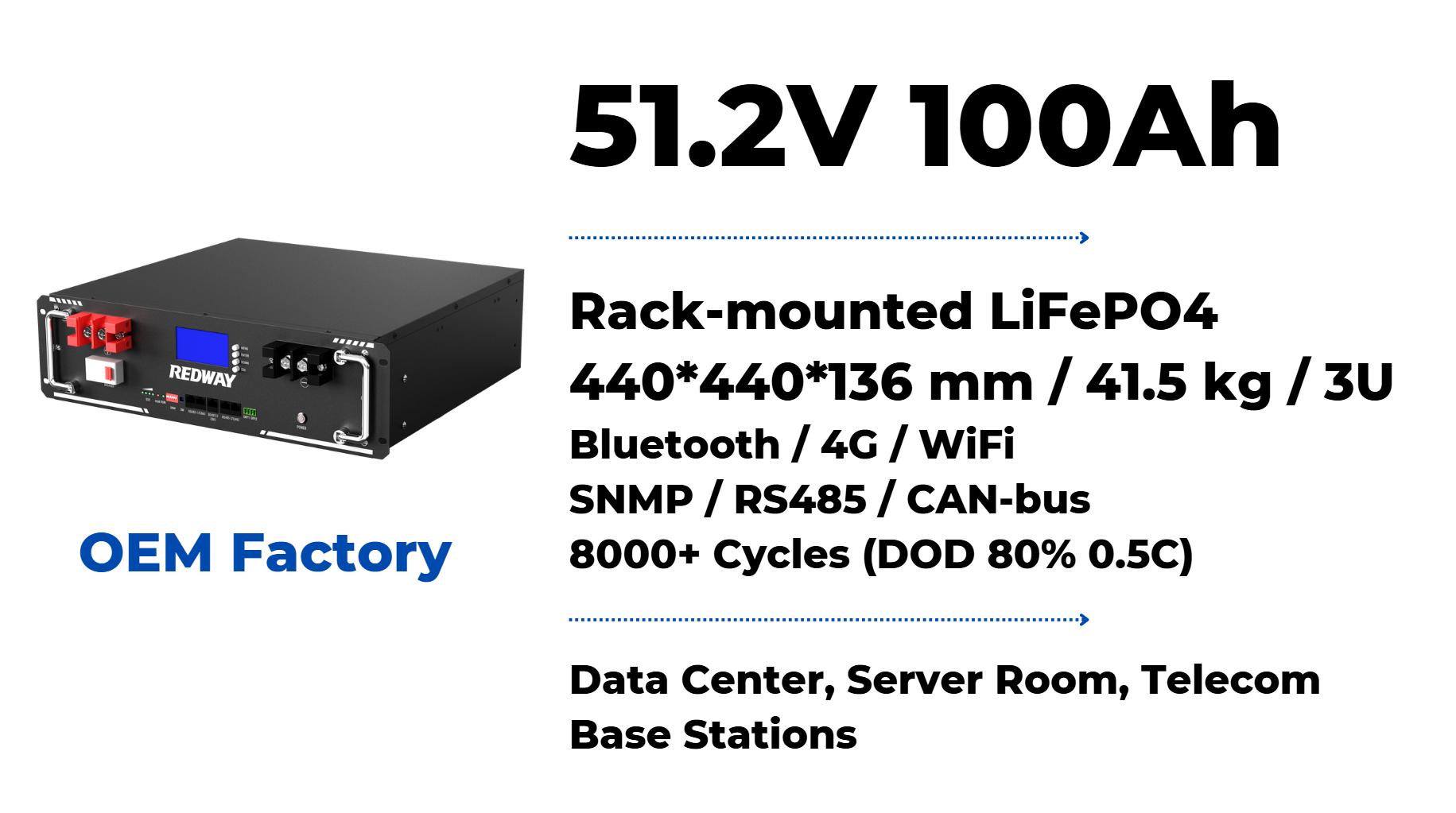
LiFePO4 rack mounted batteries are a type of lithium-ion battery designed specifically for easy installation in standardized racks. These batteries utilize lithium iron phosphate as the cathode material, offering several advantages over other lithium-ion batteries. The rack-mounted format allows for efficient space utilization in data centers, telecommunications, and renewable energy systems.

2. Key Features of LiFePO4 Rack Mounted Batteries

2.1. High Energy Density

LiFePO4 batteries boast a high energy density, meaning they can store a large amount of energy in a compact size. This feature is essential for applications where space is a premium, allowing for more energy storage without occupying excessive physical space.

2.2. Long Cycle Life

One of the most significant advantages of LiFePO4 batteries is their long cycle life. Typically, these batteries can endure over 2000 charge cycles, making them ideal for continuous operation environments where frequent cycling is required. This longevity reduces the need for replacements, ultimately lowering operational costs.

2.3. Enhanced Safety

LiFePO4 batteries are known for their thermal stability and safety features. They are less prone to overheating and thermal runaway compared to other lithium-ion batteries, making them a safer option for critical applications. This safety profile is crucial in preventing accidents and ensuring reliable performance.

2.4. Environmentally Friendly

LiFePO4 batteries are made from non-toxic materials, which significantly reduces their environmental impact. This eco-friendliness makes them a popular choice for organizations committed to sustainability and reducing their carbon footprint.

3. Benefits of Using LiFePO4 Rack Mounted Batteries

3.1. Space Efficiency

The rack-mounted design optimizes space, allowing for straightforward integration into existing systems. This feature is particularly beneficial for facilities like data centers that require dense energy storage solutions.

3.2. Scalability

LiFePO4 rack mounted batteries can be easily scaled to meet varying energy needs. This flexibility allows businesses to expand their energy storage capacity as required without significant infrastructure changes.

3.3. Cost-Effectiveness

While the initial investment in LiFePO4 batteries may be higher than traditional lead-acid batteries, the long-term savings from reduced maintenance, longer lifespan, and efficiency make them a cost-effective solution over time.

4. Installation of LiFePO4 Rack Mounted Batteries

4.1. Pre-Installation Considerations

Before installation, it’s essential to assess the site conditions, including temperature, ventilation, and accessibility. Ensuring the environment meets the manufacturer’s specifications is crucial for optimal battery performance.

4.2. Installation Steps

  1. Select the Appropriate Rack: Choose a compatible rack designed for LiFePO4 batteries.
  2. Position the Rack: Install the rack in a suitable location, ensuring adequate ventilation.
  3. Connect the Batteries: Follow the manufacturer’s guidelines for connecting the batteries in series or parallel, depending on the desired voltage and capacity.
  4. Secure Connections: Ensure all electrical connections are tight and secure to prevent any power loss.
  5. Install Monitoring Systems: If available, integrate battery management systems (BMS) for real-time monitoring of battery performance.

5. Maintenance of LiFePO4 Rack Mounted Batteries

5.1. Regular Inspections

Conduct routine inspections to check for any signs of wear, corrosion, or loose connections. Regular monitoring helps identify potential issues before they escalate.

5.2. Cleaning

Keep the battery terminals and surrounding areas clean and free from dust and debris. This practice helps maintain optimal performance and safety.

5.3. Firmware Updates

For batteries equipped with smart technology, ensure that firmware is regularly updated to benefit from the latest enhancements and safety features.

6. Applications of LiFePO4 Rack Mounted Batteries

6.1. Data Centers

LiFePO4 rack mounted batteries are extensively used in data centers for uninterruptible power supply (UPS) systems, ensuring continuous operation during power outages.

6.2. Telecommunications

These batteries provide reliable backup power for telecommunications equipment, maintaining connectivity during outages.

6.3. Renewable Energy Systems

LiFePO4 batteries play a crucial role in solar and wind energy storage, allowing for efficient energy capture and use during periods of low generation.

6.4. Electric Vehicles

While primarily used in stationary applications, LiFePO4 technology is also applied in electric vehicles, enhancing performance and safety.

Conclusion

LiFePO4 rack mounted batteries represent a significant advancement in energy storage technology, offering numerous benefits including high energy density, long cycle life, and enhanced safety. Their versatility makes them suitable for a wide range of applications, from data centers to renewable energy systems. By understanding their features and advantages, organizations can make informed decisions to optimize their energy management strategies.

How Do LiFePO4 Batteries Contribute to Sustainable Energy Solutions?

How Do LiFePO4 Batteries Contribute to Sustainable Energy Solutions?

LiFePO4 batteries play a pivotal role in advancing sustainable energy solutions by offering reliable storage for renewable energy sources like solar and wind power. Their advantages include enhanced safety, long lifespan, and minimal environmental impact, making them an ideal choice for modern energy systems.

What Are the Key Advantages of LiFePO4 Batteries for Renewable Energy?

LiFePO4 batteries are celebrated for their numerous advantages, particularly their safety, longevity, and eco-friendliness. These features make them suitable for various applications within renewable energy systems, ensuring efficient energy storage and usage. Advantages Overview Chart:

Advantage Description
Safety High thermal stability reduces fire risk
Longevity Long cycle life ensures cost-effectiveness
Eco-Friendliness Non-toxic materials minimize environmental impact

How Do LiFePO4 Batteries Enhance Solar Energy Storage?

In solar energy systems, LiFePO4 batteries efficiently store excess energy produced during sunny periods for use during low generation times, such as at night or on cloudy days. Their high charge/discharge efficiency ensures minimal energy loss.Solar Storage Efficiency Chart:

What Role Do LiFePO4 Batteries Play in Wind Energy Systems?

Wind energy generation can be intermittent; however, integrating LiFePO4 batteries allows for effective storage of excess energy generated during high winds, ensuring a consistent power supply even when wind conditions fluctuate. Wind Energy Storage Chart:

Condition Battery Response
High Wind Stores excess energy
Low Wind Releases stored energy

How Do These Batteries Improve Hybrid Energy Systems?

Hybrid systems that combine renewable sources with traditional power generation benefit significantly from using LiFePO4 batteries. They provide reliable backup power, enhance system efficiency, and reduce reliance on fossil fuels.Hybrid System Benefits Chart:

Benefit Description
Reliability Ensures continuous power supply
Efficiency Optimizes use of both renewable and non-renewable sources

What Are the Environmental Benefits of Using LiFePO4 Batteries?

LiFePO4 batteries are made from non-toxic materials that pose no risk to the environment when disposed of correctly. Their long lifespan reduces waste generation compared to traditional lead-acid batteries. Environmental Impact Chart:

Factor Impact
Toxicity Non-toxic materials
Waste Reduction Longer lifespan minimizes disposal needs

How Do LiFePO4 Batteries Support Grid Stability?

By storing excess energy during low demand periods and releasing it during peak demand times, LiFePO4 batteries help stabilize the grid, reducing strain on traditional power generation methods. Grid Stability Chart:

Function Description
Peak Shaving Reduces demand during peak hours
Load Shifting Balances supply with demand

What Are the Economic Benefits of Using LiFePO4 Batteries?

Investing in LiFePO4 battery technology can lead to significant cost savings over time due to their longevity, reduced maintenance needs, and efficiency in energy storage.Economic Benefits Chart:

Benefit Description
Cost Savings Fewer replacements needed
Lower Operational Costs High efficiency reduces overall expenditure

How Can Users Maximize the Efficiency of LiFePO4 Batteries?

Users can enhance battery efficiency by implementing effective charging practices, maintaining optimal operating temperatures, and utilizing advanced Battery Management Systems (BMS) to monitor performance.Efficiency Maximization Tips Chart:

Tip Description
Optimal Charging Follow manufacturer guidelines
Temperature Control Keep within recommended temperature ranges

Conclusion

LiFePO4 batteries are integral to sustainable energy solutions due to their safety features, longevity, environmental benefits, and efficiency in storing renewable energy. As reliance on clean energy sources grows, these batteries will play an increasingly vital role in shaping a sustainable future.

Expert Views

LiFePO4 batteries are revolutionizing how we approach renewable energy storage,” states an expert from Redway Tech. “Their combination of safety, efficiency, and environmental sustainability makes them ideal for modern applications.”

FAQ Section

  • How do LiFePO4 batteries enhance renewable energy systems?
    They provide reliable storage for solar and wind energy, ensuring consistent power supply even during low generation periods.
  • What are the environmental benefits of using these batteries?
    They are made from non-toxic materials and have a long lifespan that reduces waste generation compared to traditional batteries.
  • How do users maximize the efficiency of LiFePO4 batteries?
    By following optimal charging practices and maintaining appropriate operating temperatures with advanced monitoring systems.
What recycling options are available for used LiFePO4 batteries?

What Recycling Options Are Available for Used LiFePO4 Batteries?

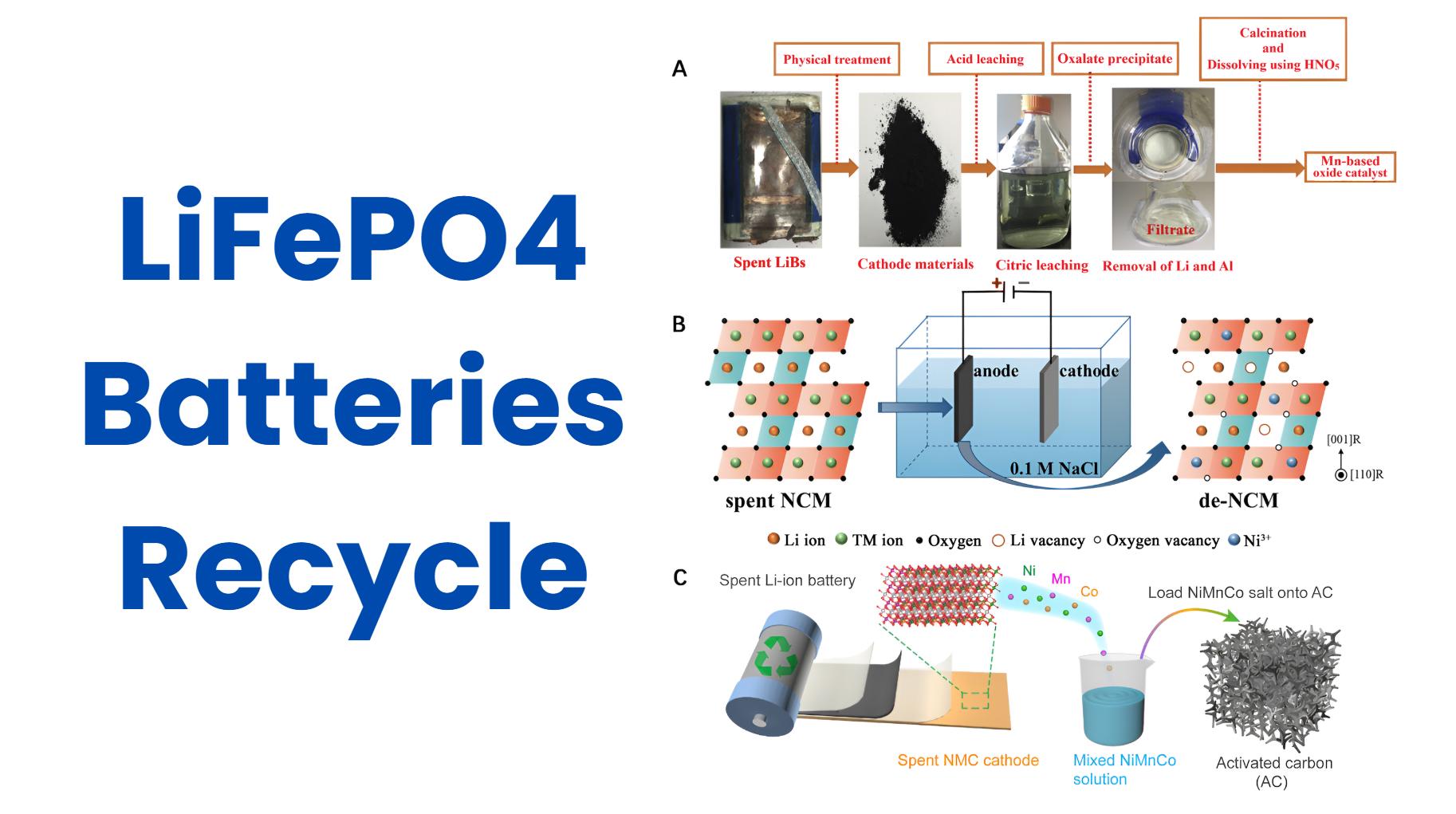
Recycling options for used LiFePO4 batteries are essential for minimizing environmental impact and recovering valuable materials. Proper recycling methods can recover lithium, iron, and phosphorus, contributing to sustainability efforts while preventing hazardous waste. Understanding these options helps users make informed decisions regarding battery disposal.

What Are the Importance and Benefits of Properly Recycling LiFePO4 Batteries?

Proper recycling of LiFePO4 batteries is crucial for several reasons: it conserves natural resources by recovering valuable materials, reduces environmental pollution from hazardous waste, and minimizes reliance on mining for raw materials. Additionally, recycling helps mitigate risks associated with improper disposal, such as soil and water contamination.Chart: Benefits of Properly Recycling

Benefit Description
Resource Conservation Recovers valuable materials
Environmental Protection Reduces pollution
Economic Viability Lowers costs associated with raw material extraction

What Are the Common Methods Used for Recycling LiFePO4 Batteries?

Common recycling methods include mechanical shredding, hydrometallurgical processes, pyrometallurgical methods, and direct recycling techniques. Mechanical shredding breaks down batteries into smaller components, while hydrometallurgical processes involve dissolving materials to recover metals using chemical solutions.Chart: Common Lithium-Ion Battery Recycling Methods

Method Description
Mechanical Shredding Breaks batteries into pieces
Hydrometallurgical Uses chemicals to extract metals
Pyrometallurgical Melts materials at high temperatures
Direct Recycling Physically separates reusable components

What Challenges Are Associated with the LiFePO4 Battery Recycling Process?

Challenges in recycling include the complexity of separating various components within compact battery designs, ensuring worker safety when handling reactive materials like lithium, and managing waste generated during recycling processes. Overcoming these challenges requires advanced technologies and careful planning.Chart: Challenges in LiFePO4 Battery Recycling

Challenge Description
Component Separation Time-consuming process
Safety Precautions Handling reactive materials
Waste Management Environmental impact concerns

Know More:

How Do LiFePO4 Batteries Contribute to Sustainable Energy Solutions?
What Recycling Options Are Available for Used LiFePO4 Batteries?
Why Is It Important to Consider Environmental Factors When Choosing a Battery?

How Do Dry and Wet Methods Compare in Terms of Effectiveness?

Dry methods typically involve mechanical processes without liquids, while wet methods use solvents or aqueous solutions to extract materials. Wet methods often yield higher recovery rates but may involve more complex processing steps and environmental considerations.Chart: Comparison of Dry vs. Wet Methods

Method Advantages Disadvantages
Dry Simpler process Lower recovery rates
Wet Higher recovery rates More complex processing

What Innovations Are Emerging in LiFePO4 Battery Recycling Technologies?

Innovative techniques such as supercritical CO2 extraction, which uses carbon dioxide under high pressure to separate lithium from other materials without harmful chemicals, are emerging as more sustainable alternatives. These advancements aim to improve efficiency while minimizing environmental impact.Chart: Innovative Technologies

Technology Description
Supercritical CO2 Uses CO2 for material separation
Advanced Mechanical Systems Enhances efficiency in shredding

How Can Users Find Certified Battery Recyclers?

Users can find certified battery recyclers by checking local regulations or databases that list authorized facilities. Many manufacturers also provide information on recommended recycling partners or programs that facilitate safe disposal.Chart: Finding Certified Recyclers

Resource Description
Local Government Websites Lists authorized recyclers
Manufacturer Recommendations Provides trusted partners

What Materials Can Be Recovered from Used LiFePO4 Batteries?

Valuable materials that can be recovered include lithium, iron, phosphorus, aluminum, and copper. These materials can be reused in new battery production or other applications, contributing to resource conservation efforts.Chart: Recoverable Materials

Material Use
Lithium New battery production
Iron Steel manufacturing
Phosphorus Fertilizers

How Does Improper Disposal Affect the Environment?

Improper disposal of used LiFePO4 batteries can lead to soil and water contamination due to toxic elements leaching into the environment. Additionally, incineration can release harmful gases into the atmosphere, exacerbating air pollution issues.Chart: Environmental Impact of Improper Disposal

Method Environmental Impact
Landfilling Soil contamination
Incineration Air pollution

Conclusion

Recycling options for used LiFePO4 batteries are critical for environmental sustainability and resource conservation. By understanding various recycling methods, challenges involved, and emerging technologies, users can make informed decisions about battery disposal that minimize ecological impact while recovering valuable materials.

Expert Views

“Recycling used LiFePO4 batteries not only conserves resources but also plays a vital role in reducing environmental hazards,” states an expert from Redway. “As technology advances, we are seeing more efficient methods that enhance recovery rates while minimizing ecological footprints.”

FAQ Section

  • What should I do with my used LiFePO4 battery?
    It’s essential to recycle it through certified facilities that specialize in battery recycling to prevent environmental harm.
  • What materials can be recovered from recycled LiFePO4 batteries?
    Valuable materials such as lithium, iron, phosphorus, aluminum, and copper can be recovered for reuse.
  • Are there any risks associated with improper disposal?
    Yes, improper disposal can lead to soil contamination and air pollution due to toxic elements released during degradation or incineration.
Why is it important to consider environmental factors when choosing a battery?

Why Is It Important to Consider Environmental Factors When Choosing a Battery?

Considering environmental factors when choosing a battery is crucial for promoting sustainability and minimizing ecological impacts. By evaluating aspects such as production processes, material sourcing, and end-of-life management, consumers can make informed decisions that align with environmental goals while supporting cleaner energy solutions.

Why Is It Important to Consider Environmental Factors When Choosing a Battery?

Environmental considerations are vital when selecting batteries because they directly impact resource depletion, pollution levels, and overall sustainability. Understanding these factors helps consumers choose batteries that not only meet their energy needs but also contribute positively to environmental conservation efforts.Chart: Importance of Environmental Factors

Factor Description
Resource Conservation Reduces reliance on finite materials
Pollution Reduction Minimizes harmful emissions
Sustainable Practices Promotes eco-friendly technologies

What Are the Environmental Impacts of Battery Production?

Battery production can have significant environmental impacts, including carbon emissions from manufacturing processes, pollution from mining activities, and waste generation during production. Understanding these impacts is essential for making environmentally responsible choices.Chart: Environmental Impacts of Production

Impact Description
Carbon Footprint Emissions from manufacturing
Resource Depletion Mining for raw materials
Water Pollution Contaminants from production

How Do Different Battery Chemistries Affect Sustainability?

Different battery chemistries have varying environmental footprints. For instance, lithium-ion batteries often rely on cobalt and nickel, which involve environmentally damaging mining practices. In contrast, LiFePO4 batteries use more abundant materials that are less harmful to extract.Chart: Comparison of Battery Chemistries

What Role Does Recycling Play in Reducing Environmental Impact?

Recycling plays a crucial role in reducing the environmental impact of batteries by recovering valuable materials, thus decreasing the need for new resource extraction. Proper recycling processes also prevent hazardous waste from entering landfills or contaminating ecosystems.Chart: Benefits of Recycling

Benefit Description
Material Recovery Reuse valuable components
Waste Reduction Minimize landfill contributions
Energy Savings Lower energy costs compared to new production

How Can Innovations in Battery Technology Enhance Sustainability?

Innovations such as solid-state batteries, sodium-ion technology, and metal-free alternatives are emerging as sustainable options that reduce reliance on harmful materials and improve recycling efficiency. These advancements aim to create cleaner energy storage solutions with lower environmental impacts.Chart: Innovative Technologies

Technology Sustainability Advantage
Solid-State Batteries Reduced flammability
Sodium-Ion Abundant raw materials
Metal-Free Batteries Lower toxicity

How Do Lifecycle Assessments Help Evaluate Battery Options?

Lifecycle assessments (LCA) evaluate the environmental impact of batteries throughout their entire lifecycle—from raw material extraction through production, use, and disposal. This comprehensive analysis helps consumers understand the true ecological footprint associated with different battery options.Chart: Lifecycle Assessment Stages

Stage Description
Raw Material Extraction Impact from mining activities
Manufacturing Emissions during production
Usage Energy consumption during operation
End-of-Life Waste management considerations

What Are the Long-Term Effects of Improper Battery Disposal?

Improper disposal can lead to severe long-term environmental consequences such as soil contamination from toxic metals, water pollution from leachate, and increased greenhouse gas emissions from incineration or landfill decomposition. Responsible disposal practices are crucial for mitigating these risks.Chart: Effects of Improper Disposal

Effect Description
Soil Contamination Heavy metals leaching into soil
Water Pollution Toxic substances entering waterways
Increased Emissions Greenhouse gases from landfills

How Can Consumers Make Informed Choices About Batteries?

Consumers can make informed choices by researching battery technologies, considering environmental certifications, and opting for products with sustainable sourcing practices. Engaging with manufacturers about their recycling programs can also help ensure responsible end-of-life management.Chart: Making Informed Choices

Strategy Description
Research Technologies Understand different chemistries
Look for Certifications Seek eco-labels or standards
Engage Manufacturers Ask about recycling initiatives

Conclusion

Considering environmental factors when choosing a battery is essential for promoting sustainability and reducing ecological impacts associated with energy storage technologies. By understanding production processes, material sourcing, recycling options, and innovations in battery technology, consumers can make choices that align with their values while supporting a greener future.

Expert Views

“Choosing batteries with strong environmental considerations is not just about performance; it’s about ensuring a sustainable future,” states an expert from Redway. “As technology evolves, we must prioritize eco-friendly options that minimize our ecological footprint.”

FAQ Section

  • Why should I consider environmental factors when choosing a battery?
    Considering these factors helps reduce resource depletion and pollution while promoting sustainability.
  • What are some sustainable alternatives to traditional lithium-ion batteries?
    Options include LiFePO4 batteries, sodium-ion batteries, and solid-state technologies.
  • How can improper disposal affect the environment?
    Improper disposal can lead to soil contamination and water pollution due to toxic substances leaching into ecosystems.
What Safety Features Are Integrated into Modern LiFePO4 Batteries?

What Safety Features Are Integrated into Modern LiFePO4 Batteries?

Modern LiFePO4 batteries are equipped with advanced safety features that significantly enhance their reliability and performance. Key safety mechanisms include robust thermal stability, effective battery management systems (BMS), non-flammable electrolytes, and durable physical designs. Understanding these features is crucial for users seeking safe energy storage solutions.

What Are the Key Safety Features of LiFePO4 Batteries?

LiFePO4 batteries are recognized for their exceptional safety features, including built-in protection against overcharging, overheating, and short circuits. These mechanisms work together to minimize risks associated with battery failure, making them a preferred choice for various applications.Chart: Key Safety Features

Feature Description
Overcharge Protection Prevents battery damage
Short Circuit Protection Avoids dangerous failures
Thermal Management Maintains optimal operating conditions

How Does Thermal Stability Contribute to Battery Safety?

Thermal stability is one of the most significant safety attributes of LiFePO4 batteries. Their chemical composition allows them to withstand higher temperatures without undergoing thermal runaway—a phenomenon where excessive heat leads to battery failure or fire.Chart: Thermal Stability Comparison

Battery Type Thermal Runaway Temperature (°C)
LiFePO4 >250
Lithium Cobalt ~150
Lithium Manganese ~200

What Role Does the Battery Management System (BMS) Play?

The battery management system (BMS) is critical for monitoring voltage, current, and temperature within each cell. This system ensures that all cells operate within safe limits, preventing issues such as overcharging or deep discharging that could lead to hazardous situations.Chart: BMS Functions

Function Description
Voltage Monitoring Ensures cells do not exceed limits
Temperature Control Prevents overheating
Balancing Maintains equal charge across cells

How Do Non-Flammable Electrolytes Enhance Safety?

LiFePO4 batteries utilize non-flammable electrolytes that significantly reduce fire hazards compared to other lithium-ion chemistries. This characteristic makes them safer for use in various environments, including residential settings and electric vehicles.Chart: Electrolyte Comparison

Chemistry Flammability
LiFePO4 Non-flammable
Lithium Cobalt Flammable
Lithium Nickel Manganese Flammable

What Are the Physical Design Considerations for Safety?

The physical design of LiFePO4 batteries includes robust casings and advanced cell structures that prevent internal short circuits and external damage. These design elements are essential for maintaining safety in demanding applications such as electric vehicles and renewable energy systems.Chart: Design Features

Feature Benefit
Durable Casings Protects against impacts
Advanced Cell Design Reduces risk of short circuits

How Do LiFePO4 Batteries Compare to Other Lithium Technologies?

Compared to other lithium technologies, LiFePO4 batteries offer enhanced safety profiles due to their stable chemistry and higher thermal runaway thresholds. This makes them a more reliable option in applications where safety cannot be compromised.Chart: Comparison with Other Lithium Technologies

Technology Thermal Stability Cycle Life
LiFePO4 High 2000–7000 cycles
Lithium Cobalt Moderate 500–1500 cycles
Lithium Nickel Manganese Moderate 1000–2000 cycles

What Are the Risks Associated with Improper Use?

Improper use of LiFePO4 batteries can lead to risks such as thermal runaway, reduced lifespan, and potential hazards from physical damage or incorrect charging practices. It is crucial for users to follow manufacturer guidelines and best practices to mitigate these risks.Chart: Risks of Improper Use

Risk Consequence
Overcharging Potential fire hazard
Physical Damage Internal short circuit
Incorrect Installation System failure

How Can Users Ensure Optimal Safety When Using LiFePO4 Batteries?

Users can enhance safety by following best practices such as using certified products from reputable manufacturers, ensuring proper installation by qualified technicians, and regularly monitoring battery conditions through integrated systems or external sensors.Chart: Best Practices for Safe Use

Practice Description
Certified Products Purchase from reputable brands
Professional Installation Hire qualified technicians
Regular Monitoring Use BMS or external sensors

Conclusion

Modern LiFePO4 batteries incorporate numerous safety features that make them one of the safest options available in energy storage technology. With robust thermal stability, effective battery management systems, non-flammable electrolytes, and durable designs, they provide reliable performance across various applications while minimizing risks associated with battery usage.

Expert Views

“Safety is paramount when it comes to energy storage solutions,” states an expert from Redway. “LiFePO4 technology’s inherent stability and advanced protective features make it an excellent choice for both residential and commercial applications.”

FAQ Section

  • What makes LiFePO4 batteries safer than other lithium-ion batteries?
    Their stable chemistry, high thermal runaway threshold, and non-flammable electrolytes contribute significantly to their safety profile.
  • How does a BMS improve battery safety?
    A BMS monitors critical parameters like voltage and temperature, preventing conditions that could lead to overcharging or overheating.
  • What should I do if my battery shows signs of overheating?
    Immediately disconnect it from any power source and allow it to cool down in a safe area away from flammable materials.
How can users mitigate risks associated with battery failure or overheating?

How Can Users Mitigate Risks Associated with Battery Failure or Overheating?

Mitigating risks associated with battery failure or overheating is essential for ensuring the safety and longevity of lithium-ion batteries such as LiFePO4. Users can adopt several preventive measures, including proper charging techniques, implementing battery management systems (BMS), ensuring adequate ventilation, and conducting regular monitoring.

What Are the Key Preventive Measures Against Battery Failure?

To prevent battery failure, users should implement a combination of strategies that include maintaining optimal operating conditions, adhering to manufacturer guidelines, and conducting regular inspections.Preventive Measures Chart:

Measure Description
Proper Charging Techniques Follow recommended charging profiles
Routine Maintenance Conduct visual inspections and capacity tests
Use Quality Components Utilize manufacturer-recommended chargers

How Can Proper Charging Techniques Enhance Safety?

Proper charging techniques are critical in preventing overheating and potential battery failure. Users should avoid overcharging by using chargers specifically designed for their battery type and adhering to recommended charging times.Charging Guidelines Chart:

Guideline Recommendation
Charge Rate Use appropriate charge rates as per specifications
Charging Duration Avoid overnight charging; monitor charge completion

What Role Does a Battery Management System (BMS) Play?

A BMS is essential for monitoring battery health, managing charge cycles, and ensuring safe operation by preventing overcharging, deep discharging, and thermal runaway.BMS Functions Chart:

Function Description
Voltage Monitoring Ensures cells remain within safe voltage limits
Temperature Control Monitors heat levels to prevent overheating

How Important Is Adequate Ventilation for Battery Safety?

Adequate ventilation is crucial for dissipating heat generated during charging and discharging processes. Users should install batteries in well-ventilated areas to minimize the risk of overheating.Ventilation Impact Chart:

Ventilation Type Effect on Temperature
Poor Ventilation Increased risk of overheating
Good Ventilation Maintains optimal operating temperatures

What Are Effective Cooling Strategies for High-Performance Applications?

For applications that demand high performance, incorporating active cooling systems such as fans or liquid cooling can significantly reduce the risk of thermal issues.Cooling Strategies Chart:

Strategy Description
Active Cooling Use fans or liquid cooling systems
Heat Sinks Install heat sinks to dissipate excess heat

How Can Regular Monitoring Help Prevent Overheating?

Regular monitoring involves checking temperature levels, charge status, and overall battery health through sensors or manual checks. This proactive approach allows users to identify potential issues before they escalate.Monitoring Techniques Chart:

Technique Description
Temperature Sensors Install sensors linked to a BMS
Manual Checks Periodically inspect batteries for signs of wear

What Are the Best Practices for Long-Term Battery Storage?

When storing batteries long-term, it is essential to keep them in a cool, dry place away from direct sunlight or extreme temperatures to prevent degradation.Storage Guidelines Chart:

Practice Recommendation
Ideal Temperature Store between 0°C (32°F) and 25°C (77°F)
Charge Level Store at around 50% charge

How Do Environmental Factors Affect Battery Safety?

Environmental factors such as temperature extremes, humidity, and exposure to corrosive substances can significantly impact battery performance and safety. Users should be mindful of these factors when installing or storing batteries.Environmental Impact Chart:

Factor Effect on Battery
High Temperatures Increases risk of thermal runaway
Humidity Can lead to corrosion

Conclusion

Mitigating risks associated with battery failure or overheating requires a multi-faceted approach that includes proper charging techniques, effective monitoring systems, adequate ventilation, and adherence to best practices for storage. By implementing these strategies, users can enhance the safety and longevity of their lithium-ion batteries.

Expert Views

“Understanding how to mitigate risks associated with battery failure is crucial in today’s energy-dependent world,” states an expert from Redway Tech. “By adopting proactive measures such as using a BMS and ensuring proper ventilation, users can significantly reduce the likelihood of overheating incidents.”

FAQ Section

  • What are some key preventive measures against battery failure?
    Key measures include following proper charging techniques, utilizing a BMS, ensuring good ventilation, and conducting regular maintenance checks.
  • How does temperature affect battery safety?
    Extreme temperatures can increase the risk of thermal runaway; maintaining an optimal temperature range is essential for safe operation.
  • What should I do if my battery overheats?
    Immediately disconnect it from power sources, allow it to cool in a well-ventilated area, and inspect it for damage before further use.
Search products

Need a Quick Quote on Wholesale Prices? Contact Redway Battery Now.

X
Product has been added to your cart


Shenzhen Redway Power, Inc

Tel: +86 189 7608 1534
Tel: +86 (755) 2801 0506
E-mail: contact@redwaybattery.com
Website: www.redway-tech.com
Youtube: @RedwayPower
TikTok: @redwaybattery

Get a Quick Quote

Hot OEM

Forklift Lithium Battery
Golf Cart Lithium Battery
RV Lithium Battery
Rack-mounted Lithium Battery

Hot Batteries

24V 150Ah Forklift Lithium Battery
24V 200Ah Forklift Lithium Battery
48V 400Ah Forklift Lithium Battery
48V 600Ah Forklift Lithium Battery
80V 400Ah Forklift Lithium Battery
36V 100Ah Golf Cart Lithium Battery
48V 100Ah Golf Cart Lithium Battery
51.2V 50Ah 3U Rack-mounted Lithium Battery
51.2V 100Ah 3U Rack-mounted Lithium Battery
12V 100Ah RV LiFePO4 Lithium Battery (Self-heating)

Hot Blog

Golf Carts
Server Rack Battery
Knowledge