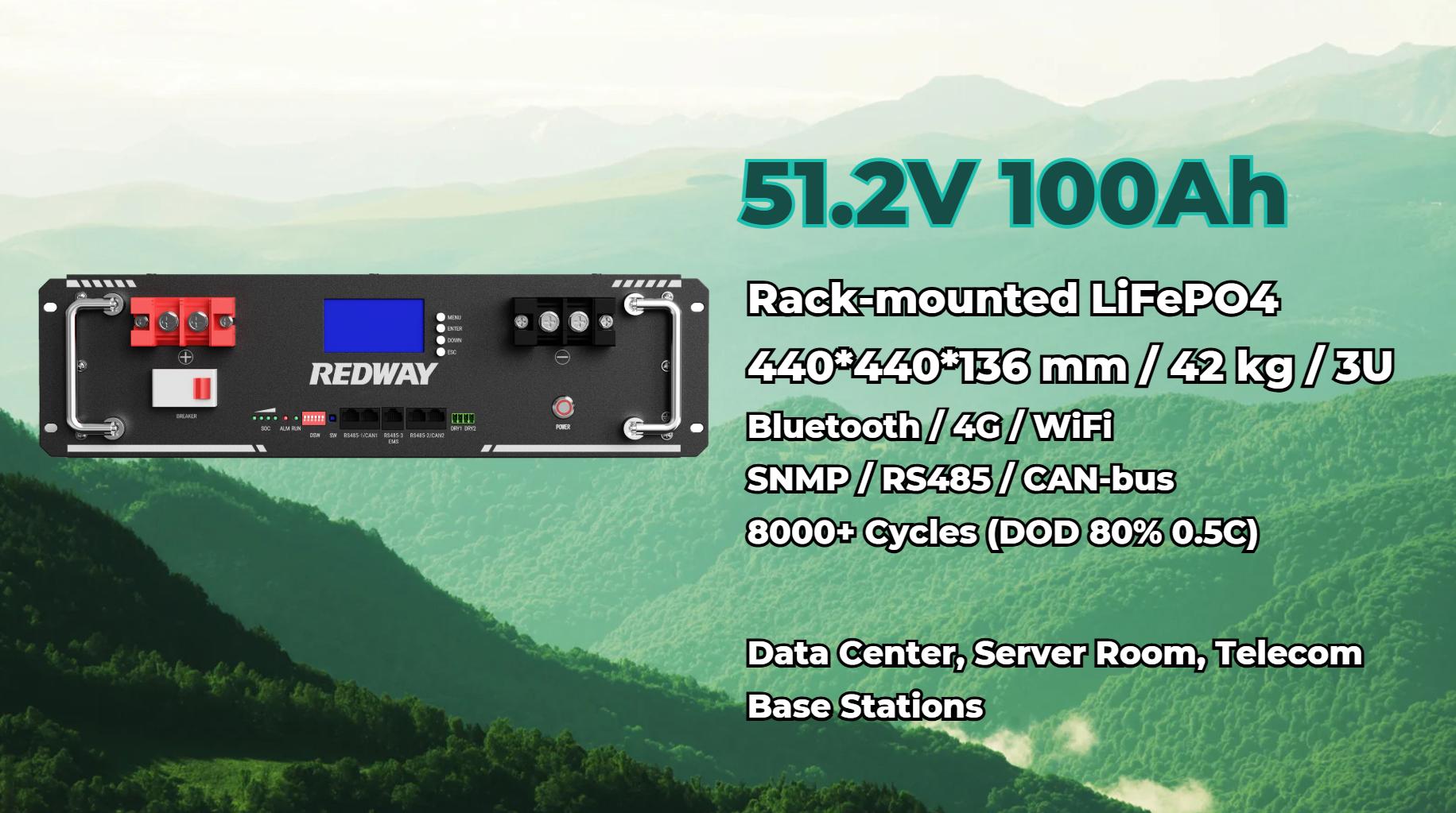
How Do You Install LiFePO4 Batteries in an RV?

Installing LiFePO4 batteries in an RV requires careful planning and execution to ensure safety and optimal performance. This process involves preparing the installation area, selecting appropriate tools, securing connections, and conducting thorough testing after installation.

What Are the Steps to Prepare for Installing LiFePO4 Batteries?

Before beginning the installation of your LiFePO4 batteries, follow these preparation steps:

  1. Disconnect Power Sources: Ensure that all power sources are turned off, including shore power and solar panels.
  2. Assess Power Needs: Calculate your energy requirements based on appliances and devices you plan to use.
  3. Choose Compatible Equipment: Verify that your inverter, charger, and other components are compatible with LiFePO4 technology.

Chart: Energy Requirements Assessment

Appliance Power Consumption (W) Hours Used Per Day Daily Consumption (Wh)
Refrigerator 100 24 2400
Lights 10 5 50
Water Pump 50 1 50
Total 2500

How Do You Choose the Right Location for Battery Installation?

Choosing the right location is crucial for safety and efficiency:

  1. Consider Ventilation: Ensure that the location allows for adequate airflow around the battery.
  2. Accessibility: Select a spot that is easily accessible for maintenance.
  3. Weight Distribution: Place batteries low and centered within the RV to maintain stability.

What Tools Are Necessary for the Installation Process?

Having the right tools will make your installation smoother:

  1. Wrenches/Sockets: For securing battery terminals.
  2. Drill: If you need to create mounting holes.
  3. Wire Strippers/Cutters: For preparing wiring connections.
  4. Multimeter: To check voltage levels during installation.

Know More:

How Do You Install LiFePO4 Batteries in an RV?
How Can You Properly Install a LiFePO4 Battery in Your RV?
How Can You Safely Install LiFePO4 Batteries in Your RV?
How Can You Optimize Space When Installing Multiple Batteries in RVs?

How Do You Securely Connect LiFePO4 Batteries to the RV System?

Follow these steps when connecting your batteries:

  1. Connect Positive Terminal First: Attach the positive (red) terminal of the battery first.
  2. Use Proper Wiring: Ensure that you use wires rated for high voltage applications.
  3. Double-Check Connections: Make sure all connections are tight to prevent energy loss or short circuits.

Chart: Connection Order

Step Action
1 Connect positive terminal
2 Connect negative terminal
3 Secure all connections

What Safety Precautions Should Be Taken During Installation?

Safety is paramount during installation:

  1. Wear Protective Gear: Use gloves and goggles while working with batteries.
  2. Avoid Sparks: Keep tools away from battery terminals when connecting.
  3. Follow Manufacturer Guidelines: Always adhere to specific instructions provided by battery manufacturers.

How Can You Test the Installation After Completing It?

After installation, testing ensures everything functions correctly:

  1. Power Up Systems Gradually: Turn on systems one at a time while monitoring performance.
  2. Check Voltage Levels: Use a multimeter to verify that voltage levels are within acceptable ranges.
  3. Monitor Performance Over Time: Keep an eye on battery performance during initial usage.

What Maintenance Is Required After Installation?

Regular maintenance helps prolong battery life:

  1. Inspect Connections Regularly: Check that all connections remain tight and corrosion-free.
  2. Monitor Charge Levels: Keep track of battery charge levels using a monitoring system.
  3. Clean Terminals: Periodically clean battery terminals to prevent buildup.

Expert Views

“Installing LiFePO4 batteries in your RV can significantly enhance your power capabilities,” states an expert from Redway. “Proper installation not only ensures safety but also maximizes efficiency, allowing you to enjoy your adventures without worrying about power limitations.”

Conclusion

In conclusion, installing LiFePO4 batteries in an RV involves careful preparation, strategic placement, secure connections, and ongoing maintenance to ensure optimal performance and safety. By following these guidelines, RV owners can effectively harness the benefits of modern battery technology.

FAQ Section

  • What should I do if my battery system isn’t working after installation?
    Check all connections and ensure compatibility with existing equipment; use a multimeter to diagnose issues.
  • Can I install multiple LiFePO4 batteries together?
    Yes, multiple batteries can be connected in parallel or series depending on your power requirements; ensure proper balancing.
  • How often should I perform maintenance on my batteries?
    Regular checks every few months are recommended; however, monitor them more frequently if used heavily or under extreme conditions.
How Can You Safely Install LiFePO4 Batteries in Your RV?

To safely install LiFePO4 batteries in your RV, follow essential precautions such as ensuring proper wiring, using appropriate safety gear, and selecting a suitable installation location. Understanding the safety features of these batteries can further enhance your installation process, ensuring reliable power without compromising safety.

What Are Pre-Installation Safety Measures?

Before installing LiFePO4 batteries in your RV, it’s crucial to take specific pre-installation safety measures. These include reading the manufacturer’s manual thoroughly, hiring a qualified installer if necessary, and ensuring that the installation area is well-ventilated. Proper preparation helps mitigate risks associated with battery installation.Chart: Pre-Installation Safety Measures

Measure Description
Read Manufacturer’s Manual Understand specific requirements and guidelines.
Hire Qualified Installer Ensure correct installation practices are followed.
Ensure Ventilation Prevent heat buildup during operation.

How Do You Ensure Proper Wiring and Connections?

Proper wiring and connections are vital for safe battery operation. Confirm polarity before connecting terminals, use appropriately sized cables, and avoid sharp edges that could damage insulation. Following the manufacturer’s wiring instructions precisely minimizes risks of short circuits or performance issues.Chart: Proper Wiring Guidelines

Guideline Description
Confirm Polarity Verify positive (red) and negative (black) connections.
Use Correct Cable Size Match cable size with current requirements to prevent overheating.
Avoid Sharp Edges Route cables away from potential damage points.

What Safety Gear Should Be Used During Installation?

Using appropriate safety gear during installation is essential to protect against potential hazards. Installers should wear gloves, safety glasses, and protective clothing to safeguard against electrical shocks or accidental battery leaks. This precaution ensures a safer working environment.

Why Is Location Consideration Important?

Choosing an appropriate location for battery installation is critical for safety. The area should be well-ventilated to dissipate heat generated during charging and discharging. Additionally, avoid placing batteries near flammable materials or sources of heat to minimize fire risks.Chart: Ideal Battery Installation Locations

Location Factor Description
Ventilation Ensure airflow to prevent overheating.
Distance from Flammable Materials Maintain a safe distance from potential fire hazards.
Accessibility Choose a location that allows easy access for maintenance.

What Are the Key Safety Features of LiFePO4 Batteries?

LiFePO4 batteries come equipped with several safety features that enhance their reliability during use. These include thermal stability, reduced risk of thermal runaway, built-in protection against overcharging, and robust chemical stability that minimizes hazards associated with overheating or short circuits.

Know More:

How Do You Install LiFePO4 Batteries in an RV?
How Can You Properly Install a LiFePO4 Battery in Your RV?
How Can You Safely Install LiFePO4 Batteries in Your RV?
How Can You Optimize Space When Installing Multiple Batteries in RVs?

How to Prevent Overcharging and Short Circuits?

Preventing overcharging involves using a quality Battery Management System (BMS) that monitors voltage levels and disconnects the battery when necessary. Additionally, ensure all connections are secure to avoid short circuits, which can lead to battery failure or hazardous situations.Chart: Overcharging Prevention Techniques

Technique Description
Use a BMS Monitor battery conditions continuously.
Secure Connections Regularly check for loose or damaged connections.

What Maintenance Practices Enhance Battery Safety?

Regular maintenance practices such as inspecting connections for corrosion, monitoring charge levels, and ensuring proper ventilation can significantly enhance battery safety. Keeping detailed records of performance can help identify potential issues early, allowing for timely interventions.

How Do Environmental Conditions Affect Battery Installation?

Environmental conditions such as temperature extremes can impact battery performance significantly. Installing batteries in areas prone to extreme heat or cold may lead to reduced efficiency or increased risk of failure. Proper insulation and climate control measures should be considered during installation.

What Training Is Recommended for DIY Installers?

For those considering DIY installation of LiFePO4 batteries in their RVs, training on electrical systems and battery technology is highly recommended. Understanding basic electrical principles, safety protocols, and manufacturer guidelines can help ensure a successful installation while minimizing risks.

Expert Views

“Proper installation practices are crucial when working with LiFePO4 batteries in RVs,” says an expert from Redway. “Understanding safety features like thermal stability and using adequate protective gear can significantly reduce risks during installation.”

Conclusion

Installing LiFePO4 batteries in your RV requires careful attention to safety precautions such as proper wiring, location considerations, and understanding the inherent safety features of these batteries. By following best practices and maintaining awareness of environmental factors, you can ensure a safe and efficient power solution for your RV.

FAQ Section

  • What are the main safety precautions when installing LiFePO4 batteries in an RV?
    Key precautions include ensuring proper wiring connections, using appropriate safety gear, choosing a well-ventilated installation location, and following manufacturer guidelines closely.
  • How do I prevent overcharging my LiFePO4 batteries?
    Utilize a quality Battery Management System (BMS) that monitors voltage levels continuously and disconnects the battery when necessary to prevent overcharging.
  • Why is location important when installing RV batteries?
    The installation location should be well-ventilated to dissipate heat generated during operation while being away from flammable materials to minimize fire hazards.

Why Are LiFePO4 Batteries Considered Safer for RV Use?

LiFePO4 batteries are safe for RV use due to their chemical stability, which minimizes the risk of combustion and thermal runaway. They can withstand high temperatures and have a high tolerance for overcharging. Their robust construction also makes them resistant to physical damage, reducing fire hazards during travel.

LiFePO4 batteries utilize lithium iron phosphate as their cathode material, which provides exceptional chemical stability, reducing the risk of reactions that can lead to fires or explosions under stress or high temperatures.

Chart Title: Chemical Stability Comparison

Battery Type Cathode Material Chemical Stability
LiFePO4 Lithium Iron Phosphate High
Cobalt-based Lithium Lithium Cobalt Oxide Moderate
Lead-Acid Lead Dioxide Low

How do they compare with other battery types regarding safety?

Compared to other battery types, such as lead-acid or cobalt-based lithium-ion batteries, LiFePO4 batteries offer superior safety. They have a lower risk of thermal runaway and do not release oxygen when heated, making them less prone to overheating and combustion, which enhances their reliability in RV applications.

Chart Title: Thermal Runaway Risk Comparison

Battery Type Risk of Thermal Runaway
LiFePO4 Very Low
Cobalt-based Lithium High
Lead-Acid Moderate

What safety features do LiFePO4 batteries offer?

LiFePO4 batteries include several safety features such as thermal stability, built-in battery management systems (BMS) that prevent overcharging and short circuits, and robust chemical composition that resists degradation. These features collectively enhance their safety profile, making them suitable for use in confined RV spaces.

LiFePO4 batteries come equipped with several built-in safety features, including:

  • Overcharge protection: Prevents damage from excessive charging.
  • Short-circuit protection: Stops current flow during faults.
  • Thermal management systems: Regulate temperature to avoid overheating.

Why is chemical stability important in battery technology?

Chemical stability is crucial in battery technology as it reduces the likelihood of dangerous reactions that can lead to overheating or fires. In LiFePO4 batteries, the stable phosphate structure prevents electrolyte decomposition, ensuring safe operation even under extreme conditions and enhancing overall reliability.

How does thermal resistance affect safety in RV applications?

Thermal resistance is vital for safety in RV applications as it allows LiFePO4 batteries to operate safely at higher temperatures without degrading or failing. This resistance minimizes the risk of thermal runaway, ensuring that the batteries remain stable and functional during hot weather or heavy usage.

How do weight and size impact battery safety in RVs?

Weight and size impact battery safety in RVs by influencing vehicle handling and weight distribution. Lighter batteries like LiFePO4 reduce overall vehicle weight, improving fuel efficiency and stability. Smaller sizes allow for safer installation in confined spaces while minimizing the risk of damage during travel.

What maintenance practices enhance the safety of LiFePO4 batteries?

To enhance safety, regularly inspect LiFePO4 batteries for signs of wear or damage, ensure connections are secure, and monitor state of charge to prevent over-discharge. Keep the batteries clean and well-ventilated, and follow manufacturer guidelines for charging and storage to maintain optimal performance.

How do environmental regulations influence battery choice for RVs?

Environmental regulations influence battery choice by promoting safer, non-toxic materials that minimize environmental impact. Regulations may require compliance with standards regarding emissions and disposal. Choosing LiFePO4 batteries aligns with these regulations due to their eco-friendly composition and lower environmental footprint compared to traditional lead-acid batteries.

Conclusion

In summary, the superior safety profile of LiFePO4 batteries makes them an ideal choice for recreational vehicle applications. Their chemical stability, thermal resistance, and built-in protective features ensure that they provide reliable power without compromising user safety.

Expert Views

LiFePO4 technology represents a significant advancement in battery safety,” states an expert from Redway. “For those who spend extended periods on the road, knowing that your power source is stable and reliable adds peace of mind.”

FAQ Section

Frequently Asked Questions

  • What are the main advantages of using LiFePO4 batteries in RVs?
    The main advantages include enhanced safety features, longer lifespan, lightweight design, and low maintenance requirements.
  • How does thermal runaway differ between battery types?
    Thermal runaway is significantly less likely in LiFePO4 batteries compared to traditional lead-acid or cobalt-based lithium-ion batteries due to their stable chemistry.
  • Are there any specific maintenance tips for ensuring the safety of LiFePO4 batteries?
    Regularly check connections, ensure proper ventilation during charging, and utilize a Battery Management System (BMS) to monitor health and performance.

Why Should You Choose LiFePO4 Batteries for Your RV?

LiFePO4 batteries have emerged as a superior choice for powering recreational vehicles due to their safety features, longevity, lightweight design, and efficiency. They offer an optimal solution that enhances the overall experience of traveling in an RV.

What Are the Advantages of Using LiFePO4 Batteries in RVs?

LiFePO4 batteries offer several advantages for RV use, including a longer lifespan (up to 5,000 cycles), lightweight design for better fuel efficiency, and fast charging capabilities. They also provide consistent power output and require minimal maintenance, making them ideal for the mobile lifestyle of RV enthusiasts.

LiFePO4 batteries provide several compelling advantages over traditional lead-acid batteries:

  1. Long Lifespan: They typically last between 10 to 15 years, significantly outpacing lead-acid options.
  2. High Efficiency: They maintain consistent voltage throughout their discharge cycle.
  3. Low Maintenance: Unlike lead-acid batteries, they require minimal upkeep.

Chart: Lifespan Comparison

Battery Type Average Lifespan
Lead-Acid 3-5 years
Lithium-Ion (LiFePO4) 10+ years

How Do Safety Features Make LiFePO4 Batteries Ideal for RV Use?

LiFePO4 batteries are ideal for RV use due to their inherent safety features, including thermal stability and low risk of thermal runaway. They are resistant to overcharging and physical damage, ensuring safe operation in confined spaces. Their non-toxic materials further enhance safety during travel and overnight stays.

Safety is paramount when choosing a battery for an RV, and LiFePO4 batteries excel in this area:

  1. Thermal Stability: They have a lower risk of thermal runaway compared to other lithium-ion chemistries.
  2. Overcharge Protection: Built-in protections prevent damage from overcharging.
  3. Durability: They can withstand physical stress without catching fire.

What Is the Longevity and Cycle Life of LiFePO4 Batteries?

LiFePO4 batteries typically have a longevity of 8 to 10 years and can endure 3,000 to 5,000 charge cycles at 80% depth of discharge (DoD). This extended cycle life makes them a cost-effective choice for RV owners who require reliable power over long periods.

Chart: Cycle Life Comparison

Battery Type Charge Cycles
Lead-Acid 200-500
Lithium-Ion (LiFePO4) 2000-5000

How Does Weight Reduction Benefit Your RV?

Weight reduction from using LiFePO4 batteries benefits RVs by improving fuel efficiency and handling. Lighter batteries allow for better weight distribution and increased payload capacity, which enhances overall driving performance and comfort during travel.

How Do High-Speed Charging Capabilities Enhance RV Travel?

High-speed charging capabilities of LiFePO4 batteries allow for quicker recharging at campsites or while driving. This ensures that power-hungry appliances can be used without long downtime, enhancing convenience and flexibility during RV trips.

How Do Environmental Factors Affect LiFePO4 Battery Performance?

Environmental factors such as temperature can significantly impact LiFePO4 battery performance. While they perform well in a wide range of temperatures, extreme cold can reduce capacity. Proper insulation and temperature management are essential for optimal performance in varying climates.

What Are the Cost Implications of Choosing LiFePO4 Batteries?

While LiFePO4 batteries have a higher upfront cost compared to traditional lead-acid batteries, their long lifespan and low maintenance needs lead to lower total ownership costs. Over time, the investment pays off through reduced replacement frequency and enhanced performance.

How Can You Optimize Your RV’s Power Management with LiFePO4?

To optimize your RV’s power management with LiFePO4 batteries, assess your energy needs and install an appropriate battery management system (BMS). Monitor usage patterns, ensure efficient charging practices, and consider integrating solar panels for sustainable energy generation to maximize battery life and efficiency.

To maximize efficiency with your LiFePO4 battery system:

  1. Use a compatible battery management system (BMS).
  2. Calculate your energy needs accurately.
  3. Consider integrating solar panels to supplement charging.

Expert Views

“Choosing LiFePO4 batteries is not just about immediate benefits; it’s about investing in a reliable power source that will serve you well over many years,” says an expert from Redway. “Their safety features combined with performance make them an essential upgrade for any serious RVer.”

Conclusion

In conclusion, choosing LiFePO4 batteries for your RV offers numerous advantages that enhance safety, efficiency, and overall travel experience. With their long lifespan, lightweight design, and high-speed charging capabilities, these batteries represent a smart investment that aligns perfectly with modern recreational vehicle needs.

FAQ Section

  • What makes LiFePO4 batteries safer than other types?
    LiFePO4 batteries have superior thermal stability and built-in protections against overcharging and overheating.
  • Can I use my existing charging system with a LiFePO4 battery?
    You may need to upgrade your charging system to ensure compatibility with lithium technology.
  • How do I maintain my LiFePO4 battery?
    Regularly check connections and ensure proper charging practices are followed; they require minimal maintenance compared to lead-acid options.

What Advantages Do LiFePO4 Batteries Offer in Terms of Longevity and Performance?

LiFePO4 (Lithium Iron Phosphate) batteries offer exceptional advantages in terms of longevity and performance, boasting lifespans that can exceed 10,000 cycles under optimal conditions while maintaining high efficiency throughout their operational life.

What are the key advantages of LiFePO4 batteries?

LiFePO4 batteries offer several key advantages, including enhanced safety due to thermal stability, long cycle life (up to 5,000 cycles), high energy efficiency (over 95%), and minimal maintenance requirements. They are also environmentally friendly, composed of non-toxic materials, making them suitable for various applications from renewable energy storage to electric vehicles.

LiFePO4 batteries stand out due to several key advantages:

  • Extended Cycle Life: They can endure between 2,000 to over 10,000 charge-discharge cycles.
  • Consistent Performance: They maintain stable voltage output throughout their discharge cycle.
  • Safety: Their chemical composition reduces risks associated with overheating or combustion.

Chart Title: Key Advantages Overview

Advantage Description
Extended Cycle Life Up to 10,000 cycles under optimal conditions
Consistent Performance Stable voltage output during discharge
Safety Low risk of thermal runaway

How long do LiFePO4 batteries typically last?

Typically, a well-maintained LiFePO4 battery can last between 5 to 15 years, depending on usage patterns and environmental conditions. Under optimal conditions, some high-quality models can achieve over 10,000 cycles before reaching significant capacity degradation. Chart Title: Lifespan Comparison

Battery Type Typical Lifespan (Years) Charge Cycles
LiFePO4 5-15 Up to 10,000
Lead-Acid 2-5 300-500

What factors influence the performance of LiFePO4 batteries?

Factors influencing the performance of LiFePO4 batteries include temperature, charge and discharge rates, depth of discharge, battery age, and manufacturing quality. Proper management of these factors ensures optimal efficiency and longevity, enhancing overall performance in various applications.

Several factors impact how well a LiFePO4 battery performs:

  • Depth of Discharge (DoD): Shallower discharges can extend lifespan.
  • Temperature: Operating within optimal temperature ranges enhances efficiency.
  • Charging Practices: Proper charging techniques prevent damage and improve longevity.

How do they compare with other battery technologies regarding longevity and performance?

LiFePO4 batteries generally outperform lead-acid batteries in both longevity and performance, lasting 2-4 times longer. Compared to other lithium-ion technologies, they provide superior thermal stability and safety but may have lower energy density. Their consistent power output makes them reliable for demanding applications.

  • Cycle Life: Lead-acid typically lasts only 300-500 cycles.
  • Efficiency: LiFePO4 maintains over 95% efficiency, while lead-acid can drop below 70%.

Chart Title: Longevity Comparison

Battery Type Cycle Life Efficiency
LiFePO4 Up to 10,000 >95%
Lead-Acid 300-500 <70%

What conditions maximize the lifespan of LiFePO4 batteries?

To maximize the lifespan of LiFePO4 batteries, maintain optimal operating temperatures (20°C to 30°C), avoid deep discharges, and use appropriate charging practices. Regular monitoring and keeping the battery clean also contribute to longevity by preventing damage and ensuring efficient operation.

To maximize lifespan:

  • Maintain a shallow depth of discharge (ideally below 80%).
  • Keep them within an optimal temperature range (typically between 20°C to 60°C).
  • Use a quality Battery Management System (BMS) for monitoring.

How does charge efficiency contribute to overall performance?

Charge efficiency directly impacts overall performance by determining how much energy is stored during charging. LiFePO4 batteries exhibit high charge efficiency (over 95%), meaning less energy is wasted during charging cycles. This efficiency translates into more usable power and lower operational costs.

What role does thermal stability play in battery longevity?

Thermal stability plays a crucial role in battery longevity by preventing overheating and thermal runaway. LiFePO4 batteries maintain performance across a wide temperature range, which reduces wear and tear over time. This stability enhances safety and extends the overall lifespan of the battery.

How do manufacturing quality and technology advancements affect lifespan?

Advancements in manufacturing processes have led to higher-quality materials being used in producing LiFePO4 batteries, resulting in improved consistency in performance and longevity compared to older models or less rigorously produced alternatives.

Conclusion

In conclusion, the advantages that LiFePO4 batteries offer in terms of longevity and performance make them an excellent choice for various applications ranging from renewable energy storage systems to electric vehicles. Their extended cycle life, consistent power output, and safety features highlight their potential as a leading technology in energy storage solutions.

Expert Views

LiFePO4 technology represents one of the most significant advancements in battery chemistry,” states an expert from Redway. “With their impressive cycle life and safety features, they not only reduce costs over time but also contribute positively towards sustainable energy practices.”

FAQ Section

  • What is the typical lifespan of a LiFePO4 battery?
    A well-maintained LiFePO4 battery typically lasts between 5 to 15 years or up to 10,000 charge cycles under optimal conditions.
  • How does depth of discharge affect battery life?
    Shallower depths of discharge generally extend the lifespan by reducing stress on the battery during each cycle.
  • What makes LiFePO4 safer than other types?
    Their chemical composition minimizes risks associated with overheating or combustion compared to traditional lithium-ion or lead-acid options.

Why Is a Battery Management System (BMS) Essential for RV Battery Systems?

A Battery Management System (BMS) is vital for ensuring the safety and efficiency of RV battery systems by monitoring key parameters like voltage and temperature while preventing overcharging and discharging. This system enhances battery longevity and performance, making it essential for every RV owner.

What Can a BMS Do For Your RV Batteries?

A Battery Management System (BMS) monitors and manages the performance of your RV batteries, ensuring safe operation. It protects against overcharging and deep discharging, balances cell voltages, and provides real-time data on battery health, enhancing overall efficiency and longevity of the battery system.

A well-designed battery management system offers multiple functions that are crucial for maintaining the health of your batteries:

  1. Monitoring: Tracks voltage, current, temperature, and state of charge.
  2. Protection: Prevents overcharging and over-discharging.
  3. Balancing: Ensures even charging across all cells to maximize capacity.

Chart: Key Functions of a BMS

Function Description
Monitoring Real-time data on battery performance
Protection Safeguards against overcharging/discharging
Balancing Maintains equal charge levels across cells

Why Is a Battery Management System Important?

A BMS is essential because it safeguards battery health and functional safety while preventing dangerous situations such as overheating or fires caused by lithium-ion batteries’ volatile nature. It ensures that batteries operate within safe limits, significantly reducing risks associated with battery failure.

How Does a BMS Protect Your Batteries?

A BMS protects your batteries by monitoring voltage, temperature, and current to prevent overcharging and deep discharging. It can disconnect the battery when unsafe conditions are detected, ensuring that each cell operates within its safe limits, thereby extending the overall lifespan of the battery.

A battery management system protects your batteries through several mechanisms:

  1. Overcharge Protection: Stops charging when batteries reach full capacity.
  2. Temperature Control: Monitors temperature to prevent overheating.
  3. Short Circuit Protection: Cuts off power during short circuits to avoid damage.

What Features Enhance Your RV Experience with a BMS?

Features that enhance your RV experience with a BMS include real-time monitoring of battery status, alerts for low voltage or temperature extremes, automatic cell balancing for optimal performance, and data logging for tracking usage patterns. These features help ensure reliable power management during travels.

Several features can enhance your experience when using an RV equipped with a battery management system:

  1. Real-Time Monitoring: Provides updates on battery status via smartphone apps or displays.
  2. Data Logging: Records historical data to track performance trends over time.
  3. Alerts and Notifications: Sends alerts when maintenance or charging is needed.

Chart: Enhancements Offered by Modern BMS

Feature Benefit
Real-Time Monitoring Immediate access to battery status
Data Logging Historical performance analysis
Alerts Proactive maintenance notifications

What Are the Benefits of Using a BMS in Your RV?

Using a BMS in your RV provides numerous benefits, including improved safety by preventing battery damage, extended lifespan through effective management, enhanced performance with optimized charging cycles, and real-time data access for better energy management decisions during your trips.

Implementing a battery management system offers numerous benefits:

  1. Extended Lifespan: Proper management leads to longer battery life.
  2. Improved Efficiency: Optimizes charging cycles to maintain peak performance.
  3. Enhanced Safety: Reduces risks associated with battery operation.

How Do Temperature Extremes Affect Battery Performance?

Temperature extremes can significantly impact battery performance; high temperatures may lead to overheating and reduced lifespan, while low temperatures can decrease capacity and efficiency. A BMS helps mitigate these effects by monitoring temperature and adjusting operations to maintain optimal performance.

What Are the Cost Implications of Implementing a BMS?

Implementing a BMS may involve initial costs for purchasing and installing the system. However, it can lead to long-term savings by extending battery life, reducing maintenance needs, and improving overall efficiency. This investment often results in lower replacement costs over time.

How Can You Optimize Your Battery Lifespan with a BMS?

You can optimize your battery lifespan with a BMS by ensuring it regularly monitors charging cycles, maintains balanced cell voltages, and prevents deep discharges. Following manufacturer guidelines for operation and maintenance while utilizing the data provided by the BMS can further enhance longevity.

To optimize your battery lifespan using a battery management system:

  1. Regularly monitor performance data provided by the system.
  2. Ensure proper installation according to manufacturer guidelines.
  3. Utilize features like cell balancing to maintain uniform charge levels.

Expert Views

A robust Battery Management System is not just an accessory; it’s an essential component that ensures your batteries perform optimally while safeguarding against potential hazards,” states an expert from Redway. “Investing in quality technology pays off by extending your batteries’ lifespan and enhancing your overall experience on the road.”

Conclusion

In conclusion, having a reliable Battery Management System (BMS) is crucial for any RV owner looking to maximize their battery’s performance and safety. By monitoring key parameters and providing necessary protections, a well-designed BMS enhances both the longevity and reliability of your power systems.

FAQ Section

  • What happens if I don’t use a BMS with my batteries?
    Without a BMS, you risk overcharging or discharging your batteries beyond safe limits, leading to potential damage or safety hazards.
  • Can I install a BMS myself?
    While some DIY enthusiasts may install it themselves, it’s recommended to follow manufacturer guidelines or consult professionals for optimal installation.
  • How often should I check my battery management system?
    Regular checks are advised; however, many modern systems provide real-time monitoring that can alert you when attention is needed.

What are LiFePO4 RV Batteries?

LiFePO4 RV batteries are advanced lithium-ion batteries known for their safety, longevity, and efficiency, making them an excellent choice for powering recreational vehicles. Unlike traditional lead-acid batteries, they offer higher energy density and longer life spans, enhancing your RV experience.

What Are LiFePO4 RV Batteries?

LiFePO4 (Lithium Iron Phosphate) batteries are a specific type of lithium-ion battery characterized by their stable chemistry and safety features. They are increasingly being used in recreational vehicles due to their ability to provide reliable power while being lighter and more efficient than conventional lead-acid batteries. Chart: Comparison of Battery Types

Feature Lead-Acid Lithium-Ion (LiFePO4)
Lifespan 3-5 years 10+ years
Weight Heavier Lighter
Depth of Discharge 50% 80-100%
Efficiency 70-80% 95%
Safety Moderate risk Low risk

What Are the Advantages Over Lead-Acid Batteries?

LiFePO4 batteries offer several advantages over traditional lead-acid batteries:

  1. Longer Lifespan: With a lifespan exceeding 10 years, they significantly outlast lead-acid counterparts.
  2. Higher Efficiency: They charge faster and deliver power more effectively.
  3. Weight Reduction: Their lighter weight contributes to better fuel efficiency in RVs.

Chart: Lifespan Comparison

Battery Type Average Lifespan
Lead-Acid 3-5 years
Lithium-Ion (LiFePO4) 10+ years

How Long Do LiFePO4 Batteries Last?

Typically, a well-maintained LiFePO4 battery can last anywhere from 10 to 15 years depending on usage patterns and environmental conditions. This longevity is one of the key reasons many RV owners opt for this technology.

Know More:

What are LiFePO4 RV Batteries?
What is the Chemical Composition of LiFePO4 Batteries?
How Do LiFePO4 Batteries Differ from Traditional Lead-Acid Batteries?
What Are the Typical Applications of LiFePO4 Batteries in RVs?

How Do You Install a LiFePO4 Battery in Your RV?

Installing a LiFePO4 battery involves several steps:

  1. Choose the Right Size: Ensure that the battery fits your existing setup.
  2. Connect Properly: Follow manufacturer instructions for wiring.
  3. Install a Battery Management System (BMS): This helps monitor performance and safety.

How Does Performance Compare with Other Battery Technologies?

When comparing performance metrics, such as charge time, depth of discharge, and overall efficiency, LiFePO4 batteries significantly outperform lead-acid options:

  • Charge Time: Faster charging capabilities.
  • Depth of Discharge: Greater usable capacity without damage.

What Is the Cost Analysis for Using LiFePO4 Batteries?

While initial costs may be higher than lead-acid alternatives, the long-term savings due to longevity and reduced maintenance make them cost-effective over time.

How Do Temperature Extremes Affect LiFePO4 Performance?

LiFePO4 batteries perform well across a range of temperatures but can experience reduced efficiency in extreme cold or heat conditions. It’s essential to consider insulation or heating solutions if you plan to use your RV in varied climates.

What Are the Charging Requirements for LiFePO4 Batteries?

Charging requirements include using a compatible charger designed specifically for lithium-ion technology, ensuring proper voltage levels during charging cycles.

How Can You Extend the Life of Your LiFePO4 Battery?

To maximize lifespan:

  1. Avoid deep discharges regularly.
  2. Maintain optimal temperatures.
  3. Use quality chargers designed for lithium technology.

Expert Views

“LiFePO4 technology represents a significant advancement in battery performance for RV users,” says an expert from Redway. “Its combination of safety, longevity, and efficiency makes it an ideal choice for modern recreational vehicles.”

Conclusion

In summary, transitioning to LiFePO4 RV batteries offers numerous benefits that enhance both performance and safety in recreational vehicles. With their longer lifespan, higher efficiency, and reduced weight compared to traditional lead-acid options, they represent an investment that pays off over time.

FAQ Section

  • Are LiFePO4 batteries safe?
    Yes, they are known for their thermal stability and low risk of fire compared to other lithium-ion chemistries.
  • Can I replace my lead-acid battery with a LiFePO4 battery?
    Yes, but ensure compatibility with your existing system and consider installation requirements.
  • How do I maintain my LiFePO4 battery?
    Regularly check connections, avoid deep discharges, and use appropriate charging equipment.

How Do LiFePO4 Batteries Differ from Traditional Lead-Acid Batteries?

LiFePO4 batteries, or lithium iron phosphate batteries, differ significantly from traditional lead-acid batteries in terms of chemical composition, performance metrics, safety features, and environmental impact. Understanding these differences can help consumers make informed choices for their energy storage needs.

What are the chemical compositions of LiFePO4 and lead-acid batteries?

LiFePO4 batteries utilize lithium iron phosphate as their cathode material, while lead-acid batteries consist of lead dioxide and sponge lead plates submerged in sulfuric acid electrolyte. This fundamental difference in composition affects their performance characteristics.Chart Title: Chemical Composition Comparison

Component LiFePO4 Battery Lead-Acid Battery
Cathode Material Lithium Iron Phosphate Lead Dioxide
Anode Material Graphite Sponge Lead
Electrolyte Lithium Salt Sulfuric Acid

How does energy density impact performance in these batteries?

Energy density refers to the amount of energy stored relative to weight or volume. LiFePO4 batteries offer higher energy density (90-160 Wh/kg) compared to lead-acid (35-50 Wh/kg), allowing them to store more energy in a lighter package.Chart Title: Energy Density Comparison

Battery Type Energy Density (Wh/kg)
LiFePO4 90-160
Lead-Acid 35-50

What is the cycle life of each battery type?

Cycle life indicates how many charge-discharge cycles a battery can undergo before its capacity significantly degrades. LiFePO4 typically lasts over 2000 cycles, while lead-acid generally lasts only 300-500 cycles, making LiFePO4 a more durable option.

How do charging efficiencies compare between LiFePO4 and lead-acid batteries?

Charging efficiency measures how effectively a battery can store energy during charging and recover it during discharge. LiFePO4 boasts a charging efficiency of about 95-98%, whereas lead-acid ranges from 70-85%, leading to more energy loss during charging with lead-acid.

Know More:

What are LiFePO4 RV Batteries?
What is the Chemical Composition of LiFePO4 Batteries?
How Do LiFePO4 Batteries Differ from Traditional Lead-Acid Batteries?
What Are the Typical Applications of LiFePO4 Batteries in RVs?

What safety features are inherent in each battery type?

LiFePO4 batteries exhibit excellent thermal stability and lower risk of thermal runaway compared to lead-acid batteries, which can release toxic gases under certain conditions and pose safety risks in high-temperature environments.

How do weight and size differences affect usability?

LiFePO4 batteries are significantly lighter (about one-third the weight) than traditional lead-acid counterparts, making them easier to handle and install in various applications where weight is a critical factor.

What are the long-term cost implications of each battery type?

While LiFePO4 batteries have a higher upfront cost, their longer lifespan and lower maintenance requirements often result in lower total cost of ownership over time compared to frequently replaced lead-acid batteries.

How do environmental regulations impact battery disposal?

LiFePO4 batteries are considered more environmentally friendly since they contain no toxic heavy metals like lead or sulfuric acid found in lead-acid batteries, which require careful disposal procedures to mitigate environmental hazards.

Conclusion

In conclusion, understanding how LiFePO4 batteries differ from traditional lead-acid batteries reveals significant advantages in terms of performance, safety, longevity, and environmental impact. These factors make LiFePO4 a compelling choice for modern energy storage solutions.

Expert Views

“Transitioning from traditional lead-acid to lithium iron phosphate technology represents a paradigm shift in energy storage,” states an expert from Redway. “The enhanced safety features combined with superior efficiency make it an ideal choice for both residential and commercial applications.”

FAQ Section

  • What are the primary advantages of using LiFePO4 over lead-acid?
    The main advantages include higher energy density, longer cycle life, better thermal stability, and lower maintenance requirements.
  • How does temperature affect the performance of these two types?
    LiFePO4 performs better under extreme temperatures compared to lead-acid, which can suffer significant degradation.
  • Are there any disadvantages to using LiFePO4?
    The primary disadvantage is the higher initial cost compared to traditional lead-acid options; however, this can be offset by their longer lifespan.

What Are the Typical Applications of LiFePO4 Batteries in RVs?

LiFePO4 batteries are increasingly utilized in recreational vehicles due to their reliability, safety, and efficiency, making them ideal for powering various systems within an RV. These applications include powering appliances, lighting, and even supporting off-grid living scenarios.

What Are the Advantages of Using LiFePO4 Batteries in RVs?

LiFePO4 batteries provide several advantages that make them particularly well-suited for use in recreational vehicles:

  1. Long Lifespan: They can last significantly longer than traditional lead-acid batteries, often providing 2000-5000 charge cycles.
  2. Lightweight: Their reduced weight helps improve fuel efficiency and handling.
  3. High Efficiency: They maintain consistent voltage throughout their discharge cycle.

Chart: Lifespan Comparison

Battery Type Average Lifespan
Lead-Acid 3-5 years
Lithium-Ion (LiFePO4) 10+ years

How Do LiFePO4 Batteries Benefit RV and Camper Vans?

For RV owners, the reliability and long lifespan of LiFePO4 batteries are invaluable during extended travels or camping trips where consistent power is essential for appliances like refrigerators, air conditioning units, and entertainment systems.Chart: Typical Power Usage in an RV

Appliance Average Power Consumption (W)
Refrigerator 100-200
Air Conditioner 1000-2000
Lighting 10-50

What Safety Features Make LiFePO4 Batteries Ideal for RV Use?

LiFePO4 batteries are designed with safety as a priority:

  1. Chemical Stability: Their composition minimizes risks associated with overheating.
  2. Thermal Resistance: They can withstand high temperatures without degrading.
  3. Overcharge Tolerance: They handle being charged beyond full capacity without damage.

How Do Fast Charging Capabilities Enhance RV Travel?

LiFePO4 batteries can be recharged much faster than traditional lead-acid batteries, reducing downtime during travel and allowing more time for exploration.

What Practical Benefits Do LiFePO4 Batteries Offer to RV Users?

These batteries offer practical benefits such as low self-discharge rates, enabling them to retain charge when not in use, making them suitable for seasonal travelers or those who may leave their RV parked for extended periods.

Know More:

What are LiFePO4 RV Batteries?
What is the Chemical Composition of LiFePO4 Batteries?
How Do LiFePO4 Batteries Differ from Traditional Lead-Acid Batteries?
What Are the Typical Applications of LiFePO4 Batteries in RVs?

How Do LiFePO4 Batteries Support Off-Grid Living?

LiFePO4 batteries excel in off-grid scenarios due to their ability to provide reliable power without frequent recharging needs, making them ideal for remote camping or extended stays away from electrical hookups.

What Are the Environmental Benefits of Using LiFePO4 Batteries?

Using LiFePO4 batteries is environmentally friendly due to their non-toxic materials and longer lifespan, which reduces waste compared to traditional battery technologies that require frequent replacements.

How Can You Optimize Your RV’s Power Management System?

Optimizing your power management system involves selecting the right battery size based on your energy needs, integrating solar panels for renewable energy sources, and utilizing a battery management system (BMS) to monitor performance effectively.

Expert Views

“LiFePO4 batteries represent a significant leap forward in energy solutions for recreational vehicles,” states an expert from Redway. “Their combination of safety features and efficiency makes them indispensable for modern travelers who seek reliability without compromising on performance.”

Conclusion

In conclusion, the typical applications of LiFePO4 batteries in recreational vehicles highlight their versatility and effectiveness as a power source. From enhancing safety features to supporting off-grid living, these batteries provide numerous benefits that make them an excellent choice for any RV owner looking to upgrade their energy systems.

FAQ Section

  • What makes LiFePO4 batteries safer than other types?
    LiFePO4 batteries have superior thermal stability and lower risk of combustion compared to other lithium-ion chemistries.
  • Can I use a LiFePO4 battery with my existing charging system?
    You may need to upgrade your charging system to ensure compatibility with LiFePO4 technology.
  • How do I maintain my LiFePO4 battery?
    Regularly check connections, avoid deep discharges frequently, and ensure proper charging practices are followed.
Future Trends in Rack Mounted Battery Technology: What to Expect

Future Trends in Rack Mounted Battery Technology: What to Expect

As the demand for efficient energy storage solutions continues to grow, the rack mounted battery technology sector is poised for significant advancements. These innovations will enhance performance, safety, and sustainability, addressing the evolving needs of various industries. Here, we explore key trends shaping the future of rack mounted batteries.

Future trends in rack-mounted battery technology include higher energy density for more power storage in smaller spaces! We can also expect improved safety features, modular designs for easier scaling, and better integration with smart grid technologies!

1. Increased Energy Density

1.1. Advances in Chemistry

Future developments in battery chemistry, particularly with lithium iron phosphate (LiFePO4) and other lithium-ion technologies, are expected to result in higher energy densities. This means more energy can be stored in a smaller footprint, optimizing space in data centers and industrial applications.

1.2. Solid-State Batteries

The transition from liquid to solid-state batteries promises to revolutionize rack mounted systems. Solid-state technology not only offers higher energy densities but also improves safety by reducing flammability risks associated with liquid electrolytes.

2. Enhanced Battery Management Systems (BMS)

2.1. Smart Monitoring and AI Integration

Future rack mounted battery systems will likely incorporate smart monitoring capabilities powered by artificial intelligence. These systems will analyze performance data in real-time, optimizing charging cycles and extending battery life through predictive maintenance.

2.2. Remote Management

With advancements in IoT (Internet of Things), remote management capabilities will become standard. Users will be able to monitor and control battery systems from anywhere, enhancing operational efficiency and responsiveness.

3. Modular and Scalable Designs

3.1. Customizable Solutions

As energy needs vary widely among users, modular battery designs will become increasingly popular. These systems allow for easy expansion, enabling users to scale their energy storage solutions according to demand without significant overhauls.

3.2. Plug-and-Play Features

The development of plug-and-play battery modules will simplify installation and maintenance. Users will be able to swap out faulty modules or add capacity with minimal disruption to operations.

4. Sustainability and Recycling Innovations

4.1. Eco-Friendly Materials

The industry is moving towards more sustainable battery materials. Innovations in biodegradable components and recyclable materials will reduce environmental impact, promoting a circular economy in battery production.

4.2. Efficient Recycling Processes

Future trends will also focus on enhancing recycling processes for LiFePO4 batteries. Advances in recycling technology will make it easier and more cost-effective to recover valuable materials, contributing to sustainability.

5. Enhanced Safety Features

5.1. Advanced Thermal Management

As battery performance improves, so will the thermal management systems. Innovations in materials and design will lead to better heat dissipation, minimizing risks associated with overheating.

5.2. Built-in Safety Protocols

The integration of automated safety protocols will become standard. Future systems will feature advanced safeguards against overcharging, short circuits, and other potential hazards, further enhancing user confidence.

6. Cost Reductions

6.1. Economies of Scale

As demand for rack mounted battery systems grows, manufacturers will achieve economies of scale, leading to lower production costs. This trend will make advanced battery technologies more accessible to a wider range of users.

6.2. Increased Competition

The entry of new players into the market will drive competition, resulting in price reductions and improved technology offerings. Consumers can expect better performance at lower prices.

Conclusion

The future of rack mounted battery technology is bright, with exciting advancements on the horizon. As energy density increases, safety features evolve, and sustainability becomes a priority, users can expect more efficient, reliable, and environmentally friendly battery solutions. Staying abreast of these trends will be crucial for businesses looking to optimize their energy storage capabilities in a rapidly changing landscape.

Troubleshooting Common Issues with Rack Mounted Lithium Batteries

Troubleshooting Common Issues with Rack Mounted Lithium Batteries

Rack-mounted lithium batteries, particularly lithium iron phosphate (LiFePO4) types, are renowned for their efficiency and longevity. However, like any technology, they can encounter issues that may affect performance. This guide provides a detailed overview of common problems and their solutions, helping you ensure that your battery system operates at peak efficiency.

For troubleshooting rack-mounted lithium batteries, check connections for corrosion or looseness! Make sure your charger works properly and monitor temperature levels too! If issues persist, consult the manufacturer’s manual for specific error codes!

1. Battery Not Charging

One of the most frequent issues users encounter is batteries that do not charge properly.

  • Check Connections: Ensure that all connections are secure and free from corrosion. Loose or corroded terminals can prevent charging.
  • Inspect the Charger: Verify that the charger is functioning correctly. Test it with another battery if possible.
  • Review BMS Settings: The Battery Management System (BMS) may have protective features that prevent charging if it detects issues. Check for any error codes or alerts on the BMS display.

2. Reduced Capacity or Runtime

If you notice a significant drop in capacity or runtime, consider the following:

  • Temperature Effects: Ensure the battery is operating within its optimal temperature range (20°C to 25°C). Excessive heat or cold can impact performance.
  • Battery Age: As batteries age, their capacity naturally diminishes. If the battery is nearing the end of its lifespan, consider replacing it.
  • Cycle Count: Check the number of charge cycles the battery has undergone. Each cycle reduces the overall capacity, and excessive cycling can lead to premature failure.

3. Inconsistent Voltage Readings

Inconsistent voltage readings can indicate several potential problems.

  • Voltage Mismatch: Measure individual cell voltages using a multimeter to identify any cells that may be underperforming or failing. A significant voltage difference between cells can indicate a problem.
  • Faulty BMS: The BMS may malfunction, leading to incorrect voltage readings. Resetting or recalibrating the BMS can often resolve this issue.
  • Connection Issues: Loose or damaged wiring can cause fluctuations in voltage readings. Inspect all connections for damage or wear.

4. Overheating Issues

Overheating can lead to reduced performance and may pose safety risks.

  • Check Ventilation: Ensure that the battery rack is well-ventilated. Inadequate airflow can lead to excessive heat buildup.
  • Environmental Factors: Evaluate the ambient temperature around the battery system. If the environment is too hot, consider relocating the batteries or adding cooling solutions.
  • Inspect the BMS: A malfunctioning BMS may fail to regulate temperature correctly. Ensure it is functioning as intended and consider upgrading if it lacks temperature management features.

5. Balancing Issues

Cell balancing is crucial for the longevity and performance of lithium batteries.

  • Monitor Cell Balancing: If certain cells are consistently underperforming, the BMS may not be effectively balancing the cells. Manual balancing techniques, such as discharging and recharging individual cells, may be necessary.
  • Check BMS Settings: Ensure the BMS is configured for proper balancing. Some systems have settings that allow users to adjust balancing parameters.

6. Low State of Charge (SOC) Alarms

If you receive alerts for low SOC, take the following steps:

  • Immediate Charging: Charge the battery immediately to prevent deep discharge, which can damage the cells.
  • Review Usage Patterns: Analyze your power consumption patterns. If you frequently reach low SOC, consider increasing battery capacity or reducing load.
  • BMS Alerts: Check the BMS for alerts or settings that may restrict battery usage based on SOC. Adjust settings if necessary.

7. Faulty Cells or Modules

In rare cases, individual cells or modules may fail.

  • Cell Inspection: Conduct a visual inspection of each cell/module for signs of damage, swelling, or leakage. Replace any faulty units immediately.
  • Professional Testing: If issues persist, consider professional diagnostics to assess battery health comprehensively.

8. Conclusion

Troubleshooting common issues with rack-mounted lithium batteries requires a systematic approach. By regularly monitoring performance and understanding the indicators of potential problems, you can maintain the efficiency and longevity of your battery system. If problems persist, it may be beneficial to consult with experts at Redway Battery for tailored support and solutions.

The Environmental Benefits of Choosing LiFePO4 Batteries

The Environmental Benefits of Choosing LiFePO4 Batteries

As the world increasingly prioritizes sustainability and eco-friendliness, the demand for alternative energy solutions is at an all-time high. Among these solutions, Lithium Iron Phosphate (LiFePO4) batteries have emerged as a leading choice, particularly in applications ranging from electric vehicles to renewable energy storage systems. This article explores the significant environmental benefits of choosing LiFePO4 batteries, highlighting their role in creating a more sustainable future.

Choosing LiFePO4 batteries has great environmental benefits! They’re less toxic than traditional lead-acid options since they don’t contain harmful materials like lead or cadmium. Plus, their longer lifespan means fewer replacements—helping reduce waste!

1. Reduced Environmental Impact

LiFePO4 batteries are known for their minimal environmental impact compared to traditional lead-acid or nickel-cadmium batteries. The manufacturing process of LiFePO4 batteries involves less harmful materials and processes, significantly reducing the overall carbon footprint. The absence of toxic heavy metals like lead and cadmium further mitigates environmental risks associated with battery production and disposal.

2. Long Cycle Life and Durability

One of the standout features of LiFePO4 batteries is their long cycle life, often exceeding 5000 charge and discharge cycles. This longevity means fewer batteries need to be produced, which in turn reduces resource consumption and waste generation. By investing in a battery that lasts significantly longer than its competitors, users contribute to a decrease in the overall environmental burden associated with battery disposal and recycling.

3. Energy Efficiency

LiFePO4 batteries exhibit high energy efficiency, which translates to less energy loss during charging and discharging. This efficiency is crucial in applications such as solar energy systems, where maximizing the use of generated energy is essential. Higher efficiency means that less energy is required to power devices, ultimately leading to a lower carbon footprint for energy consumers.

4. Safety and Thermal Stability

The thermal stability of LiFePO4 batteries reduces the risk of fire hazards and other safety issues commonly associated with lithium-ion batteries. Their stable chemistry allows them to operate safely under a wide range of temperatures, which is crucial in applications where overheating can lead to environmental disasters. This safety feature not only protects users but also minimizes the likelihood of hazardous waste scenarios that could arise from battery failures.

5. Recyclability and Resource Recovery

LiFePO4 batteries are more easily recyclable than traditional batteries. As recycling technologies advance, the ability to recover valuable materials such as lithium, iron, and phosphorus from used LiFePO4 batteries is becoming increasingly viable. This not only conserves natural resources but also reduces the need for mining, which can have significant environmental impacts. By promoting recycling initiatives, LiFePO4 battery users contribute to a circular economy, where materials are reused and repurposed.

6. Support for Renewable Energy Integration

LiFePO4 batteries play a vital role in integrating renewable energy sources like solar and wind into the energy grid. Their ability to store energy generated during peak production times and release it when needed makes them ideal for smoothing out the intermittent nature of renewable sources. This capability helps to reduce reliance on fossil fuels, leading to a significant reduction in greenhouse gas emissions.

7. Lower Lifecycle Emissions

When considering the entire lifecycle of a battery, from production through usage to disposal, LiFePO4 batteries demonstrate lower overall emissions compared to other battery technologies. Their longer lifespan and higher efficiency result in less energy consumption and reduced emissions over time. This characteristic is particularly important as industries and consumers alike strive to meet stricter environmental regulations and targets.

8. Promoting Sustainable Practices

Choosing LiFePO4 batteries sends a clear message about the importance of sustainable energy solutions. By opting for these batteries, individuals and organizations actively contribute to a greener future and encourage the adoption of technologies that prioritize environmental health. This choice can inspire others to consider more sustainable alternatives in their energy consumption habits.

Conclusion

The environmental benefits of choosing LiFePO4 batteries are substantial and multifaceted. From reducing harmful emissions to enhancing energy efficiency and supporting renewable energy integration, LiFePO4 batteries represent a crucial step toward a sustainable future. As we continue to face environmental challenges, adopting such technologies becomes increasingly essential for preserving our planet for future generations.

Search products

Need a Quick Quote on Wholesale Prices? Contact Redway Battery Now.

X
Product has been added to your cart


Shenzhen Redway Power, Inc

Tel: +86 189 7608 1534
Tel: +86 (755) 2801 0506
E-mail: contact@redwaybattery.com
Website: www.redway-tech.com
Youtube: @RedwayPower
TikTok: @redwaybattery

Get a Quick Quote

Hot OEM

Forklift Lithium Battery
Golf Cart Lithium Battery
RV Lithium Battery
Rack-mounted Lithium Battery

Hot Batteries

24V 150Ah Forklift Lithium Battery
24V 200Ah Forklift Lithium Battery
48V 400Ah Forklift Lithium Battery
48V 600Ah Forklift Lithium Battery
80V 400Ah Forklift Lithium Battery
36V 100Ah Golf Cart Lithium Battery
48V 100Ah Golf Cart Lithium Battery
51.2V 50Ah 3U Rack-mounted Lithium Battery
51.2V 100Ah 3U Rack-mounted Lithium Battery
12V 100Ah RV LiFePO4 Lithium Battery (Self-heating)

Hot Blog

Golf Carts
Server Rack Battery
Knowledge