In Delaware, operating golf carts and Low-Speed Vehicles (LSVs) requires adherence to specific regulations to ensure safety and legality. Golf carts are limited to roads with a 25 mph speed limit, while LSVs can travel on streets up to 35 mph. Operators must be at least 16 years old and hold a valid driver’s license. Compliance with local ordinances and proper registration is essential for lawful use.
How Are Golf Carts Regulated in Delaware?
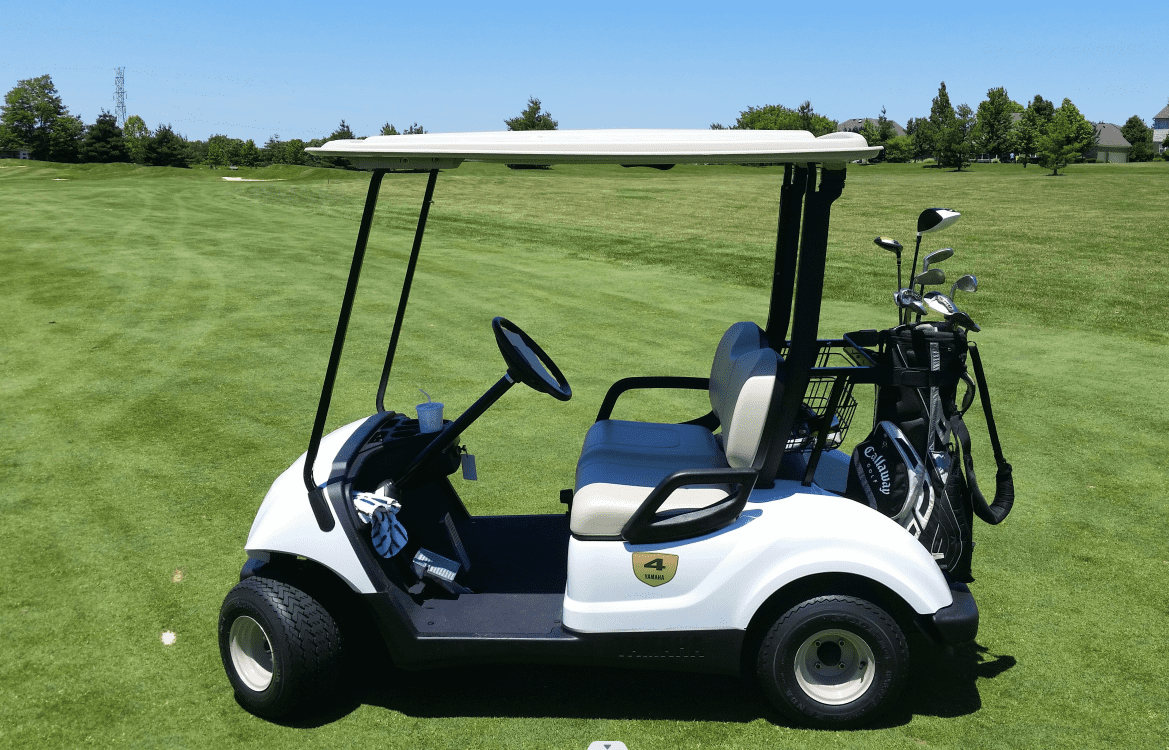
Golf carts in Delaware are primarily used in residential communities, golf courses, and recreational areas. Understanding the rules helps residents operate safely and avoid violations.
Key Regulations:

| Requirement | Details |
|---|---|
| Speed Limit | 25 mph or lower |
| Minimum Age | 16 years |
| Driver License | Valid Delaware or equivalent license required |
| Safety Equipment | Headlights, taillights, turn signals, rearview mirror |
| Insurance | May be required by local jurisdictions |
Golf carts are designed for short-distance travel and are not street-legal unless registered as an LSV with the proper safety features. Local municipalities may also designate specific routes and additional safety rules.
What Defines Low-Speed Vehicles (LSVs) in Delaware?
LSVs are four-wheeled vehicles with speeds up to 25 mph, meeting federal safety standards. They are more versatile than golf carts and suitable for community travel, resort areas, and eco-friendly transportation options.

LSV Requirements:
| Feature | Requirement |
|---|---|
| Road Access | Streets with speed limits ≤35 mph |
| Driver Age | 16 years or older |
| License | Valid driver’s license required |
| Registration | Must be registered with Delaware DMV |
| Safety Standards | Headlights, tail lights, turn signals, mirrors, windshield, seat belts, horn, advanced braking system, VIN |
Operators should ensure LSVs comply with all federal and state safety standards, including vehicle identification and equipment verification during registration.
Why Do Local Ordinances Matter for Golf Cart and LSV Use?
State laws establish a framework, but municipalities can impose additional regulations affecting operation. Awareness of local rules ensures legal and safe usage.
Common Local Rules:
-
Specific routes for golf carts and LSVs
-
Parking restrictions
-
Additional required safety features
Recent trends in Delaware emphasize promoting eco-friendly transport and enhancing safety, making it essential to stay updated with municipal regulations.
When Are Golf Carts and LSVs Not Allowed on Roads?
Golf carts are generally prohibited on public roads if they lack required safety features. Homemade vehicles or retrofitted golf carts cannot be registered unless they fully comply with federal standards. LSVs cannot operate on highways exceeding a 35 mph limit, except when crossing at marked intersections. Alcohol and drug use while driving these vehicles is strictly prohibited.
Who Can Operate Golf Carts and LSVs Legally?
Operators must be at least 16 years old with a valid driver’s license. LSVs require registration, insurance, and safety compliance. Golf carts are restricted to private property unless upgraded to meet LSV standards. Local ordinances may also impose stricter age, licensing, or equipment requirements.
How Does Redway Battery Support LSV and Golf Cart Users?
Redway Battery provides high-performance LiFePO4 lithium batteries ideal for golf carts and LSVs. Their batteries ensure reliable power, extended lifespan, and safe operation. By choosing Redway Battery solutions, operators gain consistent performance for both recreational and short-distance transportation needs. Redway’s engineering team also offers OEM customization for optimal integration with various vehicle models.
Redway Expert Views
“Golf carts and LSVs are gaining traction in Delaware as efficient, low-emission transportation options. At Redway Battery, we focus on delivering lithium battery solutions that guarantee safety, longevity, and consistent performance. Properly powered vehicles enhance user experience and sustainability, while our support ensures clients receive tailored energy solutions for every application.”
Conclusion
Understanding Delaware’s golf cart and LSV laws is critical for safe and lawful operation. Golf carts are limited to slower roads or private areas, while LSVs can navigate broader streets with proper registration and safety equipment. Adhering to local ordinances and choosing reliable power solutions like Redway Battery ensures performance, compliance, and eco-friendly transportation benefits.
FAQs
What is the minimum age to drive a golf cart or LSV in Delaware?
Operators must be at least 16 years old with a valid driver’s license.
Can golf carts be used on public roads in Delaware?
Only if they meet LSV safety standards and are properly registered; otherwise, they are restricted to private property.
What safety equipment is required for LSVs?
Headlights, tail lights, turn signals, mirrors, windshield, seat belts, horn, and advanced braking system are mandatory.
Do local municipalities impose additional rules for golf carts or LSVs?
Yes, cities can set designated routes, parking restrictions, and extra safety requirements.
How can Redway Battery improve golf cart and LSV performance?
Redway Battery offers durable LiFePO4 lithium batteries with long lifespan, reliable power, and OEM customization for optimal vehicle performance.