How to Charge a Forklift Battery Off Grid

How to Charge a Forklift Battery Off Grid

To charge a forklift battery off-grid, use solar panels or portable generators with an appropriate inverter/charger that matches the battery’s voltage requirements. Ensure that all connections are secure and monitor charging levels regularly for safety.

In today’s world, the demand for sustainable and independent energy solutions is on the rise. For businesses relying on forklift operations, learning how to charge a forklift battery off-grid can be an essential skill. This article provides comprehensive, step-by-step guidance on achieving this efficiently and effectively.

Understanding Forklift Battery Basics

Forklift batteries are the lifeblood of electric forklifts. Typically, these batteries come in two main types: lead-acid and lithium-ion. Each has its own charging requirements and maintenance needs. For off-grid charging, it is crucial to understand the specific needs of your battery type to optimize performance and longevity.

Lead-Acid Batteries

Lead-acid batteries are the most common type used in forklifts. They require regular watering and maintenance. Charging these batteries involves ensuring they reach a full charge to prevent sulfation and prolong their lifespan.

Lithium-Ion Batteries

Lithium-ion batteries, on the other hand, are more efficient and require less maintenance. They can be charged at any time without the risk of damaging the battery, unlike lead-acid batteries which need a complete discharge before recharging.

Choosing the Right Off-Grid Power Source

Selecting an appropriate power source is the first step in setting up an off-grid charging system. The most common options include solar power, wind power, and generator power. Each has its own benefits and can be used independently or in combination to ensure a reliable power supply.

Solar Power

Solar power is a sustainable and increasingly affordable option. It involves installing solar panels to capture sunlight and convert it into electricity. For charging forklift batteries, you will need:

  • Solar Panels: The number and size depend on your energy needs and geographic location.
  • Charge Controller: To regulate the power going to the batteries and prevent overcharging.
  • Battery Bank: To store the solar energy for use when there is no sunlight.
  • Inverter: To convert the stored DC power into AC power for charging the forklift batteries.

Wind Power

Wind power is another renewable energy source that can be utilized. It involves setting up wind turbines to generate electricity from wind energy. The main components required include:

  • Wind Turbines: The size and number depend on wind availability and power needs.
  • Charge Controller: To manage the power flow and protect the batteries.
  • Battery Bank: To store the generated power.
  • Inverter: To convert DC power to AC power for charging.

Generator Power

For locations where solar or wind power may not be feasible, generators can be a reliable alternative. Diesel or propane generators can provide consistent power but are less environmentally friendly. The setup involves:

  • Generator: Adequate capacity to meet the forklift battery charging requirements.
  • Fuel Supply: Sufficient storage for continuous operation.
  • Inverter: If the generator outputs DC power, an inverter will be needed to convert it to AC power.

Setting Up the Charging System

Once the power source is chosen, setting up the system involves connecting the components correctly to ensure safe and efficient charging.

Step-by-Step Setup

  1. Install Solar Panels/Wind Turbines/Generator: Position them optimally to maximize energy capture.
  2. Connect Charge Controller: This device is critical to prevent battery damage from overcharging.
  3. Set Up Battery Bank: Ensure batteries are compatible and correctly wired to store energy.
  4. Install Inverter: Convert stored DC power to AC power if needed.
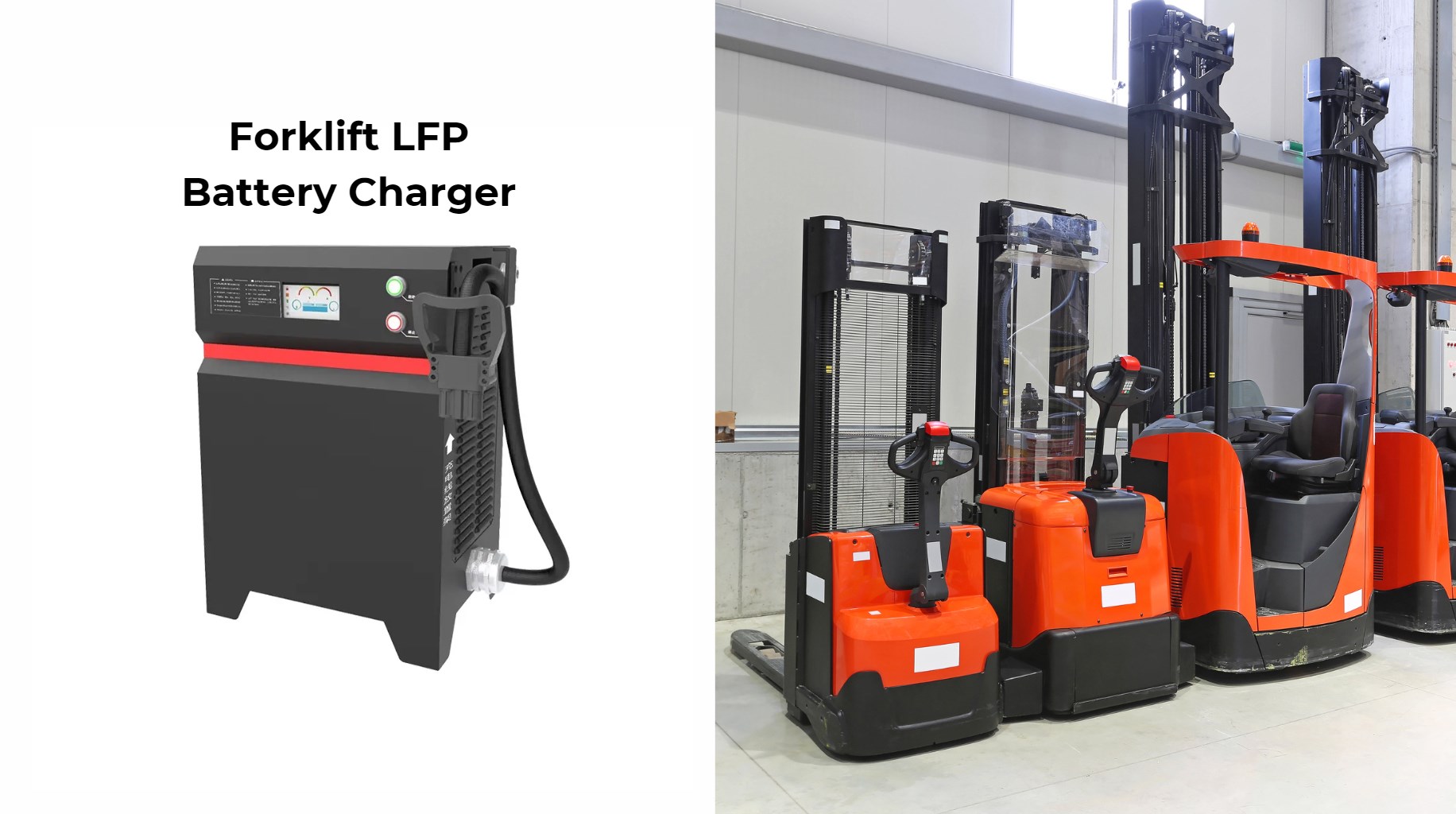
  5. Connect Forklift Charger: Use the appropriate charger for your forklift battery type, ensuring all connections are secure.

Maintenance and Monitoring

To keep your off-grid charging system running efficiently, regular maintenance and monitoring are essential.

Solar and Wind Systems

  • Inspect Panels/Turbines: Regularly check for damage and clean to ensure maximum efficiency.
  • Battery Maintenance: For lead-acid batteries, check water levels and ensure terminals are clean.
  • Monitor Output: Use monitoring systems to track power generation and battery charge levels.

Generator Systems

  • Routine Checks: Regularly inspect and service the generator to ensure it operates efficiently.
  • Fuel Management: Ensure a consistent fuel supply and proper storage to avoid interruptions.

Safety Considerations

Charging forklift batteries off-grid involves dealing with high-voltage equipment. Safety should always be a top priority.

General Safety Tips

  • Proper Ventilation: Ensure the charging area is well-ventilated to prevent the buildup of dangerous gases.
  • Personal Protective Equipment (PPE): Always wear appropriate PPE, including gloves and eye protection.
  • Correct Handling: Follow manufacturer guidelines for handling and charging batteries to avoid accidents.

Emergency Procedures

  • Fire Safety: Have fire extinguishers rated for electrical fires nearby.
  • First Aid: Be prepared with first aid kits and training for dealing with potential accidents.

Optimizing Charging Efficiency

To maximize the efficiency of your off-grid charging system, consider the following tips:

Energy Management

  • Load Balancing: Distribute energy usage evenly to avoid overloading the system.
  • Peak Usage: Charge batteries during peak energy production times, typically during midday for solar power.

Upgrading Components

  • High-Efficiency Inverters: Invest in high-quality inverters to reduce energy loss.
  • Advanced Batteries: Consider upgrading to lithium-ion batteries for better efficiency and longer lifespan.

Conclusion

Charging a forklift battery off-grid requires careful planning and setup but offers numerous benefits, including sustainability and independence from the grid. By understanding your power needs, selecting the right components, and maintaining your system diligently, you can ensure a reliable and efficient off-grid charging solution. This comprehensive guide should equip you with the knowledge needed to successfully implement and manage an off-grid forklift battery charging system.
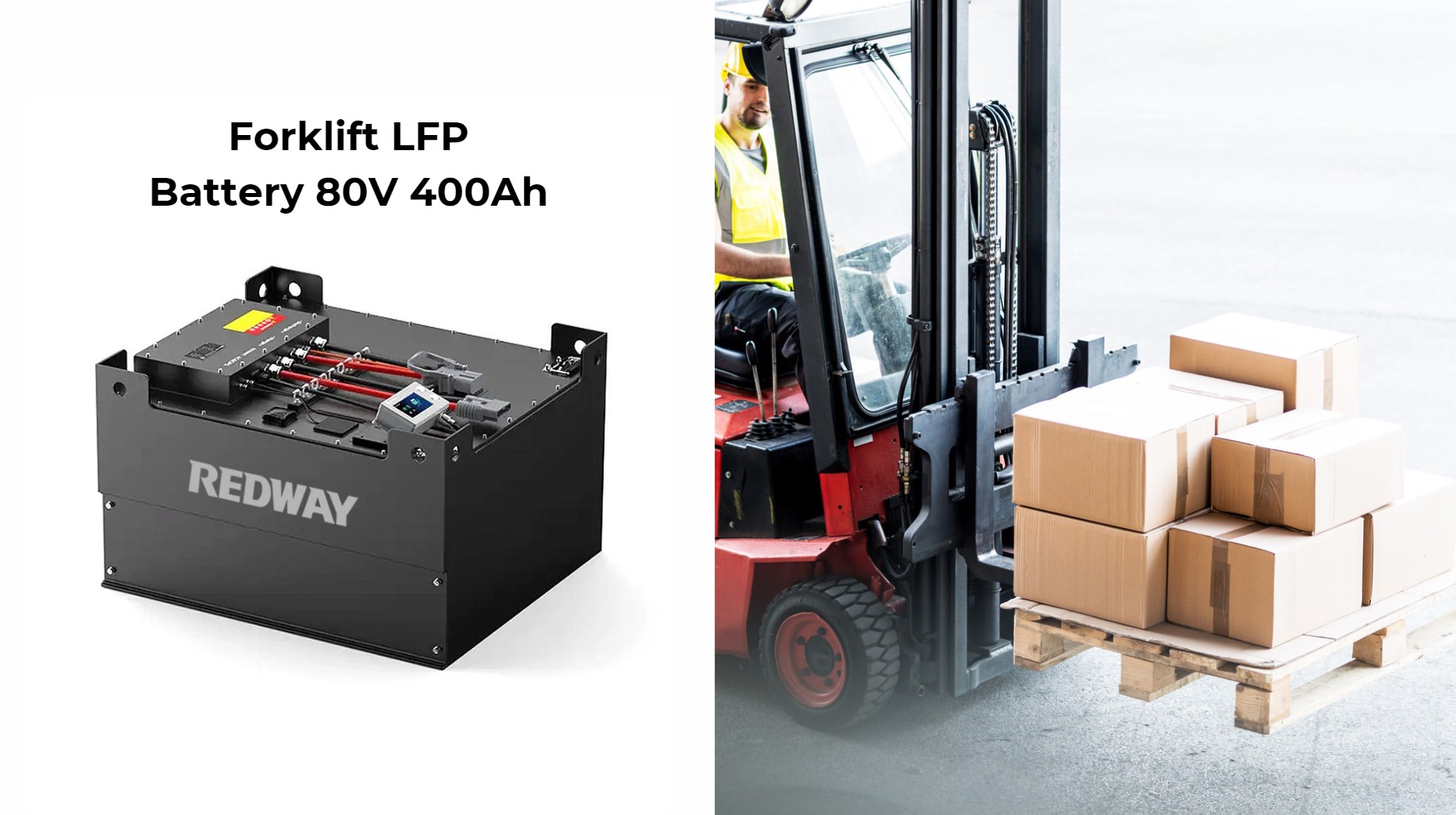
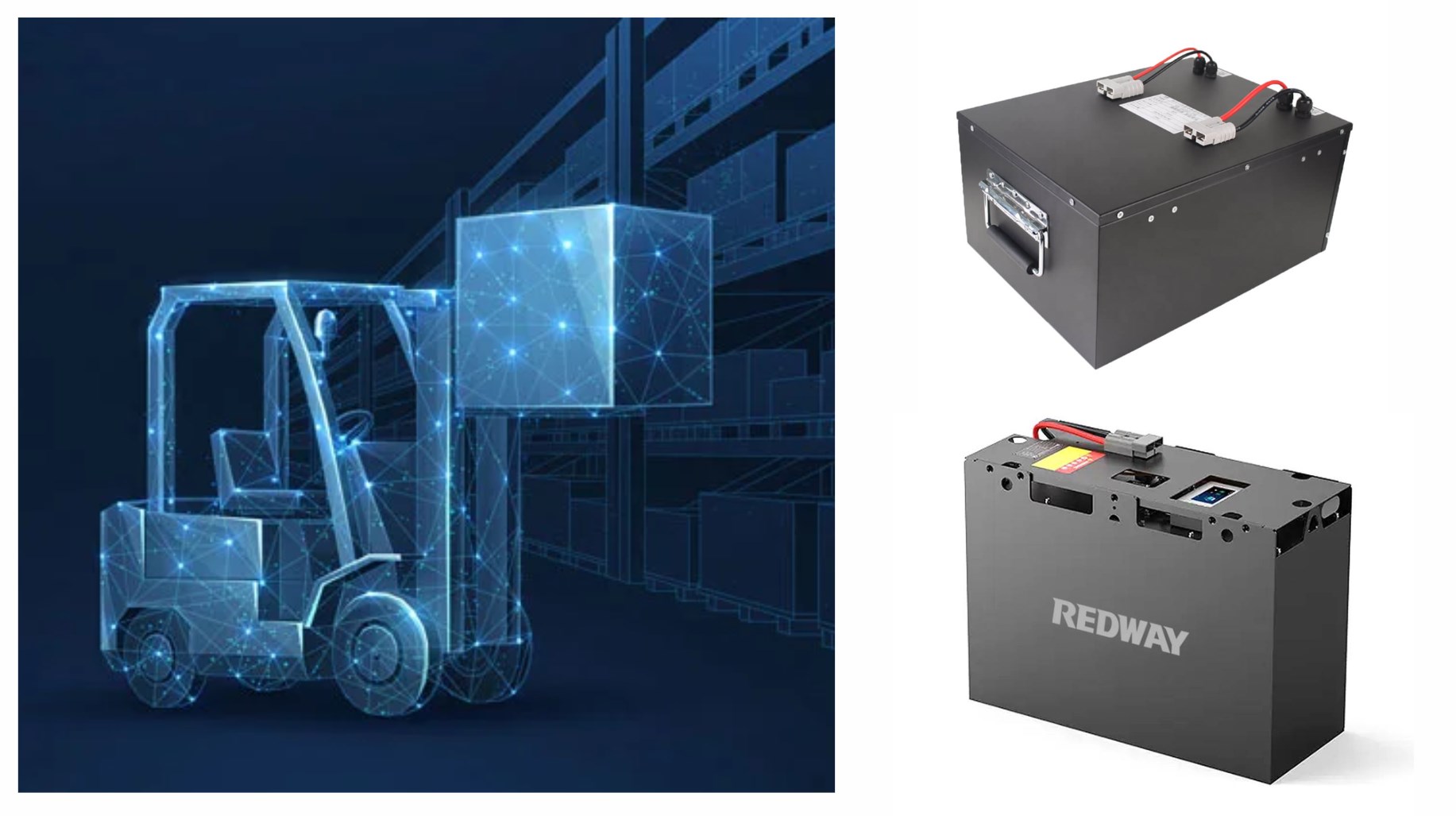
How Much Does a Forklift Battery Weight?

How Much Does a Forklift Battery Weight?

Forklift batteries typically weigh between 1,500 to 3,000 pounds depending on their size and type (lead-acid or lithium-ion). The weight is designed to provide stability during operation and support heavy lifting tasks.

When considering the operational efficiency and cost-effectiveness of forklifts, the weight of the forklift battery is a pivotal factor. The weight not only affects the forklift’s balance and stability but also plays a significant role in its overall performance and longevity. In this comprehensive guide, we delve into the specifics of forklift battery weights, their variations, and their impact on your operations.

Understanding Forklift Battery Types

Forklift batteries are typically classified into three main types: Lead-Acid Batteries, Lithium-Ion Batteries, and Nickel-Iron Batteries. Each type has distinct characteristics and weight profiles.

Lead-Acid Batteries

Lead-acid batteries are the most commonly used in forklifts. They consist of lead plates submerged in sulfuric acid, which leads to a significant weight due to the materials used.

  • Weight Range: Lead-acid forklift batteries can weigh between 800 to 4,000 pounds (approximately 360 to 1,814 kilograms), depending on the battery size and capacity.
  • Factors Influencing Weight: The number of cells, the size of each cell, and the specific construction design influence the overall weight. For instance, a 24-volt lead-acid battery is lighter compared to an 80-volt counterpart.
  • Usage and Application: These batteries are ideal for heavy-duty operations and are commonly used in warehouses and manufacturing facilities.

Lithium-Ion Batteries

Lithium-ion batteries are known for their efficiency and longer lifespan. They are relatively lighter compared to lead-acid batteries but can still be substantial in weight.

  • Weight Range: Lithium-ion forklift batteries usually weigh between 500 to 3,000 pounds (about 227 to 1,361 kilograms).
  • Factors Influencing Weight: The composition of lithium cells and the configuration of the battery pack affect the weight. Advanced technology in these batteries can also reduce the overall weight while maintaining high energy density.
  • Usage and Application: These batteries are suitable for environments requiring fast charging and minimal maintenance, such as high-turnover logistics centers.

Nickel-Iron Batteries

Nickel-iron batteries, though less common, are known for their durability and resistance to harsh conditions.

  • Weight Range: The weight of nickel-iron batteries can range from 600 to 2,500 pounds (approximately 272 to 1,134 kilograms).
  • Factors Influencing Weight: The specific chemical composition and cell structure dictate the weight. These batteries are robust but heavier due to the iron content.
  • Usage and Application: Ideal for extreme environments where battery longevity and resistance to damage are crucial.

Factors Determining Forklift Battery Weight

The weight of a forklift battery is influenced by several key factors:

Battery Voltage

  • 24-Volt Batteries: Typically lighter, suitable for smaller forklifts used in light-duty applications.
  • 36-Volt Batteries: Moderate weight, often used in medium-duty operations.
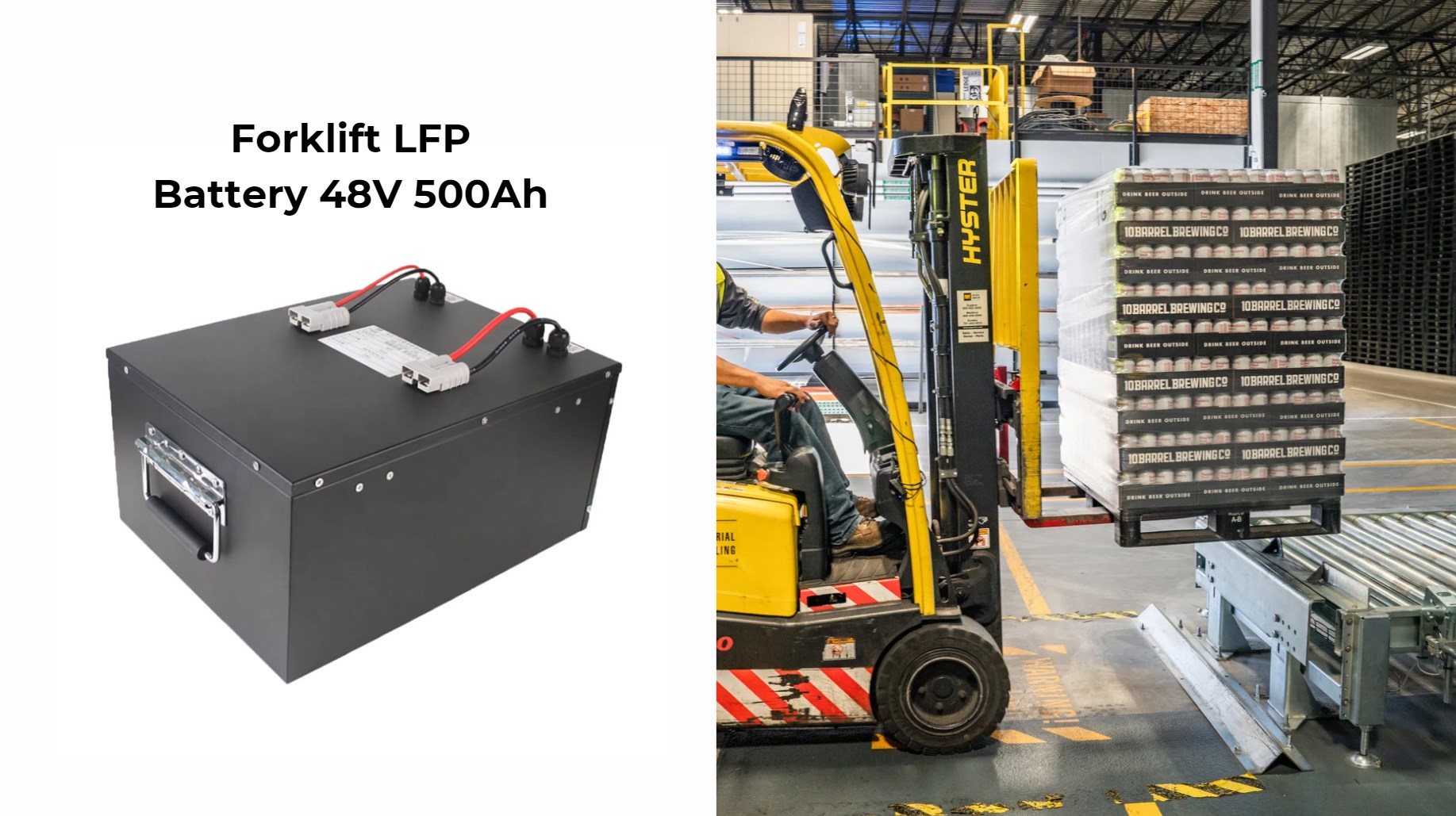
  • 48-Volt Batteries: Heavier, designed for more intensive tasks.
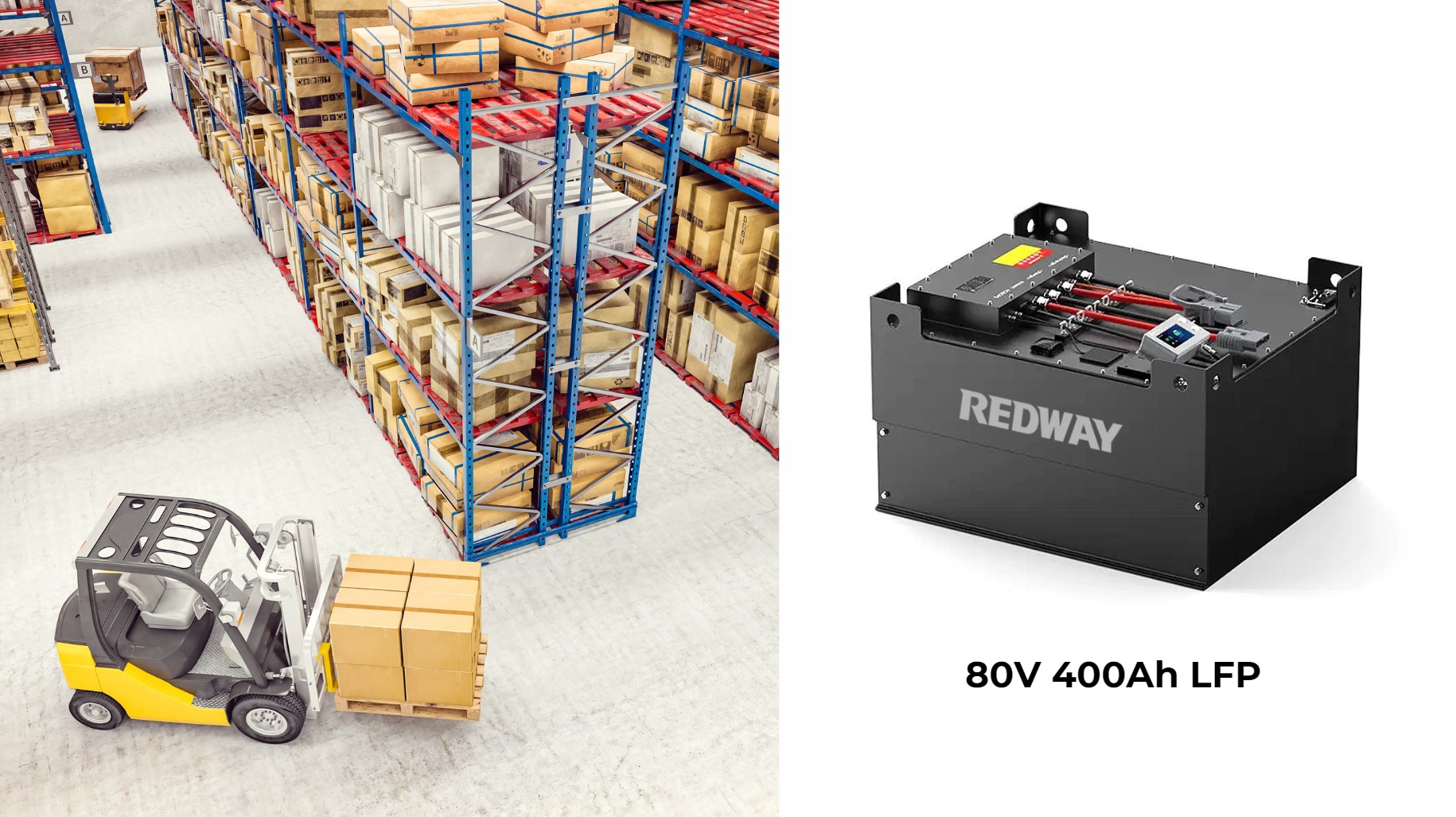
  • 80-Volt Batteries: The heaviest, used in large forklifts for heavy-duty industrial applications.

Battery Capacity (Ampere-Hours – Ah)

Higher capacity batteries weigh more due to the increased amount of active material required to store and deliver more energy.

Cell Count and Configuration

Batteries with a higher number of cells or specific configurations to meet certain voltage and capacity requirements will have different weights.

Construction Materials

The materials used in battery construction, such as lead, nickel, and lithium, significantly influence the overall weight.

Importance of Battery Weight in Forklift Operations

The weight of the forklift battery is crucial for several reasons:

Importance of Battery Weight in Forklift Operations

Stability and Balance

  • Counterbalance: In counterbalanced forklifts, the battery weight acts as a counterweight, providing stability and preventing tipping during lifting operations.
  • Center of Gravity: Proper battery weight distribution is essential to maintain the forklift’s center of gravity, ensuring safe and efficient operation.

Performance and Efficiency

  • Energy Density: Heavier batteries often have higher energy densities, allowing for longer operating times between charges.
  • Durability: The robustness of heavier batteries typically translates to better durability and a longer lifespan, reducing replacement frequency and operational downtime.

Operational Costs

  • Maintenance: Heavier batteries, particularly lead-acid types, may require more maintenance due to the materials used.
  • Energy Consumption: The weight of the battery can impact the overall energy consumption of the forklift. Lighter batteries may improve efficiency but might also compromise on capacity and operational time.

Choosing the Right Forklift Battery

Selecting the appropriate forklift battery involves balancing several factors, including weight, capacity, and application needs. Here are some considerations to guide your decision:

Application Requirements

  • Light-Duty: For light-duty applications, a lighter battery such as a 24-volt lead-acid or lithium-ion battery may suffice.
  • Heavy-Duty: For heavy-duty operations, an 80-volt lead-acid or lithium-ion battery would be more appropriate.

Operating Environment

  • Indoor: Lithium-ion batteries are preferable for indoor environments due to their low maintenance and no emission features.
  • Outdoor: Lead-acid batteries are often used outdoors where weight and durability are more critical.

Budget and Cost Efficiency

  • Initial Cost vs. Long-Term Savings: While lithium-ion batteries have a higher upfront cost, their longer lifespan and lower maintenance needs can lead to significant long-term savings.

Maintenance and Handling

  • Maintenance Capability: Assess your capacity to handle battery maintenance. Lead-acid batteries require regular watering and cleaning, while lithium-ion batteries are largely maintenance-free.

Conclusion

Understanding the weight of forklift batteries is essential for optimizing your forklift operations. By considering the type, voltage, capacity, and specific application needs, you can select the most suitable battery for your forklift, ensuring operational efficiency, safety, and cost-effectiveness. Whether opting for a robust lead-acid battery or a lightweight lithium-ion alternative, the right choice will significantly enhance your operational capabilities and productivity.

How Long Does It Take to Charge a Forklift Battery?

How Long Does It Take to Charge a Forklift Battery?

Charging time for a forklift battery varies based on its type and state of discharge. Conventional chargers usually take about 8 hours for a full charge, while opportunity chargers can achieve 80% capacity in 30 minutes. Fast chargers may reduce this time further.

In the fast-paced world of logistics and warehousing, understanding the charging times for forklift batteries is crucial for maintaining efficient operations. Forklifts are the backbone of many industrial activities, and their batteries need proper maintenance to ensure optimal performance. This article delves deeply into the factors influencing the charging times of forklift batteries and provides practical advice for maximizing battery life and efficiency.

Understanding Forklift Battery Types

Forklift batteries come in various types, each with unique characteristics and charging requirements. The most common types are lead-acid batteries and lithium-ion batteries.

Lead-Acid Batteries

Lead-acid batteries are the traditional choice for many forklifts. They are cost-effective and widely available. However, they require more maintenance and have longer charging times compared to their lithium-ion counterparts.

Lithium-Ion Batteries

Lithium-ion batteries are becoming increasingly popular due to their shorter charging times and lower maintenance needs. They are more expensive upfront but offer better efficiency and longer life spans, making them a preferred choice for many modern operations.

Understanding Forklift Battery Types

Factors Influencing Charging Time

Several factors affect how long it takes to charge a forklift battery. Understanding these variables can help you manage your forklift fleet more effectively.

Battery Capacity

Battery capacity, measured in ampere-hours (Ah), directly impacts charging time. Larger batteries with higher capacities will naturally take longer to charge. For example, a 100 Ah battery will take longer to charge than a 50 Ah battery under the same conditions.

State of Charge (SoC)

The battery’s state of charge before recharging affects the time required. A battery that is completely depleted will take longer to charge compared to one that is only partially discharged.

Charger Specifications

The specifications of the charger play a significant role. High-capacity chargers can deliver more current, reducing the overall charging time. For instance, a 50-amp charger will charge a battery faster than a 25-amp charger.

Temperature Conditions

Temperature can influence battery charging efficiency. Extreme temperatures, both hot and cold, can extend the charging time. Ideal charging typically occurs in a temperature-controlled environment.

Charging Phases

Lead-acid batteries charge in three phases: bulk, absorption, and float. Each phase has a different charging rate. The bulk phase charges the battery to about 80% of its capacity quickly, while the absorption and float phases complete the charge more slowly.

Typical Charging Times

Lead-Acid Battery Charging Times

Charging a lead-acid battery typically takes between 8 to 12 hours. The bulk phase takes about 4 to 6 hours, the absorption phase another 2 to 4 hours, and the float phase completes the process.

Lithium-Ion Battery Charging Times

Lithium-ion batteries offer much faster charging times, often requiring only 1 to 4 hours to reach full charge. This rapid charging capability is one of the reasons for their growing popularity in high-demand environments.

Best Practices for Efficient Charging

Regular Maintenance

Maintaining your forklift batteries is essential for ensuring efficient charging and prolonging battery life. Regularly check the water levels in lead-acid batteries and clean any corrosion from the terminals.

Proper Charging Environment

Ensure that your charging area is well-ventilated and temperature-controlled. This not only improves charging efficiency but also enhances safety.

Use the Right Charger

Always use a charger that matches your battery’s specifications. Using an incompatible charger can result in longer charging times and potential damage to the battery.

Avoid Overcharging

Overcharging can damage batteries and reduce their lifespan. Modern chargers typically have automatic shutoff features to prevent overcharging, but it’s essential to ensure this feature is functioning correctly.

Implement Opportunity Charging

For operations that require constant use of forklifts, implementing opportunity charging can be beneficial. This involves charging batteries during short breaks throughout the day, keeping them at optimal charge levels without requiring long downtime periods.

Common Misconceptions About Battery Charging

Myth: Faster Charging Always Better

While faster charging is beneficial, it’s essential to balance speed with the battery’s health. Charging too quickly can generate excessive heat and reduce battery life, especially for lead-acid batteries.

Myth: Fully Depleting Batteries Is Necessary

It’s a common belief that batteries should be fully discharged before recharging. However, this is not necessary and can be harmful, particularly for lead-acid batteries. Regular, partial discharges and recharges are better for battery health.

Myth: All Batteries Charge at the Same Rate

Different batteries have different charging rates. Lithium-ion batteries charge significantly faster than lead-acid batteries. It’s crucial to understand the specific requirements of your battery type.

Impact of Charging Practices on Battery Life

Proper charging practices not only ensure your forklift is always ready for use but also significantly impact the battery’s overall lifespan. Here’s how:

Lead-Acid Battery Lifespan

Lead-acid batteries typically last between 1,000 to 1,500 charge cycles. Adhering to proper charging protocols can help you reach the upper end of this range.

Lithium-Ion Battery Lifespan

Lithium-ion batteries have a longer lifespan, often lasting 2,000 to 3,000 charge cycles. Their robust nature and efficient charging processes contribute to their durability.

Conclusion

Understanding how long it takes to charge a forklift battery and the factors that influence this process is essential for maintaining a productive and efficient warehouse or industrial operation. By selecting the right battery type, using appropriate chargers, and following best practices for battery maintenance, you can ensure your forklifts are always ready to perform at their best. Prioritize battery health to maximize both performance and longevity, ensuring your operations run smoothly with minimal downtime.

Revolutionary Cathode Design for Solid-State Lithium Batteries: Enhancing Energy Density and Longevity

Innovative cathode designs in solid-state lithium batteries significantly improve energy density and longevity. By utilizing advanced materials, these batteries can store more energy while reducing risks of thermal runaway. This technology promises safer, longer-lasting alternatives for various applications, including electric vehicles and consumer electronics.

In the rapidly evolving field of battery technology, a groundbreaking advancement from the Qingdao Institute of Bioenergy and Bioprocess Technology (QIBEBT) has emerged, poised to significantly enhance the performance of solid-state lithium batteries (ASLBs). This innovative development, centered around a novel cathode design, offers a substantial improvement in both energy density and lifecycle. This article delves into the details of this advancement and its potential impact on energy storage solutions.

Breakthrough in Solid-State Battery Technology

The Role of Cathodes in Solid-State Batteries

Solid-state lithium batteries have long been heralded as a promising alternative to traditional lithium-ion batteries due to their superior safety and energy density. Unlike conventional lithium-ion batteries, which use liquid electrolytes, solid-state batteries employ a solid electrolyte, which minimizes risks such as leakage and fire. However, the effectiveness of these batteries hinges on the design and performance of their cathodes.

New Cathode Design and Its Impact

Recent research from QIBEBT introduces a novel cathode design that addresses several key limitations of traditional solid-state batteries. The new design focuses on the use of a homogeneous cathode material, Li1.75Ti2(Ge0.25P0.75S3.8Se0.2)3, or LTG0.25PSSe0.2, which represents a significant departure from the conventional heterogeneous cathode composites.

Advantages of the Homogeneous Cathode

The homogeneous cathode material offers a range of benefits:

  • Enhanced Energy Density: Batteries utilizing this new cathode design demonstrate a specific capacity of 250 mAh per gram, surpassing the 100-200 mAh per gram typically observed in standard lithium-ion batteries.
  • Superior Energy Density at Cell Level: The energy density reaches 390 Wh per kg, a notable improvement over the 200-300 Wh per kg of conventional lithium-ion batteries.
  • Extended Cycle Life: The homogeneous cathode maintains a volume change of just 1.2% over 20,000 cycles, showcasing its durability and stability over an extended period.

Technical Insights into the Innovation

The key to this advancement lies in the material’s mixed ionic and electronic conductivity, which facilitates efficient charge transport during both charging and discharging cycles. This eliminates the need for inactive additives that are typically required in conventional cathode designs. By overcoming the limitations associated with heterogeneous additives and providing a more uniform charge transport mechanism, this new cathode design significantly improves overall battery performance.

Implications for Future Energy Storage

Potential for Broader Application

The advancements in cathode technology are not limited to solid-state batteries alone. The strategies developed could potentially be applied to other types of batteries and energy storage systems, including lithium-ion batteries, lithium-sulfur batteries, sodium-ion batteries, and even fuel cells. This universal approach to enhancing cathode performance could pave the way for significant improvements across various energy storage technologies.

Commercialization and Real-World Impact

With the new cathode design demonstrating clear advantages in terms of energy density and lifespan, the commercialization potential for high-energy-density solid-state batteries is now more feasible. This breakthrough positions these advanced batteries as viable solutions for various applications, including electric vehicles and renewable energy storage systems.

Conclusion

The innovative cathode design developed by researchers at QIBEBT marks a pivotal moment in the evolution of solid-state battery technology. By addressing the critical issues of energy density and cycle life, this advancement not only enhances the performance of solid-state batteries but also holds promise for broader applications across different types of energy storage systems. As the push towards greener and more efficient energy solutions continues, these developments represent a significant step forward in overcoming existing limitations and unlocking new possibilities for the future.

Understanding and Mitigating the Risks of Battery-Related Fires in High Temperatures

High temperatures can exacerbate the risks of battery-related fires due to increased chances of thermal runaway. To mitigate these risks, ensure proper ventilation during charging and avoid exposing batteries to direct heat sources. Implementing temperature monitoring systems can also help prevent dangerous overheating conditions.

As temperatures rise, the potential hazards associated with the improper charging and handling of lithium-ion batteries become more pronounced. This article aims to provide a comprehensive guide to understanding the risks and implementing effective safety measures to prevent battery-related fires, particularly during the warmer months.

The Dangers of Lithium-Ion Batteries in High Temperatures

What Are Lithium-Ion Batteries?

Lithium-ion batteries are widely used in various rechargeable devices, including mobile phones, tablets, laptops, electric toothbrushes, vapes, power tools, and smart home devices like doorbells. While they are generally safe, improper handling or exposure to extreme temperatures can transform these devices into significant fire hazards.

Why High Temperatures Are Hazardous

When lithium-ion batteries are exposed to temperatures above 45⁰C, they are at risk of thermal runaway, a destructive chain reaction that can lead to smoke, fire, and even explosions. High temperatures can cause the battery’s internal components to degrade, increasing the likelihood of a heat reaction and subsequent fire.

Precautions to Minimize the Risk of Battery Fires

Safe Charging Practices

  1. Avoid Direct Sunlight: Never charge your devices in direct sunlight or in hot environments like a car parked under the sun. The ambient heat can elevate the battery temperature to dangerous levels.
  2. Use Manufacturer-Approved Chargers: Always use chargers and batteries recommended by the device manufacturer. Avoid using counterfeit or incompatible charging equipment as they may lack essential safety features.
  3. Unplug After Charging: Disconnect your device once it is fully charged. Continuous charging can cause overheating and battery degradation.
  4. Avoid Overnight Charging: Do not leave devices charging unattended, especially overnight or when you are away from home. This reduces the risk of unnoticed overheating.
  5. Charge on Hard Surfaces: Always place charging devices on hard, non-flammable surfaces. Charging on beds, sofas, or other soft surfaces can trap heat and increase the risk of fire.

Safe Storage and Handling

  1. Monitor Battery Condition: Regularly check your batteries for signs of damage, such as bulging, dents, unusual smells, hissing sounds, leaking, or poor performance. Cease use immediately if any of these signs are present.
  2. Store in Cool, Dry Places: Keep unused devices and batteries in a cool, dry place, away from direct sunlight and flammable materials.
  3. Avoid Obstructing Escape Routes: Do not charge devices in hallways, doorways, or other areas that could block escape routes during an emergency.
  4. Avoid Covering Chargers: Ensure that chargers and battery packs are not covered during use to prevent overheating.

Additional Safety Measures

  1. Install Smoke Alarms: Ensure that your home is equipped with functioning smoke alarms. Regularly check and maintain them to provide an early warning in case of a fire.
  2. Educate Household Members: Make sure everyone in your household is aware of these safety practices. This collective effort can significantly reduce the risk of battery-related fires.

Conclusion

The rising temperatures pose a significant risk to the safety of rechargeable devices powered by lithium-ion batteries. By adhering to the recommended precautions and safe practices outlined in this article, homeowners can significantly reduce the risk of battery-related fires. Always stay vigilant, use manufacturer-approved accessories, and maintain a safe environment for charging and storing your devices. Your safety and that of your household depend on these crucial measures.

By implementing these comprehensive safety strategies, we can ensure a safer living environment even as temperatures continue to soar.

Revolutionizing Lithium Recycling: The Microwave Method

The microwave method for lithium recycling offers a groundbreaking approach by using microwave energy to extract lithium from spent batteries efficiently. This technique minimizes environmental impact and enhances recovery rates, paving the way for sustainable battery lifecycle management and reducing reliance on virgin materials.

In the era of burgeoning electric vehicles and ever-increasing demand for rechargeable batteries, effective recycling of lithium has become a critical issue. With the market for lithium-ion batteries projected to surge by 23% in the next eight years, innovative methods for extracting and recycling lithium are essential to meet growing needs sustainably. This article delves into an exciting breakthrough in lithium recycling, where researchers at Rice University have developed a novel method leveraging microwave technology to expedite lithium recovery.

The Urgent Need for Efficient Lithium Recycling

Lithium, a key component of lithium-ion batteries, is a finite resource. As demand for batteries in consumer electronics and electric vehicles escalates, the pressure on existing lithium supplies intensifies. Current mining practices are not only environmentally taxing but also subject to geopolitical uncertainties, which can disrupt supply chains. Predictive models indicate that existing lithium mines may only fulfill half of the projected demand by 2030. Therefore, enhancing recycling processes is crucial to ensure a sustainable supply of this vital element.

Current Challenges in Lithium Recycling

Traditional lithium recycling methods are fraught with challenges. These processes are often time-consuming, involve hazardous chemicals, and achieve less than 5% recovery of lithium from used batteries. Standard procedures typically rely on heating the compounds in oil baths to precipitate lithium, a method that is both slow and inefficient. As a result, there is a significant push towards developing more effective and environmentally friendly recycling techniques.

Introducing a Game-Changing Method: Microwave-Assisted Lithium Recovery

Researchers at Rice University have pioneered a groundbreaking approach that significantly enhances lithium recovery. Their method utilizes deep eutectic solvents (DES) combined with microwave technology to expedite the extraction process. DES are eco-friendly solvents that can effectively precipitate lithium from solutions, addressing one of the critical limitations of traditional recycling methods.

How It Works: The Science Behind Microwave-Assisted Recovery

Deep eutectic solvents used in this method consist of choline chloride and ethylene glycol. These solvents have the unique ability to leach lithium efficiently due to their interaction with chloride ions. The conventional heating methods used to precipitate metals from these solvents are slow and can degrade the lithium compounds over time. The Rice University team introduced microwaves to the process, taking advantage of the fact that choline chloride absorbs microwave radiation effectively.

The application of microwave energy allows for rapid heating and uniform energy distribution. This accelerates the reaction, enabling the team to precipitate lithium approximately 100 times faster than traditional oil bath methods. In practical terms, their process achieves 87% lithium recovery in just 15 minutes, compared to the 12 hours required using conventional methods.

Advantages of Microwave-Assisted Lithium Recovery

  1. Speed: The microwave-assisted process significantly reduces the time required for lithium extraction. This rapid turnaround can enhance the efficiency of recycling operations and reduce overall costs.
  2. Selectivity: By tailoring the composition of the DES, this method allows for selective recovery of lithium over other metals. This precision can be extended to the recovery of other valuable elements such as cobalt and nickel, which are also critical components of battery technologies.
  3. Environmental Benefits: The new method minimizes the environmental impact associated with traditional recycling processes. The use of DES and microwaves reduces the reliance on hazardous chemicals and lowers the energy consumption associated with conventional heating methods.

Potential for Broader Applications

The innovation presented by the Rice University team not only addresses immediate challenges in lithium recycling but also holds promise for broader applications. The adaptability of the DES composition means that this method could be applied to the recovery of various metals from different types of batteries. Furthermore, the eco-friendly nature of the process aligns with global sustainability goals and could pave the way for more efficient recycling systems on a larger scale.

Conclusion: A Step Towards Sustainable Lithium Recovery

The microwave-assisted lithium recovery method developed by Rice University represents a significant leap forward in recycling technology. By combining the efficiency of deep eutectic solvents with the speed of microwave heating, this approach offers a viable solution to the pressing issue of lithium scarcity. As the demand for lithium-ion batteries continues to rise, innovative methods like this will be crucial in ensuring a sustainable supply of this essential resource.

We are witnessing a pivotal moment in the evolution of recycling technologies, and the advances made by Rice University highlight the potential for continued innovation in this field. As we move forward, embracing such cutting-edge techniques will be essential to meeting the demands of a rapidly changing technological landscape while preserving our planet’s resources.

Understanding Lithium Mining: Environmental Impact and Global Projects

Lithium mining poses significant environmental challenges, including habitat destruction and water depletion. Global projects aim to improve sustainable practices by adopting eco-friendly extraction methods and enhancing community engagement to mitigate negative impacts while meeting the growing demand for lithium in batteries.

As global demand for clean energy intensifies, lithium has emerged as a critical component in the pursuit of sustainable technology. Often referred to as “white gold,” lithium is indispensable for powering electric vehicles, renewable energy storage, and advanced electronics. However, the rapid expansion of lithium mining to meet this demand raises significant environmental and ethical concerns. This article delves into the intricacies of lithium mining, its global significance, and the environmental implications.

What Is Lithium?

Lithium is a soft, silvery-white metal, the lightest and least dense solid element in the alkali metal group. Its high reactivity and flammability make it crucial for a variety of applications, particularly in the production of rechargeable batteries used in mobile phones, laptops, electric vehicles, and other electronics. Additionally, lithium compounds play a role in psychiatric medications, particularly for treating bipolar disorder.

The Lithium Mining Process

Exploration

The journey of lithium from the earth to its myriad applications begins with exploration. Geological surveys and sampling are conducted to locate and evaluate potential lithium deposits, akin to finding the best soil for a garden. The primary sources of lithium are spodumene and brine.

Extraction Methods

  1. Spodumene Extraction: Spodumene, a lithium-bearing mineral, is found in hard rock formations. Traditional mining techniques involve crushing, roasting, and leaching the ore, similar to baking a cake with mixing and heating ingredients.
  2. Brine Extraction: Lithium-rich brine, found in salt flats or dried lake beds, is pumped to the surface and transferred to large evaporation ponds. Natural evaporation concentrates the lithium, much like evaporating saltwater to leave behind salt.

Processing

  • Spodumene Processing: The mineral is heated in a kiln to enhance its reactivity and then treated with acid to produce lithium carbonate or lithium hydroxide.
  • Brine Processing: After evaporation, the concentrated solution undergoes chemical treatments to isolate and purify the lithium compounds.

Refining and Manufacturing

The refining and manufacturing stages involve further purification to ensure the lithium meets the quality standards required for batteries and other applications. Environmental and regulatory compliance, including managing water usage, reducing emissions, and rehabilitating mined land, is crucial throughout this process.

Global Significance of Lithium Mines

South America’s Lithium Giants

The “Lithium Triangle” in South America, encompassing Argentina, Chile, and Bolivia, is a critical source of the world’s lithium. The Salar de Atacama in Chile, with its high lithium chloride concentration, and the Olaroz Lithium Facility in Argentina, are notable for their significant contributions to global lithium supply. These regions not only support the global demand but also create essential jobs and bolster local economies.

Australia’s Dominance

Australia is a leading lithium producer, with major contributions from mines such as the Greenbushes Lithium Mine and the Mount Marion Lithium Project in Western Australia. These sites produce high-grade spodumene ore, a primary source for lithium batteries.

Asia’s Role

China, particularly through sources like the Zhabuye Salt Lake in Tibet, plays a crucial role in the global lithium supply chain. China’s investments in lithium processing and technology solidify its position as a key player in the market.

North America’s Contributions

In North America, significant projects include the Whabouchi Lithium Project in Quebec, Canada, and the Silver Peak lithium mine in Nevada. The Thacker Pass Project in Nevada, despite legal challenges, represents a substantial potential for increasing domestic lithium production.

Environmental Impacts and Concerns

Water Usage

Brine extraction consumes vast amounts of water, risking depletion of local aquifers and affecting agriculture and drinking water supplies. This issue is particularly severe in arid regions already suffering from drought.

Habitat Destruction

Hard rock mining, such as that in Australia’s Greenbushes mine, leads to deforestation and soil erosion, destroying natural habitats and endangering wildlife.

Chemical Pollution

The lithium extraction process often uses chemicals like sulfuric acid, which, if not managed properly, can contaminate soil and water sources, causing long-term environmental damage.

Greenhouse Gas Emissions

Lithium mining and refining are energy-intensive processes that often rely on fossil fuels, contributing to greenhouse gas emissions and exacerbating climate change.

Mitigation Efforts

Efforts to mitigate these impacts include advancements in recycling lithium from used batteries and developing more efficient and less environmentally harmful extraction methods. However, balancing the rising demand for lithium with environmental protection remains a significant challenge.

Conclusion

Lithium mining is a complex but essential process in the transition to sustainable energy technologies. As we advance towards a greener future, addressing the environmental and ethical concerns associated with lithium extraction is crucial. Continuous improvements in technology, regulatory practices, and global cooperation are vital in ensuring that the benefits of lithium can be realized without compromising our planet’s health.

Samsung’s Revolutionary Solid-State EV Battery: A New Era in Electric Vehicles

Samsung’s solid-state EV battery represents a significant advancement in electric vehicle technology. Offering higher energy density and improved safety features over traditional lithium-ion batteries, this innovation could lead to longer ranges and faster charging times, revolutionizing the electric vehicle market.

Samsung SDI’s latest breakthrough in electric vehicle (EV) battery technology marks a monumental shift in the industry. The company’s advanced solid-state batteries promise not only unprecedented performance but also safety and longevity that could redefine the EV market. With an energy density of 500 Wh/kg and the ability to charge a 600-mile range battery in just 9 minutes, Samsung is setting new standards for EV batteries.

Unparalleled Energy Density and Efficiency

Doubling the Energy Density

Samsung’s solid-state batteries feature an energy density of 500 Wh/kg, nearly double the 270 Wh/kg found in mainstream lithium-ion batteries. This significant increase in energy density can potentially double the driving range of current electric vehicles, making long-distance travel more feasible and convenient.

Rapid Charging Capabilities

One of the standout features of these batteries is their rapid charging capability. Samsung claims that their batteries can be charged from 10% to 80% in a mere 9 minutes. This rapid charging is achieved through advanced materials and design, ensuring that EVs spend less time at charging stations and more time on the road.

Advanced Safety and Longevity

Enhanced Safety Measures

Solid-state batteries replace the liquid electrolytes used in conventional lithium-ion batteries with solid electrolytes. This change significantly enhances the safety profile of the batteries, reducing the risk of leaks and fires. The solid components are more stable and less likely to react negatively under stress, making them safer for everyday use.

Longevity and Lifespan

Samsung’s solid-state batteries are designed to last up to 20 years, aligning with industry trends towards “million-mile” batteries. This extended lifespan not only reduces the frequency of battery replacements but also lowers the total cost of ownership for EV users.

Initial Market Focus and Challenges

Targeting the “Super Premium” Segment

Due to the current high production costs, Samsung’s initial deployment of these advanced batteries will target the “super premium” segment of the EV market. These high-end vehicles, characterized by a driving range of approximately 600 miles per charge, are well-suited to absorb the initial costs while showcasing the battery’s capabilities.

Production and Supply Chain Considerations

Samsung’s pilot solid-state battery production line, which became operational in 2024, marks a critical step towards mass production by 2027. Initial batches of these batteries have already been delivered to EV manufacturers for testing, receiving positive feedback. However, scaling up production to meet global demand remains a significant challenge, particularly in the face of competition from Chinese manufacturers.

Future Prospects and Technological Developments

Beyond Solid-State: High-Nickel and LFP Batteries

In addition to solid-state batteries, Samsung is also developing high-nickel NCS products for the premium segment and more affordable lithium iron phosphate (LFP) and cobalt-free batteries. These developments aim to cater to a broader market, offering high performance at various price points.

Innovations in Production Techniques

Samsung is also investing in a dry electrode production method, which promises to reduce manufacturing costs and enhance efficiency. This method could play a crucial role in making high-performance batteries more accessible and affordable in the future.

Addressing Infrastructure and Market Competition

Charging Infrastructure

While the battery technology itself is groundbreaking, the availability of fast-charging infrastructure remains a bottleneck. Current infrastructure, particularly outside of China, is insufficient to support widespread adoption of such rapid charging capabilities. Investment in expanding and upgrading charging networks is essential for realizing the full potential of these advanced batteries.

Navigating a Competitive Landscape

Samsung’s advancements come at a time when the battery market is becoming increasingly competitive, especially with significant progress from Chinese manufacturers like CATL. To maintain a competitive edge, Samsung must continue to innovate and scale its production capabilities efficiently.

Conclusion

Samsung’s solid-state battery technology represents a significant leap forward in EV battery performance, safety, and longevity. With an energy density of 500 Wh/kg, the ability to charge a 600-mile range battery in just 9 minutes, and a lifespan of up to 20 years, these batteries are poised to revolutionize the EV industry. However, overcoming production challenges and expanding charging infrastructure will be critical to their widespread adoption and success.

Mitigating Lithium-Ion Battery Fire Risks: Comprehensive Insights and Strategic Recommendations

To mitigate lithium-ion battery fire risks, implement strict manufacturing standards, enhance consumer education on safe usage, and establish clear disposal guidelines. Regular inspections of devices can prevent potential hazards while promoting awareness about the signs of battery damage or malfunction.

As the global demand for lithium-ion batteries escalates, driven by the rapid adoption of electric vehicles (EVs), consumer electronics, and renewable energy storage solutions, so does the concern over their associated fire risks. Lithium-ion battery fires, though relatively rare, pose significant safety challenges due to their high energy density and the volatile nature of their chemical composition. In this article, we delve into the nuances of lithium-ion battery fire risks, examining their causes, impacts, and the most effective mitigation strategies. Our goal is to provide a thorough understanding of these risks and offer actionable insights to enhance safety measures across industries.

Understanding Lithium-Ion Battery Fires

The Chemistry Behind the Risk

Lithium-ion batteries consist of an anode, a cathode, a separator, and an electrolyte. The electrolyte, often a lithium salt in an organic solvent, is highly flammable. When a battery undergoes thermal runaway—a condition where an increase in temperature causes further increases in temperature—it can lead to the ignition of the electrolyte, resulting in a fire.

Common Causes of Lithium-Ion Battery Fires

  1. Manufacturing Defects: Flaws in the production process can lead to internal short circuits.
  2. External Damage: Physical impacts can compromise the battery’s structural integrity.
  3. Overcharging: Exceeding the recommended voltage can cause thermal runaway.
  4. External Heat: Exposure to high temperatures can initiate thermal runaway.
  5. Improper Disposal: Incorrect handling and disposal can lead to uncontrolled reactions.

Mitigation Strategies

Enhanced Manufacturing Standards

Adopting stringent quality control measures during the manufacturing process is crucial. Implementing rigorous testing protocols can identify and eliminate defects early, reducing the likelihood of internal short circuits that could lead to fires.

Advanced Battery Management Systems (BMS)

A sophisticated Battery Management System (BMS) is essential for monitoring and controlling the charging and discharging processes. A BMS can prevent overcharging, detect anomalies, and initiate protective measures in case of potential failure.

Improved Battery Design

Research into safer battery materials and designs is ongoing. Innovations such as solid-state electrolytes and safer cathode materials can significantly reduce the risk of fire. Additionally, incorporating thermal management solutions within the battery pack can help dissipate heat more effectively.

Robust Packaging and Enclosures

Designing robust enclosures that can withstand physical impacts and isolate failing cells can prevent the propagation of fires. Flame-retardant materials and fire-resistant barriers are also crucial components of safe battery packaging.

Regulatory Compliance and Standards

Compliance with international safety standards and regulations is non-negotiable. Organizations must stay updated with evolving standards such as UL 1642, IEC 62133, and UN 38.3, ensuring that their products meet or exceed these requirements.

Safe Handling and Disposal

Proper training for personnel involved in the handling, transportation, and disposal of lithium-ion batteries is essential. Establishing clear protocols and providing adequate resources for safe disposal can mitigate risks significantly.

Government Initiatives and Industry Collaboration

Legislative Measures

Governments worldwide are recognizing the importance of addressing lithium-ion battery fire risks through legislative measures. Initiatives such as the UK’s recent government bill aim to enhance safety standards and provide guidelines for manufacturers, suppliers, and end-users.

Industry Partnerships

Collaboration within the industry is vital for sharing best practices and technological advancements. Joint efforts between manufacturers, research institutions, and regulatory bodies can accelerate the development and implementation of safer battery technologies.

Case Studies and Real-World Applications

Electric Vehicles (EVs)

The automotive industry is at the forefront of addressing lithium-ion battery safety. Companies like Tesla and General Motors are investing heavily in R&D to develop safer battery systems and implement robust safety measures.

Consumer Electronics

Smartphone and laptop manufacturers are equally committed to enhancing battery safety. Innovations such as Samsung’s multilayer safety measures and Apple’s advanced thermal management solutions are setting new benchmarks in the industry.

Renewable Energy Storage

Energy storage systems for renewable energy applications are also prioritizing safety. Companies like Tesla with their Powerwall solutions are incorporating multiple layers of safety features to prevent thermal runaway and ensure reliable operation.

Conclusion

Mitigating the risks associated with lithium-ion battery fires requires a multifaceted approach that encompasses advanced technology, rigorous standards, and proactive collaboration. By adopting best practices in manufacturing, design, and regulatory compliance, industries can significantly enhance the safety and reliability of lithium-ion batteries. As we continue to innovate and evolve, ensuring the safety of these energy storage solutions remains paramount to their sustainable integration into our daily lives.

Risks from E-Bikes and Lithium-Ion Batteries: A Comprehensive Analysis

E-bikes pose unique risks due to their reliance on lithium-ion batteries. Issues such as poor-quality components, lack of regulation, and improper charging practices contribute to fire hazards. Comprehensive analysis is essential for understanding these risks and developing effective safety measures.

In light of rising fire-related claims associated with electric power-assisted bicycles (EPACs) and lithium-ion batteries, the UK government is introducing the Product Safety and Metrology Bill. This legislation aims to address safety concerns, enhance compliance, and establish clearer responsibilities for suppliers, including online marketplaces. Our analysis delves into the implications of this legislative move, the growing financial burden of fire-related claims, and the proactive stance taken by Prestige Underwriting and other stakeholders.

Escalating Costs of Fire-Related Claims

Research by Prestige Underwriting has highlighted a significant increase in the average cost of fire-related home insurance claims, now exceeding £24,000. This surge is attributed to the proliferation of lithium-ion batteries in homes. As these batteries become more common in consumer devices, the frequency and severity of related fires are expected to rise, thereby escalating insurance costs further.

Legislative Response to Fire Risks

The King’s Speech recently underscored the government’s commitment to the Product Safety and Metrology Bill, targeting fire risks from EPACs and lithium-ion batteries. The legislation seeks to:

  • Clarify Legal Responsibilities: Establish clearer responsibilities for manufacturers and suppliers, including those operating online.
  • Enhance Compliance and Enforcement: Improve the mechanisms to ensure that products meet safety standards.
  • Mitigate Fire Risks: Reduce the incidence of fires caused by substandard or improperly certified e-bikes and batteries.

Self-Certification and Safety Concerns

Currently, e-bike manufacturers can self-certify their products, leading to potential safety lapses. The new legislation aims to introduce more stringent certification processes to prevent substandard products from reaching consumers. Enhanced scrutiny and mandatory third-party testing could significantly reduce the risk of fires.

Prestige Underwriting’s Advocacy

Alison Williams, Managing Director at Prestige Underwriting, has voiced strong support for the legislative changes. She emphasizes the urgent need for action to protect households from devastating fires. Prestige Underwriting advocates for industry-wide support of the bill to ensure it effectively mitigates fire risks.

Support from Electrical Safety First

Prestige Underwriting aligns with Electrical Safety First, a charity dedicated to reducing deaths and injuries from electrical hazards in UK homes. The charity has conducted extensive research into EPAC safety, focusing on:

  • Conversion Kits: Addressing the safety of aftermarket conversion kits.
  • Charger Compatibility: Ensuring chargers are compatible and safe for use with different battery types.
  • EPAC Design: Promoting safer design standards for e-bikes.
  • Battery Disposal: Advocating for safe disposal practices for lithium-ion batteries.

International Perspectives and Best Practices

Electrical Safety First has examined strategies from other regions, such as New York and Paris, where measures have been implemented to mitigate EPAC fire risks. These include:

  • Strict Certification Requirements: Mandatory third-party testing and certification.
  • Consumer Education Campaigns: Informing the public about the risks and safe practices associated with lithium-ion batteries.
  • Regulated Disposal Programs: Establishing programs for the safe disposal and recycling of lithium-ion batteries.

Conclusion

The Product Safety and Metrology Bill represents a critical step towards reducing fire risks associated with EPACs and lithium-ion batteries. By establishing clearer responsibilities, enhancing compliance, and adopting best practices from other regions, the legislation aims to protect consumers and reduce the financial burden of fire-related claims. Prestige Underwriting and Electrical Safety First play pivotal roles in advocating for these changes, highlighting the collective effort needed to ensure safer homes and communities.

Government Action on Lithium Batteries: A Crucial Step for Fire Safety

Government action on lithium batteries is vital for enhancing fire safety standards. New regulations aim to address the increasing incidents of battery-related fires by enforcing stricter manufacturing guidelines and promoting public awareness about safe usage practices.

The UK government’s recent initiative to tackle the fire risks associated with electric power-assisted bicycles (EPACs) and lithium-ion batteries marks a significant step towards enhancing public safety. This legislative action, part of the forthcoming Product Safety and Metrology Bill, aims to mitigate the dangers posed by substandard and hazardous e-bike batteries, ensuring safer products for consumers and clearer legal responsibilities for suppliers. This article delves into the importance of this legislation, the findings of Prestige Underwriting, and the broader implications for home insurance and public safety.

The Need for Regulation

Rising Fire Incidents Linked to Lithium-Ion Batteries

The use of lithium-ion batteries in consumer devices, including e-bikes and e-scooters, has surged, leading to an increase in fire-related incidents. Prestige Underwriting’s research highlights a troubling rise in the average cost of fire-related home insurance claims, now exceeding £24,000. These costs are expected to climb further as lithium-ion batteries become more prevalent in households. The need for robust regulation to address these risks has never been more pressing.

Self-Certification and Safety Concerns

Currently, e-bike manufacturers can self-certify their products, a practice that potentially allows substandard or dangerous items to reach the market. This loophole in safety compliance underscores the urgency for legislative change. By enforcing stricter regulations and compliance measures, the new Bill aims to enhance product safety and reduce fire hazards.

Prestige Underwriting’s Perspective

Support for Government Legislation

Prestige Underwriting, a prominent supporter of Electrical Safety First, has been at the forefront of advocating for safer electrical products. Alison Williams, Managing Director at Prestige Underwriting, emphasizes the critical need for legislative action to mitigate fire risks associated with lithium-ion batteries. The company’s findings and advocacy efforts align with the government’s objectives, highlighting the importance of industry-wide support for the new Bill.

“The escalating trend in fire-related claims, particularly fueled by lithium-ion battery-powered devices, is a considerable concern. Legislative change is urgently needed to reduce the risk to households from these devastating fires. We warmly welcome the Government’s intention to legislate. While it is early in the process and there is much work to be done, we encourage other insurers to support the Bill to reduce risks to human life and property.” – Alison Williams, Managing Director, Prestige Underwriting

Broader Implications for Public Safety

International Perspectives and Best Practices

Electrical Safety First has examined various international strategies to mitigate EPAC fire risks, particularly in cities like New York and Paris. These insights are invaluable in shaping effective regulatory frameworks. The charity’s research into conversion kits, charger compatibility, EPAC design, and lithium-ion battery disposal provides a comprehensive understanding of the safety challenges and potential solutions.

Consumer Education and Guidance

Prestige Underwriting has also taken proactive steps to educate consumers about the fire risks associated with lithium-ion batteries. Their consumer guide on the issue is a valuable resource, offering practical advice and safety tips. This guide is accessible through brokers partnered with Prestige Underwriting or directly via their website.

Conclusion

The UK government’s legislative initiative to regulate lithium-ion batteries and EPACs represents a pivotal moment in enhancing public safety and reducing fire risks. With the support of industry leaders like Prestige Underwriting and the invaluable research of organizations such as Electrical Safety First, this legislation has the potential to significantly decrease fire-related incidents and insurance claims. By prioritizing safety and compliance, we can protect households from the devastating effects of lithium-ion battery fires and ensure a safer future for all.

How Do LiFePO4 Batteries Affect Forklift Performance?

How Do LiFePO4 Batteries Affect Forklift Performance?

LiFePO4 batteries significantly enhance forklift performance by offering longer operational uptime through fast and flexible charging, consistent high power delivery, improved energy efficiency, reduced maintenance, and enhanced safety due to superior thermal stability, making them a cost-effective and reliable solution for demanding industrial environments.

How Do LiFePO4 Batteries Increase Forklift Uptime and Productivity?

LiFePO4 batteries enable rapid charging, including opportunity charging during breaks, minimizing downtime and allowing continuous or multi-shift operations, thereby increasing forklift uptime and productivity.

How Does Faster Charging Improve Forklift Efficiency?

Faster recharge times reduce waiting periods, enabling forklifts to return quickly to work, supporting operational flow and maximizing equipment utilization.

What Are the Lifespan and Maintenance Benefits of LiFePO4 Batteries?

With cycle life often exceeding 3,500 cycles, these batteries outlast lead-acid significantly and require no watering or acid handling, eliminating routine maintenance and labor costs.

How Do LiFePO4 Batteries Maintain Consistent Power Output?

They provide stable voltage throughout discharge, preventing performance drops and ensuring forklifts operate at full power throughout shifts.

What Safety Advantages Do LiFePO4 Batteries Offer Compared to Lead-Acid?

LiFePO4 chemistry is chemically stable, resistant to thermal runaway, and free from acid leaks or hazardous gas emissions, making operations safer and cleaner.

How Do LiFePO4 Batteries Reduce Operational Costs?

Lower maintenance, fewer replacements, and reduced energy waste translate into significant savings over a battery’s lifecycle compared to traditional options.

How Does Battery Weight Influence Forklift Performance?

Lighter LiFePO4 batteries improve vehicle maneuverability, acceleration, and energy efficiency, contributing to better operator control and reduced wear on equipment.

What Environmental Benefits Are Associated With LiFePO4 Forklift Batteries?

Longer lifespan reduces waste generation, and the absence of toxic materials like lead and acid lowers environmental hazards and facilitates recycling.

How Do LiFePO4 Batteries Perform in Extreme Temperature Conditions?

They maintain better performance than lead-acid in a wide temperature range but require proper thermal management for cold extremes to preserve efficiency.

How Does Opportunity Charging Optimize Battery Use?

Charging during short breaks helps maintain battery charge levels without damaging lifespan, supporting continuous workflow in busy warehouses.

How Can Operators Monitor and Maintain LiFePO4 Batteries Effectively?

Using battery management systems, regular voltage and temperature monitoring, and following manufacturer charging and storage guidelines ensure optimal lifespan and performance.

Chart: Key Performance Benefits of LiFePO4 Forklift Batteries

Benefit Explanation Impact
Faster Charging Allows rapid and opportunistic recharging Increased uptime and utilization
Longer Lifespan Exceeds 3,500 cycles versus fewer for lead-acid Reduced replacement costs
Consistent Power Maintains voltage under load Steady forklift performance
Maintenance-Free No watering or acid handling needed Lower operational labor
Enhanced Safety Stable chemistry reduces fire and leak risks Safer working environment

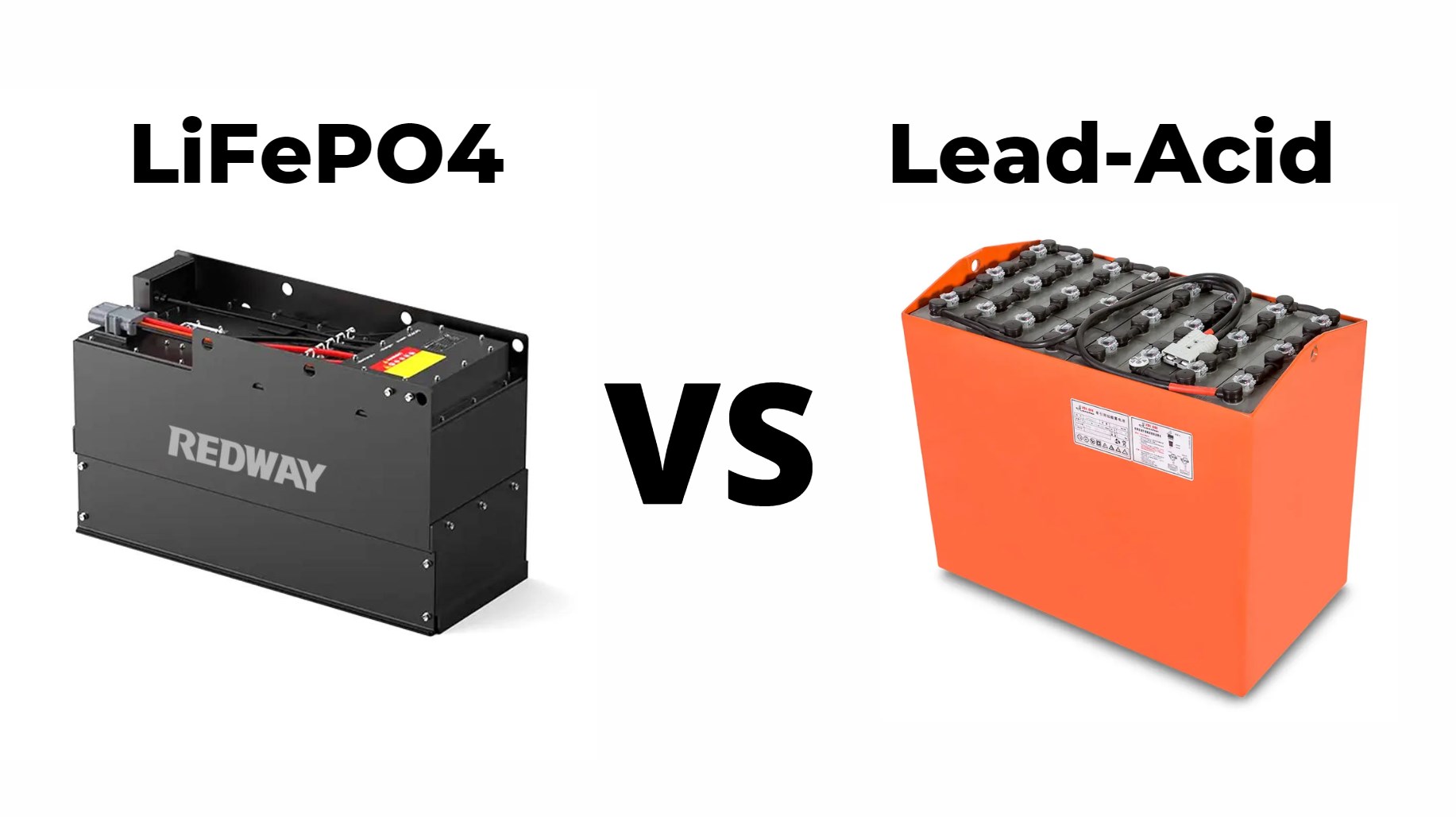
Chart: LiFePO4 vs Lead-Acid Cost and Performance Comparison

Metric LiFePO4 Lead-Acid
Initial Cost Higher Lower
Maintenance Minimal Regular watering required
Cycle Life 3,500+ cycles 800-1,200 cycles
Weight Lighter Heavier
Charging Time Fast Slow

Redway Battery Expert Views

“LiFePO4 batteries transform forklift operations by providing longer life, faster charging, and superior safety. Redway Battery’s cutting-edge lithium solutions help businesses increase productivity while reducing costs and environmental impact, making them vital to the future of intelligent material handling.” – Senior Engineer, Redway Battery

Conclusion

LiFePO4 batteries dramatically improve forklift performance through faster charging, longer life, consistent power, and reduced maintenance, offering substantial operational and cost benefits over traditional lead-acid batteries. Coupled with enhanced safety and environmental advantages, they represent the future of industrial battery technology.

FAQs

Q: How much longer do LiFePO4 batteries last compared to lead-acid?
A: Typically 3-4 times longer with over 3,500 cycles.

Q: Are LiFePO4 batteries maintenance-free?
A: Yes, they do not require watering or acid checks.

Q: Can LiFePO4 batteries be opportunity charged?
A: Yes, they support fast, flexible charging during breaks.

Q: How does battery weight affect forklift operation?
A: Lighter batteries improve handling, acceleration, and energy efficiency.

Search products

Need a Quick Quote on Wholesale Prices? Contact Redway Battery Now.

X
Product has been added to your cart


Shenzhen Redway Power, Inc

Tel: +86 189 7608 1534
Tel: +86 (755) 2801 0506
E-mail: contact@redwaybattery.com
Website: www.redway-tech.com
Youtube: @RedwayPower
TikTok: @redwaybattery

Get a Quick Quote

Hot OEM

Forklift Lithium Battery
Golf Cart Lithium Battery
RV Lithium Battery
Rack-mounted Lithium Battery

Hot Batteries

24V 150Ah Forklift Lithium Battery
24V 200Ah Forklift Lithium Battery
48V 400Ah Forklift Lithium Battery
48V 600Ah Forklift Lithium Battery
80V 400Ah Forklift Lithium Battery
36V 100Ah Golf Cart Lithium Battery
48V 100Ah Golf Cart Lithium Battery
51.2V 50Ah 3U Rack-mounted Lithium Battery
51.2V 100Ah 3U Rack-mounted Lithium Battery
12V 100Ah RV LiFePO4 Lithium Battery (Self-heating)

Hot Blog

Golf Carts
Server Rack Battery
Knowledge