What is Equivalent to a 14500 Battery?

The equivalent to a 14500 battery in terms of size and voltage would be an alkaline or NiMH AA battery; however, they differ in capacity and discharge characteristics due to their chemical composition.

The 14500 battery, often recognized for its versatility and efficiency, is a popular choice among various battery types. While it shares similar dimensions with the widely-used AA battery, several differences set it apart, especially in terms of voltage and chemistry.

Size Equivalence: 14500 Battery vs. AA Battery

One of the key features of the 14500 battery is its size equivalence to the AA battery. Both batteries have dimensions of approximately 14mm in diameter and 50mm in length. This similarity allows the 14500 battery to be used in devices designed for AA batteries, offering a convenient alternative for powering various electronic gadgets.

Voltage and Chemistry Differences

Despite the size similarity, the 14500 battery differs significantly from the AA battery in terms of voltage and chemistry. The 14500 battery is typically a lithium-ion (Li-ion) battery, which usually has a nominal voltage of 3.7 volts. In contrast, AA batteries, which can be either alkaline or NiMH (Nickel-Metal Hydride), generally have a nominal voltage of 1.5 volts and 1.2 volts respectively.

Implications of Voltage Difference

The higher voltage of the 14500 battery can have significant implications for its use. Devices designed for AA batteries expect a voltage range of around 1.2 to 1.5 volts. Using a 14500 battery in such devices without proper voltage regulation could potentially damage the device or cause it to malfunction. Therefore, it is crucial to ensure compatibility before substituting a 14500 battery for an AA battery.

Advantages of the 14500 Battery

High Energy Density

The 14500 battery’s lithium-ion chemistry provides a high energy density, meaning it can store more energy per unit of weight compared to AA batteries. This feature makes the 14500 battery a preferred choice for high-drain devices such as flashlights, portable electronic devices, and certain medical instruments.

Rechargeability

Another significant advantage of the 14500 battery is its rechargeability. While AA batteries are often disposable, with limited recharge cycles for NiMH versions, the 14500 battery can typically endure hundreds of charge-discharge cycles, offering a more sustainable and cost-effective power solution over time.

Consistent Voltage Output

Lithium-ion batteries, including the 14500, generally provide a more consistent voltage output throughout their discharge cycle. This consistency can be crucial for devices that require stable power to operate effectively.

Potential Risks and Considerations

Device Compatibility

One of the primary considerations when using a 14500 battery is ensuring that the device is compatible with the higher voltage. Many devices designed for AA batteries cannot handle the 3.7 volts provided by the 14500 battery, which can lead to overheating, circuit damage, or other malfunctions.

Safety Concerns

Lithium-ion batteries, while efficient, come with certain safety risks if not handled properly. Overcharging, physical damage, or exposure to extreme temperatures can cause lithium-ion batteries to overheat or even catch fire. Therefore, it is essential to use appropriate chargers and follow safety guidelines when using 14500 batteries.

Applications of 14500 Batteries

The unique properties of the 14500 battery make it suitable for various applications where higher voltage and energy density are required.

Flashlights and Portable Lighting

One of the most common uses of the 14500 battery is in high-performance flashlights and portable lighting solutions. The high energy density and consistent voltage output allow these devices to produce brighter light for longer periods.

Medical Devices

Certain medical devices that require reliable and consistent power may also utilize 14500 batteries. Their ability to maintain a stable voltage output makes them suitable for sensitive medical equipment.

Consumer Electronics

Some consumer electronics, such as remote controls, digital cameras, and portable audio devices, can benefit from the enhanced performance and longevity of 14500 batteries. However, compatibility must always be checked to avoid potential damage.

Choosing the Right Battery

When selecting a battery, it is crucial to consider the specific requirements of the device, including voltage, capacity, and compatibility. While the 14500 battery offers several advantages over traditional AA batteries, it is not always a suitable replacement due to its higher voltage.

Voltage Matching

Ensuring that the voltage of the battery matches the device’s requirements is paramount. Devices designed for 1.5-volt AA batteries may not function correctly with a 3.7-volt 14500 battery without proper regulation.

Battery Capacity

The capacity of a battery, measured in milliampere-hours (mAh), indicates how long it can power a device. 14500 batteries typically offer higher capacities than AA batteries, providing longer usage times between charges.

Conclusion

In summary, while the 14500 battery and AA battery share physical dimensions, their differences in voltage and chemistry necessitate careful consideration when substituting one for the other. The 14500 battery’s higher voltage, lithium-ion composition, and rechargeability make it an excellent choice for high-drain devices requiring consistent and reliable power. However, compatibility and safety must always be prioritized to ensure optimal performance and prevent potential damage.

What is the Equivalent of AA Battery?

AA batteries are a ubiquitous power source, utilized in a myriad of devices from remote controls to flashlights. However, various alternative names and codes represent the same type of battery. These equivalents share the same size and voltage, making them suitable substitutes for AA batteries. In this article, we delve into the equivalents of AA batteries, their various brand and type variations, and considerations when selecting the right battery for your device.

The equivalent of an AA battery can vary based on chemistry; for example, a rechargeable NiMH or lithium-ion cell can serve as an alternative but may have different voltage ratings (1.2V vs. 1.5V).

Equivalent Batteries: Understanding the Alternatives

Common Equivalents for AA Batteries

AA batteries, also known as double-A batteries, have several equivalents that can be used interchangeably. The most common equivalents include:

  • LR06: This designation is used by many European and international manufacturers. LR06 batteries are alkaline and have the same dimensions and voltage as standard AA batteries.
  • Duracell MN1500: A widely recognized equivalent, the Duracell MN1500 is renowned for its reliability and performance. It is an alkaline battery with the same specifications as AA batteries.
  • R06P: This designation typically refers to zinc-carbon batteries, which are often less expensive but have a lower capacity and shorter shelf life compared to alkaline batteries.
  • SUM4: This is another equivalent often seen in zinc-carbon batteries, sharing the same size and voltage as AA batteries.

These equivalents can be used in any device that requires AA batteries, ensuring compatibility and reliable performance.

Other Similar Batteries

Beyond the common equivalents, several other designations represent AA batteries, including:

  • AM3: Another name for alkaline AA batteries, often used in Asian markets.
  • Mignon: A term used primarily in Germany to refer to AA batteries.
  • 15A: Sometimes used to denote AA batteries in older or industrial contexts.

These various names highlight the global use and recognition of AA batteries, making it easy to find replacements no matter where you are.

Brand and Type Variations

Choosing the Right Chemistry

While the size and voltage of AA battery equivalents remain consistent, the chemistry and performance characteristics can vary. The two primary types of AA batteries are:

  • Alkaline Batteries: These are the most common type of AA batteries, known for their long shelf life, moderate cost, and good capacity. Brands like Duracell and Energizer are popular choices.
  • Zinc-Carbon Batteries: Often less expensive, these batteries have a shorter shelf life and lower capacity. They are suitable for low-drain devices such as clocks or remote controls.

Nickel-Metal Hydride (NiMH) Batteries

Rechargeable NiMH batteries are a popular alternative to disposable AA batteries. They offer a higher initial cost but can be recharged hundreds of times, making them cost-effective and environmentally friendly. When choosing NiMH batteries, consider the following:

  • Capacity: Measured in milliampere-hours (mAh), higher capacity NiMH batteries (e.g., 2500 mAh) provide longer runtime between charges.
  • Self-Discharge Rate: Some NiMH batteries have a low self-discharge rate, meaning they retain their charge for longer periods when not in use.
  • Brand Reliability: Reputable brands like Eneloop and Duracell offer high-quality NiMH batteries with consistent performance.

Lithium AA Batteries

For high-drain devices or extreme conditions, lithium AA batteries are an excellent choice. They offer several advantages over alkaline and NiMH batteries:

  • Longer Shelf Life: Lithium batteries can last up to 20 years unused, making them ideal for emergency kits.
  • Higher Capacity: They provide more power and last longer in high-drain devices such as digital cameras.
  • Lightweight: Lithium batteries are lighter than their alkaline counterparts, reducing the overall weight of your device.

Factors to Consider When Selecting AA Battery Equivalents

Device Requirements

Understanding the specific needs of your device is crucial when selecting an AA battery equivalent. Factors to consider include:

  • Power Consumption: High-drain devices like cameras and gaming controllers benefit from high-capacity or lithium batteries.
  • Usage Frequency: For devices used frequently, rechargeable NiMH batteries may be more cost-effective.
  • Storage Conditions: If the batteries will be stored for long periods, consider lithium batteries for their long shelf life.

Brand Reputation

Choosing a reputable brand ensures quality and reliability. Leading brands like Duracell, Energizer, and Panasonic have established themselves through consistent performance and innovation. Investing in a well-known brand can prevent issues such as leakage or reduced lifespan.

Environmental Impact

Rechargeable batteries, particularly NiMH, are more environmentally friendly than disposable batteries. They reduce waste and can be reused multiple times. Additionally, many rechargeable batteries now come with low self-discharge rates, maintaining their charge for longer when not in use.

Advanced Lithium-Ion Battery Technology: Preventing Short-Circuiting with Tin-Rich Layers

Recent advancements in lithium-ion battery technology involve using tin-rich layers to prevent short-circuiting within cells. These innovations enhance safety by reducing internal resistance while maintaining high energy density.

Lithium-ion batteries (LIBs) are at the forefront of modern energy storage technology due to their high energy density, rapid charging capabilities, and long cycle life. Despite their advantages, one significant challenge persists: short-circuiting. Short circuits in lithium-ion batteries can lead to catastrophic failures, including overheating, fires, or explosions. Recent advancements in battery technology, particularly through the use of tin-rich layers, offer promising solutions to this persistent problem.

Understanding the Problem: Dendrite Formation

What Are Lithium-Ion Batteries?

Lithium-ion batteries are electrochemical cells that store and release energy through the movement of lithium ions between two electrodes: the anode and the cathode. These batteries are widely used in consumer electronics, electric vehicles, and renewable energy systems due to their efficiency and reliability.

The Short-Circuiting Issue

Short-circuiting in lithium-ion batteries occurs when a conductive path forms between the anode and the cathode within the cell. This unintended connection leads to a sudden and uncontrolled discharge of current, potentially causing rapid overheating, loss of voltage, or even explosions. The primary culprit behind these short circuits is the formation of dendrites—tree-like crystal structures that can grow from one electrode to the other.

Innovative Solutions: Tin-Rich Layers

The Role of Dendrites

Dendrites are metallic structures that form during the charging process, particularly when lithium ions are deposited onto the electrode. As these dendrites grow, they can pierce through the separator between the anode and cathode, creating a direct short circuit. This phenomenon poses a significant threat to the safety and longevity of lithium-ion batteries.

Tin-Rich Layer Technology

Researchers from the University of Alberta (UAlberta), utilizing the Canadian Light Source (CLS) at the University of Saskatchewan (USask), have developed a groundbreaking approach to mitigate dendrite formation. By introducing a tin-rich layer between the electrode and electrolyte, they have managed to significantly reduce the formation of dendrites. This layer facilitates a more uniform deposition of lithium ions, creating a smoother surface and effectively preventing dendrite growth.

Experimental Findings

Methodology and Results

The study, published in ACS Applied Materials & Interfaces, details how the tin-rich layer contributes to enhanced battery performance. The CLS provided critical insights into the structural changes occurring on the lithium surface within an operating battery. The research team discovered that the tin-rich layer not only suppresses dendrite formation but also enhances the battery’s ability to operate at higher currents and endure more charging-discharging cycles compared to traditional cells.

Implications for Battery Technology

The addition of a tin-rich layer represents a significant advancement in solid-state lithium-ion battery technology. It offers several benefits:

  • Enhanced Safety: By preventing dendrite formation, the risk of short-circuiting and subsequent safety hazards is greatly reduced.
  • Improved Performance: Batteries with tin-rich layers exhibit superior performance, including higher current handling and increased longevity.
  • Potential for Industrial Adoption: This innovation holds substantial potential for widespread industrial application, provided that a cost-effective and sustainable production method can be developed.

Future Directions

Sustainable Production

One of the key challenges moving forward is to develop a sustainable and cost-effective method for applying the tin-rich layer during battery production. Researchers at UAlberta are focusing on finding scalable solutions that can be integrated into existing manufacturing processes, ensuring that these advanced batteries can be produced economically for commercial use.

Ongoing Research

The research team’s ongoing efforts aim to explore additional modifications and enhancements to further improve battery performance and safety. Continued collaboration with facilities like the CLS will be instrumental in advancing our understanding and application of these novel battery technologies.

Conclusion

The integration of tin-rich layers into lithium-ion batteries marks a significant step forward in addressing the issue of short-circuiting and improving battery performance. This innovative approach not only enhances safety but also extends the operational life of batteries, offering substantial benefits for both consumer electronics and industrial applications. As research progresses and manufacturing techniques evolve, the potential for these advancements to revolutionize the battery industry remains high.

Advanced Insights into Solid-State Lithium Batteries: Enhancing Performance and Longevity

Advanced Insights into Solid-State Lithium Batteries: Enhancing Performance and Longevity

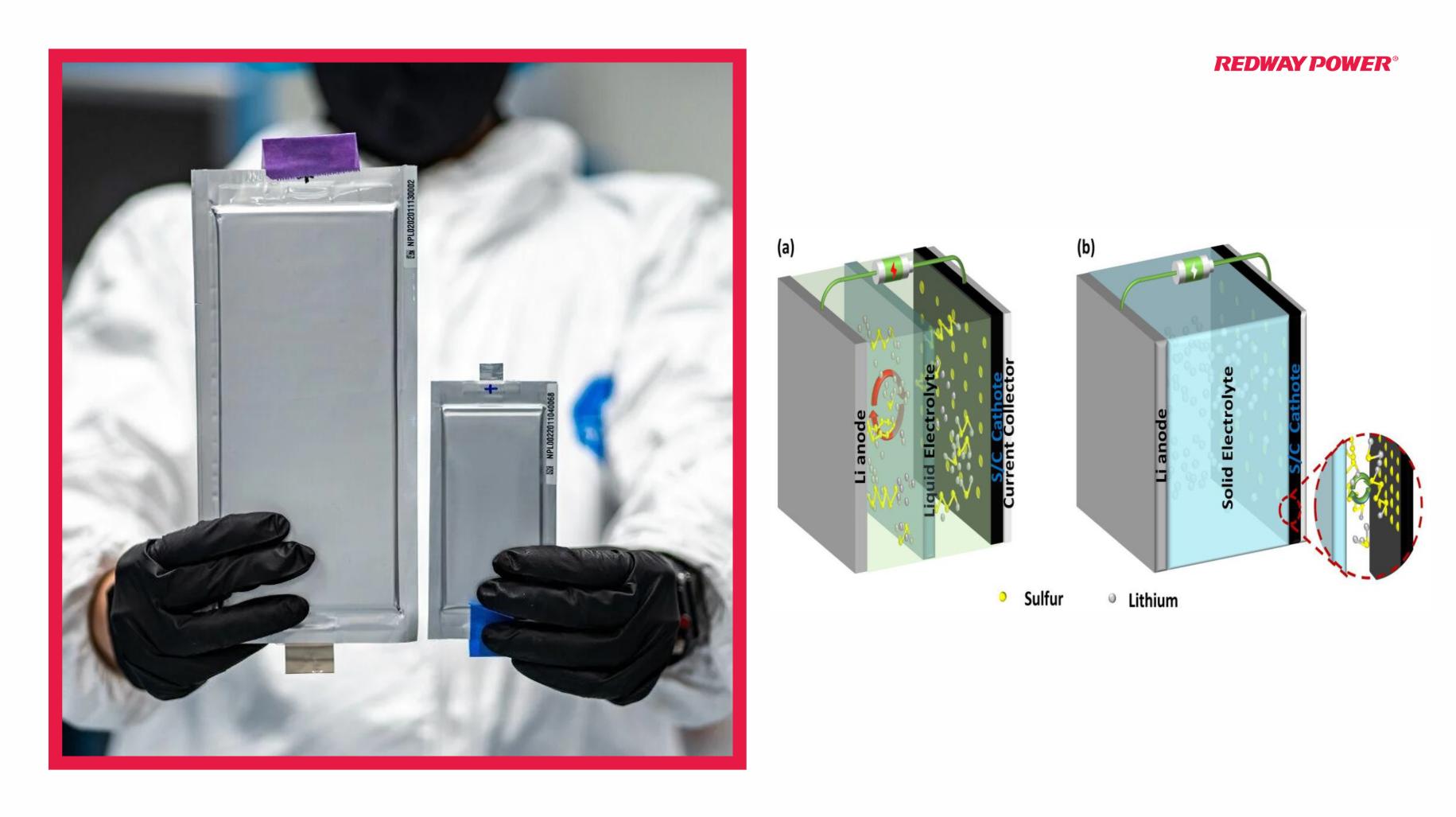
Solid-state lithium batteries offer enhanced performance through improved energy density and safety features compared to traditional liquid electrolyte designs. Their solid electrolyte minimizes risks associated with leaks or thermal runaway.

The development of solid-state lithium batteries (SSLBs) marks a significant leap forward in energy storage technology, promising safer, more efficient, and longer-lasting power solutions compared to traditional lithium-ion batteries. In this comprehensive analysis, we delve into the mechanisms, materials, and innovations driving the advancement of SSLBs, highlighting key research findings and potential future directions.

Key Materials in Solid-State Lithium Batteries

Sulfide Solid Electrolytes

Sulfide-based electrolytes, such as Li10GeP2S12 and Li6PS5Cl, are known for their high ionic conductivity and compatibility with lithium metal anodes. These materials facilitate the rapid transport of lithium ions, essential for high-power applications and fast charging capabilities.

Oxide Solid Electrolytes

Oxide electrolytes, including Li7La3Zr2O12 (LLZO), offer excellent chemical stability and high electrochemical performance. However, their relatively lower ionic conductivity compared to sulfides poses a challenge that ongoing research aims to address through structural modifications and doping strategies.

Composite Cathodes

The integration of active materials, such as Ni-rich layered oxides, with solid electrolytes forms composite cathodes that enhance electronic and ionic conductivity. Research by Park et al. (2010) and Strauss et al. (2018) has demonstrated the impact of particle size and microstructure on the performance of these composites.

Enhancing Electrochemical Performance

Conductive Polymer Coatings

Encapsulating cathode materials with conductive polymers, as explored by Cao et al. (2018), can significantly improve the electrochemical performance of SSLBs. These coatings facilitate better ionic and electronic contact, leading to enhanced capacity and cycle life.

Interface Engineering

Modifying the interfaces between different components within SSLBs is crucial for minimizing resistance and preventing degradation. Ohta et al. (2006) demonstrated that nanoscale interfacial modifications could enhance the high-rate capability of solid-state lithium batteries.

Anion Doping

Recent studies, such as those by Leube et al. (2021), have shown that anion doping can activate additional redox reactions, increasing the overall capacity and stability of the batteries. This approach is particularly effective in materials with a d0 transition metal chalcogenide structure.

Addressing Degradation Mechanisms

Cathode-Electrolyte Interface

The interaction between the cathode and electrolyte significantly influences the longevity and performance of SSLBs. Zhang et al. (2018) investigated the degradation mechanisms at the Li10GeP2S12/LiCoO2 interface, highlighting the importance of stable interfacial chemistry.

Mechanical Stability

Ensuring mechanical integrity is vital for the reliable operation of SSLBs. Research by Kondrakov et al. (2017) has shown that anisotropic lattice strain can lead to mechanical degradation in high-nickel NCM cathodes. Addressing these issues through material design and structural engineering is a key focus area.

Electrochemical and Electrochemo-Mechanical Effects

The electrochemical performance of SSLBs is closely linked to the electrochemo-mechanical effects within the materials. Liu et al. (2021) explored these effects in Ni-rich cathodes, emphasizing the need for optimized microstructures to maintain structural integrity during cycling.

Innovations in Solid-State Lithium Battery Design

All-in-One Conducting Frameworks

Li et al. (2022) proposed an all-in-one ionic-electronic dual-carrier conducting framework that enhances the thickness and uniformity of solid-state electrodes. This design aims to achieve higher energy densities and improved cycle life.

Single Material Batteries

A novel concept introduced by Han et al. (2015) involves creating batteries from a single material that can conduct both ions and electrons. This approach simplifies the manufacturing process and potentially reduces costs while maintaining high performance.

High-Areal-Capacity Electrodes

Ma et al. (2023) developed high-areal-capacity electrodes using freeze-drying technology, resulting in long-cycle-life SSLBs. This technique enhances the electrode’s structural stability and increases its capacity.

Future Directions and Challenges

Scaling Up Production

One of the main challenges in the commercialization of SSLBs is scaling up the production processes to meet industrial demands. Ensuring consistency, quality, and cost-effectiveness in large-scale manufacturing remains a significant hurdle.

Improving Ionic Conductivity

While sulfide electrolytes offer high ionic conductivity, further improvements are needed to meet the requirements of next-generation SSLBs. Research into new materials and doping strategies continues to be a priority.

Enhancing Safety and Stability

Safety concerns related to lithium dendrite formation and electrolyte stability must be addressed to fully realize the potential of SSLBs. Advanced materials and innovative engineering solutions are essential to mitigate these risks.

Integrating with Renewable Energy Systems

As the demand for renewable energy storage grows, SSLBs must be designed to efficiently integrate with solar, wind, and other renewable energy sources. This requires advancements in energy density, cycle life, and overall system compatibility.

Conclusion

The ongoing research and development in solid-state lithium batteries promise to revolutionize the energy storage landscape. By addressing the challenges of material stability, ionic conductivity, and interface engineering, SSLBs have the potential to surpass the performance of conventional lithium-ion batteries, offering safer, more efficient, and longer-lasting energy solutions. The future of SSLBs looks promising, with continued innovations paving the way for their widespread adoption in various applications.


Solid State Lithium Battery

How Do You Safely Charge a Forklift with a Car Battery Charger?

Charging a forklift battery with a car battery charger is possible but requires precise steps to ensure safety and battery longevity. Use a suitable charger with appropriate voltage and current settings, monitor charging closely, and avoid overcharging to prevent damage.

What Are the Basic Differences Between Forklift and Car Batteries?

Forklift batteries are typically large, deep-cycle lead-acid or lithium-ion batteries designed for long-duration power supply. Car batteries are smaller, starting batteries providing brief, high current bursts. Forklift batteries operate at higher voltages and capacities, requiring chargers capable of handling their unique charging profiles.

Forklift batteries generally consist of multiple cells providing 24V, 36V, 48V, or higher configurations, with ampere-hour (Ah) ratings far exceeding car batteries. They are built for deep discharge and recharge cycles. Car batteries, in contrast, deliver 12V with lower capacity meant to start an engine quickly. Hence, their charging needs differ significantly — forklift batteries benefit from slow, regulated charging that balances cell voltages, while car chargers may not have the correct settings to safely charge a forklift battery without modifications or precautions.

How Can You Use a Car Battery Charger to Charge a Forklift Battery?

You can charge some forklift batteries using a car battery charger if the charger matches the forklift battery voltage and current requirements. Adjust the charger to a lower amperage to avoid overcharging and monitor voltage closely during the process.

To charge a forklift battery with a car charger:

  • Confirm the forklift battery voltage (e.g., 24V) and check if the car charger can output this voltage or if multiple charges are needed in sequence.

  • Use a car charger with adjustable amperage settings, ideally using the lowest current setting.

  • Connect the charger’s positive lead to the battery’s positive terminal and the negative to the negative terminal.

  • Constantly monitor the battery’s voltage and temperature during charging to avoid overheating.

  • Stop charging once the battery voltage reaches the manufacturer’s recommended full charge voltage.

This process requires a diligent, manual approach and is not ideal for frequent use. Investing in a charger designed for forklift batteries, such as those from Redway Battery, is typically a safer and more efficient solution.

Why Is It Risky to Use a Car Battery Charger for Forklift Batteries?

Using a car battery charger on a forklift battery risks overcharging, undercharging, or damaging cells because the charger may not support the forklift’s higher voltage or charging profile. Overcharging can cause overheating, water loss, and reduced battery lifespan or dangerous failures.

Car chargers often lack the necessary charging stages designed for deep-cycle forklift batteries, such as bulk, absorption, and float phases. They may deliver excessive amperage too quickly or miss balancing the individual battery cells, leading to uneven wear. Furthermore, the difference in chemistry and battery size increases the likelihood of faulty readings and charger malfunction. For safety, specialized chargers calibrated for forklift batteries, like Redway Battery’s LiFePO4 charger options, use built-in management systems to protect battery health and extend service life.

When Should You Avoid Charging a Forklift Battery with a Car Charger?

Avoid charging if the forklift battery voltage exceeds what the car charger can safely handle, if the battery shows damage or leakage, or if you cannot monitor the charging parameters continuously. Also, avoid if frequent charging is required, as improper chargers will shorten battery life.

If the forklift battery uses advanced lithium batteries instead of standard lead-acid, car chargers are generally incompatible without special adapters or Battery Management System (BMS) integration. Environmental conditions—such as extreme temperatures or inadequate ventilation—also make improvised charging risky. Using dedicated chargers ensures compliance with manufacturer specifications and optimal battery care, which companies like Redway Battery emphasize in their safety recommendations.

Which Safety Steps Should Be Taken When Using a Car Battery Charger for Forklift Batteries?

Always wear protective gear, ensure proper ventilation, check charger and battery specifications for compatibility, connect terminals correctly, avoid sparks near the battery, and regularly inspect battery temperature and voltage during charging.

Key safety measures include:

  • Wearing insulated gloves and eye protection.

  • Charging in a well-ventilated area to prevent hydrogen gas buildup.

  • Confirming charger voltage and current settings match the forklift battery.

  • Double-checking connections to prevent polarity reversals.

  • Using a voltmeter and thermometer to monitor battery status.

  • Never leaving the battery unattended during charging, especially with an off-label charger.

These precautions reduce risks of acid spills, explosions, and permanent battery damage. For industrial applications, Redway Battery recommends using chargers designed specifically for forklift lithium batteries to ensure comprehensive safety through integrated monitoring systems.

How Does the Chemistry of Lithium Forklift Batteries Affect Charging Methods?

Lithium forklift batteries, such as LiFePO4, require precise voltage and current control with Battery Management Systems (BMS) to manage cell balancing, temperature, and overcharge protection. Car battery chargers designed for lead-acid batteries do not offer these features, which can risk lithium battery damage or safety hazards.

Lithium batteries charge differently than lead-acid types, using constant current-constant voltage (CC-CV) charging with strict cutoffs. The BMS protects against thermal runaway and overcharging. Using an unsuitable charger can cause cell imbalance, reduced capacity, or permanent failure. Redway Battery’s lithium forklift batteries come integrated with tailored BMS and compatible charger recommendations to maximize performance and safety.

What Are the Advantages of Using a Dedicated Forklift Battery Charger Over a Car Battery Charger?

Dedicated forklift chargers offer optimized charging profiles, adjustable voltage and current settings, built-in safety features, and faster, more efficient recharge cycles designed for large-capacity batteries, preserving battery health and extending lifespan.

Specialized chargers are designed to support multi-stage charging necessary for deep-cycle use, including equalization charging that balances cell voltage and prevents sulfation in lead-acid batteries. They often come with temperature sensors, digital displays, and automatic cutoff functions to prevent overcharging. While a car battery charger might work in emergencies or infrequent cases, using a high-quality forklift charger such as those provided by Redway Battery guarantees reliable, safe, and efficient charging tailored to your forklift’s battery chemistry.

Who Should Consider Upgrading to Lithium Forklift Batteries and Chargers?

Businesses relying heavily on forklifts and seeking longer battery life, faster charging, lighter weight, and reduced maintenance should consider lithium batteries and compatible chargers from experts like Redway Battery.

Unlike traditional lead-acid batteries requiring frequent watering and equalization, lithium batteries offer consistent performance, deeper discharge cycles, and more efficient energy use. Companies with environmental goals or high operational intensity find lithium solutions reduce total cost of ownership and downtime. Pairing lithium batteries with reliable chargers engineered by Redway Battery ensures safety, peak performance, and reduced operational complexity.


Table 1: Comparison of Car Battery vs. Forklift Battery Charging Parameters

Parameter Car Battery Charger Forklift Battery Charger
Typical Voltage Output 12V 24V, 36V, 48V, or higher
Charging Current 2–10A 10–80A or higher (adjustable)
Charging Profile Simple bulk/float cycles Multi-stage with cell balancing
Safety Features Basic overcharge protection Advanced BMS integration
Suitable Battery Types Lead-acid, 12V Lead-acid deep cycle, LiFePO4
Charging Time 4–6 hours 4–8 hours with fast charging

Table 2: Key Safety Checklist for Charging Forklift Batteries with a Car Charger

Safety Step Description Importance
Verify Voltage and Current Match charger specs to battery Prevents battery damage
Wear Protective Gear Gloves, goggles Protects against acid splashes
Ensure Ventilation Prevent hydrogen gas buildup Avoids explosion risk
Monitor Temperature Continuously Use thermometer or infrared Detects overheating early
Use Correct Connection Polarity Positive to positive, negative to negative Prevents sparks and short circuits
Do Not Leave Charging Unattended Check battery regularly Ensures prompt action if issues

Redway Expert Views

“Forklift battery technology is evolving rapidly, particularly with the adoption of lithium-ion chemistries. At Redway Battery, we emphasize precise charging protocols and advanced Battery Management Systems to maximize battery life while ensuring safety. Our goal is to empower operators with high-performance, customizable solutions integrated with smart chargers, lowering operational costs and enhancing sustainability in material handling environments.” – Dr. Li Zhang, Chief Engineer, Redway Battery


Conclusion

Charging a forklift with a car battery charger is possible with careful voltage matching, reduced current, and vigilant monitoring, but it poses significant risks and limitations. Dedicated forklift chargers are safer, more efficient, and ensure optimal battery health—especially for lithium models. Companies should consider investing in purpose-built chargers like those from Redway Battery for long-term reliability and safety. Knowing your battery type, charger specifications, and safety practices can protect your investment and prevent operational disruptions.


Frequently Asked Questions (FAQs)

Q1: Can I charge any forklift battery with a car battery charger?
Only if the charger’s voltage output matches the forklift battery and you can control the current carefully. Otherwise, it’s unsafe and not recommended.

Q2: How long does it take to charge a forklift battery using a car charger?
It may take much longer than a dedicated charger because car chargers deliver lower current and lack optimized charging stages.

Q3: What happens if I overcharge a forklift battery?
Overcharging can cause overheating, battery swelling, electrolyte loss, and significantly shorten battery lifespan or cause safety hazards.

Q4: Are lithium forklift batteries compatible with car chargers?
Generally no, because lithium batteries require controlled CC-CV charging with BMS integration, which typical car chargers do not provide.

Q5: Where can I find reliable forklift battery chargers?
Redway Battery offers advanced chargers specifically designed for forklift lithium and lead-acid batteries with built-in safety and performance features.

Where to Buy Forklift Batteries Near Pittsburgh, PA

Where to Buy Forklift Batteries Near Pittsburgh, PA

In Pittsburgh, PA, you can purchase forklift batteries at specialized industrial supply stores, battery distributors, or online retailers. Local companies like Battery Systems or Forklift Battery Warehouse often carry a range of options suitable for various forklift models.

In the industrial hub of Pittsburgh, PA, securing reliable and high-quality forklift batteries is crucial for maintaining efficient warehouse operations. Whether you are looking for new or reconditioned batteries, the region offers a variety of suppliers that cater to diverse business needs. This comprehensive guide aims to help you find the best sources for forklift batteries near Pittsburgh, ensuring your fleet remains powerful and productive.

Top Suppliers of Forklift Batteries in Pittsburgh, PA

1. Industrial Battery and Charger, Inc. (IBCI)

Industrial Battery and Charger, Inc. stands out as a premier supplier of forklift batteries in the Pittsburgh area. With decades of experience, IBCI provides a broad range of industrial batteries suitable for different types of forklifts. Their offerings include both new and reconditioned batteries, ensuring they meet various budgetary requirements.

Services Offered:

  • Battery Sales: New and reconditioned forklift batteries.
  • Battery Rentals: Short-term and long-term rental options.
  • Maintenance Programs: Regular maintenance to extend battery life.
  • 24/7 Emergency Service: Rapid response for unexpected battery failures.

2. EnerSys

EnerSys is a global leader in stored energy solutions, with a strong presence in the Pittsburgh region. They offer a comprehensive selection of motive power batteries designed for heavy-duty forklift operations. Their Hawker® batteries are particularly well-regarded for their durability and performance.

Services Offered:

  • Custom Battery Solutions: Tailored to specific operational needs.
  • Power Management Systems: Innovative systems to optimize battery usage.
  • Technical Support: Expert guidance and support for battery maintenance.

3. Tri-State Battery

Tri-State Battery has been a trusted name in the battery industry for over 30 years. Located near Pittsburgh, they supply a wide range of forklift batteries and provide excellent customer service. Their experienced staff can help you choose the right battery for your equipment.

Services Offered:

  • Battery Testing and Diagnosis: Comprehensive testing to determine battery health.
  • Battery Recycling: Environmentally responsible disposal of old batteries.
  • On-site Service: Professional installation and maintenance services.

Factors to Consider When Buying Forklift Batteries

Battery Type

When purchasing a forklift battery, it is essential to understand the different types available:

  • Lead-Acid Batteries: The most common type, known for reliability and affordability.
  • Lithium-Ion Batteries: Offer longer life and faster charging times but come at a higher cost.
  • AGM Batteries: A type of lead-acid battery that is maintenance-free and has a longer lifespan.

Battery Capacity

Choosing the right battery capacity ensures that your forklift can handle the workload. Capacity is measured in ampere-hours (Ah), and it’s vital to select a battery that matches your forklift’s specifications.

Warranty and Support

A robust warranty and reliable support services can save your business time and money. Look for suppliers that offer comprehensive warranties and have a strong reputation for customer service.

Why Pittsburgh is a Strategic Location for Forklift Batteries

Pittsburgh’s strategic location makes it an ideal place for businesses to source forklift batteries. The city’s rich industrial heritage and proximity to major transportation hubs mean that suppliers can quickly and efficiently deliver products and services. Additionally, the local expertise in manufacturing and logistics ensures that you can find high-quality batteries and professional support.

Economic Advantages

The competitive landscape in Pittsburgh fosters competitive pricing and high service standards. Businesses benefit from local suppliers who understand the specific needs and challenges of operating in this region.

Environmental Considerations

Many Pittsburgh suppliers are committed to sustainable practices, offering battery recycling and environmentally friendly disposal options. This commitment helps businesses reduce their environmental footprint while maintaining operational efficiency.

How to Extend the Life of Your Forklift Battery

Regular Maintenance

Routine maintenance is crucial for extending the lifespan of your forklift battery. This includes:

  • Cleaning: Regularly cleaning the battery terminals to prevent corrosion.
  • Watering: Ensuring proper water levels in lead-acid batteries.
  • Equalizing Charges: Performing equalizing charges to balance cell voltages.

Proper Charging Practices

Adopting proper charging practices can significantly impact battery longevity:

  • Avoid Overcharging: Overcharging can damage the battery and reduce its lifespan.
  • Opportunity Charging: Allows for partial charges during breaks, beneficial for multi-shift operations.
  • Cool Down Periods: Allow batteries to cool down after use before charging.

Storage Conditions

Store batteries in a cool, dry place to prevent damage from extreme temperatures and humidity. Proper storage can help maintain battery health and performance.

Conclusion

Finding the right supplier for forklift batteries near Pittsburgh, PA, requires careful consideration of various factors, including battery type, capacity, and support services. By partnering with reputable suppliers like Industrial Battery and Charger, Inc., EnerSys, and Tri-State Battery, you can ensure that your forklifts remain operational and efficient. Additionally, adopting best practices for battery maintenance and charging will help extend the life of your investment, contributing to the overall success of your operations.

Invest in quality forklift batteries from trusted Pittsburgh suppliers to keep your business running smoothly and efficiently. With the right resources and knowledge, you can make informed decisions that enhance productivity and reduce downtime.

Where Can I Purchase a Forklift Battery? A Comprehensive Guide to Finding the Best Options

Where Can I Purchase a Forklift Battery? A Comprehensive Guide to Finding the Best Options

Forklift batteries can be purchased from industrial supply stores, specialized battery retailers, and online platforms. Consider factors like battery type (lead-acid or lithium-ion), capacity, and warranty when choosing the best option for your needs.

When it comes to maintaining the efficiency and longevity of your forklift, choosing the right battery is crucial. Whether you are operating a warehouse, a construction site, or a manufacturing facility, having a reliable forklift battery can significantly impact your operations. In this guide, we will explore the best avenues for purchasing a forklift battery, ensuring you make an informed decision that aligns with your needs and budget.

Understanding Forklift Batteries

Before diving into where to purchase a forklift battery, it’s important to understand the types available. The three main types of forklift batteries are:

  1. Lead-Acid Batteries: The most common type, known for their reliability and cost-effectiveness.
  2. Lithium-Ion Batteries: Gaining popularity for their longevity, quick charging times, and lower maintenance needs.
  3. Nickel-Cadmium Batteries: Less common but offer high discharge rates and robust performance.

Each type has its own set of advantages and considerations, so selecting the right battery depends on your specific operational requirements.

Top Places to Purchase Forklift Batteries

1. Authorized Dealers

Authorized dealers are often the best source for purchasing a forklift battery. They provide batteries that are specifically designed for various forklift models and brands. Benefits of buying from authorized dealers include:

  • Brand-Specific Expertise: Knowledgeable about the exact specifications required for your forklift.
  • Genuine Products: Assurance that the batteries are authentic and meet manufacturer standards.
  • Warranty and Support: Access to manufacturer warranties and professional support.

Examples of authorized dealers include Toyota Material Handling, Hyster-Yale Group, and Caterpillar Lift Trucks.

2. Online Retailers

The convenience of online retailers allows for easy comparison of different battery models and prices. Reputable online platforms include:

  • Amazon: Offers a wide range of forklift batteries with customer reviews and competitive pricing.
  • eBay: Provides both new and refurbished options, often at lower prices.
  • Battery Mart: Specializes in various types of forklift batteries and provides detailed product descriptions.

When purchasing online, ensure the retailer offers reliable shipping options and a clear return policy.

3. Specialty Battery Suppliers

Specialty battery suppliers focus exclusively on batteries and related components. They offer a broad selection of forklift batteries and often provide additional services such as:

  • Custom Solutions: Tailored battery solutions for unique operational needs.
  • Expert Consultation: Assistance in selecting the best battery type and model.
  • After-Sales Support: Services such as battery maintenance and recycling.

Notable specialty suppliers include Interstate Batteries and Energizer Industrial Batteries.

4. Local Industrial Supply Stores

Local industrial supply stores offer the advantage of immediate availability and personal service. These stores often carry a range of forklift batteries and can provide:

  • Immediate Availability: Quick access to batteries without long shipping delays.
  • Local Support: Assistance from staff familiar with local industry needs.
  • Potential Cost Savings: Avoiding shipping costs and potentially finding in-store discounts.

Examples include Grainger and Fastenal.

Top Places to Purchase Forklift Batteries

Factors to Consider When Purchasing a Forklift Battery

Battery Type and Compatibility

Ensure the battery you choose is compatible with your forklift’s make and model. Lead-acid batteries are widely used, but if your operations demand less maintenance and longer life, consider lithium-ion batteries.

Battery Capacity and Performance

Consider the capacity (measured in amp-hours) and performance specifications. The capacity should match your operational demands, ensuring the battery can support your forklift throughout its shift without frequent recharging.

Warranty and Support

A robust warranty provides peace of mind and protects your investment. Look for batteries that come with a comprehensive warranty and support services to address any potential issues.

Cost and Budget

Balance your budget with the benefits each battery type offers. Lead-acid batteries typically have a lower upfront cost but may require more maintenance. Lithium-ion batteries have a higher initial cost but offer longer-term savings and reduced maintenance.

Conclusion

In conclusion, choosing the right place to purchase a forklift battery involves considering several factors, including the type of battery, compatibility, and cost. Authorized dealers, online retailers, specialty suppliers, and local industrial stores each offer unique advantages. By understanding your specific needs and exploring these options, you can make a well-informed decision and ensure the continued efficiency and reliability of your forklift operations.

When seeking to purchase a forklift battery, remember to weigh all factors carefully and choose a supplier that offers the best combination of product quality, support, and value.

Where to Get Reconditioned Electric Forklift Batteries in Utah

Where to Get Reconditioned Electric Forklift Batteries in Utah

In Utah, reconditioned electric forklift batteries can be found through local battery suppliers, industrial equipment dealers, or specialized reconditioning services. Companies like Battery Solutions or local forklift dealerships may offer reconditioned options at competitive prices.

Finding the right source for reconditioned electric forklift batteries in Utah can significantly impact your business’s efficiency and bottom line. The right battery not only improves your forklift’s performance but also enhances safety and reduces operational costs. This article will guide you through the best sources for high-quality reconditioned electric forklift batteries in Utah, ensuring you make an informed decision.

Understanding Reconditioned Electric Forklift Batteries

Reconditioned electric forklift batteries are a cost-effective alternative to new batteries, offering similar performance and reliability. These batteries are carefully restored to their original specifications, ensuring they meet industry standards. By opting for reconditioned batteries, you can achieve significant savings while maintaining operational efficiency.

Why Choose Reconditioned Batteries?

Choosing reconditioned batteries over new ones provides several advantages:

  • Cost Efficiency: Reconditioned batteries are generally more affordable than new ones, providing substantial savings.
  • Environmental Impact: Reconditioning helps reduce waste and supports sustainability efforts by extending the lifespan of existing products.
  • Performance Assurance: High-quality reconditioned batteries offer comparable performance to new batteries, given they are properly restored and tested.

Top Providers of Reconditioned Electric Forklift Batteries in Utah

1. Battery Systems Inc.

Battery Systems Inc. is a leading provider of reconditioned electric forklift batteries in Utah. With over two decades of experience in the industry, they offer a wide range of high-quality reconditioned batteries suitable for various forklift models. Their expert technicians meticulously inspect and restore each battery to ensure optimal performance.

Key Services:

  • Comprehensive battery reconditioning process
  • Extensive inventory of reconditioned forklift batteries
  • Professional installation and maintenance services

Contact Information:

  • Address: 123 Industrial Drive, Salt Lake City, UT 84101
  • Phone: (801) 555-1234
  • Website: batterysystemsinc. com

2. Utah Battery & Electric

Utah Battery & Electric is another reputable source for reconditioned electric forklift batteries. They specialize in providing both new and reconditioned batteries, catering to diverse operational needs. Their reconditioning process involves state-of-the-art technology to ensure batteries meet the highest standards.

Key Services:

  • Advanced battery reconditioning technology
  • Customized battery solutions for various forklift models
  • Expert consultation and support

Contact Information:

  • Address: 456 Battery Lane, Provo, UT 84601
  • Phone: (801) 555-6789
  • Website: utahbatteryelectric. com

3. Forklift Battery Warehouse

Forklift Battery Warehouse stands out for its extensive selection of reconditioned electric forklift batteries. Their commitment to quality and customer satisfaction makes them a preferred choice for many businesses in Utah. They offer competitive pricing and a robust warranty on their reconditioned batteries.

Key Services:

Contact Information:

  • Address: 789 Warehouse Road, Ogden, UT 84401
  • Phone: (801) 555-9876
  • Website: forkliftbatterywarehouse. com

Factors to Consider When Choosing a Reconditioned Battery Provider

When selecting a provider for reconditioned electric forklift batteries, consider the following factors to ensure you get the best value:

  • Reconditioning Process: Verify the provider’s reconditioning process and ensure they use high-quality materials and technology.
  • Warranty and Support: A robust warranty and reliable customer support are crucial for addressing any issues that may arise.
  • Reputation and Experience: Choose a provider with a strong reputation and extensive experience in the industry to ensure reliability and expertise.
  • Pricing and Payment Options: Compare pricing and payment options to find a provider that offers competitive rates and flexible terms.

Maintaining and Extending the Life of Reconditioned Batteries

To maximize the lifespan and performance of your reconditioned electric forklift batteries, follow these maintenance tips:

  • Regular Inspections: Conduct regular inspections to identify and address any issues promptly.
  • Proper Charging Practices: Follow the manufacturer’s recommendations for charging to avoid overcharging or undercharging.
  • Clean and Secure Connections: Keep battery terminals clean and ensure all connections are secure to prevent electrical issues.
  • Routine Maintenance: Perform routine maintenance as recommended by the battery provider to ensure optimal performance.

Conclusion

Finding a reliable source for reconditioned electric forklift batteries in Utah can greatly enhance your operational efficiency while providing cost savings. By choosing a reputable provider, such as Battery Systems Inc., Utah Battery & Electric, or Forklift Battery Warehouse, you can ensure that you receive high-quality batteries that meet your specific needs. Remember to consider key factors like the reconditioning process, warranty, and provider reputation to make an informed decision.

For any additional inquiries or to get started with your purchase, feel free to contact the recommended providers listed above. Their expertise and extensive inventory will help you find the perfect reconditioned electric forklift battery for your business.

Can a Forklift Battery Be Rewired to Change Voltage?

Can a Forklift Battery Be Rewired to Change Voltage?

Yes, a forklift battery can be rewired to change voltage; however, this requires expertise in electrical systems and adherence to safety standards. It’s crucial to ensure that the new configuration matches the forklift’s operational requirements and that all components are compatible.

In the realm of material handling and warehouse operations, the functionality and versatility of forklift batteries are pivotal. One intriguing query often posed by operators and technicians is whether a forklift battery can be rewired to change its voltage. This article delves into the complexities of forklift battery rewiring, exploring the technical possibilities, implications, and safety considerations involved.

Understanding Forklift Battery Voltage

Forklift batteries typically come in standard voltages of 24V, 36V, and 48V. These voltages correspond to the power requirements of different types and sizes of forklifts. The voltage of a battery determines the power output and the type of forklift it can support. Changing the voltage of a forklift battery can theoretically be achieved by rewiring the connections between the individual cells within the battery.

Battery Cell Configuration

A typical lead-acid forklift battery is composed of multiple cells, each delivering approximately 2 volts. For instance:

  • A 24V battery contains 12 cells.
  • A 36V battery contains 18 cells.
  • A 48V battery contains 24 cells.

To alter the voltage of a forklift battery, the connections between these cells can be reconfigured. This involves changing the series or parallel connections to achieve the desired voltage output.

Rewiring for Voltage Modification

Technical Feasibility

Rewiring a forklift battery to change its voltage is technically possible but involves several critical steps:

  1. Assessment: Evaluate the existing battery configuration and the required voltage.
  2. Disassembly: Safely disassemble the battery to access individual cells.
  3. Reconfiguration: Modify the series and parallel connections between cells.
  4. Reassembly: Reassemble the battery, ensuring all connections are secure.

Step-by-Step Process

  1. Assessment: Before undertaking any modification, it is crucial to understand the existing configuration of the battery. This includes identifying the number of cells and their current connections. A thorough inspection will also help identify any damaged or weak cells that could compromise the battery’s performance post-reconfiguration.
  2. Disassembly: Disassembling a forklift battery requires caution. The battery must be completely disconnected from the forklift and any charging equipment. Use appropriate personal protective equipment (PPE) to safeguard against acid spills and electrical hazards. Carefully open the battery casing to access the individual cells.
  3. Reconfiguration: To change the voltage, you need to rewire the cells in series or parallel. For example, to change a 24V battery to 36V, additional cells must be connected in series. Conversely, to reduce the voltage, cells need to be reconfigured into parallel connections. This process involves careful handling and precise wiring to ensure that all cells are correctly connected.
  4. Reassembly: Once the cells are rewired, reassemble the battery casing securely. Double-check all connections and ensure there are no loose or exposed wires. Reconnect the battery to the forklift and test its performance under load.

Implications of Voltage Modification

Performance Considerations

Altering the voltage of a forklift battery can significantly impact the performance of the forklift. A higher voltage can enhance the power output and efficiency, potentially improving the forklift’s lifting capacity and speed. Conversely, reducing the voltage can decrease power output, which might be desirable for lighter-duty applications.

Compatibility Issues

Modifying the voltage of a forklift battery may result in compatibility issues with the forklift’s motor and electronic systems. Forklifts are designed to operate with specific voltage inputs, and changing the battery voltage can lead to operational inefficiencies or even damage the forklift’s electrical components.

Safety Concerns

Rewiring a forklift battery involves substantial safety risks. Incorrect wiring can lead to short circuits, overheating, and potential battery failure. The presence of sulfuric acid in lead-acid batteries poses additional hazards, including chemical burns and toxic gas emissions. It is imperative to follow strict safety protocols and, if unsure, consult a professional technician.

Legal and Warranty Considerations

Manufacturer Warranties

Most forklift batteries come with manufacturer warranties that could be voided by unauthorized modifications. Rewiring the battery to change its voltage may invalidate these warranties, leaving you liable for any future repairs or replacements.

Regulatory Compliance

There are specific regulations governing the modification and use of industrial batteries. Altering the voltage of a forklift battery could place the equipment out of compliance with safety standards set by organizations such as OSHA (Occupational Safety and Health Administration) and ANSI (American National Standards Institute).

Alternatives to Rewiring

Voltage Converters

Instead of rewiring the battery, consider using a voltage converter. These devices can step up or step down the voltage to match the requirements of different forklifts. Voltage converters can provide a flexible and safer alternative to direct battery modification.

Battery Replacement

In some cases, replacing the existing battery with one of the correct voltage may be a more viable option. This ensures compatibility and maintains the integrity of the forklift’s electrical system. Always consult with the forklift manufacturer or a professional technician before making such a decision.

Conclusion

While it is technically possible to rewire a forklift battery to change its voltage, the process involves significant risks and complexities. The potential benefits must be weighed against the safety concerns, compatibility issues, and legal implications. For many, exploring alternatives such as voltage converters or opting for a suitable battery replacement might be a more practical and safer solution.

When considering such modifications, it is essential to consult with experts and adhere to all safety guidelines to ensure the continued performance and longevity of your forklift operations.

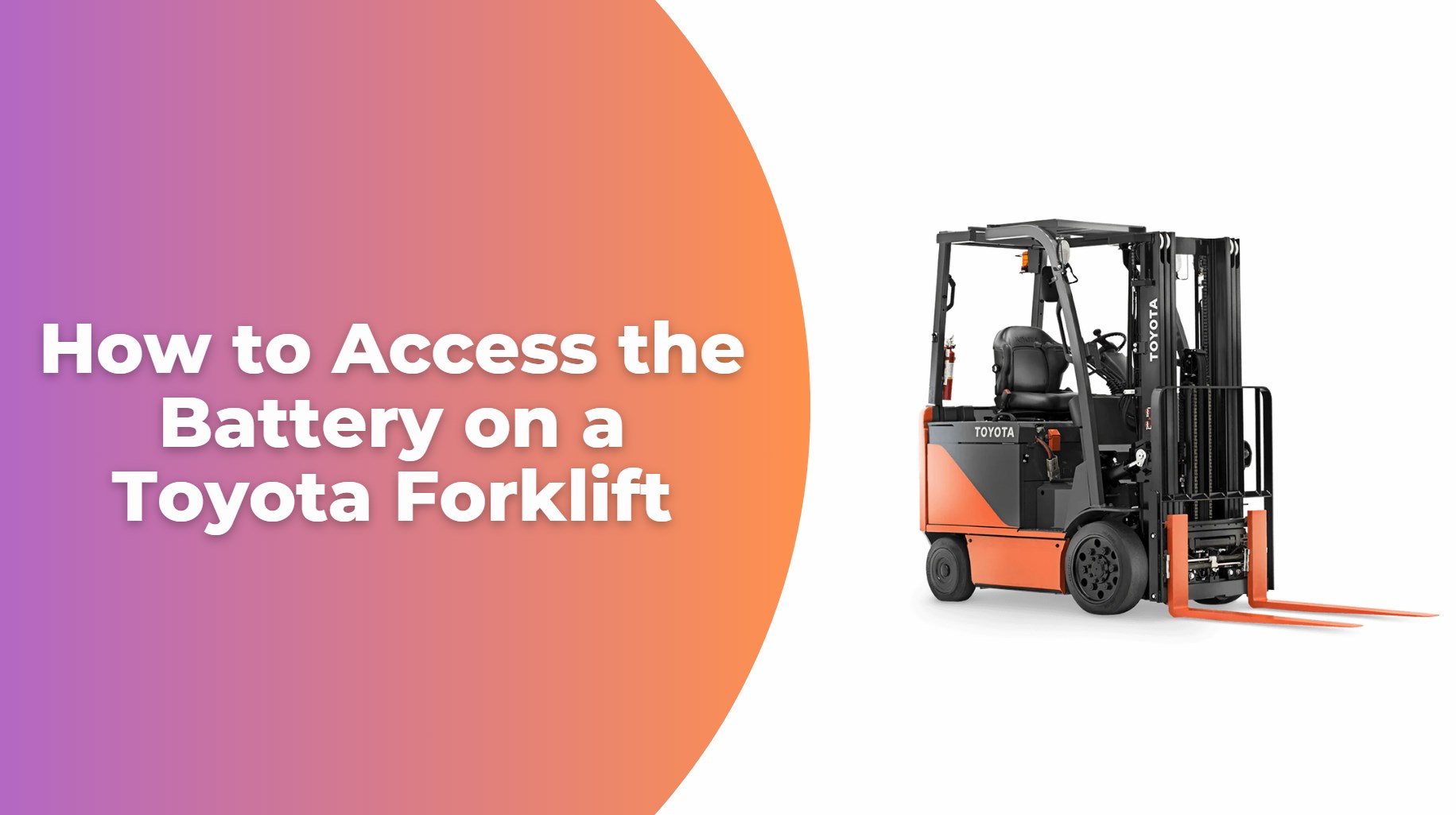
How to Access the Battery on a Toyota Forklift

How Can You Access and Maintain the Battery on a Toyota Forklift?

Accessing the battery on a Toyota forklift involves several steps to ensure safety and efficiency. First, turn off the forklift and remove the key. Next, locate the battery compartment, which is typically found under the seat or at the rear of the forklift. Finally, remove any covers or panels to expose the battery for inspection or maintenance.

Steps to Access the Battery on a Toyota Forklift

To access the battery on a Toyota forklift, first, turn off the forklift and remove the ignition key. Locate the battery compartment, typically under the operator’s seat or at the rear. Finally, remove any covers or panels to expose the battery for inspection or maintenance.

1. Safety First

Before accessing the battery, ensure that you follow all safety protocols:

  • Turn off the forklift.
  • Remove the ignition key.
  • Wear appropriate personal protective equipment (PPE), such as gloves and safety goggles.
Safety Measure Description
Turn Off Forklift Prevents accidental operation
Remove Key Ensures no power is supplied
Wear PPE Protects against battery acid exposure

2. Locate the Battery Compartment

The battery compartment on a Toyota forklift is usually located:

  • Under the operator’s seat.
  • At the rear of the forklift.

Refer to your specific model’s manual for precise locations.

Forklift Model Battery Location
Toyota 7FBE Under operator’s seat
Toyota 8FGCU Rear compartment

3. Remove Covers or Panels

Once you have located the battery compartment:

  • Remove any covers or panels that obstruct access.
  • Use appropriate tools, such as a screwdriver or wrench, if necessary.
Tool Required Purpose
Screwdriver To remove screws
Wrench To loosen bolts

4. Inspect the Battery

After gaining access:

  • Check for any signs of damage or corrosion.
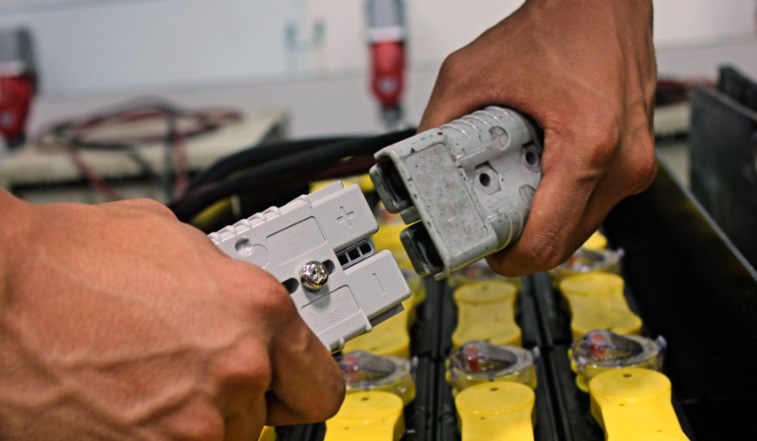
  • Ensure that terminals are clean and securely connected.
Inspection Aspect What to Look For
Corrosion Greenish or white residue on terminals
Damage Cracks or leaks in battery casing

5. Reassemble and Test

Once maintenance is complete:

  • Replace any covers or panels securely.
  • Reinsert the ignition key and perform a test run to ensure everything is functioning properly.
Action Description
Replace Covers Ensures safety during operation
Test Run Confirms proper functionality

What Safety Protocols Should Be Followed?

When handling forklift batteries, always wear appropriate personal protective equipment (PPE) such as gloves and safety goggles. Ensure the area is well-ventilated and free of open flames. Use proper lifting equipment for battery changes, and have emergency wash stations nearby in case of spills. Regularly inspect charging equipment for safety compliance.

Before attempting any maintenance, it’s essential to follow safety protocols:

  1. Turn off the forklift completely.
  2. Remove the ignition key to prevent accidental operation.
  3. Wear appropriate personal protective equipment (PPE), such as gloves and safety goggles.
Safety Measure Description
Turn Off Forklift Prevents accidental operation
Remove Key Ensures no power is supplied
Wear PPE Protects against battery acid exposure

Where is the Battery Compartment Located?

The battery compartment in most Toyota forklifts is usually found under the operator’s seat or at the rear of the unit. For precise locations, refer to your specific model’s manual, as configurations may vary by model.

Forklift Model Battery Location
Toyota 7FBE Under operator’s seat
Toyota 8FGCU Rear compartment

How to Remove Covers or Panels Safely?

To safely remove covers or panels on a forklift, ensure the power is turned off and the brakes are engaged. Use the proper tools to avoid damaging components, and wear PPE to protect against sharp edges or accidental contact with electrical parts.

Once you have located the battery compartment, follow these steps:

  1. Remove any covers or panels obstructing access.
  2. Use appropriate tools, such as screwdrivers or wrenches, if necessary.
Tool Required Purpose
Screwdriver To remove screws
Wrench To loosen bolts

What Steps Should Be Taken to Inspect the Battery?

Inspect the forklift battery by checking for corrosion on terminals, ensuring cables are undamaged, and measuring electrolyte levels with a hydrometer. Clean the battery case regularly and verify that vent caps are in good condition to prevent leaks or buildup.

After gaining access, inspect the battery for:

  • Signs of damage or corrosion.
  • Ensure terminals are clean and securely connected.

Regular inspections can prevent unexpected failures and prolong battery life.

How to Properly Charge a Forklift Battery?

Charge the forklift battery when it drops to about 20% capacity, ensuring it’s done in a well-ventilated area. Use the correct charger and follow manufacturer instructions. Avoid overcharging; always check water levels after charging and clean any corrosion from terminals.

Charging your forklift battery correctly is vital for its longevity:

  1. Only recharge if it has been discharged by 30% or more.
  2. Avoid running it below 20% capacity.
  3. Allow time for cooling after charging.

What Are Common Signs of a Failing Forklift Battery?

Common signs of a failing forklift battery include reduced lifting power, longer charging times, swelling or leakage from the battery case, and unusual smells or sounds during operation. Regular inspections can help identify these issues early.

Recognizing signs of battery failure can save time and resources:

  • Reduced lifting capacity.
  • Slow response times when operating.
  • Visible corrosion around terminals.

How to Dispose of Forklift Batteries Safely?

Dispose of forklift batteries by following local regulations for hazardous waste. Contact a certified recycling facility that specializes in battery disposal. Never throw batteries in regular trash; ensure they are stored safely until they can be properly recycled or disposed of.

Proper disposal of forklift batteries is crucial due to environmental regulations:

  1. Follow local guidelines for hazardous waste disposal.
  2. Partner with certified recycling facilities that specialize in battery disposal.

Know More:

Where Can I Find Reliable Sources and Sales for Forklift Batteries?
Where Can You Buy Forklift Batteries Near Me?
Where Can You Find Forklift Batteries for Sale Near Me?
Where Can I Purchase a Reliable Forklift Battery?
Where Can I Find Affordable Options for Forklift Batteries?
How Can Forklift Batteries Be Used in Solar Systems?

Related Subject: Forklift Batteries

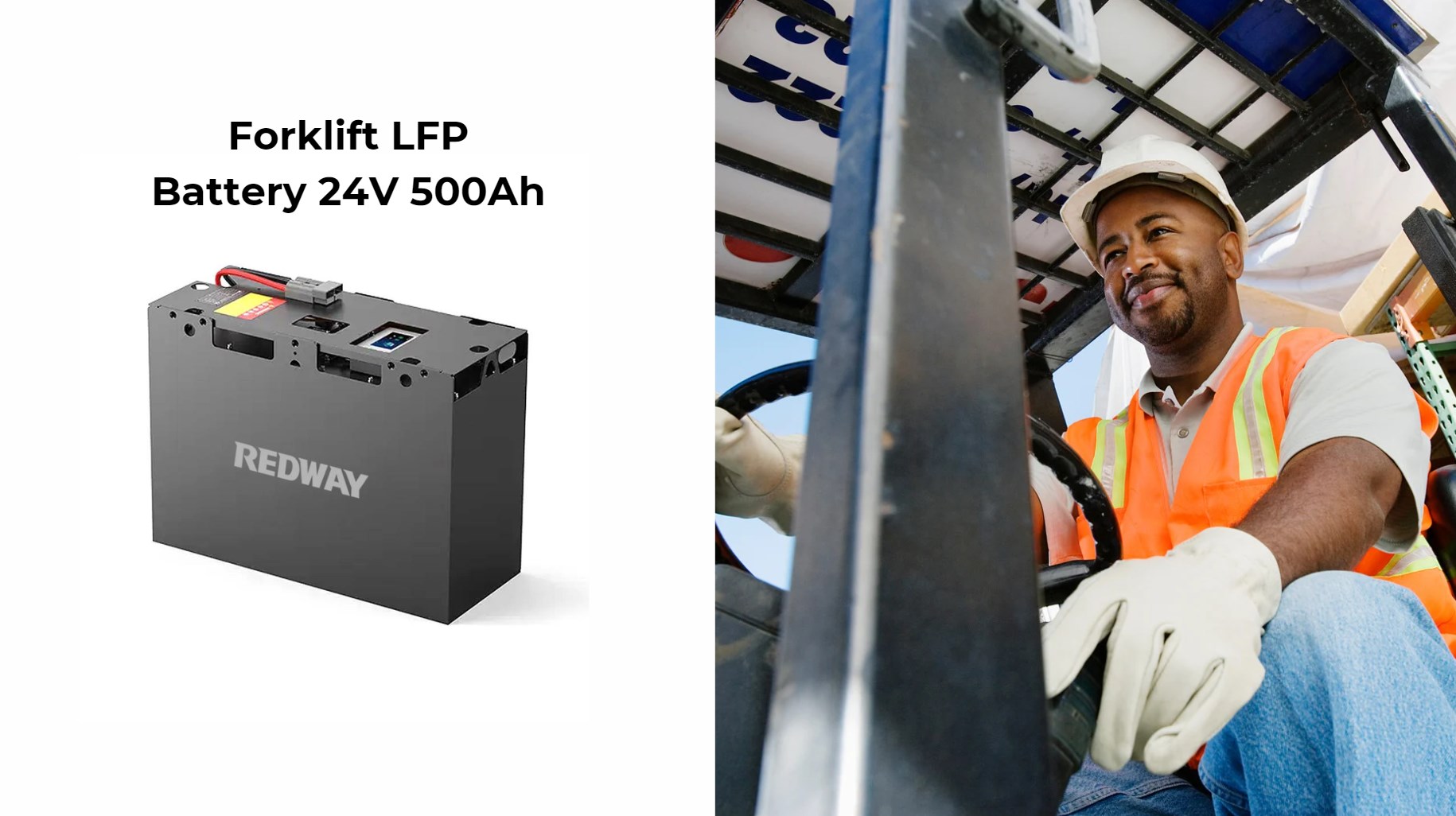
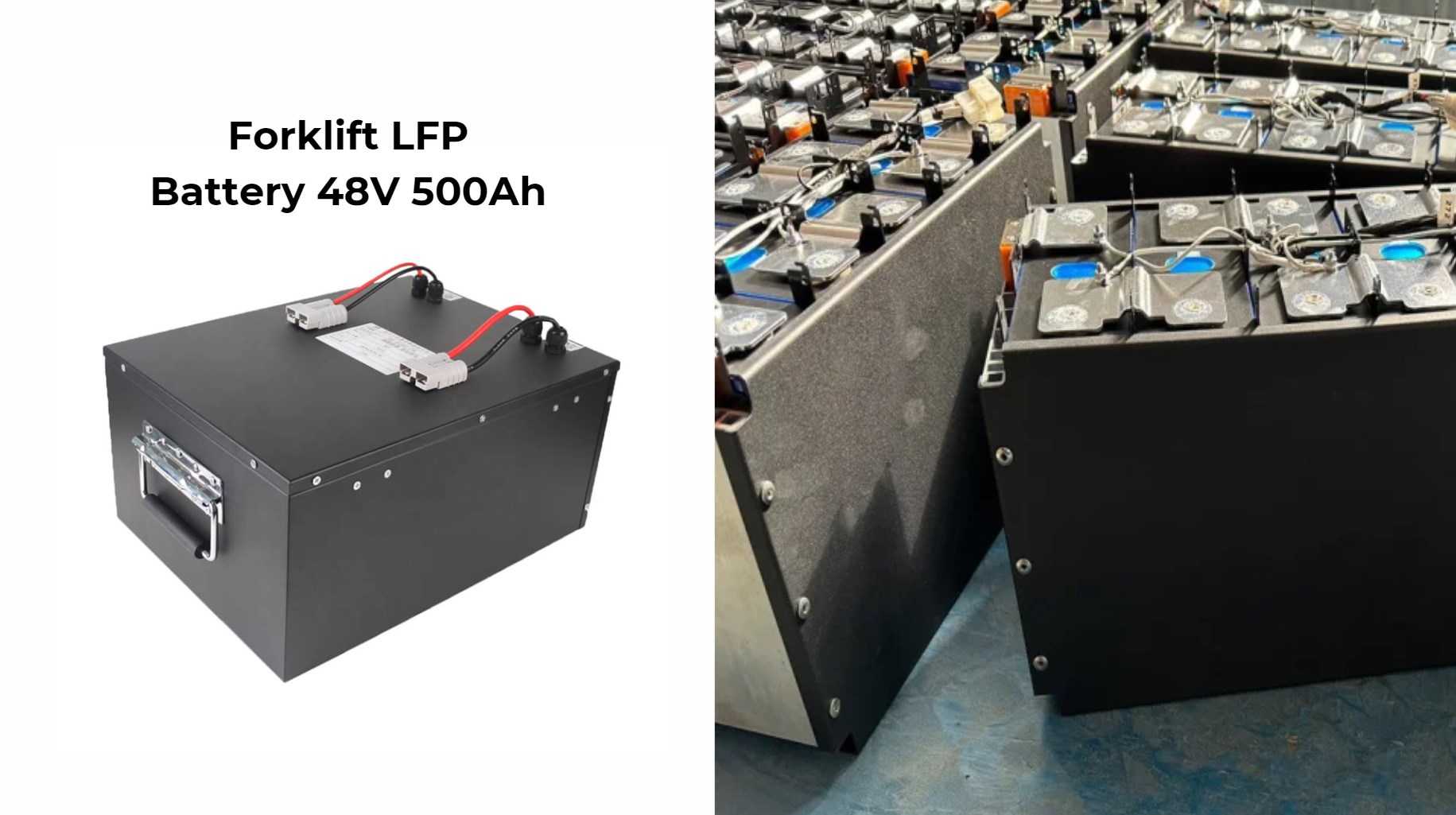
The relationship between accessing forklift batteries and maintaining optimal performance is crucial. Regular maintenance ensures that batteries operate efficiently, which directly impacts the overall productivity of forklifts. Redway Battery specializes in manufacturing high-quality lithium LiFePO4 forklift batteries designed for durability and performance.

Top Competitors in the Forklift Battery Market 2025

In 2025, leading competitors in the forklift battery market include companies like Redway Battery, Crown Battery Manufacturing Company, and EnerSys. These companies are recognized for their innovative solutions and commitment to sustainability in material handling operations.

Here are some notable competitors in the battery market that also offer options compatible with various applications:

Competitor Name Lithium Battery Options Available
Redway Battery Yes
A123 Systems Yes
LG Chem Yes
Panasonic Yes
BYD Yes

In conclusion, accessing and maintaining the battery on a Toyota forklift is essential for ensuring optimal performance and longevity. By following proper procedures and utilizing high-quality batteries like those from Redway Battery, operators can enhance their equipment’s reliability and efficiency.

Safety Precautions Before Accessing the Battery - Toyota Forklift

Latest News

  • Battery Maintenance Innovations: Recent advancements in battery maintenance technology are enhancing the efficiency of forklift operations, leading to longer battery life and reduced downtime.
  • Sustainability Initiatives: Many companies are adopting eco-friendly practices in battery disposal and recycling, aligning with global sustainability goals.
  • Market Trends: The demand for electric forklifts is increasing, driving innovations in battery technology and management systems.

Redway Expert Comment

“At Redway Battery, we understand the importance of proper battery access and maintenance in forklifts. Regular inspection and maintenance of forklift batteries can significantly enhance performance and extend lifespan. Our expertise in lithium LiFePO4 batteries ensures that we provide solutions that not only meet but exceed industry standards for reliability and efficiency.”

When considering a Toyota electric pallet jack battery replacement, it’s crucial to select the right type of battery for optimal performance. A high-quality Toyota electric pallet jack battery replacement will improve efficiency and reduce maintenance costs. Many businesses turn to specialized solutions when looking for a Toyota electric pallet jack battery replacement, as it ensures reliable operation throughout the day. Lithium batteries, for example, offer a longer lifespan and faster charging times. For those in need of a reliable source, Redway Battery, China LiFePO4 Battery Wholesale Supplier, offers high-performance lithium solutions tailored for industrial equipment, including pallet jacks. If you’re searching for the best Toyota electric pallet jack battery replacement, choosing a lithium option from Redway Battery, China LiFePO4 Battery Wholesale Supplier can provide the power and durability your business requires.

Open TOYOTA forklift engine hood

FAQs

How do you get to the battery on a forklift?
To access the battery on a forklift, first ensure the forklift is powered off and safely parked. Remove any covers or panels securing the battery compartment, which may involve unscrewing bolts or releasing latches. Carefully lift out the battery or slide it out of the compartment, depending on the forklift model.

How to jump start a Toyota forklift?
To jump start a Toyota forklift, park a functioning vehicle nearby and connect jumper cables. Attach the positive (+) cable to the positive terminal of the forklift battery and the other end to the positive terminal of the donor battery. Connect the negative (-) cable to the negative terminal of the donor battery, then attach the other end to a metal ground on the forklift. Start the donor vehicle and let it charge the forklift battery for a few minutes.

How to check the battery of a forklift?
To check a forklift battery, first ensure it’s disconnected. Use a multimeter to measure the voltage across the battery terminals. A fully charged battery typically shows around 12.6 to 12.8 volts for lead-acid types. Inspect for any signs of corrosion, leaks, or swelling, and check the fluid levels if applicable.

How do you move a forklift with a dead battery?
To move a forklift with a dead battery, you can manually push it if it’s a smaller model, ensuring the parking brake is released. For larger models, use a tow truck or forklift towing equipment, adhering to the manufacturer’s guidelines for safe towing. Always consult the operator’s manual for specific instructions related to your forklift model.

How do you maintain a Toyota forklift battery?
To maintain a Toyota forklift battery, check electrolyte levels regularly (for lead-acid), clean terminals, and inspect for corrosion. Charge the battery fully after each shift, keep it at room temperature, and use distilled water to top off cells. For lithium batteries, monitor software alerts and maintain proper charging cycles.

Where is the battery on a Toyota forklift?
The battery on a Toyota forklift is typically located beneath the operator seat or under a rear battery cover. For electric models, lift the seat or rear panel to access the battery compartment. Always turn off the forklift before accessing or servicing the battery area.

How to check the battery of a forklift?
To check a forklift battery, use a voltmeter to measure voltage and inspect electrolyte levels (for lead-acid). Look for corrosion, swelling, or leaks, and confirm that the battery charges fully after a shift. Routine checks help extend battery life and performance.

How to maintain a Toyota car battery?
To maintain a Toyota car battery, keep terminals clean and tight, check for corrosion, and ensure the charging system functions correctly. Test voltage regularly and drive often to prevent drain. If it’s a maintenance-required battery, inspect fluid levels and top off with distilled water as needed.

How to access battery on Toyota forklift?
To access the battery on a Toyota forklift, first turn off the unit. Then, lift the operator seat or remove the rear battery compartment cover, depending on the model. Use proper lifting tools if the battery is heavy, and wear safety gloves and eyewear.

Where is battery located in Toyota forklift?
The battery in a Toyota forklift is typically located in the rear compartment or beneath the operator seat. In electric forklifts, it may sit in a removable battery tray, accessed by lifting the seat or a hinged lid behind the driver position.

Where is hood latch on Toyota forklift?
The hood latch on a Toyota forklift is usually found at the base of the operator seat or on the side panel of the forklift body. Pull or lift the latch handle to open the battery compartment or engine cover, depending on the forklift type.

Where to find forklift battery maintenance PDF?
You can find a forklift battery maintenance PDF on manufacturer websites, such as Toyota Material Handling, or by searching “Toyota forklift battery maintenance PDF.” These guides cover inspection, watering, charging tips, and safety procedures. Dealer service portals may also offer free downloads.

Know more:

toyota forklift battery location
toyota forklift battery access
toyota forklift battery

How to Charge a Dead Forklift Battery

How to Charge a Dead Forklift Battery

To charge a dead forklift battery, connect it to an appropriate charger designed for its voltage and capacity. If the battery is completely dead and unresponsive, consider using a manual trickle charger to bring it back to a detectable charge level before using a standard charger.

A dead forklift battery can bring operations to a halt, affecting productivity and efficiency in any warehouse or industrial setting. Ensuring that a forklift battery is properly charged and maintained is crucial for the smooth operation of material handling tasks. This guide will provide comprehensive instructions on how to effectively charge a dead forklift battery, along with tips for maintenance and safety.

Understanding Forklift Batteries

Before diving into the charging process, it is important to understand the types of forklift batteries commonly used:

  1. Lead-Acid Batteries: These are the most common type, known for their durability and cost-effectiveness.
  2. Lithium-Ion Batteries: These are gaining popularity due to their longer lifespan and faster charging times.

Components of a Forklift Battery

A typical forklift battery comprises the following components:

  • Cells: Individual units within the battery, each producing a specific voltage.
  • Electrolyte: A mixture of water and sulfuric acid in lead-acid batteries that facilitates the flow of electricity.
  • Plates: Lead plates immersed in the electrolyte, which generate electric current.

Understanding Forklift Batteries

Preparing to Charge the Battery

Safety Precautions

Safety is paramount when dealing with forklift batteries. Follow these precautions:

  • Wear Protective Gear: Always use gloves, safety goggles, and protective clothing.
  • Ventilation: Ensure the charging area is well-ventilated to prevent the accumulation of hydrogen gas, which can be explosive.
  • Remove Metal Jewelry: Avoid wearing metal objects to prevent accidental short circuits.

Inspecting the Battery

Before charging, perform a thorough inspection:

  • Check for Damage: Look for cracks, leaks, or other signs of damage.
  • Clean the Battery: Remove any dirt, dust, or corrosion from the terminals using a mixture of baking soda and water.
  • Check Electrolyte Levels: For lead-acid batteries, ensure the electrolyte levels are adequate. Top up with distilled water if necessary.

Charging the Forklift Battery

Selecting the Right Charger

Ensure the charger matches the battery specifications:

  • Voltage: Match the charger’s voltage to the battery’s voltage.
  • Amperage: Choose a charger with the appropriate amperage rating to avoid overcharging or undercharging.

Charging Process for Lead-Acid Batteries

  1. Connect the Charger: Attach the charger’s positive cable to the battery’s positive terminal and the negative cable to the negative terminal.
  2. Set the Charger: Select the appropriate settings based on the battery’s specifications.
  3. Initiate Charging: Turn on the charger and monitor the charging process.
  4. Monitor Progress: Regularly check the charger’s display for progress. Charging a fully depleted lead-acid battery typically takes 8 to 12 hours.
  5. Completion: Once fully charged, turn off the charger before disconnecting the cables.

Charging Process for Lithium-Ion Batteries

  1. Connect the Charger: Ensure the charger is compatible with the lithium-ion battery.
  2. Automatic Settings: Most lithium-ion chargers have automatic settings, making the process simpler.
  3. Monitor Charging: Keep an eye on the charging process, which is usually faster, taking 2 to 4 hours.
  4. Completion: The charger will automatically shut off once the battery is fully charged.

Post-Charging Maintenance

Inspecting the Battery

After charging, conduct a final inspection:

  • Check Electrolyte Levels: For lead-acid batteries, verify that electrolyte levels are within the recommended range.
  • Inspect Terminals: Ensure terminals are clean and connections are secure.

Equalizing Charge

For lead-acid batteries, perform an equalizing charge every 5 to 10 cycles:

  • Purpose: This process helps balance the charge among all cells and prevents stratification.
  • Procedure: Follow the manufacturer‘s instructions for equalizing charge settings.

Troubleshooting Common Issues

Battery Not Charging

If the battery is not charging:

  • Check Connections: Ensure all connections are secure.
  • Charger Functionality: Verify that the charger is working correctly.
  • Battery Condition: Inspect for any signs of damage or excessive wear.

Slow Charging

If the battery charges slowly:

  • Charger Output: Ensure the charger provides adequate output.
  • Battery Health: Older batteries may charge slower and might need replacement.

Overheating

If the battery overheats during charging:

  • Ambient Temperature: Ensure the charging area is cool and well-ventilated.
  • Charging Rate: Reduce the charging rate if possible.

Maintaining Forklift Batteries

Regular Inspections

Conduct regular inspections to ensure the battery’s longevity:

  • Weekly Checks: Inspect electrolyte levels and overall battery condition weekly.
  • Monthly Maintenance: Perform a more thorough inspection and cleaning monthly.

Proper Storage

When not in use, store batteries correctly:

  • Cool, Dry Place: Keep batteries in a cool, dry place to prevent overheating and moisture damage.
  • Charge Before Storage: Ensure batteries are fully charged before storing to prevent sulfation.

Training for Operators

Ensure that all operators are trained in proper battery maintenance and charging procedures:

  • Regular Training: Provide regular training sessions to keep operators updated on best practices.
  • Safety Protocols: Emphasize the importance of safety protocols during training.

Conclusion

Charging a dead forklift battery requires careful attention to detail and adherence to safety protocols. By understanding the type of battery, following the correct charging procedures, and maintaining the battery regularly, you can ensure optimal performance and longevity of your forklift batteries. Proper training and regular inspections play a crucial role in preventing issues and maximizing the efficiency of your material handling operations.

How to Remove a Forklift Battery Cell: A Comprehensive Guide

How to Remove a Forklift Battery Cell: A Comprehensive Guide

Removing a forklift battery cell requires careful attention to safety and proper procedures to avoid accidents and ensure efficiency. Essential steps include disconnecting the battery safely, using the right tools, and following a systematic approach to remove the cell without damaging surrounding components.

What are the essential safety precautions for removing a forklift battery cell?

Before removing a forklift battery cell, it’s crucial to prioritize safety. Always wear protective gear such as gloves and goggles, and work in a well-ventilated area to avoid inhaling harmful gases. Ensure that the forklift is turned off and that all power sources are disconnected to prevent electrical shocks.

Safety Precaution Description
Protective Gear Use gloves and goggles to protect against acid exposure
Ventilation Work in an area with good airflow to disperse fumes
Power Disconnection Turn off the forklift and disconnect all power sources

How do you properly disconnect a forklift battery before removal?

To safely disconnect a forklift battery:

  1. Turn off the forklift and remove the ignition key.
  2. Start by disconnecting the negative terminal using a wrench; this reduces the risk of short circuits.
  3. Next, disconnect the positive terminal in the same manner.
  4. Ensure that cables are secured away from terminals to prevent accidental contact.
Step Action
1 Turn off the forklift
2 Disconnect negative terminal first
3 Disconnect positive terminal
4 Secure cables away from terminals

What tools are needed to remove a forklift battery cell?

The following tools are typically required for removing a forklift battery cell:

  • Wrenches: For loosening and tightening terminal connections.
  • Battery Puller: To safely lift out heavy cells without risk of damage.
  • Insulated Tools: To prevent electrical shocks during disconnection.
Tool Purpose
Wrenches Loosening terminal connections
Battery Puller Lifting out heavy battery cells
Insulated Tools Preventing electrical shocks

How do you remove the battery cell step by step?

Follow these steps to remove a forklift battery cell:

  1. Ensure safety precautions are in place.
  2. Disconnect the battery as described above.
  3. Identify which cell needs removal based on performance tests or visual inspection.
  4. Loosen any connectors or bolts securing the cell using insulated tools.
  5. Remove any caps or covers from the cell if applicable.
  6. Use a battery puller to lift out the cell carefully; maintain steady lifting to avoid spills or damage.
Step Action
1 Ensure all safety measures are followed
2 Disconnect power as previously described
3 Identify faulty or damaged cell
4 Loosen connectors using insulated tools
5 Remove caps or covers if necessary
6 Use a puller to lift out the cell carefully

What maintenance tips should be followed after removing a forklift battery?

After removing a forklift battery:

  • Inspect the compartment for corrosion or damage.
  • Clean any residue using a mixture of baking soda and water to neutralize acid spills.
  • Check electrolyte levels in remaining cells and add distilled water if necessary.
  • Ensure all connections are tight and free from corrosion before reinstalling any cells.
Maintenance Tip Description
Inspect Compartment Look for signs of damage or corrosion
Clean Residue Neutralize acid spills with baking soda solution
Check Electrolyte Maintain proper levels in remaining cells

How can you ensure safe disposal of forklift batteries?

Proper disposal of forklift batteries is essential due to their hazardous materials:

  • Follow local regulations regarding hazardous waste disposal.
  • Take batteries to designated recycling centers that accept lead-acid or lithium-ion batteries.
  • Never dispose of batteries in regular trash as they can leak harmful substances into the environment.

Expert Opinions:
“Removing a forklift battery cell requires not only technical skill but also strict adherence to safety protocols,” states an expert at Redway Tech. “Proper training and understanding of equipment can significantly reduce risks associated with handling heavy batteries.”

Conclusion

In conclusion, safely removing a forklift battery cell involves careful preparation, appropriate tools, and adherence to safety measures. By following systematic steps and maintaining proper practices during removal and disposal, you can ensure both your safety and that of your equipment.

FAQ

  • What should I do if I encounter corrosion on my battery terminals?
    Clean corrosion using a mixture of baking soda and water; ensure terminals are dry before reconnecting.
  • How often should I check my forklift batteries?
    Regular inspections should be conducted every month or before heavy usage periods.
  • Is it safe to work on batteries without protective gear?
    No, always wear protective gear when handling batteries to prevent injury from acid exposure or electrical shock.
  • Can I replace just one cell in my forklift’s battery?
    Yes, individual cells can be replaced if they are faulty, but ensure compatibility with existing cells.
  • What is the best way to transport removed batteries?
    Use appropriate containers designed for hazardous materials during transport to prevent leaks and spills.
Search products

Need a Quick Quote on Wholesale Prices? Contact Redway Battery Now.

X
Product has been added to your cart


Shenzhen Redway Power, Inc

Tel: +86 189 7608 1534
Tel: +86 (755) 2801 0506
E-mail: contact@redwaybattery.com
Website: www.redway-tech.com
Youtube: @RedwayPower
TikTok: @redwaybattery

Get a Quick Quote

Hot OEM

Forklift Lithium Battery
Golf Cart Lithium Battery
RV Lithium Battery
Rack-mounted Lithium Battery

Hot Batteries

24V 150Ah Forklift Lithium Battery
24V 200Ah Forklift Lithium Battery
48V 400Ah Forklift Lithium Battery
48V 600Ah Forklift Lithium Battery
80V 400Ah Forklift Lithium Battery
36V 100Ah Golf Cart Lithium Battery
48V 100Ah Golf Cart Lithium Battery
51.2V 50Ah 3U Rack-mounted Lithium Battery
51.2V 100Ah 3U Rack-mounted Lithium Battery
12V 100Ah RV LiFePO4 Lithium Battery (Self-heating)

Hot Blog

Golf Carts
Server Rack Battery
Knowledge