Lithium Forklift Batteries: The Future of Material Handling

Lithium Forklift Batteries: The Future of Material Handling

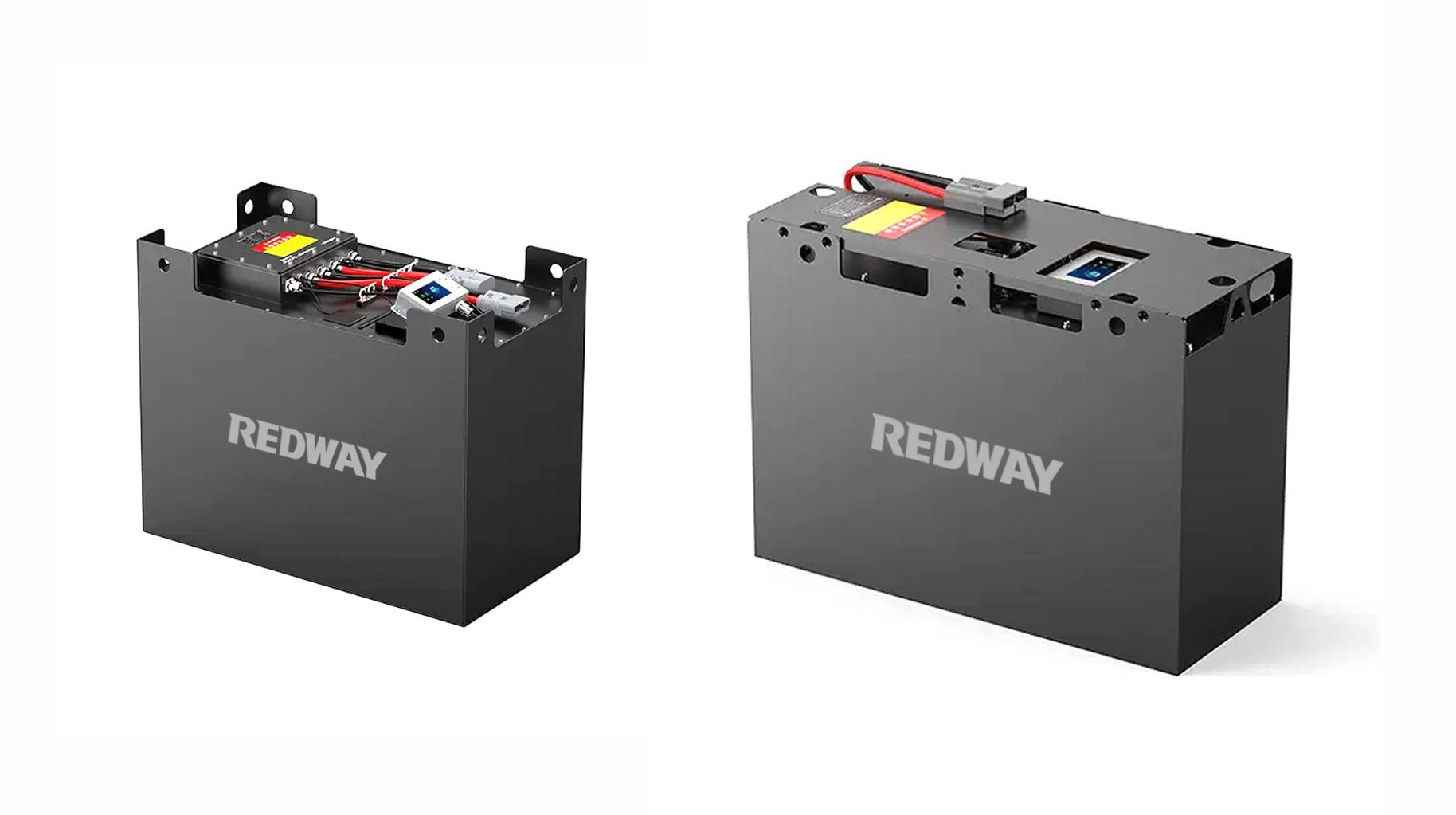
Lithium forklift batteries have revolutionized the material handling industry, offering a range of benefits that significantly surpass those of traditional lead-acid batteries. In this comprehensive guide, we explore the numerous advantages of lithium forklift batteries, their cost implications, and their suitability for various applications.

Lithium forklift batteries are gaining popularity due to their lightweight design, fast charging capabilities, and longer lifespan compared to lead-acid alternatives. They enhance productivity by reducing downtime associated with battery changes or recharging.

Advantages of Lithium Forklift Batteries

1. Enhanced Efficiency

  • Energy Efficiency: Lithium-ion batteries boast approximately 40% greater energy efficiency compared to lead-acid batteries and up to 88% more efficiency than diesel-powered systems. This increased efficiency translates into lower energy consumption and reduced operational costs.
  • Rapid Charging: Lithium batteries can be fully charged in just 1 to 2 hours, allowing for opportunity charging during short breaks or idle periods. Unlike lead-acid batteries, lithium batteries do not require a cooling-off period between charges, maximizing productivity and minimizing downtime.

2. Extended Lifespan

  • Longevity: Lithium forklift batteries typically last between 2,000 and 3,000 charge cycles, which equates to approximately 8 to 10 years of service life. This is a significant improvement over lead-acid batteries, which generally offer around 1,000 to 1,500 cycles.
  • Durability: The robust design of lithium batteries ensures they withstand the rigors of frequent charging and discharging, providing long-term reliability and performance.

3. Minimal Maintenance

  • Low Upkeep: One of the most compelling advantages of lithium batteries is their minimal maintenance requirements. Unlike lead-acid batteries, lithium batteries do not need watering, equalization charging, or regular maintenance checks. This not only reduces labor costs but also decreases operational downtime.
  • Ease of Use: The reduced maintenance needs contribute to a more straightforward and hassle-free operation, allowing warehouse staff to focus on more critical tasks.

4. Compact and Lightweight

  • Space Efficiency: Lithium-ion batteries are notably lighter and more compact than their lead-acid counterparts. This compact size allows for better space utilization within forklifts and warehouses, optimizing the layout and increasing operational efficiency.
  • Improved Handling: The lighter weight of lithium batteries contributes to easier handling and installation, making them more versatile for various material handling equipment.

5. Performance in Extreme Conditions

  • Cold Weather Performance: Lithium batteries perform exceptionally well in cold environments. They can be charged even at low temperatures without significant loss in capacity, making them suitable for operations in refrigerated or cold storage areas.
  • Temperature Tolerance: The ability to function effectively in a range of temperatures ensures that lithium batteries are reliable regardless of environmental conditions.

Cost Considerations

  • Initial Investment: The upfront cost of lithium forklift batteries generally ranges from $17,000 to $25,000, which is approximately 2 to 2.5 times higher than lead-acid batteries. While this initial investment may seem substantial, the long-term benefits often outweigh the higher cost.
  • Long-Term Savings: The reduced maintenance requirements, improved energy efficiency, and extended lifespan contribute to significant cost savings over time. Businesses can expect lower operational costs and increased productivity, justifying the higher initial expenditure.

Applications

1. Multi-Shift Operations

  • Food Processing: Lithium forklift batteries are ideal for operations in the food processing industry, where efficiency and reliability are critical. The ability to charge quickly and perform consistently supports continuous operation without the need for frequent battery swapping.
  • Manufacturing: In manufacturing environments, where downtime can be costly, lithium batteries offer the reliability and efficiency needed to maintain smooth operations and maximize productivity.
  • Third-Party Logistics (3PL): For 3PL providers, the quick charging and long-lasting performance of lithium batteries enhance operational efficiency, making them a valuable asset in logistics and distribution centers.

2. Indoor and Temperature-Sensitive Environments

  • Warehouses: In warehouse settings, where space is at a premium, the compact and lightweight nature of lithium batteries allows for better space utilization and improved handling.
  • Cold Storage: Lithium batteries are particularly well-suited for cold storage applications, where their performance remains consistent even in low temperatures, ensuring reliable operation in temperature-sensitive environments.

Conclusion

In conclusion, lithium forklift batteries represent a significant advancement in material handling technology. Their advantages, including enhanced efficiency, extended lifespan, minimal maintenance, compact size, and reliable performance in extreme conditions, make them an excellent choice for modern industrial operations. Despite the higher initial cost, the long-term benefits in terms of cost savings, productivity, and operational efficiency often justify the investment. As businesses continue to seek ways to optimize their operations, lithium forklift batteries offer a forward-thinking solution that meets the demands of today’s fast-paced and efficiency-driven environments.

FAQs

Forklift Battery Pack: A Comprehensive Guide
Recondition Forklift Battery: A Comprehensive Guide
Reconditioned Forklift Battery: An Economical and Eco-Friendly Solution
Used Forklift Battery: A Comprehensive Guide
Lithium Forklift Batteries: The Future of Material Handling
The Future of Electric Forklift Batteries: Innovations and Trends
Understanding 24V Forklift Batteries: A Comprehensive Guide
36 Volt Forklift Battery: A Comprehensive Overview
Understanding 12V Forklift Batteries: A Comprehensive Guide
A Comprehensive Guide to Forklift Batteries: Types, Advantages, and Considerations
Understanding the Types of Forklift Batteries: A Comprehensive Guide
The Future of Electric Forklift Batteries: Innovations and Trends

The Future of Electric Forklift Batteries: Innovations and Trends

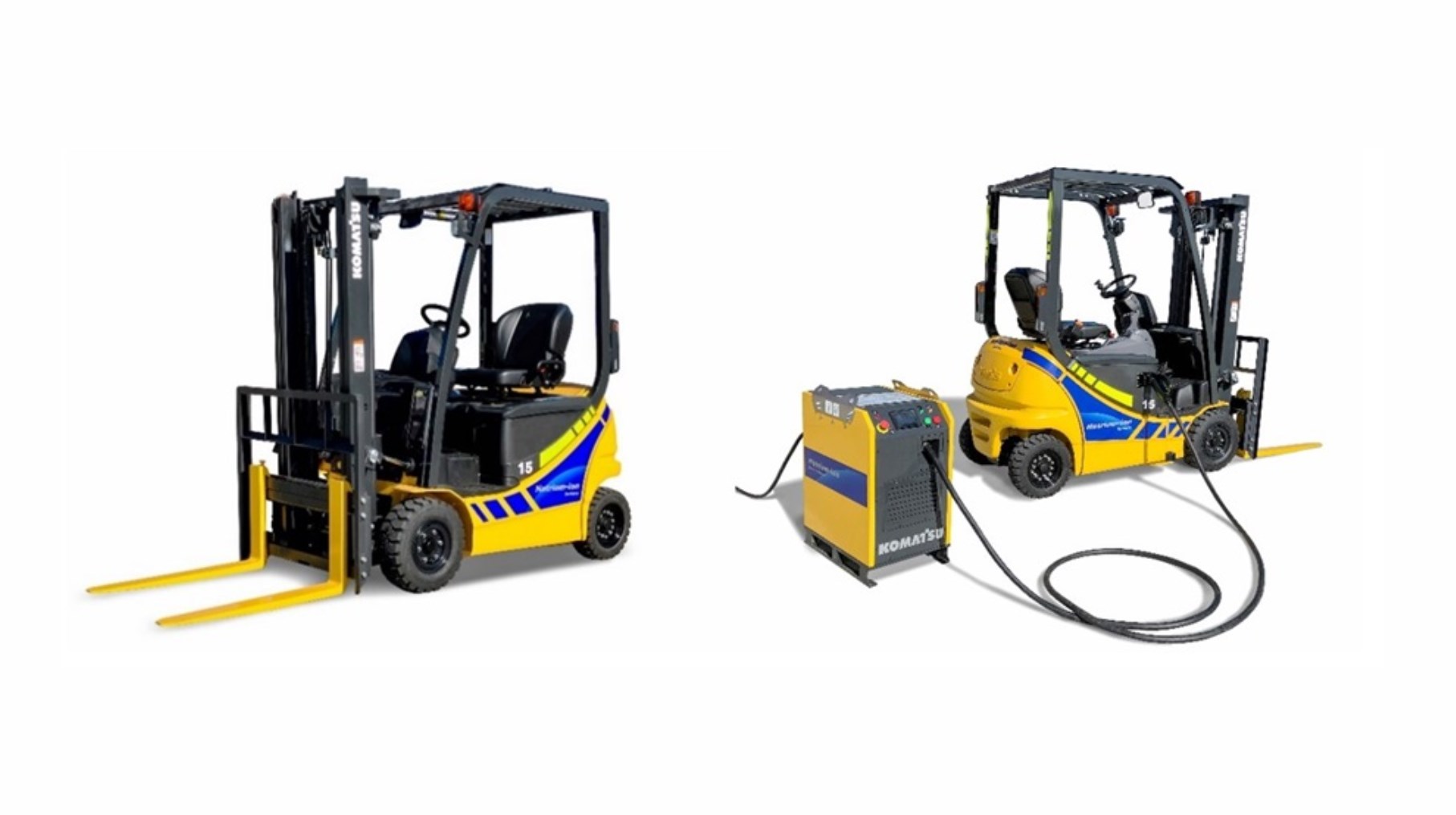
The landscape of electric forklift batteries is rapidly evolving, driven by advancements in technology and a growing emphasis on sustainability. As industries increasingly shift towards electric forklifts, understanding the latest trends and features in battery technology is crucial for optimizing performance and efficiency. This comprehensive guide explores the current state of electric forklift batteries, highlighting key innovations and future directions in this dynamic sector.

Innovations in electric forklift batteries include advancements in lithium technology that improve efficiency, reduce costs, and enhance safety features. Trends indicate a shift towards more sustainable solutions with better recycling processes for used batteries.

1. Transition to Electric Forklifts

The move from internal combustion engine (ICE) forklifts to electric models is gaining significant traction. This transition is largely motivated by the desire to:

  • Reduce Emissions: Electric forklifts produce zero tailpipe emissions, contributing to cleaner air and a healthier working environment.
  • Lower Operating Costs: Compared to ICE forklifts, electric models have fewer moving parts, which translates to lower maintenance and operational costs.
  • Improve Efficiency: Electric forklifts offer smoother operation and better control, enhancing overall productivity.

2. Advancements in Battery Technology

The evolution of battery technology is central to the advancement of electric forklifts. Key developments include:

Lithium-Ion Batteries

  • Higher Energy Density: Lithium-ion (Li-ion) batteries offer a significantly higher energy density than traditional lead-acid batteries. This means more power and longer run times in a smaller, lighter package.
  • Longer Cycle Life: Li-ion batteries typically provide a longer cycle life, often exceeding 2,000 charge-discharge cycles, compared to around 1,000 cycles for lead-acid batteries.
  • Faster Charging Times: Li-ion batteries can be charged more quickly, often in a few hours, allowing for opportunity charging during breaks and reducing downtime.

Battery Management Systems (BMS)

  • Enhanced Performance Monitoring: Modern electric forklift batteries are equipped with advanced Battery Management Systems that monitor battery health, manage cell balancing, and optimize performance.
  • Safety Features: BMS technology includes safeguards against overcharging, over-discharging, and temperature extremes, ensuring the battery operates within safe parameters and prolonging its lifespan.

3. Market Growth and Demand

The market for electric forklift batteries is expanding rapidly due to several factors:

E-Commerce Expansion

  • Increased Demand: The rise of e-commerce and logistics operations has driven a surge in demand for efficient material handling solutions, including electric forklifts powered by advanced batteries.

Sustainability Initiatives

  • Corporate Responsibility: Companies are increasingly adopting electric forklift technology to meet sustainability targets, reduce carbon footprints, and align with environmental regulations.

4. Diverse Battery Options

Electric forklift batteries come in a range of voltage ratings and capacities, allowing businesses to select the optimal battery for their specific needs:

  • Voltage Ratings: Options include 24V, 36V, 48V, and 80V, each suited to different forklift models and operational requirements.
  • Capacity: Battery capacities range from 100Ah to over 1,000Ah, providing flexibility to match the power needs of various applications and forklift sizes.

5. Cost Considerations

When evaluating battery options, cost is a significant factor:

Initial vs. Long-Term Costs

  • Lithium-Ion Batteries: Although they have a higher initial purchase price, Li-ion batteries offer long-term cost savings due to their longer lifespan and reduced maintenance needs.
  • Lead-Acid Batteries: While cheaper upfront, lead-acid batteries require regular maintenance and have a shorter lifespan, which can lead to higher overall costs over time.

6. Maintenance and Efficiency

Maintenance requirements vary significantly between battery types:

Lithium-Ion Batteries

  • Minimal Maintenance: Li-ion batteries require minimal maintenance compared to lead-acid batteries. There is no need for regular watering or cleaning, which reduces labor and operational costs.

Lead-Acid Batteries

  • Regular Maintenance: Lead-acid batteries need routine maintenance, including checking and topping up electrolyte levels, which can be time-consuming and increase operational costs.

7. Charging Infrastructure

Adequate charging infrastructure is essential for maximizing the efficiency of electric forklifts:

Fast-Charging Solutions

  • Reduced Downtime: The development of fast-charging technology allows batteries to be charged more quickly, minimizing downtime and improving overall productivity.

Opportunity Charging

  • Flexibility: Li-ion batteries support opportunity charging, where batteries are recharged during breaks or downtime, further enhancing operational efficiency.

Conclusion

The electric forklift battery market is undergoing a transformative shift, driven by technological advancements and increasing environmental consciousness. Lithium-ion batteries, with their superior energy density, longer cycle life, and reduced maintenance needs, are at the forefront of this evolution. As industries continue to prioritize sustainability and operational efficiency, the demand for advanced electric forklift batteries is set to rise. By staying informed about the latest developments and choosing the right battery technology, businesses can enhance their material handling operations and achieve significant long-term benefits.

FAQs

Forklift Battery Pack: A Comprehensive Guide
Recondition Forklift Battery: A Comprehensive Guide
Reconditioned Forklift Battery: An Economical and Eco-Friendly Solution
Used Forklift Battery: A Comprehensive Guide
Lithium Forklift Batteries: The Future of Material Handling
The Future of Electric Forklift Batteries: Innovations and Trends
Understanding 24V Forklift Batteries: A Comprehensive Guide
36 Volt Forklift Battery: A Comprehensive Overview
Understanding 12V Forklift Batteries: A Comprehensive Guide
A Comprehensive Guide to Forklift Batteries: Types, Advantages, and Considerations
Understanding the Types of Forklift Batteries: A Comprehensive Guide
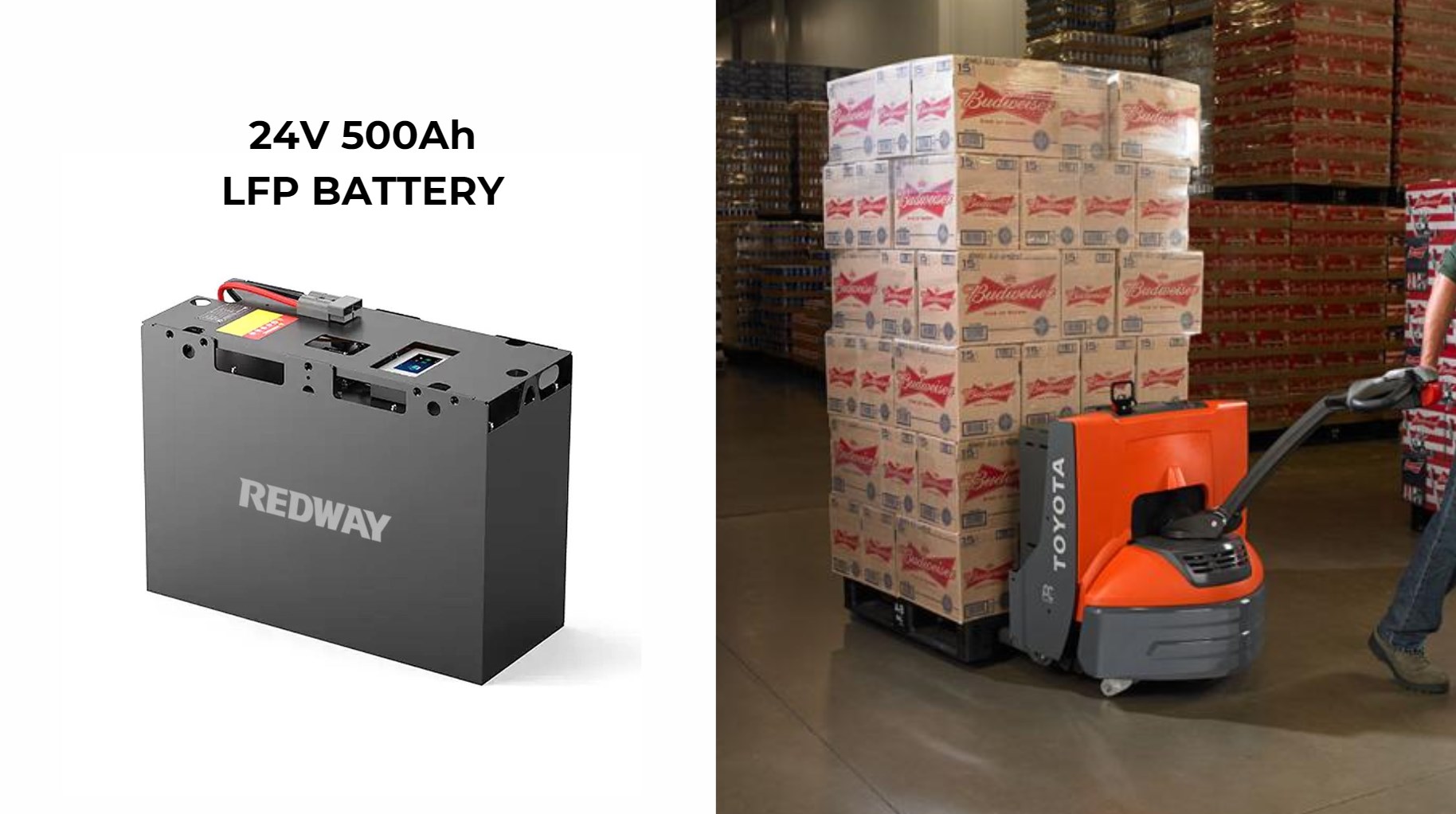
Understanding 24V Forklift Batteries: A Comprehensive Guide

What Are the Essential Things to Know About 24V Forklift Batteries?

A 24V forklift battery is a critical power source that enables electric forklifts to operate efficiently in warehouses and industrial settings. These batteries primarily come in lead-acid and lithium-ion types, each suited to different operational needs, offering varied benefits in lifespan, maintenance, and charging capabilities.

What Are the Different Types of 24V Forklift Batteries?

There are two main types of 24V forklift batteries: lead-acid and lithium-ion. Lead-acid batteries, either flooded or sealed (AGM and gel), are traditional, cost-effective, and widely used but require regular maintenance. Lithium-ion batteries are lightweight, fast-charging, maintenance-free, have a longer lifespan, and are increasingly favored for efficiency and environmental benefits.

Lead-acid batteries use sulfuric acid electrolyte, and while flooded types need frequent watering and terminal cleaning, sealed versions are maintenance-free. Lithium-ion batteries employ lithium compounds to store and release energy rapidly, supporting high-demand operations with consistent power output.

How Do 24V Lithium-Ion Forklift Batteries Work?

Lithium-ion 24V forklift batteries rely on chemical reactions between lithium compounds within cells to store and discharge electricity efficiently. This technology enables rapid charging, deep cycling without degradation, and consistent power delivery, reducing forklift downtime. Their compact, lightweight design also allows more flexible installation, enhancing performance in tight warehouse spaces.

Why Should You Choose a Lithium-Ion 24V Forklift Battery Over Lead-Acid?

Choosing lithium-ion batteries over lead-acid options enhances productivity due to faster charging times, longer operational life, and lower maintenance needs. Lithium-ion batteries reduce total cost of ownership despite a higher initial investment, as they avoid watering, minimize energy waste, and offer better environmental sustainability. They also improve workplace safety by eliminating hydrogen gas emissions during charging.

How Should You Maintain 24V Forklift Batteries?

Maintenance varies by battery type. Lead-acid batteries require regular water level checks, terminal cleaning, and proper charging to avoid sulfation. Lithium-ion batteries demand minimal upkeep but benefit from monitoring temperature and using compatible chargers to maximize performance and lifespan. Adhering to manufacturer guidelines and timely inspections extends battery life and operational reliability.

What Factors Should You Consider When Choosing a 24V Forklift Battery?

Key factors include battery type, capacity (measured in amp-hours), charging time, size compatibility with your forklift, maintenance requirements, and budget. Consider your forklift’s operational demands—heavy or continuous use favors higher-capacity lithium-ion batteries with rapid charging, while light or intermittent tasks may suit lead-acid models. Ensure the battery fits the forklift’s mounting and charging systems.

Where Are 24V Forklift Batteries Commonly Used?

24V forklift batteries power a range of electric forklifts in warehouses, manufacturing plants, and distribution centers. Applications include ride-on pallet trucks, order pickers, walkie stackers, and loading dock operations. These batteries provide reliable energy for indoor and outdoor material handling, facilitating efficient logistics, multi-shift work, and heavy load transport.

Can 24V Forklift Batteries Be Customized for Specific Needs?

Yes, top manufacturers like Redway Battery offer OEM and ODM customization options. Batteries can be tailored in terms of capacity, size, chemistry, and built-in battery management systems (BMS) to optimize performance for unique forklift models or operational environments. Customization enhances safety, energy efficiency, and compatibility.

Are 24V Forklift Batteries Environmentally Friendly?

Lithium-ion 24V forklift batteries are more environmentally friendly than traditional lead-acid batteries. They produce no hazardous acid spills, emit no hydrogen gas, and have a longer lifespan, reducing battery replacement frequency and waste. Proper recycling programs further mitigate environmental impact, aligning with sustainable industrial practices.

How Do Charging Requirements Differ Between Lead-Acid and Lithium-Ion 24V Forklift Batteries?

Lead-acid batteries require slower, controlled charging to prevent overheating and battery damage, often needing extended cool-down periods. Charging must occur in well-ventilated areas due to hydrogen gas emissions. Lithium-ion batteries support rapid, flexible charging without gas release, with integrated BMS for optimal charge cycles, allowing partial charges during breaks to reduce downtime.

Redway Expert Views

“Understanding the nuances between different types of forklift batteries is essential for optimizing warehouse performance,” says a battery specialist from Redway Battery. “At Redway, we prioritize delivering high-performance 24V lithium-ion forklift batteries that combine durability, fast charging, and customization. This ensures our clients achieve maximum efficiency while minimizing operational costs and maintenance challenges.”

Key Takeaways and Actionable Advice

Selecting the right 24V forklift battery involves balancing operational needs, budget, and maintenance capacity. Lithium-ion batteries from trusted brands like Redway offer advanced performance, environmental benefits, and lower lifetime costs, especially for high-demand applications. Always verify battery compatibility, follow proper maintenance protocols, and consider customization options to maximize forklift productivity.

FAQs

What is a 24V forklift battery?
It is a power source designed to supply energy to electric forklifts in material handling operations, available mainly in lead-acid and lithium-ion types.

How long do lithium-ion 24V forklift batteries last?
With proper use, they can last up to 4,000 charge cycles, significantly outperforming traditional lead-acid batteries.

Do 24V lead-acid batteries require maintenance?
Yes, they need regular watering, cleaning of terminals, and battery charging checks to maintain optimal performance.

Can 24V lithium-ion forklift batteries be charged quickly?
Yes, they support rapid charging and partial charge cycles without damaging the battery.

Does Redway Battery provide customized 24V forklift batteries?
Yes, Redway offers full OEM/ODM customization to meet specific operational requirements and ensure high-quality, reliable power solutions.

36 Volt Forklift Battery: A Comprehensive Overview

36 Volt Forklift Battery: A Comprehensive Overview

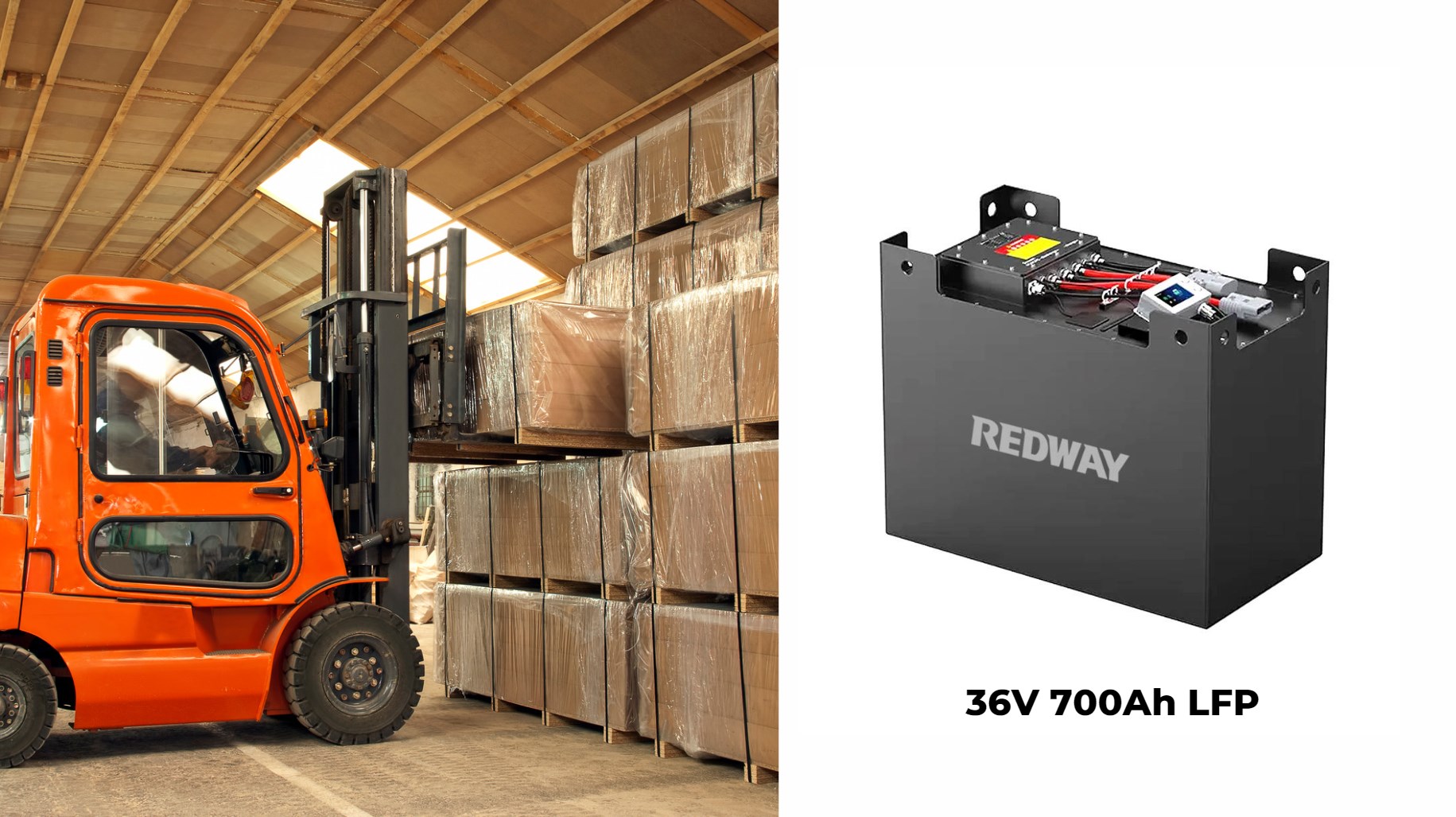
36-volt forklift batteries are essential for powering electric forklifts and other material handling equipment. They provide the necessary power to perform a range of tasks, including lifting, transporting, and stacking loads efficiently. This article delves into the key aspects of 36V forklift batteries, including types, features, advantages, lifespan, and applications.

36V forklift batteries provide higher power output suitable for heavy-duty applications. They are often used in larger forklifts requiring extended run times. Understanding charging requirements is crucial for maximizing performance.

Types of 36V Forklift Batteries

Understanding the different types of 36V forklift batteries is crucial for selecting the right battery for your needs. The two main types are lead-acid and lithium-ion.

Lead-Acid Batteries

  1. Flooded Lead-Acid Batteries:
    • Cost-Effective: These batteries are typically less expensive upfront compared to lithium-ion batteries.
    • Maintenance Requirements: They require regular maintenance, including watering and equalization charging to ensure optimal performance.
    • Usage: Commonly used in various industrial settings due to their affordability and reliability.
  2. AGM (Absorbent Glass Mat) Batteries:
    • Improved Reliability: AGM batteries offer better performance and reliability than flooded lead-acid batteries.
    • Lower Maintenance: They are maintenance-free in terms of watering and are less prone to acid leakage.
    • Advantages: Better vibration resistance and durability make them suitable for more demanding applications.
  3. Gel Batteries:
    • Enhanced Vibration Resistance: Gel batteries are similar to AGM but offer superior resistance to vibrations.
    • Sealed Design: They have a sealed design that prevents spillage, making them safer for various environments.

Lithium-Ion Batteries

  • Higher Initial Cost: Lithium-ion batteries generally have a higher initial purchase price compared to lead-acid options.
  • Longer Lifecycle: They offer extended lifecycles, often exceeding 2,000 to 3,000 charge cycles.
  • Fast Charging: Lithium-ion batteries can be charged quickly, reducing downtime and improving efficiency.
  • Low Maintenance: These batteries require minimal maintenance with no need for watering or equalization, simplifying battery care.

forklift Lithium-Ion Batteries

Key Features and Advantages

1. Power and Performance

  • Reliable Power Delivery: 36V batteries provide consistent and reliable power essential for efficient forklift operation.
  • Performance: They are designed to handle demanding tasks, ensuring smooth operation even under heavy loads.

2. Long Operating Time

  • Extended Usage: Lithium-ion 36V batteries can operate for longer periods between charges, enhancing productivity and reducing operational interruptions.
  • Efficiency: The extended operational time contributes to fewer charging cycles and improved overall efficiency.

3. Faster Charging

  • Quick Turnaround: These batteries typically charge faster than their higher voltage counterparts, enabling quicker turnaround and reducing wait times between shifts.

4. Cost-Effectiveness

  • Initial Costs: While lithium-ion batteries have a higher initial cost, they offer lower long-term costs due to their longevity and reduced maintenance needs.
  • Charging Systems: The charging systems for 36V batteries are generally less expensive compared to higher voltage systems, contributing to overall cost savings.

5. Maintenance

  • Minimal Upkeep: Lithium-ion batteries require minimal maintenance compared to lead-acid batteries, which need regular watering and equalization charging.
  • Operational Efficiency: The low maintenance requirements translate to reduced labor costs and operational downtime.

6. Safety

  • Balanced Power and Safety: 36V batteries provide a good balance between power output and safety, reducing the risk of electrical hazards compared to higher voltage systems.
  • Design Considerations: Modern 36V batteries are designed with safety features to minimize risks and ensure reliable operation.

Lifespan and Maintenance

The lifespan of a 36V forklift battery depends on usage patterns and maintenance practices. On average:

  • Lithium-Ion Batteries: These batteries can last between 1,500 and 2,500 charging cycles. Proper charging practices, avoiding deep discharges, and maintaining optimal environmental conditions are crucial for extending battery life.
  • Lead-Acid Batteries: Typically, they have a shorter lifespan, requiring more frequent replacements and maintenance compared to lithium-ion batteries.

Applications

36V forklift batteries are versatile and widely used across various industries, including:

  • Warehousing: Essential for powering electric forklifts that handle inventory management and storage tasks.
  • Manufacturing: Used in production environments where material handling efficiency is crucial.
  • Logistics: Ideal for transportation and distribution centers that require reliable power for forklifts and other equipment.

The emission-free operation of 36V batteries makes them particularly suitable for indoor environments with strict emission regulations, contributing to a cleaner and safer workplace.

Conclusion

The 36V forklift battery is a vital component for efficient and reliable material handling in various industrial applications. With options available in lead-acid and lithium-ion technologies, each type offers unique advantages tailored to specific operational needs. By understanding the features, benefits, and applications of 36V batteries, businesses can make informed decisions to enhance productivity and operational efficiency.

FAQs

Forklift Battery Pack: A Comprehensive Guide
Recondition Forklift Battery: A Comprehensive Guide
Reconditioned Forklift Battery: An Economical and Eco-Friendly Solution
Used Forklift Battery: A Comprehensive Guide
Lithium Forklift Batteries: The Future of Material Handling
The Future of Electric Forklift Batteries: Innovations and Trends
Understanding 24V Forklift Batteries: A Comprehensive Guide
36 Volt Forklift Battery: A Comprehensive Overview
Understanding 12V Forklift Batteries: A Comprehensive Guide
A Comprehensive Guide to Forklift Batteries: Types, Advantages, and Considerations
Understanding the Types of Forklift Batteries: A Comprehensive Guide
Understanding 12V Forklift Batteries: A Comprehensive Guide

Understanding 12V Forklift Batteries: A Comprehensive Guide

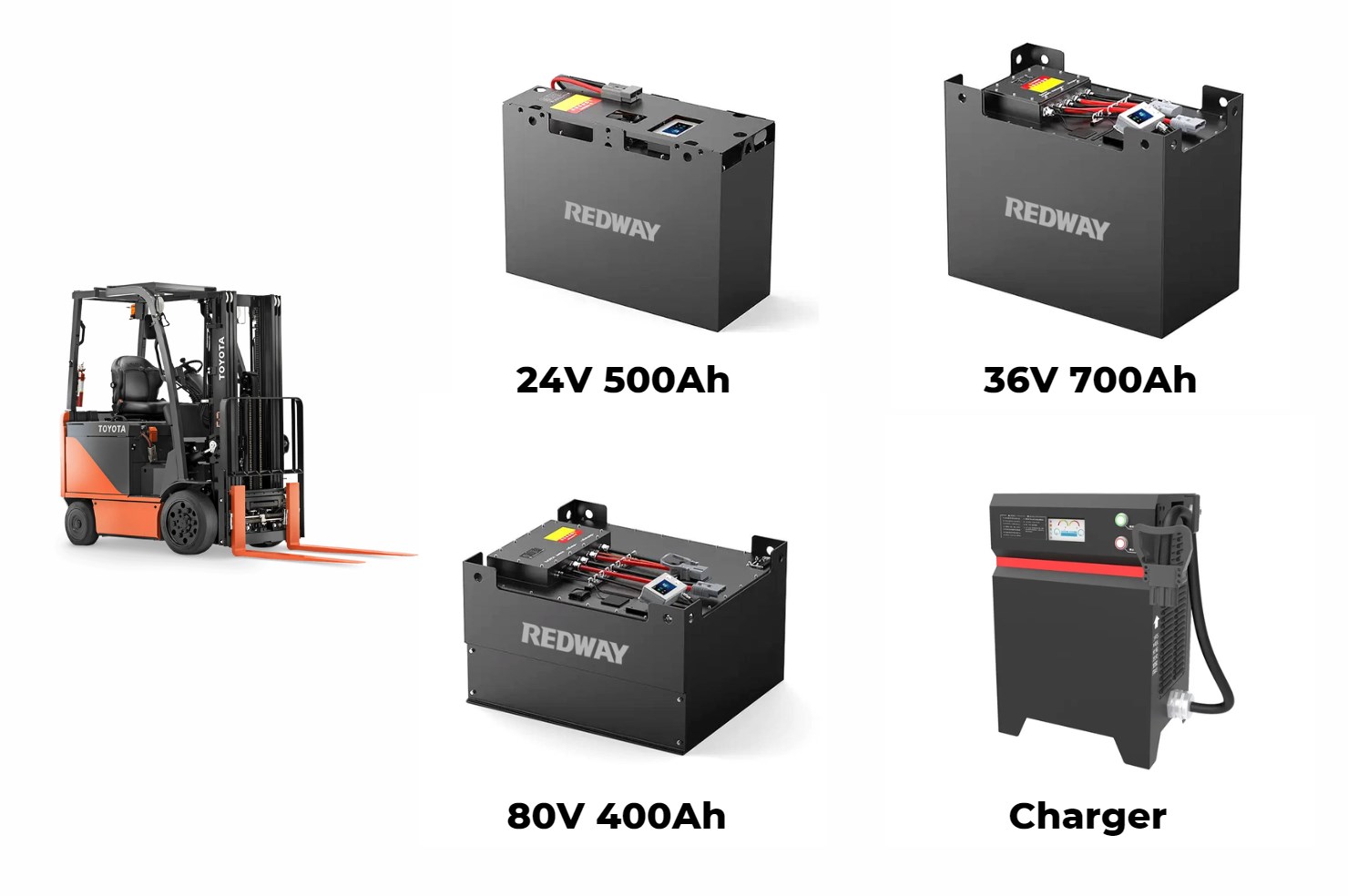
In the realm of industrial material handling, 12V forklift batteries play a crucial role in powering smaller electric forklifts and pallet jacks. This article delves into the essential aspects of 12V forklift batteries, exploring their types, capacities, advantages, and key considerations for selection and maintenance.

12V forklift batteries are typically used in smaller equipment or as part of multi-battery configurations for larger machines. Their compact size allows flexibility in design but requires careful management of charge cycles to ensure longevity.

Types of 12V Forklift Batteries

1. Lead-Acid Batteries

Lead-acid batteries are the traditional choice for 12V forklift applications. Known for their reliability, durability, and affordability, these batteries have been the industry standard for many years. Key features include:

  • Cost-Effectiveness: Lead-acid batteries are generally less expensive upfront compared to newer technologies.
  • Durability: They are robust and well-suited for demanding environments.
  • Maintenance Requirements: These batteries need regular maintenance, including watering and cleaning, to ensure optimal performance.

2. Lithium-Ion (Li-ion) Batteries

Lithium-ion (Li-ion) batteries represent a more advanced technology, offering several distinct advantages over traditional lead-acid batteries:

  • Faster Charging: Li-ion batteries can be charged more quickly, with the capability to perform opportunity charging during breaks, which maximizes operational uptime.
  • Longer Cycle Life: They typically offer a much longer cycle life compared to lead-acid batteries, reducing the frequency of replacements.
  • Lower Maintenance: Li-ion batteries require minimal maintenance, eliminating the need for regular watering and reducing overall maintenance costs.
  • Higher Efficiency: They provide a higher energy density, which translates to more power in a lighter, more compact package.


Battery Capacity and Performance

Capacity Measurement

The capacity of 12V forklift batteries is measured in amp-hours (Ah), which indicates the amount of energy a battery can store and deliver. Common capacities for 12V forklift batteries range from 100Ah to 300Ah or more. Higher capacity batteries are ideal for applications requiring longer runtimes between charges.

Performance Factors

When selecting a 12V battery, it is essential to consider factors such as:

  • Load Capacity: The battery must be capable of supporting the load requirements of the forklift.
  • Lift Height: Higher lift heights may require batteries with greater power and endurance.
  • Travel Distance: Batteries should be chosen based on the distance the forklift needs to travel on a single charge.

Charging Infrastructure and Times

The efficiency of a battery is also influenced by its charging infrastructure and charging times:

  • Lead-Acid Batteries: Typically require 8-10 hours for a full charge, making them less flexible in operations where downtime needs to be minimized.
  • Li-ion Batteries: Can be quickly recharged, allowing for opportunity charging during short breaks, thus improving overall productivity.

forklift lithium Battery Capacity and Performance


Advantages of 12V Forklift Batteries

1. Cost Efficiency

Lead-acid batteries offer a lower initial cost, making them a budget-friendly option for many businesses. However, the higher upfront cost of Li-ion batteries can be offset by their longer lifespan and lower maintenance requirements.

2. Operational Flexibility

Lithium-ion batteries provide significant operational flexibility due to their fast-charging capabilities and longer cycle life. This flexibility is particularly beneficial in high-demand environments where minimizing downtime is crucial.

3. Environmental Impact

Li-ion batteries are more environmentally friendly compared to lead-acid batteries. They are free from harmful chemicals and have a lower environmental footprint, aligning with sustainability goals and regulations.

Considerations for Battery Selection

1. Compatibility

Ensure the chosen battery is compatible with the specific forklift model and its operational requirements. Proper compatibility helps in achieving optimal performance and avoids potential issues.

2. Maintenance and Operational Costs

Evaluate the long-term maintenance and operational costs associated with each battery type. While Li-ion batteries may have a higher initial cost, their lower maintenance and longer lifespan can result in significant cost savings over time.

3. Charging Requirements

Assess the charging infrastructure and requirements of your operation. If frequent, quick recharges are needed, Li-ion batteries may offer superior benefits compared to traditional lead-acid options.


Conclusion

Choosing the right 12V forklift battery is critical for optimizing performance, reducing operational costs, and ensuring reliable material handling. Lead-acid and lithium-ion batteries each offer distinct advantages, making it important to consider factors such as capacity, maintenance needs, and charging efficiency. By carefully evaluating these factors, businesses can select a battery solution that aligns with their specific operational needs and budgetary constraints.

FAQs

Forklift Battery Pack: A Comprehensive Guide
Recondition Forklift Battery: A Comprehensive Guide
Reconditioned Forklift Battery: An Economical and Eco-Friendly Solution
Used Forklift Battery: A Comprehensive Guide
Lithium Forklift Batteries: The Future of Material Handling
The Future of Electric Forklift Batteries: Innovations and Trends
Understanding 24V Forklift Batteries: A Comprehensive Guide
36 Volt Forklift Battery: A Comprehensive Overview
Understanding 12V Forklift Batteries: A Comprehensive Guide
A Comprehensive Guide to Forklift Batteries: Types, Advantages, and Considerations
Understanding the Types of Forklift Batteries: A Comprehensive Guide
A Comprehensive Guide to Forklift Batteries: Types, Advantages, and Considerations

A Comprehensive Guide to Forklift Batteries: Types, Advantages, and Considerations

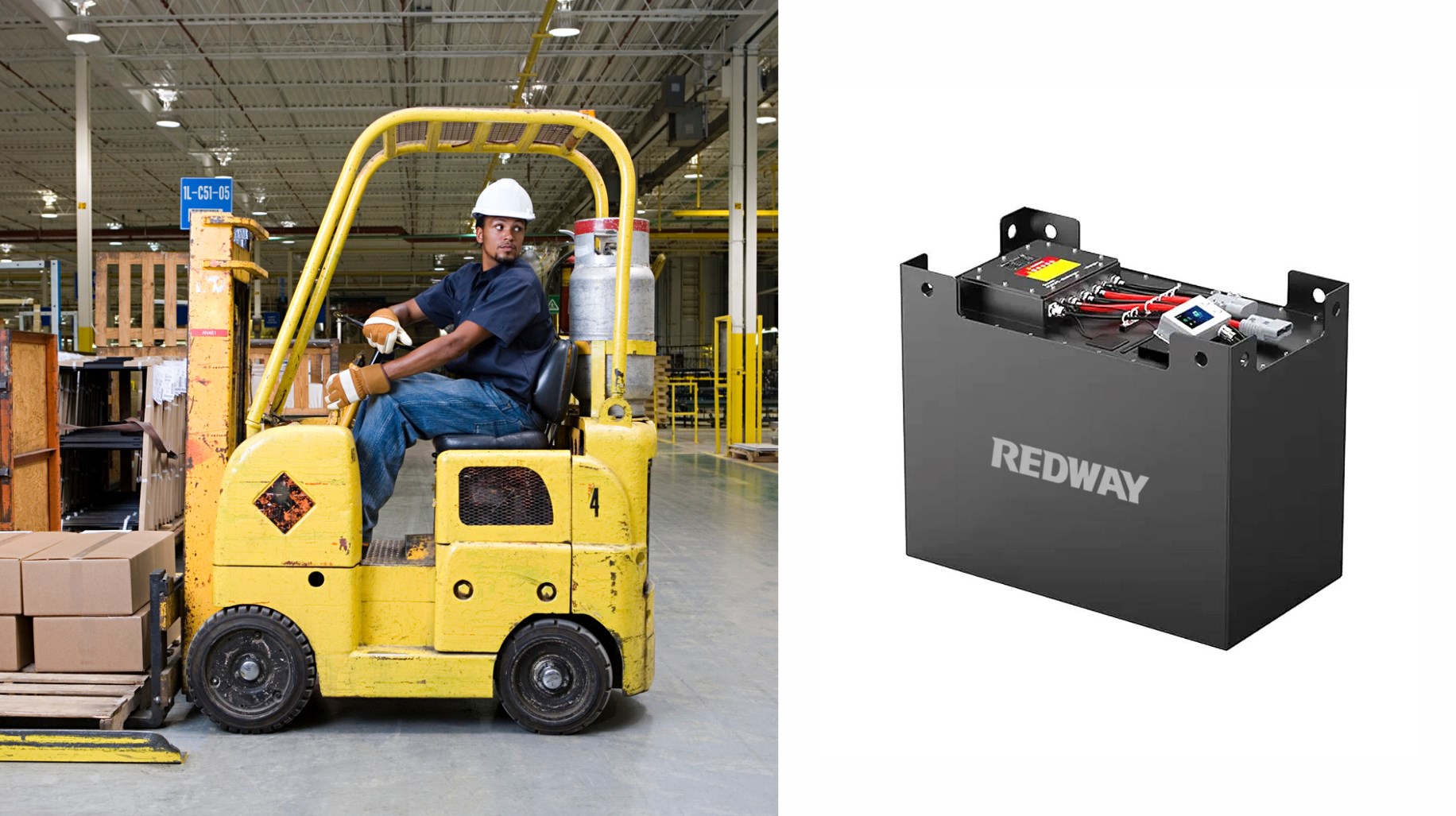
In the world of industrial operations, selecting the right forklift battery is pivotal for ensuring efficient and cost-effective performance. Forklift batteries come in various types, each with unique characteristics, benefits, and maintenance needs. This detailed guide provides an in-depth look at the primary types of forklift batteries to help you make the best choice for your operational needs.

Forklift batteries come in various types including lead-acid and lithium-ion. Each type has its advantages; lithium offers longer life spans and faster charging while lead-acid is more established with lower initial costs. Consider your operational needs when choosing the right type.

1. Lead Acid Batteries

Description: Lead acid batteries are the most traditional and widely used type in forklifts. These batteries, also known as wet cell batteries, consist of lead plates submerged in a sulfuric acid and water solution.

Lifespan: Typically, lead acid batteries last between 1,000 to 1,500 cycles, which translates to approximately 3 to 5 years with proper care.

Maintenance: Regular maintenance is required for lead acid batteries, including frequent watering to maintain electrolyte levels and ensure optimal performance.

Advantages:

  • Widely Available: Lead acid batteries are readily available and widely used across various industrial applications.
  • Lower Initial Cost: These batteries generally come with a lower initial cost compared to newer technologies.

2. Lithium-Ion Batteries

Description: Lithium-ion batteries represent a more modern technology that is becoming increasingly popular in the forklift industry. They are compact, sealed, and require no water maintenance.

Lifespan: Lithium-ion batteries have a longer lifespan, lasting between 4,000 to 6,000 cycles, or roughly 7 to 10 years.

Advantages:

  • Maintenance-Free: Unlike lead acid batteries, lithium-ion batteries do not require regular watering or maintenance.
  • Quick Charging: These batteries offer fast charging capabilities, which minimizes downtime.
  • Reduced Risk of Spills: Their sealed design eliminates the risk of acid spills or leaks. The most common chemistry used for forklifts is lithium iron phosphate (LFP), which enhances safety and longevity.

3. Absorbed Glass Mat (AGM) Batteries

Description: AGM batteries use a specialized glass mat to hold electrolytes, making them maintenance-free and less prone to spills.

Lifespan: AGM batteries typically have a lifespan similar to lead-acid batteries but can vary depending on usage patterns and discharge cycles.

Advantages:

  • Lower Maintenance: AGM batteries require less maintenance compared to traditional lead-acid batteries.
  • No Spill Risk: The glass mat design prevents leaks and spills, making them suitable for operations with maintenance challenges.

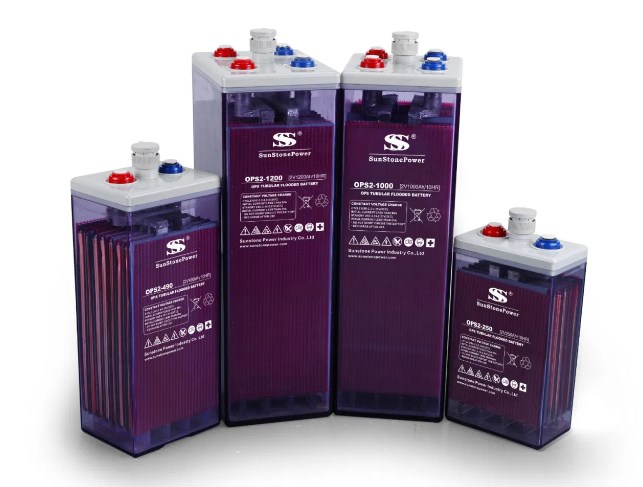
4. Tubular Plate Batteries

Description: Tubular plate batteries are designed for extended run times and higher voltages under load compared to flat plate batteries.

Lifespan: These batteries generally have a shorter service life compared to standard flat plate batteries but are designed for high-demand applications.

Advantages:

  • Extended Run Times: Ideal for operations that require prolonged battery life.
  • High Voltage Capability: Suitable for high-demand applications where consistent power output is necessary.

5. Waterless Batteries

Description: Waterless batteries are designed to require less frequent watering, which simplifies maintenance.

Advantages:

  • Reduced Maintenance: Less frequent watering reduces the amount of maintenance required.
  • Labor Cost Savings: These batteries are ideal for businesses aiming to lower labor costs associated with battery upkeep.

6. Thin Plate Pure Lead Batteries

Description: Thin plate pure lead batteries are a cost-effective alternative to lithium-ion batteries, offering some benefits of maintenance-free operation.

Advantages:

  • Cost-Effective: They provide a more affordable option compared to lithium-ion batteries while offering some maintenance-free benefits.
  • Maintenance-Free: Provides a level of convenience with reduced maintenance requirements.

Summary of Battery Types

Battery Type Lifespan (Cycles) Maintenance Requirements Key Advantages
Lead Acid 1,000 – 1,500 Regular watering Widely available, lower cost
Lithium-Ion 2,000 – 3,000 Maintenance-free Quick charging, longer lifespan
AGM Similar to Lead Maintenance-free No risk of spills
Tubular Plate Shorter than Flat Varies Longer run times
Waterless Varies Less frequent watering Reduced labor costs
Thin Plate Pure Lead Varies Maintenance-free Cost-effective alternative

Conclusion

Choosing the right forklift battery is essential for optimizing operational efficiency and minimizing costs. Lithium-ion batteries are increasingly favored for their efficiency, longer lifespan, and lower maintenance requirements. Meanwhile, lead-acid batteries continue to be a reliable choice due to their affordability and widespread availability.

Understanding the various battery types and their specific benefits can greatly enhance decision-making for your forklift operations. Whether you are looking for high performance, lower maintenance, or cost-effectiveness, selecting the appropriate battery type will ensure better performance, reduced downtime, and overall cost savings.

FAQs

Forklift Battery Pack: A Comprehensive Guide
Recondition Forklift Battery: A Comprehensive Guide
Reconditioned Forklift Battery: An Economical and Eco-Friendly Solution
Used Forklift Battery: A Comprehensive Guide
Lithium Forklift Batteries: The Future of Material Handling
The Future of Electric Forklift Batteries: Innovations and Trends
Understanding 24V Forklift Batteries: A Comprehensive Guide
36 Volt Forklift Battery: A Comprehensive Overview
Understanding 12V Forklift Batteries: A Comprehensive Guide
A Comprehensive Guide to Forklift Batteries: Types, Advantages, and Considerations
Understanding the Types of Forklift Batteries: A Comprehensive Guide
Understanding the Types of Forklift Batteries: A Comprehensive Guide

Understanding the Types of Forklift Batteries: A Comprehensive Guide

In the realm of industrial operations, selecting the right forklift battery is crucial for ensuring efficiency, productivity, and cost-effectiveness. Forklift batteries come in various types, each with distinct characteristics, benefits, and maintenance needs. This detailed guide explores the primary types of forklift batteries, helping you make an informed decision for your business needs.

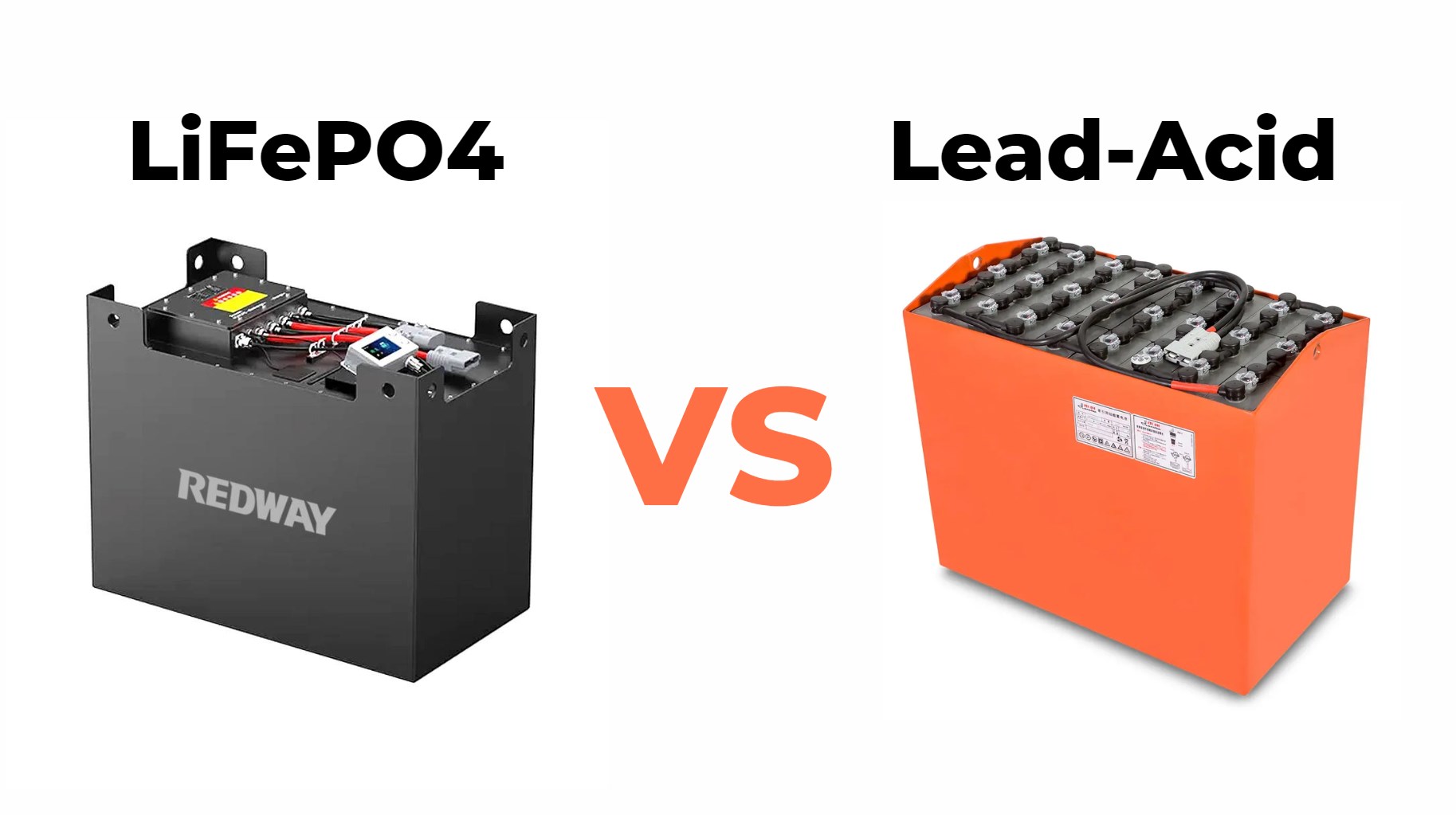
Forklift batteries primarily include lead-acid and lithium-ion (LiFePO4) types. Lead-acid batteries are traditional, cost-effective, and require regular maintenance. In contrast, LiFePO4 batteries offer longer lifespans, faster charging, and lower maintenance needs, making them increasingly popular for modern material handling.

1. Lead Acid Batteries

Description: Lead acid batteries, often referred to as wet cell batteries, are the most common type found in forklifts. They consist of lead plates submerged in a sulfuric acid and water solution.

Lifespan: Typically, lead acid batteries last between 1,000 to 1,500 cycles, equating to about 3 to 5 years with proper care.

Maintenance: Regular maintenance is required, including frequent watering to maintain the electrolyte levels and ensure optimal performance.

Advantages:

  • Widely Available: Lead acid batteries are readily available and widely used in various industrial applications.
  • Lower Initial Cost: They generally have a lower initial cost compared to newer technologies.

2. Lithium-Ion Batteries

Description: Lithium-ion batteries represent a newer technology that is rapidly gaining popularity in the forklift industry. They are compact, sealed, and do not require water maintenance.

Lifespan: These batteries have a longer lifespan, ranging from 2,000 to 3,000 cycles, or approximately 7 to 10 years.

Advantages:

  • Maintenance-Free: Unlike lead acid batteries, lithium-ion batteries do not require regular watering.
  • Quick Charging: They offer fast charging capabilities, reducing downtime.
  • Reduced Risk of Spills: Sealed design minimizes the risk of acid spills or leaks.

3. Absorbed Glass Mat (AGM) Batteries

Description: AGM batteries use a specialized glass mat to hold the electrolyte, making them maintenance-free and less prone to spills.

Lifespan: The lifespan of AGM batteries is similar to lead acid batteries but can vary depending on usage and discharge cycles.

Advantages:

  • Lower Maintenance: AGM batteries require less maintenance compared to traditional lead-acid batteries.
  • No Spill Risk: The absorbed glass mat design prevents leaks and spills.

4. Tubular Plate Batteries

Description: Tubular plate batteries are designed for longer run times and can handle higher voltages under load compared to flat plate batteries.

Lifespan: These batteries generally have a shorter service life compared to standard flat plate batteries.

Advantages:

  • Extended Run Times: Ideal for operations requiring prolonged battery life.
  • High Voltage Capability: Suitable for high-demand applications.

Tubular Plate Batteries

5. Waterless Batteries

Description: Waterless batteries are designed to require less frequent watering, reducing maintenance efforts.

Advantages:

  • Reduced Maintenance: Less frequent watering simplifies upkeep.
  • Labor Cost Savings: Ideal for businesses aiming to lower labor costs associated with battery maintenance.

6. Thin Plate Pure Lead Batteries

Description: Thin plate pure lead batteries are a cost-effective alternative to lithium-ion batteries, offering some benefits of maintenance-free operation.

Advantages:

  • Cost-Effective: A more affordable option compared to lithium-ion batteries.
  • Maintenance-Free: Provides some of the convenience of maintenance-free operation.

Summary of Battery Types

Battery Type Lifespan (Cycles) Maintenance Requirements Key Advantages
Lead Acid 1,000 – 1,500 Regular watering Widely available, lower cost
Lithium-Ion 2,000 – 3,000 Maintenance-free Quick charging, longer lifespan
AGM Similar to Lead Maintenance-free No risk of spills
Tubular Plate Shorter than Flat Varies Longer run times
Waterless Varies Less frequent watering Reduced labor costs
Thin Plate Pure Lead Varies Maintenance-free Cost-effective alternative

Conclusion

Selecting the right forklift battery involves considering several factors, including your operational requirements, maintenance capabilities, and budget. Lithium-ion batteries are increasingly favored for their efficiency and lower maintenance needs, while lead-acid batteries continue to be a staple due to their affordability and availability.

For businesses aiming to enhance their forklift operations, understanding these battery types is essential for optimizing equipment and maintenance strategies. By choosing the appropriate battery, you can ensure better performance, reduced downtime, and overall cost savings in your industrial operations.

FAQs

Forklift Battery Pack: A Comprehensive Guide
Recondition Forklift Battery: A Comprehensive Guide
Reconditioned Forklift Battery: An Economical and Eco-Friendly Solution
Used Forklift Battery: A Comprehensive Guide
Lithium Forklift Batteries: The Future of Material Handling
The Future of Electric Forklift Batteries: Innovations and Trends
Understanding 24V Forklift Batteries: A Comprehensive Guide
36 Volt Forklift Battery: A Comprehensive Overview
Understanding 12V Forklift Batteries: A Comprehensive Guide
A Comprehensive Guide to Forklift Batteries: Types, Advantages, and Considerations
Understanding the Types of Forklift Batteries: A Comprehensive Guide
Performance of the ROYPOW Fast-Charging 48V Lithium Forklift Battery with BMS

Performance of the ROYPOW Fast-Charging 48V Lithium Forklift Battery with BMS

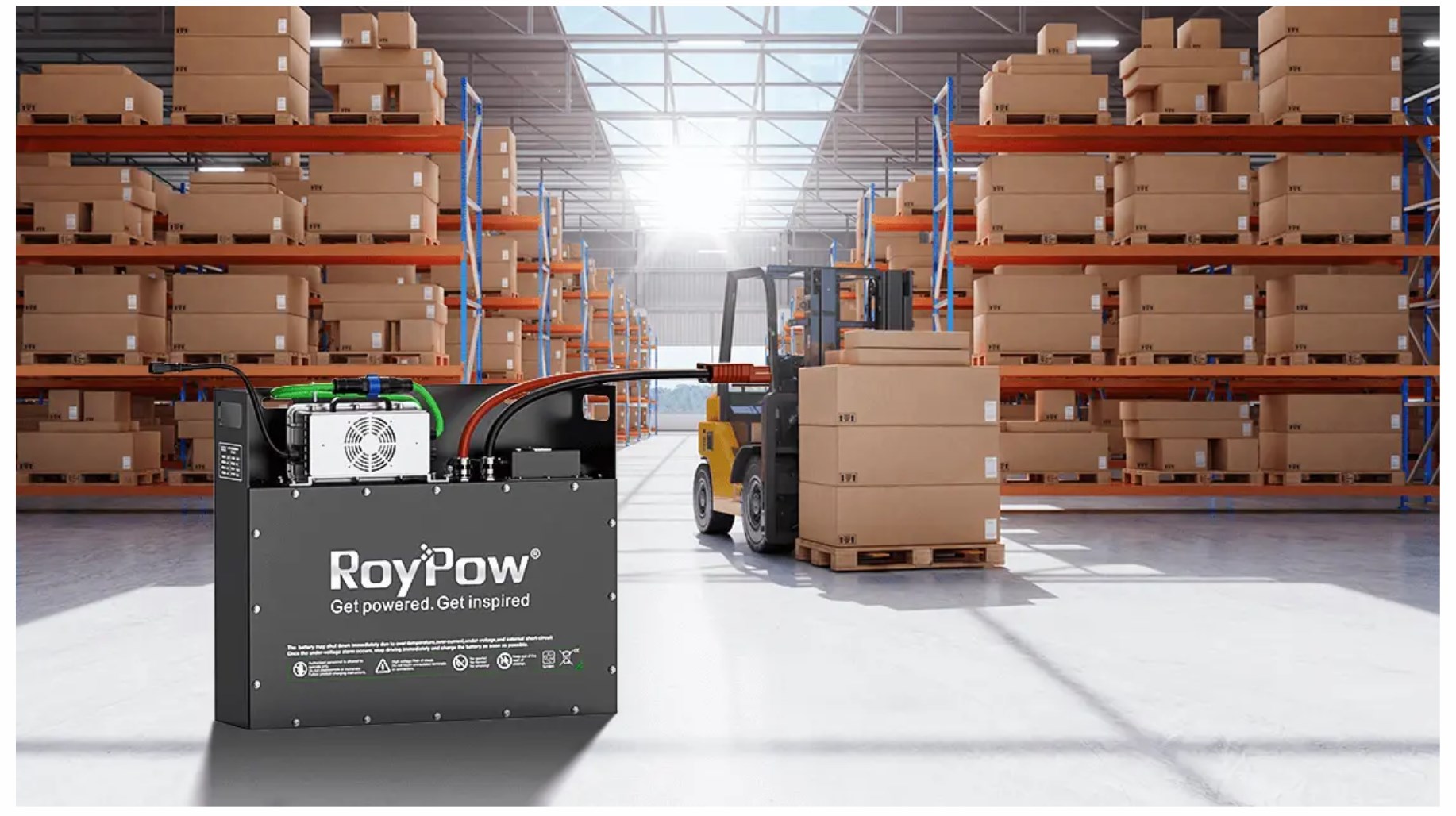
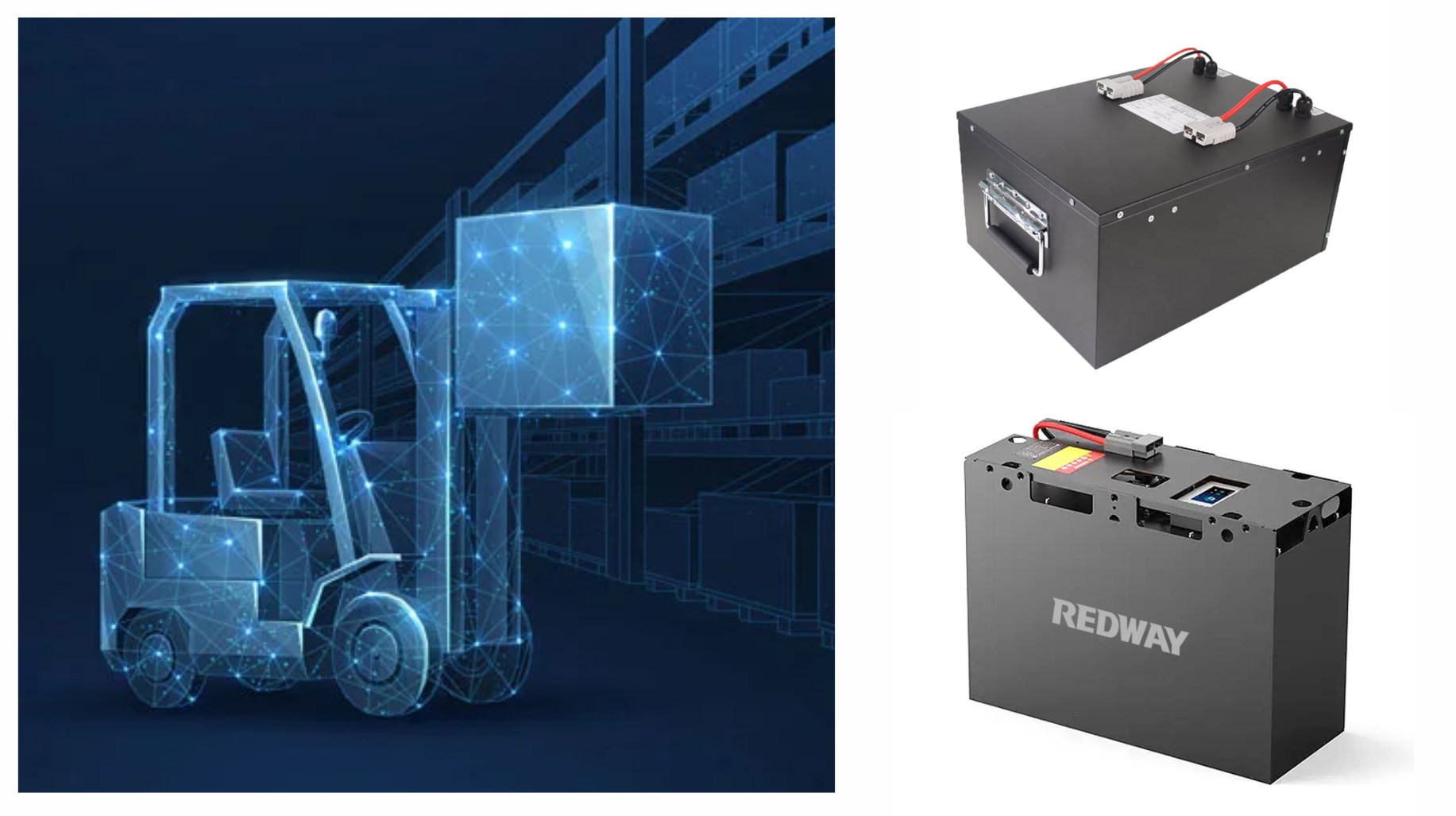
In the evolving landscape of industrial power solutions, the ROYPOW fast-charging 48V lithium forklift battery with a Battery Management System (BMS) stands out for its exceptional performance and efficiency. This article explores the key features and benefits of this advanced battery, showcasing why it is a preferred choice for modern material handling operations.

The ROYPOW 48V lithium forklift battery features fast-charging capabilities, allowing for quick turnaround times during operations. Its built-in Battery Management System (BMS) optimizes performance by monitoring voltage and temperature, enhancing safety and efficiency for continuous use in demanding environments.

Fast Charging Capability

The ROYPOW 48V lithium forklift battery excels in fast-charging capabilities, supporting opportunity charging. This feature allows the battery to be recharged during brief breaks, such as lunch or shift changes, significantly enhancing uptime and productivity in multi-shift operations. By reducing the need for battery swaps and downtime, this capability optimizes the overall efficiency of material handling processes.

Long Cycle Life

One of the most notable advantages of the ROYPOW battery is its long cycle life, exceeding 3,500 cycles. This longevity far surpasses that of traditional lead-acid batteries, which translates into fewer replacements and lower associated costs over the battery’s lifetime. The extended cycle life contributes to reduced total cost of ownership and increased operational reliability.

Built-in Battery Management System (BMS)

The Battery Management System (BMS) integrated into the ROYPOW battery ensures optimal performance and safety. The BMS provides several critical functions:

  • Health Monitoring: Continuously monitors the battery’s health to maintain peak performance.
  • Cell Balancing: Manages cell balancing to ensure uniform charge distribution and prevent imbalances.
  • Protection: Safeguards against overcharging, over-discharging, and temperature extremes, enhancing battery longevity and safety.

High Energy Density

ROYPOW lithium batteries are known for their high energy density, which means more power is stored in a smaller and lighter package compared to traditional lead-acid batteries. This compact design not only saves space but also enhances the performance of various forklift models by providing sufficient power without adding excessive weight.

Maintenance-Free Operation

The ROYPOW battery is designed for maintenance-free operation. Unlike lead-acid batteries that require regular water top-ups and electrolyte checks, this lithium battery eliminates such needs, simplifying daily operations and reducing labor costs. This feature contributes to a more streamlined and cost-effective maintenance routine.

Safety Features

Safety is a critical aspect of the ROYPOW battery’s design. Key safety features include:

  • Hot Aerosol Fire Extinguisher: Integrated to address potential fire hazards.
  • IP65 Protection: Ensures resistance to dust ingress and protection against water jets, enhancing the safety and durability of the battery in various operating environments.

Environmental Benefits

The use of LiFePO4 technology in the ROYPOW battery is environmentally beneficial. This technology is non-toxic and free from harmful emissions, contributing to a lower carbon footprint and a cleaner working environment. By opting for this battery, businesses support sustainable practices while maintaining high performance.

Versatile Applications

The ROYPOW battery’s design ensures compatibility with a range of forklift brands and models. This versatility makes it a flexible solution suitable for various material handling needs, accommodating diverse operational requirements.

Temperature Resilience

Operating effectively across a broad temperature range, the ROYPOW battery ensures reliable performance in both extreme cold and heat. This temperature resilience allows for dependable operation in diverse working conditions, enhancing the battery’s versatility and reliability.

Warranty and Support

ROYPOW offers a 5-year warranty on their batteries, providing assurance of quality and reliability. This warranty underscores the manufacturer’s confidence in their product and offers peace of mind to users regarding the battery’s performance and durability.

Conclusion

The ROYPOW fast-charging 48V lithium forklift battery with BMS represents a superior choice for modern industrial applications. Its advanced features, including fast charging, long cycle life, maintenance-free operation, and robust safety measures, make it an excellent investment for businesses seeking to enhance their material handling efficiency. With its high energy density, environmental benefits, and versatile applications, the ROYPOW battery sets a high standard in the forklift battery market.

More info

Performance of the ROYPOW Fast-Charging 48V Lithium Forklift Battery with BMS
What Makes the ROYPOW 48V Lithium Forklift Battery Maintenance-Free?
Features of the ROYPOW High-Capacity 48V Forklift Battery with 560Ah
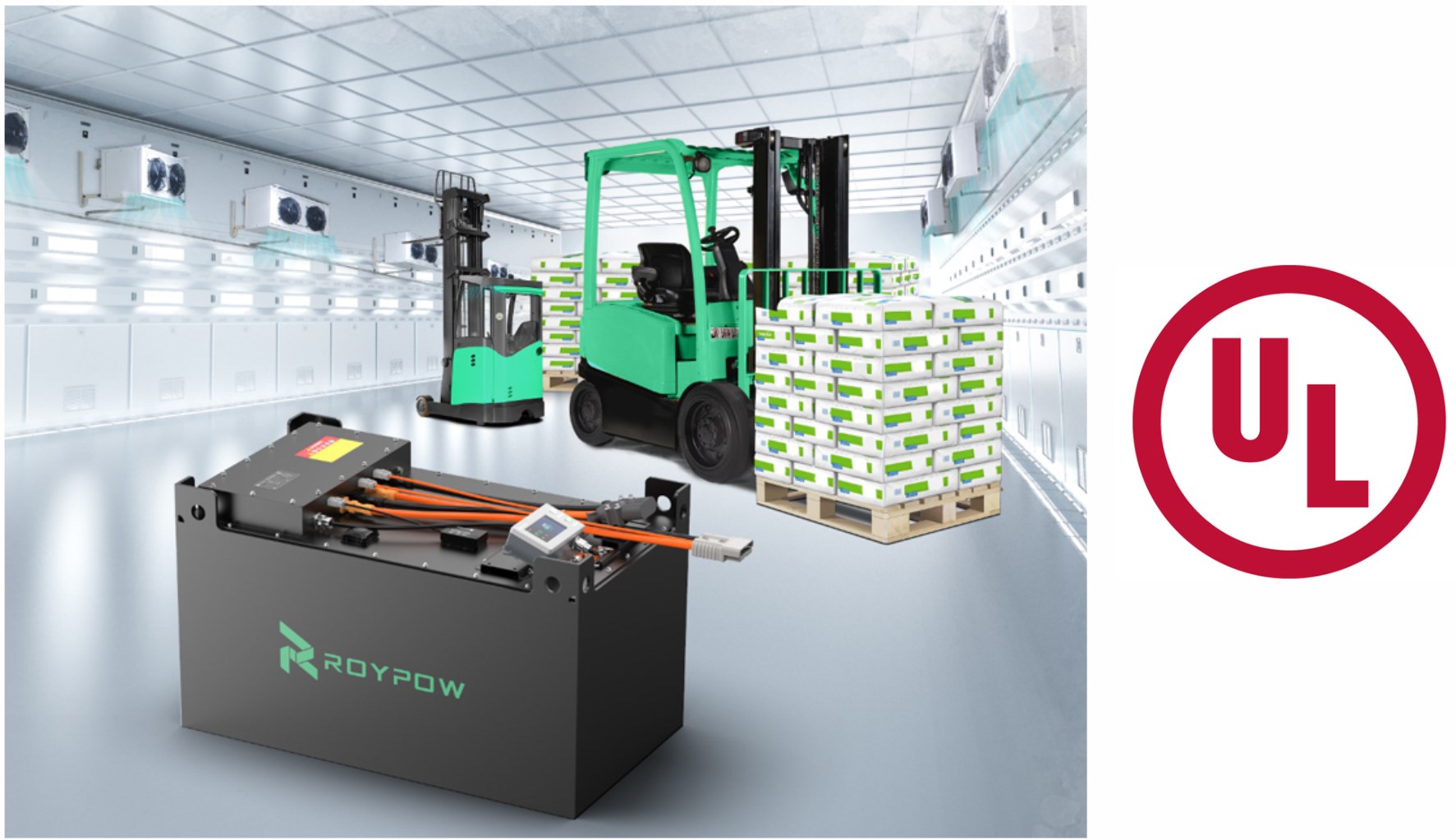
Is the ROYPOW 48V Lithium Forklift Battery UL Certified?
What is the ROYPOW 48V Lithium Forklift Battery F48560X?

What Makes the ROYPOW 48V Lithium Forklift Battery Maintenance-Free?

What Makes the ROYPOW 48V Lithium Forklift Battery Maintenance-Free?

The ROYPOW 48V lithium forklift battery is maintenance-free due to its sealed design and advanced BMS. It eliminates the need for regular electrolyte checks and watering, reducing labor costs and downtime while ensuring consistent performance throughout its lifespan.

The ROYPOW 48V Lithium Forklift Battery stands out in the industrial sector for its maintenance-free operation, a significant advantage over traditional lead-acid batteries. This attribute not only simplifies battery management but also contributes to cost savings and operational efficiency. Here’s an in-depth look at what makes the ROYPOW 48V Lithium Forklift Battery maintenance-free:

1. Sealed Design and No Watering Required

One of the primary reasons the ROYPOW 48V Lithium Forklift Battery is maintenance-free is its sealed design. Unlike lead-acid batteries, which require regular watering to maintain electrolyte levels, this lithium battery does not need any additional water. The sealed nature of the battery prevents electrolyte evaporation and ensures consistent performance without the hassle of checking and refilling water levels.

2. Absence of Equalization Charging

Equalization charging is a process used with lead-acid batteries to balance the charge across cells and prevent sulfation. However, LiFePO4 batteries, like the ROYPOW 48V, do not require this procedure. The absence of equalization charging simplifies the overall maintenance process and reduces the frequency of necessary interventions, thereby contributing to a more straightforward and user-friendly experience.

3. Advanced Battery Management System (BMS)

The Battery Management System (BMS) integrated into the ROYPOW 48V Lithium Forklift Battery plays a crucial role in its maintenance-free operation. The BMS is a sophisticated control system that continuously monitors the battery’s health. It performs several functions:

  • Cell Voltage Monitoring: Ensures that each cell operates within safe voltage ranges.
  • Charge Balancing: Balances the charge across all cells to prevent imbalance and enhance battery life.
  • Overcharging and Deep Discharge Prevention: Protects the battery from overcharging and deep discharging, which could otherwise lead to battery damage.

This automatic management of the battery’s health and performance minimizes the need for manual oversight and maintenance, ensuring that the battery operates efficiently with minimal intervention.

4. Durability and Longevity

LiFePO4 batteries are renowned for their durability and longevity. The ROYPOW 48V Lithium Forklift Battery is designed to endure more than 3,000 charge cycles, significantly exceeding the lifespan of traditional lead-acid batteries. This extended cycle life, combined with the battery’s resistance to thermal runaway, means fewer replacements and reduced maintenance concerns over time.

5. Minimal Cleaning Requirements

Due to the absence of corrosive materials and electrolyte spills, the ROYPOW 48V Lithium Forklift Battery requires minimal cleaning. Unlike lead-acid batteries that often suffer from acid leakage and terminal corrosion, this lithium battery’s construction prevents such issues, reducing the need for regular terminal cleaning and maintenance.

6. Operational Flexibility

The ROYPOW 48V Lithium Forklift Battery offers exceptional operational flexibility. It can remain installed in the forklift for extended periods without needing removal for maintenance tasks. This characteristic is particularly advantageous in high-demand environments where minimizing downtime is crucial. The battery’s robust design and maintenance-free nature enhance operational efficiency, allowing forklifts to remain productive with minimal interruptions.

Conclusion

The ROYPOW 48V Lithium Forklift Battery is celebrated for its maintenance-free attributes, which stem from its sealed design, lack of need for watering and equalization charging, advanced BMS, and overall durability. These features collectively simplify battery management, reduce operational costs, and improve efficiency, making it an excellent choice for industrial applications where reliability and low maintenance are paramount.

More info

Performance of the ROYPOW Fast-Charging 48V Lithium Forklift Battery with BMS
What Makes the ROYPOW 48V Lithium Forklift Battery Maintenance-Free?
Features of the ROYPOW High-Capacity 48V Forklift Battery with 560Ah
Is the ROYPOW 48V Lithium Forklift Battery UL Certified?
What is the ROYPOW 48V Lithium Forklift Battery F48560X?

Features of the ROYPOW High-Capacity 48V Forklift Battery with 560Ah

Features of the ROYPOW High-Capacity 48V Forklift Battery with 560Ah

In the realm of industrial energy solutions, the ROYPOW high-capacity 48V forklift battery with a remarkable 560Ah stands out as a premier choice for powering heavy-duty equipment. This article delves into the comprehensive features of this advanced battery, highlighting its benefits and specifications that make it a superior option for industrial applications.

The ROYPOW 48V battery with 560Ah capacity offers high energy density, extended run times, and rapid charging capabilities. Its robust design ensures durability in harsh environments, making it ideal for multi-shift operations requiring reliable power without frequent replacements.

Nominal Voltage and Capacity

The ROYPOW 48V forklift battery is engineered with a nominal voltage of 48V and an impressive capacity of 560Ah. This substantial capacity ensures ample energy storage, allowing for extended operation periods without the need for frequent recharges. The battery’s high capacity translates to a nominal energy storage of approximately 28.67 kWh, making it highly efficient for prolonged use in demanding environments.

Cycle Life

One of the standout features of this battery is its long cycle life. Designed to last over 3,500 cycles, it provides exceptional durability and longevity compared to traditional lead-acid batteries. This extended lifespan reduces the frequency of battery replacements, resulting in lower long-term operational costs and enhanced reliability.

Discharge Current

The ROYPOW 48V battery excels in handling various discharge currents:

  • Continuous Discharge Current: Capable of sustaining continuous discharge currents up to 320A, it supports consistent performance in high-demand applications.
  • Peak Discharge Current: It can accommodate peak discharge currents of up to 480A for short durations, making it suitable for scenarios requiring bursts of high power.

Dimensions and Weight

With dimensions of approximately 905 x 812 x 429 mm and a weight of around 300 kg, the ROYPOW 48V forklift battery is designed to fit comfortably within standard forklift configurations. Its manageable weight ensures compatibility with most industrial equipment while maintaining robust performance.

Ingress Protection

The battery features an IP65 rating, indicating its resistance to dust ingress and protection against water jets. This high level of ingress protection ensures reliable operation in various environmental conditions, including exposure to moisture and particulate matter.

Temperature Range

Operating effectively across a broad temperature range, from -20°C to 55°C (-4°F to 131°F), the ROYPOW 48V battery maintains reliable performance whether in extreme cold or heat. This wide temperature tolerance enhances its versatility and dependability in diverse working environments.

Battery Management System (BMS)

Equipped with an advanced Battery Management System (BMS), the ROYPOW 48V battery ensures superior safety and performance. The BMS safeguards against:

  • Overcharging: Preventing potential damage from excessive voltage.
  • Over-discharging: Protecting the battery from deep discharge conditions.
  • Short Circuits: Mitigating risks associated with electrical faults.
  • Temperature Extremes: Monitoring and managing temperature fluctuations.

Environmental Impact

Utilizing LiFePO4 (Lithium Iron Phosphate) technology, the ROYPOW 48V battery is an environmentally friendly alternative to traditional lead-acid batteries. LiFePO4 technology is non-toxic and pollution-free, contributing to a more sustainable and eco-conscious approach to industrial energy solutions.

Maintenance-Free Operation

The ROYPOW 48V battery requires minimal maintenance compared to its lead-acid counterparts. This maintenance-free characteristic reduces operational costs and downtime, making it a cost-effective choice for industries seeking reliable and low-maintenance energy solutions.

Conclusion

The ROYPOW high-capacity 48V forklift battery with 560Ah is a state-of-the-art solution that combines high capacity, long cycle life, robust discharge capabilities, and advanced safety features. Its superior performance, environmental benefits, and minimal maintenance requirements make it an excellent choice for various industrial applications. By choosing the ROYPOW 48V 560Ah battery, businesses can enhance operational efficiency and reduce long-term costs, ensuring reliable power for their material handling needs.

More info

Performance of the ROYPOW Fast-Charging 48V Lithium Forklift Battery with BMS
What Makes the ROYPOW 48V Lithium Forklift Battery Maintenance-Free?
Features of the ROYPOW High-Capacity 48V Forklift Battery with 560Ah
Is the ROYPOW 48V Lithium Forklift Battery UL Certified?
What is the ROYPOW 48V Lithium Forklift Battery F48560X?

Is the ROYPOW 48V Lithium Forklift Battery UL Certified?

Is the ROYPOW 48V Lithium Forklift Battery UL Certified?

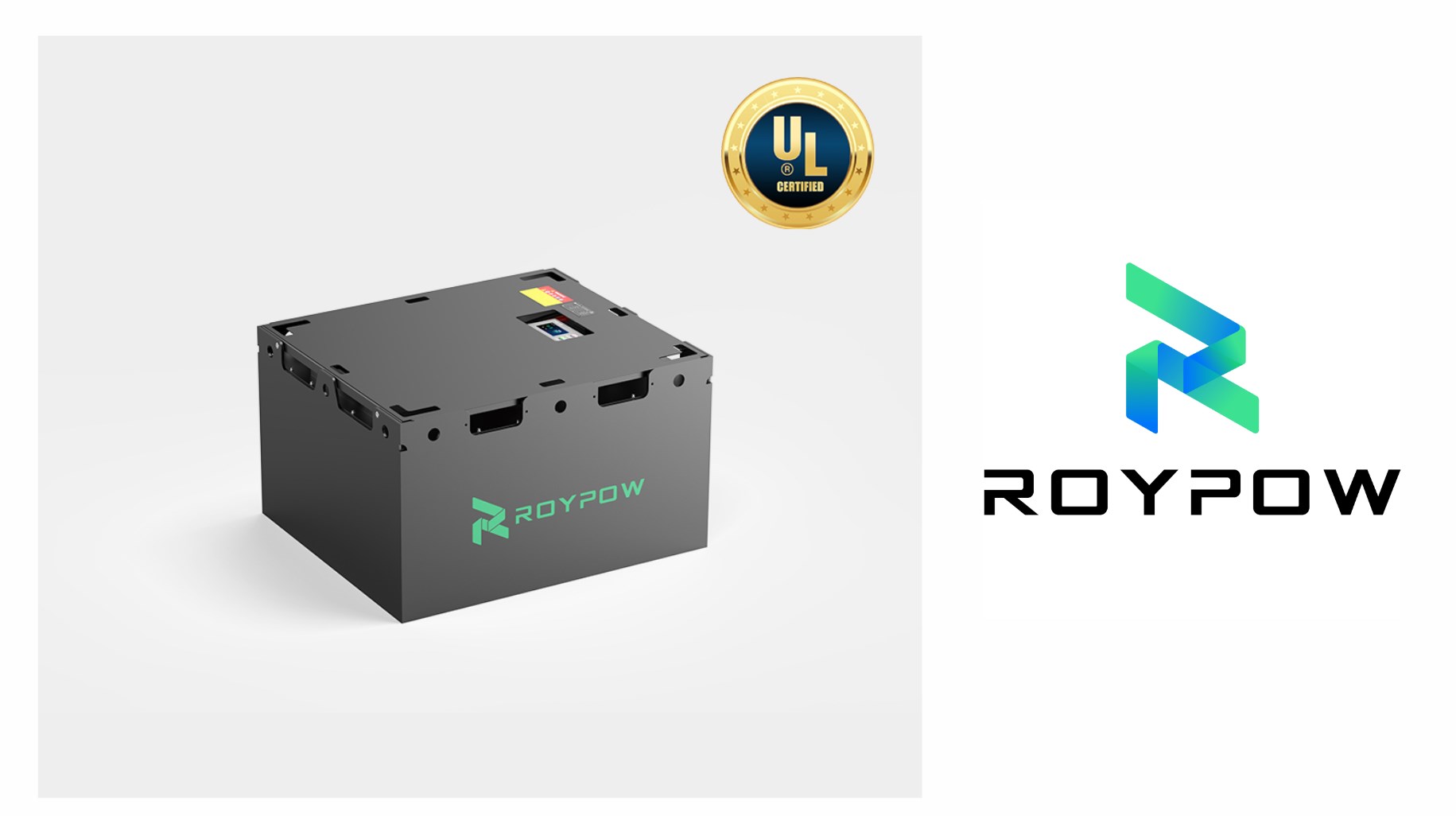
Yes, the ROYPOW 48V lithium forklift battery has received UL 2580 certification. This certification indicates compliance with safety standards for lithium-ion batteries used in electric vehicles, ensuring reliability and performance in various operational conditions.

In the realm of forklift batteries, safety and reliability are paramount, particularly for high-performance systems like the ROYPOW 48V lithium forklift batteries. This article provides an in-depth analysis of whether these batteries meet the rigorous standards set by Underwriters Laboratories (UL) and what this certification implies for their usage in industrial settings.

Understanding UL Certification

UL Certification is a globally recognized mark that signifies a product’s compliance with safety and performance standards. For forklift batteries, UL certification involves rigorous testing to ensure that the products meet or exceed industry norms for:

  • Safety: This includes preventing hazards such as short circuits, overheating, and fire.
  • Performance: Ensuring that the battery performs reliably under various operational conditions.
  • Environmental Reliability: Testing the battery’s durability in different environmental conditions to ensure long-term performance.

ROYPOW 48V Lithium Forklift Battery Certification

ROYPOW, a prominent name in the battery industry, offers several models of 48V lithium forklift batteries that have achieved UL 2580 certification. This specific certification ensures that the batteries adhere to the safety standards established for electric vehicle batteries. Key aspects of this certification include:

  • Rigorous Testing: ROYPOW’s 48V lithium batteries have undergone comprehensive tests to verify their safety and performance. This includes assessments for thermal management, electrical safety, and structural integrity.
  • Compliance with Safety Standards: The UL 2580 certification indicates that these batteries have met the stringent requirements for preventing safety hazards. This is crucial in high-demand environments where the risk of battery-related incidents can have significant consequences.

Benefits of UL Certification

The UL certification of ROYPOW’s 48V lithium forklift batteries offers several advantages:

  • Enhanced Safety: Certification ensures that the batteries are designed to minimize risks associated with electrical failures, overheating, and fires.
  • Improved Reliability: Certified batteries are tested for consistent performance, ensuring that they can handle the rigorous demands of industrial forklift operations.
  • Regulatory Compliance: UL certification helps in meeting regulatory requirements, which can be crucial for operational approvals and safety audits in various industries.

Applications and Usage

The ROYPOW 48V lithium forklift batteries are suitable for a wide range of forklift applications, including:

  • Warehouse Operations: Ideal for use in high-demand environments where reliability and safety are critical.
  • Manufacturing Facilities: Provides a dependable power source for forklifts used in manufacturing processes.
  • Distribution Centers: Offers long-lasting performance and quick charging capabilities to keep operations running smoothly.

Maintenance and Care

While UL certification ensures the safety and reliability of the ROYPOW 48V lithium forklift batteries, proper maintenance is essential to maximize their lifespan and performance. Best practices include:

  • Regular Inspections: Periodic checks for physical damage and performance monitoring to ensure the battery operates within safe parameters.
  • Proper Charging: Using chargers that are compatible with the battery’s specifications to avoid issues related to overcharging or undercharging.
  • Temperature Management: Ensuring that the battery operates within the recommended temperature range to prevent overheating and maintain efficiency.

Conclusion

ROYPOW’s 48V lithium forklift batteries are indeed UL certified, confirming their adherence to high safety and performance standards. This certification provides assurance of the battery’s reliability and safety, making it a suitable choice for demanding industrial applications. By understanding the implications of UL certification and adhering to best maintenance practices, users can ensure optimal performance and longevity of their ROYPOW forklift batteries.

For more information about ROYPOW’s 48V lithium forklift batteries and their certification, or to explore other battery solutions, please contact ROYPOW for further details.

More info

Performance of the ROYPOW Fast-Charging 48V Lithium Forklift Battery with BMS
What Makes the ROYPOW 48V Lithium Forklift Battery Maintenance-Free?
Features of the ROYPOW High-Capacity 48V Forklift Battery with 560Ah
Is the ROYPOW 48V Lithium Forklift Battery UL Certified?
What is the ROYPOW 48V Lithium Forklift Battery F48560X?

What is the ROYPOW 48V Lithium Forklift Battery F48560X?

What is the ROYPOW 48V Lithium Forklift Battery F48560X?

The ROYPOW F48560X is a high-capacity 48V lithium forklift battery designed for heavy-duty applications. It features a capacity of 560Ah, fast charging capabilities, and a built-in BMS to monitor performance and enhance safety during operation.

The ROYPOW 48V Lithium Forklift Battery F48560X stands out as a leading solution in the realm of industrial battery technology, particularly for electric forklifts. Designed to deliver superior performance and reliability, this battery integrates advanced Lithium Iron Phosphate (LiFePO4) technology to meet the rigorous demands of modern material handling and logistics operations. Here’s a detailed overview of its features and benefits:

Key Features

1. Voltage and Capacity

The ROYPOW F48560X operates at a nominal voltage of 48V and is equipped with a substantial capacity of approximately 560Ah. This configuration provides a significant energy reserve, ensuring extended operational periods between charges. This high capacity is essential for maintaining productivity in environments with high-intensity tasks and prolonged forklift use.

2. Lithium Iron Phosphate (LiFePO4) Technology

At the heart of the F48560X is LiFePO4 technology, known for its exceptional safety, longevity, and thermal stability. Unlike traditional lead-acid batteries, LiFePO4 batteries offer enhanced safety due to their resistance to thermal runaway and reduced risk of overheating. This chemistry also contributes to a longer cycle life and consistent performance, making it a preferred choice for industrial applications.

3. Extended Cycle Life

The ROYPOW F48560X is engineered to deliver over 3,000 charge cycles, significantly surpassing the lifespan of conventional lead-acid batteries, which typically offer around 1,500 cycles. This extended cycle life translates to several years of reliable service, reducing the need for frequent replacements and thereby lowering overall operational costs.

4. Fast Charging Capability

Incorporating rapid charging capabilities, the F48560X minimizes downtime during critical operations. This feature is especially beneficial in busy warehouse environments where quick turnaround times are essential for maintaining operational efficiency. The ability to charge rapidly ensures that forklifts are always ready for use, enhancing overall productivity.

5. Lightweight Design

Compared to its lead-acid counterparts, the F48560X boasts a lightweight design, which enhances the efficiency of the forklift. The reduced weight not only improves the vehicle’s handling and maneuverability but also minimizes wear and tear on the forklift’s components, contributing to longer vehicle life and reduced maintenance costs.

6. Built-in Battery Management System (BMS)

The ROYPOW F48560X includes an advanced Battery Management System (BMS), which plays a crucial role in ensuring safe and efficient battery operation. The BMS monitors the battery’s health, manages charge cycles, and prevents issues such as overcharging or deep discharging. This integrated system enhances battery performance and extends its service life.

7. Environmental Benefits

As a non-toxic and recyclable option, the LiFePO4 technology used in the F48560X aligns with modern environmental regulations and sustainability goals. By avoiding harmful materials and supporting recycling efforts, this battery contributes to a greener and more sustainable industrial operation.

Applications

The ROYPOW 48V F48560X battery is versatile and suitable for a variety of applications, including:

1. Electric Forklifts

Ideal for use in warehouses and logistics operations, this battery provides reliable power for lifting and moving goods, ensuring efficient performance throughout extended work shifts.

2. Material Handling Equipment

The F48560X can be used in various types of material handling equipment, such as pallet jacks and reach trucks, offering a dependable power source for diverse industrial needs.

3. Energy Storage Systems

Given its robust characteristics, the F48560X is also suitable for integration into renewable energy systems, where it can serve as a backup power solution and contribute to efficient energy storage.

Conclusion

In summary, the ROYPOW 48V Lithium Forklift Battery F48560X represents a cutting-edge solution for electric forklifts and industrial applications. Its advanced LiFePO4 technology delivers superior safety, extended lifespan, rapid charging capabilities, and environmental benefits. By incorporating these features, the F48560X meets the high demands of modern material handling operations, providing a reliable and efficient power source for a range of industrial uses.

More info

Redway Battery is a lifepo4 battery factory wholesaler, and it especially has much experience in all kinds of lifepo4 batteries. Redway Battery can provide custom lifepo4 batteries solutions quickly to b2b or OEM clients worldwide, contact for a quick quote now.

Search products

Need a Quick Quote on Wholesale Prices? Contact Redway Battery Now.

X
Product has been added to your cart


Shenzhen Redway Power, Inc

Tel: +86 189 7608 1534
Tel: +86 (755) 2801 0506
E-mail: contact@redwaybattery.com
Website: www.redway-tech.com
Youtube: @RedwayPower
TikTok: @redwaybattery

Get a Quick Quote

Hot OEM

Forklift Lithium Battery
Golf Cart Lithium Battery
RV Lithium Battery
Rack-mounted Lithium Battery

Hot Batteries

24V 150Ah Forklift Lithium Battery
24V 200Ah Forklift Lithium Battery
48V 400Ah Forklift Lithium Battery
48V 600Ah Forklift Lithium Battery
80V 400Ah Forklift Lithium Battery
36V 100Ah Golf Cart Lithium Battery
48V 100Ah Golf Cart Lithium Battery
51.2V 50Ah 3U Rack-mounted Lithium Battery
51.2V 100Ah 3U Rack-mounted Lithium Battery
12V 100Ah RV LiFePO4 Lithium Battery (Self-heating)

Hot Blog

Golf Carts
Server Rack Battery
Knowledge