Comparing Charging and Maintenance Requirements: LiFePO4 vs. Lead-Acid Batteries

When evaluating battery technologies, LiFePO4 (Lithium Iron Phosphate) and lead-acid batteries present distinct differences in their charging and maintenance needs. As a leading authority in battery solutions, Redway Battery has extensively explored these differences over the past 12 years. Understanding these variations is crucial for selecting the optimal battery type for applications such as golf carts, electric vehicles, and various other uses.

LiFePO4 batteries require less maintenance than lead-acid batteries, which need regular electrolyte checks. Charging LiFePO4 is faster and can be done at higher rates without damage, while lead-acid batteries require slower charging to avoid overheating.

Charging Requirements

1. Charging Voltage

  • LiFePO4 Batteries: LiFePO4 batteries require a specific charging voltage, typically around 3.6V per cell. For a 36V pack, this equates to a total charging voltage of approximately 43.2V. This precise voltage ensures the battery remains within optimal operating conditions and maximizes its lifespan.
  • Lead-Acid Batteries: In contrast, lead-acid batteries require a higher charging voltage, usually around 2.4V per cell. For a 12V lead-acid battery, this results in a total of about 28.8V. The higher voltage compensates for the energy loss during charging and maintains battery health.

2. Charging Speed

  • LiFePO4 Batteries: One of the standout features of LiFePO4 batteries is their rapid charging capability. They can handle charge rates of 1C to 4C, meaning they can be fully charged in just a few hours. This efficiency minimizes downtime and enhances convenience for users.
  • Lead-Acid Batteries: Conversely, lead-acid batteries charge more slowly, typically requiring up to 12 hours or more to reach full charge. This slower rate can be a limitation for applications requiring quick turnaround times.

3. Depth of Discharge (DoD)

  • LiFePO4 Batteries: LiFePO4 batteries can be safely discharged up to 100% of their capacity without causing damage. This high depth of discharge provides more usable capacity and maximizes the battery’s efficiency.
  • Lead-Acid Batteries: Lead-acid batteries should not be discharged below 50% of their capacity to prevent damage and sulfation. This limitation restricts the usable capacity and overall efficiency of the battery.

Maintenance Requirements

1. Maintenance Frequency

  • LiFePO4 Batteries: Once installed, LiFePO4 batteries require minimal to no maintenance. They do not have fluids that need checking or topping up, making them a low-maintenance option.
  • Lead-Acid Batteries: In contrast, lead-acid batteries require regular maintenance, including checking electrolyte levels and topping up with distilled water. This routine upkeep ensures the battery remains in good working condition and prolongs its lifespan.

2. Sulfation Issues

  • LiFePO4 Batteries: LiFePO4 batteries are resistant to sulfation, a condition where lead sulfate crystals build up on the battery plates, significantly reducing their lifespan and performance. This resistance contributes to the battery’s longevity and reliability.
  • Lead-Acid Batteries: Lead-acid batteries are prone to sulfation if not properly maintained. This issue can lead to reduced capacity and a shorter lifespan, necessitating regular maintenance to avoid long-term damage.

3. Self-Discharge Rate

  • LiFePO4 Batteries: LiFePO4 batteries exhibit a low self-discharge rate of less than 3% per month. This characteristic allows them to retain their charge longer when not in use, reducing the need for frequent recharging.
  • Lead-Acid Batteries: Lead-acid batteries typically have a higher self-discharge rate, which can necessitate more frequent charging if the batteries are left unused for extended periods. This can be a disadvantage for applications requiring infrequent use.

Summary

In summary, LiFePO4 batteries offer numerous advantages over lead-acid batteries, particularly in terms of charging efficiency, speed, and maintenance. With their precise charging voltage requirements, rapid recharge capabilities, and minimal maintenance needs, LiFePO4 batteries are a superior choice for various applications, including golf carts and electric vehicles. Although the initial cost of LiFePO4 batteries may be higher, their long-term performance and reduced maintenance needs make them a more cost-effective and reliable option.

For detailed information on LiFePO4 golf cart batteries, including their benefits, categories, and customization options, contact Redway Battery. Our expertise in providing high-quality, custom lithium battery solutions ensures you get the best technology tailored to your specific needs.
Which Battery Type Offers a Longer Lifespan and Better Value for Golf Cart Owners?

When evaluating battery options for golf carts, it’s crucial to consider both lifespan and value. LiFePO4 (Lithium Iron Phosphate) batteries often emerge as the superior choice compared to traditional lead-acid batteries. This comprehensive analysis highlights why LiFePO4 batteries provide a longer lifespan and better overall value for golf cart owners.

LiFePO4 batteries typically last over 2000 cycles (up to 10 years), significantly longer than lead-acid batteries, which last around 400-800 cycles (3-5 years). Although LiFePO4 has a higher initial cost, its longevity offers better long-term value for golf cart owners.

Lifespan

LiFePO4 Batteries: Known for their impressive durability, LiFePO4 batteries typically offer between 3,000 to 5,000 charge cycles, which translates to approximately 8 to 10 years of use with proper care. Even after extensive cycling, these batteries generally retain over 80% of their original capacity after about 2,000 cycles. This longevity significantly reduces the frequency of replacements, translating to substantial long-term savings.

Lead-Acid Batteries: In contrast, traditional lead-acid batteries have a considerably shorter lifespan, usually around 300 to 500 charge cycles. This equates to about 4 to 6 years of service, depending on usage and maintenance. The need for more frequent replacements increases the overall cost over time, making lead-acid batteries a less economical option in the long run.

Performance and Efficiency

Consistent Power Output: LiFePO4 batteries excel in providing stable voltage throughout their discharge cycle. This ensures that golf carts maintain optimal performance until the battery is nearly depleted. On the other hand, lead-acid batteries experience voltage drops as they discharge, which can adversely affect performance during critical moments on the golf course.

Weight and Maneuverability: The lightweight design of LiFePO4 batteries enhances the golf cart’s speed and handling. A lighter battery not only improves acceleration but also makes the cart easier to maneuver, providing a smoother and more enjoyable golfing experience.

Maintenance

LiFePO4 Batteries: These batteries are virtually maintenance-free, eliminating the need for regular water refilling or terminal cleaning. This low-maintenance nature saves users time and reduces operational costs, making LiFePO4 batteries a hassle-free choice.

Lead-Acid Batteries: In contrast, lead-acid batteries require ongoing maintenance, including checking water levels and cleaning terminals. This regular upkeep is necessary to ensure optimal performance and extend the battery’s lifespan, adding to the overall cost and effort of maintaining the battery.

Charging Time

LiFePO4 Batteries: One of the standout features of LiFePO4 batteries is their rapid charging capability. They can reach up to 80% charge in about one hour, with a full charge typically taking between 3 to 4 hours. This quick turnaround allows users to recharge their golf carts during breaks with minimal downtime, ensuring that the cart is ready for extended play.

Lead-Acid Batteries: Charging times for lead-acid batteries are generally longer, often resulting in more significant downtime during rounds of golf. This extended charging period can be inconvenient and disruptive, particularly if multiple rounds are played in a single day.

Cost Considerations

Although LiFePO4 batteries have a higher upfront cost compared to lead-acid batteries, their longer lifespan and lower maintenance needs often make them more cost-effective over time. The initial investment in LiFePO4 technology is offset by the reduced frequency of replacements and the savings on maintenance costs, resulting in a more economical choice in the long run.

Conclusion

For golf cart owners seeking a balance of longevity and value, LiFePO4 batteries stand out as the superior option. Their extended lifespan, consistent power output, reduced maintenance requirements, faster charging times, and overall efficiency make them a compelling choice compared to traditional lead-acid batteries. Despite the higher initial cost, the long-term benefits and savings justify the investment, making LiFePO4 batteries the preferred choice for enhancing the golf cart experience.

Choosing the Right LiFePO4 Battery for Your Golf Cart: Key Considerations

When it comes to powering golf carts, LiFePO4 (Lithium Iron Phosphate) batteries are a superior choice due to their enhanced performance, efficiency, and longevity compared to traditional lead-acid batteries. For golf cart operators seeking the best battery solution, understanding the crucial factors in selecting a LiFePO4 battery is essential. This comprehensive guide outlines the key considerations to ensure you make an informed decision that maximizes both performance and cost-effectiveness.

When selecting a LiFePO4 battery for your golf cart, consider voltage compatibility, capacity (Ah rating), size, weight, and discharge rates. Ensure the battery has a built-in Battery Management System (BMS) for optimal performance and safety.

1. Capacity (Ah Rating)

The capacity of a LiFePO4 battery, measured in ampere-hours (Ah), is a fundamental factor to consider. It determines the battery’s ability to power the golf cart over time before needing a recharge.

  • Higher Capacity Benefits: A battery with a higher Ah rating, such as 100Ah, provides extended runtime, which is beneficial for long days on the golf course or frequent use.
  • Usage Needs: Evaluate your specific usage patterns and the size of the golf course to choose a capacity that matches your operational requirements.

2. Voltage Compatibility

Voltage compatibility is crucial to ensure that the battery integrates seamlessly with your golf cart’s electrical system. Most golf carts operate on 36V or 48V systems.

  • Correct Voltage Matching: Select a LiFePO4 battery that matches the voltage requirements of your golf cart to ensure efficient operation and prevent potential damage to the cart’s components.

3. Weight and Size

LiFePO4 batteries are typically lighter and more compact than traditional lead-acid batteries, which can enhance the maneuverability and overall performance of the golf cart.

  • Space Considerations: Ensure that the chosen battery fits within the existing battery compartment without requiring modifications, preserving the cart’s design integrity and functionality.

4. Cycle Life

The cycle life of a battery indicates the number of charge and discharge cycles it can undergo before its capacity significantly diminishes. LiFePO4 batteries generally offer a cycle life of 2,000 to 5,000 cycles.

  • Long-Term Value: A higher cycle life translates into fewer replacements and better long-term value. This durability reduces the frequency of battery changes and operational costs over time.

5. Charging Speed

LiFePO4 batteries are known for their fast charging capabilities, often charging significantly quicker than lead-acid batteries, typically within a few hours.

  • Quick Turnaround: This feature is particularly advantageous for golf carts that require minimal downtime between uses, ensuring continuous operation with reduced waiting times.

6. Safety Features

Safety is a critical consideration when selecting a battery. LiFePO4 batteries come with built-in safety features such as:

  • Overcharge Protection: Prevents damage from excessive charging.
  • Thermal Management Systems: Maintains optimal operating temperatures.
  • Short-Circuit Protection: Safeguards against electrical faults.

These safety features reduce risks associated with overheating and thermal runaway, making LiFePO4 batteries a safer choice for golf carts.

7. Maintenance Requirements

One of the notable advantages of LiFePO4 batteries is their minimal maintenance needs compared to lead-acid batteries, which require regular watering and corrosion checks.

  • Maintenance-Free: LiFePO4 batteries require little to no maintenance, saving time and reducing operational costs by eliminating the need for regular upkeep.

8. Environmental Impact

LiFePO4 batteries offer significant environmental benefits. They do not contain toxic heavy metals such as lead or cadmium, which are present in traditional batteries.

  • Eco-Friendliness: Choosing LiFePO4 batteries supports environmentally conscious practices, contributing to a cleaner and more sustainable energy solution.

9. Compatibility with Existing Equipment

Ensure that the LiFePO4 battery is compatible with your existing golf cart model. Many manufacturers provide drop-in replacements designed specifically for popular golf cart models, minimizing the need for extensive modifications or retrofitting.

  • Seamless Integration: Verify that the battery will fit and operate effectively with your golf cart without requiring significant changes to the cart’s electrical system.

10. Cost vs. Long-Term Savings

While LiFePO4 batteries may come with a higher upfront cost compared to lead-acid batteries, the long-term savings often outweigh the initial investment.

  • Cost-Benefit Analysis: Consider factors such as reduced maintenance costs, fewer replacements, and enhanced efficiency to evaluate the overall value and return on investment.

Conclusion

Selecting the right LiFePO4 battery for your golf cart involves careful consideration of several factors, including capacity, voltage compatibility, weight, cycle life, and safety features. By evaluating these aspects, you can ensure that you choose a battery that offers superior performance, efficiency, and cost-effectiveness. LiFePO4 batteries provide significant advantages over traditional lead-acid batteries, including extended lifespan, reduced maintenance, and environmental benefits. Investing in a high-quality LiFePO4 battery will enhance your golf cart experience while delivering long-term savings and operational efficiency.

Determining the Optimal Voltage and Capacity Requirements for Your Golf Cart

Selecting the correct voltage and capacity for your golf cart battery is essential for achieving reliable performance, extended battery life, and efficient operation. By understanding your golf cart’s electrical requirements, usage patterns, terrain, and load, you can make informed decisions about battery type and configuration, ensuring maximum efficiency and durability with solutions from trusted providers like Redway Battery.

How Do I Determine the Optimal Voltage for My Golf Cart?

Golf carts typically use 36V or 48V systems. Choosing the correct voltage depends on your cart’s design, motor compatibility, and intended usage.

  • 36V Systems: Created using three 12V batteries in series or six 6V batteries. Suitable for standard flat-terrain usage with moderate speed requirements, balancing performance and cost.

  • 48V Systems: Created using four 12V batteries or eight 6V batteries in series. Offers higher efficiency, better performance on hilly terrain, and increased speed and torque.

To select the right system, check your golf cart’s manufacturer specifications and existing battery setup. Ensuring compatibility with your cart’s motor and controller is critical to avoid damage and optimize performance.

Voltage System Battery Configuration Ideal Use Case
36V 3×12V or 6×6V Flat terrain, light loads, short trips
48V 4×12V or 8×6V Moderate hills, heavier loads, longer trips

How Can I Determine the Required Battery Capacity?

Battery capacity, measured in amp-hours (Ah), determines how long your golf cart can operate before recharging. Consider the following:

  • Usage Duration: Multiply your average current draw by daily hours of operation. For example, a 20A draw over 4 hours requires at least 80Ah (20A × 4h).

  • Terrain and Load: Hilly terrain or heavier loads increase energy consumption, requiring higher capacity.

  • Reserve Capacity: Choose a slightly higher Ah than your calculations to prevent deep discharges that shorten battery life.

Use Case Recommended Capacity
Light use / flat terrain 60–100 Ah
Moderate / hilly terrain, 4 passengers 90–120 Ah
Heavy use, long range, 6 passengers 150+ Ah

What Are the Steps to Calculate Total Energy Needs?

Total energy (in watt-hours) indicates how much energy your battery provides per charge. Use the formula:

Total Energy (Wh) = Voltage (V) × Capacity (Ah)

For a 36V system with an 80Ah battery:
36V × 80Ah = 2880Wh

This helps estimate how far your golf cart can travel on a single charge and informs the selection of batteries that match your operational requirements.

Which Battery Type Should I Choose for Optimal Performance?

Selecting between lead-acid and LiFePO4 batteries affects performance, lifespan, and maintenance.

  • Lead-Acid Batteries: Affordable and widely available, but heavier, require maintenance, and typically last 300–1,000 cycles.

  • LiFePO4 Batteries: Lighter, maintenance-free, and durable with 3,000+ cycles. Offer consistent power under high loads, better temperature tolerance, and faster charging.

Redway Battery specializes in LiFePO4 solutions that maximize longevity and efficiency, providing reliable performance for demanding applications like golf carts and forklifts.

Feature Lead-Acid LiFePO4 (Redway Battery)
Lifespan 3–5 years 8–10+ years
Maintenance High Minimal
Weight Heavy 50–70% lighter
Charging Time 8–12 hours 2–4 hours
Performance Consistency Decreases Stable throughout cycle

What Practical Considerations Should I Keep in Mind?

When selecting batteries, consider:

  • Charging Infrastructure: Ensure chargers are compatible with your voltage and battery chemistry. LiFePO4 batteries, like those from Redway Battery, often require specialized chargers.

  • Temperature Effects: LiFePO4 batteries perform well across a wider temperature range compared to lead-acid.

  • Space and Weight: Lighter, compact batteries allow easier installation and can improve overall cart performance.

Redway Expert Views

“Choosing the right battery for a golf cart involves more than just voltage and capacity—it’s about matching energy storage to operational demands and environmental conditions. LiFePO4 batteries offer a strategic advantage due to their longevity, consistent power delivery, and low maintenance. At Redway Battery, we focus on delivering OEM-quality solutions tailored to each client’s usage patterns, ensuring every golf cart operates efficiently and reliably over years of service.”

How Should I Conclude My Battery Selection Process?

To ensure optimal golf cart performance:

  1. Verify your cart’s voltage and motor compatibility.

  2. Estimate energy requirements considering load, terrain, and daily usage.

  3. Choose a high-quality battery chemistry such as LiFePO4 for long-term durability.

  4. Factor in charger compatibility, temperature, and space constraints.

Working with Redway Battery guarantees professional guidance and access to reliable, high-performance LiFePO4 battery packs.

FAQs

What voltage is best for a golf cart?
Most carts operate efficiently between 36V and 48V. Choose 36V for flat terrain and lighter loads; 48V is ideal for heavier loads and hilly terrain.

How long will a golf cart run on a single charge?
It depends on the battery’s amp-hour rating, voltage, load, and terrain. For example, an 80Ah, 36V battery provides approximately 2880Wh of energy.

Are LiFePO4 batteries worth the investment?
Yes. They offer longer lifespan, lower maintenance, consistent performance, and faster charging, making them cost-effective over time.

Can I upgrade a 36V golf cart to 48V?
Upgrading requires checking motor and controller compatibility, as higher voltage increases performance but may stress existing components.

How do I know my battery is fully charged?
A 36V LiFePO4 pack is typically fully charged at around 38.4–39.2 volts, ensuring each cell is operating correctly.

Maximizing Long-Term Cost Savings with LiFePO4 Batteries in Golf Carts

In the evolving world of golf cart technology, LiFePO4 (Lithium Iron Phosphate) batteries have emerged as a superior choice compared to traditional lead-acid batteries. Over the past 12 years, Redway Battery has delved into the numerous benefits and long-term cost efficiencies that LiFePO4 batteries offer. This article explores how switching to LiFePO4 batteries can lead to significant financial benefits for golf cart operators, detailing their lifespan, maintenance requirements, efficiency, and other critical factors that contribute to their cost-effectiveness.

Maximize savings by investing in high-quality LiFePO4 batteries that offer longer lifespans and lower maintenance costs. Regularly monitor battery health and ensure proper charging practices to extend battery life, reducing replacement frequency.

Extended Lifespan

One of the most compelling reasons to choose LiFePO4 batteries for golf carts is their extended lifespan. Unlike lead-acid batteries, which typically need replacement every 2-5 years, LiFePO4 batteries can last between 10-15 years or deliver 2,000 to 5,000 charge cycles. This extended service life translates into fewer replacements over the golf cart’s lifespan, which substantially reduces overall costs.

  • Long-Term Durability: LiFePO4 batteries are known for their robust construction and resistance to degradation over time.
  • Fewer Replacements: With such a long lifespan, golf cart operators can avoid the frequent and costly replacements associated with lead-acid batteries.

Lower Maintenance Costs

Maintenance is another area where LiFePO4 batteries excel. Unlike lead-acid batteries, which require regular upkeep such as checking water levels and cleaning terminals, LiFePO4 batteries are virtually maintenance-free. This reduction in maintenance requirements translates into:

  • Reduced Labor Costs: Operators save on labor costs associated with routine maintenance.
  • No Special Tools Needed: LiFePO4 batteries do not require specialized tools or maintenance products.

Enhanced Efficiency

LiFePO4 batteries are renowned for their high energy efficiency. They convert a larger portion of stored energy into usable power, which has several advantages:

  • Longer Driving Range: Enhanced efficiency allows golf carts to cover more distance per charge.
  • Fewer Charges Required: With better energy conversion, there is a need for less frequent recharging, leading to lower electricity costs.

Reduced Downtime

The fast charging capability of LiFePO4 batteries is a significant advantage. They charge 5-10 times faster than lead-acid batteries, which minimizes downtime between golf rounds. This benefit means:

  • Increased Fleet Utilization: Golf carts spend more time in service, optimizing fleet operations.
  • Reduced Need for Backup Carts: Faster charging reduces the need for additional backup carts to ensure availability.

Potential Rebates and Incentives

Switching to LiFePO4 batteries may also provide access to various rebates and incentives. Many programs are designed to encourage the adoption of energy-efficient technologies, which can help offset the initial cost of upgrading to LiFePO4 batteries. These financial incentives can further enhance the cost savings associated with the switch.

Conclusion

While the initial investment in LiFePO4 batteries may be higher than lead-acid batteries, the long-term financial benefits make them a more cost-effective choice for golf cart operators. The extended lifespan, low maintenance costs, high efficiency, and reduced downtime contribute to substantial long-term savings. Furthermore, potential rebates and incentives add to the overall financial advantages of choosing LiFePO4 batteries.

By investing in LiFePO4 batteries, golf cart operators not only benefit from improved performance and reliability but also achieve significant cost savings over the life of the vehicle. Redway Battery’s expertise in providing high-quality LiFePO4 solutions ensures that golf courses and operators can make an informed choice that maximizes their return on investment.

How LiFePO4 Batteries Enhance Golf Cart Performance and Efficiency

In recent years, LiFePO4 (Lithium Iron Phosphate) batteries have emerged as a revolutionary technology, particularly in the realm of golf carts. This article delves into how LiFePO4 batteries improve golf cart performance and efficiency, highlighting their numerous benefits over traditional battery technologies.

LiFePO4 batteries enhance golf cart performance by providing higher energy density, faster charging times, and lighter weight compared to lead-acid batteries. This results in improved acceleration, longer run times, and overall better efficiency during operation.

Higher Energy Density

One of the most significant advantages of LiFePO4 batteries is their higher energy density compared to traditional lead-acid batteries. This advanced chemistry allows LiFePO4 batteries to store more energy in a smaller and lighter package. As a result, golf carts equipped with LiFePO4 batteries can cover greater distances on a single charge, offering extended playtime and reducing the need for frequent recharging. This increased range ensures that golfers can enjoy longer rounds without interruption.

Lightweight Design

The lightweight design of LiFePO4 batteries is another key benefit. Their reduced weight contributes to the overall decrease in the golf cart’s weight, which enhances maneuverability and speed. A lighter battery not only improves acceleration but also increases the golf cart’s top speed. Furthermore, the reduction in weight lessens the strain on the motor, leading to improved overall performance and efficiency.

Longer Lifespan

LiFePO4 batteries are renowned for their longer lifespan. They typically offer between 3,000 to 5,000 charge cycles, maintaining over 80% of their rated capacity even after extensive use. This longevity translates into fewer battery replacements over time, which results in significant cost savings. In contrast, lead-acid batteries tend to degrade faster, necessitating more frequent replacements and higher long-term costs.

Consistent Power Output

Another notable feature of LiFePO4 batteries is their ability to deliver a consistent power output throughout the discharge cycle. Unlike lead-acid batteries, which experience voltage drops as they discharge, LiFePO4 batteries maintain a stable voltage. This consistent performance ensures that the golf cart operates optimally regardless of the battery’s state of charge, providing reliable power during crucial moments on the course.

Faster Charging Times

LiFePO4 batteries also benefit from faster charging times. They can achieve up to 80% charge within approximately one hour, with a full charge taking between 3 to 4 hours. This rapid charging capability allows users to quickly recharge their golf carts during breaks, minimizing downtime and keeping the game flowing smoothly.

Low Maintenance Requirements

One of the most appealing aspects of LiFePO4 batteries is their low maintenance requirements. Unlike lead-acid batteries, which need regular maintenance such as checking water levels, LiFePO4 batteries are virtually maintenance-free. This ease of maintenance saves users time and effort, ensuring reliable operation without the risk of chemical spills or corrosion.

Eco-Friendly Option

LiFePO4 batteries are considered a more environmentally friendly option compared to lead-acid batteries. They do not contain harmful materials like lead and acid, which reduces their environmental impact. Their efficient design contributes to a cleaner environment by minimizing waste and promoting sustainable practices.

Conclusion

In conclusion, LiFePO4 batteries offer a multitude of benefits that significantly enhance the performance and efficiency of golf carts. Their higher energy density, lightweight design, longer lifespan, consistent power output, faster charging times, low maintenance requirements, and eco-friendliness make them an ideal choice for improving the overall golfing experience. By adopting LiFePO4 technology, golfers can enjoy longer playtimes, reduced downtime, and a more reliable and efficient golf cart operation.

Why LiFePO4 Batteries Are Superior for Golf Carts

In the realm of golf cart batteries, LiFePO4 (Lithium Iron Phosphate) technology stands out as a leading choice. Redway Battery, with over 12 years of expertise, has delved deeply into the attributes that make LiFePO4 batteries a preferred option. This article will explore the remarkable benefits of LiFePO4 batteries, comparing them to other types and highlighting why they are an exceptional choice for golf carts.

LiFePO4 batteries are superior due to their longer lifespan, faster charging capabilities, lower weight, and reduced maintenance needs compared to lead-acid options. Their safety features and environmental benefits further enhance their appeal for golf cart users.

Extended Lifespan

One of the most significant advantages of LiFePO4 batteries is their extended lifespan. These batteries typically offer between 2,000 to 5,000 cycles at an 80% depth of discharge. In contrast, traditional lead-acid batteries usually last only between 500 to 1,000 cycles. This longer lifespan translates to fewer replacements, reducing long-term costs and making LiFePO4 batteries a more economical choice over time.

Superior Energy Density

LiFePO4 batteries exhibit a higher energy density compared to lead-acid batteries. This characteristic allows for more efficient energy storage, which means that golf carts equipped with LiFePO4 batteries can achieve longer distances on a single charge. The increased energy density also contributes to a more compact battery design, which is particularly advantageous for the space constraints within golf carts.

Faster Charging Capabilities

Charging efficiency is another area where LiFePO4 batteries excel. These batteries can be charged up to 10 times faster than their lead-acid counterparts. This rapid charging capability significantly reduces the downtime between uses, ensuring that golf carts are ready for use more quickly and enhancing overall convenience.

Lightweight Design

The weight of LiFePO4 batteries is approximately one-fourth that of lead-acid batteries. This substantial reduction in weight not only enhances the performance of the golf cart by improving acceleration and handling but also contributes to overall energy efficiency. A lighter battery means less strain on the cart’s motor and suspension, leading to a smoother ride and better fuel economy.

Consistent Power Output

LiFePO4 batteries are renowned for their ability to maintain a stable voltage throughout the discharge cycle. Unlike lead-acid batteries, which can experience significant voltage drops as they discharge, LiFePO4 batteries deliver consistent power whether they are fully charged or nearly depleted. This reliable power output ensures that golf carts perform optimally throughout their battery life, providing a smoother and more predictable driving experience.

Minimal Maintenance Requirements

Maintenance is another area where LiFePO4 batteries have a clear advantage. Unlike lead-acid batteries, which require regular checks, watering, and cleaning, LiFePO4 batteries are virtually maintenance-free. This lack of maintenance not only saves time but also eliminates the need for periodic servicing, further reducing the total cost of ownership.

Enhanced Safety Features

Safety is paramount when it comes to battery technology, and LiFePO4 batteries offer several safety benefits. They have a lower risk of overheating and thermal runaway compared to other lithium-ion chemistries. This inherent safety feature is due to the stable chemistry of LiFePO4, which helps prevent dangerous conditions that could lead to fires or explosions.

Environmental Benefits

LiFePO4 batteries are also more environmentally friendly. They do not contain toxic heavy metals, such as lead or cadmium, which are found in lead-acid batteries. Additionally, LiFePO4 batteries are easier to recycle, making them a more sustainable choice. By opting for LiFePO4 batteries, users contribute to reducing environmental pollution and promoting greener practices.

Conclusion

In summary, the advantages of LiFePO4 batteries over other types, particularly lead-acid batteries, are substantial. With their extended lifespan, superior energy density, faster charging, lightweight design, consistent power output, minimal maintenance requirements, enhanced safety features, and environmental benefits, LiFePO4 batteries represent a superior choice for golf carts. Redway Battery’s extensive experience in providing custom LiFePO4 solutions ensures that customers receive high-quality products tailored to their specific needs.

For more information about LiFePO4 golf cart batteries, including their benefits, categories, and customization options, contact Redway Battery today for a quick quote. Leverage the advanced technology of LiFePO4 batteries to enhance your golf cart’s performance and sustainability.

Ultimate Guide to Lithium LiFePO4 Batteries: Features, Performance, and Applications

In the world of advanced energy storage solutions, lithium LiFePO4 batteries have emerged as a dominant force. With over a decade of experience, Redway Battery has delved deep into the intricacies that make these batteries incredibly lucrative and reliable. This article explores the vital features, performance metrics, and practical applications of lithium LiFePO4 batteries, providing a comprehensive overview for those seeking superior energy solutions.

LiFePO4 batteries offer high energy density, long cycle life (2000+ cycles), fast charging capabilities, and safety features like thermal stability. They are ideal for various applications including electric vehicles, renewable energy storage, and portable electronics.

Understanding Lithium LiFePO4 Battery Safety and Protection Features

Lithium LiFePO4 batteries are designed with an array of safety and protection features to ensure reliable and secure operation. These features include:

  • Automatic Short Circuit Protection: This feature prevents damage and potential hazards by disconnecting the battery in case of a short circuit.
  • Over Voltage Protection: The battery is equipped with mechanisms to avoid overcharging by disconnecting the battery when the voltage exceeds safe levels.
  • Reverse Polarity Protection: This safeguard ensures that the battery will not be damaged if the positive and negative terminals are mistakenly reversed.
  • Internal Cell Thermal Safety Fuse: An integral part of the battery, this fuse protects against excessive heat that could cause damage or safety issues.
  • Flame Retardant Electrolyte: The electrolyte used in these batteries is designed to resist flames, further enhancing safety.

These safety measures collectively ensure that lithium LiFePO4 batteries operate safely under various conditions, offering peace of mind to users.

Peak Discharge and Continuous Charge/Discharge Rates

The performance of a lithium LiFePO4 battery is significantly influenced by its discharge and charge rates. Key specifications include:

  • Peak Discharge Rate: This is the maximum current the battery can supply over a short period. It varies depending on the battery’s design and application.
  • Continuous Discharge Rate: This represents the maximum current the battery can safely deliver over an extended period without compromising its longevity or safety.
  • Continuous Charge Rate: Indicates the rate at which the battery can be charged without adverse effects.

Understanding these rates helps in selecting the appropriate battery for specific applications, ensuring that it meets performance requirements.

Battery Cell Types and Connection Configurations

Lithium LiFePO4 batteries use high-quality cells that can be connected in various configurations:

  • Series Connection: Increases the total voltage while maintaining the same capacity.
  • Parallel Connection: Increases the total capacity while maintaining the same voltage.

Each configuration has its advantages, depending on the energy needs of the application.

Usable Capacity and Depth of Discharge

  • Usable Capacity: Refers to the amount of energy that can be used from the battery before needing a recharge. Lithium LiFePO4 batteries typically offer high usable capacity compared to other types.
  • Depth of Discharge (DoD): Indicates the percentage of battery capacity that has been used. Lithium LiFePO4 batteries generally support deeper discharges, enhancing their effective lifespan.

These parameters are crucial for optimizing battery usage and longevity.

Temperature Performance and Self-Discharge Rate

Temperature Performance: Lithium LiFePO4 batteries perform well across a broad temperature range. They typically operate efficiently from -20°C to 60°C (-4°F to 140°F), but performance may vary depending on specific battery models and applications.

  • Self-Discharge Rate: This is the rate at which the battery loses charge when not in use. Lithium LiFePO4 batteries have a low self-discharge rate, typically around 3-5% per month, which ensures they retain their charge for extended periods.

Dimensions, Weight, and Reserve Minutes

When selecting a lithium LiFePO4 battery, consider the following:

  • Dimensions and Weight: These factors affect the installation and integration of the battery into your system. Lithium LiFePO4 batteries are often compact and lightweight compared to traditional batteries.
  • Reserve Minutes: This metric indicates how long the battery can provide power at specific currents (e.g., 20A and 50A). It is crucial for determining the battery’s ability to support your energy needs during power outages or peak usage times.

Shipping Options and Timeframes

  • Shipping Options: Redway Battery offers various shipping options to meet different needs, including standard, expedited, and express shipping.
  • Timeframes: Delivery times depend on the shipping method and destination. Generally, expedited options provide faster delivery compared to standard shipping.

Model Number and Group Size

Each lithium LiFePO4 battery is identified by a specific model number and group size, which correspond to its physical dimensions, capacity, and other characteristics. These identifiers are essential for selecting the correct battery for replacement or new installations.

Replacing AGM, GEL, or Lead Acid Batteries

A 36V 80AH lithium battery can be a suitable replacement for AGM, GEL, or lead acid batteries. Lithium LiFePO4 batteries offer several advantages:

  • Higher Efficiency: They provide more energy per unit of weight and volume.
  • Longer Lifespan: Lithium batteries generally have a longer cycle life compared to AGM and GEL batteries.
  • Lower Maintenance: Unlike lead-acid batteries, lithium batteries require minimal maintenance.

Conclusion

Lithium LiFePO4 batteries, with their advanced safety features, impressive performance metrics, and versatility, represent a significant advancement in energy storage technology. Redway Battery’s expertise in manufacturing and supplying these batteries ensures that clients receive top-quality products tailored to their specific needs. For a quick quote and to explore customized solutions, contact Redway Battery today.

Forklift Battery Pack: A Comprehensive Guide

Forklift Battery Pack: A Comprehensive Guide

A forklift battery pack is an essential component for powering electric forklifts, delivering the necessary energy to ensure efficient and effective material handling. This article provides an in-depth look at the various types of forklift battery packs, their specifications, purchasing options, and additional considerations.

Forklift battery packs come in various types including lead-acid and lithium-ion. Lithium forklift batteries are lighter, charge faster, and have longer lifespans compared to traditional lead-acid options. Choose based on application needs such as runtime and charging infrastructure.

Types of Forklift Battery Packs

Lead Acid Battery Packs

Description
Lead-acid battery packs are the traditional choice for forklifts. They consist of lead plates submerged in sulfuric acid, which provides the chemical reactions necessary for energy storage and delivery.

Lifespan
Typically, lead-acid battery packs last between 1,000 to 1,500 cycles, translating to approximately 3 to 5 years with proper maintenance. Their lifespan can be significantly affected by usage patterns and maintenance practices.

Maintenance
Lead-acid batteries require regular maintenance, including periodic watering to keep the electrolyte levels consistent and careful charging to prevent damage. Regular inspection and proper handling are crucial for extending their operational life.

Lithium-Ion Battery Packs

Description
Lithium-ion battery packs are an emerging technology gaining popularity due to their efficiency and reduced maintenance needs. They use lithium compounds to store and release energy, offering a more advanced alternative to lead-acid batteries.

Lifespan
Lithium-ion battery packs typically last between 4,000 to 6,000 cycles, equating to about 7 to 10 years. Their extended lifespan is a significant advantage over lead-acid options.

Advantages

  • Maintenance-Free: No need for regular watering or extensive maintenance.
  • Faster Charging Times: Can be recharged more quickly compared to lead-acid batteries.
  • Higher Energy Density: Offers greater power output and efficiency.

Battery Specifications

Voltage Options

Forklift battery packs come in various voltage configurations, including:

  • 24V: Commonly used in smaller lift equipment.
  • 36V: Suitable for mid-sized forklifts.
  • 48V: Ideal for larger forklifts and high-performance needs.
  • 80V: Used for heavy-duty and high-capacity applications.

Each voltage option is tailored to different types of forklifts and operational requirements, ensuring compatibility and optimal performance.

Capacity

Battery capacity is measured in amp-hours (Ah), indicating the amount of energy the battery can store and how long it can power the forklift before needing a recharge. Higher capacity batteries provide longer operation times, which can be crucial for extended shifts or demanding applications.

Purchasing Forklift Battery Packs

New vs. Used

Businesses have the option to purchase either new or used forklift battery packs:

  • New Batteries: Offer the latest technology and full lifespan. Ideal for businesses seeking maximum reliability and minimal maintenance.
  • Used Batteries: Available at significantly lower prices, often around 50% less than new units. While cost-effective, it is important to assess their condition and remaining lifespan. Used batteries may be suitable for budget-conscious operations but require careful evaluation.

Where to Buy

  • Specialized Suppliers: Companies like PB Battery Solutions and Battery Group offer a range of both new and used forklift batteries. They often provide additional services such as installation and maintenance.
  • Online Marketplaces: Platforms like eBay provide numerous options for purchasing forklift batteries, allowing for easy comparison of prices and conditions. Detailed listings with descriptions and photos can aid in making informed decisions.
  • Local Dealers: Many local forklift dealerships stock battery packs and can offer expert advice tailored to specific operational needs. This option provides the benefit of immediate availability and personalized service.

Additional Considerations

Charging Requirements

  • Lead-Acid Batteries: Require dedicated charging stations with proper ventilation to avoid overheating and ensure safety during the charging process.
  • Lithium-Ion Batteries: Can be charged directly on the forklift, simplifying the charging process and reducing the need for specialized equipment.

Battery Maintenance

  • Lead-Acid Batteries: Regular maintenance is essential to ensure optimal performance, including checking electrolyte levels and cleaning terminals.
  • Lithium-Ion Batteries: Require minimal upkeep, with occasional inspections to ensure proper function and performance.

Conclusion

Forklift battery packs are vital for the smooth operation of electric forklifts. With options ranging from traditional lead-acid batteries to advanced lithium-ion packs, businesses can select the most suitable solution based on their specific needs, budget, and maintenance capabilities. Understanding the types, specifications, and purchasing options available ensures a reliable power source for efficient material handling operations.

FAQs

Forklift Battery Pack: A Comprehensive Guide
Recondition Forklift Battery: A Comprehensive Guide
Reconditioned Forklift Battery: An Economical and Eco-Friendly Solution
Used Forklift Battery: A Comprehensive Guide
Lithium Forklift Batteries: The Future of Material Handling
The Future of Electric Forklift Batteries: Innovations and Trends
Understanding 24V Forklift Batteries: A Comprehensive Guide
36 Volt Forklift Battery: A Comprehensive Overview
Understanding 12V Forklift Batteries: A Comprehensive Guide
A Comprehensive Guide to Forklift Batteries: Types, Advantages, and Considerations
Understanding the Types of Forklift Batteries: A Comprehensive Guide

Recondition Forklift Battery: A Comprehensive Guide

Recondition Forklift Battery: A Comprehensive Guide

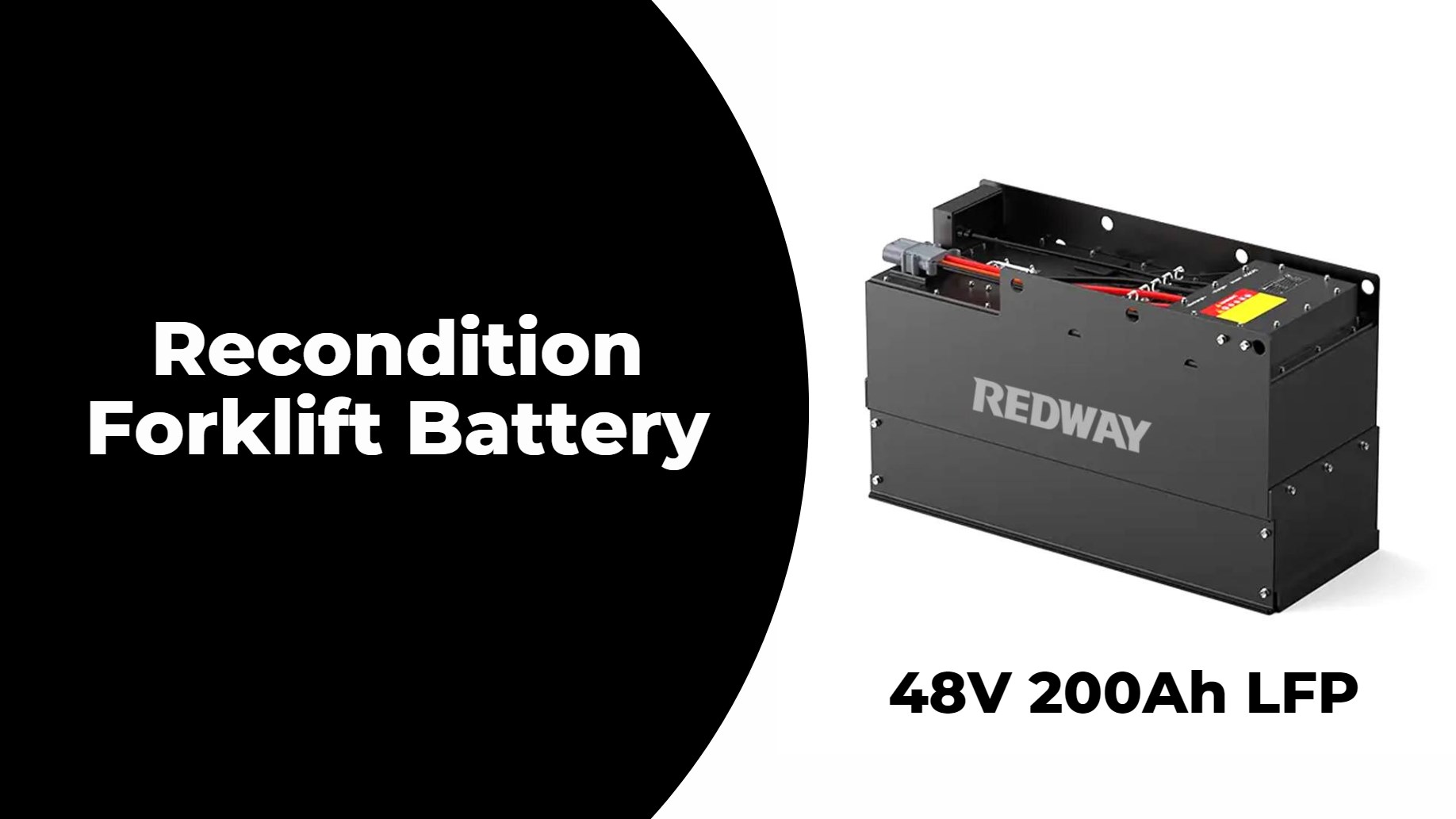
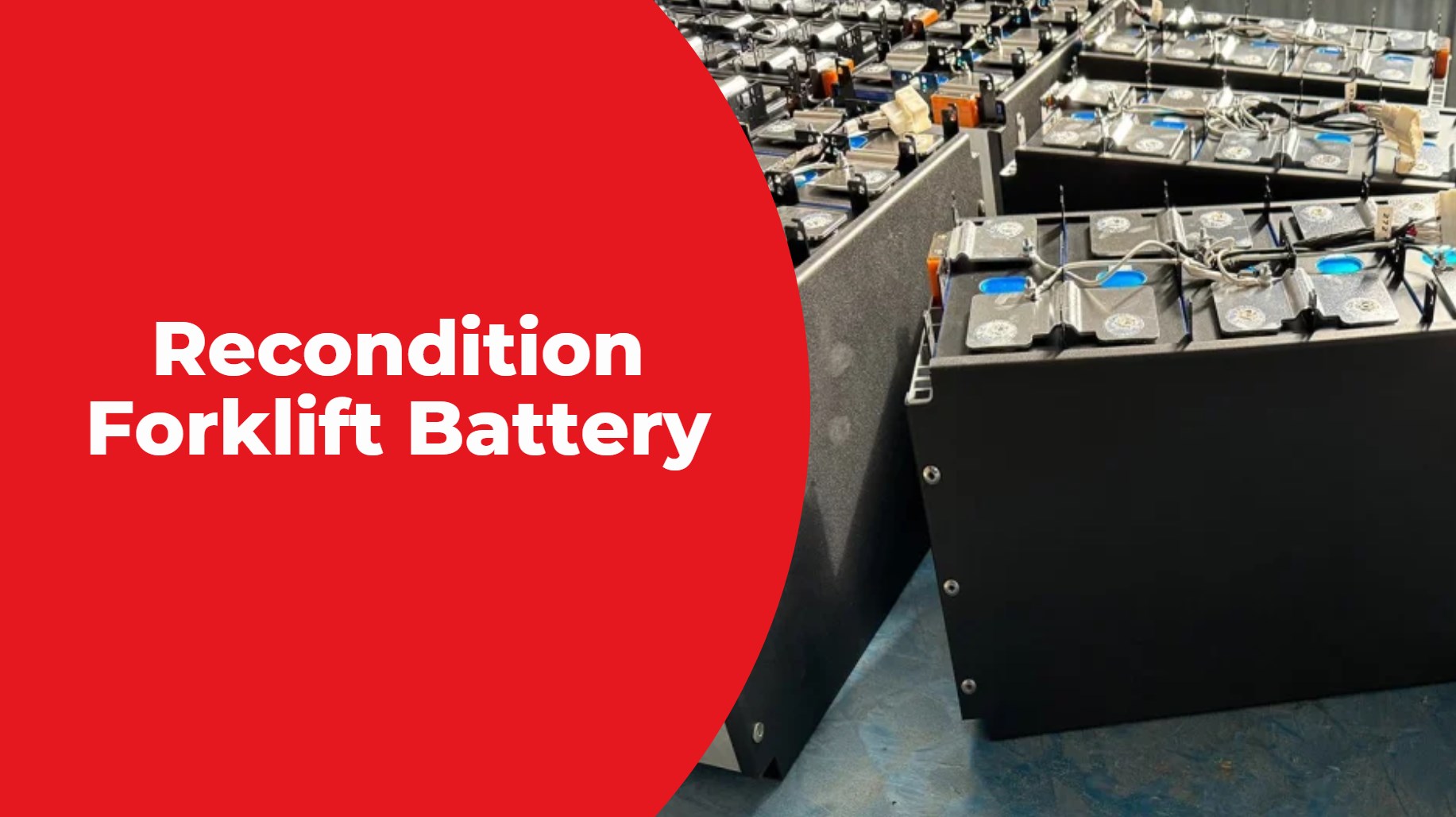
Reconditioning forklift batteries is an effective method to restore used batteries to a functional state, extending their lifespan and enhancing their performance. This process involves several steps aimed at rejuvenating the battery, offering significant benefits in terms of cost savings, environmental impact, and performance. In this article, we delve into the reconditioning process, its advantages, and essential considerations to help businesses make informed decisions.

Reconditioning forklift batteries involves restoring their capacity through equalization charges or replacing damaged cells. This process can extend battery life significantly while reducing waste. Regular maintenance is key to ensuring optimal performance post-reconditioning.

The Reconditioning Process

  1. AssessmentThe reconditioning process begins with a thorough assessment of the forklift battery’s condition. This includes measuring the battery’s voltage, capacity, and overall health of the individual cells. By evaluating these parameters, technicians can determine the extent of degradation and identify any components that require attention.
  2. CleaningCleaning is a crucial step in the reconditioning process. The battery terminals and casing are cleaned to remove corrosion, dirt, and debris. This is essential for maintaining good electrical connections and ensuring that the battery operates efficiently. Proper cleaning can prevent potential issues and enhance the battery’s overall performance.
  3. TestingFollowing the cleaning, each cell within the battery is tested for voltage and capacity. This step helps identify weak or failing cells that might compromise the battery’s performance. Accurate testing allows for targeted intervention, ensuring that only the necessary components are replaced or repaired.
  4. Cell ReplacementIf testing reveals defective or significantly degraded cells, these cells are replaced with new or refurbished ones. This step is vital for restoring the battery’s overall capacity and functionality. By replacing faulty cells, the battery’s performance can be significantly improved, leading to better reliability and efficiency.
  5. BalancingBalancing involves adjusting the cells to ensure they charge and discharge evenly. This step helps to optimize the battery’s efficiency and longevity. Properly balanced cells contribute to a more stable and reliable power output, enhancing the overall performance of the forklift.
  6. RechargingAfter reconditioning, the battery is fully recharged using a compatible charger. This may involve a specialized charging process designed to optimize the battery’s performance. A complete recharge ensures that the battery is ready for use and capable of delivering the necessary power for forklift operations.
  7. Final TestingThe final step in the reconditioning process is testing the battery once more to ensure it meets the required specifications and performance standards. This final check confirms that the reconditioning process has been successful and that the battery is ready for operational use.

Benefits of Reconditioning Forklift Batteries

  1. Cost SavingsReconditioned batteries are generally much cheaper than new batteries, providing a cost-effective solution for businesses. By opting for reconditioning, companies can extend the life of their equipment without the expense of purchasing new batteries.
  2. Extended LifespanProperly reconditioned batteries can retain a significant portion of their capacity, often around 85% or more. This extended lifespan effectively gives the battery a second life, allowing businesses to maximize their investment and avoid frequent replacements.
  3. Environmental ImpactReconditioning batteries reduces waste and minimizes the environmental impact associated with battery disposal and the manufacturing of new batteries. By reconditioning, businesses contribute to more sustainable practices and reduce their carbon footprint.
  4. Improved PerformanceReconditioning can restore the battery’s performance, making it more efficient and reliable for ongoing operations. Improved performance translates to better productivity and reduced downtime, enhancing overall operational efficiency.

Considerations

  1. WarrantyMany reconditioned batteries come with a warranty, providing assurance regarding their performance and reliability. It’s important to review the warranty terms and conditions to ensure adequate coverage and support.
  2. Professional ServicesUtilizing professional reconditioning services is advisable to ensure that the process is carried out correctly and safely. Experienced technicians have the expertise and equipment needed to perform effective reconditioning and address any potential issues.
  3. CompatibilityEnsure that the reconditioned battery is compatible with your specific forklift model and meets the required specifications. Compatibility is crucial for optimal performance and to avoid potential operational issues.
  4. Regular MaintenanceEven after reconditioning, regular maintenance is essential to maximize the battery’s lifespan and performance. Routine checks and maintenance can help identify any issues early and ensure the battery continues to operate efficiently.

Conclusion

Reconditioning forklift batteries offers a practical and economical solution for businesses seeking to extend the life of their battery-powered equipment. By restoring the battery’s performance and capacity, companies can achieve cost savings, contribute to sustainable practices, and enhance operational efficiency. With proper assessment, cleaning, testing, and maintenance, reconditioned batteries can provide reliable power and improved performance for various industrial applications.

FAQs

Forklift Battery Pack: A Comprehensive Guide
Recondition Forklift Battery: A Comprehensive Guide
Reconditioned Forklift Battery: An Economical and Eco-Friendly Solution
Used Forklift Battery: A Comprehensive Guide
Lithium Forklift Batteries: The Future of Material Handling
The Future of Electric Forklift Batteries: Innovations and Trends
Understanding 24V Forklift Batteries: A Comprehensive Guide
36 Volt Forklift Battery: A Comprehensive Overview
Understanding 12V Forklift Batteries: A Comprehensive Guide
A Comprehensive Guide to Forklift Batteries: Types, Advantages, and Considerations
Understanding the Types of Forklift Batteries: A Comprehensive Guide

Reconditioned Forklift Battery: An Economical and Eco-Friendly Solution

Reconditioned Forklift Battery: An Economical and Eco-Friendly Solution

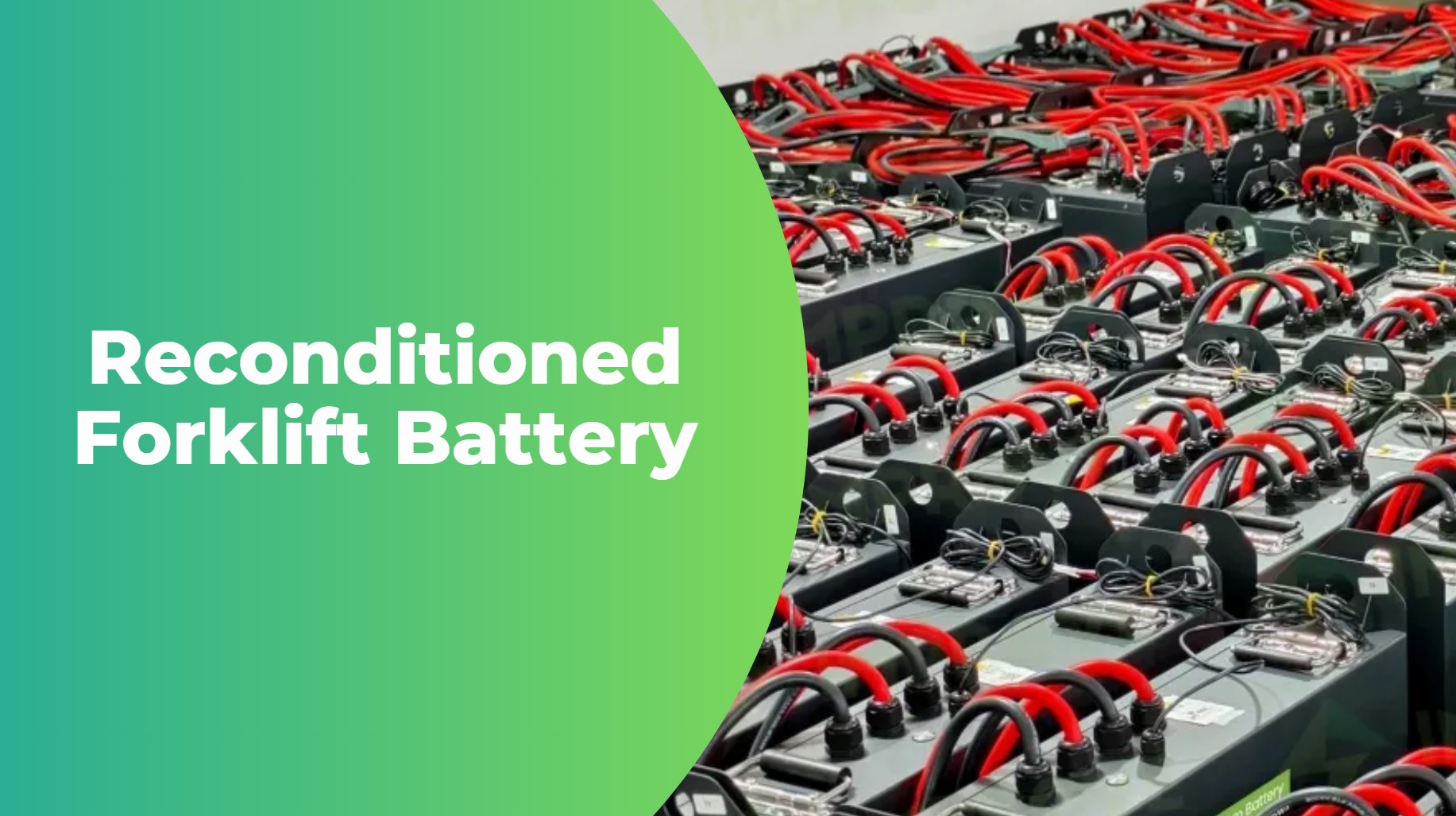
In today’s industrial landscape, reconditioned forklift batteries have emerged as a compelling alternative to new batteries, offering a range of benefits that cater to both cost efficiency and environmental sustainability. This article delves into what reconditioned forklift batteries are, their advantages, and key considerations for businesses looking to make an informed decision.

Reconditioned forklift batteries provide a cost-effective alternative to new batteries while minimizing environmental impact. They undergo thorough testing to ensure reliability and can offer similar performance levels at a reduced price compared to new units.

What Are Reconditioned Forklift Batteries?

Reconditioned forklift batteries are essentially used batteries that have undergone a refurbishing process to restore their capacity and performance. The reconditioning process typically involves several critical steps:

  • Testing: The initial step includes a thorough examination to assess the battery’s current condition and capacity. This testing ensures that only batteries with the potential for successful refurbishment proceed to the next stage.
  • Repair and Replacement: Damaged or worn-out components, including cells or connectors, are either repaired or replaced. This step is crucial for restoring the battery’s functionality and extending its lifespan.
  • Recharging and Conditioning: The battery is fully charged and conditioned to meet performance standards. This process helps in achieving optimal operational efficiency and reliability.
  • Capacity Guarantee: Many reconditioned batteries come with a guarantee that they will retain a significant portion of their original capacity, often around 85%. This ensures that users receive a battery that performs close to its original state.

Benefits of Reconditioned Forklift Batteries

Cost Savings: One of the most significant advantages of reconditioned forklift batteries is their cost-effectiveness. They are generally much cheaper than new batteries, providing an attractive option for businesses looking to reduce operational expenses without compromising on performance.

Environmental Impact: Opting for reconditioned batteries aligns with sustainability efforts. By choosing reconditioned batteries, businesses contribute to reducing waste and minimizing the environmental costs associated with the production of new batteries.

Warranty: Many suppliers offer warranties on reconditioned batteries, which provides peace of mind regarding their reliability and performance. This warranty often covers a substantial period, ensuring that businesses are protected against potential issues.

Quick Availability: Reconditioned batteries are often available more quickly than new ones. New batteries can have longer lead times due to manufacturing processes, whereas reconditioned batteries may be readily available, reducing downtime in critical operations.

Second Life for Old Batteries: Businesses can send their used batteries for reconditioning, effectively giving them a second life. This process allows companies to recycle and extend the life of their existing equipment, promoting a circular economy.

Considerations

Performance: While reconditioned batteries offer good performance, they may not match the capabilities of brand-new batteries. It is essential to verify the battery’s capacity and condition before purchase to ensure it meets operational needs.

Supplier Reputation: Selecting a reputable supplier is crucial when opting for reconditioned batteries. Choose suppliers who provide detailed information about the reconditioning process and offer warranties. This ensures that the batteries have been adequately refurbished and are reliable.

Maintenance Needs: Although reconditioned batteries require less maintenance compared to lead-acid batteries, they still need regular checks to ensure optimal performance. Regular maintenance helps in identifying and addressing potential issues before they impact operations.

Conclusion

Reconditioned forklift batteries offer a practical solution for businesses aiming to balance cost savings with environmental responsibility. By understanding the benefits and carefully considering the potential limitations, companies can effectively incorporate reconditioned batteries into their operations. Choosing a reputable supplier and verifying the condition of the battery are key steps in ensuring a successful investment in reconditioned technology.

In summary, reconditioned forklift batteries provide a viable, economical, and eco-friendly option for maintaining reliable power sources in industrial settings. Their ability to offer significant cost savings, coupled with environmental benefits and quick availability, makes them an attractive choice for modern businesses.

FAQs

Forklift Battery Pack: A Comprehensive Guide
Recondition Forklift Battery: A Comprehensive Guide
Reconditioned Forklift Battery: An Economical and Eco-Friendly Solution
Used Forklift Battery: A Comprehensive Guide
Lithium Forklift Batteries: The Future of Material Handling
The Future of Electric Forklift Batteries: Innovations and Trends
Understanding 24V Forklift Batteries: A Comprehensive Guide
36 Volt Forklift Battery: A Comprehensive Overview
Understanding 12V Forklift Batteries: A Comprehensive Guide
A Comprehensive Guide to Forklift Batteries: Types, Advantages, and Considerations
Understanding the Types of Forklift Batteries: A Comprehensive Guide

Used Forklift Battery: A Comprehensive Guide

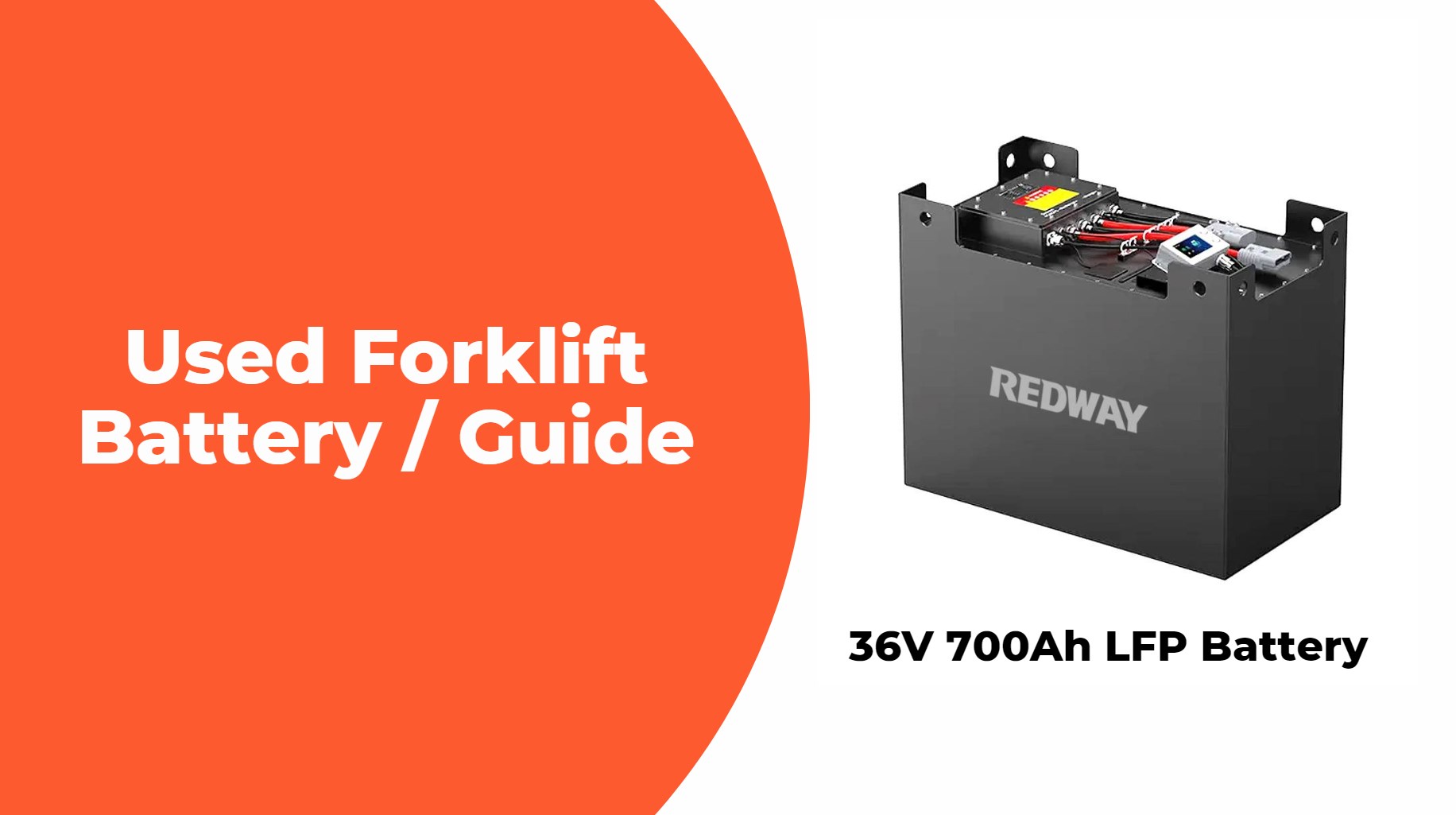
What Should You Know About Used Forklift Batteries?

Understanding used forklift batteries is essential for warehouse operations aiming for cost-effectiveness without compromising safety or performance. This guide covers key considerations when purchasing or renting used forklift batteries, ensuring informed decisions that maximize operational efficiency.

What Are the Pros and Cons of Using Used Forklift Batteries?

Pros of using used forklift batteries include lower costs and reduced environmental impact through recycling. However, cons may involve shorter lifespan, potential reliability issues, and limited warranty coverage. Evaluating the condition and history of the battery is essential to determine if the benefits outweigh the drawbacks for your specific needs.

Chart: Pros and Cons of Using Used Forklift Batteries

Pros Cons
Lower initial cost Shorter lifespan
Availability for temporary needs Possible hidden defects
Environmentally friendly option Limited warranty options

How Can You Evaluate the Condition of a Used Battery?

To evaluate a used battery’s condition, check for physical signs of damage like corrosion or swelling. Use a multimeter to measure voltage and compare it to the manufacturer’s specifications. Additionally, assess the battery’s age and maintenance history to gauge its remaining lifespan and performance potential.

What Factors Should You Consider When Buying Used Forklift Batteries?

When buying used forklift batteries, consider factors such as battery age, brand reputation, previous usage conditions, and warranty terms. Ensure compatibility with your forklift model and evaluate the seller’s return policy. It’s also wise to request a performance test to confirm the battery’s current capacity.

Chart: Key Factors in Buying Used Forklift Batteries

Factor Description
Compatibility Ensure it matches your forklift specifications
Warranty Look for coverage terms and duration
Inspection Check physical condition and performance metrics

How Do You Maintain Used Forklift Batteries for Longevity?

To maintain used forklift batteries, regularly clean terminals to prevent corrosion and check electrolyte levels in lead-acid types. Follow proper charging practices, avoid deep discharging, and store batteries in a cool, dry place. Regular inspections can help identify issues early and extend battery life.

What Are the Environmental Considerations for Used Forklift Batteries?

Environmental considerations for used forklift batteries include proper disposal methods to prevent hazardous waste contamination. Recycling programs can recover valuable materials from lead-acid and lithium-ion batteries. Choosing refurbished options also reduces landfill waste and promotes sustainability in industrial operations.

How Do Rental Options Compare to Purchasing Used Forklift Batteries?

Renting forklift batteries can provide flexibility without the upfront costs associated with purchasing used batteries. Rental options often include maintenance services, reducing operational risks. However, purchasing may be more economical in the long term if consistent use is expected; evaluate your operational needs before deciding.

What Are Common Misconceptions About Used Forklift Batteries?

Common misconceptions about used forklift batteries include the belief that they are always unreliable or significantly degraded. While some may have reduced capacity, many used batteries can perform adequately if properly maintained. Additionally, not all used batteries lack warranties; reputable sellers often provide limited guarantees on their products.

How Can You Ensure Compatibility with Your Forklift Model?

To ensure compatibility with your forklift model, consult the manufacturer‘s specifications regarding battery size, voltage, and terminal configuration. Check if the used battery matches these requirements before purchase. Additionally, consider reaching out to the seller for advice on compatibility based on your forklift’s make and model.

Expert Views

Choosing used forklift batteries can be a smart financial decision if done carefully; always prioritize thorough inspections and consider warranty options,” states an expert from Redway.

Conclusion

Understanding used forklift batteries involves evaluating their pros and cons, assessing their condition before purchase, and maintaining them properly for longevity. By making informed choices, businesses can optimize their operations while managing costs effectively.

FAQ Section

  • How long do used forklift batteries typically last?
    Used forklift batteries generally last between 1-3 years depending on usage and maintenance practices.
  • Can I return a used battery if it doesn’t work?
    Return policies vary by seller; always check warranty terms before purchase.
  • What should I do if my used battery shows signs of failure?
    If signs of failure appear, stop using the battery immediately and consult a professional for evaluation or replacement options.

More:

Forklift Battery Pack: A Comprehensive Guide
Recondition Forklift Battery: A Comprehensive Guide
Reconditioned Forklift Battery: An Economical and Eco-Friendly Solution
Used Forklift Battery: A Comprehensive Guide
Lithium Forklift Batteries: The Future of Material Handling
The Future of Electric Forklift Batteries: Innovations and Trends
Understanding 24V Forklift Batteries: A Comprehensive Guide
36 Volt Forklift Battery: A Comprehensive Overview
Understanding 12V Forklift Batteries: A Comprehensive Guide
A Comprehensive Guide to Forklift Batteries: Types, Advantages, and Considerations
Understanding the Types of Forklift Batteries: A Comprehensive Guide

Search products

Need a Quick Quote on Wholesale Prices? Contact Redway Battery Now.

X
Product has been added to your cart