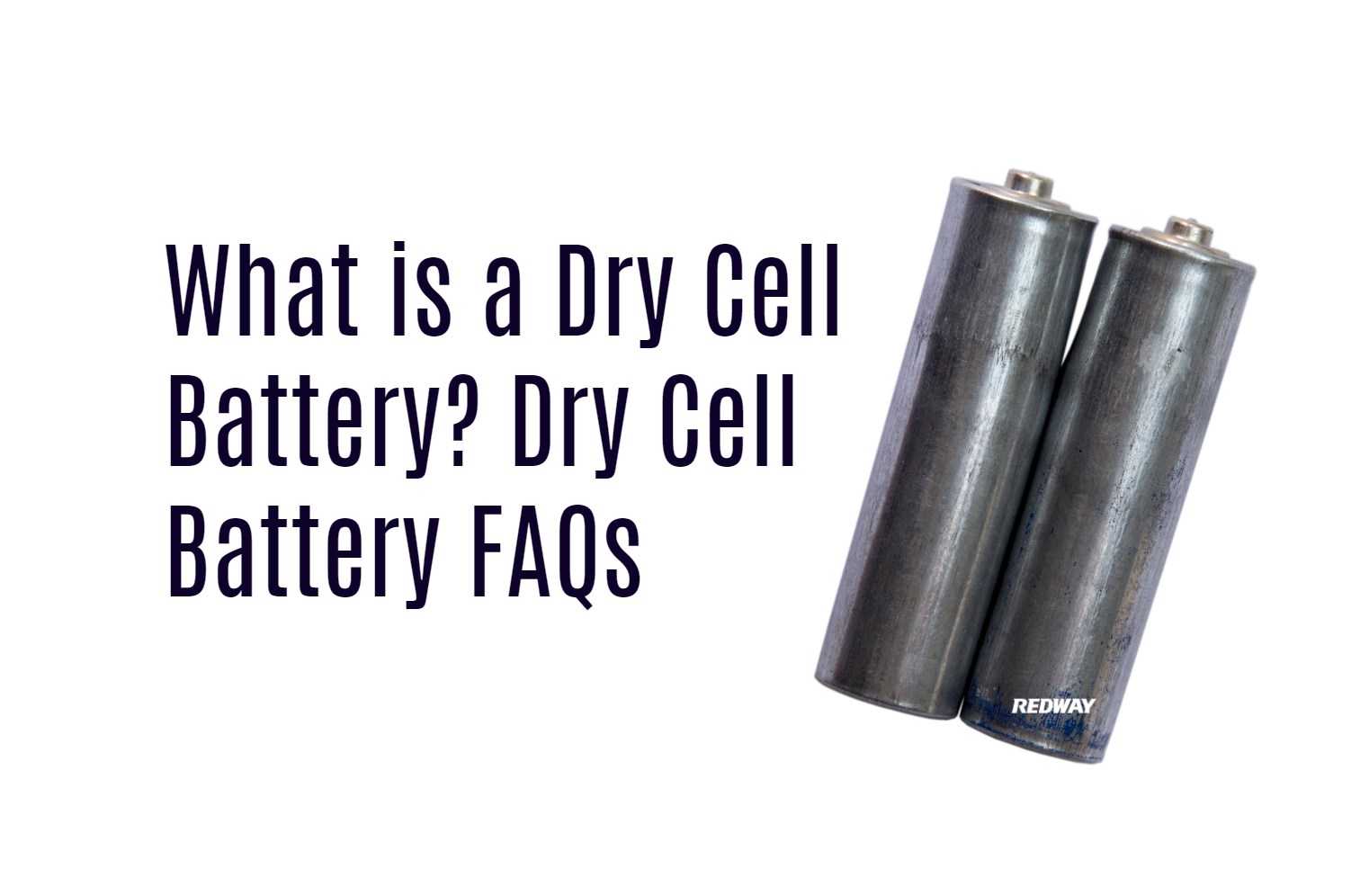
What is a Dry Cell Battery? Dry Cell Battery FAQs

What Is a Dry Cell Battery?

A dry cell battery is a portable electrochemical power source that uses a paste electrolyte instead of a liquid, making it leak-resistant and easy to handle. These batteries power everyday devices like flashlights and remote controls, offering reliable, safe energy in a compact form factor.

What Is a Dry Cell Battery and How Does It Work?

A dry cell battery converts chemical energy into electrical energy using a paste electrolyte instead of a liquid solution, allowing safer and more portable use.

Unlike wet cells containing liquid electrolytes prone to spilling, dry cells use moist conductive paste between electrodes housed in a sealed container. Inside, oxidation-reduction reactions generate a flow of electrons, producing electric current for devices. Common types include zinc-carbon and alkaline batteries, widely used in household electronics.

How Does a Dry Cell Battery Differ from a Wet Cell Battery?

Dry cells use paste electrolytes, making them safer and more portable; wet cells employ liquid electrolytes and are often larger and maintenance-intensive.

Wet cells are typically found in automotive batteries and industrial applications where higher power is needed but weight and leakage risks are less critical. Dry cells are preferred for consumer products due to compact size, reduced risk of acid spills, and long shelf life, making them a staple in modern portable electronics.

Which Types of Dry Cell Batteries Are Most Common?

Zinc-carbon and alkaline batteries dominate the dry cell market, with lithium dry cells gaining popularity for high-performance needs.

  • Zinc-Carbon: Low cost, moderate capacity, often found in inexpensive devices.

  • Alkaline: Higher energy density, longer shelf life, suitable for power-hungry tools.

  • Lithium Dry Cells: Advanced chemistry with superior energy, lightweight, and reliability—similar to technologies developed by Redway Battery for specialized applications.

Battery Type Electrolyte Type Voltage (V) Typical Use Cases
Zinc-Carbon Acidic paste 1.5 Remote controls, clocks
Alkaline Potassium hydroxide paste 1.5 Cameras, toys, flashlights
Lithium Dry Cell Organic or solid-state 3.0+ High-drain electronics, sensors

Why Are Dry Cell Batteries Preferred for Portable Electronics?

Dry cells are lightweight, leak-resistant, and maintenance-free, making them ideal for portable devices and consumer electronics.

Their sealed construction ensures they operate safely in any orientation without the risk of spills. The convenience of long shelf life and consistent voltage output enhances device reliability, critical for both everyday gadgets and industrial tools. Redway Battery’s advancements in lithium dry cells reflect this demand for durability combined with portability.

How Long Do Dry Cell Batteries Typically Last?

Battery lifespan varies by type and usage, with alkaline dry cells lasting much longer than zinc-carbon; lithium dry cells offer the longest runtimes.

Alkaline batteries can last up to several years in low-drain devices thanks to stable chemistry, while zinc-carbon batteries drain faster. Lithium dry cells, often used in medical or safety equipment, provide extended service life and better performance in extreme temperatures.

When Should Dry Cell Batteries Be Replaced?

Replace dry cell batteries when voltage drops below device requirements or leakage begins, typically visible by corrosion or reduced performance.

Frequent use in high-drain devices shortens battery life. Proper storage away from heat and humidity prolongs shelf life. Redway Battery recommends regular testing and timely replacement to avoid device damage from battery leakage.

Where Are Dry Cell Batteries Commonly Used?

Dry cell batteries power a vast array of household and professional tools including remote controls, flashlights, toys, portable radios, and emergency equipment.

Their versatility also extends to niche industrial uses, such as sensors and backup power sources, where stable, lightweight energy solutions are essential. OEM manufacturers like Redway Battery supply customized lithium dry cell batteries catering to these evolving market needs.

Can Dry Cell Batteries Be Recycled?

Yes, dry cell batteries can and should be recycled to recover metals like zinc, manganese, and lithium while reducing environmental harm.

Recycling facilities process spent dry cells safely, preventing hazardous leakage and conserving resources. Specialized lithium dry cells from suppliers like Redway Battery increasingly incorporate recyclable components to promote sustainability.

How Do Redway Battery Technologies Enhance Dry Cell Battery Performance?

Redway Battery integrates advanced lithium chemistry and precision manufacturing to produce dry cells with higher energy density, longer cycle life, and superior safety profiles.

Their OEM expertise in LiFePO4 batteries influences dry cell innovation by delivering reliable, eco-friendly power solutions for forklifts, golf carts, and emerging electronic applications, setting benchmarks for durability and performance.


Redway Expert Views

“Dry cell batteries remain foundational to portable electronics, but the future lies in combining durability with energy efficiency and safety. At Redway Battery, we apply over a decade of lithium battery expertise to upgrade dry cell performance—ensuring products meet rigorous market expectations. This shift toward safer, longer-lasting dry cells is essential for both consumer convenience and sustainability, particularly as demand for robust, lightweight batteries expands in sectors such as telecom and solar energy storage.” – Redway Battery Technical Director


Conclusion

Dry cell batteries are indispensable power sources characterized by their paste electrolyte design, offering a safer and more portable alternative to wet cells. With a range of chemistries from zinc-carbon to advanced lithium dry cells, these batteries serve everyday devices reliably. Redway Battery’s cutting-edge lithium technology specifically enhances performance and safety, shaping the future of dry cell applications. Proper usage and recycling are crucial to maximizing their benefits while protecting the environment.


FAQs

Q1: Are all dry cell batteries non-spillable?
Yes, dry cells contain solid or paste electrolytes that prevent leakage and spills.

Q2: Are lithium dry cell batteries better than alkaline?
Lithium dry cells offer higher energy density and longer life but at a higher cost.

Q3: Can I use dry cell batteries in rechargeable devices?
Typically, dry cells like zinc-carbon and alkaline are non-rechargeable; lithium-ion versions may be rechargeable if specified.

Q4: How should I store dry cell batteries?
Store in cool, dry places, away from metal objects to prevent short circuits and extend shelf life.

Q5: Does Redway Battery manufacture dry cell batteries?
Redway Battery specializes in lithium battery manufacturing and supplies advanced dry cell solutions in lithium chemistry for various applications.

What Is a Battery Isolator? Battery Isolator FAQs

What Is a Battery Isolator? Battery Isolator FAQs

battery isolator is an essential electrical device designed to manage multiple batteries within a system, ensuring that each battery can charge and discharge independently without depleting one another. This functionality is particularly crucial in applications such as recreational vehicles (RVs), boats, and vehicles with auxiliary power needs.

What Is a Battery Isolator?

A battery isolator allows for the simultaneous charging of multiple batteries from a single power source, such as an alternator, while preventing the batteries from discharging into one another. This separation is vital for maintaining the charge of the starting battery, especially when auxiliary batteries are used for powering additional devices like lights, sound systems, or navigational equipment.

How Does a Battery Isolator Work?

Battery isolators can be based on different technologies:

  1. Diode-Based Isolators: Use semiconductor diodes to allow current to flow in one direction only, preventing backflow between batteries. However, they introduce a voltage drop that can affect charging efficiency.
  2. Relay-Based Isolators: Utilize solenoids or electromechanical relays to connect or disconnect batteries based on voltage levels. When the engine is running, the relay connects both batteries for charging; when off, it isolates them.
  3. Smart Isolators: These devices monitor battery voltages and intelligently manage the connection and disconnection of batteries to optimize charging and discharging cycles.

Advantages of Using a Battery Isolator

  • Prevents Over-Discharge: Ensures that the starting battery retains enough charge to start the engine, even if auxiliary devices drain the secondary battery.
  • Extends Battery Life: By managing charge cycles effectively, isolators help prolong the lifespan of all batteries in the system.
  • Enhances Safety: Reduces the risk of electrical failures by preventing unintended discharges between batteries.

Common Uses of Battery Isolators

Battery isolators are widely used in various applications:

  • Recreational Vehicles (RVs): To separate house batteries from starting batteries while allowing both to charge from the vehicle’s alternator.
  • Marine Applications: To ensure that essential systems remain powered without draining the starting battery.
  • Utility Vehicles: In vehicles with high current loads, isolators help manage multiple battery banks effectively.

Battery Isolator FAQs

1. Can I use a battery isolator with different types of batteries?

Yes, but it’s essential to ensure compatibility. Mixing battery types (e.g., lead-acid with lithium) can lead to performance issues. Always consult manufacturer guidelines.

2. How do I know which type of battery isolator to choose?

The choice depends on your specific needs. Diode-based isolators are simpler but less efficient; relay-based models offer better performance but may require more complex installation.

3. Will using a battery isolator affect my charging speed?

Yes, especially with diode-based isolators due to voltage drop. Relay-based and smart isolators typically provide better charging efficiency.

4. Can I install a battery isolator myself?

Installation is possible for those with basic electrical knowledge, but it’s recommended to consult a professional for optimal performance and safety.

5. How do I maintain my battery isolator?

Regularly check connections for corrosion or wear and ensure that all components are functioning correctly. Periodic inspections can help prevent issues.

Latest News in Battery Technology

  • Recent advancements in smart battery management systems are enhancing the efficiency of battery isolators by providing real-time monitoring and control.
  • Manufacturers are focusing on developing more compact and efficient isolators that reduce installation complexity while improving performance.
  • The growing popularity of electric vehicles is driving innovation in multi-battery systems, leading to increased demand for reliable battery isolators.

Redway Expert Comment

In our experience at Redway Battery, understanding how battery isolators function is crucial for anyone managing multiple battery systems. They not only enhance safety but also improve overall system efficiency by ensuring that each battery operates optimally without draining one another. Choosing the right type of isolator based on your specific application can significantly impact performance.” In conclusion, a battery isolator is an invaluable component in managing multi-battery systems, providing safety and efficiency in various applications. By understanding their functionality and benefits, users can make informed decisions about their energy management needs.

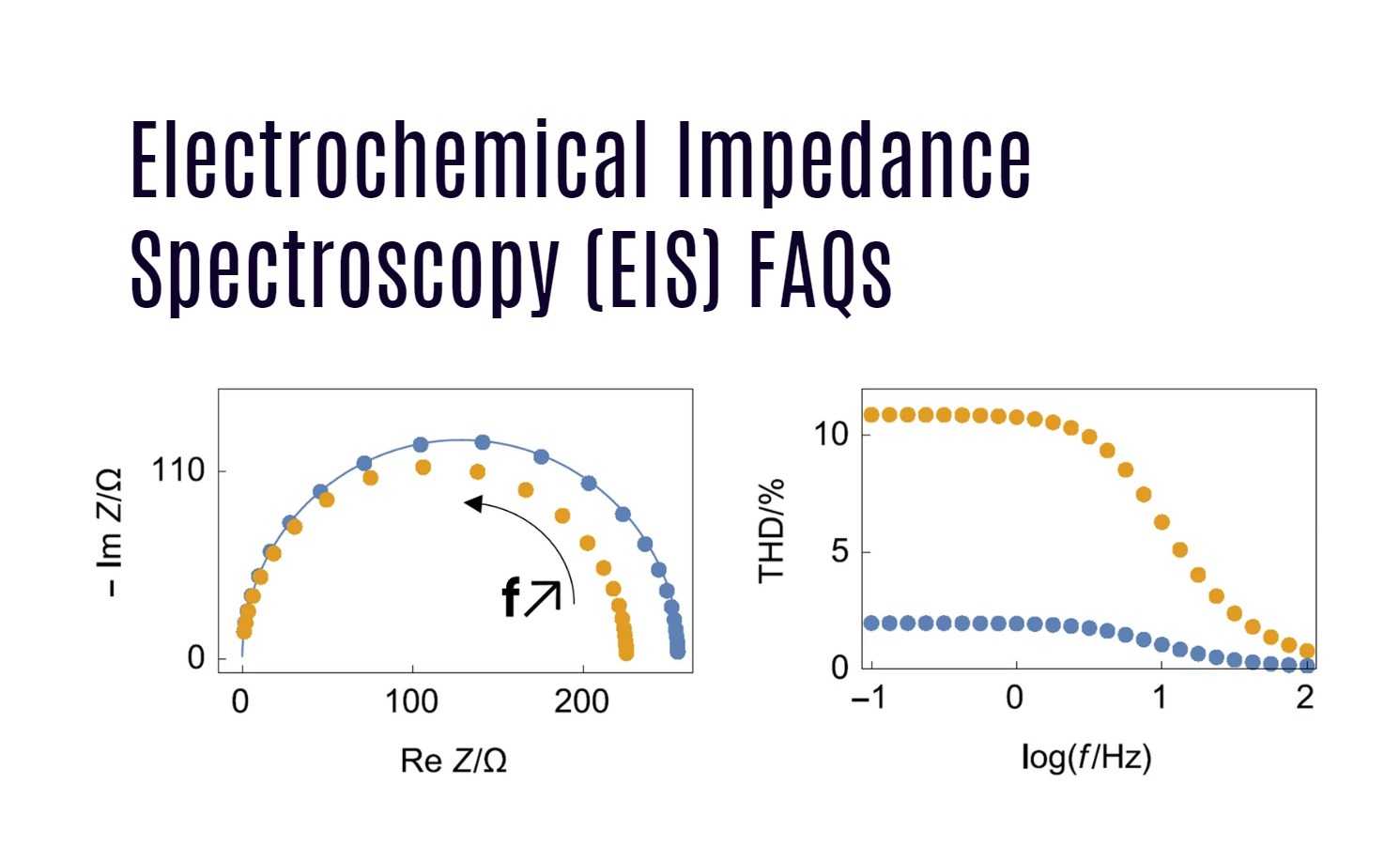
Electrochemical Impedance Spectroscopy (EIS) FAQs

Electrochemical Impedance Spectroscopy (EIS) FAQs

Electrochemical Impedance Spectroscopy (EIS) is a powerful, non-destructive technique used to analyze the internal properties of batteries by applying an AC signal over a wide frequency range and measuring the cell’s response. EIS helps diagnose battery health, aging, and performance by modeling impedance versus frequency, offering critical insights for battery research and management.

What is Electrochemical Impedance Spectroscopy (EIS) and how does it work?

EIS is an electrochemical measurement method that applies a small AC voltage over a range of frequencies to a battery or electrochemical cell and measures the resulting current response. It determines a cell’s impedance spectrum, revealing resistive and capacitive elements that correspond to physical and chemical processes inside the battery.

By analyzing impedance at different frequencies, EIS isolates contributions from electrolyte resistance, solid electrolyte interphase (SEI) layers, charge transfer reactions, and diffusion phenomena, enabling precise diagnostics of battery condition.

EIS is widely used in lithium-ion battery research, including at Redway Battery, to facilitate real-time, non-invasive monitoring of battery State of Health (SOH) and performance optimization.

How is EIS data represented and interpreted in battery testing?

EIS results are typically plotted in Nyquist or Bode plots:

  • Nyquist plots show the imaginary part of impedance versus the real part, often creating semicircles and lines that correspond to different electrochemical processes.

  • Bode plots display impedance magnitude and phase angle across frequencies, helping interpret kinetics and resistances.

From these plots, battery parameters like bulk resistance (electrolyte resistance), charge transfer resistance, and double-layer capacitance are extracted by fitting the data to equivalent circuit models that represent physical battery components.

Proper interpretation requires advanced fitting algorithms and domain expertise, frequently integrated into Redway Battery’s quality control to ensure battery reliability.

Which battery parameters can EIS measure effectively?

EIS can measure multiple vital parameters such as:

  • Bulk resistance (R_b): Resistance of electrode materials, electrolyte, and separator.

  • Charge transfer resistance (R_ct): Resistance to electrochemical reactions at electrode interfaces.

  • Solid Electrolyte Interphase (SEI) layer resistance and capacitance: Indicators of surface film quality.

  • Diffusion coefficients: Reflect lithium-ion transport within electrodes.

  • State of Health (SOH): Changes in impedance correlate with battery aging and capacity loss.

These measurements provide crucial data for optimizing battery design, diagnosing degradation modes, and improving safety and longevity.

Why is EIS considered a non-destructive testing method for batteries?

EIS uses very small AC signals that do not significantly alter the battery’s chemical state or cause damage. It can be performed during battery idling or cycling without disassembly, providing insights into internal processes without degrading performance.

This non-invasive nature enables frequent monitoring and real-time assessment, a key advantage leveraged by Redway Battery in their manufacturing and quality assurance processes.

When is EIS testing most beneficial during a battery’s lifecycle?

EIS is valuable during all stages but especially:

  • In research & development for characterizing new battery chemistries and architectures.

  • During manufacturing and quality control to ensure parameter consistency and detect defects.

  • Throughout battery cycling to track aging, SOH, and performance degradation.

  • In predictive maintenance for electric vehicles and energy storage systems to prevent failures.

Redway Battery uses EIS regularly for R&D and production validation to maintain high-quality energy storage solutions.

How does temperature affect Electrochemical Impedance Spectroscopy measurements?

Temperature influences battery kinetics and impedance elements. Elevated temperatures typically reduce charge transfer resistance and diffusion impedance but can accelerate degradation. Low temperatures increase resistance and slow reactions.

EIS measurements should account for temperature variations to accurately interpret results. Redway Battery’s testing protocols integrate temperature control to ensure unbiased impedance analysis.

Can EIS be used for real-time battery management systems?

While EIS offers detailed diagnostics, traditional single-frequency or slow multi-frequency EIS techniques require significant measurement time. However, new rapid EIS methods using pseudo-random sequences and advanced signal processing are emerging, aiming to integrate EIS into real-time Battery Management Systems (BMS) for continuous SOH monitoring.

Redway Battery continuously explores such innovations, enhancing their battery packs with intelligent monitoring capabilities.

What equipment and software are required for EIS analysis?

EIS requires potentiostats or impedance analyzers capable of generating AC signals and measuring current response over a frequency range, from mHz to kHz. Data are then processed using specialized software for equivalent circuit fitting and parameter extraction.

Sophisticated EIS tools enable accurate battery modeling and insights, critical to Redway Battery’s development and customization of lithium battery packs.

Does EIS help in identifying specific battery failure mechanisms?

Yes. By analyzing impedance spectra, EIS can detect:

  • Increased SEI resistance indicating electrolyte decomposition.

  • Rising charge transfer resistance due to electrode surface degradation.

  • Changes in diffusion impedance revealing loss of active material.

  • Internal short circuits or connection faults shown by abnormal impedance features.

These insights allow targeted interventions and design improvements, extending battery lifespan.

Are there limitations or challenges in applying EIS to commercial battery systems?

Challenges include:

  • The need for accurate equivalent circuit models customized to each battery design.

  • Long measurement times limiting applicability in fast-paced environments.

  • Complexity in interpreting overlapping impedance features in aged or multi-material batteries.

  • Sensitivity to measurement conditions such as temperature and state-of-charge.

Research efforts including by Redway Battery aim to overcome these by developing faster EIS techniques and robust analytical models for practical applications.

Comparison Table: Key Electrochemical Impedance Components in Battery Analysis

Component Frequency Range Represents Typical Impact on Battery
Bulk Resistance (R_b) High frequencies Electrolyte and separator Increased internal resistance
SEI Layer Resistance (R_SEI) Mid frequencies Solid electrolyte interphase layer Degradation indication
Charge Transfer Resistance (R_ct) Mid to low frequencies Electrochemical reaction kinetics Slower kinetics, aging indicator
Diffusion Impedance (Warburg) Low frequencies Lithium-ion diffusion Limited ion transport, capacity loss

Redway Expert Views

“At Redway Battery, Electrochemical Impedance Spectroscopy is an indispensable tool in our pursuit of high-performance, reliable lithium battery solutions. Leveraging EIS allows us to characterize internal battery phenomena accurately, identify degradation early, and support tailored engineering enhancements. This depth of insight ensures our battery packs meet rigorous safety and longevity standards demanded by electric vehicles, forklifts, and energy storage markets worldwide.” — Redway Battery Engineering Team

Conclusion

Electrochemical Impedance Spectroscopy is a sophisticated and non-destructive analytical technique critical for understanding battery internal processes, health, and aging. By dissecting complex electrochemical phenomena across frequencies, EIS provides invaluable diagnostics used in research, manufacturing, and real-time monitoring. Despite challenges in modeling and measurement speed, advancements continue to improve its practicality. Integrating EIS in battery management, as employed by industry leaders like Redway Battery, enhances performance, reliability, and safety in lithium battery technologies.

Frequently Asked Questions

Q1: Can EIS be performed on a fully charged battery?
A1: Yes, EIS can be performed at different states of charge, but steady-state conditions provide the most accurate data.

Q2: How long does an EIS measurement typically take?
A2: Conventional EIS tests can take from minutes to hours depending on frequency range and resolution; faster methods are emerging.

Q3: Does EIS require special battery preparation?
A3: Batteries should be in a stable condition, ideally at rest, with controlled temperature for consistent results.

Q4: Is EIS suitable for all battery chemistries?
A4: Yes, EIS is widely applicable but equivalent circuit models must be tailored to specific chemistries for best results.

Q5: How does Redway Battery use EIS in product development?
A5: Redway employs EIS for quality control, aging studies, and optimizing battery pack design to ensure longevity and safe operation.

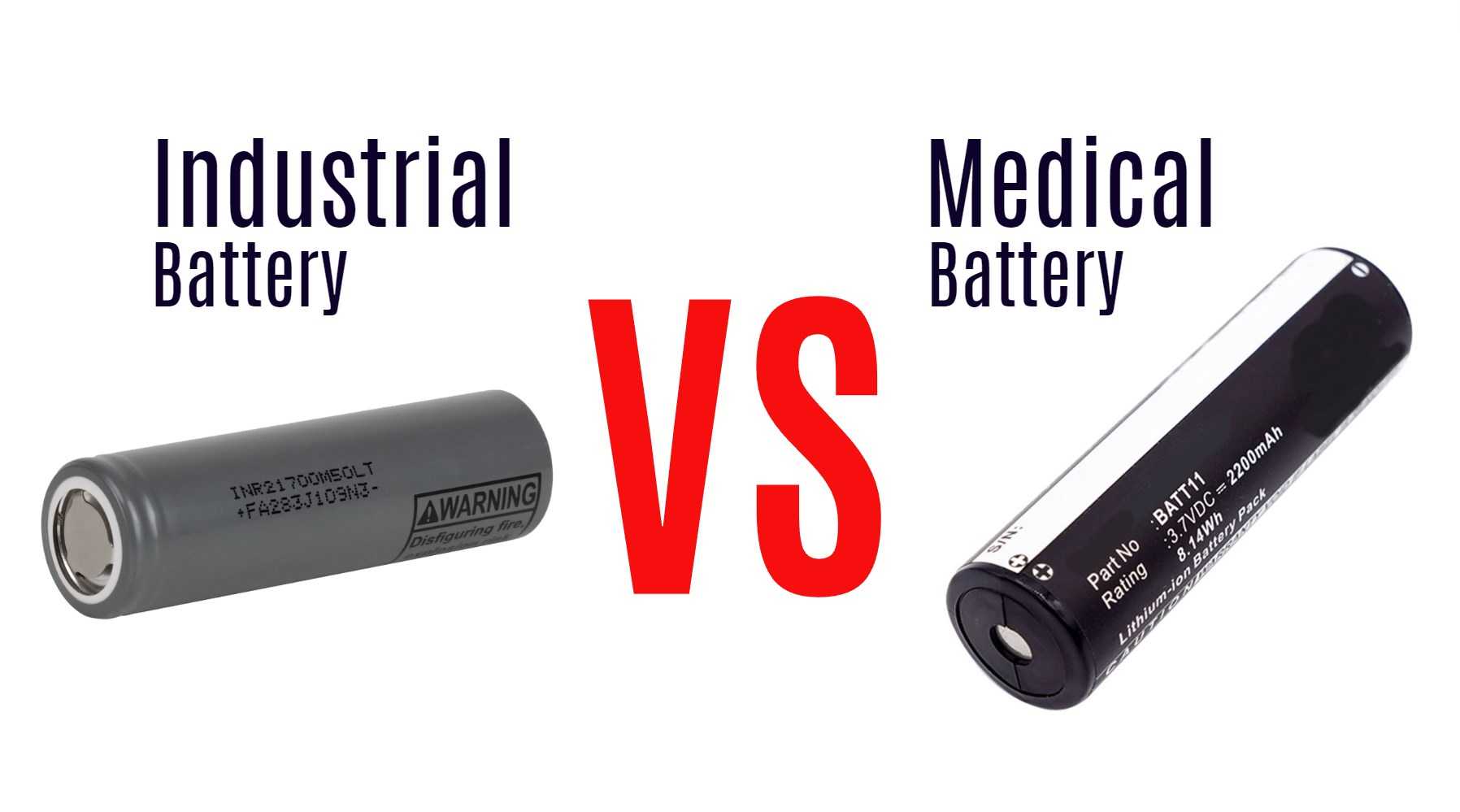
Industrial vs Medical Li batteries, What are the Differences?

Industrial vs Medical Li batteries, What are the Differences?

Lithium batteries have become essential in various sectors, including industrial and medical applications. While both types utilize lithium technology, they differ significantly in design, performance, safety standards, and application suitability. Understanding these differences is crucial for selecting the right battery for specific needs.

1. Application and Use Cases

  • Industrial Lithium Batteries: These batteries are designed for heavy-duty applications that require high energy density and long cycle life. Common uses include electric vehicles, backup power systems, and industrial equipment. They can operate in extreme conditions (temperatures ranging from -40°C to 85°C) and are tailored for complex applications such as IoT devices and sensors.
  • Medical Lithium Batteries: Medical batteries are primarily used in devices that require reliable and safe power sources, such as portable medical equipment, implantable devices, and diagnostic tools. They must meet stringent regulatory standards to ensure patient safety and device reliability.

2. Performance Specifications

  • Cycle Life: Industrial lithium batteries typically offer a longer lifespan, with some models capable of up to 5000 recharge cycles. In contrast, medical lithium batteries generally have a shorter cycle life but are optimized for high reliability during critical operations.
  • Energy Density: Industrial batteries often have higher energy densities, making them suitable for applications requiring significant power output over extended periods. Medical batteries prioritize safety and consistent performance rather than maximum energy density.

3. Safety Standards and Regulations

  • Industrial Standards: Industrial lithium batteries must adhere to specific safety regulations but may not be subjected to the same rigorous testing as medical batteries. They are designed with advanced thermal management systems to prevent overheating and ensure longevity.
  • Medical Standards: Medical lithium batteries must comply with strict standards set by organizations such as the FDA and IEC. These regulations include traceability for failure analysis and certifications for manufacturing processes (e.g., UL certification). Medical devices often require hermetic sealing to protect against environmental factors.

4. Construction and Design

  • Durability: Industrial lithium batteries are built to withstand harsh environments, including extreme temperatures and physical stress. They often feature rugged construction with enhanced thermal management systems.
  • Precision Engineering: Medical lithium batteries are engineered with a focus on reliability and safety. They may incorporate features like low self-discharge rates and visual state-of-charge indicators to ensure that medical personnel can monitor battery life effectively.

5. Cost Considerations

  • Initial Investment: Industrial lithium batteries usually have a higher upfront cost due to their robust design and longer lifespan. However, they can result in lower total ownership costs over time due to reduced replacement frequency.
  • Affordability in Medical Applications: Medical lithium batteries may be less expensive initially but must be replaced more frequently depending on usage patterns. The focus is on ensuring that the devices they power remain operational without interruption.

Comparative Summary Table

Feature Industrial Lithium Batteries Medical Lithium Batteries
Application Heavy-duty equipment, EVs Portable medical devices
Cycle Life Up to 5000 cycles Shorter cycle life
Energy Density Higher energy density Focus on reliability
Safety Standards General industrial standards Strict FDA/IEC compliance
Durability Rugged construction Precision engineering
Cost Higher initial cost but lower long-term Lower initial cost but frequent replacement

Latest News

  • Recent advancements in battery technology continue to enhance the performance of both industrial and medical lithium batteries.
  • New regulations are being introduced in the medical field to ensure stricter safety standards for battery-powered devices.
  • Research is ongoing into alternative chemistries that could improve the safety and efficiency of lithium batteries across all applications.

Redway Expert Comment

“The distinctions between industrial and medical lithium batteries highlight the importance of selecting the right battery for specific applications. At Redway Battery, we emphasize quality and compliance with safety standards across all our products. As technology evolves, we remain committed to providing reliable energy solutions tailored to meet the unique demands of both industries.”

Newest Lithium Battery Technologies 2024

What Are The Newest Lithium Battery Technologies In 2024?

As we progress through 2024, the landscape of lithium battery technology is evolving rapidly, driven by the demand for higher efficiency, safety, and sustainability. Here are some of the most significant advancements in lithium battery technologies that are shaping the future.

1. Solid-State Batteries

Overview: Solid-state batteries are at the forefront of lithium battery innovations. These batteries replace traditional liquid electrolytes with solid electrolytes, enhancing safety by reducing flammability risks and improving energy density.Benefits:

  • Higher Energy Density: Solid-state batteries can achieve energy densities significantly higher than conventional lithium-ion batteries, potentially exceeding 300 Wh/kg.
  • Faster Charging: Some solid-state designs can be charged in as little as 10 minutes, making them highly attractive for electric vehicles (EVs).
  • Longer Lifespan: They typically offer longer cycle life due to reduced degradation over time.

Current Developments: Companies like Toyota and Honda are actively working on solid-state battery technologies, with plans for commercialization in the coming years.

2. Lithium-Sulfur Batteries

Overview: Lithium-sulfur batteries are gaining traction due to their potential for higher energy density and lower production costs compared to conventional lithium-ion batteries.Benefits:

  • Increased Energy Density: They can theoretically achieve energy densities up to 500 Wh/kg, making them suitable for long-range applications.
  • Cost Efficiency: Utilizing sulfur, which is abundant and inexpensive, can significantly reduce material costs.

Challenges: Historically, lithium-sulfur batteries have faced issues with cycling stability and rapid capacity loss. However, recent advancements have shown promise in overcoming these challenges, with some prototypes achieving over 1,000 charging cycles.

3. Sodium-Ion Batteries

Overview: As an alternative to lithium-ion technology, sodium-ion batteries utilize sodium instead of lithium as a charge carrier. This shift could alleviate some of the supply chain pressures associated with lithium mining.Benefits:

  • Cost-Effectiveness: Sodium is more abundant and cheaper than lithium, potentially reducing overall battery costs by up to 20%.
  • Environmental Impact: Sodium-ion batteries can be produced using similar manufacturing processes as lithium-ion batteries, facilitating easier transitions in production.

Current Status: Companies like Natron Energy have begun mass production of sodium-ion batteries, marking a significant milestone in this technology’s development.

4. Enhanced Battery Management Systems (BMS)

Overview: The integration of Artificial Intelligence (AI) into battery management systems is revolutionizing how lithium batteries operate. AI enhances performance monitoring and optimizes charging cycles based on real-time data analysis.Benefits:

  • Improved Safety and Longevity: AI-driven BMS can predict failures and prevent overcharging or overheating, significantly extending battery life.
  • Efficiency Optimization: Real-time adjustments based on usage patterns lead to more efficient energy management.

5. Advanced Electrode Materials

Recent research has focused on developing new materials for electrodes that improve performance:

  • Silicon Anodes: Replacing traditional graphite with silicon can increase capacity significantly; silicon anodes can store up to ten times more lithium ions than graphite.
  • Nanomaterials and Coatings: The use of nanostructured materials helps improve charge rates and overall performance by increasing surface area and conductivity.

6. Large-Scale Battery Recycling Innovations

As the demand for lithium batteries grows, so does the need for effective recycling methods. Recent advancements include:

  • Dissolution Techniques: New recycling processes that dissolve battery materials in eco-friendly solvents allow for efficient recovery of valuable metals with minimal waste.
  • Increased Efficiency in Recovery Rates: Companies are developing methods that enhance recovery rates of critical materials like lithium, cobalt, and nickel from spent batteries.

Conclusion

The advancements in lithium battery technologies in 2024 reflect a concerted effort towards enhancing efficiency, safety, and sustainability. From solid-state and lithium-sulfur innovations to the rise of sodium-ion alternatives and improved recycling methods, these developments promise to transform energy storage solutions across various industries. As research continues and these technologies mature, they will play a crucial role in supporting the global transition towards cleaner energy sources.

What voltage do you charge a lithium battery?

What voltage do you charge a lithium battery?

Charging a lithium battery requires careful attention to voltage levels to ensure safe and efficient operation. Here’s a detailed overview based on the search results.

Charging Voltage for Lithium Batteries

  1. Standard Charging Voltage:
    • For most lithium-ion batteries, the maximum charging voltage is typically around 4.2V per cell. This is the standard for many lithium-ion chemistries, including those with cobalt, nickel, and manganese.
  2. Voltage Range:
    • The recommended charging voltage can vary slightly depending on the specific battery chemistry:
      • Lithium Cobalt (LiCoO2): 4.2V
      • Lithium Iron Phosphate (LiFePO4): Generally charges to about 3.65V per cell.
      • Lithium Manganese (LiMn2O4): Also typically charges to 4.2V.
  3. Charging Stages:
    • The charging process usually involves three stages:
      • Pre-Charging: If the battery voltage is low (<3.0V), a trickle charge is applied to bring it up to a safe level.
      • Constant Current Charging: The charger applies a constant current until the battery reaches approximately 4.2V.
      • Constant Voltage Charging: Once the maximum voltage is reached, the charger maintains this voltage while the current gradually decreases until it drops below a specified threshold (often around 0.1C).
  4. Termination Criteria:
    • Charging should terminate when:
      • The voltage reaches 4.25V, which is often considered the upper limit for safety.
      • The charging current drops to about 1/10th of the initial charging current, indicating that the battery is fully charged.

Best Practices for Charging Lithium Batteries

  • Always use chargers specifically designed for lithium batteries to prevent overcharging or damage.
  • Monitor temperature during charging; if it exceeds 60°C, stop charging immediately.
  • Ensure proper ventilation during charging to avoid gas buildup.

Conclusion

In summary, when charging lithium batteries, aim for a maximum voltage of around 4.2V per cell, with careful monitoring of current and temperature throughout the process. Following these guidelines will help ensure safety and prolong battery life.For specific applications or battery types, always refer to manufacturer specifications for optimal charging practices.

How many amps do I need to charge a 12 volt lithium battery?

How many amps do I need to charge a 12 volt lithium battery?

To charge a 12V lithium battery, the required charging current (in amps) depends on the battery’s capacity (measured in amp-hours, Ah) and the desired charging speed. Here are some general guidelines:

  1. Charging Current Recommendation: A common recommendation is to charge lithium batteries at a rate of 0.5C to 1C, where C is the capacity of the battery in amp-hours. For example, if you have a 100Ah lithium battery, a charging current of 50A to 100A would be appropriate.
  2. Minimum Charging Current: While you can technically charge a lithium battery with a lower current, it will take significantly longer to reach a full charge. For instance, a 10A charger will take much longer to charge a large capacity battery compared to a higher-rated charger.
  3. Battery Management System (BMS): Ensure that your lithium battery has an integrated BMS, which protects against overcharging and manages the charging process effectively.
  4. Charger Compatibility: Always use a charger specifically designed for lithium batteries to ensure proper voltage and current settings.

In summary, for efficient and safe charging of a 12V lithium battery, aim for a charging current that matches the battery’s capacity, typically between 0.5C and 1C.

Can I charge lithium-ion battery to 100%?

Can I charge lithium-ion battery to 100%?

Yes, you can charge lithium-ion batteries to 100%, but there are important considerations for optimal battery health and longevity.

Key Points About Charging to 100%

  1. No Memory Effect: Lithium-ion batteries do not suffer from memory effect, meaning they do not need to be fully discharged before recharging. This flexibility allows for partial charging, which is often better for battery lifespan.
  2. Impact on Lifespan: Regularly charging to 100% can reduce the battery’s lifespan. Keeping the battery between 20% and 80% charge is generally recommended to maximize longevity. Charging to full capacity can lead to increased wear and tear, reducing the overall cycle life by up to 20%.
  3. Dendrite Formation: Overcharging can lead to the formation of dendrites—tiny structures that can pierce the separator inside the battery, potentially causing short circuits and safety hazards.
  4. Optimal Charging Practices:
    • Use a charger specifically designed for lithium-ion batteries.
    • Follow a two-step charging process: Constant Current (CC) followed by Constant Voltage (CV).
    • Avoid leaving the battery connected to the charger for extended periods after reaching full charge.
  5. Temperature Considerations: Charging at high temperatures (above 45°C) can negatively impact performance and lifespan. It’s best to charge in moderate temperature conditions.
  6. Calibration Benefits: Occasionally charging to 100% can help recalibrate the battery management system (BMS), improving accuracy in state of charge readings.

Conclusion

While it is safe to charge lithium-ion batteries to 100%, doing so regularly may not be ideal for maintaining battery health. For optimal longevity, aim to keep your battery charged between 20% and 80%, and consider fully charging it occasionally for calibration purposes.

Can you charge 2 lithium batteries with one charger?

Can you charge 2 lithium batteries with one charger?

Charging multiple lithium batteries with a single charger is possible, but it requires careful consideration of the battery configuration and charger specifications. Understanding how to do this safely can help prevent damage to the batteries and ensure efficient charging.

1. Charging in Parallel

When charging two lithium batteries in parallel, they must be of the same voltage and chemistry. This setup allows the batteries to share the current equally, provided they are at similar states of charge.

  • Advantages:
    • Simplifies the charging process by using one charger.
    • Batteries will automatically balance their voltages during charging.
  • Considerations:
    • Ensure both batteries are at similar voltage levels before connecting them in parallel. If one battery has a significantly lower voltage, it can draw excessive current from the other, potentially causing overheating or damage.
    • Using a Battery Management System (BMS) is crucial for safety, as it can prevent overcharging and monitor individual battery conditions.

2. Charging in Series

Charging two lithium batteries in series is different from parallel charging. In this configuration, the batteries are connected end-to-end, effectively doubling the voltage seen by the charger.

  • Advantages:
    • Allows for higher voltage charging with a single charger designed for that voltage level.
  • Considerations:
    • The charger must be specifically designed for the total voltage of the series connection (e.g., two 12V batteries would require a 24V charger).
    • Balancing is essential; if one battery becomes fully charged before the other, it can lead to overvoltage and potential damage.

3. Using Splitters or Y-Cables

Using a splitter or Y-cable to connect multiple batteries to one charger can be risky unless done correctly:

  • Safety Risks:
    • If batteries have different charge levels, they may attempt to equalize, leading to uncontrolled current flow between them.
    • High currents could result in overheating or even fire hazards if not managed properly.

4. Recommended Practices

To safely charge two lithium batteries with one charger:

  • Ensure Compatibility: Both batteries should be of the same type (e.g., both lithium-ion) and have similar capacities.
  • Use a BMS: A good BMS will help manage charging and discharging cycles effectively, ensuring safety.
  • Monitor Voltage Levels: Before connecting batteries in parallel, check their voltages to ensure they are close enough to prevent excessive current flow.
  • Avoid Mixing Batteries: Do not mix different brands or types of lithium batteries as this can lead to imbalances and safety issues.

Latest News

  • Recent developments in battery management systems are improving safety protocols for charging multiple lithium batteries simultaneously.
  • The rise in electric vehicle usage has led to increased interest in efficient charging solutions for multiple battery setups.
  • Innovations in smart chargers are allowing users to charge multiple battery types safely without manual intervention.

Redway Expert Comment

“Charging two lithium batteries with one charger can be done effectively if proper precautions are taken. At Redway Battery, we emphasize the importance of using compatible batteries and robust management systems to ensure safe operation. As technology advances, we continue to support innovative solutions that enhance battery performance and safety.”

Is it OK to leave a CTEK charger on all the time?

Is it OK to leave a CTEK charger on all the time?

CTEK chargers are designed with advanced technology that allows them to be left connected for extended periods without causing harm to the battery. Here are the key points regarding the safety and functionality of leaving a CTEK charger on all the time:

Safety Features

  • Smart Technology: CTEK chargers utilize a patented pulse maintenance technology that enables them to communicate continuously with the battery. This ensures that the charger only provides power based on the battery’s specific needs, preventing overcharging or undercharging, which can damage the battery over time.
  • Long-Term Connection: These chargers are designed to be connected for months at a time, making them ideal for maintaining batteries during long periods of inactivity, such as winter storage.

Performance Considerations

  • Battery Lifespan: By maintaining optimal charge levels without overcharging, CTEK chargers can help extend the overall lifespan of your battery. This is particularly beneficial for lead-acid batteries, which can suffer from sulfation if left in a discharged state.
  • User-Friendly Design: CTEK chargers are designed to be user-friendly, with features that prevent incorrect connections (such as reverse polarity) and alerts for any issues during charging.

Conclusion

In summary, it is perfectly safe to leave a CTEK charger connected to your battery for extended periods. Their smart technology and maintenance features ensure that your battery remains in good condition without the risk of damage. This makes them an excellent choice for anyone looking to maintain their vehicle’s battery health over time.

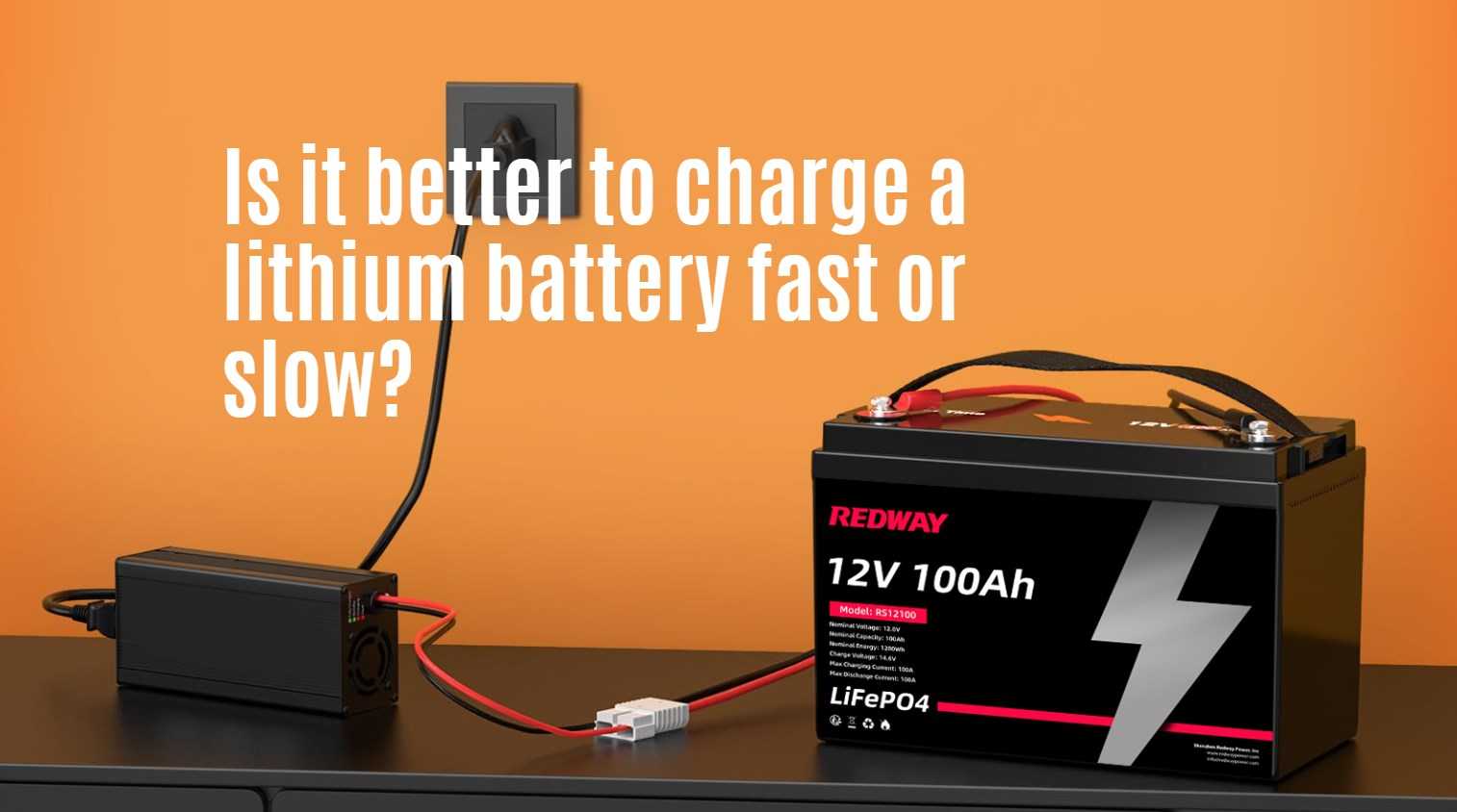
Is it better to charge a lithium battery fast or slow?

Is it better to charge a lithium battery fast or slow?

When it comes to charging lithium batteries, the method you choose—fast or slow—can significantly impact battery performance, lifespan, and safety. Understanding the pros and cons of each charging method is essential for making informed decisions about battery management.

Fast Charging: Advantages and Disadvantages

Advantages

  1. Time Efficiency: Fast charging can replenish a lithium battery from 0% to a significant charge in a matter of minutes. This is particularly beneficial for users who need quick power boosts.
  2. Convenience: Ideal for situations where time is of the essence, such as during short breaks or emergencies.
  3. Opportunity Charging: Many lithium batteries are designed for opportunity charging, allowing users to plug them in whenever they are not in use, which can save time and reduce downtime.

Disadvantages

  1. Heat Generation: Fast charging generates more heat compared to slow charging, which can lead to overheating and stress on the battery cells. Over time, this can degrade battery health and capacity.
  2. Potential for Degradation: Regular fast charging can result in faster degradation of the battery, reducing its overall lifespan.
  3. Safety Concerns: Fast charging requires advanced safety features to manage heat and voltage fluctuations effectively. If these systems fail, it could pose safety risks.

Slow Charging: Advantages and Disadvantages

Advantages

  1. Battery Longevity: Slow charging is gentler on the battery, minimizing heat generation and stress. This method is often recommended for maintaining battery health over time.
  2. Safer Operation: The controlled nature of slow charging reduces the risk of overheating and other safety concerns associated with fast charging.
  3. Ideal for Older Batteries: For older or degraded lithium batteries, slow charging provides a more forgiving approach that can help maintain performance.

Disadvantages

  1. Longer Charging Times: Slow charging takes significantly longer than fast charging, which may not be suitable for users needing quick recharges.
  2. Incompatibility with Some Devices: Not all devices support slow charging; some may require faster methods for optimal performance.

Comparison Table

Feature Fast Charging Slow Charging
Charging Time Minutes to hours Several hours
Heat Generation Higher Lower
Battery Life Potentially shorter Typically longer
Safety Requires advanced features Generally safer
Convenience Very convenient Less convenient

Best Practices for Charging Lithium Batteries

  • Follow Manufacturer Guidelines: Always refer to the manufacturer’s specifications regarding optimal charging methods and rates.
  • Monitor Temperature: Keep an eye on battery temperature during charging; excessive heat can indicate potential issues.
  • Use Compatible Chargers: Ensure that your charger is designed for your specific type of lithium battery to prevent damage.

Latest Trends in Charging Technology

  • Smart Charging Solutions: New technologies are emerging that allow chargers to communicate with batteries, optimizing charge rates based on real-time data.
  • Sustainability Focus: Manufacturers are increasingly adopting eco-friendly practices in both production and disposal of lithium batteries.

Redway Expert Comment

“As experts in lithium LiFePO4 technology, we emphasize that while fast charging offers convenience, it can lead to faster degradation if used regularly. Slow charging is generally better for long-term battery health but may not be practical for everyone. Users should assess their specific needs and balance convenience with battery care.”

Conclusion

In summary, whether it’s better to charge a lithium battery fast or slow depends on your specific needs and circumstances. Fast charging provides quick replenishment but may compromise long-term health, while slow charging enhances lifespan but requires patience. By understanding these trade-offs, you can make informed choices that align with your usage patterns and priorities.

Do I need a special charger for LiFePO4 battery?

Do I need a special charger for LiFePO4 battery?

Yes, you need a special charger for LiFePO4 (Lithium Iron Phosphate) batteries. Here’s a detailed overview of why this is necessary and what to consider:

Why Do LiFePO4 Batteries Require Special Chargers?

  1. Voltage Requirements:
    • LiFePO4 batteries typically have a nominal voltage of 3.2V per cell, leading to a charging voltage range of about 14.4V to 14.6V for a standard 12V battery. This is significantly lower than the 4.2V used for traditional lithium-ion batteries.
  2. Charging Algorithm:
    • LiFePO4 batteries require a specific charging profile, usually a constant current/constant voltage (CC/CV) method. This ensures efficient and safe charging without the risk of overcharging, which can degrade battery performance and lifespan.
  3. Safety Concerns:
    • Using a charger not designed for LiFePO4 can lead to overcharging or improper charging cycles, increasing the risk of damage or failure.

What Happens If You Use the Wrong Charger?

  • Using a standard lithium-ion charger can result in overvoltage, which may damage the battery or reduce its lifespan.
  • Non-specific chargers may not effectively manage the charging process, leading to inefficient energy use and potential safety hazards.

Can You Use Other Types of Chargers?

  • Some lead-acid chargers can be used if they meet specific voltage requirements and do not include features like float charging or desulfation modes, which are not suitable for LiFePO4 batteries.
  • It’s crucial to ensure that any charger used matches the voltage and current specifications outlined by the battery manufacturer.

Conclusion

In summary, using a special charger designed for LiFePO4 batteries is essential for maintaining their health and efficiency. Always verify that your charger is compatible with the specific voltage and charging profile required by your LiFePO4 battery to ensure optimal performance and safety.

Search products

Need a Quick Quote on Wholesale Prices? Contact Redway Battery Now.

X
Product has been added to your cart


Shenzhen Redway Power, Inc

Tel: +86 189 7608 1534
Tel: +86 (755) 2801 0506
E-mail: contact@redwaybattery.com
Website: www.redway-tech.com
Youtube: @RedwayPower
TikTok: @redwaybattery

Get a Quick Quote

Hot OEM

Forklift Lithium Battery
Golf Cart Lithium Battery
RV Lithium Battery
Rack-mounted Lithium Battery

Hot Batteries

24V 150Ah Forklift Lithium Battery
24V 200Ah Forklift Lithium Battery
48V 400Ah Forklift Lithium Battery
48V 600Ah Forklift Lithium Battery
80V 400Ah Forklift Lithium Battery
36V 100Ah Golf Cart Lithium Battery
48V 100Ah Golf Cart Lithium Battery
51.2V 50Ah 3U Rack-mounted Lithium Battery
51.2V 100Ah 3U Rack-mounted Lithium Battery
12V 100Ah RV LiFePO4 Lithium Battery (Self-heating)

Hot Blog

Golf Carts
Server Rack Battery
Knowledge