Do LiFePO4 Batteries Require Maintenance?

Do LiFePO4 Batteries Require Maintenance?

LiFePO4 (Lithium Iron Phosphate) batteries are widely acclaimed for their low maintenance needs compared to traditional battery technologies. Despite their reputation for minimal upkeep, a few essential practices are recommended to ensure optimal performance and longevity. This article outlines the maintenance requirements for LiFePO4 batteries, emphasizing key practices to maximize their lifespan and efficiency.

LiFePO4 batteries are generally maintenance-free due to their sealed design. However, periodic inspections of connections and terminals are recommended to ensure optimal performance and longevity.

Minimal Maintenance Requirements

LiFePO4 batteries are designed with several features that reduce maintenance compared to other battery types:

  • No Electrolyte Top-Up: Unlike lead-acid batteries, which require regular checks and top-ups of the electrolyte levels, LiFePO4 batteries do not have this requirement. This eliminates a common maintenance task and simplifies battery care.
  • Battery Management System (BMS): Most LiFePO4 batteries are equipped with an integrated Battery Management System. The BMS plays a crucial role in monitoring and managing the battery’s health, protecting it from overcharging, overheating, and deep discharging. This system ensures that the battery operates within safe parameters, reducing the need for manual intervention.

Recommended Maintenance Practices

While LiFePO4 batteries require less maintenance, following certain best practices can help maintain their optimal performance and extend their lifespan:

  • Charging: It is essential to use a charger specifically designed for LiFePO4 batteries. Avoid overcharging or undercharging the battery, as these practices can damage the cells. It is advisable to recharge the battery before it drops below 20% capacity to prevent deep discharging, which can adversely affect battery health.
  • Temperature Control: Temperature plays a significant role in the performance and longevity of LiFePO4 batteries. They should be stored and used within a moderate temperature range, ideally between 15°C and 30°C. Exposure to extreme temperatures can degrade the battery’s performance and shorten its lifespan.
  • Regular Inspections: Although LiFePO4 batteries are low-maintenance, periodic inspections are recommended. Checking the battery’s voltage and capacity regularly can help detect potential issues early. Monitoring these parameters ensures that the battery continues to function correctly and provides early warnings of any potential problems.
  • Cleaning: Keeping the battery and its terminals clean is crucial for maintaining good electrical connections. Dust and corrosion can impede performance. A simple wipe with a dry cloth can help remove any debris and ensure optimal electrical conductivity.
  • Storage: When storing a LiFePO4 battery for an extended period, it should be kept at approximately 50-70% charge and in a cool, dry place. Regularly checking the state of charge during storage can help ensure the battery remains in good condition and ready for use when needed.

Conclusion

LiFePO4 batteries stand out for their low maintenance requirements and robust performance. By adhering to simple maintenance practices, such as using the appropriate charger, controlling temperature, performing regular inspections, and keeping the battery clean, users can ensure that their LiFePO4 batteries remain in optimal condition.

While these batteries are designed to be hassle-free, attention to these basic care guidelines will help maximize their lifespan and maintain their efficiency. Proper handling and periodic checks are key to benefiting from the advanced technology and reliability that LiFePO4 batteries offer.

FAQs

What Safety Measures Should Be Taken When Using LiFePO4 Forklift Batteries?
Do LiFePO4 Batteries Require Maintenance?
What is the Typical Cost of a LiFePO4 Forklift Battery?
Comparing Maintenance Costs: LiFePO4 Batteries vs. Lead-Acid Batteries
Exploring Real-World Applications of LiFePO4 Batteries in Forklifts
Industries Benefiting from LiFePO4 Forklift Batteries
What is LiFePO4 Technology?
The Evolving Market for Forklift Batteries
What Are the Latest Advancements in LiFePO4 Battery Technology?
How Does Fast Charging Impact Battery Life?
Types of Chargers for LiFePO4 Forklift Batteries
Common Voltage and Capacity Options for LiFePO4 Forklift Batteries
Comparing LiFePO4 and Lead-Acid Batteries: A Comprehensive Analysis
What is the Typical Cost of a LiFePO4 Forklift Battery?

What is the Typical Cost of a LiFePO4 Forklift Battery?

The cost of LiFePO4 (Lithium Iron Phosphate) forklift batteries reflects their advanced technology and long-term benefits. The pricing varies based on several factors, including battery capacity, specifications, and customization.

The typical cost of a LiFePO4 forklift battery varies based on capacity but generally ranges from $1,000 to $5,000. While the initial investment is higher than lead-acid batteries, lower maintenance costs and longer lifespans can result in overall savings.

Typical Price Range

For larger, high-capacity LiFePO4 forklift batteries used in industrial applications, the cost generally ranges from $17,000 to $25,000. This higher initial investment is indicative of the advanced technology and greater energy storage capabilities of these batteries.

Smaller or Less Powerful Options

For smaller or less powerful LiFePO4 batteries, prices can be significantly lower. These batteries can range from approximately $428 to $3,650, depending on their specifications and capacity. This category includes batteries suitable for less demanding applications or smaller equipment.

Custom-Built Systems

Custom-built LiFePO4 battery systems, such as those with a capacity of around 23.3 kWh, may cost approximately $6,000. This price typically includes additional components like chargers and other necessary accessories, reflecting the tailored nature of these systems.

Cost Comparison with Lead-Acid Batteries

While the initial cost of LiFePO4 forklift batteries is higher compared to traditional lead-acid batteries, which are generally less expensive upfront, the long-term value is notable. LiFePO4 batteries offer significant advantages in terms of lifespan and maintenance. They typically last longer and require less upkeep, potentially leading to lower total cost of ownership over time.

Long-Term Value

Investing in LiFePO4 forklift batteries provides long-term financial benefits. Despite the higher initial cost, their extended lifespan and reduced maintenance needs can lead to lower overall costs. Businesses can benefit from improved efficiency and reduced downtime, making LiFePO4 batteries a cost-effective solution in the long run.

Conclusion

In summary, the cost of LiFePO4 forklift batteries typically ranges from $17,000 to $25,000 for high-capacity models and $428 to $3,650 for smaller units. Custom-built systems may cost around $6,000. While the initial investment is higher than traditional lead-acid batteries, the extended lifespan and lower maintenance requirements of LiFePO4 batteries offer substantial long-term value.

FAQs

What Safety Measures Should Be Taken When Using LiFePO4 Forklift Batteries?
Do LiFePO4 Batteries Require Maintenance?
What is the Typical Cost of a LiFePO4 Forklift Battery?
Comparing Maintenance Costs: LiFePO4 Batteries vs. Lead-Acid Batteries
Exploring Real-World Applications of LiFePO4 Batteries in Forklifts
Industries Benefiting from LiFePO4 Forklift Batteries
What is LiFePO4 Technology?
The Evolving Market for Forklift Batteries
What Are the Latest Advancements in LiFePO4 Battery Technology?
How Does Fast Charging Impact Battery Life?
Types of Chargers for LiFePO4 Forklift Batteries
Common Voltage and Capacity Options for LiFePO4 Forklift Batteries
Comparing LiFePO4 and Lead-Acid Batteries: A Comprehensive Analysis
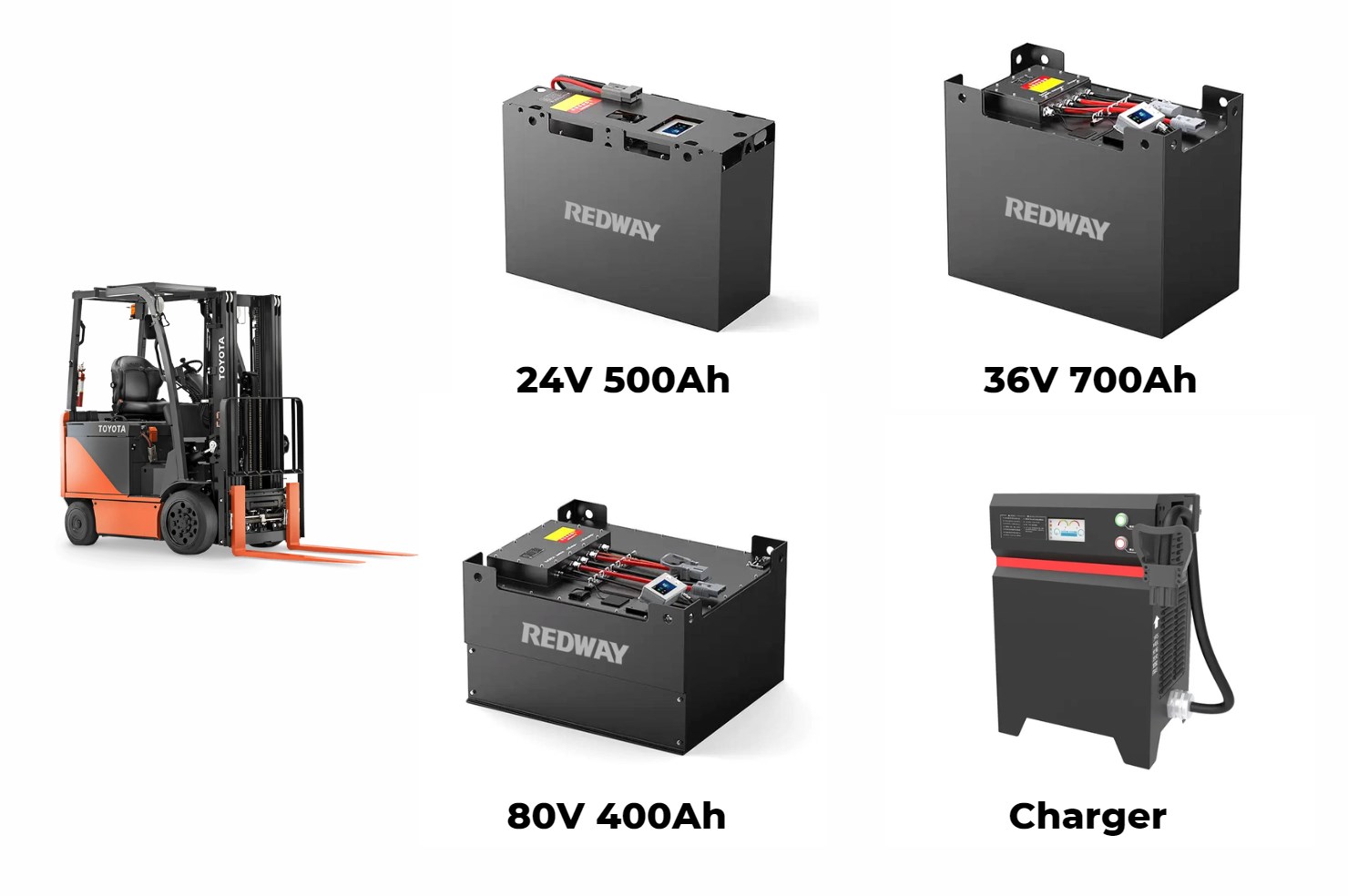
Comparing Maintenance Costs: LiFePO4 Batteries vs. Lead-Acid Batteries

Comparing Maintenance Costs: LiFePO4 Batteries vs. Lead-Acid Batteries

When evaluating energy storage solutions, maintenance costs are a crucial factor that impacts the overall total cost of ownership. LiFePO4 (Lithium Iron Phosphate) batteries and lead-acid batteries offer distinct advantages and challenges in terms of maintenance. This article provides a comprehensive comparison of their maintenance costs, highlighting key differences that affect long-term financial considerations.

LiFePO4 batteries incur lower maintenance costs compared to lead-acid batteries. Lead-acid requires regular electrolyte checks and watering, while LiFePO4’s sealed design eliminates these needs, resulting in reduced labor costs over time.

1. Maintenance Requirements

LiFePO4 Batteries: One of the primary advantages of LiFePO4 batteries is their virtually maintenance-free nature. These batteries do not require regular servicing tasks such as electrolyte level monitoring or terminal cleaning. The integrated Battery Management System (BMS) effectively manages the battery’s health, ensuring optimal performance without the need for user intervention. This lack of regular maintenance contributes to significant cost savings over the battery’s lifespan.

Lead-Acid Batteries: In contrast, lead-acid batteries demand regular maintenance to ensure their proper functioning. Routine tasks include checking and topping off electrolyte levels, cleaning terminals to prevent corrosion, and monitoring charging to avoid issues like stratification. These maintenance activities require time and effort, leading to higher operational costs associated with keeping the batteries in good condition.

2. Labor Costs

LiFePO4 Batteries: The minimal maintenance requirements of LiFePO4 batteries result in significantly lower labor costs. Since there are fewer routine tasks and no need for frequent inspections, users save on technician visits and maintenance labor. This reduction in labor costs contributes to overall financial savings and makes LiFePO4 batteries a more economical choice in the long run.

Lead-Acid Batteries: Regular maintenance tasks for lead-acid batteries lead to higher labor costs. Activities such as checking water levels, cleaning terminals, and ensuring proper charging can accumulate expenses over time. The frequency of these tasks can increase labor costs significantly, especially if performed consistently throughout the battery’s life.

3. Replacement Frequency

LiFePO4 Batteries: LiFePO4 batteries are known for their long lifespan, often exceeding 2,000 cycles, with some models reaching up to 7,100 cycles. This extended lifespan reduces the need for frequent replacements, which in turn lowers the associated costs of battery replacements and installation. The longevity of LiFePO4 batteries contributes to a more stable and predictable cost structure over their operational life.

Lead-Acid Batteries: Lead-acid batteries generally have a shorter lifespan, ranging from 300 to 1,000 cycles depending on the type and usage conditions. This shorter lifespan results in more frequent replacements, increasing both replacement costs and labor costs associated with battery installation. The need for more frequent replacements can significantly impact the total cost of ownership over time.

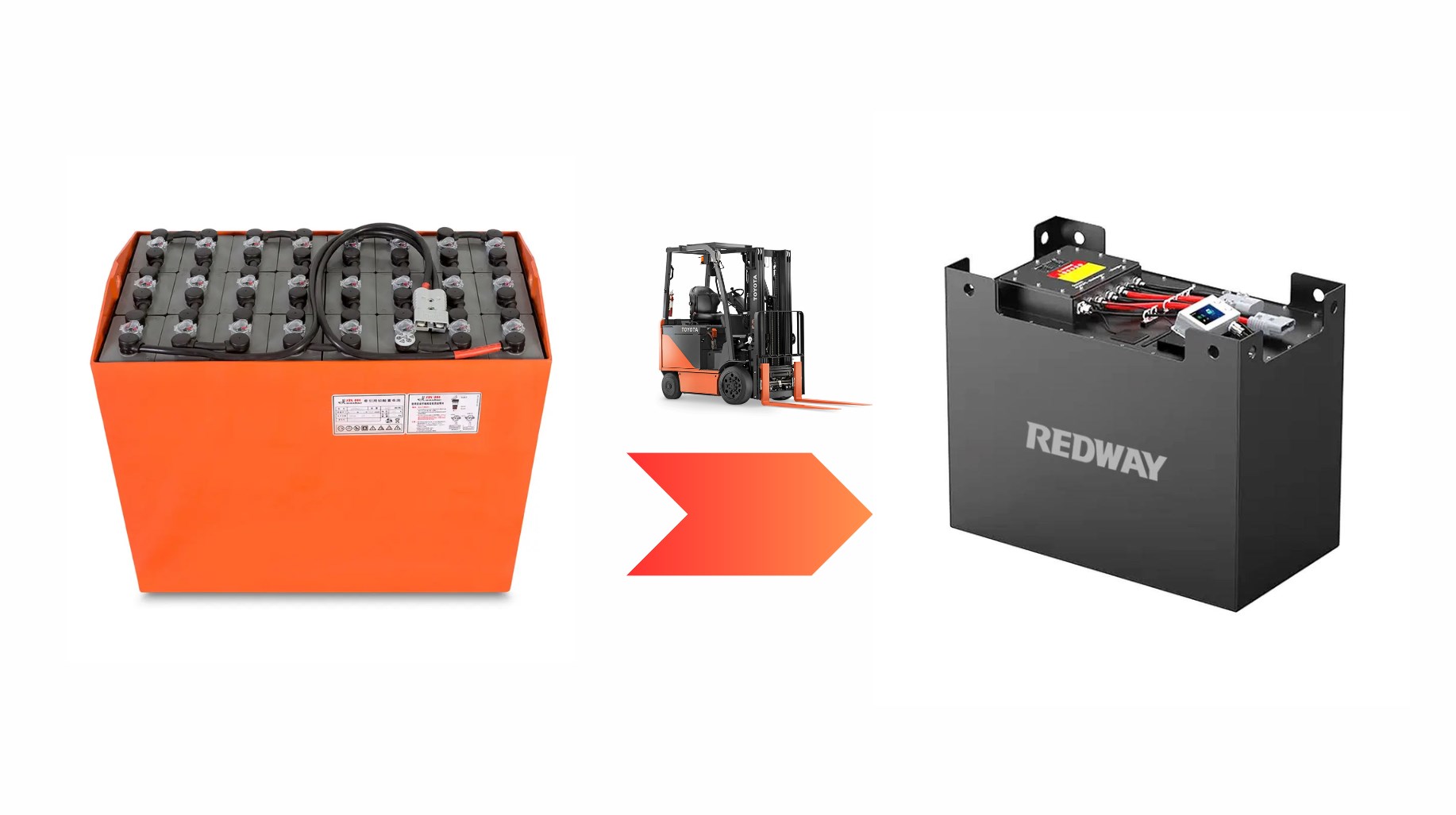
forklift LiFePO4 Batteries vs Lead-Acid Batteries

4. Total Cost of Ownership

When assessing the total cost of ownership, which encompasses initial purchase costs, maintenance expenses, and replacement costs, LiFePO4 batteries often emerge as the more cost-effective option despite their higher upfront price. The reduced need for maintenance, coupled with their longer lifespan, results in lower overall costs compared to lead-acid batteries. Lead-acid batteries, while cheaper initially, can incur higher ongoing expenses due to frequent maintenance and replacement needs.

Conclusion

In summary, LiFePO4 batteries offer significant advantages over lead-acid batteries in terms of maintenance costs. Their minimal maintenance requirements, extended lifespan, and reduced replacement frequency make them a more economical choice in the long term. While lead-acid batteries may have a lower initial cost, the higher maintenance and replacement expenses can accumulate, making LiFePO4 batteries a more cost-effective solution for reliable and continuous power.

FAQs

What Safety Measures Should Be Taken When Using LiFePO4 Forklift Batteries?
Do LiFePO4 Batteries Require Maintenance?
What is the Typical Cost of a LiFePO4 Forklift Battery?
Comparing Maintenance Costs: LiFePO4 Batteries vs. Lead-Acid Batteries
Exploring Real-World Applications of LiFePO4 Batteries in Forklifts
Industries Benefiting from LiFePO4 Forklift Batteries
What is LiFePO4 Technology?
The Evolving Market for Forklift Batteries
What Are the Latest Advancements in LiFePO4 Battery Technology?
How Does Fast Charging Impact Battery Life?
Types of Chargers for LiFePO4 Forklift Batteries
Common Voltage and Capacity Options for LiFePO4 Forklift Batteries
Comparing LiFePO4 and Lead-Acid Batteries: A Comprehensive Analysis
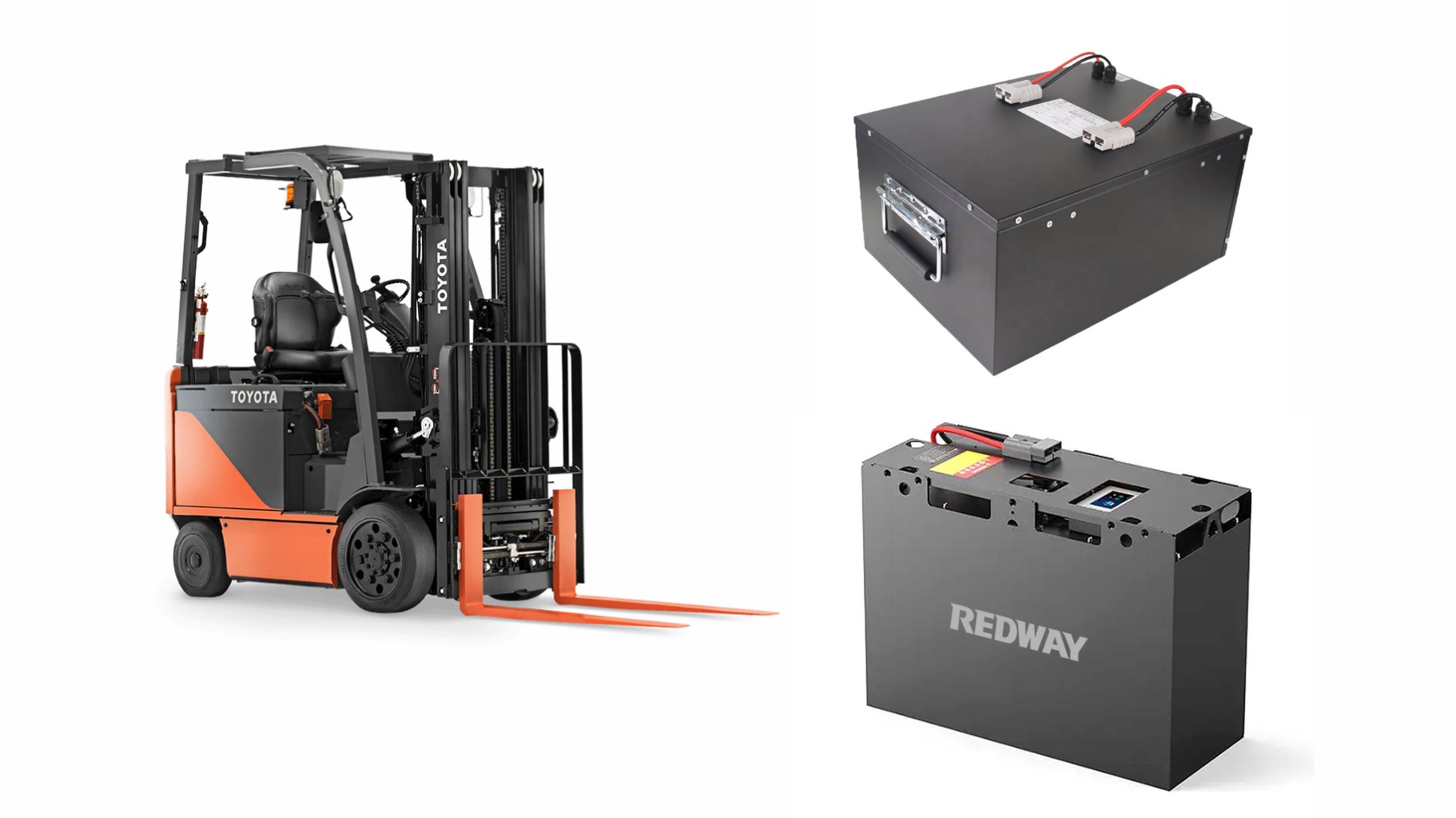
Exploring Real-World Applications of LiFePO4 Batteries in Forklifts

Exploring Real-World Applications of LiFePO4 Batteries in Forklifts

In recent years, LiFePO4 (Lithium Iron Phosphate) batteries have become increasingly prevalent in the forklift industry, driven by their superior performance, longevity, and maintenance advantages. This article delves into various real-world applications of LiFePO4 batteries in forklifts, showcasing how this technology is transforming material handling operations across diverse sectors.

LiFePO4 batteries are increasingly used in forklifts across various industries such as warehousing, manufacturing, and logistics. Their fast charging capabilities and long cycle life make them ideal for operations requiring consistent power without downtime.

1. Counterbalanced Forklifts

Counterbalanced forklifts are a staple in many industrial settings, providing powerful lifting capabilities for heavy loads. LiFePO4 batteries are making significant strides in this category due to their high energy density and extended operational life.

  • Hyster J155-360XD Series: Hyster offers 80V LiFePO4 batteries for their J155-360XD series of 4-wheel electric counterbalanced forklifts. These batteries are engineered to support heavy-duty applications with long runtimes and high energy output, making them ideal for demanding industrial environments.
  • Toyota 8-Series: Toyota has integrated 80V LiFePO4 batteries into their 8-Series 4-wheel electric forklift models. This innovation enhances performance and efficiency, providing a noticeable improvement over traditional lead-acid batteries. The advanced battery technology ensures robust power delivery and reduced downtime.

2. Narrow Aisle Forklifts

Narrow aisle forklifts are essential for maximizing storage space and enhancing maneuverability in tight warehouse environments. LiFePO4 batteries offer several benefits for these specialized machines.

  • Crown RM 6000 Series: Crown’s RM 6000 Series narrow aisle reach trucks are equipped with 48V LiFePO4 batteries. These batteries deliver extended run times and rapid charging capabilities, significantly boosting productivity and reducing operational interruptions.
  • Jungheinrich EKX Series: Jungheinrich’s EKX 410k and EKX 513k very narrow aisle (VNA) forklifts utilize 80V LiFePO4 batteries. The compact design of these batteries ensures high energy density, allowing for efficient performance in compact and space-constrained environments.

3. Pallet Jacks and Stackers

Pallet jacks and stackers are critical for moving and stacking pallets in various settings, including warehouses and retail spaces. LiFePO4 batteries enhance these machines’ efficiency and operational reliability.

  • Raymond 8210 Pacer and 8400 Orderpicker: Raymond’s 8210 Pacer pallet jack and 8400 Orderpicker are powered by 24V LiFePO4 batteries. These batteries eliminate the need for watering and equalization, offering a maintenance-free solution that simplifies fleet management.
  • Yale MP20-25 Series: Yale’s MP20-25 series electric pallet trucks are equipped with 24V LiFePO4 batteries. These batteries support opportunity charging and provide a maintenance-free operation, contributing to increased uptime and lower total cost of ownership.

Benefits of LiFePO4 Batteries in Forklifts

LiFePO4 batteries offer several advantages over traditional lead-acid batteries, which are particularly beneficial in forklift applications:

  • High Energy Density: LiFePO4 batteries deliver more energy per unit of weight, allowing forklifts to operate longer on a single charge. This efficiency reduces the need for frequent recharging and increases overall productivity.
  • Extended Lifespan: These batteries have a longer life cycle compared to lead-acid batteries, with many lasting up to 5,000 cycles. This longevity translates to reduced replacement costs and less frequent maintenance.
  • Maintenance-Free Operation: Unlike lead-acid batteries, LiFePO4 batteries require minimal maintenance. They do not need regular watering or equalization, which simplifies battery management and lowers operational costs.
  • Faster Charging: LiFePO4 batteries charge faster than their lead-acid counterparts, minimizing downtime and allowing for quick turnaround in busy environments.
  • Safety and Stability: LiFePO4 technology is known for its safety features and thermal stability. The batteries are less prone to overheating and thermal runaway, providing a safer solution for industrial applications.
Benefits of LiFePO4 Batteries in Forklifts

36v 700ah forklift lfp battery

Conclusion

The integration of LiFePO4 batteries into forklift applications represents a significant advancement in material handling technology. From counterbalanced forklifts to narrow aisle reach trucks and pallet jacks, these batteries are enhancing performance, efficiency, and safety across various sectors. With their high energy density, extended lifespan, and maintenance-free operation, LiFePO4 batteries are poised to become the standard choice for modern forklift fleets.

As the forklift industry continues to evolve, embracing LiFePO4 battery technology offers substantial benefits in operational efficiency and cost-effectiveness. By understanding and leveraging these advantages, businesses can optimize their material handling operations and achieve greater productivity and reliability.

FAQs

What Safety Measures Should Be Taken When Using LiFePO4 Forklift Batteries?
Do LiFePO4 Batteries Require Maintenance?
What is the Typical Cost of a LiFePO4 Forklift Battery?
Comparing Maintenance Costs: LiFePO4 Batteries vs. Lead-Acid Batteries
Exploring Real-World Applications of LiFePO4 Batteries in Forklifts
Industries Benefiting from LiFePO4 Forklift Batteries
What is LiFePO4 Technology?
The Evolving Market for Forklift Batteries
What Are the Latest Advancements in LiFePO4 Battery Technology?
How Does Fast Charging Impact Battery Life?
Types of Chargers for LiFePO4 Forklift Batteries
Common Voltage and Capacity Options for LiFePO4 Forklift Batteries
Comparing LiFePO4 and Lead-Acid Batteries: A Comprehensive Analysis
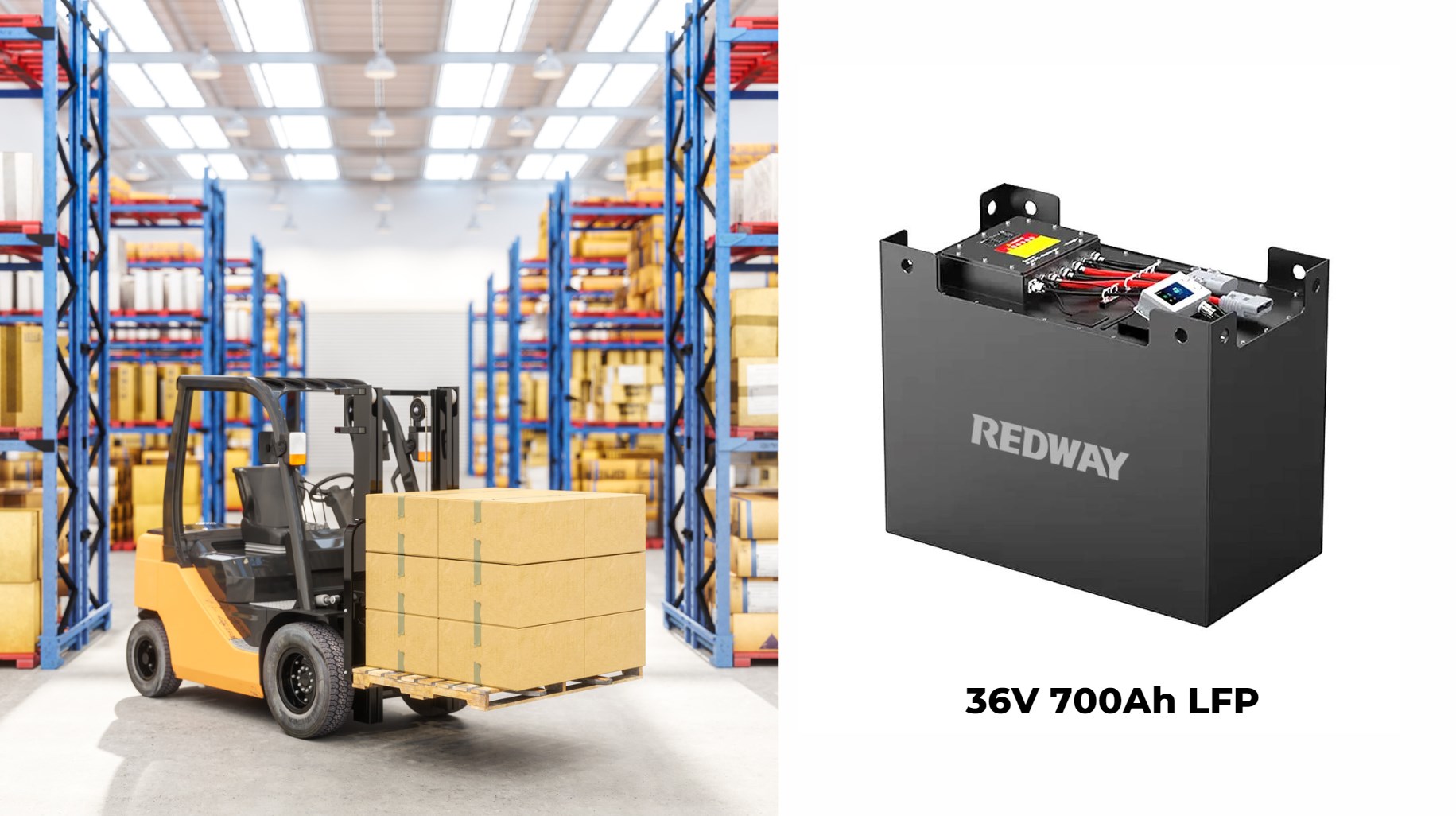
Industries Benefiting from LiFePO4 Forklift Batteries

Industries Benefiting from LiFePO4 Forklift Batteries

LiFePO4 (Lithium Iron Phosphate) forklift batteries are gaining traction across a variety of industries due to their advanced features and performance benefits compared to traditional lead-acid batteries. The distinct advantages of LiFePO4 batteries—such as longer lifespan, faster charging, and lower maintenance—make them ideal for numerous applications. Here is an in-depth look at the primary industries where LiFePO4 forklift batteries are most commonly used.

Industries such as e-commerce fulfillment centers, food distribution warehouses, and manufacturing facilities benefit significantly from LiFePO4 forklift batteries due to their efficiency, reduced maintenance needs, and ability to operate in cold storage environments.

1. Warehousing and Logistics

In the warehousing and logistics sector, LiFePO4 forklift batteries are revolutionizing operations by powering electric forklifts and pallet jacks. Their high energy density and extended lifespan contribute to reduced downtime and lower maintenance costs. These features are particularly beneficial for environments that demand continuous operation, where minimizing interruptions is critical for maintaining efficiency and productivity.

2. Manufacturing

Manufacturing facilities rely heavily on the efficient movement of materials and products. LiFePO4 forklift batteries enhance productivity in these settings by offering quick charging capabilities, which allows for minimal downtime between shifts. The reduced charging time ensures that forklifts remain operational throughout the workday, optimizing material handling processes and improving overall workflow.

3. Retail

In the retail industry, especially within large distribution centers, LiFePO4 batteries support electric forklifts used for inventory management and product handling. Their low emissions and reduced maintenance needs align with the industry’s focus on efficient and environmentally friendly operations. LiFePO4 batteries help streamline inventory processes while contributing to a cleaner operational environment.

4. Food and Beverage

The food and beverage industry demands strict adherence to cleanliness and safety standards. LiFePO4 forklift batteries are preferred in this sector due to their emission-free operation and minimal maintenance requirements. Their ability to operate without releasing harmful substances makes them suitable for environments where maintaining a hygienic atmosphere is paramount.

5. Pharmaceutical

In pharmaceutical settings, where precision and cleanliness are critical, LiFePO4 batteries offer reliable power for forklifts and automated guided vehicles (AGVs). Their safety features and consistency in performance reduce the risk of contamination and ensure that operations remain efficient and compliant with industry regulations.

6. Recycling and Waste Management

The recycling and waste management industry benefits from LiFePO4 forklift batteries due to their durability and safety features. Electric forklifts powered by these batteries are used to handle heavy loads efficiently in demanding environments. The enhanced safety and long-term reliability of LiFePO4 batteries are crucial for managing the rigorous demands of recycling and waste operations.

7. Construction

On construction sites, LiFePO4 batteries are used to power electric forklifts and other equipment. This transition to electric power helps reduce noise and air pollution, contributing to a cleaner and quieter job site. The use of LiFePO4 batteries aligns with the industry’s increasing focus on sustainable and environmentally friendly practices.

8. Marine Applications

While not directly related to forklifts, LiFePO4 batteries are also utilized in marine applications. Their versatility and reliability make them suitable for various operational settings beyond traditional land-based industries. The adoption of LiFePO4 batteries in marine environments further highlights their adaptability and robust performance.

Conclusion

LiFePO4 forklift batteries are transforming operations across a diverse range of industries. Their superior features, including longer lifespan, faster charging, lower maintenance, and enhanced safety, offer significant advantages over traditional lead-acid batteries. As industries continue to prioritize efficiency, sustainability, and safety, the use of LiFePO4 batteries is expected to expand, supporting a wide array of applications and contributing to improved operational outcomes.

FAQs

What Safety Measures Should Be Taken When Using LiFePO4 Forklift Batteries?
Do LiFePO4 Batteries Require Maintenance?
What is the Typical Cost of a LiFePO4 Forklift Battery?
Comparing Maintenance Costs: LiFePO4 Batteries vs. Lead-Acid Batteries
Exploring Real-World Applications of LiFePO4 Batteries in Forklifts
Industries Benefiting from LiFePO4 Forklift Batteries
What is LiFePO4 Technology?
The Evolving Market for Forklift Batteries
What Are the Latest Advancements in LiFePO4 Battery Technology?
How Does Fast Charging Impact Battery Life?
Types of Chargers for LiFePO4 Forklift Batteries
Common Voltage and Capacity Options for LiFePO4 Forklift Batteries
Comparing LiFePO4 and Lead-Acid Batteries: A Comprehensive Analysis
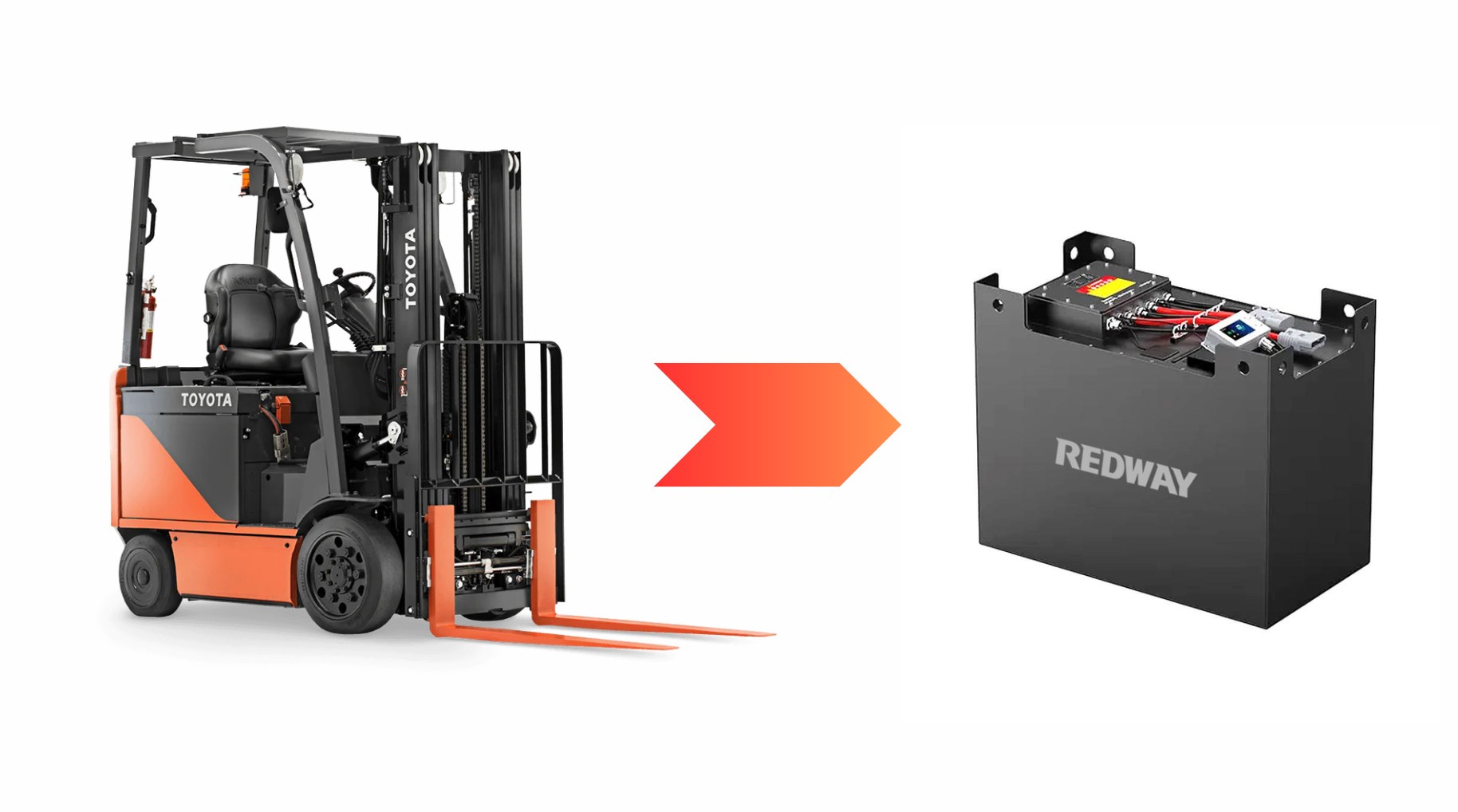
What is LiFePO4 Technology?

What is LiFePO4 Technology?

Lithium Iron Phosphate (LiFePO4 or LFP) represents a groundbreaking advancement in rechargeable battery technology. This battery type, known for its exceptional safety, longevity, and efficiency, has emerged as a preferred choice across various applications, including electric vehicles (EVs), energy storage systems, and portable electronics.

LiFePO4 (Lithium Iron Phosphate) technology refers to a type of lithium-ion battery that uses iron phosphate as the cathode material. This technology offers enhanced thermal stability, safety features, long cycle life, and environmentally friendly characteristics compared to other lithium-ion chemistries.

Overview of LiFePO4 Technology

LiFePO4 batteries are a subclass of lithium-ion batteries that utilize lithium iron phosphate as the cathode material. This technology, identified in the 1990s with significant contributions from researchers such as John B. Goodenough and Arumugam Manthiram, is celebrated for its stability, safety, and superior performance characteristics.

Overview of LiFePO4 Technology

Key Features of LiFePO4 Batteries

Safety: LiFePO4 batteries are renowned for their thermal and chemical stability, drastically minimizing the risk of thermal runaway—a common problem associated with other lithium-ion batteries. This stability stems from the robust P–O bonds within the phosphate group, which release oxygen more gradually under stress compared to cobalt-based batteries.

Long Lifespan: One of the most notable advantages of LiFePO4 batteries is their impressive cycle life, ranging from 2,000 to over 10,000 cycles based on usage conditions. This extended lifespan makes them highly desirable for applications demanding long-term energy storage.

Environmental Impact: LiFePO4 batteries are more environmentally friendly compared to their counterparts as they lack toxic materials like cobalt. Their composition includes more abundant and less harmful materials such as iron and phosphate, reducing their overall environmental footprint.

Performance: These batteries offer high power density and the ability to deliver substantial currents, making them ideal for applications requiring quick bursts of power. They maintain a consistent power output throughout their discharge cycle, enhancing their reliability and efficiency.

Compatibility with Renewable Energy: LiFePO4 batteries excel in compatibility with renewable energy systems, particularly solar energy solutions. Their low self-discharge rate and high energy density make them effective for off-grid solutions and backup power systems.

Applications of LiFePO4 Technology

LiFePO4 technology is utilized in a wide range of applications due to its numerous advantages:

Electric Vehicles (EVs): The safety and longevity of LiFePO4 batteries make them increasingly popular in electric vehicles. Leading companies like Tesla and BYD have incorporated LiFePO4 technology into their designs, benefiting from its stable performance and long cycle life.

Energy Storage Systems: The durability and stability of LiFePO4 batteries make them ideal for stationary energy storage solutions. These batteries are extensively used in solar energy storage and backup power systems, providing reliable energy storage with minimal maintenance.

Consumer Electronics: LiFePO4 batteries are also prevalent in portable electronics. Their high power density and long life cycle make them a dependable power source for devices that require consistent and reliable energy.

Redway Power and LiFePO4 Forklift Batteries

Over the past 12 years, Redway Power has been dedicated to uncovering the factors that contribute to the success of LiFePO4 forklift batteries. As a leading LiFePO4 battery factory wholesaler, Redway Power specializes in a diverse range of LiFePO4 batteries and offers rapid, customized solutions to B2B and OEM clients globally.

Redway Power and LiFePO4 Forklift Batteries

Benefits of Redway Power’s LiFePO4 Forklift Batteries

Custom Solutions: Redway Power provides tailored LiFePO4 battery solutions designed to meet the specific needs of various industries. Their expertise ensures that clients receive high-quality, customized batteries that align with their operational requirements.

Extensive Experience: With over a decade of experience in the LiFePO4 battery industry, Redway Power has honed its skills in manufacturing and supplying high-performance batteries. This extensive experience translates into superior products and exceptional service.

Global Reach: Redway Power’s commitment to serving clients worldwide is demonstrated through its efficient production and distribution capabilities. The company’s global presence ensures that clients receive timely and reliable support, regardless of their location.

Superior Craftsmanship: Redway Power’s dedication to quality is evident in the craftsmanship of its LiFePO4 batteries. Each battery is meticulously engineered to offer outstanding performance, durability, and safety.

Conclusion

In summary, LiFePO4 technology stands as a superior choice in the battery industry, offering numerous benefits over traditional battery technologies. Its safety, long lifespan, and environmental advantages make it a preferred option for electric vehicles, energy storage systems, and consumer electronics. Redway Power, with its extensive experience and commitment to quality, provides exceptional LiFePO4 forklift batteries that meet the diverse needs of clients worldwide. For more information or to request a custom quote, contact Redway Power today.

FAQs

What Safety Measures Should Be Taken When Using LiFePO4 Forklift Batteries?
Do LiFePO4 Batteries Require Maintenance?
What is the Typical Cost of a LiFePO4 Forklift Battery?
Comparing Maintenance Costs: LiFePO4 Batteries vs. Lead-Acid Batteries
Exploring Real-World Applications of LiFePO4 Batteries in Forklifts
Industries Benefiting from LiFePO4 Forklift Batteries
What is LiFePO4 Technology?
The Evolving Market for Forklift Batteries
What Are the Latest Advancements in LiFePO4 Battery Technology?
How Does Fast Charging Impact Battery Life?
Types of Chargers for LiFePO4 Forklift Batteries
Common Voltage and Capacity Options for LiFePO4 Forklift Batteries
Comparing LiFePO4 and Lead-Acid Batteries: A Comprehensive Analysis
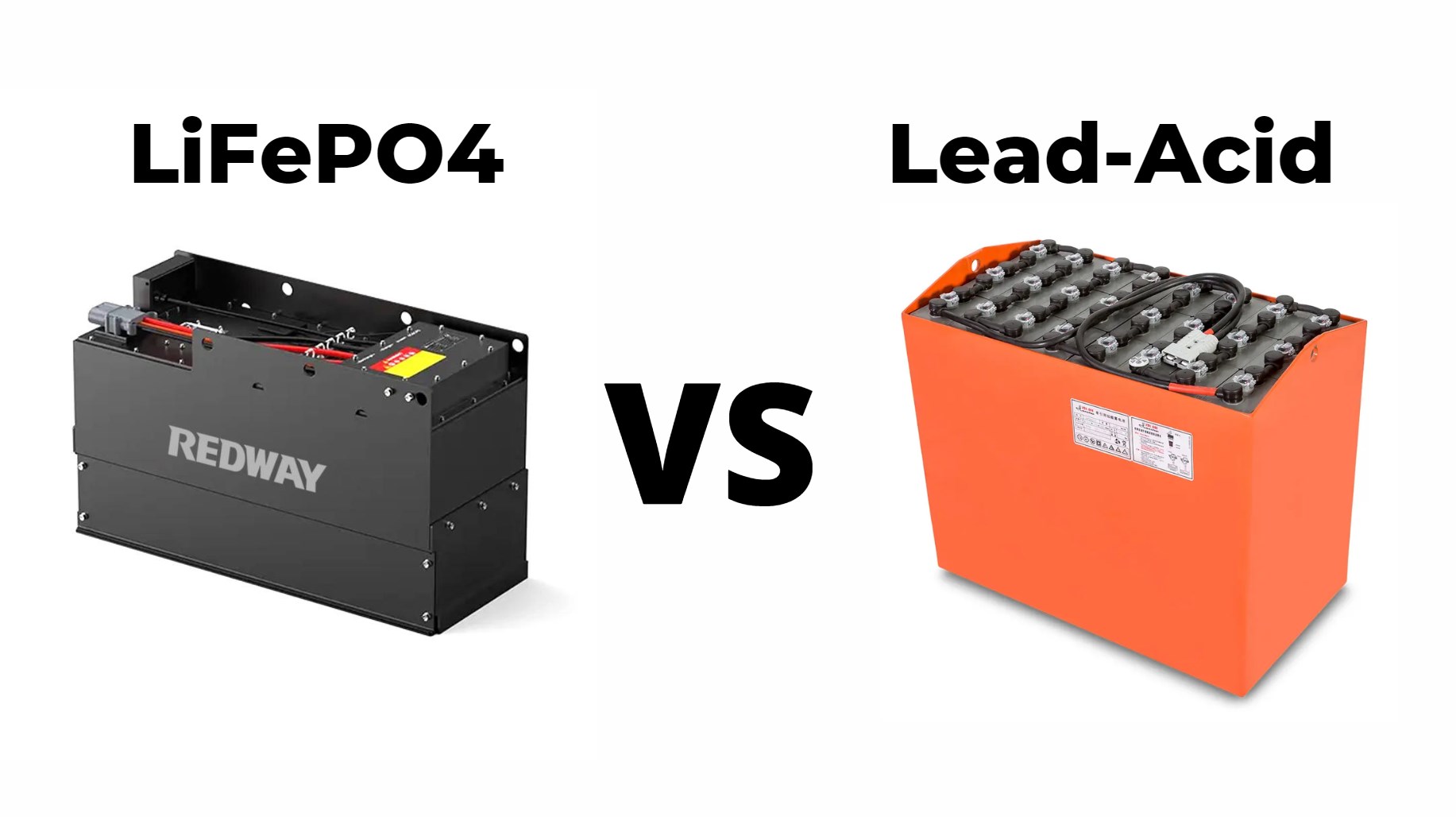
Comparing LiFePO4 and Lead-Acid Batteries: A Comprehensive Analysis

Comparing LiFePO4 and Lead-Acid Batteries: A Comprehensive Analysis

In the realm of energy storage, LiFePO4 (Lithium Iron Phosphate) and lead-acid batteries stand out as two prominent options. Understanding their differences is crucial for selecting the most suitable battery type for various applications. This article provides a detailed comparison of these two battery technologies, focusing on key factors such as energy density, cycle life, charging efficiency, safety, maintenance, environmental impact, and cost considerations.

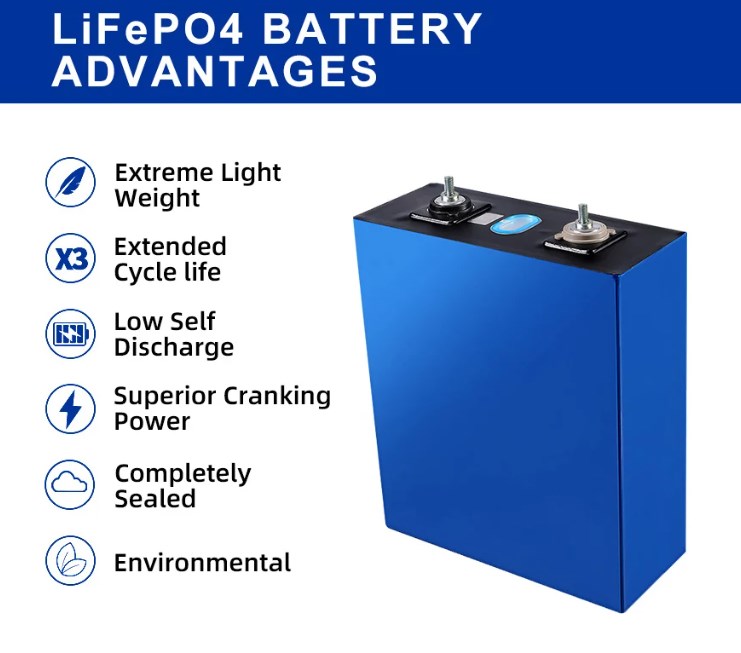
LiFePO4 batteries outperform lead-acid batteries in several aspects: longer lifespan (2000+ cycles vs. 400-800), faster charging times, lower weight, reduced maintenance needs, and greater energy efficiency. These benefits make LiFePO4 increasingly favored in modern applications.

1. Energy Density

LiFePO4 Batteries: Known for their superior energy density, LiFePO4 batteries offer a high amount of stored energy in a compact and lightweight design. This makes them particularly advantageous for applications where space and weight constraints are significant factors. The higher energy density of LiFePO4 batteries allows for more efficient use of space and reduced overall weight, which is beneficial for mobile and portable applications, such as electric vehicles and renewable energy systems.

Lead-Acid Batteries: In contrast, lead-acid batteries have a lower energy density, meaning they require more space and weight to store the same amount of energy. This bulkier design can be a disadvantage in applications where minimizing weight and space is critical. While lead-acid batteries have been a reliable energy storage solution for many years, their larger size and weight can limit their suitability for modern, space-constrained applications.

2. Cycle Life

LiFePO4 Batteries: One of the standout features of LiFePO4 batteries is their extended cycle life. These batteries can typically endure over 2,000 charge-discharge cycles, with some models reaching up to 4,000 cycles. This longevity translates to fewer replacements and lower long-term costs. The increased cycle life of LiFePO4 batteries makes them a preferred choice for applications that require frequent cycling, such as renewable energy storage and electric vehicles.

Lead-Acid Batteries: Lead-acid batteries generally have a shorter cycle life, ranging from 300 to 500 cycles. This shorter lifespan often results in more frequent replacements, increasing long-term costs. Although lead-acid batteries are cost-effective initially, their limited cycle life can be a significant drawback in applications that demand frequent charging and discharging.

3. Charging Efficiency

LiFePO4 Batteries: LiFePO4 batteries are renowned for their high charging efficiency, often ranging from 95% to 98%. This efficiency minimizes energy loss during the charging process, making them ideal for applications where energy conservation is critical. The high charging efficiency of LiFePO4 batteries ensures that more of the energy input is stored and utilized, resulting in better overall performance and reduced energy costs.

Lead-Acid Batteries: Lead-acid batteries have a lower charging efficiency, typically between 70% and 85%. This lower efficiency results in greater energy loss during the charging process, which can be a disadvantage in applications where energy efficiency is a priority. The reduced charging efficiency of lead-acid batteries can lead to higher operational costs and less effective energy storage.

4. Safety and Thermal Stability

LiFePO4 Batteries: LiFePO4 batteries are recognized for their exceptional safety and thermal stability. They are less prone to thermal runaway, a condition where the battery rapidly overheats and can potentially catch fire. LiFePO4 batteries can withstand higher temperatures without compromising safety, making them a reliable choice for demanding environments. Their stability contributes to a lower risk of accidents and ensures safe operation under various conditions.

Lead-Acid Batteries: While generally safe, lead-acid batteries can present safety concerns due to the corrosive sulfuric acid they contain. This acid can leak or release harmful gases during charging, posing risks to both users and the environment. Proper maintenance and handling are essential to mitigate these risks and ensure safe operation.

5. Maintenance Requirements

LiFePO4 Batteries: LiFePO4 batteries require minimal maintenance, offering a significant advantage over lead-acid batteries. There is no need for regular checks or electrolyte level monitoring, which simplifies their upkeep and reduces maintenance costs. The low maintenance requirements of LiFePO4 batteries make them a convenient and hassle-free option for users seeking reliable and low-maintenance energy storage solutions.

Lead-Acid Batteries: Lead-acid batteries require regular maintenance, including checking electrolyte levels and cleaning terminals. This ongoing maintenance is necessary to ensure optimal performance and prevent issues such as sulfation and corrosion. The additional maintenance requirements of lead-acid batteries can lead to increased labor and costs over time.

Maintenance Requirements, LiFePO4 and Lead-Acid forklift Batteries

6. Environmental Impact

LiFePO4 Batteries: LiFePO4 batteries are more environmentally friendly compared to lead-acid batteries. They do not contain toxic heavy metals like lead or hazardous sulfuric acid, reducing potential environmental hazards and health risks. The use of LiFePO4 batteries contributes to a lower environmental impact and supports more sustainable energy storage solutions.

Lead-Acid Batteries: Lead-acid batteries contain lead and sulfuric acid, which pose environmental risks if not disposed of properly. Improper disposal of lead-acid batteries can lead to soil and water contamination, posing significant environmental and health hazards. Responsible recycling and disposal practices are essential to mitigate these risks and ensure environmentally safe handling.

7. Cost Considerations

LiFePO4 Batteries: Although LiFePO4 batteries have a higher initial purchase cost, their longer lifespan and lower maintenance needs can make them more cost-effective in the long run. The reduced frequency of replacements and lower operational costs contribute to their overall value, making them a worthwhile investment for many applications.

Lead-Acid Batteries: Lead-acid batteries are generally more affordable upfront, but their shorter lifespan and higher maintenance costs can add up over time. While the initial investment is lower, the long-term costs associated with frequent replacements and maintenance may make lead-acid batteries less economical in the long term.

Conclusion

In summary, LiFePO4 batteries generally outperform lead-acid batteries in several critical areas, including energy density, cycle life, charging efficiency, safety, and environmental impact. While lead-acid batteries may be more budget-friendly initially, the long-term advantages of LiFePO4 batteries, such as their extended lifespan and lower maintenance requirements, often make them a more economically advantageous choice. For applications where reliability, efficiency, and sustainability are paramount, LiFePO4 batteries offer a superior solution.

FAQs

What Safety Measures Should Be Taken When Using LiFePO4 Forklift Batteries?
Do LiFePO4 Batteries Require Maintenance?
What is the Typical Cost of a LiFePO4 Forklift Battery?
Comparing Maintenance Costs: LiFePO4 Batteries vs. Lead-Acid Batteries
Exploring Real-World Applications of LiFePO4 Batteries in Forklifts
Industries Benefiting from LiFePO4 Forklift Batteries
What is LiFePO4 Technology?
The Evolving Market for Forklift Batteries
What Are the Latest Advancements in LiFePO4 Battery Technology?
How Does Fast Charging Impact Battery Life?
Types of Chargers for LiFePO4 Forklift Batteries
Common Voltage and Capacity Options for LiFePO4 Forklift Batteries
Comparing LiFePO4 and Lead-Acid Batteries: A Comprehensive Analysis
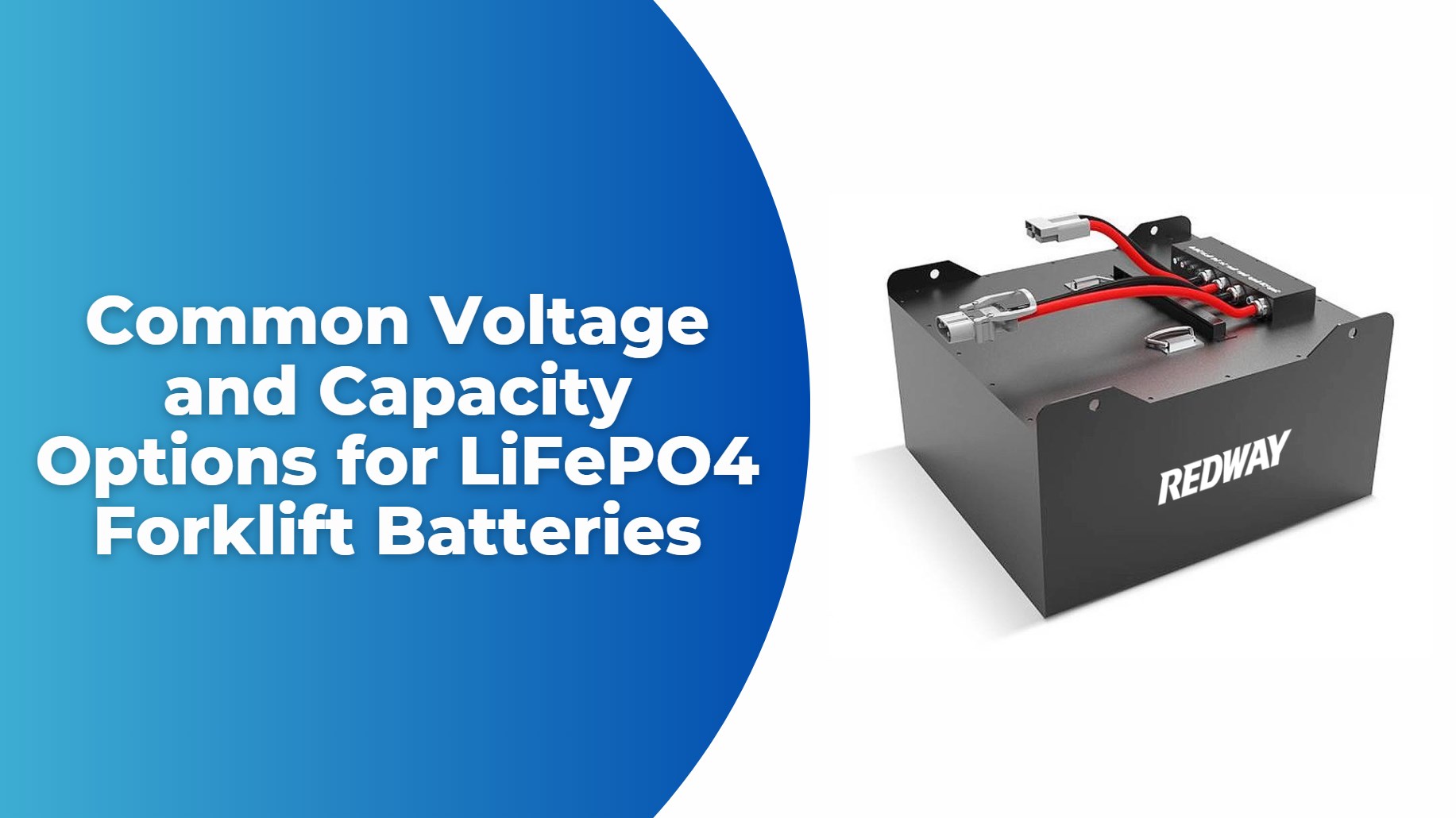
Common Voltage and Capacity Options for LiFePO4 Forklift Batteries

Common Voltage and Capacity Options for LiFePO4 Forklift Batteries

LiFePO4 forklift batteries have become a preferred choice for various industrial applications due to their robust performance, safety, and longevity. Understanding the common voltage and capacity options available can help in selecting the most suitable battery for specific forklift requirements. This article provides a comprehensive overview of the typical configurations for LiFePO4 forklift batteries, enabling informed decisions for optimal performance and efficiency.

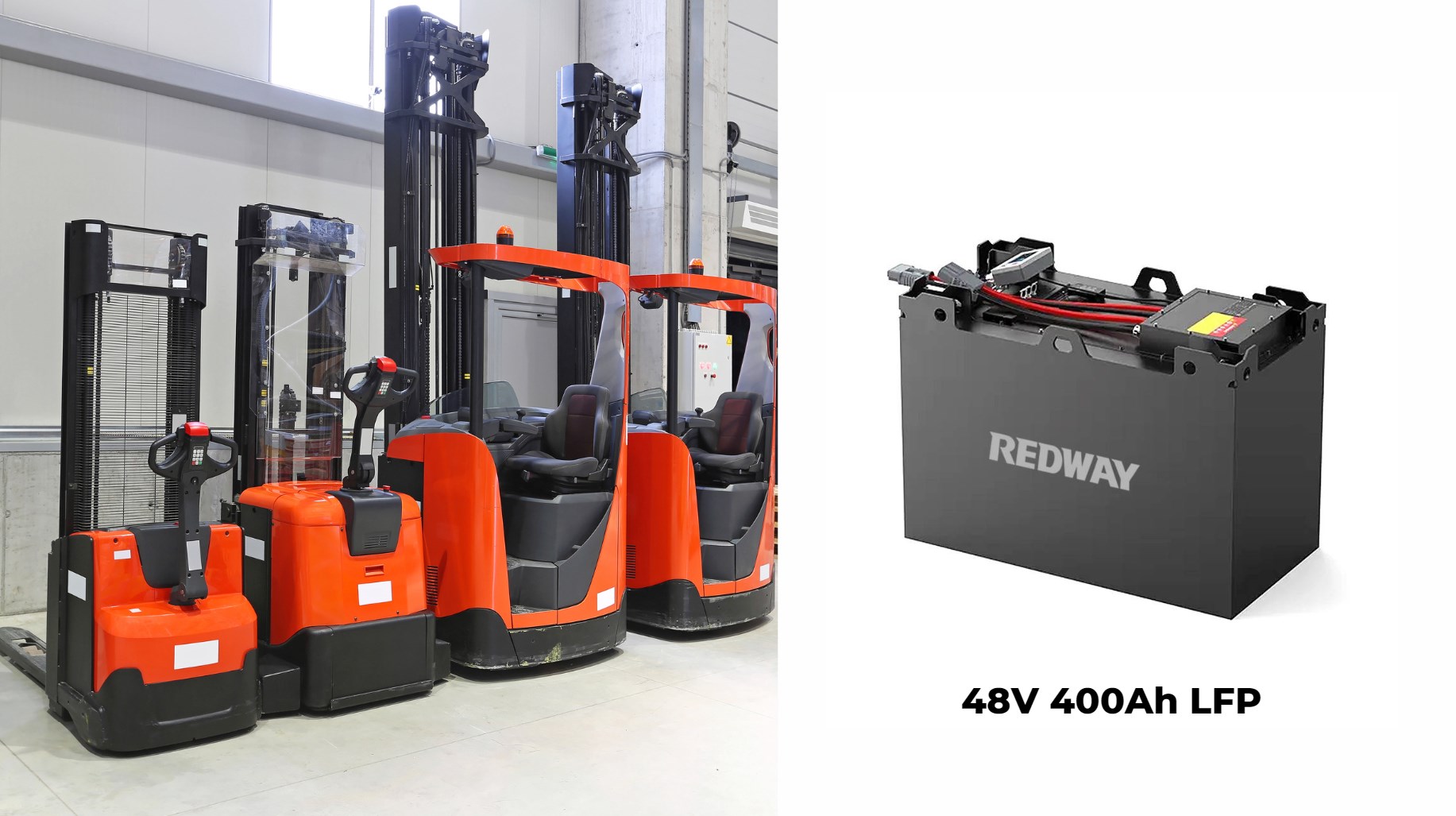
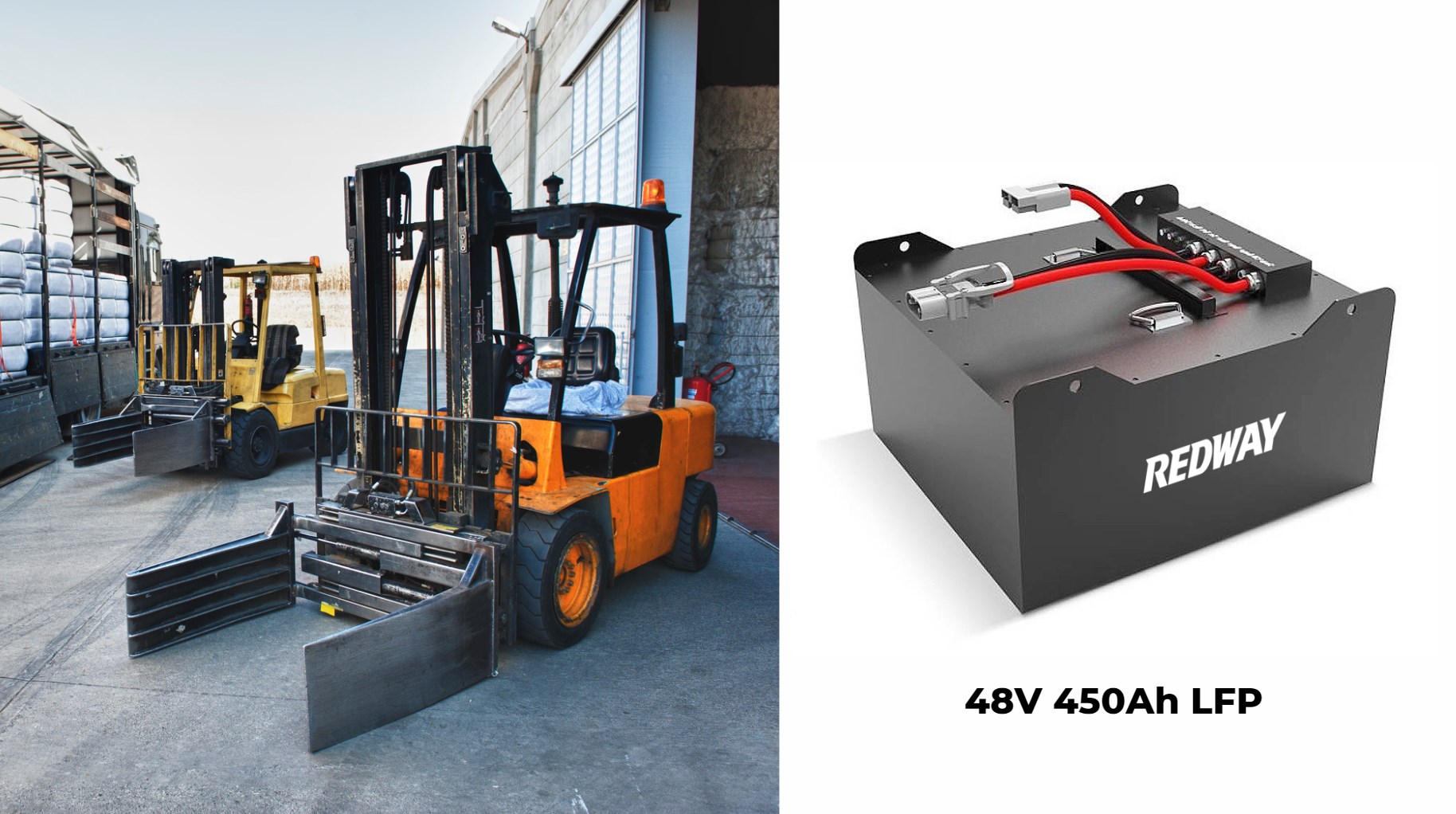
Common voltage options for LiFePO4 forklift batteries include 24V, 36V, 48V, and 80V. Capacities typically range from 100Ah to over 1000Ah depending on application requirements. Choosing the right combination ensures optimal performance tailored to specific operational needs.

1. Voltage Options for LiFePO4 Forklift Batteries

The voltage of a forklift battery is a crucial factor influencing the battery’s performance and compatibility with different types of lift equipment. Here are the common voltage options for LiFePO4 forklift batteries:

24 Volts

  • Usage: This voltage is commonly used in smaller electric lift equipment, such as walkie pallet jacks and center rider forklifts.
  • Applications: Ideal for low-power, lighter-duty tasks where extended operational time is not a primary requirement.
  • Benefits: Provides adequate power for small-scale operations while being cost-effective.

36 Volts

  • Usage: Suitable for mid-sized electric lift trucks, including narrow aisle forklifts.
  • Applications: Provides a balance between power and efficiency for moderate to heavy lifting tasks in warehouse settings.
  • Benefits: Offers increased operational capacity compared to 24V systems, making it versatile for various applications.

48 Volts

  • Usage: Widely used for larger lift machines, such as four-wheel counterbalanced forklifts.
  • Applications: Designed for heavy-duty lifting and extended operational periods, suitable for industrial and logistics environments.
  • Benefits: Delivers high power and efficiency, supporting more extensive and demanding applications.

80 Volts

  • Usage: Typically employed in heavy-duty applications, including pneumatic counterbalanced forklifts.
  • Applications: Ideal for the most demanding tasks requiring substantial power and endurance, such as in large-scale manufacturing and heavy industrial environments.
  • Benefits: Provides superior performance and longer run times, making it suitable for high-load and high-intensity operations.

2. Capacity Options for LiFePO4 Forklift Batteries

The capacity of a forklift battery, measured in amp-hours (Ah), determines how long the battery can power the forklift before needing a recharge. The common capacity options for LiFePO4 forklift batteries are:

Capacity Options for LiFePO4 Forklift Batteries

100 Ah to 200 Ah

  • Usage: Often used in smaller forklifts and light-duty applications.
  • Applications: Suitable for operations that require shorter run times or lighter loads, such as small warehouses or retail environments.
  • Benefits: Offers a cost-effective solution with sufficient power for less demanding tasks.

300 Ah to 600 Ah

  • Usage: Suitable for mid-sized forklifts that require more energy for extended operation.
  • Applications: Ideal for medium-scale warehouse operations and manufacturing environments where moderate to heavy lifting is required.
  • Benefits: Provides a balance between capacity and power, supporting longer operational times and more substantial workloads.

800 Ah and Above

  • Usage: Typically found in larger, high-capacity forklifts used in heavy industrial applications.
  • Applications: Designed for large-scale operations, including extensive manufacturing facilities and logistics hubs with high-frequency lifting tasks.
  • Benefits: Ensures prolonged operational efficiency and is capable of handling the most demanding tasks without frequent recharging.

3. Choosing the Right Voltage and Capacity

Selecting the appropriate voltage and capacity for a LiFePO4 forklift battery depends on various factors, including the specific operational requirements of the forklift and the nature of the tasks it performs. Here are some considerations for making the right choice:

Operational Requirements

  • Type of Forklift: Match the battery voltage to the forklift type to ensure compatibility and optimal performance.
  • Task Intensity: Higher capacities are necessary for forklifts engaged in heavy-duty or high-frequency operations to prevent premature battery depletion.

Work Environment

  • Warehouse Size: Larger facilities may benefit from higher voltage and capacity batteries to support extended operational times and handle increased workloads.
  • Temperature and Conditions: Ensure the chosen battery can operate efficiently within the environmental conditions of the facility.

Budget and Cost-Efficiency

  • Initial Investment: Higher voltage and capacity batteries generally come with a higher initial cost. Evaluate the long-term benefits and operational cost savings to determine the best investment.

4. Summary

LiFePO4 forklift batteries are available in a range of voltages from 24V to 80V and capacities from 100Ah to over 800Ah. Understanding these common voltage and capacity options allows users to select the most suitable battery for their specific forklift and operational needs. By choosing the right battery configuration, businesses can enhance performance, efficiency, and overall operational reliability in their material handling processes.

Whether for small-scale or heavy-duty applications, LiFePO4 forklift batteries offer robust performance and durability, making them a valuable investment for various industrial settings.

FAQs

What Safety Measures Should Be Taken When Using LiFePO4 Forklift Batteries?
Do LiFePO4 Batteries Require Maintenance?
What is the Typical Cost of a LiFePO4 Forklift Battery?
Comparing Maintenance Costs: LiFePO4 Batteries vs. Lead-Acid Batteries
Exploring Real-World Applications of LiFePO4 Batteries in Forklifts
Industries Benefiting from LiFePO4 Forklift Batteries
What is LiFePO4 Technology?
The Evolving Market for Forklift Batteries
What Are the Latest Advancements in LiFePO4 Battery Technology?
How Does Fast Charging Impact Battery Life?
Types of Chargers for LiFePO4 Forklift Batteries
Common Voltage and Capacity Options for LiFePO4 Forklift Batteries
Comparing LiFePO4 and Lead-Acid Batteries: A Comprehensive Analysis
What Are the Advantages of 36V LiFePO4 Batteries in Energy Storage Applications?

36V LiFePO4 batteries represent a cutting-edge solution for energy storage applications, offering numerous benefits that make them superior to traditional battery technologies. Whether utilized in solar energy systems, backup power solutions, or other energy storage applications, the advantages of 36V LiFePO4 batteries are substantial. This article delves into the key benefits of these batteries, emphasizing their exceptional performance and reliability in various settings.

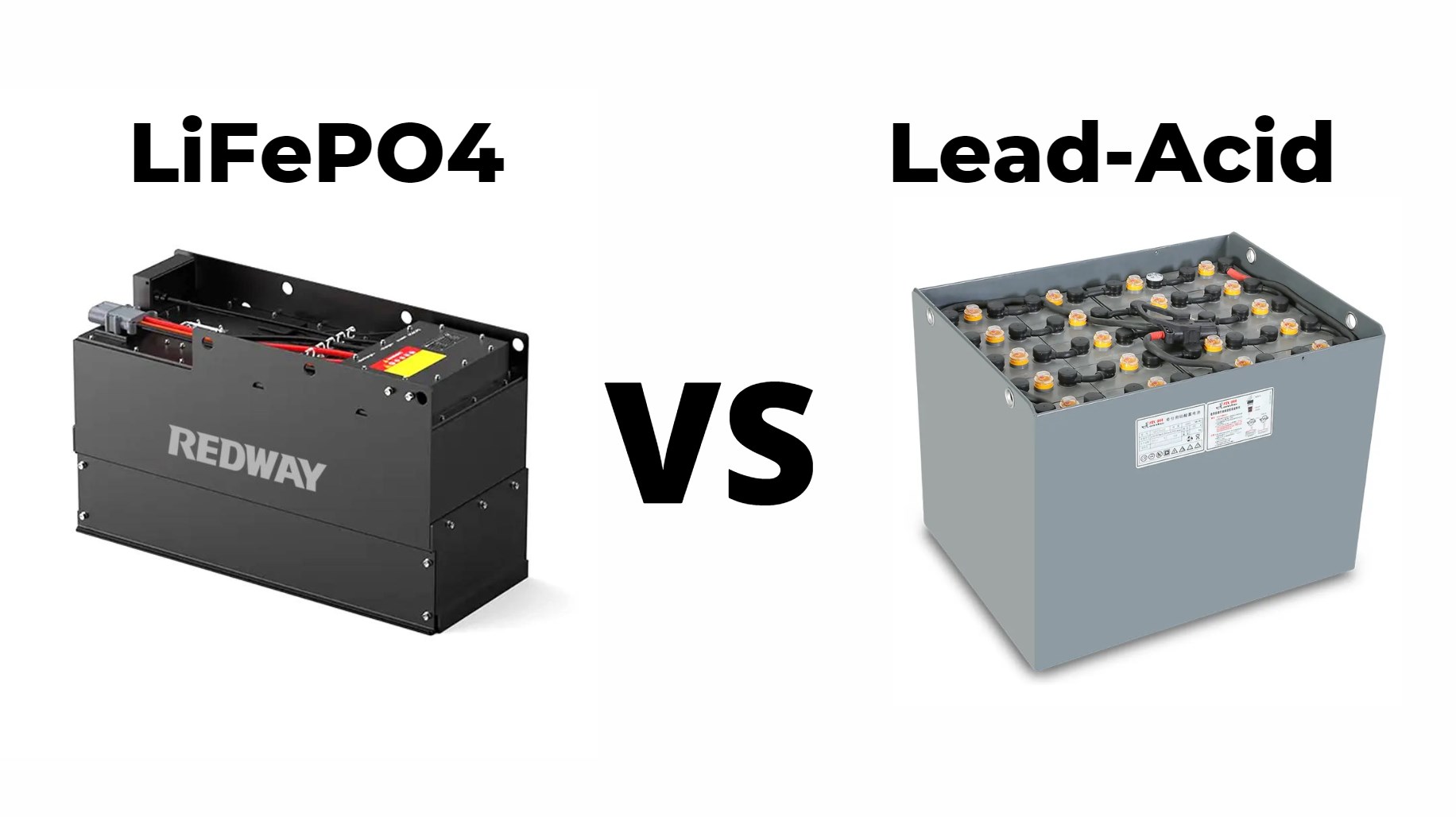
36V LiFePO4 batteries offer advantages such as higher energy density compared to lead-acid options, longer cycle life (up to 10 years), faster charging capabilities, and reduced weight. These features make them ideal for energy storage applications requiring efficient power management.

High Energy Density

LiFePO4 batteries provide a significantly higher energy density compared to conventional lead-acid batteries. This enhanced energy density allows them to store more energy within a smaller and lighter footprint. In energy storage applications, where space and weight constraints are often critical, the compact nature of 36V LiFePO4 batteries ensures that users can maximize energy storage without compromising on space.

Long Cycle Life

One of the most notable advantages of 36V LiFePO4 batteries is their impressive cycle life. These batteries can typically endure over 5,000 charge and discharge cycles while retaining approximately 80% of their original capacity. This extended lifespan greatly reduces the frequency of replacements, resulting in lower long-term costs and enhanced overall cost-effectiveness for energy storage solutions.

Thermal and Chemical Stability

The thermal and chemical stability of LiFePO4 batteries is another significant benefit. Unlike many other lithium-ion batteries, LiFePO4 batteries are designed to minimize the risk of thermal runaway. This stability is crucial for maintaining safety in energy storage systems, particularly in residential or commercial environments where safety considerations are paramount.

Flat Discharge Curve

A unique feature of LiFePO4 batteries is their flat discharge curve. This characteristic means that the batteries maintain a consistent voltage output throughout most of their discharge cycle. For applications requiring stable power delivery—such as solar energy systems—this stable voltage is essential for reliable performance and optimal energy utilization.

Fast Charging Capability

36V LiFePO4 batteries offer fast charging capabilities, which significantly reduces the downtime associated with recharging. The ability to quickly replenish stored energy is particularly advantageous in scenarios where rapid access to power is essential. This feature ensures that energy storage systems are always ready to meet demand without prolonged interruptions.

Low Maintenance Requirements

Compared to traditional lead-acid batteries, LiFePO4 batteries require minimal maintenance. They do not necessitate regular water refilling or frequent checks, simplifying their operation and reducing ongoing maintenance costs. This low-maintenance requirement contributes to the overall convenience and efficiency of using LiFePO4 batteries in various energy storage applications.

Environmentally Friendly

LiFePO4 batteries are inherently environmentally friendly. They do not contain harmful heavy metals, and their production and disposal processes are less polluting compared to other battery types. This eco-friendly aspect aligns with the growing emphasis on sustainable and green technologies, making 36V LiFePO4 batteries a responsible choice for energy storage solutions.

Compatibility with Renewable Energy Systems

The compatibility of 36V LiFePO4 batteries with renewable energy systems is a key advantage. These batteries are highly effective in storing excess energy generated by solar panels during the day, enabling its use during nighttime or peak demand periods. Their efficiency in energy utilization ensures minimal wastage and optimal performance in renewable energy applications.

Application Flexibility

LiFePO4 batteries are known for their application flexibility. Beyond energy storage, they can be effectively used in various other contexts, including electric vehicles, telecommunications, and portable power solutions. This versatility demonstrates their adaptability to diverse energy needs, making them a valuable component in numerous technological applications.

Conclusion

In summary, the advantages of 36V LiFePO4 batteries in energy storage applications are extensive. Their high energy density, long cycle life, thermal and chemical stability, flat discharge curve, fast charging capability, low maintenance requirements, environmental friendliness, compatibility with renewable energy systems, and application flexibility make them a superior choice for modern energy storage solutions. As the demand for efficient and sustainable energy storage continues to rise, 36V LiFePO4 batteries stand out as a leading solution, providing reliable and effective performance across a range of applications.

FAQ

  • How does the flat discharge curve of 36V LiFePO4 batteries benefit specific applications?
    The flat discharge curve of 36V LiFePO4 batteries provides consistent voltage output throughout most of the battery’s life, ensuring stable performance and reliable power for applications requiring steady power, such as solar systems and electric vehicles.
  • What makes 36V LiFePO4 batteries more environmentally friendly compared to other battery types?
    36V LiFePO4 batteries are more environmentally friendly due to their non-toxic, non-carcinogenic materials, longer lifespan, and higher recyclability compared to lead-acid and other battery types.
  • How does the cycle life of 36V LiFePO4 batteries compare to lead-acid batteries?
    36V LiFePO4 batteries typically offer a cycle life of 2000-5000 cycles, significantly higher than lead-acid batteries, which usually provide 300-500 cycles. This results in longer-lasting performance and reduced replacement frequency.
  • What are the key components of a 36V LiFePO4 battery system?
    Key components of a 36V LiFePO4 battery system include the battery cells, Battery Management System (BMS), charge controller, and connection terminals. The BMS manages safety and performance, while the charge controller regulates charging.
  • How does the weight of 36V LiFePO4 batteries impact their usage in electric vehicles?
    The weight of 36V LiFePO4 batteries is generally lower than that of lead-acid batteries, which improves energy efficiency, reduces vehicle weight, and enhances overall performance and range in electric vehicles.

What Are the Benefits of 36V LiFePO4 Batteries Compared to Other Battery Types in EVs?

In the evolving landscape of electric vehicles (EVs), 36V LiFePO4 batteries stand out as a superior choice compared to other battery types, including traditional lead-acid batteries and various lithium-ion chemistries. This article delves into the numerous benefits that 36V LiFePO4 batteries offer for electric vehicles, highlighting their advantages in terms of safety, lifespan, performance, weight, efficiency, and environmental impact.

36V LiFePO4 batteries offer higher energy density, longer lifespan (up to 10 years), and faster charging capabilities compared to lead-acid batteries. They are also lighter, environmentally friendly, and have a lower self-discharge rate, making them ideal for electric vehicles (EVs) that require efficient and reliable power sources.

1. Safety

Thermal Stability

36V LiFePO4 batteries are renowned for their exceptional thermal and chemical stability. This stability significantly reduces the risk of combustion or explosion, making these batteries one of the safest options available for high-energy applications such as EVs.

  • No Thermal Runaway: Unlike some other lithium-ion batteries, LiFePO4 batteries are resistant to thermal runaway, a condition where the battery can overheat and potentially catch fire. This feature is crucial for maintaining safety in extreme conditions and during high-power demands.

Enhanced Safety Features

  • Stable Chemistry: The chemical composition of LiFePO4 contributes to its stable behavior under stress, reducing the likelihood of dangerous reactions that could compromise vehicle safety.
  • Integrated Safety Systems: Many LiFePO4 batteries come equipped with sophisticated Battery Management Systems (BMS) that monitor temperature and other factors to ensure safe operation.

2. Long Lifespan

High Cycle Life

36V LiFePO4 batteries offer an impressive cycle life, achieving over 4,000 cycles at an 80% depth of discharge (DoD). Some advanced models can exceed 8,000 cycles, making them significantly more durable than traditional lead-acid batteries, which typically last between 300 to 500 cycles.

  • Extended Usability: This long cycle life translates into a longer overall lifespan, providing reliable power for many years and reducing the need for frequent replacements.

Maintenance-Free Operation

  • Reduced Maintenance: Unlike lead-acid batteries, which require regular maintenance to check fluid levels and overall condition, LiFePO4 batteries are maintenance-free. This reduces operational hassles and ensures consistent performance without additional upkeep.

3. Performance

Flat Discharge Curve

36V LiFePO4 batteries maintain a nearly constant voltage throughout their discharge cycle. This flat discharge curve ensures stable power output, which is critical for electric vehicles where consistent performance is necessary during acceleration and operation.

  • Stable Power Delivery: The ability to deliver a steady voltage allows for smoother and more reliable vehicle performance, enhancing the driving experience.

High Current Rating

  • Rapid Energy Delivery: These batteries can handle high discharge rates, making them suitable for applications that require quick bursts of energy, such as powering electric motors in vehicles. This capability supports high-performance demands and ensures efficient operation.

4. Weight and Size

Lighter Weight

36V LiFePO4 batteries are significantly lighter than traditional lead-acid batteries. This weight reduction helps improve the overall efficiency and range of electric vehicles by reducing the load that the vehicle needs to carry.

  • Enhanced Efficiency: A lighter battery contributes to better energy efficiency and can extend the driving range of the EV, making it a more effective solution for long-distance travel.

Compact Design

  • Space Efficiency: The compact design of LiFePO4 batteries allows for more efficient use of space within the vehicle. This design not only reduces the size of the battery pack but also provides flexibility in vehicle design and component placement.

5. Efficiency and Charging

Fast Charging

36V LiFePO4 batteries can be charged more quickly than lead-acid batteries, often reaching a full charge in just 2 to 3 hours. This rapid charging capability minimizes downtime and ensures that the vehicle is ready for use with minimal waiting.

  • Quick Recharging: The ability to quickly recharge the battery is advantageous for EVs, particularly in commercial applications where downtime must be minimized.

High Efficiency

  • Improved Energy Utilization: LiFePO4 batteries exhibit better charge and discharge efficiency compared to lead-acid batteries and some other lithium-ion chemistries. This means that more of the energy stored in the battery is available for use, leading to better overall performance.

6. Environmental Impact

Eco-Friendly Composition

36V LiFePO4 batteries are more environmentally friendly than many other battery types because they do not contain toxic heavy metals like cobalt or nickel. This makes them a cleaner option with a reduced environmental impact.

  • Sustainable Choice: The longer lifespan of LiFePO4 batteries also contributes to reduced waste, as fewer replacements are needed over time.

Conclusion

36V LiFePO4 batteries provide a range of benefits that make them an excellent choice for electric vehicles. Their superior safety, extended lifespan, high performance, reduced weight, efficient charging capabilities, and environmentally friendly characteristics all contribute to their growing popularity in the EV market. By choosing 36V LiFePO4 batteries, vehicle manufacturers and owners can ensure reliable, high-quality performance while supporting sustainability and reducing maintenance needs.

FAQ

How do 36V LiFePO4 batteries compare to 48V LiFePO4 batteries in terms of performance and efficiency?
36V and 48V LiFePO4 batteries offer similar performance and efficiency, but 48V batteries generally provide higher power output and better energy efficiency due to their higher voltage. This allows for more efficient power delivery and improved performance in high-demand applications, such as electric vehicles and high-capacity energy storage systems.

What are the environmental benefits of using 36V LiFePO4 batteries in EVs?
Using 36V LiFePO4 batteries in EVs offers environmental benefits including reduced reliance on hazardous materials compared to other battery types. LiFePO4 batteries have a longer lifespan and higher energy density, resulting in fewer replacements and less waste. They also have a lower environmental impact during production and disposal.

How does the weight of 36V LiFePO4 batteries affect the overall performance of electric vehicles?
The weight of 36V LiFePO4 batteries can affect the overall performance of electric vehicles by influencing acceleration, handling, and energy efficiency. While LiFePO4 batteries are generally heavier than other lithium-ion types, their stability and safety features often outweigh the weight disadvantage. Properly managing battery weight can optimize vehicle performance.

What are the cost implications of switching from lead-acid batteries to 36V LiFePO4 batteries in EVs?
Switching from lead-acid to 36V LiFePO4 batteries involves a higher initial cost but offers significant long-term savings. LiFePO4 batteries have a longer lifespan, higher efficiency, and lower maintenance needs, reducing the total cost of ownership over time. The initial investment is offset by fewer replacements and lower operating costs.

How do 36V LiFePO4 batteries handle extreme temperatures compared to other battery types?
36V LiFePO4 batteries handle extreme temperatures better than many other battery types. They have a wide operating temperature range and are more resistant to thermal runaway and degradation. However, they can still experience reduced performance in very high or low temperatures, so adequate thermal management is recommended for optimal operation.

How Can 36V LiFePO4 Batteries Be Used in Energy Storage Systems?

36V LiFePO4 batteries have become a cornerstone in modern energy storage systems due to their efficiency, safety, and durability. This article delves into the diverse applications of these batteries, illustrating their role in optimizing energy storage solutions across various sectors.

36V LiFePO4 batteries can be integrated into energy storage systems for renewable energy applications like solar or wind power. They store excess energy generated during peak production times and release it during low production periods, enhancing energy management and reliability.

1. Renewable Energy Storage

Solar Power Systems

36V LiFePO4 batteries are pivotal in solar power systems, where they store excess energy generated by solar panels during peak sunlight hours. This stored energy is crucial for providing power during periods of low sunlight or nighttime, ensuring a continuous and reliable power supply. By integrating LiFePO4 batteries with solar energy systems, users can maximize the utilization of solar power and reduce dependence on the grid.

Wind Energy Storage

Similarly, these batteries are effective in wind energy storage. Wind turbines generate energy intermittently, and 36V LiFePO4 batteries help to capture and store this energy. By doing so, they balance the fluctuations in wind energy production and ensure a steady power supply when wind conditions are less favorable.

2. Backup Power Systems

Uninterruptible Power Supply (UPS)

In Uninterruptible Power Supply (UPS) systems, 36V LiFePO4 batteries provide essential backup power during outages. Their fast charging capabilities ensure that they are always ready to supply power when needed. This makes them ideal for critical applications where a continuous power supply is crucial.

Emergency Lighting

36V LiFePO4 batteries also serve as a reliable power source for emergency lighting systems. They ensure that lights remain operational during power failures, enhancing safety and visibility during emergencies.

3. Electric Vehicles and E-Bikes

Electric Bicycles and Scooters

In the realm of electric vehicles, 36V LiFePO4 batteries are commonly used in electric bicycles (e-bikes) and electric scooters. Their lightweight and high energy density provide reliable power for longer distances, making them a preferred choice for personal transportation.

Golf Carts and Trolling Motors

These batteries are also widely used in golf carts and electric trolling motors. Their compact size and efficient power output make them suitable for these applications, offering a dependable and long-lasting energy source.

4. Off-Grid Applications

Remote Power Systems

For off-grid locations, 36V LiFePO4 batteries are an excellent choice. They can be paired with renewable energy sources to provide a reliable power supply for homes, cabins, or remote facilities. This combination ensures a steady energy supply even in areas with limited access to the grid.

Energy Independence

These batteries support energy independence by allowing users to store energy generated from renewable sources. This stored energy can be used during high demand periods or when energy generation is low, reducing reliance on the electrical grid.

5. Grid Stabilization and Peak Shaving

Load Balancing

In grid stabilization, 36V LiFePO4 batteries play a crucial role. They can absorb excess energy during low demand periods and release it during peak demand. This helps to stabilize the grid and reduces the need for traditional power plants, contributing to a more efficient energy distribution system.

Cost Savings

By discharging stored energy during peak hours, users can achieve significant cost savings. This practice not only lowers energy bills but also reduces the strain on the electrical grid, promoting overall efficiency.

6. Integration with Smart Grids

Smart Energy Management

36V LiFePO4 batteries are compatible with smart grid systems, allowing for real-time monitoring and management of energy usage. This integration enhances energy efficiency and optimizes distribution, making the entire system more responsive and adaptive to changing energy needs.

Conclusion

In conclusion, 36V LiFePO4 batteries offer a versatile solution for various energy storage applications. Their role in renewable energy storage, backup power systems, electric vehicles, off-grid solutions, and grid stabilization highlights their importance in modern energy infrastructure. With their efficiency, safety features, and long lifespan, these batteries are an ideal choice for harnessing energy sustainably and effectively.

FAQ

What are the advantages of using 36V LiFePO4 batteries over traditional lead-acid batteries?
36V LiFePO4 batteries offer advantages over traditional lead-acid batteries, including longer lifespan, higher energy density, faster charging times, and lower maintenance requirements. They also provide better thermal stability and safety, making them more reliable for demanding applications.

How do 36V LiFePO4 batteries perform in extreme temperatures?
36V LiFePO4 batteries generally perform well in extreme temperatures, with better thermal stability than many other lithium-ion chemistries. However, they can still experience reduced performance in very high or very low temperatures. Proper thermal management and insulation are recommended for optimal performance.

What are the typical applications for 36V LiFePO4 batteries in renewable energy systems?
In renewable energy systems, 36V LiFePO4 batteries are commonly used for solar energy storage and backup power. They are ideal for off-grid systems, energy storage for residential solar panels, and small-scale renewable energy installations due to their reliability and long cycle life.

How does the energy density of 36V LiFePO4 batteries compare to other lithium-ion batteries?
The energy density of 36V LiFePO4 batteries is lower compared to other lithium-ion batteries like Lithium-Nickel-Manganese-Cobalt (NMC) and Lithium-Cobalt-Oxide (LCO). While LiFePO4 batteries are more stable and safer, they offer less energy per unit of weight or volume compared to these higher-density options.

What are the environmental benefits of using 36V LiFePO4 batteries?
36V LiFePO4 batteries offer environmental benefits including longer lifespan, which reduces waste and the frequency of battery replacements. They are also less toxic and more recyclable than some other battery chemistries, leading to a lower overall environmental impact when disposed of properly.

How Are 36V LiFePO4 Batteries Used in Electric Vehicles?

36V LiFePO4 batteries are becoming increasingly popular in the electric vehicle (EV) sector due to their numerous benefits over traditional lead-acid batteries. These advantages make them ideal for a wide range of electric vehicle applications, from e-scooters and e-bikes to golf carts, trolling motors, and heavy-duty electric vehicles. This article explores the various uses of 36V LiFePO4 batteries in electric vehicles and highlights their key benefits.

In electric vehicles, 36V LiFePO4 batteries provide a lightweight and compact power source, enabling efficient energy delivery for propulsion and accessories. Their fast charging capabilities reduce downtime, while their long cycle life ensures sustained performance over time.

Key Applications of 36V LiFePO4 Batteries in Electric Vehicles

E-Scooters and E-Bikes

Performance: The 36V configuration is particularly well-suited for e-scooters and e-bikes. For instance, a 36V 20Ah LiFePO4 battery can replace traditional lead-acid batteries, offering enhanced energy efficiency and a significantly longer lifespan. The stable voltage output of LiFePO4 batteries ensures that e-scooters and e-bikes operate efficiently, providing reliable performance across various terrains.

Weight and Size: LiFePO4 batteries are notably lighter and more compact than their lead-acid counterparts. This reduction in weight and size improves the portability and overall performance of e-scooters and e-bikes, making them easier to handle and more efficient in operation.

Golf Carts

Power Supply: In golf carts, 36V LiFePO4 batteries are favored for their reliable power output and extended cycle life. These batteries can endure over 5,000 charge cycles, significantly reducing the frequency of replacements and making them a cost-effective solution for golf cart users.

Fast Charging: The fast charging capability of LiFePO4 batteries means they can be fully recharged in just a few hours. This feature is particularly beneficial for golf cart users who require quick turnaround times between rounds of golf, ensuring that their vehicles are ready for use without prolonged downtime.

Trolling Motors

Efficiency: For trolling motors used in boats, 36V LiFePO4 batteries provide a stable voltage and high discharge rates essential for effective propulsion in water. Their ability to maintain a consistent voltage under load is crucial for ensuring reliable motor performance during extended periods of use.

Safety: The inherent safety features of LiFePO4 chemistry, such as its resistance to thermal runaway, make these batteries suitable for marine applications. The reduced risk of overheating and fires ensures safe operation in the demanding environment of watercraft.

Heavy-Duty Electric Vehicles

High Energy Density: Larger 36V LiFePO4 batteries, such as those with a capacity of 100Ah, are ideal for heavy-duty electric vehicles including trucks and buses. These batteries offer substantial energy capacity, up to 3.6 kWh, which enables longer operational ranges and robust performance for more demanding applications.

Durability: LiFePO4 batteries are designed to endure the rigors of heavy-duty applications. They offer high discharge rates and exceptional durability, ensuring reliable performance even under the most challenging conditions.

Advantages Over Other Battery Types

Long Cycle Life

One of the standout features of LiFePO4 batteries is their long cycle life. Unlike traditional lead-acid batteries, which typically have shorter lifespans, LiFePO4 batteries can withstand thousands of charge cycles. This longevity translates to significant cost savings over time, as users benefit from fewer replacements and lower overall maintenance costs.

Safety Features

The stable chemistry of LiFePO4 batteries plays a crucial role in minimizing safety risks. These batteries are less prone to overheating and fires compared to other lithium-ion batteries, making them a safer choice for electric vehicles operating in diverse environments.

Environmental Benefits

LiFePO4 batteries offer environmental benefits due to their lack of toxic heavy metals. They are a more sustainable option compared to traditional batteries, aligning with the growing emphasis on eco-friendly technologies and reducing the environmental impact of electric vehicles.

Conclusion

36V LiFePO4 batteries have established themselves as a superior choice for various electric vehicle applications. Their use in e-scooters, e-bikes, golf carts, trolling motors, and heavy-duty electric vehicles underscores their versatility and reliability. The advantages of LiFePO4 batteries, including their long cycle life, enhanced safety features, and environmental benefits, make them a preferred alternative to traditional battery technologies.

As the electric vehicle market continues to grow, 36V LiFePO4 batteries will play an increasingly important role in powering a wide range of applications. Their ability to deliver efficient, safe, and environmentally friendly energy solutions makes them a standout choice in the evolving landscape of electric transportation.

FAQ

  • How do 36V LiFePO4 batteries compare to other lithium-ion batteries in terms of safety?
    36V LiFePO4 batteries are safer than many other lithium-ion batteries due to their superior thermal stability and lower risk of thermal runaway. Their chemical composition is less prone to overheating and fires, making them a more reliable choice for safety-sensitive applications.
  • What are the key components of a 36V LiFePO4 battery system?
    Key components include LiFePO4 cells connected in series to achieve 36V, a Battery Management System (BMS) for monitoring and protection, wiring, a charger, and a protective enclosure to house and secure the cells.
  • How does the chemical composition of LiFePO4 batteries contribute to their performance?
    The iron phosphate (LiFePO4) composition provides high thermal stability, long cycle life, and consistent performance. This composition also contributes to a flat discharge curve, stable voltage output, and improved safety compared to other lithium-ion chemistries.
  • What maintenance practices are recommended for maximizing the lifespan of 36V LiFePO4 batteries?
    Recommended practices include regular inspection for signs of wear, keeping terminals clean and free of corrosion, ensuring proper ventilation, avoiding deep discharges, and using a compatible charger. Monitoring and maintaining optimal operating temperatures are also crucial for longevity.
  • How does the battery management system (BMS) enhance the efficiency of 36V LiFePO4 batteries?
    The BMS enhances efficiency by balancing cell voltages, protecting against overcharging and deep discharging, and monitoring temperature. It ensures optimal charge and discharge rates, which improves overall battery performance and extends its operational life.
Search products

Need a Quick Quote on Wholesale Prices? Contact Redway Battery Now.

X
Product has been added to your cart


Shenzhen Redway Power, Inc

Tel: +86 189 7608 1534
Tel: +86 (755) 2801 0506
E-mail: contact@redwaybattery.com
Website: www.redway-tech.com
Youtube: @RedwayPower
TikTok: @redwaybattery

Get a Quick Quote

Hot OEM

Forklift Lithium Battery
Golf Cart Lithium Battery
RV Lithium Battery
Rack-mounted Lithium Battery

Hot Batteries

24V 150Ah Forklift Lithium Battery
24V 200Ah Forklift Lithium Battery
48V 400Ah Forklift Lithium Battery
48V 600Ah Forklift Lithium Battery
80V 400Ah Forklift Lithium Battery
36V 100Ah Golf Cart Lithium Battery
48V 100Ah Golf Cart Lithium Battery
51.2V 50Ah 3U Rack-mounted Lithium Battery
51.2V 100Ah 3U Rack-mounted Lithium Battery
12V 100Ah RV LiFePO4 Lithium Battery (Self-heating)

Hot Blog

Golf Carts
Server Rack Battery
Knowledge