The Comprehensive Guide to Automotive-Grade Lithium LiFePO4 Batteries

The Comprehensive Guide to Automotive-Grade Lithium LiFePO4 Batteries

In recent years, the demand for automotive-grade lithium batteries, particularly LiFePO4 (Lithium Iron Phosphate) batteries, has surged. As a leading manufacturer with over 12 years of experience, Redway Battery specializes in producing high-quality LiFePO4 batteries tailored for various applications, including golf carts. This article delves into the advantages, specifications, and user experiences associated with automotive-grade lithium batteries, particularly focusing on the benefits of LiFePO4 technology.

Automotive-grade lithium LiFePO4 batteries are safe and long-lasting options for vehicles. They charge quickly, provide consistent power, and are lighter than traditional lead-acid batteries. Plus, they are more environmentally friendly due to their reduced use of harmful materials.

Advantages of Automotive-Grade Lithium Batteries

Automotive-grade lithium batteries offer several distinct advantages over traditional lead-acid batteries:

  • Longer Lifespan: LiFePO4 batteries can last up to 10 years or more, significantly outpacing the typical lifespan of lead-acid batteries, which is around 3-5 years.
  • Higher Energy Density: These batteries provide a higher energy density, allowing for more power in a smaller and lighter package. This characteristic is crucial for vehicles where weight and space are critical factors.
  • Improved Safety: LiFePO4 chemistry is known for its thermal stability and resistance to thermal runaway, making it a safer option compared to other lithium-ion chemistries.
  • Fast Charging Capability: Automotive-grade lithium batteries can be charged much faster than lead-acid counterparts, reducing downtime and increasing vehicle availability.
  • Low Self-Discharge Rate: LiFePO4 batteries have a low self-discharge rate, meaning they retain their charge longer when not in use, making them ideal for seasonal vehicles like golf carts.

Cost Per Use Comparison: LiFePO4 vs. Lead-Acid Batteries

When evaluating the cost-effectiveness of battery technologies, it is essential to consider the cost per use. While the initial investment for LiFePO4 batteries may be higher than that of lead-acid batteries, their longevity and performance translate into lower costs over time.

  • LiFePO4 Batteries: With a lifespan of approximately 3,000 to 5,000 cycles, the cost per cycle becomes significantly lower when spread over the battery’s life.
  • Lead-Acid Batteries: Typically offering around 500 to 1,000 cycles, the frequent need for replacement increases overall costs.

In summary, while lead-acid batteries may appear cheaper upfront, LiFePO4 batteries provide superior value in terms of longevity and performance.

Energy Capacity and Weight Comparison

When comparing energy capacity and weight between LiFePO4 and lead-acid batteries:

  • A standard 12V 100Ah LiFePO4 battery weighs approximately 30 lbs (13.6 kg).
  • In contrast, a comparable lead-acid battery can weigh around 60 lbs (27 kg) or more for similar capacity.

This substantial weight difference not only affects vehicle performance but also influences handling and efficiency.

Applications and Flexibility of 12V LiFePO4 Batteries

The versatility of 12V LiFePO4 batteries makes them suitable for various applications:

  • Golf Carts: Providing reliable power with reduced weight.
  • Trolling Motors: Ideal for boating applications due to their lightweight and robust performance.
  • Solar Energy Storage: Efficiently storing energy from solar panels for later use.
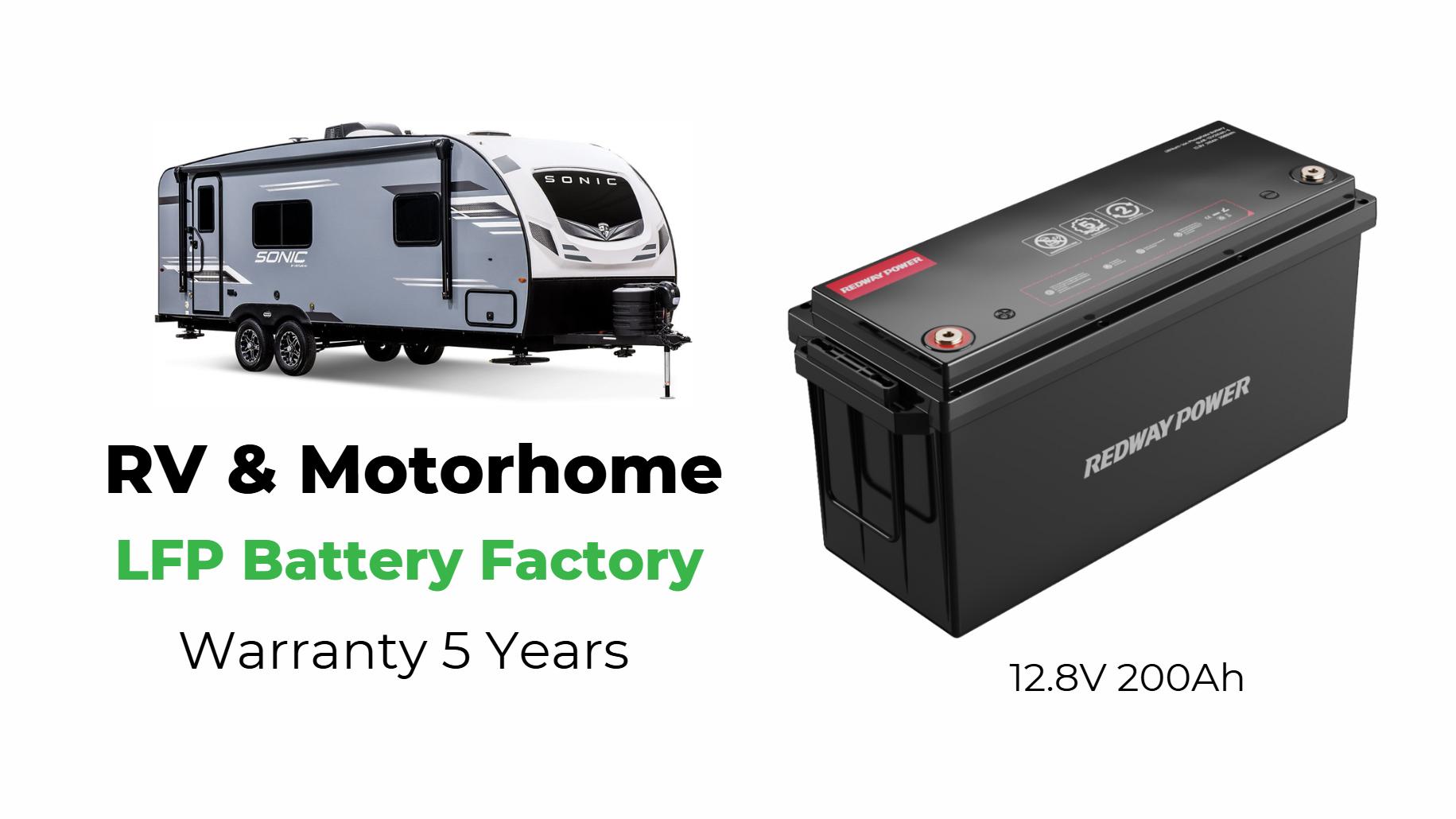
  • Recreational Vehicles (RVs): Supporting appliances and systems without excessive weight.

The adaptability of these batteries ensures they meet diverse power needs across multiple sectors.

Specifications of a 12V 100Ah Mini LiFePO4 Battery

A typical 12V 100Ah mini LiFePO4 battery features:

  • Energy Capacity: 1,280 Wh (Watt-hours)
  • Weight: Approximately 30 lbs (13.6 kg)
  • Dimensions: Compact size suitable for various installations
  • Cycle Life: Up to 5,000 cycles at 80% depth of discharge
  • Discharge Rate: Continuous discharge rate of up to 100A

These specifications highlight the efficiency and practicality of using mini LiFePO4 batteries in various applications.

User Reviews and Experiences with LiFePO4 Batteries

User feedback on LiFePO4 batteries often emphasizes their reliability and performance:

  • Many users report significant improvements in run time compared to lead-acid batteries.
  • Positive reviews frequently mention the lightweight nature of these batteries as a game-changer for applications like golf carts and RVs.
  • Users appreciate the fast charging capabilities that reduce downtime during use.

Overall, customer experiences reflect high satisfaction rates with performance and longevity.

Self-Discharging Rate Comparison

The self-discharging rate of LiFePO4 batteries is remarkably low—typically around 2% per month, compared to lead-acid batteries that can self-discharge by up to 20% per month. This characteristic ensures that vehicles powered by LiFePO4 remain ready for use after extended periods without charging.

Recommendations for Using LiFePO4 Batteries with Trolling Motors

When utilizing LiFePO4 batteries with trolling motors:

  • Ensure compatibility with your motor’s voltage requirements.
  • Use appropriate connectors and wiring to handle the discharge rates safely.
  • Monitor battery levels regularly to avoid deep discharges that could impact longevity.

These recommendations help maximize performance while ensuring safe operation.

Best Budget LiFePO4 Batteries for Outdoor and At-Home Needs

For those seeking budget-friendly options without compromising quality:

  • Look for reputable brands that offer warranties and customer support.
  • Consider purchasing from established manufacturers like Redway Battery, known for their reliable products.
  • Check online reviews and user experiences before making a purchase decision.

These strategies will help you find cost-effective solutions tailored to your needs.

Warranty and Technical Support Details

Most manufacturers offer warranties ranging from 2 to 10 years, depending on the product specifications. Technical support is typically available through online chat, email, or phone consultations, ensuring customers receive assistance when needed. Redway Battery stands out by providing comprehensive support services to enhance user experience and satisfaction.

Conclusion

In conclusion, automotive-grade lithium LiFePO4 batteries represent a significant advancement in battery technology. Their numerous advantages over traditional lead-acid options make them an ideal choice for various applications, particularly in golf carts. With their long lifespan, lightweight design, safety features, and excellent performance metrics, it’s clear why these batteries are gaining popularity among consumers seeking reliable power solutions.

For those interested in upgrading their power systems or exploring custom solutions tailored to specific needs, Redway Battery is prepared to deliver high-quality products backed by exceptional service. Contact us today for a quick quote!

Latest News

  • Guides Published Recently: Comprehensive guides detailing automotive-grade Lithium Iron Phosphate (LiFePO4) battery specifications have been released emphasizing their advantages over conventional options!
  • User Experiences Shared:** Users report improved reliability & performance metrics after transitioning from traditional automotive chemistries!
  • Market Growth Noted:** Increased adoption rates seen across various vehicle types due largely because these advanced technologies offer superior efficiency!

Redway Expert Comment

“Automotive-grade Lithium Iron Phosphate (LiFEpoâ‚„) Batteries represent a significant advancement within automotive applications! Their inherent stability combined with high cycle life makes them ideal choices compared against conventional chemistries! Users consistently report enhanced reliability alongside improved performance metrics post-transitioning towards this cutting-edge technology! As an expert—I strongly advocate exploring all available resources surrounding these innovative solutions!”
The Evolution of Fast Charging Solutions for Forklift Lithium Battery Packs

The Evolution of Fast Charging Solutions for Forklift Lithium Battery Packs

In the dynamic world of industrial logistics, the transition to lithium battery packs for forklifts has revolutionized operations. With Redway Battery leading the charge in manufacturing high-quality Lithium LiFePO4 batteries, we explore the specifications and advantages of fast charging solutions available for forklift applications.

Fast charging solutions for forklift lithium battery packs have evolved significantly. Modern chargers use smart technology to optimize charging times and enhance safety. Modular designs allow multiple batteries to charge simultaneously, while monitoring systems ensure efficient operation and prolonged battery life.

Specifications of Fast Chargers for Forklift Lithium Battery Packs

Fast chargers are essential for optimizing the performance and efficiency of lithium battery packs used in forklifts. Here are the key specifications to consider:

  • Charging Time: Fast chargers typically provide a full charge within 1 to 3 hours, significantly reducing downtime compared to traditional lead-acid batteries.
  • Compatibility: These chargers are designed to work with various capacities of lithium batteries, ensuring versatility across different forklift models.
  • Opportunity Charging: Advanced fast chargers enable opportunity charging, allowing operators to charge the batteries during breaks or idle periods without compromising battery lifespan. This feature is crucial for maximizing productivity in busy warehouses and distribution centers.
  • Safety Features: Fast chargers incorporate safety mechanisms such as overcurrent protection, overvoltage protection, and temperature monitoring, ensuring safe charging practices while extending the battery’s life.
  • Efficiency: Many modern fast chargers utilize smart technology, allowing them to adjust charging rates based on battery condition, which enhances charging efficiency.

Quick Charging Solutions for Forklift Lithium Battery Packs

When it comes to quick charging solutions, several options stand out:

  • Fast Chargers: As mentioned, fast chargers can recharge lithium battery packs in as little as 2 to 3 hours. This capability is particularly beneficial in environments where time is of the essence.
  • Opportunity Charging: This method allows forklifts to be charged during short operational downtimes. By leveraging available breaks, operators can maintain higher productivity levels without extensive interruptions.
  • Portable Charging Units: For facilities with multiple charging stations, portable fast chargers can be deployed across various locations, facilitating immediate access to charging solutions.
  • Battery Swapping Systems: Although not as common, battery swapping systems can provide a rapid solution where depleted batteries are exchanged for fully charged ones, minimizing downtime.

Types of Forklifts Powered by Lithium Battery Packs

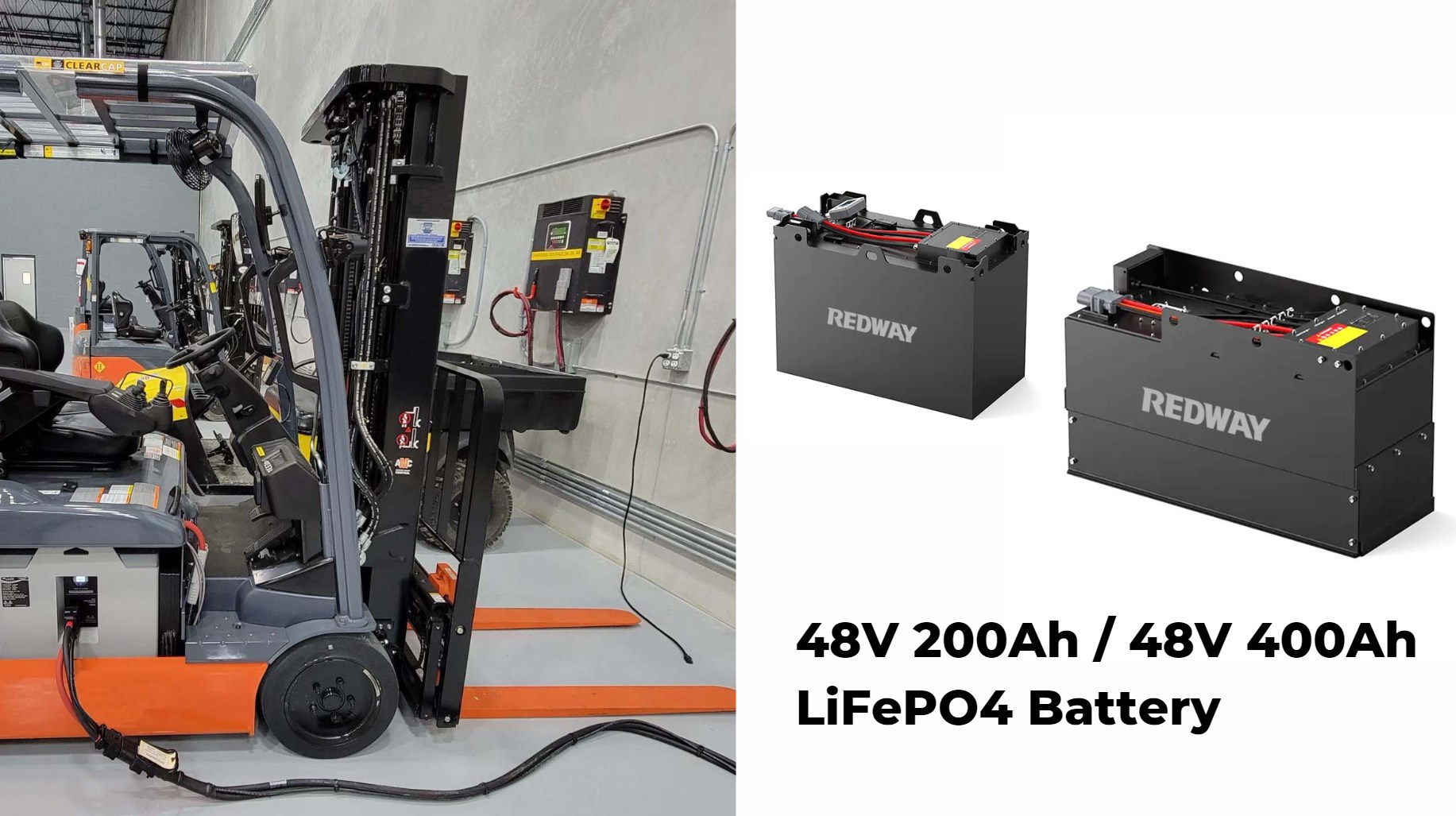
Lithium battery packs have become increasingly popular due to their adaptability. They can power a wide range of forklifts, including:

  • Electric Lift Trucks: Commonly used in warehouses for heavy lifting.
  • Narrow Aisle Forklifts: Designed for efficient operation in tight spaces.
  • Walkie Stackers: Ideal for stacking pallets and other materials.
  • Pallet Jacks: Perfect for moving goods over short distances.
  • Reach Trucks: Used for accessing high shelves and maximizing storage space.

These lithium batteries can replace traditional lead-acid batteries in various brands and models, including Toyota, Crown, and Hyundai, enhancing their operational efficiency.

Global Reach of Lithium Forklift Battery Packs

While specific regions for lithium forklift battery pack distribution are not always disclosed, suppliers like Lithium Storage are known for their broad international networks. This capability suggests that lithium battery packs are available in diverse markets globally, meeting the needs of customers in various countries.

This widespread distribution ensures that businesses around the world can benefit from the advantages of lithium technology, improving productivity and operational efficiency.

Advantages of Using Lithium Battery Packs in Forklifts

The shift to lithium battery packs offers numerous advantages over traditional lead-acid batteries:

  1. Longer Lifespan: Lithium batteries have a cycle life that often exceeds 2000 cycles, significantly outlasting lead-acid counterparts.
  2. Reduced Maintenance: Lithium batteries require minimal maintenance compared to lead-acid batteries, which need regular watering and equalization.
  3. Higher Energy Density: The energy density of lithium batteries allows for lighter and more compact battery packs, resulting in more efficient forklift designs.
  4. Faster Charging Times: The ability to charge quickly ensures that forklifts are ready for operation with minimal downtime.
  5. Sustainability: Lithium batteries are more environmentally friendly, as they contain fewer harmful substances compared to lead-acid options.

Conclusion: The Future of Fast Charging in Forklift Applications

As the demand for efficient and sustainable energy solutions continues to grow, the adoption of lithium battery packs in forklifts will likely expand. Fast charging technology, coupled with the inherent benefits of lithium batteries, positions businesses to enhance their operational efficiency and productivity.

With Redway Battery committed to providing innovative lithium solutions tailored to the specific needs of our clients, we invite businesses to explore our custom lithium LiFePO4 battery solutions. For a quick quote and to learn more about how our products can enhance your operations, contact us today.

Latest News

  • Fast Charging Technologies Advancements:** Recent innovations showcase rapid advancements made within fast-charging technologies specifically designed tailored towards forklift lithium battery packs!
  • User Experiences Shared:** Many operators report significant reductions regarding downtime thanks largely due improved charging speeds!
  • Market Growth Noted:** Increasing demand among businesses seeking efficiency gains has led manufacturers towards prioritizing development efforts focused around fast-charging solutions!

Redway Expert Comment

The evolution surrounding fast-charging solutions tailored specifically towards forklift lithium battery packs marks a pivotal moment within industrial operations! Enhanced charging speeds translate directly into reduced downtime thereby boosting overall productivity levels across various sectors! As an expert—I encourage stakeholders involved within logistics industries consider adopting these innovations; doing so could yield substantial operational efficiencies moving forward!”

The Rise of Lithium Iron Phosphate (LiFePO4) Batteries in the Electric Vehicle Market

The Rise of Lithium Iron Phosphate (LiFePO4) Batteries in the Electric Vehicle Market

In recent years, the demand for Lithium Iron Phosphate (LiFePO4) batteries has surged, particularly within the electric vehicle (EV) market. Redway Battery, a manufacturer specializing in LiFePO4 technology, has established a strong reputation over the past 12 years, particularly for applications in golf carts. This article explores the reasons behind the growing preference for LFP batteries, their market dynamics, and the future outlook for both LFP and NMC (Nickel Manganese Cobalt) battery technologies.

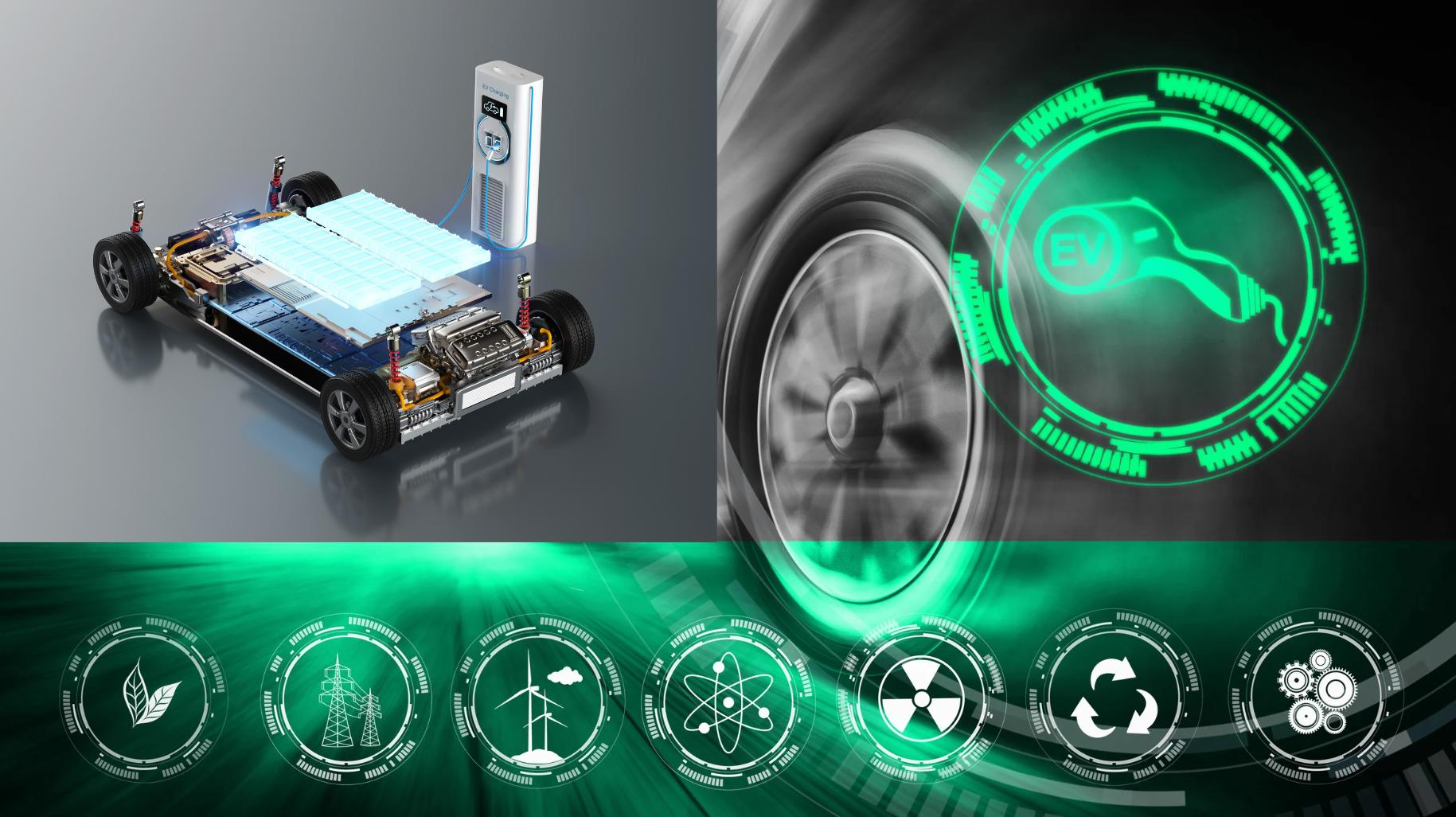
LiFePO4 batteries are increasingly popular in the electric vehicle market due to their safety and longevity. They provide thermal stability and a longer lifespan compared to traditional lithium-ion batteries. These benefits make LiFePO4 an attractive choice for manufacturers focused on reliability and efficiency.

Why Choose LFP Batteries for Entry-Level Models?

Manufacturers are increasingly opting for LFP batteries in entry-level EV models due to several compelling advantages. The most significant reasons include:

  1. Cost Efficiency: LFP batteries are generally less expensive to produce than their NMC counterparts. The absence of costly materials like nickel and cobalt reduces overall production costs, making LFP a cost-effective choice for budget-friendly vehicles.
  2. Safety Features: LiFePO4 chemistry is renowned for its thermal stability and safety. Unlike NMC batteries, which can pose risks of thermal runaway, LFP batteries are less prone to overheating, providing an extra layer of safety for entry-level vehicles.
  3. Durability and Longevity: LFP batteries offer impressive cycle life, often exceeding 2000 charge-discharge cycles. This durability ensures that entry-level models maintain reliability over time, appealing to cost-conscious consumers.

NMC Batteries: The Choice for High-End Models

In contrast, NMC batteries are favored for high-end models due to their superior energy density. Key benefits of NMC batteries include:

  1. Higher Energy Density: NMC batteries can store more energy in a smaller footprint, which translates to longer driving ranges—an essential factor for premium EVs.
  2. Performance: The performance of NMC batteries under high load conditions is superior, making them ideal for high-performance vehicles that demand instant power delivery.
  3. Brand Positioning: High-end manufacturers often prefer NMC batteries to enhance the appeal of their premium vehicles, aligning with consumer expectations for advanced technology and superior performance.

The Impact of Market Diversification on Battery Demand

As the new energy vehicle market diversifies, the demand for both LFP and NMC batteries is set to increase. This diversification allows manufacturers to cater to a wide array of consumer preferences, effectively segmenting the market into:

  • Cost-Effective Solutions: The lower-cost segment is increasingly turning to LFP batteries, particularly in regions like China, where these batteries dominate entry-level markets.
  • Performance-Focused Offerings: NMC batteries continue to be the standard for performance-oriented applications, maintaining their stronghold in luxury EV markets.

This complementary relationship enables manufacturers to optimize their product lines while catering to different segments of the market.

Future Outlook: LFP vs. NMC Battery Market Share

The market dynamics between LFP and NMC batteries are poised for significant change in the coming years. Projections indicate that LFP batteries could capture over 50% of lithium-ion battery demand by 2030. This shift is primarily driven by:

  • Increased Adoption: As manufacturers recognize the benefits of LFP technology, more brands are integrating LFP batteries into their models.
  • Declining NMC Share: Conversely, the share of NMC batteries may decline to just under 2 TWh, reflecting a broader industry shift toward more economical and safer alternatives.

How LFP and NMC Batteries Complement Each Other

The relationship between LFP and NMC batteries is not one of competition but of complementarity. By serving distinct market segments, these battery types provide manufacturers with the flexibility to meet diverse consumer needs.

  • LFP for Affordability: LFP batteries are ideal for budget-friendly electric vehicles, making them an attractive option for entry-level offerings.
  • NMC for Performance: Meanwhile, NMC batteries cater to consumers seeking enhanced performance and range, thus retaining their market relevance in the high-end segment.

This dual approach ensures that manufacturers can offer a comprehensive range of options to their customers.

Influence of Price on Adoption Rates

The price of LFP batteries significantly impacts their adoption by car manufacturers. Key factors include:

  • Raw Material Costs: The lack of nickel and cobalt in LFP batteries results in lower production costs. As these prices continue to decrease, adoption rates are expected to rise, particularly in the affordable EV segment.
  • Economic Viability: Car manufacturers are increasingly favoring LFP batteries not just for their safety and performance, but also for the economic advantages they offer in terms of production costs.

Recent Trends in LFP Battery Market Share

The market share of LFP batteries has experienced substantial growth in recent years. This increase, from just 3% in 2019 to approximately 27% in 2022, reflects a broader acceptance of LFP technology, particularly within the Chinese market. This trend underscores the growing preference for LFP batteries as manufacturers pivot towards more sustainable and cost-effective solutions.

The Role of Raw Material Availability

The availability of raw materials plays a crucial role in shaping the costs of both LFP and NMC batteries.

  • LFP’s Stability: LFP’s reliance on lithium, despite price fluctuations, positions it favorably against NMC’s dependence on nickel and cobalt, which are often subject to geopolitical tensions and supply chain vulnerabilities.
  • Cost-Effectiveness: This dynamic reinforces LFP’s reputation as a more cost-effective solution, particularly as manufacturers look to mitigate risks associated with raw material scarcity.

Improving Low-Temperature Performance of LFP Batteries

One area of ongoing research is enhancing the low-temperature performance of LFP batteries. Various solutions being explored include:

  • Advanced Battery Management Systems (BMS): Developing sophisticated BMS can optimize charging rates and extend battery life under cold conditions.
  • Thermal Insulation Techniques: Implementing thermal insulation within battery packs can help maintain optimal operating temperatures.
  • New Electrolyte Formulations: Innovative electrolyte designs may improve conductivity at lower temperatures, enhancing performance in challenging climates.

Conclusion: The Future of LiFePO4 and NMC Batteries

As the electric vehicle market continues to evolve, both LFP and NMC batteries will play pivotal roles in shaping the future of automotive technology. With the increasing focus on cost, safety, and performance, LFP batteries are likely to gain substantial market share, while NMC batteries will retain their relevance in high-performance applications. Manufacturers, including those like Redway Battery, are well-positioned to respond to these shifts by offering tailored solutions that meet the diverse needs of consumers worldwide.

Essential Maintenance Tips for Your LiFePO4 Battery System

Essential Maintenance Tips for Your LiFePO4 Battery System

Lithium Iron Phosphate (LiFePO4) batteries are renowned for their efficiency, longevity, and safety, making them an ideal choice for various applications, including RVs, renewable energy systems, and more. However, to maximize their performance and lifespan, it is crucial to follow essential maintenance tips. This article provides comprehensive guidelines to help you maintain your LiFePO4 battery system effectively.

For essential maintenance of your LiFePO4 battery system:

  • Inspect connections regularly for wear or corrosion.
  • Use recommended chargers; avoid overcharging.
  • Store batteries in a cool place away from extreme temperatures.
  • Clean terminals to ensure good conductivity and performance.

1. Regular Inspections

Conduct Visual Checks

Routine visual inspections are vital to ensure the health of your LiFePO4 battery system:

  • Check for Physical Damage: Look for any signs of swelling, cracks, or leaks. Address any issues immediately to prevent further damage.
  • Examine Terminals and Connections: Ensure that all terminal connections are clean and tight. Corroded or loose connections can lead to voltage drops and inefficient performance.

Monitor Battery Health

Utilize a Battery Management System (BMS) to keep tabs on your battery’s health:

  • Voltage Monitoring: Regularly check the individual cell voltages to ensure they are within the recommended range. A significant deviation can indicate a potential issue.
  • Temperature Checks: Keep an eye on the battery temperature during operation and charging. Excessive heat can reduce battery lifespan.

2. Optimal Charging Practices

Use Compatible Chargers

Selecting the right charger is essential for the longevity of your LiFePO4 batteries:

  • Smart Chargers: Use chargers specifically designed for LiFePO4 batteries. These chargers often feature smart technology that adjusts charging parameters automatically.
  • Avoid Overcharging: Ensure that the charger is equipped with a BMS to prevent overvoltage conditions, which can lead to overheating.

Maintain Proper Charging Voltage and Current

Adhering to recommended charging specifications is crucial:

  • Charging Voltage: Charge your LiFePO4 batteries within the voltage range of 14.2V to 14.6V. Charging outside this range can harm the cells.
  • Charging Current: Aim for a charging current of 0.5C to 1C to avoid generating excessive heat during the charging process.

3. Discharge Management

Avoid Deep Discharges

To maximize the lifespan of your LiFePO4 batteries, it’s essential to manage discharge levels:

  • Recommended Depth of Discharge (DoD): Keep discharges between 20% and 80% of capacity. Regularly discharging below 20% can significantly shorten battery life.

Discharge at Safe Rates

Discharging your battery should be done with care:

  • C-Rate Guidelines: Follow the recommended discharge rate, typically around 1C. Excessive discharge rates can lead to overheating and potential damage.

4. Environmental Considerations

Optimize Storage Conditions

Storing your LiFePO4 batteries properly can enhance their longevity:

  • Temperature Control: Store batteries in a cool, dry environment. The ideal storage temperature is between 0°C and 30°C.
  • Humidity Management: Keep batteries in low-humidity conditions to prevent corrosion and other moisture-related issues.

5. Cleaning and Maintenance

Keep the Battery Area Clean

A clean environment helps maintain battery health:

  • Regular Cleaning: Wipe down the battery terminals and surrounding areas to remove dust and debris. This helps prevent corrosion and ensures optimal connectivity.
  • Use Appropriate Cleaners: When cleaning, use a soft cloth and mild cleaners. Avoid abrasive materials that can damage battery surfaces.

6. Professional Maintenance

Schedule Periodic Professional Inspections

Engaging professionals for battery maintenance can be beneficial:

  • Expert Assessment: Regular professional inspections can identify potential issues early, preventing costly repairs or replacements.
  • Comprehensive Testing: Professionals can perform in-depth tests to assess battery health and recommend necessary actions to maintain performance.

7. Conclusion

By following these essential maintenance tips for your LiFePO4 battery system, you can ensure optimal performance and extend the lifespan of your batteries. Regular inspections, proper charging and discharging practices, and maintaining a clean environment are crucial to battery health. For expert advice and high-quality LiFePO4 solutions, contact Redway Battery today to explore our extensive range of products tailored to your needs.

Latest News

  • Recent articles emphasize the importance of regular maintenance for LiFePO4 battery systems to ensure longevity and optimal performance.
  • Key maintenance tips include monitoring charge levels, maintaining proper temperature ranges, and avoiding deep discharges.
  • Experts recommend using compatible chargers specifically designed for LiFePO4 batteries to prevent damage.

Redway Expert Comment

“Regular maintenance is crucial for maximizing the lifespan and performance of your LiFePO4 battery system. Monitoring charge levels and ensuring the battery operates within its optimal temperature range can prevent irreversible damage. Additionally, using compatible chargers designed for LiFePO4 technology is essential to maintain battery health. As an expert in lithium technologies, I strongly advise users to adhere to these practices for a reliable and efficient battery experience.”

Search products

Need a Quick Quote on Wholesale Prices? Contact Redway Battery Now.

X
Product has been added to your cart


Shenzhen Redway Power, Inc

Tel: +86 189 7608 1534
Tel: +86 (755) 2801 0506
E-mail: contact@redwaybattery.com
Website: www.redway-tech.com
Youtube: @RedwayPower
TikTok: @redwaybattery

Get a Quick Quote

Hot OEM

Forklift Lithium Battery
Golf Cart Lithium Battery
RV Lithium Battery
Rack-mounted Lithium Battery

Hot Batteries

24V 150Ah Forklift Lithium Battery
24V 200Ah Forklift Lithium Battery
48V 400Ah Forklift Lithium Battery
48V 600Ah Forklift Lithium Battery
80V 400Ah Forklift Lithium Battery
36V 100Ah Golf Cart Lithium Battery
48V 100Ah Golf Cart Lithium Battery
51.2V 50Ah 3U Rack-mounted Lithium Battery
51.2V 100Ah 3U Rack-mounted Lithium Battery
12V 100Ah RV LiFePO4 Lithium Battery (Self-heating)

Hot Blog

Golf Carts
Server Rack Battery
Knowledge