

Expanding APAC Marine Battery Market Presents Lucrative Opportunities for Investors and Stakeholders

The APAC Marine Battery Market’s growth is fueled by sustainable energy demand, stringent government regulations, and technological advancements. This burgeoning market presents lucrative opportunities for investors keen on innovation and sustainability in the maritime sector. Despite challenges like regulatory uncertainties and infrastructure limitations, strategic alignment with emerging trends and government incentives promises substantial returns.

Expanding APAC Marine Battery Market Presents Lucrative Opportunities for Investors and Stakeholders

Factors Driving the Growth of the Market

The APAC marine battery market is booming, driven by key factors that signal its robust growth. Let’s dive into the core elements propelling this expansion and shaping the future of maritime energy solutions.

  1. Demand for Sustainable Energy: The maritime industry is witnessing a surge in demand for cleaner energy sources. Ship owners are increasingly opting for marine batteries to address environmental concerns and reduce carbon emissions, aligning with a greener future for maritime operations.
  2. Government Initiatives and Regulations: Governments across the APAC region are actively promoting renewable energy adoption in shipping. Strict emission standards and incentives for clean energy technologies create a conducive environment for investments in marine batteries, fostering a sustainable maritime ecosystem.
  3. Advancements in Battery Technology: Innovations in battery tech, especially high-performance lithium-ion batteries, are pivotal for market growth. These batteries offer improved efficiency, longer lifespan, higher power density, faster charging, and enhanced safety features, making them an appealing choice for diverse maritime applications.
  4. Cost Savings and Operational Efficiency: Escalating fuel costs are prompting ship owners to seek alternative solutions. Marine batteries provide a cost-effective answer by reducing reliance on traditional fuels. Electric propulsion systems powered by these batteries not only cut costs but also enhance vessel performance, ensuring operational efficiency gains.
  5. Research and Development Focus: Ongoing research and development activities geared towards enhancing battery performance and reducing costs are driving market expansion. Increased investments in R&D specifically tailored for maritime applications are paving the way for cutting-edge battery technologies in the maritime sector.

In conclusion, the APAC marine battery market thrives on sustainability, innovation, and a collective shift towards cleaner energy solutions, marking a promising trajectory for the future of maritime power.

Key Players and Their Strategies in the Market

In the competitive landscape of the APAC marine battery market, key players are strategically maneuvering to secure their positions. Let’s explore the distinctive strategies employed by these industry leaders to thrive in this dynamic market.

  1. Innovation Leader – Company X: Company X sets itself apart by prioritizing product innovation and technological advancements. Through substantial investments in research and development, they aim to deliver batteries with higher energy density, extended lifespan, and superior performance. By staying at the forefront of technology, Company X positions itself to attract customers with cutting-edge solutions.
  2. Comprehensive Solutions – Company Y: Taking a diversified approach, Company Y extends beyond battery manufacturing to offer a full spectrum of services, including installation, maintenance, and repair. This strategy allows them to provide end-to-end solutions, catering to customers’ needs comprehensively. By diversifying their portfolio, Company Y not only enhances customer satisfaction but also creates additional revenue streams.
  3. Customer-Centric Collaborator – Company Z: Company Z adopts a customer-centric approach by fostering strong partnerships and collaborations. They work closely with boat manufacturers and shipyards to develop customized battery solutions tailored to specific requirements. Building on trust and satisfaction, Company Z aims for long-term relationships with clients, prioritizing personalized products to meet evolving demands.

In conclusion, the key players in the APAC marine battery market employ diverse strategies—from technological innovation to diversification and collaboration—tailored to capture market share and effectively address the evolving needs of customers.

Emerging Trends in the APAC Marine Battery Industry

Emerging Trends in the APAC Marine Battery Industry

Explore the dynamic trends shaping the APAC Marine Battery Industry, where innovation meets sustainability. From heightened demand for lithium-ion batteries to the integration of smart technologies, these trends are steering the maritime sector towards a greener and more efficient future.

  1. Lithium-Ion Dominance: Witness a surge in demand for lithium-ion batteries in the APAC region. Recognized for high energy density and longer lifespan, these batteries gain popularity among marine vessel manufacturers, promising improved performance and reduced emissions.
  2. Rise of Hybrid Propulsion: Embrace the growing adoption of hybrid marine propulsion systems in the APAC market. Combining traditional fuel-powered engines with battery technology, these systems aim to cut fuel consumption, lower emissions, and enhance vessel efficiency, offering a sustainable solution for shipbuilders.
  3. Technological Innovations: Experience advancements in marine battery technology through ongoing research efforts. Solid-state batteries and novel electrode materials bring higher energy densities, faster charging times, improved safety, and increased cycle life, promising a technological leap in the industry.
  4. Smart Technology Integration: Dive into the transformation brought by the integration of smart technologies like IoT sensors and predictive analytics. Real-time monitoring, remote diagnostics, proactive maintenance scheduling, and optimized power management on vessels redefine the landscape of the APAC marine battery industry.
  5. Sustainable Solutions Focus: Navigate the emphasis on sustainability with marine battery manufacturers investing in eco-friendly products. Aligned with stringent emission standards, these solutions cater to environmental regulations while ensuring reliable performance in the APAC maritime sector.
  6. Electrification of Small Craft: Observe the rising interest in electrifying smaller watercraft, such as pleasure boats and ferries, across the APAC region. Due to their shorter operational ranges and lower power requirements, these endeavors contribute to the electrification drive.
  7. Government Support Amplification: Recognize the increased support from governments across the Asia-Pacific region for clean energy initiatives, including marine battery adoption. Policies, incentives, and funding programs are set to propel the industry towards a more sustainable and energy-efficient future.

Investment Opportunities in the Market

Unlock promising investment opportunities in the thriving APAC marine battery market. From the surging demand for sustainable energy solutions to government incentives and technological advancements, stakeholders can strategically invest in a sector poised for green innovation.

  1. Sustainable Energy Solutions: Seize the growing market for sustainable energy solutions in the marine industry. By investing in APAC marine batteries, stakeholders align with the global shift towards eco-friendly alternatives, contributing to a cleaner and more sustainable future.
  2. Technological Advancements: Capitalize on significant technological advancements in the APAC marine battery market. Investors can explore opportunities in cutting-edge technologies that enhance energy storage capabilities and extend battery lifespan, tapping into a market driven by innovation.
  3. Government Initiatives and Incentives: Leverage favorable government policies and incentives promoting clean energy adoption. Strategic investments aligned with government goals in the APAC region maximize returns for investors, as the market embraces eco-friendly solutions.
  4. Rising Investments from Key Players: Explore investment prospects in response to substantial investments from major players in the maritime industry. Confidence in the future growth of marine battery technology makes it an attractive option for stakeholders seeking long-term returns.
  5. Shift towards Electric Propulsion Systems: Recognize the growing trend towards electric propulsion systems to enhance fuel efficiency and reduce emissions in Asia-Pacific waters. Investment opportunities arise as reliable marine batteries are sought after to meet the electricity demands of electric propulsion systems.
  6. Expansion into Emerging Markets: Strategically position investments in untapped markets like India and Indonesia, where renewable energy adoption, including marine batteries, is on the rise. Early investment in these emerging markets positions stakeholders for future growth in sustainable energy solutions.
  7. Integration with Renewable Energy Sources: Explore investment avenues in companies specializing in integrating marine batteries with renewable energy sources like solar or wind power. This integration enhances the overall efficiency and sustainability of maritime energy systems, presenting lucrative opportunities for investors.

Challenges and Risks for Investors and Stakeholders

Investing in the burgeoning APAC Marine Battery market offers exciting opportunities but comes with its set of challenges and risks. Navigating these hurdles requires a strategic approach to ensure sustainable and profitable investments.

  1. Regulatory Uncertainty: Investors face a major challenge due to the evolving regulatory landscape in the APAC Marine Battery market. Rapid changes in emissions reduction regulations for maritime activities can create unpredictability, requiring investors to stay agile and adapt to shifting standards.
  2. Technological Advancements: While technological progress fuels market growth, it introduces risks for investors. The constant influx of innovations poses the threat of investments quickly becoming outdated. To mitigate this risk, staying informed about the latest battery technology advancements is crucial for investors.
  3. Cost Considerations: The relatively high cost of marine batteries compared to traditional power sources raises concerns for investors. Clear evidence of long-term cost savings and return on investment is crucial for overcoming hesitations and ensuring financial commitments align with expected benefits.
  4. Infrastructure Limitations: Investors and stakeholders grapple with limited infrastructure supporting widespread adoption of marine batteries in Asia-Pacific waters. The lack of charging stations and battery swapping facilities poses challenges to deployment and usage in key maritime regions, requiring strategic solutions.
  5. Competitor Landscape: Growing interest in marine battery technologies intensifies competition among industry players. Established companies and new entrants compete for market share, creating risks for startups or smaller entities. Strategic planning is essential for navigating this competitive landscape successfully.

In conclusion, addressing these challenges head-on with informed decision-making is essential for investors and stakeholders eyeing opportunities in the dynamic APAC Marine Battery market.
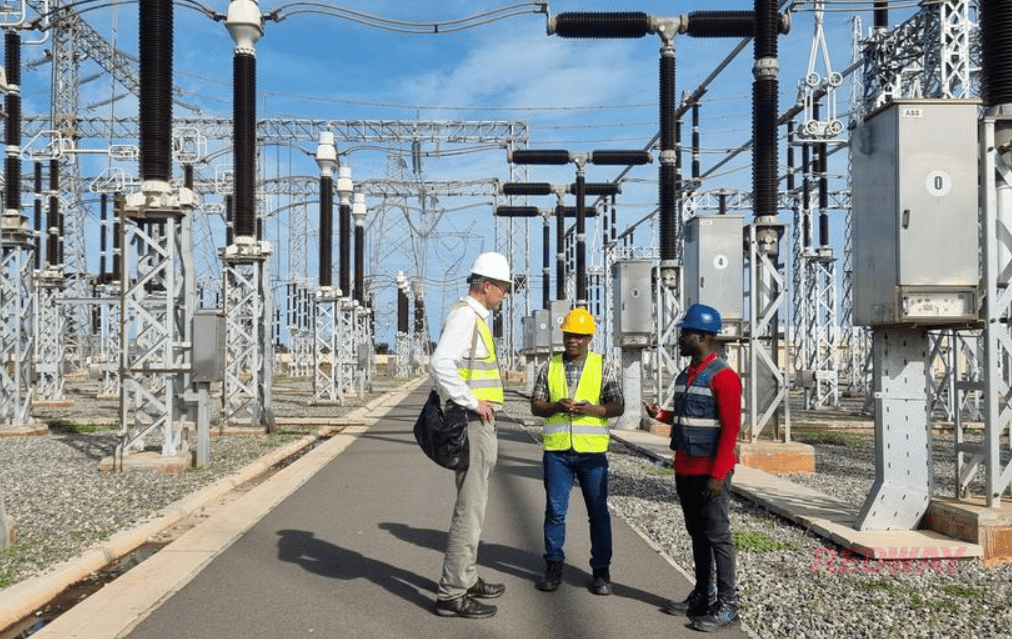
How Residents Can Benefit from Lithium Batteries in Germany’s 2024 Energy Transition Policy (Energiewende)

Residents in Germany can significantly benefit from lithium batteries under the 2024 Energy Transition Policy (Energiewende) by enhancing energy storage capabilities, reducing reliance on fossil fuels, and lowering electricity costs. These batteries support renewable energy sources, allowing homeowners to store excess solar energy for later use, thus promoting sustainability and energy independence.

Overview of Germany’s Energiewende Policy

Germany’s Energiewende, or energy transition policy, aims to shift the country towards a more sustainable energy system. The 2024 update focuses on increasing the use of renewable energy sources such as wind and solar while enhancing energy efficiency. Central to this transition is the role of lithium batteries, which are essential for effective energy storage and management.

Key Objectives of the Energiewende Policy:

  1. Increase Renewable Energy Share: The policy aims to achieve over 65% of electricity generation from renewable sources by 2030.
  2. Enhance Energy Storage Solutions: Lithium batteries are highlighted as a critical technology for storing renewable energy.
  3. Improve Energy Efficiency: The policy promotes measures that enhance energy efficiency in residential and commercial buildings.
  4. Reduce Carbon Emissions: A target reduction of at least 55% in greenhouse gas emissions by 2030 compared to 1990 levels.

Benefits of Lithium Batteries for Residents

Lithium batteries offer numerous advantages for residents participating in Germany’s Energiewende initiative:

1. Enhanced Energy Independence

By installing lithium battery systems, homeowners can store excess energy generated from their solar panels during the day and use it during peak hours or at night. This capability reduces dependence on the grid and enhances self-sufficiency.

2. Cost Savings on Electricity Bills

Residents can significantly lower their electricity costs by utilizing stored solar energy instead of purchasing power from the grid. This is particularly beneficial during times when electricity prices are high.

3. Support for Renewable Energy Integration

Lithium batteries facilitate the integration of renewable energy sources into homes by providing reliable storage solutions. This support is crucial as Germany continues to expand its renewable energy infrastructure.

4. Government Incentives and Subsidies

The German government offers various incentives for homeowners who invest in lithium battery systems, including tax reductions and grants that make these technologies more affordable.

Technological Advancements in Lithium Batteries

Recent advancements in lithium battery technology have improved efficiency, lifespan, and safety, making them an attractive option for residential use.

Key Innovations Include:

  • Higher Energy Density: Modern lithium batteries can store more energy in a smaller footprint, maximizing space efficiency.
  • Longer Lifespan: Advances in battery chemistry have extended the operational life of lithium batteries, reducing replacement costs.
  • Faster Charging Times: New technologies allow for quicker charging cycles, enabling homeowners to utilize stored energy more effectively.

Latest News

  • The German government has announced an increase in funding for residential solar projects that include lithium battery installations as part of its Energiewende initiative.
  • New regulations are set to simplify the approval process for homeowners looking to install solar panels combined with battery storage systems.
  • A recent study indicates that households with lithium battery systems can save up to 30% on their annual electricity bills.
  • Public awareness campaigns are being launched to educate residents about the benefits of integrating lithium batteries into their homes.

Redway Expert Comment

As experts in Lithium LiFePO4 batteries, we see immense potential in Germany’s Energiewende policy for homeowners seeking sustainable solutions. The integration of lithium batteries not only enhances energy independence but also contributes significantly to reducing carbon footprints. Our advanced battery solutions are designed to support this transition, providing reliable and efficient energy storage options that empower residents to take control of their energy consumption.”

Conclusion

Germany’s 2024 Energy Transition Policy presents significant opportunities for residents through the adoption of lithium batteries. By enhancing energy independence, reducing electricity costs, and supporting renewable integration, homeowners can play an active role in fostering a sustainable future. As technology continues to advance, investing in lithium battery systems will become increasingly beneficial for German households.

FAQs

How can lithium batteries contribute to Germany’s 2024 energy transition goals?
Lithium batteries play a crucial role in Germany’s 2024 energy transition by enabling efficient energy storage, facilitating the integration of renewable sources like wind and solar into the grid. They help balance supply and demand, store excess energy for later use, and support the country’s goal of achieving nearly 100% renewable electricity by 2035.

What are the environmental benefits of using lithium batteries in Germany’s energy policy?
Lithium batteries contribute to environmental benefits by enabling the storage of renewable energy, reducing reliance on fossil fuels, and decreasing greenhouse gas emissions. Their use in energy systems promotes cleaner energy solutions, enhances grid stability, and supports Germany’s commitment to sustainability and climate change mitigation.

How do lithium batteries compare to other energy storage solutions in Germany?
Lithium batteries are favored for their high energy density, efficiency, and longer lifespan compared to other storage solutions like lead-acid or pumped hydro systems. They offer faster response times and are more suitable for balancing intermittent renewable energy sources, making them a preferred choice for modern energy storage applications in Germany.

What role do lithium batteries play in reducing Germany’s carbon footprint?
Lithium batteries significantly reduce Germany’s carbon footprint by enabling greater use of renewable energy sources. By storing excess renewable energy generated during peak production times, they minimize reliance on fossil fuel power plants, thus lowering overall emissions and supporting the country’s climate goals.

How will the adoption of lithium batteries impact Germany’s energy independence?
The adoption of lithium batteries enhances Germany’s energy independence by facilitating the integration of domestically produced renewable energy. By storing surplus energy for later use, these batteries reduce dependence on imported fossil fuels, bolster grid resilience, and contribute to a more self-sufficient and sustainable energy system.

How Aachen residents apply for German government subsidies?

Aachen residents can apply for German government subsidies through various programs aimed at promoting energy efficiency and sustainability. The application process typically involves filling out an online form, providing necessary documentation, and submitting it to the relevant authority. Specific subsidies may vary based on the project type, such as renewable energy installations or energy-saving renovations.

Understanding the Subsidy Application Process in Aachen

Germany offers a range of subsidies to support residents in improving energy efficiency and transitioning to renewable energy sources. In Aachen, these programs are designed to encourage sustainable practices while making financial assistance accessible to homeowners and businesses. This comprehensive guide outlines the steps residents need to take to successfully apply for government subsidies.

1. Types of Available Subsidies

Aachen residents can benefit from various types of government subsidies, including:

  • Energy Efficiency Grants: Financial support for home renovations that improve energy efficiency, such as insulation and window replacements.
  • Renewable Energy Incentives: Subsidies for installing solar panels, heat pumps, or other renewable energy systems.
  • Electric Vehicle (EV) Charging Station Grants: Assistance for homeowners who wish to install EV charging stations.

2. Eligibility Criteria

To qualify for these subsidies, applicants must meet specific eligibility criteria:

  • Residency: Applicants must be residents of Aachen or own property within the city.
  • Project Type: The project must align with the objectives of the subsidy program, focusing on energy efficiency or renewable energy.
  • Documentation: Proper documentation proving ownership and project details is required.

3. Application Process

The application process generally involves several key steps:

  1. Research Available Subsidies: Residents should start by researching the different subsidy programs available in Aachen through official government websites or local authorities.
  2. Gather Necessary Documentation: Collect all required documents, including proof of residency, property ownership documents, and detailed project plans.
  3. Complete the Application Form: Fill out the appropriate application form online or in person at designated offices. Ensure that all information is accurate and complete.
  4. Submit the Application: Submit the completed application along with all supporting documents to the relevant authority overseeing the subsidy program.
  5. Await Approval: After submission, applicants will receive confirmation and may need to wait for a review period before receiving approval.
  6. Project Implementation: Upon approval, residents can proceed with their projects according to the guidelines provided by the subsidy program.
  7. Final Report Submission: After completing the project, a final report may be required to confirm that it meets all necessary standards.

Tips for a Successful Application

To enhance the chances of a successful application, consider these tips:

  • Consult with Experts: Engage with local energy consultants or contractors who can provide insights into eligible projects and help with documentation.
  • Stay Informed: Keep up-to-date with any changes in subsidy regulations or new programs introduced by the government.
  • Submit Early: Apply as early as possible to avoid missing deadlines and ensure timely funding for your project.

Latest News

  • The German government has recently increased funding for renewable energy projects as part of its climate action plan.
  • Aachen’s local authorities are hosting informational sessions to guide residents through the subsidy application process.
  • A new online portal has been launched to streamline applications for various government subsidies related to energy efficiency and sustainability.

Redway Expert Comment

As experts in Lithium LiFePO4 battery technology at Redway Battery, we recognize the importance of government subsidies in promoting sustainable energy solutions. These financial incentives not only support individual homeowners but also contribute significantly to Germany’s overall climate goals. We believe that integrating advanced battery technologies with renewable energy systems will further enhance energy efficiency and sustainability in Aachen and beyond.”

Conclusion

Applying for German government subsidies in Aachen is a straightforward process that can lead to significant financial benefits for residents looking to improve energy efficiency or invest in renewable technologies. By understanding the types of available subsidies, eligibility criteria, and application steps, residents can take advantage of these opportunities to enhance their homes while contributing to a more sustainable future.

FAQs

What are the eligibility criteria for German government subsidies in Aachen?
To qualify for German government subsidies in Aachen, applicants must be residents with a valid residence permit, either renting or owning property. Household income must not exceed specific thresholds based on family size and local rent bands. Additionally, applicants should not be receiving other social benefits that conflict with subsidy eligibility.

How can Aachen residents apply for German government subsidies online?
Aachen residents can apply for government subsidies online through the local authority’s official website or designated application portals. They typically need to create an account, fill out the necessary forms, and upload required documents to complete their application process.

What types of subsidies are available for residents in Aachen?
Residents in Aachen can access various subsidies, including housing benefits (Wohngeld) for renters and homeowners, energy efficiency grants for renewable energy projects, and support for electric vehicle purchases. These subsidies aim to reduce living costs and promote sustainable practices.

Are there specific deadlines for applying for German government subsidies in Aachen?
Specific deadlines for applying for government subsidies in Aachen may vary by program. Generally, applications for housing benefits should be submitted before the start of the entitlement period, and it is advisable to check the local authority’s website for any specific deadlines related to different subsidy programs.

What documents are required to apply for German government subsidies in Aachen?
To apply for government subsidies in Aachen, applicants typically need to provide documents such as proof of income (e.g., pay slips or bank statements), rental contracts or mortgage agreements, registration certificates, and any relevant utility bills. Additional documentation may be required depending on the specific subsidy program.

2024 Germany’s Energy Transition Policy (Energiewende): Effects and Challenges

Germany’s Energy Transition Policy, known as Energiewende, aims to shift the country towards renewable energy sources by 2024. This ambitious initiative focuses on reducing greenhouse gas emissions, increasing energy efficiency, and promoting sustainable energy technologies. Key challenges include balancing energy supply and demand, managing costs, and ensuring grid stability.

Overview of Germany’s Energiewende Policy

The Energiewende represents a comprehensive strategy to transform Germany’s energy system. Launched in the early 2000s, it has gained momentum as the country seeks to phase out nuclear power and fossil fuels while significantly increasing the share of renewables in its energy mix. The policy encompasses legislative measures, financial incentives, and public engagement initiatives aimed at fostering a sustainable energy future.

Key Objectives of Energiewende

  1. Reduction of Greenhouse Gas Emissions: One of the primary goals is to reduce emissions by at least 55% by 2030 compared to 1990 levels, with a long-term target of achieving net-zero emissions by 2045.
  2. Expansion of Renewable Energy: The policy aims for renewables to account for 80% of electricity consumption by 2030. This includes significant investments in solar, wind, and biomass technologies.
  3. Energy Efficiency Improvements: Enhancing energy efficiency across all sectors is crucial for reducing overall energy consumption and emissions.
  4. Phasing Out Coal: Germany plans to phase out coal-fired power plants by 2038, transitioning to cleaner energy sources.
  5. Grid Modernization: Upgrading the electricity grid is essential for integrating renewable sources and ensuring reliable energy supply.

Effects of Energiewende

  1. Increased Renewable Energy Capacity: Germany has become a global leader in renewable energy deployment, particularly in wind and solar power. As of 2023, renewables accounted for over 40% of total electricity generation.
  2. Job Creation: The transition has spurred job growth in the renewable energy sector, with hundreds of thousands employed in related industries.
  3. Technological Innovation: Energiewende has driven advancements in energy technologies, including battery storage solutions and smart grid systems, enhancing overall efficiency.
  4. Public Awareness and Engagement: The policy has raised awareness about sustainability issues among citizens and encouraged community involvement in local energy projects.

Challenges Facing Energiewende

1. Balancing Supply and Demand

As renewable energy sources are inherently variable, ensuring a stable supply remains a significant challenge. The reliance on intermittent sources like solar and wind requires robust backup systems and improved forecasting methods to manage fluctuations effectively.

2. Infrastructure Development

The existing electricity grid must be modernized to accommodate increased renewable generation capacity. Investments are needed to enhance transmission lines and integrate decentralized energy production from various sources.

3. Financial Implications

Transitioning to renewable energy involves substantial upfront costs for infrastructure development and technology deployment. While long-term savings are anticipated, immediate financial burdens can strain public budgets and consumer prices.

4. Political Consensus

Energiewende requires continuous political support across different government administrations. Achieving consensus on policies can be challenging amid changing political landscapes and competing interests.

5. Social Acceptance

While there is significant public support for renewable energy, local opposition to specific projects—such as wind farms—can hinder progress. Engaging communities early in the planning process is essential for addressing concerns and building acceptance.

Latest News

  • The German government has announced an increase in funding for renewable energy projects as part of its commitment to Energiewende.
  • Recent reports indicate that Germany is on track to meet its 2024 renewable energy targets despite challenges posed by global supply chain disruptions.
  • A new initiative aims to enhance public participation in local renewable projects to foster greater community engagement.
  • Discussions are underway regarding potential changes to subsidy structures for renewable technologies to ensure continued investment.

Redway Expert Comment

As experts in Lithium LiFePO4 battery technology at Redway Battery, we recognize the critical role that efficient energy storage plays in Germany’s Energiewende initiative. Our advanced battery solutions can help address the challenges associated with intermittent renewable generation by providing reliable storage options that enhance grid stability. We encourage stakeholders to explore our innovative battery technologies tailored for renewable applications.”

Conclusion

Germany’s Energiewende represents a bold step towards a sustainable future powered by renewable energy sources. While significant progress has been made, ongoing challenges must be addressed to ensure the successful implementation of this transformative policy. By investing in technology, infrastructure, and community engagement, Germany can continue leading the way in global efforts toward a greener economy.

FAQs

What are the primary goals of Germany’s 2024 Energy Transition Policy?
Germany’s 2024 Energy Transition Policy aims to achieve 80% of electricity consumption from renewable sources by 2030 and nearly 100% by 2035. It focuses on expanding renewable energy infrastructure, enhancing energy efficiency, reducing reliance on fossil fuels, and ensuring energy security in light of geopolitical challenges.

How will Germany’s 2024 Energy Transition Policy affect its renewable energy targets?
The policy significantly raises Germany’s renewable energy targets, mandating that at least 80% of electricity consumption comes from renewable sources by 2030. It includes measures to increase auction volumes for wind and solar projects, streamline permitting processes, and improve the integration of renewables into the energy system.

What are the main challenges Germany faces in implementing its 2024 Energy Transition Policy?
Germany faces several challenges, including bureaucratic delays in permitting renewable projects, public opposition to new installations, and the need for substantial infrastructure upgrades. Additionally, ensuring a stable supply of materials for renewable technologies and balancing energy demand with intermittent supply from renewables present ongoing hurdles.

How does Germany’s 2024 Energy Transition Policy compare to other European countries’ policies?
Germany’s policy is among the most ambitious in Europe, aiming for rapid expansion of renewables. Compared to countries like France and Spain, which also prioritize renewables but may have different regulatory approaches and timelines, Germany emphasizes aggressive targets and comprehensive legislative reforms to facilitate its energy transition.

What are the expected economic impacts of Germany’s 2024 Energy Transition Policy?
The economic impacts are expected to be significant, including job creation in the renewable sector, estimated at around 400,000 new jobs by 2032. The policy aims to lower electricity costs for consumers by removing the EEG levy and promoting investment in green technologies, ultimately contributing to economic growth and energy independence.

How German consumers benefit from government subsidies, 2023 German energy transition policy

How German consumers benefit from government subsidies, 2024 German energy transition policy

In 2024, German consumers benefit significantly from government subsidies aimed at accelerating the energy transition. These subsidies support renewable energy projects, enhance energy efficiency, and lower electricity costs. By investing in solar, wind, and other sustainable technologies, the German government aims to reduce carbon emissions and promote energy independence.

Understanding Germany’s Energy Transition Policy

Germany’s energy transition policy, known as “Energiewende,” is a comprehensive strategy designed to shift the country towards a sustainable energy system. This initiative focuses on increasing the share of renewable energy sources while phasing out fossil fuels and nuclear power. The 2024 policy introduces various subsidies and incentives to encourage consumer participation in this transition.

Key Components of the 2024 Energy Transition Policy

  1. Subsidies for Renewable Energy Installations:
    • Homeowners and businesses can receive financial support for installing solar panels, wind turbines, and biomass systems.
    • The government offers direct grants and low-interest loans to make renewable energy investments more accessible.
  2. Energy Efficiency Programs:
    • Subsidies are available for upgrading heating systems, improving insulation, and implementing smart home technologies.
    • These programs aim to reduce overall energy consumption and lower utility bills for consumers.
  3. Electric Vehicle Incentives:
    • The policy includes incentives for purchasing electric vehicles (EVs) and installing EV charging stations.
    • Consumers can benefit from tax breaks and rebates that make transitioning to electric mobility more affordable.
  4. Grid Expansion and Modernization:
    • Investments in grid infrastructure ensure that renewable energy sources can be integrated effectively.
    • Consumers benefit from a more reliable electricity supply and reduced transmission costs.

Benefits for German Consumers

The 2024 German energy transition policy offers numerous advantages for consumers:

  • Lower Energy Costs: By investing in renewable energy technologies, consumers can reduce their reliance on traditional energy sources, leading to lower electricity bills over time.
  • Increased Property Value: Homes equipped with solar panels or energy-efficient systems often see an increase in property value, making them more attractive to potential buyers.
  • Environmental Impact: Consumers play a crucial role in reducing carbon emissions, contributing to a cleaner environment for future generations.
  • Energy Independence: By utilizing local renewable resources, Germany aims to decrease its dependence on imported fossil fuels, enhancing national security.

Challenges Ahead

While the benefits are substantial, several challenges remain:

  • Initial Investment Costs: Although subsidies help mitigate upfront costs, some consumers may still find it challenging to afford initial investments in renewable technologies.
  • Awareness and Education: Many consumers may lack knowledge about available subsidies or how to implement renewable solutions effectively.
  • Regulatory Complexity: Navigating the various regulations and subsidy programs can be overwhelming for consumers without proper guidance.

Latest News

  • The German government has announced an increase in funding for renewable energy projects as part of its commitment to achieving climate neutrality by 2045.
  • Recent surveys indicate that consumer interest in solar panel installations has surged due to attractive subsidy programs launched this year.
  • New initiatives are being introduced to simplify the application process for subsidies, making it easier for consumers to access financial support.

Redway Expert Comment

“As a leader in lithium LiFePO4 battery manufacturing, we recognize the vital role that government subsidies play in promoting renewable energy adoption among German consumers. These initiatives not only facilitate the transition to sustainable energy but also empower individuals to take charge of their energy consumption. Our advanced battery solutions are designed to complement these efforts by providing reliable storage options for renewable energy systems.”

Conclusion

The 2024 German energy transition policy represents a significant step towards a sustainable future. With government subsidies supporting renewable energy installations and efficiency improvements, consumers stand to gain both financially and environmentally. By embracing these opportunities, German households can contribute to a greener planet while enjoying lower energy costs and increased property values. For those looking to enhance their renewable energy systems with high-quality lithium LiFePO4 batteries, Redway Battery offers tailored solutions that meet modern demands.

FAQs

What are the main benefits German consumers gain from government subsidies in 2024?
In 2024, German consumers benefit from government subsidies that lower energy costs and promote renewable energy adoption. These subsidies support installations of solar panels and energy-efficient systems, leading to reduced electricity bills and increased energy independence. Additionally, they encourage investment in sustainable technologies, enhancing overall energy security.

How does the 2024 German energy transition policy impact household energy costs?
The 2024 German energy transition policy aims to lower household energy costs by removing the EEG levy, previously paid by consumers to support renewable energy projects. This shift means that funding for renewables will come from the federal budget, which is expected to reduce electricity prices for households while promoting a more sustainable energy system.

What specific subsidies are available for renewable energy projects in Germany this year?
In 2024, Germany offers various subsidies for renewable energy projects, including financial incentives for solar panel installations and heat pumps. Homeowners can receive direct grants or tax reductions for investing in renewable technologies, making it more affordable to transition to sustainable energy solutions and improve energy efficiency.

How do German government subsidies influence the adoption of electric vehicles?
German government subsidies significantly encourage electric vehicle (EV) adoption by offering financial incentives such as purchase grants and tax breaks. These subsidies lower the initial cost of EVs, making them more accessible to consumers. Additionally, investments in charging infrastructure further facilitate the transition to electric mobility.

What are the long-term goals of the 2024 German energy transition policy?
The long-term goals of the 2024 German energy transition policy include achieving 80% of electricity consumption from renewable sources by 2030 and nearly 100% by 2035. The policy aims to enhance energy security, reduce reliance on fossil fuels, and promote sustainable economic growth while addressing climate change effectively.

Search products

Need a Quick Quote on Wholesale Prices? Contact Redway Battery Now.

X
Product has been added to your cart


Shenzhen Redway Power, Inc

Tel: +86 189 7608 1534
Tel: +86 (755) 2801 0506
E-mail: contact@redwaybattery.com
Website: www.redway-tech.com
Youtube: @RedwayPower
TikTok: @redwaybattery

Get a Quick Quote

Hot OEM

Forklift Lithium Battery
Golf Cart Lithium Battery
RV Lithium Battery
Rack-mounted Lithium Battery

Hot Batteries

24V 150Ah Forklift Lithium Battery
24V 200Ah Forklift Lithium Battery
48V 400Ah Forklift Lithium Battery
48V 600Ah Forklift Lithium Battery
80V 400Ah Forklift Lithium Battery
36V 100Ah Golf Cart Lithium Battery
48V 100Ah Golf Cart Lithium Battery
51.2V 50Ah 3U Rack-mounted Lithium Battery
51.2V 100Ah 3U Rack-mounted Lithium Battery
12V 100Ah RV LiFePO4 Lithium Battery (Self-heating)

Hot Blog

Golf Carts
Server Rack Battery
Knowledge
