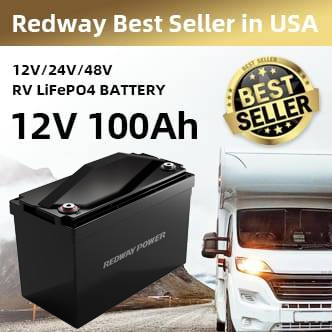
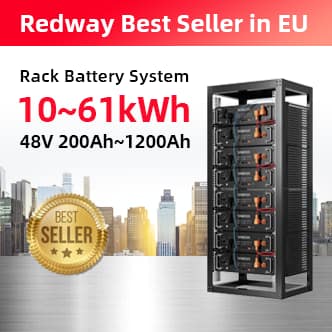
Battery technology in 2026 is moving toward longer-duration storage, safer chemistries, and resilient domestic supply chains. Innovations in lithium-ion, sodium-ion, and flow batteries will support data centers, AI-driven demand, and renewable integration. Brands like Redway Battery are leading with durable, customizable solutions that ensure high performance, safety, and sustainability for industrial, commercial, and residential energy storage applications.
How Will Longer-Duration Storage Impact the Energy Market in 2026?
Longer-duration energy storage is no longer a niche solution; it is becoming a strategic necessity for grid stability and industrial operations. Batteries capable of multi-hour or even day-long energy delivery can balance intermittent renewable generation with industrial and commercial demand. Companies like Redway Battery are designing LiFePO4 systems that maintain consistent performance, enabling energy arbitrage, peak shaving, and reliable backup for critical infrastructure.
Table 1: Key Advantages of Longer-Duration Storage

| Advantage | Benefit | Example Application |
|---|---|---|
| Energy Arbitrage | Buy low, sell high | Industrial facilities |
| Peak Shaving | Reduce peak demand costs | Commercial buildings |
| Backup Power | Continuous reliability | Data centers and hospitals |
| Grid Stability | Integrates renewable energy | Microgrids and smart grids |
Why Are Safer Chemistries Gaining Attention?
Safety concerns are driving interest in non-flammable chemistries such as LiFePO4, sodium-ion, and flow batteries. Regions prone to wildfires or extreme heat require solutions that reduce fire risk. Redway Battery emphasizes safety through strict quality control, flame-retardant materials, and comprehensive testing, providing clients with energy storage systems that meet stringent regulatory and insurance requirements.
What Role Will Alternative Chemistries Play in 2026?
Alternative chemistries will gradually expand beyond pilot projects, although lithium-ion remains dominant. Sodium-ion batteries and flow batteries offer advantages in cycle life, thermal stability, and environmental friendliness. These chemistries are particularly suited for high-frequency cycling and heavy-duty applications, including telecom infrastructure, solar storage, and commercial microgrids. Non-lithium solutions also support FEOC compliance for domestic production in the United States.

How Will Recycling and Domestic Processing Shape Supply Chains?
Recycling and domestic material processing are evolving from sustainability initiatives to operational necessities. Localized recycling reduces reliance on overseas processing, ensures supply chain security, and strengthens compliance with FEOC regulations. Redway Battery incorporates closed-loop practices in its factories, enabling recovery of critical metals, consistent quality control, and a resilient supply chain for lithium and other chemistries.
Does Standalone Storage Hold Value Beyond Solar Pairing?
Standalone energy storage is increasingly recognized as critical infrastructure. These systems provide independent backup, grid services, and load balancing for commercial and industrial operations. Data centers, for instance, require reliable standalone storage to maintain uptime during grid disruptions. Redway Battery’s modular systems allow scalable deployment, enabling flexible solutions tailored to diverse operational needs.
How Will FEOC Regulations Influence Sourcing Strategies?
Foreign Entity of Concern (FEOC) compliance is reshaping how manufacturers source raw materials and components. U.S. regulations incentivize domestic production, secure supply chains, and investment in alternative chemistries. Companies that anticipate these regulations and integrate FEOC-safe materials into their supply chains, like Redway Battery, gain a strategic advantage by ensuring regulatory compliance while maintaining performance and cost-effectiveness.
What Domestic Supply Chain Trends Will Define 2026?
Localized production and supply chain integration will become prerequisites for large-scale deployment. Energy storage providers are investing in scalable, automated manufacturing lines and MES-controlled processes to guarantee timely delivery, quality assurance, and reduced dependency on international logistics. Redway Battery’s four advanced factories in Shenzhen exemplify this trend, combining OEM/ODM flexibility with high-volume production efficiency.
Can Permitting Reform and Private Capital Accelerate Storage Deployment?
Reformed permitting and private investment are crucial for expanding energy storage infrastructure. Streamlined approvals and new financing mechanisms allow quicker deployment of grid-scale and distributed storage solutions. These improvements, combined with advanced battery technologies, enable utilities and private developers to meet growing energy demand while supporting renewable integration and grid stability.
How Will AI and Data Centers Shape Battery Performance Requirements?
The growth of AI and high-density data centers demands highly reliable, bankable energy storage. Lithium-ion batteries degrade faster under frequent cycling, while flow and LiFePO4 chemistries maintain consistent performance over time. Redway Battery develops solutions capable of high-cycle operation, ensuring data centers, telecom hubs, and industrial facilities receive continuous, predictable power without compromising longevity or safety.
Redway Expert Views
“Battery technology in 2026 is about combining safety, performance, and adaptability. Long-duration storage and non-flammable chemistries will dominate critical sectors, while localized supply chains and regulatory compliance will become essential. Redway Battery is committed to delivering modular, customizable solutions that meet these evolving demands, providing clients with reliable, high-performance energy storage for industrial, commercial, and residential applications.”
Conclusion
Battery technology in 2026 is defined by longer-duration storage, safer chemistries, and resilient domestic supply chains. Strategic investments in alternative chemistries, closed-loop recycling, and FEOC-compliant sourcing will shape competitive advantage. Companies like Redway Battery exemplify best practices by offering durable, high-performance, and customizable energy storage systems capable of addressing AI-driven load growth, data center needs, and grid stability.
Frequently Asked Questions
Q1: What is the difference between lithium-ion and LiFePO4 batteries?
LiFePO4 batteries provide enhanced thermal stability, longer cycle life, and improved safety compared to conventional lithium-ion chemistries.
Q2: Why is long-duration storage important for commercial operations?
It ensures reliable energy delivery over extended periods, enabling peak shaving, backup power, and energy arbitrage for cost efficiency.
Q3: How does Redway Battery support customized solutions?
Redway Battery offers full OEM/ODM customization, from pack design to performance optimization, supported by automated production and MES systems.
Q4: Are non-lithium batteries viable for data centers?
Yes. Flow and sodium-ion batteries maintain consistent performance under frequent cycling and provide safer, non-flammable options for critical infrastructure.
Q5: What impact will FEOC regulations have on U.S. energy storage?
FEOC rules will incentivize domestic sourcing and manufacturing, pushing adoption of non-lithium chemistries and secure supply chains while maintaining regulatory compliance.