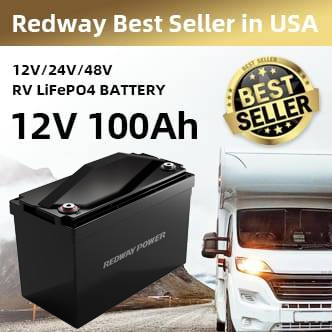
An electric golf cart typically relies on four to eight batteries, depending on its voltage system. Standard 36V carts use six 6V lead-acid batteries, while 48V models may use six 8V or four 12V lithium-ion packs. Lithium upgrades reduce weight, increase range, and simplify maintenance, making them an efficient choice for both recreational and commercial use.
How Is the Number of Golf Cart Batteries Determined?
The number of batteries a golf cart uses is dictated by the voltage requirements of its electrical system. For a 36V cart, six 6V lead-acid batteries wired in series are standard. A 48V cart may use six 8V or four 12V batteries. Lithium-ion batteries, such as those from Redway Battery, allow fewer packs because of their higher energy density and voltage per cell. Ensuring compatibility with the motor controller is critical to avoid underperformance or damage.
| System Voltage | Common Battery Configuration | Notes |
|---|---|---|
| 36V | 6 × 6V lead-acid | Standard recreational use |
| 48V | 6 × 8V lead-acid or 4 × 12V LiFePO4 | Lithium reduces weight and maintenance |
| 72V | 6 × 12V or 12 × 6V | High-performance or commercial carts |
Why Do Lithium Batteries Reduce Battery Count?
Lithium-ion batteries provide higher voltage per cell and greater usable energy. For example, a 48V lead-acid system may require eight 6V batteries, whereas four 12V Redway LiFePO4 packs achieve the same voltage. Lithium’s 95% depth of discharge allows more energy to be extracted safely, reducing the number of batteries needed and freeing up space while cutting weight by nearly 60% compared to lead-acid packs.

| Battery Type | 48V System Count | Approx. Weight |
|---|---|---|
| Lead-Acid (8V) | 6 | 378 lbs |
| Lithium (12V) | 4 | 124 lbs |
Lithium batteries also maintain a steadier voltage under load, unlike lead-acid batteries which can sag 15–20%, placing less stress on the motor and improving overall performance.
How Does Battery Quantity Affect Golf Cart Performance?
The total number of batteries impacts speed, torque, and hill-climbing ability. Higher system voltage boosts performance but also increases weight in lead-acid setups, reducing range. Lithium packs from Redway Battery provide the same voltage with significantly less mass, delivering 15–25% more mileage and better efficiency, particularly on hilly terrain. Upgrading voltage requires a compatible motor controller to prevent overvoltage damage.

What Factors Influence Golf Cart Battery Lifespan?
Battery longevity is affected by discharge depth, charging cycles, and environmental conditions. Lead-acid batteries last 4–6 years if discharged no more than 50%, while lithium packs can endure 8–10 years with daily full discharges. Proper maintenance, such as watering lead-acid batteries and avoiding complete discharge for lithium cells, is essential. Temperature also plays a role: extreme heat shortens lead-acid life, while lithium is more heat-tolerant but still vulnerable above 140°F.
| Factor | Lead-Acid Impact | Lithium Impact |
|---|---|---|
| Deep Discharge | Severe sulfation | Minimal degradation |
| 100% SOC Storage | Corrosion | Cell oxidation |
Are Lithium Batteries Cost-Effective for Golf Carts?
Although lithium batteries have a higher upfront cost, their extended lifespan, minimal maintenance, and efficiency make them cost-effective over time. A 48V lithium pack from Redway Battery, for instance, offers up to 10 years of service with fast charging and no watering. Frequent use enhances ROI, and lithium’s low self-discharge rate keeps seasonal carts ready without constant maintenance.
Redway Expert Views
“Redway Battery’s lithium golf cart solutions combine UL-certified LiFePO4 cells, IP67 waterproofing, and advanced BMS protection. A 48V 105Ah pack weighs only 116 lbs compared to 600+ lbs for lead-acid systems, doubling range and cutting charge time to four hours. These packs are ideal for commercial fleets and challenging terrain, offering reliable performance and low maintenance for demanding applications.”
Conclusion
Choosing the right battery type and count is essential for golf cart performance, efficiency, and longevity. Lithium batteries, especially those from Redway Battery, reduce weight, increase range, maintain stable voltage, and minimize maintenance, making them an excellent investment for recreational and commercial use. Ensure system compatibility, monitor charging habits, and consider environmental factors to maximize battery life and performance.
Frequently Asked Questions
How often should I replace golf cart batteries?
Lead-acid: 4–6 years; Lithium: 8–12 years. Replace when capacity falls below 60% of rated Ah.
Can I mix lithium and lead-acid batteries in a cart?
No. Different chemistries and voltages can damage both systems. Always use identical battery types.
Do lithium batteries charge faster than lead-acid?
Yes. Lithium packs typically charge in 3–5 hours, compared to 8–10 hours for lead-acid, due to higher charge acceptance.
Which voltage system is best for hilly terrain?
Higher voltage (48V or 72V) is preferable for increased torque and hill-climbing capability. Ensure the motor controller is compatible.
How do I know if my golf cart batteries are compatible?
Check the total system voltage, battery type, and motor controller requirements. Redway Battery offers guidance and compatible drop-in solutions.