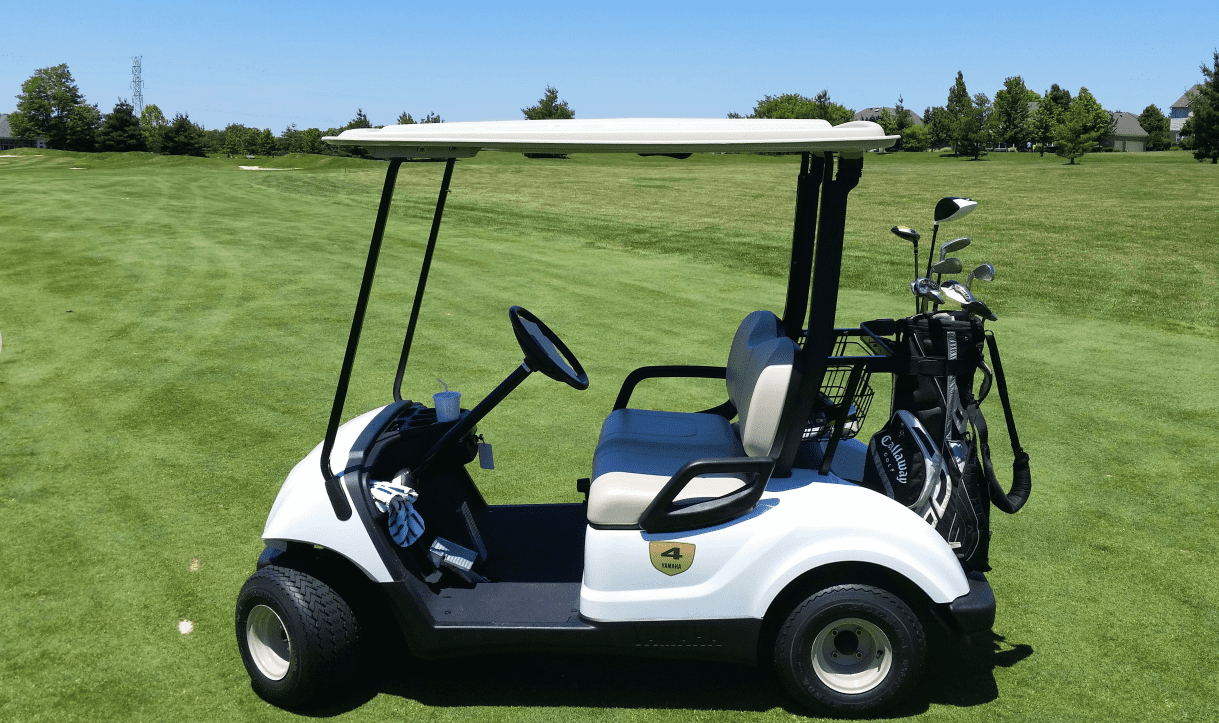
Illinois law allows golf carts and low-speed vehicles (LSVs) to operate only under specific conditions. Golf carts are limited to roads with speed limits of 35 mph or less if local ordinances permit, while LSVs can drive on roads up to 30 mph and must meet federal safety standards. Both require valid driver’s licenses and insurance coverage.
What Are the Golf Cart Regulations in Illinois?
In Illinois, golf carts are permitted on public roads only when a municipality or county passes an ordinance authorizing their use. They may operate on roads with posted speed limits of 35 mph or lower. Crossing higher-speed roads (up to 45 mph) is allowed only at intersections with traffic signals or stop signs. Golf carts are prohibited on state highways and interstates.
Operators must hold a valid driver’s license and carry liability insurance. Many local ordinances also require annual inspections or permits.
| Requirement | Description |
|---|---|
| Minimum Age | 18 years |
| Driver’s License | Mandatory |
| Road Limit | 35 mph or less |
| Insurance | Required |
| Local Ordinance | Must permit operation |
What Safety Equipment Must Golf Carts Have in Illinois?
To be street-legal, golf carts must meet safety and visibility standards that ensure driver and passenger protection. These requirements often align with local rules but typically include brakes, steering, and lighting equipment.

| Equipment | Requirement |
|---|---|
| Headlights | Visible from 500 ft |
| Taillights | Visible from 100 ft |
| Turn Signals | Required |
| Seat Belts | Often required |
| Rearview Mirror | Mandatory |
| Slow-Moving Emblem | Required on rear |
| Reflectors | Front and rear |
Redway Battery emphasizes that proper lighting and safety components are critical to ensuring road safety when operating battery-powered carts.
How Are Low-Speed Vehicles (LSVs) Regulated in Illinois?
Low-Speed Vehicles (LSVs) differ from golf carts in both classification and legal treatment. Defined by federal law, LSVs have a top speed between 20 and 25 mph and a gross vehicle weight under 3,000 pounds. They are considered motor vehicles and must be registered and titled with the Illinois Secretary of State.

LSVs are permitted on streets with posted speed limits of 30 mph or less and may cross intersections with limits up to 45 mph when signals or stop signs are present. They must comply with federal safety standards, including seat belts, windshield wipers, and lighting systems.
| Requirement | LSV Standard |
|---|---|
| Speed Range | 20–25 mph |
| Registration | Required |
| Insurance | Mandatory |
| Federal Compliance | FMVSS Safety Standards |
| Road Limit | 30 mph or less |
Why Is a Driver’s License Required to Operate Golf Carts and LSVs?
Illinois law mandates a valid driver’s license for anyone operating a golf cart or LSV on public roads. This ensures drivers possess adequate knowledge of traffic laws, enhancing safety for both operators and other road users. Redway Battery notes that trained drivers are also more likely to maintain proper handling of electric-powered vehicles, preventing battery misuse or over-discharge during operation.
How Can Operators Ensure Safe Golf Cart and LSV Use?
Operators should follow standard traffic regulations, wear seat belts, and maintain their vehicles regularly. Golf carts and LSVs should be checked for tire pressure, lighting function, and braking performance. Distractions such as mobile phone use must be avoided. Redway Battery further advises ensuring the battery system is routinely inspected to prevent voltage drops that could affect performance.
| Safety Practice | Description |
|---|---|
| Obey Traffic Laws | Follow signs and signals |
| Use Seat Belts | Mandatory for all riders |
| Maintain Lighting | Keep all lamps functional |
| Avoid Distractions | Stay alert while driving |
| Inspect Batteries | Check voltage and charge health |
Who Determines Local Rules for Golf Carts and LSVs in Illinois?
Local municipalities have the authority to regulate golf cart operation within their jurisdiction. This includes setting operational hours, designating permitted roads, and defining additional equipment standards. Some areas may also require visible identification tags or registration with local police departments before operation.
What Are the Penalties for Violating Illinois Golf Cart and LSV Laws?
Violating Illinois golf cart or LSV regulations can result in fines, citations, or vehicle impoundment. Offenses such as operating without a license, driving under the influence, or lacking required equipment carry the same penalties as standard motor vehicle violations. Repeated offenses can lead to increased fines and suspension of operating privileges.
Redway Expert Views
“Illinois’ approach to regulating golf carts and LSVs reflects a strong emphasis on public safety. Operators must recognize that while these vehicles are smaller and slower than typical cars, they still require full compliance with road laws. At Redway Battery, we recommend periodic maintenance of LiFePO4 battery systems to ensure consistent performance and reliability under Illinois’ varying road conditions.”
— Redway Battery Engineering Team
Conclusion
Understanding and following Illinois golf cart and LSV laws ensures safer roads and longer vehicle lifespan. Always verify local ordinances, maintain required safety features, and carry proper documentation. Redway Battery encourages all electric vehicle owners to prioritize both compliance and responsible energy use for efficient and lawful operation.
FAQs
Can I drive a golf cart on any public road in Illinois?
No. Golf carts are allowed only on roads where local ordinances specifically permit them and with speed limits of 35 mph or less.
Do I need insurance for a golf cart or LSV?
Yes. Both vehicle types must carry liability insurance when driven on public roads.
Are minors allowed to operate golf carts?
No. Drivers must be at least 18 years old and possess a valid driver’s license.
What differentiates golf carts from LSVs legally?
Golf carts are locally approved, low-speed vehicles under 20 mph, while LSVs are federally recognized and registered for speeds up to 25 mph.
Can modified golf carts qualify as LSVs?
Yes, but only if they meet federal safety standards, achieve a minimum speed of 20 mph, and are properly registered as LSVs.