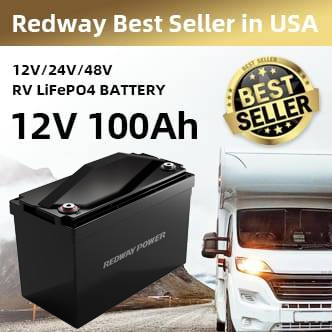
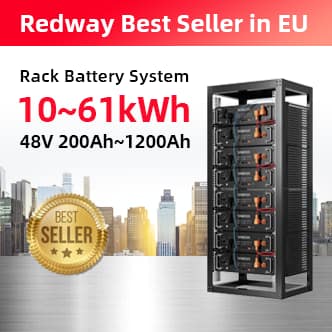
Choosing the right voltage for OEM golf carts is essential for performance, efficiency, and battery longevity. A 48V system with 150-200Ah LiFePO4 batteries offers the optimal balance for speed, torque, and range. Shenzhen-based Redway Battery provides fully customizable packs compatible with EZ-GO, Club Car, and Yamaha models, ensuring seamless OEM integration, reliable operation, and extended lifecycle.
What Are Common Voltages for OEM Golf Carts?
OEM golf carts typically use 36V, 48V, or 72V systems. Light-duty carts on flat terrain work well with 36V, while 48V suits most standard fleets, balancing speed and torque. High-performance carts handling hills and heavy loads benefit from 72V setups. Redway Battery manufactures LiFePO4 packs at exact nominal voltages—38.4V, 51.2V, and 76.8V—for drop-in replacement, complete with BMS for safe continuous discharge up to 250A.
| Voltage | Nominal LiFePO4 | Full Charge | Cells | Ideal OEM Use |
|---|---|---|---|---|
| 36V | 38.4V | 43.8V | 12 | Light-duty, flat terrain |
| 48V | 51.2V | 58.4V | 16 | Standard fleets, hills |
| 72V | 76.8V | 87.6V | 24 | High-speed, heavy loads |
Wholesale buyers can leverage Redway Battery’s factory-direct customization for bulk orders tailored to OEM specifications, minimizing downtime and ensuring optimal performance across fleets.

How Does Capacity Impact Golf Cart Range?
Battery capacity, measured in amp-hours (Ah), directly affects range. A 100Ah pack supports 20–30 miles per charge, while 200Ah can exceed 50 miles. Larger capacities reduce charging frequency and suit intensive fleet operations. Redway Battery offers packs from 100Ah to 300Ah, with 160Ah popular for 48V systems. These LiFePO4 packs provide a flat discharge curve, maintaining stable voltage under acceleration and inclines.
Automated MES systems in Redway’s factories ensure precise cell matching for consistent capacity. For daily 8–10 hour use, 150–200Ah packs are recommended, supporting thousands of cycles.

Which Voltage Balances Speed and Efficiency?
48V systems offer an ideal balance of speed and efficiency, reaching 19–22 mph with moderate torque for resorts and neighborhoods. Compared to 36V, they handle varied terrain better, while avoiding the higher cost and complexity of 72V setups. Redway Battery’s 48V packs integrate seamlessly with EZ-GO and Club Car controllers, delivering 250A output and lowering heat generation, which extends motor and component lifespan.
What Factors Influence OEM Optimization?
Terrain, load, duty cycle, and motor/controller specifications determine battery selection. Flat courses may use 36V/100Ah, while hilly routes require 48V/200Ah for sustained performance. Redway Battery engineers consult with clients to customize LiFePO4 packs, ensuring high-energy density, 6,000-cycle durability, and compatibility with fleet demands.
How to Calculate Optimal Capacity Needs?
To determine required Ah, multiply daily miles by energy consumption per mile (0.5–1 kWh), then divide by system voltage. For example, a 48V cart needing 40 miles per day requires roughly 167Ah. Redway Battery refines this with testing, providing a 20% buffer to ensure consistent performance, producing 200Ah packs that outperform lead-acid alternatives by five times in lifespan.
Why Choose LiFePO4 for OEM Golf Carts?
LiFePO4 batteries offer longer lifecycle, faster charging, and minimal maintenance compared to lead-acid options. They maintain voltage consistency, improving range and handling. Redway Battery specializes in these packs, providing lightweight solutions with thermal management for high-discharge applications and full ODM support.
Redway Expert Views
“For OEM golf cart optimization, 48V 160–200Ah LiFePO4 packs provide the best balance of power and efficiency. Redway Battery’s Shenzhen production ensures voltage stability at 51.2V nominal, with BMS managing 250A discharge for torque-intensive applications. Custom cell configurations accommodate EZ-GO, Club Car, and Yamaha models, delivering 6,000-cycle durability. Wholesale clients benefit from scalable solutions and continuous technical support.” – Redway Battery Engineering Lead
How Do Batteries Affect Golf Cart Performance?
Voltage influences speed and torque, with 72V reaching 25+ mph and 36V limited to 12–14 mph. Higher capacities extend range, essential for all-day operations. Redway Battery’s LiFePO4 packs sustain consistent power output, reducing motor wear and improving reliability over lead-acid alternatives.
What Are Top Capacity Recommendations?
-
100Ah: Light use, personal carts (20–30 miles)
-
160Ah: Standard fleets (40 miles, hilly terrain)
-
200–300Ah: Heavy-duty, extended range (50+ miles)
Redway Battery customizes these capacities for wholesale and OEM integration.
| Capacity | Range (48V) | Weight Savings | Best Use |
|---|---|---|---|
| 100Ah | 25 miles | 50% lighter | Light use |
| 160Ah | 40 miles | 60% lighter | Fleet use |
| 200Ah | 50 miles | 65% lighter | Heavy-duty |
When Should You Upgrade to Higher Voltage?
Upgrade when carts carry loads above 400 lbs, navigate hilly terrain, or require speeds over 20 mph. Retain stock voltage for flat, light-duty routes. Redway Battery offers plug-and-play upgrade kits designed for seamless OEM replacement.
Conclusion
For optimal OEM golf cart performance, select 48V 150–200Ah LiFePO4 batteries from trusted China manufacturers like Redway Battery. Test packs under operational loads, utilize BMS insights, and plan bulk wholesale orders for cost efficiency. Early consultation ensures tailored solutions matching fleet specifications for maximum efficiency and lifespan.
FAQs
What voltage do most OEM golf carts use?
48V is the standard for balanced performance in EZ-GO and Club Car models.
How much capacity is needed for daily fleet use?
160–200Ah delivers 40+ miles per charge, reducing recharging frequency.
Are LiFePO4 batteries compatible with OEM carts?
Yes, Redway Battery produces drop-in packs matching exact voltages.
Why source LiFePO4 packs from China factories?
They offer cost-effective, customizable, and scalable solutions.
What is the typical lifespan of LiFePO4 OEM packs?
Properly designed packs achieve 4,000–6,000 cycles, outperforming lead-acid batteries.