
How Do Group 24 and Group 27 Battery Dimensions Differ?

Group 24 batteries measure around 10.25 x 6.75 inches while Group 27 batteries are approximately 12 x 6.8 inches. This difference in dimensions affects their amp-hour capacity, with Group 27 generally providing more power storage.

When choosing the right battery for your vehicle or equipment, understanding the differences between battery sizes is crucial. Among the most commonly compared are Group 24 and Group 27 batteries. Both these battery groups are frequently used in a variety of applications, including automotive, marine, and backup power systems. Although they share some similarities, the differences in their dimensions can significantly impact their performance and suitability for specific needs. This article delves into the details, ensuring you make an informed decision.

Overview of Battery Group Sizes

Battery group sizes are standardized by the Battery Council International (BCI). These sizes are determined based on the battery’s physical dimensions, terminal locations, and types. Group sizes are essential because they ensure that the battery fits properly into the designated space in the vehicle or equipment.

Group 24 Batteries

Group 24 batteries are commonly used in medium-sized cars, boats, and some light industrial applications. They are known for their compact size and reliability.

  • Dimensions: 10.25 x 6.8125 x 8.875 inches (260 x 173 x 225 mm)
  • Applications: Medium-sized vehicles, boats, light industrial equipment
  • Common Types: Starting batteries, deep cycle batteries, AGM (Absorbent Glass Mat) batteries

Group 27 Batteries

Group 27 batteries, on the other hand, are often found in larger vehicles and more demanding applications due to their higher capacity and slightly larger size.

  • Dimensions: 12.0625 x 6.8125 x 8.875 inches (306 x 173 x 225 mm)
  • Applications: Larger vehicles, RVs, marine applications, backup power systems
  • Common Types: Starting batteries, deep cycle batteries, AGM batteries

Detailed Comparison of Dimensions

The dimensions of Group 24 and Group 27 batteries are critical to understand, especially if you’re considering replacing one with the other.

Length

  • Group 24: 10.25 inches (260 mm)
  • Group 27: 12.0625 inches (306 mm)

The length difference of approximately 1.8125 inches (46 mm) is significant. This extra length in Group 27 batteries allows for additional plate material inside the battery, potentially providing more power and capacity.

Width

  • Group 24: 6.8125 inches (173 mm)
  • Group 27: 6.8125 inches (173 mm)

The width of both Group 24 and Group 27 batteries is identical. This uniformity ensures that the battery tray or compartment designed for one can accommodate the other without modifications.

Height

  • Group 24: 8.875 inches (225 mm)
  • Group 27: 8.875 inches (225 mm)

The height of these batteries is also the same, meaning vertical space constraints are not an issue when considering these two battery groups.

Performance Implications of Size Differences

The size differences between Group 24 and Group 27 batteries translate into several performance variations.

Capacity and Reserve Power

Due to its larger size, a Group 27 battery typically has a higher amp-hour (Ah) rating and greater reserve capacity compared to a Group 24 battery. This means Group 27 batteries can power devices longer before needing a recharge. For applications requiring sustained power over extended periods, Group 27 is often the preferred choice.

Cold Cranking Amps (CCA)

Cold Cranking Amps (CCA) is a measure of a battery’s ability to start an engine in cold temperatures. Group 27 batteries generally offer higher CCA ratings than Group 24 batteries, making them more suitable for larger engines or colder climates.

Weight

The additional size and capacity of Group 27 batteries also mean they are heavier than Group 24 batteries. While this can be a consideration for portability, the increased weight typically correlates with higher durability and performance.

Choosing Between Group 24 and Group 27 Batteries

When deciding between Group 24 and Group 27 batteries, consider the following factors:

Vehicle or Equipment Specifications

Always refer to the manufacturer’s specifications for battery size recommendations. Installing a battery that doesn’t fit properly can lead to insufficient power supply or physical damage.

Power Requirements

Evaluate the power needs of your vehicle or equipment. If you require higher capacity and longer run times, Group 27 batteries may be the better choice. Conversely, if space is a constraint or if the application doesn’t demand high power, Group 24 batteries are often sufficient.

Operating Environment

Consider the operating conditions. In environments with extreme temperatures, the higher CCA rating of Group 27 batteries provides a distinct advantage for reliable starts.

Common Applications and Suitability

Understanding where each battery group excels can help in making an informed choice.

Group 24 Battery Applications

  • Medium-sized Cars: Suitable for vehicles with moderate power demands and compact engine bays.
  • Boats: Ideal for small to medium-sized boats with standard electrical loads.
  • Light Industrial Equipment: Fits well in machinery that doesn’t require extended run times.

Group 27 Battery Applications

  • Larger Vehicles: Perfect for trucks, SUVs, and other large vehicles that need more power.
  • RVs: The higher capacity supports the diverse and substantial power needs of recreational vehicles.
  • Marine Applications: Best for larger boats with higher power requirements for navigation, communication, and other onboard systems.
  • Backup Power Systems: Offers longer run times for UPS systems and other emergency power setups.

Maintenance and Longevity

Both Group 24 and Group 27 batteries require proper maintenance to ensure longevity and performance.

Regular Charging

Keeping the battery properly charged extends its life and ensures reliable performance. Both battery groups benefit from regular charging, especially if used in deep cycle applications.

Clean Terminals

Ensure the battery terminals are clean and free from corrosion. This maintenance step is crucial for both Group 24 and Group 27 batteries to maintain efficient power delivery.

Storage Conditions

Store batteries in a cool, dry place when not in use. Avoid exposure to extreme temperatures, which can reduce battery life.

Conclusion

Understanding the differences between Group 24 and Group 27 batteries helps in making an informed decision tailored to your specific needs. While they share similarities in width and height, the increased length and capacity of Group 27 batteries make them suitable for more demanding applications. Always consider your vehicle or equipment requirements, power needs, and operating conditions when selecting the right battery. By doing so, you ensure optimal performance, reliability, and longevity of your power source.

FAQs

Are group 24 and 27 batteries the same size?

Group 24 and Group 27 batteries are similar in dimensions, battery types, chemistry, and intended use. However, they are not exactly the same and should not be used interchangeably unless explicitly permitted by the manufacturer. Group 24 batteries have dimensions of approximately 10.25 x 6.8125 x 8.875 inches, while Group 27 batteries have dimensions of approximately 12.0625 x 6.8125 x 8.875 inches. It is important to check the actual battery size, type, chemistry, terminal type, and orientation before purchasing a new battery. Always follow the manufacturer’s recommendations to ensure compatibility and optimal performance.

Can you mix Group 24 with Group 27 battery?

Mixing Group 24 and Group 27 batteries is generally not recommended due to potential fitting issues and performance concerns. While voltage compatibility exists, mismatched sizes may affect overall efficiency and safety. Adhering to proper installation procedures and consulting manufacturer guidelines ensures optimal battery setup and minimizes risks. It is important to prioritize compatibility and follow recommended guidelines when selecting and installing batteries for your specific application.

How wide is a group 27 battery?

A group 27 battery is a 12-volt lead-acid battery commonly used in automotive, marine, off-the-grid, RVs, and similar applications. The dimensions of a group 27 battery are approximately 12.0625 x 6.8125 x 8.875 inches (306 x 173 x 225 mm). The weight of a group 27 battery ranges between 54 and 70 pounds (24.5 – 32 kg) depending on the internal construction. Group 27 batteries have different sub-groups, such as group 27, group 27F, and group 27H, but they are often labeled as group 27 batteries. It’s important to check the actual dimensions of your battery compartment before purchasing a new battery to ensure a proper fit.

What are the dimensions of a Class 24 battery?

The dimensions of a Class 24 battery are approximately 10.25 x 6.8125 x 8.875 inches (260 x 173 x 225 mm). However, there are also other subgroups within the Class 24 battery category with slightly different dimensions. These subgroups include 24f, 24h, 24r, and 24t. It’s important to consider these small differences when selecting the appropriate battery for your needs. Group 24 batteries are commonly used in various applications such as large UPS systems, medical and security systems, wheelchairs, vehicles, and industrial applications. They are mostly used as deep cycle standby/float batteries rather than starting/cranking batteries.

Are Group 24 and Group 27 Batteries Interchangeable?

Group 24 and Group 27 batteries are not directly interchangeable due to differences in size and capacity. While they may fit some applications physically, using the appropriate group size ensures optimal performance and compatibility with your system.

In the realm of automotive and marine applications, selecting the appropriate battery is crucial for optimal performance and longevity. Among the myriad of options available, Group 24 and Group 27 batteries often come into consideration. This article delves into the interchangeability of these batteries, particularly when size is not a limiting factor.

Understanding Group 24 and Group 27 Batteries

Before exploring their interchangeability, it is essential to understand the characteristics of Group 24 and Group 27 batteries. These batteries are classified based on the Battery Council International (BCI) size standards, which dictate their physical dimensions and specifications.

  • Group 24 Batteries: Typically measuring around 10.25 x 6.8125 x 8.875 inches, Group 24 batteries are commonly used in automotive, marine, and RV applications. They are known for their moderate power capacity and are ideal for vehicles with average power requirements.
  • Group 27 Batteries: Slightly larger, with dimensions approximately 12.0625 x 6.8125 x 8.875 inches, Group 27 batteries offer increased capacity and power. They are preferred for heavier applications such as larger vehicles, boats, and RVs requiring more energy.

Power and Capacity Comparison

One of the primary considerations when comparing these two groups is their power and capacity. Group 27 batteries generally provide a higher amp-hour (Ah) rating compared to Group 24 batteries, which translates to longer run times and better performance in power-intensive applications.

  • Amp-Hour Rating: The amp-hour rating indicates how much current a battery can supply over a specific period. Group 27 batteries often have higher amp-hour ratings, typically ranging from 85Ah to 105Ah, compared to Group 24 batteries, which range from 70Ah to 85Ah.
  • Cold Cranking Amps (CCA): Cold cranking amps measure a battery’s ability to start an engine in cold temperatures. Group 27 batteries usually have higher CCA ratings, making them more reliable in colder climates and for larger engines.

Interchangeability Factors

While the physical size of Group 24 and Group 27 batteries is a significant factor, several other aspects influence their interchangeability. These include power requirements, terminal configurations, and mounting options.

  • Power Requirements: Ensuring that the battery meets the power needs of the vehicle or device is crucial. If a vehicle originally equipped with a Group 24 battery requires a higher power capacity, upgrading to a Group 27 battery can be beneficial, provided the physical dimensions can be accommodated.
  • Terminal Configurations: The terminal layout and type should be compatible with the vehicle’s wiring. Group 24 and Group 27 batteries often have similar terminal configurations, but it is essential to verify compatibility to avoid installation issues.
  • Mounting and Securing: Adequate space and proper securing mechanisms are necessary when considering battery replacement. Since Group 27 batteries are larger, ensuring that the mounting area can accommodate the increased size is vital.

Practical Applications and Use Cases

Understanding the specific applications where Group 24 and Group 27 batteries are used can further elucidate their interchangeability.

  • Automotive Applications: For standard cars and small trucks, Group 24 batteries are typically sufficient. However, for larger trucks, SUVs, and vehicles with additional electrical accessories, Group 27 batteries provide the necessary extra power.
  • Marine Applications: Boats often have high power demands due to their electrical systems, navigation equipment, and accessories. Group 27 batteries are preferred in such scenarios due to their higher capacity and reliability.
  • Recreational Vehicles (RVs): RVs require robust power sources to support their extensive electrical systems. Group 27 batteries, with their higher amp-hour ratings, are more suitable for prolonged use in RVs compared to Group 24 batteries.

Benefits of Upgrading to Group 27 Batteries

When considering the interchangeability of Group 24 and Group 27 batteries, upgrading to a Group 27 battery can offer several advantages:

  • Increased Run Time: The higher amp-hour rating of Group 27 batteries provides longer run times, which is particularly beneficial for applications requiring sustained power.
  • Enhanced Reliability: The higher CCA rating of Group 27 batteries ensures better performance in starting engines, especially in cold weather conditions.
  • Future-Proofing: As power demands increase with additional accessories and electronics, having a higher capacity battery ensures that future upgrades do not necessitate a battery replacement.

Considerations Before Upgrading

While upgrading to a Group 27 battery can be advantageous, it is essential to consider the following:

  • Space Constraints: Ensure that the battery compartment can accommodate the larger size of Group 27 batteries. Measure the available space and compare it with the dimensions of the Group 27 battery.
  • Weight: Group 27 batteries are heavier than Group 24 batteries. Verify that the mounting area can support the additional weight without compromising safety or performance.
  • Cost: Group 27 batteries are generally more expensive than Group 24 batteries. Evaluate the cost-benefit ratio to determine if the upgrade justifies the expense.

Conclusion

In conclusion, Group 24 and Group 27 batteries can be interchangeable, provided that size is not a constraint. Understanding the power requirements, terminal configurations, and mounting considerations is crucial for a successful replacement. Upgrading to a Group 27 battery can offer significant benefits in terms of capacity, reliability, and future-proofing, making it a worthwhile consideration for those with higher power demands.

Ultimately, the decision to interchange these batteries should be based on a thorough assessment of the specific application needs and the available space for installation. By carefully evaluating these factors, one can make an informed choice that ensures optimal performance and longevity of the battery system.

FAQs

What is the difference between group 24 and group 27 battery?

Group 24 and Group 27 batteries are two common types of marine batteries used in boats and other marine applications. The main difference between them is their size and capacity. Group 24 batteries are smaller and have a lower amp hour rating, while Group 27 batteries are larger and have a higher amp hour rating. The choice between the two depends on the available space in the battery compartment and the power requirements of the boat. It is important to select the right battery size for optimal performance and ensure sufficient energy for engine starting and onboard electronics.

Can you mix group size batteries?

Mixing group size batteries is generally not recommended due to safety and performance concerns. Batteries of different sizes and chemistries may have different voltage ratings, which can lead to uneven power distribution and potential damage to electronic devices. Additionally, mixing batteries with different capacities and discharge rates can result in imbalanced discharge, overcharging, and reduced overall performance. It is best to use batteries of the same brand, chemistry, voltage, and size to ensure compatibility and optimal performance. Always consult the manufacturer’s recommendations for the specific device to ensure proper and safe operation.

What does group 27 battery mean?

Group 27 batteries are a specific size and type of battery commonly used in various applications, especially in marine settings. The Group 27 designation refers to the physical dimensions of the battery, including length, width, and height. These batteries are larger than Group 24 and smaller than Group 31 batteries. Group 27 batteries offer a balance between power output and space efficiency, making them versatile options for marine, RV, and automotive applications. They are available in different types, such as lead-acid, AGM, and lithium-ion, providing users with options based on their specific needs and preferences.

What vehicles use a group 27 battery?

A Group 27 battery is a versatile and powerful battery commonly used in marine and automotive applications. It is larger than a Group 24 battery but smaller than a Group 31 battery. Group 27 batteries have dimensions of approximately 12.1 inches in length, 6.8 inches in width, and 8.8 inches in height. They weigh between 54 to 70 pounds and have a capacity ranging from 66 to 110 amp-hours. These batteries offer a balance of deep cycling capabilities and starting power, making them suitable for various uses such as boats, RVs, trucks, and some cars. They are available in different types, including lead-acid AGM (absorbent glass mat) and lithium-ion. Group 27 batteries are known for their versatility and reliability.

What to Check Before Choosing Group 24 vs. Group 27 Battery?

Before choosing between Group 24 and Group 27 batteries, consider factors like physical space available, required amp-hour capacity, weight considerations, and compatibility with your system’s electrical requirements to ensure optimal performance.

When selecting between Group 24 and Group 27 batteries, it is essential to meticulously assess several critical factors to ensure optimal performance for your vehicle. These factors include power requirements, cold-cranking amps, reserve capacity, and dimensions. Our comprehensive guide will help you make an informed decision by exploring each aspect in detail.

Understanding Vehicle Power Requirements

The foremost consideration is to evaluate the power requirements of your vehicle. This involves understanding the electrical demands and ensuring that the chosen battery can meet these needs effectively.

Battery Capacity and Size

Group 24 batteries typically offer capacities ranging from 70 to 85 Ah (Ampere-hours), while Group 27 batteries range from 85 to 105 Ah. This higher capacity makes Group 27 batteries more suitable for vehicles with substantial power needs, such as trucks and SUVs.

Cold-Cranking Amps (CCA)

Cold-cranking amps (CCA) are crucial for starting your vehicle in cold weather. Group 27 batteries generally provide higher CCA, usually around 600-950 amps, compared to Group 24 batteries, which offer about 500-850 amps. Higher CCA is advantageous for larger engines and cold climates.

Reserve Capacity (RC)

Reserve capacity indicates how long a battery can supply power if the alternator fails. Group 27 batteries boast a superior reserve capacity, often exceeding 180 minutes, compared to Group 24 batteries, which typically offer around 140-180 minutes. This extended RC is vital for vehicles with high accessory loads or frequent stop-and-go driving.

Battery Dimensions and Compatibility

Ensuring that the battery fits correctly within your vehicle’s battery tray is essential. Group 24 batteries generally measure about 10.25 inches in length, 6.8125 inches in width, and 8.875 inches in height. In contrast, Group 27 batteries are larger, measuring approximately 12.0625 inches in length, 6.8125 inches in width, and 8.875 inches in height. Always check your vehicle’s battery compartment to confirm the suitable size.

Usage Scenarios for Group 24 and Group 27 Batteries

Group 24 Batteries

Group 24 batteries are typically ideal for smaller vehicles, boats, and applications where space is limited. They are suitable for:

  • Compact cars
  • Small to mid-sized sedans
  • Light-duty marine applications
  • Lawn and garden equipment

Group 27 Batteries

Group 27 batteries excel in providing the necessary power for larger and more demanding applications, such as:

  • Trucks and SUVs
  • High-performance cars
  • Recreational vehicles (RVs)
  • Heavy-duty marine applications

Battery Lifespan and Maintenance

Regular maintenance and proper usage significantly impact the lifespan of your battery. Group 27 batteries tend to have a longer lifespan due to their higher capacity and more robust construction, making them a cost-effective option in the long run.

Maintenance Tips

  1. Regular Inspection: Check for corrosion and ensure that the terminals are clean and tightly connected.
  2. Proper Charging: Avoid deep discharges and ensure the battery is charged correctly.
  3. Climate Considerations: Extreme temperatures can affect battery performance. Ensure adequate insulation or protection in extreme climates.

Environmental Impact

Choosing a battery with a lower environmental footprint is increasingly important. Both Group 24 and Group 27 batteries are generally recyclable. However, the materials and manufacturing processes can vary, so opting for batteries from manufacturers with sustainable practices is advisable.

Cost Considerations

Group 27 batteries are generally more expensive due to their higher capacity and enhanced features. However, the initial higher investment can be offset by their longer lifespan and better performance, especially in demanding applications.

Popular Brands and Models

Several reputable brands offer high-quality Group 24 and Group 27 batteries. Some of the leading brands include:

  • Optima Batteries
  • Odyssey Battery
  • DieHard
  • Exide

Recommended Models

  1. Optima RedTop 34/78 (Group 24): Known for its high starting power and durability.
  2. Odyssey 27-PC1500T (Group 27): Offers a long service life and exceptional deep cycling capabilities.
  3. DieHard Gold 24F (Group 24): Reliable performance and long-lasting power.
  4. Exide Edge FP-AGM24F (Group 24): High performance with AGM technology.
  5. Optima BlueTop D27M (Group 27): Ideal for marine and RV applications with superior resistance to vibration.

Making the Final Decision

When deciding between Group 24 and Group 27 batteries, consider the following:

  1. Vehicle Requirements: Match the battery’s specifications with your vehicle’s power needs.
  2. Environmental Conditions: Opt for higher CCA and RC in colder climates and for high-accessory vehicles.
  3. Space Constraints: Ensure the battery fits within your vehicle’s battery compartment.
  4. Budget: Balance initial cost with long-term value and performance.

Conclusion

Selecting the right battery is pivotal for the optimal performance and reliability of your vehicle. By carefully evaluating your vehicle’s power requirements, the differences in CCA and RC, dimensions, and long-term cost considerations, you can make an informed choice between Group 24 and Group 27 batteries. Always consult your vehicle’s manual and, if in doubt, seek advice from a professional to ensure the best possible decision for your specific needs.

FAQs

Is a group 27 battery better than a group 24 battery?

Group 27 batteries are larger and typically have a higher capacity compared to Group 24 batteries. They can provide more power and potentially last longer, making them suitable for applications that require higher power demands. However, the interchangeability between Group 24 and Group 27 batteries depends on the size constraints of the battery compartment. It’s important to consider the specific power and capacity requirements, as well as the physical dimensions, when choosing between Group 24 and Group 27 batteries for optimal performance.

Can you mix Group 24 with Group 27 battery?

Mixing Group 24 and Group 27 batteries may cause fitting issues due to size differences. While voltage compatibility exists, it is generally not recommended for optimal performance and safety. Mismatched sizes can affect overall efficiency and potentially compromise the battery system. Adhering to proper installation procedures, consulting manufacturer guidelines, and prioritizing compatibility ensures optimal battery setup and minimizes risks. Learn more about the compatibility and potential risks of mixing Group 24 and Group 27 batteries.

How long will a group 27 deep cycle battery last?

A group 27 deep cycle battery can last anywhere from 3 to 10 years or more, depending on various factors such as usage patterns, charging practices, maintenance, and environmental conditions. Proper charging practices, using chargers specifically designed for deep cycle batteries, can help extend the life of the battery. The type of battery also affects its longevity, with AGM (Absorbent Glass Mat) and lithium-ion batteries typically having a longer lifespan compared to flooded lead-acid batteries. Additionally, how the battery is used, including discharge rates and depth of discharge (DOD), can impact its overall health. Regular maintenance, such as cleaning terminals and ensuring proper ventilation, can also contribute to prolonging the life of a group 27 deep cycle battery.

What does group 27 mean on a battery?

Group 27 batteries are a specific battery group size that represents their physical dimensions and power capabilities. They are commonly used in marine applications due to their balance between size and performance. Group 27 batteries offer a combination of power output and space efficiency, making them versatile and suitable for various applications. Understanding battery group sizes is essential when selecting the right power source for your needs. Learn more about what group 27 means on a battery and its significance in powering various devices effectively.

What Group Battery is Best for RV?

The best group battery for RVs often depends on your power needs. Group 27 batteries are popular for their balance of capacity and size, providing ample power for most RV applications. For more extensive energy requirements, consider Group 31 or lithium options like Battle Born for longer life and efficiency.

When selecting a battery for your RV, choosing the right group battery is crucial for ensuring a reliable power supply during your travels. Two of the most common types are the group 24 battery and the group 27 battery, both commonly referred to as “house batteries.” Each of these options has its own set of advantages, making them suitable for different needs and constraints.

Understanding Battery Groups

Before diving into the specifics of each battery type, it’s essential to understand what the term “battery group” means. The Battery Council International (BCI) categorizes batteries based on their physical dimensions, terminal configurations, and types, assigning them to various groups. This standardization helps in identifying the appropriate battery size for specific applications, ensuring compatibility with the RV’s battery compartment and electrical requirements.

Group 24 Batteries: Compact and Efficient

Group 24 batteries are among the most popular choices for RVs due to their compact size and efficient power output. These batteries typically measure about 10.25 inches in length, 6.81 inches in width, and 8.88 inches in height. They are relatively lightweight, making them ideal for RVs with limited space or weight constraints.

Advantages of Group 24 Batteries

  1. Space-Saving Design: Group 24 batteries are perfect for RV owners who need to maximize every inch of available space. Their compact dimensions allow for installation in tight compartments.
  2. Adequate Power for Smaller Accessories: These batteries are well-suited for powering smaller accessories, such as lights, fans, and small appliances. They provide a good balance between power output and size.
  3. Ease of Handling: The smaller size and lighter weight of group 24 batteries make them easier to handle during installation and maintenance.

Best Applications for Group 24 Batteries

Group 24 batteries are ideal for RV owners who:

  • Primarily use their RV for short trips or weekend getaways.
  • Have minimal power demands, relying mainly on campground hookups.
  • Require a reliable backup power source for essential systems.

Group 27 Batteries: More Power, Longer Life

For RV enthusiasts with higher power needs, the group 27 battery is a robust choice. These batteries are slightly larger, typically measuring about 12.06 inches in length, 6.81 inches in width, and 8.94 inches in height. Despite their larger size, group 27 batteries offer increased capacity and longer life.

Advantages of Group 27 Batteries

  1. Higher Capacity: Group 27 batteries generally have a higher amp-hour (Ah) rating than group 24 batteries. This means they can store more energy, providing longer runtimes for your RV’s electrical systems.
  2. Enhanced Durability: These batteries are designed to withstand deeper discharges and more frequent cycling, making them more durable over the long term.
  3. Versatile Power Supply: Group 27 batteries are capable of powering larger appliances and more demanding electrical systems, such as refrigerators, air conditioners, and inverters.

Best Applications for Group 27 Batteries

Group 27 batteries are best suited for RV owners who:

  • Undertake longer trips or live in their RV full-time.
  • Have higher power demands, running multiple large appliances simultaneously.
  • Seek a battery with a longer lifespan and greater resilience to deep cycling.

Choosing Between Group 24 and Group 27 Batteries

Deciding between a group 24 and group 27 battery depends largely on your specific power needs and space constraints. Here are some factors to consider:

Power Needs

Evaluate your typical power consumption. If your RV usage involves running high-demand appliances or extended periods without shore power, a group 27 battery might be more appropriate. Conversely, for shorter trips and minimal power usage, a group 24 battery can be sufficient.

Space Constraints

Measure the available space in your RV’s battery compartment. Ensure that the chosen battery group will fit comfortably. Group 24 batteries are more compact and suitable for smaller compartments, while group 27 batteries require more room.

Budget Considerations

Group 27 batteries often come with a higher price tag due to their increased capacity and durability. Weigh the benefits against your budget to make an informed decision.

Maintaining Your RV Batteries

Proper maintenance is key to maximizing the lifespan and performance of your RV batteries, regardless of the group size. Here are some maintenance tips:

  1. Regular Inspections: Check the battery terminals for corrosion and clean them as needed. Ensure all connections are secure.
  2. Charging Practices: Use a quality charger and avoid overcharging or deep discharging the batteries. A smart charger with multi-stage charging is ideal.
  3. Water Levels: For lead-acid batteries, regularly check and maintain proper water levels, using distilled water.
  4. Storage: If storing your RV for an extended period, keep the batteries fully charged and disconnect them to prevent parasitic drain.

Conclusion: Finding the Best Battery for Your RV

Choosing the right battery group for your RV is a crucial decision that impacts your overall experience. Whether you opt for a group 24 battery due to space limitations and moderate power needs or a group 27 battery for higher capacity and durability, understanding your requirements and maintaining your batteries properly will ensure a smooth and enjoyable RV journey.

By considering the advantages and applications of both group 24 and group 27 batteries, you can make an informed choice that aligns with your travel style and electrical demands. Remember, a well-maintained battery is the heart of your RV’s power system, ensuring you have a reliable source of energy wherever the road takes you.

FAQs

What type of battery is best for an RV?

When it comes to RV batteries, the best type depends on your specific needs. Lead-acid batteries, including flooded lead-acid (FLA), absorbed glass mat (AGM), and gel batteries, are common choices. FLA batteries require maintenance, while AGM batteries are maintenance-free and more resistant to vibration. Gel batteries are also maintenance-free but less common. For those seeking higher performance, lithium-ion batteries offer faster charging, longer cycle life, and lighter weight. Consider factors like budget, maintenance preferences, and usage requirements to choose the best RV battery for your needs.

Are AGM batteries better for an RV?

AGM batteries are an excellent choice for RVs due to their numerous benefits. These maintenance-free batteries are spill-proof, vibration-resistant, and have a longer lifespan compared to standard flooded batteries. AGM batteries charge faster, hold their charge better, and handle deep cycling effectively. They are safe to use, as they do not produce gas or require ventilation. With their reliability and efficiency, AGM batteries are a preferred option for RV owners seeking long-lasting and hassle-free power solutions.

What is the difference between Group 24 and 27 RV batteries?

Group 24 and Group 27 batteries are popular choices for RVs. Group 24 batteries are smaller, measuring approximately 10.25 inches in length, 6.81 inches in width, and 8.94 inches in height. Group 27 batteries are slightly larger, with dimensions around 12 inches in length, 6.75 inches in width, and 9.38 inches in height. Group 27 batteries typically have a higher amp-hour rating and capacity compared to Group 24 batteries, providing more power for extended periods. Consider the available space, power requirements, and budget when choosing between Group 24 and Group 27 RV batteries.

Which RV battery lasts the longest?

When it comes to RV batteries, there are several options available, each with its own advantages and considerations. The best RV battery for you will depend on your specific needs and preferences. Here are some top options to consider:
  1. Optima 8016-103 D34M RV Battery: This hybrid battery offers a powerful deep cycle electricity to power the “house” portion of the RV. It has a high reserve capacity and is suitable for a variety of tasks.
  2. UPG 85980/D5772 RV Battery: This sealed lead-acid battery provides reliable power and has a long lifespan. It is a good option for those looking for a maintenance-free battery.
  3. Odyssey PC680 RV Battery: With 750 cold cranking amps and a reserve capacity of 120 minutes, this battery offers both starting power and deep cycle capabilities. It is a versatile option for RV use.
  4. VMAX V35-857 RV Battery: This deep cycle battery is known for its durability and ability to handle repeated deep discharges. It offers reliable power for extended periods.
  5. UPG UB121000 RV Battery: This sealed lead-acid battery has a high capacity and is suitable for heavy-duty applications. It offers dependable power for a variety of RV needs.
When choosing an RV battery, consider factors such as power capacity, battery type, reserve capacity, depth of discharge, operating temperature range, size and weight, vibration resistance, and price. It’s also important to consider reputable brands such as Optima, UPG, Odyssey, VMAX, and Lifeline.

How Long Will a 27 Deep Cycle Battery Last?

A Group 27 deep cycle battery typically lasts between 4 to 8 years, depending on usage, maintenance, and charging practices. Proper care, such as keeping it charged and avoiding deep discharges, can extend its lifespan significantly.

The 27 deep cycle battery is a cornerstone for various applications, including marine, RVs, and renewable energy systems. Its longevity is a topic of significant interest for users looking to maximize their investment. The lifespan of a 27 deep cycle battery typically ranges from 3 to 6 years, but this can vary based on several crucial factors.

Understanding Deep Cycle Batteries

Deep cycle batteries are designed to provide a steady amount of power over a longer period. Unlike starting batteries, which deliver a short burst of energy to start an engine, deep cycle batteries can be discharged to a much greater extent and then recharged repeatedly. This makes them ideal for applications where a consistent power supply is needed over a prolonged period.

Types of Deep Cycle Batteries

The type of deep cycle battery plays a significant role in determining its lifespan. The most common types include:

  • Flooded Lead-Acid Batteries: These are the traditional batteries that require regular maintenance, including checking water levels and cleaning terminals.
  • Sealed Lead-Acid Batteries (AGM and Gel): These are maintenance-free batteries that are less prone to spillage and can be installed in various orientations.
  • Lithium-Ion Batteries: These are newer and more expensive but offer a longer lifespan, lighter weight, and better performance.

Factors Influencing the Lifespan of a 27 Deep Cycle Battery

Several factors can affect how long a 27 deep cycle battery lasts:

1. Usage Patterns

The way a deep cycle battery is used significantly impacts its lifespan. Batteries that are regularly discharged to very low levels and then recharged will degrade faster than those kept at a moderate discharge level. It is generally recommended to avoid discharging below 50% of the battery’s capacity to prolong its life.

2. Maintenance

Proper maintenance can extend the lifespan of a deep cycle battery. For flooded lead-acid batteries, this includes regular water level checks and ensuring the terminals are clean and corrosion-free. Even sealed batteries benefit from periodic inspections to ensure they are in good working condition.

3. Charging Practices

The method and frequency of charging are crucial. Using a charger specifically designed for deep cycle batteries and avoiding overcharging or undercharging can help maintain battery health. It is beneficial to use a smart charger that adjusts the charge rate according to the battery’s condition.

4. Temperature and Climate

Extreme temperatures can adversely affect a deep cycle battery’s lifespan. High temperatures can cause the battery to overheat and degrade quickly, while extremely low temperatures can slow the chemical reactions inside the battery, reducing its efficiency and capacity. Ideally, batteries should be stored and used in a moderate climate.

5. Depth of Discharge (DoD)

The depth of discharge is the percentage of the battery’s capacity that has been used. Regularly discharging a battery to a high DoD can significantly shorten its lifespan. For optimal performance, it is recommended to keep the DoD around 50%, though some batteries are designed to handle deeper discharges better than others.

Prolonging the Life of a 27 Deep Cycle Battery

To maximize the lifespan of your 27 deep cycle battery, consider the following best practices:

Regular Inspection and Maintenance

Regularly inspect your battery for signs of wear and damage. For flooded batteries, this includes checking the electrolyte levels and refilling with distilled water as necessary. Clean the terminals to prevent corrosion and ensure all connections are secure.

Proper Charging

Invest in a high-quality charger designed for deep cycle batteries. Avoid leaving the battery in a discharged state for extended periods and ensure it is fully charged before storage. Use a charger with a maintenance or float mode to keep the battery at an optimal charge level when not in use.

Avoid Extreme Temperatures

Store and use your battery in environments with stable, moderate temperatures. If you live in an area with extreme weather conditions, consider storing the battery indoors or in a temperature-controlled environment when not in use.

Monitor Depth of Discharge

Try to keep the depth of discharge to a moderate level. Avoid letting the battery discharge completely, and recharge it promptly after use. Using a battery monitor can help you keep track of the DoD and ensure you are not over-discharging your battery.

Common Applications for 27 Deep Cycle Batteries

Understanding the typical applications for 27 deep cycle batteries can help you use and maintain them more effectively:

Marine Applications

In marine environments, deep cycle batteries are used to power trolling motors, onboard electronics, and other accessories. Saltwater and high humidity can be particularly harsh on batteries, so regular maintenance and protective measures are essential.

Recreational Vehicles (RVs)

For RVs, deep cycle batteries provide power for appliances, lighting, and other electrical needs. Given the varying conditions and usage patterns, choosing a battery with a suitable lifespan and capacity for your specific needs is crucial.

Renewable Energy Systems

Deep cycle batteries are integral to solar and wind power systems, storing energy for use when the sun isn’t shining or the wind isn’t blowing. These applications often require batteries with a high cycle life and robust performance characteristics.

Conclusion

The lifespan of a 27 deep cycle battery can vary widely based on factors such as usage patterns, maintenance practices, charging habits, and environmental conditions. By understanding these factors and following best practices, you can maximize the longevity and performance of your deep cycle battery, ensuring it meets your power needs effectively for years to come.

Investing in regular maintenance, using the right charger, and avoiding extreme temperatures are key strategies in prolonging the life of your battery. Whether for marine use, RVs, or renewable energy systems, a well-maintained 27 deep cycle battery can provide reliable power and a lifespan of 3 to 6 years, if not longer.

FAQs

How long will a group 27 deep cycle battery last?

A group 27 deep cycle battery is a popular choice for marine applications due to its long-lasting performance. Factors such as proper charging practices, battery type (AGM or lithium-ion), and usage patterns can impact its lifespan. AGM and lithium-ion batteries generally have a longer lifespan compared to flooded lead-acid batteries. To maximize the battery’s durability, use chargers specifically designed for deep cycle batteries, avoid overcharging or undercharging, and ensure regular maintenance. Cleaning terminals and ensuring proper ventilation are essential. By following these practices, you can extend the lifespan of your group 27 deep cycle battery and keep it ready for action.

What does Group 27 mean on deep cycle battery?

Group 27 on a deep cycle battery refers to the battery group size. Battery group sizes are standardized classifications based on the physical dimensions and electrical specifications of batteries. Group 27 batteries are commonly used in automotive, marine, and off-grid applications. They have dimensions of approximately 12.06 x 6.81 x 8.88 inches (306 x 173 x 225 mm) and a voltage of 12 volts. Group 27 batteries are known for their deep cycle capabilities and are designed to provide long-lasting power for applications such as trolling motors, RVs, and marine equipment.

How long will a deep cycle battery hold a charge?

How long will a deep cycle battery hold a charge? The duration that a deep cycle battery can hold a charge varies depending on factors such as battery capacity, power consumption of connected devices, and self-discharge rate. Deep cycle batteries are designed for sustained and reliable power, making them ideal for solar power systems, RVs, and marine equipment. To optimize charge holding capacity, choose the appropriate battery size, minimize power consumption, and ensure proper maintenance and recharging practices.

What is the difference between a 24 and 27 series battery?

The main difference between a 24 and 27 series battery lies in their physical size and capacity. Group 27 batteries are larger and have a higher capacity compared to group 24 batteries. Group 27 batteries are typically used in larger vehicles like trucks and SUVs, while group 24 batteries are commonly used in smaller vehicles like cars and motorcycles. Here are some key differences between the two battery types:
  1. Size: Group 27 batteries are approximately 12 inches in length, slightly longer than group 24 batteries at around 10 inches.
  2. Capacity: Group 27 batteries generally have higher amp-hour ratings than group 24 batteries, meaning they can hold more charge and provide longer-lasting power.
  3. Cold Cranking Amps (CCA): Group 27 batteries typically have a higher CCA range than group 24 batteries, ensuring reliable starting power even in cold weather conditions.
  4. Weight: Group 27 batteries are generally heavier than group 24 batteries, with weights ranging from 54 to 70 pounds compared to 40 to 50 pounds for group 24 batteries.
When choosing between group 24 and 27 batteries, it’s important to consider factors such as available space, capacity requirements, terminal types, and price dynamics to ensure the right choice based on your vehicle needs and budget.

Can You Use 14500 Instead of AA? A Comprehensive Guide

Yes, you can use a 14500 battery instead of AA batteries in devices that accept lithium-ion cells. However, ensure the device can handle the higher voltage (3.7V) of the 14500 compared to the standard AA (1.5V). Always check compatibility before substituting.

When it comes to choosing the right battery for your electronic devices, understanding the nuances between battery types is crucial. A common query that arises among enthusiasts and everyday users alike is whether a 14500 lithium-ion battery can be used as a substitute for an AA alkaline battery. This article delves into the specifics of this comparison, providing a thorough analysis of both battery types, their compatibility, and practical considerations for their use.

Understanding Battery Specifications

Before exploring the interchangeability of 14500 and AA batteries, it’s essential to understand their specifications and differences:

14500 Lithium-Ion Batteries

  • Voltage: A 14500 lithium-ion battery typically has a nominal voltage of 3.7 volts. This is significantly higher than the standard AA battery, which operates at 1.5 volts.
  • Capacity: The capacity of a 14500 battery usually ranges from 600 to 1000 mAh. This provides a higher energy density compared to the AA alkaline battery, which typically offers 1500 to 3000 mAh.
  • Chemistry: Lithium-ion batteries use lithium cobalt oxide or other lithium-based chemistries, which offer advantages in terms of energy density and charge retention.

AA Alkaline Batteries

  • Voltage: AA alkaline batteries have a standard voltage of 1.5 volts. This is significantly lower than the 3.7 volts of the 14500 battery.
  • Capacity: The capacity of AA alkaline batteries generally falls between 2000 and 3000 mAh, providing a different energy profile compared to lithium-ion counterparts.
  • Chemistry: Alkaline batteries use a zinc-manganese dioxide chemistry, known for its relatively high energy density and stable performance.

Compatibility and Practical Considerations

Voltage Differences

The primary concern when substituting a 14500 lithium-ion battery for an AA alkaline battery is the voltage discrepancy. Devices designed for AA batteries are typically built to operate at 1.5 volts. Substituting this with a 3.7-volt 14500 battery can potentially lead to:

  • Overvoltage Damage: Excessive voltage can damage the internal circuitry of the device, leading to malfunctions or permanent damage.
  • Safety Risks: Higher voltage increases the risk of overheating and other safety hazards if the device is not designed to handle it.

Physical Size and Fit

The 14500 battery and the AA battery are similar in size but not identical. The dimensions of a 14500 battery are approximately 14 mm in diameter and 50 mm in length, whereas a standard AA battery measures about 14.5 mm in diameter and 50.5 mm in length. Although they are close in size, a 14500 battery may not fit perfectly in all AA battery compartments.

Device Design and Battery Compartment

Some devices, particularly flashlights and headlamps, are designed with flexibility in mind and may accommodate both AA and 14500 batteries. These devices are engineered to handle different voltage levels and ensure compatibility. However, it is crucial to verify:

  • Manufacturer Specifications: Always check the device’s manual or manufacturer guidelines to confirm if it supports 14500 batteries.
  • Battery Contacts: Ensure that the battery contacts in the device can align correctly with the 14500 battery to avoid connection issues.

Advantages and Disadvantages

Advantages of Using 14500 Batteries

  • Higher Energy Density: 14500 batteries offer a higher energy density compared to AA alkaline batteries, which can result in longer runtimes for devices designed to use them.
  • Rechargeability: Unlike AA alkaline batteries, 14500 lithium-ion batteries are rechargeable, which can be more cost-effective and environmentally friendly in the long run.

Disadvantages of Using 14500 Batteries

  • Voltage Compatibility: The significant voltage difference between the 14500 and AA batteries means that not all devices will handle the higher voltage without potential issues.
  • Potential Damage: Using a battery with incorrect specifications can lead to damage to your device or reduced performance.

Applications Where 14500 Batteries Can Be Used

Flashlights

Many modern flashlights are designed to accommodate both AA and 14500 batteries. These flashlights often have a voltage regulation circuit that allows them to handle the higher voltage of 14500 batteries safely. Using 14500 batteries in these flashlights can provide brighter output and longer run times.

Headlamps

Similar to flashlights, certain headlamps are designed to use either AA or 14500 batteries. These devices benefit from the enhanced performance characteristics of lithium-ion batteries. Always check the specifications of your headlamp to ensure compatibility before making the switch.

How to Safely Use 14500 Batteries in Place of AA Batteries

Verify Compatibility

  • Check Manufacturer Recommendations: Always refer to the manufacturer’s guidelines to ensure your device can safely use 14500 batteries.
  • Inspect Battery Compartments: Ensure the physical dimensions of the 14500 battery will fit securely in the device’s battery compartment.

Monitor Device Performance

  • Observe Device Behavior: If you notice any irregular performance or overheating, discontinue use immediately and revert to AA batteries or consult a professional.
  • Regular Maintenance: Regularly inspect your device and batteries for signs of wear or damage to maintain optimal performance and safety.

Conclusion

In summary, while it is technically possible to use a 14500 lithium-ion battery in place of an AA alkaline battery under certain conditions, there are several critical factors to consider. The key issues are voltage compatibility, physical fit, and the specific design of your device. 14500 batteries offer several advantages, including higher energy density and rechargeability, but they also come with potential risks if not used correctly.

For devices specifically designed to accommodate both battery types, the switch to 14500 batteries can be highly beneficial. Always prioritize safety and manufacturer guidelines to ensure that your devices operate efficiently and reliably.

Can You Use Regular AA Batteries in Place of Lithium AA Batteries?

Using regular AA batteries in place of lithium AA batteries is possible but may not provide the same performance. Lithium batteries offer longer life and better performance under high-drain conditions. If your device requires lithium performance, stick with lithium batteries for optimal results.

When it comes to powering devices that require AA batteries, understanding the differences between alkaline and lithium options is crucial. Many consumers wonder if these two types are interchangeable, especially considering their availability and price differences. Here, we delve into the specifics to provide clarity on whether you can substitute regular alkaline AA batteries for lithium AA batteries and vice versa.

Chemistry and Voltage Output

Alkaline batteries are the standard, widely available option for powering various devices from remote controls to children’s toys. They are characterized by their 1.5 volts per cell output, which is suitable for most consumer electronics. On the other hand, lithium batteries can vary in voltage, typically ranging from 1.5 to 3.7 volts per cell depending on the specific type.

Compatibility Considerations

The primary factor that determines whether you can substitute one type of battery for another is voltage compatibility. Devices designed for alkaline batteries are engineered to operate at 1.5 volts per cell. Using lithium batteries, which can have a higher voltage, might potentially damage such devices due to the excess voltage output. This could lead to overheating or malfunctioning of the electronics.

Conversely, lithium-powered devices that expect a higher voltage than 1.5 volts per cell may not function properly with alkaline batteries. The lower voltage output of alkaline batteries might not provide enough power to drive the device efficiently, resulting in reduced performance or failure to operate altogether.

Physical Differences and Performance

Beyond voltage considerations, alkaline and lithium batteries exhibit differences in performance and longevity. Lithium batteries are known for their long shelf life and superior performance in extreme temperatures, making them ideal for use in devices that require high reliability and endurance. Alkaline batteries, while more affordable and readily available, have a shorter shelf life and may not perform well under extreme conditions.

Application-Specific Recommendations

For devices that specifically recommend lithium batteries, such as certain digital cameras or high-drain electronics, it is advisable to adhere to the manufacturer’s guidelines. Using alkaline batteries in such devices may lead to suboptimal performance, especially in situations where reliability and longevity are critical.

Conversely, for devices that do not specify the use of lithium batteries and operate within the voltage range of alkaline batteries, using alkaline options is generally safe and cost-effective. Everyday items like TV remote controls, flashlights, and low-drain gadgets typically fall into this category.

Environmental Considerations

From an environmental standpoint, both alkaline and lithium batteries have implications for disposal and recycling. Alkaline batteries are considered non-hazardous waste in most places and can be disposed of in regular trash. Lithium batteries, however, contain materials that require special handling and recycling to prevent environmental contamination and maximize resource recovery.

Conclusion

In conclusion, while alkaline and lithium AA batteries serve similar purposes as power sources, they are not universally interchangeable due to differences in chemistry, voltage output, and device compatibility. Understanding these distinctions allows consumers to make informed decisions when selecting batteries for their devices, ensuring optimal performance and safety. Always consult device manuals and manufacturer recommendations to determine the most suitable battery type for your specific electronic needs.

What Does 14500 Mean on a Battery? What are 14500 Batteries?

The term “14500” refers to a specific size and type of lithium-ion rechargeable battery, measuring 14mm in diameter and 50mm in length. These batteries are commonly used in flashlights and other portable electronics due to their high energy density and rechargeability.

In the realm of rechargeable batteries, 14500 batteries hold a prominent position due to their versatility and efficiency. Recognized for their cylindrical shape and high-energy density, these batteries are pivotal in numerous applications. Let’s delve into the specifics of 14500 batteries, exploring their characteristics, uses, and advantages over other battery types.

Understanding the 14500 Battery

Dimensions and Specifications

The 14500 battery derives its name from its dimensions:

  • Diameter: Approximately 14 mm
  • Length: Approximately 50 mm

These dimensions closely resemble those of an AA battery, making the 14500 battery a popular choice for devices designed for AA batteries but requiring higher performance. The standard voltage for 14500 batteries is 3.6V or 3.7V, which is significantly higher than the 1.5V of a typical AA battery. This higher voltage allows for more powerful applications.

Chemical Composition

14500 batteries predominantly use LiCoO2 (lithium cobalt oxide) chemistry, also referred to as ICR (which stands for Lithium-ion Cobalt Rechargeable). This chemistry provides a high energy density, making these batteries suitable for power-intensive devices.

Button-Top Terminal

Many 14500 batteries feature a button-top terminal, which is a small protrusion on the positive end. This design ensures compatibility with devices that require this specific terminal type, providing a reliable connection and efficient power transfer.

Applications of 14500 Batteries

Flashlights and Portable Lighting

One of the most common uses for 14500 batteries is in flashlights and other portable lighting solutions. The higher voltage and energy capacity compared to AA batteries allow for brighter and longer-lasting illumination. Many high-performance flashlights are designed specifically to harness the power of 14500 batteries, providing users with superior lighting capabilities.

Vaporizers and E-Cigarettes

14500 batteries are frequently employed in vaporizers and e-cigarettes. These devices demand a reliable power source to heat the coils effectively, and the 14500 battery’s high discharge rate makes it an ideal choice. Users benefit from consistent performance and longer usage times between charges.

Consumer Electronics

Various consumer electronics also utilize 14500 batteries. From remote controls to wireless keyboards, these batteries offer the necessary power and reliability. Devices that experience frequent use benefit significantly from the rechargeable nature of 14500 batteries, reducing the need for constant battery replacements and contributing to environmental sustainability.

DIY Projects and Makers

For enthusiasts in the DIY and maker communities, 14500 batteries provide a robust power solution for numerous projects. Whether building custom electronics or powering small robots, these batteries offer a combination of high voltage and capacity that can drive creative innovations.

Advantages of 14500 Batteries

Rechargeability

One of the primary advantages of 14500 batteries is their rechargeability. Unlike traditional AA batteries, which are typically single-use, 14500 batteries can be recharged multiple times. This not only saves money over the long term but also reduces waste, contributing to a more sustainable environment.

Higher Voltage and Capacity

The higher voltage of 14500 batteries (3.6V or 3.7V) compared to AA batteries (1.5V) provides more power for demanding devices. Additionally, the energy capacity of 14500 batteries ensures longer operational times between charges, making them ideal for high-drain applications.

Compatibility with AA Devices

While the voltage differs, the physical dimensions of 14500 batteries allow them to be used in many devices designed for AA batteries. However, it is crucial to ensure that the device can handle the higher voltage to prevent damage.

Lightweight and Compact

14500 batteries are lightweight and compact, making them easy to carry and store. This portability is particularly advantageous for outdoor activities where reliable power is essential, and carrying extra batteries is necessary.

Safety Considerations

Proper Charging

To ensure the longevity and safety of 14500 batteries, it is essential to use an appropriate charger designed for lithium-ion batteries. Overcharging or using an incompatible charger can lead to overheating and potential hazards.

Storage and Handling

Proper storage and handling of 14500 batteries are crucial to maintain their performance and safety. Store them in a cool, dry place, and avoid exposing them to extreme temperatures or direct sunlight. It is also important to keep them away from metal objects that could cause short-circuiting.

Device Compatibility

Before using a 14500 battery in any device, verify that the device is compatible with the battery’s voltage and specifications. Using a 14500 battery in a device not designed for its voltage can cause malfunction or damage.

Comparing 14500 Batteries with Other Types

14500 vs. AA Batteries

While AA batteries are widely available and used, 14500 batteries offer several distinct advantages:

  • Voltage: 14500 batteries provide a higher voltage (3.6V/3.7V vs. 1.5V), suitable for more power-demanding devices.
  • Rechargeability: 14500 batteries are rechargeable, reducing long-term costs and environmental impact.
  • Capacity: The energy capacity of 14500 batteries is generally higher, providing longer usage times.

14500 vs. 18650 Batteries

18650 batteries are another popular lithium-ion option, but they differ from 14500 batteries in several ways:

  • Size: 18650 batteries are larger (18mm diameter and 65mm length), making them unsuitable for devices designed for 14500 or AA batteries.
  • Capacity: 18650 batteries typically have a higher capacity, making them ideal for larger devices and applications requiring extended power.

14500 vs. CR123A Batteries

CR123A batteries are commonly used in cameras and flashlights. Comparing them to 14500 batteries:

  • Voltage: CR123A batteries have a voltage of 3V, slightly lower than 14500 batteries.
  • Rechargeability: While some CR123A batteries are rechargeable, many are not, making 14500 batteries a more economical choice for long-term use.

Selecting the Right 14500 Battery

Capacity and Discharge Rate

When choosing a 14500 battery, consider the capacity (measured in mAh) and the discharge rate. Higher capacity batteries provide longer run times, while the discharge rate determines how quickly the battery can deliver power. Select a battery that matches your device’s requirements for optimal performance.

Brand and Quality

Opt for reputable brands known for their quality and reliability. Investing in high-quality 14500 batteries ensures better performance, safety, and longevity. Check for reviews and recommendations to make an informed choice.

Protection Circuit

Some 14500 batteries come with a protection circuit to prevent overcharging, over-discharging, and short-circuiting. These protected batteries are safer to use, especially for high-drain applications and devices without built-in protection mechanisms.

Conclusion

The 14500 battery is a powerful, versatile, and rechargeable solution for various applications. With its higher voltage, reliable performance, and compatibility with many AA battery devices, it stands out as an excellent choice for both everyday use and specialized needs. By understanding the characteristics, advantages, and safety considerations of 14500 batteries, users can make informed decisions to harness their full potential effectively.

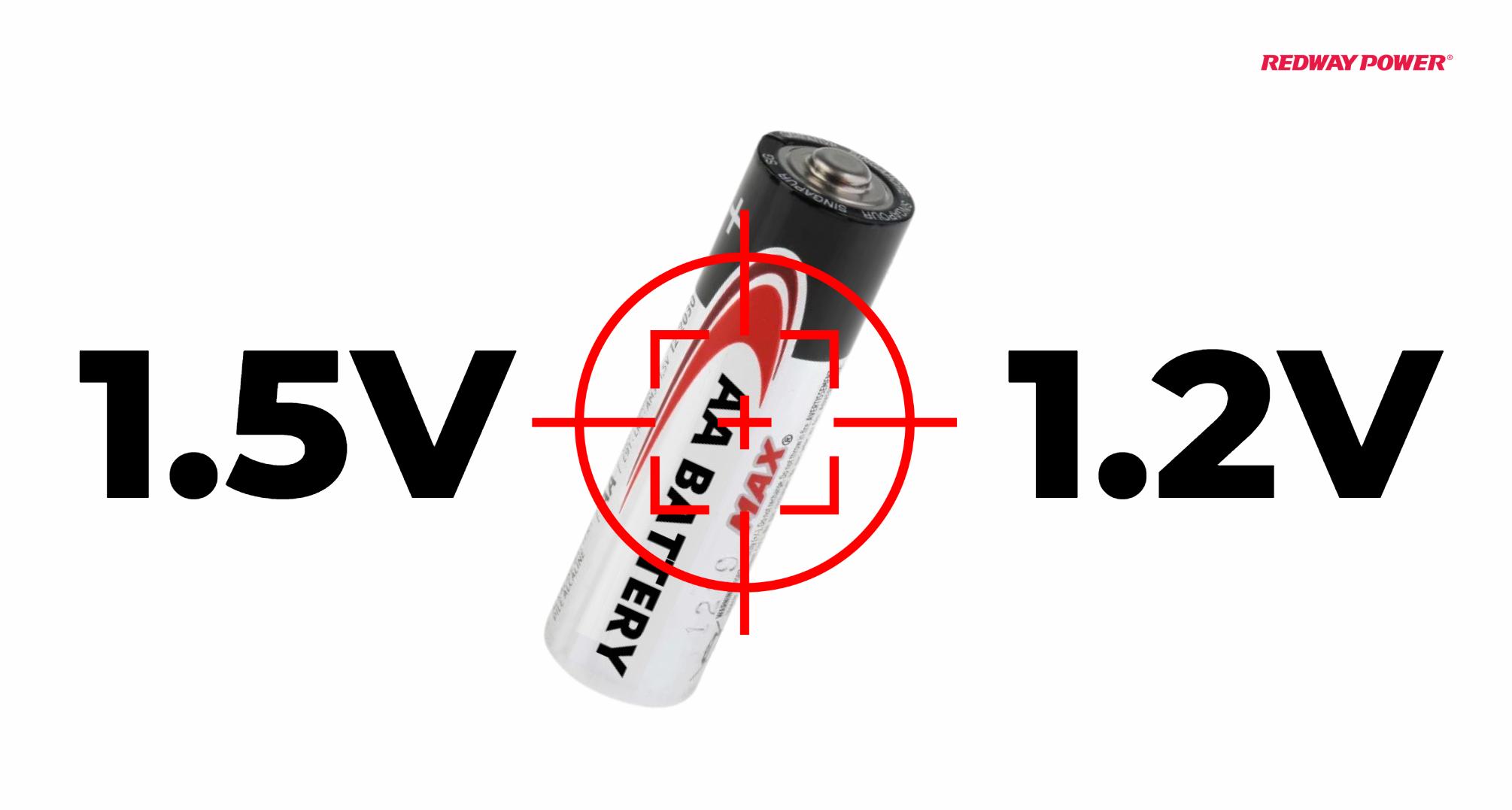
Understanding the Difference Between 1.5V and 1.2V Batteries

What Is the Difference Between 1.5V and 1.2V Batteries?

he primary difference between 1.5V and 1.2V batteries lies in their nominal voltage, chemistry type, rechargeability, and performance characteristics. 1.5V batteries, usually alkaline or lithium, provide higher initial voltage and longer shelf life but are mostly disposable. In contrast, 1.2V batteries, generally NiMH rechargeable cells, offer lower voltage but allow multiple recharge cycles, making them cost-effective and environmentally friendly for high-drain devices.

What Is a 1.5V Battery and How Does It Work?

A 1.5V battery typically refers to non-rechargeable alkaline or lithium chemistry cells designed to provide a steady 1.5 volts nominal output. These batteries deliver a higher initial voltage which declines gradually during use. They are suited for low-drain or intermittent-use devices like remote controls, clocks, and smoke detectors due to their long shelf life and high reliability.

The energy comes from chemical reactions within the battery that generate a current until the reactants deplete, at which point the battery is discarded.

What Is a 1.2V Battery and What Are Its Characteristics?

A 1.2V battery is usually a rechargeable NiMH (Nickel-Metal Hydride) or NiCd (Nickel-Cadmium) cell that provides a nominal voltage of about 1.2 volts. Unlike 1.5V batteries, 1.2V batteries maintain a relatively flat voltage output throughout discharge and can be recharged hundreds of times. They are ideal for high-drain electronics like digital cameras, cordless phones, and power tools, balancing reduced voltage with sustainability and cost savings.

These batteries utilize reversible chemical reactions allowing reuse after recharging, though they have higher self-discharge rates.

How Do Voltage Differences Affect Device Performance?

The 0.3-volt difference between 1.5V and 1.2V batteries can impact devices sensitive to voltage levels. Some older or precision electronics require the higher 1.5V to operate correctly, as the lower nominal voltage of 1.2V batteries may cause reduced brightness, slower motor speeds, or failure to start.

However, many modern devices are designed to tolerate the 1.2V rechargeable cells, often compensating with internal voltage regulation. Devices with peak power demands or strict voltage requirements should use 1.5V batteries to ensure optimal performance.

Which Battery Types Are Rechargeable and How Does This Affect Cost and Sustainability?

1.2V batteries are predominantly rechargeable, significantly reducing the cost per use and environmental waste compared to disposable 1.5V alkaline or lithium batteries. The ability to recharge 1.2V NiMH batteries multiple times—often 500 to 1000 cycles—makes them better suited for frequent-use devices, lowering long-term expenses and ecological impact.

In contrast, 1.5V batteries are mostly single-use, generating more waste and recurring purchase costs, though their longer shelf life is advantageous for backup scenarios.

Why Do 1.5V Batteries Have a Longer Shelf Life Than 1.2V Batteries?

1.5V alkaline or lithium batteries have lower self-discharge rates, often retaining charge up to 5-10 years when stored properly, making them ideal for emergency devices and infrequent use. Rechargeable 1.2V batteries have higher self-discharge rates, meaning they lose charge faster when unused, requiring more frequent charging before use.

This difference is due to the chemistry nature—alkaline and lithium primaries have stable chemical reactions at rest, while rechargeable chemistries have ongoing internal activity that consumes charge.

How Does Battery Chemistry Influence Voltage and Performance Differences?

  • 1.5V batteries are usually alkaline (zinc-manganese dioxide) or lithium-based (lithium iron disulfide), providing higher voltage and energy density, suitable for steady and intermittent power delivery.

  • 1.2V batteries are typically NiMH or NiCd rechargeable cells, designed for repeated charge cycles with stable output but slightly lower voltage.

LiFePO4 batteries used by companies like Redway Battery represent advanced lithium chemistry with consistent voltage output around 3.2V per cell, distinct but related to these standard 1.2V and 1.5V cells, offering balanced performance and safety in industrial applications.

Can 1.2V Batteries Replace 1.5V Batteries in All Devices?

No, while many modern devices are compatible with 1.2V NiMH batteries, some electronics depend on the higher initial voltage of 1.5V batteries. Using a 1.2V cell in a device specifically designed for 1.5V batteries may cause power or performance issues such as dimmer light or slower motor operation.

Before substitution, check device manufacturer recommendations or test device performance carefully.

How Does Battery Discharge Curve Affect Practical Use?

1.5V alkaline batteries start at a higher voltage but experience a steady voltage drop during use, affecting device brightness or speed over time. Conversely, 1.2V NiMH batteries maintain a flatter voltage throughout discharge, providing more consistent performance until nearly fully depleted.

This makes NiMH and similar rechargeable batteries preferable for applications demanding steady power output.

What Are the Environmental Impacts of Using 1.2V Rechargeable Versus 1.5V Disposable Batteries?

1.2V rechargeable batteries reduce landfill waste and resource consumption dramatically by replacing hundreds of single-use 1.5V batteries. Rechargeables, like NiMH cells, contribute less to pollution and have a smaller carbon footprint over their life cycle.

Redway Battery emphasizes rechargeable lithium-ion or LiFePO4 solutions to further minimize waste while providing long-lasting, safe energy storage options for various applications.

Redway Expert Views

“Choosing between 1.5V and 1.2V batteries is a balance between performance and sustainability,” says a senior engineer at Redway Battery. “While 1.5V alkaline batteries provide impressive initial voltage and shelf life suited for backup and low-drain devices, 1.2V rechargeable NiMH batteries are economically and environmentally superior for frequent use. Our focus on advanced lithium chemistry, particularly LiFePO4, offers consistent voltage, safety, and longevity, bridging user needs for industrial, recreational, and consumer electronics.”

Summary: Key Takeaways and Actionable Advice

  • 1.5V batteries provide higher voltage and longer shelf life but are mostly single-use alkaline or lithium types.

  • 1.2V batteries are typically rechargeable NiMH cells delivering stable voltage suited for frequent-use, high-drain devices.

  • Device compatibility depends on voltage tolerance; some require the higher 1.5V for proper function.

  • Rechargeables reduce environmental waste and long-term cost but need regular charging due to faster self-discharge.

  • Chemistry impacts voltage profile, performance consistency, and safety—important factors for choosing the right battery type.

  • Redway Battery’s advanced lithium solutions offer enhanced performance for users seeking safe, reliable power beyond traditional batteries.

FAQs

1. Can I use 1.2V batteries instead of 1.5V in my remote control?
Often yes, but check device specs; some electronics may perform poorly or not work properly with the lower voltage.

2. Why do 1.5V batteries have a longer shelf life than 1.2V rechargeables?
1.5V alkaline and lithium batteries have lower self-discharge rates, preserving charge longer in storage.

3. Which battery is more eco-friendly, 1.2V or 1.5V?
1.2V rechargeable batteries are more eco-friendly due to multiple reuse cycles and reduced waste.

4. How does voltage difference affect battery-powered motor speed?
Lower voltage from 1.2V batteries can result in slower motor speeds compared to 1.5V batteries.

5. What battery chemistry does Redway Battery specialize in?
Redway Battery focuses on LiFePO4 lithium batteries known for safety, long life, and consistent voltage in industrial and recreational use.

How Does Battery Voltage Work?

Battery voltage represents the electrical potential difference between two terminals. It determines how much energy a battery can deliver to a circuit. Higher voltage typically means more power available for devices, but it’s essential to match voltage requirements with device specifications for safe operation.

Battery voltage, a fundamental concept in the realm of electrical engineering and electronics, serves as the cornerstone for understanding how batteries operate. Voltage refers to the difference in electrical potential between two points, which, in the context of a battery, are the positive and negative terminals. This difference in electrical potential is what drives the flow of electrons through a circuit, enabling the battery to power various devices. In this comprehensive article, we delve into the intricacies of battery voltage, exploring its mechanisms, significance, and applications.

Understanding Electrical Potential

At its core, electrical potential, often termed as electromotive force (EMF), is the potential energy per unit charge. It is the driving force that propels electrons from one terminal to another. In a battery, the chemical reactions within its cells generate this potential difference. The greater the disparity in charge between the positive and negative terminals, the higher the voltage of the battery.

Chemical Reactions and Voltage Generation

Batteries are composed of one or more electrochemical cells. Each cell consists of three primary components: an anode (negative terminal), a cathode (positive terminal), and an electrolyte. The chemical reactions occurring within the electrolyte cause a buildup of electrons at the anode, creating a negative charge, while a deficiency of electrons at the cathode results in a positive charge. This separation of charge establishes an electrical potential difference between the two terminals.

For instance, in a zinc-carbon battery, the anode is typically made of zinc, and the cathode is made of manganese dioxide. The electrolyte, usually a paste of ammonium chloride, facilitates the transfer of ions. When the circuit is closed, electrons flow from the anode to the cathode, generating an electric current.

Measuring Battery Voltage

The voltage of a battery is typically measured in volts (V). Standard household batteries, such as AA, AAA, C, and D, commonly have a voltage of 1.5V. However, the voltage can vary significantly depending on the type and size of the battery. For instance, a car battery usually has a voltage of 12V, while lithium-ion batteries used in laptops and smartphones can range from 3.7V to 4.2V.

Open-Circuit Voltage vs. Loaded Voltage

Open-circuit voltage (OCV) refers to the voltage of a battery when it is not connected to any load (i.e., no current is flowing). This measurement gives an indication of the battery’s potential energy. On the other hand, loaded voltage is the voltage when the battery is supplying power to a device. Due to internal resistance and other factors, the loaded voltage is usually lower than the OCV.

Factors Influencing Battery Voltage

Several factors can affect the voltage of a battery, including:

  • Temperature: Extreme temperatures can alter the chemical reactions within a battery, thus impacting its voltage. Typically, high temperatures increase the reaction rates, potentially increasing the voltage, whereas low temperatures slow down the reactions, reducing the voltage.
  • State of Charge (SoC): The voltage of a battery decreases as it discharges. Monitoring the SoC is crucial for ensuring the battery operates within its optimal voltage range.
  • Internal Resistance: As batteries age, their internal resistance increases, leading to a drop in voltage under load.

Applications of Battery Voltage

The significance of battery voltage extends across various applications, from simple household gadgets to complex industrial machinery.

Consumer Electronics

Devices such as smartphones, laptops, and remote controls rely on batteries with specific voltage ratings to function efficiently. Understanding the voltage requirements is essential for ensuring compatibility and optimal performance.

Automotive Industry

In vehicles, batteries are crucial for starting engines and powering electrical systems. The standard car battery operates at 12V, but electric vehicles (EVs) utilize high-voltage batteries, often exceeding 400V, to drive electric motors and provide substantial range and power.

Renewable Energy Systems

In renewable energy systems, batteries store energy generated from sources like solar panels and wind turbines. The voltage of these batteries must align with the system’s requirements to ensure efficient energy storage and retrieval.

Battery Voltage in Series and Parallel Configurations

Batteries can be connected in series or parallel to achieve desired voltage and capacity.

Series Configuration

When batteries are connected in series, their voltages add up while the capacity remains the same. For example, connecting two 1.5V AA batteries in series results in a total voltage of 3V. This configuration is beneficial when higher voltage is required.

Parallel Configuration

In parallel configuration, the voltages remain the same, but the capacities add up. For instance, connecting two 1.5V AA batteries in parallel results in a combined capacity while maintaining a voltage of 1.5V. This setup is useful when longer battery life is needed without increasing the voltage.

Maintaining Optimal Battery Voltage

Proper maintenance is key to ensuring batteries operate at their optimal voltage. Here are some tips for maintaining battery health:

  • Regular Charging and Discharging: Avoid letting batteries discharge completely or overcharge, as this can diminish their lifespan and reduce voltage efficiency.
  • Temperature Management: Store and use batteries within recommended temperature ranges to prevent adverse effects on voltage.
  • Periodic Testing: Regularly test battery voltage to monitor their condition and replace them when they no longer hold adequate charge.

Conclusion

Battery voltage is a critical parameter that dictates the functionality and efficiency of numerous devices and systems. Understanding how voltage works, the factors that influence it, and the ways to manage it effectively can lead to better performance and longer battery life. From consumer electronics to automotive and renewable energy applications, the principles of battery voltage remain fundamental to the seamless operation of modern technology.

At What Voltage Should an AAA Battery Be Replaced?

AAA batteries are ubiquitous in our daily lives, powering everything from remote controls to children’s toys. Knowing the right time to replace these batteries is essential for optimal performance and efficiency. In this article, we delve into the specifics of when to replace an AAA battery based on its voltage reading and other crucial factors.

An AAA battery should generally be replaced when its voltage drops below 1.2V for rechargeable types or below 1.3V for alkaline types. Many devices will show reduced performance when the battery voltage falls below these thresholds.

Understanding AAA Battery Voltage

AAA batteries, whether alkaline or rechargeable, operate at different voltages depending on their type and condition. A fresh AAA alkaline battery typically starts at about 1.5 volts, whereas a rechargeable AAA battery (such as NiMH) begins at about 1.2 volts. Over time, the voltage decreases as the battery discharges.

Optimal Voltage for Alkaline AAA Batteries

For alkaline AAA batteries, the voltage level is a clear indicator of remaining capacity. When you notice the voltage reading on the voltmeter, the following guidelines apply:

  • 1.5V to 1.3V: The battery is in good condition and has substantial charge left.
  • 1.3V to 1.0V: The battery is partially discharged. It is still usable but may not perform as well in high-drain devices.
  • Below 1.0V: The battery is nearing the end of its life and should be replaced soon.

Key Voltage Threshold

A crucial point to remember is that if the voltage reading is more than 1.3V, the battery still has a considerable amount of power left. Do not discard the battery prematurely. Conversely, if the voltage is 1.3V or below, it is time to consider replacement to ensure optimal performance in your devices.

Proper Disposal of AAA Batteries

Proper disposal of batteries is essential to prevent environmental contamination and potential hazards. Alkaline batteries can be disposed of with regular household waste in some regions, but it is advisable to check local regulations. Many areas offer battery recycling programs, which are a safer and more environmentally friendly option.

Why Proper Disposal Matters

Improper disposal of batteries can lead to the release of harmful chemicals into the environment. This can contaminate soil and water sources, posing risks to wildlife and human health. Recycling batteries helps recover valuable materials and reduces the need for raw material extraction.

Extending the Life of Your AAA Batteries

To maximize the lifespan of your AAA batteries, consider the following tips:

  • Store Batteries Properly: Keep batteries in a cool, dry place. Extreme temperatures can reduce battery life.
  • Avoid Mixing Old and New Batteries: Mixing can cause leakage and reduce the performance of new batteries.
  • Use the Right Battery Type: Ensure you use batteries that are appropriate for your device’s power requirements.

Testing Your AAA Batteries

Regular testing can help you keep track of your batteries’ health and avoid unexpected power failures. Here’s how to test your AAA batteries effectively:

Using a Voltmeter

  1. Set Up the Voltmeter: Ensure the voltmeter is set to measure DC voltage.
  2. Connect the Probes: Place the red probe on the positive terminal and the black probe on the negative terminal of the battery.
  3. Read the Voltage: Observe the voltage reading on the voltmeter.

Interpreting the Results

  • More than 1.3V: The battery is still good.
  • 1.3V or less: Consider replacing the battery.

When to Replace Rechargeable AAA Batteries

Rechargeable AAA batteries, such as NiMH, operate differently from alkaline batteries. They typically start at a lower voltage (around 1.2V) and can be recharged many times. However, they also lose capacity over time and with repeated use.

Voltage and Performance in Rechargeables

  • 1.2V to 1.0V: The battery is in good condition and performs well.
  • Below 1.0V: The battery is significantly discharged and should be recharged.

Signs of End-of-Life for Rechargeables

  • Inability to Hold Charge: If the battery quickly loses charge after recharging, it might be time to replace it.
  • Physical Damage: Any signs of leakage, swelling, or corrosion indicate the battery should be disposed of immediately.

Environmental Considerations and Battery Recycling

Given the environmental impact of batteries, recycling is the best disposal method. Many stores and recycling centers offer battery collection services. Additionally, some manufacturers provide take-back programs for their rechargeable batteries.

Benefits of Recycling

  • Resource Recovery: Valuable metals like zinc, manganese, and steel can be recovered and reused.
  • Environmental Protection: Prevents harmful chemicals from polluting the environment.
  • Energy Savings: Recycling uses less energy compared to producing new batteries from raw materials.

Conclusion

Understanding the appropriate voltage for replacing AAA batteries is crucial for maintaining the efficiency and longevity of your devices. For alkaline batteries, replacing them when the voltage drops below 1.3V ensures optimal performance. Proper disposal and recycling of batteries not only comply with environmental guidelines but also contribute to resource conservation and pollution reduction. By following these guidelines, you can make informed decisions about battery replacement and disposal, ultimately leading to better device performance and environmental stewardship.

Are Lithium Batteries Better Than Alkaline Batteries? How to Choose Batteries

Lithium batteries generally outperform alkaline batteries in terms of longevity, shelf life, and performance under high-drain conditions. When choosing between them, consider the device’s requirements: lithium is ideal for high-drain devices while alkaline is suitable for low-drain applications.

When it comes to selecting batteries for our devices, understanding the differences between lithium and alkaline batteries is essential. Both types of batteries have their unique advantages, making them suitable for different applications. In this comprehensive guide, we will delve into the specifics of lithium and alkaline batteries, comparing their performance, longevity, cost-effectiveness, and environmental impact to help you make an informed decision.

Energy Density and Performance

Lithium Batteries: Lithium batteries are renowned for their exceptional energy density. Lithium, being an exceptionally light metal, enables these batteries to store more energy compared to alkaline batteries or any single-use battery of a comparable size. This high energy density means that lithium batteries can power devices for longer periods without needing replacement. Furthermore, lithium batteries deliver a steady voltage output throughout their lifespan, ensuring consistent performance.

Alkaline Batteries: Alkaline batteries, while not as energy-dense as lithium batteries, still provide a reliable power source for many devices. They typically have a nominal voltage of 1.5 volts, which decreases gradually as the battery discharges. This gradual decline in voltage can affect the performance of some devices, especially those requiring a stable power supply.

Temperature Tolerance

Lithium Batteries: One of the most significant advantages of lithium batteries is their ability to perform exceptionally well in extreme temperatures. Whether in scorching heat or freezing cold, lithium batteries maintain their efficiency and longevity. This makes them ideal for outdoor applications, such as in GPS devices, cameras, and other portable electronics used in challenging environments.

Alkaline Batteries: Alkaline batteries, on the other hand, have a more limited temperature tolerance. Extreme cold can significantly reduce their performance, causing them to drain faster. In high temperatures, alkaline batteries may leak, potentially damaging the device they power. Therefore, alkaline batteries are better suited for indoor use or in conditions with moderate temperatures.

Longevity and Shelf Life

Lithium Batteries: When it comes to longevity, lithium batteries often outshine their alkaline counterparts. Lithium batteries have a low self-discharge rate, meaning they can retain their charge for extended periods when not in use. This makes them perfect for devices that are used intermittently or stored for long periods, such as emergency flashlights and backup power supplies.

Alkaline Batteries: Alkaline batteries generally have a shorter lifespan compared to lithium batteries. They also exhibit a higher self-discharge rate, meaning they lose charge faster when not in use. However, for devices that require a steady and immediate power source, such as remote controls and clocks, alkaline batteries are a cost-effective option.

Cost-Effectiveness

Lithium Batteries: Although lithium batteries are often more expensive upfront, their longer lifespan and superior performance can make them more cost-effective in the long run. The reduced need for frequent replacements and the ability to function efficiently in extreme conditions contribute to their overall value.

Alkaline Batteries: Alkaline batteries are generally more affordable initially, making them a popular choice for many household devices. However, their shorter lifespan means they need to be replaced more frequently, which can add up over time. For high-drain devices, the frequent need for replacements can offset the initial cost savings.

Environmental Impact

Lithium Batteries: The environmental impact of lithium batteries is a consideration worth noting. While they are more efficient and have a longer lifespan, the production and disposal of lithium batteries pose environmental challenges. The extraction of lithium is resource-intensive, and improper disposal can lead to environmental contamination. However, the longer lifespan means fewer batteries are used over time, which can mitigate some of the environmental impact.

Alkaline Batteries: Alkaline batteries are more environmentally friendly in terms of disposal, as they do not contain heavy metals like cadmium or lead. Many alkaline batteries are now manufactured with reduced mercury content, making them less hazardous. However, the frequent need for replacements increases the volume of waste, posing a different kind of environmental challenge.

Choosing the Right Battery for Your Needs

High-Drain Devices

For high-drain devices such as digital cameras, GPS units, and high-powered flashlights, lithium batteries are the superior choice. Their ability to deliver consistent power and perform well in extreme temperatures ensures your devices operate reliably when you need them the most.

Low-Drain Devices

For low-drain devices like remote controls, wall clocks, and simple toys, alkaline batteries provide a cost-effective solution. These devices do not require the high energy density that lithium batteries offer, making alkaline batteries a practical and economical option.

Intermittent Use and Storage

For devices that are used intermittently or stored for long periods, such as emergency flashlights and backup power supplies, lithium batteries are ideal due to their long shelf life and low self-discharge rate. This ensures that the devices will be ready for use even after extended periods of inactivity.

Conclusion

In conclusion, both lithium and alkaline batteries have their unique advantages and are suited to different applications. Lithium batteries excel in high-drain devices, extreme temperatures, and situations requiring long-term storage, offering superior performance and longevity. Alkaline batteries, on the other hand, provide a reliable and cost-effective power source for low-drain devices and everyday household items.

When choosing between lithium and alkaline batteries, consider the specific requirements of your devices, the environmental conditions, and your budget. By understanding the strengths and limitations of each type of battery, you can make an informed decision that ensures optimal performance and value.

FAQs

Do lithium batteries last longer than alkaline batteries?

Yes, lithium batteries have a longer lifespan compared to alkaline batteries. With proper care, lithium batteries can last for 15-20 years or even up to 25 years. In contrast, alkaline batteries typically have a shorter lifespan of a few years to around 5-8 years. The longevity of both battery types also depends on factors such as usage patterns and storage conditions. Overall, lithium batteries outlast alkaline batteries in terms of longevity.

What are the advantages of lithium-ion batteries over alkaline batteries?

Lithium-ion batteries offer several advantages over alkaline batteries. They have a higher energy density, allowing them to store more energy in a smaller and lighter package. Lithium-ion batteries are also rechargeable, making them a cost-effective and sustainable option. Their lightweight design and durability make them suitable for portable devices. Overall, the advantages of lithium-ion batteries include high energy density, rechargeability, lightweight design, and durability.

Is Lithium Battery better than normal battery?

Yes, lithium batteries, specifically lithium-ion batteries, offer several advantages over normal batteries. They have a higher energy density, allowing them to store more energy in a smaller and lighter package. Lithium-ion batteries are also rechargeable, making them a more cost-effective and sustainable option. With a longer lifespan and lightweight design, lithium-ion batteries are well-suited for portable devices and applications where weight and size are important factors.

Are lithium or alkaline rechargeable batteries better?

Both lithium and alkaline batteries have their advantages. Lithium batteries have a longer lifespan, higher voltage, lightweight design, and higher energy density. They are well-suited for high-functioning electronics and portable devices. On the other hand, alkaline batteries are more affordable and widely available, making them suitable for low-energy consumer electronic devices. The choice between lithium and alkaline rechargeable batteries depends on the specific requirements of your devices and your budget.

Search products

Need a Quick Quote on Wholesale Prices? Contact Redway Battery Now.

X
Product has been added to your cart


Shenzhen Redway Power, Inc

Tel: +86 189 7608 1534
Tel: +86 (755) 2801 0506
E-mail: contact@redwaybattery.com
Website: www.redway-tech.com
Youtube: @RedwayPower
TikTok: @redwaybattery

Get a Quick Quote

Hot OEM

Forklift Lithium Battery
Golf Cart Lithium Battery
RV Lithium Battery
Rack-mounted Lithium Battery

Hot Batteries

24V 150Ah Forklift Lithium Battery
24V 200Ah Forklift Lithium Battery
48V 400Ah Forklift Lithium Battery
48V 600Ah Forklift Lithium Battery
80V 400Ah Forklift Lithium Battery
36V 100Ah Golf Cart Lithium Battery
48V 100Ah Golf Cart Lithium Battery
51.2V 50Ah 3U Rack-mounted Lithium Battery
51.2V 100Ah 3U Rack-mounted Lithium Battery
12V 100Ah RV LiFePO4 Lithium Battery (Self-heating)

Hot Blog

Golf Carts
Server Rack Battery
Knowledge