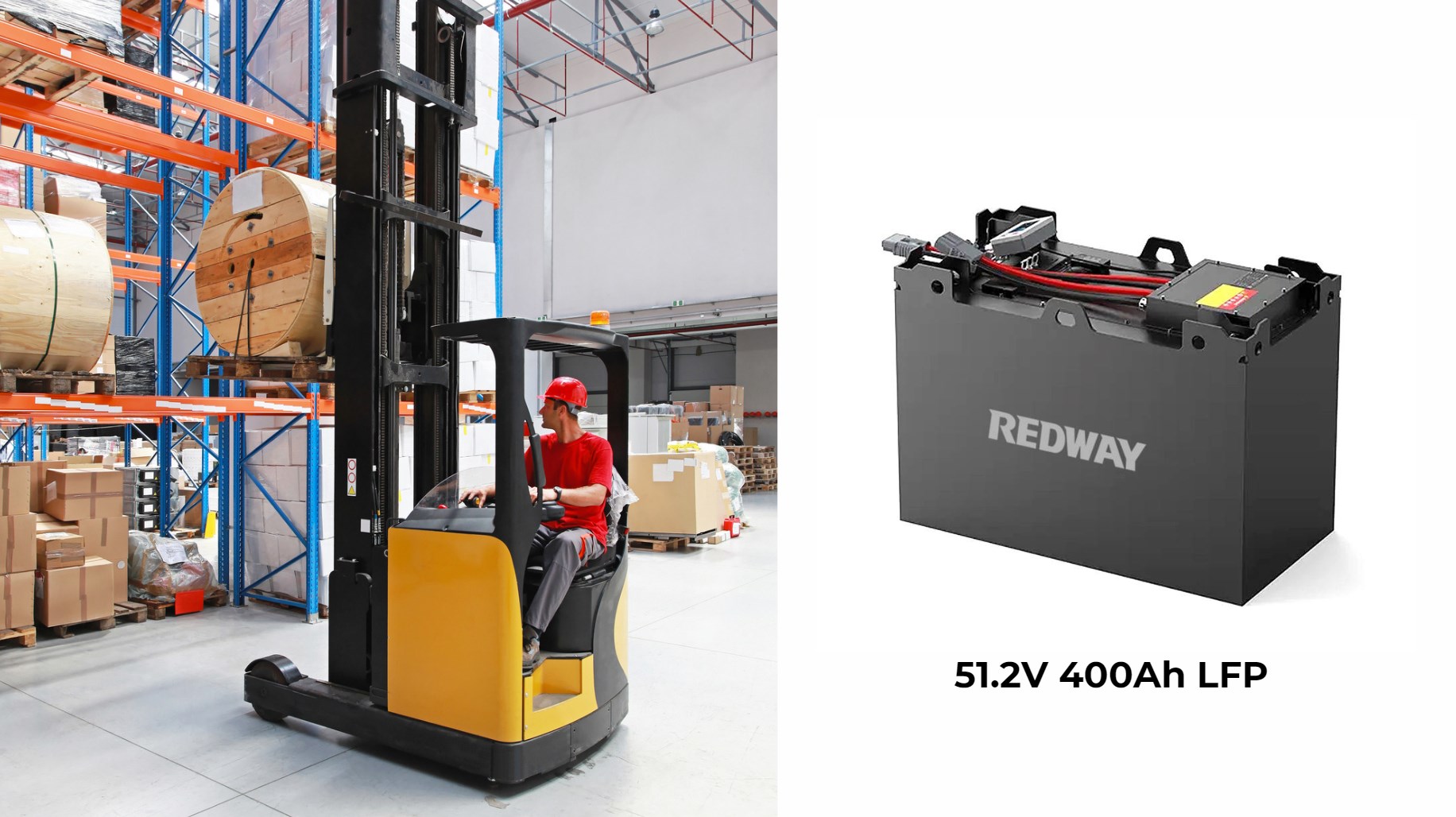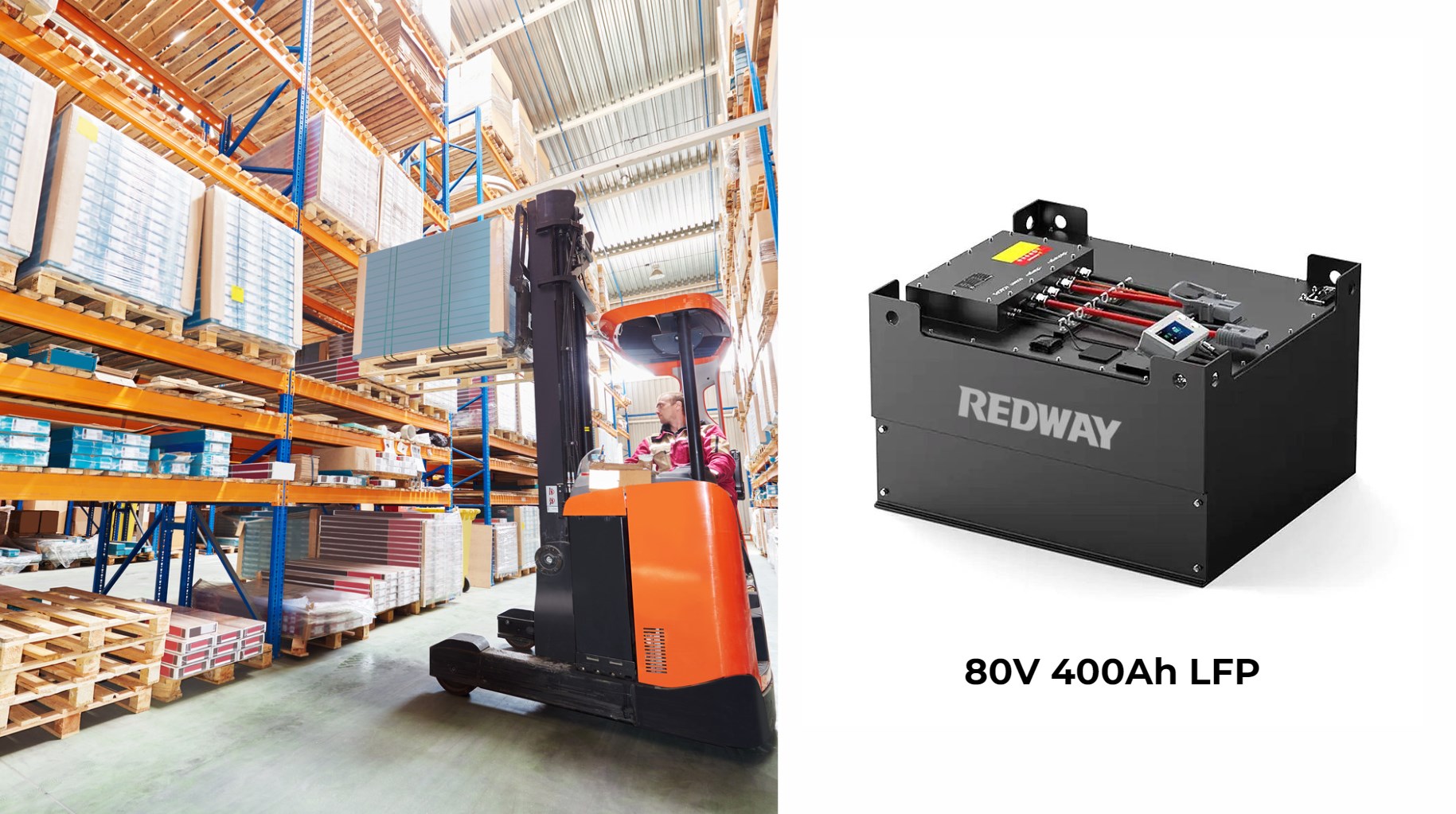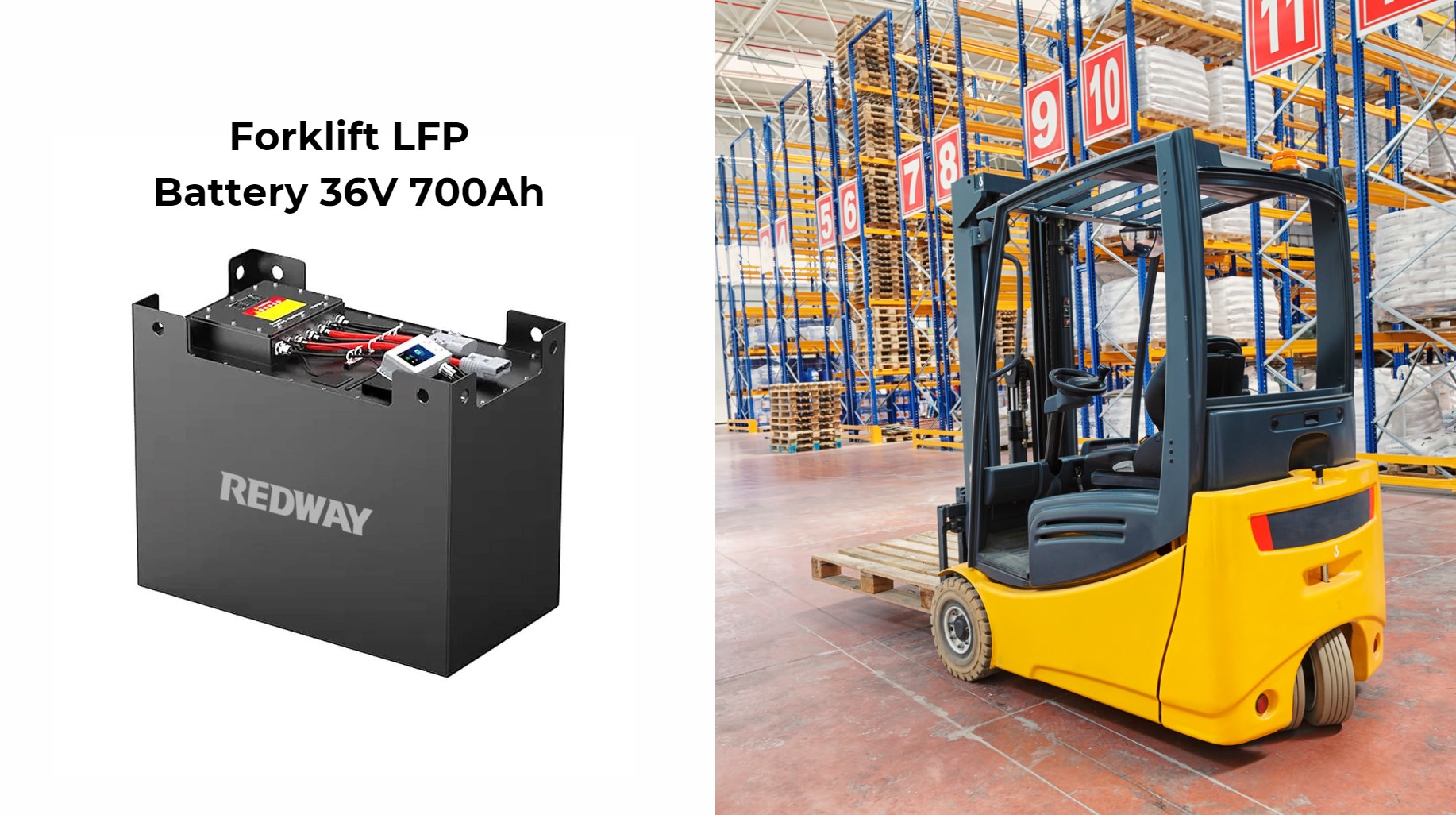
Can LiFePO4 Forklift Batteries Be Used in Cold Environments?

Can LiFePO4 Forklift Batteries Be Used in Cold Environments?

LiFePO4 forklift batteries can operate in cold environments but require specific adaptations like integrated heaters and controlled charging to prevent damage. While they outperform lead-acid batteries in cold, performance drops as temperatures fall below 0°C, mandating reduced charge rates and specialized equipment to maintain efficiency and battery health.

How Do LiFePO4 Forklift Batteries Perform in Cold Environments?

Cold temperatures slow the electrochemical reactions in LiFePO4 batteries, causing capacity loss and reduced discharge rates, though overall performance remains better than lead-acid under similar conditions.

How Should Charging Be Adjusted to Protect Batteries Below 0°C?

Charging current must be limited—reduced to 0.1C below freezing and as low as 0.05C below -10°C—to avoid detrimental effects like lithium plating, which can permanently damage cells.

What Safety Features Are Essential for Cold Temperature Battery Use?

Integrated thermal insulation and charge-activated heating systems prevent freezing damage. IP67-rated enclosures protect against dust and water ingress, vital in cold and damp environments.

How Do Integrated Heaters and Thermal Insulation Improve Performance?

Heaters actively warm the battery before and during charging, maintaining optimal chemistry operation. Insulation minimizes temperature fluctuation, stabilizing performance and extending battery life.

What Equipment Is Needed for Operating Lithium Batteries in Cold Storage?

Specialized forklifts with condensation protection, compatible chargers supporting reduced charge rates, and proper ventilation systems optimize battery function and safety in cold warehouses.

How Does Cold Weather Affect the Lifespan and Charging Efficiency?

Frequent operation in cold without proper thermal management shortens battery lifespan by accelerating cell degradation. Charging efficiency is lowered, increasing charge times unless mitigated by heaters.

What Are Best Practices for Maintaining LiFePO4 Batteries in Cold?

Use heaters, monitor charging rates, avoid deep discharges, store batteries at recommended temperatures, and routinely inspect battery health to maintain longevity and reliability.

How Does an IP67 Rating Protect Lithium Batteries in Harsh Conditions?

IP67 ensures dust-tight protection and resistance to water immersion, preventing environmental damage common in cold, wet warehouse atmospheres.

How Do Warranty and Service Agreements Address Cold Usage?

Manufacturers increasingly cover cold-related performance issues when proper usage guidelines are followed, underscoring the importance of adherence to operational protocols.

What Environmental Benefits Do Lithium Batteries Offer in Cold Applications?

Their long life reduces waste, and stable lithium chemistry reduces hazardous materials exposure, supporting greener warehousing solutions even in low temperatures.

How Can Advanced Battery Management Systems Support Cold Operation?

Battery management systems monitor temperature, voltage, and charge states, adjusting charging and discharging to prevent cold damage and optimize battery performance.

Chart: Charge Rate Recommendations for LiFePO4 Batteries in Cold

Temperature Range Recommended Charge Rate
Above 0°C 1.0C (normal rate)
0°C to -10°C 0.1C (reduced rate)
Below -10°C 0.05C (minimal rate)

Chart: LiFePO4 vs Lead-Acid Battery Performance in Cold

Feature LiFePO4 Batteries Lead-Acid Batteries
Operational Temperature Operates to -40°C (with heaters) Performance declines sharply below 0°C
Maintenance Minimal Frequent watering required
Charging Time Faster, adjustable Slower
Weight Lighter Heavier
Safety Stable chemistry Risk of acid leaks

Redway Battery Expert Views

“Cold storage demands resilient and efficient power sources. LiFePO4 batteries, especially with integrated thermal management like those developed by Redway Battery, meet these challenges head-on by preserving performance and safety at sub-zero temperatures. Their adoption transforms cold environment logistics with reliability and sustainability.” – Senior Engineer, Redway Battery

Conclusion

LiFePO4 forklift batteries can be effectively used in cold environments with appropriate thermal management, reduced charging current, and compatible equipment. They outperform traditional batteries in durability, safety, and maintenance, especially when aided by heating systems and protective ratings like IP67. Redway Battery leads in delivering these advanced lithium solutions optimized for cold storage applications.

FAQs

Q: Can LiFePO4 batteries be charged below freezing?
A: Only with specialized heating systems and reduced charge rates to prevent damage.

Q: How much capacity is lost when using LiFePO4 batteries in cold?
A: Up to 50% capacity loss between -20°C and 0°C without thermal management.

Q: What battery features ensure safe cold operation?
A: Thermal insulation, charge-activated heaters, and IP67 protection.

Q: How often should cold-use LiFePO4 batteries be tested?
A: Regularly, especially when operating near or below freezing temperatures.
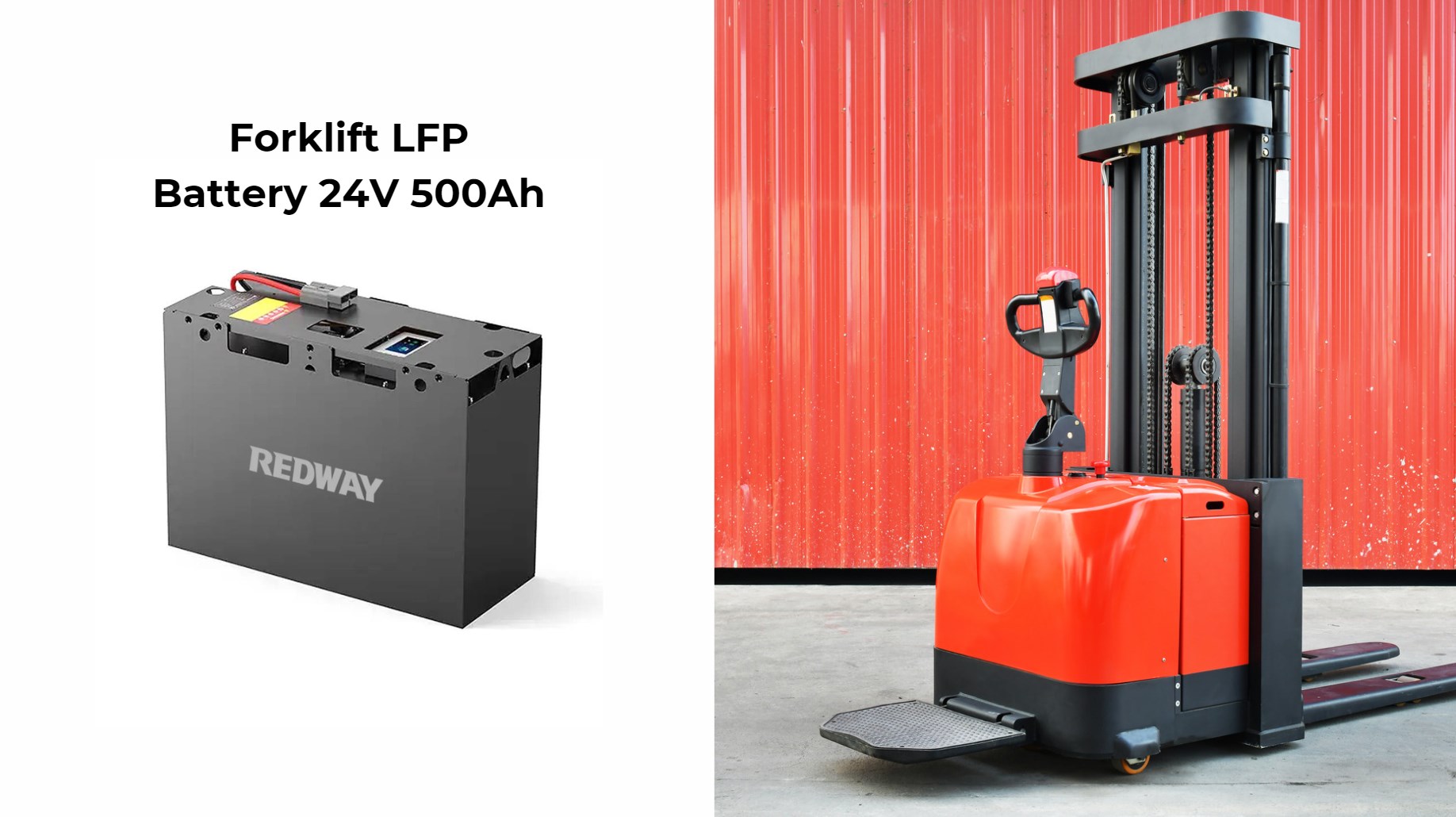
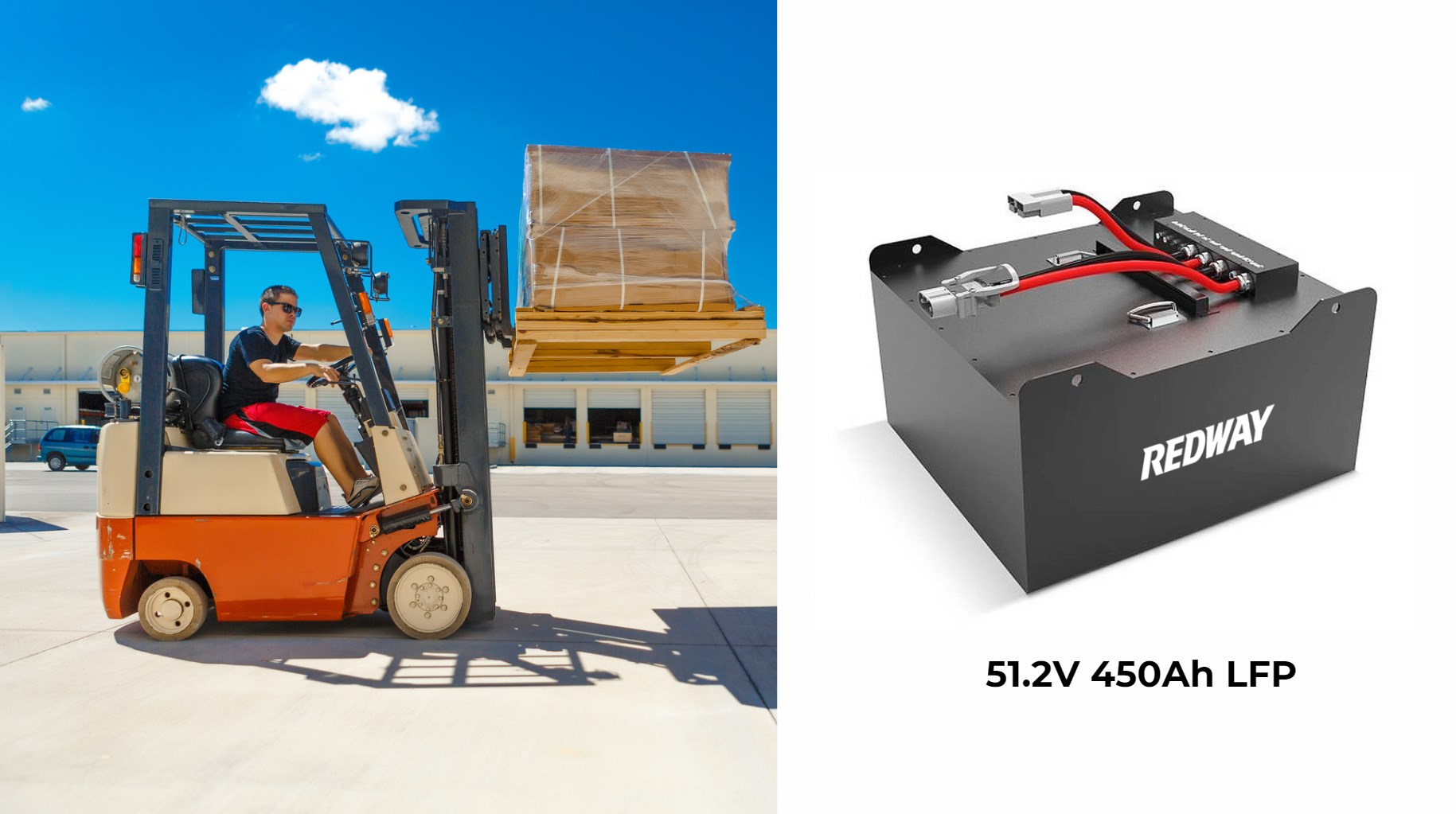
Are LiFePO4 Forklift Batteries Safe to Use?

Are LiFePO4 Forklift Batteries Safe to Use?

LiFePO4 (Lithium Iron Phosphate) forklift batteries are widely recognized as safe due to their inherently stable chemistry, making them resistant to thermal runaway and overheating compared to other lithium-ion batteries. Integrated Battery Management Systems (BMS) protect against overcharging, over-discharging, and short circuits. Unlike lead-acid batteries, LiFePO4 batteries eliminate risks of acid spills and flammable hydrogen gas emissions. Following manufacturer guidelines, proper charging, and maintenance ensures their optimal and safe performance.

How Does the Inherent Stability of LiFePO4 Chemistry Enhance Safety?

The lithium iron phosphate chemistry is highly stable and incombustible, which significantly reduces the chances of fire or explosion even under physical abuse or faulty conditions, making LiFePO4 one of the safest lithium battery types.

What Is the Role of Battery Management Systems in Safety?

BMS units are built into LiFePO4 batteries to monitor cell voltages, temperature, and current, ensuring overcharging, deep discharge, and short-circuit conditions are prevented, thereby greatly reducing the risk of battery failure or accidents.

How Does Temperature Control Improve Battery Safety?

Thermal management systems including sensors and cooling mechanisms maintain batteries within safe operating limits, mitigating overheating and prolonging battery life while minimizing the risk of thermal events.

Why Are LiFePO4 Batteries Safer Than Lead-Acid Batteries?

LiFePO4 batteries are sealed units without corrosive sulfuric acid, eliminating acid leak risks and hazardous chemical burns. They also do not release explosive hydrogen gas during charging, unlike lead-acid batteries.

Which Safety Certifications Do Quality LiFePO4 Batteries Hold?

They often comply with strict safety standards such as UL 2580 and IEC 62619, reflecting rigorous testing for fire resistance, electrical safety, and environmental compliance.

What Best Practices Ensure Safe Operation of LiFePO4 Forklift Batteries?

Use chargers approved by the battery manufacturer, maintain charging in well-ventilated and clear areas, perform regular inspection and cleaning, adhere to recommended storage and mounting procedures, and immediately address any damage or irregularities.

Safety Features of LiFePO4 Forklift Batteries

Safety Aspect Description Importance
Inherent Stability Chemistry prevents thermal runaway and combustion Minimizes fire and explosion hazards
Built-in BMS Prevents overcharge, deep discharge, short circuits Ensures safe battery operation
Temperature Management Cooling and sensors maintain safe temps Prevents overheating
Sealed Construction No acid or toxic leaks Eliminates chemical hazards
No Flammable Gases No hydrogen or toxic gases emitted Safer for enclosed environments
Safety Certifications UL 2580, IEC 62619 Confirms adherence to high safety standards
Approved Charger Use Compatible chargers prevent unsafe charging Preserves battery integrity

Redway Battery Expert Views

“LiFePO4 batteries offer exceptional safety advantages driven by their stable chemistry and sophisticated management systems. At Redway Battery, this technology is optimized to deliver superior performance and peace of mind, ensuring forklift operators benefit from both high efficiency and unmatched safety standards globally.” – Expert, Redway Battery

Conclusion

LiFePO4 forklift batteries are inherently safer than many alternatives due to their chemically stable iron phosphate cathode and integrated monitoring systems. They eliminate risks associated with acid leaks and flammable gas while boasting certifications that affirm rigorous safety compliance. Adhering to manufacturer usage guidelines and proper charging practices further enhances their safety and reliability in material handling operations.

FAQs

Are LiFePO4 batteries prone to fire or explosion?
No, their stable chemistry makes them resistant to such risks.

What protections does the Battery Management System offer?
It prevents unsafe charging/discharging and balances cells for safety.

Can LiFePO4 batteries leak toxic acid?
No, these batteries are sealed and do not leak acid.

Do these batteries emit dangerous gases?
They do not emit flammable hydrogen or other toxic gases.

What safety standards do these batteries meet?
They meet UL 2580, IEC 62619, and other rigorous safety certifications.

Understanding LiFePO4 Forklift Batteries

Understanding LiFePO4 Forklift Batteries

LiFePO4 (lithium iron phosphate) forklift batteries represent a safer, more efficient, and longer-lasting alternative to traditional lithium-ion batteries. Their stable chemical structure prevents thermal runaway, extending safety and reliability while offering rapid charging, maintenance-free operation, and extended cycle life—making them highly suitable for demanding forklift and material handling applications.

How Do LiFePO4 Batteries Enhance Safety in Forklift Operations?

LiFePO4 batteries feature a highly stable iron phosphate cathode, greatly reducing thermal runaway risk, fire, and explosion compared to cobalt-based lithium batteries, thus providing inherently safer energy storage.

Why Do LiFePO4 Batteries Have a Longer Lifespan?

They endure thousands of charge and discharge cycles with minimal capacity degradation—often lasting over 10 years—surpassing traditional lead-acid and standard lithium-ion batteries in durability.

How Does Efficient Charging Improve Operational Flexibility?

LiFePO4 batteries support fast charging at around 95% energy efficiency, enabling opportunity charging during short breaks and reducing forklift downtime while maintaining peak performance.

What Operational Benefits Do LiFePO4 Batteries Provide?

These batteries deliver stable, high power output, consistent performance, and are completely maintenance-free, eliminating watering and reducing operational complexity and costs.

How Are LiFePO4 Batteries More Sustainable?

The batteries are fully recyclable, contain no heavy metals or toxic materials, and due to their extended lifespan, they reduce environmental impact compared to traditional options.

How Do LiFePO4 Batteries Work Internally?

They function by shuttling lithium ions between the cathode (lithium iron phosphate) and the anode (graphite) via an electrolyte, generating electrical energy to power forklifts efficiently.

What Charging and Usage Practices Maximize LiFePO4 Battery Life?

Selecting a battery capacity matched to workload and employing practices such as “20-80%” charging—avoiding full discharges and maintaining charge within this range—help extend battery service life.

Why Is a Robust Battery Management System (BMS) Essential?

The BMS balances cell charge, monitors temperature, and prevents overcharging/overdischarging, ensuring safety, maximizing performance, and prolonging battery life.

LiFePO4 Forklift Battery Advantages Chart

Feature Description Benefit
High Safety Stable iron phosphate cathode preventing thermal runaway Reduced fire/explosion hazards
Long Lifespan Thousands of cycles, >10 years lifespan Lower replacement frequency
Efficient Charging Fast charging and 95% energy efficiency Less downtime, operational flexibility
High Power Output Consistent and stable performance Reliable forklift operation
Maintenance-Free No watering or corrosion concerns Reduced operational complexity
Environmental Sustainability Fully recyclable, non-toxic components Greener battery solution
Robust BMS Cell balancing and safety protections Extended battery life, safety

Redway Battery Expert Views

“LiFePO4 batteries, such as the advanced solutions we develop at Redway Battery, set a new industry benchmark for forklift power by combining unmatched safety, longevity, and performance with maintenance-free convenience. Integrating robust BMS and sustainable chemistry, these batteries empower fleet operators to achieve greater efficiency and lower total cost of ownership.” – Expert, Redway Battery

Conclusion

LiFePO4 forklift batteries deliver superior safety, longevity, and efficiency fueled by their stable chemistry and intelligent management systems. With fast charging, maintenance-free operation, and environmental responsibility, they represent the future standard in material handling power solutions. Proper capacity matching and charging practices enhance their already outstanding lifespan, making them an indispensable asset for modern forklift operations.

FAQs

What differentiates LiFePO4 batteries from traditional lithium-ion batteries?
LiFePO4 uses a more stable cathode chemistry that greatly reduces risk of thermal runaway and extends battery life.

How long do LiFePO4 forklift batteries last?
Typically over 10 years with thousands of cycles.

Can LiFePO4 batteries be opportunity charged?
Yes, they support fast, partial recharging during short breaks.

Why is a BMS critical for LiFePO4 batteries?
It ensures optimal performance, safety, and balances individual cell voltages.

Are LiFePO4 batteries environmentally friendly?
Yes, they are recyclable and contain no harmful heavy metals or toxins.

How Long Do LiFePO4 Forklift Batteries Last?

How Long Do LiFePO4 Forklift Batteries Last?

LiFePO4 forklift batteries typically last between 8 to 12 years or provide over 2,000 to 5,000 charge cycles, significantly surpassing traditional lead-acid batteries whose life spans usually range from 3 to 5 years. Their longevity is influenced by factors such as operating temperature, depth of discharge, maintenance quality, and the built-in Battery Management System (BMS) that protects and optimizes battery performance.

How Many Charge Cycles Can LiFePO4 Forklift Batteries Deliver?

LiFePO4 batteries offer an impressive cycle life, generally delivering 2,000 to over 5,000 full charge-discharge cycles, with some models rated up to 8,000 cycles, significantly higher than the 1,000 to 1,500 cycles typical of lead-acid batteries.

Why Is Depth of Discharge Important for Battery Lifespan?

Maintaining a battery’s state of charge between 20% and 80% rather than fully discharging greatly extends its lifespan. Partial charges reduce wear and preserve capacity, optimizing overall battery longevity.

How Does Operating Temperature Affect Battery Life?

LiFePO4 batteries perform best in moderate temperatures; exposure to extreme heat (above 25°C or 77°F) accelerates degradation, shortening their functional lifespan.

What Role Does Maintenance Play in Extending Battery Performance?

Proper maintenance, including regular charging schedules and system inspections, helps preserve battery health. Although LiFePO4 batteries require less upkeep than lead-acid types, routine checks remain vital.

How Does a Battery Management System (BMS) Contribute to Longevity?

An integrated BMS monitors battery cells, prevents overcharging and excessive discharge, balances cells, and manages temperature, significantly enhancing safety and extending operational life.

What Are the Signs That a LiFePO4 Forklift Battery Is Deteriorating?

Signs include reduced run time after full charges, frequent need for recharge, inability to hold charge, visible physical damage like swelling or leakage, and BMS warnings indicating cell degradation.

Why Do LiFePO4 Batteries Outperform Lead-Acid Batteries?

LiFePO4 batteries last longer, need no watering, support flexible charging strategies, and are more stable and safer, with little risks of overheating, making them a superior choice for forklift applications.

LiFePO4 vs. Lead-Acid Forklift Batteries: Lifespan Comparison

Battery Type Typical Lifespan Charge Cycles Maintenance Needs
LiFePO4 8–12 years 2000–5000+ cycles Low; mainly system checks
Lead-Acid 3–5 years 1000–1500 cycles High; watering & cleaning

Redway Battery Expert Views

“LiFePO4 batteries are redefining forklift battery standards by delivering unparalleled longevity and safety. With integrated BMS and resilient chemistry, Redway Battery’s LiFePO4 packs minimize downtime and maintenance costs, offering leaders in material handling a sustainable, efficient energy solution tailored for the future.” – Expert, Redway Battery

Conclusion

LiFePO4 forklift batteries offer superior durability and lifespan of up to 12 years and thousands of cycles, outperforming traditional lead-acid batteries by a wide margin. Their stable chemistry, low maintenance, efficient charging, and advanced management systems contribute to their long-term reliability. Monitoring operational factors like temperature, depth of discharge, and maintenance will maximize their service life, making them the optimal solution for modern forklifts.

FAQs

How many charge cycles can LiFePO4 batteries typically handle?
Between 2,000 and over 5,000 cycles, some up to 8,000.

Why is it important to avoid fully discharging lithium batteries?
Partial discharge between 20%-80% extends battery life and capacity.

Do LiFePO4 batteries require maintenance?
They require minimal maintenance compared to lead-acid but should be regularly checked.

What is the purpose of the Battery Management System?
To balance cells, prevent overcharge/discharge, and ensure safe operation.

How do LiFePO4 batteries compare to lead-acid in lifespan?
They last approximately 2-3 times longer than lead-acid batteries.

What Are the Benefits of Using LiFePO4 Batteries in Forklifts?

What Are the Benefits of Using LiFePO4 Batteries in Forklifts?

LiFePO4 batteries provide forklifts with longer lifespan, faster and opportunity charging, reduced maintenance, consistent power delivery, and higher energy efficiency. They also enhance safety and sustainability compared to traditional lead-acid batteries. Redway Battery’s LiFePO4 solutions help reduce total cost of ownership, maximize operational uptime, and deliver reliable performance across demanding material handling operations.

How Do LiFePO4 Batteries Offer a Longer Lifespan for Forklifts?

LiFePO4 batteries can last over 2,000–4,000 charge cycles, often double or triple the life of lead-acid batteries. This extended lifespan reduces replacement frequency and maintenance costs, making them ideal for high-demand warehouse or industrial operations.

Lifespan Comparison Chart

Battery Type Typical Lifespan (Cycles) Replacement Frequency
Lead-Acid 1,000–1,500 Frequent
TPPL 1,500–2,000 Moderate
LiFePO4 2,500–4,000 Rare

What Makes LiFePO4 Batteries Faster and Suitable for Opportunity Charging?

LiFePO4 batteries can charge rapidly without damage, allowing forklifts to recharge during short breaks. Unlike lead-acid batteries, they don’t experience the memory effect, ensuring full capacity is maintained and operational downtime is minimized. Redway Battery LiFePO4 packs excel in high-frequency opportunity charging.

How Do LiFePO4 Batteries Reduce Maintenance Needs?

LiFePO4 batteries are fully sealed and maintenance-free. Unlike flooded lead-acid batteries, they require no watering, no equalization, and minimal terminal cleaning. This reduces labor costs, eliminates handling risks, and contributes to safer warehouse environments.

Why Are LiFePO4 Batteries Considered Safer Than Lead-Acid?

LiFePO4 chemistry is inherently stable, with a low risk of overheating, thermal runaway, or fire. They emit no harmful gases, eliminating the need for specialized ventilation systems. This safety profile ensures compliance with industrial safety standards and improves worker protection.

How Do LiFePO4 Batteries Provide Consistent Power Throughout a Shift?

These batteries maintain a stable voltage across their discharge cycle, allowing forklifts to perform consistently from start to finish. Operators experience reliable speed, lifting capacity, and smooth performance, preventing mid-shift power drops that could disrupt operations.

What Makes LiFePO4 Batteries More Energy-Efficient?

LiFePO4 batteries convert a higher percentage of input energy into usable power. With efficiency rates often above 95%, energy consumption is reduced, lowering electricity costs and carbon footprint. Redway Battery LiFePO4 units integrate advanced BMS technology to optimize charging and energy efficiency.

Energy Efficiency Chart

Battery Type Efficiency (%) Energy Lost per Cycle
Lead-Acid 75–85 Moderate
TPPL 85–90 Low
LiFePO4 95–98 Minimal

How Do LiFePO4 Batteries Contribute to Environmental Sustainability?

They are free from harmful heavy metals, produce no acid fumes, and are fully recyclable at end-of-life. This reduces warehouse emissions and aligns with corporate sustainability initiatives, offering a greener alternative to traditional battery technologies.

How Do LiFePO4 Batteries Lower Total Cost of Ownership?

Although the upfront cost is higher, the combination of longer lifespan, reduced maintenance, energy efficiency, and minimal downtime results in lower lifetime operating costs. Organizations realize savings on replacement batteries, electricity, labor, and operational interruptions.

Redway Battery Expert Views

“LiFePO4 batteries transform forklift operations by combining safety, longevity, and efficiency in one package. Redway Battery’s advanced packs provide warehouses with faster charging, lower maintenance, and consistent power, leading to reduced operational costs and improved productivity across high-demand environments.” — Redway Battery expert

Conclusion

LiFePO4 batteries are a superior choice for forklift fleets seeking longer lifespan, faster charging, reduced maintenance, and higher efficiency. Redway Battery LiFePO4 solutions deliver safety, sustainability, and consistent performance, making them an excellent investment for industrial and warehouse operations aiming to optimize productivity and reduce total cost of ownership.

FAQs

Are LiFePO4 batteries maintenance-free?
Yes, they are fully sealed and require no watering or equalization.

Can LiFePO4 batteries charge during short breaks?
Yes, they support fast and opportunity charging without capacity loss.

Do LiFePO4 batteries improve forklift performance?
Yes, they maintain stable voltage and power output throughout the shift.

Are LiFePO4 batteries safer than lead-acid batteries?
Yes, LiFePO4 chemistry is stable, emits no harmful gases, and reduces fire risk.

Does Redway Battery offer LiFePO4 forklift solutions?
Yes, Redway Battery provides advanced, maintenance-free LiFePO4 forklift batteries optimized for efficiency and safety.

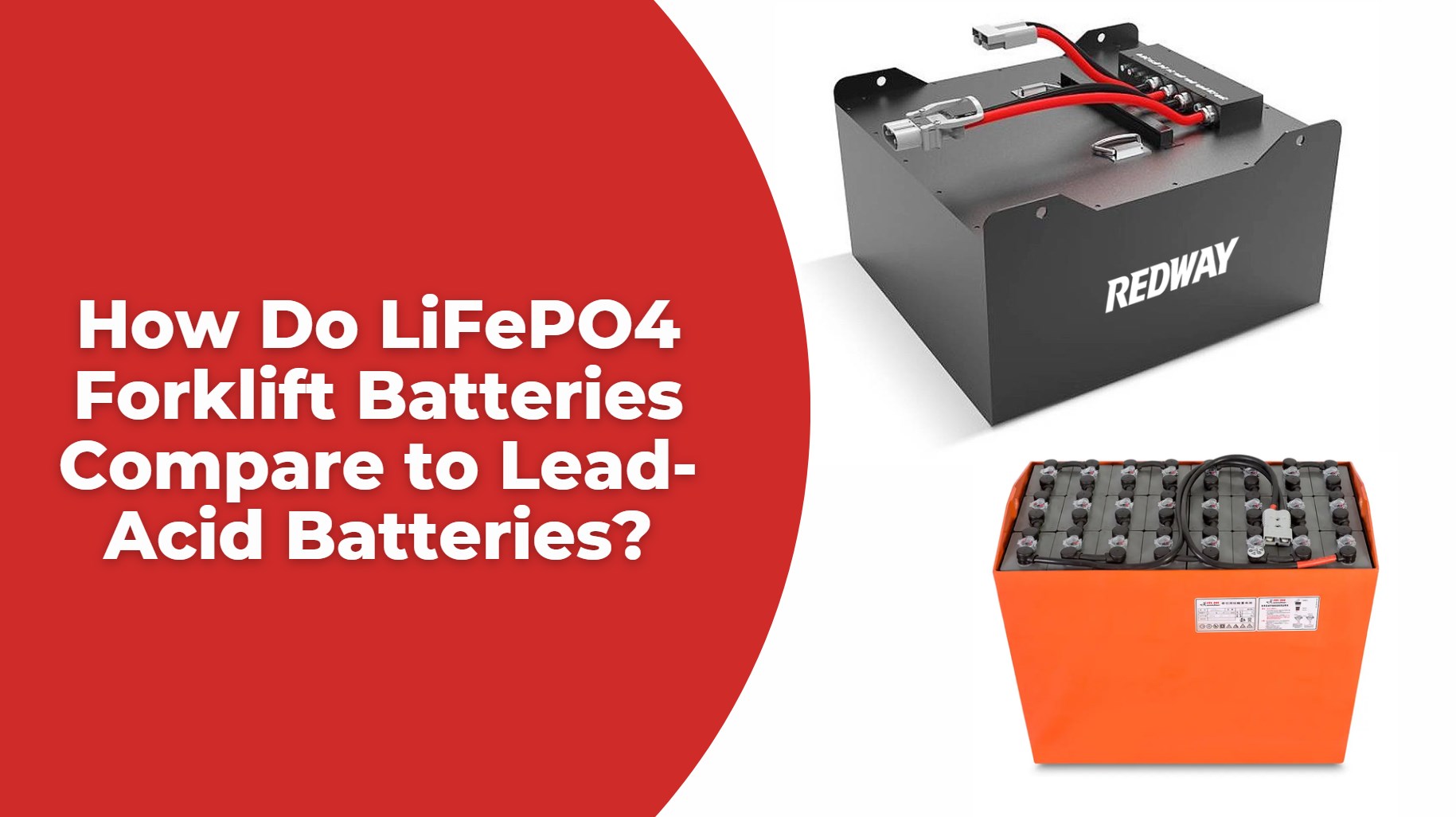
How Do LiFePO4 Forklift Batteries Compare to Lead-Acid Batteries?

How Do LiFePO4 Forklift Batteries Compare to Lead-Acid Batteries?

LiFePO4 forklift batteries provide longer lifespan, faster charging, higher energy density, and near-zero maintenance compared to lead-acid batteries, making them a more cost-effective choice over time. Businesses adopting LiFePO4 solutions experience less downtime, safer operations, and improved productivity, while lead-acid batteries require more maintenance and have shorter operational life, despite their lower upfront cost.

What Are the Lifespan Differences Between LiFePO4 and Lead-Acid Batteries?

LiFePO4 batteries can last up to 10 years or 4,000 cycles, significantly reducing the frequency of replacements. In contrast, lead-acid batteries typically last 3-5 years or 1,000-1,500 cycles. The longer lifespan of LiFePO4 reduces total cost of ownership and ensures more consistent operational efficiency.

Chart: Lifespan Comparison of Forklift Batteries

Battery Type Lifespan (Years) Charge Cycles Replacement Frequency
LiFePO4 Up to 10 4,000 Low
Lead-Acid 3-5 1,000-1,500 High

How Does Maintenance Differ Between LiFePO4 and Lead-Acid Batteries?

LiFePO4 batteries require virtually no maintenance, eliminating the need for watering, terminal cleaning, or equalizing charges. Lead-acid batteries demand ongoing care, including weekly watering, terminal inspection, and periodic equalization, increasing labor costs and operational complexity.

What Are the Charging Advantages of LiFePO4 Batteries?

LiFePO4 batteries support fast charging, sometimes in as little as 1-2 hours, and enable opportunity charging to maximize uptime. Lead-acid batteries require longer charging periods and cooling times, resulting in more downtime and reduced operational efficiency.

How Do LiFePO4 Batteries Perform Compared to Lead-Acid Batteries?

LiFePO4 batteries maintain consistent power output throughout the charge cycle, avoiding the voltage sag common with lead-acid batteries. Lead-acid batteries have higher internal resistance, which slows charging, reduces energy efficiency, and can negatively impact forklift performance.

What Are the Safety and Environmental Benefits of LiFePO4 Batteries?

LiFePO4 chemistry is thermally stable and avoids hazards associated with acid spills and hydrogen off-gassing. Lead-acid batteries carry risks from corrosive sulfuric acid and hydrogen gas, requiring stricter safety protocols. LiFePO4 batteries also contribute to lower environmental impact and safer warehouse operations.

Chart: Safety and Maintenance Comparison

Feature LiFePO4 Lead-Acid
Safety High, sealed units Risk of acid and gas
Maintenance Minimal to none Regular watering & cleaning
Environmental Low impact Moderate to high

Can LiFePO4 Batteries Reduce Long-Term Operational Costs?

Yes, while LiFePO4 batteries have higher upfront costs, their longer lifespan, minimal maintenance, and faster charging translate to lower long-term costs. Fewer replacements and reduced labor contribute to significant savings and operational efficiency, making them a smart investment for industrial operations.

Are LiFePO4 Batteries the Best Alternative to Lead-Acid for Forklifts?

LiFePO4 batteries are considered the top alternative due to superior performance, longevity, safety, and cost-effectiveness. They support modern warehouse demands, including opportunity charging and consistent power output, and are increasingly preferred by companies looking to improve productivity and reduce total operating costs.

Redway Battery Expert Views

LiFePO4 forklift batteries are transforming material handling operations. At Redway Battery, we emphasize longer lifespan, rapid charging, and maintenance-free designs that dramatically reduce downtime. Businesses can optimize efficiency, enhance safety, and achieve better long-term returns. Our LiFePO4 solutions are designed to meet rigorous industrial demands while minimizing environmental impact.” – Expert from Redway Battery

Conclusion

LiFePO4 batteries outperform lead-acid batteries in lifespan, charging speed, performance, maintenance, and safety. While lead-acid batteries remain cheaper initially, the long-term advantages of LiFePO4—especially from trusted manufacturers like Redway Battery—make them the preferred solution for modern forklift operations, boosting productivity and lowering operational costs.

FAQs

What is the primary benefit of LiFePO4 over lead-acid forklift batteries?
LiFePO4 batteries offer longer lifespan, faster charging, minimal maintenance, and consistent performance, reducing downtime and operational costs compared to lead-acid batteries.

How long can LiFePO4 forklift batteries last?
LiFePO4 batteries can last up to 10 years or 4,000 cycles, depending on usage conditions.

Do LiFePO4 batteries require maintenance like lead-acid batteries?
No, LiFePO4 batteries are maintenance-free, eliminating the need for watering, terminal cleaning, and equalizing charges.

Are LiFePO4 batteries safer than lead-acid batteries?
Yes, LiFePO4 batteries are thermally stable, sealed, and free from acid spills and hydrogen off-gassing risks.

Why are LiFePO4 batteries more cost-effective long-term?
Their extended lifespan, reduced maintenance, and fast charging minimize replacements and downtime, lowering overall operational expenses.

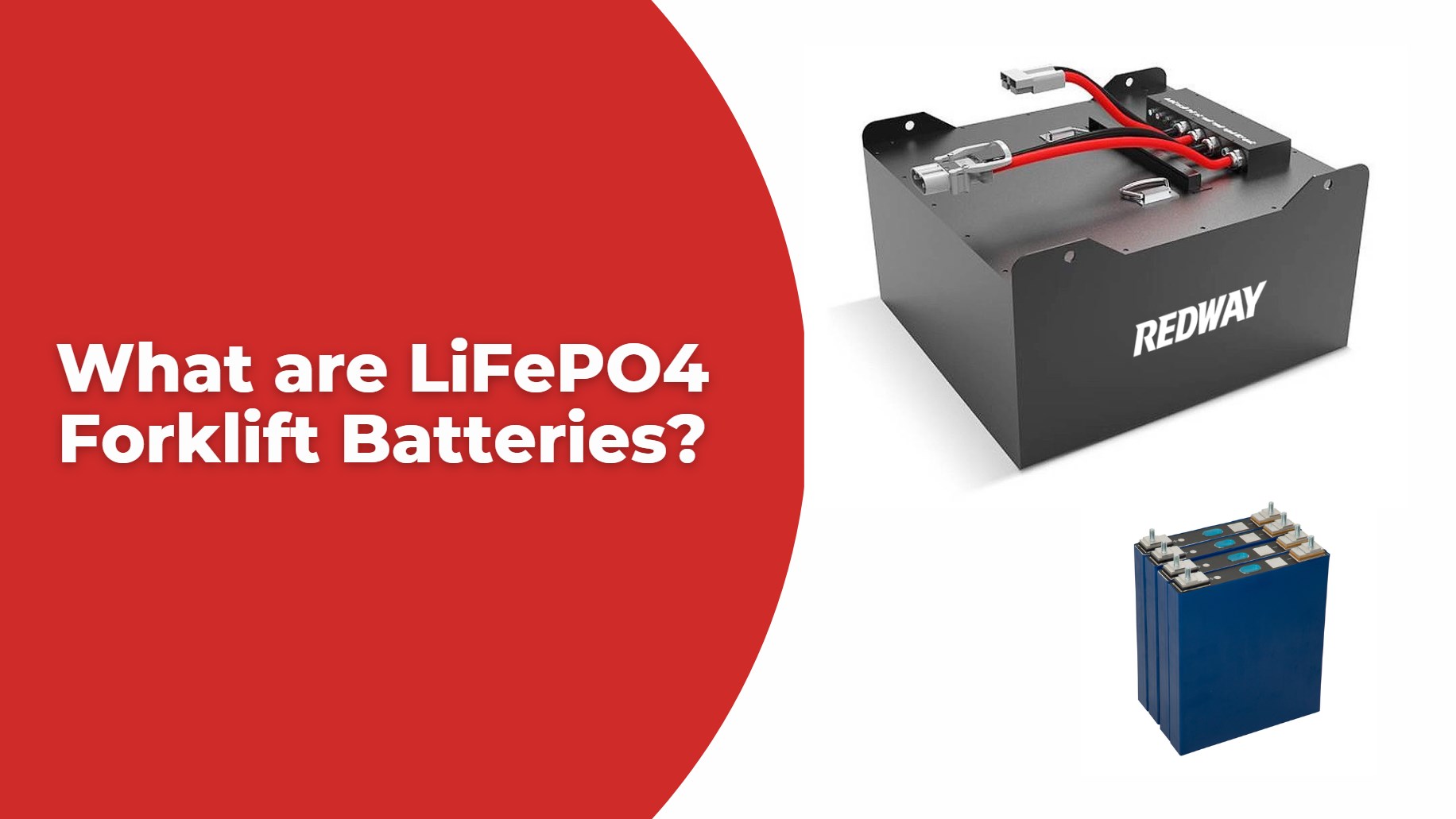
What are LiFePO4 Forklift Batteries?

What are LiFePO4 Forklift Batteries?

LiFePO4 forklift batteries, based on lithium iron phosphate technology, offer a robust, maintenance-free alternative to lead-acid batteries with significantly longer lifespan (over 3,500 cycles), faster opportunity charging, and consistent power delivery. Their safety, compactness, and efficiency revolutionize material handling operations, reducing downtime and operational costs.

What Are LiFePO4 Forklift Batteries and How Do They Work?

LiFePO4 batteries use lithium iron phosphate chemistry to store and deliver energy. Sealed and stable, these batteries provide reliable, sustained electrical power to forklifts, enabling fast charging and deep cycling without degradation common in traditional batteries.

How Do LiFePO4 Batteries Compare to Lead-Acid in Lifespan and Performance?

LiFePO4 batteries typically offer three to four times the cycle life of lead-acid batteries and deliver consistent voltage throughout discharge, improving forklift reliability and reducing replacement needs.

What Maintenance and Safety Advantages Do LiFePO4 Batteries Provide?

They are sealed, requiring no watering or acid maintenance, and feature inherent chemical stability which reduces risks of leaks, overheating, and thermal runaway, enhancing workplace safety.

How Does Faster and Opportunity Charging Boost Warehouse Productivity?

These batteries support quick intermittent charges during breaks, maximizing uptime, supporting continuous operation across multiple shifts without waiting for full charge cycles.

What Environmental Benefits Are Associated With LiFePO4 Batteries?

Longer lifespan lowers waste and resource consumption; non-toxic materials and recyclability align with sustainable industrial practices.

How Compact and Stable Are LiFePO4 Batteries?

They have high energy density allowing compact designs that fit forklift compartments, plus they are spill-proof and resistant to shock and vibration.

What Are the Best Industrial Applications for LiFePO4 Batteries?

Perfect for warehousing, refrigerated storage, manufacturing, and logistics operations demanding long runtimes, quick recharge, and minimal maintenance.

How Can Users Extend the Service Life of LiFePO4 Batteries?

Regular monitoring, using suitable chargers, avoiding extreme temperatures, and following manufacturer guidelines ensure maximal lifespan.

What Are the Cost Implications of Switching to LiFePO4?

Though upfront costs are higher than lead-acid, total cost of ownership decreases due to less maintenance, fewer replacements, and improved operational efficiency.

How Do Lithium Batteries Support Sustainability Goals?

By reducing hazardous waste, energy consumption, and extending battery life, they contribute significantly to greener material handling solutions.

What Are Best Practices for Transporting and Installing LiFePO4 Batteries?

Use manufacturer-approved equipment for handling, proper ventilation, secure mounting, and adherence to safety regulations ensure safe installation and transport.

Chart: LiFePO4 vs Lead-Acid Forklift Battery Comparison

Feature LiFePO4 Lead-Acid
Cycle Life 3,500+ cycles 800-1,200 cycles
Maintenance Maintenance-free Requires watering & checks
Weight Lighter Heavier
Charging Time Fast (Opportunity charging) Slow
Safety Chemically stable Risk of acid spills
Environmental Impact Lower Higher waste & disposal issues

Chart: Key Benefits of LiFePO4 Batteries in Warehousing

Benefit Description
Increased Uptime Supports multi-shift operation with fast charge
Safety Improvements Stable chemistry reduces hazards
Reduced Costs Lower maintenance & replacement frequency
Operational Efficiency Consistent voltage improves forklift performance
Environmental Benefits Supports sustainability goals

Redway Battery Expert Views

“LiFePO4 technology represents a pivotal advancement in forklift power delivery, outperforming traditional batteries in cycle life and operational efficiency. Redway Battery continues to innovate in this space, crafting safer, longer-lasting solutions essential for modern logistics and warehousing challenges.” – Senior Engineer, Redway Battery

Conclusion

LiFePO4 forklift batteries are superior alternatives to lead-acid, combining long lifespan, low maintenance, rapid charging, and enhanced safety—critical factors for industrial productivity and sustainability. Their adoption marks a transformative step in material handling power solutions, supported by experts like Redway Battery pioneering in lithium technologies.

FAQs

Q: How long do LiFePO4 forklift batteries typically last?
A: Over 3,500 charge cycles, significantly longer than lead-acid.

Q: Are LiFePO4 batteries maintenance-free?
A: Yes, they require no watering or acid checks.

Q: How does opportunity charging work?
A: Batteries can be charged during breaks without damaging lifespan.

Q: What makes LiFePO4 safer than lead-acid?
A: Their stable chemical structure reduces risks of leaks and thermal events.

How Do I Dispose of LiFePO4 High Voltage Batteries?

To dispose of LiFePO4 high voltage batteries, take them to a certified recycling facility that specializes in lithium-ion battery disposal. Follow local regulations for hazardous waste to ensure safe and environmentally friendly disposal.

Proper disposal of LiFePO4 high voltage batteries is crucial for safeguarding both the environment and public safety. Lithium Iron Phosphate (LiFePO4) batteries are increasingly used in various applications due to their safety, long life, and efficiency. However, when these batteries reach the end of their life cycle, it is imperative to handle them responsibly. Below, we outline comprehensive methods for disposing of LiFePO4 batteries in a manner that aligns with environmental sustainability and safety protocols.

Understanding LiFePO4 High Voltage Batteries

LiFePO4 batteries, also known as lithium iron phosphate batteries, are favored for their stability, high power density, and prolonged lifespan. These batteries are commonly employed in applications ranging from electric vehicles (EVs) to renewable energy storage systems. Despite their advantages, improper disposal of these batteries can lead to hazardous environmental impacts and safety risks.

1. Recycling Programs at Local Recycling Centers

Many local recycling centers offer specialized programs for the disposal of LiFePO4 high voltage batteries. These centers are equipped to handle and process such batteries safely, ensuring that harmful materials are managed correctly. To find a suitable recycling center near you, consider the following steps:

  • Contact Local Authorities: Reach out to your municipal waste management or environmental protection office for information on nearby recycling centers that accept LiFePO4 batteries.
  • Visit Recycling Center Websites: Many centers list their accepted materials and disposal procedures on their websites.
  • Check for Certifications: Ensure that the recycling center is certified to handle hazardous materials.

2. Battery Collection Programs Organized by Communities

Community-organized battery collection programs provide a convenient and efficient way to dispose of LiFePO4 batteries. These programs are often coordinated by local governments or environmental groups and may include:

  • Scheduled Collection Events: Periodic events where residents can drop off their used batteries for safe disposal.
  • Permanent Drop-off Locations: Designated collection points where you can deliver your batteries at any time during operating hours.
  • Community Outreach: Information campaigns to educate the public about proper disposal methods and the importance of recycling.

3. Mail-in Recycling Programs Provided by Reputable Organizations

Mail-in recycling programs offer a hassle-free method for disposing of LiFePO4 batteries. These programs are managed by reputable organizations that ensure batteries are recycled in compliance with environmental regulations. To utilize a mail-in recycling program:

  • Select a Certified Provider: Choose a recycling company with a robust reputation and certification for handling lithium batteries.
  • Request a Recycling Kit: Many organizations offer free or low-cost mail-in kits that include packaging materials and shipping instructions.
  • Follow Shipping Guidelines: Properly package the batteries according to the provider’s guidelines to prevent leakage and damage during transit.

4. Manufacturer Take-back Programs

Many battery manufacturers offer take-back programs designed to facilitate the safe disposal and recycling of their products. These programs often include:

  • Direct Returns: Some manufacturers provide options for returning old batteries directly to their facilities.
  • Partnerships with Retailers: Manufacturers may partner with retailers to offer drop-off points at stores where you purchased the batteries.
  • Extended Producer Responsibility (EPR): Programs that require manufacturers to take responsibility for the entire lifecycle of their products, including disposal.

5. Local Hazardous Waste Facilities

Local hazardous waste facilities are equipped to handle a variety of dangerous materials, including LiFePO4 batteries. These facilities ensure that batteries are processed in an environmentally responsible manner, mitigating the risk of hazardous substances contaminating the environment. To dispose of your batteries at a hazardous waste facility:

  • Identify Local Facilities: Research local hazardous waste management facilities through municipal or environmental protection agency websites.
  • Verify Acceptable Materials: Confirm that the facility accepts LiFePO4 batteries and inquire about any specific procedures or fees.
  • Follow Safety Protocols: Adhere to safety guidelines for delivering and handling hazardous materials.

Environmental Impact of Improper Disposal

Improper disposal of LiFePO4 batteries can have serious environmental consequences, including:

  • Soil and Water Contamination: Leaking chemicals from batteries can contaminate soil and water sources, posing risks to wildlife and human health.
  • Fire Hazards: Damaged or improperly disposed of batteries can cause fires or explosions, especially in landfills or incineration facilities.
  • Resource Waste: Failing to recycle LiFePO4 batteries results in the loss of valuable materials that could be recovered and reused.

Best Practices for Safe Handling and Disposal

To ensure the safe disposal of LiFePO4 batteries, adhere to the following best practices:

  • Store Batteries Properly: Keep used batteries in a cool, dry place away from flammable materials until you are ready to dispose of them.
  • Avoid Physical Damage: Do not puncture, crush, or otherwise damage the batteries, as this can lead to dangerous reactions.
  • Use Appropriate Containers: If storing batteries before disposal, use non-conductive containers to prevent short circuits.

Conclusion

Disposing of LiFePO4 high voltage batteries responsibly is vital for environmental protection and public safety. By utilizing local recycling programs, community collection initiatives, mail-in recycling services, manufacturer take-back programs, and hazardous waste facilities, you can ensure that these batteries are managed in an environmentally sound manner. By adopting these practices, you contribute to a sustainable future and help prevent the negative impacts associated with improper battery disposal.

Can LiFePO4 High Voltage Batteries Be Used in Extreme Temperatures?

LiFePO4 high voltage batteries can operate effectively in a temperature range of -20°C to 60°C (-4°F to 140°F). However, performance may degrade outside this range, so it’s advisable to avoid extreme conditions for optimal functionality.

In the realm of advanced battery technologies, LiFePO4 high voltage batteries have garnered significant attention due to their exceptional performance and reliability. These batteries, renowned for their lithium iron phosphate chemistry, are often lauded for their ability to function effectively across a range of temperatures. This article delves deeply into the capability of LiFePO4 batteries to operate in both high and low temperature extremes, highlighting their durability, efficiency, and safety across diverse environments.

Understanding LiFePO4 Battery Technology

LiFePO4 (Lithium Iron Phosphate) batteries stand out due to their unique chemical composition which provides several advantages over other lithium-ion batteries. The iron phosphate in LiFePO4 batteries contributes to their remarkable thermal stability, high discharge rates, and long cycle life. This section explores the core features of LiFePO4 batteries that make them particularly suited for extreme temperature applications.

Chemical Stability and Thermal Performance

One of the primary advantages of LiFePO4 batteries is their thermal stability. Unlike other lithium-ion chemistries, LiFePO4 batteries have a higher thermal runaway threshold, which minimizes the risk of overheating and potential fires. This thermal stability ensures that LiFePO4 batteries can withstand high temperatures without compromising performance or safety.

Performance in High-Temperature Environments

Heat Tolerance and Capacity Retention

LiFePO4 batteries are engineered to maintain their capacity and cycling performance even under high-temperature conditions. Unlike conventional batteries that may experience capacity degradation and reduced cycle life when exposed to elevated temperatures, LiFePO4 batteries exhibit impressive resilience. This feature makes them suitable for applications in hot climates where other batteries might fail to deliver consistent performance.

Cooling Mechanisms and Design Considerations

To further enhance their performance in high-temperature environments, LiFePO4 batteries are often equipped with advanced cooling mechanisms. These mechanisms can include thermal management systems, such as heat sinks and active cooling solutions, which help to dissipate excess heat and maintain optimal operating temperatures. The design of these batteries often incorporates materials and technologies that improve heat dissipation and reduce the risk of overheating.

Performance in Cold-Temperature Environments

Cold Temperature Resilience and Power Output

When it comes to cold temperatures, LiFePO4 batteries also excel. These batteries are known for their low-temperature performance, which allows them to deliver power effectively even in freezing conditions. Unlike other battery types that may suffer from reduced capacity and sluggish performance in the cold, LiFePO4 batteries maintain their charge retention and discharge efficiency.

Pre-Heating Systems and Low-Temperature Enhancements

In extremely cold environments, additional measures can be implemented to enhance the performance of LiFePO4 batteries. Pre-heating systems can be employed to warm the battery to an optimal operating temperature before use. Additionally, battery management systems (BMS) equipped with temperature monitoring and protection features can further ensure that the battery operates within safe and efficient temperature ranges.

Applications of LiFePO4 Batteries in Extreme Temperatures

Industrial and Commercial Applications

LiFePO4 batteries are increasingly being used in a variety of industrial and commercial applications where temperature extremes are common. For instance, they are employed in solar energy storage systems, electric vehicles, and uninterruptible power supplies (UPS). Their ability to perform reliably in both high and low temperatures makes them a preferred choice for mission-critical applications in diverse environments.

Consumer Electronics and Outdoor Equipment

In the realm of consumer electronics and outdoor equipment, LiFePO4 batteries are favored for their robustness. Devices such as portable power stations, camping gear, and recreational vehicles (RVs) benefit from the superior temperature tolerance of LiFePO4 batteries. Their consistent performance in extreme temperatures ensures that users can rely on these batteries for reliable power supply regardless of the weather conditions.

Comparative Analysis with Other Battery Technologies

LiFePO4 vs. Lithium-ion

Compared to traditional lithium-ion batteries, LiFePO4 batteries offer several advantages in terms of thermal stability and safety. While lithium-ion batteries can suffer from performance degradation and safety risks in extreme temperatures, LiFePO4 batteries are engineered to withstand such conditions with enhanced durability.

LiFePO4 vs. Lead Acid

When compared to lead acid batteries, LiFePO4 batteries not only offer superior performance in extreme temperatures but also provide longer cycle life, higher energy density, and lighter weight. These benefits make LiFePO4 batteries a more suitable choice for applications requiring reliable performance across varying temperature ranges.

Conclusion

LiFePO4 high voltage batteries demonstrate exceptional capability in extreme temperature conditions. Their thermal stability, combined with their ability to maintain capacity and performance in both hot and cold environments, makes them an ideal choice for a wide range of applications. Whether in industrial settings, consumer electronics, or outdoor equipment, LiFePO4 batteries provide a dependable power solution that outperforms many other battery technologies in challenging conditions.

Comprehensive Guide to Recycling LiFePO4 Batteries

Recycling LiFePO4 batteries involves taking them to specialized facilities that can safely process lithium-ion technology. Many manufacturers offer take-back programs or partnerships with recycling companies. Ensure compliance with local regulations regarding battery disposal and recycling.

In the current era of heightened environmental awareness, the recycling of Lithium Iron Phosphate (LiFePO4) batteries plays a pivotal role in sustainable waste management. LiFePO4 batteries, esteemed for their stability and long lifespan, find extensive use in a range of applications including electric vehicles and renewable energy storage systems. This guide provides a detailed overview of the most effective methods for recycling LiFePO4 batteries, ensuring both the recovery of valuable materials and the safe management of hazardous substances.

Understanding LiFePO4 Battery Recycling

LiFePO4 batteries are renowned for their superior safety, durability, and efficiency. These attributes make them a popular choice, yet proper disposal and recycling are essential to minimize environmental impact. Effective recycling of these batteries helps recover key materials such as iron, lithium, and phosphate, thus reducing the need for new raw materials and lessening environmental strain.

Recycling Programs Offered by Battery Retailers and Manufacturers

Many battery retailers and manufacturers have established comprehensive recycling programs to facilitate the responsible disposal of LiFePO4 batteries. These programs are designed to accommodate batteries from consumer electronics and larger systems alike.

Retail Locations

Numerous electronics and hardware retailers collaborate with recycling companies to provide convenient drop-off points for used batteries. Notable chains like Best Buy and Home Depot typically feature collection bins for battery recycling in their stores. These bins offer an accessible option for consumers to dispose of their old batteries responsibly.

Manufacturer Programs

Battery manufacturers often run their own recycling initiatives. For example, prominent companies such as Tesla and LG Chem operate programs dedicated to the batteries they produce. These initiatives frequently include detailed instructions on returning used batteries, ensuring that they are properly recycled.

Local Recycling Centers

Local recycling centers are a valuable resource for the disposal of rechargeable batteries, including LiFePO4. These centers can process batteries from various sources, ensuring that they are handled and recycled safely.

Municipal Recycling Facilities

It is advisable to check with local waste management authorities or municipal recycling facilities to determine if they accept LiFePO4 batteries. Some facilities have specialized guidelines and collection points for hazardous materials, including batteries.

Community Recycling Events

Many communities host hazardous waste collection events where residents can drop off batteries and other potentially hazardous items. These events provide an excellent opportunity for the safe disposal of LiFePO4 batteries and other materials.

Battery Recycling Services from Organizations

Several organizations specialize in battery recycling and offer convenient services for responsible disposal of LiFePO4 batteries.

Call2Recycle

Call2Recycle is a leading organization in battery recycling, offering a nationwide network of drop-off locations for rechargeable batteries. They also provide mail-in programs for those who prefer to send their batteries to a central facility.

Earth911

Earth911 offers a comprehensive recycling directory, including information on where to recycle LiFePO4 batteries. Their website features a locator tool to help users find nearby recycling centers.

Mail-in Recycling Programs

For those who prefer the convenience of mail-in recycling, several services allow for the direct shipment of LiFePO4 batteries to recycling facilities.

Recycling Kits

Companies like Battery Solutions and Call2Recycle offer recycling kits that include prepaid shipping labels. Users can pack their used batteries in the provided kit and send them off for proper recycling.

Prepaid Shipping Labels

Certain organizations offer prepaid shipping labels specifically for LiFePO4 batteries. These labels can be requested online, simplifying the recycling process and enhancing accessibility.

Best Practices for Preparing Batteries for Recycling

To ensure efficient recycling of LiFePO4 batteries, adhere to the following best practices:

Consult Local Regulations

Before disposing of batteries, consult local regulations and guidelines. Some regions have specific requirements for packaging and labeling batteries for recycling.

Remove from Devices

If possible, remove batteries from electronic devices prior to recycling. This prevents potential leaks and ensures safe handling during the recycling process.

Use Original Packaging

Whenever possible, use the original packaging or a suitable container to transport the batteries to a recycling facility. This helps prevent damage and ensures safe transit.

The Environmental Impact of Recycling LiFePO4 Batteries

Recycling LiFePO4 batteries offers significant environmental benefits, including:

Minimize Landfill Waste

Proper recycling reduces the volume of waste sent to landfills, mitigating risks of soil and water contamination.

Conserve Resources

Recovered materials from LiFePO4 batteries can be repurposed for manufacturing new batteries or other products, conserving natural resources and reducing the environmental footprint of mining.

Reduce Hazardous Exposure

Effective recycling practices prevent the release of harmful substances into the environment, thereby protecting ecosystems and human health.

Conclusion

Recycling LiFePO4 batteries is a crucial aspect of environmental stewardship and responsible waste management. By utilizing various recycling programs offered by retailers, manufacturers, local centers, and specialized organizations, we contribute to a more sustainable future. Whether through drop-off locations, mail-in services, or community events, numerous convenient options are available to ensure proper disposal of LiFePO4 batteries.

Committing to these practices not only aids in resource conservation but also promotes a cleaner and healthier environment for future generations. Let us all embrace the responsibility of recycling our LiFePO4 batteries and support initiatives that drive environmental progress.

What Maintenance Is Required for LiFePO4 High Voltage Batteries?

LiFePO4 (Lithium Iron Phosphate) high voltage batteries are renowned for their stability, safety, and long cycle life. They are increasingly utilized in various applications, from renewable energy storage systems to electric vehicles. Proper maintenance is essential to ensure these batteries perform optimally throughout their lifespan. This article delves into the critical maintenance practices necessary to preserve the efficiency and longevity of LiFePO4 high voltage batteries.

LiFePO4 high voltage batteries require minimal maintenance compared to lead-acid options. Regularly check connections for corrosion, ensure proper charging practices, avoid deep discharges, and store the battery at moderate temperatures to maximize lifespan.

1. Use a Charger Designed Specifically for LiFePO4 Batteries

Using the correct charger is fundamental for the maintenance of LiFePO4 batteries. These batteries require chargers designed specifically for their chemistry to prevent overcharging and ensure safe operation. LiFePO4-specific chargers are engineered to deliver the appropriate voltage and current, which is crucial for maintaining battery health. They incorporate features such as balanced charging and temperature compensation, which help to extend the battery’s lifespan and enhance performance.

2. Avoid Full Discharges

Discharging LiFePO4 batteries completely can significantly impact their lifespan. Unlike some other battery chemistries, LiFePO4 batteries do not require deep discharges to maintain performance. Regularly discharging these batteries to very low levels can lead to cell imbalance and reduced capacity over time. To optimize battery health, it is advisable to maintain the battery charge between 20% and 80% of its total capacity. Avoiding full discharges will not only prolong the life of the battery but also ensure it operates at its best.

3. Store Batteries in a Cool, Dry Place

Proper storage conditions are crucial for maintaining the health of LiFePO4 high voltage batteries. They should be stored in a cool, dry environment, away from direct sunlight and extreme temperatures. High temperatures can accelerate chemical degradation within the battery, while excessive cold can impair its performance. The ideal storage temperature for LiFePO4 batteries is typically between 5°C and 25°C (41°F and 77°F). Additionally, batteries should be kept at a charge level between 40% and 60% if they are not in use for extended periods. This storage state of charge helps in preserving battery capacity and prevents deep discharge.

4. Regularly Monitor Battery Performance

Regular monitoring of battery performance is essential to identify any issues early and take corrective action before they escalate. Key performance indicators include voltage levels, current draw, and temperature readings. Advanced battery management systems (BMS) can provide real-time data and alerts about these parameters. We recommend periodic checks of these performance metrics to ensure the battery operates within its optimal range. Any significant deviation from the normal performance parameters should be investigated promptly.

5. Maintain Good Usage Habits

Adhering to good usage habits can greatly influence the longevity and efficiency of LiFePO4 batteries. Some best practices include:

  • Avoiding Overcharging: Ensure the charger’s cut-off settings are correctly configured to prevent overcharging. Overcharging can lead to thermal stress and damage the battery.
  • Ensuring Proper Ventilation: Adequate ventilation is necessary to dissipate heat generated during charging and discharging. This prevents overheating, which can adversely affect battery life.
  • Regular Cleaning: Keep the battery terminals and connectors clean and free of corrosion. Use a dry, clean cloth or brush to remove any dirt or debris. Corrosion can impede electrical connections and reduce battery performance.
  • Checking for Physical Damage: Regularly inspect the battery for any signs of physical damage, such as swelling, leakage, or cracks. Damaged batteries should be replaced immediately to avoid potential safety hazards.

6. Implementing a Battery Management System (BMS)

A Battery Management System (BMS) is a vital component in managing and protecting LiFePO4 high voltage batteries. The BMS monitors each cell’s voltage and temperature, balancing the cells to prevent imbalances. It also provides protection against overcharging, deep discharging, and overheating. By implementing a BMS, users can enhance the safety and efficiency of their battery systems, ultimately extending the life of the batteries.

7. Ensuring Compatibility with System Requirements

When integrating LiFePO4 batteries into a system, ensure that they are compatible with the system’s voltage and current requirements. Mismatched components can lead to inefficiencies and potential damage. Verify that the battery specifications align with the system’s requirements and use appropriate converters or adapters if necessary. Compatibility ensures optimal performance and prevents undue stress on the battery.

8. Keeping Firmware and Software Updated

For battery systems equipped with digital controls and monitoring, keeping the firmware and software up to date is essential. Manufacturers often release updates that improve functionality, address bugs, and enhance safety features. Regularly check for and apply these updates to ensure the battery system operates with the latest enhancements and safeguards.

Conclusion

Maintaining LiFePO4 high voltage batteries requires a combination of proper charging practices, careful storage, and regular monitoring. By using a charger designed for LiFePO4 batteries, avoiding full discharges, storing in optimal conditions, monitoring performance, and adhering to good usage habits, users can significantly enhance the lifespan and efficiency of their batteries. Implementing a Battery Management System (BMS) and ensuring compatibility with system requirements further contribute to optimal battery performance. Regular updates to firmware and software also play a critical role in maintaining the integrity and functionality of advanced battery systems. By following these comprehensive maintenance practices, users can ensure their LiFePO4 high voltage batteries perform at their best for years to come.

Are LiFePO4 High Voltage Batteries Safe? A Comprehensive Analysis

Yes, LiFePO4 high voltage batteries are among the safest lithium-ion options available. They have a low risk of thermal runaway or fire due to their stable chemistry and robust design features. Proper usage and adherence to manufacturer guidelines further enhance their safety profile.

In the evolving world of energy storage, LiFePO4 high voltage batteries stand out for their exceptional safety and reliability. Their unique chemistry and advanced engineering have positioned them as a preferred choice for various applications, including electric vehicles (EVs), solar energy storage, and more. This article provides an in-depth exploration of the safety features that make LiFePO4 batteries a leading option in modern energy solutions.

Understanding LiFePO4 Batteries

LiFePO4 stands for Lithium Iron Phosphate, a cathode material known for its impressive stability and safety characteristics. Unlike other lithium-based batteries, LiFePO4 batteries utilize iron phosphate as their cathode material, which fundamentally alters their performance and safety profile.

Key Safety Features of LiFePO4 Batteries

  1. Stable Cathode MaterialThe core advantage of LiFePO4 batteries lies in their stable cathode material. Lithium iron phosphate is renowned for its thermal stability, which significantly reduces the risk of thermal runaway—a dangerous phenomenon where excessive heat leads to a self-sustaining reaction that can cause fires or explosions. This inherent stability is crucial for applications that demand high safety standards.
  2. Built-In Protection CircuitsTo enhance safety further, LiFePO4 batteries are equipped with built-in protection circuits. These circuits are designed to prevent several potential issues:
    • Overcharging: Charging beyond the battery’s capacity can lead to overheating and potential failure. Protection circuits ensure that the battery charges within safe limits.
    • Over-discharging: Discharging a battery too much can damage its cells and affect performance. Protection circuits cut off the battery when it reaches a critical low voltage.
    • Short-Circuiting: Short circuits can cause a rapid increase in current, leading to overheating. Protection circuits detect and mitigate such events to prevent damage.
  3. Durable Protective CasesLiFePO4 batteries are encased in robust protective cases made from materials such as aluminum alloy or stainless steel. These materials provide:
    • Structural Strength: The hard outer shell protects against physical damage during handling and operation.
    • Moisture and Dust Resistance: The casing guards against environmental factors such as moisture and dust, which can adversely affect battery performance.
    • Temperature Extremes: Protective cases also shield the battery from extreme temperatures, ensuring stable operation in varied conditions.

Rigorous Testing and Certification

LiFePO4 batteries undergo rigorous testing and certification processes to meet stringent safety standards. This involves:

  • Thermal Testing: Evaluates how the battery performs under high-temperature conditions to ensure it remains safe and functional.
  • Vibration Testing: Assesses the battery’s resilience to vibrations and shocks, which are common during transport and operation.
  • Cycle Life Testing: Determines the battery’s longevity and performance over numerous charge-discharge cycles.

Certifications from recognized safety organizations further affirm the reliability of LiFePO4 batteries, making them a trusted choice for critical applications.

Applications of LiFePO4 Batteries

  1. Electric Vehicles (EVs)LiFePO4 batteries are a popular choice for electric vehicles due to their high safety standards, long cycle life, and stable performance. Their ability to withstand high temperatures and prevent thermal runaway makes them ideal for automotive applications where safety is paramount.
  2. Solar Energy StorageIn the realm of solar energy storage, LiFePO4 batteries provide a reliable solution for storing energy generated from solar panels. Their stability and safety features ensure that stored energy remains secure and the system operates efficiently over time.
  3. Other ApplicationsBeyond EVs and solar storage, LiFePO4 batteries find use in various other sectors, including:
    • UPS Systems: For uninterrupted power supply applications, where reliability and safety are crucial.
    • Marine Applications: In boats and marine equipment, where durability and resistance to environmental conditions are essential.
    • Portable Devices: In various portable electronic devices that benefit from the battery’s lightweight and safe performance characteristics.

Advantages Over Other Lithium Battery Types

While other lithium battery types, such as LiCoO2 (Lithium Cobalt Oxide) and LiMn2O4 (Lithium Manganese Oxide), offer their own benefits, LiFePO4 batteries present several distinct advantages:

  • Safety: The stable chemistry of LiFePO4 reduces the risk of catastrophic failures compared to other lithium chemistries.
  • Longevity: LiFePO4 batteries typically offer a longer cycle life, making them more cost-effective over time.
  • Environmental Impact: LiFePO4 is less toxic and more environmentally friendly than other lithium compounds, contributing to a greener technology footprint.

Conclusion

In summary, LiFePO4 high voltage batteries are a testament to the advancements in battery technology, combining exceptional safety, reliability, and performance. Their robust design, comprehensive protection mechanisms, and adherence to rigorous safety standards make them a preferred choice for a wide range of applications. Whether for electric vehicles, solar energy storage, or other critical uses, LiFePO4 batteries provide peace of mind and reliable operation, reaffirming their status as a superior energy storage solution.

Search products

Need a Quick Quote on Wholesale Prices? Contact Redway Battery Now.

X
Product has been added to your cart


Shenzhen Redway Power, Inc

Tel: +86 189 7608 1534
Tel: +86 (755) 2801 0506
E-mail: contact@redwaybattery.com
Website: www.redway-tech.com
Youtube: @RedwayPower
TikTok: @redwaybattery

Get a Quick Quote

Hot OEM

Forklift Lithium Battery
Golf Cart Lithium Battery
RV Lithium Battery
Rack-mounted Lithium Battery

Hot Batteries

24V 150Ah Forklift Lithium Battery
24V 200Ah Forklift Lithium Battery
48V 400Ah Forklift Lithium Battery
48V 600Ah Forklift Lithium Battery
80V 400Ah Forklift Lithium Battery
36V 100Ah Golf Cart Lithium Battery
48V 100Ah Golf Cart Lithium Battery
51.2V 50Ah 3U Rack-mounted Lithium Battery
51.2V 100Ah 3U Rack-mounted Lithium Battery
12V 100Ah RV LiFePO4 Lithium Battery (Self-heating)

Hot Blog

Golf Carts
Server Rack Battery
Knowledge