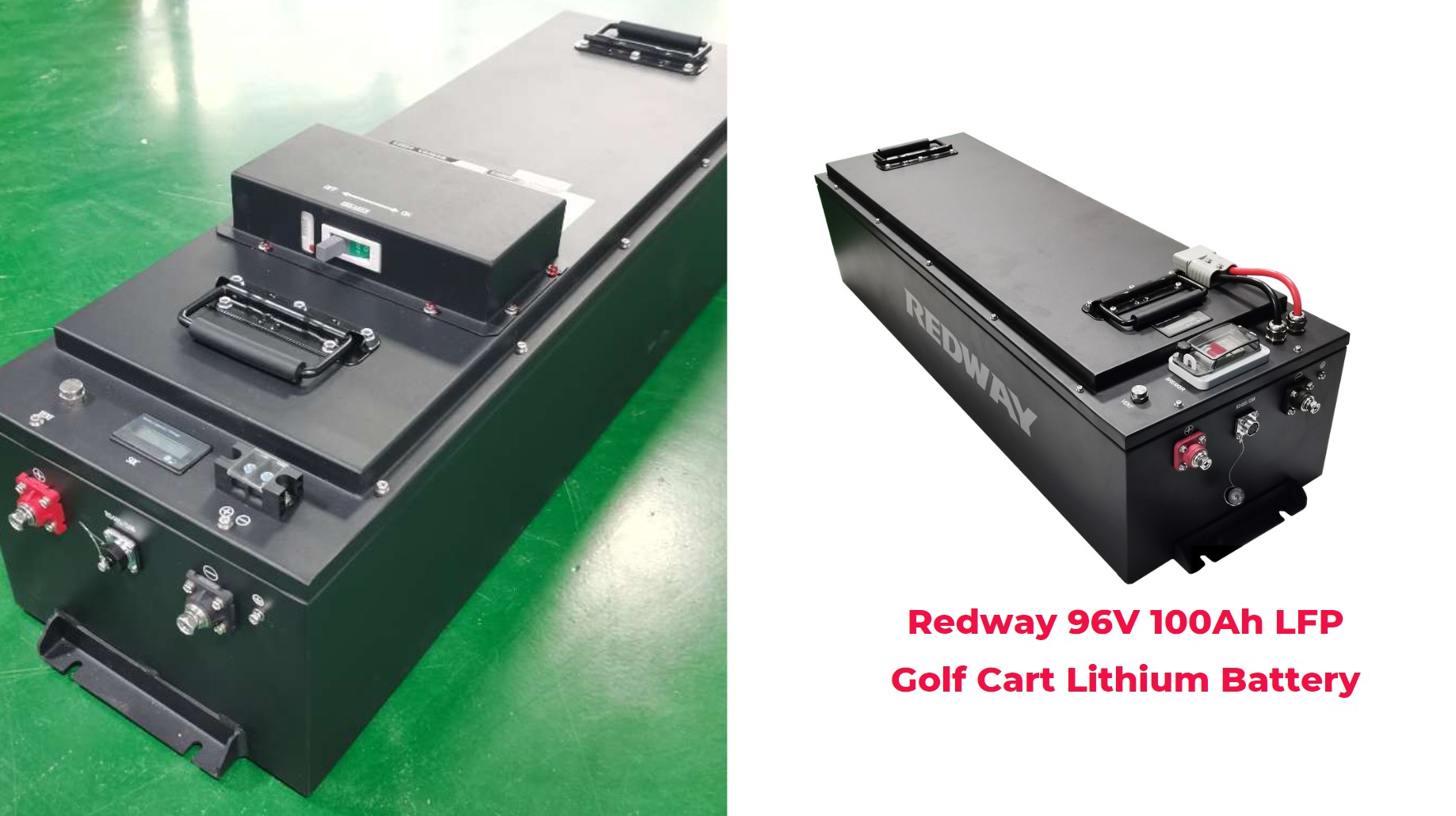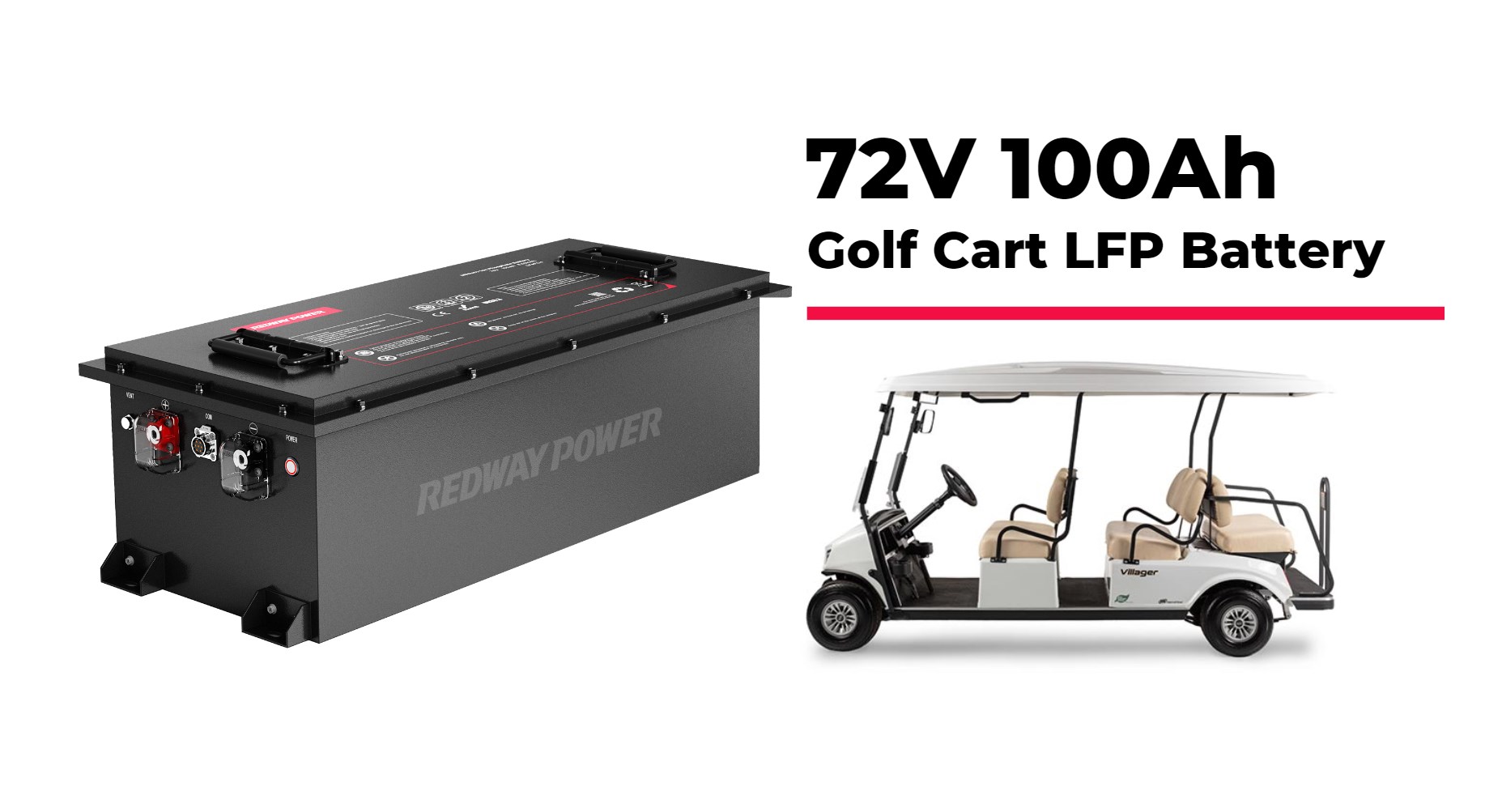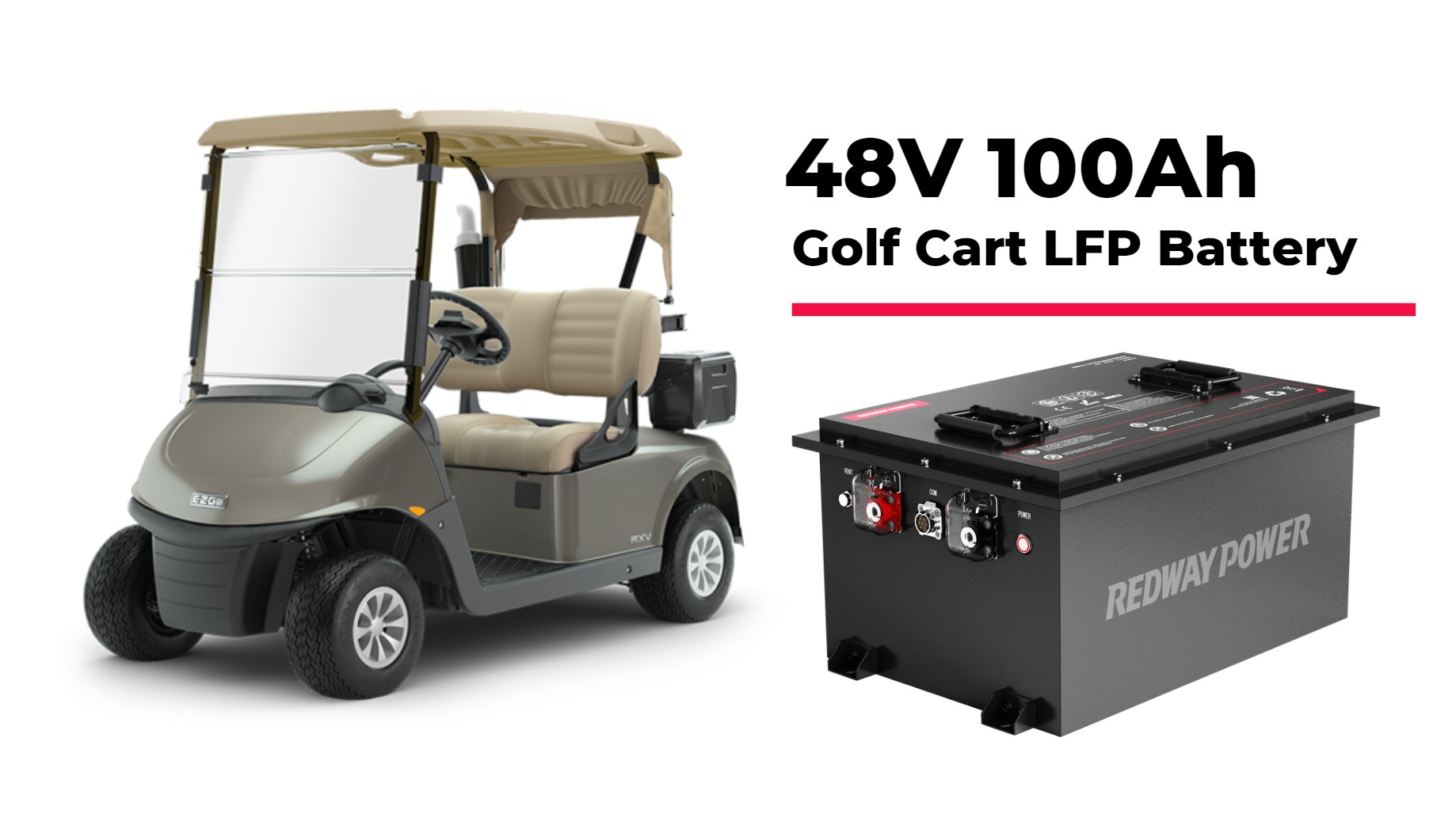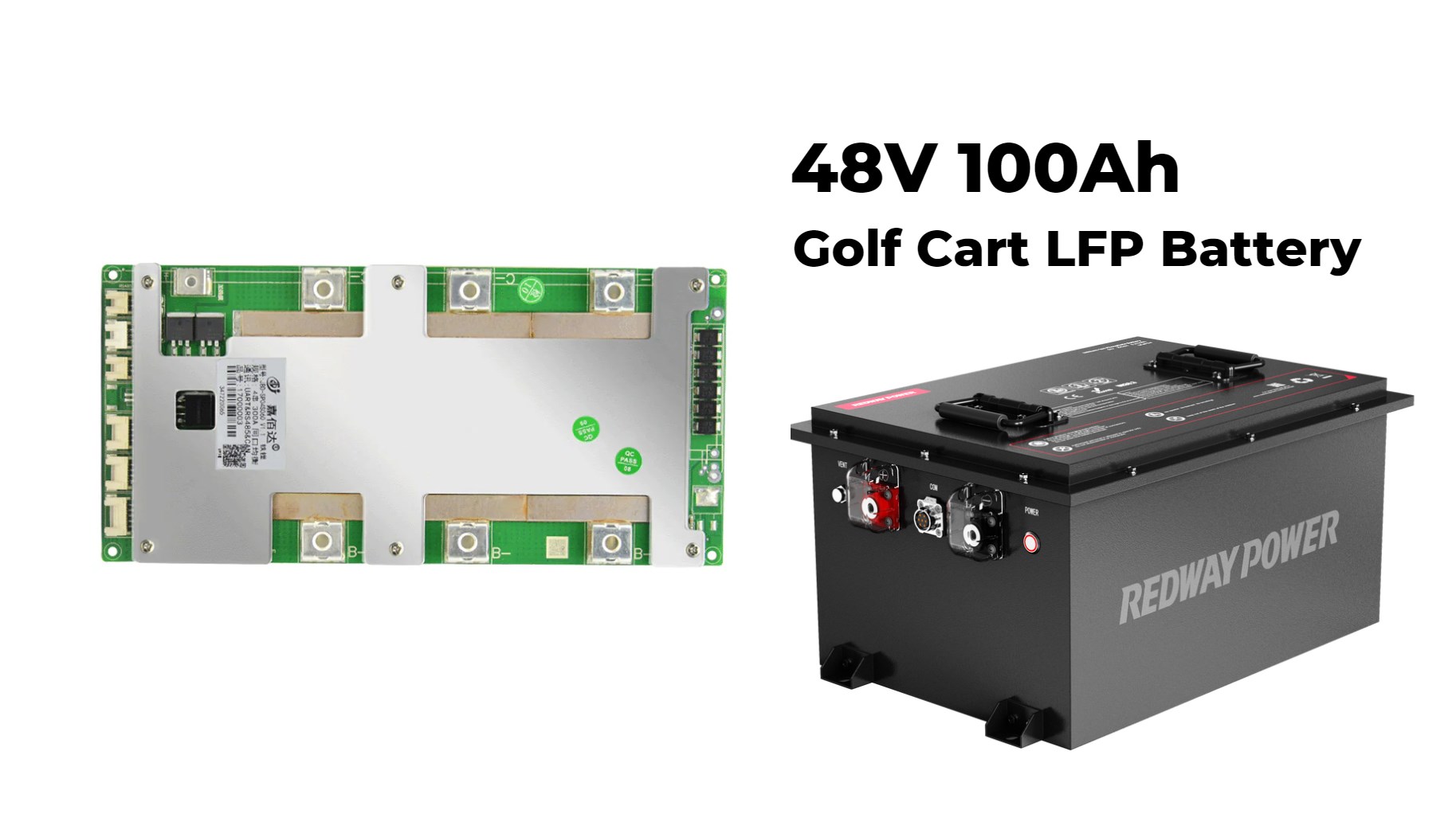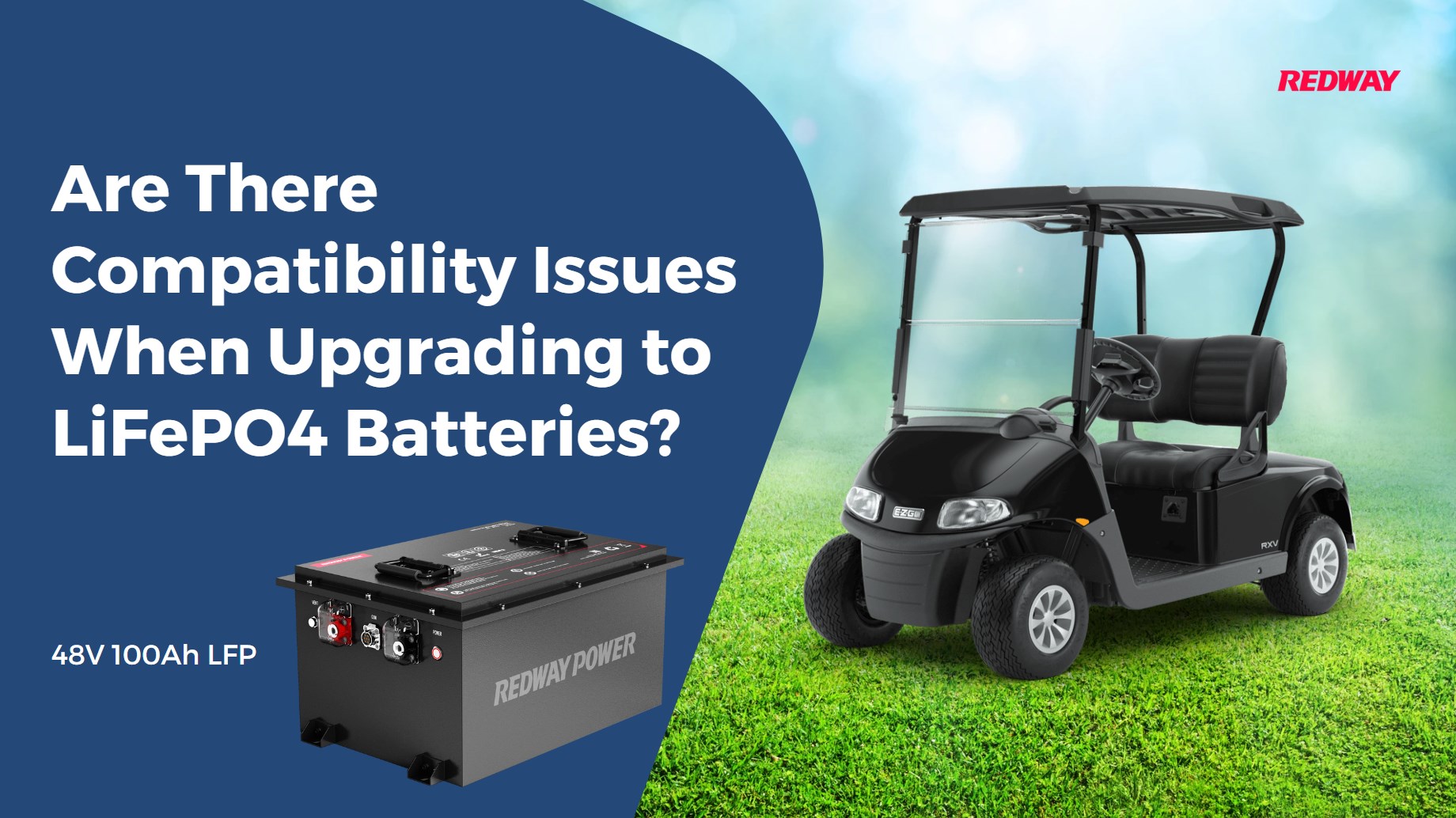
Are There Compatibility Issues When Upgrading to LiFePO4 Batteries?

Are There Compatibility Issues When Upgrading to LiFePO4 Batteries?

Yes, compatibility issues can arise when upgrading to LiFePO4 batteries. These include differences in voltage profiles, charging systems, and the need for a Battery Management System (BMS) that may not be supported by older golf cart models.

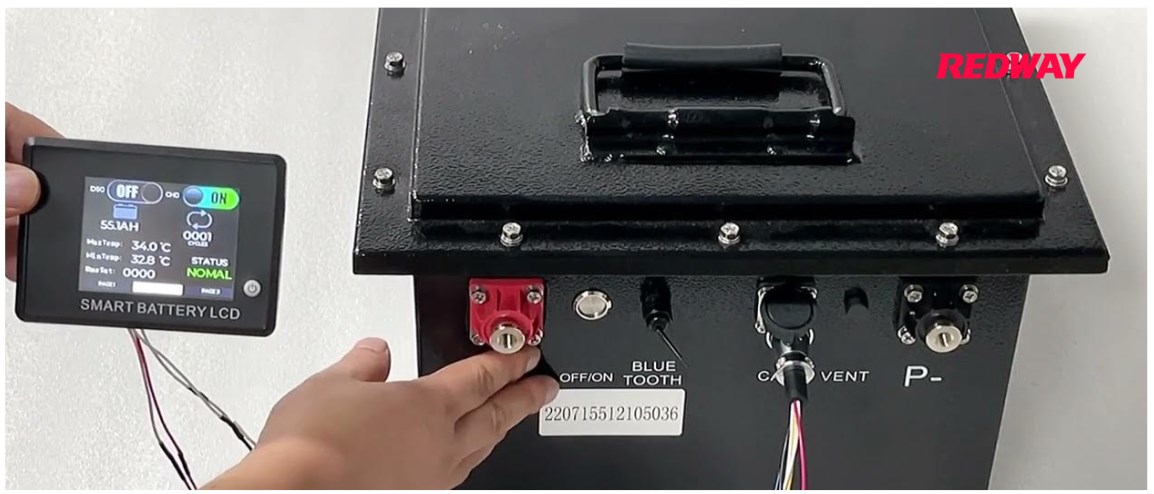
When upgrading from lead-acid batteries to LiFePO4 batteries in golf carts, compatibility issues can arise due to differences in voltage, capacity, wiring configurations, and battery management systems (BMS). Understanding these challenges is crucial for ensuring a successful transition and maximizing the benefits of lithium technology.

What Are Common Compatibility Challenges?

Common compatibility challenges include mismatched voltage requirements, the need for a compatible charger, and potential conflicts with existing electrical systems. Ensuring that all components work together is crucial for a successful upgrade.

  1. Voltage Mismatches: Ensure that the new LiFePO4 batteries match your golf cart’s voltage requirements (typically 36V or 48V).
  2. Wiring Configuration: The wiring may need upgrades to handle higher current outputs from lithium batteries.
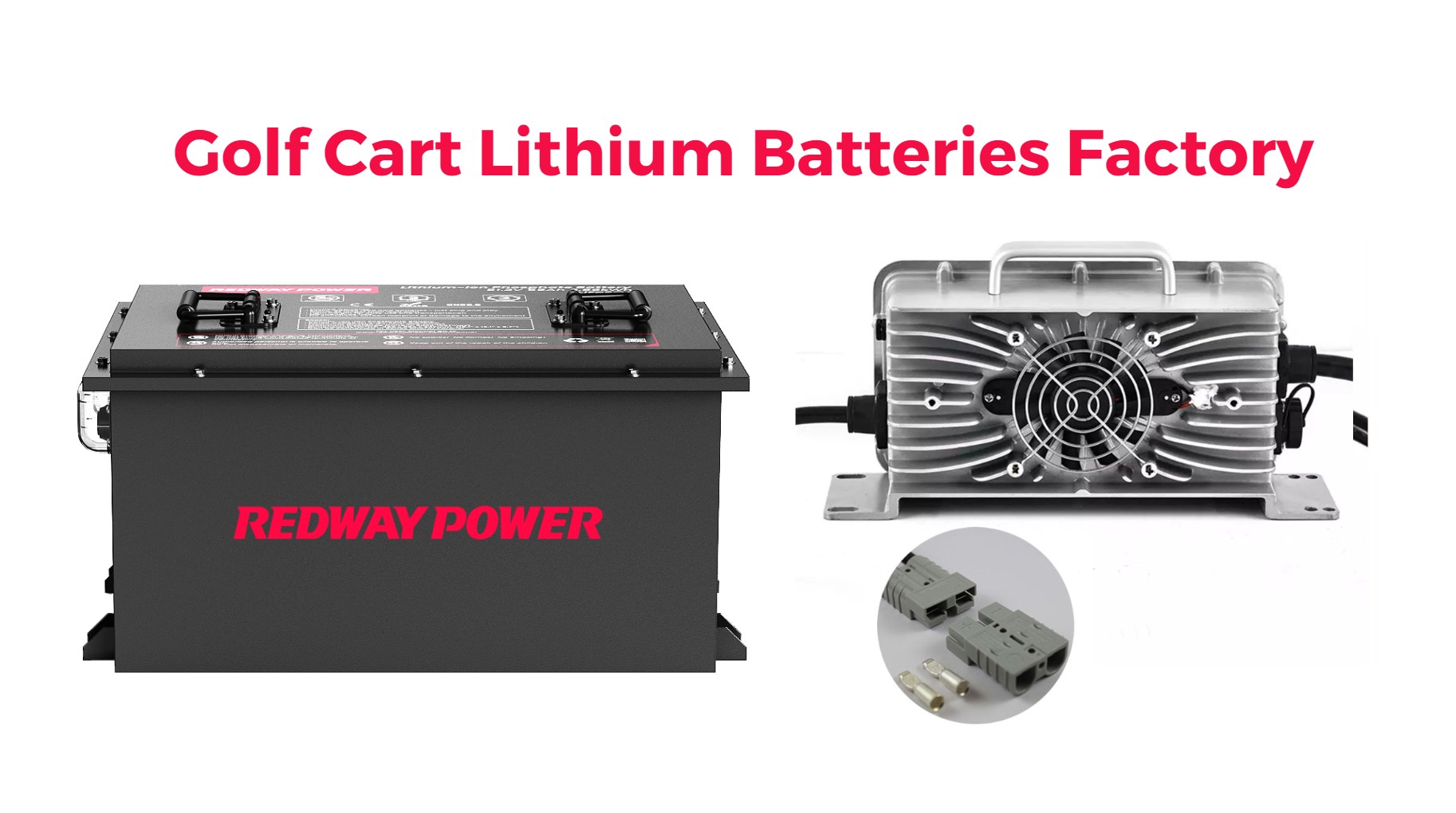
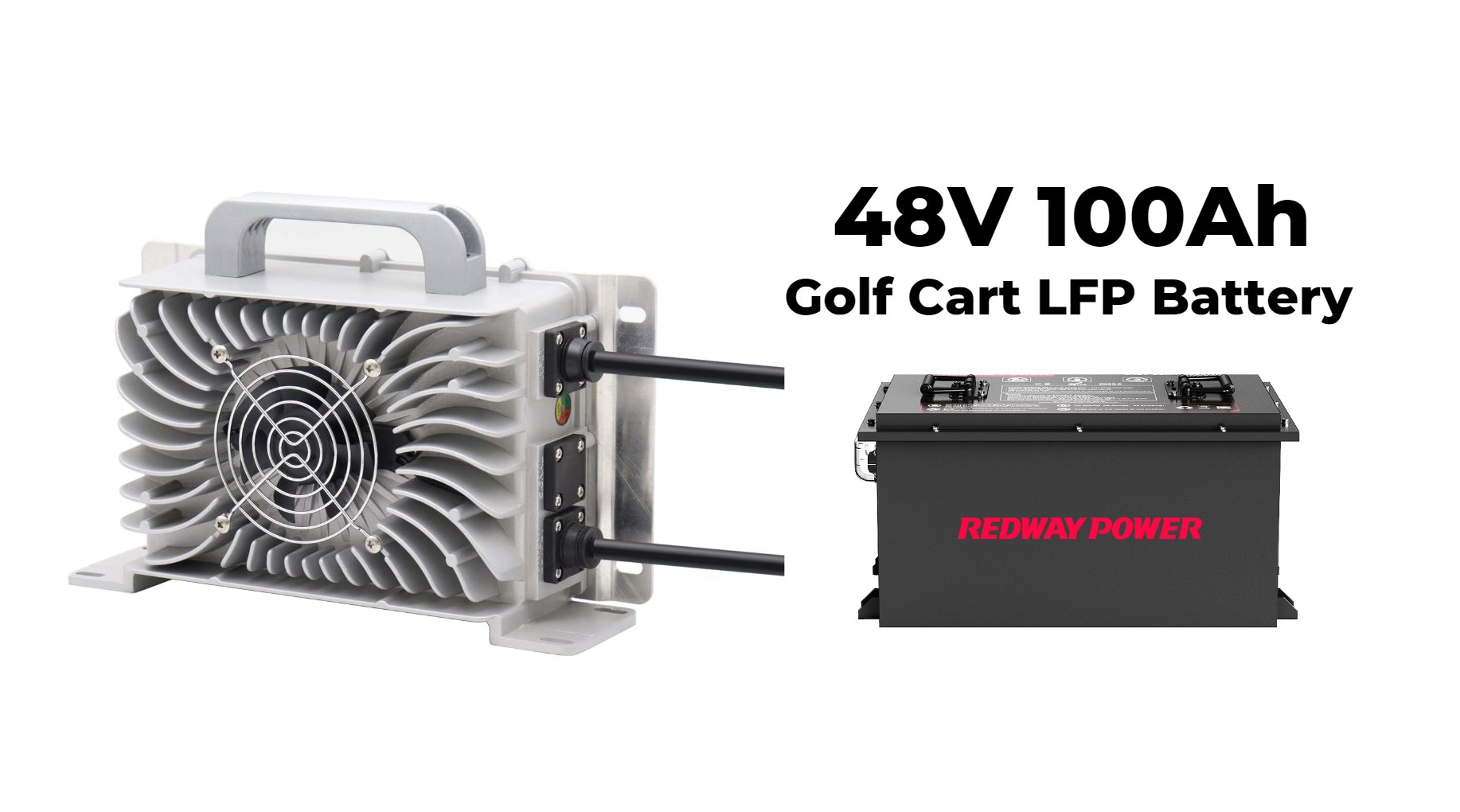
  3. Charger Compatibility: Standard lead-acid chargers may not be suitable for charging LiFePO4 batteries effectively.

How Do You Assess Your Golf Cart’s Electrical System?

To assess your golf cart’s electrical system, check the voltage rating of your current batteries and inspect wiring for any damage. Use a multimeter to measure voltage at the terminals and ensure it matches the requirements for LiFePO4 batteries.

  1. Check the voltage rating of your current setup.
  2. Inspect existing wiring for wear or damage; ensure it can handle increased current.
  3. Evaluate the charger; it should be compatible with lithium technology.

What Are Voltage and Capacity Considerations?

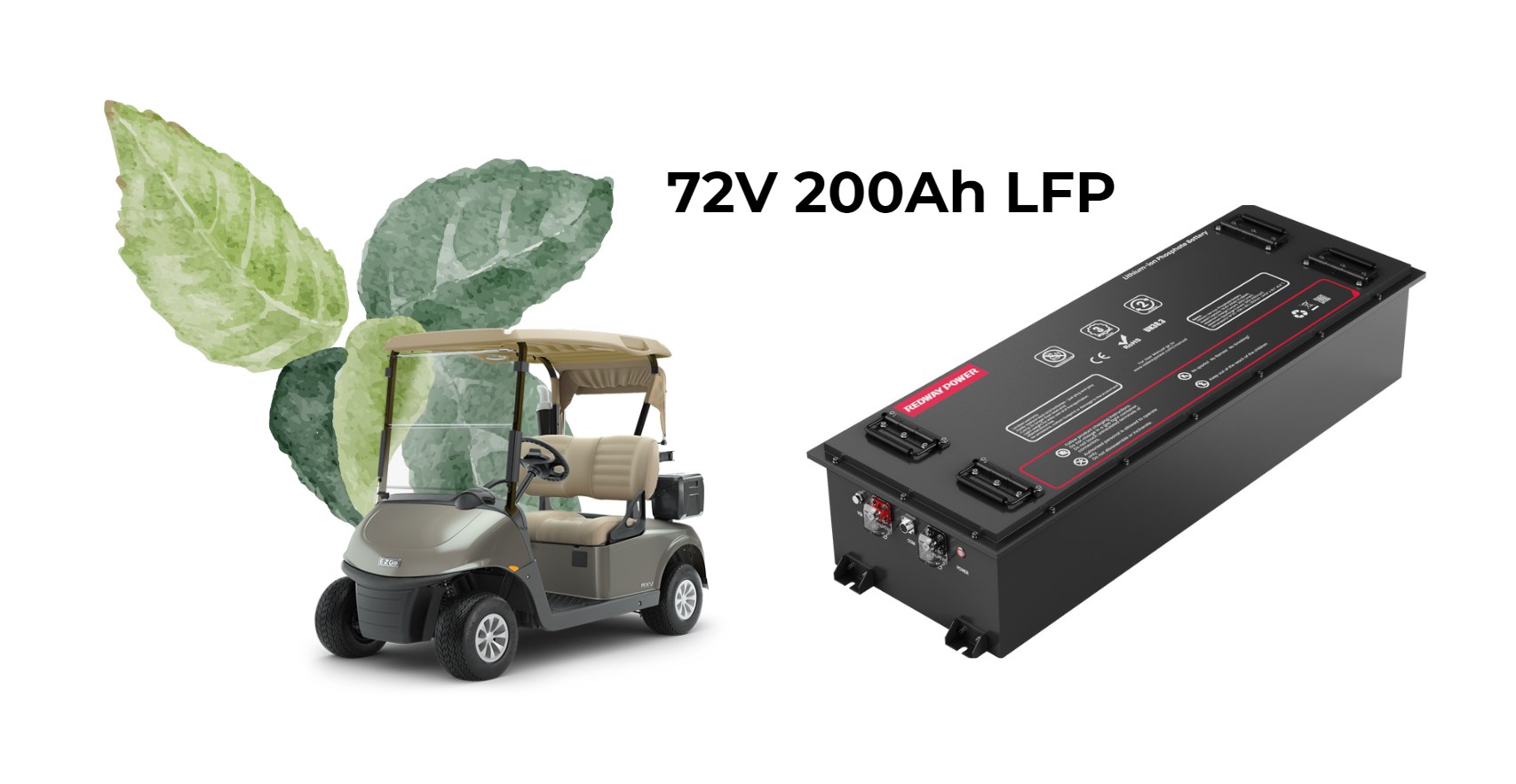
When upgrading, ensure that the voltage of the new LiFePO4 batteries matches your golf cart’s system (usually 36V or 48V). Also, consider capacity; higher capacity batteries provide longer run times but may require adjustments to wiring or space.

Know More:

How Do You Install LiFePO4 Batteries in a Golf Cart?
What Steps Are Involved in Replacing Lead-Acid Batteries with LiFePO4?
Are There Compatibility Issues When Upgrading to LiFePO4 Batteries?
What Tools Are Needed for LiFePO4 Golf Cart Battery Installation?

How Do Wiring and Connection Differences Affect Installation?

Wiring and connection differences can affect installation by requiring new connectors or modifications to existing wiring. Properly matching connections is essential to avoid short circuits or damage to the battery or cart.

  1. Thicker Wires: Higher currents necessitate thicker gauge wires to prevent overheating.
  2. Secure Connections: Ensure all connections are tight and secure to avoid arcing or power loss during operation.

What Are the Advantages of Switching to LiFePO4?

Switching to LiFePO4 offers advantages like longer lifespan, faster charging times, lower weight, and reduced maintenance needs. These benefits enhance performance and efficiency in golf carts compared to traditional lead-acid batteries.

  1. Longer Lifespan: They can last up to 6,000 cycles compared to 300-500 cycles for lead-acid.
  2. Lower Maintenance: LiFePO4 requires less frequent maintenance, such as no watering or equalization.
  3. Higher Efficiency: They provide consistent power output without significant voltage drops.

How Can Users Ensure a Smooth Transition?

To ensure a smooth transition, research compatibility with your specific golf cart model, use appropriate chargers, and follow installation guidelines carefully. Consulting with professionals can also help avoid common pitfalls during the upgrade.

  1. Conduct thorough research on compatibility before purchasing new batteries.
  2. Consult with professionals if unsure about installation or compatibility issues.
  3. Follow manufacturer guidelines for installation and maintenance practices.

Expert Views:
“Transitioning from lead-acid to LiFePO4 technology can greatly enhance performance but requires careful consideration of compatibility,” states an expert from Redway. “By addressing potential issues upfront, users can enjoy the full benefits of lithium battery technology without complications.”

Conclusion

Upgrading from lead-acid batteries to LiFePO4 involves understanding compatibility issues related to voltage, capacity, wiring, and charging systems. By addressing these challenges thoughtfully, users can maximize their investment in lithium technology while enjoying improved performance and longevity.

FAQ Section

  • What are common compatibility issues when switching batteries?
    Common issues include voltage mismatches, wiring configuration differences, and charger incompatibility.
  • How do I know if my golf cart is compatible with LiFePO4?
    Check your golf cart’s voltage requirements and inspect existing wiring for suitability with higher current outputs.
  • What advantages do LiFePO4 batteries offer over lead-acid?
    LiFePO4 batteries provide longer lifespans, lower maintenance needs, and greater efficiency compared to lead-acid options.

golf cart lithium battery Advantages of Upgrading to LiFePO4 Batteries

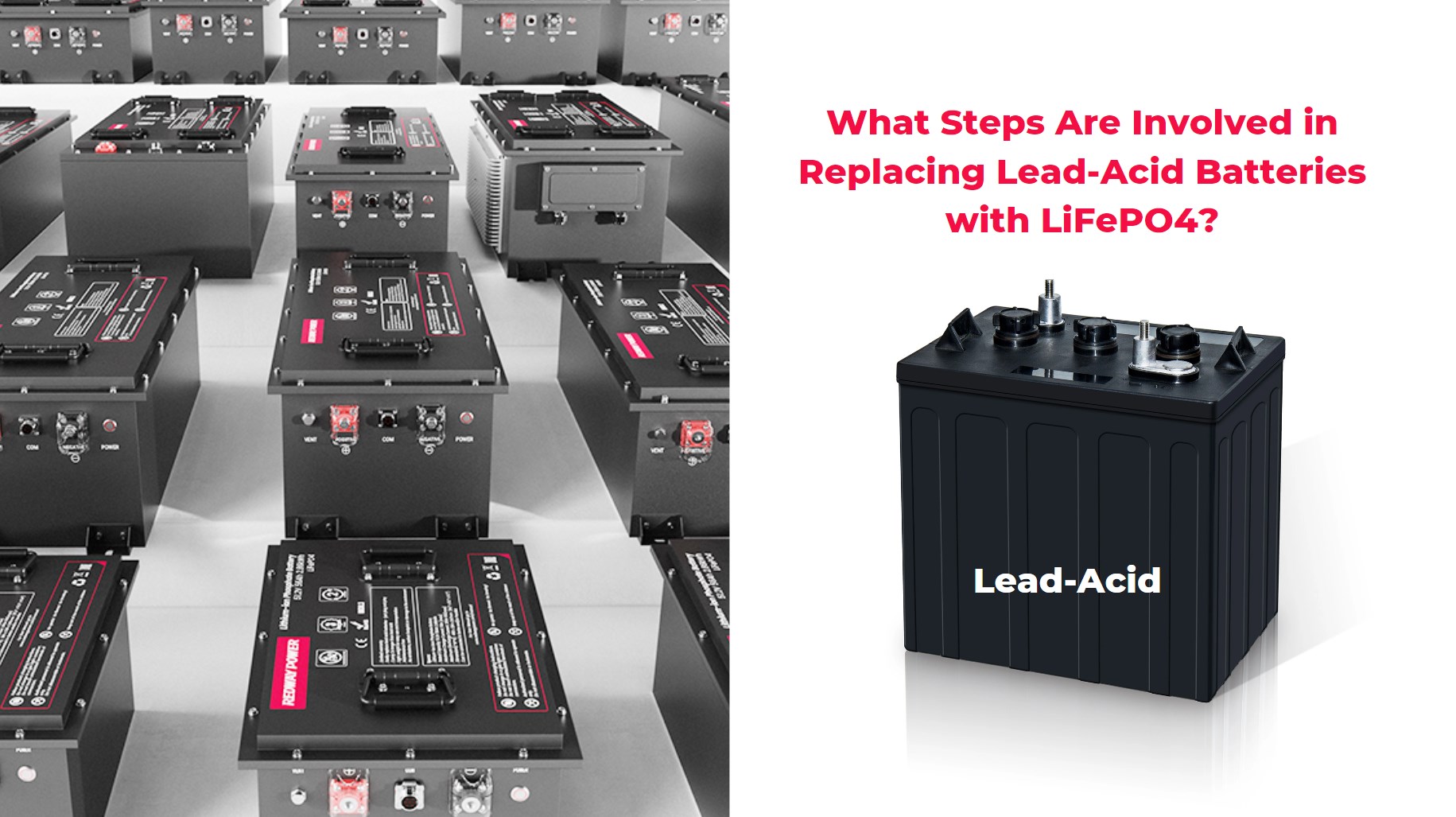
What Steps Are Involved in Replacing Lead-Acid Batteries with LiFePO4?

What Steps Are Involved in Replacing Lead-Acid Batteries with LiFePO4?

Replacing lead-acid batteries with LiFePO4 batteries involves several key steps: gathering necessary tools, ensuring safety precautions, removing old batteries, installing new ones, and testing the system. By following these steps carefully, users can ensure a successful transition that maximizes the benefits of LiFePO4 technology.

To replace lead-acid batteries with LiFePO4, first, turn off the golf cart and disconnect the old batteries. Clean the battery compartment, then install the new LiFePO4 batteries by connecting the positive terminal first, followed by the negative. Ensure all connections are secure before powering on the cart.

What Safety Gear Should Be Used During Replacement?

During battery replacement, wear safety gloves and goggles to protect against acid spills and electrical hazards. Ensure you work in a well-ventilated area to avoid inhaling any harmful fumes from lead-acid batteries. Recommended gear includes:

  1. Safety Goggles: Protects eyes from acid splashes or debris.
  2. Gloves: Insulated gloves prevent electric shock and protect against corrosive materials.
  3. Long Sleeves: Wearing long sleeves can protect skin from accidental contact with battery acid.

How Do You Ensure Compatibility with Your Golf Cart?

To ensure compatibility, check your golf cart’s voltage requirements and dimensions of the battery compartment. Verify that the LiFePO4 battery matches these specifications and is suitable for your specific golf cart model.

  1. Voltage Requirements: Ensure the new batteries match your cart’s voltage system (typically 12V or 48V).
  2. Physical Size: Measure the battery compartment to confirm that the new batteries will fit.
  3. Capacity Needs: Assess how much capacity (Ah) you need based on your usage patterns.

What Tools Are Required for Installation?

For installation, you will need basic tools such as a wrench or pliers, a wire brush for cleaning, safety gloves, and goggles. Having these tools ready will make the replacement process easier and safer.

  1. Socket Wrench Set: For disconnecting battery terminals.
  2. Screwdrivers: To secure battery mounts or covers.
  3. Wire Cutters/Strippers: For any necessary adjustments to wiring.
  4. Multimeter: To check voltage levels before and after installation.

Know More:

How Do You Install LiFePO4 Batteries in a Golf Cart?
What Steps Are Involved in Replacing Lead-Acid Batteries with LiFePO4?
Are There Compatibility Issues When Upgrading to LiFePO4 Batteries?
What Tools Are Needed for LiFePO4 Golf Cart Battery Installation?

How Do You Remove Old Lead-Acid Batteries?

To remove old lead-acid batteries, first disconnect the negative terminal followed by the positive terminal to avoid short circuits. Then, carefully lift out the old batteries from their compartment, ensuring you handle them safely due to their weight.

  1. Turn off all power sources connected to the golf cart.
  2. Disconnect the negative terminal first, followed by the positive terminal to prevent short circuits.
  3. Carefully lift out the old battery, ensuring no acid spills occur during removal.

How Do You Install New LiFePO4 Batteries?

Install new LiFePO4 batteries by placing them in the battery compartment securely. Connect the positive terminal first, followed by the negative terminal. Make sure all connections are tight to ensure proper functioning.

  1. Place the new battery securely in the compartment.
  2. Connect the positive terminal first, followed by the negative terminal.
  3. Ensure all connections are tight and secure to prevent arcing or loss of power.

What Are Common Mistakes to Avoid When Replacing Batteries?

Common mistakes include connecting terminals incorrectly, failing to secure connections tightly, and not cleaning the battery compartment before installation. Always double-check your work to avoid these issues.

  1. Not Checking Compatibility: Ensure voltage and size match your golf cart’s requirements.
  2. Ignoring Safety Precautions: Always wear protective gear when handling batteries.
  3. Improper Connection Order: Connect terminals in the correct order (positive first) to avoid short circuits.

How Do You Test the System After Installation?

After installation, test the system by turning on your golf cart to ensure it powers up correctly. Check that all electrical components function properly and look for any warning lights or error messages.

  1. Turn on your golf cart’s power system.
  2. Use a multimeter to check voltage levels at the terminals; it should match expected values.
  3. Take a short test drive to ensure everything functions correctly without warning lights or issues.

Expert Views:
“Transitioning from lead-acid to LiFePO4 batteries can greatly enhance your golf cart’s performance,” states an expert from Redway. “By following proper installation procedures and ensuring compatibility, users can enjoy longer-lasting power without frequent replacements.”

Conclusion

Replacing lead-acid batteries with LiFePO4 involves careful planning and execution but offers significant benefits in performance and longevity. By following outlined steps—ensuring safety, checking compatibility, using appropriate tools, and conducting thorough testing—users can maximize their investment in advanced battery technology.

FAQ Section

  • What is a key benefit of switching to LiFePO4 batteries?
    LiFePO4 batteries offer longer lifespans and lower maintenance compared to lead-acid options.

  • How do I know if my golf cart is compatible with LiFePO4?
    Check your golf cart’s voltage requirements and physical space for battery fit.
  • What should I do if I encounter issues during installation?
    Consult a professional or refer to manufacturer guidelines for troubleshooting assistance.
How Do You Install LiFePO4 Batteries in a Golf Cart?

How Do You Install LiFePO4 Batteries in a Golf Cart?

Installing LiFePO4 batteries in a golf cart offers a safer, lighter, and more efficient alternative to traditional lead-acid batteries. These lithium iron phosphate batteries provide longer lifespan, faster charging, and consistent power output. Proper installation ensures optimal performance, durability, and safety, making your golf cart more reliable and cost-effective over time.

Why Should You Upgrade to LiFePO4 Batteries in Golf Carts?

Upgrading to LiFePO4 batteries enhances golf cart efficiency and user experience. These batteries provide a longer lifespan of up to 10–15 years, significantly outperforming the typical 3–5 years of lead-acid batteries. Their lighter weight improves handling and acceleration, while faster charging reduces downtime, allowing for more consistent and reliable operation on the course.

Feature LiFePO4 Lead-Acid
Lifespan 10–15 years 3–5 years
Weight Lighter, improves handling Heavier, reduces efficiency
Charging Time 1–3 hours 8–14 hours
Maintenance Minimal Regular watering and terminal cleaning

What Tools Do You Need for Installation?

Proper tools simplify the installation process and ensure safety. Essential equipment includes:

  • Socket wrenches and screwdrivers for mounting and connections

  • Battery cables and connectors

  • Multimeter for voltage verification

  • Insulation materials, such as heat shrink tubing

  • Safety gear including gloves and goggles

Having all tools prepared in advance reduces errors and improves installation efficiency.

How Do You Prepare Your Golf Cart for LiFePO4 Battery Installation?

Preparation is critical for safety and performance. Begin by turning off the cart and disconnecting all power sources. Remove old batteries carefully and clean the battery compartment to remove corrosion or debris. Confirm compatibility with lithium technology by reviewing the cart and battery manufacturer’s guidelines.

Steps:

  1. Disconnect the old battery system safely.

  2. Clean the battery compartment thoroughly.

  3. Verify space and ventilation for the new battery.

What Are the Steps for Installing LiFePO4 Batteries?

Installing LiFePO4 batteries involves:

  1. Powering down the golf cart.

  2. Removing old lead-acid batteries.

  3. Positioning the new LiFePO4 battery securely.

  4. Connecting the positive terminal first, followed by the negative.

  5. Securing all connections and testing the system.

When installing multiple batteries, connect positive terminals to positive and negative to negative, ensuring alignment with the wiring diagram.

How Do You Connect the Batteries Properly?

Correct connections prevent electrical issues. Attach the positive terminal first (red) and then the negative (black). Tighten connections according to manufacturer specifications, using a torque wrench if needed. For multiple batteries, parallel connections are preferred to increase capacity while maintaining proper voltage.

What Safety Precautions Should Be Taken During Installation?

Safety is paramount:

  • Wear gloves and goggles at all times.

  • Ensure the cart is off before handling wires.

  • Avoid short circuits by keeping terminals and wires clear.

  • Work in a well-ventilated area.

Following these precautions reduces risk and ensures a safe installation.

How Do You Test the Installation After Completion?

After installation:

  1. Power on the golf cart and verify smooth operation.

  2. Check all electrical components, including lights and accessories.

  3. Use a multimeter to confirm correct voltage across terminals.

  4. Conduct a short test drive to ensure performance under load.

Monitoring the system immediately identifies potential issues.

What Common Mistakes Should Be Avoided During Installation?

Common errors include:

  • Connecting terminals in the wrong order, causing short circuits.

  • Leaving connections loose, leading to energy loss or overheating.

  • Skipping manufacturer guidelines, which can void warranties.

  • Ignoring compatibility checks with accessories and chargers.

Double-checking each step prevents costly mistakes.

How Do You Maintain LiFePO4 Batteries After Installation?

Proper maintenance ensures longevity:

  • Inspect connections regularly for corrosion or looseness.

  • Avoid overcharging and deep discharges.

  • Store batteries in a cool, dry environment when not in use.

  • Monitor charge cycles with an appropriate charger and, if available, a State of Charge (SOC) meter.

These practices help maximize lifespan and performance.

What Are the Indicators of a Successful Installation?

A successful LiFePO4 installation is confirmed by:

  • Smooth operation of the golf cart with consistent power output.

  • No error messages or alerts on the display.

  • Secure, tight connections without loose wires.

  • Proper functioning of all electrical components during operation.

Redway Expert Views

Switching to LiFePO4 batteries transforms golf cart performance by delivering consistent power, reducing maintenance, and extending lifespan,” explains a specialist from Redway Battery. “Careful installation and adherence to safety standards allow users to maximize battery efficiency while ensuring long-term reliability, making it an ideal upgrade for both recreational and commercial applications.”

Conclusion

Installing LiFePO4 batteries in golf carts provides significant benefits in performance, weight reduction, and maintenance. Following structured installation steps—preparation, secure connections, proper testing, and ongoing maintenance—ensures long-term reliability. Redway Battery’s solutions offer durable, safe, and high-performance options for those upgrading to lithium technology, making the investment both practical and efficient.

FAQs

What tools do I need to install LiFePO4 batteries?
Essential tools include wrenches, screwdrivers, battery cables, a multimeter, and protective gear.

Can I install LiFePO4 batteries myself?
Yes, provided you follow safety guidelines and manufacturer instructions carefully.

How often should I maintain my LiFePO4 batteries?
Perform inspections every few months, or more frequently for heavy usage, to check connections and battery health.

What makes LiFePO4 batteries better than lead-acid?
They offer longer lifespan, lighter weight, faster charging, and require minimal maintenance.

Do I need a special charger for LiFePO4 batteries?
Yes, lithium-specific chargers are recommended to prevent overcharging and maximize battery life.

How do LiFePO4 batteries perform in extreme weather conditions?

How Do LiFePO4 Batteries Perform in Extreme Weather Conditions?

Lithium iron phosphate (LiFePO4) batteries are a type of rechargeable lithium-ion battery known for their safety, stability, and long lifespan. These batteries utilize lithium iron phosphate as their cathode material, making them suitable for a variety of applications, including electric vehicles and golf carts, especially under challenging environmental conditions.

How Do LiFePO4 Batteries Perform in Cold Weather?

In cold weather, LiFePO4 batteries can experience reduced capacity and efficiency, typically reaching only 60% to 80% of their rated capacity at temperatures below freezing (0°C or 32°F). This reduction is due to slower chemical reactions within the battery at lower temperatures, which can lead to diminished power output.

What Is the Performance of LiFePO4 Batteries in Hot Weather?

LiFePO4 batteries perform well in hot weather compared to other lithium-ion chemistries; they can operate effectively up to 60°C (140°F). However, prolonged exposure to high temperatures can lead to accelerated self-discharge rates and potential thermal runaway if not properly managed.

What Is the Optimal Temperature Range for LiFePO4 Batteries?

The optimal operating temperature range for LiFePO4 batteries is typically between 0°C and 45°C (32°F and 113°F). Within this range, they achieve maximum efficiency, capacity, and safety, ensuring reliable performance across various applications.

How Do Environmental Conditions Affect Battery Lifespan?

Extreme temperatures can significantly impact the lifespan of LiFePO4 batteries; consistently operating outside the recommended temperature range may lead to faster degradation and reduced cycle life. Maintaining batteries within optimal conditions helps maximize their longevity.

Know More:

What Safety Features Do LiFePO4 Golf Cart Batteries Offer?
How Do Built-in Battery Management Systems (BMS) Protect LiFePO4 Batteries?
What Temperature Ranges Are Safe for LiFePO4 Golf Cart Battery Operation?
How Do LiFePO4 Batteries Perform in Extreme Weather Conditions?

What Safety Features Help LiFePO4 Batteries Handle Extreme Conditions?

LiFePO4 batteries are equipped with several safety features:

  • Thermal stability that prevents overheating.
  • Built-in battery management systems (BMS) that monitor temperature and voltage levels.
  • Robust construction that resists damage from physical impacts or temperature fluctuations.

How Do Charging Practices Change in Extreme Weather?

Charging practices should be adjusted based on environmental conditions:

  • In cold weather, it’s advisable to warm up the battery before charging to prevent damage.
  • In hot weather, avoid charging at peak temperatures; instead, charge during cooler times of day or use cooling systems if available.

What Are the Best Practices for Storing LiFePO4 Batteries in Extreme Conditions?

For optimal storage:

  • Store batteries indoors where temperature extremes can be controlled.
  • Keep them charged between 30% and 50% if not used for extended periods.
  • Avoid direct sunlight or damp environments that could affect performance.

What Are the Indicators of Reduced Performance in Extreme Conditions?

Indicators include:

  • Noticeable drops in capacity or range during use.
  • Increased charging times or failure to reach full charge.
  • Physical signs such as swelling or heat generation during operation.

How Do LiFePO4 Batteries Compare to Other Battery Types Under Extreme Conditions?

Compared to traditional lead-acid batteries, LiFePO4 batteries exhibit superior performance under extreme conditions due to their thermal stability and lower susceptibility to damage from temperature fluctuations. They maintain efficiency better than other lithium-ion chemistries as well.

What Maintenance Tips Can Help Optimize Performance in Varying Temperatures?

To optimize performance:

  • Regularly check battery health and connections.
  • Monitor temperature during charging and usage.
  • Ensure proper insulation if used frequently in extreme conditions.

Expert Views

“Understanding how environmental factors affect LiFePO4 battery performance is crucial for maximizing their benefits,” states an expert from Redway. “By following best practices tailored to specific conditions, users can ensure reliability and longevity.”

Conclusion

In summary, lithium iron phosphate (LiFePO4) batteries offer robust performance across a range of environmental conditions but require careful management during extreme weather scenarios. By understanding their capabilities and limitations, users can optimize usage while ensuring safety and efficiency.

FAQ Section

  • How do cold temperatures affect LiFePO4 battery performance?
    Cold temperatures can reduce capacity significantly, often limiting output to 60%–80% at freezing levels.
  • What is the optimal temperature range for using these batteries?
    The optimal range is typically between 0°C and 45°C (32°F and 113°F) for maximum efficiency.
  • Can I charge my LiFePO4 battery in extreme heat?
    Yes, but it’s best to avoid charging at peak temperatures; cooler periods are preferable for charging.
What Temperature Ranges Are Safe for LiFePO4 Golf Cart Battery Operation?

What Temperature Ranges Are Safe for LiFePO4 Golf Cart Battery Operation?

LiFePO4 golf cart batteries operate safely within a temperature range of -20°C (-4°F) to 60°C (140°F). Staying within this range is crucial to ensure optimal performance, prevent damage, and extend battery lifespan during both charging and discharging cycles.

How Can Users Monitor Battery Temperature?

Users can monitor battery temperature using built-in sensors in many modern LiFePO4 batteries or external temperature gauges. Regularly checking the battery’s temperature helps ensure it remains within the safe operating range, preventing overheating or underperformance.

What Are the Consequences of Overheating LiFePO4 Batteries?

Overheating can lead to several detrimental effects on LiFePO4 batteries:

  1. Reduced Capacity: High temperatures can decrease overall battery capacity.
  2. Shortened Lifespan: Prolonged exposure to excessive heat accelerates degradation.
  3. Safety Risks: There is a heightened risk of thermal runaway, leading to potential fire hazards.

How Do Seasonal Changes Affect Battery Performance?

Seasonal changes can significantly impact battery performance:

  • In winter, low temperatures can reduce capacity and efficiency, potentially causing slower discharge rates.
  • In summer, high temperatures can lead to overheating, which may compromise battery integrity if not managed properly.

Know More:

What Safety Features Do LiFePO4 Golf Cart Batteries Offer?
How Do Built-in Battery Management Systems (BMS) Protect LiFePO4 Batteries?
What Temperature Ranges Are Safe for LiFePO4 Golf Cart Battery Operation?
How Do LiFePO4 Batteries Perform in Extreme Weather Conditions?

What Is the Ideal Temperature for Charging LiFePO4 Batteries?

The ideal temperature range for charging LiFePO4 batteries is between 0°C (32°F) and 50°C (122°F). Charging outside this range can lead to inefficient charging processes and may risk damaging the battery.

How Does Cold Weather Affect LiFePO4 Battery Functionality?

Cold weather can impair the performance of LiFePO4 batteries by reducing their effective capacity. At temperatures below -20°C (-4°F), users may experience diminished power output and slower response times, making it essential to keep batteries warm during winter months.Expert Views:
“Maintaining proper temperature ranges is vital for ensuring the longevity and reliability of LiFePO4 batteries,” states an expert from Redway. “By monitoring environmental conditions and adhering to recommended practices, users can maximize their battery’s performance throughout its lifespan.”

Conclusion

Understanding the safe operating temperature ranges for LiFePO4 golf cart batteries is essential for optimizing their performance and lifespan. By monitoring temperature conditions, adhering to charging guidelines, and being aware of seasonal impacts, users can ensure their batteries remain efficient and reliable.

FAQ Section

  • What is the safe operating temperature range for LiFePO4 batteries?
    The safe operating temperature range is typically between -20°C (-4°F) and 60°C (140°F).
  • How does cold weather affect battery performance?
    Cold weather can reduce capacity and efficiency, leading to slower discharge rates.
  • What should I do if my battery overheats?
    If your battery overheats, disconnect it from any load or charger immediately and allow it to cool down in a safe environment.

LiFePO4 Golf Cart Battery Recommendations for Optimal Temperature Management

How Do Built-in Battery Management Systems (BMS) Protect LiFePO4 Batteries?

How Do Built-in Battery Management Systems (BMS) Protect LiFePO4 Batteries?

Built-in Battery Management Systems (BMS) are crucial for protecting LiFePO4 batteries by monitoring voltage, current, and temperature to prevent conditions that could lead to damage or safety hazards. They provide essential features like overcharge and over-discharge protection, ensuring optimal performance and longevity.

What is a Battery Management System?

A Battery Management System (BMS) is an electronic system that manages a rechargeable battery by monitoring its state, calculating its data, reporting that information, controlling its environment, and balancing its cells. In LiFePO4 batteries, the BMS plays a vital role in maintaining safety and performance.

How Does a BMS Protect Against Overcharging?

Overcharging can lead to overheating and potential thermal runaway in lithium batteries. A BMS protects against overcharging by monitoring the voltage of each cell and disconnecting the charger when it reaches the maximum safe voltage level (typically around 3.65V for LiFePO4). This prevents damage and ensures safe operation.

How Does a BMS Prevent Over-Discharging?

Over-discharging can permanently damage lithium-ion cells by pushing them below their minimum voltage threshold (around 2.5V for LiFePO4). The BMS monitors cell voltages during discharge and disconnects the load if any cell drops below this threshold, thus protecting the battery from irreversible damage.

How Does Cell Balancing Work in a BMS?

Cell balancing ensures that all cells within the battery pack maintain equal voltage levels during charging and discharging. The BMS redistributes charge among cells to prevent one cell from becoming overcharged while others remain undercharged, which optimizes performance and extends battery lifespan.

Know More:

What Safety Features Do LiFePO4 Golf Cart Batteries Offer?
How Do Built-in Battery Management Systems (BMS) Protect LiFePO4 Batteries?
What Temperature Ranges Are Safe for LiFePO4 Golf Cart Battery Operation?
How Do LiFePO4 Batteries Perform in Extreme Weather Conditions?

What Are the Risks of Not Having a BMS?

Without a BMS, LiFePO4 batteries are vulnerable to several risks:

  1. Overcharging: Can cause overheating or fire.
  2. Over-discharging: Leads to permanent damage.
  3. Cell Imbalance: Results in reduced capacity and lifespan.
  4. Temperature Extremes: Increases risk of thermal runaway.

How Can Users Monitor BMS Performance?

Users can monitor BMS performance through built-in indicators or external monitoring systems that display key metrics such as voltage levels, current flow, temperature readings, and state of charge (SoC). Regular checks ensure that the battery operates within safe parameters.Expert Views:
“Integrating a robust Battery Management System is essential for maximizing the safety and efficiency of LiFePO4 batteries,” states an expert from Redway. “By preventing overcharging and over-discharging while ensuring cell balance, users can significantly extend battery life and enhance performance.”

Conclusion

Built-in Battery Management Systems are critical for protecting LiFePO4 batteries from various risks associated with improper usage. By providing essential safety features such as overcharge protection, over-discharge prevention, and cell balancing, a well-functioning BMS ensures optimal performance and longevity of lithium batteries.

FAQ Section

  • What does a Battery Management System do?
    A Battery Management System monitors battery state, controls charging/discharging processes, balances cells, and ensures safety.
  • Why is overcharge protection important?
    Overcharge protection prevents overheating and potential thermal runaway, which can lead to fires or battery failure.
  • How often should I check my battery management system?
    Regular checks should be performed every few months or whenever you notice unusual behavior from your battery system.

golf cart lithium battery State of Charge (SOC) Monitoring

What Safety Features Do LiFePO4 Golf Cart Batteries Offer?

What Safety Features Do LiFePO4 Golf Cart Batteries Offer?

Lithium iron phosphate (LiFePO4) golf cart batteries are rechargeable batteries known for their safety, stability, and long lifespan, making them an ideal choice for electric golf carts. These batteries utilize lithium iron phosphate as their cathode material, which provides several inherent safety advantages over other battery chemistries.

What Safety Features Do LiFePO4 Batteries Offer?

LiFePO4 batteries come equipped with multiple safety features designed to ensure safe operation:

  • Thermal Stability: They exhibit high thermal stability, significantly reducing the risk of overheating and combustion.
  • Built-in Protection Circuits: These circuits prevent overcharging, over-discharging, and short circuits, enhancing overall safety.
  • Robust Cell Design: The structural integrity of LiFePO4 cells minimizes damage during impacts or vibrations.

How Does Thermal Stability Enhance Safety?

Thermal stability is one of the key safety features of LiFePO4 batteries; they can withstand higher temperatures without degrading or entering thermal runaway—a condition where excessive heat leads to uncontrolled reactions and potential fires. This stability makes them safer for various applications, including golf carts.

What Is the Role of the Battery Management System (BMS)?

The battery management system (BMS) plays a crucial role in ensuring safety by monitoring individual cell voltages, temperatures, and overall battery health. It provides protections such as:

  • Overcharge protection to prevent damage from excessive voltage.
  • Over-discharge protection to maintain cell integrity.
  • Temperature regulation to avoid overheating during charging and discharging.

How Do LiFePO4 Batteries Prevent Thermal Runaway?

LiFePO4 batteries are less prone to thermal runaway due to their stable chemical composition; unlike other lithium-ion chemistries that may release flammable gases under stress, LiFePO4 maintains its structural integrity even under high temperatures or during overcharging scenarios.

Know More:

What Safety Features Do LiFePO4 Golf Cart Batteries Offer?
How Do Built-in Battery Management Systems (BMS) Protect LiFePO4 Batteries?
What Temperature Ranges Are Safe for LiFePO4 Golf Cart Battery Operation?
How Do LiFePO4 Batteries Perform in Extreme Weather Conditions?

What Are the Advantages of Using LiFePO4 Batteries in Golf Carts?

The advantages include:

  • Enhanced safety features that reduce fire risks.
  • Longer lifespan compared to lead-acid batteries, resulting in fewer replacements.
  • Greater energy efficiency leading to improved performance and range.

How Do Environmental Conditions Affect Battery Safety?

Environmental factors such as temperature extremes can influence battery performance; while LiFePO4 batteries perform well across various conditions, excessive heat can accelerate degradation over time. Proper management systems help mitigate these effects by monitoring environmental conditions.

What Maintenance Practices Enhance Battery Safety?

To enhance battery safety:

  • Regularly inspect terminals for corrosion and secure connections.
  • Monitor charging cycles and avoid deep discharges.
  • Keep the battery clean from dirt and debris that could cause short circuits.

What Common Mistakes Should Be Avoided to Ensure Safety?

Common mistakes include:

  • Using chargers not designed for lithium technology, which can lead to overheating.
  • Neglecting regular inspections that can overlook potential issues.
  • Allowing deep discharges frequently, which can damage cells.

How Are LiFePO4 Batteries Tested for Safety Standards?

LiFePO4 batteries undergo rigorous testing to meet international safety standards such as UN 3480 and UL 1642. These tests evaluate performance under extreme conditions, ensuring that they can withstand impacts, temperature fluctuations, and electrical faults without posing risks.

What Are the Indicators of a Faulty LiFePO4 Battery?

Signs that a LiFePO4 battery may be faulty include:

  • Swelling or physical deformation of the battery casing.
  • Inconsistent performance or significant drops in capacity.
  • Frequent alerts from the BMS indicating faults or imbalances.

Expert Views

“Safety is paramount when it comes to battery technology,” states an expert from Redway. LiFePO4 batteries offer robust features that not only enhance user confidence but also ensure reliable performance across various applications.

Conclusion

In summary, lithium iron phosphate (LiFePO4) golf cart batteries provide numerous safety features that make them a reliable choice for electric vehicles. Understanding these features allows users to maximize benefits while ensuring safe operation throughout their lifespan.

FAQ Section

  • What are the main safety features of LiFePO4 batteries?
    They include thermal stability, built-in protection circuits, and robust cell design that minimize risks associated with overheating and damage.
  • How does a battery management system enhance safety?
    The BMS monitors voltage and temperature levels while providing protections against overcharging and short circuits.
  • Are there specific maintenance practices for ensuring battery safety?
    Yes, regular inspections for corrosion, monitoring charge cycles, and keeping terminals clean are essential maintenance practices.

Golf cart lithium battery Environmentally Friendly and Non-toxic Materials

What are the best practices for charging LiFePO4 golf cart batteries?

What Are the Best Practices for Charging LiFePO4 Golf Cart Batteries?

Lithium iron phosphate (LiFePO4) golf cart batteries are a type of rechargeable lithium-ion battery known for their safety, stability, and long lifespan. These batteries provide consistent power output and are increasingly favored in electric golf carts due to their efficiency and lower maintenance requirements compared to traditional lead-acid batteries.

Why Is Proper Charging Important for LiFePO4 Batteries?

Proper charging is crucial for maintaining the health and longevity of LiFePO4 batteries. Adhering to best practices ensures optimal performance, reduces risks associated with overcharging or overheating, and ultimately prolongs the lifespan of the battery, leading to better return on investment.

What Are the Best Practices for Charging LiFePO4 Batteries?

To charge LiFePO4 batteries effectively:

  • Use a charger specifically designed for lithium technology.
  • Charge after each use, ideally before the battery reaches 20% capacity.
  • Avoid deep discharges; aim to keep the charge between 20% and 80% regularly.

How Do You Choose the Right Charger for LiFePO4 Batteries?

Selecting the right charger involves:

  • Ensuring it is compatible with lithium iron phosphate technology.
  • Checking that it meets the voltage requirements of your specific battery model.
  • Looking for features such as built-in protection against overcharging and overheating.

Know More:

How Do You Maintain LiFePO4 Golf Cart Batteries?
What Routine Maintenance is Required for LiFePO4 Golf Cart Batteries?
How Should LiFePO4 Batteries Be Stored When Not in Use?
What Are the Best Practices for Charging LiFePO4 Golf Cart Batteries?

What Charging Techniques Maximize Battery Life?

To maximize battery life:

  • Charge at moderate rates (0.5C to 1C) to avoid generating excessive heat.
  • Use smart chargers that automatically cut off once full capacity is reached.
  • Regularly perform full charges every few weeks to balance cell voltages.

How Do Environmental Conditions Affect Charging?

Environmental factors such as temperature can significantly impact charging efficiency; it is best to charge within a temperature range of 32°F to 104°F (0°C to 40°C). Extreme temperatures can lead to reduced performance or damage if not managed properly.

What Safety Precautions Should Be Taken When Charging?

Safety precautions include:

  • Charging in a well-ventilated area to dissipate heat and gases.
  • Avoiding unattended charging sessions whenever possible.
  • Inspecting batteries and chargers regularly for signs of damage or wear.

How Often Should You Charge LiFePO4 Golf Cart Batteries?

The frequency of charging depends on usage; ideally, charge after each use, especially if you have used it extensively. For less frequent use, aim to charge at least once a week to maintain battery health.

What Are the Signs of a Faulty Charger?

Signs that a charger may be faulty include:

  • Inconsistent charging times or failure to charge at all.
  • Overheating during operation.
  • Visible damage such as frayed wires or burnt connectors.

How Do You Monitor Battery Health During Charging?

Monitoring battery health involves:

  • Using a battery management system (BMS) that tracks voltage and temperature during charging.
  • Observing any unusual behavior such as swelling or excessive heat during charging cycles.

What Common Mistakes Should Be Avoided When Charging LiFePO4 Batteries?

Common mistakes include:

  • Using chargers not designed for lithium technology, which can lead to damage.
  • Allowing deep discharges frequently, which can shorten battery life.
  • Neglecting regular inspections of both batteries and chargers.

Expert Views

“Adhering to proper charging practices is essential for maximizing the performance and lifespan of LiFePO4 batteries,” states an expert from Redway. By following these guidelines, users can ensure their golf carts remain reliable and efficient.

Conclusion

In summary, effectively maintaining lithium iron phosphate (LiFePO4) golf cart batteries through proper charging practices is vital for ensuring optimal performance and longevity. By understanding how to charge correctly, users can enjoy enhanced efficiency while reducing risks associated with improper handling.

FAQ Section

  • What is the best way to charge my LiFePO4 golf cart battery?
    Use a charger specifically designed for lithium technology and avoid deep discharges by charging before reaching 20% capacity.
  • How often should I charge my lithium golf cart battery?
    Ideally, charge after each use; if used less frequently, aim to charge at least once a week.
  • Can I leave my LiFePO4 battery connected to the charger overnight?
    It’s advisable not to leave it unattended; modern chargers have safety features but monitoring is always recommended.

Golf cart lithium battery charger Monitor Charging Temperature

How Should LiFePO4 Batteries Be Stored When Not in Use?

How Should LiFePO4 Batteries Be Stored When Not in Use?

LiFePO4 batteries should be stored at a charge level between 50% and 80% in a cool, dry environment, ideally between 15°C and 35°C (59°F and 95°F). Proper storage practices help maintain battery health and performance, ensuring they are ready for use when needed.

What Is the Recommended Charge Level for Storage?

For optimal storage, LiFePO4 batteries should be charged to between 50% and 80% of their capacity. Storing them fully charged or completely discharged can lead to stress on the battery’s chemistry, potentially shortening their lifespan.

What Are the Ideal Temperature Ranges for Storing LiFePO4 Batteries?

The ideal temperature range for storing LiFePO4 batteries is between 15°C and 35°C (59°F to 95°F). For short-term storage (up to one month), temperatures can range from -20°C to 60°C (-4°F to 140°F), but prolonged exposure to extreme temperatures should be avoided.

How Often Should You Check Stored LiFePO4 Batteries?

It is advisable to check stored LiFePO4 batteries every three months, especially if they are stored for extended periods. Regular checks can help monitor their state of charge and overall condition, ensuring they remain healthy.

What Are the Risks of Improper Storage?

Improper storage can lead to several risks, including:

  1. Over-discharge: Storing batteries at low charge levels can lead to irreversible damage.
  2. Temperature Damage: Extreme heat can cause thermal runaway, while extreme cold can halt chemical reactions.
  3. Corrosion: Moisture can lead to corrosion on terminals, affecting performance.

Know More:

How Do You Maintain LiFePO4 Golf Cart Batteries?
What Routine Maintenance is Required for LiFePO4 Golf Cart Batteries?
How Should LiFePO4 Batteries Be Stored When Not in Use?
What Are the Best Practices for Charging LiFePO4 Golf Cart Batteries?

How Does Humidity Affect Battery Storage?

Humidity can significantly impact battery health; high humidity levels can promote corrosion on terminals and connections, while low humidity conditions are generally more favorable. It’s best to store batteries in a dry environment with good ventilation.

Expert Views
“Proper storage of LiFePO4 batteries is crucial for maintaining their longevity and efficiency,” states an expert from Redway. “By following recommended practices regarding charge levels and temperature conditions, users can ensure that their investment remains viable and effective over time.”

Conclusion

Storing LiFePO4 batteries correctly when not in use is essential for preserving their performance and lifespan. By adhering to recommended charge levels, temperature ranges, and regular maintenance checks, users can maximize the effectiveness of their batteries and ensure readiness for future use.

FAQ Section

  • What is the best charge level for storing LiFePO4 batteries?
    LiFePO4 batteries should be stored at a charge level between 50% and 80%.
  • How often should I check my stored batteries?
    It’s recommended to check stored LiFePO4 batteries every three months.
  • What temperature range is ideal for battery storage?
    The ideal storage temperature is between 15°C and 35°C (59°F to 95°F).

Golf cart LiFePO4 Batteries Storage Location Considerations

What Routine Maintenance is Required for LiFePO4 Golf Cart Batteries?

What Routine Maintenance is Required for LiFePO4 Golf Cart Batteries?

Routine maintenance for LiFePO4 golf cart batteries includes regular charging, cleaning terminals, monitoring temperature, and ensuring proper storage conditions. By following these maintenance practices, users can significantly extend battery life and maintain optimal performance throughout its lifespan.

How Often Should You Inspect Your LiFePO4 Battery?

Regular inspections should be conducted at least once a month. During these inspections, check for any signs of physical damage, corrosion on terminals, or loose connections. Addressing these issues promptly can prevent further damage and ensure safe operation.

What Tools Are Needed for Routine Maintenance?

Essential tools for maintaining LiFePO4 batteries include:

  1. A multimeter to check voltage levels.
  2. A wire brush or cloth for cleaning terminals.
  3. A hydrometer (if applicable) to measure specific gravity.
  4. Safety gear such as gloves and goggles when handling batteries.

How Does Proper Storage Affect Battery Lifespan?

Proper storage significantly impacts the lifespan of LiFePO4 batteries. They should be stored in a cool, dry place away from extreme temperatures. Ideally, they should be kept at a state of charge between 20% and 80% to prevent degradation during long periods of inactivity.

What Are the Best Practices for Charging LiFePO4 Batteries?

Best practices for charging include:

  1. Using a charger specifically designed for LiFePO4 chemistry.
  2. Avoiding overcharging by disconnecting the charger once fully charged.
  3. Charging after each use or when the battery reaches around 20% SOC to optimize longevity.

Know More:

How Do You Maintain LiFePO4 Golf Cart Batteries?
What Routine Maintenance is Required for LiFePO4 Golf Cart Batteries?
How Should LiFePO4 Batteries Be Stored When Not in Use?
What Are the Best Practices for Charging LiFePO4 Golf Cart Batteries?

How Do Temperature Conditions Impact Battery Performance?

Temperature can greatly affect battery performance; LiFePO4 batteries operate best in moderate conditions (typically between 0°C and 45°C). Extreme heat can accelerate degradation, while very low temperatures can reduce efficiency and capacity temporarily.Expert Views:
“Maintaining your LiFePO4 battery with routine checks and proper care is vital for maximizing its lifespan,” states an expert from Redway. “By following recommended practices, users can ensure their investment continues to deliver reliable performance over many years.”

Conclusion

Routine maintenance is essential for ensuring that LiFePO4 golf cart batteries perform optimally throughout their lifespan. By adhering to regular inspection schedules, using appropriate tools, and following best charging practices, users can maximize battery efficiency and longevity.

FAQ Section

  • How often should I charge my LiFePO4 golf cart battery?
    It’s best to charge your battery after each use or when it reaches around 20% state of charge.
  • What should I check during a routine inspection?
    Inspect for physical damage, corrosion on terminals, loose connections, and overall cleanliness.
  • Do I need special tools for maintaining my LiFePO4 battery?
    Yes, tools like a multimeter, cleaning supplies, and safety gear are recommended for effective maintenance.

LiFePO4 Golf Cart Batteries Storage Recommendations

How Do You Maintain LiFePO4 Golf Cart Batteries?

How Do You Maintain LiFePO4 Golf Cart Batteries?

Lithium iron phosphate (LiFePO4) golf cart batteries are a type of rechargeable lithium-ion battery known for their safety, stability, and long lifespan. These batteries are increasingly popular in electric golf carts due to their ability to deliver consistent power while requiring less maintenance than traditional lead-acid batteries.

Why Is Maintenance Important for LiFePO4 Batteries?

Regular maintenance is crucial for maximizing the lifespan and performance of LiFePO4 batteries. Proper care ensures optimal efficiency, reduces the risk of malfunctions, and helps avoid costly replacements, making it essential for any golf cart owner.

How Should You Charge LiFePO4 Golf Cart Batteries?

To maintain your LiFePO4 batteries:

  • Use a charger specifically designed for lithium technology.
  • Avoid deep discharges; charge before the battery reaches 20% capacity.
  • Regularly check charging voltage to ensure it stays within recommended limits.

What Regular Inspections Should Be Conducted?

Regular inspections should include:

  • Checking terminals and connections for corrosion or wear.
  • Monitoring the physical condition of the battery casing for cracks or swelling.
  • Ensuring that all connections are secure to prevent energy loss.

How Do You Keep LiFePO4 Batteries Clean?

Keeping your batteries clean involves:

  • Wiping down the battery casing with a damp cloth to remove dirt and grime.
  • Ensuring that terminals are free from corrosion by cleaning them with a mixture of baking soda and water if necessary.
  • Avoiding harsh chemicals that could damage the battery.

Know More:

How Do You Maintain LiFePO4 Golf Cart Batteries?
What Routine Maintenance is Required for LiFePO4 Golf Cart Batteries?
How Should LiFePO4 Batteries Be Stored When Not in Use?
What Are the Best Practices for Charging LiFePO4 Golf Cart Batteries?

What Are the Best Practices for Storing LiFePO4 Batteries?

For optimal storage:

  • Store batteries in a cool, dry place away from direct sunlight.
  • Maintain a charge level between 30% and 50% if storing long-term.
  • Check periodically to ensure they remain within this range.

How Do Environmental Conditions Affect Battery Maintenance?

Environmental factors such as temperature can significantly impact battery performance; extreme heat can accelerate degradation while cold temperatures can reduce efficiency. Proper management systems help mitigate these effects by monitoring conditions and adjusting usage accordingly.

What Common Mistakes Should Be Avoided When Maintaining LiFePO4 Batteries?

Common mistakes include:

  • Allowing deep discharges frequently, which can damage the battery.
  • Using incorrect chargers that do not match the specifications required by LiFePO4 technology.
  • Neglecting regular inspections, which can lead to unnoticed issues that may worsen over time.

What Tools Are Needed for Battery Maintenance?

Essential tools include:

  • A multimeter to check voltage levels.
  • A hydrometer (if applicable) to measure specific gravity in some lithium chemistries.
  • Cleaning supplies such as a soft cloth and mild cleaning solution.

How Do You Monitor Battery Health Over Time?

Monitoring health involves:

  • Keeping track of charge cycles and performance metrics through a battery management system (BMS).
  • Observing any changes in capacity or charging times, which may indicate degradation.

What Are the Indicators of a Failing LiFePO4 Battery?

Signs of a failing battery include:

  • Reduced capacity or range compared to previous performance.
  • Swelling or physical deformation of the battery casing.
  • Frequent error messages from the BMS indicating faults or imbalances.

Expert Views

“Maintaining your LiFePO4 batteries is crucial not just for performance but also for safety,” states an expert from Redway. “By following best practices, users can significantly extend their battery life while enjoying reliable power.”

Conclusion

In summary, maintaining lithium iron phosphate (LiFePO4) golf cart batteries involves understanding charging practices, conducting regular inspections, keeping them clean, and monitoring their health over time. By adhering to these maintenance guidelines, users can maximize performance and longevity while ensuring safe operation.

FAQ Section

  • What is the best way to charge my LiFePO4 golf cart battery?
    Use a charger designed specifically for lithium technology and avoid deep discharges by charging before reaching 20% capacity.
  • How often should I inspect my LiFePO4 batteries?
    Regular inspections should be conducted every few months or more frequently if used heavily.
  • Can I store my LiFePO4 batteries outside?
    It’s best to store them indoors in a cool, dry place away from direct sunlight to prevent damage.
What Factors Influence the Return on Investment for LiFePO4 Batteries?

What Factors Influence the Return on Investment for LiFePO4 Batteries?

Return on investment (ROI) for LiFePO4 batteries refers to the financial return gained from investing in these batteries compared to their initial purchase cost and ongoing expenses. A positive ROI indicates that the benefits, such as energy savings and extended lifespan, outweigh the costs over time.

What Are the Initial Costs Associated with LiFePO4 Batteries?

The initial costs of LiFePO4 batteries can range from $800 to $2,500 or more, depending on factors like capacity, brand, and additional features such as battery management systems (BMS). While this upfront investment is higher than traditional lead-acid batteries, it is crucial to consider long-term savings when evaluating overall costs.

How Do Lifespan and Cycle Life Impact ROI?

LiFePO4 batteries typically have a lifespan of 10 to 15 years and can endure 3,000 to 5,000 charge cycles before their capacity significantly diminishes. This longevity translates into lower replacement costs over time, enhancing ROI compared to shorter-lived alternatives like lead-acid batteries.

What Role Does Efficiency Play in ROI Calculations?

Efficiency is a critical factor influencing ROI; LiFePO4 batteries often exhibit an efficiency rate of around 95%, meaning that more energy is available for use compared to lead-acid batteries, which typically operate at around 80% efficiency. Higher efficiency reduces energy costs during charging cycles, leading to greater overall savings.

How Do Maintenance Costs Affect the Overall Investment?

LiFePO4 batteries require minimal maintenance compared to lead-acid types, which often need regular watering and terminal cleaning. The reduced maintenance requirements translate into lower ongoing costs, further improving the overall return on investment.

Know More:

What Are the Cost Considerations for LiFePO4 Golf Cart Batteries?
What Is the Initial Investment for LiFePO4 Golf Cart Batteries?
How Do Long-Term Savings Compare to Upfront Costs of LiFePO4 Golf Cart Batteries?
What Factors Influence the Return on Investment for LiFePO4 Batteries?

What Are the Environmental Benefits and Their Financial Implications?

LiFePO4 batteries offer significant environmental benefits due to their longer lifespan and reduced waste generation compared to traditional batteries. These environmental advantages can lead to financial incentives or rebates from government programs aimed at promoting sustainable practices, enhancing overall ROI.

How Do Market Trends Influence Battery Prices and ROI?

Market trends significantly impact battery prices; increased demand for electric vehicles and renewable energy solutions can drive prices up due to supply chain constraints or material shortages. Staying informed about market dynamics can help consumers make timely purchases that maximize their return on investment.

What Financing Options Are Available for LiFePO4 Battery Purchases?

Many retailers offer financing options or payment plans that allow consumers to spread out the cost of purchasing new batteries over time, making it easier to invest in high-quality options like LiFePO4 batteries without incurring a large upfront expense.

What Usage Patterns Maximize ROI for LiFePO4 Batteries?

To maximize ROI, users should adopt usage patterns that align with battery capabilities; this includes avoiding deep discharges, maintaining optimal charge levels, and utilizing appropriate charging equipment designed specifically for lithium technology.

How Do Charging Practices Affect Battery Longevity and ROI?

Proper charging practices are essential for extending battery life; using chargers with built-in protections against overcharging and ensuring that charging occurs within recommended temperature ranges can significantly enhance both longevity and return on investment.

What Common Mistakes Should Be Avoided to Ensure ROI?

Common mistakes include neglecting regular monitoring of battery health, failing to use appropriate chargers, and not adhering to recommended usage patterns. Avoiding these pitfalls can help ensure that users achieve optimal performance and return on their investment.

Expert Views

“Understanding the cost considerations associated with LiFePO4 batteries is crucial for making informed decisions,” states an expert from Redway. “While they may require a higher initial investment, their long-term benefits often outweigh these costs significantly.”

Conclusion

In summary, several factors influence the return on investment for lithium iron phosphate (LiFePO4) batteries, including initial costs, lifespan, efficiency, maintenance needs, environmental benefits, market trends, and proper usage practices. By carefully considering these elements, consumers can make informed decisions that maximize their returns while enjoying enhanced performance from their energy storage solutions.

FAQ Section

  • What is the average cost of a LiFePO4 battery?
    The average cost typically ranges from $800 to $2,500 depending on capacity and features.
  • How long do LiFePO4 batteries typically last?
    They can last between 10 to 15 years or more with proper care.
  • Are there financing options available for purchasing these batteries?
    Yes, many retailers offer financing plans that allow customers to pay over time rather than all at once.
Search products

Need a Quick Quote on Wholesale Prices? Contact Redway Battery Now.

X
Product has been added to your cart


Shenzhen Redway Power, Inc

Tel: +86 189 7608 1534
Tel: +86 (755) 2801 0506
E-mail: contact@redwaybattery.com
Website: www.redway-tech.com
Youtube: @RedwayPower
TikTok: @redwaybattery

Get a Quick Quote

Hot OEM

Forklift Lithium Battery
Golf Cart Lithium Battery
RV Lithium Battery
Rack-mounted Lithium Battery

Hot Batteries

24V 150Ah Forklift Lithium Battery
24V 200Ah Forklift Lithium Battery
48V 400Ah Forklift Lithium Battery
48V 600Ah Forklift Lithium Battery
80V 400Ah Forklift Lithium Battery
36V 100Ah Golf Cart Lithium Battery
48V 100Ah Golf Cart Lithium Battery
51.2V 50Ah 3U Rack-mounted Lithium Battery
51.2V 100Ah 3U Rack-mounted Lithium Battery
12V 100Ah RV LiFePO4 Lithium Battery (Self-heating)

Hot Blog

Golf Carts
Server Rack Battery
Knowledge