Can a lithium battery last 15 years?

Can a lithium battery last 15 years?

Yes, lithium batteries, particularly Lithium Iron Phosphate (LiFePO4) batteries, can last up to 15 years or more with proper care and usage. Factors such as depth of discharge, charging habits, and environmental conditions significantly influence their longevity. Users can maximize battery life by following best practices in maintenance and charging.

Understanding Lithium Battery Lifespan

1. Factors Influencing Lifespan

The lifespan of lithium batteries is influenced by several key factors:

  • Depth of Discharge (DoD): Regularly discharging a battery to its full capacity can shorten its lifespan. Maintaining a higher state of charge can help extend its life.
  • Temperature: Extreme temperatures can negatively impact battery performance. Ideally, lithium batteries should be kept in a temperature range of 20°C to 25°C (68°F to 77°F).
  • Charging Practices: Using the correct charger and avoiding overcharging can significantly enhance battery longevity.

2. Types of Lithium Batteries

Different types of lithium batteries have varying lifespans:

  • Lithium-Ion Batteries: Common in consumer electronics, they typically last around 500 to 1500 cycles.
  • Lithium Iron Phosphate (LiFePO4) Batteries: Known for their stability and safety, they can last over 4000 cycles, making them ideal for applications requiring long-term reliability.

Comparison of Lithium Battery Lifespan

Battery Type Typical Lifespan (Cycles) Expected Years
Lithium-Ion 500 – 1500 cycles 2 – 5 years
Lithium Iron Phosphate 4000+ cycles 10+ years

Benefits of Longevity in Lithium Batteries

1. Cost Efficiency

Investing in lithium batteries that last longer reduces the need for frequent replacements, ultimately saving money over time. The initial investment may be higher, but the long-term savings are significant.

2. Reduced Environmental Impact

Longer-lasting batteries contribute to lower waste generation. By reducing the number of batteries disposed of, users help minimize their environmental footprint.

3. Enhanced Reliability

Batteries that last longer provide consistent power for applications such as electric vehicles, solar energy storage systems, and recreational vehicles (RVs). This reliability is crucial for users who depend on uninterrupted power supply.

Best Practices for Extending Battery Life

1. Optimal Charging Habits

To maximize the lifespan of your lithium battery, consider the following charging practices:

  • Use a charger specifically designed for lithium technology.
  • Avoid letting the battery discharge completely before recharging; aim to keep it above 20% charge.

2. Temperature Control

Store and operate your lithium batteries within the recommended temperature range. Avoid exposing them to extreme heat or cold, which can degrade performance over time.

3. Regular Maintenance

Perform regular checks on your battery’s health, including monitoring its voltage and capacity. This proactive approach can help identify issues before they lead to significant degradation.

Latest News

Recent advancements in lithium battery technology continue to enhance their longevity and efficiency:

  • Major manufacturers are investing in research to improve the lifespan of lithium batteries through advanced chemistries and materials.
  • The development of solid-state batteries promises even longer lifespans and improved safety features.
  • Increased focus on recycling methods aims to reduce environmental impact while maintaining the performance of lithium batteries.

Redway Expert Comment

“As experts in lithium LiFePO4 technology at AAA Battery, we recognize that the longevity of lithium batteries is one of their most appealing features. Our LiFePO4 batteries are designed to last over 15 years with proper care and usage. This makes them an excellent investment for anyone looking for reliable power solutions in applications like solar energy storage or electric vehicles.”

Conclusion: Can a Lithium Battery Last 15 Years?

In summary, lithium batteries, particularly those utilizing LiFePO4 technology, have the potential to last up to 15 years or more with proper care and usage. Their longevity makes them a reliable choice for various applications, including electric vehicles, RVs, and renewable energy systems.By adopting best practices in charging and maintenance, users can ensure that their lithium batteries perform optimally throughout their lifespan. As advancements in technology continue to emerge, we can expect even greater improvements in battery longevity and efficiency.
Watt Hours and Amp Hours calculation and comparison?

How to Convert Wh to Ah (Formula and Calculator)

Understanding the difference between watt hours (Wh) and amp hours (Ah) is crucial for anyone dealing with batteries and electrical systems. Watt hours measure energy capacity, while amp hours measure electric charge. To calculate watt hours, multiply the voltage (V) by the amp hours (Ah): Wh = V × Ah. This relationship helps in comparing battery capacities effectively.

Understanding Watt Hours and Amp Hours

Converting watt hours (Wh) to amp hours (Ah) is a simple process. To perform the conversion, divide the watt hours by the voltage (V) using the formula: Ah = Wh / V. For example, if you have a battery rated at 3000 Wh with a voltage of 12V, the calculation would be 3000 Wh / 12V = 250 Ah. For quick and accurate conversions at different voltage levels, you can use our watt hours to amp hours conversion calculator.

Wh to Ah Calculator

Enter the values in the boxes, press ‘Convert’, and see the result.

Amp-hours (Ah):

1. Definitions

  • Watt Hours (Wh): A unit of energy that represents the total amount of work done or energy consumed over time. It indicates how much power a device uses over a specific period.
  • Amp Hours (Ah): A unit of electric charge that represents the amount of current a battery can deliver over one hour. It is commonly used to describe the capacity of batteries.

2. The Relationship Between Wh and Ah

The relationship between watt hours and amp hours is defined by the formula:Wh=V×Ah Where:

  • Wh = watt hours
  • V = voltage
  • Ah = amp hours

This formula allows users to convert between these two measurements, enabling better understanding and comparison of battery capacities.

3. Related Calculators

Calculating Watt Hours

1. Example Calculation

To illustrate how to calculate watt hours, consider a battery with a voltage of 12V and a capacity of 100Ah: Wh=12V×100Ah=1200Wh. This means the battery can provide 1200 watt hours of energy before it needs recharging.

2. Practical Applications

Knowing how to calculate watt hours is essential for determining how long a battery can power devices. For instance, if you have a device that consumes 100 watts, you can estimate its runtime using the formula:Runtime hours =Wh/Power W. Using our previous example: Runtime=1200Wh/100W=12 hours.

Comparing Battery Capacities

Comparison of Watt Hours and Amp Hours

1. Amp Hours vs. Watt Hours

When comparing batteries, it’s essential to understand that amp hours alone do not give a complete picture of energy capacity. For instance, two batteries may have the same amp hour rating but different voltages, leading to different watt hour capacities.

Battery Type Voltage (V) Capacity (Ah) Total Capacity (Wh)
Battery A 12 100 1200
Battery B 24 50 1200
Battery C 12 200 2400

In this comparison, both Battery A and Battery B provide the same total capacity in watt hours, but they differ in their amp hour ratings due to their voltage differences.

2. Importance in Selection

When selecting batteries for specific applications, consider both watt hours and amp hours. For example, if you need a longer runtime for high-power devices, prioritize higher watt hour ratings.

How to convert Wh to Ah

Latest News

Recent advancements in battery technology focus on enhancing efficiency and performance:

  • Researchers are exploring new chemistries that improve energy density in lithium-ion batteries, leading to higher watt hour ratings without increasing size.
  • Companies are developing smart battery management systems that optimize charging cycles based on real-time usage data.
  • The demand for renewable energy storage solutions continues to rise, driving innovation in battery technologies capable of higher capacities.

Redway Expert Comment

“As experts in lithium LiFePO4 technology at Redway Battery, we understand that both watt hours and amp hours are critical metrics for evaluating battery performance. Our LiFePO4 batteries offer superior energy density and longevity, ensuring users get the most out of their power solutions. By focusing on these specifications, we help customers make informed decisions tailored to their specific needs.”

Conclusion

In conclusion, understanding the calculations and comparisons between watt hours and amp hours is essential for anyone involved with batteries or electrical systems. By applying these principles, users can make informed decisions about which batteries best suit their needs based on both energy capacity and runtime requirements.As technology continues to evolve, we anticipate even more efficient energy storage solutions that will enhance performance across various applications.

To understand how to calculate watt hours of a battery, use the formula: watt-hours (Wh) = volts × amp-hours (Ah). Knowing how to calculate watt hours of a battery helps determine how long your device will run. This is essential for planning energy usage and choosing the right battery.

When converting Wh to hours, divide the total watt-hours by the device’s power consumption in watts. This simple Wh to hours calculation lets users estimate runtime based on battery capacity. Redway Battery, China LiFePO4 Battery Wholesale Supplier, offers reliable lithium solutions with clearly labeled specifications, making energy planning easier and more accurate.

FAQs

How do Watt Hours and Amp Hours differ in their measurement of battery capacity?
Watt Hours (Wh) measure energy capacity, indicating how much power a battery can deliver over time, while Amp Hours (Ah) measure charge capacity, showing the total current a battery can supply for a specific duration. The relationship is defined by the formula: Watt Hours = Amp Hours × Volts.

What factors influence the calculation of Watt Hours in lithium LiFePO4 batteries?
The calculation of Watt Hours in lithium LiFePO4 batteries is influenced by the battery’s voltage and its Amp Hour rating. Variations in temperature, discharge rates, and the efficiency of the battery management system (BMS) can also impact the effective energy output and thus the total Watt Hours available.

How do Amp Hours affect the performance of lithium LiFePO4 batteries in real-world applications?
Amp Hours directly impact the performance of lithium LiFePO4 batteries by determining how long a device can operate on a single charge. Higher Ah ratings allow for longer usage times at a given current draw, making them suitable for applications requiring sustained power, such as electric vehicles and renewable energy systems.

Can you provide a detailed example of calculating Watt Hours for a lithium LiFePO4 battery?
To calculate Watt Hours for a lithium LiFePO4 battery, use the formula: Watt Hours = Amp Hours × Volts. For example, if you have a 12V battery rated at 100 Ah:

WattHours=100 Ah×12 V=1200 Wh 

This means the battery can deliver 1200 Wh of energy.

How do Watt Hours and Amp Hours impact the overall efficiency of lithium LiFePO4 batteries?
Watt Hours and Amp Hours are critical in assessing overall efficiency. A higher Watt Hour rating indicates greater energy capacity, while sufficient Amp Hour ratings ensure that devices can draw power effectively. Together, they help determine how well a battery meets energy demands and its suitability for specific applications.

What is the formula to convert watt-hours (Wh) to amp-hours (Ah)?
To convert watt-hours to amp-hours, use the formula: Ah = Wh / V, where Wh represents watt-hours and V is the voltage in volts. This calculation helps determine how many amp-hours a battery can provide based on its energy capacity. 

How do you calculate amp-hours from watt-hours?
To calculate amp-hours from watt-hours, divide the total watt-hours by the battery voltage. For example, if you have a battery rated at 600 Wh and a voltage of 12 V, the calculation would be 600 Wh / 12 V = 50 Ah. 

Can you convert Ah back to Wh?
Yes, you can convert amp-hours back to watt-hours using the formula: Wh = Ah × V. For instance, if you have a battery with a capacity of 100 Ah at 12 V, it would be 100 Ah × 12 V = 1200 Wh. 

What is the significance of knowing Wh and Ah?
Understanding watt-hours and amp-hours is crucial for determining battery capacity and runtime. Watt-hours indicate total energy storage, while amp-hours reflect how long a battery can supply current at a specific voltage, helping users select appropriate batteries for their devices. 

Where can I find a Wh to Ah conversion calculator?
You can find various online calculators for converting watt-hours to amp-hours by searching for “Wh to Ah calculator.” These tools allow you to input your watt-hour rating and voltage to quickly determine the equivalent amp-hour capacity. 

What applications commonly use Wh and Ah calculations?
Wh and Ah calculations are commonly used in applications involving batteries, such as electric vehicles, solar energy systems, and portable electronics. These measurements help users understand power requirements and ensure they select batteries that meet their energy needs. This concise FAQ provides essential information about converting watt-hours to amp-hours, helping users make informed decisions regarding battery usage and capacity.

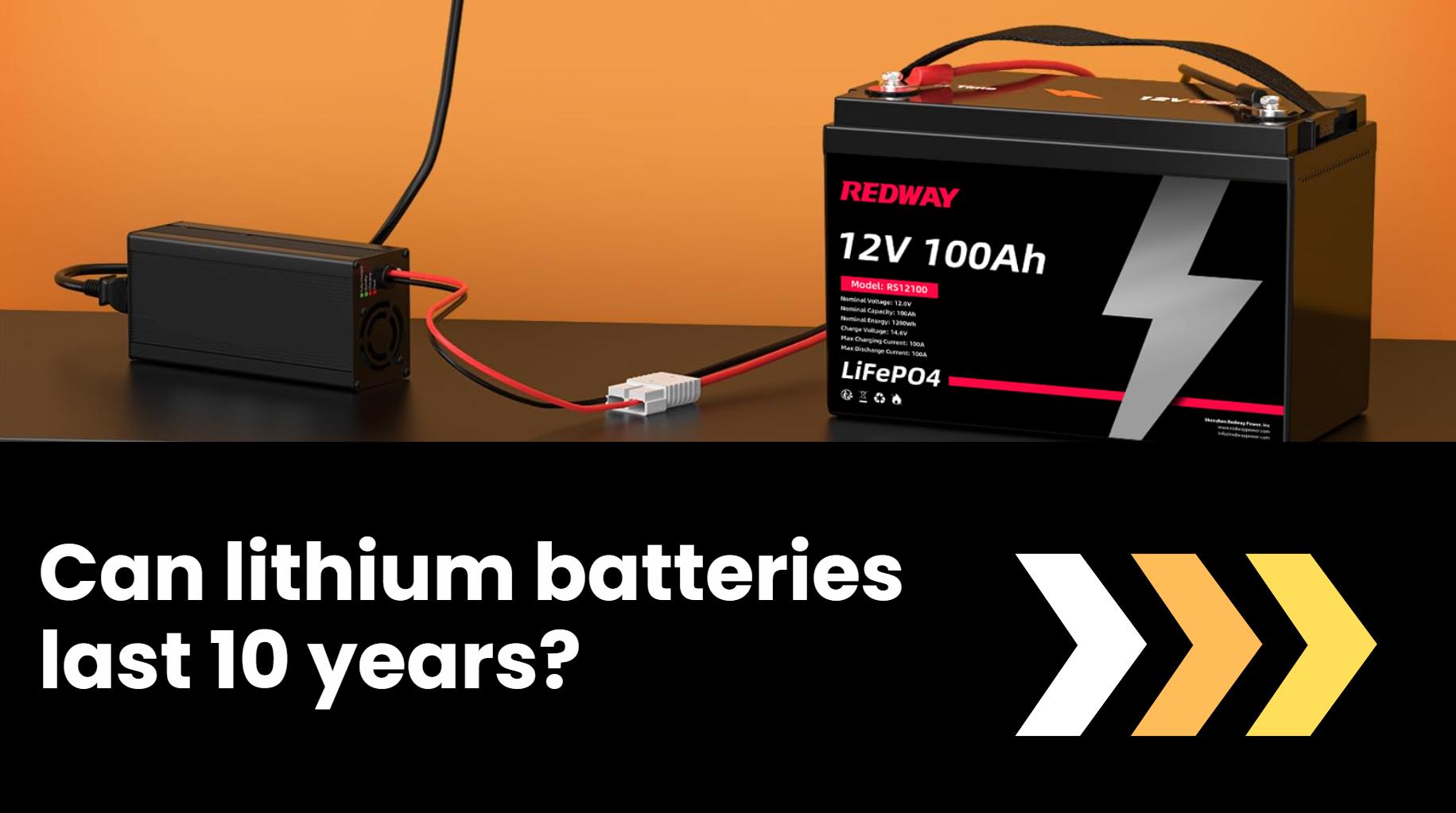
Can lithium batteries last 10 years?

Can lithium batteries last 10 years?

Yes, lithium batteries can last up to 10 years or more, depending on various factors such as usage patterns, charging habits, and environmental conditions. Lithium Iron Phosphate (LiFePO4) batteries, in particular, are known for their longevity and can endure thousands of charge cycles, making them a reliable choice for applications like electric vehicles, solar energy storage, and portable electronics.

Understanding Lithium Battery Lifespan

1. Factors Influencing Lifespan

The lifespan of lithium batteries is influenced by several key factors:

  • Depth of Discharge (DoD): Regularly discharging a battery to its full capacity can shorten its lifespan. Maintaining a higher state of charge can help extend its life.
  • Temperature: Extreme temperatures can negatively impact battery performance. Ideally, lithium batteries should be kept in a temperature range of 20°C to 25°C (68°F to 77°F).
  • Charging Practices: Using the correct charger and avoiding overcharging can significantly enhance battery longevity.

2. Types of Lithium Batteries

Different types of lithium batteries have varying lifespans:

  • Lithium-Ion Batteries: Common in consumer electronics, they typically last around 500 to 1500 cycles.
  • Lithium Iron Phosphate (LiFePO4) Batteries: Known for their stability and safety, they can last over 4000 cycles, making them ideal for applications requiring long-term reliability.

Comparison of Lithium Battery Lifespan

Battery Type Typical Lifespan (Cycles) Expected Years
Lithium-Ion 500 – 1500 cycles 2 – 5 years
Lithium Iron Phosphate 4000+ cycles 10+ years

Latest News

Recent advancements in lithium battery technology continue to enhance their longevity and efficiency:

  • Major manufacturers are investing in research to improve the lifespan of lithium batteries through advanced chemistries and materials.
  • The development of solid-state batteries promises even longer lifespans and improved safety features.
  • Increased focus on recycling methods aims to reduce environmental impact while maintaining the performance of lithium batteries.

Redway Expert Comment

“As experts in lithium LiFePO4 technology at AAA Battery, we understand that the longevity of lithium batteries is one of their most appealing features. Our LiFePO4 batteries are designed to last over 10 years with proper care and usage. This makes them an excellent investment for anyone looking for reliable power solutions in applications like solar energy storage or electric vehicles.”

Best Practices for Extending Battery Life

1. Optimal Charging Habits

To maximize the lifespan of your lithium battery, consider the following charging practices:

  • Use a charger specifically designed for lithium technology.
  • Avoid letting the battery discharge completely before recharging; aim to keep it above 20% charge.

2. Temperature Control

Store and operate your lithium batteries within the recommended temperature range. Avoid exposing them to extreme heat or cold, which can degrade performance over time.

3. Regular Maintenance

Perform regular checks on your battery’s health, including monitoring its voltage and capacity. This proactive approach can help identify issues before they lead to significant degradation.

Conclusion: Can Lithium Batteries Last 10 Years?

In summary, lithium batteries, particularly those utilizing LiFePO4 technology, have the potential to last up to 10 years or more with proper care and usage. Their longevity makes them a reliable choice for various applications, including electric vehicles, RVs, and renewable energy systems.By adopting best practices in charging and maintenance, users can ensure that their lithium batteries perform optimally throughout their lifespan. As advancements in technology continue to emerge, we can expect even greater improvements in battery longevity and efficiency.
Understanding Lithium Battery Toxicity: Symptoms, Risks, and Safety Measures

Understanding Lithium Battery Toxicity: Symptoms, Risks, and Safety Measures

Lithium batteries, widely celebrated for their high energy density and longevity, are integral to modern technology and the shift towards sustainable energy solutions. However, with their increasing prevalence comes the need to address the potential health risks associated with lithium battery toxicity. Understanding these risks is crucial for ensuring both safe usage and effective response in the event of exposure.

Mild Symptoms of Lithium Battery Toxicity

The initial signs of lithium battery toxicity can be subtle but should not be overlooked. When serum lithium concentration ranges between 1.5 to 2.5 mEq/L, individuals may experience a spectrum of mild symptoms. These include:

  • Nausea and Vomiting: These are often the first indicators of lithium exposure. Persistent nausea and occasional vomiting may signal the onset of toxicity.
  • Lethargy: A feeling of profound tiredness or lack of energy can be a result of elevated lithium levels.
  • Tremor: Fine tremors or shaking, particularly in the hands, are common in early stages of lithium toxicity.
  • Fatigue: Persistent exhaustion that does not improve with rest can also indicate lithium exposure.

Moderate Intoxication Symptoms

As lithium levels rise and reach a serum concentration of 2.5 to 3.5 mEq/L, the symptoms become more pronounced and severe. Moderate intoxication can present with:

  • Confusion and Agitation: Individuals may exhibit signs of mental disorientation, difficulty concentrating, or heightened restlessness.
  • Delirium: A more severe state of confusion characterized by disorganized thinking, hallucinations, and impaired perception.
  • Tachycardia: An increased heart rate, which can lead to palpitations and other cardiovascular symptoms.
  • Hypertonia: Increased muscle tone, leading to rigidity or stiffness, which can affect motor control and movement.

Severe Lithium Toxicity: Critical Symptoms and Emergency Response

In cases where serum lithium concentrations exceed 3.5 mEq/L, the symptoms become critical and require immediate medical intervention. Severe lithium toxicity may manifest as:

  • Severe Neurological Symptoms: Including seizures, significant mental confusion, or severe tremors.
  • Renal Failure: Impaired kidney function which can exacerbate the toxicity.
  • Cardiac Complications: Severe arrhythmias or other critical heart conditions.
  • Coma: In extreme cases, loss of consciousness or coma may occur.

Environmental and Health Implications of Lithium Battery Production

The production and disposal of lithium batteries pose environmental and health risks beyond immediate toxicity. Responsible management practices are essential for minimizing these risks. Key considerations include:

  • Environmental Impact: The extraction of lithium and other raw materials can lead to habitat destruction and water contamination. Effective waste management and recycling processes are crucial to mitigate these effects.
  • Health Risks to Workers: Individuals involved in the production process may be exposed to hazardous materials and conditions. Implementing stringent safety protocols and protective measures is essential to safeguard workers.
  • Sustainable Technologies: Investing in alternative, less hazardous materials and recycling technologies can help reduce the environmental footprint of lithium battery production.

Best Practices for Safe Handling and Disposal

To mitigate the risks associated with lithium batteries, adherence to best practices in handling and disposal is imperative:

  • Proper Storage: Store lithium batteries in cool, dry environments to prevent overheating and potential leakage.
  • Safe Disposal: Follow local regulations for battery disposal and recycling to prevent environmental contamination.
  • Emergency Preparedness: Equip facilities and individuals with knowledge of emergency procedures for dealing with battery leaks or spills.

Collaborative Efforts for a Greener Future

Addressing the challenges of lithium battery toxicity requires a collaborative approach involving governments, industry leaders, and communities. By working together, we can:

  • Enhance Regulations: Develop and enforce stricter guidelines for the production, handling, and disposal of lithium batteries.
  • Invest in Research: Support ongoing research into safer battery technologies and sustainable practices.
  • Promote Education: Increase awareness about the risks and proper management of lithium batteries to ensure safe usage and response.

Conclusion

As the world continues to embrace lithium batteries as a cornerstone of clean energy, it is crucial to address the health and environmental challenges associated with their use. By understanding the symptoms of lithium toxicity, implementing robust safety measures, and fostering collaboration, we can harness the benefits of lithium batteries while minimizing their risks. This approach not only ensures a safer transition to greener technologies but also protects human health and the environment for future generations.

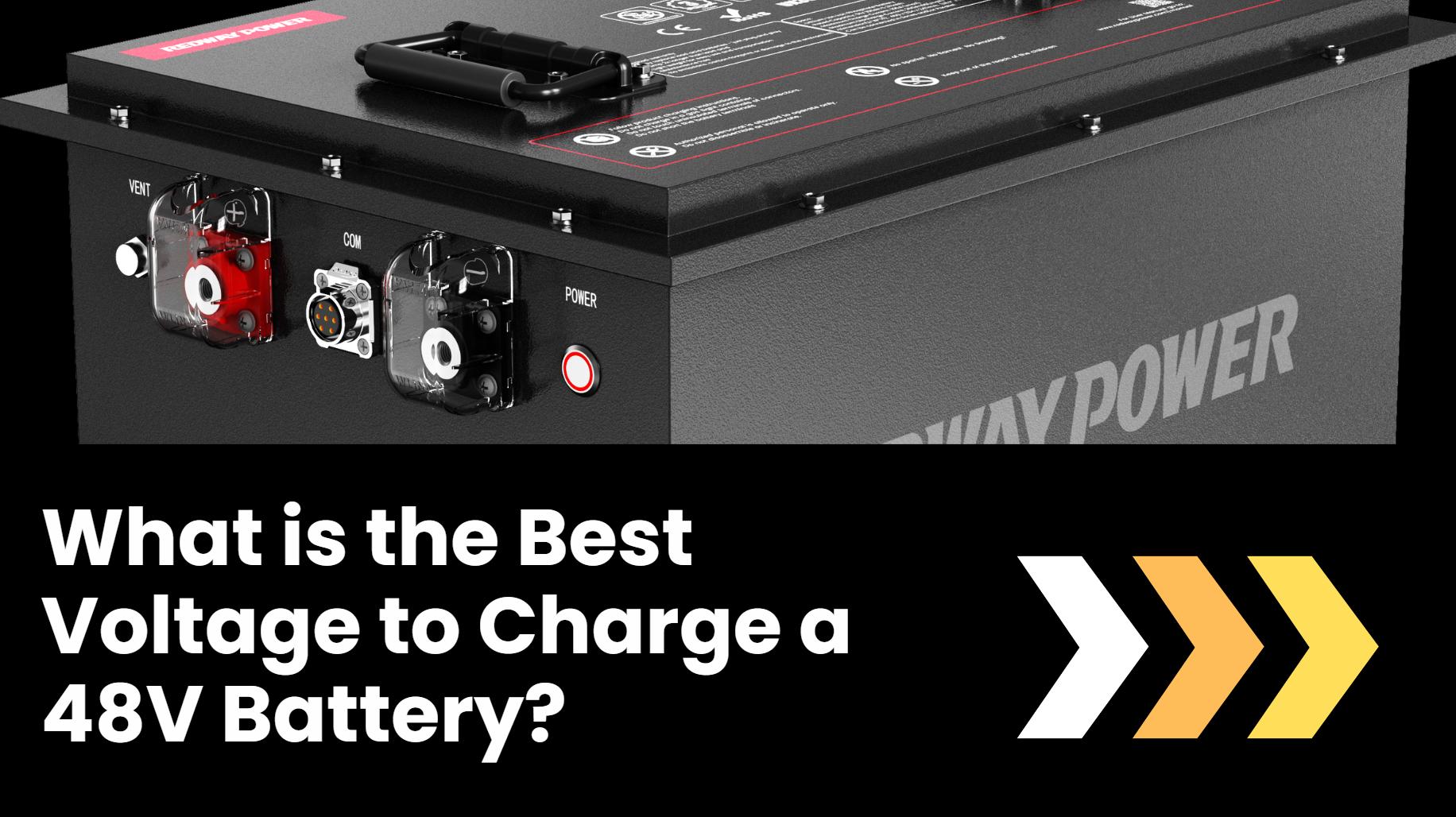
What is the Best Voltage to Charge a 48V Battery?

What is the Best Voltage to Charge a 48V Battery?

The best voltage to charge a 48V battery typically ranges from 54.6V to 58.4V, depending on the type of battery chemistry used. For Lithium-ion batteries, a charging voltage of 54.6V is ideal, while lead-acid batteries may require up to 58.4V for optimal performance. Proper voltage ensures efficient charging and prolongs battery lifespan.

When it comes to maintaining the longevity and performance of a 48V battery, one of the most critical aspects is selecting the correct charging voltage. This article will provide a comprehensive overview of the ideal voltage settings for charging 48V batteries, focusing on the differences between AGM, flooded batteries, and why using an incorrect charger can lead to various complications.

Charging Voltage Recommendations for AGM and Flooded Batteries

For AGM (Absorbent Glass Mat) and flooded lead-acid batteries, the recommended charging voltage is typically between 2.4 to 2.45 volts per cell. Given that a 48V battery comprises 24 cells, this translates to a charging voltage range of 57.6 to 58.8 volts. Adhering to these specifications ensures that the battery is charged efficiently without causing overcharge conditions that could potentially harm the battery or reduce its lifespan.

The Risks of Using a 52V Charger on a 48V Battery

Utilizing a 52V charger on a 48V battery is generally not advisable. Here’s why:

  • Overcharging Risks: A 52V charger applies a higher voltage than what is recommended for a 48V battery. This excess voltage can lead to overcharging, which not only affects the battery’s performance but also risks damaging the internal components of the battery.
  • Battery Damage: Overcharging can cause excessive heat buildup, leading to electrolyte loss and potential thermal runaway. This damage reduces the overall lifespan of the battery and might require premature replacement.
  • Warranty Concerns: Many battery manufacturers stipulate that the use of an incorrect charger voids the warranty. Using a charger not designed for your battery’s voltage can lead to significant financial implications if the battery fails or requires replacement.

Selecting the Correct Charger for Your 48V Battery

To ensure optimal performance and safety, it is crucial to use a charger that is specifically designed for 48V batteries. Here are some key considerations when choosing a charger:

  • Voltage Compatibility: Verify that the charger matches the voltage specifications of your battery, which in the case of a 48V battery, should be within the recommended range of 57.6 to 58.8 volts for AGM or flooded batteries.
  • Charging Profile: Different batteries may have different charging profiles. Ensure that the charger has a suitable charging algorithm for the type of battery you are using. For instance, AGM batteries often require a different charging profile compared to flooded batteries.
  • Quality and Reliability: Opt for chargers from reputable manufacturers known for producing high-quality products. High-quality chargers not only ensure better performance but also offer features such as overcharge protection, which enhances the safety of the charging process.

Benefits of Using a Correctly Matched Charger

  • Enhanced Battery Life: Properly matched chargers help maintain the battery’s health and efficiency, prolonging its operational life.
  • Improved Performance: A charger designed for your battery’s specific voltage and chemistry ensures that the battery performs at its optimal capacity.
  • Safety Assurance: Using the correct charger minimizes the risk of battery overheating, leakage, or other safety hazards, contributing to a safer operating environment.

Why Choose Redway Battery for Specialized Battery Solutions

For those seeking reliable and high-quality battery solutions, Redway Battery is an excellent choice. They offer an array of products specifically designed to meet various battery needs, including:

  • Precision Chargers: Redway Battery provides chargers tailored for different battery types and voltages, ensuring compatibility and optimal performance.
  • Expert Consultation: With a team of experts in battery technology, Redway Battery offers valuable advice and support to help you choose the right products for your specific requirements.
  • Top-Notch Products: Their commitment to quality means that you receive durable and reliable products that enhance the performance and safety of your battery system.

Conclusion

In summary, the best voltage to charge a 48V battery typically falls within the range of 57.6 to 58.8 volts for AGM and flooded batteries. Utilizing a charger designed specifically for these voltage requirements is crucial to avoid overcharging, prevent damage, and ensure the longevity of the battery. Choosing a reputable supplier like Redway Battery for your charging solutions ensures you receive high-quality products and expert support.

By adhering to these guidelines, you can maintain your battery’s efficiency and safety, ultimately leading to a more reliable and cost-effective energy storage solution.

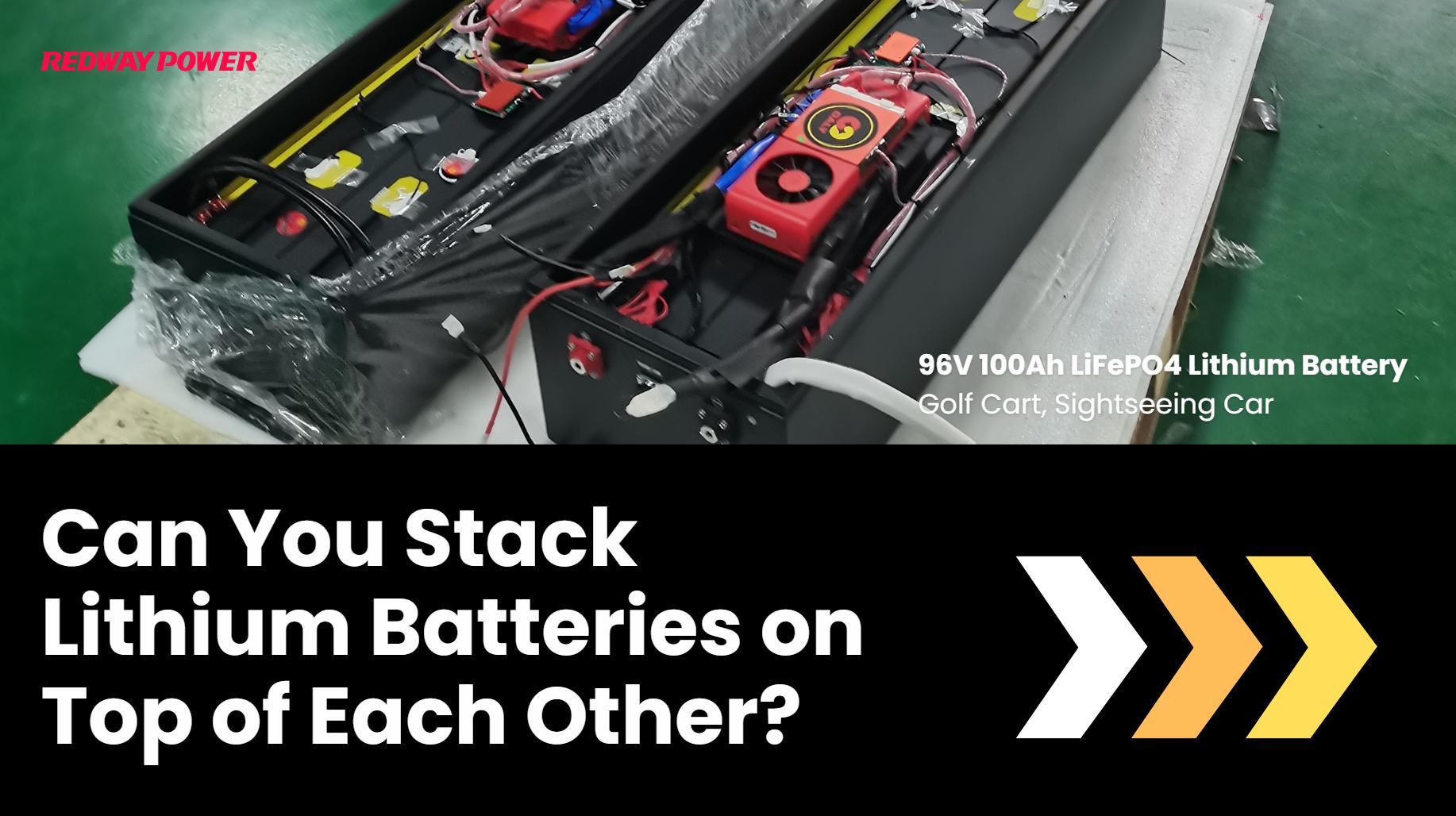
Can You Stack Lithium Batteries on Top of Each Other?

Can You Stack Lithium Batteries on Top of Each Other?

Yes, lithium batteries can be stacked to form larger energy storage systems. This design enhances energy capacity and power output while allowing for scalability. However, proper thermal management and safety precautions must be considered to ensure stability and performance during operation.

As the demand for efficient energy storage solutions grows, many users are exploring the possibility of stacking lithium batteries to maximize space and enhance power output. However, understanding the implications of stacking lithium batteries is crucial for ensuring safety and performance. In this article, we will explore whether you can stack lithium batteries, the best practices for doing so, and the potential risks involved.

Understanding Lithium Battery Chemistry

Lithium batteries, particularly Lithium Iron Phosphate (LiFePO4) batteries, are known for their high energy density, long cycle life, and safety features. These batteries are widely used in various applications, from electric vehicles to renewable energy systems. However, when considering stacking them, it’s essential to understand their design and thermal characteristics.

Can You Stack Lithium Batteries?

Yes, you can stack lithium batteries on top of each other, but there are several important factors to consider:

1. Battery Design

  • Flat-Top Batteries: Many lithium batteries come with flat tops that allow for easy stacking. Ensure that the batteries you are using are designed for vertical stacking.
  • Ventilation: Adequate ventilation is crucial when stacking batteries. Lithium batteries can generate heat during charging and discharging cycles; thus, proper airflow is necessary to prevent overheating.

2. Weight Distribution

  • Even Weight Distribution: Ensure that the weight of the stacked batteries is evenly distributed. Uneven weight can lead to instability and potential tipping or falling.
  • Secure Mounting: Use a secure mounting system or battery rack designed specifically for stacking batteries to avoid accidents.

Best Practices for Stacking Lithium Batteries

To ensure safe and efficient stacking of lithium batteries, follow these best practices:

1. Use Compatible Batteries

  • Always use batteries of the same type, capacity, and chemistry when stacking. Mixing different brands or types can lead to imbalances in charging and discharging cycles.

2. Monitor Temperature

  • Regularly check the temperature of stacked batteries during operation. If you notice any battery overheating, it may indicate inadequate ventilation or a potential failure.

3. Install a Battery Management System (BMS)

  • A BMS is essential for monitoring the health of each battery in a stacked configuration. It helps balance charging and discharging among cells and provides protection against overvoltage and overheating.

4. Follow Manufacturer Guidelines

  • Always refer to the manufacturer’s guidelines regarding stacking practices. Some manufacturers may have specific recommendations or restrictions based on their battery design.

Potential Risks of Stacking Lithium Batteries

While stacking lithium batteries can save space and increase power capacity, there are also potential risks involved:

1. Overheating

  • Stacked batteries may generate more heat than individual units due to reduced airflow between them. Overheating can lead to reduced battery life or even thermal runaway in extreme cases.

2. Imbalanced Charging

  • If not monitored properly, stacked batteries may charge unevenly. This imbalance can lead to one battery being overcharged while another remains undercharged, which could damage the weaker unit.

3. Physical Damage

  • Stacking increases the risk of physical damage if not secured properly. A fall or impact could compromise the integrity of the battery casing, leading to leaks or failures.

Data Chart: Comparison of Battery Types for Stacking

Feature Lithium Iron Phosphate (LiFePO4) Lead-Acid Battery Nickel-Metal Hydride (NiMH)
Stackable Yes Limited Limited
Weight Lightweight Heavier Moderate
Lifespan 3,000 – 5,000 cycles 300 – 500 cycles 500 – 1,000 cycles
Thermal Stability Excellent Moderate Moderate

Latest News

  • Stacking Guidelines: Recent discussions confirm that stacking lithium batteries is possible but must be done with caution, adhering to specific guidelines about architecture and capacity.
  • Safety Considerations: Experts emphasize the importance of using batteries from the same manufacturer and architecture to prevent safety hazards.
  • Innovative Designs: New modular designs are emerging that allow for efficient stacking without compromising safety or performance.

Redway Expert Comment

Stacking lithium batteries can be an effective way to maximize space and increase capacity, provided that strict guidelines are followed. Using batteries of the same architecture and capacity is crucial to ensure safe operation. As an expert in LiFePO4 technology, I recommend careful consideration of thermal management when stacking, as improper configurations can lead to overheating and reduced lifespan.

FAQs About Stacking Lithium Batteries

Can I stack different brands of lithium batteries?

It is not recommended to stack different brands or types of lithium batteries due to differences in chemistry and performance characteristics.

How do I know if my stacked batteries are overheating?

Regularly monitor the temperature of each battery during operation; if any battery feels excessively hot or shows signs of swelling, take immediate action to cool them down.

What should I do if one battery in a stack fails?

If one battery fails in a stacked configuration, it’s essential to remove it immediately from the stack and assess whether other batteries were affected.

Conclusion

In conclusion, while you can stack lithium batteries such as LiFePO4 models safely, it is crucial to adhere to best practices regarding compatibility, ventilation, and monitoring. By following these guidelines and understanding the potential risks involved, you can effectively utilize stacked lithium batteries for enhanced energy storage solutions.For customized lithium solutions tailored specifically to your needs—whether for automotive applications or renewable energy systems—contact Redway Battery today for a quick quote!

Are there any special considerations for storing LiFePO4 golf cart batteries?

Are there any special considerations for storing LiFePO4 golf cart batteries?

As the demand for Lithium Iron Phosphate (LiFePO4) batteries grows, particularly for applications like golf carts, understanding the proper storage conditions for these batteries becomes crucial. At Redway Battery, with over 12 years of experience in manufacturing high-quality LiFePO4 batteries, we recognize that the way these batteries are stored can significantly impact their performance, lifespan, and overall safety. This article outlines the essential considerations for storing LiFePO4 golf cart batteries effectively.

When storing LiFePO4 golf cart batteries, keep them in a cool, dry place (ideally 15°C to 25°C). Store at around 50% charge to prevent deep discharge and check periodically on their condition. Avoid moisture to protect against corrosion!

1. Optimal Storage Environment

Temperature Control

The ideal storage temperature for LiFePO4 batteries typically ranges from 32°F to 95°F (0°C to 35°C). Storing them in environments that exceed this temperature range can lead to reduced battery performance and lifespan. Extreme temperatures, especially heat, can accelerate chemical reactions within the battery, potentially causing damage or diminishing capacity.

Avoiding Temperature Extremes

  • Hot Climates: If you are in a region with high temperatures, consider air-conditioned storage or insulated containers to maintain a stable temperature.
  • Cold Climates: While LiFePO4 batteries perform better in cold conditions compared to other lithium batteries, extremely low temperatures can still affect performance. Avoid storing below -4°F (-20°C).

Humidity Levels

High humidity can promote corrosion and other forms of deterioration. Aim for a relative humidity level of around 30% to 50%. Using a dehumidifier in storage areas can help maintain these levels.

2. Battery Charge Levels During Storage

Optimal State of Charge (SoC)

When storing LiFePO4 batteries, it’s essential to maintain an optimal State of Charge (SoC). Ideally, batteries should be stored at about 50% to 70% charged. Storing at this charge level helps in prolonging the lifespan of the battery and minimizes the risk of cell degradation.

Regular Monitoring

Regularly check the charge level, especially if the batteries are stored for extended periods. If the charge drops below 30%, it is advisable to recharge the batteries to prevent deep discharge, which can lead to capacity loss and potential damage.

golf cart lifepo4 Battery Charge Levels During Storage

3. Physical Placement and Safety

Avoiding Damage

When storing LiFePO4 batteries, ensure they are placed on stable, non-conductive surfaces. Avoid stacking batteries, as this can lead to physical damage and short-circuit risks. Ensure that there is sufficient space around each battery for ventilation.

Safety Precautions

Always store batteries away from flammable materials and in a well-ventilated area. This is crucial for preventing any potential hazards associated with battery leaks or failures.

4. Maintenance Considerations

Regular Inspections

Periodically inspect stored batteries for signs of damage, leakage, or corrosion. Look for physical deformities, which could indicate internal issues. Regular maintenance helps identify problems early, ensuring safety and performance.

Cleaning Connections

Keep battery terminals and connections clean. Dust and grime can lead to increased resistance and reduced performance. Use a dry cloth or a mixture of baking soda and water to clean terminals, ensuring they are completely dry before reassembling.

5. Documentation and Tracking

Record-Keeping

Maintaining a record of the storage conditions and charge levels can aid in ensuring optimal performance. Document the dates of charging, inspections, and any maintenance performed. This information is valuable for assessing battery health over time.

Manufacturer Guidelines

Always refer to the manufacturer’s guidelines for specific storage recommendations. At Redway Battery, we provide detailed instructions tailored to our LiFePO4 golf cart batteries, ensuring that users can optimize their performance and lifespan.

6. Seasonal Considerations

Winter Storage

If storing batteries for winter, consider the following:

  • Keep Batteries Charged: Before storing, ensure they are charged to about 50% to 70%.
  • Insulate: For prolonged winter storage, consider wrapping batteries in thermal insulation to mitigate temperature extremes.
  • Location: Store batteries indoors, away from extreme cold, ensuring they are in a stable environment.

Summer Storage

During the summer months, the emphasis should be on maintaining cool storage conditions. Use reflective covers or insulated boxes to help control temperature and humidity levels.

7. Conclusion: Best Practices for Storing LiFePO4 Golf Cart Batteries

Storing LiFePO4 golf cart batteries properly is crucial for ensuring their longevity, performance, and safety. By adhering to the optimal storage conditions outlined above—maintaining appropriate temperature and humidity levels, monitoring state of charge, and performing regular inspections—users can significantly enhance the lifespan and reliability of their batteries.

At Redway Battery, we pride ourselves on delivering high-quality, customized lithium battery solutions. If you’re looking for expert advice or specific products tailored to your needs, contact us today for a quick quote. Proper storage of LiFePO4 batteries not only safeguards your investment but also contributes to a more sustainable and efficient energy future.

Latest News

  • Storage Guidelines: Recent articles emphasize best practices for storing LiFePO4 golf cart batteries to ensure longevity and optimal performance.
  • Temperature Control: Recommendations include maintaining moderate temperatures and avoiding extreme conditions during storage periods.
  • Battery Maintenance Tips: Regular checks on charge levels are advised to prevent deep discharge scenarios that could damage the battery.

Redway Expert Comment

Proper storage of LiFePO4 golf cart batteries is crucial for maximizing their lifespan and performance. Maintaining moderate temperatures during storage helps prevent degradation, while regular monitoring of charge levels ensures they remain within safe limits. As an expert in lithium technologies, I recommend following these guidelines closely to ensure reliable performance when the batteries are put back into use.

FAQs

What are the best practices for storing LiFePO4 batteries indoors?
Store LiFePO4 batteries in a cool, dry place with temperatures between 15°C and 25°C (59°F and 77°F). Ensure low humidity to prevent moisture buildup. Disconnect all loads and store at a charge level between 50% and 80%. Use non-conductive containers to avoid short circuits and periodically check the battery’s condition.How often should I cycle LiFePO4 batteries during long-term storage?
It is recommended to cycle LiFePO4 batteries at least once every six months during long-term storage. This helps maintain battery health and ensures that the charge level remains within the optimal range of 50% to 80%, preventing capacity loss.What is the ideal state of charge for storing LiFePO4 batteries?
The ideal state of charge for storing LiFePO4 batteries is between 50% and 80%. Storing them fully charged or completely discharged can stress the battery and lead to reduced capacity over time, making it essential to maintain this mid-level charge.How does extreme temperature affect the longevity of LiFePO4 batteries?
Extreme temperatures can significantly impact the longevity of LiFePO4 batteries. High temperatures accelerate chemical reactions, leading to faster degradation, while very low temperatures can cause electrolyte freezing, damaging internal structures. Ideally, store batteries within the recommended temperature range to maximize lifespan.What precautions should I take to prevent battery damage during storage?
To prevent battery damage during storage, ensure that the batteries are clean and dry before storing. Disconnect all loads, keep them in a stable temperature environment, and avoid areas with high humidity or extreme temperatures. Regularly check for signs of damage, such as swelling or leaks, and maintain an optimal charge level.

How Do LiFePO4 Batteries Perform in Cold Weather?

How Do LiFePO4 Batteries Perform in Cold Weather?

As the popularity of electric vehicles, including golf carts, continues to rise, understanding the performance of different battery technologies in various environmental conditions becomes essential. Lithium Iron Phosphate (LiFePO4) batteries are a popular choice for many applications, particularly in golf carts, due to their reliability, safety, and longevity. However, their performance in cold weather conditions can vary significantly compared to traditional lead-acid batteries. At Redway Battery, we have specialized in manufacturing LiFePO4 batteries for over 12 years, focusing on delivering quality solutions for golf carts and other applications. This article will explore how LiFePO4 batteries perform in cold weather and what users should consider for optimal performance.

LiFePO4 batteries work better in cold weather than many other types but can still lose capacity at temperatures below -20°C. Charging them in freezing conditions can damage the battery. To ensure optimal performance, avoid charging when it’s too cold and keep them insulated when possible.

1. Overview of LiFePO4 Battery Technology

LiFePO4 batteries are known for their superior thermal stability, long cycle life, and safety features. Unlike traditional lithium-ion batteries, LiFePO4 batteries use iron phosphate as the cathode material, which provides several advantages:

  • Increased Safety: LiFePO4 batteries are less prone to thermal runaway, making them safer for use in various applications.
  • Longer Lifespan: These batteries typically have a cycle life of 2,000 to 5,000 cycles, significantly outlasting conventional lead-acid batteries.

Despite these advantages, cold weather can still impact the performance of LiFePO4 batteries.

2. Impact of Cold Temperatures on Battery Performance

Cold weather can adversely affect battery performance in several ways:

Reduced Capacity

As temperatures drop, the chemical reactions within a LiFePO4 battery slow down, leading to reduced capacity. In frigid conditions, users may experience a significant decrease in the effective capacity of their batteries. For example, at 0°C (32°F), a LiFePO4 battery might deliver only 60-80% of its rated capacity. This means that a 100Ah battery may only provide 60-80Ah of usable power, which can impact the range and functionality of electric golf carts.

Increased Internal Resistance

Low temperatures also increase the internal resistance of LiFePO4 batteries, which can lead to:

  • Lower Voltage Output: As resistance increases, the voltage output of the battery can drop, resulting in decreased power availability for the cart’s motor.
  • Reduced Efficiency: Higher internal resistance leads to more energy loss as heat, further reducing the overall efficiency of the battery system.

Slower Charging Rates

Charging LiFePO4 batteries in cold weather can be problematic. When temperatures drop below 0°C (32°F), the charging process becomes less efficient, and batteries can enter a state of lithium plating. This condition can cause irreversible damage and significantly reduce the battery’s lifespan. To mitigate this, it is essential to:

  • Use Battery Management Systems (BMS): Advanced BMS can monitor temperatures and manage charging rates accordingly to prevent damage during cold conditions.
  • Preheat Batteries: Some users opt to preheat their batteries using external heating solutions before charging, ensuring that they operate within optimal temperature ranges.

3. Strategies for Maintaining LiFePO4 Battery Performance in Cold Weather

To ensure that your LiFePO4 batteries perform optimally in cold weather, we recommend implementing the following strategies:

1. Insulation

Using thermal insulation can help protect the battery from extreme cold. Insulated battery boxes can maintain higher temperatures, thus minimizing the negative impact of low temperatures on performance. Insulation materials such as foam or specialized battery blankets can be effective.

2. Keep Batteries Charged

Maintaining a full charge can help reduce the effects of cold weather. Fully charged LiFePO4 batteries are less susceptible to capacity loss and voltage drops in colder temperatures. It is advisable to charge the batteries regularly, particularly before storage in cold environments.

3. Monitor Temperature

Utilizing temperature monitoring systems allows users to keep an eye on the battery’s operational conditions. This helps in making timely decisions regarding charging and usage, ensuring the battery remains in optimal condition.

4. Avoid Deep Discharges

Deep discharging can further exacerbate the issues associated with cold weather. To preserve battery health, we recommend avoiding discharges below 20% of the total capacity, especially during colder months.

4. Real-World Performance of LiFePO4 Batteries in Cold Weather

Real-world tests have demonstrated that while LiFePO4 batteries experience performance degradation in cold weather, they still outperform traditional lead-acid batteries in many scenarios. For instance:

  • Faster Recovery: When temperatures rise, LiFePO4 batteries tend to recover their capacity much quicker than lead-acid batteries, which can remain impaired for longer periods.
  • Efficiency: In moderate cold conditions (down to about -10°C / 14°F), LiFePO4 batteries still provide sufficient performance for golf carts, making them suitable for various outdoor activities, including winter golf.

5. Conclusion

LiFePO4 batteries offer numerous benefits, including longevity, safety, and efficiency, but they do face challenges in cold weather. By understanding these challenges and implementing strategies to mitigate their effects, users can maximize the performance of their LiFePO4 batteries, even in colder climates. At Redway Battery, we are committed to providing high-quality LiFePO4 batteries and solutions for golf carts, ensuring that our customers can enjoy reliable power year-round. For tailored solutions and quick quotes, contact us today!

Latest News

  • Cold Performance Studies: Recent research indicates that while LiFePO4 batteries perform better than traditional lead-acid options in cold weather, their capacity may still be affected by low temperatures.
  • User Experiences: Users report varied performance levels depending on specific environmental conditions during usage.
  • Industry Recommendations: Experts suggest using thermal insulation or heating elements to mitigate cold weather impacts on battery performance.

Redway Expert Comment

LiFePO4 batteries generally outperform lead-acid counterparts in cold weather; however, they are not immune to capacity loss due to low temperatures. Implementing thermal insulation or heating elements can significantly mitigate these effects, ensuring consistent performance even in challenging conditions. As an expert, I encourage users operating in colder climates to adopt these strategies for optimal battery function.

FAQs

What are the best methods to insulate LiFePO4 batteries in cold weather?
To effectively insulate LiFePO4 batteries in cold weather, consider using thermal blankets or insulation wraps specifically designed for battery protection. Placing the batteries in a heated enclosure or using foam board insulation can also help maintain warmth. Additionally, maintaining a stable ambient temperature and using battery heaters can prevent performance issues.How does cold weather affect the lifespan of LiFePO4 batteries?
Cold weather can reduce the efficiency and usable capacity of LiFePO4 batteries, leading to diminished performance. While they are more resilient than other battery types, prolonged exposure to extreme cold can still negatively impact their lifespan by increasing internal resistance and slowing down chemical reactions.Are there any specific brands of LiFePO4 batteries that perform better in cold conditions?
Brands like RELiON and Battle Born are known for their performance in cold conditions. The RELiON LT Series, for example, can operate and charge at temperatures as low as -4°F (-20°C) without significant performance degradation, making them suitable for colder climates.What are the risks of using LiFePO4 batteries in extremely cold temperatures?
Using LiFePO4 batteries in extremely cold temperatures poses risks such as reduced capacity, increased internal resistance, and potential lithium plating during charging. Charging below freezing can lead to irreversible damage, reduced efficiency, and even safety hazards if not managed properly.How effective are battery heaters in improving LiFePO4 performance in cold weather?
Battery heaters are highly effective in improving LiFePO4 performance in cold weather. They help maintain optimal operating temperatures, enhancing charge acceptance and overall efficiency. By preventing the electrolyte from becoming too viscous, heaters ensure better ion transfer and reduce the risk of damage during charging.

What Are the Weight Differences Between LiFePO4 and Lead-Acid Golf Cart Batteries?

What Are the Weight Differences Between LiFePO4 and Lead-Acid Golf Cart Batteries?

When it comes to enhancing the performance and efficiency of golf carts, understanding the weight differences between LiFePO4 (Lithium Iron Phosphate) batteries and traditional lead-acid batteries is crucial. At Redway Battery, a leading manufacturer specializing in LiFePO4 batteries for golf carts, we delve into the specifics of how these weight differences can impact your golf cart’s speed, handling, and overall performance.

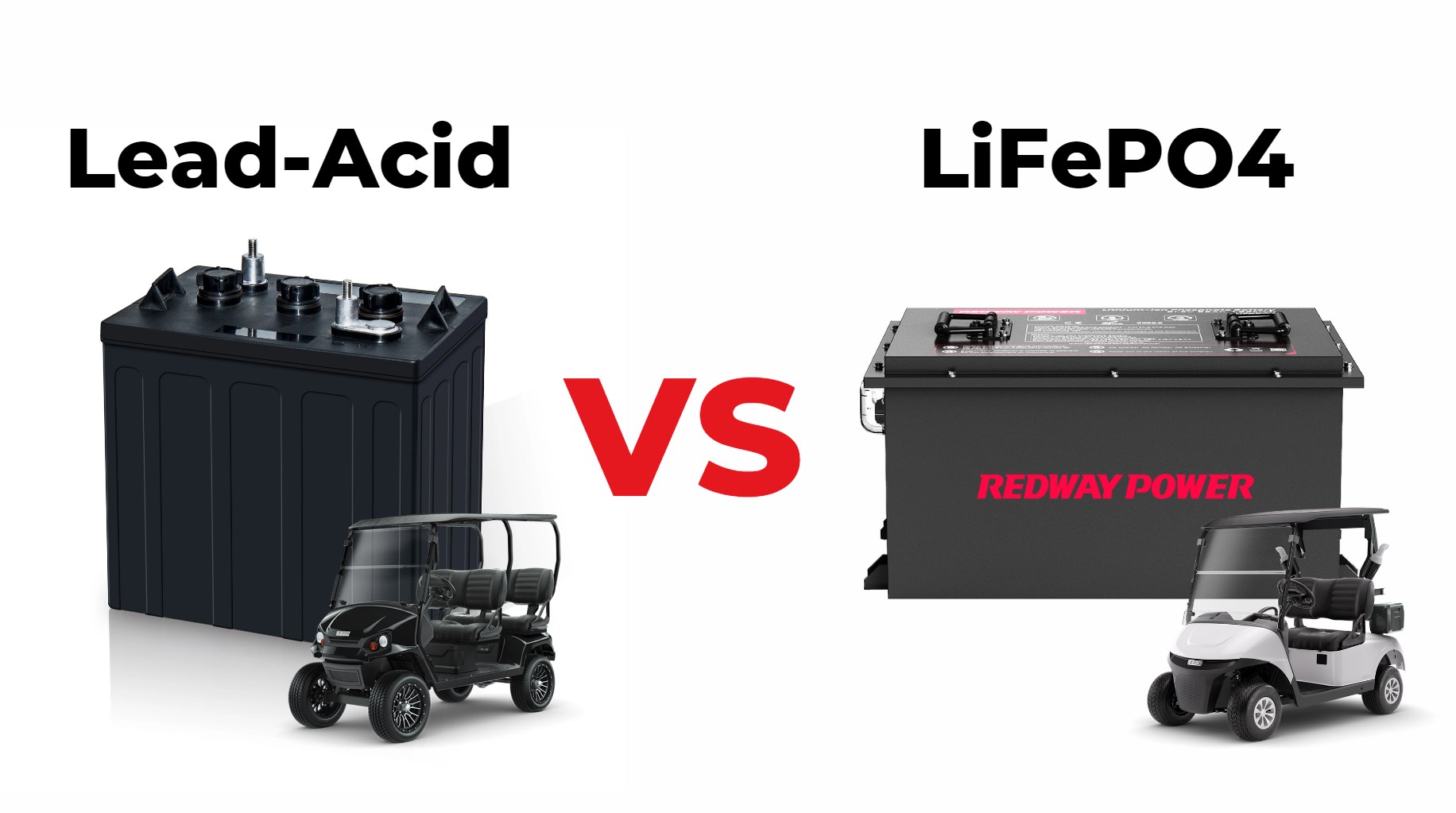
LiFePO4 golf cart batteries are lighter than lead-acid ones; a lead-acid battery typically weighs 60-70 pounds, while a similar LiFePO4 battery weighs around 30-40 pounds. This weight reduction enhances handling and efficiency in your golf cart.

Weight Comparison: LiFePO4 vs. Lead-Acid Batteries

1. Lead-Acid Battery Weights

Traditional lead-acid batteries, which have been the industry standard for many years, are known for their heavy weight. A standard golf cart lead-acid battery typically weighs around 60 to 70 pounds (27 to 32 kg). Depending on the configuration and the specific model, some larger lead-acid batteries can even exceed this weight, especially when considering deep cycle models designed for prolonged use. This significant weight can influence the overall performance of the golf cart, affecting its speed, acceleration, and handling.

2. LiFePO4 Battery Weights

In contrast, LiFePO4 batteries offer a more lightweight alternative. A comparable LiFePO4 golf cart battery generally weighs between 30 to 50 pounds (14 to 23 kg). This remarkable reduction in weight results from the advanced chemistry and design of LiFePO4 technology, which allows for a higher energy density. By using lighter materials, manufacturers can create batteries that deliver equivalent power and capacity without the excessive weight associated with lead-acid batteries.

3. Weight Reduction Impact

The difference in weight can result in a total reduction of up to 40% or more when switching from lead-acid to LiFePO4 batteries in a golf cart. For example, a typical golf cart that operates on six lead-acid batteries (each weighing around 60 pounds) could weigh 360 pounds just in batteries alone. By replacing these with LiFePO4 batteries, the total weight could drop to as little as 180 pounds. This reduction significantly enhances the cart’s agility, making it easier to maneuver and improving the overall driving experience.

Advantages of Lighter Batteries in Golf Carts

1. Improved Acceleration and Speed

The lighter weight of LiFePO4 batteries directly contributes to better acceleration and speed. With less weight to move, golf carts can achieve higher speeds more efficiently. This improvement is especially beneficial in hilly terrains where acceleration can be sluggish with heavier lead-acid batteries. The increased responsiveness provided by a lighter battery can lead to a more enjoyable and dynamic riding experience.

2. Enhanced Handling and Stability

Reducing the weight of the batteries lowers the center of gravity in the golf cart, which enhances stability during turns and maneuvers. Golf carts equipped with LiFePO4 batteries benefit from improved handling, making them safer and easier to drive. This is particularly important for golfers navigating tight spaces or uneven terrains on the course.

3. Extended Range and Battery Life

LiFePO4 batteries not only weigh less, but they also offer higher energy density. This means they can store more energy in a smaller, lighter package, leading to extended range. Golf carts with LiFePO4 batteries can travel longer distances on a single charge compared to those with lead-acid batteries. Additionally, the longevity of LiFePO4 batteries—often exceeding 10 years—provides long-term savings in both performance and maintenance.

Advantages of Lighter Batteries in Golf Carts

Considerations for Golf Cart Owners

1. Initial Cost vs. Long-Term Savings

While LiFePO4 batteries are generally more expensive upfront compared to lead-acid alternatives, their longevity and reduced maintenance requirements can lead to substantial savings over time. Golf cart owners must weigh the initial investment against the potential benefits of improved performance and reduced long-term costs.

2. Compatibility and Charging Requirements

Switching to LiFePO4 batteries may require adjustments to existing golf cart systems, including chargers. Golf carts need to be equipped with appropriate charging solutions designed for LiFePO4 technology to maximize performance and lifespan. Our team at Redway Battery provides expert guidance on compatibility and offers custom lithium battery solutions tailored to your specific golf cart model.

Latest News

  • Weight Comparisons: Recent analyses highlight that LiFePO4 golf cart batteries are substantially lighter than lead-acid alternatives, often weighing up to 70% less.
  • User Preferences: The reduced weight makes handling easier and improves vehicle efficiency.
  • Market Insights: Increased consumer awareness about weight advantages is driving demand for lithium options over traditional lead-acid batteries.

Redway Expert Comment

The significant weight difference between LiFePO4 and lead-acid golf cart batteries cannot be overstated; lighter batteries enhance vehicle handling and overall efficiency. This advantage makes lithium options increasingly attractive for consumers seeking improved performance without sacrificing power. As an expert in this field, I strongly advocate for considering weight as a key factor when selecting battery types for golf carts.

Conclusion

The weight differences between LiFePO4 and lead-acid batteries have significant implications for golf cart performance. The lighter LiFePO4 batteries not only enhance speed and acceleration but also improve handling and stability, making them a superior choice for modern golf carts. At Redway Battery, we specialize in custom lithium golf cart battery solutions that deliver outstanding performance and reliability.

If you are considering upgrading your golf cart’s battery system, contact us for a quick quote and discover how our LiFePO4 batteries can enhance your golfing experience!

FAQs

How does the weight difference between LiFePO4 and lead-acid batteries impact golf cart performance?
LiFePO4 batteries are significantly lighter than lead-acid batteries, often weighing 50-60% less. This weight reduction enhances golf cart performance by improving handling, increasing speed, and allowing for a higher carrying capacity without compromising stability. The lighter load also contributes to better energy efficiency, enabling longer driving ranges.What are the maintenance requirements for LiFePO4 batteries compared to lead-acid batteries?
LiFePO4 batteries require minimal maintenance compared to lead-acid batteries, which need regular checks for water levels and equalization charging. LiFePO4 batteries do not require topping up with distilled water and have built-in safety features that reduce the need for frequent monitoring, making them more user-friendly.How does the charging time of LiFePO4 batteries affect their overall efficiency?
LiFePO4 batteries can be charged fully in 1-2 hours, significantly faster than the 6-8 hours required for lead-acid batteries. This rapid charging capability minimizes downtime and allows for more efficient use of the golf cart, as users can quickly recharge during breaks or short stops.Are LiFePO4 batteries more cost-effective in the long run compared to lead-acid batteries?
Yes, while LiFePO4 batteries have a higher initial cost, their longer lifespan (up to 10 times more cycles than lead-acid) and lower maintenance needs make them more cost-effective over time. Reduced replacement frequency and energy savings contribute to overall lower lifetime costs.What are the environmental benefits of using LiFePO4 batteries over lead-acid batteries?
LiFePO4 batteries are more environmentally friendly as they do not contain toxic materials like lead. They have a longer lifespan, which reduces waste from frequent replacements. Additionally, their efficient charging reduces energy consumption, contributing to a lower overall carbon footprint compared to lead-acid batteries.

Can LiFePO4 Batteries Be Used in All Types of Golf Carts?

Can LiFePO4 Batteries Be Used in All Types of Golf Carts?

The evolution of golf cart technology has opened doors to various enhancements, including the choice of battery systems. Among the most popular options today are Lithium Iron Phosphate (LiFePO4) batteries. At Redway Battery, we specialize in manufacturing high-quality LiFePO4 batteries tailored for golf carts, and we understand the significance of choosing the right battery type. In this article, we will explore whether LiFePO4 batteries can be used in all types of golf carts, highlighting their advantages, compatibility, and considerations for users.

Yes, LiFePO4 batteries can be used in most golf carts; however, compatibility varies by model. Always check your cart’s electrical specifications before upgrading to ensure optimal performance and longevity from your new battery.

1. Understanding LiFePO4 Batteries

LiFePO4 batteries have gained popularity due to their remarkable features. They offer higher energy density, longer lifespan, and lower maintenance requirements compared to traditional lead-acid batteries. This technology provides efficient power management, making it ideal for various applications, including golf carts.

1.1. Key Features of LiFePO4 Batteries

  • Long Cycle Life: LiFePO4 batteries can endure 2,000 to 5,000 cycles, significantly outlasting lead-acid options.
  • Safety: This battery type is less prone to thermal runaway, enhancing safety during operation.
  • Lightweight: LiFePO4 batteries are generally lighter, contributing to improved performance and efficiency.

2. Compatibility with Golf Cart Types

LiFePO4 batteries can be used in many types of golf carts, but their compatibility often depends on specific factors. Golf carts generally fall into two categories: electric and gas-powered.

golf cart lifepo4 battery Compatibility with Golf Cart Types

2.1. Electric Golf Carts

Electric golf carts are the most suitable candidates for LiFePO4 batteries. These carts typically rely on battery power for propulsion, making the transition to lithium batteries both practical and beneficial.

Advantages of Using LiFePO4 in Electric Golf Carts:

  • Enhanced Performance: LiFePO4 batteries provide consistent power output, improving acceleration and overall performance.
  • Extended Range: With a higher energy density, these batteries allow for longer travel distances between charges.
  • Reduced Weight: The lightweight nature of LiFePO4 batteries contributes to better handling and maneuverability on the golf course.

2.2. Gas-Powered Golf Carts

While LiFePO4 batteries are primarily designed for electric carts, gas-powered golf carts may also benefit from this technology, albeit indirectly. Gas-powered carts can utilize LiFePO4 batteries for auxiliary systems, such as lights, sound systems, and GPS devices.

Considerations for Gas-Powered Carts:

  • Power Requirements: Gas carts require a different approach for main propulsion; thus, LiFePO4 batteries may not serve as the primary power source.
  • Integration Complexity: Retrofitting a gas-powered golf cart with LiFePO4 batteries can involve additional complexity, requiring custom modifications.

3. Customization and Installation

At Redway Battery, we understand that each golf cart may have unique requirements. We offer custom lithium battery solutions tailored to specific models, ensuring seamless integration and optimal performance.

3.1. Sizing and Configuration

Choosing the correct size and configuration for your LiFePO4 battery is crucial. Factors to consider include:

  • Voltage Compatibility: Ensure the LiFePO4 battery’s voltage matches the cart’s electrical system.
  • Capacity Requirements: Determine the amp-hour (Ah) capacity needed for your golf cart based on its usage patterns.

3.2. Professional Installation

We recommend seeking professional installation for LiFePO4 batteries, especially when retrofitting existing systems. Experts can ensure proper connections, safety measures, and integration with the cart’s electronics.

4. Benefits of Switching to LiFePO4 Batteries

Switching to LiFePO4 batteries offers numerous benefits for golf cart owners. Understanding these advantages can help users make informed decisions.

4.1. Cost-Effectiveness

Although the initial investment for LiFePO4 batteries may be higher than lead-acid counterparts, the long-term savings are significant. Users benefit from reduced maintenance costs, fewer replacements, and improved energy efficiency.

4.2. Environmental Considerations

LiFePO4 batteries are environmentally friendly. They are recyclable and do not contain harmful heavy metals like lead or cadmium, making them a safer option for both users and the environment.

5. Performance and User Experiences

Many golf cart users who have switched to LiFePO4 batteries report substantial improvements in performance and reliability. Enhanced acceleration, longer range, and minimal maintenance have led to increased satisfaction among customers.

5.1. Testimonials from Customers

At Redway Battery, we have received positive feedback from various golf cart operators who have embraced LiFePO4 technology. Customers often express satisfaction with the extended lifespan and performance consistency of their lithium batteries, leading to a more enjoyable golfing experience.

6. Conclusion

In conclusion, LiFePO4 batteries can indeed be used in various types of golf carts, primarily in electric models where they shine in terms of performance, longevity, and efficiency. While gas-powered golf carts may not utilize LiFePO4 as the main power source, they can still benefit from this technology for auxiliary applications.

At Redway Battery, we offer custom lithium golf cart battery solutions designed to meet your specific needs. With over 12 years of experience in manufacturing high-quality LiFePO4 batteries, we are well-equipped to support golf cart owners in making the transition to this innovative technology. For a quick quote and to learn more about how our batteries can enhance your golf cart experience, contact us today!

Latest News

  • Compatibility Studies: Recent evaluations confirm that most golf carts can utilize LiFePO4 batteries effectively, provided they meet specific voltage requirements.
  • User Experiences Shared: Many users report successful upgrades from lead-acid to lithium without issues when proper configurations are followed.
  • Market Growth Indicators: The popularity of lithium options among golf cart owners is increasing due to their advantages over traditional batteries.

Redway Expert Comment

LiFePO4 batteries can indeed be used across various types of golf carts as long as voltage specifications align correctly. Their advantages—such as longer lifespan and reduced weight—make them highly desirable replacements for lead-acid options. As an expert in this field, I recommend ensuring compatibility before upgrading while emphasizing the long-term benefits associated with lithium technology.

FAQs

Which golf cart brands are most compatible with LiFePO4 batteries?
Brands like E-Z-GO, Yamaha, and Club Car are highly compatible with LiFePO4 batteries. Many of their models, such as the E-Z-GO TXT and RXV, can be retrofitted with lithium batteries, particularly with options like RELiON’s InSight 48V battery designed for seamless integration.How do LiFePO4 batteries impact the overall range of a golf cart?
LiFePO4 batteries enhance the overall range of a golf cart due to their higher energy density and consistent voltage output. This allows for longer driving distances without significant performance drops, enabling users to cover more ground on the course or in recreational areas.What are the installation challenges when replacing lead-acid batteries with LiFePO4?
Installation challenges include ensuring compatibility with existing systems, as some golf carts may require retrofit kits or modifications to accommodate lithium batteries. Additionally, proper wiring and connections must be established to handle the different charging requirements and safety features of LiFePO4 batteries.How does the lifespan of LiFePO4 batteries compare to lead-acid batteries in golf carts?
LiFePO4 batteries have a significantly longer lifespan, lasting up to 10 times longer than lead-acid batteries. While lead-acid batteries typically last around 3-5 years, LiFePO4 options can provide reliable performance for 10 years or more, making them a more durable choice for golf carts.Are there any specific maintenance tips for LiFePO4 batteries in golf carts?
LiFePO4 batteries require minimal maintenance compared to lead-acid options. Key tips include regularly checking connections for corrosion, ensuring proper charging practices, keeping them in a temperature-controlled environment, and avoiding deep discharges below 20% to maximize battery life.

How do you properly charge LiFePO4 golf cart batteries?

How do you properly charge LiFePO4 golf cart batteries?

As golf carts become increasingly popular for both recreational and utility purposes, understanding how to properly charge Lithium Iron Phosphate (LiFePO4) golf cart batteries is essential for maximizing performance and lifespan. At Redway Battery, we specialize in providing high-quality LiFePO4 batteries tailored specifically for golf carts. With over 12 years of experience, we are dedicated to ensuring that our customers are well-informed about best practices for charging these advanced battery systems. This article will outline the key steps and considerations for charging LiFePO4 golf cart batteries effectively.
To charge your LiFePO4 golf cart batteries, use a charger designed for them and monitor charging time (usually 1 to 3 hours). Avoid overcharging by disconnecting once fully charged, and charge in temperatures between 32°F and 104°F for optimal performance!

1. Understanding LiFePO4 Battery Characteristics

1.1. Advantages of LiFePO4 Batteries

LiFePO4 batteries offer numerous benefits compared to traditional lead-acid batteries, including:

  • Higher energy density: This allows for more energy storage in a smaller footprint, making them ideal for compact golf cart designs.
  • Longer cycle life: LiFePO4 batteries can withstand more charge and discharge cycles, typically lasting over 2000 cycles compared to just 500-800 cycles for lead-acid batteries.
  • Enhanced safety features: With a stable chemical composition, LiFePO4 batteries are less prone to overheating and thermal runaway.

1.2. Voltage and Capacity

Understanding the voltage and capacity of your specific LiFePO4 battery is crucial. Most golf cart LiFePO4 batteries operate at a nominal voltage of 12V, 24V, or 48V, depending on the cart’s design. Be sure to consult your battery specifications for precise information on voltage and capacity.

2. Selecting the Right Charger

2.1. Charger Compatibility

Using the correct charger is essential for the safe and efficient charging of LiFePO4 batteries. We recommend selecting a charger specifically designed for LiFePO4 batteries, which will help avoid issues such as overcharging or undercharging. Ensure the charger’s voltage rating matches your battery’s nominal voltage (e.g., 12V, 24V, or 48V).

2.2. Smart Charging Technology

Opt for a charger equipped with smart charging technology. These chargers automatically adjust the charge rate based on the battery’s state of charge, ensuring that your LiFePO4 battery is charged quickly and safely. Features to look for include:

  • Temperature monitoring: Prevents overheating during the charging process.
  • Multi-stage charging: Allows for bulk, absorption, and float charging stages, enhancing battery health and longevity.

3. Charging Procedure for LiFePO4 Batteries

3.1. Preparing for Charging

Before connecting your charger, ensure that:

  • The golf cart is parked in a dry, well-ventilated area.
  • The battery terminals are clean and free from corrosion.
  • The battery is not already fully charged; it’s best to charge when the state of charge is below 20% to prolong battery life.

3.2. Connecting the Charger

  1. Connect the charger to the battery:
    • Attach the positive (+) lead of the charger to the positive terminal of the battery.
    • Connect the negative (-) lead to the negative terminal.
  2. Power on the charger:
    • Once securely connected, plug in the charger and turn it on.

3.3. Monitoring the Charging Process

  • Observe the charger indicators: Most smart chargers will have LED lights or display screens that indicate the charging status. Ensure the charger is functioning correctly and that the battery is charging.
  • Check for excessive heat: While some warmth is normal, excessive heat can indicate a problem. If the battery becomes too hot, disconnect the charger immediately and investigate.

Charging Procedure for golf cart LiFePO4 Batteries

4. Charging Times and Recommendations

4.1. Charge Duration

The duration of charging depends on the battery’s capacity and the charger’s output current. On average:

  • A 20Ah battery will take about 1-2 hours to charge with a 10A charger.
  • A 100Ah battery may require 5-10 hours with a 10A charger.

4.2. Regular Charging Practices

To maintain battery health:

  • Charge after each use: Consistent charging after use prevents deep discharges, extending the battery’s lifespan.
  • Avoid frequent deep discharges: LiFePO4 batteries thrive on partial discharges; discharging them to below 20% can shorten their cycle life.

5. Maintenance Tips for LiFePO4 Batteries

5.1. Routine Inspections

Regularly inspect your battery for:

  • Physical damage: Cracks, swelling, or leakage can indicate a compromised battery.
  • Terminal corrosion: Clean terminals with a mixture of baking soda and water to prevent connectivity issues.

5.2. Optimal Storage Conditions

If your golf cart will not be used for an extended period, store the battery in a cool, dry place and maintain a charge level of around 50% to prevent damage from deep discharge.

6. Troubleshooting Common Charging Issues

6.1. Charger Not Working

If the charger does not appear to be working:

  • Check connections: Ensure all connections are secure.
  • Inspect the charger: Look for visible damage or wear on the charger.

6.2. Slow Charging or Failure to Charge

If the battery charges slowly or not at all, it may indicate:

  • A faulty charger: Test with a different charger to see if the problem persists.
  • Battery issues: The battery may need professional assessment or replacement if it consistently fails to charge.

7. Conclusion

Properly charging LiFePO4 golf cart batteries is crucial for ensuring optimal performance and longevity. By selecting the right charger, following a systematic charging procedure, and adhering to maintenance practices, we can maximize the efficiency and lifespan of our batteries. At Redway Battery, we are committed to providing high-quality LiFePO4 batteries and expert advice to enhance your golf cart experience. For custom lithium golf cart battery solutions, contact us today for a quick quote and ensure your golf cart is powered by the best.

Latest News

  • Charging Best Practices Published: New guidelines emphasize using chargers specifically designed for LiFePO4 chemistry to ensure safety and efficiency during charging cycles.
  • User Education Efforts Increasing: There’s a growing focus on educating consumers about optimal charging techniques tailored specifically for lithium technologies.
  • Safety Alerts Issued: Warnings have been issued against using standard lead-acid chargers due to potential damage risks associated with improper charging methods.

Redway Expert Comment

Properly charging LiFePO4 golf cart batteries is essential for maximizing their lifespan and ensuring safe operation. Always use chargers designed explicitly for lithium chemistry; this prevents potential damage caused by incorrect voltage levels associated with lead-acid chargers. As an expert in this domain, I stress the importance of adhering strictly to manufacturer guidelines when charging these advanced battery systems.

What warranty options are typically available for LiFePO4 golf cart batteries?

What warranty options are typically available for LiFePO4 golf cart batteries?

LiFePO4 golf cart batteries offer reliable energy storage with warranties designed to protect your investment. Redway Battery provides a range of options, typically spanning 3 to 10 years, including full replacement, prorated coverage, and cycle-life guarantees. These warranties ensure long-term performance, capacity retention, and peace of mind for both recreational and commercial users.

How Long Are Standard Warranties for LiFePO4 Golf Cart Batteries?

Most LiFePO4 golf cart batteries come with a standard manufacturer warranty of 3 to 5 years, depending on the brand and model. Redway Battery provides warranties within this range, reflecting the high quality and durability of its lithium battery products. Standard coverage ensures protection against manufacturing defects, premature failure, and loss of capacity beyond guaranteed thresholds.

What Extended Warranty Options Do Manufacturers Offer?

Many users prefer extended warranties for additional security. Redway Battery offers options that add 1 to 3 years beyond the standard coverage. Extended warranties provide long-term reliability and cost-effective protection against unexpected replacement expenses, especially for frequent users. Choosing an extended plan can maximize your investment in high-performance LiFePO4 batteries.

How Are Performance-Based Warranties Structured?

Performance-based warranties focus on cycle-life guarantees, ensuring batteries deliver optimal performance over thousands of charge/discharge cycles. Some warranties promise up to 5,000 cycles. Pro-rated agreements are common, where replacement or refund value decreases as the battery ages. This approach provides financial security while maintaining high operational standards for the battery’s lifespan.

Warranty Type Typical Coverage Cycle Guarantee
Standard 3–5 years ~2000 cycles
Extended +1–3 years ~3000–5000 cycles
Pro-rated Variable Up to 5000 cycles

What Conditions Affect Warranty Validity?

To maintain warranty coverage, proper usage is critical. Guidelines include:

  • Charging Practices: Use manufacturer-recommended chargers.

  • Temperature Control: Keep batteries within the recommended range to prevent damage.

Exclusions often include physical damage from accidents, misuse, or operating the battery outside its intended applications. Following manufacturer guidelines ensures full warranty protection.

How Does Redway Battery Support Warranty Assurance?

Redway Battery offers comprehensive solutions for LiFePO4 golf cart batteries, including:

  • Standard 3–5 Year Warranty: Covers defects and performance issues.

  • Extended Warranties: Provide extra years of protection.

  • Cycle-Based Performance Guarantees: Ensure long-term reliability.

By focusing on quality, Redway Battery delivers durable, high-performance batteries engineered to meet demanding golf cart usage, giving customers confidence in their investment.

What Are the Typical Warranty Structures and Lengths?

LiFePO4 golf cart batteries generally have warranties ranging from 5 to 10 years. Common structures include:

  • 5-Year Warranty: Full coverage during the entire period.

  • 8-Year Tiered Warranty: Full replacement for 3 years, prorated for 5 years.

  • 10-Year Limited Warranty: Extended coverage with some performance clauses.

Years Coverage Type Notes
5 Full Standard protection
8 Tiered 3 years full, 5 years prorated
10 Limited Competitive extended coverage

These warranties often include performance metrics like capacity retention and defined claim processes for efficient support.

What Should Consumers Look for in a Warranty?

Key considerations include:

  • Coverage Period: Longer periods (8–10 years) offer competitive protection.

  • Type of Coverage: Understand full replacement, prorated, or hybrid models.

  • Performance Terms: Confirm capacity retention guarantees.

  • Claim Process: Ensure a straightforward, well-defined procedure.

  • Exclusions: Check for limitations such as improper installation or misuse.

  • Support: Evaluate manufacturer responsiveness for warranty claims.

Where Can Redway Expert Views Provide Insight?

“LiFePO4 battery warranties are a crucial factor in purchasing decisions, reflecting product durability and manufacturer confidence. Consumers should assess coverage periods, cycle guarantees, and claim processes to ensure their investment is protected. At Redway Battery, we prioritize long-term reliability and offer tailored warranties that balance performance, safety, and customer peace of mind.”

Conclusion

Selecting the right warranty for your LiFePO4 golf cart battery ensures longevity, reliability, and financial protection. Redway Battery provides a spectrum of options, from standard warranties to extended and performance-based guarantees, emphasizing quality and customer satisfaction. By following usage guidelines and choosing the appropriate coverage, battery owners can enjoy uninterrupted performance and peace of mind.

FAQs

1. How long do LiFePO4 golf cart battery warranties usually last?
Typically, 3–10 years, depending on standard, extended, or performance-based options.

2. What does a prorated warranty mean?
It provides partial reimbursement for a battery replacement based on the time already used.

3. Are physical damages covered under warranty?
No, most warranties exclude damage from accidents, misuse, or unauthorized modifications.

4. Can I extend the warranty after purchase?
Yes, Redway Battery and other manufacturers offer extended warranties for additional years of coverage.

5. Does warranty coverage include performance guarantees?
Yes, many warranties ensure the battery retains a specific percentage of capacity over its lifespan.

Search products

Need a Quick Quote on Wholesale Prices? Contact Redway Battery Now.

X
Product has been added to your cart


Shenzhen Redway Power, Inc

Tel: +86 189 7608 1534
Tel: +86 (755) 2801 0506
E-mail: contact@redwaybattery.com
Website: www.redway-tech.com
Youtube: @RedwayPower
TikTok: @redwaybattery

Get a Quick Quote

Hot OEM

Forklift Lithium Battery
Golf Cart Lithium Battery
RV Lithium Battery
Rack-mounted Lithium Battery

Hot Batteries

24V 150Ah Forklift Lithium Battery
24V 200Ah Forklift Lithium Battery
48V 400Ah Forklift Lithium Battery
48V 600Ah Forklift Lithium Battery
80V 400Ah Forklift Lithium Battery
36V 100Ah Golf Cart Lithium Battery
48V 100Ah Golf Cart Lithium Battery
51.2V 50Ah 3U Rack-mounted Lithium Battery
51.2V 100Ah 3U Rack-mounted Lithium Battery
12V 100Ah RV LiFePO4 Lithium Battery (Self-heating)

Hot Blog

Golf Carts
Server Rack Battery
Knowledge