Are Wireless Chargers Bad for Battery Life?

Are Wireless Chargers Bad for Battery Life?

Wireless chargers are generally safe for battery health if used properly, but frequent fast charging and overheating risks can contribute to faster battery degradation. Properly designed wireless charging with temperature controls and quality components minimizes negative effects on lithium batteries.

How Does Wireless Charging Work and Affect Batteries?

Wireless charging uses electromagnetic induction to transfer energy without cables. This process can generate extra heat, which may accelerate battery wear if not well-managed.

Detailed Explanation: Wireless chargers create an electromagnetic field via a coil in the charging pad that induces a current in the phone’s receiver coil, charging the battery. Unlike wired charging, the energy transfer is slightly less efficient, producing additional heat. Elevated temperatures during charging are a key factor in lithium-ion battery degradation, potentially reducing overall lifespan if heat is excessive or sustained. Advances in wireless charging technology include temperature sensors, adaptive power management, and charging speed regulation to limit heat buildup, preserving battery health. Redway Battery’s LiFePO4 chemistry is notably more heat-resistant and stable, making it especially suitable for wireless charging applications.

What Factors Influence Battery Degradation During Wireless Charging?

Battery degradation is influenced by heat generation, charging speed, charging frequency, and the battery chemistry used in the device.

Detailed Explanation: Excessive heat produced during wireless charging elevates chemical reactions inside lithium-ion batteries, accelerating capacity loss. Rapid or “fast charging” modes increase charge currents and heat output, compounding stress. Frequent topping-off, common with wireless pads, can cause more charge cycles, further reducing battery lifespan. Battery chemistry plays a crucial role; lithium iron phosphate batteries, like those Redway Battery manufactures, exhibit better thermal stability and cycle life compared to traditional lithium cobalt oxide chemistries, mitigating degradation. Proper wireless charger design balances power delivery with thermal management, and users should avoid overnight or constant wireless charging to reduce unnecessary battery strain.

Are There Specific Risks Unique to Wireless Charging?

Wireless charging can cause overheating, reduce charging efficiency, and increase electromagnetic exposure compared to cable charging, but risks are minimized with proper design and usage.

Detailed Explanation: Because wireless charging pads transfer energy through an air gap, they experience energy loss and generate heat, particularly if the device is misaligned or a case interferes. This can shorten battery longevity if temperature limits are exceeded. Additionally, wireless chargers produce low-level electromagnetic fields, though these are generally considered safe based on current evidence. Some lower-quality chargers may lack thermal protection or overload safeguards, increasing risk. Using certified wireless chargers with built-in safety features prevents common hazards. Redway Battery emphasizes compatibility and robust safety standards in its lithium battery packs, helping device makers integrate wireless charging safely and efficiently.

How Does Wireless Charging Compare to Wired Charging for Battery Longevity?

Wired charging is slightly more efficient and cooler, posing less thermal stress, but modern wireless chargers with adaptive power management narrow this gap.

Detailed Explanation: Wired chargers deliver direct electrical current with minimal energy loss, generating less heat. This efficiency helps maintain lower battery temperatures and slightly prolong cycle life. Wireless chargers historically caused higher temperatures, but current technology integrates smart charging protocols that adjust power based on battery temperature and charge level, reducing the disadvantage. The difference in long-term battery degradation between the two methods is minimal if devices and chargers are high quality. Redway Battery’s advanced battery designs ensure compatibility with both charging types, focusing on reliable performance and extended lifespan.

Can Using Wireless Chargers Impact the Safety of Lithium Batteries?

When used properly, wireless chargers pose no heightened safety risk; however, poor-quality chargers or improper use can cause battery overheating or damage.

Detailed Explanation: Safety concerns primarily stem from overheating, which can lead to battery swelling or, in extreme cases, thermal runaway. Certified wireless chargers include temperature sensors, power cutoffs, and foreign object detection to prevent such risks. Users should avoid charging on flammable surfaces and remove cases that block heat dissipation. Redway Battery incorporates advanced cell chemistry and battery management systems that help prevent thermal failure, even under wireless charging scenarios, enhancing overall safety. Quality control and user awareness are crucial for safe wireless charging practices.

When Should Users Avoid Wireless Charging to Protect Battery Health?

Users should avoid wireless charging during high battery temperatures, prolonged “always-on” charging, and overnight charging to minimize heat exposure and battery wear.

Detailed Explanation: Charging generates heat regardless of method, but wireless charging can be less efficient with heat concentrated near battery cells. Using wireless chargers in hot environments or prolonged continuous charging increases thermal stress. Overnight wireless charging may keep the battery near full charge for extended periods, encouraging capacity fragmentation and cycle wear. Best practices include removing the device from the charger once fully charged, charging in a cool environment, and using wireless charging intermittently rather than exclusively. Redway Battery recommends these practices alongside choosing batteries with superior thermal resilience to maximize battery health.

Which Devices Are Most Compatible with Wireless Charging?

Most modern smartphones and accessories support Qi wireless charging, but device design, battery type, and thermal controls affect compatibility and charging efficiency.

Detailed Explanation: Wireless charging generally requires Qi-certified hardware to ensure safety and efficiency. Devices with lithium iron phosphate batteries can better manage heat generated during wireless charging cycles. Some devices incorporate dynamic thermal throttling or smart battery management to optimize charging speed without compromising lifespan. Accessories like cases may reduce wireless power transfer efficiency, increasing heat generation. Redway Battery’s lithium packs are engineered for flexible integration into devices requiring reliable wireless charging compatibility, providing stable voltage and thermal management support.

How Can Battery Manufacturers Like Redway Battery Optimize Batteries for Wireless Charging?

Battery manufacturers optimize cell chemistry, integrate advanced battery management systems, and stress-test thermal tolerance to ensure performance under wireless charging conditions.

Detailed Explanation: Redway Battery focuses on high-quality LiFePO4 cells with robust thermal stability and long cycle life ideal for wireless charging demands. Their battery management systems (BMS) monitor temperature, voltage, and current to prevent damage from heat or overcharging. Custom OEM/ODM solutions allow product developers to tailor batteries for specific wireless charging profiles and device power envelopes, ensuring safe, efficient, and durable battery performance. These innovations reduce the impact of wireless charging’s intrinsic inefficiencies, supporting continued device advancement and consumer confidence.

Does Wireless Charging Affect the Capacity or Cycle Life of Lithium-Ion Batteries?

Wireless charging can slightly reduce battery capacity and cycle life over time due to increased heat but usually not significantly when chargers and devices are properly designed.

Detailed Explanation: Heat is the primary factor causing capacity fade and reduced cycle count in lithium-ion batteries. Since wireless charging produces moderately more heat than wired charging, it can marginally shorten battery lifespan. However, modern batteries, especially those made by companies like Redway Battery, utilize materials and engineering enhancements that mitigate heat damage and stabilize electrode materials, resulting in satisfactory longevity. Proper charging habits and using certified wireless chargers further minimize impact. Therefore, while wireless charging may introduce additional wear, the difference is often negligible for the average user.

Redway Expert Views

“Wireless charging is transforming how consumers interact with mobile devices, offering unmatched convenience but also unique challenges for battery longevity. At Redway Battery, we engineer lithium iron phosphate battery packs with superior thermal resilience, ensuring devices endure the subtle heat stresses wireless charging introduces. Our commitment to safety and durability means users can embrace wireless technology without sacrificing battery life or reliability.” — Redway Battery Technical Director

Conclusion

Wireless chargers are not inherently bad for battery life, but heat generated during charging can accelerate lithium battery degradation if not properly managed. Advances in wireless charging technology and superior battery chemistries—such as those developed by Redway Battery—help minimize potential damage. Using certified chargers, avoiding prolonged charging, and maintaining good device thermal conditions safeguard battery health, allowing users to enjoy wireless convenience with minimal compromise on longevity.

FAQs

Q1: Does wireless charging cause my battery to wear out faster?
Wireless charging can cause slightly more battery wear due to heat, but the effect is minimal with quality chargers and proper use.

Q2: Is it safe to use any wireless charger with my phone?
Only use certified wireless chargers with built-in safety features to prevent overheating and ensure device compatibility.

Q3: Can lithium iron phosphate batteries handle wireless charging better?
Yes, LiFePO4 batteries from manufacturers like Redway Battery offer enhanced thermal stability, improving safety and lifespan during wireless charging.

Q4: Should I remove my phone case when using wireless charging?
Removing thick or metal cases improves charging efficiency and reduces heat buildup during wireless charging.

Q5: Does wireless charging generate electromagnetic interference?
Wireless chargers emit low-level electromagnetic fields that are generally considered safe and compliant with regulations.
Can a Battery Be Used Again and Again?

Can a Battery Be Used Again and Again?

Yes, many batteries can be used repeatedly, particularly rechargeable batteries such as lithium-ion and nickel-metal hydride (NiMH) batteries. These batteries are designed to endure multiple charge and discharge cycles, making them ideal for devices like smartphones, laptops, and electric vehicles. Proper care and maintenance can significantly extend their lifespan.

Understanding Rechargeable Batteries

1. Types of Rechargeable Batteries

Rechargeable batteries come in various types, each with unique characteristics:

  • Lithium-Ion (Li-ion): Known for high energy density and lightweight design, these batteries are commonly used in consumer electronics and electric vehicles.
  • Nickel-Metal Hydride (NiMH): Often found in hybrid vehicles and rechargeable AA/AAA batteries, NiMH batteries offer good performance but have a lower energy density compared to Li-ion.
  • Lead-Acid: While primarily used in automotive applications, lead-acid batteries can also be recharged but have a shorter cycle life compared to lithium-based options.

2. Lifespan and Cycle Life

The lifespan of a rechargeable battery is measured in charge cycles. A cycle is defined as one complete discharge followed by a full recharge.

  • Lithium-Ion Batteries: Typically last between 500 to 1500 cycles, depending on usage patterns and charging habits.
  • NiMH Batteries: Generally last around 300 to 500 cycles.
  • Lead-Acid Batteries: Usually last about 200 to 300 cycles.

Benefits of Rechargeable Batteries

1. Cost-Effectiveness

Rechargeable batteries can be more economical over time. Although the initial investment is higher than disposable batteries, their ability to be reused multiple times leads to significant savings.

2. Environmental Impact

Using rechargeable batteries reduces waste generated from single-use batteries. This contributes to a lower environmental footprint, as fewer resources are consumed in manufacturing and disposal.

3. Performance Consistency

Rechargeable batteries often provide consistent power output throughout their lifespan, ensuring devices operate efficiently without sudden drops in performance.

Comparison of Battery Types

Battery Type Rechargeable Typical Lifespan (Cycles) Applications
Lithium-Ion Yes 500 – 1500 Smartphones, EVs, laptops
Nickel-Metal Hydride Yes 300 – 500 Hybrid vehicles, household items
Lead-Acid Yes 200 – 300 Automotive, UPS systems
Alkaline No N/A Single-use devices

Latest News

Recent advancements in battery technology highlight the ongoing innovations aimed at improving performance and sustainability:

  • Researchers are developing new lithium-ion chemistries that promise longer lifespans and faster charging capabilities.
  • Solid-state battery technology is gaining traction as a safer alternative with higher energy densities.
  • Companies are focusing on recycling programs for lithium-ion batteries to minimize environmental impact and recover valuable materials.

Redway Expert Comment

“As experts in lithium LiFePO4 technology at AAA Battery, we affirm that rechargeable batteries offer significant advantages over single-use options. Our LiFePO4 batteries are designed for longevity and efficiency, capable of being reused thousands of times with proper care. This not only reduces waste but also provides users with reliable power solutions for various applications.”

Best Practices for Extending Battery Life

1. Proper Charging Habits

To maximize the lifespan of rechargeable batteries:

  • Use chargers specifically designed for your battery type.
  • Avoid overcharging; disconnect the charger once fully charged.
  • Charge your battery when it reaches around 20% capacity instead of letting it fully discharge.

2. Temperature Management

Store and use your batteries within the recommended temperature range. Extreme temperatures can negatively impact performance and lifespan.

3. Regular Maintenance

Perform regular checks on your battery’s health by monitoring its voltage and capacity. This proactive approach can help identify issues before they lead to significant degradation.

Conclusion: Can a Battery Be Used Again and Again?

In conclusion, many rechargeable batteries can indeed be used repeatedly, offering significant advantages in terms of cost-effectiveness, environmental impact, and performance consistency. By understanding the different types of rechargeable batteries available and following best practices for maintenance, users can ensure optimal performance throughout their lifespan.As technology continues to evolve, we can expect further enhancements in battery technology that will improve longevity and efficiency even more.

FAQs

How do Lithium LiFePO4 batteries compare to other battery types in terms of longevity?
Lithium LiFePO4 batteries excel in longevity, offering over 4,000 charge cycles, significantly outlasting traditional lead-acid batteries (typically around 300-500 cycles) and even other lithium-ion variants. This extended lifespan translates to approximately 10 years of reliable use, making them a cost-effective choice for long-term applications.

What are the main benefits of using Lithium LiFePO4 batteries in golf carts?
The key benefits of Lithium LiFePO4 batteries in golf carts include longer lifespan (up to 10 years), lightweight design for improved maneuverability, faster charging times, and consistent power output. They also require less maintenance compared to lead-acid batteries, reducing overall operating costs and enhancing performance.

How does the performance of Redway Battery‘s lithium LiFePO4 batteries impact their overall efficiency?
Redway Battery’s lithium LiFePO4 batteries are engineered for high performance and efficiency, featuring advanced battery management systems (BMS) that optimize charging and discharging processes. Their rapid charging capability and stable voltage output enhance overall energy efficiency, making them ideal for demanding applications.

What are the key differences between lithium LiFePO4 batteries and traditional lead-acid batteries?
Key differences include lifespan (LiFePO4 lasts over 4,000 cycles vs. 300-500 for lead-acid), weight (LiFePO4 is significantly lighter), maintenance needs (LiFePO4 requires virtually none), and safety features (LiFePO4 has a lower risk of thermal runaway). Additionally, LiFePO4 batteries have a higher energy density and faster charging times.

How does the manufacturing process of lithium LiFePO4 batteries at Redway Battery ensure quality?
Redway Battery employs stringent quality control measures throughout its manufacturing process. By using high-quality CATL/EVE Grade-A lithium cells and incorporating smart BMS technology, they ensure each battery meets rigorous performance standards. Continuous investment in research and development further enhances the quality and innovation of their products.

What is a First Life Battery?

What is a First Life Battery?

first life battery refers to a battery that is used for its intended primary application, such as powering electric vehicles or consumer electronics. These batteries are designed to deliver optimal performance and efficiency during their initial usage phase. Understanding first life batteries is crucial for maximizing their lifespan and effectiveness in various applications.

Understanding First Life Batteries

First life batteries are typically high-performance lithium-ion batteries that have not yet undergone any significant degradation. They are engineered to provide reliable energy storage and power delivery for various devices, including electric vehicles (EVs), smartphones, and laptops. The term “first life” emphasizes the battery’s initial use phase, where it operates at peak efficiency.

  1. Applications: First life batteries are commonly found in electric vehicles, renewable energy systems, and portable electronics. Their design allows them to handle high discharge rates and maintain capacity over time.
  2. Performance Metrics: Key performance metrics for first life batteries include energy density, cycle life, and charge/discharge rates. These factors determine how well a battery can perform in its intended application.
  3. Types of First Life Batteries: The most common types include Lithium Cobalt Oxide (LCO) for consumer electronics, Lithium Nickel Manganese Cobalt (NMC) for electric vehicles, and Lithium Iron Phosphate (LiFePO4) for energy storage systems.

Benefits of First Life Batteries

  • High Efficiency: First life batteries are designed to operate at maximum efficiency, providing reliable power without significant energy loss.
  • Long Lifespan: When properly managed, these batteries can last several years, making them an excellent investment for consumers and businesses alike.
  • Safety Features: Modern first life batteries come equipped with advanced safety mechanisms to prevent overheating and thermal runaway.

Comparative Analysis of Battery Types

Battery Type Energy Density (Wh/kg) Cycle Life (Cycles) Common Applications
Lithium Cobalt Oxide 200-250 500-1000 Smartphones, Laptops
Lithium Iron Phosphate 140-180 2000-5000 Electric Vehicles, Storage
Lithium Nickel Manganese Cobalt 250-300 1500-3000 Electric Vehicles

Latest News

  • Recent advancements in battery technology have led to improvements in the energy density of first life batteries, making them more efficient than ever.
  • Major manufacturers are focusing on sustainable production methods to reduce the environmental impact of battery manufacturing.
  • Research is ongoing into enhancing the safety features of first life batteries to prevent potential hazards during use.

Redway Expert Comment

“As specialists in Lithium LiFePO4 technology at Redway Battery, we recognize the importance of first life batteries in various applications. These batteries serve as the backbone of modern technology, offering efficiency and reliability. By focusing on quality manufacturing and innovative designs, we ensure that our customers receive top-tier solutions that meet their energy needs.”

Conclusion

First life batteries play a critical role in powering today’s technology, from electric vehicles to consumer electronics. By understanding their characteristics and benefits, users can make informed choices about their energy solutions. As we continue to innovate at Redway Battery, we remain committed to providing high-quality lithium solutions tailored to meet diverse market demands.

FAQs

How do Lithium LiFePO4 batteries perform in extreme temperatures?
Lithium LiFePO4 batteries perform well in extreme temperatures, with an operational range typically between -20°C and 60°C. They maintain stability and efficiency under harsh conditions, unlike other lithium batteries that may overheat or degrade. Their robust chemical structure prevents thermal runaway, making them suitable for various environments.

What are the safety features of Lithium LiFePO4 batteries?
Lithium LiFePO4 batteries are known for their superior safety features, including thermal stability that reduces the risk of overheating and fire. They are non-combustible and resistant to thermal runaway. Additionally, they often include built-in Battery Management Systems (BMS) to monitor temperature and voltage, preventing overcharging and enhancing overall safety.

How do Lithium LiFePO4 batteries impact the environment compared to other batteries?
LiFePO4 batteries have a lower environmental impact due to their non-toxic materials and absence of heavy metals like lead or cadmium. Their longer lifespan reduces waste and the frequency of replacements. Moreover, the recycling process for LiFePO4 is efficient, allowing for the recovery of valuable materials with minimal environmental harm.

What are the maintenance requirements for Lithium LiFePO4 batteries?
Lithium LiFePO4 batteries require minimal maintenance compared to other battery types. They do not need regular watering like lead-acid batteries and are less prone to sulfation. Users should monitor charge levels and ensure they operate within recommended temperature ranges to maximize lifespan, but no extensive maintenance is typically required.

How do Lithium LiFePO4 batteries contribute to renewable energy systems?
LiFePO4 batteries play a crucial role in renewable energy systems by providing reliable energy storage for solar and wind power. Their long cycle life and efficiency ensure consistent power supply, making them ideal for off-grid applications. Additionally, their environmental benefits align with sustainability goals in renewable energy initiatives.

How to Convert Ah to kWh (Formula and Calculator)

How to Convert Ah to kWh (Formula and Calculator)

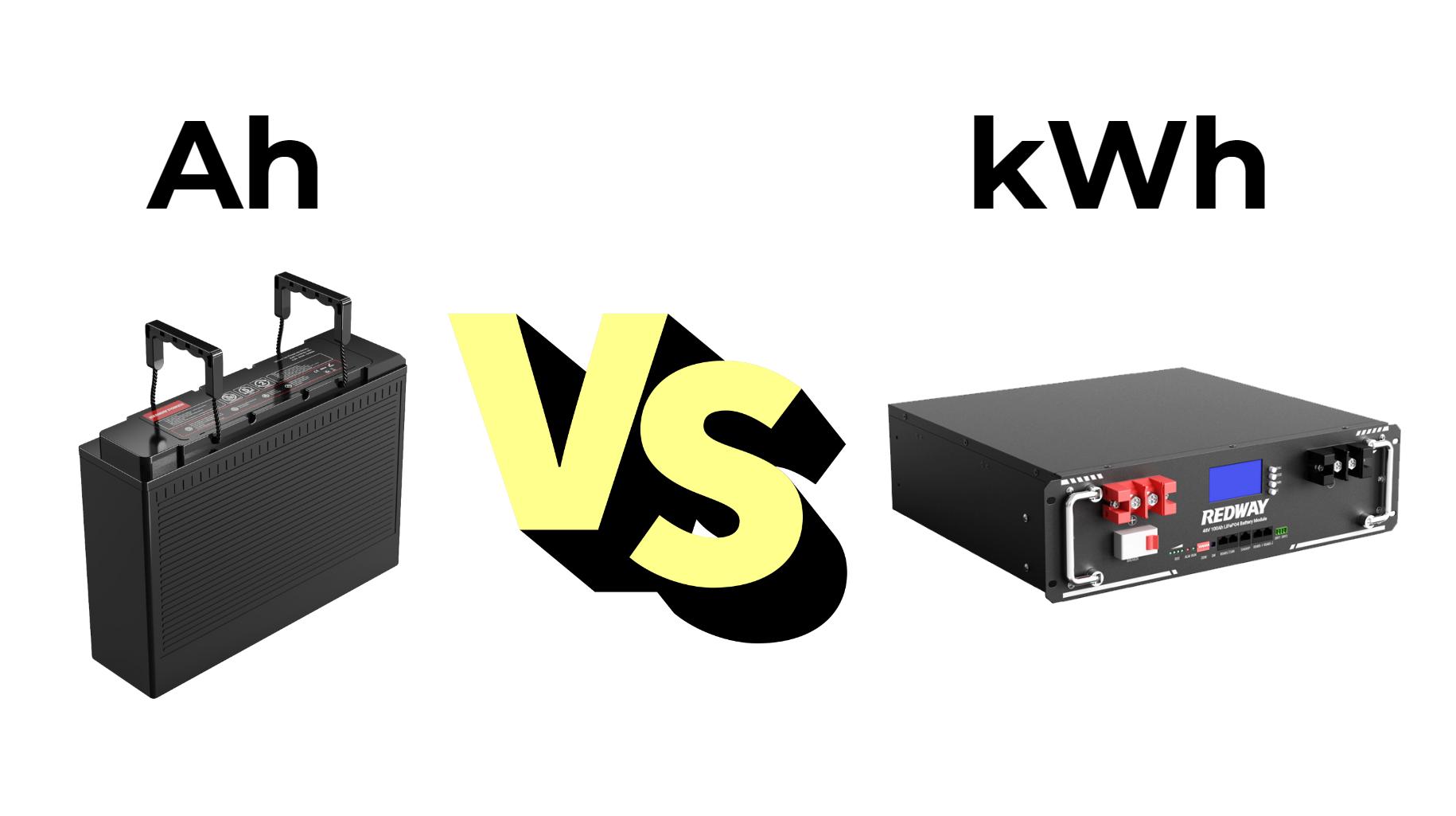
Converting amp hours (Ah) to kilowatt hours (kWh) is essential for understanding battery capacity and energy consumption. The formula for this conversion is straightforward: kWh = (Ah × V) / 1000, where V represents the voltage. For example, if you have a battery rated at 200 Ah and a voltage of 12V, the calculation would yield 2.4 kWh. This conversion is crucial for optimizing energy management in various applications.

Understanding Amp Hours and Kilowatt Hours

Converting amp hours (Ah) to kilowatt hours (kWh) is a straightforward process. To determine the kilowatt hours, multiply the amp hours by the voltage and then divide by 1000. The formula is: kWh = (Ah * V) / 1000. For example, if you have a 150 Ah battery with a voltage of 24V, the calculation would be (150 Ah * 24V) / 1000 = 3.6 kWh. For easy and accurate conversions at various voltage levels, use our interactive amp hours to kilowatt hours conversion calculator.

Ah to kWh Calculator

Enter the values in the boxes, press ‘Convert’, and see the result.

Kilowatt-hours (kWh):

1. Definitions

  • Amp Hours (Ah): A unit of electric charge that indicates how many amps a battery can deliver over one hour. It is commonly used to describe the capacity of batteries.
  • Kilowatt Hours (kWh): A unit of energy that measures the total amount of electricity consumed over time. It indicates how much power is used in one hour.

2. The Relationship Between Ah and kWh

The relationship between amp hours and kilowatt hours can be expressed through the formula:kWh=Ah×V/1000. This equation allows users to convert between these two measurements, facilitating better understanding and comparison of battery capacities.

3. Related Calculators

Calculating Ah to kWh

1. Example Calculation

To illustrate how to convert amp hours to kilowatt hours, consider a battery with a capacity of 150 Ah and a voltage of 24V: kWh=150 Ah×24 V/1000=3.6 kWh. This calculation indicates that the battery can provide 3.6 kilowatt hours of energy.

2. Practical Applications

Understanding how to convert Ah to kWh is crucial for determining how long a battery can power specific devices. For example, if you have a device that consumes 600 watts, you can estimate its runtime using: Runtime hours =kWh/Power W. Using our previous example: Runtime=3.6 kWh600 W=6 hours.

Using a Calculator for Conversion

1. Online Conversion Tools

For quick and accurate conversions between amp hours and kilowatt hours, online calculators are available. These tools allow users to input their specific Ah and voltage values, providing immediate results without manual calculations.

2. Manual Calculation Tips

When calculating manually, ensure that you have the correct voltage value for your specific battery system. Double-check your calculations for accuracy, especially when working with larger numbers.

Comparison of Battery Capacities

When comparing batteries, it’s essential to understand that kilowatt hours alone do not provide a complete picture of energy capacity. For example, two batteries may have the same kilowatt hour rating but different amp hour ratings due to their voltage differences.

Battery Type Voltage (V) Capacity (Ah) Total Capacity (kWh)
Battery A 12 200 2.4
Battery B 24 100 2.4
Battery C 48 50 2.4

In this comparison, all batteries provide the same total capacity in kilowatt hours but differ in their amp hour ratings due to their voltage differences.

Latest News

Recent advancements in battery technology highlight significant innovations aimed at improving performance and sustainability:

  • Researchers are focusing on new materials that enhance energy density in lithium-ion batteries, leading to higher kilowatt hour ratings without increasing size.
  • Companies are developing smart battery management systems that optimize charging cycles based on real-time usage data.
  • The demand for renewable energy storage solutions continues to rise, driving innovation in battery technologies capable of higher capacities.

Redway Expert Comment

As experts in lithium LiFePO4 technology at Redway Battery, we understand that converting amp hours to kilowatt hours is crucial for evaluating battery performance. Our LiFePO4 batteries offer superior energy density and longevity, ensuring users get the most out of their power solutions. By focusing on these specifications, we help customers make informed decisions tailored to their specific needs.”

Conclusion: How to Convert Ah to kWh

In summary, converting amp hours to kilowatt hours is essential for understanding battery capacities and performance. By using the formula kWh = (Ah × V) / 1000, users can easily calculate the kilowatt hour rating based on their specific voltage requirements.As technology continues to evolve, we can expect further enhancements in battery performance and efficiency that will improve energy storage solutions across various applications.

FAQs

What are the main applications of LiFePO4 batteries in the industry? LiFePO4 batteries are widely used in various applications, including electric vehicles (EVs), renewable energy storage systems (solar and wind), power tools, and uninterruptible power supplies (UPS). Their long lifespan, safety features, and efficiency make them ideal for applications requiring reliable energy storage and delivery. How does the charging process of LiFePO4 batteries differ from other lithium-ion batteries? The charging process for LiFePO4 batteries typically requires a charger specifically designed for LiFePO4 chemistry to ensure optimal performance. Unlike other lithium-ion batteries, which may tolerate overcharging to some extent, LiFePO4 batteries must be charged carefully to avoid damage. They also have a more stable voltage profile during discharge, allowing for a more straightforward charging process. What are the maintenance requirements for LiFePO4 batteries? LiFePO4 batteries require minimal maintenance compared to other battery types. Key practices include regular monitoring of charge levels, avoiding deep discharges, and ensuring proper storage conditions (ideally at around 50-70% charge). Keeping terminals clean and avoiding extreme temperatures also contribute to their longevity. Most modern LiFePO4 batteries come with built-in Battery Management Systems (BMS) that help manage these aspects automatically.How do LiFePO4 batteries contribute to energy efficiency in data centers? LiFePO4 batteries enhance energy efficiency in data centers by providing reliable backup power with a longer lifespan and lower maintenance costs compared to traditional lead-acid options. Their ability to discharge at a stable voltage ensures consistent power delivery, reducing downtime. Additionally, their compact design allows for better space utilization, contributing to overall operational efficiency. What are the common challenges in the production of LiFePO4 batteries? Common challenges in producing LiFePO4 batteries include sourcing high-quality materials, managing production costs, and ensuring consistent quality across batches. The manufacturing process can be complex, requiring precise control over chemical compositions and thermal management. Additionally, scaling production while maintaining environmental sustainability poses ongoing challenges within the industry.
 
How to Convert mAh to Wh (Formula and Calculator)

How to Convert mAh to Wh (Formula and Calculator)

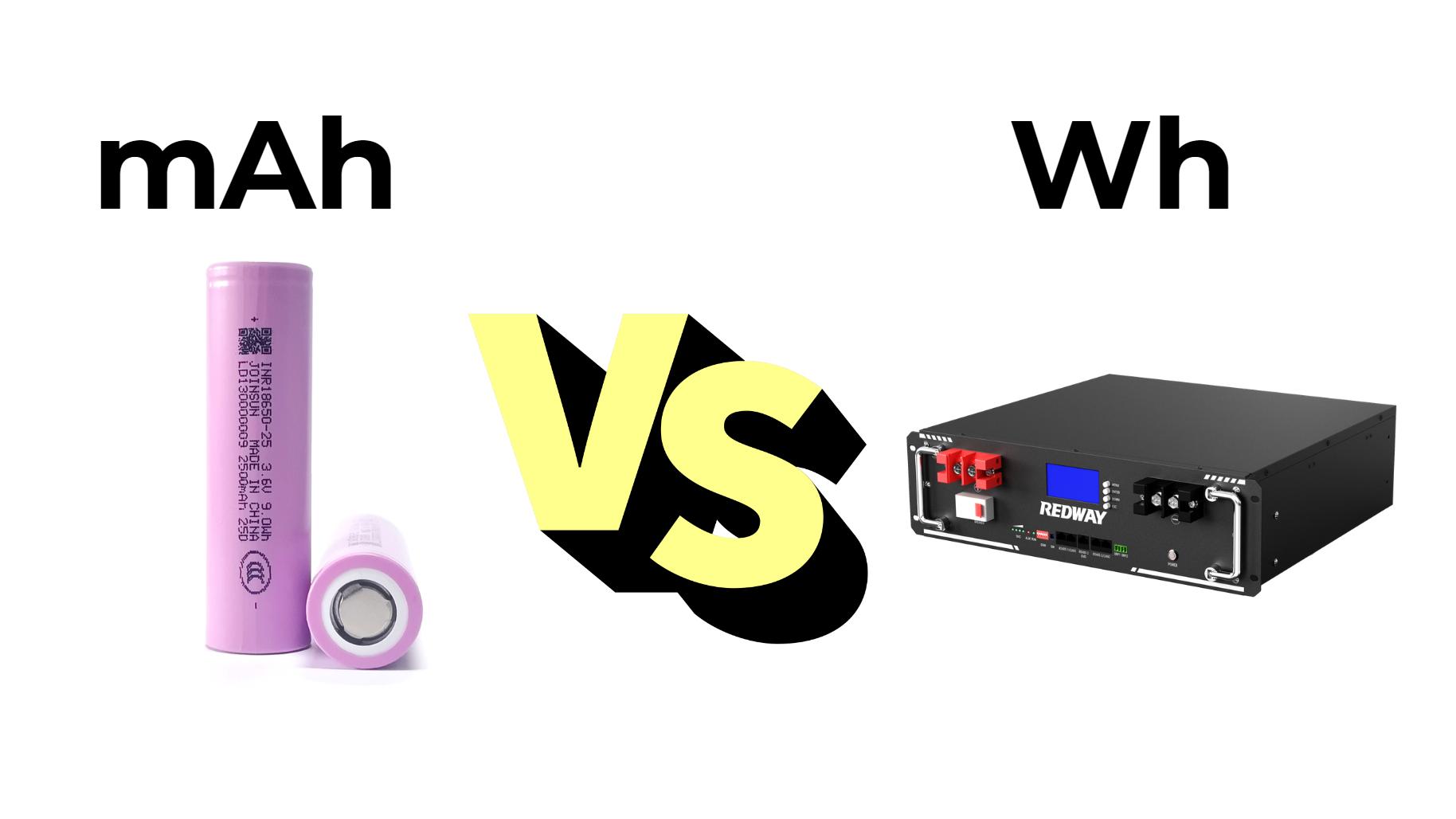
Converting milliamp-hours (mAh) to watt-hours (Wh) requires knowing the battery voltage. The formula is:
Wh = (mAh × Voltage) / 1000.
This calculation helps compare battery energy capacities across different voltages, ensuring accurate assessment of battery life and power delivery for devices and energy storage systems.

What Is the Formula to Convert mAh to Wh?

The formula to convert milliamp-hours (mAh) to watt-hours (Wh) is:

Wh=mAh×Voltage (V)1000

This conversion multiplies the battery capacity in mAh by the voltage and then divides by 1000 to convert milliamp-hours to amp-hours, resulting in energy measured in watt-hours.

Understanding this formula is essential because mAh alone measures electric charge, while Wh expresses the total energy capacity accounting for voltage differences across batteries.

How Can I Use a Calculator to Convert mAh to Wh?

To use a calculator for mAh to Wh conversion:

  1. Identify your battery’s mAh rating (usually on the label).

  2. Find the nominal voltage of the battery (also on the label or datasheet).

  3. Multiply the mAh value by the voltage.

  4. Divide the result by 1000.

For example, a 3000 mAh battery at 3.7V:

3000×3.7/1000=11.1 Wh

Many websites and tools provide online calculators where you input mAh and voltage to instantly get Wh values, simplifying comparisons and power planning.

Why Is Voltage Essential in Converting mAh to Wh?

Voltage is critical because mAh measures charge capacity, not energy. Different batteries can have identical mAh values but vastly different voltages, altering total energy output.

Wh reflects energy (voltage × charge), enabling comparison of batteries with different chemistry or configurations. For example, a 2000 mAh battery at 3.7V delivers less energy (7.4 Wh) than the same 2000 mAh at 7.4V (14.8 Wh).

Always use the nominal battery voltage—the voltage rating under normal operating conditions—for accurate conversion.

Which Units Are mAh and Wh in Battery Terms?

  • mAh (milliampere-hours): Measures electric charge the battery can deliver over time—how long it can supply current.

  • Wh (watt-hours): Captures total energy capacity, considering both charge and voltage, indicating how much work a battery can do.

mAh is common for small batteries (smartphones, remotes), while Wh is preferred for larger or varying voltage systems like power tools, batteries for forklifts, or solar energy storage.

How Does Converting mAh to Wh Help in Battery Selection?

Converting mAh to Wh allows users to:

  • Accurately compare batteries across different voltage ratings.

  • Plan energy needs based on real energy capacity, not just charge.

  • Evaluate device runtime and system compatibility more precisely.

  • Inform decisions for energy storage, such as LiFePO4 battery packs from manufacturers like Redway Battery.

This helps ensure you get batteries suitable for your devices’ voltage and power requirements.

When Should I Convert Wh Back to mAh?

Converting Wh to mAh is useful when you know total energy but need the battery capacity in charge units compatible with specific devices. The formula is:

mAh=Wh×1000Voltage (V)

For example, a 50 Wh battery at 5V:

50×10005=10,000 mAh

This is helpful in battery design, replacement, and comparing battery packs with different voltages.

Can This Conversion Apply to All Battery Types?

Yes, the mAh to Wh formula applies universally but requires the nominal voltage appropriate for the battery’s chemistry and design. For instance, lithium-ion batteries typically run at 3.6–3.7V nominal, lead-acid at about 12V nominal.

Always verify voltage specific to your battery model to avoid errors. Manufacturers like Redway Battery customize lithium battery packs with specified voltages, making accurate conversions vital for efficiency and safety.

How Can I Calculate Battery Energy Using mAh and Voltage? (Example Table)

mAh (milliamp-hour) Voltage (V) Calculated Wh (Watt-hour) Typical Use Case
1000 3.7 3.7 Small lithium-ion batteries
3000 3.7 11.1 Smartphone battery
5000 12 60 Lead-acid for power tools
20000 36 720 EV or forklift lithium packs

This table helps visualize how voltage substantially affects total energy despite the same mAh value.

Redway Expert Views

“Accurate battery capacity calculations are fundamental for designing reliable energy systems. At Redway Battery, we emphasize precise conversion between mAh and Wh to optimize our LiFePO4 battery pack designs for forklifts and golf carts. Understanding voltage interplay with capacity enables us to deliver tailored, high-performance batteries that provide dependable power and safety across industries.”

— Redway Battery Engineering Team

What Are Key Takeaways and Actionable Advice on mAh to Wh Conversion?

  • Always obtain the battery’s nominal voltage before converting mAh to Wh.

  • Use the formula: Wh = (mAh × Voltage) / 1000 to determine energy capacity.

  • Leverage online calculators for quick and accurate conversions.

  • Understand Wh represents true energy, aiding in better battery comparisons and device compatibility.

  • For industrial applications, partner with OEMs like Redway Battery ensuring precise battery capacity calculations and custom solutions for optimal performance.

These practices ensure reliable energy management and informed battery selection.

Frequently Asked Questions (FAQs)

What is the main difference between mAh and Wh?
mAh measures electrical charge capacity; Wh measures total energy considering voltage.

Can I convert mAh to Wh without knowing the voltage?
No, voltage is essential; without it, conversion is inaccurate.

How do I find the voltage for my battery?
Check the battery label, datasheet, or manufacturer‘s specs for nominal voltage.

Why do battery packs with the same mAh have different runtimes?
Voltage differences affect the actual energy (Wh), causing runtime variations.

Does Redway Battery provide batteries with standardized voltage ratings?
Yes, Redway Battery customizes LiFePO4 packs with specific voltages to meet diverse application needs.

How to Convert Ah to Wh (Formula and Calculator)

How to Convert Ah to Wh? Formula and Calculator Explained

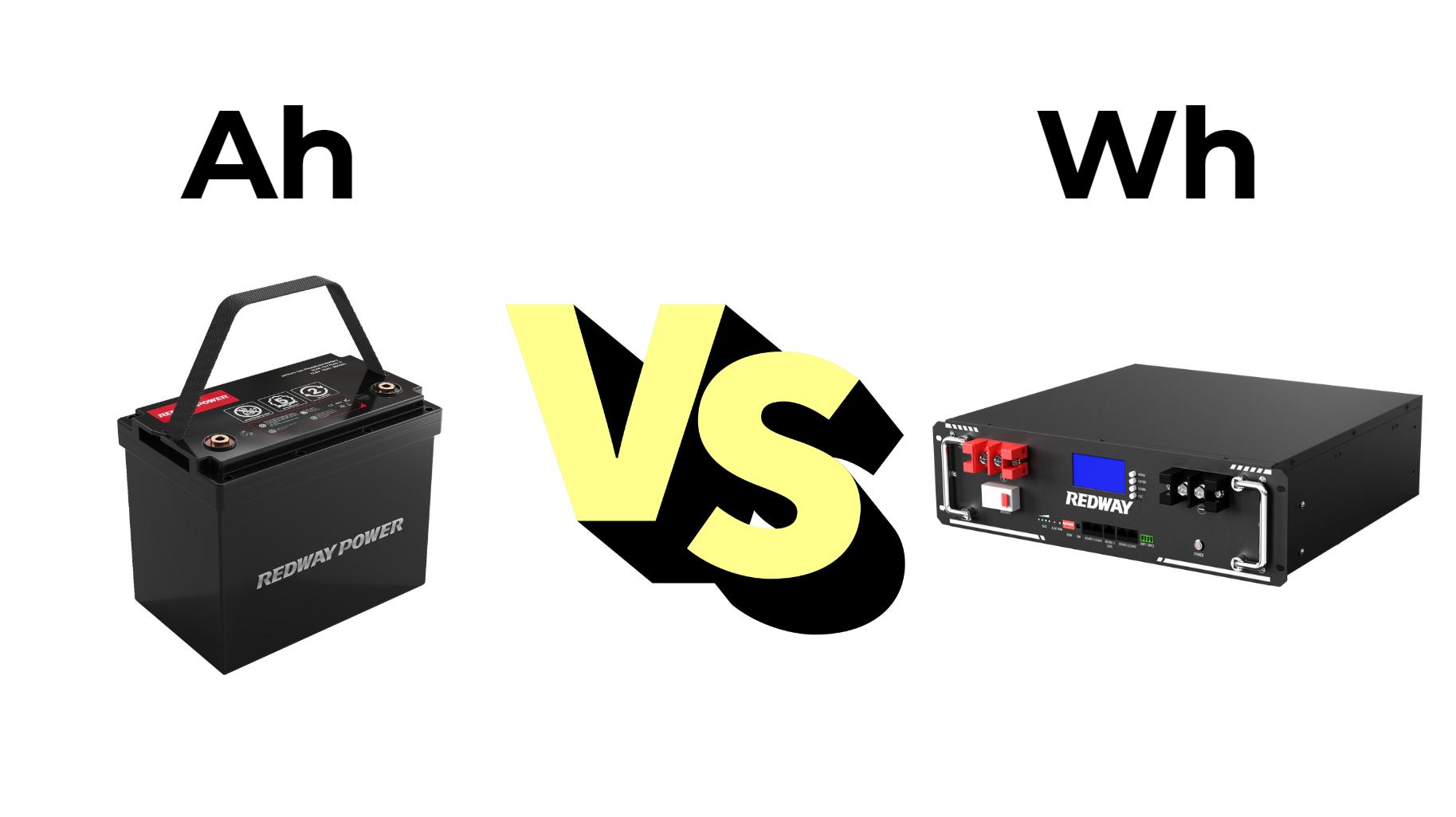
To convert ampere-hours (Ah) to watt-hours (Wh), multiply the battery capacity in Ah by its voltage (V). The formula is Wh = Ah × V. This simple calculation helps determine the total energy stored in a battery, crucial for sizing, performance evaluation, and comparing battery options.

What Is the Difference Between Ampere-Hours (Ah) and Watt-Hours (Wh)?

Ampere-hours (Ah) measure electric charge capacity, representing how much current a battery can supply over time. Watt-hours (Wh) measure energy capacity, accounting for voltage to reflect actual usable energy.

While Ah shows the quantity of charge, Wh provides a more comprehensive measure by including voltage, valuable for comparing batteries with different voltage levels or chemistries.

Redway Battery, a specialist in lithium-ion technology, supplies batteries rated in both Ah and Wh, helping clients understand energy potential precisely.

How Do You Convert Ampere-Hours (Ah) to Watt-Hours (Wh)? Formula Explained

To convert Ah to Wh, multiply the battery capacity in ampere-hours by the voltage (V) of the battery:

Wh = Ah × V

For example, a 10Ah battery at 12V delivers 120Wh of energy. This formula applies universally to all battery chemistries.

Using this conversion is essential for practical applications like estimating runtime or sizing backup power systems, areas where Redway Battery offers expert configuration support.

How Can You Use a Calculator to Convert Ah to Wh Efficiently?

Online Ah to Wh calculators streamline the process—simply input the battery’s Ah rating and voltage. The tool computes Wh instantly, reducing manual errors and facilitating quick comparisons.

Some calculators also support batch conversions for multiple batteries, useful in energy storage system planning.

Redway Battery provides custom tools and consultation to aid OEMs and system integrators in battery specification and conversion calculations.

Why Is Understanding the Ah to Wh Conversion Important for Battery Users?

Understanding the conversion helps users evaluate true energy capacity, plan for usage durations, and compare batteries on an equal energy basis despite differing voltages.

For professionals designing UPS, solar, telecom, or EV systems, this knowledge directly impacts system reliability and efficiency.

Redway Battery emphasizes customer education on this conversion to empower informed battery selection and performance optimization.

Which Factors Can Affect the Accuracy of Ah to Wh Conversion?

The most accurate conversion requires precise nominal voltage input. Actual operating voltage can vary due to discharge state, temperature, or battery aging, slightly affecting Wh calculations.

Battery efficiency and usable capacity also influence real-world energy output—nominal Ah and voltage give theoretical maximum Wh.

Redway Battery’s products undergo rigorous testing to guarantee consistency between rated and real-world performance, aiding precise energy planning.

How Do Battery Chemistry and Voltage Impact the Ah to Wh Calculation?

Different chemistries (Li-ion, LiFePO4, lead-acid) operate at distinct nominal voltages; for example, LiFePO4 batteries average 3.2–3.3V per cell versus 3.6–3.7V for traditional Li-ion.

Correct voltage selection per chemistry is critical for accurate Wh conversion—using lead-acid voltage figures for Li-ion batteries results in errors.

Redway Battery’s engineering team provides customized data sheets showing accurate voltage values to support precise energy assessments.

When Should You Convert Ah to Wh in Real-World Applications?

Converting Ah to Wh is essential when calculating battery autonomy, comparing battery packs for energy storage, sizing solar systems, or designing electric vehicles.

This conversion aids in procurement decisions by comparing different battery formats on an energy basis rather than capacity alone.

At Redway Battery, we assist clients in conducting these conversions during system design to ensure battery compatibility and performance reliability.

Where Can You Find Reliable Data to Perform Ah to Wh Conversions?

Reputable battery manufacturers like Redway Battery provide detailed datasheets listing exact nominal voltage and Ah ratings necessary for accurate conversions.

Avoid using approximate or outdated values to reduce miscalculations impacting system designs or performance expectations.

Using certified product specifications guarantees data integrity during energy calculations.

Can Temperature and Battery Age Affect Ah to Wh Conversion Outcomes?

Yes, temperature extremes reduce battery voltage and capacity, lowering actual Wh output. Aging also causes capacity fade, impacting usable Ah and therefore Wh.

While theoretical calculations use nominal Ah and voltage, real-world energy can be significantly less due to these factors.

Redway Battery’s quality control and advanced battery management systems help mitigate these effects, informing users about realistic energy availability.

Table: Sample Ah to Wh Conversion for Various Voltages

Capacity (Ah) Voltage (V) Energy (Wh)
10 Ah 3.7 V 37 Wh
10 Ah 12 V 120 Wh
10 Ah 24 V 240 Wh
20 Ah 3.3 V (LiFePO4) 66 Wh
20 Ah 48 V 960 Wh

Redway Expert Views

“Accurate energy capacity measurement is fundamental to battery application success. At Redway Battery, we work closely with OEMs to ensure their Ah to Wh conversions are precise, enabling reliable system design and optimal energy utilization. Our commitment to quality and transparency in battery specifications empowers end users to maximize battery life and performance across industries like telecom, solar, and automotive.” – Redway Battery Engineering Team

Conclusion

Converting ampere-hours to watt-hours is a crucial step in understanding battery energy capacity and making informed decisions across various applications. Applying the simple formula Wh = Ah × V with accurate voltage data ensures precise energy calculations. Factors like battery chemistry, temperature, and age can influence actual performance. Leveraging expert support from manufacturers like Redway Battery ensures reliable battery selection and system design optimized for endurance, safety, and efficiency.

FAQs

Q1: Can I convert Ah to Wh without knowing the battery voltage?
No, voltage is essential for the conversion; without it, Wh cannot be accurately calculated.

Q2: Is the nominal voltage always constant for all batteries?
No, nominal voltage varies by chemistry and operating conditions but is used as a standard for calculations.

Q3: Does higher Wh always mean longer battery runtime?
Generally yes, but real runtime depends on device load, battery condition, and environmental factors.

Q4: How does Redway Battery help with Ah to Wh calculations?
Redway Battery offers detailed datasheets and expert consulting to ensure accurate conversion and tailored battery solutions.

Q5: Can I use Ah to Wh conversion for non-rechargeable batteries?
Yes, the formula applies to all battery types but practical application depends on chemistry and usage context.

How to Convert Wh to mAh (Formula and Calculator)

How to Convert Wh to mAh? (Formula and Calculator Explained)

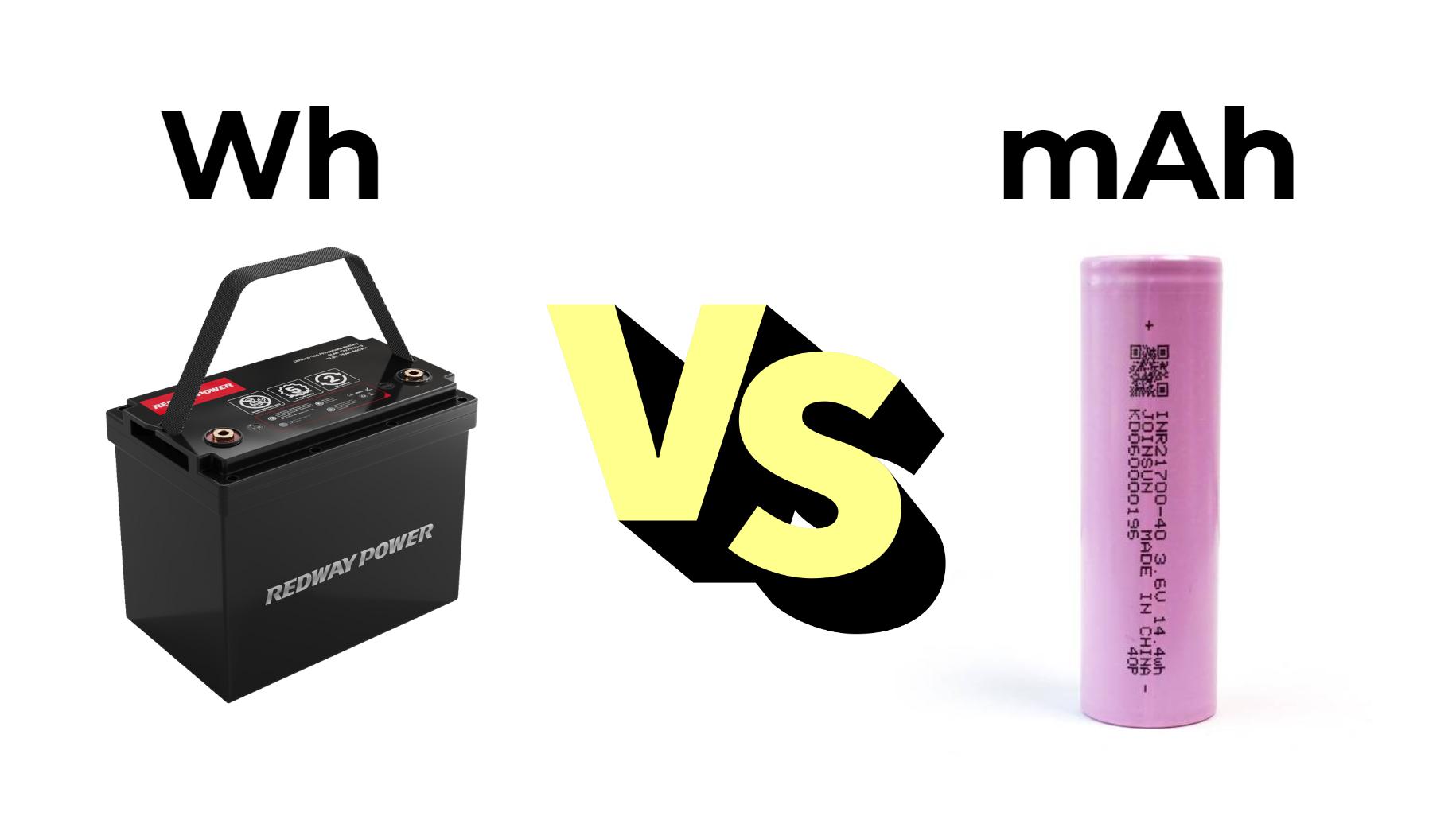
Converting watt-hours (Wh) to milliamp-hours (mAh) requires dividing the Wh by the battery voltage (V) and multiplying by 1,000. The formula is: mAh = (Wh ÷ V) × 1000. This formula helps translate energy capacity into charge units, enabling accurate battery comparisons across different specifications.

What Is the Difference Between Wh and mAh in Battery Measurement?

Watt-hours (Wh) measure the total energy stored in a battery—essentially how much power it can deliver over time. Milliamp-hours (mAh) represent the electric charge capacity or how much current a battery can supply over one hour. Wh takes both voltage and charge into account; mAh measures charge only.

Wh = Voltage (V) × Charge Capacity (Ah). Since mAh is milliamp-hours or thousandths of an ampere hour, it reflects capacity at a given voltage but not total energy. For example, a 3.7V lithium battery with 2000 mAh capacity stores about 7.4 Wh of energy (3.7 × 2 Ah).

Understanding this distinction helps accurately evaluate battery performance, especially when comparing devices using batteries of different voltages.

How Do You Convert Wh to mAh Using a Specific Formula?

To convert watt-hours to milliamp-hours, use:
mAh = (Wh ÷ Voltage) × 1000

This formula divides energy (Wh) by voltage (V) to find amp-hours (Ah), then multiplies by 1,000 to convert to milliamp-hours. For accuracy, use the battery’s nominal voltage rating from its datasheet because voltage varies by chemistry and application.

Example: For a battery with 12 Wh energy and 3.7 V nominal voltage:
mAh = (12 ÷ 3.7) × 1000 ≈ 3243 mAh

This conversion is critical for engineers, hobbyists, and consumers to compare battery capacities easily across different units.

Battery Parameter Unit Description
Energy Wh Total energy stored
Voltage V Electric potential difference
Charge Capacity mAh Electric charge capacity

Why Is Battery Voltage Crucial for Wh to mAh Conversion?

Voltage defines the electric potential across the battery terminals. Without voltage, Wh cannot be meaningfully converted to mAh because watt-hours are a product of charge and voltage. Different battery chemistries have different nominal voltages—lithium-ion about 3.6–3.7V, lead-acid 12V, NiMH 1.2V per cell.

Using an incorrect voltage results in inaccurate mAh values, which can mislead capacity comparisons or device compatibility estimates. Always refer to the manufacturer’s nominal voltage for conversions, as Redway Battery does in their datasheets to ensure precise customer understanding.

Which Tools Are Available to Help Convert Wh to mAh?

Various online calculators, mobile apps, and spreadsheet templates can perform Wh to mAh conversions by requiring only the Wh and voltage input. These tools automate calculations, reduce human errors, and allow batch conversions for multiple battery specs.

Redway Battery offers professional engineering support to clients dealing with customized battery packs and capacity conversions, ensuring accurate sizing for industrial applications like forklifts and golf carts.

Such calculators are invaluable for manufacturers, engineers, and consumers seeking reliable capacity comparisons when selecting or designing battery systems.

How Can You Convert mAh Back to Wh for Energy Analysis?

To convert mAh to Wh, use:
Wh = (mAh × Voltage) ÷ 1000

This formula multiplies charge capacity by voltage, then divides by 1000 to switch from milliamp-hours to amp-hours. This conversion clarifies total energy stored, facilitating power management, system design, and performance assessments.

For example, a 2500 mAh battery at 3.7 V stores:
Wh = (2500 × 3.7) ÷ 1000 = 9.25 Wh

This reverse conversion is useful for engineers comparing energy across different voltage battery packs.

Example Conversion Calculation Result
10 Wh at 5 V (10 ÷ 5) × 1000 2000 mAh
3000 mAh at 3.7 V (3000 × 3.7) ÷ 1000 11.1 Wh

When Should You Prefer Using Wh Over mAh in Battery Specifications?

Watt-hours provide a more complete picture of battery capacity since they account for voltage alongside charge. Therefore, Wh is preferred when comparing batteries across different chemistries or voltage ratings, such as in electric vehicles, solar energy storage, or industrial lithium batteries.

Milliamp-hours are useful when the voltage is constant or standardized, like with single-cell lithium-ion batteries. Redway Battery recommends emphasizing Wh in OEM and customized battery packs to provide customers with realistic energy expectations.

Can Different Battery Chemistries Affect the Accuracy of Wh to mAh Conversion?

Yes. Battery chemistries affect nominal voltage and discharge profiles, influencing the conversion precision. For example, LiFePO4 batteries typically have a lower nominal voltage (3.2–3.3 V) than standard lithium-ion (3.6–3.7 V). These variations modify the exact mAh calculation from Wh.

Temperature, battery age, and load impact voltage during use, introducing small variances. Redway Battery’s engineering teams carefully optimize chemistry selection and voltage ratings for accurate, real-world capacity representation.

Where Does Redway Battery Stand Regarding Capacity Metrics and Conversion?

Redway Battery integrates clear Wh and mAh specifications in its lithium battery packs, facilitating informed choice for varied applications—from forklifts to solar systems. Their engineering support includes capacity conversion and optimization for OEM customers globally, simplifying complex technical decisions.

By providing easy-to-understand datasheets and personalized consultation, Redway Battery empowers clients to select the right battery with confidence, ensuring optimal performance and safety.

Redway Expert Views

“Capacity ratings in watt-hours and milliamp-hours are more than numbers—they represent real-world usability and reliability in energy storage. At Redway Battery, our commitment is to transparency and accuracy in capacity specifications. This allows clients, whether in industrial or consumer markets, to make informed decisions backed by precise technical data and tailored battery design.” — Redway Battery Engineering Team

Conclusion

Mastering the conversion of watt-hours to milliamp-hours is essential for anyone working with batteries. The formula mAh = (Wh ÷ Voltage) × 1000 allows reliable translation of energy capacity for meaningful comparisons.

Using nominal battery voltage ensures accuracy, while tools and expertise, like those offered by Redway Battery, ease complex calculations. Understanding battery capacity properly enables better system designs, device compatibility, and performance evaluation.


Frequently Asked Questions

1. Why is mAh alone not sufficient to judge battery capacity?
Because mAh measures charge without voltage, it doesn’t reveal total energy stored—watt-hours are necessary for complete understanding.

2. How do I find the nominal voltage for my battery?
Check the manufacturer’s datasheet or label; common values include 3.6–3.7 V for Li-ion, 3.2 V for LiFePO4.

3. Can I use average voltage instead of nominal for conversion?
Nominal voltage is standard for conversion; average voltage can vary during use, making calculations less consistent.

4. Does Redway Battery provide customized battery specifications in Wh and mAh?
Yes, Redway Battery supports OEM customization with detailed capacity specifications for precise application matching.

5. Are online converters accurate for all types of batteries?
They are accurate when correct voltage values are used; variations in chemistry and usage conditions can affect exact results.

How to Convert kWh to Ah (Formula and Calculator)

How to Convert kWh to Ah (Formula and Calculator)

Converting kilowatt hours (kWh) to amp hours (Ah) is essential for understanding battery capacity and energy consumption. The formula for this conversion is straightforward: Ah = (kWh × 1000) / V, where V represents voltage. For example, if you have a battery rated at 2 kWh and a voltage of 12V, the calculation would yield 166.67 Ah. This conversion is crucial for optimizing energy management in various applications.

Understanding Kilowatt Hours and Amp Hours

Converting kilowatt hours (kWh) to amp hours (Ah) is a straightforward calculation. To convert kWh to Ah, divide the kilowatt hours by the voltage (V). The formula is Ah = kWh / V. For instance, if you have a 10 kWh battery with a voltage of 24V, the calculation would be 10 kWh / 24V = 0.4167 Ah. Use our kilowatt hours to amp hours conversion calculator for easy and accurate conversions at different voltage levels.

kWh to Ah Calculator

Enter the values in the boxes, press ‘Convert’, and see the result. kWh to Ah

Amp-hours (Ah):

1. Definitions

  • Kilowatt Hours (kWh): A unit of energy that measures the total amount of electricity consumed over time. It indicates how much power is used in one hour.
  • Amp Hours (Ah): A unit of electric charge that represents how many amps a battery can deliver over one hour, commonly used to describe battery capacity.

2. The Relationship Between kWh and Ah

The relationship between kilowatt hours and amp hours can be expressed with the formula: Ah=kWh×1000/V. This formula allows users to convert between these two measurements, facilitating better understanding and comparison of battery capacities.

3. Related Calculators

Calculating kWh to Ah

1. Example Calculation

To illustrate how to convert kilowatt hours to amp hours, consider a battery with a capacity of 3 kWh and a voltage of 24V: Ah=3 kWh×1000 / 24 V=125 Ah. This calculation indicates that the battery can provide 125 amp hours of energy.

2. Practical Applications

Understanding how to convert kWh to Ah is crucial for determining how long a battery can power specific devices. For instance, if you have a device that consumes 300 watts, you can estimate its runtime using: Runtime hours =kWh×1000/Power W. Using our previous example: Runtime=3 kWh×1000/300 W=10 hours.

Using a Calculator for Conversion

1. Online Conversion Tools

For quick and accurate conversions between kilowatt hours and amp hours, online calculators are available. These tools allow users to input their specific kWh and voltage values, providing immediate results without manual calculations.

2. Manual Calculation Tips

When calculating manually, ensure that you have the correct voltage value for your specific battery system. Double-check your calculations for accuracy, especially when working with larger numbers.

Comparison of Battery Capacities

When comparing batteries, it’s essential to understand that amp hours alone do not provide a complete picture of energy capacity. For example, two batteries may have the same amp hour rating but different voltages, leading to different kilowatt hour capacities.

Battery Type Voltage (V) Capacity (Ah) Total Capacity (kWh)
Battery A 12 100 1.2
Battery B 24 50 1.2
Battery C 12 200 2.4

In this comparison, both Battery A and Battery B provide the same total capacity in kilowatt hours but differ in their amp hour ratings due to their voltage differences.

Latest News

Recent advancements in battery technology highlight significant innovations aimed at improving performance and sustainability:

  • Researchers are focusing on new materials that enhance energy density in lithium-ion batteries, leading to higher kilowatt hour ratings without increasing size.
  • Companies are developing smart battery management systems that optimize charging cycles based on real-time usage data.
  • The demand for renewable energy storage solutions continues to rise, driving innovation in battery technologies capable of higher capacities.

Redway Expert Comment

“As experts in lithium LiFePO4 technology at Redway Battery, we understand that converting kilowatt hours to amp hours is crucial for evaluating battery performance. Our LiFePO4 batteries offer superior energy density and longevity, ensuring users get the most out of their power solutions. By focusing on these specifications, we help customers make informed decisions tailored to their specific needs.”

Conclusion: How to Convert kWh to Ah

In summary, converting kilowatt hours to amp hours is essential for understanding battery capacities and performance. By using the formula Ah = (kWh × 1000) / V, users can easily calculate the amp hour rating based on their specific voltage requirements.As technology continues to evolve, we can expect further enhancements in battery performance and efficiency that will improve energy storage solutions across various applications.

FAQs

What are some practical examples of using the kWh to Ah conversion in real-world applications? The kWh to Ah conversion is commonly used in designing electric vehicles (EVs) to assess battery capacity and range. For instance, a 60 kWh battery operating at 400 volts can be converted to Ah to determine how long it can power the vehicle. Similarly, in solar power systems, converting battery capacity helps estimate energy availability for homes.

How does voltage affect the accuracy of the kWh to Ah conversion? Voltage significantly impacts the kWh to Ah conversion because it determines how much current (in Ah) can be drawn from a given energy capacity (in kWh). Higher voltages result in lower Ah for the same kWh, affecting calculations and potentially leading to inaccuracies if the voltage fluctuates during operation.

Are there any online tools or calculators specifically for converting kWh to Ah? Yes, several online calculators facilitate the conversion of kWh to Ah. Websites like Redway Power and iCalculator provide user-friendly tools where you simply input the kWh and voltage to obtain the equivalent Ah, streamlining the calculation process for various applications.

Can the kWh to Ah conversion be applied to all types of batteries? The kWh to Ah conversion can generally be applied to all types of batteries, provided you know the battery’s voltage. However, variations in chemistry and discharge characteristics may affect real-world performance, so it’s essential to consider specific battery behaviors when using this conversion.

What are the common mistakes to avoid when converting kWh to Ah? Common mistakes include neglecting to account for voltage fluctuations, which can lead to inaccurate results. Additionally, assuming constant voltage during discharge can misrepresent actual performance. It’s also crucial not to confuse units; ensure you’re using consistent measurements throughout the calculations.

How does Tesla improve the environment?

How does Tesla improve the environment?

Tesla improves the environment primarily through its commitment to sustainable energy solutions. By producing electric vehicles (EVs) that reduce greenhouse gas emissions, investing in solar energy, and developing energy storage systems, Tesla plays a pivotal role in promoting a cleaner, more sustainable future.

Electric Vehicles: A Game Changer

Tesla’s electric vehicles are at the forefront of reducing carbon emissions. Traditional gasoline-powered cars contribute significantly to air pollution and climate change. By offering a range of electric models, Tesla not only provides consumers with an eco-friendly alternative but also encourages the automotive industry to shift towards sustainable practices.

  1. Zero Emissions: Tesla vehicles produce no tailpipe emissions, significantly lowering urban air pollution levels.
  2. Energy Efficiency: Tesla EVs are designed for maximum efficiency, converting a higher percentage of electrical energy from the grid to power at the wheels compared to traditional vehicles.
  3. Regenerative Braking: This technology allows Tesla cars to recover energy during braking, further enhancing their efficiency and range.

Electric Vehicles: A Game Changer, How does Tesla improve the environment?

Solar Energy Solutions

In addition to electric vehicles, Tesla is heavily invested in solar energy products. The company offers solar panels and solar roof tiles that harness renewable energy from the sun.

  1. Clean Energy Generation: Solar products allow homeowners to generate their own electricity, reducing reliance on fossil fuels.
  2. Energy Storage: Tesla’s Powerwall and Powerpack systems store solar energy for later use, ensuring that homes can utilize renewable energy even when the sun isn’t shining.
  3. Grid Stability: By integrating solar energy with battery storage, Tesla contributes to a more stable and resilient energy grid.

Sustainable Manufacturing Practices

Tesla is committed to sustainability not just in its products but also in its manufacturing processes.

  1. Recycling Initiatives: The company has implemented recycling programs for battery materials, reducing waste and conserving resources.
  2. Sustainable Materials: Tesla strives to use sustainable materials in its manufacturing processes, including recycled aluminum and ethically sourced minerals.
  3. Energy-Intensive Production: The Gigafactories are designed to be powered by renewable energy sources, minimizing their environmental impact.

Latest News

  • Tesla recently announced plans to expand its solar and battery storage offerings, aiming for greater integration with renewable energy sources.
  • The company has set ambitious goals for reducing its carbon footprint across all operations by 2030.
  • New partnerships with renewable energy providers have been established to enhance community access to sustainable energy solutions.

Redway Expert Comment

“In our view at Redway Battery, Tesla’s innovative approach to sustainability sets a benchmark for the automotive and energy sectors. Their focus on electric vehicles and renewable energy not only addresses immediate environmental concerns but also paves the way for a sustainable future. As we continue to develop our Lithium LiFePO4 batteries, we are inspired by Tesla’s commitment to eco-friendly technologies.

Conclusion

Tesla’s multifaceted approach to improving the environment through electric vehicles, solar energy solutions, and sustainable manufacturing practices showcases how innovation can drive positive change. By leading the charge toward a more sustainable future, Tesla not only benefits consumers but also contributes significantly to global efforts in combating climate change.

FAQs

What are the latest advancements in Tesla’s environmental initiatives?
Tesla’s recent Impact Report highlights its commitment to reducing supply chain emissions, focusing on transparency and responsible sourcing of materials. The company aims for net-zero emissions across the product lifecycle and is investing in renewable energy, including a lithium refinery that minimizes harmful byproducts.

How does Tesla’s use of lithium-ion batteries impact the environment?
Lithium-ion batteries contribute significantly to Tesla’s carbon footprint, accounting for 25-30% of greenhouse gas emissions in its supply chain. Mining and refining materials like lithium and nickel have substantial environmental impacts, prompting Tesla to pursue more sustainable sourcing practices and transparency in its supply chain.

What specific measures does Tesla take to reduce its carbon footprint?
Tesla focuses on reducing greenhouse gas emissions across all operational areas. This includes transitioning to 100% renewable energy for operations, enhancing battery efficiency, and implementing strict supplier emission reduction plans. The company also invests in recycling initiatives to minimize waste and maximize resource recovery.

How does Tesla’s battery recycling program work?
Tesla’s battery recycling program aims to recover valuable materials from used batteries. The company has developed a reverse logistics system to retrieve batteries from sold vehicles, successfully recovering significant amounts of nickel, cobalt, lithium, and copper for reuse, ensuring none of its batteries end up in landfills.

What are the environmental benefits of Tesla’s electric vehicles?
Tesla’s electric vehicles significantly reduce greenhouse gas emissions compared to traditional internal combustion engine vehicles. Each Tesla on the road avoids emitting about 51 tons of CO2 equivalent over its lifetime, contributing to a cleaner environment and supporting global climate goals through reduced reliance on fossil fuels.

What is a 2nd Life Battery?

What is a 2nd Life Battery?

2nd life battery refers to a battery that has completed its primary use in applications like electric vehicles (EVs) and is repurposed for secondary applications. These batteries still retain a significant portion of their capacity, making them suitable for uses such as energy storage systems in homes or commercial buildings. The transition to 2nd life applications helps reduce waste and promotes sustainability.

Understanding 2nd Life Batteries

The concept of 2nd life batteries is gaining traction as the demand for sustainable energy solutions increases. Typically, batteries, especially Lithium-ion types, degrade over time but can still function effectively for less demanding applications. The repurposing of these batteries not only extends their lifespan but also contributes to environmental conservation by reducing the need for new battery production.

Benefits of 2nd Life Batteries

  1. Cost-Effective Energy Storage: Utilizing 2nd life batteries can significantly lower the cost of energy storage solutions, making renewable energy sources more accessible.
  2. Environmental Impact: By repurposing batteries, we can minimize electronic waste and reduce the carbon footprint associated with battery manufacturing.
  3. Grid Stability: These batteries can provide backup power and help stabilize the grid by storing excess energy generated during peak production times.
  4. Innovation in Recycling: The development of 2nd life battery systems encourages advancements in recycling technologies, promoting a circular economy.

Latest News

  • Recent studies highlight that using 2nd life batteries can contribute to a more sustainable energy ecosystem.
  • Major companies are investing in research to improve the efficiency and lifespan of repurposed batteries.
  • Legislative efforts are underway in various regions to promote the use of second life batteries as part of renewable energy initiatives.

Redway Expert Comment

In our experience at Redway Battery, the potential of 2nd life batteries is immense. As we continue to innovate in Lithium LiFePO4 technology, we see an opportunity not just for cost savings but also for significant environmental benefits. By integrating these solutions into our offerings, we can help customers transition to more sustainable practices while maximizing the value of their existing battery assets.”

Conclusion

The evolution of 2nd life batteries represents a pivotal shift toward sustainable energy practices. By leveraging existing resources effectively, we can drive innovation and contribute positively to our environment. As experts in Lithium LiFePO4 technology, we at Redway Battery are committed to providing tailored solutions that meet the demands of this emerging market.

Why Is Wireless Charging Slower Than Wired?

Why Is Wireless Charging Slower Than Wired?

Wireless charging is generally slower than wired charging due to the inefficiencies in energy transfer. While wired chargers deliver power directly through a cable, wireless chargers rely on electromagnetic fields to transfer energy, which can result in energy loss and longer charging times. Factors like alignment and distance between the charger and device also impact speed.

Understanding Wireless Charging Technology

1. How Wireless Charging Works

Wireless charging uses inductive charging technology, which involves two coils: one in the charger and one in the device. When the charger is powered on, it creates an electromagnetic field that induces a current in the device’s coil, charging its battery. This method, while convenient, introduces several inefficiencies.

2. Energy Loss During Transfer

The energy transfer in wireless charging is not 100% efficient. Typically, around 20-30% of the energy can be lost as heat during the process. In contrast, wired charging can achieve efficiencies of 90% or more, allowing for faster and more effective energy delivery.

Factors Contributing to Slower Charging Speeds

1. Alignment Issues

Proper alignment between the device and the charger is crucial for efficient power transfer. If the coils are misaligned, energy transfer becomes less effective, resulting in slower charging speeds. Users must ensure their devices are placed correctly on the charging pad.

2. Distance Between Coils

The distance between the charging coils also affects charging speed. The greater the distance, the more energy is lost in transmission. Wireless chargers typically work best when devices are placed directly on them, minimizing this distance.

3. Charging Standards

Different devices and chargers may use various standards for wireless charging, such as Qi or PMA. Each standard has its own efficiency levels and power output capabilities, which can impact how quickly a device charges wirelessly.

4. Heat Generation

Wireless charging generates more heat than wired charging due to energy loss during transfer. Excessive heat can lead to throttling, where the charger reduces power output to prevent overheating, further slowing down the charging process.

Comparison of Charging Speeds

Charging Method Typical Power Output Average Charging Time
Wired Charging 10W – 100W 1 – 2 hours
Wireless Charging 5W – 15W 2 – 4 hours

Latest News

Recent developments in wireless charging technology are aimed at improving efficiency and speed:

  • Researchers are exploring new materials that enhance inductive coupling, potentially increasing energy transfer efficiency.
  • Companies are developing faster wireless charging standards that could deliver higher wattage without overheating.
  • Innovations in alignment technology are being tested to minimize misalignment issues during wireless charging.

Redway Expert Comment

“As experts in lithium LiFePO4 technology at AAA Battery, we recognize that while wireless charging offers convenience, it often falls short in speed compared to wired solutions. Our focus remains on providing high-efficiency batteries that support both wired and wireless technologies effectively. As advancements continue in wireless technology, we anticipate improvements that will bridge this gap.”

Conclusion: Why Is Wireless Charging Slower Than Wired?

In conclusion, wireless charging is slower than wired due to inefficiencies inherent in energy transfer methods, alignment issues, distance between coils, varying standards, and heat generation. While it offers unmatched convenience for users, those seeking faster charging times may still prefer wired options.As technology evolves, we expect enhancements in wireless charging methods that may reduce these inefficiencies over time. For now, understanding these factors will help users make informed choices about their charging solutions.

FAQs

What are the main differences between wireless and wired charging technologies?
Wired charging uses a physical connection between the device and charger, allowing for faster and more efficient energy transfer. In contrast, wireless charging relies on electromagnetic fields to transmit energy, offering convenience but generally slower speeds and lower efficiency.

How does the efficiency of wireless charging compare to wired charging?
Wireless charging is typically less efficient than wired charging, with efficiency rates around 50% to 80%. This inefficiency arises from energy loss during the conversion process from electrical to magnetic energy and back, while wired charging maintains a direct connection, minimizing energy loss.

What are the primary reasons for the slower charging speed of wireless charging?
The slower speed of wireless charging is primarily due to its reliance on electromagnetic induction, which is inherently less efficient than direct electrical connections. Additionally, misalignment between the device and charger can further reduce power transfer efficiency.

Are there any advancements being made to improve wireless charging speeds?
Yes, advancements like Qi2 and MagSafe technologies aim to enhance wireless charging speeds by improving coil alignment and increasing power output. Some devices are now capable of achieving up to 100W wireless charging, significantly reducing charge times compared to earlier models.

How do different wireless charging standards impact charging speeds?
Different standards, such as Qi and proprietary technologies like MagSafe, affect charging speeds significantly. Qi generally offers lower power outputs (5-15W), while newer standards can support higher outputs (up to 100W), leading to faster charging times when compatible devices are used.

What Makes Up a Good Battery?

What Makes Up a Good Battery?

A good battery is characterized by several key components: high energy densitylong lifespanfast charging capability, and robust safety features. Additionally, a reliable battery should maintain consistent performance across various temperatures and conditions. The choice of materials, such as lithium iron phosphate (LiFePO4), can significantly enhance these attributes, making batteries more efficient and durable.

Key Components of a Good Battery

1. Energy Density

Energy density refers to the amount of energy stored in a given volume or mass. A good battery should have a high energy density to maximize performance while minimizing size and weight. For instance, lithium-ion batteries typically offer higher energy densities compared to traditional lead-acid batteries, making them ideal for applications where space and weight are critical.

2. Lifespan

The lifespan of a battery is crucial for its overall value. A good battery should endure numerous charge and discharge cycles without significant degradation in performance. Lithium iron phosphate (LiFePO4) batteries can last over 4000 cycles, while conventional lead-acid batteries may only last 500 to 1000 cycles. This longevity reduces the frequency of replacements and enhances cost-effectiveness.

3. Charging Speed

Fast charging capability is another important attribute of a good battery. Users benefit from reduced downtime when batteries can be charged quickly. For example, many lithium batteries can achieve a full charge in just a few hours, compared to the longer charging times required for lead-acid options.

4. Safety Features

Safety is paramount when it comes to battery technology. A good battery should include built-in safety features such as:

  • Over-voltage protection
  • Over-current protection
  • Short-circuit protection
  • Temperature monitoring

These mechanisms help prevent accidents and ensure that the battery operates safely under various conditions.

5. Temperature Tolerance

A quality battery should perform efficiently across a wide temperature range. Extreme temperatures can negatively impact performance and lifespan. For instance, lithium batteries generally maintain better performance in both hot and cold conditions compared to lead-acid batteries, which can suffer from reduced capacity in extreme heat or cold.

Comparison of Battery Types

Feature Lithium-Ion Lead-Acid LiFePO4
Energy Density High Moderate Very High
Lifespan 500 – 1500 cycles 500 – 1000 cycles 4000+ cycles
Charge Time Fast (2-5 hours) Slow (8-12 hours) Fast (2-5 hours)
Safety Features Moderate Basic Advanced
Temperature Tolerance Excellent Moderate Excellent

Latest News

Recent developments in battery technology highlight ongoing innovations aimed at improving performance and sustainability:

  • Researchers are exploring new materials that enhance energy density while reducing costs.
  • Advances in recycling technologies aim to minimize waste and recover valuable materials from used batteries.
  • The demand for high-performance batteries continues to grow with the rise of electric vehicles and renewable energy systems.

Redway Expert Comment

“As experts in lithium LiFePO4 technology at AAA Battery, we understand that the components that make up a good battery are critical for its performance and reliability. Our LiFePO4 batteries exemplify high energy density, long lifespan, and robust safety features, making them an excellent choice for various applications including golf carts and solar energy systems. We remain committed to advancing battery technology to meet our customers’ needs.”

Conclusion: What Makes Up a Good Battery?

In summary, a good battery is defined by its high energy density, long lifespan, fast charging capabilities, robust safety features, and temperature tolerance. Lithium iron phosphate batteries stand out as an optimal choice due to their superior attributes compared to traditional lead-acid options.By understanding these key components, users can make informed decisions when selecting batteries for their specific applications. As advancements in technology continue to emerge, we can expect even greater improvements in battery performance and efficiency.

Search products

Need a Quick Quote on Wholesale Prices? Contact Redway Battery Now.

X
Product has been added to your cart


Shenzhen Redway Power, Inc

Tel: +86 189 7608 1534
Tel: +86 (755) 2801 0506
E-mail: contact@redwaybattery.com
Website: www.redway-tech.com
Youtube: @RedwayPower
TikTok: @redwaybattery

Get a Quick Quote

Hot OEM

Forklift Lithium Battery
Golf Cart Lithium Battery
RV Lithium Battery
Rack-mounted Lithium Battery

Hot Batteries

24V 150Ah Forklift Lithium Battery
24V 200Ah Forklift Lithium Battery
48V 400Ah Forklift Lithium Battery
48V 600Ah Forklift Lithium Battery
80V 400Ah Forklift Lithium Battery
36V 100Ah Golf Cart Lithium Battery
48V 100Ah Golf Cart Lithium Battery
51.2V 50Ah 3U Rack-mounted Lithium Battery
51.2V 100Ah 3U Rack-mounted Lithium Battery
12V 100Ah RV LiFePO4 Lithium Battery (Self-heating)

Hot Blog

Golf Carts
Server Rack Battery
Knowledge