What Can a 100Ah Lithium Battery Power? Key Applications Explained

A 100Ah lithium battery is capable of powering various devices and systems, making it an excellent choice for multiple applications, including recreational vehicles, marine equipment, and solar energy storage. Its lightweight design and long lifespan enhance its versatility, allowing users to run appliances efficiently.

What is a 100Ah lithium battery?

A 100Ah lithium battery is a rechargeable power source that provides a nominal voltage of 12 volts and a capacity of 100 amp-hours (Ah). This means it can theoretically deliver 100 amps for one hour or 50 amps for two hours, making it suitable for deep cycle applications where consistent power output is crucial.

How long can a 100Ah lithium battery last?

The lifespan of a 100Ah lithium battery typically ranges from 3,000 to 5,000 cycles, depending on usage and maintenance. With proper care, these batteries can last up to 10 years, significantly outlasting traditional lead-acid batteries, which usually last only 3 to 5 years.

What devices can a 100Ah lithium battery run?

A 100Ah lithium battery can power various devices across different applications:

  • Recreational Vehicles (RVs): Provides energy for lights, refrigerators, and other appliances.
  • Marine Equipment: Powers navigation systems, fish finders, and onboard electronics.
  • Solar Energy Systems: Stores energy generated from solar panels for use during nighttime or cloudy days.
  • Electric Vehicles: Suitable for electric bikes, scooters, and golf carts.
  • Backup Power Supply: Acts as an emergency power source during outages.

Why choose a lithium battery over lead-acid?

Lithium batteries offer several advantages over traditional lead-acid batteries:

  • Weight: Lithium batteries are significantly lighter—up to 70% lighter, making them easier to transport.
  • Cycle Life: They have a longer lifespan with more cycles compared to lead-acid batteries.
  • Depth of Discharge (DoD): Lithium batteries can be discharged deeper without damage, providing more usable capacity.
  • Efficiency: Higher energy density allows for more energy storage in smaller sizes.

What are the advantages of using a 100Ah lithium battery?

Using a 100Ah lithium battery provides numerous benefits:

  • Fast Charging: Lithium batteries charge much faster than lead-acid batteries.
  • Low Self-Discharge Rate: They retain their charge longer when not in use.
  • Safety Features: Many come with built-in management systems that prevent overcharging and overheating.
  • Environmental Impact: They are more eco-friendly as they do not contain harmful materials like lead or acid.

How to maintain a 100Ah lithium battery?

To ensure optimal performance and longevity of your 100Ah lithium battery:

  • Regularly check the voltage levels and connections.
  • Use appropriate chargers designed for lithium batteries.
  • Store the battery in a cool, dry place when not in use.
  • Avoid discharging the battery below its recommended depth of discharge.

What are the best applications for a 100Ah lithium battery?

Some of the top applications include:

  • RVs: Ideal for powering appliances during travel.
  • Marine Use: Provides reliable power for boats and yachts.
  • Solar Energy Storage: Efficiently stores energy for off-grid living or backup systems.
  • Electric Transportation: Powers electric bikes and scooters effectively.

Chart: Power Consumption Examples

Device/Application Average Power Consumption (W) Estimated Run Time (Hours)
RV Refrigerator 60 ~1.67
Marine Navigation System 30 ~3.33
Solar Lights 10 ~10
Electric Bike 250 ~0.4

FAQ

  • What is the typical lifespan of a 100Ah lithium battery?
    The typical lifespan ranges from 3,000 to 5,000 cycles or about ten years with proper maintenance.
  • Can I use a 100Ah lithium battery for solar energy storage?
    Yes, it is ideal for storing energy generated from solar panels.
  • How much weight can I save by switching to a lithium battery?
    Lithium batteries can be up to 70% lighter than traditional lead-acid batteries.
  • What safety features do these batteries have?
    Most come with built-in management systems that prevent overcharging and overheating.
How to Connect a 150Ah Battery with a 200Ah Battery to Solar Power

Connecting a 150Ah battery with a 200Ah battery to solar power is feasible but requires careful planning. It’s essential to understand the implications of connecting batteries of different capacities, especially regarding charging efficiency and longevity. This article explores the methods and considerations for effectively connecting these batteries.

How can you connect a 150Ah battery with a 200Ah battery?

You can connect a 150Ah battery with a 200Ah battery, but it’s crucial to do so in parallel while ensuring both batteries are of the same voltage type (e.g., both 12V). This setup allows the combined capacity to be utilized effectively, but it can lead to potential issues like uneven charging and discharge rates.

What are the types of battery connections?

There are two primary types of battery connections: series and parallel.

  1. Series Connection: Increases voltage while maintaining the same capacity. For example, connecting a 150Ah and a 200Ah battery in series will yield a voltage equal to the sum of both batteries, but the total capacity remains at 150Ah.
  2. Parallel Connection: Increases capacity while maintaining the same voltage. Connecting these two batteries in parallel results in a total capacity of 150+200=350 Ah at the same voltage level.
Connection Type Total Capacity Total Voltage
Series 150Ah V1 + V2
Parallel 350Ah V

How does a series connection work?

In a series connection, batteries are linked end-to-end, resulting in an increase in voltage. However, this method is not suitable for connecting batteries of different capacities because the overall capacity will be limited by the smallest battery’s rating. If one battery discharges faster than the other, it can lead to damage or reduced lifespan.

How does a parallel connection work?

In parallel connections, all positive terminals are connected together, and all negative terminals are connected together. This configuration allows for an increase in total capacity while keeping the voltage constant. For instance, if you connect a fully charged 150Ah and 200Ah battery in parallel, they will share the load equally; however, the smaller battery may deplete faster during usage.

Why is it important to match battery capacities?

Matching battery capacities is essential for optimal performance and longevity. When batteries of different capacities are connected, the smaller one may charge and discharge at different rates compared to the larger one. This imbalance can lead to premature aging or failure of the smaller battery due to over-discharge or overcharging.

What are the best applications for connecting different capacity batteries?

Connecting different capacity batteries can be beneficial in various applications:

  • Off-grid solar systems: Where varying loads require flexible energy storage solutions.
  • Backup power systems: Where additional capacity is needed without replacing existing batteries.
  • Electric vehicles: To extend range by combining existing smaller batteries with larger ones.

When should you avoid connecting different capacity batteries?

Avoid connecting different capacity batteries when:

  • They have significantly different ages or chemistries.
  • You cannot ensure equal charging conditions.
  • The system’s load demands exceed what either battery can handle individually.

How does solar charging work with different capacity batteries?

When using solar panels with multiple batteries of differing capacities, it’s vital to use an appropriate charge controller that can manage varying charge rates. The controller should prioritize charging based on voltage levels; however, this may result in undercharging larger batteries if they are connected with smaller ones that reach full charge first.Chart: Solar Charging Efficiency Comparison

Battery Type Charging Time (hours) Efficiency (%)
150Ah Lead Acid 6 85
200Ah Lead Acid 8 80
Combined System Varies Depends on setup

FAQ Section

  • Can I connect lithium and lead-acid batteries together?
    It’s not recommended due to differences in charging profiles and discharge characteristics.
  • What happens if I connect two dissimilar batteries?
    The smaller battery may deplete faster and could suffer damage from over-discharge.
  • How do I ensure balanced charging?
    Use a smart charge controller designed to handle multiple battery types and sizes effectively.
  • Is there any risk involved?
    Yes, risks include reduced lifespan of batteries, potential overheating, and safety hazards if not managed properly.

How to Safely Parallel a 12V 50Ah Battery with a 12V 100Ah Battery

When considering whether to parallel a 12V 50Ah battery with a 12V 100Ah battery, it is essential to understand that while it is technically possible, it may lead to uneven wear and potential safety issues. For optimal performance and longevity, using batteries of the same capacity and type is recommended.

How Can You Connect a 12V 50Ah Battery with a 12V 100Ah Battery in Parallel?

To connect a 12V 50Ah battery with a 12V 100Ah battery in parallel, follow these steps:

  1. Ensure Compatibility: Both batteries must be of the same voltage (12V) and similar chemistry (e.g., lead-acid, lithium).
  2. Connect Terminals: Connect the positive terminal of the 50Ah battery to the positive terminal of the 100Ah battery. Do the same for the negative terminals.
  3. Use Proper Cables: Utilize appropriately gauged cables to handle the combined current without overheating.

While this setup will maintain a system voltage of 12V, it will yield a total capacity of 50 Ah+100 Ah=150 Ah.

What Are the Benefits of Paralleling Different Capacity Batteries?

Paralleling batteries can provide several advantages:

  • Increased Capacity: The total amp-hour capacity increases, allowing for longer usage times.
  • Flexibility: It allows for varying capacities to be used together, which can be beneficial if one battery is significantly heavier or more expensive.

However, it is crucial to note that batteries with different capacities will not discharge evenly. The smaller capacity battery (50Ah) may deplete faster than the larger one (100Ah), leading to potential damage over time.

Why Is It Important to Use the Same Battery Type and Chemistry?

Using batteries of the same type and chemistry is vital for several reasons:

  • Charging Characteristics: Different types (e.g., AGM vs. lithium) have different charging profiles, which can lead to improper charging and damage.
  • Discharge Rates: Variations in discharge rates can cause one battery to overwork while the other remains underutilized, leading to premature failure.

In general, using identical batteries ensures that they share loads equally and maintain balanced performance.

How Do You Ensure Safe Operation When Paralleling Batteries?

To ensure safe operation when paralleling batteries:

  1. Monitor Voltage Levels: Regularly check that both batteries are at similar voltage levels before connecting them.
  2. Use Fuses: Install fuses on each battery’s positive terminal to protect against short circuits.
  3. Regular Maintenance: Periodically inspect connections and battery health to prevent issues related to corrosion or loose connections.

What Are the Common Applications for Paralleled Battery Systems?

Paralleled battery systems are commonly used in various applications:

  • Renewable Energy Systems: Solar power setups often use paralleled batteries for increased storage capacity.
  • Recreational Vehicles (RVs): RVs frequently utilize paralleled batteries for extended power supply during trips.

This configuration allows users to maximize their energy storage without increasing system voltage.

Are There Risks Involved When Connecting Batteries of Different Capacities?

Yes, there are several risks associated with connecting batteries of different capacities:

  • Uneven Discharge: The smaller capacity battery may discharge faster than the larger one, leading to potential damage.
  • Charging Imbalance: The larger battery may charge more quickly than the smaller one, causing stress on the smaller unit.

To mitigate these risks, it is advisable always to use batteries of similar capacities whenever possible.Chart: Battery Connection Overview

Configuration Type Voltage Total Capacity Notes
Series Increases Same as one Voltage increases but capacity remains constant
Parallel Same Sum of all Voltage remains constant while capacity increases

FAQ

  • Can I parallel a 12V 50Ah battery with a 12V 100Ah battery?
    Yes, you can connect them in parallel as they share the same voltage; however, it may lead to uneven wear.
  • What happens if I connect batteries of different capacities?
    The smaller capacity battery may discharge faster than the larger one, leading to potential damage over time.
  • What precautions should I take when paralleling batteries?
    Ensure both batteries are fully charged before connection and regularly monitor their health and charge levels.

Can I parallel 12V 50 Ah to 12V 100 Ah battery?
Yes, you can parallel 12V 50 Ah and 12V 100 Ah batteries. This will combine their capacities for a total of 150 Ah at 12V. However, it’s best to use batteries of similar age, chemistry, and type to reduce risks like uneven charging or faster wear on the smaller battery.

Can you mix batteries with different Ah in parallel?
You can mix batteries with different amp-hour ratings in parallel, but it is not ideal. The total amp-hour capacity will increase, yet the lower-capacity battery may discharge or age quicker, reducing overall performance and system lifespan unless carefully monitored.

Can you parallel two different size batteries?
Paralleling different size batteries (different Ah) is possible if both have the same voltage, but it brings risks of imbalance. The weaker battery can become overly stressed during charge and discharge, leading to faster failure or reduced efficiency.

What are the rules for connecting batteries in parallel?
Key parallel rules include:

  • Match battery voltage exactly.
  • Use batteries of same type, chemistry, and similar age.
  • Ensure all connections are secure and use proper wire gauge.
  • Install fuses for safety.
  • Monitor for imbalances and avoid mixing severely mismatched capacities for best longevity and reliability.

How to Connect 200Ah and 100Ah Batteries in Series: Best Practices and Considerations

When considering whether to connect a 200Ah battery with a 100Ah battery in series, it’s crucial to understand the implications of mixing different capacities. While it is technically possible, doing so can lead to significant performance issues and potential damage to the batteries involved.

Can you connect different capacity batteries in series?

Yes, you can connect a 200Ah battery and a 100Ah battery in series, but it is not advisable. When batteries of different capacities are connected in series, the overall capacity of the system is limited to that of the smaller battery—in this case, 100Ah. This means that while your system may be able to operate, it will not utilize the full potential of the larger battery, leading to inefficiencies.

What happens when you mix battery capacities?

Mixing battery capacities can cause uneven charging and discharging rates. The smaller 100Ah battery will discharge faster than the 200Ah battery, which can lead to over-discharge of the smaller unit and under-utilization of the larger one. This imbalance not only reduces the lifespan of the smaller battery but may also affect the performance and longevity of the larger one.

Why is it important to match battery specifications?

Matching specifications such as voltage, capacity, age, and chemistry is essential for optimal performance and safety. Batteries with different specifications will not charge or discharge at the same rate, leading to potential overcharging or undercharging situations that can damage one or both batteries. For instance, if a charge controller detects that the smaller battery is fully charged, it may stop charging altogether, leaving the larger battery undercharged.

How does connecting batteries in series affect performance?

When connected in series, the total voltage increases while the capacity remains at that of the smallest battery. For example, if both batteries are rated at 12V, connecting them in series would yield a system voltage of 24V but limit the capacity to 100Ah. This setup can lead to reduced efficiency since one battery may reach its discharge limit before the other.

Are there risks associated with mismatched batteries?

Yes, there are several risks involved:

  • Over-discharge: The smaller battery may deplete faster than its larger counterpart.
  • Under-charging: The larger battery may never reach its full charge due to the limitations imposed by the smaller one.
  • Increased wear: Mismatched batteries can lead to premature failure due to inconsistent charging cycles.
  • Safety hazards: There’s an increased risk of thermal runaway or other electrical faults when using batteries with differing specifications.

What are the best applications for mixed battery setups?

While generally discouraged, there are specific scenarios where mixed setups might be used effectively:

  • Temporary power solutions: In emergency situations where immediate power is required.
  • Testing configurations: For experimental setups where performance characteristics need evaluation.
  • Gradual upgrades: When transitioning from older technology (like a 100Ah) to newer (like a 200Ah) while still utilizing existing resources.

How can you ensure balanced charging among batteries?

To achieve balanced charging:

  • Use a smart charge controller that can monitor each battery’s state.
  • Regularly check voltage levels across all batteries.
  • Consider using resistors or diodes to balance out differences in discharge rates.
  • If possible, replace old batteries with new ones of matching specifications before connecting them in any configuration.

Chart: Battery Capacity Comparison

Battery Type Capacity (Ah) Voltage (V) Configuration
200Ah 200 12 Standalone
100Ah 100 12 Standalone
Mixed Setup Limited to 100 24 Series (200 + 100)

FAQ

  • Can I connect a 200Ah and a 100Ah battery together?
    Yes, but it’s not recommended due to performance imbalances that could lead to reduced lifespan and efficiency.
  • What should I consider before mixing batteries?
    Always match voltage, capacity, age, and chemistry for optimal performance and safety.
  • What happens if I connect mismatched batteries?
    You risk over-discharging one while undercharging another, which can lead to premature failure.
  • Are there any benefits to connecting different capacity batteries?
    Only in temporary or experimental contexts; otherwise, it’s better to use matched sets for reliability.

How to Safely Connect Batteries in Parallel with Different Amp Hours?

Connecting batteries in parallel increases the total amp-hour capacity while maintaining the same voltage. However, using batteries with different amp hours can lead to imbalances and potential hazards. It is crucial to understand the implications and safety measures involved.

What Is A Parallel Battery Connection?

A parallel battery connection links batteries by connecting all the positive terminals together and all the negative terminals together. This setup keeps the voltage the same as a single battery, but increases the total capacity (Ah), allowing the system to run longer without raising the output voltage.

A parallel battery connection involves linking two or more batteries by joining all the positive terminals together and all the negative terminals together. This method does not increase the system’s voltage, but it does multiply the available ampere-hour (Ah) capacity. For example, connecting two 12V 100Ah batteries in parallel will still give you 12 volts, but the total capacity becomes 200Ah. This extended capacity allows your devices or systems—like RVs, solar storage setups, or trolling motors—to run longer between charges without affecting how much voltage is supplied.

One of the biggest advantages of a parallel connection is increased runtime, making it ideal for applications where energy demands are steady but prolonged. It’s crucial to use batteries of the same voltage and similar age and type to ensure safe and balanced performance. Also, using proper wire gauge and fuse protection for each battery bank adds an extra layer of safety and efficiency. This setup is favored in off-grid solar systems and backup power solutions where longer usage is critical.

Why Use Batteries In Parallel Instead Of Series?

Use batteries in parallel when you need to increase capacity (Ah) without increasing the system voltage. It’s ideal for devices requiring longer run time at a constant voltage, unlike a series connection, which raises voltage but not capacity.

Using batteries in parallel is the best option when your goal is to extend run time without altering the system voltage. In a parallel setup, the total amp-hour (Ah) capacity increases, allowing your devices to operate longer on a single charge. This is ideal for 12V systems like RVs, marine trolling motors, or solar setups that require stable voltage but need to last through extended usage.

In contrast, series connections raise the voltage—useful when higher voltage is needed—but they don’t increase capacity, meaning the system won’t last longer. Parallel connections are especially useful in low-voltage applications where safety, equipment compatibility, or regulatory limits restrict the use of higher voltages. This approach also offers redundancy—if one battery fails, others in the bank can still provide power, enhancing overall system reliability.

How Do You Connect Batteries In Parallel Safely?

To safely connect batteries in parallel, use identical batteries, ensure they are fully charged, and connect all positive terminals together, then all negative terminals. Add a fuse or circuit breaker between each battery and use thick cables to handle the current load.

To connect batteries in parallel safely, always start with identical batteries—same voltage, capacity, age, and chemistry—to prevent imbalance. Fully charge each battery individually before wiring them together. Use high-quality, thick gauge cables capable of handling the expected current load to reduce resistance and heat buildup. Connect all positive terminals together, then all negative terminals together, maintaining tight, clean connections.

For enhanced safety, install a fuse or circuit breaker between each battery and the main bus to prevent overcurrent or short circuits. It’s also wise to use a battery combiner or isolator for managing charge and discharge more efficiently. Regularly inspect cable connections for corrosion or looseness, and use bus bars or terminal blocks to keep wiring tidy and organized. A battery monitor can help track performance and identify issues early, ensuring your parallel setup remains safe and reliable.

How does connecting batteries in parallel affect capacity?

When batteries are connected in parallel, their amp-hour ratings combine, effectively increasing the total capacity available for use. For example, if two 12V batteries rated at 50Ah each are connected, the system will provide a total of 100Ah at 12V. This configuration is often used to extend the runtime of devices without changing the voltage supply.Chart: Amp Hour Capacity Calculation

Battery 1 (Ah) Battery 2 (Ah) Total Capacity (Ah)
50 50 100
100 100 200
75 25 100

What happens when batteries of different amp hours are connected in parallel?

Connecting batteries with different amp-hour ratings can lead to uneven charging and discharging. The battery with a higher capacity will discharge more slowly, while the lower capacity battery may deplete faster. This imbalance may cause the smaller battery to overheat or fail prematurely due to excessive cycling.Chart: Discharge Rates of Different Capacity Batteries

Battery Type Ah Rating Discharge Rate (%)
Battery A 100 10
Battery B 50 20
Battery C 25 40

Why is it important to use identical batteries when connecting in parallel?

Using identical batteries—same brand, voltage, and capacity—ensures uniform performance and minimizes risks. Variations in internal resistance and charge levels can lead to one battery trying to charge or discharge another, potentially causing overheating, reduced lifespan, or even failure.

How can you ensure safety when connecting batteries in parallel?

To ensure safety:

  1. Use Identical Batteries: Always connect batteries of the same type and specifications.
  2. Check Voltage Levels: Measure the voltage of each battery before connection to avoid mismatches.
  3. Monitor Temperature: Regularly check for overheating during use.
  4. Use Proper Wiring: Ensure connections are secure and appropriate gauge wires are used.

What are the common mistakes to avoid when wiring batteries in parallel?

Common mistakes include:

  • Mixing different types or brands of batteries.
  • Failing to check voltage levels before connection.
  • Not using appropriate wire sizes for current loads.
  • Ignoring temperature monitoring during operation.

Are there best applications for connecting batteries in parallel?

Connecting batteries in parallel is ideal for applications requiring extended power duration without increasing voltage, such as:

  • Solar energy storage systems.
  • RV power systems.
  • Electric bicycles and scooters.
  • Backup power supplies for homes.

FAQ Section

  • Can I connect different types of batteries together?
    No, it is generally unsafe to connect different types of batteries due to varying charge characteristics and internal resistances.
  • What should I do if my batteries overheat?
    Immediately disconnect them from the circuit and allow them to cool down. Check for any signs of damage before reconnecting.
  • How can I extend the lifespan of my battery setup?
    Regularly monitor battery health, ensure proper charging practices, and avoid deep discharges beyond recommended levels.
How to Choose the Right Supplier for 12V Lithium Battery Packs

How to Choose the Right Supplier for 12V Lithium Battery Packs

Choosing the right supplier for 12V lithium battery packs is essential for ensuring quality and reliability in your applications. Lithium ion batteries are known for their efficiency, longevity, and lightweight design, making them ideal for various uses. This guide will help you navigate the options available from top suppliers.

How Do 12V Lithium Ion Batteries Work?

A 12V lithium ion battery operates by utilizing lithium ions that move between the anode and cathode during charging and discharging. This movement generates electrical energy, which powers devices. The battery management system (BMS) ensures safe operation by monitoring voltage, temperature, and charge levels.

What Are the Key Features of a 12V Lithium Ion Battery Pack?

Key features of a 12V lithium ion battery pack include:

  • High Energy Density: More power in a smaller size compared to lead-acid batteries.
  • Long Cycle Life: Typically lasts between 500 to over 2000 cycles depending on the type.
  • Lightweight Design: Easier to handle and install.
Feature Description
Voltage 12V
Capacity Varies (e.g., from 2200mAh to over 100Ah)
Cycle Life Up to 2000 cycles (for LiFePO4)
Weight Generally lighter than lead-acid batteries

Why Should You Consider Lithium Ion Batteries Over Other Types?

Choosing lithium ion batteries over other types like nickel-metal hydride (NiMH) or sealed lead-acid (SLA) offers several advantages:

  • Efficiency: Higher energy output with less weight.
  • Longevity: Longer lifespan reduces replacement costs.
Type Lifespan Energy Density
Lithium Up to 5 years High
NiMH Up to 3 years Moderate
SLA Up to 5 years Low

What Applications Are Best Suited for 12V Lithium Ion Batteries?

A 12V lithium ion battery is versatile and used in various applications:

  • Electric Vehicles: Provides reliable power for electric bikes and scooters.
  • Power Tools: Offers efficient operation for demanding tasks.
Application Benefits
Electric Vehicles Lightweight and long-lasting
Power Tools High energy output for extended use

How Can You Customize Your 12V Battery Pack?

Customization options for your 12V battery pack can include:

  1. Capacity Adjustments: Tailoring the capacity based on specific needs.
  2. Protection Features: Adding BMS features like overcharge, short circuit protection, etc.
  3. Physical Design: Custom casing or connectors based on application requirements.

Who Are the Leading Suppliers of 12V Lithium Ion Batteries?

Some leading suppliers include:

  1. DNK Power: Known for small-capacity lithium ion batteries suitable for various applications.
  2. KET: Offers customizable solutions with a strong focus on quality control.
  3. Ufine Battery: Provides a wide range of capacities and customization options.

What Should You Look for in a Reliable Supplier?

When selecting a supplier, consider:

  1. Experience and Reputation: Look for manufacturers with a proven track record.
  2. Quality Assurance: Ensure they have strict quality control processes.
  3. Customization Capabilities: Check if they can meet your specific requirements.

FAQ Section on 12V Lithium Ion Batteries

  • What is the average lifespan of a lithium ion battery?
    The average lifespan is typically between 500 to over 2000 cycles, depending on usage and maintenance.
  • What are common uses for a 12V lithium ion battery?
    Common uses include powering electric vehicles, power tools, solar systems, and backup power supplies.
  • How do I maintain my lithium ion battery?
    Maintain your battery by avoiding extreme temperatures, not overcharging it, and regularly checking its health status.
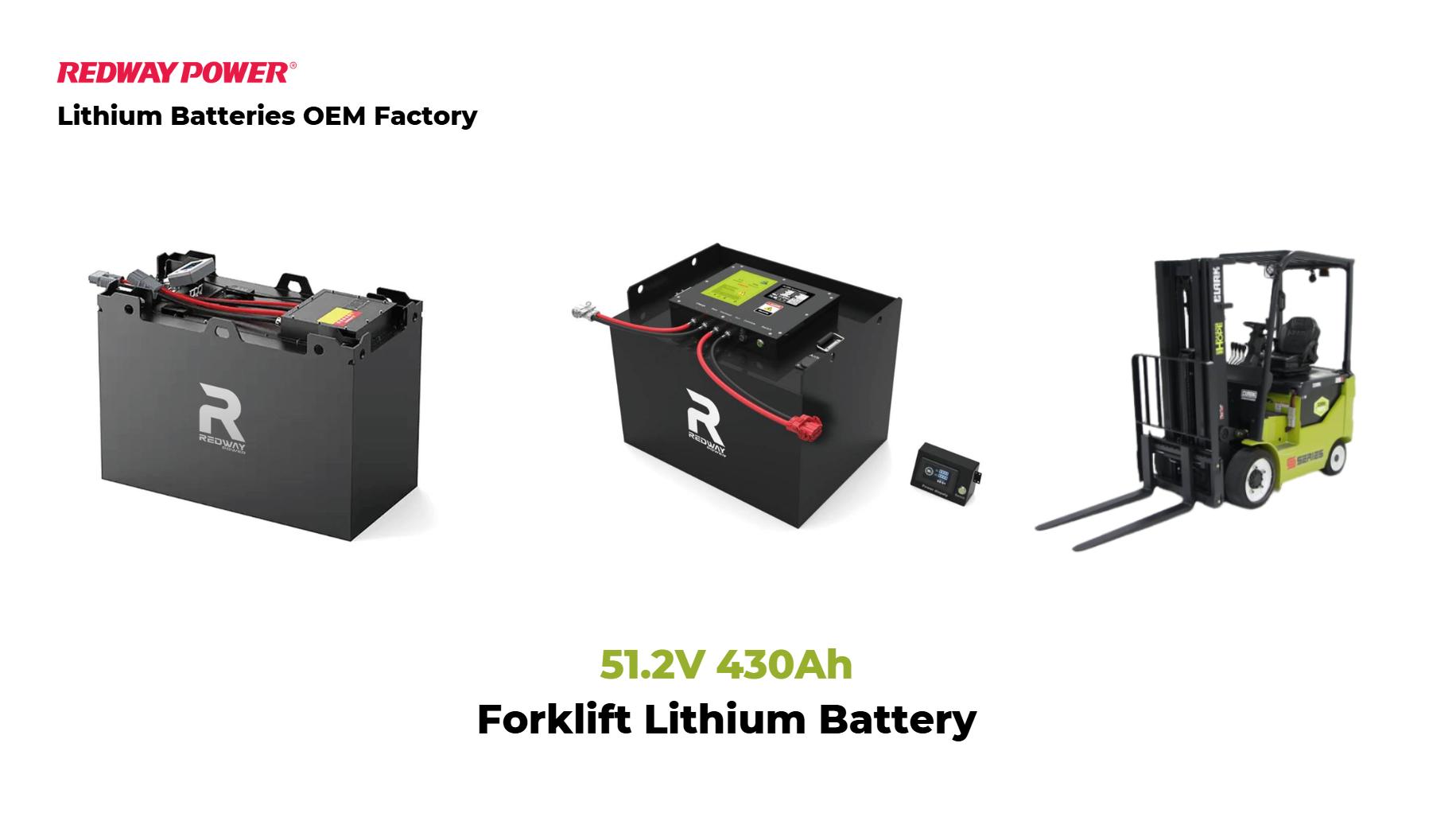
How to Choose the Right 430Ah Forklift Battery for Your Needs

How to Choose the Right 430Ah Forklift Battery for Your Needs

Choosing the right 430Ah forklift battery is crucial for ensuring optimal performance and efficiency in your operations. These batteries provide reliable power for electric forklifts, making them essential for various industrial applications. Understanding their features, benefits, and best practices for selection can enhance your operational effectiveness.

How do 430Ah forklift batteries work?

430Ah forklift batteries function by storing electrical energy that powers electric forklifts. They typically come in two main types: lead-acid and lithium-ion. Lead-acid batteries use a chemical reaction between lead plates and sulfuric acid to generate electricity. In contrast, lithium-ion batteries rely on lithium compounds, offering higher energy density and faster charging times.

Type Energy Density Charge Time Lifespan
Lead-Acid Low Long 3-5 years
Lithium-Ion High Short 8-10 years

What are the key features of 430Ah forklift batteries?

Key features of these batteries include:

  • Capacity: The capacity rating of 430Ah indicates how much charge the battery can store, influencing how long it can power a forklift.
  • Voltage Options: Common configurations include 6V, 24V, and 48V systems tailored to specific forklift models.
  • Durability: High-quality construction ensures resistance to impacts and environmental factors.

Why choose lithium-ion over traditional lead-acid batteries?

Lithium-ion batteries are increasingly favored due to their numerous advantages over lead-acid counterparts:

  • Longer Lifespan: Typically lasting up to ten years compared to three to five years for lead-acid.
  • Faster Charging: Capable of being fully charged in a fraction of the time needed for lead-acid batteries.
  • Higher Efficiency: They maintain performance better under varying load conditions.

What are the applications of 430Ah forklift batteries?

These batteries are used across various industries:

  • Warehousing: For powering electric forklifts in large storage facilities.
  • Manufacturing: To support material handling operations on factory floors.
  • Logistics: In distribution centers where efficiency is paramount.

How to select the right supplier for forklift batteries?

When choosing a supplier for your forklift battery needs, consider:

  1. Reputation: Look for manufacturers with a proven track record.
  2. Product Range: Ensure they offer various battery types suitable for your equipment.
  3. Support Services: Evaluate their after-sales support and warranty options.

What are the latest trends in forklift battery technology?

Recent advancements include:

  • Smart Batteries: Equipped with telemetry systems for real-time monitoring of battery health.
  • Sustainability Focus: Increased emphasis on recycling programs and eco-friendly production methods.

Buy Wholesale Battery Tips
When considering wholesale battery purchases or OEM orders, Redway Battery is an excellent choice for international clients. They offer a streamlined process for ordering customized solutions from a reliable manufacturer.To make OEM orders from Redway Battery:

  1. Identify your specifications (capacity, voltage).
  2. Contact their sales team with your requirements.
  3. Discuss pricing, production timelines, and shipping options.

Redway Battery is a well-known lithium battery manufacturer with over 13 years of experience, providing high-quality alternatives to lead-acid batteries.

Industrial News

The battery industry is witnessing rapid advancements with a growing shift towards lithium-ion technology due to its efficiency and sustainability benefits. Companies are increasingly investing in research to enhance battery life and reduce environmental impact. Recent reports indicate that demand for high-capacity industrial batteries, like those rated at 430Ah, is on the rise as businesses seek reliable power solutions.

Redway Expert Views

“Investing in high-quality forklift batteries can significantly enhance operational efficiency,” states an expert from Redway Battery. “Lithium-ion technology not only offers longer life but also reduces downtime due to faster charging capabilities.”

FAQ Section

What is a 430Ah forklift battery?
A 430Ah forklift battery provides a capacity rating indicating how much electrical energy it can store, suitable for powering electric forklifts.

Why should I choose lithium-ion over lead-acid?
Lithium-ion batteries have longer lifespans, faster charging times, and greater efficiency compared to traditional lead-acid options.

What industries commonly use these batteries?
Industries such as warehousing, manufacturing, and logistics frequently utilize 430Ah forklift batteries for material handling tasks.


How to Choose the Right 450Ah Lithium Battery for Your Needs

How to Choose the Right 450Ah Lithium Battery for Your Needs

51A 450Ah lithium battery is a high-capacity rechargeable energy storage solution suitable for various applications, including RVs, marine, and solar energy systems. Utilizing LiFePO4 technology, these batteries offer enhanced safety, longevity, and performance compared to traditional lead-acid batteries.

What is a 450Ah lithium battery and how does it work?

A 450Ah lithium battery is designed to store electrical energy efficiently, providing a nominal capacity of 450 ampere-hours (Ah). This means it can deliver 450 amps for one hour or a lower current for an extended period. These batteries typically operate at a nominal voltage of 12V or 48V, depending on their configuration. The internal chemistry, often based on Lithium Iron Phosphate (LiFePO4), ensures stability and safety while maintaining high energy density.Chart: Comparison of Battery Types

Feature Lithium Battery Lead-Acid Battery
Energy Density High Low
Cycle Life >6000 cycles ~300-500 cycles
Weight Lightweight Heavy
Self-discharge Rate Low (~2% per month) High (~10% per month)
Maintenance Minimal Regular maintenance

What are the key features and benefits of a 450Ah lithium battery?

The key features of a 450Ah lithium battery include:

  1. High Energy Density: Allows for more energy storage in less space.
  2. Long Cycle Life: Capable of enduring over 6000 charge-discharge cycles, significantly outlasting lead-acid alternatives.
  3. Low Self-discharge Rate: Maintains charge longer when not in use.
  4. Lightweight Design: Easier to handle and install compared to traditional batteries.

These benefits make them ideal for applications requiring reliable power over extended periods.

Why should you consider LiFePO4 technology for your battery needs?

LiFePO4 technology offers several advantages:

  1. Safety: Less prone to overheating and thermal runaway compared to other lithium chemistries.
  2. Longevity: Maintains capacity over many cycles, reducing replacement costs.
  3. Environmental Friendliness: Non-toxic materials make it safer for disposal.

Choosing LiFePO4 ensures you have a reliable power source that is also environmentally responsible.

What applications can benefit from a 450Ah lithium battery?

A 450Ah lithium battery is versatile and can be used in various applications such as:

  • Recreational Vehicles (RVs): Provides power for appliances and lighting.
  • Marine Applications: Ideal for boats needing reliable power without excess weight.
  • Solar Energy Storage: Stores energy generated from solar panels for later use.
  • Commercial Use: Powers equipment in industrial settings where downtime must be minimized.

Chart: Applications of 450Ah Lithium Batteries

Application Benefits
RVs Lightweight, long-lasting power
Marine Safe, efficient energy storage
Solar Systems Maximizes renewable energy usage
Commercial Equipment Reduces operational downtime

How does a Battery Management System enhance safety and performance?

A Battery Management System (BMS) plays a crucial role in ensuring safe operation by:

  1. Monitoring voltage levels across cells to prevent overcharging or deep discharging.
  2. Balancing charge levels among cells to enhance lifespan.
  3. Providing temperature monitoring to avoid overheating.
  4. Offering protection against short circuits and reverse polarity.

The BMS optimizes performance while ensuring user safety, making it an essential component of modern lithium batteries.

Buy Wholesale Battery Tips

When considering wholesale purchases of lithium batteries:

  1. Look for manufacturers with proven experience like Redway Battery, which has over 13 years in the industry.
  2. Ensure compliance with international safety standards (e.g., UN38.3, IEC62133).
  3. Verify warranty options and customer support services.

To place OEM orders with reliable manufacturers like Redway Battery, follow these steps:

  1. Identify your specific requirements (capacity, voltage).
  2. Contact Redway Battery’s sales team with your specifications.
  3. Discuss pricing, shipping options, and delivery timelines.

This approach ensures you receive high-quality products tailored to your needs.

Industrial News

Recent advancements in lithium battery technology highlight increased demand for sustainable energy solutions. Companies are innovating with higher-capacity batteries that offer improved efficiency and longer life spans. The market is also seeing a push towards recycling initiatives aimed at reducing environmental impact, making lithium batteries even more appealing as eco-friendly alternatives.

Redway Expert Views

“With the growing emphasis on renewable energy sources, we anticipate that demand for high-capacity lithium batteries like our 450Ah models will continue to rise,” says an expert at Redway Battery. “Our commitment to innovation ensures that we remain at the forefront of this rapidly evolving industry.”

FAQ

  • How long do 450Ah lithium batteries last?
    Typically, they can last over 6000 cycles, depending on usage conditions.
  • Can I connect multiple 450Ah batteries together?
    Yes, you can connect them in series or parallel configurations to increase voltage or capacity.
  • Are there any special maintenance requirements for these batteries?
    Minimal maintenance is required; however, regular checks on connections and performance are recommended.
  • What makes LiFePO4 batteries safer than other types?
    LiFePO4 chemistry reduces risks associated with overheating and thermal runaway compared to other lithium types.
  • Where can I buy wholesale 450Ah lithium batteries?
    Consider contacting manufacturers like Redway Battery that specialize in bulk sales and OEM orders.
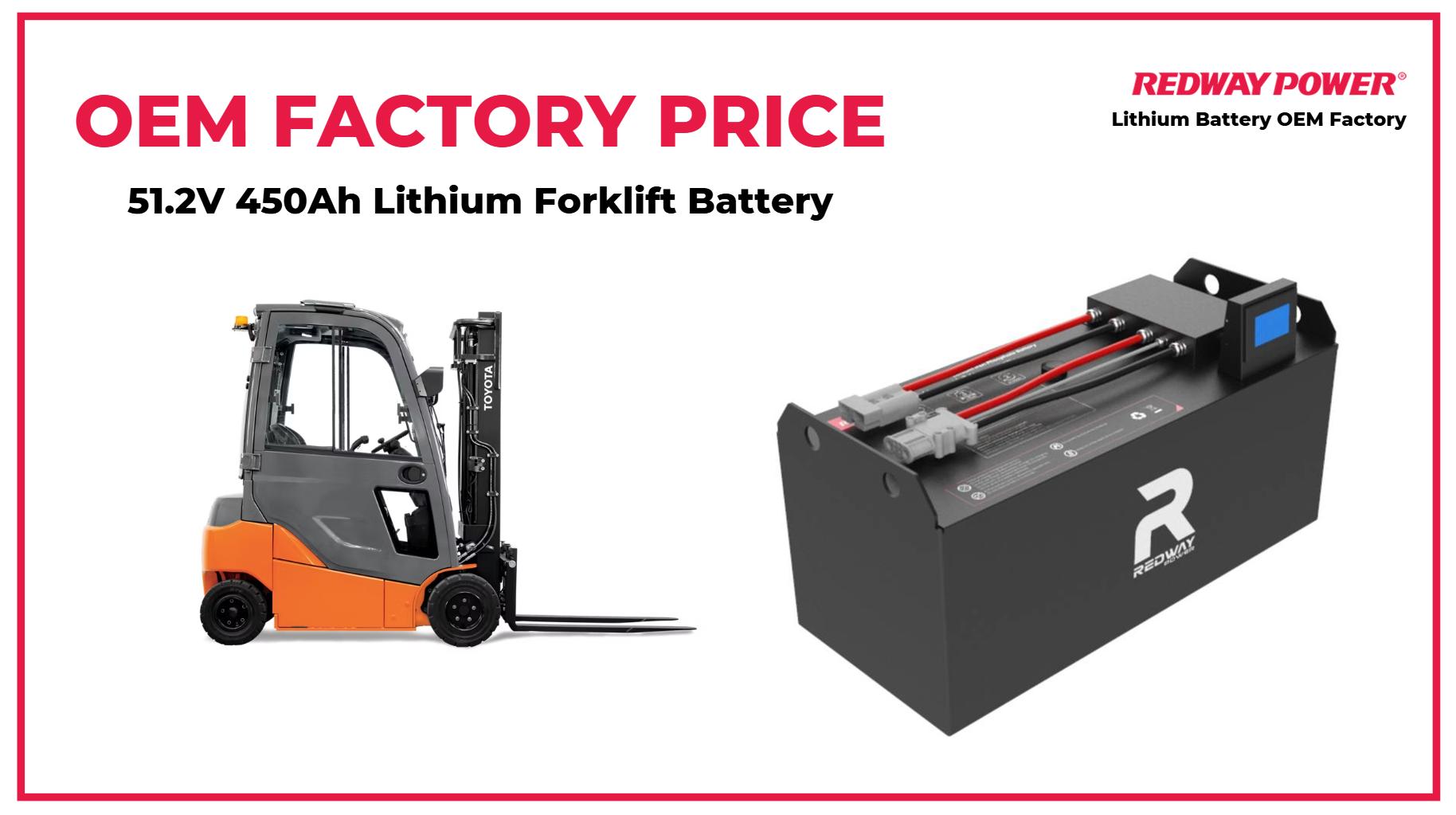
How to Choose the Right 450Ah Forklift Battery for Your Needs

How to Choose the Right 450Ah Forklift Battery for Your Needs

Choosing the right forklift battery, particularly a 450Ah forklift battery, involves understanding its specifications, safety features, and applications. This guide will help you navigate through the types available, their benefits, and how to make informed purchasing decisions.

What is a 450Ah Forklift Battery?

A 450Ah forklift battery is a high-capacity power source designed for industrial forklifts, providing extended operational time and efficiency. These batteries can be either lithium-ion or lead-acid, each offering distinct advantages depending on usage needs.

How Do Lithium Iron Phosphate Batteries Compare to Lead-Acid Batteries?

Lithium iron phosphate (LiFePO4) batteries offer several advantages over traditional lead-acid batteries. They have a longer lifespan (up to 3000 cycles), faster charging times, and are lighter in weight. In contrast, lead-acid batteries are generally less expensive upfront but require more maintenance and have shorter lifespans.

Feature Lithium Iron Phosphate Lead-Acid
Lifespan (cycles) Up to 3000 500 – 1500
Weight Lighter Heavier
Charging Time Faster Slower
Maintenance Low High
Cost Higher upfront Lower upfront

What Are the Key Specifications to Consider for a 450Ah Battery?

When selecting a 450Ah forklift battery, consider the following specifications:

  • Voltage: Common options include 48V and 80V.
  • Dimensions: Ensure compatibility with your forklift.
  • Weight: Heavier batteries may affect lift capacity.
  • Cycle Life: Look for batteries with higher cycle counts for better longevity.

Why Are Safety Features Important in Forklift Batteries?

Safety features are crucial in forklift batteries due to the potential hazards associated with improper use or failure. Look for batteries with:

  • Overcharge protection.
  • Temperature regulation systems.
  • Robust casing materials to prevent leaks or damage.

What Are the Common Applications for 450Ah Forklift Batteries?

These batteries are widely used in various industrial applications including:

  • Warehousing operations.
  • Manufacturing facilities.
  • Distribution centers where heavy lifting is required.

How to Buy Wholesale Forklift Batteries Effectively?

Buy Wholesale Battery Tips:
When purchasing forklift batteries wholesale, consider partnering with reputable manufacturers like Redway Battery, known for their high-quality lithium batteries. To make OEM orders from reliable manufacturers:

  1. Research suppliers with good reviews and certifications.
  2. Request samples before bulk purchasing.
  3. Negotiate terms that suit your business needs.

What is the Latest News in the Forklift Battery Industry?

Industrial News:
Recent advancements in battery technology have led to increased efficiency and sustainability in forklift operations. Companies are now focusing on developing batteries that not only last longer but also minimize environmental impact by using recyclable materials.

What Do Experts Say About Forklift Battery Technology?

Redway Expert Views:
“In our experience, lithium-ion batteries are revolutionizing the forklift industry by providing longer operational periods and reducing downtime. As technology advances, we expect to see even more efficient energy solutions that will enhance productivity across various sectors.”

FAQ Section

  • What is the difference between lithium-ion and lead-acid forklift batteries?
    Lithium-ion batteries have a longer lifespan, faster charging times, and require less maintenance compared to lead-acid batteries, which are heavier and need regular upkeep.
  • How long does a 450Ah battery last?
    The lifespan can vary based on usage but typically ranges from 500 cycles for lead-acid to up to 3000 cycles for lithium-ion.
  • Can I use a lithium battery in my existing forklift?
    Yes, as long as it meets the voltage and size specifications of your current system.
  • What are the safety features I should look for?
    Look for overcharge protection, thermal management systems, and durable casings that prevent leaks.
  • Where can I buy wholesale forklift batteries?
    You can purchase wholesale from manufacturers like Redway Battery or other reputable suppliers specializing in industrial batteries.
How to Choose the Right 420Ah Lithium Battery for Your Needs

How to Choose the Right 420Ah Lithium Battery for Your Needs

Lithium batteries, particularly the 420Ah models, are increasingly popular due to their high capacity, fast charging capabilities, and long lifespan. The 48V and 80V versions provide reliable power solutions for various applications, including forklifts. Understanding their features and benefits can help you make informed purchasing decisions.

How do the key features of a 420Ah lithium battery enhance performance?

The 420Ah lithium battery boasts several features that significantly improve performance. Key attributes include:

  • High Capacity: With a capacity of 420Ah, these batteries ensure extended operation without frequent replacements.
  • Fast Charging Technology: This feature allows for quicker turnaround times, enhancing productivity in operations.
  • Long Cycle Life: Capable of over 2000 charge/discharge cycles, these batteries reduce long-term costs.
Feature Description
Capacity 420Ah
Charge Cycles Over 5000 cycles (80% dod 0.5C)
Charging Time Reduced significantly with fast charging

What role does fast charging play in operational efficiency?

Fast charging technology is crucial for maintaining operational efficiency in industries that rely on forklifts and other machinery. It minimizes downtime by allowing equipment to recharge quickly between shifts. This capability is especially beneficial in high-demand environments where every minute counts.

Why is safety a critical factor when selecting a lithium battery?

Safety is paramount when choosing a 420Ah lithium battery. Lithium batteries, particularly those using LiFePO4 chemistry, are designed to be stable and safe. They minimize risks associated with thermal runaway and other hazards common in less advanced battery technologies. Ensuring that your battery meets high safety standards can prevent accidents and protect both personnel and equipment.

How do environmental considerations influence the choice of lithium batteries?

Choosing lithium batteries over traditional lead-acid options not only supports operational efficiency but also aligns with environmental sustainability goals. Lithium batteries have lower self-discharge rates and longer lifespans, which translates to less waste and fewer replacements over time. Additionally, they are often made from environmentally friendly materials.

Environmental Impact Description
Waste Reduction Longer lifespan reduces waste
Eco-Friendly Materials Lower environmental impact

What specifications are essential for choosing a 48V or 80V 420Ah lithium battery?

When selecting between 48V and 80V models, consider:

  • Voltage Requirements: Ensure compatibility with your equipment.
  • Capacity Needs: Assess your power requirements based on usage.
  • Physical Dimensions: Check if the battery fits within your operational space.

These specifications will guide you in making an informed decision that meets your specific needs.

How does design affect the performance and lifespan of lithium batteries?

The design of a 420Ah lithium battery plays a significant role in its overall performance and longevity. Features such as modular construction can enhance stability and allow for better heat dissipation, which contributes to longer life cycles. Additionally, advanced Battery Management Systems (BMS) help monitor health and optimize charging cycles.

Why are lithium batteries a superior alternative to lead-acid batteries?

Lithium batteries offer several advantages over traditional lead-acid options:

  • Higher Energy Density: More power in a smaller package.
  • Longer Lifespan: Reduced frequency of replacements.
  • Maintenance-Free Operation: No need for regular upkeep compared to lead-acid counterparts.

This makes them an attractive choice for businesses looking to improve efficiency while reducing costs.

OEM Tips for Battery Wholesale Buyers

For businesses considering OEM orders, partnering with a reliable manufacturer like Redway Battery, which has over 13 years of experience in producing high-quality lithium batteries, is essential. They offer customized solutions tailored to specific needs, ensuring that you receive products that meet industry standards.To place an OEM order:

  1. Identify your specific requirements (capacity, voltage).
  2. Contact Redway Battery’s sales team with your specifications.
  3. Discuss customization options and pricing.
  4. Finalize your order and confirm delivery timelines.

Choosing Redway Battery ensures you get durable, high-performance products that serve as excellent alternatives to lead-acid batteries.

FAQ Section

What is the lifespan of a 420Ah lithium battery?
Typically, these batteries can last over 2000 charge/discharge cycles, translating into several years of reliable service depending on usage patterns.

How do I know if my equipment is compatible with a 48V or 80V battery?
Check your equipment’s specifications or consult with the manufacturer to determine voltage requirements before making a purchase.

Are there any special maintenance requirements for lithium batteries?
Lithium batteries generally require minimal maintenance compared to lead-acid options; however, regular checks on connections and monitoring charge levels are advisable.

Top 5 Models

  1. SpiderWay 48V 420Ah LiFePO4 Battery
    • High capacity with fast charging technology designed for forklifts.
  2. RoyPow F80420A 80V Lithium Forklift Battery
    • Offers robust power delivery with an emphasis on safety features.
  3. Polinovel 80V 420Ah Lithium Battery
    • Known for its efficient energy output and long life cycle.
  4. WhisperPower Lithium Power Plus Modular Battery Rack
    • Versatile solution suitable for various applications including marine use.
  5. QH Tech Lifepo4 12V 420Ah Lithium Ion Battery
    • Ideal for smaller applications like scooters and medical devices.

These models represent some of the best options available on platforms like Amazon or Walmart, catering to diverse needs across industries.

Why Choose a 420Ah Forklift Power Solution?

Why Choose a 420Ah Forklift Power Solution?

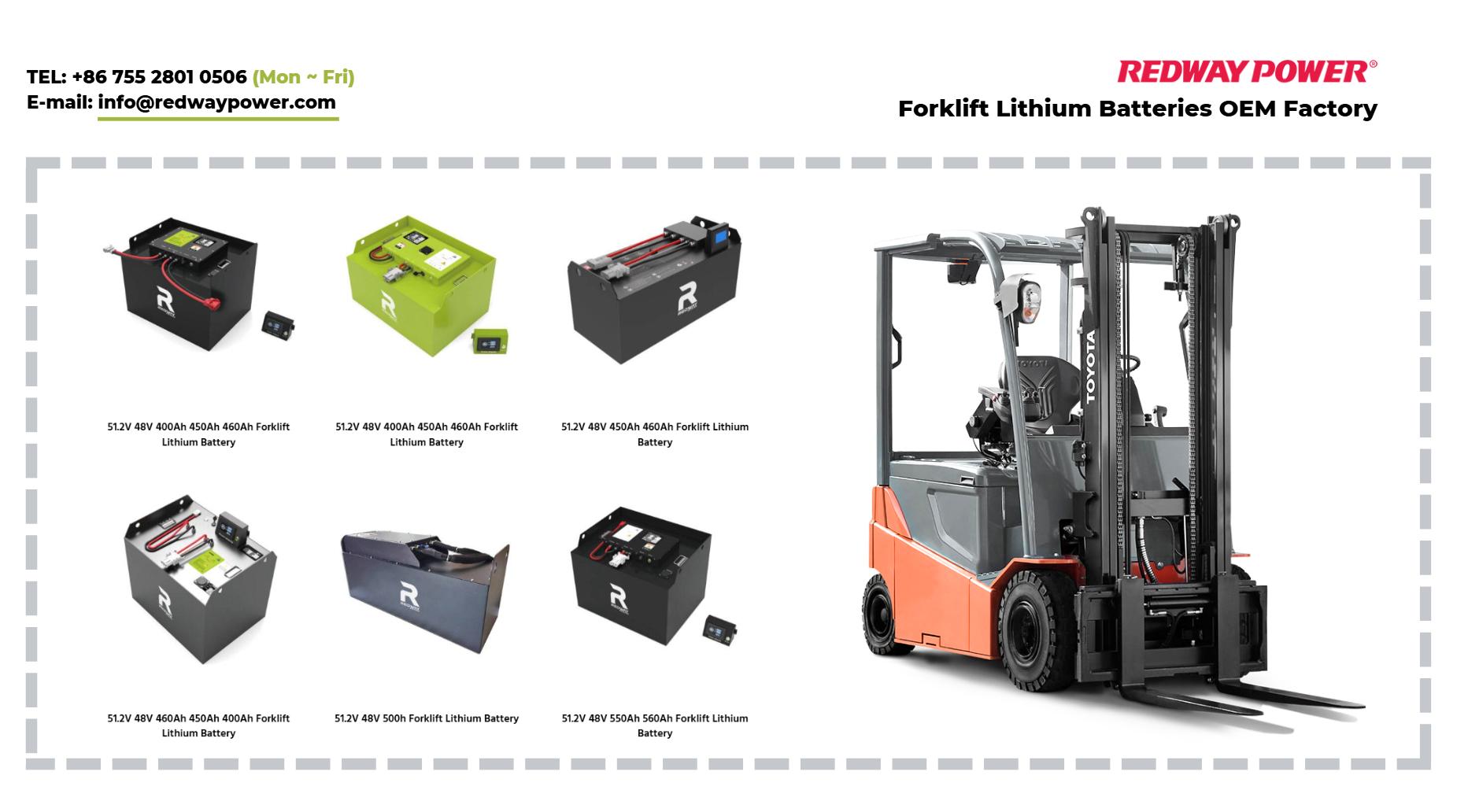
A 420Ah forklift power solution is essential for businesses that require reliable and efficient energy for their electric forklifts. The 48V 420Ah lithium battery provides long-lasting power, fast charging capabilities, and minimal maintenance, making it ideal for enhancing productivity in material handling operations.

How Does a 420Ah Forklift Battery Provide Power?

A 420Ah forklift battery operates using lithium iron phosphate (LiFePO4) technology, which allows for efficient energy storage and delivery. With a capacity of 420 amp-hours, this battery can sustain high power output for extended periods, making it suitable for demanding applications in warehouses and logistics. This technology ensures that the battery performs reliably under various operational conditions.Key Specifications:

Specification Value
Voltage 48V
Capacity 420Ah
Cycle Life Up to 4000 cycles
Weight Approximately 540 kg
Dimensions (LWH) 835525722 mm

What Are the Benefits of Using a 420Ah Forklift Battery?

Using a 420Ah forklift battery offers numerous advantages over traditional lead-acid batteries:

  • Longer Lifespan: Lithium batteries can last up to four times longer than lead-acid alternatives, reducing replacement costs.
  • Rapid Charging: These batteries can be charged in as little as two to three hours, minimizing downtime.
  • Maintenance-Free: Unlike lead-acid batteries, lithium batteries do not require regular maintenance or electrolyte checks.
  • Higher Efficiency: They operate efficiently under heavy loads, providing consistent power without performance degradation.

How to Choose the Right Forklift Lithium Battery Model?

When selecting a forklift lithium battery, consider the following factors:

  1. Voltage Compatibility: Ensure the battery matches your forklift’s voltage requirements (e.g., 48V).
  2. Capacity Needs: Assess your operational demands to choose between models like the 48V 420Ah or 400Ah.
  3. Weight Considerations: Lighter batteries improve forklift efficiency and handling.
  4. Charging Infrastructure: Confirm that you have the necessary charging equipment for rapid charging.

OEM Tips for Battery Wholesale Buyers

For businesses looking to source lithium batteries, partnering with a reliable manufacturer like Redway Battery, which has over 13 years of experience, is crucial. They offer high-quality products and can accommodate OEM orders tailored to your specifications.To make OEM orders from Redway Battery:

  1. Contact Sales: Reach out through their official channels.
  2. Specify Requirements: Provide details on capacity, voltage, and application.
  3. Review Prototypes: Evaluate samples before full-scale production.
  4. Place Orders: Confirm order quantities and delivery timelines.

This process ensures you receive customized solutions that meet your specific needs while benefiting from the advantages of lithium technology over lead-acid alternatives.

Top 5 Models

  1. BSLBATT 48V 420Ah Lithium Battery
    • Designed for electric forklifts, this battery offers fast charging and a long cycle life of up to 4000 cycles, making it an ideal replacement for lead-acid batteries.
  2. Evoke Energy’s 80V 420Ah Lithium-Ion Forklift Battery
    • Known for its high efficiency and rapid charging capabilities, this model is suitable for heavy-duty operations in warehouses.
  3. CTechI Advanced Lithium-Ion Forklift Batteries
    • These batteries range from 24V to 80V with capacities up to 1000Ah, designed specifically for multi-shift operations.
  4. GoldenMate 12V 420Ah LiFePO4 Battery
    • This battery is ideal for off-grid systems and provides excellent performance with minimal maintenance requirements.
  5. SAKO 48V 400Ah Lithium Battery
    • Offers robust performance with a cycle life exceeding 5000 cycles, suitable for various industrial applications.

Frequently Asked Questions (FAQ)

  • What is the average lifespan of a 420Ah forklift lithium battery?
    The average lifespan can exceed 4000 cycles depending on usage and maintenance practices.
  • Can I use a lithium battery in place of a lead-acid battery?
    Yes, lithium batteries are compatible with most systems designed for lead-acid batteries but may require adjustments in charging systems.
  • How long does it take to charge a 420Ah forklift lithium battery?
    Charging times vary but typically range from two to three hours depending on the charger used.
  • What temperature range can these batteries operate in?
    Most lithium batteries can operate effectively between -20°C and +60°C.

In conclusion, investing in a 420Ah forklift power solution enhances operational efficiency while providing long-term cost savings through reduced maintenance needs and extended lifespan compared to traditional lead-acid options. Whether you are looking for OEM solutions or specific models tailored to your needs, options like those from Redway Battery provide reliable choices for businesses worldwide.

Why Choose a 420Ah Forklift Battery?

Why Choose a 420Ah Forklift Battery?

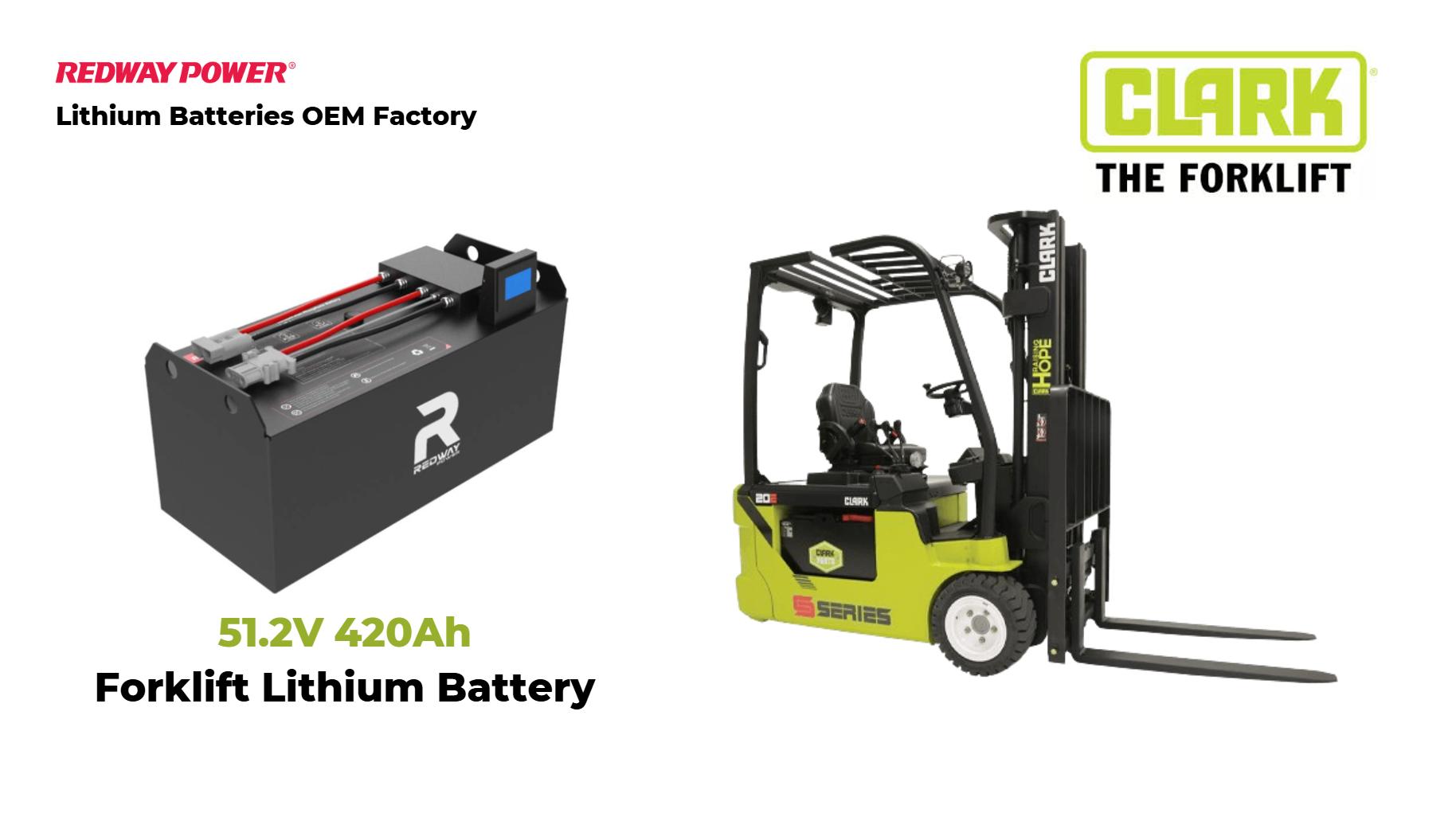
A 420Ah forklift battery is an excellent choice for businesses requiring reliable and efficient power for electric forklifts. These batteries, such as the 48V 420Ah lithium battery, offer long cycle life, fast charging capabilities, and low maintenance needs. They are designed to enhance productivity in various industrial applications while reducing total cost of ownership.

How Does a 420Ah Forklift Battery Work?

A 420Ah forklift battery utilizes lithium iron phosphate (LiFePO4) technology to provide efficient energy storage and delivery. With a capacity of 420 amp-hours, it can sustain high power output for extended periods, making it ideal for demanding applications like material handling and logistics. This technology ensures that the battery performs reliably across various operational conditions.Key Specifications:

Specification Value
Voltage 48V
Capacity 420Ah
Cycle Life Up to 4000 cycles
Weight Approximately 540 kg
Dimensions (LWH) 835525722 mm

What Are the Benefits of Using a 420Ah Forklift Battery?

Using a 420Ah forklift battery provides several advantages over traditional lead-acid batteries:

  • Longer Lifespan: Lithium batteries can last up to four times longer than lead-acid alternatives, reducing replacement costs.
  • Rapid Charging: These batteries can be charged in as little as two to three hours, minimizing downtime.
  • Maintenance-Free: Unlike lead-acid batteries, lithium batteries do not require regular maintenance or electrolyte checks.
  • Higher Efficiency: They operate efficiently under heavy loads, providing consistent power without performance degradation.

How to Choose the Right Forklift Lithium Battery Model?

When selecting a forklift lithium battery, consider the following factors:

  1. Voltage Compatibility: Ensure the battery matches your forklift’s voltage requirements (e.g., 48V).
  2. Capacity Needs: Assess your operational demands to choose between models like the 48V 420Ah or 400Ah.
  3. Weight Considerations: Lighter batteries improve forklift efficiency and handling.
  4. Charging Infrastructure: Confirm that you have the necessary charging equipment for rapid charging.

OEM Tips for Battery Wholesale Buyers

For businesses looking to source lithium batteries, partnering with a reliable manufacturer like Redway Battery, which has over 13 years of experience, is essential. They offer high-quality products and can accommodate OEM orders tailored to your specifications.To make OEM orders from Redway Battery:

  1. Contact Sales: Reach out through their official channels.
  2. Specify Requirements: Provide details on capacity, voltage, and application.
  3. Review Prototypes: Evaluate samples before full-scale production.
  4. Place Orders: Confirm order quantities and delivery timelines.

This process ensures you receive customized solutions that meet your specific needs while benefiting from the advantages of lithium technology over lead-acid alternatives.

Top 5 Models

  1. BSLBATT 48V 420Ah Lithium Battery
    • Designed for electric forklifts, this battery offers fast charging and a long cycle life of up to 4000 cycles, making it an ideal replacement for lead-acid batteries.
  2. Evoke Energy 80V 420Ah Lithium-Ion Forklift Battery
    • Known for its high efficiency and rapid charging capabilities, this model is suitable for heavy-duty operations in warehouses.
  3. CTechI Advanced Lithium-Ion Forklift Batteries
    • These batteries range from 24V to 80V with capacities up to 1000Ah, designed specifically for multi-shift operations.
  4. GoldenMate 12V 420Ah LiFePO4 Battery
    • This battery is ideal for off-grid systems and provides excellent performance with minimal maintenance requirements.
  5. SAKO 48V 400Ah Lithium Battery
    • Offers robust performance with a cycle life exceeding 5000 cycles, suitable for various industrial applications.

Frequently Asked Questions (FAQ)

What is the average lifespan of a 420Ah forklift lithium battery?
The average lifespan can exceed 4000 cycles depending on usage and maintenance practices.

Can I use a lithium battery in place of a lead-acid battery?
Yes, lithium batteries are compatible with most systems designed for lead-acid batteries but may require adjustments in charging systems.

How long does it take to charge a 420Ah forklift lithium battery?
Charging times vary but typically range from two to three hours depending on the charger used.

What temperature range can these batteries operate in?
Most lithium batteries can operate effectively between -20°C and +60°C.In conclusion, investing in a 420Ah forklift battery enhances operational efficiency while providing long-term cost savings through reduced maintenance needs and extended lifespan compared to traditional lead-acid options. Whether you are looking for OEM solutions or specific models tailored to your needs, options like those from Redway Battery provide reliable choices for businesses worldwide.

Search products

Need a Quick Quote on Wholesale Prices? Contact Redway Battery Now.

X
Product has been added to your cart


Shenzhen Redway Power, Inc

Tel: +86 189 7608 1534
Tel: +86 (755) 2801 0506
E-mail: contact@redwaybattery.com
Website: www.redway-tech.com
Youtube: @RedwayPower
TikTok: @redwaybattery

Get a Quick Quote

Hot OEM

Forklift Lithium Battery
Golf Cart Lithium Battery
RV Lithium Battery
Rack-mounted Lithium Battery

Hot Batteries

24V 150Ah Forklift Lithium Battery
24V 200Ah Forklift Lithium Battery
48V 400Ah Forklift Lithium Battery
48V 600Ah Forklift Lithium Battery
80V 400Ah Forklift Lithium Battery
36V 100Ah Golf Cart Lithium Battery
48V 100Ah Golf Cart Lithium Battery
51.2V 50Ah 3U Rack-mounted Lithium Battery
51.2V 100Ah 3U Rack-mounted Lithium Battery
12V 100Ah RV LiFePO4 Lithium Battery (Self-heating)

Hot Blog

Golf Carts
Server Rack Battery
Knowledge