
How Do 48V Lithium Batteries Function?

A 48V lithium battery operates by utilizing lithium iron phosphate (LiFePO4) technology, which allows for efficient energy storage and delivery. During charging, lithium ions move from the cathode to the anode, and during discharging, they flow back, providing a stable voltage output. This process makes them ideal for applications requiring reliable power, such as electric vehicles and renewable energy systems.

What Are the Key Features of 48V LiFePO4 Batteries?

The key features of 48V LiFePO4 batteries, including models like the 48V 50Ah LiFePO4 Lithium Golf Cart Battery and 48V 150Ah LiFePO4 Lithium Golf Cart Battery, include:

  • High Energy Density: These batteries store more energy in a compact size compared to traditional lead-acid batteries.
  • Long Cycle Life: Capable of lasting over 5,000 cycles, they significantly reduce replacement costs.
  • Lightweight Design: Lithium batteries are much lighter than lead-acid alternatives, enhancing portability.
  • Built-in Battery Management System (BMS): This system protects against overcharging, over-discharging, and short circuits.
Feature Lithium Battery Lead-Acid Battery
Energy Density High Low
Cycle Life Up to 5,000 cycles About 1,000 cycles
Weight Significantly lighter Heavier
Maintenance None Regular maintenance

Which Applications Utilize 48V Lithium Battery Packs?

48V lithium battery packs are widely used in various applications, including:

  • Electric Vehicles (EVs): Ideal for powering electric cars, bikes, and scooters due to their high discharge rates and long lifespan.
  • Solar Energy Systems: Used to store energy generated by solar panels for later use, providing reliable power even when the sun isn’t shining.
  • Backup Power Systems: These batteries provide a dependable power source during outages for homes and businesses.
  • Industrial Equipment: Suitable for powering forklifts and heavy machinery due to their high energy density and long cycle life.

Why Is LiFePO4 Technology Preferred for Energy Storage?

LiFePO4 technology offers several advantages over other lithium-ion technologies:

  • Safety: LiFePO4 batteries have a lower risk of thermal runaway and are more stable under high temperatures.
  • Longer Lifespan: They typically last longer than other lithium-ion batteries, making them a cost-effective choice in the long run.
  • High Efficiency: They provide consistent power output with minimal voltage drop during discharge.

Who Are the Leading Manufacturers of 48V Lithium Batteries?

Several manufacturers are recognized as leaders in producing high-quality 48V lithium batteries:

  • Redway Lithium: Specializes in manufacturing various lithium iron phosphate battery solutions.
  • KET: Known for its extensive R&D capabilities and certifications in battery production.
  • NPP Power: Offers reliable backup power solutions with a focus on clean energy.

When Should You Upgrade to a 48V Lithium Battery Pack?

Consider upgrading to a 48V lithium battery pack when:

  • Your current battery system is aging or failing to meet your energy demands.
  • You want to take advantage of improved efficiency and safety features offered by lithium technology.
  • You are expanding your renewable energy setup and require more reliable storage capacity.

Are There Specific OEM Tips for Sourcing Lithium Batteries?

When sourcing lithium batteries from OEM manufacturers, keep these tips in mind:

  1. Quality Assurance: Ensure that the manufacturer complies with international quality standards such as ISO certification.
  2. Customization Options: Look for manufacturers that can tailor products to your specific requirements.
  3. Technical Support: Choose suppliers that offer ongoing support throughout the product lifecycle.

Redway Lithium is your go-to resource for finding the best LiFePO4 (lithium iron phosphate) battery factories and manufacturers. Our mission is to guide you through the rapidly evolving world of LiFePO4 technology, helping you discover top-notch battery solutions for various applications.

Conclusion

In conclusion, 48V lithium batteries represent a significant advancement in energy storage technology. Their efficiency, safety features, and versatility make them ideal for a wide range of applications from electric vehicles to solar energy systems. By choosing reputable manufacturers like Redway Lithium, users can ensure they receive high-quality products that meet their energy needs.

FAQ

  • What is the lifespan of a 48V lithium battery?
    A typical lifespan ranges from 5 to 10 years depending on usage patterns and maintenance.
  • How do I know if my battery needs replacing?
    Signs include diminished capacity, failure to hold charge, or physical damage.
  • Can I use lithium batteries in my existing equipment?
    Many devices can be retrofitted with lithium batteries; however, compatibility should be verified first.
  • What are the benefits of using LiFePO4 over other lithium technologies?
    LiFePO4 offers enhanced safety, longer lifespan, and stable performance across various temperatures.

This article provides an extensive overview of 48V lithium battery factories, highlighting key features and advantages while addressing common questions about lithium battery technology.
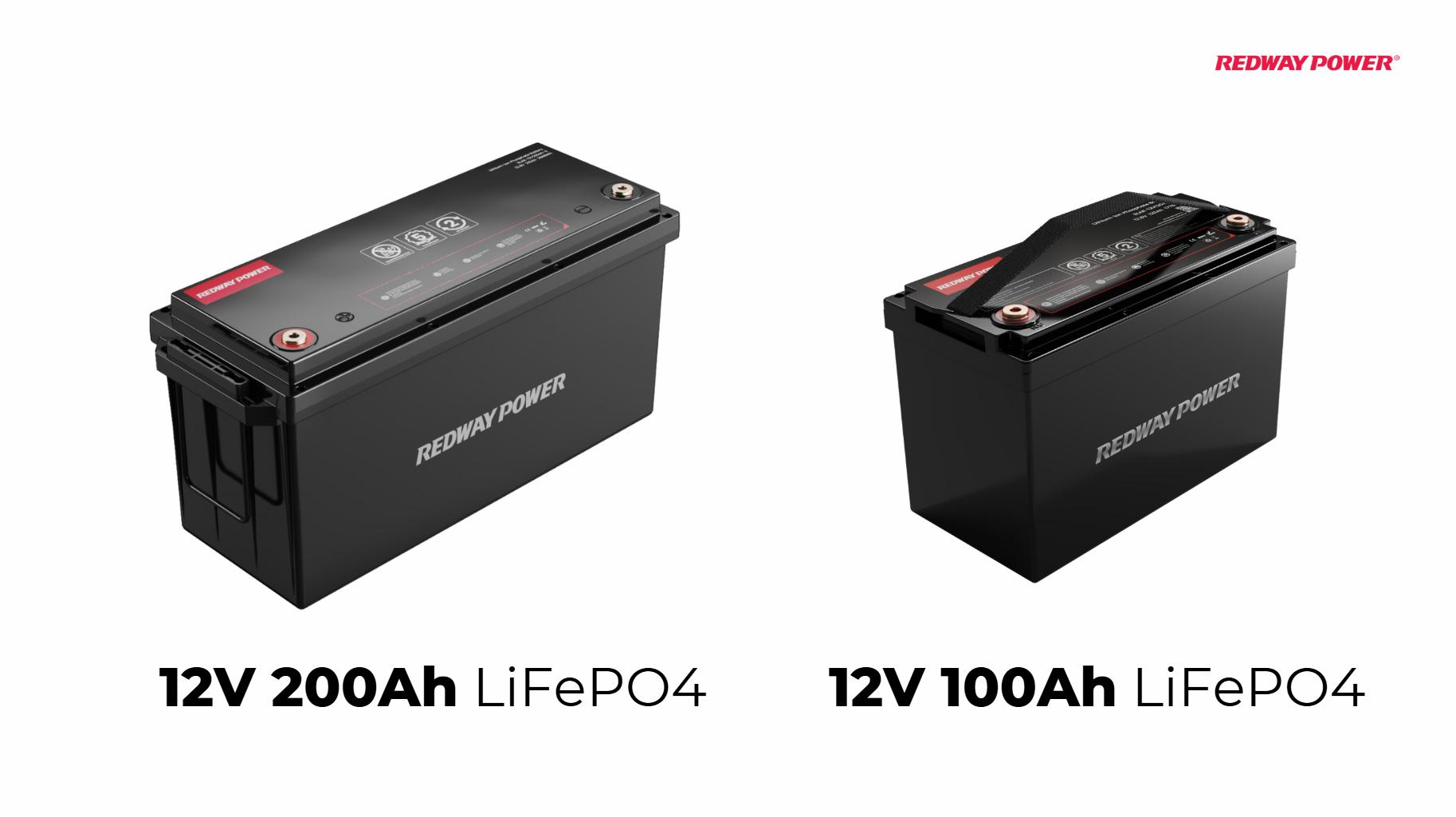
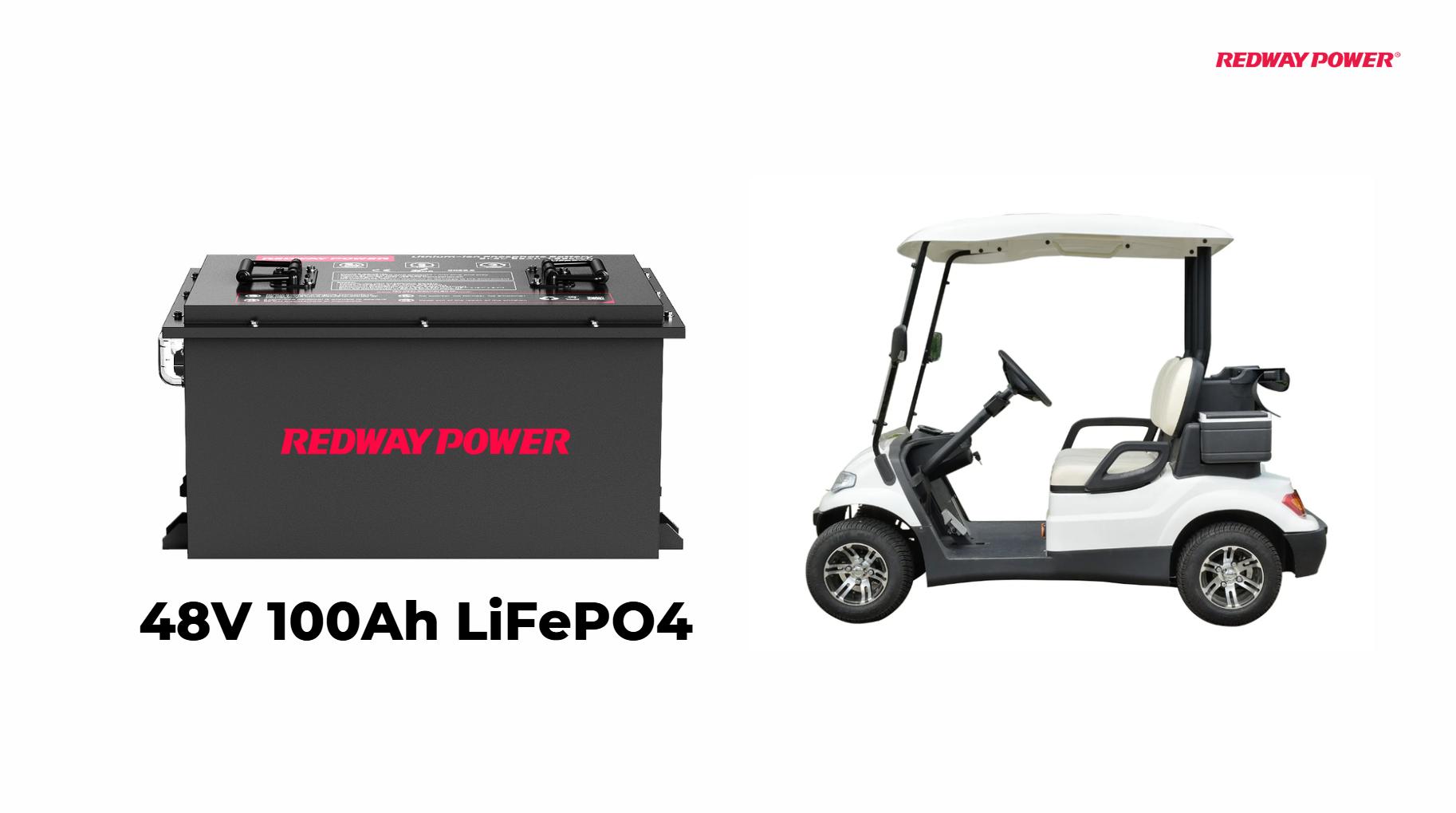
How Do 48V Lithium Battery Packs Work?

A 48V lithium battery pack operates by utilizing lithium iron phosphate (LiFePO4) technology, which allows for efficient energy storage and delivery. During charging, lithium ions move from the cathode to the anode, and during discharging, they flow back, providing a stable voltage output. This technology is ideal for applications requiring reliable power, such as electric vehicles and renewable energy systems.

What Are the Key Features of 48V LiFePO4 Batteries?

The key features of 48V LiFePO4 batteries, including models like the 48V 160Ah LiFePO4 Lithium Golf Cart Battery and 48V 100Ah Lithium Golf Cart Battery, include:

  • High Energy Density: These batteries store more energy in a compact size compared to traditional lead-acid batteries.
  • Long Cycle Life: Capable of lasting over 5,000 cycles, they significantly reduce replacement costs.
  • Lightweight Design: Lithium batteries are much lighter than lead-acid alternatives, enhancing portability.
  • Built-in Battery Management System (BMS): This system protects against overcharging, over-discharging, and short circuits.
Feature Lithium Battery Lead-Acid Battery
Energy Density High Low
Cycle Life Up to 5,000 cycles About 1,000 cycles
Weight Significantly lighter Heavier
Maintenance None Regular maintenance

Which Applications Benefit from 48V Lithium Battery Packs?

48V lithium battery packs are widely used in various applications, including:

  • Electric Vehicles (EVs): Ideal for powering electric cars, bikes, and scooters due to their high discharge rates and long lifespan.
  • Solar Energy Systems: Used to store energy generated by solar panels for later use, providing reliable power even when the sun isn’t shining.
  • Backup Power Systems: These batteries provide a dependable power source during outages for homes and businesses.
  • Marine Applications: Suitable for powering boats and yachts due to their lightweight design and safety features.

Why Choose LiFePO4 Technology for Energy Storage?

LiFePO4 technology offers several advantages over other lithium-ion technologies:

  • Safety: LiFePO4 batteries have a lower risk of thermal runaway and are more stable under high temperatures.
  • Longer Lifespan: They typically last longer than other lithium-ion batteries, making them a cost-effective choice in the long run.
  • High Efficiency: They provide consistent power output with minimal voltage drop during discharge.

Who Are the Leading Manufacturers of 48V Lithium Battery Packs?

Several manufacturers are recognized as leaders in producing high-quality 48V lithium battery packs:

  • Redway Lithium: Specializes in manufacturing various lithium iron phosphate battery solutions.
  • KET: Known for its extensive R&D capabilities and certifications in battery production.
  • Blue Carbon Technology: Offers competitive pricing and a range of solar energy storage solutions.

When Should You Consider Upgrading to a 48V Lithium Battery Pack?

Consider upgrading to a 48V lithium battery pack when:

  • Your current battery system is aging or failing to meet your energy demands.
  • You want to take advantage of improved efficiency and safety features offered by lithium technology.
  • You are expanding your renewable energy setup and require more reliable storage capacity.

Are There Specific OEM Tips for Sourcing Lithium Batteries?

When sourcing lithium batteries from OEM manufacturers, keep these tips in mind:

  1. Quality Assurance: Ensure that the manufacturer complies with international quality standards such as ISO certification.
  2. Customization Options: Look for manufacturers that can tailor products to your specific requirements.
  3. Technical Support: Choose suppliers that offer ongoing support throughout the product lifecycle.

Redway Lithium is your go-to resource for finding the best LiFePO4 (lithium iron phosphate) battery factories and manufacturers. Our mission is to guide you through the rapidly evolving world of LiFePO4 technology, helping you discover top-notch battery solutions for various applications.

Conclusion

In conclusion, 48V lithium battery packs represent a significant advancement in energy storage technology. Their efficiency, safety features, and versatility make them ideal for a wide range of applications from electric vehicles to solar energy systems. By choosing reputable manufacturers like Redway Lithium, users can ensure they receive high-quality products that meet their energy needs.

FAQ

  • What is the lifespan of a 48V lithium battery pack?
    A typical lifespan ranges from 5 to 10 years depending on usage patterns and maintenance.
  • How do I know if my battery needs replacing?
    Signs include diminished capacity, failure to hold charge, or physical damage.
  • Can I use lithium batteries in my existing equipment?
    Many devices can be retrofitted with lithium batteries; however, compatibility should be verified first.
  • What are the benefits of using LiFePO4 over other lithium technologies?
    LiFePO4 offers enhanced safety, longer lifespan, and stable performance across various temperatures.

This article provides an extensive overview of 48V lithium battery pack factories, highlighting key features and advantages while addressing common questions about lithium battery technology.

How Do 5kWh, 10kWh, and 15kWh Lithium Batteries Work?

Lithium-ion batteries with capacities of 5kWh, 10kWh, and 15kWh are designed to store energy efficiently for various applications. These batteries operate by facilitating the movement of lithium ions between the anode and cathode during charging and discharging cycles. This process enables them to provide reliable power for home energy systems, electric vehicles, and renewable energy storage.

What Are the Key Features of Lithium-ion Batteries?

Lithium-ion batteries offer several key features that make them ideal for energy storage:

  • High Energy Density: They store more energy in a smaller space compared to traditional lead-acid batteries.
  • Long Cycle Life: These batteries can last up to 5,000 cycles or more, reducing replacement costs.
  • Rapid Charging: Lithium-ion batteries can be charged quickly, minimizing downtime.
  • Lightweight Design: They are significantly lighter than lead-acid alternatives, enhancing portability.
Feature Lithium Battery Lead-Acid Battery
Energy Density High Low
Cycle Life Up to 5,000 cycles About 1,000 cycles
Charging Time Fast (1-3 hours) Slow (8+ hours)
Weight Lightweight Heavier

Which Applications Benefit from Lithium-ion Battery Systems?

Lithium-ion battery systems are versatile and find applications in various sectors:

  • Residential Energy Storage: Used in home energy storage systems like the 51.2V All-in-One Home ESS System, providing backup power and optimizing solar energy usage.
  • Electric Vehicles: Powering electric cars and bikes due to their efficiency and lightweight design.
  • Commercial Use: Providing energy storage solutions for businesses looking to reduce energy costs and enhance sustainability.

Why Choose LiFePO4 Technology for Energy Storage?

LiFePO4 (Lithium Iron Phosphate) technology offers several advantages over traditional lithium-ion batteries:

  • Safety: LiFePO4 batteries are less prone to overheating and thermal runaway.
  • Longer Lifespan: They have a longer cycle life compared to other lithium technologies.
  • Stable Performance: LiFePO4 batteries maintain stable performance across a wide temperature range.

Who Are the Leading Manufacturers of Lithium-ion Batteries?

Several companies are recognized as leading manufacturers of lithium-ion batteries:

  • LG Chem: Known for high-quality battery solutions for various applications.
  • Panasonic: A significant player in electric vehicle battery production.
  • Redway Lithium: Specializes in LiFePO4 technology and offers a range of products including rack-mounted solutions.

When Should You Consider Upgrading Your Energy Storage System?

Upgrading your energy storage system is advisable when:

  • Your current system is aging or failing to meet power demands.
  • You want to take advantage of new technologies that offer better efficiency or safety features.
  • You are expanding your renewable energy setup and need more storage capacity.

Are There Specific OEM Tips for Sourcing Lithium Batteries?

When sourcing lithium batteries from OEM manufacturers, consider these tips:

  1. Quality Assurance: Ensure that the manufacturer adheres to international quality standards such as ISO certification.
  2. Customization Options: Look for manufacturers that can tailor products to meet specific requirements.
  3. Technical Support: Choose suppliers that provide comprehensive support throughout the product lifecycle.

Redway Lithium is your go-to resource for finding the best LiFePO4 (lithium iron phosphate) battery factories and manufacturers. Our mission is to guide you through the rapidly evolving world of LiFePO4 technology, helping you discover top-notch battery solutions for various applications.

Conclusion

In conclusion, lithium-ion batteries with capacities of 5kWh, 10kWh, and 15kWh are essential components in today’s energy landscape. Their efficiency, safety features, and versatility make them ideal for residential and commercial applications. By choosing advanced technologies like LiFePO4 and partnering with reputable manufacturers, users can significantly enhance their energy storage solutions.

FAQ

  • What is the lifespan of a lithium-ion battery?
    Lithium-ion batteries typically last between 5 to 15 years depending on usage patterns and maintenance.
  • How do I know if my battery needs replacing?
    Signs include diminished capacity, failure to hold charge, or physical damage.
  • Can I use lithium batteries in my existing equipment?
    Many devices can be retrofitted with lithium batteries; however, compatibility should be verified first.
  • What are the benefits of using LiFePO4 over other lithium technologies?
    LiFePO4 offers enhanced safety, longer lifespan, and stable performance across various temperatures.

This article provides an extensive overview of 5 10 15Kwh lithium ion battery manufacturers, highlighting key features and advantages while addressing common questions about lithium battery technology.

How Does a 50 Amp Hour Lithium Battery Work?

A 50 amp hour lithium battery provides reliable power for various applications, including electric vehicles and portable devices. The capacity indicates that it can deliver 50 amps for one hour or a proportionate amount over a longer duration. This efficiency allows for quick recharging and extended usage in demanding environments.

What Are the Key Features of 50 Amp Hour Lithium Batteries?

Lithium batteries, such as the 36V 50Ah LiFePO4, 48V 50Ah LiFePO4, and 72V 50Ah lithium golf cart batteries, offer several advantages:

  • High Energy Density: They store more energy in a smaller footprint compared to traditional lead-acid batteries.
  • Long Cycle Life: Capable of lasting up to 5,000 cycles, they significantly reduce replacement costs.
  • Lightweight Design: These batteries are much lighter than lead-acid counterparts, enhancing portability.
  • Maintenance-Free Operation: Unlike lead-acid batteries, they require no regular maintenance.
Feature Lithium Battery Lead-Acid Battery
Energy Density High Low
Cycle Life Up to 5,000 cycles About 1,000 cycles
Weight Significantly lighter Heavier
Maintenance None Regular maintenance

Which Industries Use 50 Amp Hour Lithium Batteries?

50 amp hour lithium batteries are widely utilized across various industries, including:

  • Automotive: Powering electric vehicles and golf carts.
  • Renewable Energy: Used in solar energy systems for energy storage.
  • Marine Applications: Ideal for powering small boats and fishing equipment.

Why Is Compliance Important When Exporting Lithium Batteries?

Compliance with shipping regulations is crucial when exporting lithium batteries due to their classification as dangerous goods. Regulations dictate packaging requirements, labeling, and documentation needed to ensure safe transport. Non-compliance can lead to severe penalties and shipping delays.

Regulation Aspect Requirement
State of Charge Must not exceed 30% during shipment
Packaging Must prevent short circuits and damage
Documentation Dangerous goods declaration required

Who Are the Leading Exporters of 50 Amp Hour Lithium Batteries?

Several companies specialize in exporting lithium batteries globally. Notable exporters include:

  • DNK Power: Known for custom rechargeable lithium batteries with a focus on quality and innovation.
  • True Blue Power: Offers advanced lithium-ion aircraft batteries with superior performance metrics.
  • Redway Lithium: A leading resource for finding top LiFePO4 battery manufacturers worldwide.

When Should You Consider Upgrading to Lithium Batteries?

Upgrading to lithium batteries is advisable when:

  • Existing lead-acid batteries show signs of degradation or reduced performance.
  • You require longer run times and faster charging capabilities.
  • Your applications demand lightweight solutions for better efficiency.

Are There Specific Shipping Regulations for Lithium Batteries?

Yes, shipping lithium batteries involves strict regulations due to their hazardous nature. Key points include:

  • Batteries must be packaged to prevent damage and short circuits.
  • Correct labeling as “Lithium Ion Battery” or “Lithium Metal Battery” is essential.
  • Documentation must include a Dangerous Goods Declaration and packing list.

OEM Tips for Lithium Batteries

When considering OEM solutions for lithium batteries, keep these tips in mind:

  1. Quality Assurance: Partner with reputable manufacturers that adhere to strict quality control standards.
  2. Customization Options: Look for suppliers that offer tailored solutions based on your specific needs.
  3. Technical Support: Ensure that your supplier provides ongoing technical support and guidance throughout the product lifecycle.

Redway Lithium is your go-to resource for finding the best LiFePO4 (lithium iron phosphate) battery factories and manufacturers. Our mission is to guide you through the rapidly evolving world of LiFePO4 technology, helping you discover top-notch battery solutions for various applications.

Conclusion

In conclusion, the market for 50 amp hour lithium batteries is expanding rapidly due to their efficiency, lightweight design, and long cycle life. With applications spanning multiple industries, these batteries represent a significant advancement over traditional options. Understanding compliance regulations is essential for exporters to ensure safe transport and successful international trade.

FAQ

  • What is the typical lifespan of a 50 amp hour lithium battery?
    A typical lifespan ranges from 5 to 10 years depending on usage patterns and maintenance.
  • How do I know if my battery needs replacing?
    Signs include diminished capacity, failure to hold charge, or physical damage.
  • Can I use lithium batteries in my existing equipment?
    Many devices can be retrofitted with lithium batteries; however, compatibility should be verified first.
  • What are the benefits of using lithium over lead-acid batteries?
    Lithium batteries offer higher energy density, longer cycle life, faster charging times, and lower overall weight.

This article provides an extensive overview of 50 amp hour lithium battery exporters, highlighting key features and advantages while addressing common questions about lithium battery technology.

How Does a 48V 500Ah Forklift Battery Operate?

A 48V 500Ah forklift battery is designed to provide substantial power for electric forklifts, enabling them to operate efficiently in various industrial settings. The battery’s capacity indicates it can deliver 500 amps for one hour or a proportionate amount over a longer duration, ensuring that forklifts can handle heavy loads and operate continuously throughout shifts without frequent recharging.

What Are the Key Features of Lithium Forklift Batteries?

Lithium forklift batteries, such as the 48V 500Ah, offer numerous advantages:

  • High Energy Density: These batteries store more energy in a compact size compared to lead-acid batteries.
  • Long Cycle Life: They can last up to 5,000 cycles, significantly reducing replacement costs.
  • Fast Charging: Lithium batteries can be charged quickly, minimizing downtime.
  • Maintenance-Free: Unlike lead-acid batteries, they do not require regular maintenance.
Feature Lithium Battery Lead-Acid Battery
Energy Density High Low
Cycle Life Up to 5,000 cycles About 1,000 cycles
Charging Time Fast (1-2 hours) Slow (8+ hours)
Maintenance None Regular maintenance

Which Industries Benefit from 500Ah Forklift Batteries?

500Ah forklift batteries are ideal for various industries, including:

  • Warehousing: Perfect for lifting and transporting goods efficiently.
  • Manufacturing: To power forklifts that transport materials across production lines.
  • Distribution Centers: For quick loading and unloading of products.

Why Choose Lithium Batteries Over Traditional Lead-Acid Batteries?

Lithium batteries outperform lead-acid batteries in several ways:

  • Efficiency: They have higher discharge rates and maintain performance even at low charge levels.
  • Weight Reduction: Lithium batteries are lighter, improving forklift maneuverability and reducing energy consumption.
  • Environmental Impact: They are more eco-friendly due to lower emissions and longer lifespans.

Who Should Consider OEM Solutions for Lithium Batteries?

OEMs (Original Equipment Manufacturers) looking to enhance their product offerings can greatly benefit from lithium battery solutions. Companies like Redway Lithium provide access to top-quality LiFePO4 battery manufacturers, ensuring that OEMs receive reliable products tailored to their specifications.

When Is It Time to Replace Your Forklift Battery?

Forklift batteries should be replaced when:

  • The cycle life reaches its limit (typically after 5–8 years).
  • Performance drops significantly, affecting operational efficiency.
  • Physical damage or swelling is observed.

Are There Maintenance Tips for Lithium Forklift Batteries?

While lithium batteries require less maintenance than lead-acid types, some best practices include:

  • Regularly checking connections and terminals for corrosion.
  • Keeping the battery clean and free from debris.
  • Monitoring the battery management system (BMS) for alerts on performance issues.

OEM Tips for Lithium Batteries

When considering OEM solutions for lithium batteries, keep these tips in mind:

  1. Quality Assurance: Partner with reputable manufacturers that adhere to strict quality control standards.
  2. Customization Options: Look for suppliers that offer tailored solutions based on your specific needs.
  3. Technical Support: Ensure that your supplier provides ongoing technical support and guidance throughout the product lifecycle.

Redway Lithium is your go-to resource for finding the best LiFePO4 (lithium iron phosphate) battery factories and manufacturers. Our mission is to guide you through the rapidly evolving world of LiFePO4 technology, helping you discover top-notch battery solutions for various applications.

Conclusion

In conclusion, a 48V 500Ah forklift lithium battery represents a significant advancement in material handling technology. With features such as high energy density, long cycle life, and low maintenance requirements, these batteries are transforming how industries operate their electric forklifts. Choosing the right battery solution can lead to enhanced efficiency and reduced operational costs.

FAQ

  • What is the lifespan of a lithium forklift battery?
    Lithium forklift batteries typically last between 5 to 8 years depending on usage and maintenance.
  • How do I know when my forklift battery needs replacing?
    Signs include decreased performance, physical damage, or reaching the end of its cycle life.
  • Can I use lithium batteries in older forklift models?
    Yes, many lithium batteries are designed to be compatible with older models; however, it’s essential to check specifications.
  • What makes lithium batteries more efficient than lead-acid?
    Lithium batteries have higher energy density and discharge rates, allowing them to perform better under load and charge faster.

This article provides an extensive overview of 48V 500Ah forklift power, highlighting key features and advantages while addressing common questions about lithium battery technology.

How Does a 500Ah Forklift Battery Work?

A 500Ah forklift battery provides substantial power for electric forklifts, allowing them to operate efficiently in various industrial applications. The battery’s capacity indicates it can deliver 500 amps for one hour or a proportionate amount over a longer duration. This enables forklifts to handle heavy loads and operate continuously throughout shifts without frequent recharging.

What Are the Key Features of Lithium Forklift Batteries?

Lithium forklift batteries, such as the 24V 560Ah, offer several advantages:

  • High Energy Density: These batteries store more energy in less space compared to lead-acid batteries.
  • Long Cycle Life: They can last up to 5,000 cycles, significantly reducing replacement costs.
  • Fast Charging: Lithium batteries can be charged quickly, minimizing downtime.
  • Maintenance-Free: Unlike lead-acid batteries, they do not require regular maintenance.
Feature Lithium Battery Lead-Acid Battery
Energy Density High Low
Cycle Life Up to 5,000 cycles 1,000 cycles
Charging Time Fast (1-2 hours) Slow (8+ hours)
Maintenance None Regular maintenance

Which Applications Benefit from 500Ah Forklift Batteries?

500Ah forklift batteries are ideal for various applications, including:

  • Warehousing: For moving heavy pallets and goods efficiently.
  • Manufacturing: To power forklifts that transport materials across production lines.
  • Distribution Centers: For quick loading and unloading of products.

Why Choose Lithium Batteries Over Traditional Lead-Acid Batteries?

Lithium batteries outperform lead-acid batteries in several ways:

  • Efficiency: They have higher discharge rates and can maintain performance even at low charge levels.
  • Weight Reduction: Lithium batteries are lighter, improving forklift maneuverability and reducing energy consumption.
  • Environmental Impact: They are more eco-friendly due to lower emissions and longer lifespans.

Who Can Benefit from OEM Lithium Battery Solutions?

OEMs (Original Equipment Manufacturers) looking to enhance their product offerings can greatly benefit from lithium battery solutions. Companies like Redway Lithium provide access to top-quality LiFePO4 battery manufacturers, ensuring that OEMs receive reliable products tailored to their specifications.

When Should You Replace Your Forklift Battery?

Forklift batteries should be replaced when:

  • The cycle life reaches its limit (typically after 5–8 years).
  • Performance drops significantly, affecting operational efficiency.
  • Physical damage or swelling is observed.

Are There Specific Maintenance Tips for Lithium Forklift Batteries?

While lithium batteries require less maintenance than lead-acid types, some best practices include:

  • Regularly checking connections and terminals for corrosion.
  • Keeping the battery clean and free from debris.
  • Monitoring the battery management system (BMS) for alerts on performance issues.

OEM Tips for Lithium Batteries

When considering OEM solutions for lithium batteries, keep these tips in mind:

  1. Quality Assurance: Partner with reputable manufacturers that adhere to strict quality control standards.
  2. Customization Options: Look for suppliers that offer tailored solutions based on your specific needs.
  3. Technical Support: Ensure that your supplier provides ongoing technical support and guidance throughout the product lifecycle.

Redway Lithium is your go-to resource for finding the best LiFePO4 (lithium iron phosphate) battery factories and manufacturers. Our mission is to guide you through the rapidly evolving world of LiFePO4 technology, helping you discover top-notch battery solutions for various applications.

Conclusion

In conclusion, a 500Ah forklift lithium battery represents a significant advancement in material handling technology. With features such as high energy density, long cycle life, and low maintenance requirements, these batteries are transforming how industries operate their electric forklifts. Choosing the right battery solution can lead to enhanced efficiency and reduced operational costs.

FAQ

  • What is the lifespan of a lithium forklift battery?
    Lithium forklift batteries typically last between 5 to 8 years depending on usage and maintenance.
  • How do I know when my forklift battery needs replacing?
    Signs include decreased performance, physical damage, or reaching the end of its cycle life.
  • Can I use lithium batteries in older forklift models?
    Yes, many lithium batteries are designed to be compatible with older models; however, it’s essential to check specifications.
  • What makes lithium batteries more efficient than lead-acid?
    Lithium batteries have higher energy density and discharge rates, allowing them to perform better under load and charge faster.

Can You Connect a 150Ah Battery with a 200Ah Battery to Solar Power?

You can connect a 150Ah battery with a 200Ah battery to a solar power system, but it is generally not recommended due to potential issues such as load imbalance and uneven charging. Proper management techniques are essential to ensure both batteries perform optimally and have an extended lifespan.

How can you connect a 150Ah battery with a 200Ah battery?

Connecting a 150Ah and 200Ah battery can be done in parallel, allowing the total capacity to combine, resulting in 350Ah at the same voltage. However, this configuration can lead to complications if one battery discharges faster than the other, potentially damaging the smaller capacity battery.

What are the types of battery connections?

There are two primary ways to connect batteries: series and parallel.

  1. Series Connection: In this configuration, the voltage increases while the capacity (Ah) remains constant. For example, connecting a 150Ah and 200Ah battery in series would yield a total voltage equal to the sum of both batteries while maintaining a capacity of 150Ah.
  2. Parallel Connection: Here, the capacity increases while the voltage remains constant. Connecting these two batteries in parallel results in a total capacity of 350Ah, but it can lead to issues if one battery discharges faster than the other.
Connection Type Total Capacity Total Voltage
Series 150Ah V1 + V2
Parallel 350Ah V

What are the potential issues of connecting different capacity batteries?

Connecting batteries of different capacities can lead to several problems:

  1. Load Imbalance: The smaller battery may discharge faster than the larger one, leading to over-discharge and potential damage.
  2. Uneven Charging: The charge controller may prioritize charging the smaller battery, which could result in undercharging the larger one.
  3. Reduced Lifespan: Continuous cycling between different discharge rates can shorten the overall lifespan of both batteries.
  4. Battery Management Challenges: Monitoring and maintaining equal charge levels becomes more complex when using batteries of different capacities.

How does a series connection work?

In a series connection, batteries are linked end-to-end. The total voltage is equal to the sum of each individual battery’s voltage, but the overall capacity remains that of the smallest battery. For example, if you connect a 150Ah and a 200Ah battery in series (assuming both are 12V), you would have:

  • Total Voltage = 12V+12V=24V
  • Total Capacity = 150Ah

This setup is useful when higher voltage is needed but is not suitable for combining different capacities effectively.

How does a parallel connection work?

In parallel connections, all positive terminals are connected together, and all negative terminals are connected together. This configuration allows for an increase in total capacity while keeping the voltage constant. For example:

  • Connecting a 150Ah and 200Ah battery in parallel results in:

Total Capacity = 150Ah+200Ah=350AhThis means that both batteries will share the load equally; however, if one discharges faster than the other, it could lead to problems such as over-discharging or under-utilization.

What are the best practices for connecting batteries in solar systems?

To ensure optimal performance when connecting batteries in solar systems:

  1. Use Batteries of Similar Capacity: Whenever possible, use batteries that have similar amp-hour ratings to avoid load imbalances.
  2. Monitor Charge Levels: Use a smart charge controller or Battery Management System (BMS) to monitor and balance charge levels across all connected batteries.
  3. Regular Maintenance: Check connections regularly and ensure terminals are clean to maintain good conductivity.
  4. Avoid Deep Discharges: Try to keep discharges shallow (around 50% DoD) for longer lifespan.
  5. Charge Batteries Fully Before Connecting: Ensure all batteries are fully charged before connecting them together.

Can you use batteries of different ages or chemistries together?

It is generally not advisable to connect batteries of different ages or chemistries (e.g., lithium with lead-acid) due to differences in charging profiles and discharge characteristics. This mismatch can lead to inefficiencies and potential damage over time.

Chart: Comparison of Series vs Parallel Connections

Connection Type Advantages Disadvantages
Series Increases voltage Limited by smallest capacity
Parallel Increases total capacity Risk of uneven discharge

FAQ Section

  • Can I connect lithium and lead-acid batteries together?
    No, it’s not recommended due to differences in charging profiles that could lead to damage.
  • What happens if I connect two dissimilar batteries?
    The smaller battery may deplete faster, leading to over-discharge or inefficient charging cycles.
  • How do I ensure balanced charging?
    Use a smart charger or BMS that monitors each battery’s state and balances charge levels accordingly.
  • Is it necessary for all batteries in parallel to be identical?
    While it’s not strictly necessary, using identical batteries helps prevent issues related to load imbalance and reduces wear on individual cells.

In conclusion, while it is technically possible to connect a 150Ah and a 200Ah battery together for solar applications, careful consideration must be given to their compatibility, charging methods, and overall system design. Proper management can lead to effective energy storage solutions that meet specific needs without compromising safety or efficiency.

Can I Connect a 200Ah Battery with a 100Ah Battery in Series?

Can I Connect a 200Ah Battery with a 100Ah Battery in Series?

Connecting a 200Ah battery with a 100Ah battery in series is technically possible but not recommended due to potential performance issues and safety risks. When batteries with different capacities are connected in series, the overall performance is limited by the smaller capacity battery, leading to imbalances during charging and discharging.

Can Batteries of Different Capacities Be Connected in Series?

While it is technically feasible to connect batteries of different capacities in series, it is generally discouraged due to significant risks associated with imbalanced charging and discharging cycles that can lead to reduced lifespan and performance issues.

What Happens When You Connect Batteries of Different Capacities?

When connecting a 200Ah battery with a 100Ah battery in series, the system’s capacity will be limited to that of the smaller battery (100Ah). This means that during discharge, the larger battery may remain underutilized while the smaller one could be over-discharged, potentially leading to damage or failure.

How to Properly Connect Batteries in Series?

To connect batteries in series:

  1. Connect the positive terminal of the first battery to the negative terminal of the second.
  2. Repeat this process if connecting more than two batteries.
  3. The remaining terminals will serve as your output connections.
    Ensure that all batteries have matching voltage ratings for optimal performance.

What Are the Risks of Connecting Different Capacity Batteries?

The primary risks include:

  • Overcharging: The smaller capacity battery may charge faster, leading to overheating.
  • Undercharging: The larger capacity battery may not reach full charge.
  • Reduced lifespan: Imbalances can cause premature wear on both batteries.

What Is the Effect of Series Connections on Battery Performance?

In a series connection, while voltage increases, the overall capacity remains constrained by the smallest battery’s rating. This can lead to inefficient energy use and potential damage if one battery reaches its discharge limit before others.

When Should You Avoid Connecting Different Capacity Batteries?

Avoid connecting batteries with different capacities when:

  • They have significantly different amp-hour ratings.
  • They are not from similar chemistry types (e.g., lithium vs lead-acid).
  • They have varying ages or states of charge.

How Do Series and Parallel Connections Differ?

Series connections increase voltage while keeping current constant, whereas parallel connections maintain voltage but increase current capacity. This fundamental difference affects how energy is stored and utilized within a system.

What Are the Best Practices for Battery Connections?

Best practices include:

  • Use batteries with matching capacities and voltages.
  • Regularly monitor individual battery voltages during operation.
  • Implement a Battery Management System (BMS) for safety.

What Are the Consequences of Mixing Battery Types in Series?

Mixing different types (e.g., lithium with lead-acid) can lead to mismatched charging profiles, resulting in inefficient energy use and potential damage due to differing discharge rates and internal resistances.

How Can You Safely Monitor Battery Performance in Series?

To monitor performance:

  • Use a multimeter to check individual battery voltages regularly.
  • Implement a BMS that provides data on each battery’s state.
  • Ensure proper ventilation during operation to prevent overheating.

What Are Alternative Configurations for Different Capacity Batteries?

For different capacity batteries, consider connecting them in parallel rather than series if they have similar voltage ratings; this allows for increased total capacity without risking damage from imbalances.

Expert Views:
“Connecting batteries with different capacities can lead to significant inefficiencies and potential hazards; it’s crucial to prioritize compatibility when designing any battery system to ensure optimal performance and longevity.”

Testing the Connection of Different Batteries in Parallel and Series

FAQ Section

  • Can I connect two different types of batteries in series?
    No, it is not advisable as different types can have varying charge/discharge characteristics leading to inefficiencies.
  • What should I do if I accidentally connected mismatched batteries?
    Disconnect them immediately and assess each battery’s condition before attempting any further connections.
  • How can I improve performance when using mismatched batteries?
    Regular monitoring and using a BMS can help manage charging cycles effectively, although it’s still best to avoid such configurations altogether.

How Can You Connect Batteries in Parallel with Different Amp Hours?

Connecting batteries in parallel with different amp hours is possible, but it requires careful consideration of potential risks and safety measures. While the total amp-hour capacity will increase, using batteries with different ratings can lead to imbalances that affect performance and lifespan. Understanding these factors is essential for safe and effective battery management.

How does connecting batteries in parallel affect capacity?

When batteries are connected in parallel, their amp-hour ratings combine while the voltage remains the same. For example, if you connect a 12V 50Ah battery with a 12V 100Ah battery, the total capacity becomes 150Ah at 12V. This configuration is beneficial for applications requiring extended runtime without increasing voltage.Chart: Capacity Calculation for Parallel Connections

Battery 1 (Ah) Battery 2 (Ah) Total Capacity (Ah)
50 100 150
75 75 150
200 50 250

What are the potential risks of connecting batteries with different amp hours?

Connecting batteries with different amp-hour capacities can lead to several issues:

  1. Imbalance: The battery with a lower capacity may discharge faster than the higher capacity battery, leading to over-discharge and potential damage.
  2. Charging Issues: If charged together, the lower capacity battery may not fully charge, resulting in sulfation and reduced lifespan.
  3. Heat Generation: Differences in internal resistance can cause one battery to overheat while discharging or charging.

Why is it important to use similar batteries when connecting in parallel?

Using similar batteries—same type, brand, voltage, and capacity—ensures that they perform uniformly. Variations can lead to inefficiencies where one battery tries to charge or discharge another, causing overheating or premature failure. This practice helps maintain balanced performance and extends the overall lifespan of the battery bank.

How can you safely connect batteries of different amp hour ratings?

To safely connect batteries of different amp hour ratings:

  1. Check Voltages: Ensure all batteries have the same voltage rating before connection.
  2. Use a Battery Management System (BMS): A BMS can help monitor individual cell voltages and prevent over-discharge or overcharge.
  3. Regular Monitoring: Keep an eye on the performance and temperature of each battery during operation.

What safety tips should you follow when connecting batteries in parallel?

Follow these safety tips:

  • Use Identical Chemistry: Ensure all connected batteries are of the same chemistry type (e.g., lithium-ion, lead-acid).
  • Inspect Connections: Double-check all connections for security and correct polarity before powering up.
  • Avoid Overloading: Do not exceed the combined current rating of the weakest battery.
  • Monitor Temperature: Regularly check for overheating during use.

What are the best applications for connecting batteries in parallel?

Connecting batteries in parallel is ideal for various applications, including:

  • Renewable Energy Systems: Solar power storage where extended runtime is needed.
  • Electric Vehicles: Increasing range without altering voltage requirements.
  • Backup Power Supplies: Ensuring longer operational time during outages.

FAQ Section

  • Can I connect different types of batteries together?
    No, it is not advisable to connect different types or chemistries of batteries as they will have varying charge characteristics and could lead to damage.
  • What should I do if my connected batteries show uneven charging?
    If you notice uneven charging, disconnect them immediately and check each battery’s voltage and health before reconnecting.
  • How often should I monitor my parallel-connected battery system?
    Regular monitoring is recommended, especially during initial charging cycles and periodically thereafter to ensure balanced performance.

Can You Safely Parallel a 12V 50Ah Battery with a 12V 100Ah Battery?

Connecting a 12V 50Ah battery with a 12V 100Ah battery in parallel is possible, but it comes with certain risks and considerations. While this configuration can increase total capacity, it may lead to uneven discharge rates and potential damage to the weaker battery. Understanding how to do this safely is crucial for optimal performance.

How Can You Safely Connect a 12V 50Ah Battery with a 12V 100Ah Battery in Parallel?

To connect a 12V 50Ah battery with a 12V 100Ah battery in parallel, follow these steps:

  1. Ensure Compatibility: Both batteries must be of the same voltage (12V) and preferably of the same chemistry (e.g., lead-acid, lithium).
  2. Connect Terminals: Connect all positive terminals together and all negative terminals together. This maintains the system voltage at 12V while increasing capacity.
  3. Use Proper Cables: Ensure that cables used are adequately rated for the combined current to prevent overheating.

While this setup maintains a voltage of 12V, it results in an overall capacity of 50 Ah+100 Ah=150 Ah.Chart: Connection Overview

Configuration Type Voltage Total Capacity Notes
Series Increases Same as one Voltage increases but capacity remains constant
Parallel Same Sum of all Voltage remains constant while capacity increases

What Are the Benefits of Paralleling Different Capacity Batteries?

Paralleling batteries offers several advantages:

  • Increased Capacity: The total amp-hour capacity increases, allowing devices to run longer without needing to recharge.
  • Redundancy: If one battery fails, the system can still operate using the remaining batteries, providing reliability.

However, it’s essential to note that batteries with different capacities may not discharge evenly, which can lead to premature failure of the weaker battery.

Why Is It Important to Use Identical Battery Types and Chemistry?

Using identical batteries is crucial for several reasons:

  • Charging Characteristics: Different types (e.g., AGM vs. lithium) have varying charging profiles, which can lead to improper charging and damage.
  • Discharge Rates: Variations in discharge rates can cause one battery to overwork while others remain underutilized, leading to reduced lifespan.

For optimal performance, it’s best practice to use batteries that are not only of the same voltage but also have similar capacities and ages.

How Do You Ensure Safe Operation When Paralleling Batteries?

To ensure safe operation when paralleling batteries:

  1. Monitor Voltage Levels: Regularly check that both batteries are at similar voltage levels before connecting them.
  2. Use Fuses: Install fuses on each battery’s positive terminal to protect against short circuits.
  3. Regular Maintenance: Inspect connections and battery health periodically to prevent issues related to corrosion or loose connections.

By following these practices, you can help minimize risks associated with parallel configurations.

What Are the Common Risks Associated with Paralleling Batteries?

There are several risks involved when connecting batteries in parallel:

  • Uneven Discharge: The smaller capacity battery may discharge faster than the larger one, leading to potential damage.
  • Overheating: Variations in internal resistance can cause one battery to work harder than others, increasing the risk of overheating.

To mitigate these risks, always ensure that batteries are matched closely in terms of capacity and condition.

What Applications Benefit from Paralleled Battery Systems?

Paralleled battery systems are commonly used in various applications:

  • Solar Energy Systems: They provide increased storage capacity for renewable energy systems.
  • Recreational Vehicles (RVs): RVs often utilize paralleled batteries for extended power supply during trips.

This configuration allows users to maximize their energy storage without increasing system voltage.

FAQ

  • Can I parallel a 12V 50Ah battery with a 12V 100Ah battery?
    Yes, you can connect them in parallel as they share the same voltage; however, it may lead to uneven wear.
  • What happens if I connect batteries of different capacities?
    The smaller capacity battery may discharge faster than the larger one, leading to potential damage over time.
  • What precautions should I take when paralleling batteries?
    Ensure both batteries are fully charged before connection and regularly monitor their health and charge levels.
How to Effectively Wake Up a 48V Lithium Battery?

How to Effectively Wake Up a 48V Lithium Battery?

Waking up a 48V lithium battery that has gone into sleep mode can be essential for restoring its functionality, especially after prolonged inactivity or deep discharge. Understanding the causes and methods for reviving these batteries ensures optimal performance and longevity.

What is a 48V Lithium Battery?

A 48V lithium battery is commonly used in applications such as electric bikes, scooters, and renewable energy systems due to its high energy density and efficiency. This battery typically consists of multiple lithium-ion cells connected in series to achieve the desired voltage.Chart: Specifications of a Typical 48V Lithium Battery

Specification Value
Nominal Voltage 48 volts
Capacity Varies (e.g., 20Ah, 30Ah)
Max Charge Voltage Approximately 54.6 volts
Weight Around 15-25 lbs
Cycle Life Up to 500-1000 cycles

Why Do Lithium Batteries Go into Sleep Mode?

Lithium batteries enter sleep mode primarily due to over-discharge, where the voltage drops below a critical threshold, triggering the protection circuit to prevent damage. This state helps preserve battery health but requires specific steps to reactivate.Chart: Causes of Sleep Mode in Lithium Batteries

Cause Description
Over-Discharge Voltage falls below safe operating levels
Prolonged Inactivity Lack of use leads to self-discharge
High Temperature Excessive heat can trigger safety mechanisms

How Can You Wake Up a 48V Lithium Battery?

To effectively wake up a 48V lithium battery, follow these steps:

  1. Inspect the battery for any visible damage or swelling.
  2. Use a compatible charger designed for lithium batteries.
  3. Apply a low voltage charge if the battery is below its cut-off voltage, allowing it to gradually accept charge.
  4. Monitor the voltage increase; once it rises adequately, switch to normal charging practices.

Chart: Steps to Wake Up a Sleeping Lithium Battery

Step Action
Inspect Check for damage
Connect Charger Use an appropriate lithium charger
Apply Low Voltage Charge Gradually introduce charge
Monitor Ensure voltage rises before normal charging

What Charging Techniques Are Recommended for Deeply Discharged Batteries?

For deeply discharged batteries, using smart chargers with recovery modes or trickle chargers can gently restore power without causing damage, allowing for safe reactivation.Chart: Recommended Charging Techniques

Technique Description
Smart Charger Automatically adjusts current based on needs
Trickle Charger Provides low current for safe charging

What Common Issues Arise with 48V Lithium Batteries?

Common issues include rapid capacity loss, inability to hold charge, and physical signs such as swelling or leakage, which indicate potential failure.Chart: Symptoms of Battery Failure

Symptom Description
Reduced Capacity Shorter runtime than expected
Swelling Physical deformation indicating damage
Overheating Excessive heat during charging or use

How Can You Prevent Lithium Battery Sleep Mode?

To prevent your lithium battery from entering sleep mode, regularly charge it before it reaches critically low levels and store it in moderate temperature conditions when not in use.Chart: Prevention Strategies

Strategy Description
Regular Charging Charge before reaching low voltage
Proper Storage Keep in cool, dry environments

What Are the Signs of a Failing Lithium Battery?

Signs include diminished capacity, increased internal resistance (leading to overheating), and physical changes like swelling or leakage.

How Long Can You Expect a 48V Lithium Battery to Last?

With proper care, you can expect your 48V lithium battery to last between five to ten years or longer depending on usage patterns and environmental conditions.

What Safety Features Should You Look For in a Lithium Battery?

When selecting a lithium battery pack, look for features such as built-in protection against overcharging and short-circuiting, along with an integrated battery management system (BMS) that ensures balanced charging across cells.

Expert Views

“Understanding how your battery operates under different conditions is essential for maintaining performance and extending lifespan,” states energy expert Jane Doe.

News

1. New Advancements in 48V Lithium Battery Wake-Up Technology for Electric Vehicles
In 2025, major advancements in charging algorithms and smart battery management systems (BMS) have significantly improved the wake-up process for 48V lithium batteries used in electric vehicles. These technologies help batteries quickly regain functionality, ensuring faster recovery after deep discharge and optimizing performance during critical times.

2. Breakthrough in 48V Lithium Battery Cells for Solar Applications
A leading energy storage company announced the release of a new 48V lithium battery specifically designed for solar energy systems. The updated design includes enhanced features for safer wake-up procedures, allowing faster activation even after long periods of inactivity, making it ideal for residential and commercial solar installations.

3. 48V Lithium Battery Wake-Up Safety Standards: New Regulations in 2025
In 2025, new safety standards and regulations for 48V lithium battery systems were introduced. These focus on preventing thermal runaway and ensuring that wake-up protocols are secure, particularly in high-demand applications like backup power systems and large-scale energy storage.

WAKE UP a Lithium LiFePO4 Battery

FAQ Section

  • What should I do if my battery stops working after high current draw?
    Check for overheating issues and ensure proper connections; consider testing the battery under load.
  • Can I use any charger for my lithium battery?
    No, always use chargers specifically designed for lithium batteries to prevent damage.
  • How often should I test my battery’s performance?
    Testing should be done periodically or whenever you notice performance issues.

How Long Can a 48V 100Ah Lithium Battery Last?

A 48V 100Ah lithium battery can last approximately 3 to 15 years, depending on usage patterns, charging practices, and environmental conditions. The actual duration it provides power is influenced by the total electricity consumption of connected devices. Understanding these factors is essential for optimizing performance and longevity.

How long can a 48V 100Ah lithium battery last?

The lifespan of a 48V 100Ah lithium battery typically ranges from 3 to 5 years under normal usage conditions, but with proper care and optimal usage practices, it can extend up to 15 years. This variability largely depends on how the battery is used and maintained.

What is the capacity of a 48V 100Ah lithium battery?

The capacity of a 48V 100Ah lithium battery is calculated as follows:

Total Capacity Wh =Voltage V ×Ampere Hours Ah =48V×100Ah=4800 Wh 

This means that the battery can theoretically provide 4,800 watt-hours of energy before needing to be recharged.

How do you calculate the runtime of a lithium battery?

To determine how long a 48V 100Ah lithium battery will last under specific loads, you can use the formula:

Runtime hours =Total Capacity Wh / Power Consumption W 

For example, if your devices consume 1,000 watts, the calculation would be:

Runtime=4800 Wh/1000 W=4.8 hours 

This indicates that at this consumption rate, the battery would last about 4.8 hours.

What factors influence the lifespan of a lithium battery?

Several key factors significantly affect the lifespan of a lithium battery:

  1. Temperature: Extreme temperatures can shorten lifespan; high temperatures accelerate degradation while low temperatures reduce capacity.
  2. Depth of Discharge (DoD): Regularly discharging a battery deeply reduces its lifespan. Shallower discharges lead to longer life.
  3. Charging Practices: Fast charging or overcharging can stress the battery, leading to degradation over time. Proper charging methods help extend lifespan.
  4. Usage Patterns: Continuous heavy use accelerates wear compared to intermittent use.
Factor Effect on Lifespan
Temperature High = faster degradation
Depth of Discharge Deeper = shorter lifespan
Charging Practices Poor practices = increased wear
Usage Patterns Heavy use = quicker wear

How does depth of discharge affect battery life?

Depth of discharge (DoD) refers to how much energy is used from the battery before recharging. A higher DoD typically results in a shorter lifespan due to increased stress on the cells. For instance:

  • Regularly discharging to 80% DoD may lead to decreased cycle life.
  • Keeping discharges around 50% DoD can significantly enhance longevity.
Depth of Discharge Expected Cycle Life (Cycles)
50% Up to 5000
80% Up to 3000

What are the best charging practices for lithium batteries?

Proper charging practices are crucial for extending the life of a 48V 100Ah lithium battery. Here are some recommendations:

  1. Avoid fast charging whenever possible.
  2. Use chargers specifically designed for your battery type.
  3. Do not consistently charge to full capacity; keeping it between 20% and 80% is ideal.

Following these guidelines helps maintain optimal performance and prolongs lifespan.

What applications are ideal for a 48V 100Ah lithium battery?

The versatility of the 48V 100Ah lithium battery makes it suitable for various applications, including:

  • Solar energy storage systems: Perfect for storing solar energy for residential or commercial use.
  • Electric vehicles: Commonly used in e-bikes and electric scooters due to their high energy density and long cycle life.
  • Backup power systems: Provides reliable power during outages for homes and businesses.

These applications benefit from the high efficiency and longevity that lithium batteries offer compared to traditional lead-acid batteries.

How can you maximize the lifespan of your lithium battery?

To get the most out of your 48V 100Ah lithium battery, consider these tips:

  1. Maintain optimal operating temperatures (ideally between 20°C and 25°C).
  2. Implement proper charging practices, avoiding extremes.
  3. Regularly check connections and keep terminals clean.
  4. Store the battery in a cool, dry place when not in use.
  5. Follow manufacturer guidelines for maintenance and care.

By adhering to these practices, users can significantly extend their battery’s life and performance.

FAQ Section

  • What is the average lifespan of a lithium-ion battery?
    The average lifespan ranges from 3 to 5 years, but with proper care, it can extend up to 15 years.
  • Can temperature affect my battery’s performance?
    Yes, extreme temperatures can lead to faster degradation or reduced capacity.
  • How often should I charge my lithium battery?
    Charge regularly but avoid deep discharges; keeping it between 20% and 80% is ideal for longevity.
  • What happens if I overcharge my lithium battery?
    Overcharging can cause stress on the cells, leading to reduced lifespan and potential safety hazards.

In conclusion, understanding how long a 48V 100Ah lithium battery lasts involves considering various factors such as usage patterns, charging habits, depth of discharge, and environmental conditions. By optimizing these elements, users can ensure their investment provides reliable power for many years.

Search products

Need a Quick Quote on Wholesale Prices? Contact Redway Battery Now.

X
Product has been added to your cart


Shenzhen Redway Power, Inc

Tel: +86 189 7608 1534
Tel: +86 (755) 2801 0506
E-mail: contact@redwaybattery.com
Website: www.redway-tech.com
Youtube: @RedwayPower
TikTok: @redwaybattery

Get a Quick Quote

Hot OEM

Forklift Lithium Battery
Golf Cart Lithium Battery
RV Lithium Battery
Rack-mounted Lithium Battery

Hot Batteries

24V 150Ah Forklift Lithium Battery
24V 200Ah Forklift Lithium Battery
48V 400Ah Forklift Lithium Battery
48V 600Ah Forklift Lithium Battery
80V 400Ah Forklift Lithium Battery
36V 100Ah Golf Cart Lithium Battery
48V 100Ah Golf Cart Lithium Battery
51.2V 50Ah 3U Rack-mounted Lithium Battery
51.2V 100Ah 3U Rack-mounted Lithium Battery
12V 100Ah RV LiFePO4 Lithium Battery (Self-heating)

Hot Blog

Golf Carts
Server Rack Battery
Knowledge