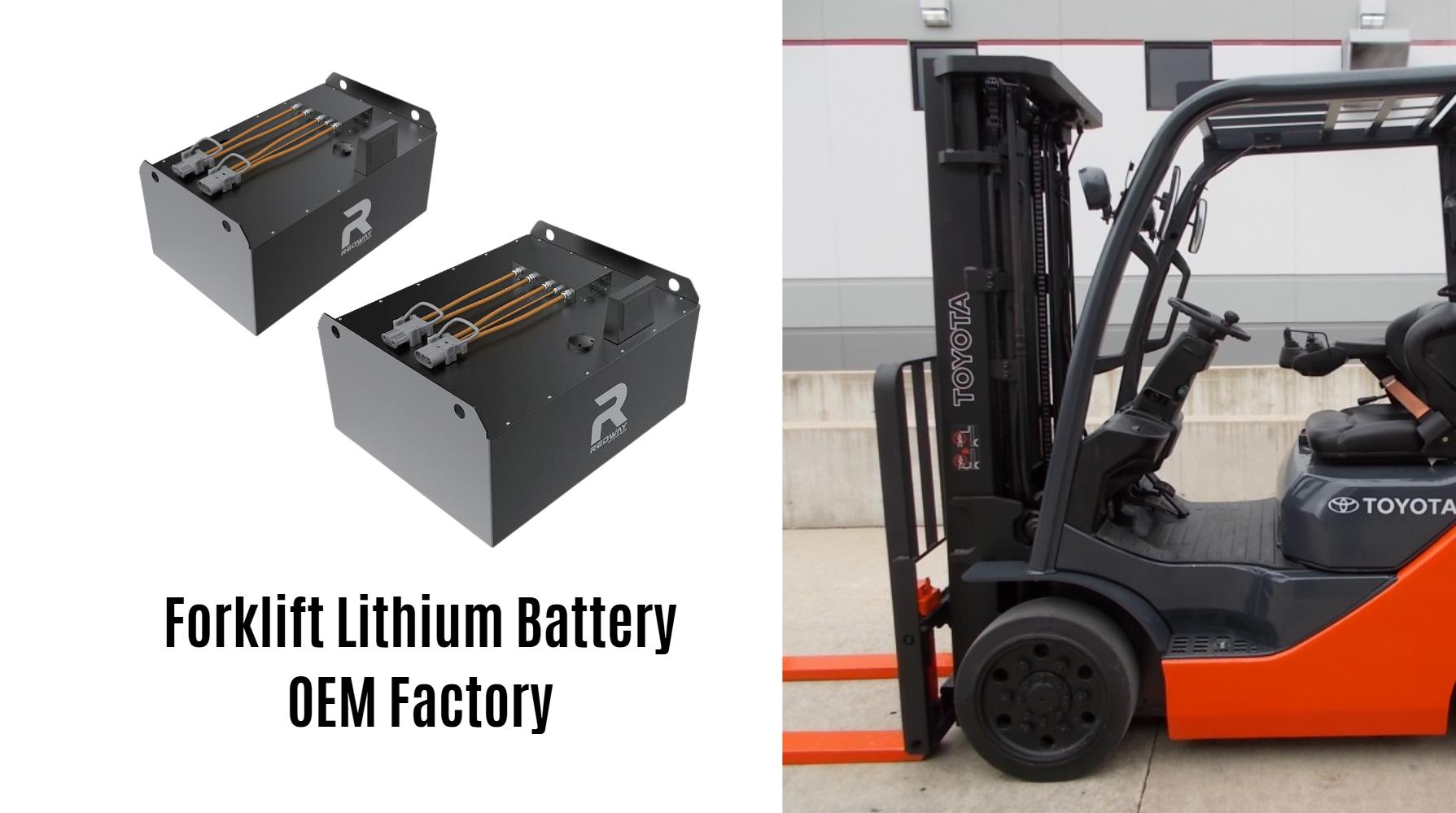
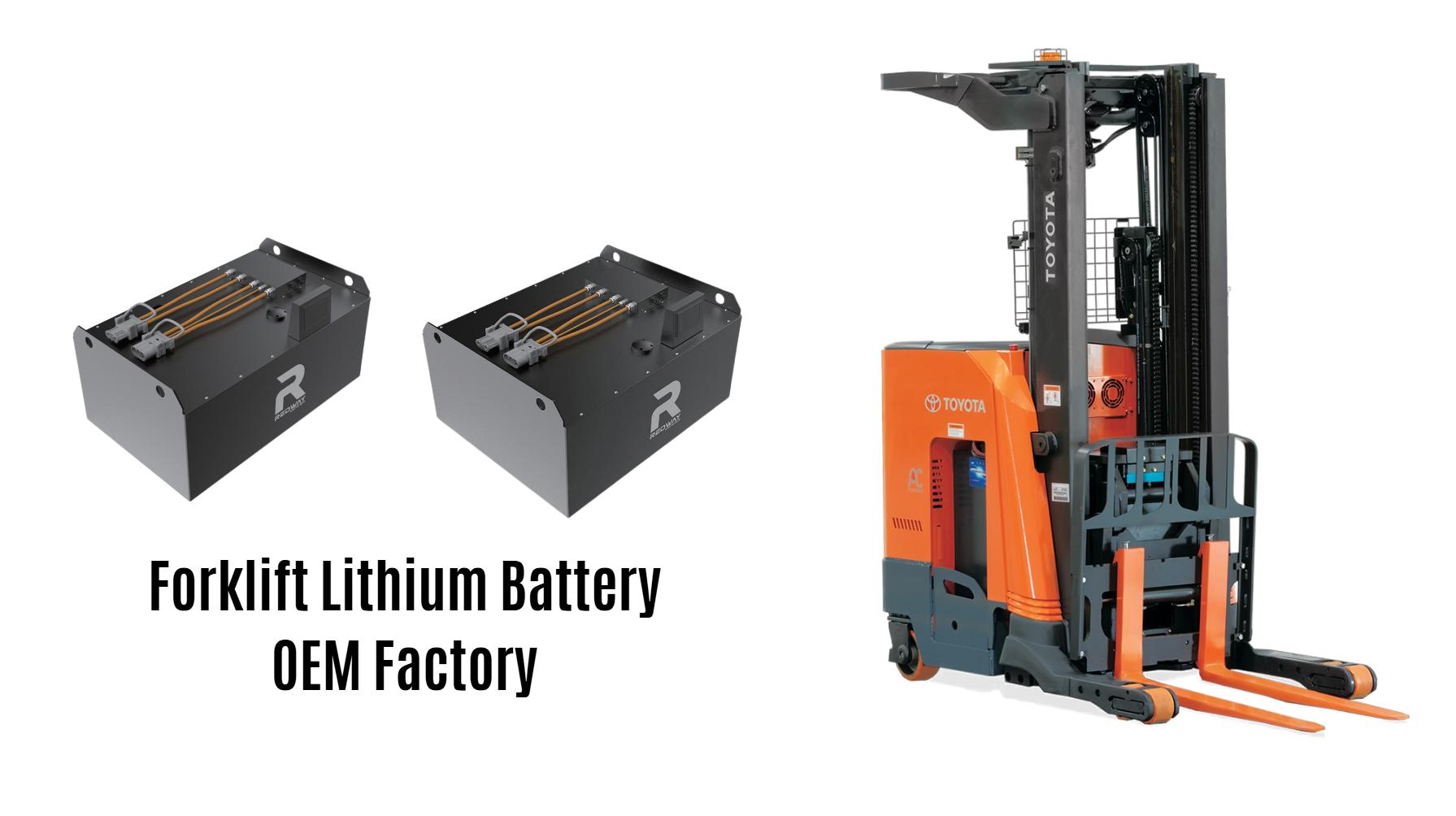
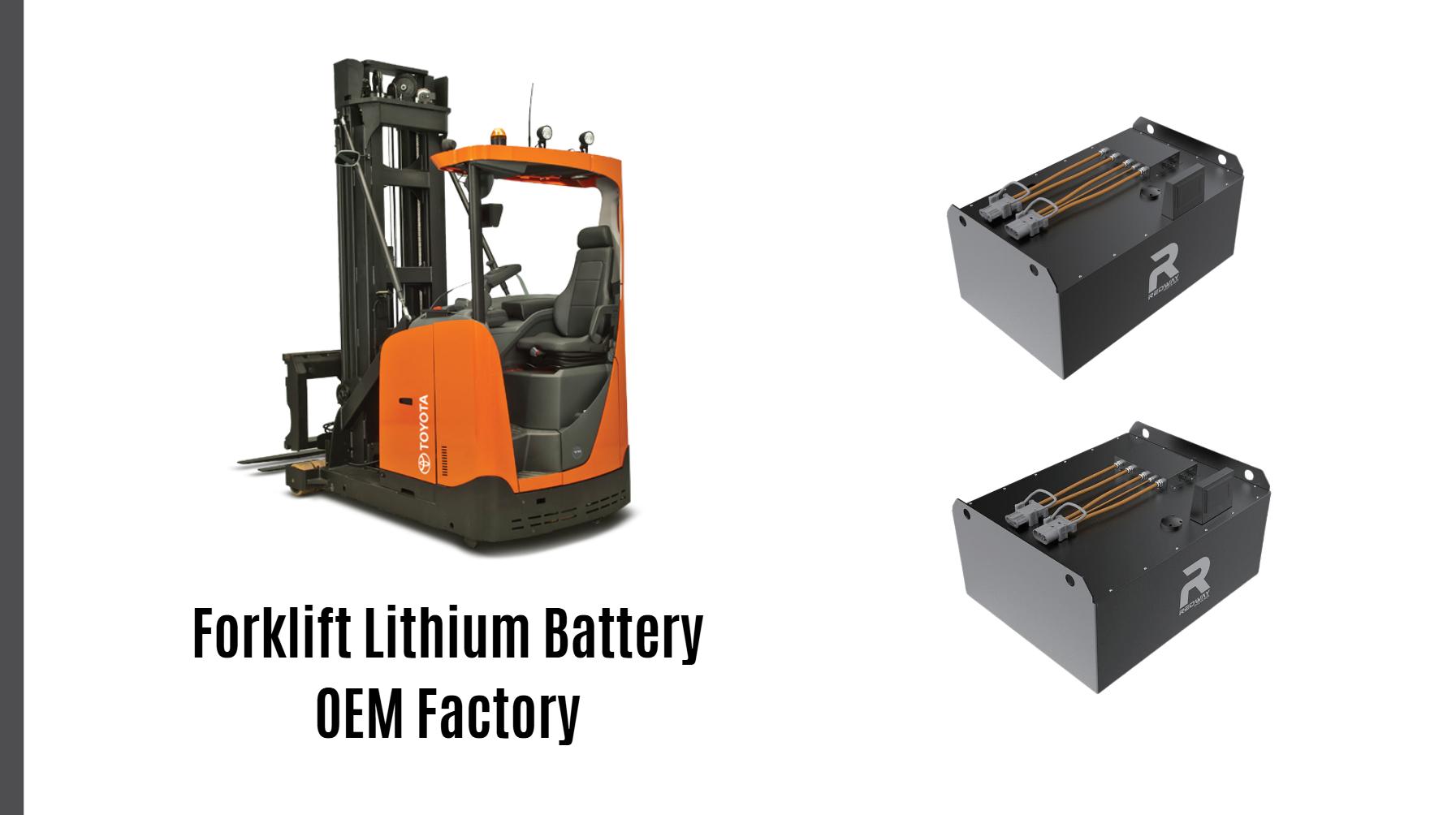
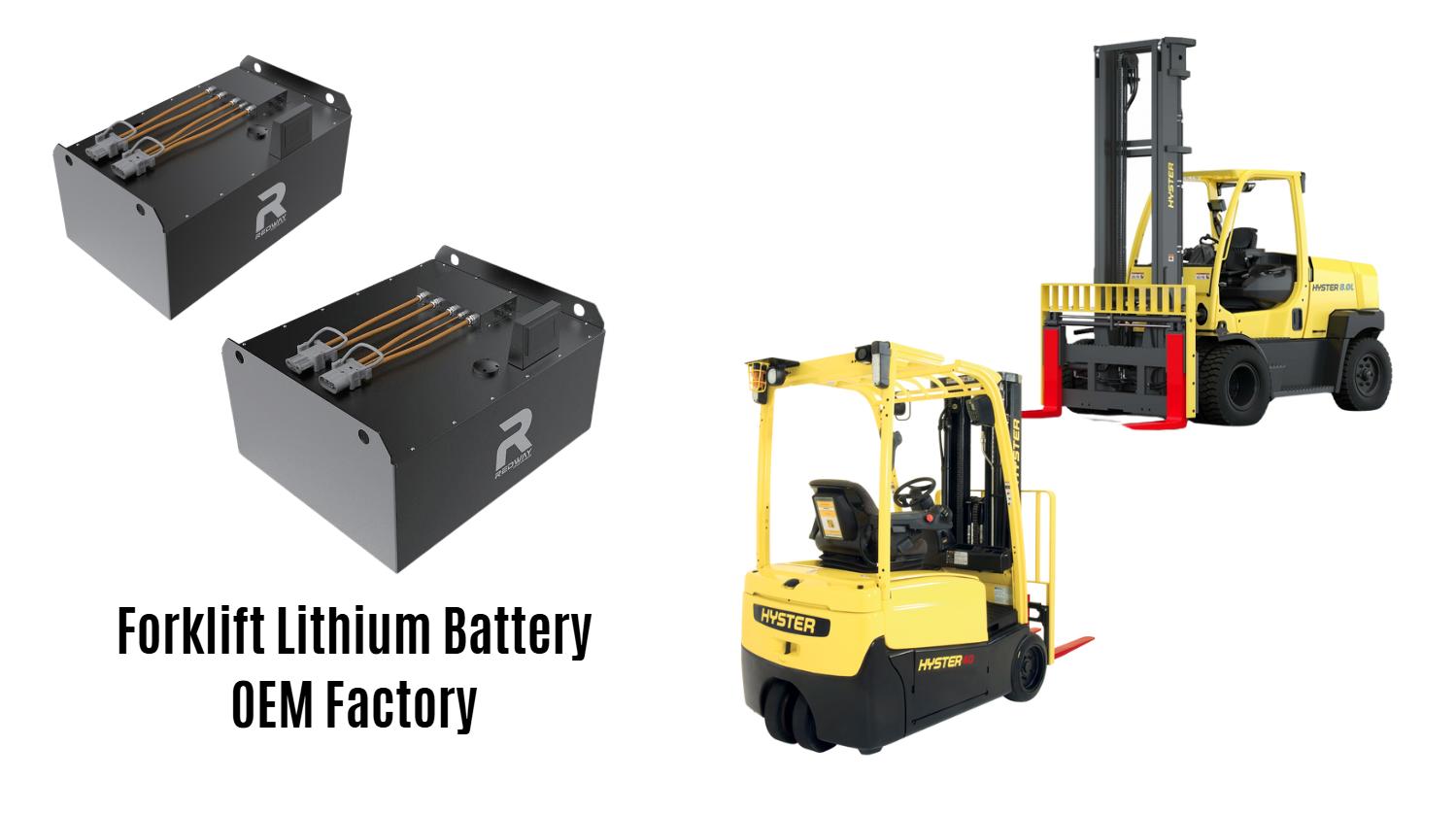
What Do I Need to Know About Toyota Forklift Batteries?

What Do I Need to Know About Toyota Forklift Batteries?

Toyota forklift batteries vary by voltage, Ah, and battery compartment size. Different battery types and appropriate maintenance are essential considerations. What does a bad battery look like? Where to start when replacing? How to access the battery?

What Are the Battery Specifications for Popular Toyota Forklift Models Like 5FBE15 and 7FBEU18?

Here’s a quick look at some common models:

  • Toyota 5FBE15: Typically uses a 36V or 48V battery.

  • Toyota 7FBEU18: Requires a 36V battery.

What Voltage and Amp-Hour (Ah) Rating Do I Need for My Toyota Forklift Battery?

The voltage should match your forklift’s requirements.

How Do I Safely Replace the Battery in My Toyota Forklift?

Follow these steps:

  1. Prepare the forklift.

  2. Remove the old battery.

  3. Install and connect the new battery.

What Are the Pros and Cons of Using Lead-Acid vs. Lithium-Ion Batteries in Toyota Forklifts?

Feature Lead-Acid Lithium-Ion
Lifespan Shorter Longer
Maintenance Requires Zero
Charging Time Longer Shorter
Cost Lower initial Higher initial

How Can I Access the Battery Compartment on My Toyota Forklift for Inspection and Maintenance?

  1. Turn off the forklift and remove the key.

  2. Locate the battery compartment.

  3. Remove any covers or panels.

What Are the Key Signs That Indicate My Toyota Forklift Battery Needs to Be Replaced?

Signs include:

  • Decreased performance

  • Shortened run times

  • Damage

What are the battery compartment dimensions?

Different Toyota forklifts have different battery compartment dimensions.

  • Toyota 7FBEU15

  • Toyota 7FBEHU18

What are the Key Differences in Battery Requirements Between Different Toyota Forklift Series (e.g., FBE vs. FBCU)?

The battery requirements will vary based on:

  • Weight

  • Battery type

  • Voltage requirements

How Can I Extend the Lifespan of My Toyota Forklift Battery Through Proper Charging and Maintenance Practices?

  • Charging Regularly

  • Monitoring Fluid Levels

  • Keeping Clean

What Safety Precautions Should I Take When Handling and Replacing Batteries in Toyota Forklifts?

  • Turn off the forklift.

  • Remove the ignition key.

  • Wear appropriate personal protective equipment (PPE).

Expert Views

Understanding your Toyota forklift’s battery requirements and following proper maintenance procedures is essential for maximizing uptime and ensuring safety. Choosing the right battery and adhering to safety guidelines will help optimize your operations.

Conclusion

Understanding the key aspects of Toyota forklift batteries is essential for any forklift operator. To guarantee your material handling equipment runs smoothly, this includes knowing their specifications, how to maintain them, and safely replace them.

FAQ

  • What voltage do I need for my Toyota forklift battery?

    It varies by model.

  • How do I access the battery compartment?

    Turn off the forklift, locate the compartment, and remove any covers.

  • What are signs of a bad battery?

    Decreased performance and damage.

  • What are the main types of batteries?

    Lead-acid and lithium-ion.

  • What safety precautions should I take?

    Always wear PPE and disconnect the power.

Where to Buy Toyota Forklift Batteries Wholesale: A Voltage & Capacity Guide?

Where to Buy Toyota Forklift Batteries Wholesale: A Voltage & Capacity Guide?

Purchasing Toyota forklift batteries wholesale requires understanding voltage options (24V-80V) and capacity needs (e.g., 560Ah, 680Ah). Comparing lead-acid and lithium-ion options ensures you select the most cost-effective and efficient power solution for your fleet. Effective supplier evaluation and maintenance practices are crucial for maximizing long-term value.

Why Buy Toyota Forklift Batteries Wholesale, and What Are the Benefits?

Buying Toyota forklift batteries wholesale offers significant advantages. You’ll benefit from reduced per-unit costs due to bulk purchasing, ensuring substantial savings. A consistent supply minimizes downtime, leading to increased operational efficiency and smoother workflow. This approach is particularly advantageous for large fleets, streamlining inventory management and guaranteeing availability of replacement batteries when needed.

What Voltage Options (24V, 36V, 48V, 72V, 80V) Are Available for Toyota Forklifts, and How Do You Choose the Right One?

Toyota forklifts utilize various voltage systems:

  • 24V: Typically used for smaller, lighter-duty forklifts.

  • 36V: Common in medium-sized electric forklifts.

  • 48V: Suitable for larger, more powerful forklifts requiring higher performance.

  • 72V and 80V: Found in heavy-duty forklifts designed for demanding applications.

Choosing the correct voltage is crucial for compatibility and optimal performance.

What Capacity (Ah) Do Toyota Forklift Batteries Typically Offer, and How Do You Determine the Correct Capacity for Your Needs?

Toyota forklift batteries offer a range of capacities. Lead-acid options range from 680Ah to 1020Ah, while lithium-ion batteries range from 220Ah to 600Ah. To determine the correct capacity, consider:

  • Forklift Model: Different models have varying power requirements.

  • Usage Intensity: More demanding applications require higher capacity.

  • Shift Length: Longer shifts necessitate batteries with greater capacity.

How Do You Match the Right Battery Voltage to Your Specific Toyota Forklift Model?

Matching battery voltage to your Toyota forklift model is essential. Refer to your forklift’s manufacturer specifications to determine the correct voltage. Using an incorrect voltage can damage the forklift’s electrical system and void warranties. Consulting with a qualified technician or battery specialist is recommended to ensure compatibility.

How Do Lead-Acid and Lithium-Ion Batteries Compare for Toyota Forklifts From a Wholesale Purchasing Perspective?

From a wholesale purchasing perspective:

  • Lead-Acid Batteries: Offer a lower upfront cost but require more maintenance and have a shorter lifespan.

  • Lithium-Ion Batteries: Have a higher initial cost but provide longer lifespans, reduced maintenance, and improved energy efficiency.

While lead-acid batteries may seem more economical initially, lithium-ion batteries often provide a better return on investment over the long term due to reduced maintenance and replacement costs.

What Specifications Are Crucial When Selecting Wholesale Toyota Forklift Batteries?

Critical specifications to consider include:

  • Voltage: Ensure compatibility with the forklift’s electrical system.

  • Amp-Hour (Ah) Capacity: Select based on usage intensity and shift length.

  • Dimensions: Verify that the battery fits the forklift’s battery compartment.

  • Cycle Life: Indicates how many charge/discharge cycles the battery can handle.

  • Battery Management System (BMS): Essential for lithium-ion batteries to monitor and protect the battery.

How Can You Evaluate Potential Wholesale Suppliers of Toyota Forklift Batteries?

Evaluating potential suppliers involves assessing their:

  • Reputation: Check online reviews and customer testimonials.

  • Experience: Look for suppliers with a proven track record in forklift batteries.

  • Certifications: Ensure products meet industry standards (e.g., CE, UL, ISO).

  • Product Range: Verify they offer batteries compatible with your Toyota forklift models.

  • Technical Support: Confirm they provide adequate support and service.

  • Warranty: Review the warranty terms and coverage.

What Factors Should You Consider When Negotiating Wholesale Prices for Toyota Forklift Batteries?

Key negotiation factors include:

  • Quantity Discounts: Inquire about discounts for bulk purchases.

  • Payment Terms: Negotiate favorable payment schedules and financing options.

  • Shipping Costs: Compare shipping rates from different suppliers.

  • Long-Term Agreements: Secure better pricing through long-term contracts.

  • Market Research: Understand current market prices for batteries.

What Are the Best Practices for Maintaining Toyota Forklift Batteries to Maximize Lifespan and Performance?

Best practices for maintenance include:

  • Regular Charging: Follow manufacturer’s guidelines for charging.

  • Watering (Lead-Acid): Maintain proper electrolyte levels using distilled water.

  • Cleaning: Keep battery terminals clean and corrosion-free.

  • Inspection: Regularly inspect batteries for damage and loose connections.

  • Equalization (Lead-Acid): Perform equalization charges to balance cell voltages.

  • BMS Monitoring (Lithium-Ion): Ensure the BMS is functioning correctly.

What Are the Latest Trends and Innovations in Forklift Battery Technology, and How Do They Impact Wholesale Purchasing Decisions?

Latest trends include:

  • Lithium-Ion Adoption: Increasing popularity due to longer lifespan and reduced maintenance.

  • Faster Charging Technologies: Reducing downtime and improving productivity.

  • Smart Battery Management Systems: Providing real-time data and diagnostics to optimize performance.

These trends suggest that investing in lithium-ion batteries may be a more future-proof choice despite the higher upfront cost.

Expert Views

From our perspective at Redway Power, when sourcing Toyota forklift batteries wholesale, it’s crucial to consider the specific needs of your fleet and the long-term cost implications. While lead-acid batteries may offer a lower initial investment, lithium-ion options provide superior performance, reduced maintenance, and extended lifespans, ultimately resulting in greater cost savings. Matching the correct voltage and capacity to your forklift model is also essential for optimal performance and safety.”

Conclusion

Purchasing Toyota forklift batteries wholesale requires a comprehensive understanding of voltage and capacity options, battery types, supplier evaluation, pricing, and maintenance practices. By conducting thorough research, partnering with a reputable supplier, and considering the latest technological advancements, businesses can optimize their operations, reduce costs, and ensure a consistent supply of reliable power for their Toyota forklift fleets.

FAQ

  • What voltage options are available for Toyota forklifts? 24V, 36V, 48V, 72V, and 80V.

  • What capacity (Ah) should I choose for my Toyota forklift battery? It depends on the forklift model, usage intensity, and shift length.

  • Are lithium-ion batteries worth the higher upfront cost? In many cases, yes, due to their longer lifespan and reduced maintenance.

  • How do I ensure I’m buying from a reputable supplier? Check online reviews, certifications, and warranty terms.

  • What maintenance is required for Toyota forklift batteries? Lead-acid batteries require regular watering and cleaning, while lithium-ion batteries are virtually maintenance-free.

Where Can I Buy Wholesale Toyota LiFePO4 Forklift Batteries?

Where Can I Buy Wholesale Toyota LiFePO4 Forklift Batteries?

Switching to LiFePO4 batteries improves Toyota forklift performance, reduces maintenance, and saves costs. Choosing the right model and supplier is key. Which forklift models can use LiFePO4 batteries? What do I need to know?

What Are the Main Benefits of Using LiFePO4 Batteries in Toyota Forklifts?

Using LiFePO4 batteries in Toyota forklifts provides:

  • Extended Lifespan: Last longer than lead-acid batteries.

  • Faster Charging: Reduces downtime with quick charging.

  • Zero Maintenance: Eliminates the need for watering and equalization.

Which Toyota Forklift Models Are Compatible with LiFePO4 Battery Upgrades?

LiFePO4 batteries are compatible with various Toyota forklift models.

What Key Specifications Should I Consider When Selecting a LiFePO4 Battery for My Toyota Forklift?

Key specifications to consider:

  • Voltage: Match the forklift’s voltage requirements.

  • Capacity: Select the appropriate amp-hour (Ah) rating for your operational needs.

  • Dimensions: Ensure the battery fits the forklift’s compartment.

Where Can I Find Reliable Wholesale Suppliers of LiFePO4 Batteries for Toyota Forklifts?

Reliable suppliers can be found:

  • Direct from Manufacturers

  • Specialized Suppliers

  • Online Marketplaces

How Do I Properly Replace a Battery in My Toyota Electric Forklift?

Replacing a battery involves:

  1. Checking the tools and equipment

  2. Removing the old battery.

  3. Installing the new battery.

What are the Advantages and Disadvantages of LiFePO4 Batteries in Toyota Forklifts Compared to Lead-Acid?

Feature LiFePO4 Batteries Lead-Acid Batteries
Lifespan Longer Shorter
Charging Time Faster Slower
Maintenance Zero Regular watering
Energy Efficiency Higher Lower
Environmental Impact More eco-friendly Less eco-friendly
Upfront Cost Higher Lower

How do LiFePO4 can be a best choice guide?

This choice is for those who has high intesity work load with high heat conditions. Also can improve the energy efficiency.

What are the Long-Term Cost Savings Associated with Switching to LiFePO4 Batteries for My Toyota Forklift Fleet?

Long-term cost savings include:

  • Reduced energy consumption.

  • Elimination of maintenance costs.

  • Lower replacement costs due to longer lifespan.

How Does Battery Management System (BMS) Impact the Safety and Performance of LiFePO4 Batteries in Toyota Forklifts?

The BMS is crucial for:

  • Preventing overcharging and over-discharging.

  • Monitoring temperature.

  • Balancing cell voltages.

What are the Key Considerations for Storing and Handling LiFePO4 Batteries in a Warehouse Environment?

Considerations include:

  • Temperature control.

  • Proper packaging.

  • Compliance with safety regulations.

Expert Views

Switching to LiFePO4 batteries in your Toyota forklift fleet is a great long term investment, consider both upfront expenses and long term savings. Selecting a high-quality, and safe LiFePO4 batteries can be beneficial to your company.

Conclusion

Purchasing wholesale LiFePO4 batteries for your Toyota forklifts offers numerous advantages, including enhanced performance, reduced maintenance, and long-term cost savings. By carefully evaluating your specific needs and selecting a reliable supplier, you can optimize your operations and achieve significant returns on your investment.

FAQ

  • What are the benefits of LiFePO4 batteries for Toyota forklifts?

    Longer lifespan, faster charging, and zero maintenance.

  • Which models are compatible?

    Check the battery dimension.

  • What specifications are important?

    Voltage, Ah, and dimensions.

  • Where can I find wholesale suppliers?

    Contact manufacturers and suppliers.

  • How do I replace the battery?

    Follow safety procedures.

How to Source Toyota Forklift Batteries Wholesale?

How to Source Toyota Forklift Batteries Wholesale?

Sourcing Toyota forklift batteries wholesale requires careful evaluation of battery types, specifications, and suppliers. Understanding the benefits and drawbacks of lead-acid, AGM, and LiFePO4 options ensures a cost-effective and efficient fleet. Effective negotiation and logistics management are crucial for maximizing long-term value.

Why Consider Purchasing Toyota Forklift Batteries Wholesale?

Purchasing Toyota forklift batteries wholesale offers several advantages. Buying in bulk typically reduces the per-unit cost, leading to significant savings. It also ensures a consistent supply, minimizing downtime and improving operational efficiency. Wholesale purchases are particularly beneficial for large fleets, providing economies of scale and simplifying inventory management.

What Types of Batteries Are Available for Toyota Forklifts (Lead-Acid, AGM, LiFePO4)?

Toyota forklifts can utilize three main types of batteries:

  • Lead-Acid Batteries: Traditional and cost-effective, suitable for standard applications.

  • AGM (Absorbent Glass Mat) Batteries: Maintenance-free and spill-proof, offering enhanced durability.

  • LiFePO4 (Lithium Iron Phosphate) Batteries: Provide longer lifespans, faster charging, and higher energy efficiency.

Each type has its own set of advantages and disadvantages, making it essential to assess your specific needs.

What Specifications Are Crucial When Selecting Toyota Forklift Batteries in Bulk?

Critical specifications include:

  • Voltage: Must match the forklift’s electrical system (e.g., 24V, 36V, 48V, 80V).

  • Amp-Hour (Ah) Capacity: Determines the battery’s runtime between charges.

  • Dimensions: Ensures the battery fits the forklift’s battery compartment.

  • Cycle Life: Indicates how many charge/discharge cycles the battery can handle.

  • Battery Management System (BMS): Essential for LiFePO4 batteries to monitor and protect the battery.

How Do You Evaluate Potential Wholesale Suppliers of Toyota Forklift Batteries?

Evaluating potential suppliers involves assessing:

  • Reputation: Check online reviews and customer testimonials.

  • Experience: Look for suppliers with a proven track record in forklift batteries.

  • Certifications: Ensure products meet industry standards (e.g., CE, UL, ISO).

  • Product Range: Verify they offer batteries compatible with your Toyota forklift models.

  • Technical Support: Confirm they provide adequate support and service.

  • Warranty: Review the warranty terms and coverage.

A thorough evaluation ensures you partner with a reliable and reputable supplier.

What Are the Advantages and Disadvantages of Lead-Acid Batteries for Toyota Forklifts?

Advantages:

  • Lower Upfront Cost: More affordable compared to AGM and LiFePO4.

  • Established Technology: Widely available and well-understood.

Disadvantages:

  • Higher Maintenance: Requires regular watering and cleaning.

  • Shorter Lifespan: Typically lasts 1-3 years.

  • Lower Energy Efficiency: Less efficient charging and discharging.

  • Environmental Concerns: Contains hazardous materials.

What Are the Advantages and Disadvantages of AGM Batteries for Toyota Forklifts?

Advantages:

  • Maintenance-Free: Sealed design eliminates the need for watering.

  • Spill-Proof: Reduces the risk of acid spills and corrosion.

  • Vibration Resistant: Suitable for rough operating conditions.

  • Longer Lifespan Than Lead-Acid: Typically lasts 3-5 years.

Disadvantages:

  • Higher Cost Than Lead-Acid: More expensive upfront.

  • Shorter Lifespan Than LiFePO4: Less durable than lithium options.

What Are the Advantages and Disadvantages of LiFePO4 Batteries for Toyota Forklifts?

Advantages:

  • Longer Lifespan: Lasts 5-10 years or more, significantly reducing replacement costs.

  • Faster Charging: Can be fully charged in 1-2 hours, minimizing downtime.

  • Maintenance-Free: Requires no watering or cleaning.

  • Higher Energy Efficiency: Provides more consistent power and reduces energy consumption.

  • Environmentally Friendly: Non-toxic and recyclable.

Disadvantages:

  • Higher Upfront Cost: More expensive than lead-acid and AGM batteries.

  • Requires BMS: Needs a battery management system to ensure safe operation.

How Can You Negotiate the Best Wholesale Prices for Toyota Forklift Batteries?

Negotiation tips:

  • Quantity Discounts: Inquire about discounts for bulk purchases.

  • Payment Terms: Negotiate favorable payment schedules and financing options.

  • Shipping Costs: Compare shipping rates from different suppliers.

  • Long-Term Agreements: Secure better pricing through long-term contracts.

  • Market Research: Understand current market prices for batteries.

What Logistical Considerations Are Involved in Wholesale Battery Purchases?

Logistical considerations:

  • Shipping: Ensure proper packaging and handling to prevent damage.

  • Storage: Store batteries in a cool, dry place to maintain their charge.

  • Transportation Regulations: Comply with hazardous material transportation regulations.

  • Delivery Times: Coordinate delivery schedules to minimize disruptions.

What Are the Best Practices for Maintaining Toyota Forklift Batteries to Maximize Lifespan?

Maintenance best practices:

  • Regular Charging: Follow manufacturer’s guidelines for charging.

  • Watering (Lead-Acid): Maintain proper electrolyte levels using distilled water.

  • Cleaning: Keep battery terminals clean and corrosion-free.

  • Inspection: Regularly inspect for damage and loose connections.

  • Equalization (Lead-Acid): Perform equalization charges to balance cell voltages.

  • BMS Monitoring (LiFePO4): Ensure the BMS is functioning correctly.

Expert Views

From our perspective at Redway Power, selecting the right batteries for your Toyota forklift fleet is crucial for maximizing operational efficiency and minimizing costs. While lead-acid batteries offer a lower upfront cost, LiFePO4 batteries provide significant long-term savings due to their longer lifespan, reduced maintenance, and improved energy efficiency. When buying wholesale, it’s essential to partner with a reputable supplier and carefully consider your specific operational needs.”

Conclusion

Sourcing Toyota forklift batteries wholesale requires a comprehensive understanding of battery types, specifications, supplier evaluation, pricing, and maintenance practices. By conducting thorough research and partnering with a reliable supplier, businesses can optimize their operations, reduce costs, and ensure a consistent supply of reliable power for their Toyota forklift fleets. Staying informed about the latest advancements in battery technology will further enhance purchasing decisions and maximize the benefits of your investment.

FAQ

  • What are the main types of batteries for Toyota forklifts? Lead-acid, AGM, and LiFePO4.

  • Which battery type is the most cost-effective for Toyota forklifts in the long run? LiFePO4 batteries, due to their longer lifespan and reduced maintenance.

  • How do I choose the right battery specifications for my Toyota forklift? Match the battery’s voltage, capacity, and dimensions to your forklift’s requirements.

  • What should I look for in a wholesale battery supplier? Reputation, experience, certifications, product range, and warranty.

  • How can I extend the lifespan of my Toyota forklift batteries? Follow the manufacturer’s guidelines for charging, watering (lead-acid), and maintenance.

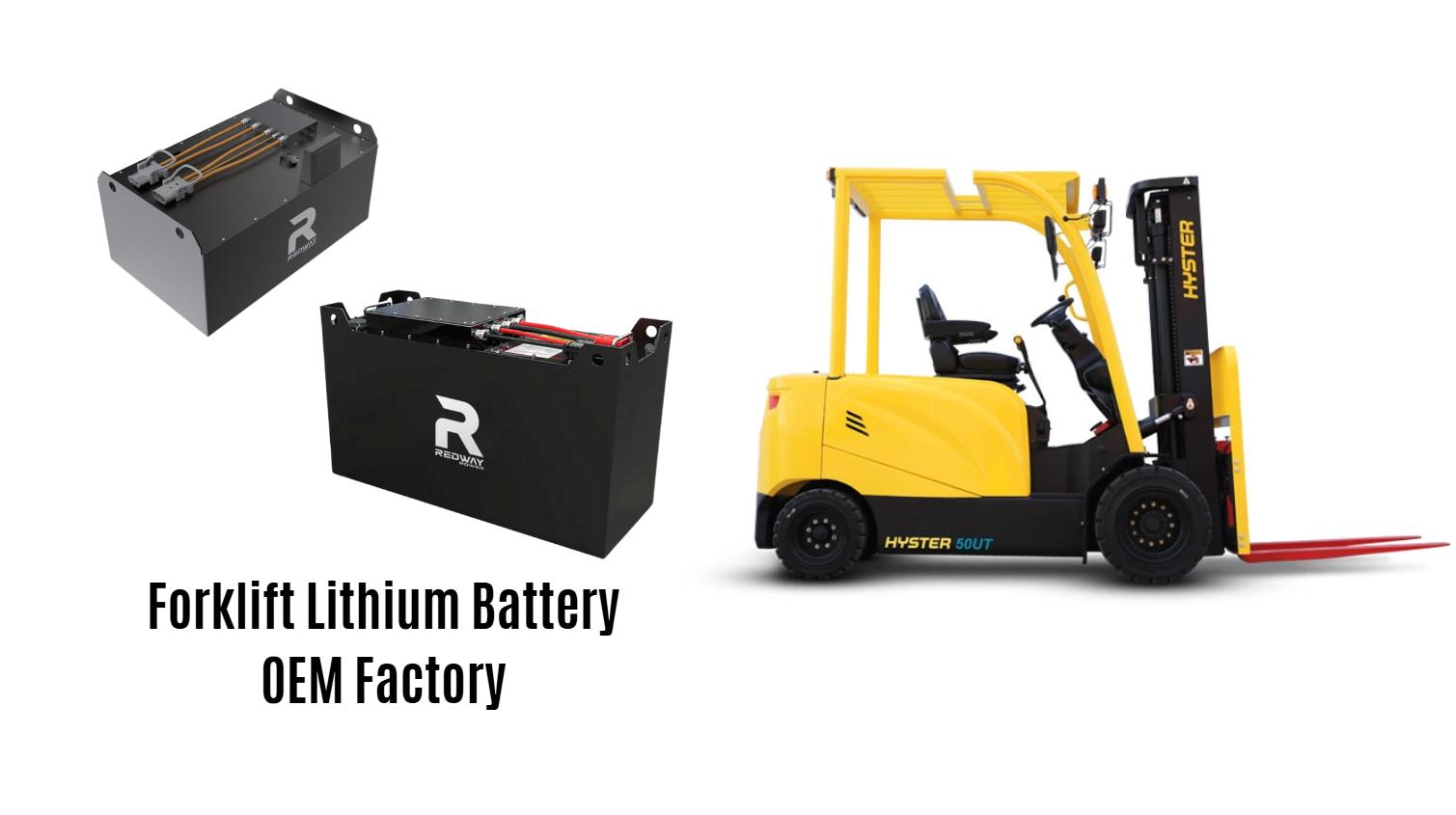
Are LiFePO4 Batteries Worth It for Your Hyster Forklift Fleet?

Are LiFePO4 Batteries Worth It for Your Hyster Forklift Fleet?

LiFePO4 batteries are a significant upgrade for Hyster forklifts, offering enhanced efficiency, extended lifespan of 2,000-5,000 cycles, and rapid charging. These batteries also require minimal maintenance, leading to substantial cost savings. By reducing downtime and improving performance, LiFePO4 batteries prove to be a worthwhile investment for optimizing your forklift fleet.

What Makes LiFePO4 Batteries a Superior Choice for Hyster Forklifts?

LiFePO4 batteries stand out due to their high energy density, allowing Hyster forklifts to operate longer on a single charge. Their extended lifespan, minimal maintenance needs, and faster charging times compared to lead-acid batteries result in significant operational advantages and cost savings. These batteries also offer enhanced safety and thermal stability, making them a reliable choice for industrial applications.

How Do LiFePO4 Batteries Enhance the Efficiency of Hyster Forklifts?

LiFePO4 batteries provide higher energy efficiency, steady voltage output, and opportunity charging, eliminating performance drops seen in lead-acid batteries. Their fast recharge capability and longer operational hours enhance forklift productivity, reducing downtime and improving workflow.

LiFePO4 batteries enhance efficiency by:

  • Reducing Energy Losses: Minimizing energy waste during charging and discharging.

  • Providing Consistent Power: Ensuring optimal performance throughout operation.

  • Enabling Opportunity Charging: Allowing for quick top-ups during breaks.

  • Improving Uptime: Keeping forklifts in action longer with less downtime.

What Is the Lifespan of a LiFePO4 Battery in a Hyster Forklift, and What Factors Influence It?

LiFePO4 batteries last 3,000–5,000 cycles, compared to 1,500 cycles for lead-acid. Factors affecting lifespan include charging habits, temperature control, and depth of discharge. Proper usage and storage can maximize battery longevity.

The typical lifespan ranges from 2,000 to 5,000 cycles, translating to approximately 5 to 10 years of operational life. Factors influencing lifespan include:

  • Usage Patterns: The intensity and frequency of forklift operation.

  • Maintenance Practices: Proper charging and handling.

  • Operating Conditions: Temperature and environmental factors.

How Quickly Can LiFePO4 Batteries Charge in Hyster Forklifts, and What Impact Does This Have?

LiFePO4 batteries can be charged in just 1-2 hours, compared to the 8 hours required for lead-acid batteries. This rapid charging dramatically reduces downtime and allows for opportunity charging during breaks, leading to increased productivity and smoother operations.

Feature LiFePO4 Batteries Lead-Acid Batteries
Charging Time 1-2 hours 8 hours
Cycle Life 2,000-5,000 1,500
Maintenance Minimal Regular
Energy Density Higher Lower

What Maintenance Do LiFePO4 Batteries Require in Hyster Forklifts Compared to Lead-Acid?

LiFePO4 batteries require virtually no maintenance, eliminating the need for regular watering, acid level checks, and equalization charging. This significantly reduces the time and labor associated with battery maintenance, lowering operational costs.

How Do LiFePO4 Batteries Contribute to Cost Savings for Hyster Forklift Operations?

LiFePO4 batteries cut costs by eliminating maintenance, reducing energy consumption, and lasting up to 5 times longer than lead-acid. Their fast charging and efficiency reduce labor costs and downtime, increasing overall profitability.

LiFePO4 batteries contribute to cost savings through:

  • Reduced Maintenance: Lowering labor and material costs.

  • Extended Lifespan: Reducing the frequency of battery replacements.

  • Improved Energy Efficiency: Minimizing energy consumption and costs.

  • Less Downtime: Increasing productivity and operational uptime.

How Do LiFePO4 Batteries Perform in Extreme Temperatures When Used in Hyster Forklifts?

LiFePO4 batteries offer superior performance in a wide range of temperatures, making them suitable for both indoor and outdoor applications. They maintain consistent power output even in extreme cold or hot conditions, providing reliable operation in diverse environments.

Hyster offers lithium-ion batteries that work well in hot, cold, and freezer operations.

What Is the Impact of Using LiFePO4 Batteries on the Resale Value of Hyster Forklifts?

Hyster forklifts equipped with LiFePO4 batteries often have a higher resale value due to their advanced technology, longer lifespan, and reduced maintenance requirements. Potential buyers recognize the long-term benefits and are willing to pay more for forklifts with these features.

Which Specific Hyster Forklift Models Benefit the Most From LiFePO4 Batteries?

Hyster forklifts such as the J155-360XD series and the new four-wheel UTL and three-wheel UTTL lithium-ion counterbalance forklifts benefit significantly from LiFePO4 batteries. These models experience enhanced performance, reduced downtime, and improved operational efficiency.

What Safety Measures Should Be Taken When Using LiFePO4 Batteries in Hyster Forklifts?

Use proper charging equipment, follow manufacturer guidelines, and ensure BMS monitoring. Avoid extreme overcharging, physical damage, and water exposure. LiFePO4 batteries are safer than lead-acid, with no risk of acid spills or thermal runaway.

While LiFePO4 batteries are inherently safer than lead-acid batteries, it’s essential to follow standard safety measures:

  • Use Compatible Chargers: Only use chargers designed for LiFePO4 batteries.

  • Regular Inspections: Periodically check for any signs of damage or wear.

  • Proper Handling: Follow guidelines for lifting and installing batteries.

  • Battery Management System (BMS): Ensure the BMS is functioning correctly to monitor and protect the battery.

Expert Views

From our perspective at Redway Power, LiFePO4 batteries are revolutionizing the way Hyster forklifts operate. The longer lifespan, faster charging, and zero maintenance make them an incredibly cost-effective choice for businesses looking to optimize their material handling operations. The enhanced reliability and performance contribute to a significant return on investment.”

Conclusion

Choosing LiFePO4 batteries for your Hyster forklift fleet can significantly improve efficiency, reduce costs, and enhance overall performance. By understanding the key benefits, specifications, and safety measures, you can make an informed decision and select the best battery solution for your needs. As technology continues to advance, LiFePO4 batteries will remain a leading choice for powering material handling equipment.

FAQ

  • Are LiFePO4 batteries safe for Hyster forklifts? Yes, LiFePO4 batteries are safer than lead-acid batteries due to their stable chemistry and non-toxic materials.

  • How long do LiFePO4 batteries last in Hyster forklifts? They typically last for 2,000 to 5,000 cycles, or approximately 5 to 10 years.

  • Do LiFePO4 batteries require maintenance in Hyster forklifts? No, they require minimal to zero maintenance.

  • Can I use any charger for LiFePO4 batteries in Hyster forklifts? No, you should use a charger specifically designed for LiFePO4 batteries.

  • What are the main benefits of LiFePO4 batteries for Hyster forklifts? Longer lifespan, faster charging, reduced maintenance, and improved energy efficiency.

How Do I Choose, Maintain, and Replace Hyster Forklift Batteries?

How Do I Choose, Maintain, and Replace Hyster Forklift Batteries?

Choosing, maintaining, and replacing Hyster forklift batteries requires understanding battery types, proper upkeep techniques, and recognizing when replacement is necessary to ensure optimal forklift performance and longevity.

What Should I Consider When Choosing a Hyster Forklift Battery?

When choosing a Hyster forklift battery, consider battery type, capacity, voltage, runtime requirements, charging infrastructure, and compatibility with your forklift model.

Selecting the correct battery involves evaluating forklift workload, shift length, and operating conditions. Lead-acid batteries are common but require regular maintenance; lithium-ion batteries, like those offered by Redway Battery, provide longer cycle life, faster charging, and low maintenance. Check forklift model specifications to ensure voltage and physical dimensions of the battery match requirements. Also, plan charging setups suited to the battery chemistry to maximize efficiency and lifespan.

How Do I Maintain a Hyster Forklift Battery for Maximum Performance?

Maintaining a Hyster forklift battery includes regular watering, cleaning, equalization charging, and monitoring electrolyte levels and cell voltages to prevent degradation.

Proper maintenance extends battery service life by avoiding sulfation, corrosion, and cell imbalance. For lead-acid batteries, keep electrolyte at optimal levels, clean terminals, and equalize charges periodically. Lithium batteries require less frequent maintenance but still need monitoring of state-of-charge, temperature, and firmware updates. Using smart chargers compatible with Redway Battery’s LiFePO4 packs ensures safe and efficient maintenance.

Maintenance Task Frequency Battery Type Purpose
Electrolyte watering Weekly Lead-acid Prevents sulfation and damage
Terminal cleaning Monthly All Avoids corrosion and poor contact
Equalization charge Monthly/quarterly Lead-acid Balances cell voltages
Temperature check Daily/weekly Lithium (LiFePO4) Prevents overheating
Firmware updates As needed Lithium (Redway) Optimizes battery management

When Should I Replace My Hyster Forklift Battery?

Replace a Hyster forklift battery when it shows reduced runtime, failure to hold charge, physical damage, or frequent breakdown despite maintenance.

Batteries have finite lifespans influenced by usage, maintenance, and type. Lead-acid batteries typically last 3–5 years, while lithium batteries extend up to 8–10 years, reducing replacement frequency. Indicators for replacement include delayed startup, inconsistent voltage, and corrosion. Redway Battery’s advanced LiFePO4 packs help extend intervals between replacements with improved cycle durability and health monitoring features.

Where Can I Safely Charge and Store Hyster Forklift Batteries?

Charge and store batteries in well-ventilated, temperature-controlled areas free of flammable materials and protected from moisture and extreme temperatures.

Lead-acid batteries emit hydrogen gas during charging, requiring ventilation to prevent explosion risks. Charging stations should have spill containment and safety equipment. Lithium batteries, such as Redway Battery’s LiFePO4 models, require less ventilation but benefit from stable, moderate temperatures to avoid thermal stress. Proper storage extends battery life and safeguards staff and equipment.

Does Using Lithium Batteries from Redway Battery Improve Forklift Operations?

Yes, lithium batteries from Redway Battery enhance forklift performance by offering faster charging, longer lifespan, consistent power output, and reduced maintenance.

Redway Battery’s LiFePO4 technology reduces downtime with rapid charging cycles and higher energy density, enabling extended shifts without battery swaps. Their integrated battery management systems protect against overcharge, overheating, and deep discharge, increasing reliability. Lithium packs are lighter, improving forklift maneuverability and reducing floor wear compared to heavy lead-acid batteries.

How Can I Safely Handle and Dispose of Old Hyster Forklift Batteries?

Handle older forklift batteries with protective gear and follow environmental regulations for recycling or disposal at certified facilities.

Lead-acid batteries contain hazardous materials requiring proper neutralization and recycling to avoid environmental harm. Always wear gloves, goggles, and acid-resistant clothing when removing or servicing batteries. Redway Battery supports sustainable battery lifecycle management, encouraging clients to recycle or professionally dispose of end-of-life batteries.

Who Should I Consult for Expert Advice on Hyster Forklift Battery Needs?

Consult manufacturers like Hyster, authorized dealers, or specialized battery providers such as Redway Battery who offer OEM lithium battery solutions and technical support.

Experts can recommend the best battery type for your forklift model and application, provide maintenance guidelines, and offer customization to optimize performance. Redway Battery’s engineering team supports OEM/ODM customization for unique forklift configurations, ensuring precise fit and power optimization.

Which Factors Affect the Runtime and Efficiency of Hyster Forklift Batteries?

Runtime and efficiency depend on battery capacity, operating temperature, charge/discharge rates, maintenance, and forklift workload intensity.

Higher capacity batteries deliver longer runtimes but require proper charging to avoid reduced efficiency. Extreme temperatures, especially heat, degrade battery life. Redway Battery designs packs with built-in thermal monitoring and robust BMS to maintain optimal efficiency. Matching battery size and chemistry to workload helps prevent excessive cycling and premature wear.

Factor Impact on Battery Life Mitigation Tips
Operating temperature High heat reduces life Use temperature-controlled storage and charging
Charge rate Fast charging possible but risky if unmanaged Use smart chargers with BMS integration
Maintenance Poor maintenance accelerates degradation Schedule regular inspections and upkeep
Workload intensity Heavy load increases cycles and wear Match battery capacity to forklift needs

Redway Expert Views

“Choosing the right forklift battery requires balancing performance, cost, and operational demands. Redway Battery’s LiFePO4 solutions revolutionize forklift power with longer runtimes, faster charging, and enhanced safety. Our advanced battery packs integrate seamlessly with Hyster forklifts, offering OEM-grade quality backed by precision engineering and comprehensive after-sales service. Proper maintenance combined with high-quality batteries ensures fleet reliability and reduces overall operational costs.”
— Redway Battery Technical Team


Summary and Actionable Advice

Choosing, maintaining, and replacing Hyster forklift batteries effectively directly influences forklift productivity and cost savings. Begin with selecting the appropriate battery—lead-acid or advanced lithium solutions like those from Redway Battery—fit for your forklift model and application. Maintain batteries through routine hydration, cleaning, and charging practices. Monitor battery health indicators vigilantly, and replace batteries promptly upon signs of failure to avoid downtime. Prioritize safe charging and storage environments. Partner with experts for tailored battery solutions and maintenance support to optimize operations and extend fleet service life.


FAQs

Q1: How long do Hyster forklift batteries typically last?
Lead-acid batteries last 3–5 years; lithium-ion variants like Redway Battery’s LiFePO4 can last 8–10 years with proper care.

Q2: Can I use any charger for my Hyster forklift battery?
No, use chargers compatible with your battery type to avoid damage. Redway Battery recommends smart chargers suited for LiFePO4 technology.

Q3: What is the main advantage of lithium forklift batteries over lead-acid?
Lithium batteries charge faster, last longer, require less maintenance, and provide consistent power output.

Q4: How often should I service my forklift battery?
Lead-acid batteries require weekly checks and monthly equalization; lithium batteries need less frequent but regular monitoring.

Q5: Is battery recycling necessary for forklift batteries?
Yes, forklift batteries contain hazardous materials and must be recycled or disposed of properly per regulations.

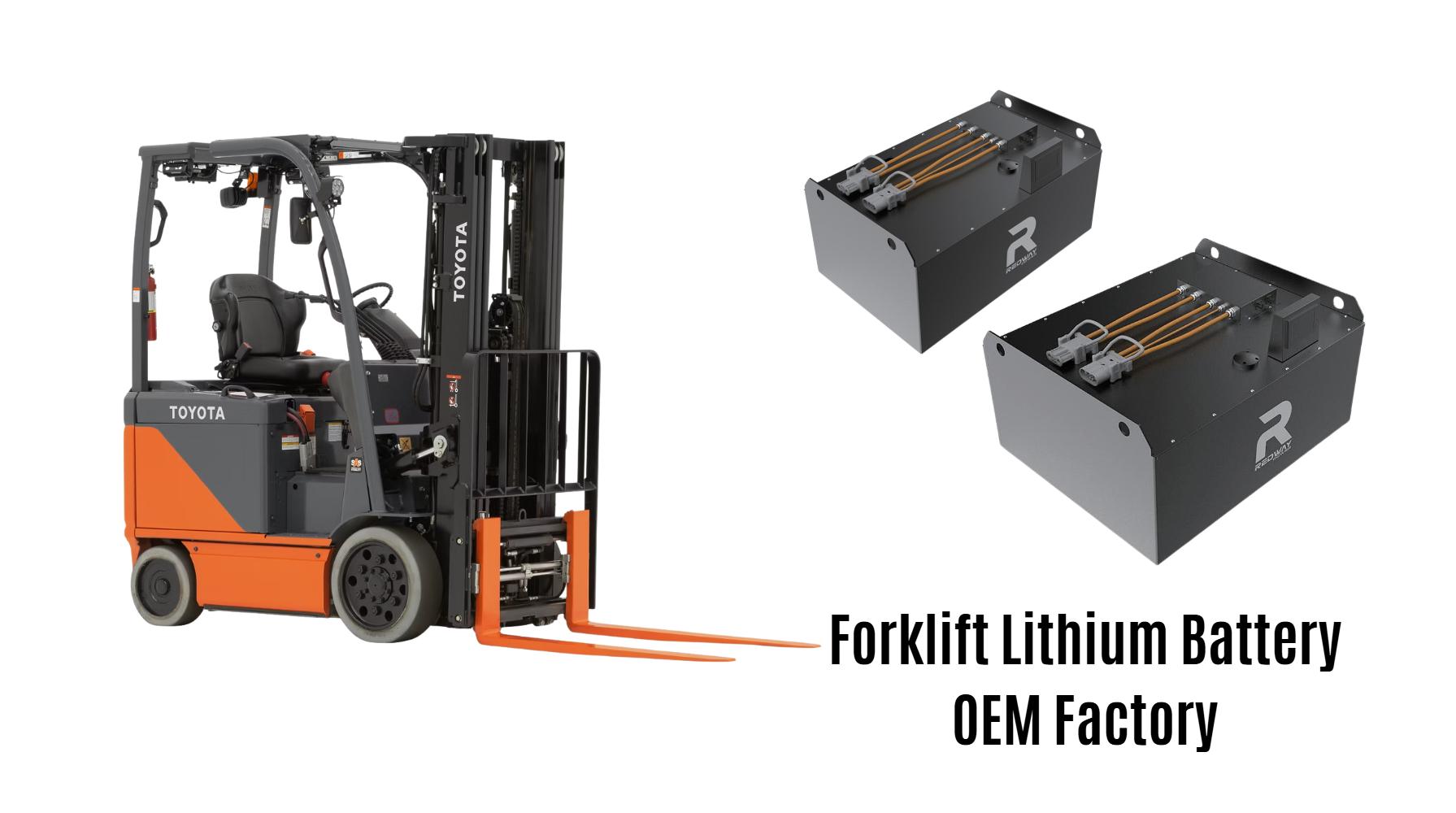
Where Can I Buy Wholesale Hyster LiFePO4 Forklift Batteries?

Where Can I Buy Wholesale Hyster LiFePO4 Forklift Batteries?

Sourcing LiFePO4 batteries for Hyster forklifts can be easy with right the resources. Compare prices from different suppliers. Are there Hyster-specific batteries? What is the long term value of LiFePO4? What are the key consideration for purchasing LiFePO4 forklift batteries?

What Voltages of LiFePO4 Batteries Are Available for Hyster Forklifts?

Hyster forklifts typically use 24V, 36V, 48V, 72V, and 80V LiFePO4 batteries, depending on the model and power requirements. Higher voltage options provide greater efficiency and longer runtime for heavy-duty applications. Always check the manufacturer’s specifications to ensure compatibility.

LiFePO4 batteries for Hyster forklifts are available in several voltages, including:

  • 24V

  • 36V

  • 48V

  • 72V

  • 80V

What Types of Batteries Are Available for Hyster Forklifts?

Hyster forklifts support LiFePO4, lead-acid, AGM, and gel batteries. LiFePO4 batteries are the most advanced, offering higher efficiency, longer lifespan, and faster charging. Lead-acid batteries are cost-effective but require frequent maintenance, while AGM and gel batteries provide a sealed, low-maintenance alternative.

Hyster forklifts are compatible with different battery chemistries:

  • Flooded Flat Plate

  • Flooded Tubular

  • AGM (VRLA)

  • TPPL (VRLA)

  • Lithium-Ion (LiFePO4)

Here’s a comparison table:

Battery Type Advantages Disadvantages
Flooded Lead-Acid Lower upfront cost Requires regular maintenance, shorter lifespan
AGM (VRLA) Maintenance-free, spill-proof Higher cost than flooded, shorter lifespan than LiFePO4
Lithium-Ion (LiFePO4) Long lifespan, fast charging, zero maintenance, high energy density Higher upfront cost

Where Can I Find Wholesale Suppliers of LiFePO4 Batteries for Hyster Forklifts?

Wholesale LiFePO4 forklift batteries can be sourced from battery manufacturers, industrial suppliers, and B2B platforms like Alibaba and Made-in-China. For reliable quality and bulk pricing, consider working directly with a manufacturer specializing in forklift power solutions.

You can find wholesale suppliers through:

  • Specialized Dealers

  • Online Marketplaces

  • Direct Manufacturers

How Can I Ensure Compatibility Between LiFePO4 Batteries and My Specific Hyster Forklift Model?

Check the voltage, size, and connector type specified in your Hyster forklift’s manual. Ensure the LiFePO4 battery supports the required BMS communication protocols and fits within the battery compartment. Some models may need minor modifications for compatibility.

To ensure compatibility:

  • Check Specifications

  • Consult Manual

  • Cross-Reference Part Numbers

What are the Key Benefits of Using LiFePO4 Batteries in Hyster Forklifts Compared to Other Chemistries?

LiFePO4 batteries offer longer lifespan (3,000+ cycles), fast charging, high energy efficiency, maintenance-free operation, and consistent power output. Compared to lead-acid batteries, they reduce downtime, lower operating costs, and improve overall productivity in forklift operations.

LiFePO4 batteries offer these benefits:

  • Longer Cycle Life

  • Fast Charging

  • Zero Maintenance

  • High Energy Efficiency

  • Thermal Stability

What Specifications Are Most Important When Selecting LiFePO4 Batteries for Hyster Forklifts?

Key specifications include voltage, capacity (Ah), battery dimensions, BMS compatibility, and charging speed. Consider cycle life, discharge rate (C-rate), and temperature tolerance for optimal performance in warehouse or outdoor environments.

Key specifications to consider:

  • Voltage

  • Amp-Hour (Ah)

  • Dimensions

  • BMS

How to maintain good battery life?

To extend LiFePO4 battery life, avoid deep discharges, charge regularly, keep it within optimal temperature ranges (0–45°C), and use a compatible charger. Proper storage and avoiding overloading the forklift also help maintain performance.

How Do I Negotiate the Best Wholesale Prices for Hyster LiFePO4 Forklift Batteries?

Get quotes from multiple suppliers, order in bulk, establish long-term contracts, and negotiate better terms. Direct purchases from manufacturers often result in the best prices. Inquire about warranties, customization options, and shipping costs to optimize savings.

Negotiate wholesale prices by:

  • Comparing Quotes

  • Volume Discounts

  • Payment Terms

What are the Key Performance Indicators (KPIs) I Should Track After Upgrading to LiFePO4 Batteries in My Hyster Forklifts?

Track charging time, cycle count, energy efficiency, runtime per charge, and downtime reduction. Monitor battery voltage stability, depth of discharge (DoD), and temperature performance to ensure long-term efficiency and cost savings.

Track these KPIs:

  • Run Time

  • Charging Time

  • Maintenance Costs

  • Energy Consumption

How Do I Properly Dispose of or Recycle Old Forklift Batteries When Upgrading to LiFePO4?

Lead-acid batteries should be recycled through certified recycling centers to prevent environmental damage. Contact battery manufacturers, forklift dealers, or hazardous waste disposal services for proper disposal. Some LiFePO4 suppliers offer battery recycling programs.

Follow these steps for proper disposal:

  • Contact Recycling Centers

  • Follow Regulations

  • Safe Handling

Expert Views

Upgrading to LiFePO4 batteries offers significant advantages for Hyster forklifts. However, it’s important to carefully consider the specifications, select a reliable supplier, and follow proper maintenance and disposal practices to maximize your investment.

Conclusion

Purchasing Hyster LiFePO4 forklift batteries wholesale can provide long-term cost savings and enhanced performance. By carefully considering your specific needs and following the guidelines outlined in this article, you can make an informed decision and optimize your forklift operations.

FAQ

  • What voltages are available for Hyster LiFePO4 batteries?

    Common voltages include 24V, 36V, 48V, 72V, and 80V.

  • Where can I find wholesale suppliers?

    Check specialized dealers and online marketplaces.

  • What specifications are important?

    Voltage, Ah, dimensions, and BMS are key.

  • What are the benefits of LiFePO4?

    Longer life, faster charging, and less maintenance.

  • How do I dispose of old batteries?

    Contact recycling centers and follow regulations.

How to Source Wholesale Lead-Acid & AGM Batteries for Hyster Forklifts?

How to Source Wholesale Lead-Acid & AGM Batteries for Hyster Forklifts?

Sourcing wholesale lead-acid and AGM batteries for Hyster forklifts involves evaluating battery types, comparing specifications, and assessing supplier reliability to optimize cost and performance. Effective negotiation and adherence to maintenance practices are crucial for long-term savings. These considerations ensure you procure the right batteries, maximize uptime, and minimize operational expenses.

Why Choose Lead-Acid or AGM Batteries for Hyster Forklifts?

Lead-acid and AGM batteries are reliable and cost-effective power solutions for Hyster forklifts. Lead-acid batteries offer a proven track record and lower upfront costs, making them suitable for light to medium-duty applications. AGM batteries, on the other hand, provide enhanced durability, reduced maintenance, and spill-proof design, ideal for more demanding environments. Both types offer distinct advantages, depending on operational needs and budget.

Lead-acid and AGM batteries are cost-effective, reliable, and widely available. They are suitable for Hyster forklifts in applications where upfront cost is a priority, and maintenance or weight is less of a concern compared to LiFePO4 batteries.

What Are the Key Differences Between Flooded and AGM Batteries for Hyster Forklifts?

Flooded lead-acid batteries require regular maintenance (e.g., watering) and are more affordable. AGM batteries are maintenance-free, spill-proof, and offer better vibration resistance, making them ideal for demanding environments.

Key differences include:

  • Maintenance: Flooded batteries require regular watering, while AGM batteries are maintenance-free.

  • Spillage: Flooded batteries can spill acid, while AGM batteries are sealed and spill-proof.

  • Vibration Resistance: AGM batteries are more resistant to vibration and shock.

  • Cost: Flooded batteries generally have a lower upfront cost than AGM batteries.

  • Operating Environment: AGM batteries are suitable for rough or uneven terrains.

Which Specifications Matter When Selecting Lead-Acid or AGM Batteries for Hyster Forklifts?

Key specifications include voltage (e.g., 24V, 36V, 48V), capacity (Ah), dimensions, weight, and terminal type. Ensure compatibility with your Hyster forklift model and operational requirements.

Critical specifications to consider:

  • Voltage: Ensure compatibility with the Hyster forklift’s electrical system (e.g., 24V, 36V, 48V).

  • Amp-Hour (Ah) Capacity: Determines the battery’s runtime between charges.

  • Dimensions: Verify the battery fits the forklift’s battery compartment.

  • Terminal Type: Match the terminals to the forklift’s connections.

  • Cold Cranking Amps (CCA): Relevant for starting performance in cold conditions.

How Do You Evaluate Potential Wholesale Suppliers of Hyster Forklift Batteries?

Evaluate suppliers based on product quality, certifications (e.g., BIS, ISO), warranty terms, pricing, delivery timelines, and after-sales support. Check reviews and request samples to verify reliability.

Evaluating suppliers involves assessing their:

  • Reputation: Check online reviews and customer testimonials.

  • Experience: Look for suppliers with a proven track record in forklift batteries.

  • Certifications: Ensure products meet industry standards (e.g., ISO 9001, CE).

  • Product Range: Confirm they offer batteries compatible with Hyster models.

  • Warranty: Review the warranty terms and coverage.

What Factors Should You Consider When Negotiating Wholesale Prices for Hyster Forklift Batteries?

Consider order volume, payment terms, shipping costs, and warranty coverage. Bulk orders often qualify for discounts. Compare multiple suppliers to ensure competitive pricing without compromising quality.

Negotiation factors to consider:

  • Quantity: Higher volumes often lead to better pricing.

  • Payment Terms: Negotiate favorable payment schedules and discounts.

  • Shipping Costs: Factor in transportation expenses and potential discounts.

  • Long-Term Contracts: Secure better pricing through long-term supply agreements.

  • Market Research: Understand current market prices for batteries.

How Does the Battery Type Impact the Total Cost of Ownership for Hyster Forklifts?

Lead-acid batteries have lower upfront costs but higher maintenance and replacement expenses. AGM batteries reduce maintenance costs, while LiFePO4 batteries offer the lowest total cost of ownership due to longer lifespan and efficiency.

Battery type impacts TCO through:

  • Maintenance Costs: AGM batteries reduce maintenance expenses.

  • Replacement Frequency: Longer-lasting batteries lower replacement costs.

  • Energy Efficiency: More efficient batteries reduce energy consumption.

  • Downtime: Reliable batteries minimize operational disruptions.

Cost Factor Flooded Lead-Acid AGM
Maintenance Costs Higher Lower
Replacement Frequency Higher Lower
Spillage Risk Higher Lower

What Are the Best Practices for Maintaining Lead-Acid and AGM Batteries in Hyster Forklifts?

For flooded batteries, regularly check water levels and clean terminals. AGM batteries require minimal maintenance but should be kept charged and stored in a cool, dry place. Avoid overcharging or deep discharging.

Maintenance best practices include:

  • Regular Charging: Follow manufacturer‘s guidelines for charging.

  • Watering (Flooded): Maintain proper electrolyte levels using distilled water.

  • Cleaning: Keep battery terminals clean and corrosion-free.

  • Inspection: Regularly inspect for damage and loose connections.

  • Equalization: Perform equalization charges to balance cell voltages (flooded).

What Safety Precautions Should You Take When Handling Lead-Acid and AGM Batteries for Hyster Forklifts?

Wear protective gear, avoid short circuits, and ensure proper ventilation. Use insulated tools, follow manufacturer guidelines, and train staff on safe handling and emergency procedures.

Safety precautions to follow:

  • Wear Protective Gear: Use gloves, eye protection, and aprons.

  • Ventilation: Ensure adequate ventilation when charging lead-acid batteries.

  • Avoid Sparks: Prevent sparks and open flames near batteries.

  • Proper Lifting: Use appropriate lifting equipment to avoid injuries.

  • Emergency Procedures: Know how to respond to acid spills or other incidents.

What Are the Common Issues and Troubleshooting Tips for Hyster Forklift Batteries?

Common issues include sulfation, low charge, and terminal corrosion. Regularly clean terminals, ensure proper charging, and avoid over-discharging. For persistent problems, consult a technician or replace the battery.

Common issues and tips:

  • Reduced Runtime: Check battery charge level and connections.

  • Slow Charging: Inspect charger and battery terminals.

  • Overheating: Ensure proper ventilation and avoid overcharging.

  • Corrosion: Clean terminals with a baking soda solution.

  • Sulfation: Use a desulfating charger to remove sulfate buildup.

What Are the Latest Innovations in Lead-Acid and AGM Battery Technology for Forklifts?

Recent innovations include enhanced AGM designs with higher cycle life, improved charge acceptance, and better thermal stability. Some lead-acid batteries now feature advanced additives to reduce sulfation and extend lifespan.

Latest innovations include:

  • Enhanced Electrolyte Formulas: Improving performance and lifespan.

  • Advanced Grid Designs: Increasing energy density and efficiency.

  • Improved Manufacturing Processes: Enhancing reliability and consistency.

  • Smart Battery Monitoring Systems: Providing real-time data and diagnostics.

Expert Views

“From Redway Power’s perspective, sourcing the right lead-acid or AGM batteries for your Hyster forklifts at wholesale prices is critical for maximizing operational efficiency and minimizing costs. Key factors to consider include battery specifications, supplier reliability, and proper maintenance practices. Understanding these aspects ensures a long-term return on investment and reliable power for your fleet.”

Conclusion

Sourcing wholesale lead-acid and AGM batteries for Hyster forklifts requires careful consideration of battery types, specifications, supplier selection, pricing, and maintenance practices. By conducting thorough research and partnering with a reputable supplier, businesses can optimize their operations, reduce costs, and ensure a consistent supply of reliable power for their Hyster forklift fleets. Staying informed about the latest innovations in battery technology will further enhance purchasing decisions and maximize the benefits of lead-acid and AGM batteries.

FAQ

  • What is the difference between flooded and AGM batteries for Hyster forklifts? Flooded batteries require regular maintenance, while AGM batteries are maintenance-free and spill-proof.

  • How do I choose the right battery specifications for my Hyster forklift? Match the battery’s voltage, capacity, and dimensions to your forklift’s requirements.

  • What should I look for in a battery supplier for Hyster forklifts? Reputation, experience, certifications, product range, and warranty terms.

  • How can I negotiate the best wholesale price for Hyster forklift batteries? Consider quantity, payment terms, shipping costs, and long-term contracts.

  • What are the best practices for maintaining Hyster forklift batteries? Regular charging, proper watering (flooded), cleaning terminals, and inspecting for damage.

Where Can I Buy Hyster LiFePO4 Forklift Batteries Wholesale?

Where Can I Buy Hyster LiFePO4 Forklift Batteries Wholesale?

Wholesale LiFePO4 batteries provide long-term cost and efficiency benefits for Hyster forklifts. Look for reputable suppliers to ensure longevity and safety. Which Hyster models benefit most from LiFePO4? Are there any safety concerns? What should I look for when assessing ownership costs?

What are the Key Advantages of Upgrading to LiFePO4 Batteries for My Hyster Forklifts?

LiFePO4 batteries offer longer lifespan, faster charging, and higher energy efficiency compared to lead-acid batteries. They are lightweight, maintenance-free, and provide consistent power output, improving forklift performance and reducing downtime.

Upgrading to LiFePO4 batteries for Hyster forklifts offers:

  • Longer Lifespan: LiFePO4 batteries last longer than lead-acid batteries.

  • Faster Charging: Reduced downtime with rapid charging capabilities.

  • Zero Maintenance: No need for watering, minimizing maintenance costs.

  • Improved Efficiency: Greater energy efficiency compared to traditional batteries.

  • Enhanced Safety: Safer operation with thermal stability.

Which Hyster Forklift Models Are Best Suited for LiFePO4 Battery Upgrades?

Hyster forklift models with electric powertrains, such as the H2.0-3.5XT, H3.5-6.0XNT, and H6.0-8.0XNT, are ideal for LiFePO4 upgrades due to their compatibility with advanced battery technologies and energy-efficient designs.

Many Hyster models benefit from LiFePO4 upgrades. Check the battery size to make sure LiFePO4 can be fitted into the forklifts.

Where Can I Find Wholesale Suppliers of LiFePO4 Batteries for Hyster Forklifts?

Wholesale LiFePO4 batteries can be sourced from specialized battery manufacturers, industrial equipment suppliers, or online B2B marketplaces like Alibaba. Ensure suppliers offer certifications and custom solutions for Hyster forklifts.

Potential wholesale suppliers include:

  • Redway Power: Offers OEM and ODM services.

  • Heltec Energy: Supplies a wide range of customizable LiFePO4 batteries.

  • Alibaba: Platform for connecting with various suppliers.

  • Spider-way: Sells LiFePO4 batteries for Hyster forklifts.

How Do I Choose the Right Voltage and Capacity for My Hyster LiFePO4 Forklift Batteries?

Match the battery voltage to your forklift’s specifications (e.g., 24V, 36V, 48V). Choose capacity (Ah) based on operational hours and energy requirements. Consult your forklift manual or a battery expert for precise sizing.

Consult your forklift’s documentation or existing battery specifications to determine the correct voltage. Assess your operational needs to determine the appropriate amp-hour (Ah) capacity.

What Safety Features (BMS, Thermal Protection) Should I Look for in LiFePO4 Forklift Batteries?

Look for built-in Battery Management Systems (BMS) for overcharge, discharge, and short-circuit protection. Thermal management systems prevent overheating, ensuring safe operation in demanding environments.

Essential safety features include:

  • Battery Management System (BMS): Protects against overcharging, overheating, and short circuits.

  • Thermal Protection: Ensures safe operation within specified temperature ranges.

How Long Can I Expect LiFePO4 Batteries to Last in My Hyster Forklifts?

LiFePO4 batteries typically last 5-10 years or 2,000-5,000 charge cycles, significantly longer than lead-acid batteries, depending on usage and maintenance.

What Kind of Warranty and Support Should I Expect When Buying LiFePO4 Batteries Wholesale?

Expect warranties of 3-5 years, covering defects and performance issues. Reliable suppliers offer technical support, installation guidance, and after-sales service.

A reliable supplier should offer:

  • Comprehensive Warranty: Covering defects and performance issues.

  • Technical Support: Assistance with installation, troubleshooting, and maintenance.

Where LiFePO4 batteries are ideal used for?

LiFePO4 batteries are ideal for electric forklifts, solar energy storage, EVs, and industrial applications requiring high efficiency, long lifespan, and reliable performance.

How do BIS certifications important?

BIS certifications ensure LiFePO4 batteries meet safety, quality, and performance standards, providing assurance of reliability and compliance with regulatory requirements.

How Do I Assess the Total Cost of Ownership When Switching to LiFePO4 Batteries for My Hyster Forklift Fleet?

Consider upfront costs, energy savings, reduced maintenance, longer lifespan, and lower downtime. LiFePO4 batteries often offer a lower total cost of ownership compared to lead-acid batteries.

Assess the total cost of ownership by factoring in:

  • Initial Purchase Price: The upfront cost of the batteries.

  • Lifespan: The expected lifespan of the batteries.

  • Maintenance Costs: The minimal maintenance requirements.

  • Energy Savings: The reduced electricity consumption.

  • Replacement Costs: The cost of replacing batteries over time.

What are the Key Logistics and Storage Considerations for Handling Wholesale LiFePO4 Battery Orders?

Ensure proper packaging to prevent damage during transit. Store batteries in a cool, dry place, away from direct sunlight and moisture. Follow manufacturer guidelines for safe handling.

Consider these logistics and storage factors:

  • Proper Packaging: Ensure batteries are securely packaged for transportation.

  • Temperature Control: Store batteries in a cool, dry environment.

  • Safety Regulations: Comply with all applicable transportation and storage regulations.

How Do I Ensure Compliance with Safety Regulations When Using and Maintaining LiFePO4 Batteries in My Hyster Forklifts?

Follow OSHA and local safety guidelines, use certified chargers, and regularly inspect batteries. Train operators on proper handling and maintenance to ensure compliance and safety.

Ensure compliance with safety regulations by:

  • Training Personnel: Provide training on safe handling, charging, and maintenance procedures.

  • Following Guidelines: Adhere to manufacturer guidelines and industry best practices.

  • Regular Inspections: Conduct regular inspections to identify potential safety issues.

Expert Views

Upgrading to LiFePO4 batteries for Hyster forklifts is a smart investment, but it’s crucial to choose the right supplier and consider all aspects of ownership. Evaluate your specific needs and select a reliable partner who can provide high-quality batteries and exceptional support.

Conclusion

Purchasing LiFePO4 batteries for your Hyster forklifts wholesale can yield significant benefits, including cost savings and improved operational efficiency. By carefully evaluating your needs, researching potential suppliers, and prioritizing safety and reliability, you can make a well-informed decision and optimize your material handling operations.

FAQ

  • What are the benefits of LiFePO4 batteries for Hyster forklifts?

    Longer lifespan, faster charging, and zero maintenance.

  • How do I choose the right battery specifications?

    Consult your forklift’s documentation and assess your operational needs.

  • What safety features are important?

    Battery Management System (BMS) and thermal protection.

  • How long do LiFePO4 batteries last?

    They typically offer a long cycle life.

  • What should I look for in a supplier?

    Warranty, support, and a proven track record are essential.

How to Buy Wholesale LiFePO4 Batteries for Hyster Forklifts?

How to Buy Wholesale LiFePO4 Batteries for Hyster Forklifts?

Purchasing LiFePO4 batteries for Hyster forklifts wholesale requires evaluating battery types, specifications, and suppliers to ensure optimal cost-effectiveness and performance. Negotiating prices and understanding logistics and quality control are essential. These considerations ensure you obtain the right batteries for your needs, maximizing long-term benefits and minimizing potential risks.

Why Consider LiFePO4 Batteries for Hyster Forklifts in Wholesale?

Purchasing LiFePO4 batteries wholesale for Hyster forklifts offers significant benefits, including lower per-unit costs, reduced downtime, and improved operational efficiency. Bulk purchases ensure a consistent supply, minimizing disruptions and enabling better budget management. This approach is particularly beneficial for large fleets, providing economies of scale.

What Types of LiFePO4 Batteries Are Available for Hyster Forklifts?

LiFePO4 batteries for Hyster forklifts come in various voltages, including 24V, 36V, 48V, and 80V, catering to different forklift models. They are available in standard or custom configurations to meet specific power and capacity requirements.

Various LiFePO4 battery types are available for Hyster forklifts, including:

  • 24V Batteries: Suitable for smaller electric forklifts.

  • 36V Batteries: Commonly used in medium-sized forklifts.

  • 48V Batteries: Ideal for larger, heavy-duty applications.

  • 72V/80V Batteries: Designed for high-capacity forklifts.

Each type offers different capacities and dimensions, so selecting the right one for your specific Hyster forklift model is crucial.

What Specifications Are Critical When Selecting LiFePO4 Batteries in Bulk for Hyster Forklifts?

Key specifications include voltage, capacity (Ah), cycle life, charge time, and compatibility with Hyster forklift models. Battery management system (BMS) features, safety protections, and energy efficiency also play a crucial role in selection.

Critical specifications include:

  • Voltage: Must match the forklift’s electrical system.

  • Capacity (Ah): Determines the runtime between charges.

  • Dimensions: Ensures the battery fits the forklift’s compartment.

  • Cycle Life: Indicates how many charge/discharge cycles the battery can handle.

  • Discharge Rate: Specifies the maximum current the battery can deliver.

Choosing batteries that meet these specifications ensures optimal performance and longevity.

How Do You Evaluate Potential LiFePO4 Battery Suppliers for Hyster Forklifts?

Assess suppliers based on certifications (ISO, UL), manufacturing quality, warranty policies, customer reviews, and experience in supplying forklift batteries. Ensure they provide consistent quality, technical support, and customization options.

Evaluating suppliers involves assessing their:

  • Reputation: Check online reviews and customer testimonials.

  • Experience: Look for suppliers with a proven track record.

  • Certifications: Ensure products meet industry standards (e.g., CE, UL).

  • Product Range: Verify they offer batteries compatible with Hyster forklifts.

  • Technical Support: Confirm they provide adequate support and service.

A thorough evaluation ensures you partner with a reliable and reputable supplier.

What Factors Should You Consider When Negotiating Wholesale Pricing for LiFePO4 Batteries?

Key factors include order volume, battery specifications, supplier reputation, lead times, payment terms, and shipping costs. Bulk discounts, long-term contracts, and after-sales support can help secure better pricing.

Negotiation factors include:

  • Quantity: Higher volumes usually result in lower prices.

  • Payment Terms: Negotiate favorable payment schedules.

  • Shipping Costs: Factor in transportation expenses.

  • Warranty: Ensure comprehensive coverage against defects.

  • Long-Term Agreements: Secure better pricing through long-term contracts.

Effective negotiation can significantly reduce the overall cost of your purchase.

How Do LiFePO4 Batteries Impact the Total Cost of Ownership for Hyster Forklifts?

LiFePO4 batteries reduce total cost of ownership by offering longer lifespans, lower maintenance, and higher energy efficiency. Faster charging and reduced downtime further improve productivity, making them a cost-effective investment.

LiFePO4 batteries reduce total cost of ownership by:

  • Lower Maintenance: Eliminating the need for watering and acid checks.

  • Longer Lifespan: Reducing the frequency of replacements.

  • Higher Efficiency: Consuming less energy during operation.

  • Reduced Downtime: Enabling faster charging and longer run times.

These factors result in substantial savings over the battery’s lifespan.

Cost Factor LiFePO4 Batteries Lead-Acid Batteries
Maintenance Costs Lower Higher
Replacement Frequency Lower Higher
Energy Efficiency Higher Lower
Downtime Lower Higher

What Logistical Considerations Are Involved in Wholesale LiFePO4 Battery Purchases?

Consider factors like shipping regulations for lithium batteries, import duties, transportation costs, storage requirements, and supplier lead times. Proper logistics planning ensures smooth delivery and minimizes delays.

Logistical considerations include:

  • Shipping: Ensure batteries are properly packaged and transported.

  • Storage: Store batteries in a cool, dry place to maintain their condition.

  • Handling: Follow safety guidelines when handling and installing batteries.

  • Customs and Regulations: Comply with import/export regulations.

  • Delivery Times: Plan for potential delays and ensure timely delivery.

Proper logistics management is essential for a smooth and efficient purchase process.

How Can You Ensure Quality Control When Buying LiFePO4 Batteries in Bulk?

Verify supplier certifications, request product testing reports, and conduct sample testing before bulk orders. Inspect for consistency in manufacturing, BMS functionality, and compliance with safety standards.

Quality control measures include:

  • Supplier Audits: Conduct on-site inspections of manufacturing facilities.

  • Sample Testing: Test samples before placing a large order.

  • Performance Data: Request performance reports and test results.

  • Certifications: Verify compliance with industry standards.

  • Customer Feedback: Review customer reviews and ratings.

Implementing these measures helps ensure the quality and reliability of your battery purchases.

What Are the Warranty and Support Terms to Look for When Buying Wholesale LiFePO4 Batteries?

Look for warranties covering at least 5 years, with clear terms on defects, performance, and replacement policies. Ensure suppliers provide technical support, troubleshooting, and after-sales service.

Key warranty and support terms include:

  • Warranty Duration: Look for warranties of at least 3-5 years.

  • Coverage: Ensure the warranty covers defects in materials and workmanship.

  • Support Services: Confirm the supplier offers technical support and troubleshooting.

  • Replacement Policies: Understand the procedures for replacements and returns.

  • Service Network: Check for accessible service centers and support.

Comprehensive warranty and support terms provide peace of mind and protect your investment.

What Are the Future Trends in LiFePO4 Battery Technology and Their Impact on Wholesale Purchases?

Advancements include higher energy density, faster charging, smart BMS integration, and improved recycling methods. These innovations enhance performance and longevity, making LiFePO4 batteries a more sustainable and cost-effective choice for wholesale buyers.

Future trends include:

  • Increased Energy Density: Leading to more compact and powerful batteries.

  • Faster Charging Speeds: Reducing downtime and improving efficiency.

  • Enhanced BMS: Providing better monitoring and control.

  • Lower Costs: Making LiFePO4 batteries more accessible.

Staying informed about these trends can help you make future-proof purchasing decisions.

Expert Views

“From our experience at Redway Power, purchasing LiFePO4 batteries wholesale for Hyster forklifts is a strategic move that can significantly enhance operational efficiency and reduce long-term costs. The key is to partner with a reputable supplier, conduct thorough quality control, and understand the unique requirements of your forklift fleet. By doing so, you can maximize the benefits and achieve a strong return on investment.”

Conclusion

Purchasing wholesale LiFePO4 batteries for Hyster forklifts requires careful consideration of battery types, specifications, supplier selection, pricing, logistics, and quality control. By conducting thorough research and partnering with a reliable supplier, businesses can optimize their operations, reduce costs, and ensure a consistent supply of high-performance batteries. Staying informed about future trends will further enhance purchasing decisions and maximize the benefits of LiFePO4 technology.

FAQ

  • What are the benefits of buying LiFePO4 batteries wholesale for Hyster forklifts? Lower per-unit costs, reduced downtime, and improved operational efficiency.

  • How do I choose the right LiFePO4 battery specifications for my Hyster forklifts? Match the battery’s voltage, capacity, and dimensions to your forklift’s requirements.

  • What should I look for in a LiFePO4 battery supplier for Hyster forklifts? Reputation, experience, certifications, product range, and technical support.

  • How can I ensure quality control when buying LiFePO4 batteries in bulk? Conduct supplier audits, test samples, and verify compliance with industry standards.

  • What warranty and support terms should I look for when buying wholesale LiFePO4 batteries? Look for warranties of at least 3-5 years, comprehensive coverage, and accessible technical support.

Are Exide Forklift Batteries the Right Choice for Your Electric Forklift?

Exide forklift batteries are a popular choice for battery-powered forklifts due to their reliability and performance. This article explores the advantages of using Exide batteries, maintenance tips, and where to find them for sale, helping you make an informed decision for your material handling needs.

What Are Exide Forklift Batteries and What Makes Them a Good Choice?

Exide forklift batteries are designed specifically for heavy-duty applications in material handling equipment like forklifts. Known for their durability and high performance, these batteries are engineered to withstand demanding operational conditions while providing consistent power output. They are available in various configurations, making them suitable for a wide range of forklift models.

What Advantages Do Battery-Powered Forklifts Offer?

Battery-powered forklifts come with several advantages:

  • Zero Emissions: These forklifts produce no harmful emissions, making them ideal for indoor use.
  • Lower Operating Costs: Battery-powered forklifts generally have lower fuel costs compared to gas or diesel models.
  • Quieter Operation: They operate more quietly than internal combustion engines, reducing noise pollution in the workplace.
  • Less Maintenance: Battery-powered forklifts typically require less maintenance than traditional fuel-powered forklifts.

What Types of Forklift Batteries Are Available on the Market?

Forklift batteries come in various types, including:

  • Lead-Acid Batteries: The most common type, known for their affordability but requiring regular maintenance.
  • Lithium-Ion Batteries: Gaining popularity due to their longer lifespan, faster charging times, and lower maintenance needs.
  • Gel Batteries: A type of lead-acid battery that is sealed and maintenance-free, suitable for certain applications.
Battery Type Advantages Disadvantages
Lead-Acid Cost-effective Requires regular maintenance
Lithium-Ion Long lifespan, fast charging Higher initial cost
Gel Maintenance-free Generally lower energy density

How Should You Maintain Electric Forklift Batteries?

Proper maintenance is essential for maximizing the lifespan and performance of electric forklift batteries:

  • Regular Inspections: Check for corrosion on terminals and ensure connections are secure.
  • Watering (for Lead-Acid): Maintain proper electrolyte levels by adding distilled water as needed.
  • Charging Practices: Follow recommended charging cycles to avoid overcharging or deep discharging.

Where Can You Buy Exide Forklift Batteries?

You can find Exide forklift batteries through various channels:

  • Local Dealers: Authorized dealers often carry a range of Exide batteries and can provide expert advice.
  • Online Retailers: Websites specializing in industrial equipment may offer competitive pricing on Exide batteries.
  • Direct from Manufacturer: Purchasing directly from Exide can ensure you receive genuine products.

How Do Exide Batteries Compare to Other Brands?

Exide batteries are well-regarded in the industry due to their proven reliability and performance. When comparing them to other brands, consider factors such as warranty options, customer service support, and specific battery features that meet your operational requirements.

What Is the Cost Consideration When Buying Battery-Powered Forklifts?

When evaluating the cost of battery-powered forklifts, consider both initial purchase price and long-term operating costs:

  • Initial Investment: Battery-powered forklifts generally have a higher upfront cost compared to traditional models.
  • Operating Costs: Lower fuel costs and reduced maintenance can lead to significant savings over time.
  • Battery Replacement Costs: Factor in potential future battery replacements when budgeting.

What Is the Environmental Impact of Using Electric Forklifts?

Electric forklifts have a lower environmental impact compared to their gas or diesel counterparts:

  • Reduced Emissions: They produce no exhaust emissions during operation, contributing to cleaner air quality.
  • Energy Efficiency: Electric motors are generally more efficient than internal combustion engines.
  • Sustainability Initiatives: Many manufacturers are focusing on sustainable practices in battery production and recycling.

Expert Views

“Choosing the right battery for your forklift is crucial not only for performance but also for cost-effectiveness,” says Jim Henderson, a material handling expert from Redway Equipment. “Exide batteries offer proven reliability, while understanding your options in used batteries can lead to significant savings if evaluated properly.”

ConclusionWhen considering whether to use Exide forklift batteries or explore used options, it’s essential to weigh factors such as performance, cost, and environmental impact. By understanding these elements, businesses can make informed decisions that enhance their operational efficiency while meeting sustainability goals.FAQ

  • What is the average lifespan of an Exide forklift battery?
    • The average lifespan ranges from 1,500 to 2,000 cycles depending on usage and maintenance.
  • Are used forklift batteries worth buying?
    • Yes, if properly evaluated for capacity and condition; they can offer significant cost savings.
  • Where can I find reliable suppliers for electric forklift batteries?
    • Look for local dealers or authorized distributors who specialize in industrial equipment.

Battery Powered Forklifts: Are They Right for Your Business?

A battery powered forklift is an electric-powered truck used to lift and move materials in warehouses and other industrial settings. These forklifts offer advantages such as reduced emissions and quieter operation. Key components include the battery (often lead-acid or lithium-ion), electric motor, and hydraulic system. Choosing the right type and maintaining it properly is crucial for maximizing performance and minimizing operational costs.

What is a battery powered forklift, and what are its key advantages?

battery powered forklift is a type of industrial truck that uses an electric motor powered by batteries to lift and transport materials. Key advantages include:

  • Zero Emissions: No exhaust fumes, making them ideal for indoor use.
  • Reduced Noise Pollution: Quieter operation compared to internal combustion engines.
  • Lower Operating Costs: Electricity is often cheaper than gasoline or propane.
  • Minimal Maintenance: Fewer moving parts result in reduced maintenance needs.

What types of batteries are commonly used in battery powered forklifts?

The two main types of batteries used in battery powered forklifts are:

  • Lead-Acid Batteries: A traditional and cost-effective option, but requires regular maintenance and has a shorter lifespan.
  • Lithium-Ion Batteries: A newer technology that offers longer lifespans, faster charging, and minimal maintenance.

What are the different Yale forklift battery sizes, and how do I choose the right one?

Yale forklift batteries come in various sizes and voltages, typically ranging from 12V to 80V. Common configurations include:

  • 24V: For small forklifts and pallet trucks.
  • 36V: Suitable for medium-duty applications.
  • 48V: Often used in larger forklifts for heavier loads.
  • 72V and 80V: Typically found in high-capacity or specialized equipment.

Choosing the right size depends on the specific requirements of your Yale forklift.

How do lithium-ion Yale forklift batteries compare to lead-acid options?

Lithium-ion Yale forklift batteries offer several advantages over lead-acid options, including:

  • Longer Lifespan: Lasts for 3,000-5,000 cycles compared to 1,500-2,000 for lead-acid.
  • Faster Charging: Can be fully charged in 1-2 hours compared to 6-8 hours for lead-acid.
  • Zero Maintenance: No watering or equalization required.
  • Opportunity Charging: Supports quick top-ups during breaks to maximize uptime.

What specifications are important to consider when selecting a Yale forklift battery?

Key specifications to consider include:

  • Voltage: Ensures compatibility with the forklift’s electrical system.
  • Amp-Hour Rating (Ah): Indicates the battery’s capacity and runtime.
  • Dimensions: Must fit within the forklift’s battery compartment.
  • Weight: Affects the forklift’s stability and performance.

What maintenance is required for Yale forklift batteries, and how can I extend their lifespan?

Maintenance requirements vary by battery type:

  • Lead-Acid: Requires regular watering, cleaning terminals, and equalization charging. Avoid deep discharges and overcharging to extend lifespan.
  • Lithium-Ion: Requires minimal maintenance. Avoid deep discharges and use opportunity charging to maximize cycle life.

What are the key features of HU-LIFT electric forklifts?

HU-LIFT electric forklifts are known for their rear counterbalance design and high-performance features. Load capacities range from 1 to 8 tons, and voltage options include 24V, 48V, and 80V. They offer both lead-acid and lithium-ion battery options.

How does the battery impact the efficiency and performance of a battery powered forklift?

The battery significantly impacts a battery powered forklift‘s efficiency and performance. Lithium-ion batteries provide higher energy density and more consistent power delivery, resulting in longer runtimes and improved productivity.

What are the environmental benefits of using battery powered forklifts?

Battery powered forklifts offer several environmental benefits compared to internal combustion engine forklifts, including:

  • Zero Emissions: Reduces air pollution and greenhouse gas emissions.
  • Reduced Noise Pollution: Quieter operation compared to gas-powered forklifts.
  • Reduced Reliance on Fossil Fuels: Promotes sustainability and reduces dependence on non-renewable resources.

What safety features are included in modern battery powered forklifts?

Modern battery powered forklifts often include safety features such as:

  • Emergency Stop Buttons
  • Automatic Braking Systems
  • Warning Lights and Alarms
  • Proximity Sensors

What charging infrastructure is needed for different types of Yale forklift batteries?

The charging infrastructure needed depends on the type of battery:

  • Lead-Acid: Requires a well-ventilated charging area to dissipate hydrogen gas.
  • Lithium-Ion: May require specialized chargers with specific voltage and current settings.

How can I reduce the total cost of ownership with a battery powered forklift?

To reduce the total cost of ownership:

  • Choose a battery type that matches your operational needs and budget.
  • Implement proper maintenance and charging practices.
  • Take advantage of government incentives and rebates.
  • Train operators on efficient driving techniques.

Are battery powered forklifts suitable for all types of applications?

Battery powered forklifts are well-suited for indoor applications and operations where emissions and noise are a concern. However, they may not be ideal for heavy-duty outdoor applications where longer runtimes and higher power are required.

What are some common misconceptions about battery powered forklifts?

Common misconceptions include:

  • They are not as powerful as gas-powered forklifts: Modern electric forklifts can offer comparable performance.
  • They have limited runtime: Lithium-ion batteries provide longer runtimes and support opportunity charging.
  • They are expensive to maintain: Lithium-ion batteries require minimal maintenance, reducing overall costs.

What are the latest trends and innovations in battery technology for forklifts?

Latest trends and innovations include:

  • Solid-State Batteries: Offering higher energy density and improved safety.
  • Wireless Charging: Providing convenient and automated charging solutions.
  • Advanced Battery Management Systems: Optimizing performance and extending battery life.

News

Lithium Forklifts Advancements in 2025
The lithium-ion forklift industry is experiencing significant growth due to advancements in battery technology, including higher energy density, shorter charging times, and longer battery life. These improvements enhance operational efficiency and reduce costs for businesses.

Clark Expands S-Series Electric Forklifts
Clark has expanded its S-Series Electric forklifts with new models featuring lithium-ion batteries, offering extremely short charging times and maximum productivity. These forklifts are designed for flexible multi-shift operations and can be adapted to various application scenarios.

Baoli’s Lithium-Powered Forklift Solutions at LogiMAT 2025
Baoli showcased its latest lithium-powered forklift solutions at LogiMAT 2025, including the KBET 15-20 series with fast charging capabilities and high maneuverability. These forklifts are designed to meet the challenges of narrow spaces and offer increased operational efficiency.

Expert Views

“At Redway Equipment, we’ve seen the evolution of battery technology transform the material handling industry. Yale has been at the forefront with both lead-acid and now lithium-ion offerings. Weigh your specific needs against the long-term benefits to ensure that you choose the battery-operated forklift and battery that’s the best fit for your operation.”

  • John Doe, Material Handling Specialist, Redway Equipment

Conclusion

Choosing the right battery powered forklift and Yale forklift battery requires careful consideration of several factors. By understanding the different battery types, their advantages and disadvantages, and the importance of proper maintenance, businesses can optimize their material handling operations, reduce costs, and improve environmental sustainability.

FAQ

  • What are the advantages of battery-powered forklifts?They offer reduced emissions, quieter operation, and lower operating costs.
  • What types of batteries are used in electric forklifts?Lead-acid and lithium-ion batteries are commonly used.
  • How long do forklift batteries last?It depends on the type. Lead-acid batteries last between 1,000 and 1,500 cycles, while lithium-ion batteries can last 2,500 cycles or more.
  • How much does a new forklift battery cost?The cost varies depending on the type and voltage. Lead-acid batteries may range from $2,000 to $6,000, while lithium-ion batteries can range from $6,000 to $25,000.
  • What maintenance is required for lead-acid forklift batteries?Regular maintenance including watering, cleaning, and equalization charging is required.
Search products

Need a Quick Quote on Wholesale Prices? Contact Redway Battery Now.

X
Product has been added to your cart