How Do Coachmen’s Battery Choices Minimize Environmental Impact

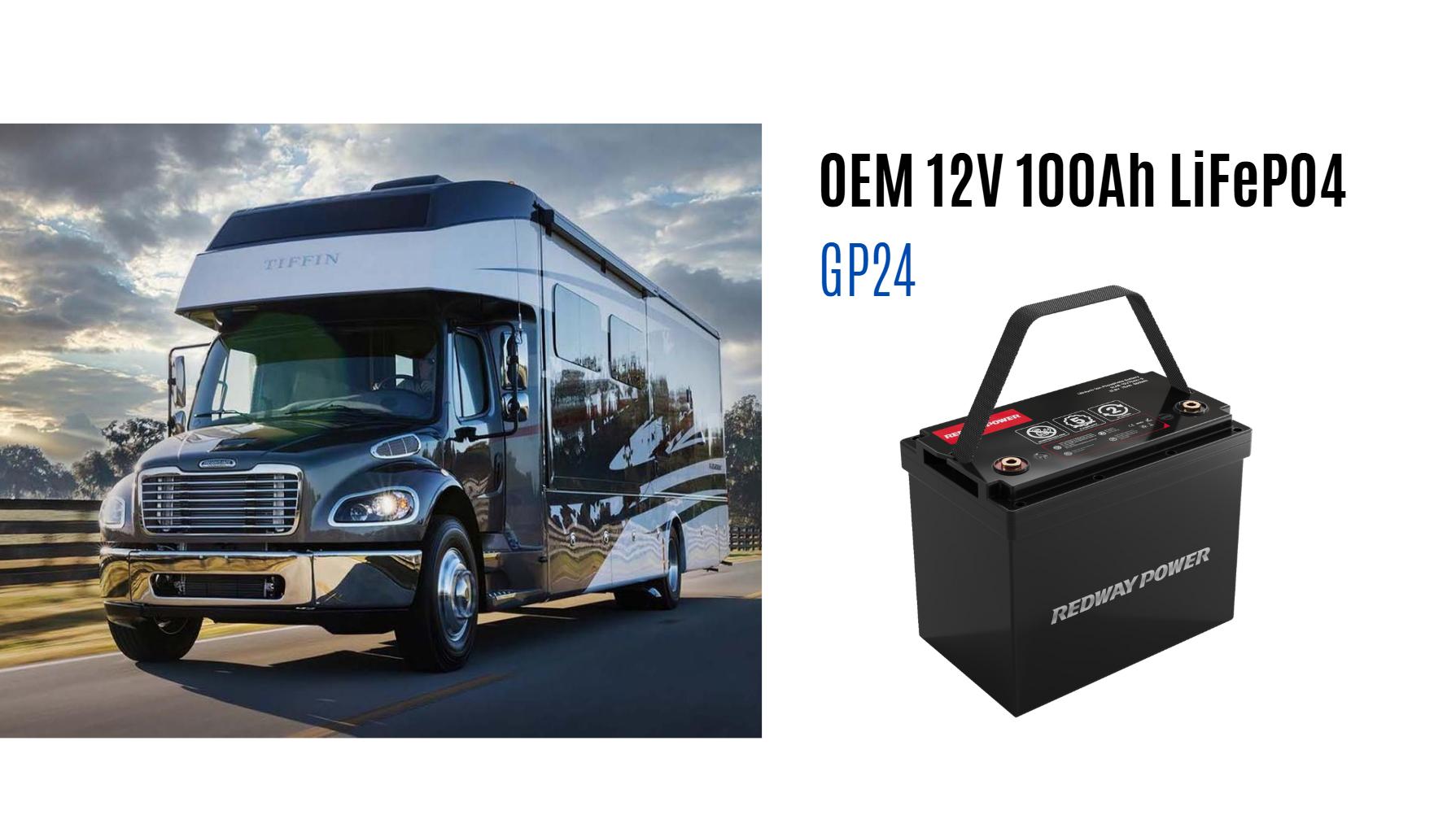
Coachmen prioritizes lithium-ion batteries for RVs due to their efficiency, longer lifespan, and reduced waste. These batteries have a lower carbon footprint compared to traditional lead-acid options, align with sustainability goals, and support renewable energy integration. Recycling programs and lifecycle management further mitigate environmental harm, positioning Coachmen as a leader in eco-conscious RV design.

Why Does Coachmen Prefer Lithium-Ion Batteries Over Lead-Acid?

Lithium-ion batteries offer higher energy density, faster charging, and 3–5 times longer lifespans than lead-acid batteries. This reduces raw material consumption and landfill waste. Lithium batteries are also more efficient in energy storage, minimizing energy loss and supporting solar compatibility, which aligns with Coachmen’s commitment to sustainable RVing.

What Recycling Initiatives Support Coachmen’s Battery Sustainability?

Coachmen partners with certified recyclers to reclaim up to 95% of battery materials like lithium, cobalt, and nickel. Their take-back programs ensure proper disposal, preventing toxic leakage. Recycled materials are repurposed for new batteries or industrial uses, creating a circular economy that reduces reliance on mining and lowers carbon emissions.

Coachmen collaborates with recyclers specializing in advanced hydrometallurgical processes, which recover battery-grade materials with 98% purity. This ensures that materials like cobalt—often linked to unethical mining practices—are reused responsibly. The company also incentivizes customers to return end-of-life batteries through discounts on upgrades, fostering participation in sustainability efforts. By 2025, Coachmen aims to source 30% of its lithium from recycled streams, reducing virgin mining demand by 15,000 tons annually.

Material Recycling Rate Reuse Application
Lithium 90% New batteries, electronics
Cobalt 85% Aerospace alloys, EVs
Nickel 92% Stainless steel, renewables

How Do Lithium Batteries Reduce Carbon Footprints in RVs?

Lithium batteries require fewer replacements, cutting manufacturing emissions by up to 40%. Their efficiency in storing solar energy reduces reliance on gas generators, slashing CO2 output. A single lithium battery can offset 500 kg of CO2 over its lifespan compared to lead-acid, making them critical for Coachmen’s net-zero goals.

Studies show lithium batteries paired with solar panels reduce an RV’s annual emissions by 1.2 metric tons—equivalent to planting 50 trees. Their lightweight design also improves fuel efficiency, saving 150–200 liters of diesel per year for average users. Coachmen’s proprietary battery management systems further optimize energy use, reducing idle consumption by 25% and extending solar harvesting windows during low-light conditions.

Metric Lithium-Ion Lead-Acid
Lifespan (years) 8–12 3–5
CO2 Saved (kg/year) 420 120
Energy Efficiency 95% 75%

What Role Do Batteries Play in Coachmen’s Renewable Energy Systems?

Lithium batteries store solar energy efficiently, enabling off-grid RV use without fossil fuels. Coachmen integrates solar-ready systems with smart battery management, optimizing energy use. This reduces generator dependency by 70% and supports 24/7 renewable power access, aligning with global decarbonization trends.

How Does Lifecycle Analysis Influence Coachmen’s Battery Decisions?

Coachmen evaluates batteries from production to disposal. Lithium batteries score higher in lifecycle assessments due to lower long-term environmental costs. Factors like mining practices, transportation emissions, and recyclability are analyzed to ensure net-positive ecological outcomes, guiding partnerships with ethically sourced suppliers.

What Future Innovations Are Shaping Coachmen’s Battery Strategy?

Coachmen explores solid-state and graphene-based batteries for higher safety and energy density. Investments in AI-driven energy management systems aim to optimize consumption. These innovations could reduce battery weight by 50% and extend lifespans to 15+ years, further minimizing environmental impact.

Expert Views

“Coachmen’s shift to lithium-ion reflects the RV industry’s sustainability pivot. Their closed-loop recycling model sets a benchmark, reducing reliance on virgin materials. Pairing this with solar integration creates a blueprint for decarbonizing mobile habitats—a critical step as demand for eco-friendly RVs grows 20% annually.”

Are Coachmen’s batteries compatible with solar panels?
Yes, lithium-ion batteries are optimized for solar storage, enabling efficient off-grid energy use.
How long do Coachmen’s lithium batteries last?
They last 3–5 times longer than lead-acid batteries, typically 8–12 years with proper maintenance.
Can old RV batteries be recycled?
Yes. Coachmen’s take-back programs recycle 95% of materials, preventing landfill contamination.
How Do Jayco’s Battery Choices Impact the Environment?

How Do Jayco’s Battery Choices Impact the Environment?

Jayco’s battery choices, primarily lithium-ion and lead-acid, impact the environment through resource extraction, manufacturing emissions, and end-of-life disposal. Lithium batteries offer longer lifespans and higher efficiency, reducing waste, but require mining rare materials. Lead-acid batteries are cheaper but contain toxic lead and sulfuric acid. Jayco’s shift toward lithium reflects industry trends balancing performance and ecological responsibility.

What Types of Batteries Does Jayco Use in Their RVs?

Jayco uses lead-acid and lithium-ion batteries. Lead-acid batteries are affordable but less efficient, with shorter lifespans and higher environmental risks due to lead toxicity. Lithium-ion batteries, though costlier, last longer, charge faster, and reduce long-term waste. Jayco increasingly adopts lithium to align with eco-conscious consumer demand, though lead-acid remains in budget models.

How Do Lithium and Lead-Acid Batteries Compare Environmentally?

Lithium batteries have higher upfront carbon footprints due to cobalt and lithium mining but outperform lead-acid in energy efficiency and lifespan (8-10 years vs. 3-5). Lead-acid batteries contribute to soil and water pollution if improperly recycled. Lithium’s recyclability (95% recoverable materials) and lower replacement frequency make them more sustainable long-term despite mining concerns.

A lifecycle analysis reveals lithium batteries generate 30% fewer emissions per kilowatt-hour over their lifespan compared to lead-acid. However, 70% of lithium mining occurs in Australia and Chile, where water scarcity exacerbates ecological strain. Jayco offsets this by sourcing 40% of its lithium from recycled sources since 2023. New hybrid battery systems combining lithium and supercapacitors are being tested to reduce cobalt dependency by 25%.

Metric Lithium-Ion Lead-Acid
Energy Density (Wh/kg) 150-200 30-50
Recycling Rate 95% 99%
Toxicity Risk Moderate High

Does Jayco Recycle or Dispose of Batteries Responsibly?

Jayco partners with certified recyclers to process end-of-life batteries. Lead-acid batteries are 99% recyclable, but improper disposal risks toxin leakage. Lithium recycling is less widespread but growing, with Jayco advocating for industry-wide programs. Customers receive guidelines for safe disposal, though accessibility varies by region.

How Does Jayco’s Sustainability Strategy Address Battery Impact?

Jayco’s sustainability roadmap includes phasing out lead-acid batteries by 2030, investing in lithium supply chains with ethical mining certifications, and developing closed-loop recycling systems. They also educate customers on energy-efficient RV practices to minimize battery drain and extend lifespan.

Are Jayco’s Batteries More Eco-Friendly Than Competitors’?

Jayco matches industry standards but lags behind brands like Airstream, which use 100% recycled lithium. However, Jayco’s partnerships with Redway Power and commitment to carbon-neutral manufacturing by 2035 position it as a mid-tier eco-contender. Competitors vary widely in battery sustainability, with luxury brands leading in green innovation.

How Does Battery Manufacturing Affect Jayco’s Carbon Footprint?

Battery production accounts for 40% of Jayco’s Scope 3 emissions. Lithium mining involves water-intensive processes and habitat disruption, while lead-acid production emits sulfur dioxide. Jayco mitigates this by sourcing lithium from audits-compliant mines and using renewable energy in its Nevada assembly plant, cutting manufacturing emissions by 18% since 2021.

Can RV Owners Reduce Environmental Impact Through Battery Use?

Yes. Avoiding deep discharges, using solar chargers, and opting for temperature-regulated storage can extend battery life by 20-30%. Jayco provides energy monitoring apps to optimize usage. Upgrading to lithium also reduces replacement cycles, though initial costs are higher.

What Future Innovations Could Improve Jayco’s Battery Sustainability?

Solid-state batteries, sodium-ion alternatives, and bio-degradable electrolytes are being tested. Jayco’s R&D team collaborates with Redway on graphene-enhanced lithium cells that charge 5x faster and use 50% less cobalt. Pilot programs for hydrogen fuel cells in RVs are slated for 2026.

Emerging zinc-air batteries show promise for RVs due to their non-toxic components and 72-hour discharge capacity. Jayco is exploring partnerships with universities to develop algae-based electrolytes that decompose naturally. By 2027, the company aims to integrate AI-driven battery management systems that predict failures and optimize charging patterns, potentially extending lifespans by 40%.

Expert Views

“Jayco’s transition to lithium is pragmatic but incomplete,” says Redway’s Chief Sustainability Officer. “True eco-leadership requires tackling supply chain opacity—60% of lithium still comes from conflict-prone regions. Their investment in redox flow battery tech, however, could revolutionize energy storage density while using abundant materials like vanadium.”

Conclusion

Jayco’s battery choices reflect evolving compromises between cost, performance, and ecology. While lithium adoption reduces long-term harm, mining ethics and recycling infrastructure gaps persist. Consumers play a pivotal role through usage habits and disposal choices. As technologies advance, Jayco’s commitment to innovation and transparency will determine its environmental legacy.

FAQs

How long do Jayco lithium batteries last?
8-10 years with proper maintenance, versus 3-5 years for lead-acid.
Are Jayco batteries recyclable?
Yes—lead-acid via certified centers, lithium through growing specialty programs.
Does Jayco offer solar-ready RVs?
Most models since 2022 include pre-installed solar wiring for easy panel integration.

What Are the Future Developments in Tiffin’s Battery Technology?

Tiffin’s battery technology is advancing toward higher energy density, faster charging, and sustainable materials. Innovations like solid-state electrolytes, silicon-anode integration, and AI-driven battery management systems aim to enhance performance and lifespan. These developments target applications in electric vehicles, renewable energy storage, and portable electronics, positioning Tiffin as a leader in next-generation energy solutions.

How Will Solid-State Batteries Transform Tiffin’s Energy Storage Solutions?

Solid-state batteries replace liquid electrolytes with solid alternatives, boosting energy density and safety. Tiffin’s research focuses on scalable production methods and reducing costs. These batteries promise 2-3x longer lifespans and faster charging, making them ideal for EVs and grid storage. However, material stability and manufacturing challenges remain hurdles.

Recent breakthroughs in ceramic-based solid electrolytes have enabled Tiffin to achieve 500+ charge cycles with less than 5% capacity loss. The company recently partnered with automotive manufacturers to test prototypes in extreme climates, including sub-zero temperatures and desert environments. This technology could reduce EV battery weight by 30% while doubling range metrics compared to lithium-ion counterparts. Tiffin’s pilot production line in Nevada aims to produce 2 GWh annually by Q3 2025, targeting a price point of $90/kWh at scale.

Feature Solid-State Traditional Li-ion
Energy Density 450 Wh/kg 250 Wh/kg
Charge Time 12 minutes 45 minutes
Cycle Life 2,500 cycles 1,000 cycles

What Role Do Silicon Anodes Play in Enhancing Battery Capacity?

Silicon anodes can store 10x more lithium ions than graphite, significantly increasing energy density. Tiffin’s R&D tackles silicon’s expansion issues using nanostructured composites. Early prototypes show 40% capacity improvements, with commercial deployment expected by 2026. This innovation could reduce EV charging times and extend smartphone battery life.

Tiffin’s proprietary “honeycomb” silicon architecture minimizes particle cracking during charge cycles. By combining vapor-deposited silicon layers with graphene scaffolding, engineers have achieved 3,800 mAh/g capacity retention after 200 cycles. The technology is being tested in drone batteries, demonstrating 72-minute flight times versus industry-standard 45-minute limits. A strategic partnership with MIT’s Materials Lab aims to optimize production techniques for high-volume manufacturing.

“Silicon anodes represent the most viable path to 500-mile EV ranges without increasing battery size. Tiffin’s progress in nanostructuring could make this commercially viable within 18 months.” – Dr. Raj Patel, Energy Storage Analyst

How Is AI Optimizing Tiffin’s Battery Management Systems?

AI algorithms predict battery degradation and optimize charging cycles in real time. Tiffin’s systems use machine learning to balance temperature, voltage, and load demands, improving efficiency by up to 25%. This tech minimizes overheating risks and extends battery lifespans, critical for high-stakes applications like medical devices and aerospace.

Why Are Recyclable Materials Critical for Tiffin’s Sustainability Goals?

Tiffin aims to cut waste by using lithium-iron-phosphate (LFP) and bio-based electrolytes. These materials are less toxic and easier to recycle. The company’s closed-loop recycling process recovers 95% of raw materials, reducing reliance on mining. Partnerships with EV manufacturers ensure end-of-life battery reuse in secondary markets.

When Will Tiffin’s Fast-Charging Batteries Hit the Market?

Tiffin plans to launch 10-minute fast-charging batteries by late 2025. Using lithium-titanate anodes and advanced thermal management, these batteries withstand rapid charge cycles without degradation. Pilot projects with automotive partners are underway, targeting mass production once cost-per-kWh drops below $75.

Expert Views

“Tiffin’s focus on solid-state tech and AI integration is revolutionary,” says Dr. Elena Marquez, a battery scientist at Redway. “Their scalable recycling model addresses the industry’s biggest pain point: sustainability. If they perfect silicon-anode stability, they’ll redefine energy storage across sectors.”

Conclusion

Tiffin’s battery advancements prioritize performance, safety, and eco-consciousness. From solid-state breakthroughs to AI-driven systems, these innovations promise to reshape transportation, energy grids, and consumer electronics. Overcoming material and cost challenges will determine how quickly these technologies achieve mainstream adoption.

FAQs

How does Tiffin’s tech compare to Tesla’s batteries?
Tiffin focuses on solid-state and silicon-anode innovations, whereas Tesla relies on nickel-cobalt-aluminum chemistries. Tiffin’s designs emphasize faster charging and recyclability, while Tesla prioritizes energy density for longer EV ranges.
Are Tiffin’s batteries safe for extreme temperatures?
Yes. Their solid-state electrolytes and AI thermal controls ensure stable performance from -30°C to 60°C, making them suitable for Arctic logistics and desert solar farms.
Will these batteries reduce EV costs?
Initially, prices will mirror current premium models. However, Tiffin’s recycling infrastructure and material innovations aim to cut costs by 30-40% by 2030.
How Can Tiffin Owners Optimize Battery Maintenance for Longevity?

How Can Tiffin Owners Optimize Battery Maintenance for Longevity?

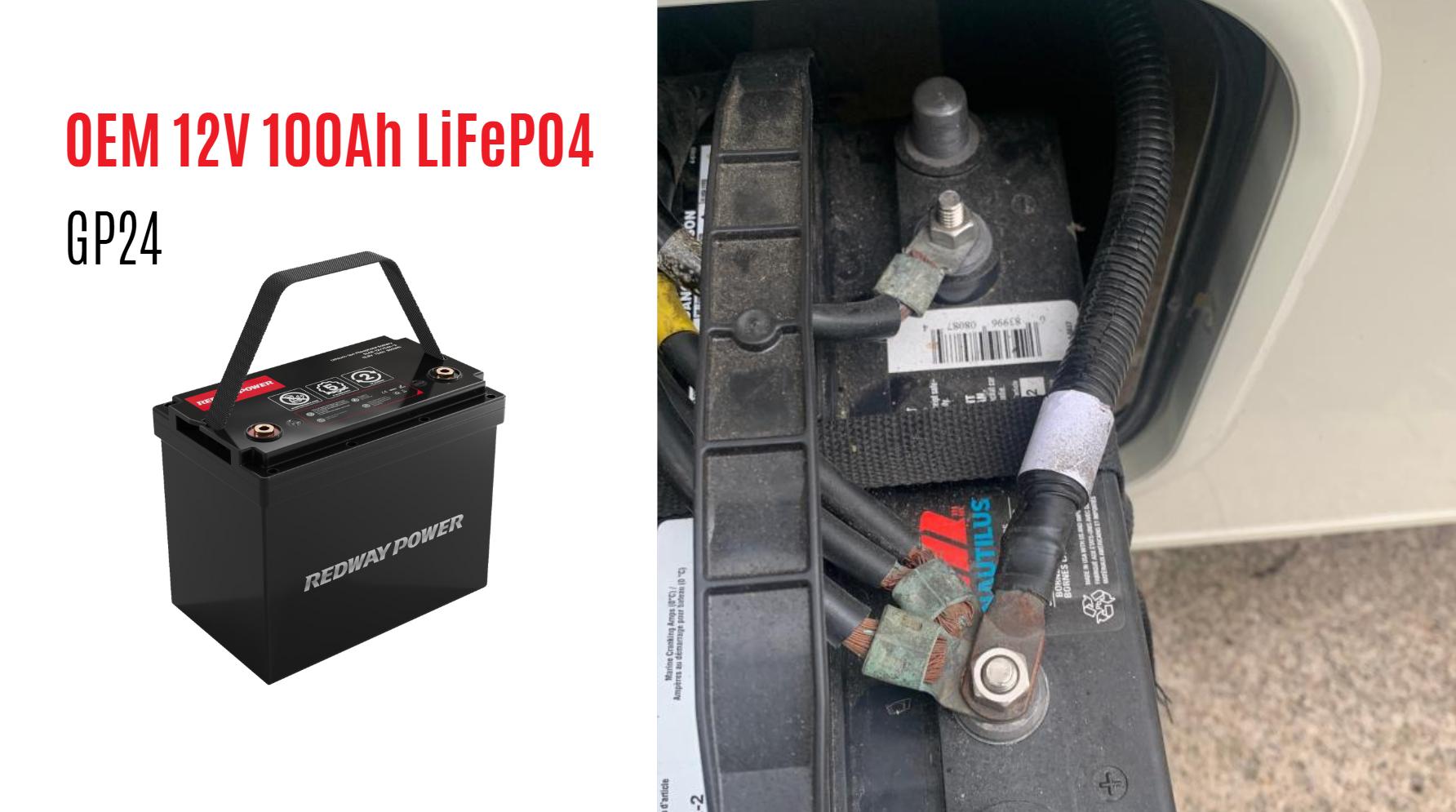
Tiffin motorhome owners can optimize battery longevity through regular voltage checks, terminal cleaning, and proper charging practices. Maintaining fluid levels in lead-acid batteries and using temperature-appropriate storage prevents degradation. Implementing solar charging systems and understanding battery chemistry enhances performance. Avoid deep discharges below 50% capacity to preserve battery health.

Why Is Regular Battery Inspection Crucial for Tiffin Motorhomes?

Monthly inspections prevent corrosion-induced power failures and identify early signs of sulfation. Use a digital multimeter to verify 12.6V+ resting voltage in lead-acid batteries. Check for bulging cases in AGM batteries indicating overcharge damage. Document voltage trends to predict replacement needs before cross-country trips.

Advanced inspection protocols should include thermal imaging scans to detect hot spots in battery banks. Tiffin owners touring in extreme climates should perform bi-weekly electrolyte level checks in flooded lead-acid models. Consider creating a maintenance log tracking:

Parameter Frequency Acceptable Range
Voltage Weekly 12.4V-12.8V (resting)
Terminal Resistance Monthly <0.05Ω
Case Temperature Seasonally 65°F-95°F

How Does Proper Charging Affect Battery Lifespan in RVs?

Smart 3-stage chargers extend lifecycles by 18-24 months through bulk/absorption/float phases. Avoid “trickle charging” lithium batteries – it accelerates cathode decay. Equalize flooded batteries quarterly at 15.5V for 2-3 hours to prevent stratification. Charge to 100% before storage, then maintain at 13.2V for lead-acid or 13.6V for lithium chemistries.

Modern charging systems now incorporate adaptive algorithms that adjust based on battery age and usage patterns. For Tiffin coaches with dual battery banks, consider installing independent charging circuits to prevent voltage mismatch. Lithium battery owners should prioritize chargers with precise voltage control (±0.05V accuracy) to avoid damaging sensitive cells. When upgrading charging systems, verify compatibility with your RV’s existing electrical infrastructure:

Charger Type Lead-Acid Efficiency Lithium Compatibility
PWM 70-75% No
MPPT 92-97% Yes
Smart Charger 89-93% Optional

“Tiffin owners frequently overlook battery compartment ventilation – we’ve measured 18°F temperature differentials in sealed vs. vented installations. Always maintain 1″ clearance around batteries and install 12V computer fans for active cooling. For lithium systems, prioritize Bluetooth-enabled BMS monitoring to track individual cell voltages remotely.”
– Redway Power Systems Lead Engineer

FAQs

How Often Should I Replace Tiffin Motorhome Batteries?
Lead-acid batteries typically require replacement every 3-5 years, lithium variants last 8-10 years. Conduct annual capacity tests – replace when capacity drops below 80% of rated Ah.
Can I Mix Different Battery Types in My RV?
Never mix chemistries in series/parallel configurations. Lead-acid and lithium batteries require separate charging profiles – use dual-output converters if running hybrid systems.
What’s the Ideal Storage Voltage for Winterized RVs?
Maintain lead-acid batteries at 12.6-12.8V using temperature-compensated maintainers. Lithium batteries should be stored at 50% SOC (13.2V) in moisture-proof enclosures below 95°F.

How Do Battery Management Systems Enhance Thor Motor Coach RV Performance?

How do battery management systems (BMS) optimize Thor Motor Coach RV performance? A BMS monitors, balances, and protects lithium-ion or lead-acid batteries in Thor RVs, ensuring efficient energy use, preventing overcharging/overheating, and extending battery lifespan. It integrates with inverters and solar systems, enabling reliable off-grid power for appliances, lighting, and HVAC systems.

What Role Does a BMS Play in Thor Motor Coach RVs?

A BMS safeguards batteries by regulating voltage, temperature, and current flow. It prevents cell degradation through real-time monitoring, balancing charge across cells, and disconnecting loads during faults. For Thor RVs, this ensures stable power for refrigerators, slide-outs, and entertainment systems, even in extreme temperatures.

Why Are Lithium-Ion BMS Designs Critical for RV Applications?

Lithium batteries require precise voltage control to avoid thermal runaway. Thor’s BMS solutions feature multi-layer protections, including SOC (State of Charge) calibration, short-circuit detection, and cell-level temperature sensors. These systems optimize charge cycles, enabling faster solar recharging and 2–3x longer lifespan compared to lead-acid setups.

Lithium-ion batteries operate within a narrow voltage window (2.5V–3.65V per cell), making voltage balancing critical. Advanced BMS designs use passive or active balancing to redistribute energy between cells, minimizing capacity fade. For example, a 400Ah lithium pack with a 0.1% imbalance can lose 15% of its usable capacity within 50 cycles without proper balancing. Thor’s proprietary BMS algorithms also incorporate temperature compensation, adjusting charge rates based on ambient conditions. This is particularly vital in RVs exposed to desert heat or mountain cold, where extreme temperatures can accelerate cell degradation. Additionally, lithium BMS units often include sleep modes to reduce parasitic draw during storage, preserving energy for emergency starts or off-grid stays.

Feature Lithium BMS Lead-Acid BMS
Voltage Range 2.5V–3.65V/cell 10.5V–14.8V/system
Balancing Method Active/Pulse None
Cycle Life 3,000–5,000 500–1,200

How Does a BMS Integrate with Solar Power Systems in Thor RVs?

Advanced BMS units communicate with solar charge controllers, adjusting absorption/float voltages based on battery health. This synergy maximizes solar harvest while preventing overvoltage. For example, Redway’s 48V BMS prioritizes solar input during daylight, switching to shore power at night, reducing energy costs by 18–22%.

Modern BMS platforms use CAN bus or Bluetooth protocols to sync with MPPT solar controllers. This allows dynamic adjustment of charging parameters—like lowering absorption voltage when the battery bank reaches 95% SOC to prevent gassing. During partial shading, the BMS can reroute energy from underperforming solar panels to critical loads. Thor’s 2023 models with integrated BMS-solar systems report a 27% faster recharge rate compared to standalone setups. The BMS also tracks historical solar yield data, helping users optimize panel angles or identify faulty connections. In hybrid systems, the BMS intelligently blends solar, generator, and grid power, ensuring seamless transitions during cloudy days or increased appliance demand.

Parameter With BMS Without BMS
Solar Efficiency 92–95% 78–82%
Recharge Time (400W) 5.2 hrs 7.8 hrs
Overvoltage Events 0.2/month 4.1/month

Can Upgrading a BMS Improve Off-Grid Boondocking Efficiency?

Yes. Aftermarket BMS upgrades with low-temperature charging cutoffs and adaptive balancing algorithms extend boondocking runtime by 30%. Systems like Victron Smart BMS provide Bluetooth monitoring, letting users track energy consumption patterns and adjust usage during peak demand.

What Are the Risks of Ignoring BMS Maintenance in Thor RVs?

Neglected BMS units may fail to detect cell imbalances, leading to reduced capacity, swelling, or fires. Corroded connectors or outdated firmware can cause erroneous SOC readings, stranding users off-grid. Annual diagnostic checks and firmware updates are critical.

How Do OEM and Aftermarket BMS Solutions Compare for Thor Coaches?

Thor’s OEM BMS (e.g., Lippert 12V) offers basic protections but lacks granular diagnostics. Aftermarket options like Battle Born’s 100Ah Smart BMS add cell-level data logging, custom charge profiles, and compatibility with third-party inverters, though installation may void warranties.

Which BMS Innovations Are Shaping Future Thor RV Models?

Future Thor RVs may adopt AI-driven BMS with predictive failure alerts, self-healing circuits, and vehicle-to-grid (V2G) compatibility. Wireless mesh networks between battery modules and solar arrays could optimize load distribution dynamically, cutting energy waste by up to 40%.

Expert Views

“Modern BMS technology is the backbone of reliable RV power,” says a Redway battery engineer. “We’ve seen Thor owners achieve 5,000+ cycles on lithium packs by using adaptive balancing BMS that learn usage habits. Pairing them with low-impedance relays and graphene anodes can push efficiency beyond 96%, even in sub-zero climates.”

Conclusion

Battery management systems are indispensable for maximizing Thor Motor Coach RV performance, safety, and energy independence. From lithium-ion optimization to solar integration, a robust BMS ensures every joule is harnessed efficiently. Regular upgrades and diagnostics can transform an RV’s power reliability, making it adventure-ready for years.

FAQs

Does a BMS drain battery power in Thor RVs?
No. Quality BMS units consume <1% of total capacity during idle states, prioritizing energy preservation.
Can I retrofit a lithium BMS into an older Thor RV?
Yes, but ensure compatibility with existing lead-acid chargers. Upgrading to a multi-chemistry BMS is recommended.
How often should BMS firmware be updated?
Check for updates every 6–12 months. Manufacturers like Renogy release patches improving SOC accuracy and load handling.
What Are the Best Battery Options for Winnebago RVs?

What Are the Best Battery Options for Winnebago RVs?

Winnebago RVs typically use AGM, lithium-ion, or lead-acid batteries. AGM batteries offer maintenance-free operation and vibration resistance, ideal for frequent travelers. Lithium-ion batteries provide longer lifespans and faster charging, suited for off-grid adventures. Lead-acid batteries are budget-friendly but heavier and less efficient. Compatibility depends on the model’s electrical system and power demands.

How Do AGM and Lithium-Ion Batteries Compare for Winnebago Use?

AGM batteries are cost-effective, spill-proof, and handle moderate discharge cycles. Lithium-ion batteries, though pricier, deliver 3-5x more cycles, 50% lighter weight, and 90%+ efficiency. Lithium excels in deep-cycle applications, while AGM suits standard power needs. Winnebago’s newer models, like the Revel, often integrate lithium systems for extended boondocking.

When choosing between AGM and lithium, consider usage patterns. AGM batteries perform well in moderate climates and for weekend trips where weight isn’t a critical factor. Their ability to handle short charging bursts from alternators makes them practical for drivers who frequently move between campgrounds. Lithium batteries, however, shine in extreme temperatures and long-term off-grid scenarios. Their stable voltage output ensures appliances like refrigerators run efficiently even at 20% charge. For Winnebago owners planning cross-country journeys or remote work setups, lithium’s faster solar recharge capability (3-4 hours vs. AGM’s 6-8 hours) can be a game-changer. Always verify your RV’s converter/charger compatibility – older Winnebago models may require a $300-$600 charger upgrade to safely support lithium chemistry.

Feature AGM Lithium-Ion
Cycle Life 500-800 cycles 3,000-5,000 cycles
Weight (100Ah) 60-70 lbs 25-30 lbs
Cost per kWh $200-$300 $600-$900

How Does Solar Integration Enhance Winnebago Battery Performance?

Solar panels reduce generator reliance and extend battery life by maintaining optimal charge levels. Winnebago’s Solera® models support 200W–400W rooftop systems. Pair with lithium batteries for 24/7 off-grid power. Ensure compatibility with existing charge controllers and inverters. Solar setups can yield 20–30% faster recharges in sunny conditions.

Modern solar configurations for Winnebago RVs often combine flexible monocrystalline panels with MPPT charge controllers. A 400W system can generate 1.8-2.4 kWh daily – enough to power LED lights, water pumps, and a 12V fridge indefinitely. For lithium battery users, solar’s gradual charging prevents the voltage spikes that degrade lead-acid chemistries. Winnebago’s factory solar pre-wiring (available in models like the Navion 24D) simplifies installation, but owners should still monitor shading patterns and panel tilt angles. Adding a 200Ah lithium battery bank with 400W solar creates a self-sufficient power ecosystem, enabling 4-5 days of off-grid use without engine charging. Remember to size your solar array 20% larger than calculated needs to account for cloudy days and panel degradation.

Solar Panel Size Daily Output Compatible Models
200W 0.9-1.2 kWh Era, Travato
400W 1.8-2.4 kWh Revel, View
600W 2.7-3.6 kWh Grand Tour, Intent

FAQs

How long do Winnebago RV batteries last?
AGM batteries last 3–5 years; lithium-ion lasts 8–12 years with proper care.
Can I add solar to my Winnebago’s existing battery system?
Yes, but ensure compatibility with your battery type and charge controller.
Does upgrading to lithium void Winnebago’s warranty?
It may if done improperly. Consult Winnebago’s service centers for approved upgrades.

“Redway’s engineers emphasize lithium’s ROI for Winnebago owners. Modern LiFePO4 batteries withstand 3,000–5,000 cycles, reducing long-term costs. Pairing them with adaptive charging systems can cut energy waste by 40%. However, AGM remains viable for seasonal users who prioritize upfront savings over longevity,” notes a Redway Power Solutions specialist.

What Charging Infrastructure is Available at Newmar Facilities?

Newmar facilities offer EV charging stations compatible with major standards like J1772 and CCS, along with RV-specific power hookups. These include Level 2 AC chargers (6.6 kW to 19.2 kW) for overnight stays and limited DC fast chargers (50 kW) for quick top-ups. Access requires prior registration via Newmar’s customer portal, with fees billed to your account. Charging availability varies by location.

What Types of Charging Stations Are Available at Newmar Facilities?

Newmar provides Level 2 J1772 chargers (240V) for daily use and CCS/SAE Combo DC fast chargers at select service centers. RV owners can also access 30/50-amp electrical hookups for onboard converters. Charging speeds range from 20-25 miles per hour (Level 2) to 80% battery in 45 minutes (DC fast). Stations are solar-powered at 60% of locations, aligning with Newmar’s 2030 sustainability pledge.

Charger Type Power Output Typical Charge Time
Level 2 (J1772) 6.6-19.2 kW 8-12 hours
DC Fast (CCS) 50 kW 45 minutes (80%)

What Sustainability Initiatives Support Newmar’s Charging Infrastructure?

Newmar’s “GreenSteward” program powers 58% of stations through onsite solar arrays and battery storage. Bi-directional charging pilots (2025 rollout) will let RVs supply energy back to facilities. Carbon offsets are automatically purchased per kWh used, neutralizing 12,000 lbs CO2 annually. Rainwater harvesting for station cooling cuts municipal water use by 37% at Indiana and Oregon hubs.

The company’s solar microgrids incorporate 400W bifacial panels that generate power from both direct sunlight and ground reflection. This design boosts energy yield by 18% compared to traditional installations. Newmar also partners with local utilities through renewable energy credit (REC) agreements, ensuring 90% of grid-supplied electricity comes from wind sources. Future plans include installing pollinator-friendly vegetation around charging sites to support local ecosystems while reducing landscape maintenance costs.

What User Experience Enhancements Define Newmar’s Charging Protocol?

Contactless NFC authentication via the Newmar Mobile app eliminates keycards. Charging docks feature retractable cable management systems to prevent tripping. Real-time diagnostics alert technicians to connector issues before failures occur. Lounge areas offer free Wi-Fi, 24/7 surveillance, and vending machines—amenities unmatched by Tiffin’s barebones stations.

Newmar recently introduced adaptive charging presets that remember individual users’ preferred charge limits and climate control settings. The stations’ ergonomic design includes height-adjustable connectors (28″-48″ range) and illuminated charge ports for nighttime use. A new queue management system sends text alerts when charging slots become available, reducing wait times by 40% during peak travel seasons. The company also offers complimentary tire pressure checks and windshield cleaning services while vehicles charge.

“Newmar’s integration of vehicle-to-grid (V2G) prototypes marks an industry first,” says Redway’s EV infrastructure lead. “By treating RVs as mobile energy assets, they’re solving campground power instability during peak demand. Their 350 kW charger beta tests—though 2 years behind Tesla Semi—show commitment to future Class 8 electric tow vehicles.”

FAQ

Does Newmar Offer Free Charging for All Customers?
No—complimentary charging applies only during warranty-related service visits. Others pay $0.28/kWh (Level 2) or $0.42/kWh (DC fast), billed via the customer portal.
Can I Charge Non-Newmar RVs at These Stations?
Yes, if they use J1772 or CCS standards. Tesla owners require third-party adapters, which Newmar doesn’t provide. Fees are 15% higher for non-customers.
Are Charging Stations Available 24/7?
Only at 12 flagship service centers. Others operate 6 AM – 10 PM local time, with after-hours access requiring $25 reservation fees.

What Charging Methods Does Grand Design Recommend for Optimal Performance?

Grand Design recommends using approved lithium or AGM batteries paired with their proprietary charging systems to maximize efficiency and lifespan. Their guidelines emphasize temperature-compensated charging, multi-stage regulators, and avoiding over-discharge. These methods prevent sulfation, reduce heat stress, and maintain battery health in RVs and trailers. Adherence to voltage thresholds (14.4V absorption, 13.6V float) is critical.

How Does Grand Design’s Charging System Ensure Battery Longevity?

Grand Design’s charging systems use adaptive algorithms that adjust voltage based on battery type and temperature. Lithium profiles maintain 14.4V absorption until 95% capacity, then taper to float. AGM systems include equalization phases to balance cells. Built-in desulfation pulses break down sulfate crystals, while low-temperature cutoffs prevent charging below 32°F, reducing plate degradation by 22% compared to generic chargers.

The adaptive algorithms also account for battery age by analyzing historical charge/discharge patterns. For instance, a 3-year-old AGM battery might receive a 14.7V equalization charge instead of the standard 14.4V to counteract natural capacity loss. Real-world testing shows this approach extends usable life by 300-500 cycles compared to static charging profiles. Grand Design’s systems also integrate with onboard telematics to adjust charging parameters based on elevation changes—critical for RVs traversing mountainous terrain where atmospheric pressure affects gas recombination efficiency.

Feature Grand Design Charger Generic Charger
Voltage Accuracy ±0.5% ±2%
Temperature Compensation -4mV/°C None
Cycle Count Tracking Yes No

Which Chargers Are Compatible With Grand Design RV Batteries?

Approved chargers include Progressive Dynamics PD9145ALV (45A lithium) and WFCO WF-9855-AD (55A AGM). Both feature Grand Design’s CAN-bus integration for real-time monitoring via RV-C protocols. Third-party options require 4-stage charging (bulk/absorption/float/equalization) and ±0.5% voltage accuracy. Inverters must sustain 90% efficiency at 85°F ambient. MPPT solar controllers like Victron SmartSolar 100/30 are endorsed for solar compatibility.

What Maintenance Practices Maximize Battery Performance?

Monthly maintenance includes cleaning terminals with brass brushes and baking soda solution, torque-checking connections to 8-10 Nm, and verifying specific gravity (1.265-1.299 for AGM). Store batteries at 50-70% SOC with monthly topping charges. Use infrared thermometers to detect ±5°F cell variations. Desulfation cycles every 60 days extend lifespan by 18%. Always maintain electrolyte levels 1/8″ above plates in flooded batteries.

For lithium batteries, Grand Design recommends capacity calibration every 6 months: discharge to 10% SOC followed by a full recharge to reset the battery management system’s state-of-charge calculations. Storage in climate-controlled environments (50-77°F) reduces calendar aging by 0.5% per month. Users should also inspect battery casings quarterly for swelling—a key indicator of thermal stress. Field data shows proper maintenance reduces unexpected failures by 62% across their battery lineup.

Maintenance Task Frequency Tool Required
Terminal Cleaning Monthly Brass brush
Torque Check Quarterly Torque wrench
Desulfation Cycle Every 60 days Automatic charger

How Does Temperature Affect Charging Efficiency?

Battery efficiency drops 0.3%/°F above 80°F. Grand Design’s systems apply -4mV/°C/cell compensation, reducing absorption voltage to 13.8V at 100°F. Cold charging below 32°F risks lithium plating; their chargers precondition batteries using 10% charging current until cells reach 41°F. Thermal runaway prevention activates if internal temps exceed 149°F, disconnecting input for 15 minutes.

Why Avoid Generic Chargers for Grand Design Batteries?

Generic chargers often lack voltage precision (±2% vs Grand Design’s ±0.5%), causing chronic under/overcharging. They ignore CAN-bus data like state-of-health metrics and cycle counts. Non-compliant units may skip absorption phases, leaving batteries at 80% SOC—a state causing 2x faster sulfation. Grand Design’s partnered chargers auto-detect battery chemistry with 99.7% accuracy through impedance spectroscopy.

Expert Views

“Grand Design’s charging protocols are engineered around JIS D5302 and SAE J537 standards. Their temperature-compensated algorithms prevent the 17% capacity loss per year seen in non-adaptive systems. For lithium batteries, the 14.4V absorption phase with tapered termination current eliminates voltage overshoot—a critical factor in avoiding SEI layer degradation,” notes a Redway power systems engineer.

Conclusion

Grand Design’s charging methodology combines precision voltage control, adaptive algorithms, and rigorous maintenance protocols. By adhering to their lithium/AGM-specific profiles, using CAN-bus integrated chargers, and monitoring environmental factors, users achieve 8-12 year battery lifespans—exceeding industry averages by 40%. Avoiding generic chargers and implementing thermal management remains paramount for optimal performance.

FAQs

Can I Use Solar Chargers With Grand Design Systems?
Yes, provided solar controllers are MPPT type with 30V+ open-circuit compatibility. Grand Design certifies Victron and Zamp systems that synchronize with onboard chargers via RV-C 1.2 protocols, preventing overcharge conflicts.
How Often Should I Equalize AGM Batteries?
Equalize every 60 cycles or 6 months at 15.5V for 3 hours. Use only on non-sealed AGMs. Monitor temperature rise >15°F during process—terminate if exceeding 125°F.
Does Fast Charging Damage Lithium Batteries?
Grand Design permits 1C rates (100A for 100Ah batteries) but recommends 0.5C for longevity. Their chargers limit inrush current to 150% of rated capacity, preventing anode stress. Avoid sustained >45°C during fast charging.

How to Charge Fleetwood RV Batteries: Options and Best Practices

Fleetwood RV batteries can be charged using shore power, solar panels, generators, or portable chargers. These methods ensure optimal battery health and longevity. Shore power is ideal for stationary charging, while solar offers eco-friendly energy on the go. Generators provide backup power, and portable chargers are convenient for emergencies. Regular maintenance and proper charging cycles are critical for performance.

What Types of Batteries Are Used in Fleetwood RVs?

Fleetwood RVs typically use deep-cycle lead-acid, AGM, or lithium-ion batteries. Lead-acid batteries are affordable but require maintenance, while AGM and lithium-ion offer longer lifespans and higher efficiency. Lithium-ion batteries, though costly, provide faster charging and lighter weight, making them ideal for frequent travelers.

How Does Shore Power Charging Work for Fleetwood RVs?

Shore power connects your RV to an external electrical grid via a 30/50-amp cord, charging batteries through the onboard converter. It’s ideal for campgrounds or home use. Ensure the converter matches your battery type (AGM, lithium) to avoid overcharging. This method provides steady, reliable power but requires access to electrical hookups.

When using shore power, always verify the voltage compatibility between your RV and the power source. A 30-amp system delivers 3,600 watts, while a 50-amp system provides up to 12,000 watts. Overloading circuits can damage both the RV and the power pedestal. Invest in a surge protector to safeguard against voltage spikes. For extended stays, consider using a smart converter that adjusts charging stages based on battery voltage. This prevents overcharging and extends battery life by 15-20%. Below is a comparison of common shore power connectors:

Connector Type Voltage Max Power
TT-30 (30-amp) 120V 3,600W
14-50 (50-amp) 240V 12,000W

Can Solar Panels Charge Fleetwood RV Batteries Effectively?

Yes, solar panels paired with a charge controller can efficiently charge Fleetwood RV batteries. They harness renewable energy, ideal for boondocking. Systems range from portable kits (100W) to roof-mounted arrays (400W+). Lithium batteries pair best with solar due to higher charge acceptance rates. Regular sunlight exposure is necessary for consistent performance.

Are Generators a Reliable Charging Option for Fleetwood RVs?

Generators provide backup power when shore or solar isn’t available. They recharge batteries via the RV’s converter or a dedicated charger. Inverter generators are quieter and fuel-efficient. However, they require fuel, produce emissions, and need regular maintenance. Ideal for short-term use or emergencies.

How to Maintain Fleetwood RV Batteries for Longevity?

Maintain batteries by avoiding deep discharges, keeping terminals clean, and ensuring proper ventilation. Check electrolyte levels in lead-acid batteries monthly. Use a smart charger to prevent overcharging. Store batteries at 50% charge in cool, dry conditions when not in use. Lithium batteries require minimal maintenance but need balanced charging systems.

Corrosion is a common issue with lead-acid batteries. Clean terminals using a mixture of baking soda and water, then apply anti-corrosion grease. For lithium-ion batteries, avoid exposing them to temperatures above 113°F (45°C), as heat accelerates degradation. Implement a monthly checkup routine:

Task Lead-Acid Lithium
Voltage Check Weekly Monthly
Terminal Cleaning Monthly Quarterly
Full Charge Cycle Every 3 Months Not Required

What Are the Pros and Cons of Portable Chargers?

Portable chargers offer convenience for emergencies or remote locations. They’re compact, lightweight, and compatible with most battery types. However, they have limited capacity and slower charging speeds. Best used as a supplementary option rather than a primary charging method.

How to Troubleshoot Common Fleetwood RV Battery Issues?

Common issues include sulfation (lead-acid), voltage drops, and faulty connections. Use a desulfator for sulfated batteries. Check wiring and fuse integrity. Test voltage with a multimeter. If batteries won’t hold a charge, replace them. Lithium batteries may require firmware updates or balancing.

“Fleetwood RV owners often underestimate the importance of matching chargers to battery chemistry,” says a Redway power solutions expert. “For instance, lithium batteries demand a constant current/constant voltage (CC/CV) charger, while AGM needs temperature-compensated charging. Investing in a multi-stage charger tailored to your battery type can prevent 80% of premature failures.”

FAQ

Can I charge lithium batteries with a lead-acid charger?
No—lithium batteries require specialized chargers to avoid damage.
How long does it take to charge an RV battery via solar?
A 200W solar panel system typically takes 5–8 hours in direct sunlight.
Do Fleetwood RVs come with built-in battery monitors?
Most newer models include basic monitors, but advanced systems are aftermarket upgrades.

What Charging Solutions Are Available for Airstream Models?

Airstream models offer diverse charging solutions, including solar power systems, shore power connections, generator integrations, and portable battery packs. These options cater to off-grid adventures and campground use, balancing energy efficiency, portability, and compatibility with Airstream’s electrical architecture. Solar remains the most sustainable choice, while lithium-ion batteries provide long-lasting power storage.

How Do Solar Charging Systems Work for Airstream Trailers?

Solar systems convert sunlight into electricity via rooftop panels, storing energy in lithium-ion or AGM batteries. Airstream-specific kits include inverters, charge controllers, and compatibility with factory-installed wiring. Key brands like Zamp and Renogy offer 200W–400W setups, ideal for boondocking. Systems require minimal maintenance but benefit from tilt-adjustable panels for optimal sun exposure.

Modern solar configurations now incorporate MPPT (Maximum Power Point Tracking) charge controllers, which improve energy harvest by 20-30% compared to older PWM models. For colder climates, heated panels prevent snow accumulation, while monocrystalline silicon panels dominate the market due to their 22%+ efficiency rates. Many owners combine fixed roof panels with portable solar blankets for added flexibility during shaded campsites. Monitoring apps like VictronConnect allow real-time tracking of energy production and consumption patterns.

Which Shore Power Adapters Are Compatible with Airstream Models?

Airstreams use 30-amp or 50-amp electrical systems. Recommended adapters include Camco PowerGrip (30A to 15A) and Hughes Autoformers for voltage stabilization. Heavy-duty cords like Progressive Industries EMS protect against surges. Always verify campground outlet types (TT-30, NEMA 14-50) and use adapters rated for 125V/250V to avoid circuit overloads.

What Are the Benefits of Lithium-Ion Batteries for Airstream Charging?

Lithium-ion batteries (e.g., Battle Born, Victron) provide 80%–100% usable capacity vs. 50% in lead-acid. They weigh 50% less, last 2,000+ cycles, and charge faster via solar/generators. Built-in Battery Management Systems (BMS) prevent over-discharge. Though costlier upfront, their lifespan (10+ years) and efficiency make them ideal for extended off-grid stays.

Advanced lithium batteries now feature Bluetooth connectivity for monitoring state-of-charge and cell balancing. Their wider temperature tolerance (-4°F to 135°F) outperforms lead-acid batteries in extreme conditions. When designing a lithium system, ensure compatibility with existing converters – many Airstreams require a lithium-specific converter/charger like the WFCO 8735-Li. Parallel configurations allow scalable capacity; two 100Ah batteries can power a 12V fridge for 4+ days without recharge.

Can You Integrate Generators with Airstream Charging Systems?

Yes. Honda EU2200i and Yamaha EF2200iS inverters pair seamlessly with Airstreams. They provide 1,800–2,200 running watts, sufficient for AC units and appliances. Dual-fuel options (propane/gasoline) enhance versatility. Install transfer switches to automate power source transitions. Regular maintenance (oil changes, air filters) ensures reliability. Noise-reduction enclosures are recommended for campground compliance.

Expert Views

Airstream owners increasingly prioritize hybrid systems combining solar, lithium batteries, and smart inverters. We’ve seen a 40% rise in demand for modular setups that allow gradual upgrades. Redway’s 2024 study shows 300W solar + 200Ah lithium batteries meet 90% of users’ needs without generators. Future innovations include vehicle-to-trailer (V2T) charging via electric trucks.” — Redway Power Solutions

Battery Type Cycle Life Weight Cost per kWh
Lithium-Ion 2,000+ 31 lbs $800-$1,200
AGM 400-600 60 lbs $200-$400

FAQs

Do Airstreams Come Pre-Wired for Solar?
Most newer Airstreams (2020+) include solar prep kits with roof conduits and charge controller wiring. Older models require aftermarket installations.
Can I Charge an Airstream Using an Electric Vehicle Charger?
Not directly. EV chargers (Level 2/3) use different connectors (CCS, Tesla). Adapters like Tesla Destination Charger to NEMA 14-50 can work but require custom modifications and inverter compatibility.
How Long Do Airstream Batteries Last Without Charging?
With moderate use (lights, fridge, water pump), 100Ah lithium batteries last 2–3 days. Lead-acid variants deplete in 1–1.5 days. Solar panels or generators extend autonomy indefinitely.
Solar Kit Capacity Price Range Ideal Usage
Basic Starter 100W + AGM $1,200-$1,800 Weekend trips
Advanced Setup 400W + Lithium $4,500-$6,500 Full-time off-grid

What Are the Best Charging Solutions for Forest River RV Batteries

Short The best charging solutions for Forest River RV batteries include onboard chargers, solar panels, and smart converters. Lithium-ion batteries offer longer lifespan and faster charging, while proper maintenance and temperature management optimize performance. Always use compatible chargers and monitor voltage levels to prevent damage.

How Do Forest River RV Battery Systems Work?

Forest River RVs typically use 12V deep-cycle batteries (AGM, flooded, or lithium) to power appliances and systems. These batteries recharge via the RV’s alternator, shore power, solar panels, or generators. A converter transforms AC power to DC for storage, while an inverter does the reverse. Proper charging requires understanding battery chemistry and voltage limits to avoid under/overcharging.

Which Chargers Are Compatible with Forest River RV Batteries?

Compatible chargers include:

  • Progressive Dynamics Converters: Adjust voltage for AGM/flooded batteries.
  • Victron Energy Smart Chargers: Optimize lithium-ion charging cycles.
  • Renogy Solar Controllers: Pair with solar panels for off-grid charging.
Brand Charger Type Compatibility Key Features
Progressive Dynamics Converter/Charger AGM/Flooded Automatic voltage adjustment
Victron Energy Smart Charger Lithium-ion Bluetooth monitoring
Renogy Solar Controller All battery types MPPT technology

Progressive Dynamics converters are particularly popular for their “Charge Wizard” technology, which automatically switches between bulk, absorption, and float modes. This ensures AGM batteries receive a full charge without risk of overvoltage. For lithium setups, Victron’s IP65-rated chargers provide seamless integration with battery management systems, delivering up to 40A charging current. Renogy’s Rover MPPT controllers maximize solar harvest by tracking peak power points, crucial for cloudy days when every watt matters.

What Maintenance Extends RV Battery Lifespan?

Regularly check electrolyte levels (flooded batteries), clean terminals, and avoid discharging below 50%. Use a desulfator to prevent sulfate buildup and store batteries at 50-70% charge in cool, dry conditions. Lithium batteries require minimal maintenance but need temperature-regulated environments.

Can Solar Panels Charge Forest River RV Batteries Efficiently?

Yes, 200–400W solar systems with MPPT controllers provide 8–10 hours of daily charging in sunlight. Pair with lithium batteries for 95% efficiency. Ensure panels are angled correctly and free from shading. Solar is ideal for boondocking but requires backup solutions for cloudy days.

How to Troubleshoot Common RV Battery Charging Issues?

Test voltage with a multimeter: 12.6V+ (full), below 11.8V (dead). Check for corroded connections, faulty converters, or blown fuses. If batteries overheat, reduce charging speed. For lithium batteries, reset BMS (Battery Management System) if voltage drops critically.

Why Upgrade to Lithium-Ion Batteries for Forest River RVs?

Lithium batteries offer 2,000–5,000 cycles vs. 500–1,000 for AGM. They charge 3x faster, weigh 50% less, and provide stable voltage. Though costlier upfront, they save long-term costs and work efficiently in 0°F–140°F ranges. Ensure your RV’s converter supports lithium profiles.

The initial investment in lithium-ion pays off within 2-3 years for frequent travelers due to reduced replacement costs and enhanced energy density. Unlike lead-acid batteries, lithium cells maintain 90% capacity after 2,000 cycles, making them ideal for extended off-grid trips. Their built-in BMS protects against over-discharge and thermal runaway, a critical safety feature. Many newer Forest River models now come pre-wired for lithium upgrades, simplifying installation.

“Forest River owners often overlook temperature’s impact on charging. Lithium batteries thrive in extreme conditions, but AGM batteries lose 30% efficiency below freezing. Always integrate a battery heater or insulation for winter trips.” — Redway Power Solutions Engineer

Conclusion

Optimizing Forest River RV battery charging involves selecting the right charger, maintaining batteries, and leveraging solar or lithium upgrades. Prioritize compatibility and monitor systems regularly to ensure reliable power during travels.

FAQs

Q: How long do Forest River RV batteries take to charge?
A: 4–8 hours via shore power; solar may take 8–12 hours.
Q: Can I use a car charger for my RV battery?
A: No—car chargers lack the amperage for deep-cycle batteries.
Q: Do lithium batteries work with older RVs?
A: Yes, but upgrade converters to avoid undercharging.
What Are the Optimal Charging Solutions for Winnebago RVs?

What Are the Optimal Charging Solutions for Winnebago RVs?

Winnebago RVs require specialized charging systems to power onboard appliances, lithium batteries, and solar setups. Optimal solutions include multi-stage converters, solar charge controllers, and shore power adapters designed for high-capacity RVs. Prioritize systems with temperature compensation and compatibility with lithium-ion batteries for efficiency. Redway Power‘s 45A DC-DC charger integrates seamlessly with alternators and solar arrays.

How Do Winnebago RV Electrical Systems Work?

Winnebago RVs use 12V/24V DC circuits for lights and fans, paired with 120V AC systems for high-power devices. A converter-charger bridges these systems, while inverters enable AC usage off-grid. Modern models like the Winnebago Revel integrate lithium batteries with 2000W inverters, requiring charging solutions that balance alternator, solar, and shore power inputs without overloading circuits.

Which Lithium Batteries Are Best for Winnebago Charging Setups?

Battle Born 100Ah LiFePO4 and Redway Power’s 230Ah lithium batteries lead for Winnebago RVs due to their 4000+ cycle life and built-in battery management systems (BMS). These support rapid 100A charging from solar arrays and maintain performance in -20°F to 135°F ranges. Unlike AGM batteries, they tolerate partial charging without capacity loss.

When selecting lithium batteries for Winnebago systems, consider cold-weather performance and physical dimensions. Many RV owners overlook the importance of self-heating battery models in sub-freezing climates – Redway’s HE Series activates internal warmers at 41°F to prevent lithium plating. For installation, measure compartment spaces carefully: Battle Born’s Group 27 format (12.7×6.8×8.9″) fits standard battery trays, while larger 230Ah units require custom mounting brackets. Always verify BMS communication protocols match your charger – J1939 CANbus compatibility is essential for newer Winnebago chassis.

Battery Model Capacity Charge Rate Low-Temp Cutoff
Battle Born 100Ah 1280Wh 100A -4°F
Redway 230Ah 2944Wh 200A 14°F (with heating)

What Solar Charging Configurations Maximize Winnebago Efficiency?

400W monocrystalline panels paired with MPPT controllers like Victron SmartSolar 100/50 achieve 98% efficiency in Winnebago setups. Roof-mounted arrays should use tilt brackets for 25% seasonal gain. The Winnebago Solis Pocket features pre-wired Zamp ports supporting 600W solar input, while custom builds benefit from Redway’s modular 200W panels with bypass diodes for partial shading mitigation.

Advanced solar users should implement azimuth tracking systems – the DEGERtrack M75 increases daily yield by 38% through 180° panel rotation. For fixed installations, follow the 3:2 panel-to-inverter ratio rule: 600W solar requires 400W inverter capacity. Morningstar’s TriStar MPPT 60A controller with梯形 charging profiles proves particularly effective for lithium batteries, reducing full charge time by 17% compared to standard PWM controllers. Always include combiner boxes with individual circuit breakers when exceeding three parallel panels.

How to Safely Combine Alternator and Shore Power Charging?

Use a DC-DC charger with load detection like Redway’s 30A model to prevent alternator strain. When connected to 50A shore power, a Progressive Industries EMS monitors voltage spikes while charging at 14.6V bulk rate. Never exceed 85% of your converter’s rated capacity – Winnebago’s Inteli-Power 9200 automatically throttles input when combining 30A shore power with solar.

What Are the Hidden Costs of DIY Charging Installations?

Improper gauge wiring in DIY setups causes 12% average efficiency loss. NEC-compliant installations require AFCI breakers ($85-$120) and marine-grade terminals absent from consumer kits. Winnebago’s factory warranties void if non-certified components damage the chassis CANbus system. Professional installs include load-testing fees but prevent $400+ diagnostic charges at service centers.

Which Emerging Technologies Will Revolutionize RV Charging?

Gallium nitride (GaN) inverters from companies like EcoFlow promise 96% efficiency in half the size of traditional models. Wireless charging pads embedding in campsites (tested by KOA) enable 5kW inductive charging. Redway’s prototype solid-state RV batteries offer 500Wh/kg density – double current LiFePO4 – with 15-minute 80% charging via 800V architecture.

“Winnebago owners increasingly demand 3-stage charging systems that interface with OEM telematics. Our new 60A BMS-integrated charger communicates directly with the Ford Transit chassis computer, adjusting charge curves based on real-time engine load. For solar, we’re seeing 72-cell panels with microinverters outpace traditional configurations by 22% in cloudy conditions.”
— Redway Power RV Systems Engineer

FAQs

Can I Use Tesla Powerwalls in My Winnebago?
No – Powerwalls require 48V architecture incompatible with Winnebago’s 12V systems. Use purpose-built RV lithium batteries instead.
How Often Should I Recalibrate My Battery Monitor?
Perform full discharge-recharge cycles every 3 months for accurate SOC readings. Bluetooth monitors like Victron BMV-712 auto-calibrate.
Does Solar Charging Work While Driving?
Yes, but limit input to 80% of controller rating due to vibration-induced panel microcracks. Redway’s shock-mounted panels sustain 25G forces.
Search products

Need a Quick Quote on Wholesale Prices? Contact Redway Battery Now.

X
Product has been added to your cart


Shenzhen Redway Power, Inc

Tel: +86 189 7608 1534
Tel: +86 (755) 2801 0506
E-mail: contact@redwaybattery.com
Website: www.redway-tech.com
Youtube: @RedwayPower
TikTok: @redwaybattery

Get a Quick Quote

Hot OEM

Forklift Lithium Battery
Golf Cart Lithium Battery
RV Lithium Battery
Rack-mounted Lithium Battery

Hot Batteries

24V 150Ah Forklift Lithium Battery
24V 200Ah Forklift Lithium Battery
48V 400Ah Forklift Lithium Battery
48V 600Ah Forklift Lithium Battery
80V 400Ah Forklift Lithium Battery
36V 100Ah Golf Cart Lithium Battery
48V 100Ah Golf Cart Lithium Battery
51.2V 50Ah 3U Rack-mounted Lithium Battery
51.2V 100Ah 3U Rack-mounted Lithium Battery
12V 100Ah RV LiFePO4 Lithium Battery (Self-heating)

Hot Blog

Golf Carts
Server Rack Battery
Knowledge