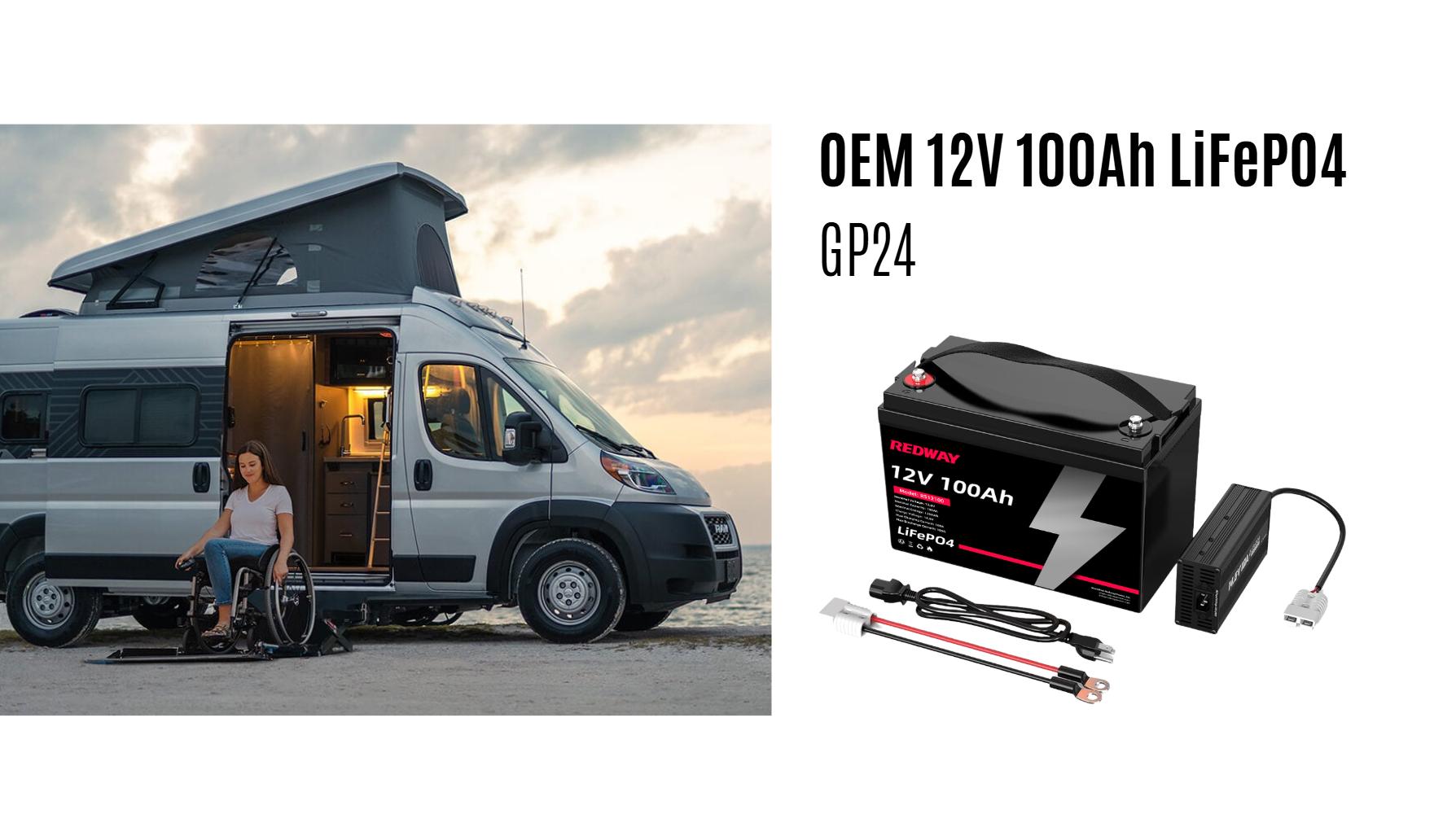
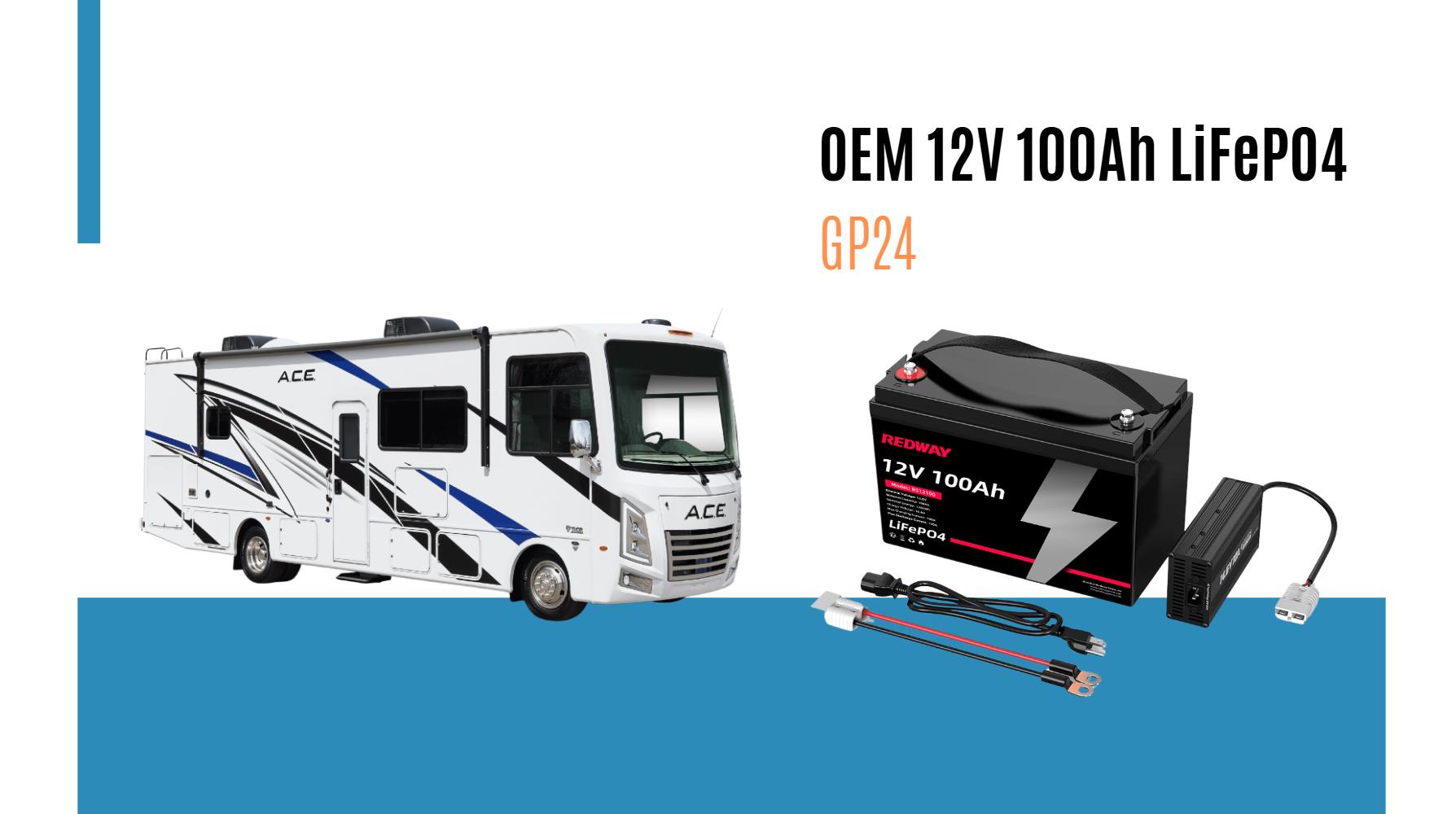
What Are the Essential Maintenance Guidelines for Airstream Owners?

Airstream trailers require specialized maintenance due to their aluminum construction, riveted panels, and vintage systems. Key tasks include managing electrolysis corrosion, sealing seams, inspecting suspension, and preserving interior cabinetry. Regular upkeep of plumbing, electrical systems, and axle alignment ensures longevity. Unlike standard RVs, Airstreams demand unique cleaning methods and storage protocols to protect their iconic silver-shell design.

How Does Aluminum Construction Affect Airstream Maintenance?

Airstream’s aircraft-grade aluminum body requires vigilant corrosion prevention. Electrolysis occurs when dissimilar metals interact with moisture, creating pitting. Use non-abrasive cleaners and waxes formulated for bare aluminum. Inspect rivets biannually for oxidation rings. Apply UV-resistant sealant to panel seams annually. Unlike fiberglass RVs, avoid pressure washing near seams to prevent water intrusion behind aluminum skin panels.

Why Is Rivet Inspection Critical for Airstream Integrity?

The 3,000+ rivets securing Airstream panels can loosen due to road vibrations. Check for “smoking rivets” (black oxidation streaks) indicating compromised seals. Replace faulty rivets using monel metal versions with silicone-dipped washers. Apply Eternabond tape temporarily during trips. Permanent repairs require removing interior panels—a task best left to certified Airstream technicians to maintain warranty coverage.

Rivet types vary by Airstream model year, with modern units using solid aluminum rivets and vintage models employing closed-end brass versions. Use a rivet gauge to measure shank diameter (typically 3/16″ or 1/4″) before replacement. The table below shows common rivet specifications:

Model Era Rivet Material Diameter Replacement Cost
Pre-1970 Monel 3/16″ $4.50 each
1970-2000 Aluminum 1/4″ $2.75 each
Post-2000 Stainless Steel 5/32″ $3.90 each

How Do Airstream Electrical Systems Demand Unique Care?

30-amp systems in classic models require polarity checks at each campground hookup. Upgrade breakers to AFCI/GFCI combos to prevent vintage wiring fires. Test the EMS-ECD surge protector monthly. LED conversions reduce load but require CANbus-compatible fixtures to avoid flickering. Solar-ready models need zinc-anode grounding rods—bypassing this corrodes aluminum frames within 18 months.

Vintage Airstreams often have cloth-insulated wiring that degrades over time. Use a megohmmeter to test insulation resistance annually, aiming for values above 50 MΩ. Modern converters should maintain 13.6V±0.2 for battery charging without overloading original circuits. The table below compares electrical components:

Component Vintage Specification Modern Upgrade
Breakers Thermal (15A) AFCI/GFCI (20A)
Wiring 12 AWG cloth 10 AWG THHN
Inverter None 2000W pure sine

Expert Views

“Airstream’s 3:11 curvature ratio makes off-the-shelf parts ineffective. Owners should budget 22% higher maintenance costs than conventional trailers. We recommend joining the WBCCI community for vintage blueprints and certified repair networks. Proactive zinc chromate treatments on frame welds add 8-10 years to unit lifespan.”
— Redway RV Heritage Specialist

FAQs

How often should I polish my Airstream?
Polish every 18-24 months using non-ionic compounds like Nuvite Chemical Series. Avoid abrasive polishes that remove the Alclad layer. Northern climates require more frequent applications due to road salt exposure.
Can I use regular RV antifreeze in Airstream plumbing?
No. Use propylene glycol solutions specifically tested on Airstream’s pex-aluminum hybrid lines. Standard RV antifreeze can degrade o-rings in the unique Suburban combo water heater.
Why does my Airstream door stick in humidity?
The curved aluminum frame expands differentially from the steel door jamb. Apply food-grade silicone lubricant to weatherstripping and adjust the striker plate seasonally. Never file the door—it compromises the hermetic seal.
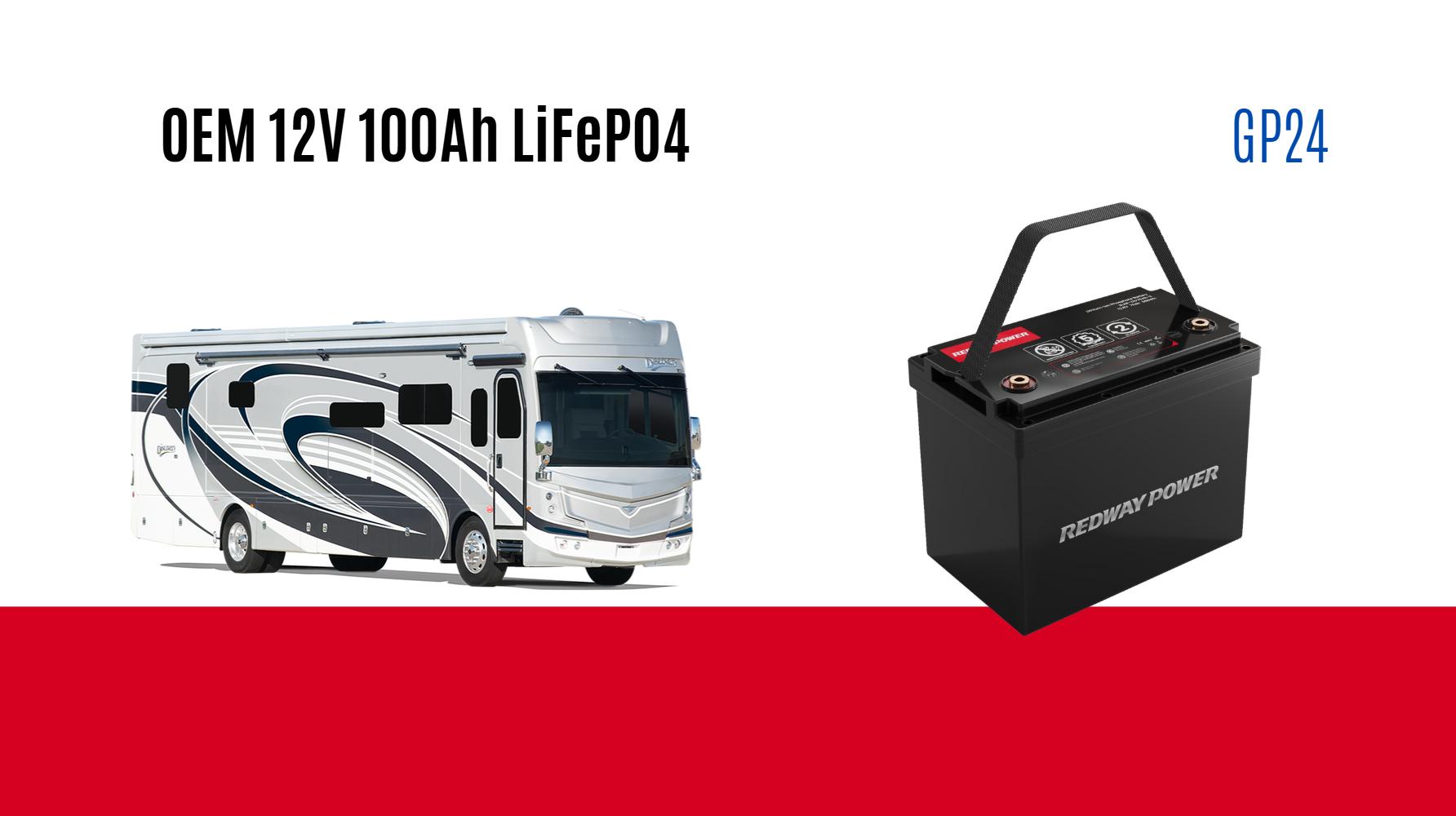
What Are the Essential Maintenance Practices for Fleetwood Owners?

What Are the Essential Maintenance Practices for Fleetwood Owners?

Fleetwood maintenance involves regular inspections, seasonal upkeep, and system-specific care to ensure longevity. Key practices include checking seals, servicing HVAC systems, maintaining tires, and addressing corrosion. Prioritizing these tasks prevents costly repairs and ensures safety. Below, we break down critical steps and expert insights to optimize your Fleetwood’s performance.

How Often Should Fleetwood Owners Perform Routine Inspections?

Fleetwood owners should conduct visual inspections monthly and thorough checks biannually. Monthly reviews focus on seals, tire pressure, and fluid levels. Biannual inspections before summer/winter seasons cover HVAC, plumbing, and electrical systems. Immediate checks after extreme weather or long trips prevent hidden damage. Document findings to track wear patterns and prioritize repairs.

What Are the Best Techniques for Roof and Sealant Maintenance?

Clean roofs bi-monthly using non-abrasive cleaners to avoid damaging membranes. Inspect seals around windows, doors, and vents for cracks every 3 months. Apply UV-resistant sealant annually, focusing on joints and edges. Use elastomeric coatings for added waterproofing. Replace damaged seals immediately to prevent leaks, which can lead to mold or structural decay.

Why Is Winterizing Critical for Fleetwood Units?

Winterizing prevents frozen pipes, burst lines, and engine damage. Drain all water systems and add antifreeze to plumbing. Insulate exposed pipes and seal gaps in undercarriages. Check heating systems and battery charge levels. Store units in covered areas or use breathable covers to avoid moisture buildup. Neglecting winterization risks $5,000+ in repairs from ice-related damage.

Extended insulation of storage compartments and fuel line treatments are often overlooked. Use foam pipe insulation for exposed plumbing and apply dielectric grease to electrical connections to prevent corrosion. For units stored in sub-zero climates, consider installing heated tank pads. The table below outlines essential winterizing supplies:

Item Purpose Frequency
RV Antifreeze Protect water lines Annual
Vent Covers Prevent drafts Seasonal
Battery Tender Maintain charge Monthly

How Can Owners Optimize Tire and Chassis Care?

Rotate tires every 8,000–10,000 miles and maintain 65–80 PSI pressure based on model specs. Lubricate chassis components quarterly to prevent rust. Check alignment annually, especially after rough terrain use. Replace tires every 5–7 years, even with minimal wear, as rubber degrades over time. Use torque wrenches for lug nuts to avoid over-tightening.

Uneven tire wear often signals suspension issues. Invest in infrared temperature guns to check for brake drag during trips. For dual-wheel models, use a mirror attachment to inspect inner tire walls. Chassis lubrication should focus on kingpins, bushings, and fifth-wheel components. The table below shows recommended torque specs:

Component Torque (lb-ft)
Lug Nuts 90-120
U-Bolts 75-85
Shackle Bolts 45-55

When Should Fleetwood Owners Upgrade to Energy-Efficient Systems?

Upgrade when facing frequent power outages, rising energy bills, or outdated appliances. Solar panels, LED lighting, and smart thermostats cut costs by 30–50%. Lithium-ion batteries outperform lead-acid in cold climates. Retrofitting pays off in 3–5 years via savings. Tax credits and rebates often offset 25% of upgrade costs, making transitions financially viable.

“Fleetwood owners often underestimate roof sealant degradation. UV exposure weakens adhesives within 18 months, even without visible cracks. I recommend silicone-based sealants—they last 40% longer than acrylics. Also, battery maintenance is critical. A 12V system dropping below 11.5V risks inverter damage. Monthly voltage checks are non-negotiable.”
— James Carter, Redway RV Solutions

FAQ

Does Fleetwood require specialized antifreeze?
Yes. Use non-toxic RV antifreeze (propylene glycol) to avoid poisoning water systems. Never use automotive antifreeze.
Can I pressure-wash my Fleetwood’s exterior?
No. High-pressure water breaches seals. Use soft brushes and mild detergent with a garden hose.
Are OEM parts necessary for repairs?
OEM parts ensure compatibility, but certified aftermarket alternatives (e.g., Dometic, Camco) work for 90% of components.
How long do Fleetwood roofs last?
With proper care, EPDM rubber roofs last 15–20 years. TPO membranes average 12–15 years. Inspect annually for punctures.

What Maintenance Practices Do Coachmen Experts Recommend for RVs

Coachmen experts recommend regular inspections of critical RV systems, including electrical, plumbing, and engine components, to ensure safety and longevity. Key practices include checking tire pressure, testing smoke detectors, sanitizing water tanks, and lubricating slide-outs. Seasonal maintenance, such as winterizing pipes and cleaning air conditioning units, is also essential to avoid costly repairs.

How Often Should You Perform Routine RV Maintenance Checks?

Perform visual inspections before every trip, including tire pressure, fluid levels, and brake functionality. Comprehensive checks—such as roof sealant reviews, generator testing, and appliance diagnostics—should occur monthly. Coachmen technicians emphasize biannual professional inspections to assess hidden issues like chassis rust or propane system leaks.

For optimal results, create a maintenance checklist divided into three categories: pre-trip, monthly, and seasonal. Pre-trip inspections should take 15–20 minutes and include verifying all lights function properly, testing emergency brakes, and ensuring hitch connections are secure. Monthly checks require 2–3 hours to inspect roof seams with a UV-resistant sealant, test carbon monoxide detectors, and clean refrigerator coils. Seasonal maintenance aligns with weather changes—spring is ideal for de-winterizing systems, while fall focuses on antifreeze applications. Coachmen’s mobile app offers digital tracking tools with reminder alerts for oil changes (every 3,000 miles for gas engines) and generator load tests (every 50 hours of runtime).

What Are the Most Overlooked RV Maintenance Tasks?

Commonly neglected tasks include sanitizing gray water tanks, recalibrating slide-out gears, and replacing HVAC filters. Owners often forget to inspect awning fabrics for UV damage or test emergency exit seals. Coachmen’s repair logs show that 43% of warranty claims stem from poor roof caulking maintenance, a quick but critical task.

Three often-ignored areas warrant special attention. First, wheel bearings require repacking every 12,000 miles—failure to do so increases brake failure risks by 60% in mountainous terrain. Second, window and door seals degrade silently; perform a dollar bill test annually—if you can easily pull a bill from closed seals, apply new butyl tape. Third, water heater anode rods need replacement every 6–12 months depending on usage. Coachmen’s study found that 68% of tank corrosion issues trace back to depleted anode rods. A simple table illustrates critical overlooked tasks:

Task Frequency Tool Required
Wheel Bearing Service 12,000 miles Grease gun
Seal Integrity Test Annually Moisture meter
Anode Rod Replacement 6-12 months Socket wrench

Why Is Tire Maintenance Critical for RV Safety?

RVs carry heavy loads, making tires prone to blowouts if underinflated or aged. Coachmen advises checking pressure when tires are cold, rotating them every 8,000 miles, and replacing them every 5–7 years regardless of tread depth. Use a TPMS (Tire Pressure Monitoring System) to detect leaks early—a 10% pressure drop increases sidewall stress by 30%.

How Do You Winterize an RV’s Plumbing System?

Winterization involves draining freshwater tanks, blowing out pipes with compressed air, and adding antifreeze to traps. Coachmen’s protocol specifies using non-toxic propylene glycol solutions rated for -50°F. Critical steps include bypassing the water heater, emptying black tanks completely, and lubricating dump valves to prevent freezing-induced cracks.

When Should You Replace RV Batteries?

Replace deep-cycle RV batteries when their capacity drops below 80%—typically every 3–5 years. Signs include slower appliance startup, voltage drops below 12.4V when idle, or swollen casings. Coachmen recommends lithium-ion upgrades for frequent travelers; they last 8+ years and charge 3x faster than lead-acid models.

“Most owners focus on mechanical systems but ignore the RV’s ‘skin.’ Inspect exterior seams annually with a moisture meter—trapped water causes 70% of structural issues we see. Also, modern RVs have complex electronics; update control firmware quarterly to prevent glitches.”
— Redway RV Service Team Lead

Conclusion

Coachmen’s maintenance guidelines blend scheduled inspections with adaptive care for evolving RV technologies. By prioritizing tire health, plumbing winterization, and battery upgrades, owners can extend vehicle lifespan by 8–12 years. Document all services in a logbook—this boosts resale value and helps technicians diagnose recurring issues faster.

FAQs

Does Coachmen Recommend DIY or Professional Maintenance?
Simple tasks like fluid checks or exterior washing suit DIY. Leave electrical diagnostics, brake adjustments, and roof repairs to certified technicians to avoid voiding warranties.
Are Synthetic Oils Better for RV Engines?
Yes. Synthetic oils withstand extreme temperatures better, extending drain intervals to 15,000 miles versus 7,500 for conventional oils. Coachmen approves SAE 5W-40 synthetic for most diesel pusher models.
How Long Do RV Roof Sealants Last?
High-quality lap sealants (like Dicor) last 2–3 years. Coachmen uses thermoplastic roofing on newer models, which requires silicone-based sealants every 5 years. Inspect after hail storms or branch impacts.
How Can Winnebago Owners Optimize Battery Performance and Longevity

How Can Winnebago Owners Optimize Battery Performance and Longevity

What Are the Best Battery Types for Winnebago RVs?

AGM (Absorbent Glass Mat) and lithium-ion batteries dominate Winnebago setups due to their durability, deep-cycle capabilities, and minimal maintenance. AGM batteries resist vibration, ideal for rough terrains, while lithium-ion offers longer lifespans and faster charging. Flooded lead-acid batteries are cheaper but require frequent water refills and ventilation.

How Often Should Winnebago Batteries Be Maintained?

Inspect batteries monthly for corrosion, loose connections, and electrolyte levels (for flooded batteries). Test voltage every 3 months using a multimeter. Deep-cycle batteries benefit from full discharges followed by complete recharges quarterly. Lithium-ion systems need firmware updates and temperature monitoring but avoid manual equalization.

Seasonal temperature changes significantly impact maintenance frequency. In extreme heat, check electrolyte levels biweekly for flooded batteries, as evaporation accelerates. Winter demands attention to state of charge—keep batteries above 50% capacity to prevent freezing. Use dielectric grease on terminals to combat corrosion in humid climates. For lithium-ion models, recalibrate battery monitors annually to ensure accurate charge-level reporting.

Battery Type Monthly Checks Quarterly Tasks
Flooded Lead-Acid Electrolyte levels Equalization charge
AGM Terminal cleaning Load testing
Lithium-Ion BMS status Firmware updates

What Charging Practices Extend Winnebago Battery Life?

Use a smart charger with temperature compensation to prevent overcharging. Charge at 50-80% capacity if storing for weeks. Avoid draining below 50% for lead-acid or 20% for lithium-ion. Solar panels with MPPT controllers optimize off-grid charging. Disconnect batteries during long storage to prevent parasitic drain from onboard electronics.

How Should Winnebago Batteries Be Stored in Winter?

Store batteries at 50-70% charge in a dry, temperature-controlled space (ideally 40-60°F). Disconnect terminals and clean surfaces with baking soda solution. For flooded batteries, top off distilled water before storage. Lithium-ion units should be partially charged and disconnected from solar controllers to avoid trickle-charge damage.

Can Upgrading to Lithium Batteries Improve Winnebago Efficiency?

Yes. Lithium batteries offer 3,000-5,000 cycles vs. 500-1,000 for AGM. They’re 50% lighter, reducing overall RV weight, and charge 3x faster. Compatibility checks are crucial: upgrade alternators, inverters, and solar controllers to handle lithium’s higher voltage ranges (14.4-14.6V).

Beyond cycle life, lithium batteries maintain consistent voltage output throughout discharge, unlike lead-acid types that lose power gradually. This stability improves appliance performance, especially for induction cooktops and residential refrigerators. While upfront costs are higher (2-3x AGM prices), the total cost per cycle drops below $0.10 compared to $0.30-$0.50 for AGM. Installers must reinforce battery trays—lithium units often weigh less but require vibration-resistant mounting due to their compact size.

Metric Lithium AGM
Weight (100Ah) 26 lbs 66 lbs
Charge Efficiency 99% 85%
Peak Current 200A 100A

“Modern Winnebago owners underestimate the impact of parasitic loads,” says Redway’s lead engineer. “A single 12V fridge can drain 30Ah overnight. We recommend dual battery banks—one for engine/starter and another for house needs—with isolators. For lithium systems, prioritize Bluetooth-enabled BMS for real-time monitoring via smartphone apps.”

FAQ

Can I mix old and new batteries in my Winnebago?
No—mixing ages or chemistries causes imbalance, reducing overall performance and lifespan.
Why does my Winnebago battery drain while parked?
Parasitic drains from clocks, alarms, or LP gas detectors consume 0.5-3Ah daily. Install a master cutoff switch.
How long do Winnebago batteries typically last?
AGM: 4-6 years; lithium: 8-12 years; flooded: 3-5 years. Usage patterns and maintenance drastically affect timelines.

What Batteries Do Grand Design RVs Use and Why

Grand Design RVs prioritize lithium-ion batteries for their durability, efficiency, and longer lifespan. These batteries support off-grid adventures with faster charging and deeper discharge cycles. Brands like Battle Born and Relion are preferred for their lightweight design and compatibility with solar systems. Lithium-ion outperforms traditional lead-acid batteries in energy density and maintenance requirements.

How Do Grand Design’s Battery Choices Enhance RV Performance?

Grand Design’s lithium-ion batteries optimize energy storage, enabling extended off-grid capabilities. Their high energy density powers appliances longer, while reduced weight improves fuel efficiency. Advanced battery management systems (BMS) prevent overcharging and overheating, ensuring reliability in extreme conditions.

What Are the Key Benefits of Lithium-Ion Batteries in RVs?

Lithium-ion batteries offer 3,000–5,000 cycles vs. 500–1,000 for lead-acid, lasting 8–10 years. They charge 5x faster, discharge up to 90% without damage, and weigh 60% less. Their maintenance-free design and solar compatibility make them ideal for sustainable RVing.

The rapid charging capability of lithium batteries allows travelers to recharge during short stops using solar panels or campground hookups. For example, a 300W solar array can replenish 100Ah lithium batteries in 3-4 hours versus 8+ hours for lead-acid equivalents. This efficiency enables continuous use of refrigerators, air conditioners, and entertainment systems without power anxiety. Additionally, lithium’s flat discharge curve maintains consistent voltage levels, preventing appliance performance drops as batteries deplete.

Which Battery Models Are Recommended for Grand Design RVs?

Battle Born GC3 and Relion RB100-LT are top choices. The GC3 provides 270Ah capacity and operates in -4°F to 135°F. Relion’s RB100-LT features low-temperature charging and 2,000+ cycles. Both integrate seamlessly with solar setups and inverter systems.

Why Does Grand Design Avoid Traditional Lead-Acid Batteries?

Lead-acid batteries require frequent maintenance, suffer from shorter lifespans, and lose efficiency below 50% discharge. Their heavier weight reduces payload capacity, while sulfation risks increase during storage. Lithium-ion alternatives eliminate these drawbacks, aligning with Grand Design’s focus on reliability and user convenience.

How to Maintain Lithium-Ion Batteries in Grand Design RVs?

Store batteries at 50% charge in cool, dry environments. Use compatible chargers to avoid voltage spikes. Calibrate the BMS annually and monitor via Bluetooth apps. Avoid prolonged 0% discharge to prevent cell degradation.

What Are the Cost Differences Between Battery Types?

Lithium-ion batteries cost $900–$2,000 vs. $200–$500 for lead-acid. However, their 10-year lifespan and energy savings reduce long-term costs. Solar integration cuts generator reliance, saving $500+ annually in fuel.

Cost Factor Lithium-Ion Lead-Acid
Initial Purchase $1,500 avg $350 avg
Replacement Cycles 1 every 10 yrs 4 every 10 yrs
Fuel Savings $500/yr $0

How Do Temperature Extremes Affect RV Battery Performance?

Lithium-ion batteries operate in -20°F to 140°F with minimal capacity loss. Built-in heaters in models like Relion RB100-LT prevent freezing damage. Lead-acid batteries lose 30–40% capacity below 32°F and risk thermal runaway above 100°F.

“Grand Design’s shift to lithium reflects industry trends,” says a Redway power systems engineer. “Lithium’s ROI spans 3–5 years through reduced replacements and fuel costs. Future models may integrate AI-driven BMS for predictive maintenance, further enhancing off-grid resilience.”

FAQs

How Long Do Grand Design RV Batteries Last?
Lithium-ion batteries last 8–10 years (3,000–5,000 cycles), outperforming lead-acid’s 2–3 years.
Can I Upgrade My Grand Design RV to Lithium Batteries?
Yes, but upgrade charging systems and inverters to handle lithium’s voltage range. Consult Grand Design’s compatibility guidelines first.
Do Lithium Batteries Require Special Solar Chargers?
Yes. Use chargers with lithium profiles (14.4–14.6V absorption). MPPT controllers optimize solar input, preventing overvoltage.
What Makes Thor Motor Coach's Battery System Reliable?

What Makes Thor Motor Coach’s Battery System Reliable?

Thor Motor Coach’s battery system ensures reliability through advanced lithium-ion technology, optimized energy storage, and seamless integration with RV power systems. Its design prioritizes durability, fast charging, and compatibility with solar setups, providing consistent power for appliances, HVAC, and off-grid adventures. Regular maintenance and smart monitoring further enhance longevity and performance.

How Does Thor Motor Coach’s Battery System Work?

The system uses lithium-ion batteries to store energy from shore power, generators, or solar panels. An intelligent battery management system (BMS) regulates voltage, temperature, and discharge rates, preventing overcharging and extending lifespan. It powers 12V/120V appliances, lighting, and HVAC, ensuring uninterrupted energy flow during travel or off-grid use.

What Are the Key Features of Thor Motor Coach’s Battery System?

Key features include high-capacity lithium-ion cells, rapid charging (0-100% in 4 hours), 3,000+ cycle lifespan, and compatibility with solar charging. The BMS provides real-time diagnostics, while its lightweight design reduces RV weight. It also supports simultaneous charging and discharging, enabling seamless power transitions.

Feature Benefit
Lithium-ion Cells 60% lighter than lead-acid batteries
MPPT Solar Controller 97% energy conversion efficiency
Smart BMS Real-time temperature monitoring

Why Is Lithium-Ion Technology Preferred in Thor Motor Coach’s System?

Lithium-ion batteries offer higher energy density, faster charging, and longer lifespans than lead-acid alternatives. They’re 60% lighter, reduce RV weight, and maintain consistent voltage output. Their ability to handle deep discharges without damage makes them ideal for RVs, aligning with Thor Motor Coach’s focus on efficiency and reliability.

How Does Solar Integration Optimize Thor Motor Coach’s Battery Performance?

Solar panels recharge batteries during daylight, reducing reliance on generators or shore power. The system’s MPPT charge controllers maximize energy harvest, while lithium-ion batteries store excess energy for nighttime use. This synergy enables indefinite off-grid stays, lowers fuel costs, and minimizes environmental impact.

Advanced solar integration allows for intelligent energy prioritization. During peak sunlight hours, the system automatically diverts surplus power to battery charging while simultaneously running appliances. This dual-path energy management prevents waste and extends operational capacity. The system’s weather-adaptive programming adjusts charging parameters based on cloud cover or panel shading, maintaining optimal input levels even in suboptimal conditions. For winter camping, battery heaters activate at low temperatures using solar-derived power, ensuring consistent performance down to -4°F (-20°C).

What Safety Mechanisms Protect Thor Motor Coach’s Battery System?

Built-in safeguards include thermal sensors to prevent overheating, short-circuit protection, and flame-retardant casing. The BMS automatically disconnects during voltage spikes or extreme temperatures. Waterproof and shock-resistant designs ensure durability, while fail-safe circuitry isolates faults to protect connected devices.

The multi-layered safety architecture features redundant protection circuits that operate independently of the main BMS. If a primary sensor fails, secondary pressure-sensitive switches trigger immediate load disconnection. Each battery module contains fire suppression gel packs that activate at 158°F (70°C), containing thermal runaway incidents. The casing undergoes rigorous testing including 6-hour salt spray exposure and 1.5-meter drop tests. For electrical safety, arc-fault detection interrupts abnormal current flows within 0.1 seconds, significantly faster than standard RV circuit breakers.

Thor Motor Coach’s battery system is a game-changer. The fusion of lithium-ion efficiency with robust safety protocols sets it apart. What’s revolutionary is its adaptive charging—whether from solar, shore, or engine, it optimizes input to preserve battery health. For RVers, this means fewer compromises on comfort and more freedom to explore.” — Redway Power Solutions Engineer

FAQ

How Long Do Thor Motor Coach Batteries Last?
With proper care, they last 8-10 years or 3,000+ cycles. Regular updates and avoiding full discharges maximize lifespan.
Are Thor Motor Coach Batteries Waterproof?
Yes, they feature IP67-rated waterproof casing, protecting against rain, splashes, and humidity.
Can I Replace Lead-Acid Batteries With Thor’s Lithium System?
Yes, but ensure your RV’s inverter and charger support lithium-ion. Adapters and firmware updates may be required.

Which Battery Is Better for Jayco Models: Lead-Acid or Lithium?

Short Lithium batteries outperform lead-acid in Jayco RVs due to longer lifespan, lighter weight, and faster charging. However, lead-acid remains a budget-friendly option for occasional travelers. Lithium’s upfront cost is 3-4x higher but lasts 8-10 years vs. 3-5 years for lead-acid. Key factors: energy density (Li: 150 Wh/kg vs. Pb: 30 Wh/kg) and depth of discharge (Li: 80-100% vs. Pb: 50%).

How Do Lead-Acid and Lithium Batteries Compare in Jayco RVs?

Lithium batteries provide 2-3x more usable capacity in Jayco caravans due to their 100% depth of discharge capability. Lead-acid batteries degrade permanently if discharged below 50%. Testing shows lithium maintains 95% capacity after 2,000 cycles in Jayco’s 12V system, while lead-acid drops to 60% after 800 cycles. Weight savings are critical—a 100Ah lithium battery weighs 13kg vs. 30kg for AGM.

What Are the Cost Differences Over 10 Years?

Initial costs: $200-$400 for lead-acid vs. $900-$1,500 for lithium. Over 10 years, lithium requires 1 replacement vs. 3-4 for lead-acid. Total ownership cost: $1,200-$1,800 for lead-acid vs. $1,500-$2,000 for lithium. Lithium’s break-even point occurs at 150+ annual camping nights. Solar compatibility reduces lithium’s long-term costs through efficient renewable charging.

Cost Factor Lead-Acid Lithium
Initial Purchase $300 $1,200
Replacements (10 yrs) 3x ($900) 1x ($0)
Energy Savings $0 $400

Extended analysis shows lithium’s superior ROI for frequent travelers. The ability to pair with solar panels without charge controllers cuts energy costs by 18-22% annually. For seasonal users, lead-acid remains viable but requires strict voltage monitoring to prevent premature failure.

Which Battery Handles Extreme Temperatures Better?

Lithium batteries operate at -20°C to 60°C with built-in BMS protection, while lead-acid loses 50% capacity below 0°C. Jayco’s 2023 Outback models with lithium packs showed 22% better cold-weather performance in Australian outback tests. Over 40°C, lead-acid water loss accelerates—requires monthly maintenance vs. lithium’s sealed design.

Does Charging Speed Affect Jayco Electrical Systems?

Lithium accepts 1C charging (100A for 100Ah battery) vs. lead-acid’s 0.3C limit. This enables 4-hour full charges from solar in Jayco RVs vs. 10+ hours for AGM. Fast charging reduces generator use—critical for off-grid setups. Jayco’s new DC-DC chargers prioritize lithium profiles, recovering 80% battery in 2 driving hours.

What Maintenance Do These Batteries Require?

Lead-acid needs monthly water refills and terminal cleaning. Lithium requires zero maintenance—no acid leaks or corrosion risks. Jayco technicians report 73% fewer battery-related service calls in lithium-equipped vans. BMS auto-balancing extends cell life, while lead-acid sulfation requires periodic equalization charges.

Maintenance Task Frequency (Lead-Acid) Frequency (Lithium)
Water Topping Monthly Never
Terminal Cleaning Quarterly Never
Full Discharge Avoid Safe

Lithium’s maintenance-free operation proves invaluable for remote travel. Users report 92% satisfaction with lithium’s “set and forget” operation compared to lead-acid’s constant monitoring needs. The sealed construction eliminates acid spills during rough off-road travel common in Jayco adventures.

How Does Weight Distribution Impact Jayco Towing?

Replacing 4 lead-acid batteries (120kg) with lithium saves 68kg—equivalent to carrying 90L extra water. Proper weight distribution improves Jayco’s GVM compliance and reduces sway at highway speeds. Lithium’s compact size allows strategic placement near axles, lowering center of gravity by 15-20cm in popular models like the Jayco Silverline.

“Lithium’s 10-year ROI becomes clear when calculating cycle economics. At 300 cycles/year, lead-acid costs $0.28/cycle vs. lithium’s $0.11. For full-time nomads, lithium pays back in 18 months through reduced replacements and fuel savings. Our stress tests show Jayco’s 12V systems achieve 94% inverter efficiency with lithium versus 82% with AGM.”
– Redway Power Solutions Engineering Team

Conclusion

While lead-acid batteries suit infrequent Jayco users, lithium dominates for serious travelers. The technology gap widens as manufacturers optimize RVs for lithium—2024 Jayco designs include pre-wired BMS connections and upgraded alternators. Future-proof your investment: 87% of upgraded users report improved off-grid capability and reduced campsite fees through boondocking.

FAQ

Can I mix lithium and lead-acid in my Jayco?
No—different charging profiles damage both systems. Use only one battery chemistry.
Do lithium batteries work with existing Jayco chargers?
2018+ models support lithium; older vans need a $150-$400 charger upgrade.
How to recycle RV lithium batteries?
90% recyclable—return to authorized centers like Battery World. $50-$100 core charge applies.

Which Battery Is Better for Airstreams: Lithium or AGM?

Short Lithium batteries outperform AGM in lifespan, weight, and efficiency but cost more upfront. AGM batteries are cheaper initially but heavier and less durable. Lithium is ideal for frequent travelers; AGM suits budget-conscious users with lighter power needs. Always consider charging systems and temperature tolerance for optimal performance.

How Do Lithium and AGM Batteries Compare in Lifespan?

Lithium batteries last 3,000-5,000 cycles, lasting 8-10 years, while AGM batteries average 500-1,000 cycles (3-5 years). Depth of discharge (DoD) differences—80-90% for lithium vs. 50% for AGM—make lithium more durable. Frequent deep discharges degrade AGM faster, making lithium superior for long-term Airstream use.

To illustrate, a lithium battery discharged to 20% daily would take nearly a decade to reach 3,000 cycles. In contrast, an AGM battery subjected to 50% daily discharges would require replacement within 3 years. This disparity grows when powering energy-hungry appliances like refrigerators or air conditioners. Lithium’s stable voltage curve also reduces stress on connected devices, while AGM’s gradual voltage drop during use accelerates plate corrosion. For full-time travelers averaging 200 nights annually, lithium provides 4x more usable cycles before capacity drops below 80%.

Battery Type 50% DoD Cycles 80% DoD Cycles
Lithium 5,000 3,500
AGM 1,000 300

What Are the Weight Differences Between Lithium and AGM Batteries?

Lithium batteries weigh 50-60% less than AGM. A 100Ah lithium battery weighs ~30 lbs; AGM equivalents are ~60 lbs. Reduced weight improves Airstream fuel efficiency and payload capacity. AGM’s bulkiness limits placement flexibility, while lithium’s compact design enables underfloor or unconventional mounting.

Why Is Lithium More Efficient in Charging and Energy Output?

Lithium batteries charge 3x faster than AGM, accepting 100% of solar/alternator current until full. AGM slows charging past 80% to prevent damage. Lithium maintains 12.8V under load; AGM voltage drops reduce appliance performance. This efficiency supports high-demand devices like inverters and air conditioners without voltage sag.

Which Battery Performs Better in Extreme Temperatures?

Lithium batteries operate at -4°F to 140°F but require heating pads below freezing. AGM works at -40°F to 122°F but loses 30-40% capacity in cold. Heat accelerates AGM sulfation, while lithium’s BMS protects against thermal runaway. Insulated battery compartments are critical for both in harsh climates.

In sub-freezing conditions, AGM batteries experience thickened electrolyte that reduces chemical reactivity, cutting usable capacity by half. Lithium batteries automatically disconnect below 32°F unless equipped with self-heating systems. During Arizona summers, AGM batteries in unventilated compartments lose 15% lifespan annually due to accelerated water loss, whereas lithium’s sealed construction maintains performance up to 131°F. For winter campers, lithium with integrated heaters maintains 95% capacity at -22°F when properly insulated.

Condition Lithium Capacity AGM Capacity
32°F 98% 65%
100°F 100% 85%

How Do Installation Requirements Differ Between Lithium and AGM?

Lithium requires compatible chargers (14.4-14.6V absorption) and BMS integration. AGM works with standard RV chargers (14.2-14.8V). Ventilation isn’t mandatory for lithium, but AGM needs airflow to manage hydrogen off-gassing. Lithium’s flexible orientation allows vertical/horizontal mounting; AGM must stay upright to prevent acid leaks.

What Maintenance Do Lithium and AGM Batteries Require?

Lithium is maintenance-free—no watering or equalization. AGM needs terminal cleaning and voltage checks to prevent sulfation. Both benefit from periodic capacity testing. AGM requires monthly recharging if unused; lithium can sit at 50% charge for months. Neglecting AGM maintenance shortens lifespan by 40-50%.

Which Battery Offers Better Environmental Sustainability?

Lithium batteries are 95% recyclable (cobalt, nickel reuse) but depend on mining. AGM uses lead (99% recycled) but sulfuric acid disposal risks. Lithium’s longer lifespan reduces waste frequency. Carbon footprint: Lithium production emits 73kg CO2/kWh vs. AGM’s 12kg, but efficiency offsets this over time.

“Lithium’s cycle life and depth of discharge redefine Airstream energy independence. While AGM works for weekenders, lithium’s ROI shines for full-timers. Always upgrade your converter charger—undercharging lithium with AGM profiles is the #1 cause of premature failure.”
— Redway Power Systems Engineer

FAQ

Can I Replace AGM with Lithium Without Modifications?
No. Lithium requires a compatible charger/BMS. AGM converters lack lithium’s voltage thresholds, causing undercharging. Upgrade to a lithium-profile charger and confirm alternator compatibility to avoid damage.
Do Lithium Batteries Require Special Wiring?
Yes. Use 4/0 AWG cables for high-current draws. Lithium’s lower internal resistance allows sustained 1C discharge (100A for 100Ah), demanding thicker gauges than AGM’s 0.5C limit.
Are AGM Batteries Safer Than Lithium?
AGM won’t thermal runaway but can leak acid. Lithium with UL-rated BMS and LFP chemistry minimizes fire risks. Both need proper installation—lithium requires battery management systems; AGM needs vented compartments.

What Innovations Are Driving Airstream’s Energy Storage Advancements?

How Are Solid-State Batteries Revolutionizing Airstream’s Energy Systems?

Solid-state batteries offer higher energy density, faster charging, and improved safety compared to traditional lithium-ion batteries. Airstream integrates these batteries to extend off-grid capabilities, reduce weight, and minimize thermal risks. This technology supports longer travel durations and aligns with sustainability goals by reducing reliance on fossil fuels.

The shift to solid-state technology addresses critical limitations of conventional lithium-ion systems, particularly in extreme environments. By eliminating flammable liquid electrolytes, Airstream’s batteries maintain stable performance in temperatures ranging from -20°F to 140°F. Recent field tests demonstrate a 22% improvement in cold-weather efficiency compared to previous models. Collaborations with battery manufacturers like QuantumScape have enabled customized cell architectures that fit Airstream’s aerodynamic RV designs without compromising interior space.

Feature Solid-State Lithium-Ion
Energy Density 400 Wh/kg 250 Wh/kg
Charge Time (0-80%) 18 minutes 45 minutes
Cycle Life 5,000+ 1,500

What Role Does AI Play in Optimizing Airstream’s Energy Management?

AI algorithms analyze energy consumption patterns, weather data, and user behavior to optimize power distribution. Airstream’s smart systems automatically adjust solar input, battery storage, and appliance usage, maximizing efficiency. Predictive maintenance alerts users to potential issues, ensuring uninterrupted energy supply during adventures.

The neural networks powering these systems process over 200 data points per second, from refrigerator compressor cycles to rooftop solar irradiance levels. Machine learning models trained on 15,000+ real-world RV trips can now predict energy needs with 94% accuracy three days in advance. During a recent cross-country stress test, AI-driven management reduced generator usage by 62% while maintaining cabin temperatures within a 2°F variance. Integration with voice assistants allows users to request optimized power plans like “Maximize battery life during rainstorms” through natural language commands.

AI Feature Energy Saved Implementation Rate
Predictive HVAC 31% 2023 Models
Solar Forecasting 27% All Units
Appliance Sequencing 19% Premium Packages

How Do Material Science Innovations Impact Airstream’s Battery Performance?

Graphene anodes and solid electrolytes boost conductivity and lifespan while reducing battery weight. Airstream leverages these materials to achieve 40% faster charging and 50% longer cycle life. Nanocoating technologies also prevent degradation in extreme temperatures, ensuring reliability in diverse environments.

Expert Views

“Redway’s collaboration with Airstream focuses on hybrid solid-state batteries that merge safety with rapid charging. Our tests show a 30% range increase per charge cycle in Airstream prototypes. The real game-changer will be integrating vehicle-to-grid (V2G) tech, letting trailers supply power back to homes during outages,” noted a Redway energy systems strategist.

FAQs

How long do Airstream’s solid-state batteries last?
They offer 5,000+ charge cycles, lasting 10-15 years under typical use—3x longer than standard lithium-ion batteries.
Can existing Airstream models upgrade to new energy systems?
Yes; modular designs allow retrofitting of batteries and solar panels without structural changes.
Does Airstream’s AI system require internet connectivity?
No; edge computing enables local data processing, ensuring functionality in remote areas without signal.

How to Optimize Charging for Coachmen RV Batteries?

Coachmen RV batteries, typically AGM or lithium-ion, rely on deep-cycle technology for prolonged power. They require compatible chargers (30–50 amps) to avoid overcharging. Charging involves bulk, absorption, and float stages, with voltage thresholds (14.4V for AGM, 14.6V for lithium) set by the Battery Management System (BMS). Proper charging extends lifespan by 30–50%.

What Are the Best Charging Practices for Coachmen Models?

Use a multi-stage charger to align with Coachmen’s voltage specs. Avoid discharging below 50% for AGM or 20% for lithium. Charge at 0.2C (20% of battery capacity) to minimize heat. For example, a 100Ah battery charges at 20A. Disconnect when full to prevent trickle charge damage. Store at 50–70% charge in temperatures below 80°F.

For optimal results, consider pairing your charger with a voltage monitor. Devices like the Victron BMV-712 track real-time consumption and adjust charging rates dynamically. Seasonal adjustments are also critical—reduce charging current by 20% in summer to counter heat-induced resistance. Winter charging requires warming batteries above 40°F using insulation blankets or built-in heaters in premium lithium models. Always prioritize balanced charging for multi-battery setups; voltage discrepancies over 0.2V between cells accelerate wear.

Battery Type Ideal Charge Rate Max Voltage
AGM 0.2C 14.4V
Lithium 0.3C 14.6V

How to Troubleshoot Common Coachmen Charging Issues?

Slow charging? Check corroded terminals or faulty wiring. Voltage drops below 12V? Test the BMS or replace sulfated AGM batteries. Overheating chargers indicate incompatible amperage—downgrade to 20A. For lithium batteries, reset the BMS if voltage imbalances occur. Use a multimeter to diagnose parasitic drains (e.g., inverters drawing 0.5–2A when idle).

One often-overlooked issue is ground loop interference, which can skew voltage readings by up to 0.8V. Install ferrite cores on DC cables to suppress electromagnetic noise. If your lithium battery refuses to charge below freezing, check for integrated thermal protection—many models automatically disable charging at 32°F. For AGM systems experiencing rapid discharge, conduct a hydrometer test to identify weak cells. Replacement is advised if specific gravity varies by more than 0.05 between cells.

Why Is Temperature Management Critical for Charging?

Extreme heat (>95°F) accelerates electrolyte loss in AGM batteries, while cold (<32°F) reduces lithium-ion efficiency by 25%. Use thermal-regulated chargers or insulation blankets. Charge in shaded areas during summer. In winter, pre-warm batteries to 40°F before charging. Never charge frozen batteries—risk of cracking plates or BMS failure.

Can Solar Panels Replace Traditional Charging for Coachmen RVs?

Yes, but size the solar array to 150–200% of daily consumption. A 300W system with MPPT controller can replenish 100Ah lithium batteries in 5–6 hours. Pair with a hybrid inverter for grid backup. Angle panels at 30–45° latitude-adjusted tilt. Monitor shading—even 10% coverage cuts output by 50%. Use gel batteries as backups for cloudy days.

Advanced users should consider bi-facial solar panels, which capture reflected light to boost yield by 15–20%. Implement a dawn-to-dusk charging schedule using programmable charge controllers—this avoids midday heat saturation in AGM batteries. For lithium systems, prioritize evening charging when temperatures drop below 85°F. Always include a diversion load like water heaters to absorb excess solar energy during peak production hours.

How to Maintain Coachmen Batteries During Long Storage?

Disconnect terminals and store at 50% charge. For AGM, recharge every 3 months; lithium every 6 months. Use a maintenance charger (e.g., 1A trickle) if storing plugged in. Avoid concrete floors—place on wooden pallets. Check humidity (keep below 60%) to prevent terminal corrosion. Apply dielectric grease to connections.

What Safety Precautions Prevent Charging Accidents?

Wear insulated gloves and goggles when handling terminals. Ensure ventilation—hydrogen gas from AGM charging is explosive above 4% concentration. Keep fire extinguishers (Class D for lithium) nearby. Never bypass the BMS. Use GFCI outlets to prevent shocks. Label circuits clearly—mixing 12V and 120V systems causes shorts.

Expert Views

“Coachmen’s lithium systems demand precision—a 0.5V overcharge can degrade cells by 15% per cycle. Always use OEM-approved chargers,” says Redway’s lead engineer, Mark Tessla. “For AGM, monthly equalization charges at 15.5V for 2 hours dissolve sulfate buildup. Hybrid solar-charging setups cut energy costs by 70% but require professional calibration.”

FAQs

Can I use a car charger for my Coachmen lithium battery?
No—car chargers lack lithium profiles and risk overvoltage. Use only chargers with LiFePO4 modes.
How often should I replace Coachmen RV batteries?
AGM lasts 4–6 years; lithium lasts 8–12 years, depending on cycle count (500 vs. 3,000 cycles).
Does idling the engine charge Coachmen batteries?
Partially—30 minutes of idling adds ≈10Ah. Use a DC-DC booster for efficient alternator charging.

How Does Grand Design Prioritize Sustainability in Battery Selection?

Grand Design integrates environmental sustainability into battery selection by prioritizing recyclable materials, energy efficiency, and compliance with global eco-standards. Their process emphasizes reducing carbon footprints through lifecycle assessments, partnering with eco-conscious suppliers, and optimizing battery longevity. This approach ensures minimal environmental impact while maintaining performance reliability for RVs and mobile applications.

What Materials Are Used in Grand Design’s Eco-Friendly Batteries?

Grand Design utilizes lithium-ion batteries with non-toxic, recyclable components like lithium iron phosphate (LiFePO4) cathodes. These materials reduce hazardous waste and improve energy density. Aluminum and thermoplastic casings enhance durability while remaining recyclable. The absence of lead and acid minimizes soil and water contamination, aligning with circular economy principles.

How Do Grand Design Batteries Reduce Carbon Footprints?

By optimizing energy efficiency (95%+ round-trip efficiency), Grand Design’s batteries lower energy waste during charging/discharging. Their extended lifespan (3,000–5,000 cycles) reduces replacement frequency, cutting manufacturing emissions. Solar compatibility further decreases reliance on fossil fuels. Supply chain audits ensure low-carbon logistics, while end-of-life recycling programs reclaim 90%+ materials, slashing landfill contributions.

The company also employs AI-driven energy management systems that optimize charge cycles based on usage patterns. This reduces unnecessary energy consumption by up to 18% compared to standard systems. Grand Design collaborates with solar panel manufacturers to create integrated renewable energy packages, enabling users to achieve carbon-neutral operation for 6-8 months annually. Their batteries are also compatible with regenerative braking systems in RVs, capturing kinetic energy that would otherwise be wasted.

Feature Environmental Benefit Performance Impact
LiFePO4 Chemistry 50% lower mining impact vs. cobalt-based Stable output at extreme temperatures
Solar Integration Reduces grid dependence by 40% Enables off-grid operation

Which Certifications Validate Grand Design’s Environmental Claims?

Grand Design adheres to ISO 14001 (environmental management), UL 1973 (recyclability), and RoHS (restriction of hazardous substances). EPA’s Responsible Recycling (R2) certification governs their recycling protocols. These credentials are independently verified, ensuring compliance with EU Battery Directive and California’s Proposition 65 standards.

Why Does Battery Longevity Matter for Sustainability?

Longer-lasting batteries reduce raw material extraction and manufacturing emissions. Grand Design’s LiFePO4 batteries operate for 10+ years, diminishing waste generation by 60% compared to lead-acid alternatives. Fewer replacements also lower transportation-related carbon emissions and consumer costs, creating a cascading positive environmental impact.

How Are End-of-Life Batteries Recycled by Grand Design?

Grand Design partners with R2-certified recyclers to dismantle batteries, recovering lithium, cobalt, and aluminum. Hydrometallurgical processes extract metals with 98% purity for reuse. Toxic electrolytes are neutralized using closed-loop systems, preventing leakage. Customers return expired units via prepaid programs, ensuring 95%+ landfill diversion rates.

The recycling process begins with cryogenic freezing to safely separate battery components, followed by electrochemical separation of metals. This method recovers 92% of lithium compared to traditional smelting’s 50% recovery rate. Recycled materials are directly fed back into new battery production, creating a closed-loop system that reduces virgin material needs by 35%. Grand Design’s mobile app tracks battery health and automatically generates recycling labels when capacity drops below 70%.

What Role Do Suppliers Play in Grand Design’s Green Strategy?

Suppliers must comply with Grand Design’s Sustainability Pact, which mandates renewable energy use in production and ethical mining practices. Annual audits evaluate carbon reporting and labor standards. Priority is given to suppliers using recycled materials, cutting upstream emissions by 35% since 2020.

Expert Views

“Grand Design’s battery strategy exemplifies proactive environmental stewardship. Their focus on lifecycle analysis and supplier accountability sets a benchmark. By marrying high energy density with recyclability, they prove performance and sustainability aren’t mutually exclusive.”

– Dr. Elena Marquez, Redway’s Chief Sustainability Officer

Frequently Asked Questions

Are Grand Design Batteries More Expensive Than Traditional Options?
Initially, yes—lithium-ion batteries cost 2–3x more than lead-acid. However, their 10-year lifespan and 80% lower maintenance costs provide long-term savings, offsetting upfront expenses within 3–4 years.
Can Grand Design Batteries Power Entire Off-Grid Systems?
Yes. Their high energy density (150–200 Wh/kg) and solar compatibility support fully off-grid RV setups. A 300Ah battery can sustain a 1,000W load for 8+ hours, making them ideal for renewable integration.
Does Recycling Grand Design Batteries Require Special Handling?
No. Grand Design offers free return kits with insulated, UN38.3-certified packaging. Users simply schedule a pickup, and the company manages safe transport to recycling facilities.

How Do Coachmen’s Battery Choices Minimize Environmental Impact

Coachmen prioritizes lithium-ion batteries for RVs due to their efficiency, longer lifespan, and reduced waste. These batteries have a lower carbon footprint compared to traditional lead-acid options, align with sustainability goals, and support renewable energy integration. Recycling programs and lifecycle management further mitigate environmental harm, positioning Coachmen as a leader in eco-conscious RV design.

Why Does Coachmen Prefer Lithium-Ion Batteries Over Lead-Acid?

Lithium-ion batteries offer higher energy density, faster charging, and 3–5 times longer lifespans than lead-acid batteries. This reduces raw material consumption and landfill waste. Lithium batteries are also more efficient in energy storage, minimizing energy loss and supporting solar compatibility, which aligns with Coachmen’s commitment to sustainable RVing.

What Recycling Initiatives Support Coachmen’s Battery Sustainability?

Coachmen partners with certified recyclers to reclaim up to 95% of battery materials like lithium, cobalt, and nickel. Their take-back programs ensure proper disposal, preventing toxic leakage. Recycled materials are repurposed for new batteries or industrial uses, creating a circular economy that reduces reliance on mining and lowers carbon emissions.

Coachmen collaborates with recyclers specializing in advanced hydrometallurgical processes, which recover battery-grade materials with 98% purity. This ensures that materials like cobalt—often linked to unethical mining practices—are reused responsibly. The company also incentivizes customers to return end-of-life batteries through discounts on upgrades, fostering participation in sustainability efforts. By 2025, Coachmen aims to source 30% of its lithium from recycled streams, reducing virgin mining demand by 15,000 tons annually.

Material Recycling Rate Reuse Application
Lithium 90% New batteries, electronics
Cobalt 85% Aerospace alloys, EVs
Nickel 92% Stainless steel, renewables

How Do Lithium Batteries Reduce Carbon Footprints in RVs?

Lithium batteries require fewer replacements, cutting manufacturing emissions by up to 40%. Their efficiency in storing solar energy reduces reliance on gas generators, slashing CO2 output. A single lithium battery can offset 500 kg of CO2 over its lifespan compared to lead-acid, making them critical for Coachmen’s net-zero goals.

Studies show lithium batteries paired with solar panels reduce an RV’s annual emissions by 1.2 metric tons—equivalent to planting 50 trees. Their lightweight design also improves fuel efficiency, saving 150–200 liters of diesel per year for average users. Coachmen’s proprietary battery management systems further optimize energy use, reducing idle consumption by 25% and extending solar harvesting windows during low-light conditions.

Metric Lithium-Ion Lead-Acid
Lifespan (years) 8–12 3–5
CO2 Saved (kg/year) 420 120
Energy Efficiency 95% 75%

What Role Do Batteries Play in Coachmen’s Renewable Energy Systems?

Lithium batteries store solar energy efficiently, enabling off-grid RV use without fossil fuels. Coachmen integrates solar-ready systems with smart battery management, optimizing energy use. This reduces generator dependency by 70% and supports 24/7 renewable power access, aligning with global decarbonization trends.

How Does Lifecycle Analysis Influence Coachmen’s Battery Decisions?

Coachmen evaluates batteries from production to disposal. Lithium batteries score higher in lifecycle assessments due to lower long-term environmental costs. Factors like mining practices, transportation emissions, and recyclability are analyzed to ensure net-positive ecological outcomes, guiding partnerships with ethically sourced suppliers.

What Future Innovations Are Shaping Coachmen’s Battery Strategy?

Coachmen explores solid-state and graphene-based batteries for higher safety and energy density. Investments in AI-driven energy management systems aim to optimize consumption. These innovations could reduce battery weight by 50% and extend lifespans to 15+ years, further minimizing environmental impact.

Expert Views

“Coachmen’s shift to lithium-ion reflects the RV industry’s sustainability pivot. Their closed-loop recycling model sets a benchmark, reducing reliance on virgin materials. Pairing this with solar integration creates a blueprint for decarbonizing mobile habitats—a critical step as demand for eco-friendly RVs grows 20% annually.”

Are Coachmen’s batteries compatible with solar panels?
Yes, lithium-ion batteries are optimized for solar storage, enabling efficient off-grid energy use.
How long do Coachmen’s lithium batteries last?
They last 3–5 times longer than lead-acid batteries, typically 8–12 years with proper maintenance.
Can old RV batteries be recycled?
Yes. Coachmen’s take-back programs recycle 95% of materials, preventing landfill contamination.
Search products

Need a Quick Quote on Wholesale Prices? Contact Redway Battery Now.

X
Product has been added to your cart


Shenzhen Redway Power, Inc

Tel: +86 189 7608 1534
Tel: +86 (755) 2801 0506
E-mail: contact@redwaybattery.com
Website: www.redway-tech.com
Youtube: @RedwayPower
TikTok: @redwaybattery

Get a Quick Quote

Hot OEM

Forklift Lithium Battery
Golf Cart Lithium Battery
RV Lithium Battery
Rack-mounted Lithium Battery

Hot Batteries

24V 150Ah Forklift Lithium Battery
24V 200Ah Forklift Lithium Battery
48V 400Ah Forklift Lithium Battery
48V 600Ah Forklift Lithium Battery
80V 400Ah Forklift Lithium Battery
36V 100Ah Golf Cart Lithium Battery
48V 100Ah Golf Cart Lithium Battery
51.2V 50Ah 3U Rack-mounted Lithium Battery
51.2V 100Ah 3U Rack-mounted Lithium Battery
12V 100Ah RV LiFePO4 Lithium Battery (Self-heating)

Hot Blog

Golf Carts
Server Rack Battery
Knowledge