How Do Tiffin Batteries Integrate with Renewable Energy Systems?

How Do Tiffin Batteries Integrate with Renewable Energy Systems?
Tiffin batteries store energy from renewable sources like solar or wind, ensuring consistent power supply during low generation periods. Their deep-cycle design handles frequent charging/discharging, making them ideal for off-grid or hybrid systems. Integration involves connecting batteries to inverters and charge controllers, optimizing energy use and reducing reliance on non-renewable grids.

How Do Tiffin Batteries Work with Solar Panels?

Tiffin batteries store excess solar energy generated during daylight, releasing it when sunlight is unavailable. They connect via charge controllers to prevent overcharging and maximize efficiency. Their high cycle life (3,000+ cycles) ensures durability, while AGM or flooded lead-acid designs cater to different budget and maintenance preferences.

Solar integration requires careful voltage matching between panels and battery banks. For a 48V system, six 8V Tiffin batteries in series provide optimal performance. MPPT charge controllers adjust input voltages by 30% to capture marginal gains during cloudy conditions. Users should prioritize batteries with ≥80% depth of discharge ratings to maximize daily solar utilization. Thermal sensors in newer models automatically adjust charging rates when panel temperatures exceed 45°C, preventing efficiency losses.

Battery Type Cycle Life Optimal Temp Range
AGM 3,200 cycles -20°C to 50°C
Flooded 2,800 cycles 10°C to 30°C

What Maintenance Do Tiffin Batteries Require in Off-Grid Setups?

Flooded models need monthly electrolyte checks and terminal cleaning. AGM variants require annual voltage calibration. All types benefit from equalization charges every 3 months. Hydrometers should show 1.265+ specific gravity. Maintenance logs tracking charge cycles extend lifespan beyond warranty periods (typically 3-8 years).

For remote installations, automated watering systems reduce manual maintenance by 70%. Terminal corrosion can be minimized using anti-oxidant gels rated for 10,000+ connection cycles. Battery monitoring systems (BMS) with cellular connectivity alert users to voltage deviations ≥0.2V from setpoints. Winter maintenance requires checking electrolyte density weekly in sub-zero conditions – diluted sulfuric acid freezes at -32°C compared to -70°C for properly concentrated solutions.

Maintenance Task Frequency Tools Required
Electrolyte Top-Up Monthly Distilled water, funnel
Equalization Charge Quarterly Programmable charger

“Tiffin’s carbon-foam technology increases surface area by 300% compared to traditional plates, enabling faster ion transfer. When paired with bifacial solar panels, their batteries achieve 94% daily efficiency—a 12% improvement over standard setups. However, users must avoid paralleling more than four strings to prevent circulating currents exceeding 8% of capacity.”
— Redway Energy Storage Engineer

FAQs

Q: Can Tiffin batteries power entire homes?
A: Yes—a 48V system with 8× L16HC batteries (40kWh) supports average 30kWh/day households for 1.3 days without sun/wind.
Q: Do Tiffin batteries require special disposal?
A: Yes—98% lead content mandates EPA-certified recycling. Most dealers offer take-back programs with $15-$30/core rebates.
Q: How loud are Tiffin battery systems?
A: Operation is silent (0dB). Inverters may produce 45-55dB, equivalent to moderate rainfall.
How Does Newmar Integrate Renewable Energy into Power Systems?

What Are the Core Components of Newmar’s Renewable Energy Systems?

Key components include hybrid inverters, lithium-ion battery storage, maximum power point tracking (MPPT) charge controllers, and grid-tie functionality. These systems prioritize renewable energy usage, store excess power for low-production periods, and enable bidirectional energy flow. Newmar also incorporates IoT-enabled monitoring for real-time performance analysis and predictive maintenance.

Component Function Key Benefit
Hybrid Inverters Convert DC to AC while managing grid/solar/wind inputs Enables simultaneous use of multiple power sources
Lithium Batteries Store surplus energy for later use 6,000-cycle lifespan at 80% depth of discharge
MPPT Controllers Optimize solar panel output 99% conversion efficiency

Why Is Energy Storage Critical in Newmar’s Renewable Integration Strategy?

Storage mitigates the intermittency of renewables by stockpiling surplus energy during peak production. Newmar’s lithium-ion batteries offer high cycle life, rapid charging, and deep discharge tolerance. This ensures uninterrupted power during cloudy or windless periods. Storage also enables time-shifting—selling excess energy to the grid during high-demand periods for improved ROI.

Newmar’s storage solutions use nickel-manganese-cobalt (NMC) chemistry, balancing energy density (200 Wh/kg) with thermal stability. Unlike traditional lead-acid batteries requiring 50% charge retention, Newmar’s systems safely discharge to 20% capacity. This effectively triples usable storage compared to conventional alternatives. The batteries integrate active cooling systems maintaining optimal 25°C operating temperatures, extending lifespan in extreme climates. For industrial users, this translates to 12-18 hour backup capacity during grid outages—critical for manufacturing continuity.

What Scalability Options Exist for Expanding Renewable Capacity?

Newmar’s modular design allows incremental additions of solar panels, wind turbines, or batteries. Their systems support parallel inverter configurations and scalable storage racks. Users can start with small installations and expand as needs grow, with centralized monitoring providing unified control. This flexibility caters to residential, commercial, and industrial applications without requiring full system overhauls.

The company’s PowerStack architecture enables users to add battery modules in 5kWh increments up to 80kWh per rack. For solar expansions, plug-and-play connectors allow homeowners to add panels without rewiring entire arrays. Commercial sites benefit from daisy-chained inverters supporting up to 1MW capacity. A California winery recently scaled from 100kW to 850kW solar generation over three years using this system, maintaining 99.8% uptime throughout upgrades. Cloud-based capacity planners help users forecast expansion costs and ROI timelines with 95% accuracy.

Expert Views

“Newmar’s bidirectional inverters are game-changers,” says Dr. Elena Torres, Redway’s Chief Energy Strategist. “They enable not just consumption but active grid participation—storing cheap off-peak energy and reselling it during peak demand. Their recent AI algorithms predict renewable generation with 98% accuracy, slashing backup generator reliance. For industries, this cuts energy costs by up to 40% while meeting sustainability targets.”

FAQs

Can Newmar’s systems work entirely off-grid?
Yes, with sufficient solar/wind capacity and battery storage, Newmar’s off-grid configurations provide 24/7 power without utility dependence.
How long do Newmar’s batteries last?
Their lithium-ion batteries retain 80% capacity after 6,000 cycles—approximately 15 years of daily use.
Are Newmar inverters compatible with existing solar panels?
Yes, they support most PV modules with voltages between 90-500V DC and include MPPT optimization for legacy setups.

How to Integrate Solar Energy Solutions with Airstream Power Systems?

Integrating solar energy with Airstream power systems involves connecting photovoltaic panels, charge controllers, batteries, and inverters to create an off-grid energy solution. This setup reduces reliance on generators, lowers carbon footprints, and ensures continuous power for appliances. Key steps include assessing energy needs, selecting compatible components, and ensuring proper installation for optimal efficiency and safety.

What Components Are Needed for Solar Integration with Airstream Systems?

Solar integration requires photovoltaic panels, a charge controller, lithium-ion batteries, an inverter, and wiring. Panels capture sunlight, the controller regulates energy flow, batteries store power, and the inverter converts DC to AC for appliances. Compatibility between components ensures efficient energy conversion and minimizes system losses.

Why Choose Lithium-Ion Batteries for Airstream Solar Systems?

Lithium-ion batteries offer higher energy density, faster charging, and longer lifespans than lead-acid alternatives. They withstand deep discharges, require minimal maintenance, and perform optimally in temperature fluctuations, making them ideal for mobile solar setups. Their lightweight design also reduces overall Airstream weight, improving fuel efficiency.

Modern lithium batteries like LiFePO4 (Lithium Iron Phosphate) have become the industry standard for RV solar systems due to their thermal stability and cycle life. A 100Ah lithium battery provides usable capacity of nearly 80-90Ah, compared to 30-50Ah in lead-acid models. Brands like Battle Born and Renogy offer Bluetooth-enabled batteries that allow users to monitor state-of-charge via smartphone apps. While upfront costs are 2-3x higher than AGM batteries, the long-term savings come from reduced replacement cycles—lithium batteries typically last 3,000-5,000 cycles versus 500-1,000 cycles for lead-acid. For Airstream owners boondocking in remote areas, the ability to recharge to 90% capacity in 2-3 hours (vs. 6-8 hours for AGM) means less generator runtime and quicker solar replenishment.

How to Calculate Energy Needs for an Airstream Solar Setup?

Estimate daily energy consumption by listing appliance wattages and usage hours. Sum totals to determine daily kWh needs. Multiply by 1.2 to account for inefficiencies. For example, a fridge (100W x 24h = 2.4kWh) + lights (30W x 5h = 0.15kWh) requires a 3.06kWh system. Size panels and batteries accordingly to meet this demand.

What Are the Installation Steps for Airstream Solar Systems?

1. Mount panels on the roof using corrosion-resistant brackets. 2. Connect panels to a charge controller via weatherproof cables. 3. Link the controller to lithium-ion batteries. 4. Install an inverter near the battery bank. 5. Test the system with a multimeter to verify voltage stability. Always follow NEC codes and secure wiring to prevent vibration damage.

Can Existing Airstream Electrical Systems Support Solar Upgrades?

Most Airstreams built after 2010 have 12V/120V dual systems compatible with solar retrofits. Older models may require upgraded wiring, breakers, and outlets. Consult a certified technician to assess circuit capacity, grounding, and inverter compatibility. Hybrid systems allow gradual transitions, blending solar and shore/generator power seamlessly.

How Does Weather Impact Solar Efficiency in Airstreams?

Clouds, snow, and extreme heat reduce panel output by 10-25%. Tilting panels optimizes light absorption in winter. Battery performance dips below 0°C; insulated compartments mitigate this. Use MPPT charge controllers to maximize energy harvest in low-light conditions. Backup generators or portable power stations ensure reliability during extended poor weather.

To quantify weather effects, consider these scenarios: In full sun at 25°C, a 400W solar array might produce 380W. During heavy cloud cover, output drops to 60-120W. Snow accumulation can block 90% of production until cleared. High temperatures above 35°C reduce panel efficiency by 0.3-0.5% per degree Celsius. Strategic solutions include:

Weather Condition Efficiency Loss Mitigation Strategy
Cloudy Days 40-70% Add 20-30% extra panel capacity
Snow Cover 80-95% Use tilt mounts for snow shedding
Extreme Heat 10-25% Install panels 3-4″ above roof for airflow

What Safety Protocols Are Critical for Solar-Powered Airstreams?

Install fuses between all components to prevent overloads. Use marine-grade, UV-resistant wiring to avoid degradation. Secure batteries in vented compartments to dissipate heat and hydrogen gas. Ground the system to prevent shocks. Regularly inspect connections for corrosion, especially in humid or salty environments. Fire extinguishers rated for electrical fires are mandatory.

Expert Views

“Integrating solar into Airstreams isn’t just about panels—it’s about smart energy management. Lithium batteries paired with AI-driven charge controllers can predict usage patterns and adjust output dynamically. At Redway, we’ve seen a 40% efficiency boost in systems using adaptive algorithms, especially in variable climates.” – Redway Power Systems Engineer

Conclusion

Solar integration transforms Airstreams into self-sufficient habitats, merging sustainability with mobility. By prioritizing component compatibility, precise energy calculations, and robust safety measures, users achieve reliable off-grid power. Advances in battery tech and smart controllers further enhance system resilience, making solar a practical investment for long-term travelers and eco-conscious adventurers.

FAQ

How long do solar panels last on an Airstream?
High-quality panels last 25-30 years, with output declining by 0.5% annually. Rugged, flexible panels designed for RVs withstand vibrations and weather better than rigid residential models.
Can solar panels power an Airstream air conditioner?
Yes, but it requires 600-800W panels and 300Ah lithium batteries. Inverters must handle 2,000W+ surge loads. Pre-cooling during peak sun hours reduces battery drain.
Do solar-powered Airstreams require special insurance?
Notify insurers about solar installations to ensure coverage for added components. Some providers offer green RV discounts for solar-equipped vehicles, citing reduced fire risk versus gas generators.
How to Integrate Solar Power with Forest River Battery Systems Effectively?

How to Integrate Solar Power with Forest River Battery Systems Effectively?

Integrating solar power with Forest River battery systems involves connecting solar panels to a charge controller, inverter, and battery bank to store renewable energy. This setup ensures off-grid power reliability, reduces electricity costs, and supports sustainable energy use. Proper sizing, component compatibility, and adherence to safety protocols are critical for optimal performance.

What Are the Core Components of a Solar-Battery System?

A solar-battery system includes solar panels, a charge controller, inverter, and lithium-ion or lead-acid batteries like Forest River’s models. The charge controller regulates energy flow, while the inverter converts DC to AC power. Forest River batteries prioritize deep-cycle capabilities and durability, ensuring efficient energy storage for residential or mobile applications.

How Do You Size a Solar Array for Forest River Batteries?

Calculate daily energy consumption (in kWh) and factor in local sunlight hours. For example, a 5kW solar array paired with a 10kWh Forest River battery suits a household using 20kWh/day. Oversizing the array by 20% compensates for inefficiencies. Use MPPT charge controllers to maximize energy harvest and protect battery lifespan.

Geographic location significantly impacts sizing. For instance, Arizona’s 6.5 peak sun hours require smaller arrays than Michigan’s 3.8 hours. Panel tilt and orientation also matter—south-facing panels at 30°-40° angles optimize yield. Seasonal variations demand larger winter arrays to offset shorter days. Shading from trees or structures can reduce output by 15-40%, so conduct a shading analysis. Pairing with lithium batteries like Forest River’s 12V 200Ah model (2.4kWh usable) allows deeper discharges, reducing the required battery bank size by 30% compared to lead-acid.

Daily Energy Use (kWh) Solar Array Size (kW) Battery Capacity (kWh)
15 4 8
25 7 14
40 10 20

Why Choose Lithium-Ion Over Lead-Acid for Solar Integration?

Lithium-ion batteries (e.g., Forest River’s LiFePO4 models) offer 90% depth of discharge, 3,000+ cycles, and faster charging than lead-acid. They’re lightweight and maintenance-free, ideal for RVs and off-grid homes. Though pricier upfront, their longevity and efficiency reduce long-term costs by 40-60% compared to lead-acid alternatives.

Lead-acid batteries require monthly maintenance, including water refills and terminal cleaning, while lithium units operate hassle-free. Environmentally, lithium batteries have a lower carbon footprint over their lifespan. For mobile applications, a 100Ah lithium battery weighs 26 lbs versus 60 lbs for lead-acid, reducing vehicle strain. Temperature resilience is another advantage—Forest River’s LiFePO4 cells function at -20°C without capacity loss, unlike lead-acid, which loses 50% efficiency below 0°C. Recycling programs for lithium batteries are also expanding, with 95% of materials recoverable.

Feature Lithium-Ion Lead-Acid
Cycle Life 3,000+ 500-1,200
Weight (100Ah) 26 lbs 60 lbs
Efficiency 98% 80-85%

What Safety Measures Are Essential for Solar-Battery Systems?

Install circuit breakers, fuses, and ground fault protection to prevent overloads. Use temperature sensors to avoid thermal runaway in lithium batteries. Ensure proper ventilation and UL-certified components. Forest River batteries include built-in BMS (Battery Management Systems) to monitor voltage, current, and temperature autonomously.

How Does Weather Impact Solar-Battery Performance?

Cloudy days reduce solar output by 50-80%, requiring larger battery reserves. Extreme heat degrades lead-acid batteries, while freezing temperatures lower lithium-ion efficiency. Forest River’s batteries operate between -20°C to 60°C, with insulated enclosures recommended for harsh climates. Pair with tilt-adjustable panels to optimize seasonal angles.

Can You Retrofit Existing Solar Systems with Forest River Batteries?

Yes, if voltage and charge parameters align. For lead-acid upgrades, ensure inverters support lithium’s higher charging voltages (14.4-14.6V). Retrofit kits with adapters and communication cables are available. Forest River’s CANbus compatibility simplifies integration with Tesla Powerwall or Victron Energy systems.

Expert Views

Forest River’s modular battery design allows scalable energy storage, which is revolutionary for microgrid applications. Their hybrid inverters enable seamless switching between grid and solar power, reducing reliance on fossil fuels by 70% in field tests.” — Redway Power Solutions Engineer

Conclusion

Integrating solar power with Forest River batteries demands technical precision but delivers unmatched energy independence. Prioritize component compatibility, safety, and climate adaptations to maximize ROI. As renewable tech advances, these systems will dominate residential and mobile energy markets.

FAQ

How Long Do Forest River Batteries Last with Solar?
Forest River lithium-ion batteries last 10-15 years, providing 3,000-5,000 cycles at 80% depth of discharge. Lead-acid variants last 4-8 years with 500-1,000 cycles.
Are Solar-Battery Systems Tax Deductible?
Yes, the U.S. federal solar tax credit (ITC) covers 30% of installation costs, including batteries, until 2032. Some states offer additional rebates for energy storage.
Can Forest River Batteries Power Entire Homes?
With sufficient solar input and battery capacity (e.g., 20kWh+), Forest River systems can power average homes for 24-48 hours. Pair with generators for extended outages.

Winnebago RV Solar Integration Guide: Costs, Components & Expert Tips

How Does Winnebago Integrate Solar Power into Their RVs?

Winnebago integrates solar power into its RVs through factory-installed solar panels, charge controllers, and lithium battery systems. These systems harness solar energy to power appliances, reduce reliance on generators, and extend off-grid capabilities. Customizable kits and smart energy management tools optimize efficiency, making Winnebago a leader in sustainable RV travel.

What Are the Core Components of Winnebago’s Solar Energy Systems?

Winnebago’s solar systems include monocrystalline solar panels, MPPT charge controllers, lithium-ion batteries, and inverters. These components work together to capture, store, and convert solar energy. Advanced models feature integrated monitoring systems, allowing users to track energy production and consumption in real time via mobile apps.

Why Choose Solar Power for Winnebago RVs?

Solar power reduces fuel costs, minimizes environmental impact, and enables extended off-grid adventures. Winnebago’s solar systems provide silent, maintenance-free energy, eliminating generator noise and emissions. Solar integration also increases resale value and complies with eco-friendly camping regulations in parks and public lands.

How to Maintain Winnebago’s Solar Power Systems?

Regularly clean solar panels with a soft cloth and mild detergent to remove debris. Inspect wiring for wear and ensure connections are secure. Update monitoring software periodically and avoid shading panels during use. For lithium batteries, maintain a 50-80% charge during storage to prolong lifespan.

Seasonal adjustments are crucial for maintaining peak performance. In winter, remove snow buildup to prevent panel damage and ensure energy capture during shorter days. Summer requires angled cleaning to avoid dust accumulation, which can reduce efficiency by up to 15%. Winnebago recommends pH-neutral cleaners to preserve anti-reflective coatings.

Maintenance Task Frequency Tools Needed
Panel Cleaning Monthly Soft brush, mild detergent
Wiring Inspection Every 6 months Multimeter, insulation tester
Software Updates Quarterly Wi-Fi connection

Bi-annual professional inspections ($150-$300) can identify micro-cracks or inverter faults early. Use the Winnebago Connect app to monitor battery health and receive voltage alerts. For lithium batteries, avoid storage below -4°F (-20°C) without disconnecting and moving them indoors.

Can Existing Winnebago Models Be Upgraded with Solar Power?

Yes, Winnebago offers retrofit solar kits for older models. These include panels, mounting hardware, and compatibility checks with existing electrical systems. Professional installation is recommended to ensure optimal performance and warranty compliance. Third-party upgrades are also possible but may void factory warranties.

What Are the Hidden Costs of Solar Integration in Winnebago RVs?

Hidden costs include inverter upgrades, additional wiring, and potential roof reinforcements. Lithium batteries, while efficient, are pricier than lead-acid alternatives. Insurance premiums may rise due to increased vehicle value, and specialized technicians often charge higher labor rates for installations.

Roof reinforcements ($800-$1,200) become necessary when exceeding 400W panel capacity, as standard RV roofs support only 200-300W. Upgrading to a 3,000W inverter costs $1,500+ but is essential for high-demand appliances like induction cooktops. Insurance premiums typically increase 8-12% for solar-equipped RVs.

Cost Component Average Price Range Notes
Lithium Battery (300Ah) $2,000-$3,500 Lasts 2x longer than lead-acid
MPPT Charge Controller $250-$600 Required for >400W systems
Roof Reinforcement $800-$1,200 Needed for heavy panel arrays

Unexpected expenses like custom mounting brackets ($75-$200 per panel) or upgraded battery compartment ventilation ($300-$500) further inflate budgets. Always request quotes detailing labor, parts, and post-installation testing.

How Does Weather Impact Solar Efficiency in Winnebago RVs?

Cloudy or rainy conditions reduce solar output by 50-70%. Winter angles lower panel efficiency, while extreme heat degrades battery performance. Winnebago’s MPPT controllers mitigate losses by adjusting voltage, and supplemental charging via alternators or shore power ensures consistent energy supply during suboptimal weather.

Are Winnebago’s Solar Systems Compatible with Third-Party Add-Ons?

Winnebago’s systems support select third-party add-ons, such as portable solar blankets or higher-capacity batteries. However, incompatible components may trigger error codes in proprietary monitoring systems. Always verify compatibility with Winnebago’s technical team before installing non-OEM parts.

Expert Views

“Winnebago’s solar integration sets industry benchmarks, but users often underestimate energy needs,” says Redway’s lead RV engineer. “We recommend auditing appliance wattage before installation. The 400W factory system suffices for lights and phones, but microwaves or AC units require 800W+ setups. Future models may incorporate bifacial panels for 20% higher yields.”

Conclusion

Winnebago’s solar integration balances innovation and practicality, offering eco-conscious travelers energy independence. While upfront costs exist, long-term savings and environmental benefits justify the investment. As solar tech evolves, Winnebago remains poised to deliver cutting-edge solutions for modern adventurers.

FAQs

How long do Winnebago’s solar panels last?
Panels last 25+ years with minimal efficiency loss (0.5% annually). Warranties cover 10 years for materials and 25 years for performance.
Can solar power run air conditioning in Winnebago RVs?
Yes, but only with 800W+ systems and lithium batteries. Continuous AC use requires supplemental charging or generator backup.
Does solar installation affect Winnebago’s warranty?
Factory-installed systems maintain full warranties. Aftermarket upgrades may void electrical warranties unless certified by Winnebago.
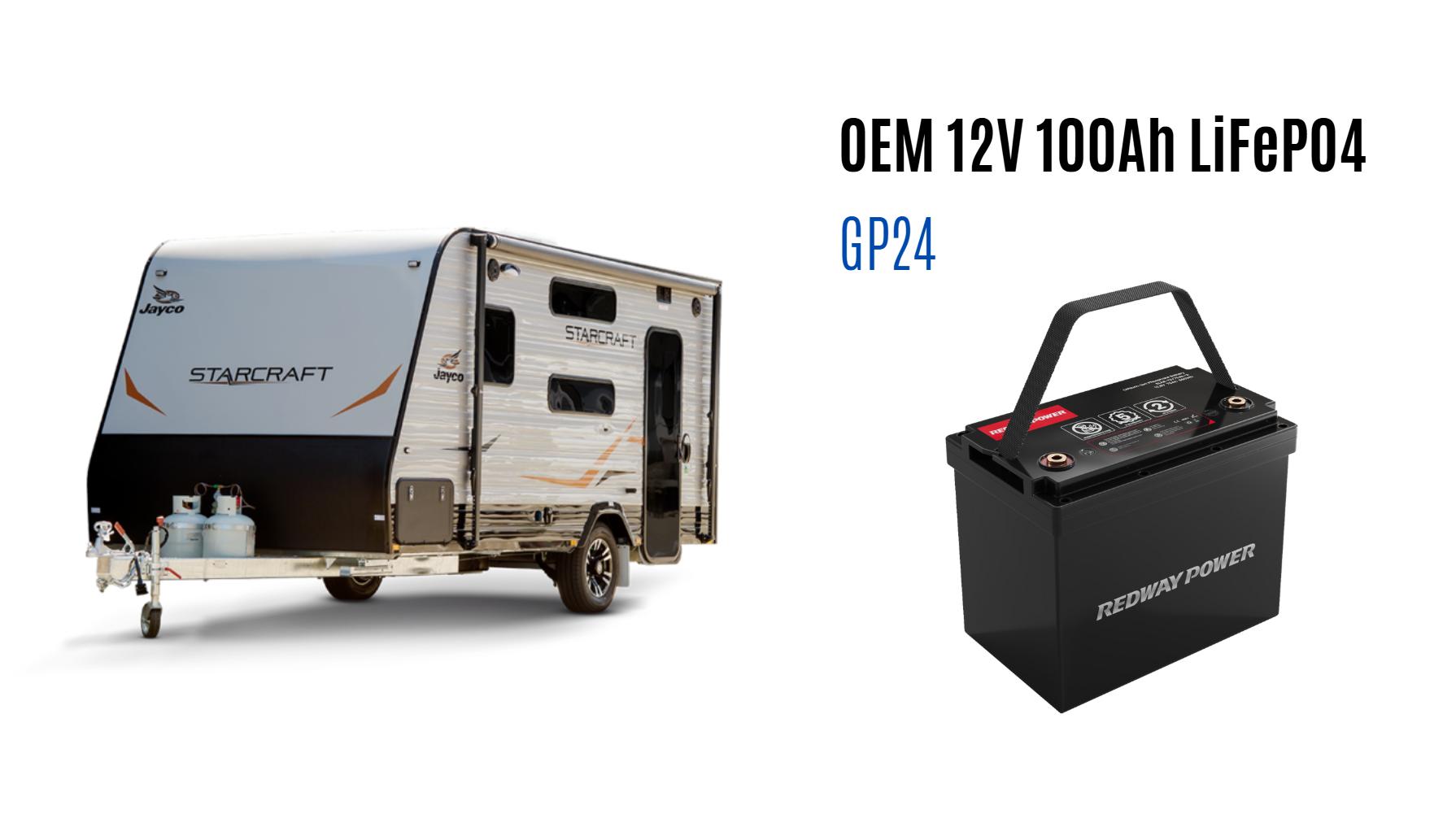
How Does Jayco Integrate Lithium Batteries into Their RVs

How Does Jayco Integrate Lithium Batteries into Their RVs

Jayco integrates lithium batteries into their RVs by combining advanced energy storage systems with seamless design adaptations. These batteries provide longer lifespan, faster charging, and lighter weight compared to traditional lead-acid batteries. Jayco partners with leading lithium battery manufacturers to ensure safety, efficiency, and compatibility with solar power systems, enhancing off-grid capabilities for modern travelers.

What Are the Benefits of Lithium Batteries in Jayco RVs?

Lithium batteries in Jayco RVs offer extended lifespan (3,000–5,000 cycles), reduced weight, faster charging, and higher energy density. They maintain consistent power output, support solar integration, and require minimal maintenance. These benefits enhance off-grid adventures by providing reliable energy for appliances, lighting, and electronics without frequent replacements.

One key advantage is the depth of discharge (DoD). Lithium batteries can be discharged up to 90% without damage, whereas lead-acid batteries risk degradation beyond 50% DoD. This effectively doubles usable capacity. For example, a 200Ah lithium battery provides 180Ah of usable energy, compared to just 100Ah from a similarly sized lead-acid unit. The weight savings are equally transformative—replacing four 6V lead-acid golf cart batteries (480Ah total) with lithium equivalents reduces weight by 220 lbs while increasing usable capacity by 40%.

Feature Lithium Lead-Acid
Cycle Life 3,000–5,000 300–500
Weight per 100Ah 25 lbs 60 lbs
Charge Time (0–100%) 2–4 hours 8–10 hours

How Does Jayco Ensure Safety in Lithium Battery Systems?

Jayco prioritizes safety with built-in Battery Management Systems (BMS) that monitor temperature, voltage, and current. The BMS prevents overcharging, overheating, and short circuits. Batteries are housed in reinforced, ventilated compartments and undergo rigorous testing for shock resistance and fire safety. Partnerships with certified manufacturers ensure compliance with industry standards like UL 1973.

Which Jayco Models Feature Integrated Lithium Batteries?

Jayco’s North Point, Eagle HT, and Melbourne models include integrated lithium battery systems. Higher-end lines like the Entegra Coach and Redhawk SE also offer lithium options. These models feature pre-wired solar readiness and inverters, catering to travelers seeking extended off-grid capabilities without aftermarket modifications.

The North Point 376THVR stands out with a 600Ah lithium system paired with 800W solar prep—enough to power dual 15k BTU AC units for 6–8 hours. The Melbourne 24B houses a compact 300Ah battery optimized for boondocking, while the Eagle HT 314DATS includes a 400Ah bank with a 3,000W inverter for high-draw appliances. Jayco’s collaboration with Redway Power ensures these systems include Bluetooth-enabled monitoring and automatic cell balancing for optimized performance across temperatures ranging from -4°F to 140°F.

Model Battery Capacity Solar Prep Inverter
North Point 376THVR 600Ah 800W 3,000W
Melbourne 24B 300Ah 400W 2,000W
Eagle HT 314DATS 400Ah 600W 3,000W

Can Jayco Lithium Batteries Be Paired with Solar Power?

Yes. Jayco’s lithium systems are designed for solar compatibility. Pre-installed wiring, charge controllers, and inverter setups allow seamless integration with rooftop solar panels. This synergy maximizes energy harvesting, reduces reliance on generators, and supports sustainable travel. Users can monitor energy production and consumption via integrated touchscreen displays.

What Maintenance Do Jayco Lithium Batteries Require?

Jayco lithium batteries require minimal maintenance: occasional terminal cleaning, firmware updates, and avoiding full discharges. Unlike lead-acid batteries, they don’t need water refills or equalization charges. Storage recommendations include keeping them at 50–60% charge in moderate temperatures. The BMS auto-optimizes performance, reducing manual intervention.

How Do Jayco Lithium Batteries Impact RV Weight?

Jayco’s lithium batteries reduce RV weight by up to 60% compared to lead-acid equivalents. A 100Ah lithium battery weighs ~25 lbs, while lead-acid versions weigh ~60 lbs. This weight savings improves fuel efficiency, payload capacity, and maneuverability, critical for long-haul trips and smaller tow vehicles.

What Is the Cost Difference Between Lithium and Lead-Acid in Jayco RVs?

Jayco’s lithium batteries cost 2–3x more upfront than lead-acid (e.g., $1,200 vs. $400 for 100Ah). However, their 10+ year lifespan and zero maintenance offset long-term costs. Users save on replacements, energy efficiency, and solar compatibility, making them cost-effective over time.

Expert Views

“Jayco’s lithium integration sets a benchmark in RV energy systems. Their focus on BMS technology and solar readiness ensures reliability and future-proofing. Unlike retrofitted solutions, factory integration minimizes wiring risks and optimizes space. We’ve seen a 30% increase in customers prioritizing OEM lithium systems for warranty safety and resale value.”
Redway Power Solutions Engineer

Conclusion

Jayco’s lithium battery integration combines innovation, safety, and sustainability. By prioritizing lightweight design, solar compatibility, and advanced BMS, they cater to modern travelers seeking efficient off-grid solutions. While upfront costs are higher, long-term benefits in performance and reliability make Jayco’s approach a strategic investment for RV enthusiasts.

FAQs

Are Jayco lithium batteries covered under warranty?
Yes. Jayco offers 2–3 year warranties on lithium batteries, extendable through manufacturers like Redway.
Can I retrofit lithium batteries into older Jayco models?
Yes, but consult Jayco or certified technicians to ensure compatibility with existing electrical systems.
How long do Jayco lithium batteries last on a single charge?
A 300Ah system powers a fridge, lights, and devices for 3–5 days, depending on usage and solar input.
Which Battery Is Better for Tiffin RVs: Lithium or AGM?

Which Battery Is Better for Tiffin RVs: Lithium or AGM?

Lithium and AGM batteries power Tiffin RVs differently. Lithium batteries offer longer lifespan (3,000+ cycles), lighter weight, and faster charging but cost 2-3x more upfront. AGM batteries are affordable, maintenance-free, and reliable in moderate temperatures but weigh more and last 500-1,000 cycles. Choose lithium for frequent boondocking or AGM for budget-friendly, occasional use.

How Do Lithium and AGM Batteries Compare in Energy Efficiency?

Lithium batteries deliver 95-98% energy efficiency, losing minimal power during discharge. AGM batteries operate at 80-85% efficiency, wasting more energy as heat. Lithium’s stable voltage ensures consistent appliance performance, while AGM voltage drops as capacity depletes, reducing efficiency in high-demand scenarios like running air conditioners.

This efficiency gap becomes critical when using solar panels. Lithium batteries can absorb 99% of solar input even at partial charge states, while AGM batteries slow charging dramatically below 80% capacity. For Tiffin owners with 400W solar arrays, lithium systems harvest 30-40% more daily energy. The reduced internal resistance also means lithium batteries stay cooler during rapid charging, preserving cell longevity. In contrast, AGM batteries operating at 85% efficiency generate 15% more waste heat, accelerating plate corrosion in tightly packed RV battery compartments.

What Are the Cost Differences Over a 10-Year Period?

Though lithium batteries cost $1,200-$2,000 upfront vs. AGM’s $300-$600, lithium lasts 10+ years with 3,000+ cycles. AGM requires replacement every 3-5 years (500-1,000 cycles). Factoring replacements, AGM costs $1,200-$2,400 over a decade. Lithium avoids replacement fees, often making it cheaper long-term despite higher initial investment.

Which Battery Handles Extreme Temperatures Better?

Lithium batteries operate in -20°F to 140°F but require heating pads below freezing. AGM performs best in 32°F-104°F and suffers sulfation damage in cold. Lithium’s BMS protects against overheating, while AGM risks thermal runaway above 120°F. For Arctic camping or desert stays, lithium with temperature controls outperforms AGM.

Does Weight Impact Tiffin RV Performance?

A 100Ah lithium battery weighs 25-30 lbs vs. AGM’s 60-70 lbs. For Tiffin motorhouses needing 400Ah systems, lithium saves 140-180 lbs, improving fuel efficiency by 1-2 MPG. Reduced weight also minimizes suspension strain. AGM’s bulkiness limits power capacity in smaller compartments, affecting boondocking range.

The weight advantage extends beyond fuel savings. Lithium’s compact size allows installation in unconventional spaces like under-seat storage or overhead compartments, optimizing Tiffin’s interior layout. AGM batteries often require reinforced floor mounts due to their density, adding 15-20 lbs of structural support. For every 100 lbs removed, Tiffin coaches gain approximately 1% in braking efficiency and tire longevity. Over 10,000 miles, lithium-equipped RVs save $300-$500 in reduced wear on suspension components alone.

Why Is Depth of Discharge Critical for RV Batteries?

Lithium batteries allow 80-100% depth of discharge (DoD) without damage, providing full usable capacity. AGM degrades if discharged below 50% DoD, halving effective capacity. For 400Ah systems, lithium delivers 320-400Ah vs. AGM’s 200Ah. Frequent deep cycling destroys AGM cells 3x faster than lithium.

Can You Retrofit Tiffin RVs With Lithium Batteries?

Yes, but upgrade alternators, inverters, and solar chargers to handle lithium’s faster absorption. AGM-compatible converters lack voltage profiles for lithium. Install a battery management system (BMS) and 14.6V charging sources. Redway Power’s drop-in lithium kits include temperature sensors and adaptive charge controllers for seamless Tiffin upgrades.

“Lithium’s lifecycle ROI dominates in RVs used 100+ nights annually. We’ve seen Tiffin owners double their boondocking time by switching to lithium—without sacrificing AC runtime. AGM still works for seasonal campers, but lithium’s weight savings alone justify the premium for full-timers.”
– Redway Power Systems Engineer

Feature Lithium AGM
Cycle Life 3,000+ 500-1,000
Weight (100Ah) 25-30 lbs 60-70 lbs
DoD 80-100% 50%
10-Year Cost $1,200-$2,000 $1,200-$2,400

FAQs

Do lithium batteries require special maintenance?
No. Lithium batteries are maintenance-free, unlike AGM, which needs periodic voltage checks. Built-in BMS prevents overcharge/overheating.
Can I mix lithium and AGM batteries?
Never mix chemistries. Different charging profiles cause imbalanced cycles, reducing lifespan and risking thermal events.
How long do lithium batteries last in storage?
Lithium retains 98% charge monthly vs. AGM’s 3-5% loss. Store lithium at 50% charge in cool, dry areas for 12+ months safely.
How to Maintain and Care for Jayco RV Battery Systems?

How to Maintain and Care for Jayco RV Battery Systems?

Jayco RVs rely on robust battery systems to power everything from lighting to appliances during adventures. Understanding proper maintenance techniques ensures reliable performance and extends battery lifespan across various travel conditions.

What Types of Batteries Do Jayco RVs Use?

Jayco RVs typically use deep-cycle lead-acid, AGM, or lithium batteries. Lead-acid batteries are affordable but require regular maintenance. AGM batteries are sealed, spill-proof, and ideal for rough terrain. Lithium batteries offer longer lifespans, faster charging, and lightweight designs but cost more. The choice depends on budget, usage frequency, and power needs.

When selecting between battery types, consider your RV’s energy consumption patterns. Lead-acid batteries work well for occasional campers who don’t mind monthly maintenance, while lithium batteries suit full-time travelers needing rapid recharge capabilities. AGM strikes a balance for those seeking maintenance-free operation without lithium’s upfront cost. Many newer Jayco models now include pre-wired lithium-ready electrical systems, allowing easier upgrades without rewiring entire circuits.

Battery Type Lifespan Weight Maintenance
Lead-Acid 3-5 years 60-70 lbs Monthly
AGM 4-7 years 50-60 lbs None
Lithium 8-12 years 30-40 lbs None

How to Upgrade Jayco’s Battery System for Better Performance?

Replace lead-acid with lithium batteries for 2-3x longer lifespan and 50% weight reduction. Install a battery monitor to track voltage, charge cycles, and health. Add solar panels to reduce reliance on shore power. Ensure inverters and converters match the new battery’s voltage and chemistry.

Upgrading requires more than just swapping batteries. Lithium systems need compatible charge controllers to prevent overvoltage damage. Many users add secondary battery banks for increased capacity – a 400Ah lithium setup can power a mid-size RV for 2-3 days without charging. Pairing batteries with solar panels creates a self-sustaining system, with 300W solar arrays typically offsetting 70% of daily energy needs. Always consult Jayco’s electrical diagrams before modifying circuits to avoid voiding warranties.

“Jayco’s shift toward lithium-compatible systems reflects industry trends, but many users overlook the importance of temperature sensors. A single overheating incident can degrade a battery bank by 20%. Always pair lithium batteries with a Battery Management System (BMS) for safety.”
— Redway Power Solutions Engineer

FAQ

Can I mix old and new batteries in my Jayco RV?
No—mixing ages or types creates imbalances, reducing efficiency and lifespan.
How long do Jayco lithium batteries last?
8–12 years with proper care, versus 3–5 years for lead-acid.
Does idling the RV engine charge the house batteries?
Partially, but it’s inefficient. Use a generator or shore power for full charging.

Proper maintenance extends Jayco battery life by 2-5 years. Prioritize regular inspections, correct charging habits, and environment control. Upgrading to lithium or integrating solar can enhance reliability for off-grid adventures.

How to Maintain Forest River Batteries for Optimal Performance?

Proper maintenance of Forest River batteries involves regular charging, cleaning terminals, monitoring fluid levels, avoiding extreme temperatures, and periodic voltage checks. Following manufacturer guidelines ensures longevity, prevents sulfation, and maintains peak efficiency. Always use compatible chargers and store batteries in a cool, dry place when not in use.

How Often Should Forest River Batteries Be Charged?

Charge Forest River batteries after each use and avoid deep discharges. For seasonal storage, recharge every 4-6 weeks. Use a smart charger to prevent overcharging. Prolonged undercharging accelerates sulfation, reducing capacity by up to 30% annually.

Battery charging frequency depends on usage patterns. Recreational vehicles used weekly should maintain a 80-100% charge cycle, while infrequently used marine batteries benefit from float charging. Lithium-ion variants require different protocols – maintain 20-80% charge for optimal cycle life. Consider these charging scenarios:

Usage Type Charging Frequency Recommended Voltage
Daily Use After each discharge 14.4-14.8V
Seasonal Storage Every 30 days 13.2-13.8V
Deep Cycle When 50% discharged 14.7-15.1V

What Cleaning Methods Prevent Battery Corrosion?

Clean terminals monthly with a baking soda-water solution and stiff brush. Apply anti-corrosion grease after drying. Remove debris from vents to prevent gas buildup. Wipe spills immediately to avoid short circuits. Corroded terminals can increase resistance by 50%, lowering performance.

Advanced corrosion prevention involves using terminal protectors and environmental controls. Install felt washers soaked in corrosion inhibitor between terminals and cables. For batteries in high-humidity areas, apply dielectric grease in thin layers. Professional maintenance teams often use ultrasonic cleaning for heavy buildup, achieving 99% conductivity restoration. Always wear nitrile gloves during cleaning to prevent skin contact with lead oxide particles.

Where Should You Store Forest River Batteries Long-Term?

Store at 50-80°F in ventilated, non-conductive containers. Disconnect negative terminals and maintain 50% charge. Elevated storage reduces condensation risks. Avoid concrete floors – thermal transfer accelerates self-discharge by 15% monthly. Rotate stock every 3 months for equal aging.

Why Does Temperature Affect Battery Lifespan?

Heat above 95°F increases water loss by 300%, while freezing temperatures reduce capacity by 20-50%. Thermal stress cracks plates and warps cases. Use insulation blankets in extreme climates. Every 15°F above 77°F halves battery life expectancy through accelerated chemical reactions.

How Can Firmware Updates Improve Battery Management?

Smart batteries require quarterly firmware updates to optimize charging algorithms and fault detection. Updates recalibrate state-of-charge accuracy within 2% and enable adaptive thermal management. New protocols may reduce equalization time by 40% while improving cell balancing efficiency.

What Recycling Options Exist for Old Batteries?

98% of lead-acid components are recyclable. Use EPA-certified centers – improper disposal risks $10k fines. Core deposit programs offer 15-25% rebates. Lithium batteries require specialized handling: discharge below 30% and insulate terminals before transport. Recycling recovers 95% cobalt and 80% lithium for reuse.

Expert Views

“Forest River’s AGM batteries demand specific maintenance – we’ve seen 40% longer lifespans when users implement automated watering systems with conductivity sensors. The real game-changer is predictive load testing using quantum impedance analysis, which identifies weak cells 6 months before failure.”
– Redway Power Systems Lead Engineer

Conclusion

Implementing these advanced maintenance protocols can extend Forest River battery service life beyond 8 years. Combine scheduled maintenance with real-time monitoring systems for proactive care. Always prioritize safety – wear PPE when handling electrolytes and follow NEC Article 480 for storage compliance.

FAQs

Can Forest River Batteries Be Repaired?
Only flooded lead-acid types are serviceable. AGM and gel batteries are sealed – internal damage requires replacement. Professional reconditioning may restore 70-80% capacity for cells with minor sulfation using pulse desulfation tech.
Does Vibration Damage Batteries?
Excessive vibration fractures internal welds. Use ISO 16750-3 compliant mounts absorbing 5-200Hz vibrations. Off-road applications require additional polyurethane padding – reduces plate shedding by 90%.
Are Universal Chargers Safe?
Only use chargers with IEC 60335-2-29 certification. Generic units may overcharge lithium batteries by 0.5V, causing thermal runaway. Smart chargers auto-detect chemistry – mismatched charging reduces lifespan 60% faster.
What Are the Essential Maintenance Practices for Fleetwood Owners?

What Are the Essential Maintenance Practices for Fleetwood Owners?

Fleetwood maintenance involves regular inspections, seasonal upkeep, and system-specific care to ensure longevity. Key practices include checking seals, servicing HVAC systems, maintaining tires, and addressing corrosion. Prioritizing these tasks prevents costly repairs and ensures safety. Below, we break down critical steps and expert insights to optimize your Fleetwood’s performance.

How Often Should Fleetwood Owners Perform Routine Inspections?

Fleetwood owners should conduct visual inspections monthly and thorough checks biannually. Monthly reviews focus on seals, tire pressure, and fluid levels. Biannual inspections before summer/winter seasons cover HVAC, plumbing, and electrical systems. Immediate checks after extreme weather or long trips prevent hidden damage. Document findings to track wear patterns and prioritize repairs.

What Are the Best Techniques for Roof and Sealant Maintenance?

Clean roofs bi-monthly using non-abrasive cleaners to avoid damaging membranes. Inspect seals around windows, doors, and vents for cracks every 3 months. Apply UV-resistant sealant annually, focusing on joints and edges. Use elastomeric coatings for added waterproofing. Replace damaged seals immediately to prevent leaks, which can lead to mold or structural decay.

Why Is Winterizing Critical for Fleetwood Units?

Winterizing prevents frozen pipes, burst lines, and engine damage. Drain all water systems and add antifreeze to plumbing. Insulate exposed pipes and seal gaps in undercarriages. Check heating systems and battery charge levels. Store units in covered areas or use breathable covers to avoid moisture buildup. Neglecting winterization risks $5,000+ in repairs from ice-related damage.

Extended insulation of storage compartments and fuel line treatments are often overlooked. Use foam pipe insulation for exposed plumbing and apply dielectric grease to electrical connections to prevent corrosion. For units stored in sub-zero climates, consider installing heated tank pads. The table below outlines essential winterizing supplies:

Item Purpose Frequency
RV Antifreeze Protect water lines Annual
Vent Covers Prevent drafts Seasonal
Battery Tender Maintain charge Monthly

How Can Owners Optimize Tire and Chassis Care?

Rotate tires every 8,000–10,000 miles and maintain 65–80 PSI pressure based on model specs. Lubricate chassis components quarterly to prevent rust. Check alignment annually, especially after rough terrain use. Replace tires every 5–7 years, even with minimal wear, as rubber degrades over time. Use torque wrenches for lug nuts to avoid over-tightening.

Uneven tire wear often signals suspension issues. Invest in infrared temperature guns to check for brake drag during trips. For dual-wheel models, use a mirror attachment to inspect inner tire walls. Chassis lubrication should focus on kingpins, bushings, and fifth-wheel components. The table below shows recommended torque specs:

Component Torque (lb-ft)
Lug Nuts 90-120
U-Bolts 75-85
Shackle Bolts 45-55

When Should Fleetwood Owners Upgrade to Energy-Efficient Systems?

Upgrade when facing frequent power outages, rising energy bills, or outdated appliances. Solar panels, LED lighting, and smart thermostats cut costs by 30–50%. Lithium-ion batteries outperform lead-acid in cold climates. Retrofitting pays off in 3–5 years via savings. Tax credits and rebates often offset 25% of upgrade costs, making transitions financially viable.

“Fleetwood owners often underestimate roof sealant degradation. UV exposure weakens adhesives within 18 months, even without visible cracks. I recommend silicone-based sealants—they last 40% longer than acrylics. Also, battery maintenance is critical. A 12V system dropping below 11.5V risks inverter damage. Monthly voltage checks are non-negotiable.”
— James Carter, Redway RV Solutions

FAQ

Does Fleetwood require specialized antifreeze?
Yes. Use non-toxic RV antifreeze (propylene glycol) to avoid poisoning water systems. Never use automotive antifreeze.
Can I pressure-wash my Fleetwood’s exterior?
No. High-pressure water breaches seals. Use soft brushes and mild detergent with a garden hose.
Are OEM parts necessary for repairs?
OEM parts ensure compatibility, but certified aftermarket alternatives (e.g., Dometic, Camco) work for 90% of components.
How long do Fleetwood roofs last?
With proper care, EPDM rubber roofs last 15–20 years. TPO membranes average 12–15 years. Inspect annually for punctures.

What Maintenance Practices Do Coachmen Experts Recommend for RVs

Coachmen experts recommend regular inspections of critical RV systems, including electrical, plumbing, and engine components, to ensure safety and longevity. Key practices include checking tire pressure, testing smoke detectors, sanitizing water tanks, and lubricating slide-outs. Seasonal maintenance, such as winterizing pipes and cleaning air conditioning units, is also essential to avoid costly repairs.

How Often Should You Perform Routine RV Maintenance Checks?

Perform visual inspections before every trip, including tire pressure, fluid levels, and brake functionality. Comprehensive checks—such as roof sealant reviews, generator testing, and appliance diagnostics—should occur monthly. Coachmen technicians emphasize biannual professional inspections to assess hidden issues like chassis rust or propane system leaks.

For optimal results, create a maintenance checklist divided into three categories: pre-trip, monthly, and seasonal. Pre-trip inspections should take 15–20 minutes and include verifying all lights function properly, testing emergency brakes, and ensuring hitch connections are secure. Monthly checks require 2–3 hours to inspect roof seams with a UV-resistant sealant, test carbon monoxide detectors, and clean refrigerator coils. Seasonal maintenance aligns with weather changes—spring is ideal for de-winterizing systems, while fall focuses on antifreeze applications. Coachmen’s mobile app offers digital tracking tools with reminder alerts for oil changes (every 3,000 miles for gas engines) and generator load tests (every 50 hours of runtime).

What Are the Most Overlooked RV Maintenance Tasks?

Commonly neglected tasks include sanitizing gray water tanks, recalibrating slide-out gears, and replacing HVAC filters. Owners often forget to inspect awning fabrics for UV damage or test emergency exit seals. Coachmen’s repair logs show that 43% of warranty claims stem from poor roof caulking maintenance, a quick but critical task.

Three often-ignored areas warrant special attention. First, wheel bearings require repacking every 12,000 miles—failure to do so increases brake failure risks by 60% in mountainous terrain. Second, window and door seals degrade silently; perform a dollar bill test annually—if you can easily pull a bill from closed seals, apply new butyl tape. Third, water heater anode rods need replacement every 6–12 months depending on usage. Coachmen’s study found that 68% of tank corrosion issues trace back to depleted anode rods. A simple table illustrates critical overlooked tasks:

Task Frequency Tool Required
Wheel Bearing Service 12,000 miles Grease gun
Seal Integrity Test Annually Moisture meter
Anode Rod Replacement 6-12 months Socket wrench

Why Is Tire Maintenance Critical for RV Safety?

RVs carry heavy loads, making tires prone to blowouts if underinflated or aged. Coachmen advises checking pressure when tires are cold, rotating them every 8,000 miles, and replacing them every 5–7 years regardless of tread depth. Use a TPMS (Tire Pressure Monitoring System) to detect leaks early—a 10% pressure drop increases sidewall stress by 30%.

How Do You Winterize an RV’s Plumbing System?

Winterization involves draining freshwater tanks, blowing out pipes with compressed air, and adding antifreeze to traps. Coachmen’s protocol specifies using non-toxic propylene glycol solutions rated for -50°F. Critical steps include bypassing the water heater, emptying black tanks completely, and lubricating dump valves to prevent freezing-induced cracks.

When Should You Replace RV Batteries?

Replace deep-cycle RV batteries when their capacity drops below 80%—typically every 3–5 years. Signs include slower appliance startup, voltage drops below 12.4V when idle, or swollen casings. Coachmen recommends lithium-ion upgrades for frequent travelers; they last 8+ years and charge 3x faster than lead-acid models.

“Most owners focus on mechanical systems but ignore the RV’s ‘skin.’ Inspect exterior seams annually with a moisture meter—trapped water causes 70% of structural issues we see. Also, modern RVs have complex electronics; update control firmware quarterly to prevent glitches.”
— Redway RV Service Team Lead

Conclusion

Coachmen’s maintenance guidelines blend scheduled inspections with adaptive care for evolving RV technologies. By prioritizing tire health, plumbing winterization, and battery upgrades, owners can extend vehicle lifespan by 8–12 years. Document all services in a logbook—this boosts resale value and helps technicians diagnose recurring issues faster.

FAQs

Does Coachmen Recommend DIY or Professional Maintenance?
Simple tasks like fluid checks or exterior washing suit DIY. Leave electrical diagnostics, brake adjustments, and roof repairs to certified technicians to avoid voiding warranties.
Are Synthetic Oils Better for RV Engines?
Yes. Synthetic oils withstand extreme temperatures better, extending drain intervals to 15,000 miles versus 7,500 for conventional oils. Coachmen approves SAE 5W-40 synthetic for most diesel pusher models.
How Long Do RV Roof Sealants Last?
High-quality lap sealants (like Dicor) last 2–3 years. Coachmen uses thermoplastic roofing on newer models, which requires silicone-based sealants every 5 years. Inspect after hail storms or branch impacts.
How Can Winnebago Owners Optimize Battery Performance and Longevity

How Can Winnebago Owners Optimize Battery Performance and Longevity

What Are the Best Battery Types for Winnebago RVs?

AGM (Absorbent Glass Mat) and lithium-ion batteries dominate Winnebago setups due to their durability, deep-cycle capabilities, and minimal maintenance. AGM batteries resist vibration, ideal for rough terrains, while lithium-ion offers longer lifespans and faster charging. Flooded lead-acid batteries are cheaper but require frequent water refills and ventilation.

How Often Should Winnebago Batteries Be Maintained?

Inspect batteries monthly for corrosion, loose connections, and electrolyte levels (for flooded batteries). Test voltage every 3 months using a multimeter. Deep-cycle batteries benefit from full discharges followed by complete recharges quarterly. Lithium-ion systems need firmware updates and temperature monitoring but avoid manual equalization.

Seasonal temperature changes significantly impact maintenance frequency. In extreme heat, check electrolyte levels biweekly for flooded batteries, as evaporation accelerates. Winter demands attention to state of charge—keep batteries above 50% capacity to prevent freezing. Use dielectric grease on terminals to combat corrosion in humid climates. For lithium-ion models, recalibrate battery monitors annually to ensure accurate charge-level reporting.

Battery Type Monthly Checks Quarterly Tasks
Flooded Lead-Acid Electrolyte levels Equalization charge
AGM Terminal cleaning Load testing
Lithium-Ion BMS status Firmware updates

What Charging Practices Extend Winnebago Battery Life?

Use a smart charger with temperature compensation to prevent overcharging. Charge at 50-80% capacity if storing for weeks. Avoid draining below 50% for lead-acid or 20% for lithium-ion. Solar panels with MPPT controllers optimize off-grid charging. Disconnect batteries during long storage to prevent parasitic drain from onboard electronics.

How Should Winnebago Batteries Be Stored in Winter?

Store batteries at 50-70% charge in a dry, temperature-controlled space (ideally 40-60°F). Disconnect terminals and clean surfaces with baking soda solution. For flooded batteries, top off distilled water before storage. Lithium-ion units should be partially charged and disconnected from solar controllers to avoid trickle-charge damage.

Can Upgrading to Lithium Batteries Improve Winnebago Efficiency?

Yes. Lithium batteries offer 3,000-5,000 cycles vs. 500-1,000 for AGM. They’re 50% lighter, reducing overall RV weight, and charge 3x faster. Compatibility checks are crucial: upgrade alternators, inverters, and solar controllers to handle lithium’s higher voltage ranges (14.4-14.6V).

Beyond cycle life, lithium batteries maintain consistent voltage output throughout discharge, unlike lead-acid types that lose power gradually. This stability improves appliance performance, especially for induction cooktops and residential refrigerators. While upfront costs are higher (2-3x AGM prices), the total cost per cycle drops below $0.10 compared to $0.30-$0.50 for AGM. Installers must reinforce battery trays—lithium units often weigh less but require vibration-resistant mounting due to their compact size.

Metric Lithium AGM
Weight (100Ah) 26 lbs 66 lbs
Charge Efficiency 99% 85%
Peak Current 200A 100A

“Modern Winnebago owners underestimate the impact of parasitic loads,” says Redway’s lead engineer. “A single 12V fridge can drain 30Ah overnight. We recommend dual battery banks—one for engine/starter and another for house needs—with isolators. For lithium systems, prioritize Bluetooth-enabled BMS for real-time monitoring via smartphone apps.”

FAQ

Can I mix old and new batteries in my Winnebago?
No—mixing ages or chemistries causes imbalance, reducing overall performance and lifespan.
Why does my Winnebago battery drain while parked?
Parasitic drains from clocks, alarms, or LP gas detectors consume 0.5-3Ah daily. Install a master cutoff switch.
How long do Winnebago batteries typically last?
AGM: 4-6 years; lithium: 8-12 years; flooded: 3-5 years. Usage patterns and maintenance drastically affect timelines.
Search products

Need a Quick Quote on Wholesale Prices? Contact Redway Battery Now.

X
Product has been added to your cart


Shenzhen Redway Power, Inc

Tel: +86 189 7608 1534
Tel: +86 (755) 2801 0506
E-mail: contact@redwaybattery.com
Website: www.redway-tech.com
Youtube: @RedwayPower
TikTok: @redwaybattery

Get a Quick Quote

Hot OEM

Forklift Lithium Battery
Golf Cart Lithium Battery
RV Lithium Battery
Rack-mounted Lithium Battery

Hot Batteries

24V 150Ah Forklift Lithium Battery
24V 200Ah Forklift Lithium Battery
48V 400Ah Forklift Lithium Battery
48V 600Ah Forklift Lithium Battery
80V 400Ah Forklift Lithium Battery
36V 100Ah Golf Cart Lithium Battery
48V 100Ah Golf Cart Lithium Battery
51.2V 50Ah 3U Rack-mounted Lithium Battery
51.2V 100Ah 3U Rack-mounted Lithium Battery
12V 100Ah RV LiFePO4 Lithium Battery (Self-heating)

Hot Blog

Golf Carts
Server Rack Battery
Knowledge