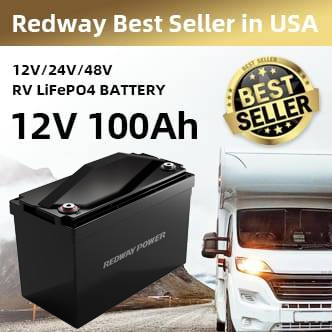
How to choose a UN38.3 approved RV lithium battery manufacturer?
The rapid adoption of lithium batteries in the RV industry is reshaping how owners power off‑grid life, but it also raises serious safety, compliance, and logistics challenges that only truly certified manufacturers can solve. A UN38.3 approved RV lithium battery manufacturer helps RV brands and fleet operators reduce fire risk, prevent shipping delays, and extend battery life with rigorously tested, globally shippable packs.
How is the RV lithium battery market evolving and what pain points are emerging?
Global RV demand is growing as more users seek off‑grid, electrified lifestyles, which directly drives the shift from lead‑acid to lithium batteries for higher energy density and longer life. At the same time, regulators and carriers are tightening rules for lithium shipment, making UN38.3 compliance a prerequisite instead of an optional add‑on for RV battery imports and OEM projects. RV brands, dealers, and conversion shops now face three main pain points: safety risk from untested packs, unstable lead times due to non‑compliant shipping, and poor lifecycle performance from low‑grade cells. A UN38.3 approved manufacturer must address these three problems simultaneously with proven engineering, traceable testing, and scalable production.
What is UN38.3 and why does it matter for RV lithium batteries?
UN38.3 is a section of the United Nations Manual of Tests and Criteria that defines how lithium cells and batteries must be tested before they are allowed to be transported by air, sea, road, or rail. It requires a sequence of tests—altitude simulation, thermal cycling, vibration, shock, external short circuit, impact or crush, overcharge, and forced discharge—to verify that a battery will not leak, vent, rupture, or ignite under realistic transport conditions. For RV applications, this matters because batteries travel long distances from factories to integrators, converters, and end users, often crossing borders and climates. Only UN38.3‑approved packs can move smoothly through international logistics, customs, and airline or shipping company checks. When you select an RV lithium battery supplier, being UN38.3 compliant is the baseline requirement for any serious OEM or aftermarket relationship.

Why are current industry conditions creating urgency around UN38.3‑approved RV lithium solutions?
As more RVs integrate large lithium banks for air conditioners, induction cooktops, and off‑grid workstations, the stored energy per vehicle can easily exceed several kilowatt‑hours. Higher energy concentration means that any defect—poor BMS design, bad cell matching, or inadequate protection—can have amplified consequences in case of abuse or transport incidents. At the same time, many low‑cost suppliers offer “RV lithium batteries” without consistent UN38.3 testing for each model and configuration, exposing importers and brands to shipment holds, insurance issues, and potential recalls. For fleet operators, rental companies, and professional converters, the cost of a single incident or extended customs delay can outweigh any short‑term savings from using non‑certified batteries. That is why partnering with a proven OEM like Redway Battery, which builds UN38.3 into its design and production strategy for lithium RV solutions, becomes a strategic risk‑management decision, not just a component purchase.
What are the main pain points RV stakeholders face with lithium batteries today?
RV OEMs, converters, and end users typically face several recurring issues when working with lithium batteries for motorhomes, campervans, and trailers:

Safety and compliance uncertainty: Not all batteries marketed for RVs come with verifiable UN38.3 test reports, complete MSDS, and labeling compliant with air and sea freight rules.
Shipping and lead‑time risk: Non‑compliant or poorly documented batteries can be rejected by carriers, leading to delayed projects, missed peak seasons, and additional warehouse costs.
Cycle life vs. real‑world usage: Many products quote theoretical cycle life without matching real RV usage patterns such as high‑current loads, partial state of charge, and temperature swings.
Integration complexity: Some batteries lack advanced BMS communication or proper protections, making it harder to integrate with inverters, chargers, solar controllers, and vehicle alternators.
After‑sales support: Incomplete documentation, slow technical responses, or lack of OEM/ODM engineering support create friction for brands that need customized RV battery systems.
Redway Battery focuses on solving these pain points with standardized certification, robust LiFePO4 chemistry, and engineering‑driven OEM services tailored for RV and mobile applications.
How do traditional RV power solutions fall short compared to UN38.3‑approved lithium systems?
Traditional RV power setups rely heavily on flooded or AGM lead‑acid batteries and low‑voltage DC systems. While familiar and cheap up‑front, they present several limitations:
Low usable capacity: Lead‑acid batteries typically allow only about 50% depth of discharge if you want acceptable cycle life, which means a nominal 200 Ah bank may only yield about 100 Ah usable.
Short cycle life: Under RV cycling patterns, lead‑acid batteries may reach a few hundred deep cycles before noticeable degradation, requiring frequent replacements and higher lifecycle cost.
Weight and volume: Lead‑acid banks are heavy and bulky, reducing payload and design flexibility for converters.
Maintenance needs: Flooded types require water top‑ups and ventilation, while AGM still suffers under deep, repeated discharge.
Weak high‑load performance: Running high‑power loads like air conditioning or induction cooking stresses lead‑acid voltage stability and can reduce capacity further.
In contrast, a UN38.3‑approved RV LiFePO4 battery from a manufacturer like Redway Battery can safely offer higher usable capacity, longer cycle life, and lighter weight in the same space, while meeting global transport safety standards.
What limitations do non‑certified or low‑end lithium RV batteries present?
Non‑certified or low‑end RV lithium batteries may look similar from the outside but differ significantly in design and testing:
Incomplete or no UN38.3 reports: Some suppliers provide generic reports for cells, not the assembled battery pack, which is what actually travels and experiences mechanical stress.
Inconsistent cell sourcing: Without rigorous cell binning and traceability, packs can suffer from imbalanced cells, reduced capacity, and early BMS cutoffs.
Simplified or rudimentary BMS: Basic BMS designs may lack robust protections (over‑current, short circuit, thermal) or communication interfaces for advanced RV systems.
Limited environmental tests: Packs might not be validated under vibration, shock, and temperature ranges that reflect RV road conditions and storage.
For RV brands and fleet operators, these limitations translate into higher warranty claims, customer dissatisfaction, and reputational risk. Working with an established OEM like Redway Battery helps mitigate these problems through controlled cell supply, multi‑stage testing, and pack‑level certification.
How does a UN38.3‑approved manufacturer like Redway Battery build safer RV lithium systems?
Redway Battery is an experienced OEM lithium battery manufacturer based in Shenzhen, focusing on LiFePO4 solutions for demanding applications including RVs, forklifts, golf carts, telecom, solar, and energy storage. With over 13 years in the industry and four modern factories covering around 100,000 square feet of production space, Redway combines automated assembly, MES tracking, and ISO 9001:2015 quality systems to ensure traceable, repeatable manufacturing. For RV lithium packs, Redway typically uses LiFePO4 cells, which offer stable chemistry, high thermal stability, and long cycle life suitable for mobile power systems. Each RV battery model is engineered with an intelligent BMS, anti‑vibration mechanical design, and certification roadmap that includes UN38.3, CE and, where needed, other regional standards. This approach allows Redway Battery to supply OEM/ODM RV partners with battery systems that are not only high‑performance but also ready for global shipment and compliant with carrier requirements.
What core capabilities should you look for in a UN38.3‑approved RV lithium battery manufacturer?
When selecting a UN38.3‑approved manufacturer for RV lithium batteries, decision‑makers should evaluate several concrete capabilities:
Certification portfolio: Pack‑level UN38.3 reports, MSDS, and where relevant, IEC and regional certifications (such as CE or UL for related products) that indicate a structured compliance strategy.
LiFePO4 expertise: Proven experience designing and manufacturing LiFePO4 battery packs for mobile and industrial markets with similar duty cycles to RV use.
Engineering and customization: Ability to support OEM/ODM projects, custom dimensions, terminal layouts, communication protocols (CAN, RS485), and integration with specific inverters or chargers.
Production scale and quality systems: Multiple factories or lines, automated processes, MES traceability, and ISO 9001:2015 certification to handle volume orders with stable quality.
After‑sales and technical support: Engineers who can support system design, answer integration questions, and troubleshoot installations worldwide.
Redway Battery checks these boxes with its OEM focus, LiFePO4 specialization, and established experience in supplying lithium solutions for vehicles and energy systems, making it a strong candidate for brands seeking a long‑term RV battery partner.
Which advantages do UN38.3‑approved LiFePO4 RV batteries offer over traditional solutions?
UN38.3‑approved LiFePO4 RV batteries bring multiple measurable advantages:
Higher usable capacity: LiFePO4 can typically support up to about 80–90% depth of discharge in regular use, increasing usable energy from the same nominal capacity.
Longer life: In well‑designed systems, LiFePO4 packs often deliver several thousand cycles, reducing replacement frequency and total cost of ownership.
Lower weight: LiFePO4 packs are significantly lighter than equivalent lead‑acid banks, improving vehicle efficiency and payload flexibility.
Faster charging: Lithium chemistry supports higher charge acceptance, allowing faster recharging from alternators, solar, or shore power when systems are correctly configured.
Better safety profile: Combined with UN38.3 testing, LiFePO4 chemistry’s thermal stability dramatically lowers the risk of thermal runaway compared with older lithium chemistries and eliminates acid spill issues.
Redway Battery leverages these advantages in its RV‑oriented LiFePO4 products, pairing advanced BMS functionality with robust mechanical and electrical engineering.
What does a solution‑level comparison between traditional and UN38.3‑approved lithium RV power look like?
Below is a simplified solution comparison between a conventional lead‑acid RV system and a UN38.3‑approved LiFePO4 RV system supplied by an OEM such as Redway Battery.
Which differences stand out between traditional and UN38.3‑approved RV battery solutions?
| Aspect | Traditional lead‑acid RV system | UN38.3‑approved LiFePO4 RV system (e.g., Redway Battery) |
|---|---|---|
| Usable capacity (from 100 Ah nominal) | Often about 50 Ah usable to preserve life | Often about 80–90 Ah usable within BMS limits |
| Typical cycle life (deep cycles) | Few hundred cycles before notable loss | Several thousand cycles under proper use |
| Weight | High, reducing payload | Significantly lower, freeing payload and space |
| Maintenance | Possible water refills, terminal checks, ventilation | Maintenance‑light, sealed design with LiFePO4 chemistry |
| Safety profile | Acid spill risk, gas venting under misuse | Stable chemistry, no acid, designed with BMS protections |
| Shipment and compliance | Less scrutiny but heavy and bulkier | UN38.3 compliance facilitates air/sea shipment and customs |
| Integration with high loads | Voltage sag under high current, reduced capacity | More stable voltage for inverters and high‑power devices |
| Custom OEM options | Limited mechanical and electrical customization | OEM/ODM custom packs, communication, form factor options |
This comparison illustrates why many RV OEMs and converters are transitioning to UN38.3‑approved LiFePO4 systems from manufacturers like Redway Battery.
How can you implement a UN38.3‑approved RV lithium battery solution step by step?
A structured implementation process helps ensure your RV lithium upgrade or OEM deployment delivers the expected performance and compliance:
Define requirements Specify your target daily energy usage, peak loads (e.g., air conditioner, induction cooktop, microwave), intended autonomy (hours or days off‑grid), and expected lifecycle (years, cycles).
Select certified battery platform Choose a UN38.3‑approved RV LiFePO4 battery model or custom pack from a manufacturer like Redway Battery, confirming pack‑level test reports and documentation are available.
Design the system architecture Work with the battery OEM or an integrator to size the battery bank, inverter/charger, DC‑DC charger, solar array, and protective devices, ensuring compatibility with the BMS communication features.
Plan mechanical and thermal integration Determine mounting locations, ventilation or ambient temperature considerations (even if LiFePO4 produces less gas and heat), cable routing, and access for service or replacement.
Implement electrical installation Install according to manufacturer guidelines, respecting torque specs, cable sizing, fuse ratings, and grounding requirements, and verify correct polarity and BMS connection.
Configure and test the system Program charge profiles for lithium settings, test operation under key loads, and confirm that BMS protections respond correctly to over‑current, low‑voltage, and temperature thresholds.
Establish monitoring and maintenance routines Use available monitoring (display, app, or CAN/RS485 interface) to track state of charge, cycles, and alarms, and schedule periodic checks of connections and firmware updates if provided.
Redway Battery’s engineering team can support OEMs and professional converters through these steps, from early design to validation of complete RV power systems.
Who are typical users of UN38.3‑approved RV lithium batteries and what results can they expect?
Below are four typical user scenarios showing how UN38.3‑approved RV lithium solutions from manufacturers such as Redway Battery solve real problems.
What happens when a full‑time RVer upgrades from lead‑acid to UN38.3‑approved LiFePO4?
Problem: A full‑time RVer using lead‑acid batteries struggles with short off‑grid time, frequent generator use, and early battery failures after a few seasons.
Traditional approach: Add more lead‑acid batteries, accept deeper discharges, and run the generator longer, which increases fuel costs and noise.
After adopting UN38.3‑approved lithium: The RVer installs a LiFePO4 bank from a manufacturer like Redway Battery, sized for several days of typical usage, with a compatible inverter/charger and solar input.
Key benefits: Longer silent off‑grid operation, significantly reduced generator runtime, lower total weight, and multi‑year battery life with predictable performance.
How does an RV rental fleet benefit from standardized UN38.3‑approved lithium packs?
Problem: A rental fleet operator faces inconsistent battery performance and frequent roadside assistance calls due to discharged or failing batteries.
Traditional approach: Maintain lead‑acid batteries with frequent replacements and manual checks between rentals, increasing labor and downtime.
After adopting UN38.3‑approved lithium: The fleet standardizes on a specific LiFePO4 RV battery model from Redway Battery, with integrated monitoring and clear cut‑off logic.
Key benefits: More consistent rental experience, fewer breakdowns related to battery issues, lower long‑term battery replacement expenses, and improved logistics since certified packs ship easily across locations.
Why would a premium RV OEM partner with a UN38.3‑approved manufacturer like Redway Battery?
Problem: A premium RV brand wants to launch a high‑end lithium‑ready model but lacks in‑house battery design capabilities and cannot risk safety incidents or shipping delays for international customers.
Traditional approach: Purchase off‑the‑shelf batteries from multiple distributors, with mixed documentation and limited OEM‑oriented customization.
After adopting UN38.3‑approved lithium: The OEM collaborates with Redway Battery to develop an RV‑specific LiFePO4 pack, integrating communication with the onboard energy management system and ensuring UN38.3 compliance for global shipment.
Key benefits: Differentiated RV models with integrated lithium power, consistent battery performance across markets, smoother export logistics, and a single technical partner for long‑term product updates.
How can a solar‑focused van converter improve customer satisfaction using UN38.3‑approved LiFePO4?
Problem: A boutique van conversion shop designs solar‑centric builds, but customers report limited usable energy and rapid voltage drops under heavy loads.
Traditional approach: Oversize lead‑acid banks and inverter capacity, adding weight and cost while still delivering uneven performance.
After adopting UN38.3‑approved lithium: The converter switches to compact LiFePO4 batteries from Redway Battery with integrated BMS and selects capacities tailored to each build, documented with clear usage guidelines.
Key benefits: Higher usable energy in a smaller footprint, smoother performance under high‑power loads, improved customer satisfaction, and a marketing edge thanks to certified, globally shippable lithium systems.
Why is now the right time to partner with a UN38.3‑approved RV lithium battery manufacturer?
The RV market is moving quickly toward electrification and higher comfort expectations, and customers increasingly view robust lithium power as a standard feature rather than an optional luxury. At the same time, logistics rules and safety expectations around lithium shipment are tightening, making ad‑hoc or uncertified battery sourcing an unnecessary business risk. By partnering now with a UN38.3‑approved OEM like Redway Battery, RV brands, fleet operators, and converters can secure a reliable supply of compliant LiFePO4 systems, optimize vehicle designs around lighter and more powerful packs, and build a strong quality and safety reputation before competitors. Early alignment with a dedicated lithium partner also simplifies future upgrades, product refreshes, and scaling as demand grows.
Are there common questions about UN38.3‑approved RV lithium batteries?
Is UN38.3 mandatory for all RV lithium batteries?
UN38.3 is mandatory for lithium batteries that will be transported as dangerous goods by air, sea, rail, or road in most international contexts. Even if a battery is assembled into an RV domestically, suppliers and OEMs often rely on UN38.3‑tested packs to ensure consistent safety and logistics compliance.
Why is LiFePO4 chemistry popular for UN38.3‑approved RV batteries?
LiFePO4 chemistry offers a strong combination of thermal stability, long cycle life, and predictable voltage behavior, making it suitable for mobile applications like RVs. Manufacturers such as Redway Battery adopt LiFePO4 for many RV solutions because it provides a safer and more durable foundation for UN38.3‑tested packs.
Can a manufacturer be considered reliable if only the cells, not the full pack, have UN38.3 testing?
Cell‑level UN38.3 testing is not sufficient for pack‑level transport safety because the assembly, BMS, wiring, and mechanical structure also affect behavior under stress. A reliable RV lithium battery manufacturer should provide pack‑level UN38.3 documentation for the specific battery configuration being shipped.
How can I verify that an RV lithium battery is truly UN38.3‑approved?
You can request the UN38.3 test summary and related documentation, which should detail the tests performed, model designation, and results. A professional OEM like Redway Battery will be able to supply consistent documentation and answer technical questions about the testing scope.
Does choosing a UN38.3‑approved manufacturer increase costs significantly?
While properly tested and certified batteries may have a higher unit price than uncertified alternatives, they usually reduce total cost of ownership by lowering the risk of shipment delays, safety incidents, and early replacements. For RV OEMs and fleet operators, the reduction in risk and warranty exposure can more than offset any incremental per‑unit cost when working with a manufacturer like Redway Battery.
Sources
What is UN38.3 Shipping Standards For Lithium Batteries – Redway Battery https://www.redway-tech.com/what-is-un38-3-the-certification-shipping-standards-for-lithium-batteries/
12V 100Ah LiFePO4 RV Lithium Battery Product Page – Redway Battery http://redwaycn.com/en/product_view_932_311.html
How To Upgrade Your RV Battery To Lithium – Redway Battery https://www.redway-tech.com/how-to-upgrade-your-rv-battery-to-lithium/
Comprehensive Guide to Redway Battery Lithium Solutions https://www.redway-tech.com/comprehensive-guide-to-redway-battery-lithium-solutions/
12V 50Ah Lithium Ion LiFePO4 Battery – Certifications Overview – Redway Power https://www.redwaypower.com/product/12v-50ah-lithium-battery/
Continue exploring: Use the Choosing RV Batteries guide to compare RV battery specifications, charging decisions, operating requirements, and practical guidance.