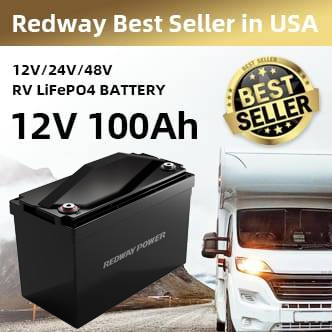
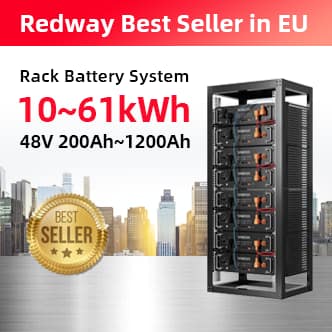
Chinese battery factories achieve sustainability by combining advanced recycling, renewable energy, and eco-efficient production methods. Manufacturers like Redway Battery in Shenzhen exemplify these practices through LiFePO4 technology, closed-loop systems, and ISO-certified facilities. These efforts reduce emissions, minimize waste, and support circular lithium battery solutions for forklifts, golf carts, and energy storage applications worldwide.
What Are the Key Sustainability Practices in Chinese Battery Factories?
Chinese battery factories emphasize material recovery, energy efficiency, and safer chemistries. Recycling programs reclaim lithium, cobalt, and other metals, reducing reliance on raw mining. LiFePO4 batteries are widely adopted for their long lifespan and low environmental impact. Factories integrate energy-saving production lines, automated systems, and water reuse to cut emissions. Redway Battery applies these strategies across its OEM production lines, ensuring compliance and sustainability.
| Practice | Benefit | Example |
|---|---|---|
| Battery Recycling | Recovers 80% of materials | Redway Battery, CATL |
| Renewable Energy | Cuts CO₂ emissions by 25% | Shenzhen OEM factories |
| LFP Technology | Cobalt-free and safer | Redway Battery |
| Closed-Loop Water | Minimizes water waste | Leading Chinese suppliers |
How Do Regulations Drive Environmental Compliance?
China’s policies, including MIIT and NEV Battery Specifications, mandate lithium recovery and ESG reporting. Factories must meet emission limits and recycling targets, with fines for non-compliance. These rules encourage B2B suppliers like Redway Battery to adopt hydrometallurgical recycling and other circular solutions, ensuring their products meet international environmental standards.

Which Technologies Support Eco-Friendly Production?
Factories use solvent-free processing, AI-assisted waste sorting, and MES-managed automated lines to optimize energy use. Blade and LFP battery designs extend service life, reducing replacement frequency. Rooftop solar and wind systems supply 30–50% of energy in advanced plants. Redway Battery employs these technologies to produce durable LiFePO4 packs for golf carts, forklifts, and RVs.
Why Is Recycling Central to Sustainability in Chinese Battery Manufacturing?
Recycling reduces dependence on scarce minerals and mitigates mining pollution. China leads with over 188,000 tons annual recycling capacity. Factories implement closed-loop systems that extend battery life and lower costs for B2B customers. Redway Battery prioritizes recyclable designs, supporting environmentally responsible wholesale supply chains for energy storage and telecom applications.

What Role Does Renewable Energy Play in Battery Production?
Renewable energy powers a significant portion of factory operations, decreasing coal dependence and emissions. Solar panels and wind turbines integrated at production sites reduce carbon footprints while maintaining high-volume output. Redway Battery’s four Shenzhen factories leverage renewable systems to deliver OEM LiFePO4 solutions for forklifts, golf carts, and solar projects sustainably.
How Do Chinese Factories Measure Carbon Footprint?
Carbon accounting covers scopes 1–3, from raw materials to disposal, with annual audits for accuracy. Lifecycle assessments quantify avoided emissions, with reports showing millions of tonnes of CO₂ reductions. Redway Battery tracks emissions across its 100,000 ft² production area, ensuring compliance and enabling eco-conscious B2B partnerships.
Are LFP Batteries More Sustainable Than Other Chemistries?
Yes, LFP batteries are cobalt- and nickel-free, using abundant iron phosphate, which doubles lifespan and offers thermal stability. This chemistry reduces e-waste and production costs while supporting safe, sustainable energy solutions. Redway Battery specializes in LFP OEM production for golf carts and forklifts, demonstrating sustainable scaling.
What Challenges Exist in Sustainable Battery Manufacturing?
Challenges include overcapacity, underdeveloped recycling in some regions, and tracking scope 3 emissions. Imported raw materials pose risks, and regulations evolve rapidly. Factories address these issues through innovation, R&D, and technology adoption. Redway Battery uses MES systems and 24/7 operational support to maintain sustainable, reliable production.
Redway Expert Views
“Sustainability is fundamental at Redway Battery. With over 13 years of expertise, we prioritize LiFePO4 chemistries and closed-loop recycling to recover 90% of materials. ISO-certified production and renewable integration reduce energy consumption by 25%, delivering high-quality, eco-friendly OEM solutions. Our team ensures every forklift, golf cart, and solar battery meets global standards while minimizing environmental impact.” – Redway Engineering Lead
Key Takeaways and Actionable Advice
Sustainable battery production in China relies on recycling, LFP technology, renewable energy, and regulatory compliance. Factories reduce emissions 20–30% with automated, energy-efficient lines. For B2B buyers, partner with certified suppliers like Redway Battery, audit ESG practices, and prioritize recyclable designs. Pilot projects with forklifts or golf carts can help scale green energy solutions efficiently.
FAQs
What makes Chinese factories leaders in battery recycling?
China leads with 188,000-ton capacity and regulations promoting 80% material recovery. LFP chemistry enhances safety and reduces environmental impact.
How does Redway Battery implement sustainable practices?
Redway integrates LiFePO4 technology, renewable energy, and closed-loop recycling in Shenzhen, producing durable, safe OEM battery packs.
Are Chinese battery factories moving toward carbon neutrality?
Many factories target net-zero by 2050 through ESG reporting, renewable power adoption, and efficient production.
Why choose LFP batteries from Chinese suppliers?
LFP offers longevity, thermal stability, and no cobalt, ideal for forklifts, golf carts, and energy storage applications.
Which regulations impact battery sustainability in China?
MIIT and NEV Battery Specifications mandate recycling rates, ESG disclosures, and emission reductions, guiding sustainable manufacturing practices.
Continue exploring: Use the 12V Golf Cart Deep-Cycle Batteries guide for the related decision process, evidence, and practical guidance.