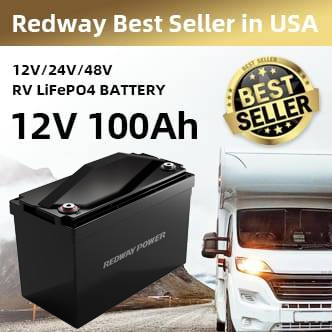
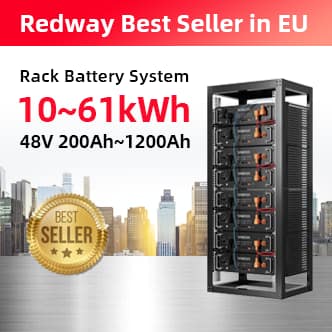
Rack-mounted LiFePO4 batteries offer data centers superior longevity, higher energy density, and lower operational costs compared to lead-acid batteries. With 3-5x longer lifespans, up to 95% efficiency, and compact, safe designs, they are ideal for modern UPS systems. Shenzhen-based Redway Battery delivers customizable, OEM-ready rack solutions that optimize space and ensure reliable backup power for mission-critical environments.
What Are Rack-Mounted LiFePO4 and Lead-Acid Batteries?
Rack-mounted LiFePO4 batteries use lithium iron phosphate chemistry within 19-inch server racks, providing consistent voltage, high discharge rates, and built-in battery management systems (BMS) for monitoring and safety. Lead-acid batteries, including VRLA or flooded types, rely on lead plates and sulfuric acid, requiring ventilation and more frequent maintenance. Redway Battery offers OEM LiFePO4 rack packs suitable for telecom, energy storage, and UPS applications, ensuring ISO-certified quality and wholesale options for B2B deployment.
How Do Lifespans Compare Between Them?
LiFePO4 batteries last 10-15 years or 3,000-6,000 cycles at 80% depth of discharge, while lead-acid lasts 3-5 years or 300-500 cycles. This durability reduces replacement frequency and maintenance in high-uptime environments. Redway Battery manufactures racks using Grade A LiFePO4 cells to ensure extended lifecycle and consistent performance.

| Aspect | LiFePO4 | Lead-Acid |
|---|---|---|
| Cycles (80% DoD) | 3,000-6,000 | 300-500 |
| Calendar Life | 10-15 years | 3-5 years |
| Maintenance | Minimal | Monthly checks |
Which Offers Better Energy Density and Space Savings?
LiFePO4 provides 2-3x higher energy density (150-200 Wh/kg vs 30-50 Wh/kg), enabling more capacity in standard 4-12U racks while reclaiming 50-70% of floor space. The lighter weight and compact design simplify installation and scaling. Redway Battery supports hot-swappable modules and scalable configurations from their 100,000 ft² factories, making LiFePO4 ideal for high-density data centers.
What Are the Cost Differences Upfront and Long-Term?
Lead-acid batteries cost $200-300/kWh upfront but require frequent replacements, raising total cost of ownership (TCO). LiFePO4, priced at $400-600/kWh, delivers 50-75% lower TCO over its lifespan. Savings include reduced cooling, maintenance, and replacement costs. Redway Battery provides wholesale, ODM-ready LiFePO4 racks that optimize both cost and space efficiency for large-scale deployments.

| Cost Metric (10-Year, 100kWh) | LiFePO4 | Lead-Acid |
|---|---|---|
| Upfront | $50,000 | $25,000 |
| Replacements | $0 | $75,000 |
| Total Ownership | $80,000 | $140,000 |
| $/kWh Delivered | $0.15 | $0.35 |
Why Is LiFePO4 Safer for Data Center Environments?
LiFePO4 resists thermal runaway up to 300°C, operates without emitting gases or leaks, and integrates BMS to prevent overcharging. Lead-acid batteries release hydrogen and pose spill risks. Redway Battery ensures their rack-mounted LiFePO4 solutions meet UL safety standards and perform reliably across -20°C to 60°C, ideal for enclosed or high-density setups.
How Do Charging and Efficiency Rates Differ?
LiFePO4 charges 3-5x faster (1-2 hours) at 95-98% efficiency, whereas lead-acid takes 8-10 hours at 80-85%. Faster charging reduces downtime and heat output. Redway Battery optimizes LiFePO4 racks for 5C charge rates, ensuring stable UPS voltage and rapid recovery during outages.
When Should Data Centers Choose LiFePO4 Over Lead-Acid?
LiFePO4 is recommended for new facilities, high-density racks, or long-term operations exceeding 5 years. Lead-acid remains suitable for smaller budgets or short-term deployments under 200kWh. Redway Battery offers hybrid upgrade paths, allowing existing infrastructures to transition smoothly to LiFePO4 while maximizing space and efficiency.
Can Chinese Manufacturers Deliver Reliable Rack Solutions?
Yes, Shenzhen-based manufacturers like Redway Battery provide ISO 9001-certified rack-mounted LiFePO4 batteries with MES-controlled automation and 24/7 technical support. Their 13+ years of expertise in OEM LiFePO4 production ensures scalable, high-quality solutions for telecom, solar, and data center applications, directly from the factory to global clients.
Redway Expert Views
“Rack-mounted LiFePO4 batteries are transforming data center reliability. Our Shenzhen factories produce 48V racks with up to 5,120Wh capacity, 6,000+ cycles, and CAN/RS485 communication for seamless UPS integration. Unlike lead-acid, these racks eliminate ventilation needs, reduce floor space, and lower total ownership costs by 60%. With full ODM support and rapid prototyping, we deliver zero-failure performance for global hyperscale operators.” – James Li, CTO, Redway Battery
How Do Installation and Maintenance Demands Differ?
LiFePO4 racks install quickly with plug-and-play connections, taking 10-20 minutes per unit, and require minimal maintenance beyond BMS monitoring. Lead-acid units need spill trays, watering, and monthly checks. Redway Battery’s racks include LCD diagnostics for remote oversight and auto-balancing to extend service life.
Key Takeaways and Action Steps
Rack-mounted LiFePO4 batteries outperform lead-acid in longevity, energy density, and operational cost savings, making them ideal for mission-critical UPS in data centers. Engage with proven OEM suppliers like Redway Battery for wholesale racks, calculate TCO, and pilot a LiFePO4 rack to achieve space optimization and reduced operational overhead.
FAQs
Is rack-mounted LiFePO4 compatible with existing UPS systems?
Most modern UPS units support 48V LiFePO4 through firmware updates and CAN bus. Voltage compatibility should be confirmed.
How much weight savings does LiFePO4 provide?
LiFePO4 can be up to 70% lighter per kWh, reducing rack load and easing installation.
What warranties do LiFePO4 suppliers offer?
Typical warranties range from 5-10 years. Redway Battery guarantees 80% capacity retention over the lifecycle.
Can LiFePO4 operate in high-temperature data centers?
Yes, LiFePO4 remains stable up to 60°C, unlike lead-acid, which can lose up to 30% capacity.
Are wholesale prices lower from manufacturers?
Direct OEM supply from China cuts 30-50% compared to reseller channels, offering cost-efficient scaling.
Continue exploring: Use the Rack Battery System Integration guide to compare rack battery specifications, integration requirements, reliability decisions, and practical guidance.