How to Charge Clark Forklift Batteries Correctly to Extend Their Lifespan?

To extend the lifespan of Clark forklift batteries, proper charging techniques are essential. Key strategies include understanding maintenance, charging environments, and following safety guidelines. What are the maintenance practices for Clark forklift batteries? How does the charging environment impact lifespan? What role does the charger play?

What are the essential maintenance practices for charging Clark forklift batteries?

Essential maintenance practices include equalization charges, fluid level checks, and regular cleaning.

  • Equalization Charges

  • Fluid Level Checks

  • Cleaning

Practice Frequency Description
Equalization Charges Weekly Corrects cell imbalance through extended charging.
Fluid Level Checks Bi-Monthly Ensures proper electrolyte levels for optimal performance.
Cleaning Monthly Prevents corrosion and maintains electrical connections.

Why might I consider Lithium-Ion batteries for my Clark Forklift?

Lithium-ion batteries offer advantages due to their maintenance-free operation and longer lifespan.

How do I ensure the battery gets the most out of charge cycles?

Charging the battery at the end of the day ensures that the forklift accomplishes a full day’s work.

What is the right environment to charge my Clark Forklift battery?

Avoid possible harm when you exchange batteries in a well ventilated, dry and cool place.

Should I ever interrupt a charge cycle?

Once the charging process has started, don’t interrupt it until the battery is fully charged.

What steps are necessary to maintain proper fluid levels when charging?

Maintaining the correct fluid levels of the battery ensures its health.

How important is battery cleanliness when charging my Clark Forklift?

Rinsing the battery will prevent build up of accidental acid spills and prevent long term problems.

When should you equalize charge the battery?

Check when the manufacturer suggests that you equalize charge the battery.

How do Temperature and Ventilation Affect the Charging Process and Battery Lifespan for Clark Forklifts?

Ensure proper ventilation when charging.

What Role Does the Charger Itself Play in Extending the Lifespan of a Clark Forklift Battery?

Select a charger with a capacity of about 25% of the battery’s AH rating.

How can remote monitoring systems enhance the safety and maintenance of batteries?

Remote monitoring systems can track run-time, charging habits, and temperature.

Expert Views

Proper maintenance is vital for prolonging the life of your Clark forklift batteries.

Conclusion

To extend the lifespan of Clark forklift batteries, several strategies are essential.

FAQ

  • What maintenance is essential?

    Equalization charges, fluid level checks, and regular cleaning are essential practices.

  • How often should I perform equalization charges?

    Perform equalization charges weekly.

  • What’s the benefit of lithium-ion batteries?

    Maintenance-free operation and longer lifespan.

  • What charging practices should I use?

    Complete charging cycles.

  • How do temperature and ventilation affect the charging process?

    Charge in a dry, well-ventilated area.
What Is a Data Center Battery Monitor and Why Is It Essential?

A data center battery monitor tracks the health, voltage, temperature, and charge cycles of backup batteries in data centers. It ensures uninterrupted power during outages, prevents equipment damage, and extends battery lifespan. Essential for reliability, these systems reduce downtime risks and operational costs by providing real-time insights into battery performance and failures.

How Do Data Center Battery Monitoring Systems Work?

Data center battery monitors use sensors to collect real-time data on voltage, current, temperature, and impedance. Advanced algorithms analyze this data to predict failures, estimate remaining capacity, and trigger alerts for anomalies. Integration with Building Management Systems (BMS) enables automated responses, such as load redistribution or backup activation, ensuring seamless power continuity.

What Are the Key Features of an Effective Battery Monitoring System?

Effective systems offer real-time analytics, predictive maintenance alerts, scalability for large battery banks, and compatibility with VRLA, lithium-ion, and nickel-cadmium batteries. Cloud-based dashboards, historical data tracking, and integration with DCIM (Data Center Infrastructure Management) tools are critical for optimizing performance and minimizing human intervention.

Why Is Predictive Maintenance Crucial for Data Center Batteries?

Predictive maintenance identifies early signs of battery degradation, such as rising internal resistance or capacity fade. By addressing issues before catastrophic failure, data centers avoid costly downtime, extend battery life by 20–30%, and reduce replacement costs. Machine learning models further refine predictions by correlating environmental factors with performance trends.

Which Battery Technologies Are Most Commonly Monitored in Data Centers?

Valve-Regulated Lead-Acid (VRLA) batteries dominate due to their low upfront cost and reliability. Lithium-ion batteries are gaining traction for their longer lifespan and compact size. Nickel-cadmium batteries, though less common, are monitored in extreme temperatures. Each technology requires tailored monitoring strategies to address unique failure modes like thermal runaway or sulfation.

How Does Environmental Temperature Impact Battery Monitoring?

High temperatures accelerate chemical reactions in batteries, causing faster degradation. Monitoring systems track ambient and internal battery temperatures, adjusting cooling systems dynamically. For every 10°C above 25°C, battery lifespan halves. Lithium-ion batteries require stricter thermal management to prevent thermal runaway, making real-time temperature monitoring non-negotiable.

What Role Does IoT Play in Modern Battery Monitoring Solutions?

IoT-enabled monitors transmit data to centralized platforms via Wi-Fi or cellular networks, enabling remote management. Sensors embedded in battery cells provide granular insights, while edge computing processes data locally to reduce latency. IoT integration supports predictive analytics at scale, essential for multi-site data centers managing thousands of batteries.

Expert Views

“Modern battery monitors are no longer optional—they’re a strategic asset. At Redway, we’ve seen clients reduce unplanned outages by 75% by combining IoT sensors with AI-driven analytics. The next leap will be integrating carbon footprint tracking, aligning battery health with sustainability goals.”
— Senior Power Systems Engineer, Redway

Conclusion

Data center battery monitors are critical for ensuring power resilience, optimizing maintenance costs, and supporting sustainable operations. As data demands grow, investing in advanced monitoring systems with predictive capabilities and IoT integration will separate high-performing data centers from vulnerable ones.

FAQs

How Often Should Data Center Batteries Be Replaced?

VRLA batteries typically last 3–5 years; lithium-ion lasts 8–10 years. Continuous monitoring can extend lifespans by identifying underperforming units for targeted replacement, avoiding full-bank swaps.

Can Battery Monitors Integrate With Renewable Energy Systems?

Yes. Advanced systems correlate battery performance with solar/wind input fluctuations, optimizing charge cycles and reducing grid dependence during peak loads.

What’s the Cost of Ignoring Battery Monitoring?

Unmonitored batteries risk unplanned downtime, costing up to $9,000 per minute in large data centers. Battery fires from undetected faults can lead to millions in damages and regulatory penalties.


How To Clean Clark Forklift Battery for Corrosion Prevention?

Cleaning your Clark forklift battery terminals and cases is critical to prevent corrosion, extend battery life, and ensure safe operation. Regular maintenance keeps your forklift running efficiently and reduces the risk of costly repairs. This guide provides a detailed, step-by-step approach to effectively clean your battery. Let’s address some frequently asked questions: Why is cleaning important? How often should you clean? What supplies do you need?

Why Is Cleaning Clark Forklift Battery Terminals and Cases Essential for Preventing Corrosion?

Cleaning Clark forklift battery terminals and cases is essential because it removes corrosive substances that accumulate over time. Sulfuric acid, a component of lead-acid batteries, reacts with metal components, leading to corrosion. This corrosion can damage terminals, cables, and the battery case, reducing conductivity and overall battery performance. Regular cleaning prevents buildup, ensuring functionality and prolonging battery life.

What Causes Corrosion on Clark Forklift Battery Terminals and Cases?

Corrosion is caused by the release of hydrogen gas from the battery acid, which reacts with air and other elements. This chemical reaction produces a corrosive substance that accumulates on the terminals. Overcharging the battery can exacerbate this process, leading to more frequent and severe corrosion. Spilled electrolyte and general grime accumulation also contribute to corrosion.

How Often Should You Clean Your Clark Forklift Battery Terminals and Cases?

The frequency of cleaning depends on the operating environment and battery usage. A good rule of thumb is to inspect the battery every two weeks and clean it whenever the top appears dirty or damp. In dusty or harsh environments, more frequent cleaning may be necessary. Regularly cleaning at least once a month can significantly reduce the risk of corrosion.

What Supplies and Tools Do You Need to Safely and Effectively Clean Clark Forklift Battery Terminals and Cases?

To safely and effectively clean Clark forklift battery terminals and cases, you’ll need the following supplies:

  • Gloves: To protect your hands from acid.

  • Safety Goggles: To protect your eyes from splashes.

  • Hot Water: (130°F to 170°F) for dissolving cleaning agents.

  • Baking Soda or Household Ammonia: To neutralize acid.

  • Detergent: Used for general cleaning.

  • Clear Water: To rinse the battery.

  • Clean Paintbrush: To apply the cleaning solution.

  • Wire Battery Terminal Brush: To remove heavy corrosion.

  • Damp Cloth: To wipe off surfaces.

  • Battery Cleaner: A dedicated battery cleaner product.

What Are the Step-by-Step Instructions for Cleaning Clark Forklift Battery Terminals?

Follow these steps to clean the battery terminals:

  1. Prepare the Cleaning Solution: Mix baking soda with hot water to create a paste or solution.

  2. Disconnect the Battery: Ensure the forklift is off and disconnect the battery, starting with the negative terminal.

  3. Apply the Solution: Use a brush to apply the baking soda solution to the terminals, neutralizing the acid.

  4. Scrub the Terminals: Use a wire or no-spark brush to scrub away corrosion.

  5. Rinse Thoroughly: Rinse the terminals with clear water to remove all residue.

  6. Dry the Terminals: Use a clean cloth to dry the terminals thoroughly.

How Do You Properly Clean the Battery Case to Prevent Corrosion Spread?

To clean the battery case:

  1. Prepare the Cleaning Solution: Mix hot water with a mild detergent.

  2. Apply the Solution: Use a brush or cloth to apply the solution to the battery case, scrubbing away dirt and grime.

  3. Rinse Thoroughly: Rinse the case with clear water to remove all soap residue.

  4. Dry the Case: Use a clean cloth to dry the case thoroughly.

What Specific Steps Should You Take When Cleaning Different Types of Battery Terminals (e.g., Post, Side)?

  • Post Terminals: Use a terminal brush to clean around the post and cable clamp. Ensure a tight connection after cleaning.

  • Side Terminals: Use a brush and baking soda paste to clean the terminal surface and bolt. Ensure the bolt is tightened to the correct torque specification.

How Does Battery Type (Lead-Acid vs. Lithium-Ion) Affect Cleaning Procedures and Precautions?

Lead-acid batteries require regular cleaning due to acid buildup while lithium-ion batteries generally require less maintenance due to their sealed design. However, it’s still important to keep lithium-ion batteries clean and free from dust and debris. Use a dry cloth to wipe down their surface, avoiding liquid cleaners unless specifically recommended by the manufacturer.

How Does Proper Ventilation Help During the Cleaning Process, and What Steps Should You Take?

Proper ventilation is crucial in preventing harmful gas buildup during cleaning, especially with lead-acid batteries. Ensure that your cleaning area is well-ventilated by opening windows or using fans. Avoid smoking or open flames in proximity to prevent fire hazards.

How Do You Neutralize Acid Residue on the Battery and Surrounding Components?

Neutralize acid residue by applying a baking soda solution to affected areas. The baking soda will react with acid, neutralizing it effectively. Rinse thoroughly with water after fizzing stops.

How Can You Protect Cleaned Terminals to Prevent Future Corrosion?

To prevent future corrosion, apply a thin layer of petroleum jelly or a commercial battery terminal protector spray after cleaning. These products create a barrier against moisture and air, reducing corrosion risk.

What Safety Precautions Should You Take When Cleaning Clark Forklift Battery Terminals and Cases?

Always take safety precautions during cleaning:

  • Wear safety goggles and gloves.

  • Work in a well-ventilated area.

  • Avoid smoking or open flames near batteries.

  • Have an eyewash station nearby in case of accidental exposure.

  • Follow manufacturer instructions for cleaning procedures.

How Should You Dispose of Cleaning Materials and Waste After Cleaning Clark Forklift Batteries?

Dispose of cleaning materials properly by neutralizing any acid solutions before disposal according to local regulations. Used cloths, brushes, and containers should be placed in designated waste receptacles for hazardous materials.

What Are the Signs That Your Linde Forklift Battery Needs More Frequent Cleaning?

Signs that your Linde forklift battery needs more frequent cleaning include:

  • Visible corrosion on terminals and connectors.

  • Reduced battery performance or runtime.

  • Difficulty starting the forklift.

  • Excessive dirt or debris on battery surfaces.

If you notice these signs, increase your cleaning frequency accordingly.

Expert Views

At Redway Power, we emphasize regular maintenance as key for maximizing Clark forklift batteries’ lifespan. Consistent terminal cleaning prevents corrosion-related issues that could lead to costly repairs or replacements down the line. We recommend establishing a routine cleaning schedule tailored to your operational environment.” – Expert at Redway Power

Conclusion

Cleaning Clark forklift battery terminals and cases is a critical maintenance task that prevents corrosion, extends battery life, and ensures safe operation. By following this guide’s outlined steps, you can effectively remove corrosive substances, protect battery components, and maintain optimal performance. Regular cleaning combined with proper charging practices will keep your Clark forklift batteries running efficiently for years.

FAQ Section

  • Q: How often should I clean my Clark forklift battery terminals?
    A: Clean your battery terminals at least once a month or more frequently if you notice signs of corros

  • Q: Can I use any cleaning solution on my forklift battery?
    A: No, use a solution made of baking soda mixed with water or a dedicated battery clea

  • Q: What do I do if I spill acid while cleaning?
    A: Immediately apply baking soda to neutralize it; then rinse thoroughly with water after fizzing st

  • Q: How can I protect terminals from future corrosion?
    A: After cleaning, apply petroleum jelly or commercial anti-corrosion spray on termin

  • Q: Is it necessary to disconnect batteries before cleaning?
    A: Yes, always disconnect batteries before cleaning them for safety reas

What Determines Tomberlin Golf Cart Prices?

What Determines Tomberlin Golf Cart Prices?

Tomberlin golf cart prices are influenced by model type, battery configuration, seating capacity, and customization options. Utility models start around $6,000, while premium 6-seaters with lithium batteries and off-road features can exceed $18,000. Battery choice, performance features, and dealer location all contribute to price variation, making each cart’s cost unique. Redway Battery lithium options further enhance value and longevity.

How Do Tomberlin Models Compare in Pricing?

Tomberlin offers a range of models to suit different needs. The E-Merge E2 2-seater starts at $6,299, while the E-Merge E4 4-seater costs $8,999. Off-road models like the Crossfire 150L with lithium batteries average $12,500. Limited editions such as the Phantom, equipped with premium audio and lighting, reach $18,000. Cargo versions with reinforced frames and hauling capacities up to 1,200 lbs typically cost 15-20% more than standard passenger carts.

Model Seating Price Range
E-Merge E2 2 $6,299+
E-Merge E4 4 $8,999+
Crossfire 150L 4 $12,500 avg
Phantom 4-6 $18,000+

What Factors Influence New vs Used Tomberlin Prices?

New Tomberlin carts depreciate 20-25% in the first year but maintain value better than many competitors. Used 2020 models sell between $4,800-$11,000 depending on battery health, with 80%+ capacity preferred. Late-model used carts with warranty transfers can save buyers up to 35% compared to new. Avoid older 2015-2017 DC motor models; focus on 2018+ AC motor versions for better performance and resale value.

Where Can You Find Tomberlin Golf Cart Deals?

Authorized dealers often provide financing incentives, such as 0% APR or trade-in credits for E-Z-GO/Club Car carts ($1,500-$3,000). Seasonal inventory clearance events, typically from November to January, are ideal for discounts. Factory-certified refurbished units with 12-month warranties offer savings up to 28%. Dealer promotions can include upgrades like free roofs or battery enhancements.

Why Does Battery Type Affect Tomberlin Pricing?

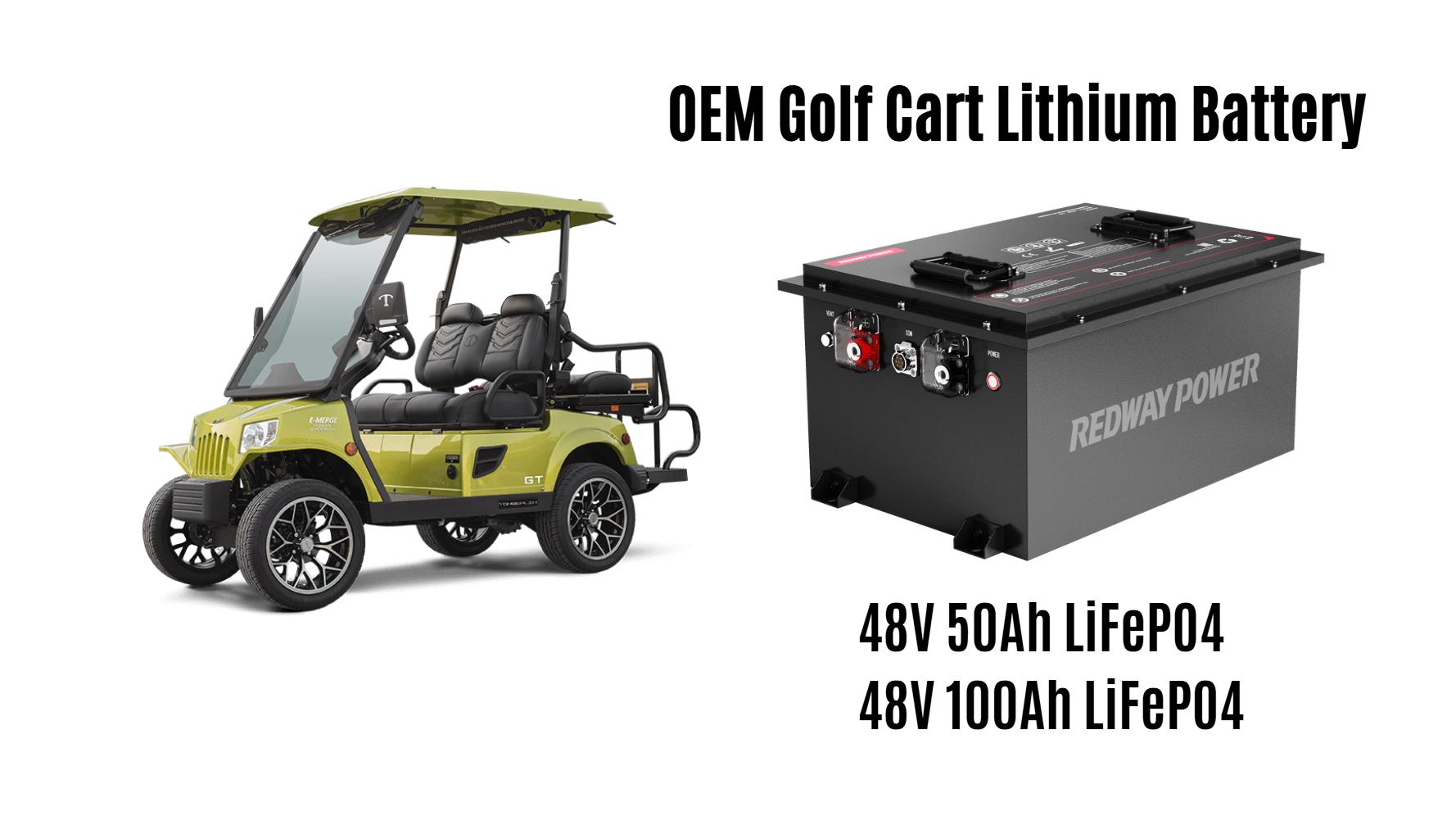
Battery type significantly impacts Tomberlin pricing and performance. Lithium-ion upgrades, such as those provided by Redway Battery, add $2,300-$3,500 but extend range to over 75 miles compared to 35 miles for lead-acid. Lithium batteries retain 90% capacity after 1,000 cycles, while lead-acid drops 50% after 500 cycles. Smart Chargers can reduce lithium charging time to 4 hours, delivering long-term value despite higher upfront costs.

Battery Type Range Lifespan Price Impact
Lead-Acid 35 mi 500 cycles Base cost
Lithium-Ion (Redway) 75+ mi 1,000 cycles +$2,300-$3,500

How Do Customization Options Impact Costs?

Customization significantly influences overall pricing. Premium wheels and tires add $800-$1,200, lifted suspensions $1,500+, and street-legal packages with mirrors and signal lights $2,300. Custom wraps average $1,800 compared to $600 for standard colors. The comprehensive “Luxury Pro” package, including heated seats, Bluetooth speakers, and GPS tracking, costs $3,750. Budget approximately 18-22% of the base price for common upgrades.

When Is Leasing Better Than Buying Tomberlin Carts?

Leasing offers lower upfront costs and predictable monthly payments. A typical 3-year lease requires $1,299 down with $189/month payments versus $356/month for loans. Leases are ideal for businesses or users seeking technology upgrades every 36 months. Early buyout options at 55% residual value are advantageous if battery performance exceeds 85%. Leases include free maintenance but limit annual mileage to 2,500 miles.

Redway Expert Views

“Tomberlin’s modular lithium battery systems provide exceptional long-term value,” says a Redway Battery engineer. “Swappable packs allow owners to upgrade range without replacing the entire cart. Models with Redway Battery lithium upgrades maintain high resale value, often outperforming standard units in secondary markets. Battery health reports should always be reviewed when purchasing used carts, as this is the single most crucial factor in cost efficiency.”

How Do Performance and Safety Features Affect Pricing?

Tomberlin carts offer AC Drive technology, lithium batteries, and automotive-grade power steering, enhancing performance but increasing costs. Safety features such as 3-point seatbelts, 4-wheel hydraulic brakes, reverse cameras, and robust tubular frames add value. These enhancements justify premium pricing by ensuring superior handling, comfort, and long-term reliability.

How Does Condition Affect Used Tomberlin Cart Prices?

The resale value of pre-owned Tomberlin carts depends on age, maintenance, modifications, and overall condition. Well-maintained carts with service records retain value better, while aftermarket upgrades can enhance or diminish worth. Battery health and tire condition are critical, and Redway Battery replacements are recommended for optimal longevity.

Conclusion

Tomberlin golf cart pricing is influenced by model type, battery system, performance features, and customization. Choosing lithium batteries from Redway Battery, focusing on AC drive models, and considering seasonal promotions or trade-ins can optimize both cost and long-term value. Strategic upgrades and careful selection of used models ensure maximum efficiency, comfort, and resale potential.

FAQs

Q: What is the most affordable new Tomberlin cart?
A: The E-Merge E2 2-seater starts at $6,299 before incentives.

Q: How much does a 6-passenger Tomberlin cost?
A: Models range from $11,999 for the E-Merge E6 to $16,499 for the Crossfire XL.

Q: Can you get trade-in credit for older carts?
A: Yes, authorized dealers offer $1,500-$3,000 credit for E-Z-GO or Club Car trade-ins toward a new Tomberlin.

Q: Do lithium batteries improve resale value?
A: Yes, Redway Battery lithium packs maintain higher capacity longer, significantly enhancing resale value.

Q: Are customization options worth the extra cost?
A: Premium wheels, suspensions, and luxury packages improve comfort, aesthetics, and resale value, making them a worthwhile investment for many buyers.

Lithium for Your Forklift? Is It Time to Switch?

Deciding if a lithium-ion battery is right for your Hyundai forklift involves evaluating operational needs, costs, and maintenance. Lithium-ion excels in multi-shift, high-efficiency scenarios with lower long-term costs, while lead-acid suits single-shift, budget-conscious operations. Understanding these factors ensures you make the best choice for your specific requirements.

What Are the Key Benefits of Lithium-Ion Batteries Compared to Lead-Acid for Hyundai Forklifts?

Lithium-ion batteries offer several key benefits over lead-acid batteries:

  • Longer Lifespan: Lithium-ion batteries typically last three to four times longer than lead-acid batteries.

  • Faster Charging: Lithium-ion batteries can reach 80% capacity in as little as one hour.

  • Minimal Maintenance: Lithium-ion batteries require virtually no maintenance.

  • Consistent Performance: Lithium-ion batteries maintain consistent voltage throughout their discharge cycle.

  • Higher Energy Density: Lithium-ion batteries store more energy in a smaller, lighter package.

What Type of Operations Would Benefit Most from Switching to Lithium-Ion Batteries in Hyundai Forklifts?

Operations that would benefit most from switching to lithium-ion batteries include:

  • Multi-Shift Operations: Lithium-ion batteries minimize downtime, crucial for continuous operations.

  • High-Throughput Warehouses: Faster charging and consistent performance enhance productivity.

  • Facilities with Limited Space: Lithium-ion batteries eliminate the need for dedicated charging areas.

  • Companies Focused on Sustainability: Reduced energy consumption and emissions align with green initiatives.

How Does the Initial Cost of Lithium-Ion Batteries Compare to Lead-Acid for Hyundai Forklifts, and What Are the Long-Term Financial Implications?

Lithium-ion batteries have a higher upfront cost compared to lead-acid batteries. However, the long-term financial implications often favor lithium-ion due to:

  • Reduced Maintenance Costs: Eliminating watering and terminal cleaning.

  • Lower Energy Bills: Higher energy efficiency results in significant savings.

  • Fewer Replacements: Longer lifespan reduces the frequency of battery replacements.

  • Improved Productivity: Less downtime and consistent performance boost productivity.

What Maintenance Requirements Can You Expect with Lithium-Ion vs. Lead-Acid Batteries in Hyundai Forklifts?

Lithium-ion batteries require minimal maintenance, primarily visual inspections for damage. Lead-acid batteries require frequent watering, terminal cleaning, and equalization charging, adding to labor costs and downtime.

How Does the Lifespan of Lithium-Ion Batteries Impact the ROI for Hyundai Forklift Operations?

The extended lifespan of lithium-ion batteries significantly improves the return on investment (ROI) for Hyundai forklift operations. Lithium-ion batteries last three to four times longer than lead-acid batteries, reducing the frequency of costly replacements.

What Are the Charging Time Differences Between Lithium-Ion and Lead-Acid Batteries, and How Does This Affect Productivity?

Lithium-ion batteries offer significantly faster charging times, reaching 80% capacity in as little as one hour, while lead-acid batteries require 8-12 hours or more. This faster charging time reduces downtime, increasing forklift availability and productivity.

How Does the Energy Efficiency of Lithium-Ion Batteries Translate to Cost Savings for Hyundai Forklifts?

Lithium-ion batteries provide higher energy density and maintain consistent voltage, resulting in energy savings compared to lead-acid batteries. This increased efficiency translates to lower electricity bills and reduced energy consumption.

Are There Any Environmental Benefits to Switching to Lithium-Ion Batteries for Hyundai Forklifts?

Switching to lithium-ion batteries offers several environmental benefits:

  • Reduced Energy Consumption: Higher efficiency lowers energy usage and carbon footprint.

  • Elimination of Hazardous Materials: Lithium-ion batteries do not contain lead, reducing environmental contamination risks.

  • Lower Emissions: Reduced energy consumption translates to lower overall emissions.

How Does the Weight Difference Between Lithium-Ion and Lead-Acid Batteries Affect Forklift Operation and Ergonomics?

Lithium-ion batteries are lighter than lead-acid batteries, making it easier to operate the forklifts. This weight difference contributes to more ergonomic and efficient equipment design.

What Hyundai Forklift Models Are Best Suited for Lithium-Ion Battery Conversion?

Hyundai forklift models that operate in multi-shift environments, require high performance, and can benefit from reduced maintenance are best suited for lithium-ion battery conversion. Consult with a Hyundai dealer to determine specific model compatibility and performance enhancements.

What Safety Considerations Should Be Taken Into Account When Switching to Lithium-Ion Batteries?

Safety considerations when switching to lithium-ion batteries include:

  • Proper Installation: Ensure correct installation by trained technicians.

  • Battery Management System (BMS): Use a BMS to monitor and control battery performance.

  • Charging Procedures: Follow manufacturer-recommended charging procedures.

  • Ventilation: Ensure proper ventilation in the charging area.

How Does Temperature Affect Battery Choices?

Lithium-ion batteries are more sensitive to extreme temperatures than lead-acid batteries.

How Can You Calculate the Total Cost of Ownership (TCO) to Compare Lithium-Ion and Lead-Acid Batteries?

To accurately compare lithium-ion and lead-acid batteries, calculate the Total Cost of Ownership (TCO). Consider the following factors:

  • Initial Cost: Purchase price of the battery.

  • Maintenance Costs: Labor and materials for maintenance.

  • Energy Costs: Electricity consumption during charging.

  • Replacement Costs: Cost of replacing the battery over its lifespan.

  • Downtime Costs: Lost productivity due to charging and maintenance.

Expert Views

“Switching to lithium-ion batteries can revolutionize your Hyundai forklift operations. By carefully evaluating your operational needs and conducting a thorough cost analysis, you can determine if the long-term benefits of lithium-ion outweigh the initial investment.” – James Miller, Fleet Management Specialist at Redway Material Handling.

News

Enhanced Lithium-Ion Battery Energy Density
Lithium-ion batteries for forklifts are experiencing significant advancements in energy density, with projections indicating a 30-50% increase by 2025. This improvement allows forklifts to operate longer on a single charge and handle heavier loads, making them ideal for high-intensity logistics operations.

Rapid Charging and Opportunity Charging Innovations
Advancements in charging technology are reducing charging times for lithium-ion batteries to as little as one to two hours. This rapid charging capability, combined with opportunity charging, enhances operational efficiency by minimizing downtime and maximizing equipment availability throughout the day.

Sustainability and Recycling Initiatives
Major companies are focusing on sustainability by partnering with recycling firms to achieve high recycling rates for lithium-ion batteries. For example, KION GROUP AG has partnered with Li-Cycle to recycle lithium-ion batteries efficiently, promoting a circular economy and reducing environmental impact.

Conclusion

Determining if a lithium-ion battery is a suitable alternative to lead-acid for your Hyundai forklift requires a comprehensive evaluation of operational needs, cost implications, and maintenance requirements. By considering the factors outlined in this article, you can make an informed decision that optimizes performance, reduces costs, and enhances the sustainability of your material handling operations.

FAQ

  • What is the typical lifespan of a lithium-ion forklift battery? Lithium-ion batteries typically last three to four times longer than lead-acid batteries.

  • How much faster do lithium-ion batteries charge compared to lead-acid? Lithium-ion batteries can reach 80% capacity in as little as one hour, while lead-acid batteries take longer.

  • Do lithium-ion forklift batteries require maintenance? Lithium-ion batteries require minimal maintenance compared to lead-acid batteries.

  • What are the main factors to consider when deciding between lithium-ion and lead-acid? Consider operational needs, upfront costs, long-term financial implications, maintenance requirements, environmental impact, and safety considerations.

What Makes Golf Cart Gary Strain Batteries a Superior Choice?

What Makes Golf Cart Gary Strain Batteries a Superior Choice?

Golf Cart Gary Strain batteries provide a cutting-edge solution for golf carts, combining extended lifespan, faster charging, and lightweight design. They outperform traditional lead-acid batteries by offering consistent voltage, minimal maintenance, and eco-friendly benefits. Redway Battery’s lithium technology ensures reliability across varied terrains, making these batteries ideal for golf enthusiasts, commercial fleets, and other demanding applications.

How Do Golf Cart Gary Strain Batteries Compare to Traditional Options?

Gary Strain batteries surpass lead-acid alternatives in performance and efficiency. They offer 2,000–5,000 cycles compared to 500–1,000 cycles for lead-acid, charge 50% faster, and weigh 30% less. Their stable voltage prevents mid-game power drops, and maintenance is minimal—no water refills or equalization charges are required. While upfront costs are higher, long-term savings range from 40%–60% due to durability and efficiency.

Feature Gary Strain Battery Lead-Acid Battery
Cycle Life 2,000–5,000 500–1,000
Charge Time 50% faster Standard
Weight 30% lighter Heavier
Maintenance Minimal Regular watering & equalization

Which Safety Features Do Gary Strain Lithium Batteries Include?

These batteries integrate multi-layer protection to ensure safe operation. A Battery Management System (BMS) prevents overcharge and over-discharge. Thermal runaway is mitigated by flame-retardant casing, and short-circuit protection prevents accidents. Built-in cell balancing maintains uniform charge, while IP65 waterproofing enables reliable use in rain or humidity. UL1973 certification confirms crash-test durability and chemical stability.

Why Are Gary Strain Batteries More Efficient in Cold Weather?

Lithium-ion chemistry maintains about 85% capacity at -20°C (-4°F), while lead-acid performance can drop by 50%. Internal heating circuits activate in freezing temperatures, preventing power loss. Advanced electrolytes reduce viscosity in cold climates, enabling consistent current flow. This ensures golf carts function efficiently in winter or northern regions where traditional batteries struggle.

What Environmental Benefits Do These Batteries Provide?

Gary Strain batteries reduce ecological impact significantly. They are 98% recyclable, leak-free, and produce a 60% lower carbon footprint per cycle than lead-acid batteries. Their 10-year lifespan decreases landfill contributions by three times. Additionally, solar-compatible designs allow off-grid charging, supporting sustainable energy solutions for eco-conscious users.

Environmental Metric Gary Strain Battery Lead-Acid Battery
Recyclability 98% 80%
Carbon Footprint -60% Standard
Lifespan 10 years 3–5 years

How Does Installation Differ From Conventional Golf Cart Batteries?

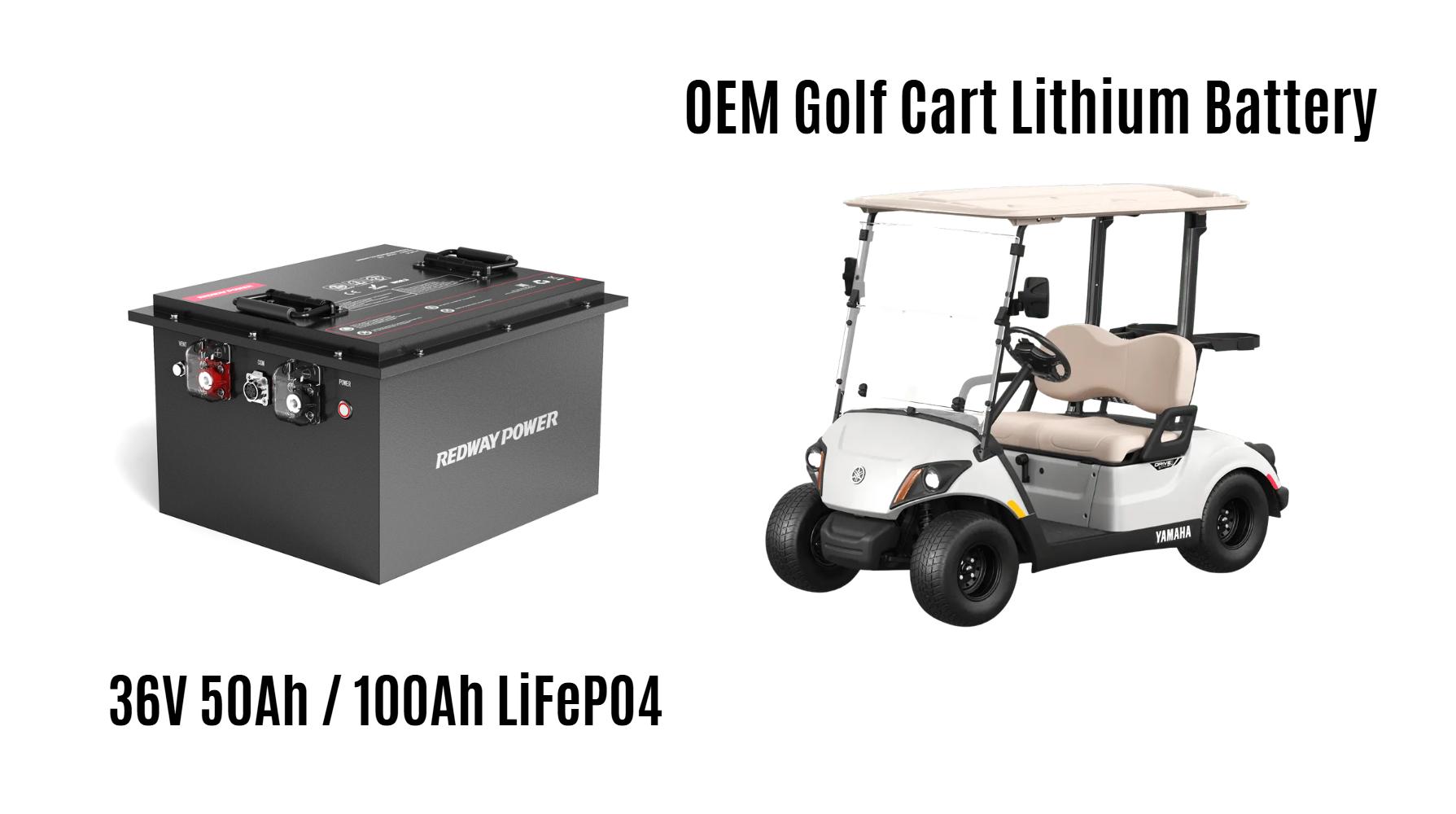
Installation is faster and simpler, requiring roughly 75% less labor. One lithium unit replaces 4–6 lead-acid batteries, eliminating acid spill precautions. Built-in brackets and color-coded terminals simplify setup, and 36V/48V compatibility allows direct swaps in EZ-GO, Club Car, and Yamaha models. Bluetooth-enabled versions provide real-time diagnostics via smartphone apps.

Can Gary Strain Batteries Be Used in Non-Golf Applications?

Yes, their deep-cycle design suits marine use, RVs, solar energy storage, and high-drain industrial equipment. Continuous discharge up to 200A supports demanding applications. Voltage configurations from 12V to 72V allow customization for ATVs, floor cleaners, and off-grid systems. Marine-grade models include corrosion resistance and enhanced vibration dampening, ensuring versatility beyond golf carts.

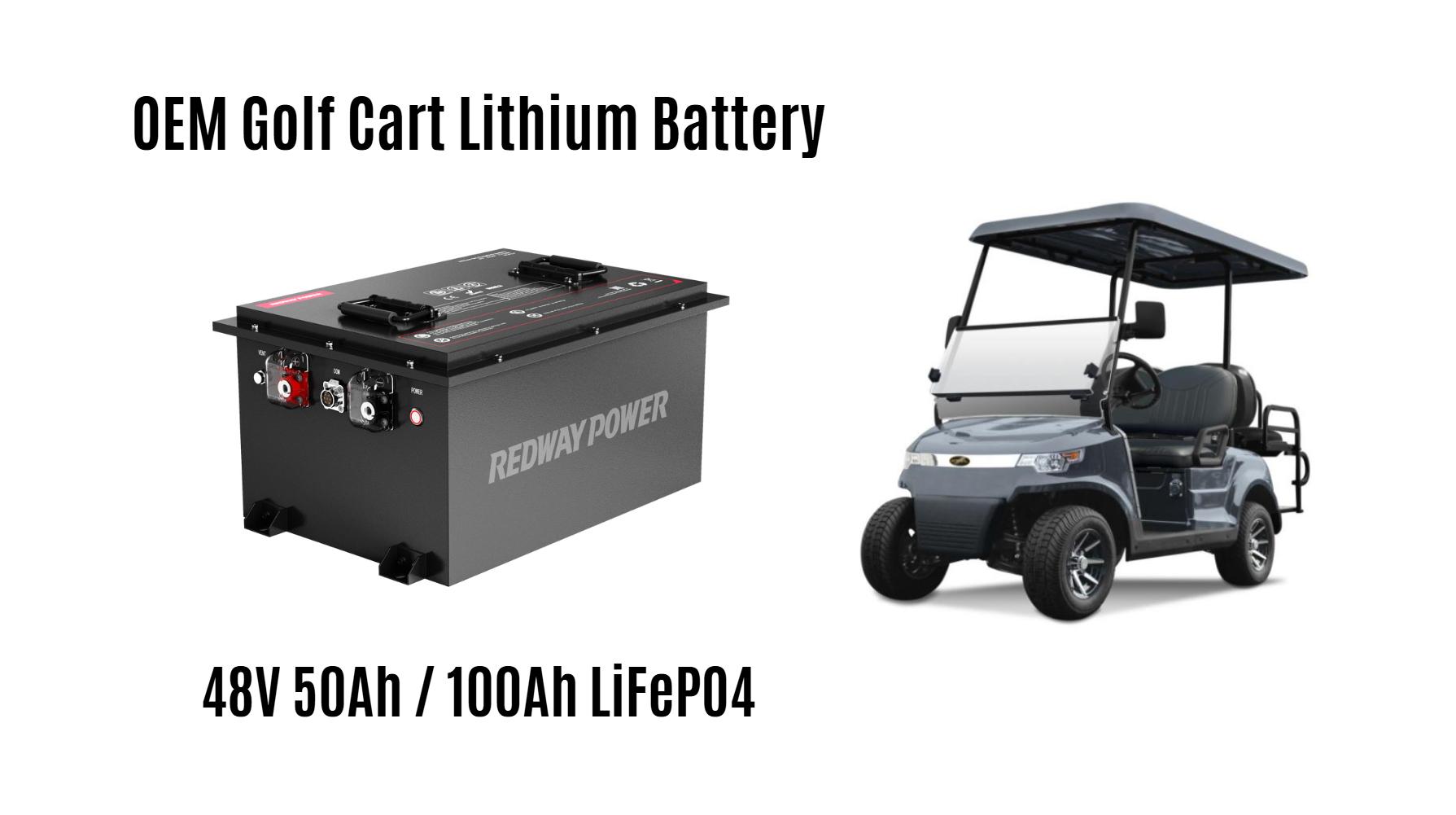
Redway Expert Views

“Redway Battery’s lithium technology sets a new benchmark for performance and reliability. Fleet operators experience fewer replacements, lower energy costs, and predictable maintenance schedules. The adaptive BMS optimizes charge cycles and extends battery life, providing both operational efficiency and environmental benefits. These batteries represent a forward-looking solution for demanding mobile energy applications.”
Redway Battery Engineering Team

Conclusion

Golf Cart Gary Strain batteries redefine mobile power solutions with unmatched efficiency, safety, and durability. They deliver long-term savings, superior performance in all climates, and reduced environmental impact. Redway Battery ensures consistent quality and reliability, making these batteries the ideal choice for modern golf carts and other high-demand applications. Investing in them provides lasting performance and sustainable energy solutions.

FAQs

Q: How often should I charge Gary Strain batteries?
A: Partial charges are safe. Avoid discharging below 20% state-of-charge (SOC). Full charges every 2–3 weeks maintain optimal lifespan.

Q: Are these batteries compatible with solar charging?
A: Yes. With MPPT controllers (18V–60V input), they optimize solar energy harvesting by up to 25%.

Q: What warranty is offered for Gary Strain batteries?
A: A 5-year full replacement warranty is provided, prorated thereafter. Capacity retention ≥80% is guaranteed for 3,000 cycles.

Q: Can these batteries be used in cold climates?
A: Yes. Internal heating circuits and advanced electrolytes ensure consistent performance even at -20°C (-4°F).

Q: How do they compare in weight to lead-acid batteries?
A: They are approximately 30% lighter, reducing overall cart weight and improving handling.

How to Choose and Install an EZ Go Golf Cart Lift Kit?

An EZ Go golf cart lift kit raises the vehicle’s chassis to accommodate larger tires, improve off-road performance, and enhance aesthetics. Installation involves modifying suspension components, axle adjustments, and ensuring compatibility with your cart model. Benefits include better ground clearance, customization options, and improved terrain adaptability. Always prioritize safety and follow manufacturer guidelines.

What Are the Benefits of Installing a Lift Kit?

Installing a lift kit provides increased ground clearance, allowing navigation of rough terrain without chassis damage. Larger tires improve stability and traction, while the elevated stance enhances visibility. Customization options let owners personalize their carts for aesthetics or utility. Off-road enthusiasts benefit most, as lifted carts handle slopes, mud, and rocks more effectively.

How Do You Choose the Right Lift Kit for Your EZ Go Model?

Match the lift kit to your EZ Go’s model year and suspension type (spindle vs. drop axle). Consider tire size goals—3″ lifts fit 20″ tires, while 6″ kits support 23″-25″. Aluminum kits resist rust but cost more; steel offers durability at lower prices. Verify warranty coverage and read compatibility charts from manufacturers like All Sports or Jakes.

What Tools Are Needed for DIY Lift Kit Installation?

Essential tools include a floor jack, torque wrench, socket set, pry bar, and locking pliers. Suspension disassembly requires spring compressors for coil-over setups. An angle grinder may be needed to trim fenders for tire clearance. Always use jack stands for safety and follow torque specifications to avoid component failure.

How Does a Lift Kit Impact Battery Life and Performance?

Larger tires increase rotational mass, reducing speed by 10-15% and cutting range by up to 20%. Upgrading to high-torque motors or lithium batteries compensates for power loss. Ensure the controller can handle amp draw spikes. Uneven weight distribution from lifts may accelerate battery wear—rebalance packs or add auxiliary supports.

Are There Legal Restrictions on Lifted Golf Carts?

Most states limit golf cart lifts to 6″ for street-legal use. DOT-approved tires and LED lighting kits are often required. Check local height ordinances—some areas cap total vehicle height at 60″. Off-road use typically faces fewer restrictions, but public road operation may need a modified vehicle title and insurance updates.

Expert Views

“Modern lift kits have evolved beyond basic spacers. At Redway, we recommend kits with reinforced trailing arms and greasable bushings for long-term durability. Always pair lifts with upgraded brakes—the increased leverage from taller tires demands 30% more stopping power. For lithium battery users, recalibrate the battery management system post-install to prevent voltage sag issues.”

Conclusion

EZ Go lift kits transform carts into versatile terrain conquerors but require careful component matching. Prioritize model-specific kits, performance upgrades, and legal compliance. Regular maintenance of lifted suspensions prevents premature wear. With proper installation and adjustments, lifted carts deliver years of enhanced utility and style.

FAQs

  • Q: Can I install a lift kit without modifying brakes?
    A: Not recommended—larger tires increase braking distance. Upgrade to disc brakes or high-performance pads.
  • Q: Do lift kits void factory warranties?
    A: Yes, unless installed by certified technicians using OEM-approved components.
  • Q: How often should lifted suspension components be lubricated?
    A: Grease zerk fittings every 50 hours of operation or quarterly, whichever comes first.


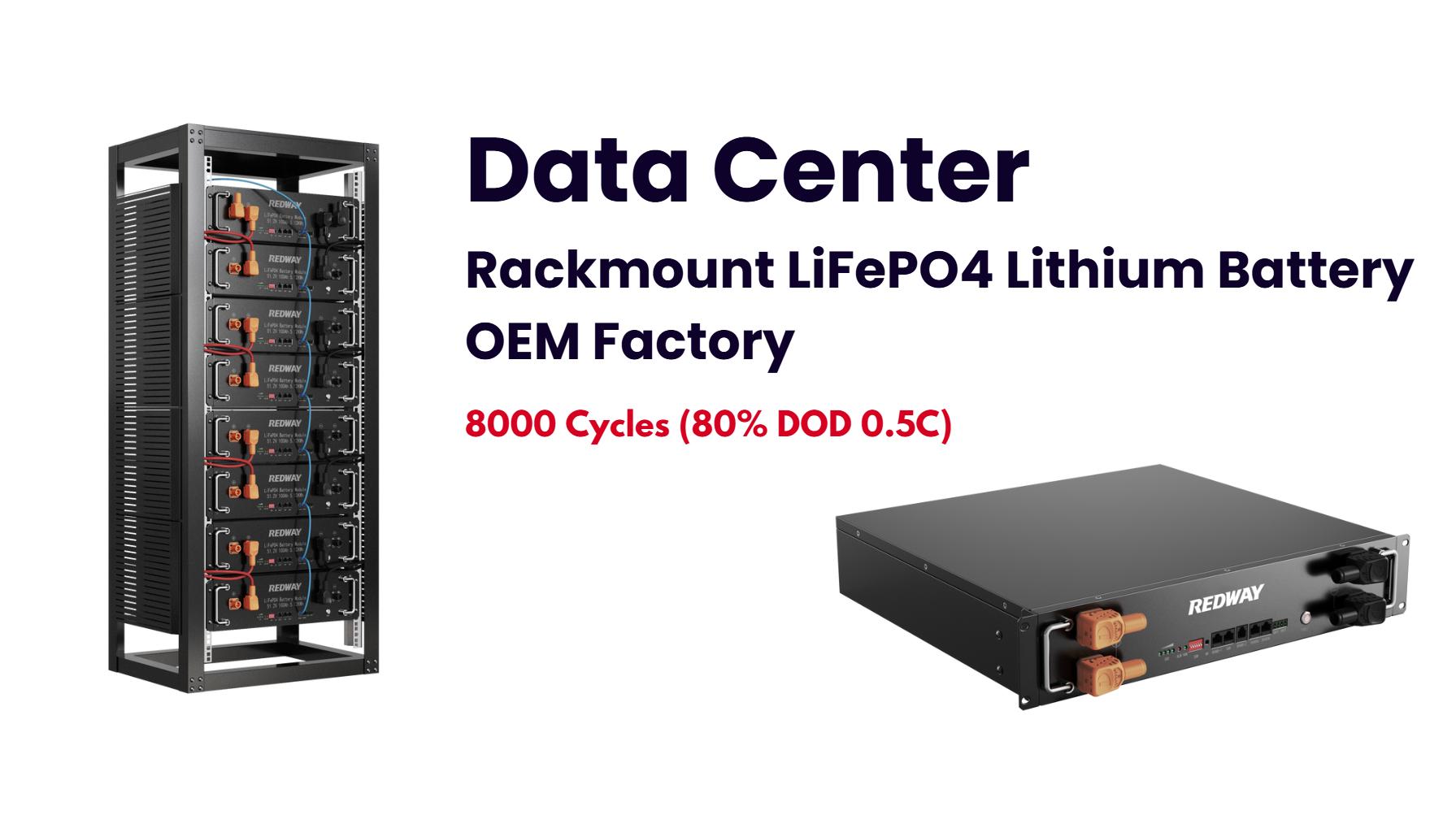
What Are the Key Considerations for Data Center Battery Storage?

Data center battery storage ensures uninterrupted power during outages, using technologies like lithium-ion, lead-acid, and flow batteries. These systems support UPS integration, reduce operational costs, and enhance grid stability. Emerging trends include AI-driven management and sustainability-focused designs, balancing reliability with environmental impact. Proper maintenance and lifecycle analysis are critical for long-term efficiency.

How Do Lithium-Ion Batteries Compare to Lead-Acid in Data Centers?

Lithium-ion batteries offer higher energy density, longer lifespan (10–15 years), and faster charging than lead-acid. They are lighter and require less maintenance but have higher upfront costs. Lead-acid remains cost-effective for short-term backup but demands frequent replacements. Lithium-ion is preferred for scalability and sustainability, aligning with modern data centers’ efficiency goals.

Why Is UPS Integration Critical for Battery Storage Systems?

Uninterruptible Power Supply (UPS) systems bridge gaps between grid failure and generator activation. Batteries integrated with UPS ensure seamless power transitions, preventing data loss and hardware damage. Advanced UPS configurations optimize load management and reduce energy waste, making them indispensable for mission-critical operations in hyperscale and edge computing environments.

What Are the Hidden Costs of Data Center Battery Storage?

Beyond initial procurement, costs include cooling infrastructure, floor space adjustments, and lifecycle replacements. Lithium-ion systems reduce long-term expenses despite higher upfront investment. Lead-acid batteries incur frequent maintenance and disposal fees. Total Cost of Ownership (TCO) analysis must factor in efficiency losses, regulatory compliance, and recycling programs to avoid budget overruns.

How Are Flow Batteries Revolutionizing Energy Storage?

Flow batteries use liquid electrolytes for scalable, long-duration storage (8+ hours). They excel in renewable energy integration, offering 20,000+ cycles with minimal degradation. Though bulkier and pricier, their decoupled power/energy capacity suits data centers prioritizing sustainability. Vanadium and zinc-bromine variants are gaining traction for grid independence and reduced fire risks.

What Environmental Challenges Do Data Center Batteries Pose?

Battery production involves mining rare metals like cobalt, linked to ecological damage. Recycling infrastructure for lithium-ion remains underdeveloped, risking landfill contamination. Data centers mitigate this via circular economy partnerships and second-life applications (e.g., repurposing used batteries for grid storage). Carbon footprint audits are increasingly mandated to align with global ESG standards.

How Can AI Optimize Battery Performance and Lifespan?

AI algorithms predict failures by analyzing voltage fluctuations and temperature patterns. Machine learning adjusts charging cycles to avoid stress, extending lifespan by 20–30%. Predictive maintenance schedules reduce downtime, while digital twins simulate real-world conditions for system optimization. NVIDIA’s recent trials show AI-driven storage cuts energy waste by 15% in modular data centers.

Are Solid-State Batteries the Future for Data Centers?

Solid-state batteries promise higher safety (no flammable electrolytes) and energy density. Prototypes from Toyota and QuantumScape achieve 500+ Wh/kg, doubling lithium-ion capacity. However, high production costs and thermal management hurdles delay commercialization. Experts predict adoption by 2030, revolutionizing compact and high-power backup solutions for edge computing hubs.

Expert Views

“Data centers must prioritize lifecycle analytics when selecting storage,” says a Redway Energy strategist. “Lithium-ion dominates now, but hybrid systems blending flow and solid-state tech will dominate next-gen infrastructures. Pairing AI with modular designs allows real-time adaptation to grid fluctuations—this isn’t just efficiency; it’s survival in the renewable era.”

Conclusion

Data center battery storage is evolving beyond backup power to become a grid-stabilizing asset. Decision-makers must weigh technology trade-offs, hidden costs, and sustainability mandates. Innovations in AI and chemistry will drive smarter, greener systems, ensuring data centers meet escalating uptime demands while reducing their carbon footprint.

FAQs

How Long Do Data Center Batteries Last?

Lithium-ion batteries last 10–15 years, while lead-acid requires replacement every 3–5 years. Flow batteries exceed 20 years with proper maintenance.

Can Data Center Batteries Be Recycled?

Yes, but lithium-ion recycling rates are below 5% globally. Specialized programs by Tesla and Redway recover up to 95% of materials for reuse.

Do Batteries Replace Generators in Data Centers?

No. Batteries bridge short outages (minutes to hours), while generators handle prolonged failures. Hybrid systems ensure seamless transitions between both.


What Are the Key Considerations for UPS Battery Backup in Data Centers?

What Are the Key Considerations for UPS Battery Backup in Data Centers?

A UPS (Uninterruptible Power Supply) battery backup safeguards data centers against power disruptions, ensuring continuous operations during outages. It bridges gaps between grid failure and generator startup, protects hardware from surges, and maintains critical workloads. Key factors include battery type (e.g., lithium-ion vs. VRLA), runtime requirements, scalability, maintenance protocols, and compatibility with infrastructure. Proper implementation minimizes downtime and data loss risks.

How Does a UPS Battery Backup Protect Data Center Operations?

A UPS battery backup provides instantaneous power during grid failures, preventing disruptions to servers, cooling systems, and network equipment. It filters voltage fluctuations and surges, reducing hardware stress. By maintaining uptime during short outages or until generators activate, it ensures data integrity, avoids revenue loss, and meets service-level agreements (SLAs) for reliability.

What Are the Main Types of UPS Systems Used in Data Centers?

Three UPS types dominate data centers: Standby (offers basic protection), Line-Interactive (regulates voltage fluctuations), and Double-Conversion Online (provides seamless power conditioning). Double-Conversion systems are preferred for critical facilities due to zero transfer time and superior surge protection. Modular UPS designs are also gaining traction for scalability and redundancy.

Which Battery Technologies Are Optimal for Data Center UPS Systems?

Lithium-ion batteries outperform traditional VRLA (Valve-Regulated Lead-Acid) in energy density, lifespan (2-3x longer), and faster recharge times. Though initially costlier, their lower total ownership cost and reduced footprint make them ideal for high-density data centers. Nickel-zinc and fuel cells are emerging alternatives for sustainability-focused deployments.

Why Is Regular Maintenance Critical for UPS Battery Backup Systems?

Battery degradation from temperature fluctuations, cycling, and aging can compromise runtime. Scheduled maintenance—load testing, terminal cleaning, and firmware updates—identifies weak cells before failure. NERC/FERC regulations also mandate periodic inspections to ensure compliance with uptime standards. Neglecting maintenance risks unexpected downtime and costly replacements.

How Do Environmental Factors Impact UPS Battery Performance?

High temperatures accelerate chemical reactions in batteries, shortening lifespan. Ideal operating temperatures range between 20-25°C. Humidity above 50% risks corrosion, while low humidity increases static discharge risks. Data centers in coastal areas require corrosion-resistant battery cabinets. Proper ventilation and HVAC integration are essential to mitigate thermal runaway and efficiency losses.

Can Renewable Energy Integration Enhance UPS Battery Sustainability?

Solar/wind-coupled UPS systems reduce reliance on diesel generators and grid power. Lithium-ion batteries pair well with renewables due to high cycling capability. Energy storage systems (ESS) enable load shifting during peak demand, cutting energy costs. However, integration requires advanced inverters and microgrid controllers to manage variable input and ensure seamless failover.

What Innovations Are Shaping the Future of UPS Battery Backup?

AI-driven predictive analytics now forecast battery failures by analyzing voltage trends and internal resistance. Solid-state batteries promise higher safety and energy density. Hybrid systems combining lithium-ion and supercapacitors deliver rapid response for ultra-high-density racks. Edge data centers also adopt decentralized UPS architectures to reduce latency and improve resilience.

Expert Views

“Modern data centers demand UPS systems that align with scalability and sustainability goals. Lithium-ion technology isn’t just a trend—it’s a strategic shift. At Redway, we’ve seen a 40% reduction in replacement cycles and 30% lower cooling costs in deployments using AI-optimized battery management systems. The future lies in adaptive architectures that merge renewables with smart storage.”
Redway Power Solutions Engineer

Conclusion

UPS battery backups are indispensable for data center resilience, blending advanced battery tech, rigorous maintenance, and innovative energy strategies. As facilities face escalating power demands and sustainability mandates, adopting lithium-ion systems, predictive maintenance, and renewable integration will define operational success in the next decade.

FAQ

How Long Do UPS Batteries Typically Last in Data Centers?

VRLA batteries last 3-5 years, while lithium-ion variants endure 8-10 years under optimal conditions. Lifespan depends on discharge cycles, temperature, and maintenance frequency.

Does a UPS Battery Backup Replace Generators?

No. UPS systems provide immediate power for short outages (minutes), whereas generators sustain operations during prolonged failures (hours/days). Both are complementary in tier III/IV data centers.

Are Lithium-Ion Batteries Safe for Data Center UPS Systems?

Yes. Modern lithium-ion UPS batteries include built-in battery management systems (BMS) to prevent overheating and overcharging. They meet UL 1973 and NFPA 855 safety standards for commercial use.


How to Choose the Best EZ Go Golf Cart Seats for Your Needs?

EZ Go golf cart seats combine durability, comfort, and customization. Options include premium vinyl, marine-grade fabrics, and ergonomic designs. Prioritize weather resistance, installation ease, and compatibility with your cart model. Aftermarket upgrades like armrests, cup holders, or padded backs enhance functionality. Always measure seat dimensions and verify bolt patterns for seamless integration.

What Are the Different Types of EZ Go Golf Cart Seats Available?

EZ Go seats range from standard bench seats to premium reclining buckets. Materials include UV-resistant vinyl, marine-grade polyester, and breathable neoprene. Specialty options include fold-flat designs for storage, diamond-stitched patterns, and all-weather covers. Customizable colors and accessories like cup holders or embroidered logos cater to personal preferences.

How Do You Install Replacement Seats on an EZ Go Golf Cart?

Remove old seats by unscrewing bolts beneath the cushion. Align new seats with pre-drilled holes, ensuring brackets match the cart’s frame. Secure with stainless steel bolts (included in kits) and torque to 18-22 ft-lbs. Test stability before use. Pro tip: Apply anti-seize lubricant to bolts for rust prevention.

Which Materials Offer Maximum Durability for Golf Cart Seats?

Marine-grade vinyl outperforms standard fabrics, resisting UV rays, mildew, and abrasion. 600D polyester with PVC coating provides tear resistance. For extreme conditions, choose thermoplastic polyurethane (TPU) seats—3x more puncture-resistant than vinyl. Reinforced double stitching and stainless steel hardware prevent seam separation.

When Should You Upgrade Your EZ Go Golf Cart Seats?

Replace seats when foam sags beyond 1.5 inches, stitching frays, or cracks exceed 0.5 inches. Upgrading improves resale value by 12-18% and reduces back fatigue during long rides. Newer models (2020+) often benefit from weight-saving aluminum frames versus older steel bases.

Does Seat Design Impact Golf Cart Battery Performance?

Lightweight seats (under 15 lbs) reduce energy drain, extending battery life by 5-8%. Elevated designs improve airflow to battery compartments, lowering operating temperatures by 10-15°F. Avoid oversized seats that block access to battery terminals—improper maintenance access can shorten battery lifespan by 20%.

Are Aftermarket EZ Go Seats Compatible With All Models?

Most seats fit 1994+ EZ Go TXT, RXV, and Freedom models. Check bolt patterns: TXT uses 13.5″ front/17″ rear spacing; RXV requires 14.25″ universal spacing. Custom brackets adapt seats to vintage 1965-1993 carts. Always verify compatibility using the manufacturer‘s VIN decoder before purchasing.

Expert Views

“Modern EZ Go seats now integrate smart tech—built-in moisture sensors alert users to rain via Bluetooth. We’re testing self-healing materials that repair 1mm scratches using solar heat. For 2024, expect 30% lighter graphene-infused foams that reduce cart energy use while improving lumbar support.”
— Redway Mobility Engineering Team

Conclusion

Optimizing EZ Go seats requires balancing material science, ergonomics, and cart mechanics. From installation hacks to advanced composites, every detail impacts comfort and performance. With battery tech evolving alongside seating innovations, users now enjoy unprecedented customization while maintaining operational efficiency.

FAQs

Q: Can you add heating elements to EZ Go seats?
A: Yes—aftermarket heated seat kits (12V) draw 3-5 amps and install beneath vinyl covers. Use only with 48V carts having 12V converters.

Q: How long do premium seats typically last?
A: 7-10 years with proper care vs 3-5 years for basic models. Clean monthly with pH-neutral soap; condition vinyl twice annually.

Q: Do seat upgrades affect golf cart speed?A: Indirectly—lighter seats reduce total weight, potentially increasing speed by 0.5-1 mph on 19.5 mph governed carts.


Where Can You Find a Tomberlin Golf Cart for Sale?

Where Can You Find a Tomberlin Golf Cart for Sale?

Tomberlin golf carts are available through authorized dealers, online marketplaces like eBay and Craigslist, and specialty EV retailers. Prices range from $8,000 to $15,000+ depending on the model, battery type, and customization. Always verify warranty coverage and dealer reputation before purchasing.

How Do Tomberlin Golf Carts Compare to Other Brands?

Tomberlin golf carts prioritize eco-friendly lithium-ion batteries, modular designs, and street-legal features, distinguishing them from Club Car or E-Z-GO. Their models like the Emerge EV and Crossvolt HD offer higher torque (up to 23 mph) and longer ranges (50-75 miles per charge), making them ideal for both golf courses and neighborhood commuting.

What Are the Key Features of Tomberlin Golf Carts?

Tomberlin carts include regenerative braking, LED lighting, and customizable seating. The Emerge EV features a 72V AC motor, while the Crossvolt HD offers 4WD capabilities. All models comply with Low-Speed Vehicle (LSV) standards, requiring seat belts, mirrors, and VINs for road use in most states.

Why Choose a Lithium-Ion Battery in a Tomberlin Cart?

Lithium-ion batteries in Tomberlin carts provide 3,000+ charge cycles (vs. 500-1,000 for lead-acid), 30% faster charging, and 50% weight reduction. They maintain consistent power output even at 20% capacity, unlike lead-acid batteries that degrade sharply below 50% charge.

How to Maintain Your Tomberlin Golf Cart’s Battery?

Clean battery terminals monthly with a baking soda solution. Avoid discharging lithium-ion batteries below 20%. Store carts at 50% charge in temperatures between 50°F-80°F. Use only manufacturer-approved chargers to prevent overvoltage damage. Annual professional inspections are recommended to check battery management system calibration.

What Customization Options Exist for Tomberlin Carts?

Tomberlin offers 16+ powder-coat color options, premium stereo systems with Bluetooth, and cargo beds with 1,000-lb capacity. Aftermarket upgrades include solar roof panels (adding 5-8 miles/day) and lift kits for 6″ ground clearance. Custom wraps with UV-resistant vinyl are popular for personalized designs.

Are Tomberlin Golf Carts Street Legal in Your State?

Tomberlin LSVs meet federal FMVSS 500 standards, making them street-legal in 46 states when equipped with proper lighting, seat belts, and a VIN. Exceptions include New York and Massachusetts, which require additional inspections. Maximum allowed speed is 25 mph on roads with 35 mph+ speed limits.

How Does Resale Value Compare for Tomberlin Models?

3-year-old Tomberlin carts retain 65-70% of value vs. 50-55% for gas-powered competitors. The Emerge EV holds value best due to its lithium battery warranty (5 years) and software-upgradable motor controller. Well-maintained 2019 models currently sell for $9,500-$11,000, depending on battery health and customization.

Expert Views

“Tomberlin’s integration of automotive-grade battery management systems sets them apart. Their liquid-cooled lithium packs maintain optimal temps even in extreme conditions, which is why we see 92% capacity retention after 5 years in fleet vehicles.”
Redway Power Solutions EV Engineer

Conclusion

Tomberlin golf carts offer a unique combination of street legality, eco-friendly performance, and customization that outperforms traditional golf cart brands. With proper battery care and awareness of local regulations, they serve as versatile vehicles for both recreational and practical use.

FAQs

Q: Can Tomberlin carts handle steep hills?
A: Yes—the Crossvolt HD’s 4WD system provides 25° climbing ability, supported by 30 Nm torque motors on each wheel.

Q: What’s the average charging cost?
A: About $0.35 per full charge (72V/120Ah battery), equal to 3 miles per penny at U.S. average electricity rates.

Q: Do they come with warranty?
A: 2-year comprehensive warranty + 5-year battery warranty (70% capacity threshold).


Where Can I Find a Yamaha Golf Cart Dealer Near Me?

Where Can I Find a Yamaha Golf Cart Dealer Near Me?

To locate a Yamaha golf cart dealer near you, use Yamaha’s official dealer locator tool online, search for certified retailers on platforms like Google Maps, or check local directories. Authorized dealers provide warranties, genuine parts, and expert servicing. Always verify certifications to ensure quality and access to Yamaha-specific support.

How Do I Locate an Authorized Yamaha Golf Cart Dealer?

Authorized Yamaha dealers can be found via Yamaha’s website using their dealer locator tool. Enter your ZIP code to view nearby certified retailers. These dealers meet Yamaha’s strict standards, offer warranty-backed services, and stock authentic parts. Avoid third-party sellers lacking Yamaha certification to ensure product legitimacy and post-purchase support.

What Are the Benefits of Choosing an Authorized Dealer?

Authorized dealers provide factory-trained technicians, genuine Yamaha parts, and warranty validation. They offer exclusive promotions, reliable maintenance programs, and access to the latest models. Purchasing from unauthorized sellers may void warranties and result in subpar repairs. Certified dealers also assist with registration, insurance, and financing options.

Which Services Do Yamaha Golf Cart Dealers Typically Offer?

Certified dealers offer sales, maintenance, repairs, and customization. Services include battery replacements, tire rotations, software updates, and performance upgrades. Many provide on-site test drives, trade-in programs, and emergency repair support. Some dealers also rent golf carts and stock accessories like covers, lights, and seats.

When Should I Schedule Maintenance for My Yamaha Golf Cart?

Follow Yamaha’s maintenance schedule: check batteries every 3 months, inspect brakes annually, and replace fluids every 2 years. Schedule professional servicing after 50 hours of use or annually. Regular maintenance prevents breakdowns and extends lifespan. Authorized dealers use diagnostic tools to detect issues early and optimize performance.

Why Are Customization Options Important When Buying a Golf Cart?

Customization enhances functionality and personalization. Options include lift kits for terrain, upgraded seating, LED lighting, or storage solutions. Authorized dealers ensure modifications comply with safety standards and don’t void warranties. Custom builds can increase resale value and adapt carts for commercial, recreational, or mobility uses.

Does Financing Make Purchasing a Yamaha Golf Cart Easier?

Yes, many dealers offer financing plans with low APR, flexible terms, and quick approvals. Options include loans, leases, or rent-to-own agreements. Financing spreads costs over time, making high-end models affordable. Check for seasonal promotions or bundle deals on accessories and servicing.

Are Eco-Friendly Yamaha Golf Cart Models Available?

Yamaha offers electric models with zero emissions, such as the Drive2 PTV and Adventurer Sport. These carts use efficient lithium-ion batteries, solar charging options, and regenerative braking. Eco-friendly models reduce noise pollution and operational costs, ideal for gated communities, resorts, and eco-conscious buyers.

Expert Views

“Choosing an authorized Yamaha dealer ensures access to cutting-edge technology and factory-backed expertise,” says John Miller, a Redway mobility solutions engineer. “Many buyers overlook the importance of certified servicing—improper maintenance can reduce battery life by 40%. Always prioritize dealers offering comprehensive after-sales support, as golf carts are long-term investments.

Conclusion

Finding a certified Yamaha golf cart dealer guarantees quality, reliability, and access to specialized services. From maintenance to customization, authorized retailers provide end-to-end support tailored to your needs. Always verify dealer credentials and explore financing or eco-friendly options to maximize your investment.

FAQs

How Long Do Yamaha Golf Cart Batteries Last?

Yamaha golf cart batteries typically last 4-6 years with proper maintenance. Regularly check water levels, avoid deep discharges, and store carts in moderate temperatures to extend battery life.

Can I Test Drive a Yamaha Golf Cart Before Buying?

Yes, most authorized dealers offer on-site test drives. This allows you to assess performance, comfort, and features like acceleration, braking, and noise levels.

What Warranty Comes with a New Yamaha Golf Cart?

New Yamaha carts include a 4-year limited warranty covering defects in materials or workmanship. Batteries and tires have separate warranties, usually 1-2 years. Always review terms with your dealer.


Search products

Need a Quick Quote on Wholesale Prices? Contact Redway Battery Now.

X
Product has been added to your cart


Shenzhen Redway Power, Inc

Tel: +86 189 7608 1534
Tel: +86 (755) 2801 0506
E-mail: contact@redwaybattery.com
Website: www.redway-tech.com
Youtube: @RedwayPower
TikTok: @redwaybattery

Get a Quick Quote

Hot OEM

Forklift Lithium Battery
Golf Cart Lithium Battery
RV Lithium Battery
Rack-mounted Lithium Battery

Hot Batteries

24V 150Ah Forklift Lithium Battery
24V 200Ah Forklift Lithium Battery
48V 400Ah Forklift Lithium Battery
48V 600Ah Forklift Lithium Battery
80V 400Ah Forklift Lithium Battery
36V 100Ah Golf Cart Lithium Battery
48V 100Ah Golf Cart Lithium Battery
51.2V 50Ah 3U Rack-mounted Lithium Battery
51.2V 100Ah 3U Rack-mounted Lithium Battery
12V 100Ah RV LiFePO4 Lithium Battery (Self-heating)

Hot Blog

Golf Carts
Server Rack Battery
Knowledge