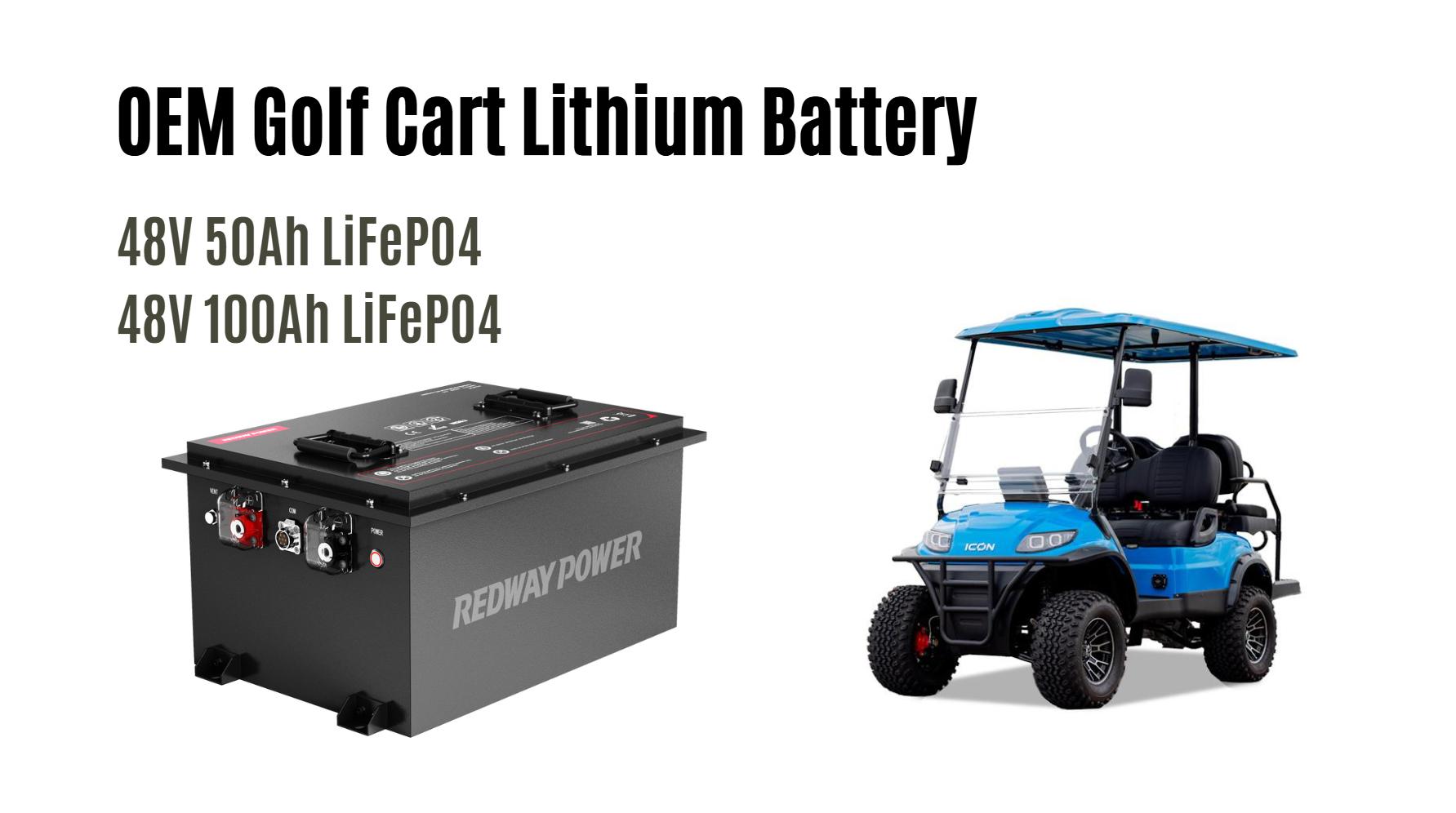
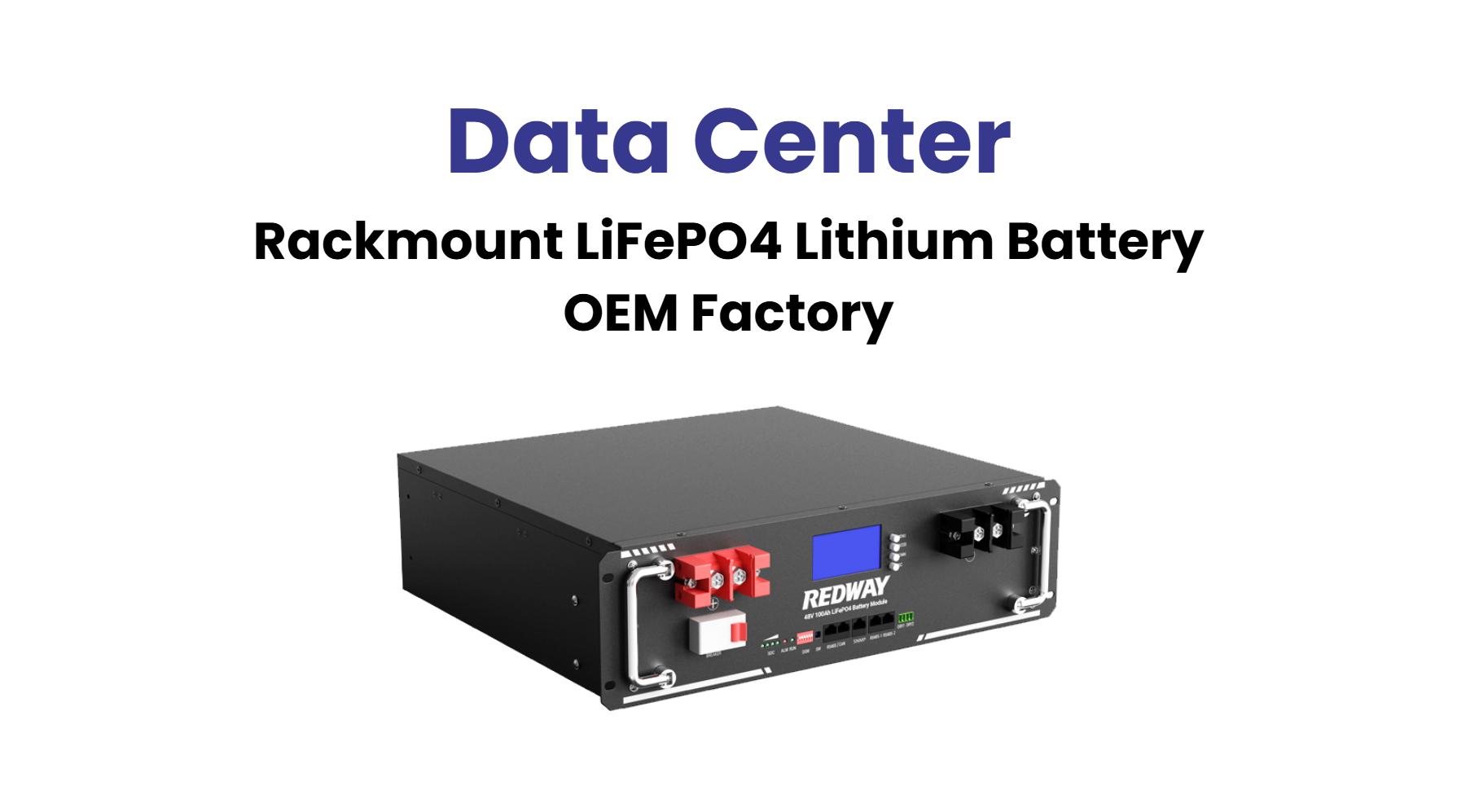
What Is Driving the Rapid Growth of the Data Center Battery Market?

The data center battery market is expanding rapidly due to rising demand for uninterrupted power supply (UPS), increasing reliance on cloud computing, and stricter energy efficiency regulations. Lithium-ion batteries dominate due to their high energy density and longer lifespan. Emerging markets in Asia-Pacific and innovations in sustainable battery technologies further propel growth, with projections suggesting a $10+ billion valuation by 2030.

How Are Lithium-Ion Batteries Dominating the Data Center Market?

Lithium-ion batteries hold over 70% of the data center battery market share due to their superior energy density, compact size, and reduced maintenance needs. They outperform traditional lead-acid batteries in lifespan (10–15 years) and efficiency, making them ideal for critical power backup in hyperscale data centers. Declining costs and recyclability advancements further solidify their dominance.

What Role Does Renewable Energy Integration Play in Market Growth?

Renewable energy integration demands advanced battery systems to stabilize grid-dependent data centers. Solar and wind power variability necessitates reliable storage solutions for consistent uptime. Batteries like lithium-ion and flow batteries enable energy arbitrage, storing excess renewable energy during off-peak hours, reducing operational costs, and supporting sustainability goals. This aligns with global net-zero targets, driving adoption in eco-conscious enterprises.

Why Are Emerging Economies Key to Future Market Expansion?

Asia-Pacific leads growth with booming digitalization, 5G rollout, and government investments in data infrastructure. Countries like India and China are building hyperscale facilities, requiring robust UPS solutions. Latin America and Africa follow, driven by increased internet penetration and colocation data center projects. Local battery manufacturing incentives reduce import reliance, accelerating regional market penetration.

How Do Regulatory Policies Shape Battery Adoption Trends?

Governments enforce strict data sovereignty laws and carbon emission caps, mandating energy-efficient backup systems. The EU’s CBAM and U.S. Inflation Reduction Act promote domestic battery production and tax credits for sustainable tech. Compliance with fire safety standards (e.g., NFPA 855) also pushes adoption of safer, certified lithium-ion systems over outdated alternatives.

What Innovations Are Redefining Data Center Battery Technologies?

Solid-state batteries, with non-flammable electrolytes, promise enhanced safety and higher energy density. Flow batteries offer scalability for large facilities, while AI-driven battery management systems (BMS) optimize performance and predict failures. Startups are exploring graphene-based and sodium-ion batteries as cost-effective, eco-friendly alternatives to lithium, though commercialization remains in early stages.

Are Lead-Acid Batteries Still Relevant in Modern Data Centers?

Lead-acid batteries are fading due to bulkiness, shorter lifespans, and higher maintenance. However, they remain in smaller data centers with budget constraints or legacy systems. Valve-regulated lead-acid (VRLA) variants see niche use in regions with limited lithium-ion infrastructure, but phase-outs are imminent as costs decline for advanced alternatives.

Expert Views

“The shift to lithium-ion is irreversible, but the next frontier lies in hybrid systems integrating multiple battery types for load-specific efficiency. At Redway, we’re piloting lithium-ion paired with supercapacitors for instantaneous load response, reducing wear on primary batteries and extending lifecycle by 30%.” — Redway Power Solutions Team

Conclusion

The data center battery market thrives on technological innovation, regulatory shifts, and renewable energy integration. Lithium-ion’s dominance will persist, but emerging technologies like solid-state and AI-driven management systems promise transformative gains. Businesses prioritizing scalability, sustainability, and compliance will lead in this $10 billion+ arena, with Asia-Pacific remaining the growth epicenter.

FAQs

Q: How long do data center batteries typically last?
A: Lithium-ion batteries last 10–15 years, while lead-acid variants require replacement every 3–5 years.

Q: Can data centers use second-life EV batteries?
A: Yes, repurposed EV batteries are gaining traction for non-critical backup, reducing costs and environmental impact.

Q: What is the biggest challenge for market growth?
A: High upfront costs and supply chain bottlenecks for lithium and cobalt are primary hurdles.
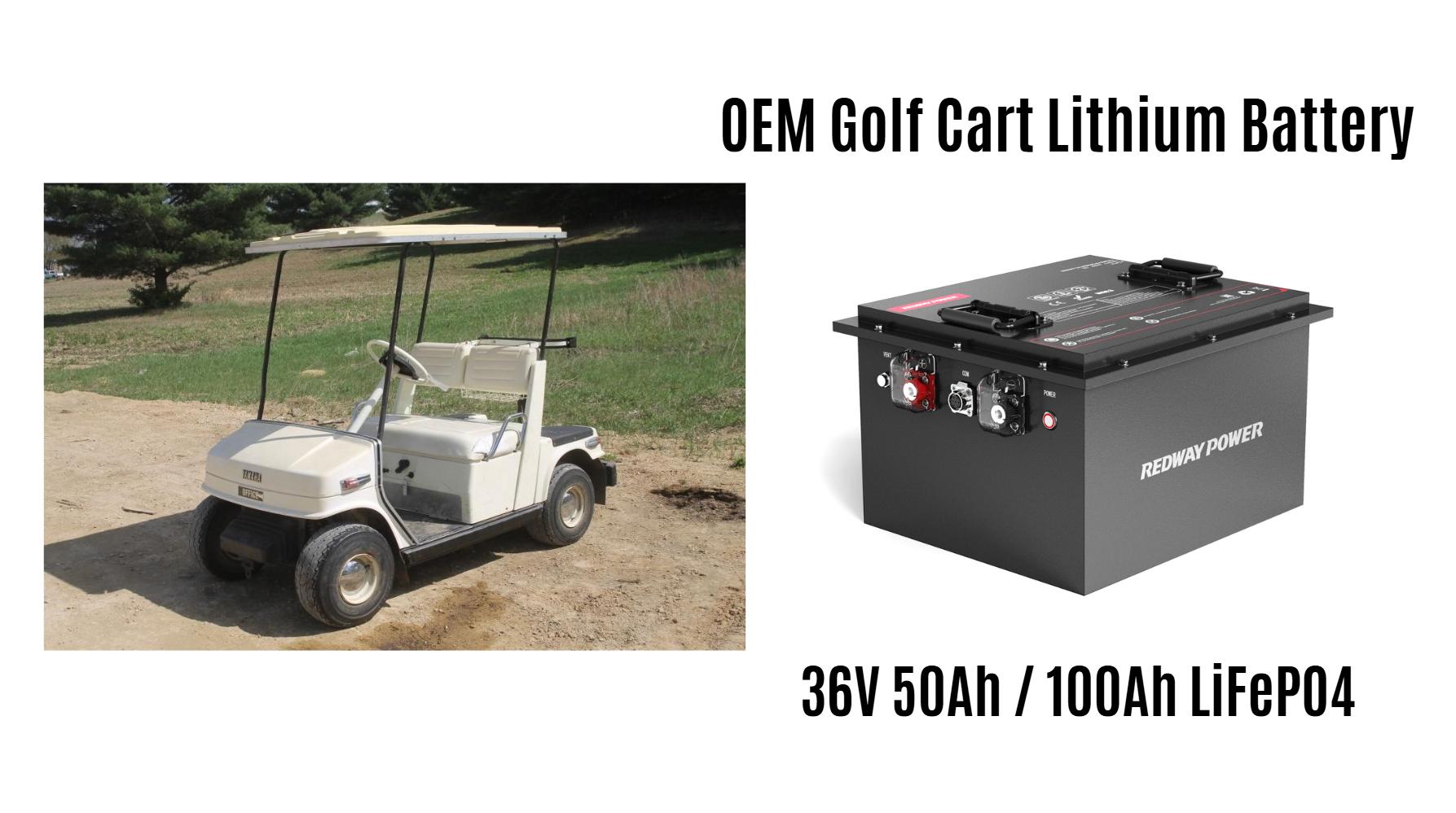
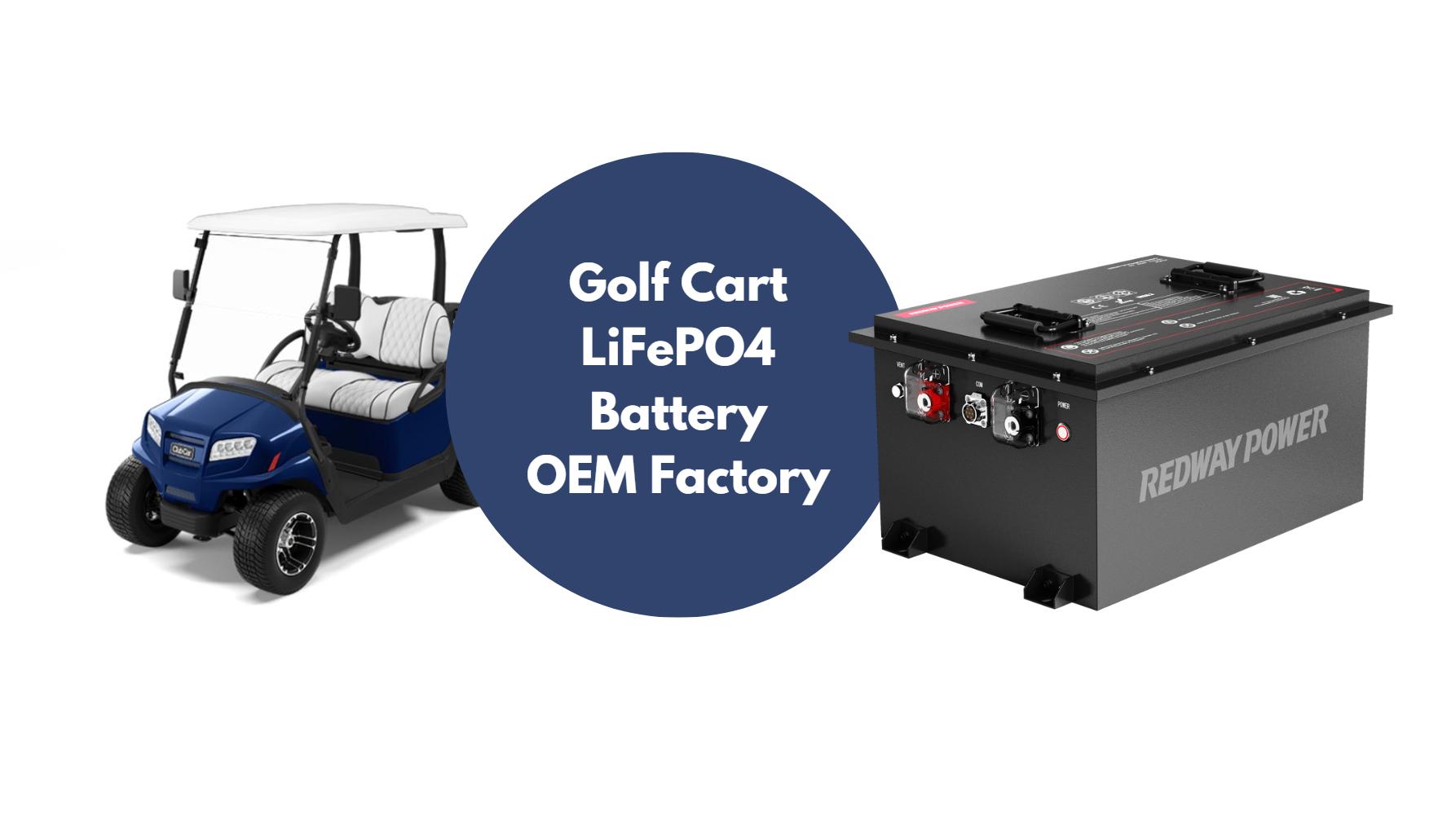
 

How Much Does a Garia Golf Cart Cost?

Garia golf carts are premium electric vehicles designed for luxury, performance, and versatility. Prices range from $15,000 to over $35,000 depending on model, battery type, seating capacity, and optional features. High-end editions like the Garia Via or Summit Series command top-tier pricing, while utility-focused models provide a cost-effective solution for golf courses, residential communities, and urban transport.

What Factors Influence the Cost of a Garia Golf Cart?

The final price of a Garia golf cart depends on several elements:

  • Chassis and Frame: Street-legal models with reinforced frames are costlier than standard off-road or course-only versions.

  • Battery Type: Lithium-ion batteries, including options from Redway Battery, offer longer lifespan and faster charging but increase upfront costs compared to lead-acid systems.

  • Seating and Layout: Configurations range from two to six passengers, with larger seating arrangements adding to the cost.

  • Technology & Features: Stability Control System, onboard infotainment, climate control, and LED lighting all influence pricing.

  • Customization: Paint finishes, leather upholstery, and premium wheels can elevate costs by 20-40%.

  • Location & Dealer Fees: Taxes, service packages, and shipping also impact the purchase price.

Factor Impact on Cost
Lithium vs Lead-acid Battery +$3,000–$6,000
Custom Upholstery & Paint +$1,500–$5,000
Street-Legal Certification +$2,000–$4,000
Technology Upgrades +$1,000–$3,500

Which Garia Golf Cart Models Offer the Best Value?

Garia offers a range of models catering to different needs:

  • Garia Utility 2+2 ($16,500) – Ideal for golf courses and commercial use, offering practicality at an accessible price.

  • Garia Via ($28,900) – Suited for urban commuters with LED lighting, weatherproof storage, and optional Redway Battery lithium packs.

  • Summit Series ($34,700) – Luxury buyers enjoy heated seats, a carbon-fiber roof, and advanced technology.

  • City Model ($22,000) – Balanced mid-tier option combining cost-effectiveness with premium features.

How Do Customization Options Affect the Price?

Custom features significantly impact overall cost:

  • Wheels: $800–$2,000

  • Premium Audio Systems: $1,500+

  • Climate-Controlled Cabins: $3,500+

  • Factory Modifications (bulletproof glass, armored frames): $5,000–$12,000

Garia’s modular design allows buyers to upgrade incrementally, managing expenses over time without compromising performance.

Are There Hidden Costs in Owning a Garia Golf Cart?

Ownership costs extend beyond the purchase price:

  • Registration Fees: $150–$400

  • Insurance: $300–$800 annually

  • Battery Replacement: Lithium packs like those from Redway Battery may cost $2,000 every 5–7 years

  • Tire Upgrades: $600 per set for terrain-specific tires

  • Software & GPS Subscriptions: $199 per year

Proper planning for these expenses ensures a more accurate total cost of ownership.

How Does Resale Value Impact Total Ownership Costs?

Garia carts retain 60–70% of their value after three years, thanks to aerospace-grade aluminum frames and corrosion-resistant components. Limited-edition models can appreciate if left stock, while heavily customized units may depreciate faster. Maintaining service records and original parts increases resale potential by up to 25%.

Do Seasonal Discounts or Promotions Exist?

Dealers occasionally offer discounts and trade-in programs:

  • Offseason sales (November–February) typically reduce prices by 5–10%

  • Trade-ins may reduce costs by up to $4,000

  • Bulk purchases (10+ units) can qualify for corporate pricing

  • Regional energy rebates may offset $1,200–$1,800 for electric models

Redway Expert Views

“Garia golf carts represent an intersection of luxury and engineering precision. Investing in a lithium-ion battery from Redway Battery enhances long-term performance and reliability, reducing overall maintenance costs. Buyers should focus on the combination of frame durability, technology, and battery lifespan to achieve both value and sustainability in their purchase,” explains Michael Chen, Senior Engineer at Redway Battery.

Conclusion

Garia golf carts are premium, performance-oriented vehicles where price reflects luxury features, advanced engineering, and long-term reliability. Key considerations include model selection, battery type, customization options, and ongoing ownership costs. Strategic investments in lithium batteries, maintenance, and limited customization can maximize value while ensuring a high-performance, sustainable golf cart experience.

Frequently Asked Questions

Does Garia offer financing plans?
Yes, financing is available through partnerships with financial institutions, typically offering competitive APR rates and flexible terms for approved buyers.

Is the Garia golf cart street legal?
Select models meet Low-Speed Vehicle standards and can be legally driven on public roads. State regulations may vary.

How long does a Garia lithium battery last?
High-quality lithium-ion batteries, such as those from Redway Battery, typically last 8–10 years with proper charging and maintenance, outperforming traditional lead-acid batteries.

Where can I buy a new or used Garia golf cart?
Authorized dealerships, luxury vehicle retailers, and specialized online marketplaces offer both new and pre-owned Garia golf carts. Look for listings with full maintenance documentation.

What top features distinguish a Garia luxury model?
Premium models include carbon-fiber bodywork, advanced suspension, leather interiors, climate control, and high-capacity lithium batteries, providing both comfort and performance.

What Are the Essential Yamaha Golf Cart Parts You Need to Know?

What Are the Essential Yamaha Golf Cart Parts You Need to Know?

Yamaha golf cart parts include critical components like batteries, motors, controllers, tires, and suspension systems. Proper maintenance ensures longevity and performance. Replacement parts such as brake pads, spark plugs, and chargers are essential for repairs. Always use OEM or certified aftermarket parts for compatibility. For troubleshooting, inspect electrical connections and battery health first.

How Do You Identify Genuine Yamaha Golf Cart Parts?

Genuine Yamaha parts feature serial numbers, OEM packaging, and branding logos. Cross-check part numbers with Yamaha’s official catalog or dealer databases. Avoid counterfeit products by purchasing from authorized sellers. Genuine parts ensure optimal performance and warranty validity.

Where Can You Buy Reliable Yamaha Golf Cart Parts?

Authorized Yamaha dealers, certified online retailers (e.g., Amazon, eBay), and specialty golf cart stores offer reliable parts. Verify seller reviews and return policies. For rare components, consider salvage yards or forums like Buggies Gone Wild.

What Are Common Yamaha Golf Cart Maintenance Mistakes?

Neglecting battery maintenance, using incorrect tire pressure, and ignoring brake inspections are common errors. Overloading carts and skipping lubrication cycles also cause premature wear. Follow Yamaha’s service manual for schedules.

How to Troubleshoot Yamaha Golf Cart Battery Issues?

Test voltage with a multimeter—healthy batteries show 12.6V or higher. Clean corroded terminals and ensure water levels are adequate. Replace batteries if they fail load tests. Use a compatible charger and avoid deep discharges.

Which Upgrades Improve Yamaha Golf Cart Performance?

High-torque motors, lithium-ion batteries, and upgraded controllers boost speed and range. All-terrain tires, lift kits, and LED lighting enhance functionality. Always ensure upgrades comply with local regulations.

Are Aftermarket Yamaha Golf Cart Parts Worth It?

Certified aftermarket parts offer cost savings without compromising quality. Verify compatibility and warranties before purchasing. Avoid uncertified brands to prevent mechanical failures.

What Safety Precautions Apply to Yamaha Golf Cart Repairs?

Disconnect batteries before electrical work. Use insulated tools and wear protective gear. Secure the cart on jack stands and avoid DIY repairs on complex systems like controllers without expertise.

Expert Views

“Yamaha’s engineering prioritizes durability, but part longevity depends on maintenance. Lithium-ion conversions are trending—they cut weight and double range. Always consult professionals for controller upgrades to avoid voiding warranties.” — Redway Power Solutions.

Conclusion

Understanding Yamaha golf cart parts ensures efficient maintenance and upgrades. Prioritize genuine components, follow safety protocols, and leverage expert insights for optimal performance.

FAQs

How Often Should I Replace Yamaha Golf Cart Batteries?

Lead-acid batteries last 4-6 years; lithium-ion variants last 8-10 years. Replace if capacity drops below 70%.

Can I Use Car Tires on a Yamaha Golf Cart?

No—golf cart tires have specific load ratings and tread patterns. Use approved models for safety.

What Causes Yamaha Golf Cart Jerking During Acceleration?

Faulty speed controllers, worn motor brushes, or corroded wiring often cause jerking. Diagnose with a multimeter.


How to Choose and Maintain a Golf Cart Club Car Charger?

How to Choose and Maintain a Golf Cart Club Car Charger?

Choose a charger compatible with your golf cart‘s voltage (36V, 48V) and battery type (lead-acid/Li-ion). Prioritize automatic shutoff, temperature compensation, and warranty. Maintain it by cleaning terminals, avoiding overcharging, and storing in dry conditions. Regular voltage checks extend lifespan.

What Are the Different Types of Golf Cart Club Car Chargers?

Club Car chargers include onboard (built-in), offboard (portable), and smart chargers. Onboard models integrate with the cart’s system, while offboard offer flexibility. Smart chargers optimize charging cycles using microprocessors, preventing overcharging. Lithium-ion-compatible chargers are rising in popularity due to faster charging and lighter weight.

How Does Battery Voltage Affect Charger Compatibility?

Club Car chargers are designed for specific voltages: 36V for older models, 48V for modern carts. Using a mismatched charger risks undercharging (36V on 48V) or damaging batteries (48V on 36V). Always verify your cart’s voltage via manufacturer specs or battery count (6x6V=36V; 8x6V=48V).

Why Is Temperature Compensation Critical in Chargers?

Battery chemistry reacts to temperature—cold slows charging, heat causes overvoltage. Quality chargers adjust voltage by 3mV/°C per cell. Without compensation, winter charging leaves batteries undercharged (reducing capacity by 20-30%), while summer risks corrosive overcharging. This feature extends battery life by 18-24 months.

Can You Use Third-Party Chargers with Club Car Golf Carts?

Yes, if voltage/amperage match OEM specs (e.g., 48V/15A). Ensure connectors align (PDC/Crowfoot styles differ). Aftermarket chargers like Lester Summit II offer enhanced features like Li-ion modes. However, using non-OEM may void warranties—check manufacturer policies first.

How Often Should You Replace Charger Components?

Inspect monthly: replace frayed cables immediately. Connectors last 2-3 years with weekly use. Cooling fans fail after ~5,000 hours—listen for irregular noise. Capacitors degrade in 7-10 years, shown by longer charge times. Keep desiccant packs in humid climates to prevent board corrosion.

What Are the Risks of Overcharging Golf Cart Batteries?

Overcharging causes electrolyte loss, plate corrosion, and thermal runaway. Symptoms include bubbling sounds and swollen battery cases. Chronic overcharging reduces capacity by 40% within 6 months. Smart chargers prevent this by switching to float mode at 100%—a $150 upgrade that saves $900 in premature battery replacements.

Expert Views

“Modern chargers aren’t just power supplies—they’re battery preservation systems,” says Redway’s lead engineer. “We’ve seen 48V Li-ion packs reach 2,000 cycles with adaptive chargers versus 1,200 cycles using basic models. Always prioritize chargers with real-time impedance monitoring; they adjust for battery aging, maintaining peak performance 30% longer than static models.”

Conclusion

Optimizing your Club Car charger choice and maintenance directly impacts golf cart performance and ownership costs. From voltage matching to smart temperature adjustments, investing in advanced charging technology pays dividends in battery lifespan and reliability.

FAQs

Can I charge a 48V Club Car with a 36V charger?

No—insufficient voltage prevents full charging, leading to sulfation. Always match charger voltage to battery systems.

Do lithium batteries require special Club Car chargers?

Yes—Li-ion needs chargers with CC/CV profiles and BMS communication. Standard lead-acid chargers risk cell damage.

How long should a full charge take?

8-10 hours for lead-acid (20% depth of discharge), 4-5 hours for Li-ion. Times exceeding this indicate failing batteries or charger faults.


What Makes the ICON EV Golf Cart Stand Out?

What Makes the ICON EV Golf Cart Stand Out?

The ICON EV Golf Cart is a premium electric vehicle known for its durability, customizable features, and advanced lithium-ion battery technology. Ideal for golf courses, resorts, and personal use, it offers quiet operation, zero emissions, and a range of up to 70 miles per charge. Its ergonomic design and modern tech integrations make it a top choice for eco-friendly transportation.

How Does the ICON EV Golf Cart Perform on Different Terrains?

The ICON EV Golf Cart features a robust suspension system and high-torque motor, enabling smooth rides on hills, grass, gravel, and paved surfaces. Its all-terrain tires and precise steering ensure stability, while regenerative braking enhances control on slopes. Tested for durability, it handles diverse landscapes common in golf courses and resorts.

The ICON EV Golf Cart is designed to perform well across a variety of terrains, thanks to its powerful suspension system and high-torque motor. Whether you’re navigating hills, grass, gravel, or paved roads, the cart provides a smooth and comfortable ride. Its all-terrain tires offer excellent traction, while the precise steering ensures stability on uneven surfaces. The regenerative braking system provides better control when descending slopes, enhancing safety and performance. Tested for durability, the ICON EV Golf Cart excels in environments like golf courses and resorts, making it a versatile and reliable choice for different landscapes.

What Battery Technology Powers the ICON EV Golf Cart?

ICON EV uses lithium-ion batteries with a lifespan of 2,000+ cycles, offering faster charging (4-6 hours) and 30% more range than lead-acid alternatives. These batteries are maintenance-free, lightweight, and equipped with thermal management systems to prevent overheating. Users can monitor battery health via the built-in LCD dashboard or mobile app.

Can the ICON EV Golf Cart Be Customized?

Yes, ICON EV offers 50+ customization options, including seat colors, alloy wheels, windshields, and tech upgrades like Bluetooth speakers and GPS. Commercial buyers can add branding wraps or utility racks. Custom orders take 3-5 weeks for delivery, with prices starting at $12,000 for base models.

How Does Maintenance Compare to Traditional Golf Carts?

ICON EV requires 75% less maintenance than gas-powered carts. With no oil changes, spark plugs, or exhaust systems, users mainly need tire rotations, brake inspections, and software updates. Lithium batteries eliminate acid refills. Annual maintenance costs average $150 vs. $500+ for traditional carts.

What Safety Features Are Integrated into the ICON EV?

Standard safety includes LED headlights, rearview cameras, seat belts, and anti-rollover tech. The aluminum frame meets automotive crash standards, while the battery management system prevents overcharging. Optional upgrades include collision sensors and emergency braking.

How Does the Warranty Protect ICON EV Owners?

ICON EV offers a 5-year battery warranty and 3-year comprehensive coverage for motors and electronics. The warranty includes free roadside assistance for 2 years and prorated replacements for worn tires. Claims can be filed through 200+ authorized service centers in the U.S.

What Environmental Benefits Does the ICON EV Provide?

By eliminating CO2 emissions and noise pollution, ICON EV carts reduce carbon footprints by 4.6 tons annually compared to gas models. Lithium batteries are 95% recyclable, and the company partners with RecycleLabs to repurpose old units. Solar-compatible charging stations are also available.

News

ICON EV Dominates the 2025 PGA Show with Innovative Models
At the 2025 PGA Show, ICON EV showcased its latest offerings, including the E40FX, E40L, and i60L models. The E40FX, in particular, garnered attention for its advanced features and design, solidifying ICON EV’s position as a leader in the industry.

E40FX Model Gains Recognition for Cutting-Edge Features
The E40FX model received accolades for its groundbreaking design and functionality. Its introduction highlighted ICON EV’s dedication to pushing the boundaries of golf cart technology.

ICON EV’s Active Participation in Major Industry Events
Beyond the PGA Show, ICON EV actively engages in various industry events, demonstrating its commitment to innovation and customer engagement. Their presence at these events showcases their latest models and reinforces their status as a key player in the golf cart market.

Expert Views

“The ICON EV’s modular design and focus on sustainability set a new industry benchmark. Its battery efficiency outperforms competitors by 20%, and the proprietary motor tech ensures longevity even in high-use commercial environments.”
— Redway Mobility Solutions Analyst

Conclusion

The ICON EV Golf Cart combines innovation, eco-friendliness, and adaptability for both personal and commercial users. With low operating costs, rugged performance, and extensive customization, it redefines expectations for electric utility vehicles.

FAQs

How long does an ICON EV battery last?

Lithium batteries last 8-10 years or 2,000+ cycles, retaining 80% capacity. Replacement costs $1,800-$2,200.

Can ICON EV carts handle rain or snow?

Yes, with IP54 water resistance and heated seat options. Avoid submerging in water above 6 inches.

What’s the top speed?

25 mph in unlocked “commercial mode,” adjustable via the app. Speed governors limit it to 15 mph on golf courses.


What Are the Key Components of Data Center Battery Systems?

What Are the Key Components of Data Center Battery Systems?

Data center battery systems provide backup power during outages, ensuring uninterrupted operations. Common types include lithium-ion, VRLA, and nickel-cadmium batteries. They prioritize reliability, scalability, and energy efficiency. Modern systems integrate smart monitoring for real-time health checks. Sustainability trends are driving adoption of recyclable and longer-lasting batteries. Redundant configurations minimize downtime risks.

How Do Data Center Batteries Ensure Uninterrupted Power Supply?

Data center batteries act as a bridge during power grid failures, instantly supplying electricity until generators activate. They maintain voltage stability, prevent data loss, and protect hardware from surges. Advanced systems use modular designs for seamless scalability. For example, lithium-ion batteries offer faster response times and higher energy density than traditional lead-acid alternatives.

What Are the Differences Between Lithium-Ion and VRLA Batteries?

Lithium-ion batteries provide 2-3x longer lifespans (10-15 years) vs. VRLA’s 3-6 years. They occupy 60% less space and tolerate higher temperatures. VRLA (Valve-Regulated Lead-Acid) batteries cost 40% less upfront but require frequent maintenance. Lithium-ion excels in rapid charging and depth of discharge (90% vs. VRLA’s 50%), making them preferable for high-availability data centers.

Why Are Thermal Management Systems Critical for Battery Longevity?

Excessive heat degrades battery capacity by 10% per 15°F above 77°F. Thermal management systems maintain optimal 59-77°F operating ranges using liquid cooling or forced-air ventilation. Proactive monitoring detects thermal runaway risks. Google’s data centers employ AI-driven cooling that adapts to real-time battery load conditions, extending lifespan by 20% compared to passive thermal strategies.

How Does Battery Monitoring Software Prevent System Failures?

Predictive analytics track voltage fluctuations, internal resistance, and temperature trends. Machine learning algorithms forecast failures 72+ hours in advance with 92% accuracy. Schneider Electric’s EcoStruxure platform triggers automated load transfers when anomalies occur. Real-time SOC (State of Charge) visualization helps technicians prioritize replacements, reducing unplanned downtime by 65% in multi-megawatt facilities.

Can Modular Battery Designs Reduce Data Center Downtime?

Modular systems allow hot-swapping failed units without shutting down entire racks. Tesla’s Megapack modules enable 10-minute replacements vs. 8+ hours for traditional setups. Tier IV data centers using modularity achieve 99.995% uptime—5x better than conventional battery strings. Redundant busbars ensure continuous power flow during maintenance, critical for hyperscale cloud providers.

What Sustainability Challenges Do Data Center Batteries Face?

Cobalt in lithium-ion batteries raises ethical mining concerns. Only 5% of lead-acid batteries are fully recycled globally. The EU’s Battery Directive mandates 70% recycling efficiency by 2030. Iron-air and solid-state prototypes promise greener alternatives. Microsoft’s Dublin data center uses AI to optimize battery usage cycles, cutting carbon footprint by 12% annually.

Expert Views

“Modern data centers demand batteries that balance energy density with environmental responsibility. Redway’s latest lithium-iron-phosphate (LFP) systems eliminate cobalt while delivering 15,000+ cycles at 95% efficiency. Pairing these with AI-driven load management unlocks 30% longer service intervals compared to industry standards.”
Redway Power Systems Engineer

Conclusion

Data center batteries are evolving from passive backups to intelligent energy nodes. Lithium-ion dominates for its density and longevity, while modular architectures redefine fault tolerance. Sustainability innovations like cobalt-free chemistries and advanced recycling will shape next-gen systems. Integrating predictive analytics ensures these critical power reservoirs meet the 24/7 demands of our digital infrastructure.

FAQ

How often should data center batteries be replaced?

Lithium-ion: 10-15 years. VRLA: 3-6 years. Replacement cycles depend on discharge frequency and thermal conditions. Annual capacity testing is recommended.

Do data centers use Tesla Powerwall batteries?

Powerwall targets residential use. Data centers prefer Tesla’s Megapack (3 MWh capacity) or competitor systems like Vertiv’s Liebert EXL S1, designed for 2,000 kW+ critical loads.

What’s the fire risk with lithium-ion data center batteries?

Thermal runaway risks are 0.001% with UL 9540A-certified systems. FM Global recommends separate battery rooms with smoke ventilation and 1-hour firewalls. LFP chemistries reduce flammability by 80% vs. NMC batteries.


What Are the Best EZ Go Golf Cart Accessories to Enhance Your Ride?

Enhancing your EZ Go golf cart involves upgrading comfort, performance, and style. Key accessories include lift kits for better ground clearance, custom wheels and tires for traction and aesthetics, premium seating for comfort, weather enclosures for all-season use, and advanced batteries like Redway Battery’s LiFePO4 packs. Properly chosen upgrades transform your cart into a versatile, reliable vehicle for golf courses, neighborhoods, and outdoor adventures.

How Can Lift Kits Improve Your EZ Go Golf Cart’s Performance?

Lift kits raise your golf cart’s chassis, allowing larger tires and improving stability on rough terrain. They provide better ground clearance and smoother rides over obstacles. Typical lifts range from 4 to 6 inches, compatible with EZ Go TXT, RXV, and Freedom models. High-quality kits made of steel or aluminum ensure long-term durability. Installation may involve suspension and steering adjustments for safe operation.

Which Seat Upgrades Offer Maximum Comfort for EZ Go Carts?

Premium seat options include padded vinyl, marine-grade fabrics, or high-back contoured cushions that resist weather and provide lumbar support. Configurations range from bench and bucket seats to rear-facing flip seats for added passenger capacity. Luxury features like heated seats and foldable armrests enhance comfort. Ensure the seat fits your EZ Go model, with custom brackets required for some aftermarket installations.

Why Are LED Light Bars Essential for Night-Time Golf Cart Use?

LED light bars improve visibility during nighttime or low-light driving while consuming less energy than traditional halogen bulbs. They often last up to 50,000 hours and feature waterproof designs for rain and harsh weather. Adjustable mounts allow precise beam direction. For optimal performance, pair LED bars with a voltage regulator to prevent excessive battery drain. Roof or bumper mounting is common, with bar lengths from 12 to 52 inches.

What Weather Enclosures Protect EZ Go Carts in Harsh Conditions?

Weather enclosures made from polyester or vinyl with UV-resistant coatings protect against rain, wind, and sun. Look for zippered windows, reinforced seams, and quick-release buckles for convenience. Enclosures like the EZ Go Elite 4-Side fit snugly over the frame. Insulated versions maintain warmth in colder climates while keeping visibility clear with transparent rear panels.

How Do Custom Wheels Enhance Your Golf Cart’s Aesthetics and Function?

Custom wheels and tires improve both appearance and handling. Options include alloy or steel wheels, with diameters from 10 to 20 inches depending on lift kits and desired performance. Spoke designs reduce weight, while all-terrain treads increase traction. Ensure the bolt pattern matches your EZ Go model, and consider offsets for wider tires. Street or trail tires should be selected based on driving conditions.

Can Solar Chargers Extend Your EZ Go Golf Cart’s Battery Life?

Solar chargers mounted on the roof provide a slow, continuous charge, reducing reliance on electric outlets. A 100W solar panel can add 5–7 miles of daily range, depending on sun exposure. Using a charge controller prevents overcharging and extends battery life by 20–30%. Redway Battery recommends solar integration for carts stored outdoors or used frequently on short trips.

How Do Lithium Batteries Improve EZ Go Golf Cart Efficiency?

Upgrading to lithium-ion batteries from lead-acid significantly reduces cart weight and improves acceleration. Redway Battery LiFePO4 packs charge faster—often in 2–3 hours—and last up to five times longer than traditional batteries, with minimal maintenance. They offer consistent voltage, enhancing the performance of lights, motors, and electronic accessories while increasing overall reliability.

Redway Expert Views

“Optimizing your EZ Go golf cart requires focusing on performance, comfort, and durability. Lift kits paired with all-terrain tires are ideal for off-road use, while solar chargers and lithium batteries improve energy efficiency and reduce maintenance. Accessories should match your driving needs and model specifications to prevent installation challenges and ensure maximum performance.”
— Redway Battery Professional Team

Conclusion

Upgrading your EZ Go golf cart with the right accessories transforms it into a versatile, reliable vehicle. Lift kits, premium seating, LED lights, custom wheels, weather enclosures, and advanced batteries each serve specific purposes to enhance performance, safety, and comfort. Assess your usage, verify compatibility, and invest in durable, high-quality products like Redway Battery packs to maximize your cart’s potential.

Frequently Asked Questions

Do EZ Go accessories fit all models?
Most accessories are model-specific. Check your EZ Go’s year and variant (TXT, RXV, or Freedom) before purchasing.

Can I install accessories myself?
Simple upgrades like seats or lights can often be installed DIY, but complex installations like lift kits, solar systems, or lithium batteries are best handled by professionals.

Are aftermarket accessories covered by the manufacturer’s warranty?
Aftermarket parts typically have their own warranty. EZ Go’s factory warranty may be voided if modifications cause damage.

Which accessories most improve comfort for daily rides?
Premium seats, rear flip seat kits, weather enclosures, and windshields significantly enhance comfort and usability for everyday driving.

How do lithium batteries compare to lead-acid options?
Redway Battery LiFePO4 batteries are lighter, charge faster, last longer, and require less maintenance than lead-acid alternatives, improving overall cart efficiency and reliability.

Search products

Need a Quick Quote on Wholesale Prices? Contact Redway Battery Now.

X
Product has been added to your cart


Shenzhen Redway Power, Inc

Tel: +86 189 7608 1534
Tel: +86 (755) 2801 0506
E-mail: contact@redwaybattery.com
Website: www.redway-tech.com
Youtube: @RedwayPower
TikTok: @redwaybattery

Get a Quick Quote

Hot OEM

Forklift Lithium Battery
Golf Cart Lithium Battery
RV Lithium Battery
Rack-mounted Lithium Battery

Hot Batteries

24V 150Ah Forklift Lithium Battery
24V 200Ah Forklift Lithium Battery
48V 400Ah Forklift Lithium Battery
48V 600Ah Forklift Lithium Battery
80V 400Ah Forklift Lithium Battery
36V 100Ah Golf Cart Lithium Battery
48V 100Ah Golf Cart Lithium Battery
51.2V 50Ah 3U Rack-mounted Lithium Battery
51.2V 100Ah 3U Rack-mounted Lithium Battery
12V 100Ah RV LiFePO4 Lithium Battery (Self-heating)

Hot Blog

Golf Carts
Server Rack Battery
Knowledge