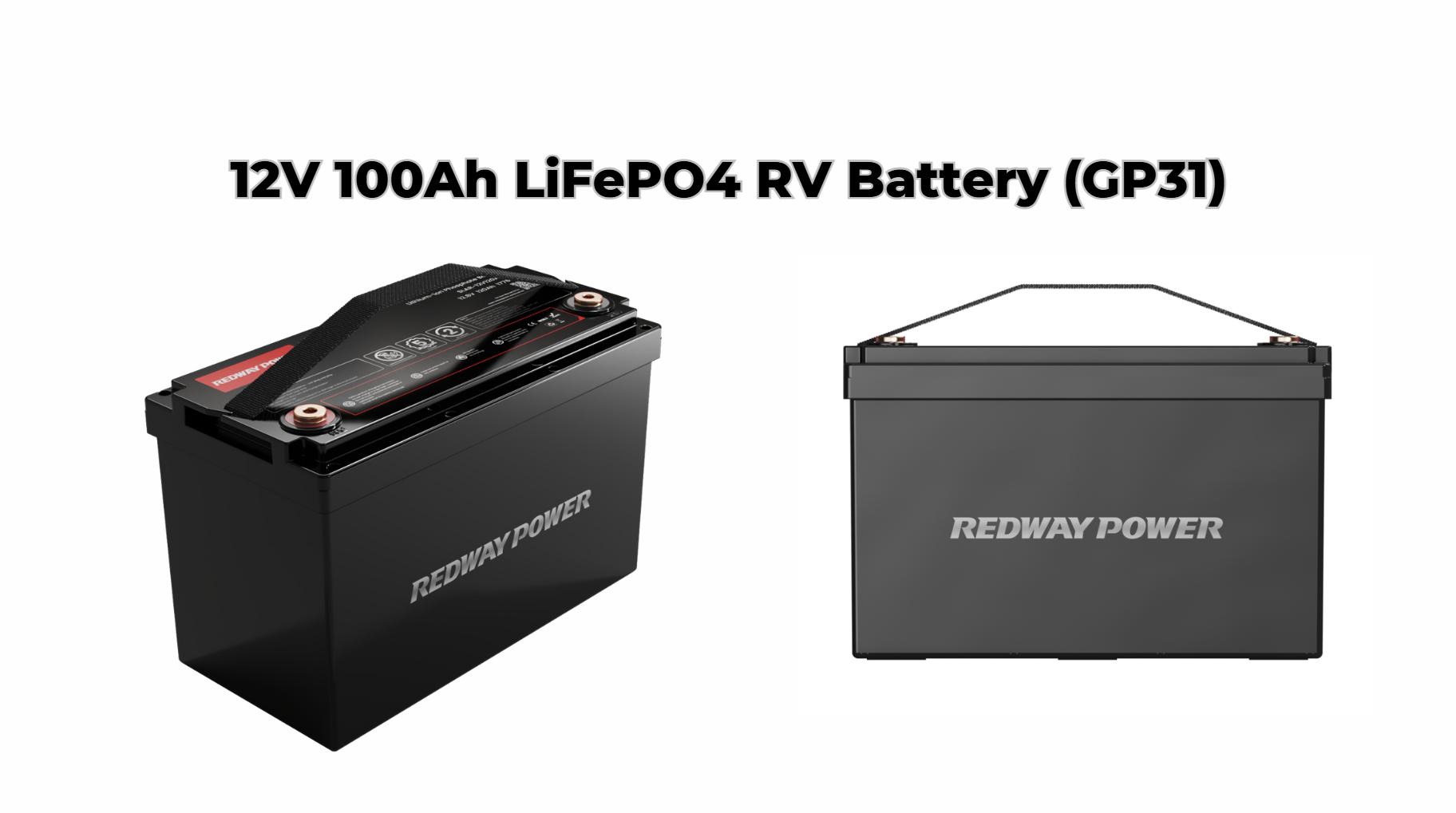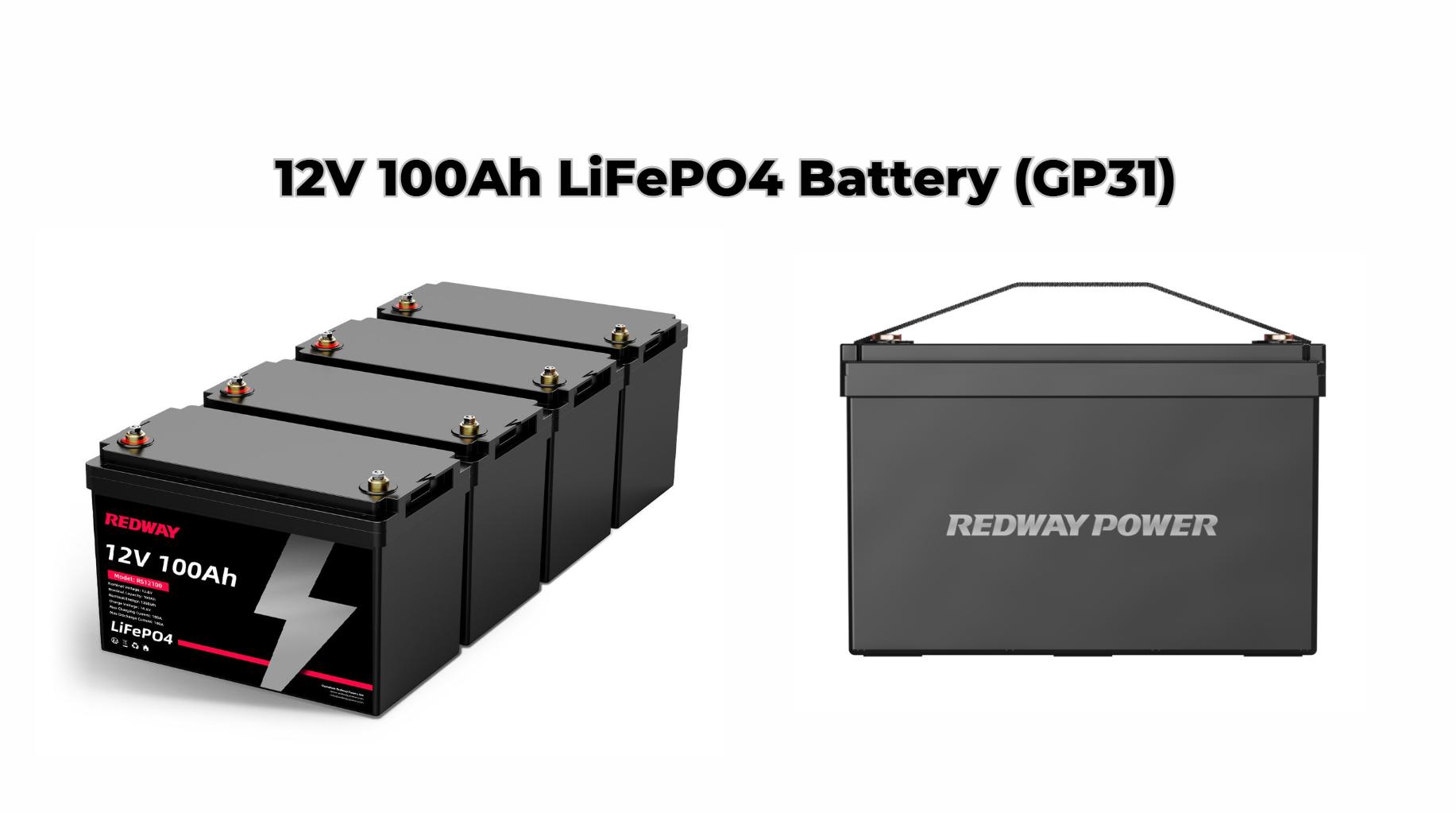
What Is Parallel Battery Wiring and How Does It Work?
Parallel battery wiring connects battery terminals of the same polarity to increase total capacity (amp hours) while maintaining the same voltage. This setup extends runtime without changing voltage output, making it ideal for applications requiring longer battery life such as in LiFePO4 battery systems from Redway Battery.
What Is Parallel Battery Wiring?
Parallel battery wiring is the method of linking batteries by connecting all positive terminals together and all negative terminals together.
This wiring increases the effective amp-hour capacity by combining multiple batteries without increasing voltage. Each battery contributes its current supply capacity, allowing devices to run longer. For example, two 12V 100Ah batteries wired in parallel remain 12V, but the capacity becomes 200Ah. It’s commonly used in renewable energy, forklifts, RVs, and telecom, particularly with lithium iron phosphate (LiFePO4) batteries that benefit from scalable capacity with safe, stable chemistry, such as those manufactured by Redway Battery.
How Does Parallel Battery Wiring Affect Voltage and Capacity?
Connecting in parallel keeps voltage constant while summing the capacities (amp hours) of all batteries.
Unlike series wiring, which adds voltage while keeping capacity the same, parallel wiring focuses on capacity. For instance, paralleling four 12V 50Ah batteries produces 12V system voltage but 200Ah capacity. This means longer operational time for devices drawing current. Maintaining a constant voltage is critical for systems designed for specific voltage ranges, providing flexibility to extend runtime without altering device voltage requirements.
Why Should You Consider Parallel Wiring for Lithium-Ion Batteries?
Parallel wiring allows safe scaling of lithium-ion battery banks, improving runtime and load handling without increasing voltage complexity.
Lithium iron phosphate (LiFePO4) batteries, such as those from Redway Battery, are well suited for parallel configuration due to stable chemistry, minimal thermal runaway risk, and long cycle life. Parallel wiring simplifies battery pack customization for energy storage, forklifts, golf carts, and telecom backup systems. It provides redundancy, allowing continued operation if one battery fails, and facilitates easier maintenance and replacement compared to series setups.
How Do You Properly Connect Batteries in Parallel?
Link all positive terminals together and all negative terminals together using cables of equal length and gauge for balanced current flow.
Proper connection requires secure, corrosion-resistant terminals and matching battery specifications (voltage, capacity, age). Using cables of equal length reduces imbalanced charging/discharging which can stress the batteries unevenly. Balancing circuitry or Battery Management Systems (BMS) further enhance longevity and safety. Redway Battery provides OEM solutions with integrated BMS designed to support parallel configurations, ensuring optimal current sharing and battery health.
What Are the Safety Considerations When Wiring Batteries in Parallel?
Safety risks include short circuits, overcurrent, and uneven load distribution; proper fusing, equal cable lengths, and BMS are essential.
Short circuits can cause sparks or fires, so high-quality insulation and circuit breakers/fuses protect the system. Mismatched batteries or improper wiring may lead to one battery being overworked, degrading its lifespan or causing failure. Employing a battery management system helps monitor voltage, temperature, and current. Redway Battery integrates advanced protection features in its LiFePO4 packs to mitigate parallel wiring risks, promoting safe, reliable energy storage.
Which Applications Benefit Most from Parallel Battery Wiring?
Applications requiring extended runtime at a fixed voltage, such as forklifts, solar energy systems, RVs, and telecom backup, benefit from parallel wiring.
By increasing amp-hour capacity without increasing voltage, parallel wiring suits vehicles like electric forklifts and golf carts that use stable 12V or 24V battery systems. Renewable energy setups rely on large battery banks wired in parallel for energy storage. The approach also suits telecom systems where uninterrupted power supply at consistent voltage is critical. Redway Battery’s expertise in OEM LiFePO4 pack customization supports flexible parallel configurations tailored to these industry needs.
How Does Parallel Wiring Compare to Series Wiring?
Parallel wiring keeps voltage constant and increases capacity, while series wiring increases voltage but keeps capacity the same.
In series, connecting batteries end to end sums voltages (e.g., two 12V batteries yield 24V), but capacity remains at one battery’s amp-hour rating. Parallel is ideal where voltage must remain steady, but runtime extended. Both methods can be combined in series-parallel arrangements for higher voltage and capacity, often seen in advanced battery packs. Redway Battery designs such integrated solutions, optimizing performance and safety for customized energy storage.
Table: Comparison of Parallel vs Series Battery Wiring
| Feature | Parallel Wiring | Series Wiring |
|---|---|---|
| Voltage | Constant (same as single battery) | Sum of individual voltages |
| Capacity (Ah) | Sum of capacities | Constant (same as single battery) |
| Application Focus | Longer runtime at fixed voltage | Increased voltage applications |
| Safety Considerations | Risk of current imbalance | Risk of overvoltage |
| Complexity | Moderate | Moderate |
When Should You Use Parallel Wiring Versus Other Configurations?
Use parallel wiring when your system requires extended battery life at a fixed voltage level.
If your equipment or system demands a higher voltage, series or series-parallel wiring is appropriate. For smaller setups or where increasing voltage is necessary, series wiring is preferred. Parallel wiring shines in scenarios like forklift battery banks or telecom backup systems, where stable voltage and longer capacity are critical. Redway Battery supports custom OEM/ODM pack configurations, matching wiring setups to exact client needs.
Can You Mix Different Battery Types or Ages in Parallel Wiring?
Mixing battery types or ages in parallel wiring is discouraged as it causes imbalance, reduces overall lifespan, and increases failure risk.
Parallel connection demands matching voltage, capacity, chemistry, and health level to ensure balanced current flow. Unequal batteries result in uneven discharge/charge cycles, stressing some batteries disproportionately. This can cause overheating, capacity loss, or safety hazards. For best results, use identical new batteries or battery packs, such as Redway Battery’s standardized lithium iron phosphate modules, designed to be combined in parallel safely.
How Does Redway Battery Support Parallel Battery Wiring Needs?
Redway Battery offers high-quality, customizable LiFePO4 battery packs designed with built-in BMS to optimize parallel wiring performance and safety.
With advanced manufacturing and automated systems, Redway provides OEM/ODM solutions tailored to client power and capacity requirements. Their packs include integrated protections ensuring balanced charging, temperature control, and fault detection, essential for parallel configurations. Redway Battery’s expertise extends to forklifts, golf carts, telecom, and solar applications, ensuring reliable, durable energy storage systems configured for optimum parallel operation.
Redway Expert Views
“Parallel battery wiring offers a scalable, efficient way to increase capacity without complicating voltage requirements, perfectly aligned with modern energy storage demands. At Redway Battery, our LiFePO4 packs integrate smart BMS and precision engineering that safeguard parallel configurations, ensuring balanced current, extended battery life, and reliable performance in industrial and telecom sectors. This careful design supports our clients’ sustainability and operational goals.”
— Redway Battery Engineering Team
Conclusion
Parallel battery wiring is an effective method to increase battery capacity while maintaining voltage, enhancing runtime for various applications. Proper connection, safety management, and use of matched battery packs are key to maximizing benefits and longevity. Redway Battery’s customizable LiFePO4 solutions with integrated BMS provide reliable, safe options for scalable energy storage in forklifts, telecom, and solar setups. Understanding when and how to deploy parallel wiring helps optimize battery system design for your specific needs.
Frequently Asked Questions (FAQs)
Q1: Can I add more batteries to an existing parallel bank easily?
Yes, but ensure all batteries match in voltage, capacity, and health to avoid imbalance.
Q2: Does parallel wiring increase battery voltage?
No, voltage remains the same as a single battery; only capacity increases.
Q3: What happens if one battery in parallel fails?
It can affect the entire bank; a good battery management system minimizes this risk.
Q4: Are Lithium Iron Phosphate batteries good for parallel wiring?
Yes, LiFePO4 batteries are stable and safe, making them ideal for parallel configurations.
Q5: How does Redway Battery ensure safe parallel battery systems?
By integrating smart BMS and quality controls in their OEM LiFePO4 packs designed specifically for scalable, parallel use.