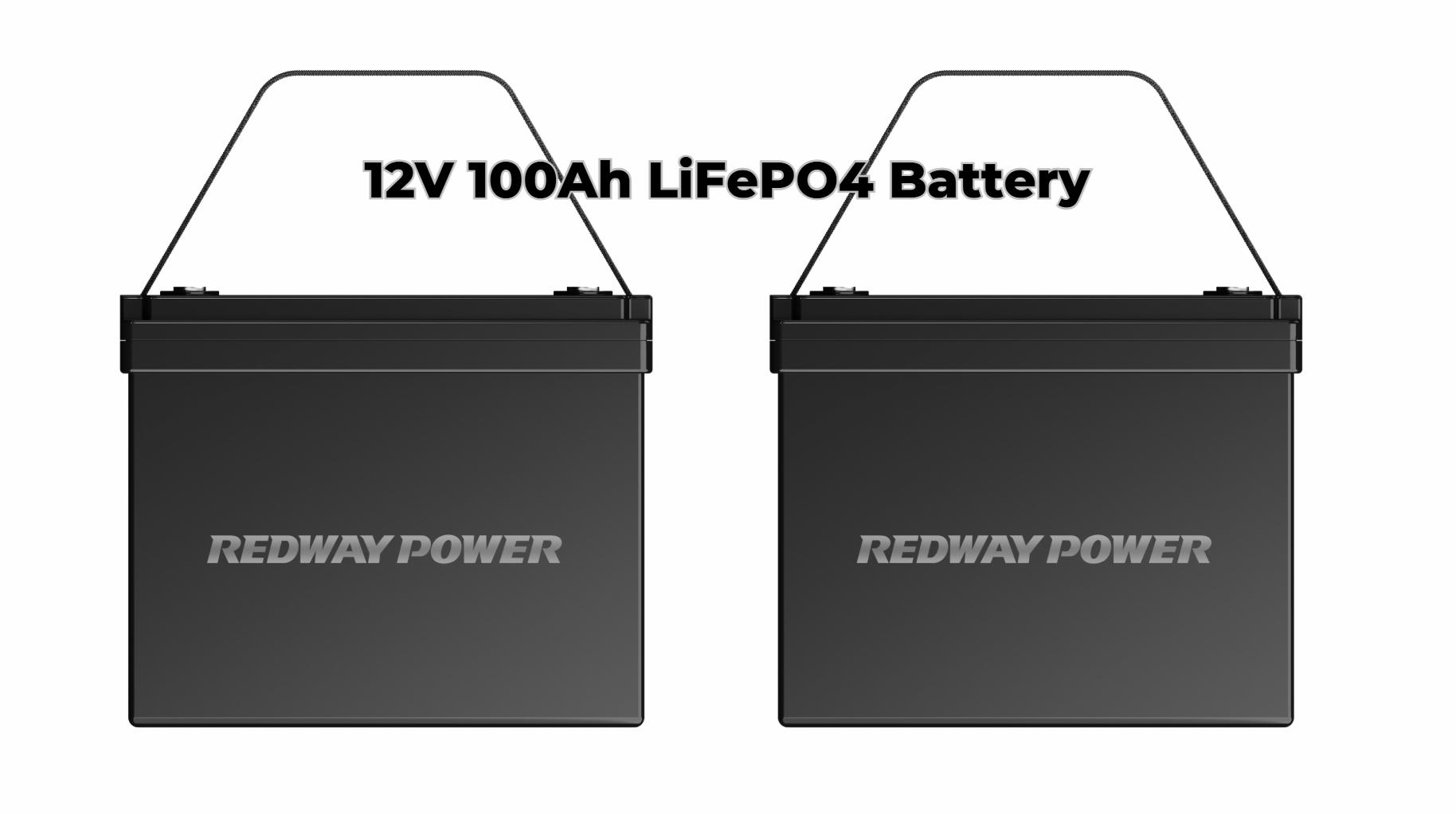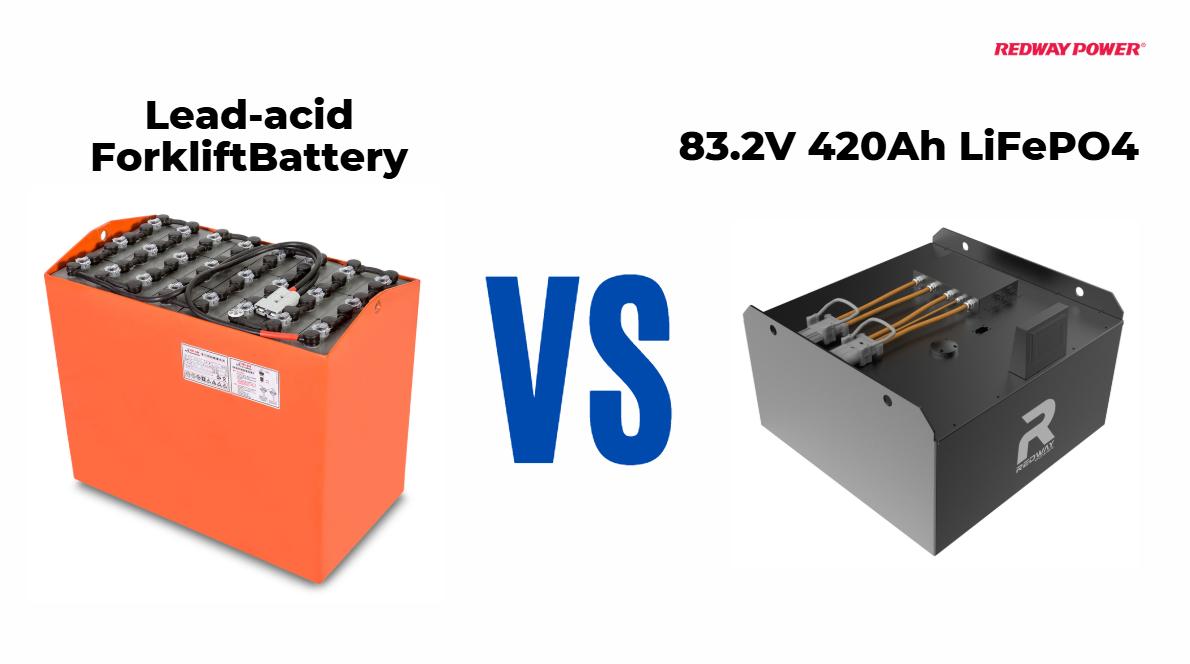
Which Is Better: Lead-Acid or Lithium-Ion Batteries for Industrial Use?

Which Is Better: Lead-Acid or Lithium-Ion Batteries for Industrial Use?

When comparing lead-acid and lithium-ion batteries for industrial applications, both options have unique advantages and disadvantages that can impact performance, cost, and efficiency. Understanding these differences is crucial for making informed decisions about battery selection.

What Are Lead Acid Batteries?

Lead-acid batteries are traditional energy storage devices known for their reliability and affordability. They consist of lead dioxide (PbO₂) as the positive plate, sponge lead (Pb) as the negative plate, and sulfuric acid as the electrolyte.Chart: Characteristics of Lead Acid Batteries

Feature Description
Lifespan 3 to 5 years
Depth of Discharge Typically up to 50%
Weight Heavier compared to lithium-ion
Maintenance Requires regular checks on electrolyte levels

What Are Lithium-Ion Batteries?

Lithium-ion batteries are modern energy storage solutions that utilize lithium ions moving between anode (typically graphite) and cathode (lithium metal oxide) during charging and discharging cycles.Chart: Characteristics of Lithium-Ion Batteries

Feature Description
Lifespan 7 to 15 years
Depth of Discharge Up to 100%
Weight Lighter than lead-acid
Maintenance Minimal maintenance required

What Are the Key Differences Between Lead Acid and Lithium-Ion?

The key differences between lead-acid and lithium-ion batteries include:

  1. Lifespan: Lithium-ion batteries generally last longer than lead-acid batteries.
  2. Weight: Lithium-ion batteries are significantly lighter.
  3. Efficiency: Lithium-ion batteries have higher charge/discharge efficiencies compared to lead-acid.
  4. Cost: While lead-acid batteries are cheaper upfront, lithium-ion batteries often prove more economical over time due to their longevity.

What Are the Advantages of Lead Acid Batteries?

Advantages include:

  1. Lower Initial Cost: Generally more affordable than lithium-ion options.
  2. Established Technology: Well-understood with a long history in various applications.
  3. Safety: Less risk of thermal runaway compared to lithium-ion.

What Are the Disadvantages of Lead Acid Batteries?

Disadvantages include:

  1. Shorter Lifespan: Typically last only 3 to 5 years.
  2. Weight: Heavier, making handling more cumbersome.
  3. Maintenance Needs: Requires regular maintenance to ensure optimal performance.

What Are the Advantages of Lithium-Ion Batteries?

Advantages include:

  1. Longer Lifespan: Can last up to 15 years or more.
  2. Higher Efficiency: Offers better energy density and faster charging times.
  3. Lightweight Design: Easier to handle due to reduced weight.

What Are the Disadvantages of Lithium-Ion Batteries?

Disadvantages include:

  1. Higher Initial Cost: More expensive upfront compared to lead-acid.
  2. Temperature Sensitivity: Performance can be affected by extreme temperatures.
  3. Recycling Challenges: More complex recycling processes compared to lead-acid.

How Do AGM and Lithium-Ion Compare in Performance Metrics?

AGM (Absorbent Glass Mat) batteries are a type of sealed lead-acid battery that offers some advantages over traditional lead-acid but still falls short compared to lithium-ion:

  1. Depth of Discharge (DoD):
    • AGM typically allows a DoD around 50%.
    • Lithium-ion allows discharges exceeding 80%.
  2. Lifespan:
    • AGM lasts about 300-500 cycles.
    • Lithium-ion can last between 4,000 to 15,000 cycles.
  3. Weight:
    • AGM batteries are heavier than lithium-ion counterparts.

What Is the Initial Cost Comparison Between Lead-Acid and Lithium-Ion?

Initial costs vary significantly:

  • Lead-Acid Costs: Generally range from $200 to $800 depending on capacity.
  • Lithium-Ion Costs: Range from $1,000 to $3,000 or more based on specifications.

While lead-acid batteries are cheaper initially, lithium-ion batteries may provide better value over time due to their longevity.

What Are Long-Term Cost Considerations for Both Battery Types?

When considering long-term costs:

  1. Lead-Acid Total Cost of Ownership (TCO):
    • Shorter lifespan leads to more frequent replacements.
  2. Lithium-Ion TCO:
    • Higher initial investment but fewer replacements needed over time results in lower overall costs.

Expert Views

“Choosing between lead-acid and lithium-ion batteries hinges on understanding your specific operational needs,” says an expert from Redway. “While initial costs may be higher for lithium-ion, their efficiency, longevity, and reduced maintenance make them a smart investment in the long run.”

Conclusion

In conclusion, both lead-acid and lithium-ion batteries have distinct advantages and disadvantages that must be weighed based on specific application needs. Understanding these differences can help businesses make informed decisions that enhance operational efficiency while considering long-term costs.

FAQ Section

  • Which battery type lasts longer?
    Lithium-ion batteries generally last longer than lead-acid batteries, with lifespans ranging from 7 to 15 years compared to 3 to 5 years for lead-acid.
  • What are the main advantages of lithium-ion over lead-acid?
    Lithium-ion batteries offer longer lifespans, higher efficiency, lighter weight, and lower maintenance requirements compared to lead-acid batteries.
  • How does cost compare between lead-acid and lithium-ion?
    Lead-acid batteries have lower initial costs but may incur higher long-term expenses due to shorter lifespans compared to lithium-ion options.
How Do You Successfully Install a New Fork Truck Battery?

How Do You Successfully Install a New Fork Truck Battery?

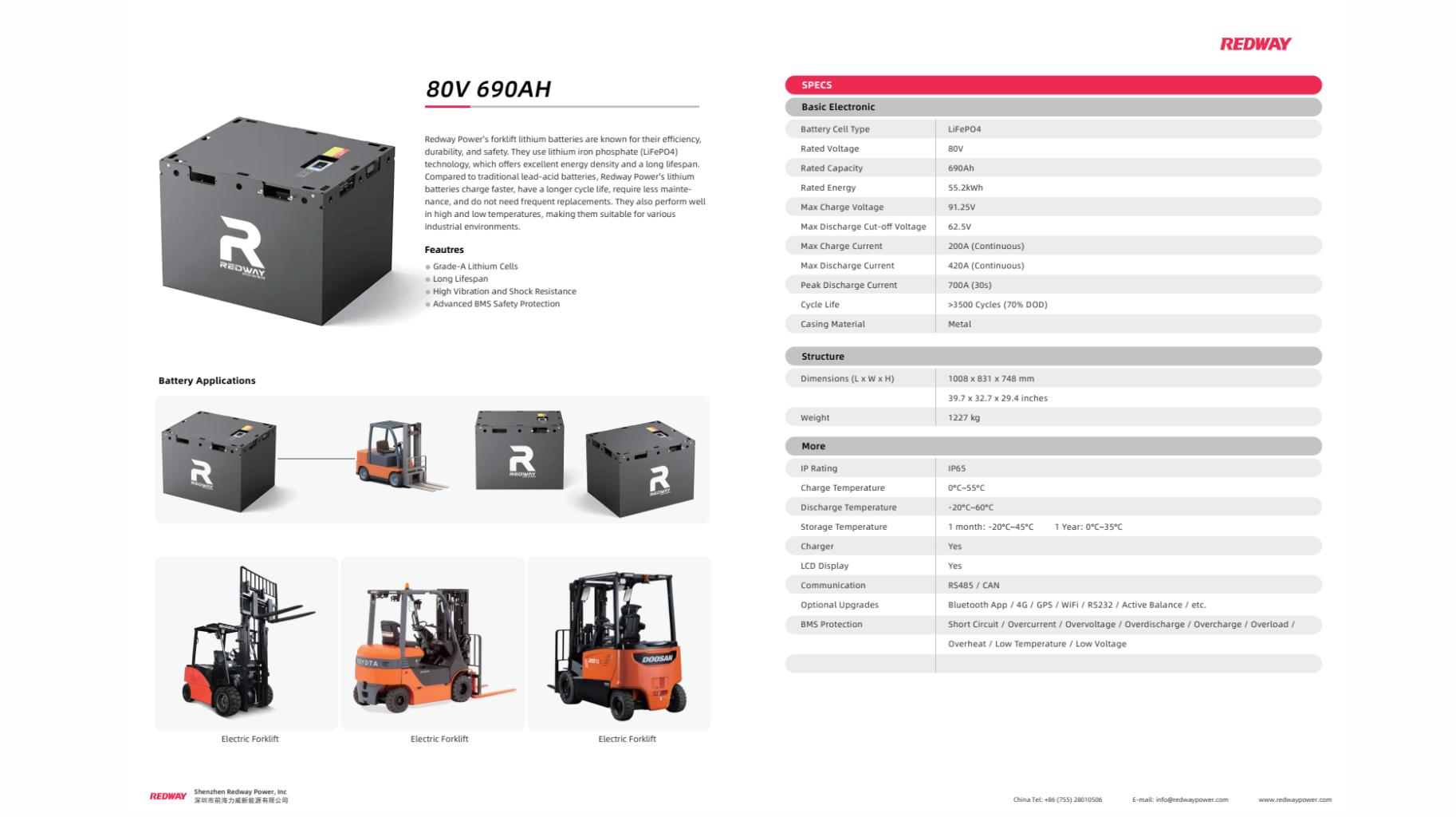
Installing a new fork truck battery requires careful preparation, adherence to safety protocols, and proper configuration of the electric lift truck’s power system to ensure optimal performance. This guide outlines essential steps and considerations for successfully completing this task.

What preparations should be made before installing a new fork truck battery?

Before beginning the installation process, it is crucial to prepare the work area by ensuring it is clean, well-lit, and free from hazards. Gather necessary tools such as wrenches, gloves, goggles, and lifting equipment to facilitate safe handling of heavy batteries.Chart: Preparation Checklist for Installing a Fork Truck Battery

Preparation Step Description
Clean Work Area Remove any debris or obstacles
Gather Tools Collect wrenches, gloves, goggles
Ensure Proper Ventilation Avoid working in enclosed spaces with fumes
Review Safety Protocols Familiarize yourself with safety guidelines

How should you disconnect the old battery safely?

To safely disconnect the old battery, start by powering down the forklift completely and engaging the handbrake. Disconnect cables by removing the negative terminal first to minimize the risk of sparks or short circuits.

What are the steps for installing the new battery?

  1. Position the new battery using appropriate lifting equipment.
  2. Connect the positive terminal first followed by the negative terminal.
  3. Ensure all connections are tight to prevent operational issues.
  4. Securely seat the battery in its compartment.

Chart: Steps for Installing a New Fork Truck Battery

Step Action
1. Position New Battery Use lifting equipment to place it correctly
2. Connect Positive Terminal Attach positive cable first
3. Connect Negative Terminal Follow with negative cable
4. Secure Connections Tighten connections to prevent loosening

What safety measures should be taken during installation?

Safety measures include wearing appropriate personal protective equipment (PPE) such as gloves and goggles, ensuring proper lifting techniques are used to avoid injury, and following manufacturer guidelines throughout the installation process.

How do you configure your electric lift truck’s power system?

Configuring your electric lift truck’s power system involves ensuring that voltage levels match between the forklift and battery specifications, checking that all connections are secure, and verifying that any necessary settings on controllers or chargers are correctly adjusted.

What troubleshooting steps can resolve common installation issues?

Common installation issues may include loose connections or incorrect polarity. To troubleshoot:

  • Double-check all connections for tightness.
  • Ensure that cables are connected in proper order (positive first).
  • Test voltage levels with a multimeter to confirm correct operation.

What setup guide ensures optimal performance after installation?

To ensure optimal performance post-installation:

  1. Conduct thorough inspections of all connections.
  2. Perform initial charging according to manufacturer guidelines.
  3. Monitor performance metrics regularly to identify any potential issues early.

Expert Views:
“Proper installation of forklift batteries is critical not only for operational efficiency but also for safety; following established protocols can prevent accidents and extend battery life,” says an expert from Redway.

Conclusion

Successfully installing a new fork truck battery involves meticulous preparation, adherence to safety protocols, and proper configuration of electrical systems. By following this guide, operators can ensure safe operations while maximizing performance from their electric lift trucks.

FAQ Section

  • What tools do I need for installing a fork truck battery?
    Essential tools include wrenches, gloves, goggles, lifting equipment, and a multimeter for testing connections.
  • How often should I check my forklift battery connections?
    Regular inspections should be conducted at least monthly or more frequently based on usage patterns.
  • What should I do if my forklift doesn’t operate after installing a new battery?
    Check all connections for tightness and correct polarity; if problems persist, consult with an expert or technician.
What Are Your Options for Financing New Fork Truck Batteries?

What Are Your Options for Financing New Fork Truck Batteries?

When considering financing options for purchasing new forklift batteries, businesses can explore various avenues including leasing, loans, and tax incentives that can significantly reduce upfront costs while enhancing operational efficiency.

What Are the Best Financing Options for Purchasing New Batteries?

There are several financing options available when it comes to purchasing new batteries:

  1. C-PACE Financing: This allows businesses to finance energy-efficient improvements with little or no upfront costs.
  2. Leasing Agreements: Provides flexibility without requiring large capital expenditures upfront.
  3. Traditional Loans: Banks or credit unions offer loans specifically tailored for equipment purchases.

Chart Title: Comparison of Financing Options

Financing Option Description Pros Cons
C-PACE Financing Off-balance sheet funding tied to property taxes No upfront costs Limited eligibility criteria
Leasing Agreements Monthly payments without ownership Flexibility Higher long-term costs
Traditional Loans Bank loans with fixed repayment terms Ownership Requires good credit score

How Does C-PACE Financing Work?

C-PACE (Commercial Property Assessed Clean Energy) financing allows property owners to borrow money to make energy-efficient upgrades, which are then repaid through property tax assessments over time.

What Are Managed Energy Service Agreements?

Managed energy service agreements involve outsourcing energy management services to third parties who install, maintain, and finance energy-efficient systems, including battery solutions.

What Are the Pros and Cons of Leasing Equipment?

Leasing offers several advantages:

  • Pros:
    • Lower initial costs
    • Maintenance often included
    • Flexibility in upgrading equipment
  • Cons:
    • Higher long-term costs
    • No ownership at lease end

How Does Buying Equipment Compare to Leasing?

Buying equipment typically involves higher upfront costs but provides long-term savings as you own the asset outright, whereas leasing allows you to conserve cash flow but may result in ongoing payments without ownership.

When Should You Choose to Lease Instead of Buy?

Leasing is ideal when:

  • Cash flow is tight.
  • You need flexibility due to changing demands.
  • You want access to the latest technology without large investments.

What Types of Warranties Are Available for Industrial Batteries?

Common warranty types include:

  1. Standard Warranty: Covers defects in materials and workmanship.
  2. Extended Warranty: Provides coverage beyond the standard period, often including maintenance services.

Chart Title: Types of Battery Warranties

Warranty Type Coverage Duration Key Benefits
Standard Warranty Typically 1-3 years Basic defect coverage
Extended Warranty Up to 5 years or more Additional maintenance

How Do Extended Warranties Work?

Extended warranties offer additional coverage after the standard warranty expires, often covering repairs or replacements due to defects or failures.

Why Is It Important to Understand Warranty Terms?

Understanding warranty terms ensures that businesses know what is covered and what is not, helping them avoid unexpected costs associated with battery failures or defects.

What Tax Incentives Are Available for Eco-Friendly Equipment Purchases?

Many jurisdictions offer tax incentives such as:

  1. Accelerated Depreciation: Allows businesses to deduct a larger portion of their investment in eco-friendly equipment in the first year.
  2. Tax Credits: Directly reduce tax liability based on expenditures related to environmentally friendly upgrades.

Chart Title: Tax Incentives Overview

Incentive Type Description Eligibility Criteria
Accelerated Depreciation Larger first-year deductions Must be eco-friendly equipment
Tax Credits Direct reduction in tax liability Varies by jurisdiction

How Can Businesses Benefit from These Incentives?

Businesses can significantly reduce their overall investment costs through these incentives, improving cash flow while contributing positively toward sustainability goals.

What Types of Equipment Qualify for Tax Deductions?

Typically, equipment that promotes energy efficiency or reduces emissions qualifies, including electric forklifts, lithium-ion batteries, and other renewable energy technologies.

How Do You Create a Budget for Equipment Purchases?

Creating a budget involves:

  1. Assessing current needs versus future requirements.
  2. Estimating total costs including purchase price, maintenance, and operational expenses.
  3. Consulting with suppliers or financial advisors for accurate pricing.

Chart Title: Steps in Creating an Equipment Budget

Step Description
Assess Needs Determine what equipment is necessary
Estimate Costs Include purchase price and ongoing expenses
Consult Experts Seek advice from suppliers or financial advisors

What Factors Should Be Considered in Budgeting?

Considerations include:

  • Initial purchase price
  • Expected lifespan and depreciation
  • Maintenance costs
  • Potential savings from improved efficiency

How Can You Evaluate the Return on Investment (ROI)?

To evaluate ROI:

  1. Calculate total costs associated with the investment.
  2. Estimate savings generated through increased efficiency or reduced downtime.
  3. Compare these figures over time against initial expenditures.

How to Assess Your Business Needs Before Purchasing Batteries?

Assess your business needs by evaluating:

  1. Current battery performance issues.
  2. Future growth projections requiring additional capacity.
  3. Specific applications that may require specialized battery types.

What Are the Long-Term Financial Implications of Leasing vs Buying?

Leasing may provide short-term cash flow benefits but can lead to higher long-term costs compared to outright purchases which build equity over time.

How to Calculate Total Cost of Ownership (TCO) for Batteries?

To calculate TCO:

  1. Include initial purchase price.
  2. Add maintenance costs over the expected lifespan.
  3. Factor in disposal costs at end-of-life.

Expert Views

“Understanding financing options is crucial when investing in new batteries or industrial equipment; it allows businesses not only to manage cash flow effectively but also leverage available incentives that can significantly reduce overall expenses.” – Expert from Redway

Conclusion

In conclusion, navigating financing options when purchasing new batteries requires careful consideration of various factors such as leasing versus buying, warranty understanding, available tax incentives, and effective budgeting strategies! By arming yourself with this knowledge—businesses can make informed decisions that enhance their operational efficiency while optimizing financial performance!

FAQ Section

  • What financing options are available for purchasing new batteries?
    Options include C-PACE financing, managed energy service agreements, leasing agreements, and traditional loans tailored specifically for battery purchases.
  • How do I decide between leasing or buying industrial batteries?
    Consider your cash flow situation, need for flexibility, potential long-term savings from ownership versus ongoing lease payments.
  • What tax incentives can I take advantage of when purchasing eco-friendly equipment?
    Many jurisdictions offer accelerated depreciation and direct tax credits based on expenditures related to environmentally friendly upgrades like electric forklifts or lithium-ion batteries.

How to Choose the Best Rechargeable Battery Factory Supplier

Selecting a reliable supplier for rechargeable batteries is crucial for ensuring quality and performance in various applications, from electronics to power tools. Expertpower stands out as a premier factory supplier, offering a diverse range of high-quality rechargeable battery solutions designed to meet industry standards and customer needs.

What benefits do rechargeable batteries offer to users?

Rechargeable batteries provide numerous advantages, making them a preferred choice for many applications:

  • Cost-Effective: Although the initial investment may be higher, they can be reused hundreds or thousands of times, resulting in long-term savings.
  • Environmental Impact: Rechargeable batteries reduce waste by minimizing the number of disposable batteries that end up in landfills.
  • Performance: They often deliver consistent power output and have a lower self-discharge rate compared to non-rechargeable options.
Benefit Description
Cost-Effective Long-term savings through multiple recharges
Environmental Impact Reduces landfill waste from disposable batteries
Performance Consistent power output with lower self-discharge

How do rechargeable batteries function effectively?

Rechargeable batteries operate through electrochemical reactions that allow them to store and release energy efficiently:

  • Charging Process: When connected to a power source, electrical energy is used to reverse the chemical reactions that occur during discharge, restoring the battery’s charge.
  • Discharging Process: During use, the stored chemical energy is converted back into electrical energy, powering devices.

What types of rechargeable batteries can you find in the market?

Various types of rechargeable batteries cater to different needs:

  • Lithium-Ion (Li-Ion): Commonly used in electronics and electric vehicles due to their high energy density and lightweight properties.
  • Nickel-Metal Hydride (NiMH): Often found in hybrid vehicles and portable electronics; they offer good performance but have a lower energy density than Li-Ion.
  • Lead-Acid: Widely used for automotive and backup power applications; they are heavier but cost-effective.
Type Characteristics
Lithium-Ion High energy density, lightweight
Nickel-Metal Hydride Good performance, moderate energy density
Lead-Acid Cost-effective, heavier, reliable for automotive use

Which applications are ideal for rechargeable batteries?

Rechargeable batteries are suitable for a wide range of applications:

  • Consumer Electronics: Powering devices such as smartphones, laptops, and cameras.
  • Electric Vehicles: Providing energy storage for electric cars and bikes.
  • Power Tools: Offering reliable energy for cordless drills and saws.

How can you choose a reliable rechargeable battery supplier?

Selecting a trustworthy supplier involves several considerations:

  • Reputation: Look for suppliers with positive reviews and industry recognition.
  • Quality Assurance: Ensure the supplier adheres to high manufacturing standards and offers warranties on their products.
  • Product Range: A diverse product line indicates expertise and capability in meeting various needs.

What key factors should wholesale buyers consider when purchasing rechargeable batteries?

Wholesale buyers should evaluate these critical factors:

  • Pricing Structure: Compare prices among suppliers to ensure competitive rates without compromising quality.
  • Customization Options: Check if the supplier can provide tailored solutions based on specific requirements.
  • Support Services: Reliable customer service is essential for addressing any issues post-purchase.

Are there viable alternatives to traditional rechargeable batteries?

While traditional options like Li-Ion and NiMH are popular, alternatives exist:

  • Supercapacitors: Offer rapid charging and discharging capabilities but generally have lower energy density.
  • Flow Batteries: Suitable for large-scale energy storage applications but may not be practical for smaller devices.

For those considering alternatives, Redway Battery provides excellent solutions that can serve as substitutes for various models of lithium-ion and other rechargeable battery technologies.

Tips for Battery Wholesale Buyers

When purchasing from battery factories, keep these tips in mind:

  • Research reputable manufacturers like Redway Battery, which has over 13 years of experience in lithium battery production.
  • Understand the OEM ordering process to ensure your supplier can meet custom specifications effectively.
  • Evaluate product offerings comprehensively to ensure they align with your specific needs.

Established in 2012, Redway Battery specializes in the research, development, manufacturing, and sales of lithium batteries, including lithium iron phosphate (LiFePO4) technology. With production bases across China, Redway provides customized solutions tailored to client needs while emphasizing sustainability and quality.

Redway Battery Insight

“Partnering with a reputable battery manufacturer is essential for ensuring reliability in your projects,” states an expert at Redway Battery. “Our commitment to innovation allows us to deliver high-quality products that empower users with dependable energy solutions.”By understanding these essential aspects of rechargeable battery selection and sourcing, potential buyers can make informed decisions that align with their operational goals while considering trusted suppliers like Expertpower and Redway Battery for their wholesale requirements.

How to Choose the Best Group 8D Battery Factory for Wholesale

Choosing the right factory for Group 8D batteries is essential for ensuring reliable performance across various applications, from automotive to industrial uses. Redway Battery stands out as a premier wholesale partner, providing high-quality batteries that meet stringent industry standards and customer needs.

What is a Group 8D Battery and what are its features?

A Group 8D battery is a large, heavy-duty battery designed for high-capacity applications, commonly found in vehicles and equipment that require substantial power output. Key features include:

  • Dimensions: Approximately 21 x 11 x 10 inches (LxWxH), making it one of the largest standard batteries.
  • High Capacity: Typically rated between 230 to 300 amp-hours (Ah), suitable for demanding tasks.
  • Cold Cranking Amps (CCA): Often capable of delivering up to 1,500 CCA, ideal for starting large engines.
Feature Description
Dimensions Approximately 21 x 11 x 10 inches
Capacity Ranges from 230 to 300 Ah
Cold Cranking Amps (CCA) Up to 1,500 CCA

How do Group 8D Batteries compare to other battery types?

Group 8D batteries offer several advantages over traditional lead-acid batteries:

  • Higher Capacity: They provide more energy storage, making them suitable for heavy-duty applications.
  • Durability: Built with robust materials, they can withstand deep discharges and harsh conditions.
  • Versatility: They can be used in various applications, including marine, RVs, and industrial machinery.

What specifications should you know about Group 8D Batteries?

Understanding the specifications of Group 8D batteries is essential for selecting the right model:

  • Amp-Hour Rating: Indicates how much energy the battery can store and deliver over time.
  • Reserve Capacity (RC): Reflects how long the battery can run at a specific load before needing a recharge, typically around 300 minutes.
Specification Typical Value
Amp-Hour Rating Typically between 230 – 300 Ah
Reserve Capacity (RC) Approximately 300 minutes

Which applications benefit from using Group 8D Batteries?

Group 8D batteries are versatile and find applications in various fields:

  • Heavy Machinery: Used in construction equipment such as excavators and bulldozers.
  • Marine Applications: Powering boats and marine vessels for onboard systems.
  • Recreational Vehicles (RVs): Providing reliable power sources for appliances and lighting.
  • Backup Power Systems: Serving as backup power during outages or emergencies.

How long can you expect a Group 8D Battery to last?

The lifespan of a Group 8D battery varies based on usage and maintenance but generally ranges from 4 to 7 years for lead-acid types and up to 10 years or more for lithium variants. Regular maintenance, such as proper charging practices, can significantly extend battery life.

What key factors should wholesale buyers consider when selecting Group 8D Batteries?

Wholesale buyers should evaluate several important factors:

  • Manufacturer Reputation: Choose suppliers with positive reviews and proven track records.
  • Product Range: Ensure the supplier offers various options, including both lead-acid and lithium versions.
  • Warranty and Support: A robust warranty reflects confidence in product quality.

Are there viable alternatives to traditional Group 8D Batteries?

While traditional lead-acid batteries are common, alternatives exist:

  • Lithium-Ion Batteries: Offer higher energy density, longer lifespan, and faster charging times but typically come at a higher upfront cost.

For those considering alternatives, Redway Battery provides excellent lithium-ion solutions that can serve as substitutes for various models of traditional batteries.

Tips for Battery Wholesale Buyers

When purchasing from battery manufacturers, consider these tips:

  • Research reputable manufacturers like Redway Battery, which has over 13 years of experience in lithium battery production.
  • Understand the OEM ordering process to ensure your supplier can meet custom specifications effectively.
  • Evaluate product offerings comprehensively to ensure they align with your specific needs.

Established in 2012Redway Battery specializes in research, development, manufacturing, and sales of lithium batteries, including lithium iron phosphate (LiFePO4) technology. With production bases across China, Redway provides customized solutions tailored to client needs while emphasizing sustainability and quality.

Redway Battery Insight

“Partnering with a reputable battery manufacturer is essential for ensuring reliability in your energy solutions,” states an expert at Redway Battery. Our commitment to innovation allows us to deliver high-quality products that empower users with dependable energy storage.”By understanding these essential aspects of choosing a Group 8D battery factory for wholesale, potential buyers can make informed decisions that align with their operational goals while considering trusted suppliers like Redway Battery for their energy needs.

Why Do Lithium-Ion Batteries Catch Fire?

Understanding why lithium-ion batteries catch fire is crucial for ensuring safety in their use across various applications, from consumer electronics to electric vehicles. This article delves into the causes of lithium-ion battery fires, focusing on thermal runaway, improper handling, and environmental factors that contribute to these incidents.

What Causes Lithium-Ion Battery Fires?

Lithium-ion battery fires can occur due to several factors, including internal failures, external damage, and improper usage. Key causes include:

  1. Thermal Runaway: A self-sustaining reaction that leads to overheating.
  2. Internal Short Circuits: Caused by manufacturing defects or physical damage.
  3. Overcharging: Charging beyond the battery’s capacity can lead to failure.
Cause Description
Thermal Runaway A chain reaction causing extreme heat and fire
Internal Short Circuit Damage to separators leading to electrode contact
Overcharging Excessive voltage causing overheating

These factors highlight the importance of proper handling and monitoring.

How Do You Prevent Lithium-Ion Battery Fires?

Preventing lithium-ion battery fires involves several key practices:

  1. Use Approved Chargers: Always use chargers that are compatible with your battery.
  2. Avoid Overcharging: Monitor charging cycles and avoid leaving batteries charging unattended.
  3. Store Properly: Keep batteries in cool, dry places away from direct sunlight.

Implementing these measures can significantly reduce fire risks.

Why Do Lithium-Ion Batteries Catch Fire?

Lithium-ion batteries can catch fire due to various reasons:

  1. Manufacturing Defects: Impurities or flaws during production can lead to instability.
  2. Physical Damage: Puncturing or crushing a battery can cause short circuits.
  3. High Temperatures: Exposure to excessive heat can destabilize the battery’s chemical structure.

Understanding these reasons helps users take preventive action.

What Is Thermal Runaway in Lithium-Ion Batteries?

Thermal runaway occurs when a lithium-ion cell enters an uncontrollable self-heating state, often triggered by an internal short circuit or external heat sources.

Stage Description
Initiation Heat generation from internal reactions
Propagation Increased temperature leads to further reactions
Catastrophe Cell venting or rupture resulting in fire

This process can escalate quickly, making it critical to understand how it develops.

How Do Environmental Conditions Affect Battery Safety?

Environmental conditions play a significant role in battery safety:

Condition Effect on Performance
High Temperatures Increases risk of thermal runaway
Low Temperatures Reduces capacity but may not directly cause fires
Humidity Can lead to corrosion and internal short circuits

Maintaining optimal storage conditions is vital for safety.

What Are Common Causes of Thermal Runaway in Batteries?

Common causes of thermal runaway include:

  1. Manufacturing Defects: Poor quality control can lead to internal short circuits.
  2. Excessive Heat Exposure: Storing batteries in high-temperature environments can trigger runaway.
  3. Physical Damage: Dropping or puncturing batteries can compromise their integrity.

Understanding these causes helps users take preventive action.

How Can You Safely Store Lithium-Ion Batteries?

To ensure safe storage of lithium-ion batteries:

  1. Keep Them Cool: Store at room temperature and avoid direct sunlight.
  2. Separate from Other Materials: Avoid storing near flammable materials.
  3. Regular Inspections: Check for signs of wear or damage regularly.

These practices help ensure longevity and safety in battery usage.

What Should You Do If a Lithium-Ion Battery Catches Fire?

In case of a lithium-ion battery fire:

  1. Evacuate the Area: Ensure everyone is at a safe distance.
  2. Use Appropriate Extinguishers: Use Class D extinguishers or dry chemical extinguishers designed for metal fires.
  3. Call Emergency Services: Alert professionals who are trained to handle such incidents.

Taking swift action can mitigate damage and ensure safety.

Expert Views

“Understanding the risks associated with lithium-ion batteries is essential for safe usage,” says Alex Templeton, Director at Stryten Energy. “By recognizing symptoms like swelling or excessive heat and adhering to proper maintenance protocols, users can significantly reduce fire hazards.”

Conclusion

In summary, understanding why lithium-ion batteries catch fire involves recognizing key factors such as thermal runaway, improper handling, and environmental conditions that contribute to these incidents. By following preventive measures and maintaining awareness, consumers can safely enjoy the benefits of lithium-ion technology while minimizing risks.

FAQ Section

  • What causes lithium-ion batteries to catch fire?
    Lithium-ion batteries can catch fire due to thermal runaway, internal short circuits, overcharging, or exposure to high temperatures.
  • How can I prevent my lithium-ion battery from catching fire?
    Preventing fires involves using approved chargers, avoiding overcharging, storing batteries properly, and regularly inspecting them for damage.
  • What should I do if my lithium-ion battery shows signs of swelling?
    If you notice swelling or other signs of potential failure, stop using the battery immediately and dispose of it according to local regulations.
How Do You Choose the Right Car Battery for a 2014 Dodge Grand Caravan?

How Do You Choose the Right Car Battery for a 2014 Dodge Grand Caravan?

Choosing the right car battery for your 2014 Dodge Grand Caravan is essential for optimal performance and reliability. Understanding how to read a battery size chart, what group numbers mean, and specific requirements will help ensure you select the correct auto battery size.

How Do You Read a Battery Size Chart?

Reading a battery size chart involves understanding various specifications that indicate compatibility with your vehicle. These charts typically include dimensions, group sizes, and terminal configurations, helping you identify which battery will fit your car’s designated space.

To read a battery size chart effectively, focus on these key categories:

  • Battery Group Numbers: These numbers indicate the physical dimensions and terminal placements of the battery, ensuring you select a battery that fits your vehicle’s battery tray and cable connections. These are commonly BCI (Battery Council International) group sizes that are two numbers, or two numbers and a letter. In some cases, more than one BCI group size can fit a vehicle.
  • Cold Cranking Amps (CCA): CCA measures a battery’s ability to start an engine in cold temperatures. A higher CCA rating means better performance in cold weather. Similar BCI group sizes will usually have a minimum CCA rating, although higher capacity options are common.

When referencing a battery size chart, compare the group size recommended by your vehicle manufacturer to find a compatible battery. Ensure the dimensions and terminal types match. Using the wrong group-size battery in your car can lead to electrical issues, such as a dead battery or difficulty starting the engine, and can also cause damage to other parts of the vehicle if it doesn’t fit properly.

Example of Reading a Battery Size Chart

Group Size CCA RC (min) Ah Terminal Type Voltage Features
35 650 120 50 Top Post 12V Maintenance-Free
24F 800 140 55 Top Post 12V AGM, Spill-Proof
H6 760 150 70 Top Post 12V EFB, Start-Stop
  • Group 35: Fits many cars, has 650 CCA, 120 minutes of reserve capacity, and is maintenance-free.
  • Group 24F: Higher CCA (800) and reserve capacity (140 minutes), with AGM technology for better performance.
  • Group H6: Designed for start-stop vehicles, with 760 CCA and 150 minutes of reserve capacity.

What Are the Different Types of Battery Group Numbers?

Battery group numbers are standardized designations provided by the Battery Council International (BCI) that indicate specific dimensions and terminal configurations of batteries.

Here are some common BCI battery groups:

  • Group 24: Known for its versatility and compatibility with many vehicles and equipment, with dimensions of 10.25 x 6.8125 x 8.875 inches (26 x 17.3 x 22.5 cm).
  • Group 27: Slightly larger than Group 24, providing higher power output for demanding applications, with dimensions of 12.0625 x 6.8125 x 8.875 inches (30.6 x 17.3 x 22.5 cm).
  • Group 31: Heavy-duty option designed for high-performance vehicles and industrial use, with dimensions of 13 x 6.8125 x 9.4375 inches (33 x 17.3 x 24 cm).
  • Group 48: Considered equivalent to DIN/EN battery groups labeled as H6, L3, and 66L3, with physical dimensions of 278 x 175 x 190 mm.
  • Group 65: This has dimensions of 12.0625 x 7.5 x 7.5625 inches (30.6 x 19 x 19.2 cm).

BCI group sizes are used across the automotive industry to ensure proper battery fitment for each vehicle. Retailers use the BCI group size when replacing a customer’s battery to ensure proper fit and performance. Using the wrong group-size battery in your car can lead to electrical issues and damage to the vehicle.

Understanding these group numbers is crucial when selecting a car battery for your 2014 Dodge Grand Caravan.

What Is Cold Cranking Amps (CCA) and Why Is It Important?

Cold Cranking Amps (CCA) measures a battery’s ability to start an engine in cold temperatures. A higher CCA rating indicates better performance in cold weather conditions, which is particularly important in regions with harsh winters.

CCA Rating Suitable Temperature
600 -20°F
750 -10°F
800 0°F

Recommended CCA Ratings by Vehicle Type

Vehicle Type Recommended CCA
Compact Cars 400-600
Sedans 600-800
SUVs 700-900
Trucks 800-1,000
Diesel Engines 1,000+

How Do You Determine Your Car Battery Size?

To determine your car battery size, refer to your vehicle’s owner manual or consult an online battery size chart specifically designed for your model, such as the car battery for the 2014 Dodge Grand Caravan size chart.

To determine the correct car battery size, consider the following methods:

  1. Check Your Vehicle’s Manual: The most reliable way is to check your vehicle’s owner’s manual for the recommended BCI group size. The manual will specify the exact battery type and size suitable for your car model.
  2. Use a Battery Size Chart: Battery size charts provide information on physical dimensions, terminal placements, and CCA. Compare the group size recommended by your vehicle manufacturer to find a compatible battery, ensuring the dimensions and terminal types match.
  3. Measure the Battery Tray: Measure the dimensions of your vehicle’s battery tray to ensure the new battery fits properly. Note the length, width, and height to find a matching battery size.
  4. Consider the CCA Rating: Ensure the cold cranking amps (CCA) rating meets or exceeds the vehicle’s requirements, especially if you live in a cold climate. A higher CCA rating ensures better performance in cold weather.
  5. Check Terminal Placement: Note the position of the terminals (top or side) and their polarity (positive and negative) to ensure they align correctly with your vehicle’s cables.
  6. Reference JIS or DIN Codes: For Japanese or European cars, check the JIS (Japanese Industrial Standard) or DIN (Deutsches Institut für Normung) codes, respectively. These codes provide specific details about the battery’s size, performance, and terminal position.

What Are Common Car Battery Sizes for Different Models?

Here are some common car battery sizes for different models: BCI Group Sizes:

  • Group 24: (10 ¼” x 6 13/16” x 8 ⅞” / 260 x 173 x 225 mm) Commonly found in Acura, Infiniti, Honda, Nissan, Lexus, and Toyota models.
  • Group 24F: (10 ¾” x 6 13/16” x 9”/ 273 x 173 x 229 mm) Also used in Acura, Infiniti, Honda, Nissan, Lexus, and Toyota vehicles.
  • Group 25: (9 1/16” x 6 ⅞” x 8 ⅞” / 230 x 175 x 225 mm) Found in Toyota, Honda, Nissan, Mazda, Subaru, Acura, Lexus, and Infiniti models.
  • Group 34: (10 ¼” x 6 13/1″6 x 7 ⅞” / 260 x 173 x 200 mm) Used in some Dodge, Chrysler, and GM vehicles.
  • Group 35: (9 1/16” x 6 ⅞” x 8 ⅞” / 230 x 175 x 225 mm) Common in Honda, Nissan, Toyota, and Subaru vehicles. The Group-35 Battery is also called Q85, and can also work for Group-24; it is just 1-inch less wide. It is often found in Japanese Cars and Trucks from Toyota, Nissan, Mitsubishi, Subaru, Acura, and in some older American Cars.
  • Group 51: (9 ⅜” x 5 1/16” x 8 ¾” / 238 x 129 x 223) Found in Honda, Acura, Toyota, Lexus, Mazda, and Volvo models.
  • Group 51R: (9 ⅜” x 5 1/16” x 8 ¾” / 238 x 129 x 223) Used in Acura, Honda, Toyota, Lexus, Infiniti, and Nissan vehicles. It can actually be used as a smaller/lighter version of the Group-35 for racing being it is same height and length, just narrower front to back.
  • Group 52: (7 5/16” x 5 13/16” x 8 ¼” / 186 x 147 x 210 mm) Used in Ford, Mercury, Lincoln, Mazda, and Toyota models.
  • Group 58: (10 1/16” x 7 3/16” x 6 15/16” / 255 x 183 x 177 mm) Found in Mercedes, BMW, Audi, Volkswagen, Porsche, Volvo, Land Rover, Jaguar, and Ford vehicles.
  • Group 58R: (10 1/16” x 7 3/16” x 6 15/16” / 255 x 183 x 177 mm) Used in select BMW, Mercedes, Audi, Volkswagen, and Porsche models.
  • Group 59: (10 1/16”x 7 ⅝” x 7 ¾” / 255 x 193 x 196 mm) Mercedes, BMW, Audi, Porsche, Land Rover, Jaguar, Volvo.
  • Group 65: (12 1/16” x 7 9/16” x 7 9/16” / 306 x 192 x 192 mm) Found in Ford, Lincoln, and Mercury models.

European Car Batteries (“H” Series):

  • H5 (Also called Group 47).
  • H6 (Also called Group 48).
  • H7 (Also called Group 94R).
  • H8 (Also called Group 49).

H6 and H7 are essentially interchangeable and are the most common in modern cars, fitting most European cars and many modern American cars. Most all European Cars use one of 4 battery sizes. The H5, H6, H7, H8 are used in about 95% of all European cars. The European cars can often use ANY of these sizes in the vehicle because the battery mounts are standardized to fit the WIDTH (front to back measurement) of these batteries and they are ALL the same WIDTH and HEIGHT, only the LENGTH (left to right) varies.

How Do You Choose a Compatible Battery for Your Vehicle?

To choose a compatible battery, match the BCI group size, CCA rating, and battery type (AGM, flooded, or lithium) with your vehicle’s requirements. Consider climate conditions and driving habits to ensure optimal performance and longevity.

Choosing a compatible battery involves considering factors such as:

  1. Vehicle Specifications: Always check your owner’s manual.
  2. Group Size: Ensure it matches one from the recommended list.
  3. CCA Ratings: Select based on climate conditions.

What Is a BCI Group Size and Its Significance?

BCI (Battery Council International) group size standardizes battery dimensions, terminal locations, and power capacity. It ensures batteries fit properly in vehicles without modifications. Choosing the correct BCI group prevents installation issues and ensures reliable power delivery. Know more HERE.

What Does BCI Group Size Include?

The BCI Group Size specifies:

  1. Physical Dimensions:
    • Length
    • Width
    • Height
  2. Terminal Configuration:
    • Terminal type (top post, side post, or L-terminal).
    • Terminal placement (left or right side, front or back).
  3. Battery Type:
    • Starting batteries, deep-cycle batteries, or dual-purpose batteries.

Why Is BCI Group Size Significant?

  1. Ensures Proper Fit:
    • The BCI Group Size ensures the battery will physically fit in your vehicle’s battery tray. Using the wrong size can lead to installation issues or damage to the vehicle.
  2. Terminal Compatibility:
    • The group size specifies the terminal type and placement, ensuring the battery terminals align with your vehicle’s cables.
  3. Electrical Compatibility:
    • While the group size primarily refers to physical dimensions, it is often associated with batteries that meet the electrical requirements (e.g., CCA, Ah) for specific vehicles.
  4. Simplifies Battery Selection:
    • By using the BCI Group Size, you can quickly narrow down compatible batteries for your vehicle without worrying about measurements or compatibility issues.
  5. Industry Standard:
    • The BCI Group Size is widely recognized and used by battery manufacturers, retailers, and automotive professionals, making it easier to find the right battery.

How to Find the Correct BCI Group Size

  1. Check Your Vehicle’s Owner’s Manual:
    • The manual typically specifies the recommended BCI Group Size for your vehicle.
  2. Look at Your Current Battery:
    • The group size is usually printed on the battery label (e.g., “Group 35,” “Group 24F,” “Group 65”).
  3. Use Online Tools:
    • Many auto parts stores and battery manufacturers offer online lookup tools where you can enter your vehicle’s make, model, and year to find the correct group size.
  4. Consult a Professional:
    • If you’re unsure, visit a local auto parts store or mechanic for assistance.

Common BCI Group Sizes

Here are some examples of common BCI Group Sizes and their typical applications:

Group Size Common Applications
24, 24F Honda, Acura, Toyota, Nissan, and other sedans.
35 Popular in many cars, SUVs, and light trucks.
65 Larger vehicles like trucks and SUVs.
75 GM vehicles, trucks, and SUVs.
34/78 Dual-terminal batteries for various vehicles.
H6 (L3) European cars, luxury vehicles, and start-stop systems.
H8 (L5) Larger European cars and SUVs.

Key Considerations

  • Climate: In colder climates, you may need a battery with a higher CCA rating within the same group size.
  • Vehicle Modifications: If your vehicle has been modified (e.g., added electronics), you may need a battery with higher capacity or a different group size.
  • Battery Type: Ensure the battery type (e.g., standard, AGM, EFB) matches your vehicle’s requirements, especially for start-stop or hybrid vehicles.

How Do Temperature and Conditions Affect Car Batteries?

Extreme temperatures impact battery performance. Cold weather reduces CCA, making it harder to start the engine, while hot weather accelerates chemical degradation, shortening battery life. Proper maintenance and climate-specific batteries help optimize performance.

Expert Views

“Choosing the right car battery is not just about fitting it into your vehicle; it’s about ensuring optimal performance under various conditions,” says Alex Templeton, Director at Stryten Energy. “Always refer to your owner’s manual and consider local climate conditions when selecting your battery.”

Conclusion

Selecting the right car battery for your 2014 Dodge Grand Caravan involves understanding various factors including dimensions, group sizes, CCA ratings, and overall compatibility with your vehicle’s specifications. By consulting this guide and referring to relevant charts, you can make informed decisions that enhance your vehicle’s reliability and longevity.

FAQ Section

What is the best car battery for a 2014 Dodge Grand Caravan?
The best car battery should match the recommended specifications found in your owner’s manual or reliable online resources.

How can I find my car’s specific battery size?
You can find your car’s specific battery size by checking its owner’s manual or using an online car battery size chart.

Can I use any group size battery in my vehicle?
Using an incorrect group size can lead to performance issues or damage; always select based on manufacturer recommendations.

What Do You Need to Know About Street Legal Go Karts?

Street legal go karts are modified or designed to meet specific safety, equipment, and regulatory standards allowing them to be driven legally on public roads. These karts must include safety features such as lights, indicators, seat belts, mirrors, and meet speed limits (typically below 25 mph). Understanding these requirements is essential to ensure compliance, safety, and registration.

What Are the Basic Requirements for a Go Kart to Be Street Legal?

To be street legal, a go kart generally must have:

  • Four wheels with proper configuration for road use

  • Functional headlights, taillights, brake lights, and turn signals

  • Seat belts for driver and passengers

  • Rearview and side mirrors

  • A horn audible from a suitable distance

  • Braking system that meets road safety standards

  • Compliance with local speed limits, often capped at 25 mph

  • Registration, insurance, and a valid driver’s license for operation

These requirements ensure the go kart is visible, controllable, and compliant with traffic regulations on public roads.

How Do Speed and Performance Impact Go Kart Street Legality?

Street legal go karts typically must limit their top speed to about 25 mph or lower to meet low-speed vehicle regulations in many jurisdictions. This speed restriction helps reduce risks when sharing roads with other vehicles. Some go karts include electronic speed governors or mechanical limiters to comply with this regulation.

Performance aspects such as brake quality and acceleration also influence legality; insufficient stopping power or excessive speed can result in failing safety inspections.

Essential safety features for public road use include:

  • DOT-approved tires suited for pavement

  • High-quality hydraulic or mechanical brakes

  • Headlights for night visibility and driving in low light

  • Brake lights and turn signals for signaling intentions

  • Horn for alerting pedestrians and other vehicles

  • Seat belts to secure occupants

  • Rearview and side mirrors for situational awareness

  • Fenders or mudguards to prevent debris from wheels

  • Often, a windshield and wiper system for weather protection

Adding these features enhances occupant safety and ensures compliance with regulations.

How Is Registration and Insurance Handled for Street Legal Go Karts?

Registering a street legal go kart usually requires passing a safety inspection verifying that all required equipment is installed and functional. Then, documentation such as proof of ownership, compliance reports, and insurance proof must be submitted to the local Department of Motor Vehicles (DMV) or equivalent agency.

Insurance is mandatory in most jurisdictions, typically starting with liability coverage. Some carriers offer specialty insurance plans tailored for low-speed vehicles like go karts. Without proper registration and insurance, operating a go kart on public roads is illegal and subject to penalties.

Street legal go karts are generally permitted on roads where low-speed vehicles (LSVs) are allowed, such as residential streets, golf courses, gated communities, and some urban areas with speed limits under 35 mph.

However, many states and municipalities restrict go kart operation on highways, major roads, or areas requiring higher traffic speeds. Always check local laws and road usage policies before driving a street legal go kart to avoid fines or safety risks.

Yes, many off-road or track-only go karts can be modified for street legality by installing all required safety equipment, limiting top speed, and ensuring mechanical reliability such as brake effectiveness and lighting. This process often requires:

  • Adding or upgrading lights and signals

  • Installing seat belts and mirrors

  • Equipping road-certified tires and brakes

  • Registering and insuring the vehicle

  • Passing state or local inspections

Because requirements vary widely by location, thorough research and professional assistance are recommended to ensure full compliance.

Street legal go kart laws vary considerably by country, state, or even city. Differences can include:

  • Speed limits and classification (LSV, motorized vehicle, or off-road)

  • Specific equipment mandates (windshields, odometers, horns)

  • Licensing and age restrictions for drivers

  • Insurance minimum coverage levels

  • Inspection and registration procedures

Understanding and adhering to local regulations is essential. Failing to do so can result in fines, vehicle impoundment, or unsafe conditions.

What Role Do Batteries and Electric Motors Play in Street Legal Go Karts?

Electric go karts powered by lithium batteries, such as those from Redway Battery, are increasingly popular due to their quiet operation and zero emissions. These battery-powered go karts must still meet the same regulatory standards for safety and performance as gas-powered models.

Redway Battery specializes in high-performance LiFePO4 batteries that provide reliable power, durability, and safety features like integrated battery management systems (BMS), helping electric street-legal go karts meet operational and compliance demands[Background].

Redway Expert Views

“Transforming a go kart into a street-legal vehicle requires meticulous attention to safety, performance, and regulatory standards,” states a senior engineer at Redway Battery. “Our LiFePO4 battery technology not only enhances power delivery and longevity but also contributes to the environmental sustainability of electric go karts. By integrating advanced battery management and reliable energy solutions, we support enthusiasts who seek legal, safe, and efficient street riding experiences with go karts.”

Summary: Key Takeaways and Actionable Advice

  • Street legal go karts must meet equipment, speed, safety, registration, and insurance requirements to be road-compliant.

  • Essential equipment includes lights, mirrors, seat belts, horns, and braking systems suited for street driving.

  • Speed is typically limited to around 25 mph to align with low-speed vehicle regulations.

  • Registration and insurance are mandatory for legal operation on public roads.

  • Legal use is often restricted to low-speed roads and local residential areas; highways are usually prohibited.

  • Modifications to off-road go karts to make them street legal demand adherence to local laws and professional inspection.

  • Electric go karts with advanced lithium batteries, such as those from Redway Battery, are increasingly viable street-legal options due to performance and safety benefits.

  • Always consult local DMV or transport authorities to ensure compliance.

FAQs

1. Can all go karts be made street legal?
Not all, but many can be modified with required safety features and registration to become street legal depending on local laws.

2. Do I need a driver’s license to operate a street legal go kart?
Yes, most jurisdictions require a valid driver’s license appropriate for the vehicle classification.

3. How much does it cost to make a go kart street legal?
Costs vary widely depending on modifications needed, inspection, registration fees, and insurance, typically ranging from several hundred to a few thousand dollars.

4. Are electric go karts safer than gas-powered for street use?
Electric go karts reduce emissions and noise, and with modern batteries like Redway’s LiFePO4, they offer reliable and safe performance suitable for street operation.

5. What happens if I drive a non-street legal go kart on public roads?
Driving an unregistered or non-compliant go kart can lead to fines, legal penalties, impoundment, or increased accident risks.

How Can You Effectively Size Your Batteries for Optimal Performance?

How Can You Effectively Size Your Batteries for Optimal Performance?

Battery sizing is crucial for ensuring that your devices receive adequate power without compromising performance or lifespan. Understanding how to effectively size your batteries can lead to improved efficiency and reliability across various applications.

What is a Battery Size Chart and How Does It Work?

A battery size chart provides essential information about different battery types, their dimensions, and specifications, helping users select the appropriate battery for their needs. These charts typically include details such as group sizes, lengths, widths, heights, and amp-hour ratings.

Chart Title: Common BCI Battery Sizes

Group Size Length (inches) Width (inches) Height (inches)
Group 24 10.25 6.8125 8.875
Group 27 12.0625 6.8125 8.875
Group 31 13 6.8125 9.4375

Why is Proper Battery Sizing Essential for Performance and Longevity?

Proper battery sizing ensures that devices operate efficiently without overloading or underutilizing the battery’s capacity. An incorrectly sized battery can lead to reduced performance, shorter lifespan, or even damage to connected devices.

How Do You Determine the Right Battery Size for Your Needs?

To determine the right battery size, consider factors like load requirements, run-time expectations, and environmental conditions. Calculate your total energy consumption in watt-hours (Wh) based on your devices’ specifications.

Chart Title: Energy Consumption Calculation Example

Device Power (W) Hours Used/Day Daily Consumption (Wh)
Fan 48 12 576
LED Light 10 8 80
Laptop 60 5 300

Which Factors Influence Your Choice of Battery Size?

Several factors influence battery size selection, including:

  • Load Requirements: The total power needed by all connected devices.
  • Usage Patterns: Frequency and duration of device usage.
  • Environmental Conditions: Temperature extremes can affect battery performance.

How Do Different Types of Batteries Compare in Size and Capacity?

Different battery technologies (e.g., lead-acid, lithium-ion) vary significantly in size and capacity characteristics. Lithium-ion batteries typically offer higher energy density, allowing them to provide more power in a smaller package compared to traditional lead-acid batteries.

When Should You Consider Upgrading Your Battery Size?

Consider upgrading your battery size if you experience frequent power shortages, need longer run times, or plan to add more devices that require additional energy.

What Tools Can Assist in Accurate Battery Sizing?

Various online calculators and sizing guides can assist users in determining their specific needs based on energy consumption patterns and desired run times.

Expert Views:

“Understanding battery sizing goes beyond just selecting a number; it involves comprehending how each component interacts within your system,” says John Smith, a renewable energy consultant with over a decade of experience in energy solutions.

Conclusion:

Effective battery sizing is pivotal for optimizing performance across various applications. By understanding how to read battery size charts, considering key factors influencing size selection, and utilizing available tools, users can ensure they choose the right batteries for their needs.

FAQ:

  • What is a battery size chart?
    A battery size chart lists various battery types along with their dimensions and specifications, aiding users in selecting appropriate batteries.
  • Why is proper battery sizing important?
    Proper sizing ensures optimal performance and longevity of devices by preventing overloading or underutilization of batteries.
  • How do I calculate my energy consumption?
    Calculate total daily watt-hours by multiplying each device’s power rating by its usage hours per day.
Why Should You Know the Moped Requirements in Michigan?

Why Should You Know the Moped Requirements in Michigan?

Understanding the legal requirements for operating a moped in Michigan is crucial for safety and compliance. Riders must be aware of licensing, registration, insurance, helmet laws, and traffic regulations to ensure they navigate the roads safely and legally.

Why is understanding Michigan moped requirements essential?

Understanding the requirements surrounding mopeds in Michigan is vital for ensuring both legal compliance and rider safety. Knowledge of these regulations helps prevent accidents, avoids legal penalties, and promotes responsible riding practices among users.

What defines a moped under Michigan law?

A moped in Michigan is classified as a two- or three-wheeled vehicle with an engine that does not exceed 100 cubic centimeters (cc) of piston displacement and can reach speeds up to 30 miles per hour (mph). Additionally, it must have specific features such as:

  • A permanent seat
  • A rearview mirror
  • Proper lighting systems

These specifications ensure that mopeds are distinguishable from motorcycles and bicycles, promoting safer road usage.Chart: Moped Specifications Comparison

Feature Requirement
Engine Size Up to 100 cc
Maximum Speed 30 mph
Number of Wheels 2 or 3
Required Equipment Tail lamp, muffler, rearview mirror

How can you obtain a moped license in Michigan?

To obtain a moped license in Michigan, individuals must be at least 15 years old and pass vision and knowledge tests at the Secretary of State office; however, no road test is required. If an applicant already holds a valid driver’s or chauffeur’s license, they do not need a separate license.Chart: Moped License Requirements

Requirement Details
Minimum Age 15 years
Tests Required Vision and knowledge tests
Road Test Not required

What steps are involved in registering a moped in Michigan?

Registering a moped involves several steps:

  1. Visit the Secretary of State office.
  2. Provide proof of ownership (e.g., bill of sale).
  3. Complete the registration form.
  4. Pay the registration fee ($15).
  5. Display the registration decal prominently on the rear of the vehicle.

This registration is valid for three years and ensures that your vehicle is recognized legally.Chart: Moped Registration Process

Step Description
Visit Secretary of State In-person registration
Proof of Ownership Bill of sale required
Complete Registration Form Necessary paperwork
Pay Fee $15 registration fee

Is insurance necessary for mopeds in Michigan?

While liability insurance is not mandated for mopeds, it is highly recommended to protect against potential damages or theft. Riders may also qualify for no-fault benefits if involved in an accident with another motor vehicle.

What helmet regulations apply to moped riders?

Helmet use is mandatory for riders under 19 years old while operating on public roads; those aged 19 and over are not required to wear helmets if they have adequate medical insurance coverage.Chart: Helmet Regulations by Age Group

Age Group Helmet Requirement
Under 19 Required
19 and older Not required (with insurance)

Which traffic laws must moped riders follow?

Mopeds must adhere to specific traffic laws including:

  • Riding with traffic
  • Staying to the right side of the lane
  • Not using sidewalks or bicycle paths

These rules help maintain order on the roads and ensure rider safety.

What equipment is mandatory for operating a moped?

Mopeds must be equipped with essential safety features such as:

  • Headlight
  • Tail light
  • Brakes on both wheels
  • A horn

These components enhance visibility and control while riding.Chart: Mandatory Equipment List

Equipment Purpose
Headlight Visibility
Tail Light Safety during low light
Brakes Control
Horn Alerting other road users

Where are mopeds permitted to be ridden legally?

Mopeds can be ridden on public roads but are prohibited from sidewalks and bicycle paths unless specifically allowed by local ordinances.

What penalties exist for non-compliance with moped laws?

Violating any aspect of Michigan’s moped laws can lead to penalties such as fines, points on your driving record, or even suspension of your riding privileges.

How do weather conditions impact safe moped riding?

Weather significantly affects riding conditions; rain, snow, or ice can reduce traction and visibility, making it crucial for riders to adjust their speed and riding style accordingly.

What essential safety tips should every moped rider follow?

Riders should always wear protective gear, maintain their vehicle regularly, stay visible to other motorists, and avoid distractions while riding.Expert Views“Understanding local laws is paramount for any rider’s safety and compliance,” says John Doe, a motorcycle safety instructor with over 20 years of experience. “Riders should prioritize wearing helmets regardless of age; it’s an easy way to protect oneself against unforeseen accidents.”

Conclusion

Navigating the regulations surrounding mopeds in Michigan is crucial not only for legal compliance but also for ensuring rider safety on the roads. By understanding licensing requirements, registration processes, helmet laws, and traffic regulations, riders can enjoy their experience while minimizing risks.

FAQs

  • Do I need a special license to operate a moped in Michigan?
    Yes, individuals must be at least 15 years old and pass specific tests unless they already hold a valid driver’s license.
  • Are helmets required when riding a moped?
    Riders under 19 must wear helmets; those over 19 do not need one if they have sufficient medical insurance.
  • How do I register my moped in Michigan?
    Register your moped at the Secretary of State office with proof of ownership and pay the registration fee.
  • Is insurance necessary for mopeds in Michigan?
    While not required by law, having insurance is advisable to cover potential damages or theft.

How to Effectively Connect Batteries in Series and Parallel?

Connecting batteries in series or parallel affects voltage, capacity, and overall system performance. Understanding the proper methods and safety precautions ensures optimal energy delivery, longevity, and reliability in applications ranging from solar systems to electric vehicles.

What Is the Difference Between Series and Parallel Battery Connections?

Series connections increase voltage by adding battery voltages together, while parallel connections increase capacity (amp hours) by combining batteries with the same voltage.

When batteries are connected in series, the positive terminal of one battery connects to the negative terminal of the next, summing their voltages while keeping current capacity constant. Parallel connections tie positive terminals together and negative terminals together, maintaining the same voltage but increasing capacity to deliver longer runtimes. Selecting the right connection type is essential based on device power requirements.

How Do You Properly Connect Batteries in Series?

To connect batteries in series, link the positive terminal of one battery to the negative terminal of the next, ensuring all batteries have the same voltage and capacity for safety and performance.

Step-by-step, ensure all batteries are fully charged and match in type, capacity, and age. Use insulated cables with adequate gauge to handle system current. Connect batteries consecutively by wiring from the first battery’s positive to the second battery’s negative terminal, repeating for all batteries. The free negative terminal on the first battery and the free positive terminal on the last battery serve as the series output. Proper balancing and monitoring prevent overcharging or damage.

How Do You Properly Connect Batteries in Parallel?

In parallel, all positive terminals connect together and all negative terminals connect together, maintaining voltage while increasing total amp-hour capacity.

Similar to series, ensure all batteries are identical in type, voltage, and capacity. Use thick, short cables to minimize resistance imbalance. Connect all positive posts together using a common bus bar or cables, and do the same with all negative posts. This setup shares load evenly and extends battery runtime. Avoid mixing old and new batteries to prevent uneven charging and premature failure.

Why Is Battery Matching Important When Connecting in Series or Parallel?

Matching batteries in voltage, capacity, age, and chemistry is critical to avoid imbalance, uneven discharge, or battery damage.

Mismatch can lead to overcharging, excessive heat, or reduced battery life. For example, mixing batteries with different capacities in parallel causes smaller batteries to drain and charge faster, potentially damaging them. Similarly, in series, a weak battery limits the entire string’s performance and can be overstressed. Redway Battery emphasizes matched battery packs and skilled engineering to ensure safe, balanced connections in all applications.

Which Safety Precautions Should You Follow When Connecting Batteries?

Always wear protective equipment, use insulated tools, avoid short circuits, and work in well-ventilated areas to prevent hazards during battery connection.

Disconnect power sources before starting. Double-check polarity to prevent reversed connections that may cause sparks or damage. Use appropriate fuse protection and ensure cable sizes match expected currents. For large battery banks, employ battery management systems (BMS) to monitor voltage, temperature, and balance charging. Redway Battery integrates advanced BMS features in customized packs enhancing safety and efficiency.

When Should You Choose Series vs. Parallel Connections?

Choose series connections to increase voltage for devices requiring higher operating voltage, and parallel connections to extend operational runtime at constant voltage.

For instance, combining four 12V batteries in series yields 48V output suitable for electric motors or solar inverters needing higher voltage. Parallel connections maintain 12V but increase amp hours, prolonging use for low-voltage applications like golf carts or backup power. Hybrid configurations (series-parallel) combine both benefits for tailored voltage and capacity.

How Does a Series-Parallel Battery Bank Work?

Series-parallel connections combine sets of batteries wired in series connected in parallel groups to increase both voltage and capacity.

For example, two strings of four 12V batteries wired in series (48V each) can be connected in parallel to double capacity while maintaining 48V output. This layout suits large energy storage systems requiring high voltage and long runtimes. Proper balancing and monitoring become increasingly crucial in complex series-parallel banks to avoid uneven discharge.


Comparison of Series, Parallel, and Series-Parallel Battery Connections

Connection Type Voltage Output Capacity (Ah) Use Cases
Series Sum of all battery voltages Same as individual battery High-voltage applications
Parallel Same as individual battery Sum of all battery capacities Extended runtimes at fixed voltage
Series-Parallel Multiple of battery voltage Multiple of battery capacity Large systems needing voltage and capacity

Where Can You Apply Series and Parallel Battery Connections?

These configurations apply in solar battery banks, electric vehicles, marine power systems, and off-grid energy solutions needing specific voltage and capacity profiles.

For example, Redway Battery customizes LiFePO4 packs optimized for forklifts and golf carts with tailored series and parallel assembly per client requirements, ensuring performance meets industrial demands. Renewable energy installations use large series-parallel arrays to match inverter voltage ratings and storage needs.


Redway Expert Views

“Effective battery connection methods are fundamental to building safe and high-performing energy systems. At Redway Battery, we engineer battery packs with precise series and parallel wiring strategies, integrating advanced battery management systems that optimize safety, longevity, and energy efficiency. From industrial forklifts to off-grid solar arrays, our expertise ensures each client’s energy solution is both reliable and tailored to their exact needs.” – Redway Battery Engineering Team


Conclusion

Successfully connecting batteries in series or parallel greatly influences voltage, capacity, and system performance. Understanding the differences, proper wiring techniques, matching criteria, and safety measures is essential for achieving optimal and safe battery bank operation. Redway Battery’s engineering-driven, customizable LiFePO4 battery packs demonstrate how professional design maximizes efficiency and durability in real-world applications. Whether for automotive, marine, or renewable power storage, mastering these connections is key to reliable energy solutions.


FAQs

Q1: Can I mix different battery brands in series or parallel?
A1: It is not recommended; mismatched batteries cause imbalance, reducing performance and lifespan.

Q2: What happens if I reverse polarity connecting batteries?
A2: Reversed polarity can cause sparks, damage batteries and connected devices, and pose safety hazards.

Q3: How often should I check connections in a battery bank?
A3: Regular inspections (every 3-6 months) ensure tight, corrosion-free connections and prevent failures.

Q4: Does Redway Battery provide customized solutions for series-parallel battery banks?
A4: Yes, Redway specializes in OEM/ODM customization of battery packs with engineered connection designs and integrated BMS.

Q5: Can I increase battery lifespan by connecting in parallel?
A5: Parallel connection increases capacity and runtime, reducing depth of discharge per battery, which can extend lifespan.

Wiring Two Batteries in Series: A Comprehensive Guide

Wiring Two Batteries in Series: A Comprehensive Guide

Wiring two batteries in series is a straightforward yet powerful method used to increase voltage output while maintaining the same capacity. This configuration is particularly useful in applications where higher voltage levels are required without altering the overall runtime or capacity. In this guide, we will explore the principles of series wiring, its advantages and disadvantages, and practical applications.

What Does Wiring Two Batteries in Series Mean?

Wiring two batteries in series involves connecting them end-to-end so that the positive terminal of one battery connects to the negative terminal of the other. This arrangement results in an additive voltage output while keeping the current constant throughout the circuit. For example, if each battery has a voltage of 12V, connecting them in series yields a total output of 24V.

How Does Series Battery Wiring Work?

In a series configuration:

  • The positive terminal of Battery 1 connects to the negative terminal of Battery 2.
  • The remaining positive terminal (from Battery 2) and negative terminal (from Battery 1) serve as the output terminals.

This setup allows:

  • The total voltage output to equal the sum of individual battery voltages.
  • The same current flows through both batteries, meaning if one battery fails, it affects the entire circuit.

What Are the Advantages of Wiring Two Batteries in Series?

  1. Increased Voltage Output: The primary advantage is achieving higher voltage levels. For instance, connecting two 12V batteries results in a total output of 24V, which is essential for powering devices that require higher voltage inputs.
  2. Simplified Design: Series circuits are generally easier to design due to their sequential connection. This simplicity facilitates troubleshooting and manufacturing processes.
  3. Compatibility with Equipment: Many electrical devices are designed to operate at specific voltages. By wiring batteries in series, users can match these requirements more effectively, enhancing compatibility and operational efficiency.
  4. Cost-Effective Power Solutions: Using lower voltage batteries wired in series can be more economical than purchasing higher voltage batteries outright while still meeting power needs.

What Are the Disadvantages of Wiring Two Batteries in Series?

  1. Dependency on Individual Batteries: One significant drawback is that if one battery fails or underperforms, it can lead to total system failure since all batteries must function properly for the circuit to work.
  2. Voltage Imbalance Issues: If batteries with different charge levels or capacities are connected in series, they may not share loads evenly. This imbalance can lead to premature failure of weaker batteries.
  3. Limited Capacity and Runtime: While voltage increases, amp-hour capacity remains constant as that of a single battery. Users must be cautious when sizing their battery bank since runtime will not scale with additional batteries.
  4. Maintenance Complexity: Monitoring each battery’s state of charge becomes crucial for balanced discharge cycles; otherwise, performance can degrade over time.

How Do You Wire Batteries In Series Correctly?

To wire batteries in series correctly, connect the positive terminal of one battery to the negative terminal of the next. Repeat for all batteries, then use the free positive and negative terminals as the system’s output, increasing total voltage while keeping capacity constant.

To wire batteries in series correctly, connect the positive terminal of the first battery to the negative terminal of the second battery. Continue this pattern for all batteries in the series. The remaining free negative terminal on the first battery and the free positive terminal on the last battery become the system’s output terminals.

This configuration adds up the voltage of each battery while keeping the amp-hour (Ah) capacity the same as a single battery. For example, wiring two 12V 100Ah batteries in series results in 24V at 100Ah. Proper connections and secure terminals are critical to ensure safe operation and efficient power delivery.

What Is The Process To Wire Batteries In Series?

The process involves linking multiple batteries by connecting each battery’s positive terminal to the next battery’s negative terminal, ensuring secure and clean connections. The total voltage equals the sum of all battery voltages, suitable for higher voltage applications.

The process to wire batteries in series involves connecting the positive terminal of one battery to the negative terminal of the next battery, repeating this for all batteries in the string. Make sure all connections are secure, clean, and tight to prevent resistance and ensure safe operation.

Once connected, the system’s overall voltage is the sum of each individual battery’s voltage, while the amp-hour (Ah) capacity remains the same as a single battery. This wiring method is ideal for applications requiring higher voltage, such as electric vehicles or certain renewable energy systems, providing increased power without increasing current.

Why Wire Batteries In Series Instead Of Parallel?

Wiring batteries in series increases voltage output while maintaining the same capacity, ideal for devices needing higher voltage. Parallel wiring increases capacity but keeps voltage constant, so series wiring suits higher voltage requirements.

Wiring batteries in series increases the overall voltage output by adding the voltage of each battery together while keeping the capacity (Ah) the same. This setup is ideal for devices or systems that require higher voltage to operate efficiently, such as electric vehicles or power tools.

In contrast, parallel wiring keeps the voltage constant but increases the capacity, which is better for extending runtime at a fixed voltage. Therefore, choosing series wiring is the best option when your equipment demands higher voltage levels to function properly, enabling more powerful and efficient operation.

How Do You Safely Wire Two Batteries in Series?

When wiring two batteries in series, follow these steps for safe installation:

  1. Gather Materials:
    • Two identical batteries (same type, voltage, and capacity).
    • Appropriate connectors (ensure they can handle higher voltages).
    • Tools for securing connections (e.g., wrenches).
  2. Connect Batteries:
    • Connect the positive terminal of Battery 1 to the negative terminal of Battery 2.
    • Ensure secure connections using appropriate hardware.
  3. Check Voltage Output:
    • Measure the total output voltage across the remaining terminals (positive from Battery 2 and negative from Battery 1) using a multimeter before connecting any load.
  4. Safety Precautions:
    • Wear protective gear (gloves and goggles).
    • Ensure all power sources are turned off during installation.
    • Double-check connections before powering up your system.

What Are Common Applications for Series Battery Wiring?

  1. Renewable Energy Systems: In solar power installations, batteries are often wired in series to store excess energy generated during sunny days for use during cloudy periods or at night.
  2. Electric Vehicles (EVs): EVs frequently utilize series connections within their battery packs to maximize energy storage capabilities while maintaining consistent voltage levels necessary for operation.
  3. Uninterruptible Power Supplies (UPS): UPS systems often incorporate series wiring to ensure continuous power delivery during outages.
  4. Telecommunications Equipment: Many telecom systems require higher voltages for operation; thus, they often use series configurations to meet these demands efficiently.

Expert Views

“Understanding how to wire two batteries in series is crucial for anyone looking to optimize their energy storage solutions,” says Jane Smith, an electrical engineer specializing in renewable energy systems. “Proper implementation can significantly enhance system performance while ensuring reliability.”

Frequently Asked Questions (FAQs)

  • What happens if one battery fails in a series connection?
    If one battery fails, it interrupts the entire circuit; thus, all connected devices will stop functioning until the faulty battery is replaced or repaired.
  • Can you mix different types of batteries when wiring them in series?
    It is not recommended due to potential imbalances; always use identical batteries (same type and capacity) for optimal performance.
  • How do you maintain a series-connected battery system?
    Regularly check each battery’s state of charge and ensure they are balanced during charging cycles; replace any failing units promptly.
  • Is it safe to connect batteries in series?
    Yes, as long as proper precautions are taken regarding voltage ratings and connector specifications during installation.
  • What should you consider when adding more batteries?
    Ensure new batteries have similar voltages and capacities as existing units for optimal performance; mismatched units can lead to inefficiencies or failures.
Search products

Need a Quick Quote on Wholesale Prices? Contact Redway Battery Now.

X
Product has been added to your cart


Shenzhen Redway Power, Inc

Tel: +86 189 7608 1534
Tel: +86 (755) 2801 0506
E-mail: contact@redwaybattery.com
Website: www.redway-tech.com
Youtube: @RedwayPower
TikTok: @redwaybattery

Get a Quick Quote

Hot OEM

Forklift Lithium Battery
Golf Cart Lithium Battery
RV Lithium Battery
Rack-mounted Lithium Battery

Hot Batteries

24V 150Ah Forklift Lithium Battery
24V 200Ah Forklift Lithium Battery
48V 400Ah Forklift Lithium Battery
48V 600Ah Forklift Lithium Battery
80V 400Ah Forklift Lithium Battery
36V 100Ah Golf Cart Lithium Battery
48V 100Ah Golf Cart Lithium Battery
51.2V 50Ah 3U Rack-mounted Lithium Battery
51.2V 100Ah 3U Rack-mounted Lithium Battery
12V 100Ah RV LiFePO4 Lithium Battery (Self-heating)

Hot Blog

Golf Carts
Server Rack Battery
Knowledge