
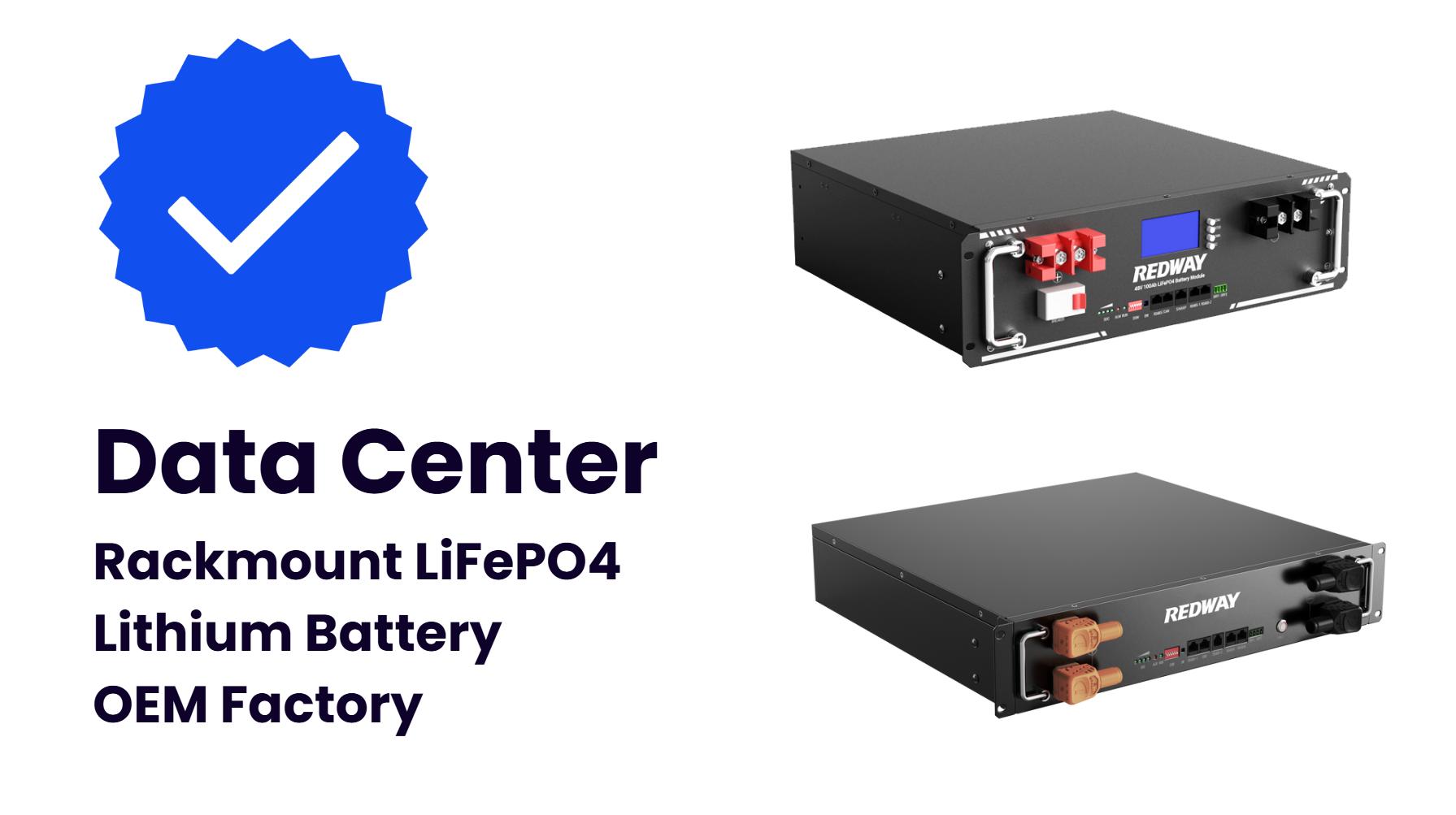
Why Are LiFePO4 Batteries Preferred for Server Racks and Data Centers?

Why Are LiFePO4 Batteries Preferred for Server Racks and Data Centers?

LiFePO4 batteries are increasingly favored for server racks and data centers due to their superior safety, longevity, and cost-effectiveness compared to traditional battery technologies like lead-acid or nickel-cadmium batteries.

How Do LiFePO4 Batteries Work?

LiFePO4 batteries utilize lithium iron phosphate as a cathode material, providing high thermal stability and safety compared to other lithium-ion batteries. This chemistry allows for efficient energy storage and discharge cycles, making them ideal for high-demand applications such as data centers.Chart Title: Comparison of Battery Chemistries

Property Lead-Acid NiCd LiFePO4
Energy Density Low Moderate High
Cycle Life Short Moderate Long
Thermal Stability Low Moderate High
Safety Low Moderate High

What Are the Advantages of Using LiFePO4 Batteries in Data Centers?

LiFePO4 batteries offer numerous advantages for data centers:

  • Longevity: With a cycle life exceeding 2000 cycles, they significantly outlast traditional batteries.
  • Safety: Their stable chemistry minimizes risks associated with overheating or fire.
  • Efficiency: They provide higher energy efficiency with lower self-discharge rates.

Chart Title: Benefits of Using LiFePO4 in Data Centers

Advantage Description
Longevity Up to 10 years lifespan
Safety Non-toxic materials, lower risk of thermal runaway
Efficiency Higher charge/discharge efficiency

How Do LiFePO4 Batteries Compare to Other Battery Technologies?

When compared to lead-acid and nickel-cadmium batteries, LiFePO4 batteries stand out due to their superior energy density, longer life span, and enhanced safety features. While initial costs may be higher, the long-term savings on replacements and maintenance make them more economical over time.

Know More:

Why Choose LiFePO4 Rack Mounted Batteries?
Why Are LiFePO4 Batteries Preferred for Server Racks and Data Centers?
What Advantages Do LiFePO4 Batteries Offer Over Lead-Acid Batteries in Rack-Mounted Systems?
Why is a Battery Management System (BMS) Essential for LiFePO4 Batteries?

Why Is Safety a Key Consideration with LiFePO4 Batteries?

Safety is paramount in data center operations where downtime can lead to significant financial losses. The inherent stability of LiFePO4 chemistry reduces risks associated with battery failures, making it a preferred choice among IT managers.

How Do LiFePO4 Batteries Enhance Energy Efficiency?

LiFePO4 batteries enhance energy efficiency through their high charge/discharge rates and minimal energy loss during operation. This efficiency translates into lower operational costs and reduced carbon footprints for data centers.

What Role Do LiFePO4 Batteries Play in Renewable Energy Integration?

As data centers increasingly adopt renewable energy sources such as solar or wind power, integrating efficient storage solutions like LiFePO4 batteries becomes crucial. They can store excess energy generated during peak production times for use during high-demand periods.

When Should Data Centers Consider Upgrading to LiFePO4?

Data centers should consider upgrading to LiFePO4 batteries when seeking improved reliability, safety, and cost-effectiveness in their energy storage solutions—especially when planning expansions or retrofitting existing systems.

Conclusion

LiFePO4 batteries represent a transformative technology for server racks and data centers, combining safety, longevity, and efficiency into one robust solution. As demand for reliable power grows alongside advancements in renewable energy integration, these batteries will likely play an increasingly vital role in ensuring operational continuity.

Expert Views

LiFePO4 technology is not just a trend; it’s becoming essential for modern data center operations,” says an expert from Redway. “Its combination of safety features and cost-effectiveness makes it an ideal choice as we move toward more sustainable practices.”

FAQs

  • What is the lifespan of a typical LiFePO4 battery?
    A typical LiFePO4 battery can last up to 10 years or more with proper maintenance.
  • Are there any environmental concerns with using lithium-based batteries?
    While lithium mining has environmental impacts, the overall lifecycle emissions of LiFePO4 are lower than traditional battery technologies.
  • Can I use existing infrastructure with new LiFePO4 batteries?
    Yes, most existing setups can accommodate upgrades to include LiFePO4 batteries with minimal modifications.

Why Choose LiFePO4 Rack Mounted Batteries?

LiFePO4 rack-mounted batteries are increasingly favored for their safety, longevity, and efficiency in energy storage applications. These batteries offer superior thermal stability and cycle life compared to other lithium technologies, making them ideal for various settings including renewable energy systems and backup power solutions.

What Are the Key Features of LiFePO4 Batteries?

LiFePO4 batteries are known for their high thermal stability, long cycle life (up to 3,000-5,000 cycles), and excellent safety characteristics. They have a lower risk of thermal runaway compared to other lithium-ion batteries. Additionally, they offer high energy density, fast charging capabilities, and are environmentally friendly due to their non-toxic materials.

LiFePO4 batteries are known for their unique chemical composition that provides several advantages:

  • Safety: They are less prone to thermal runaway compared to other lithium-ion batteries.
  • Longevity: With a cycle life exceeding 2000 cycles, they offer long-term reliability.
  • Efficiency: High charge/discharge efficiency ensures optimal performance.

Chart Title: Key Features of LiFePO4 vs Other Lithium Technologies

Feature LiFePO4 Other Lithium Technologies
Thermal Stability High Moderate
Cycle Life >2000 cycles 500-1500 cycles
Cost Moderate Variable

How Do Rack Mounted Systems Improve Efficiency and Space Utilization?

Rack-mounted systems enhance efficiency and space utilization by allowing vertical stacking of equipment within standardized racks. This design maximizes floor space, enables better organization, and simplifies maintenance. It also facilitates airflow management, reducing cooling costs and improving overall data center performance by optimizing capacity.

Rack-mounted systems allow for efficient use of space in commercial and industrial settings:

  • Compact Design: They maximize storage capacity without sacrificing floor space.
  • Scalability: Easily expandable as energy needs grow.
  • Integration: Seamlessly integrates with existing infrastructure.

Chart Title: Benefits of Rack-Mounted Systems

Benefit Description
Space Efficiency Optimizes floor space usage
Modular Design Allows easy expansion
Integration Compatible with various energy systems

Why Is Safety Critical When Using LiFePO4 Technology?

Safety is critical with LiFePO4 technology due to its application in various sectors, including renewable energy and electric vehicles. LiFePO4 batteries have built-in safety features that prevent overheating and thermal runaway. Ensuring safe operation protects users and equipment while enhancing reliability in critical applications.

Safety is paramount in battery technology:

  • Low Risk of Fire: Unlike other lithium batteries, they have a lower risk of combustion.
  • Built-in Protection Circuits: Many systems include safeguards against overcharging and overheating.

Know More:

Why Choose LiFePO4 Rack Mounted Batteries?
Why Are LiFePO4 Batteries Preferred for Server Racks and Data Centers?
What Advantages Do LiFePO4 Batteries Offer Over Lead-Acid Batteries in Rack-Mounted Systems?
Why is a Battery Management System (BMS) Essential for LiFePO4 Batteries?

What Are the Cost Benefits of Choosing LiFePO4 Batteries?

Choosing LiFePO4 batteries offers significant cost benefits over time. Although the initial investment is higher, their long lifespan (up to 10 years) and low maintenance needs reduce replacement frequency and operational costs. Additionally, their higher charge efficiency leads to lower energy bills, making them a cost-effective choice in the long run.

While initial costs may be higher, the long-term savings are significant:

  • Lower Replacement Frequency: Their longevity reduces replacement costs.
  • Energy Savings: Higher efficiency translates into lower operational costs.

How Does Environmental Sustainability Influence Battery Selection?

Environmental sustainability influences battery selection by encouraging the use of eco-friendly materials and recycling capabilities. LiFePO4 batteries are non-toxic and recyclable, making them a greener option compared to lead-acid batteries. Choosing sustainable technologies aligns with corporate responsibility goals and reduces environmental impact.

LiFePO4 batteries are among the most environmentally friendly options available:

  • Recyclability: They can be recycled effectively at end-of-life.
  • Lower Toxicity: Compared to other lithium technologies, they have a reduced environmental impact.

What Specifications Should You Consider When Choosing a Battery?

When choosing a battery, consider specifications such as capacity (Ah), voltage, cycle life, discharge rates, energy density, and physical dimensions. Evaluate the battery’s compatibility with your application requirements, including temperature tolerance and safety features to ensure optimal performance in your specific use case.

When selecting a battery, consider these specifications:

  • Capacity (Ah): Determines how much energy can be stored.
  • Voltage Rating: Ensures compatibility with your system.
  • Cycle Life: Impacts long-term performance and cost-effectiveness.

How Do Temperature Extremes Affect Battery Performance?

Temperature extremes can significantly impact battery performance; high temperatures may lead to faster degradation while low temperatures can reduce capacity and efficiency. Maintaining an optimal operating temperature range is essential for maximizing lifespan and ensuring reliable performance in various applications.

Temperature can significantly influence battery efficiency:

  • Performance Degradation: Extreme temperatures can reduce capacity and lifespan.
  • Optimal Operating Range: Maintaining a moderate temperature enhances performance.

Can You Use LiFePO4 Batteries for Off-Grid Applications?

Yes, LiFePO4 batteries are ideal for off-grid applications due to their long cycle life, deep discharge capabilities, and efficient charging characteristics. They provide reliable energy storage for solar power systems, backup power supplies, and remote installations where consistent performance is crucial for energy independence.

  • Reliable Energy Storage: Perfect for solar or wind energy systems.
  • Independence from Grid Supply: Provides autonomy in energy management.

Conclusion

Choosing LiFePO4 rack-mounted batteries offers numerous advantages including safety, longevity, efficiency, and environmental sustainability. Their unique features make them suitable for various applications from renewable energy storage to backup power solutions. As technology advances, these batteries will continue to play a crucial role in our energy landscape.

Expert Views

“LiFePO4 technology represents a significant leap forward in battery safety and efficiency,” says an expert from Redway. “Its ability to withstand harsh conditions while providing reliable power makes it an excellent choice for both commercial and residential applications.”

FAQ Section

  1. What is a rack-mounted battery system?
    A rack-mounted battery system is an organized setup that allows multiple batteries to be housed together efficiently, optimizing space while providing scalable energy solutions.
  2. How long do LiFePO4 batteries last?
    LiFePO4 batteries typically last over 2000 cycles, making them one of the longest-lasting options available on the market.
  3. Are there any disadvantages to using LiFePO4 batteries?
    While they may have a higher upfront cost compared to other battery types, their long lifespan and low maintenance needs often offset this investment over time.

What Advantages Do LiFePO4 Batteries Offer Over Lead-Acid Batteries in Rack-Mounted Systems?

LiFePO4 batteries provide significant advantages over lead-acid batteries in rack-mounted systems, including longer lifespan, higher energy density, reduced weight, and enhanced safety features, making them a more efficient and reliable choice for modern energy storage needs.

What Are LiFePO4 Batteries?

LiFePO4 batteries are a type of lithium-ion battery that utilizes lithium iron phosphate as a cathode material, offering improved safety and thermal stability compared to other lithium chemistries and traditional lead-acid batteries.Chart Title: Comparison of Battery Types

Feature Lead-Acid LiFePO4
Energy Density Low (30-50 Wh/kg) High (90-160 Wh/kg)
Cycle Life Short (500-1500) Long (2000-5000)
Weight Heavy Light
Charging Speed Slower Fast

What Are the Key Advantages of LiFePO4 Batteries Over Lead-Acid?

LiFePO4 batteries offer several advantages over lead-acid batteries, including longer lifespan (2,000-3,000 cycles vs. 500-1,000), higher energy density for more power in a smaller size, and lower maintenance requirements. They are also more environmentally friendly, with no toxic materials, and provide better performance in extreme temperatures.

LiFePO4 batteries offer several key advantages over lead-acid batteries:

  • Longer Lifespan: They can last up to ten times longer than lead-acid batteries.
  • Higher Energy Density: This allows for more energy storage in a smaller footprint.
  • Reduced Weight: Lighter batteries ease installation and reduce structural load.
  • Lower Maintenance Costs: Fewer replacements lead to lower overall operational costs.

Chart Title: Benefits of Using LiFePO4

Advantage Description
Longevity Up to 10 years lifespan
Efficiency Higher usable capacity
Safety Non-toxic materials, lower risk of thermal runaway

How Do LiFePO4 Batteries Compare to Lead-Acid Batteries?

LiFePO4 batteries outperform lead-acid batteries in terms of lifespan, energy density, and safety. They can be discharged more deeply without damage and charge faster. In contrast, lead-acid batteries are heavier, require regular maintenance, and have a shorter cycle life, making them less efficient for modern applications.

Know More:

Why Choose LiFePO4 Rack Mounted Batteries?
Why Are LiFePO4 Batteries Preferred for Server Racks and Data Centers?
What Advantages Do LiFePO4 Batteries Offer Over Lead-Acid Batteries in Rack-Mounted Systems?
Why is a Battery Management System (BMS) Essential for LiFePO4 Batteries?

Why Is Lifespan an Important Factor in Battery Selection?

Lifespan is crucial because it directly impacts the total cost of ownership. A longer-lasting battery reduces replacement frequency and associated costs. Choosing a battery with a longer lifespan ensures reliable performance over time, making it a more cost-effective investment for users needing consistent energy supply.

How Do Weight and Size Impact Rack-Mounted Systems?

Weight and size significantly affect rack-mounted systems by influencing installation flexibility and structural integrity. Lighter batteries allow for easier handling and installation while reducing the load on racks. Smaller sizes enable more efficient use of space, allowing for additional battery capacity or other equipment in the same area.

What Are the Safety Features of LiFePO4 Batteries?

LiFePO4 batteries are equipped with exceptional safety features including thermal stability that minimizes the risk of thermal runaway, built-in protection against overcharging and discharging, and robust chemical stability. These features make them safer than other lithium-ion batteries and suitable for various applications.

When Should Businesses Transition to LiFePO4 Technology?

Businesses should consider transitioning to LiFePO4 technology when seeking improved performance, reduced maintenance costs, or enhanced safety in their energy storage solutions. If operations require frequent cycling or if existing lead-acid systems are underperforming or costly to maintain, switching to LiFePO4 can provide significant benefits.

Conclusion

LiFePO4 batteries present numerous advantages over traditional lead-acid batteries in rack-mounted systems, from enhanced performance metrics to significant cost savings over time. Their superior characteristics make them an ideal choice for businesses looking to optimize their energy storage solutions.

Expert Views

Transitioning to LiFePO4 technology is not just about immediate benefits; it’s about future-proofing your energy strategy,” states an expert from Redway. “Investing in these advanced battery systems can yield substantial long-term savings while ensuring safer operations.”

FAQs

  • What is the lifespan difference between LiFePO4 and lead-acid batteries?
    LiFePO4 batteries typically last between 2000 to 5000 cycles compared to lead-acid’s 500 to 1500 cycles.
  • How does the weight of these batteries affect installation?
    LiFePO4 batteries are lighter than lead-acid options, simplifying installation and reducing structural load on racks.
  • What are the environmental impacts of using these battery types?
    LiFePO4 batteries are more environmentally friendly as they do not contain harmful heavy metals like lead and are easier to recycle.

Why is a Battery Management System (BMS) Essential for LiFePO4 Batteries?

A Battery Management System (BMS) is crucial for LiFePO4 batteries as it ensures safety, enhances performance, and prolongs lifespan by monitoring individual cell conditions, preventing overcharging and discharging, and balancing cell voltages. Implementing a robust BMS maximizes battery efficiency and reliability across various applications.

What Are the Core Functions of a Battery Management System (BMS)?

The core functions of a BMS include monitoring battery parameters like voltage and temperature, protecting against overcharging and discharging, performing cell balancing to maintain uniform charge levels, estimating state of charge (SoC) and state of health (SoH), and providing data logging for performance analysis. These functions are crucial for battery safety and efficiency.

The core functions of a Battery Management System encompass several critical aspects:

  • Monitoring: The BMS continuously tracks voltage, current, and temperature across all cells.
  • Protection: It prevents overcharging, deep discharging, and overheating.
  • Balancing: Ensures uniform charge distribution among cells to optimize performance.

Chart Title: Core Functions of a Battery Management System

Function Description
Monitoring Tracks voltage, current, temperature
Protection Prevents overcharging and overheating
Balancing Distributes charge evenly across cells

How Does a BMS Enhance Safety and Performance for LiFePO4 Batteries?

A BMS enhances safety by continuously monitoring battery conditions and preventing hazardous situations like overcharging or overheating. It balances cell voltages to ensure uniform performance and optimizes charging rates, which improves overall efficiency. This proactive management helps extend battery life and reduces the risk of failure.

A well-designed BMS significantly enhances safety by:

  • Preventing Thermal Runaway: Monitors temperature to avoid conditions that could lead to fires.
  • Ensuring Safe Operation: Keeps battery operation within safe limits to prevent damage.

By optimizing charging cycles and maintaining cell health, the performance of LiFePO4 batteries is maximized.

Why Is Cell Balancing Critical in LiFePO4 Batteries?

Cell balancing is critical because it ensures all cells in a battery pack maintain similar voltage levels. Imbalances can lead to reduced capacity, efficiency loss, and premature aging of individual cells. A BMS performs balancing to optimize performance, prolong lifespan, and prevent potential safety hazards associated with overcharged or undercharged cells.

Cell balancing is essential because:

  • Uniform Charge Distribution: Prevents capacity loss due to imbalances.
  • Increases Lifespan: Extends overall battery life by ensuring all cells operate effectively.

Chart Title: Importance of Cell Balancing

Benefit Description
Capacity Maintenance Ensures all cells maintain similar capacities
Lifespan Extension Prolongs overall battery life

What Monitoring Features Should Be Included in a BMS?

A BMS should include monitoring features such as real-time voltage and temperature readings for each cell, state of charge (SoC) estimation, state of health (SoH) assessment, and alerts for abnormal conditions. Advanced systems may also offer data logging and remote monitoring capabilities to enhance user awareness and control.

Essential monitoring features include:

  • Voltage Monitoring: Tracks individual cell voltages.
  • Temperature Sensors: Detects overheating conditions.
  • Current Measurement: Monitors charging/discharging rates.

These features are vital for maintaining optimal performance and safety.

Know More:

Why Choose LiFePO4 Rack Mounted Batteries?
Why Are LiFePO4 Batteries Preferred for Server Racks and Data Centers?
What Advantages Do LiFePO4 Batteries Offer Over Lead-Acid Batteries in Rack-Mounted Systems?
Why is a Battery Management System (BMS) Essential for LiFePO4 Batteries?

How Does a BMS Contribute to Longevity and Efficiency of Batteries?

A BMS contributes to longevity by preventing conditions that can degrade battery performance, such as overcharging or deep discharging. By optimizing charging cycles and maintaining balanced cell voltages, it enhances overall efficiency. This careful management allows batteries to operate within safe limits, extending their usable life.

A robust BMS contributes to longevity by:

  • Preventing Damage: Protects against conditions that can shorten battery life.
  • Optimizing Charge Cycles: Enhances efficiency during charging processes.

This results in significant cost savings over time due to reduced maintenance needs.

Which Technologies Are Used in Modern BMS for LiFePO4 Batteries?

Modern BMS for LiFePO4 batteries utilize technologies such as microcontrollers for real-time data processing, MOSFETs for controlling charge/discharge cycles, and communication interfaces like CAN or Bluetooth for integration with external systems. Advanced models may incorporate thermal management systems to regulate temperature effectively.

Modern BMS technologies include:

  • Active Balancing Systems: Redistribute energy between cells actively.
  • Smart Algorithms: Use data analytics for predictive maintenance.

These advancements improve overall battery management capabilities.

How Do Environmental Conditions Affect Battery Performance with or without a BMS?

Environmental conditions significantly affect battery performance; extreme temperatures can lead to capacity loss or overheating. A BMS helps mitigate these issues by monitoring temperatures and adjusting operations accordingly. Without a BMS, batteries are more susceptible to damage from environmental extremes, leading to reduced efficiency and lifespan.

Environmental factors such as temperature extremes can significantly impact battery performance:

  • Without a BMS: Increased risk of damage from overheating or freezing.
  • With a BMS: Continuous monitoring mitigates these risks by adjusting operations accordingly.

Conclusion

The integration of a Battery Management System is essential for maximizing the safety, efficiency, and longevity of LiFePO4 batteries. By continuously monitoring critical parameters, preventing hazardous conditions, and ensuring balanced charging, a robust BMS transforms how these batteries perform across various applications. As technology evolves, investing in advanced battery management solutions will be paramount for optimizing energy storage systems.

Expert Views

“Implementing an advanced Battery Management System is not just an option; it’s essential for ensuring that LiFePO4 batteries operate safely and efficiently,” states an expert from Redway. “The benefits extend beyond mere performance; they encompass safety, longevity, and reliability.”

FAQs

  • What is the primary function of a Battery Management System?
    The primary function of a Battery Management System is to monitor battery parameters like voltage, current, and temperature while ensuring safe operation through protective measures against overcharging or discharging.
  • Why do LiFePO4 batteries need cell balancing?
    LiFePO4 batteries require cell balancing to ensure that each cell maintains similar charge levels, which prevents capacity loss and extends overall battery life.
  • Can you use LiFePO4 batteries without a BMS?
    While it is technically possible to use LiFePO4 batteries without a Battery Management System, doing so significantly increases risks related to overcharging, overheating, and reduced lifespan.

What Are the Typical Applications for LiFePO4 Rack-Mounted Batteries?

LiFePO4 rack-mounted batteries are widely used in applications requiring reliable, efficient, and uninterrupted power supply, such as data centers, telecommunications, renewable energy systems, and industrial automation. Their high energy density and long cycle life make them ideal for critical operations that demand consistent performance.

What Are Rack-Mounted LiFePO4 Batteries?

Rack-mounted LiFePO4 batteries are lithium iron phosphate batteries designed to fit into standard 19-inch racks, commonly used in data centers and telecommunications. Their compact design allows for efficient space utilization while providing reliable power storage and backup solutions across various applications.

Feature Description
Compact Design Fits into standard rack systems
High Energy Density Stores significant energy in a small footprint
Long Lifespan Typically lasts over 10 years

What Are the Key Advantages of Using LiFePO4 Batteries?

Key advantages of LiFePO4 batteries include longer lifespan (up to 3,000-5,000 cycles), high energy density, rapid charging capabilities, and enhanced safety features. They are also environmentally friendly, non-toxic, and require minimal maintenance compared to traditional lead-acid batteries, making them a cost-effective choice for energy storage.

Advantage Description
Safety Lower risk of thermal runaway
Longevity Capable of thousands of charge cycles
Low Maintenance Minimal upkeep compared to lead-acid batteries

How Do Rack-Mounted LiFePO4 Batteries Enhance Energy Efficiency?

Rack-mounted LiFePO4 batteries enhance energy efficiency by maximizing space utilization and allowing for modular expansion. Their high energy density means more power can be stored in a smaller footprint. Additionally, they support fast charging and discharging, ensuring quick availability of stored energy when needed.

Metric Description
Charge Rate Fast charging capabilities
Discharge Rate High efficiency during power delivery

What Are Typical Applications for Rack-Mounted LiFePO4 Batteries?

Typical applications for rack-mounted LiFePO4 batteries include data centers, telecommunications, renewable energy storage systems, backup power supplies, and electric vehicles. Their reliability and efficiency make them suitable for critical infrastructure requiring consistent power availability and performance.

Typical applications include:

  • Data Centers: Providing backup power during outages to prevent data loss.
  • Telecommunications: Ensuring uninterrupted communication services.
  • Renewable Energy Systems: Storing excess energy from solar or wind installations.
  • Industrial Automation: Supporting machinery that requires reliable power sources.

Chart: Application Areas

Application Area Description
Data Centers Backup power for servers
Telecommunications Power supply for network infrastructure
Renewable Energy Storage solutions for solar/wind energy
Industrial Automation Reliable power for manufacturing processes

Which Industries Benefit from Rack-Mounted LiFePO4 Solutions?

Industries benefiting from rack-mounted LiFePO4 solutions include telecommunications, data centers, renewable energy, automotive, and emergency services. These industries require reliable power storage solutions that can handle high energy demands while maximizing space and ensuring safety.

How Does Space Efficiency Impact Battery Storage Solutions?

Space efficiency impacts battery storage solutions by allowing for more compact installations that maximize available floor space. This is particularly important in urban environments or facilities with limited room. Efficient use of vertical space through rack mounting enables higher energy capacity without requiring extensive physical footprints.

Configuration Type Space Requirement
Rack-Mounted Minimal due to vertical design
Traditional Larger footprint required

How Do LiFePO4 Batteries Support Renewable Energy Integration?

LiFePO4 batteries support renewable energy integration by providing efficient energy storage for solar and wind systems. Their ability to quickly charge and discharge makes them ideal for balancing supply and demand, storing excess energy generated during peak production times for later use.

What Maintenance Practices Are Recommended for LiFePO4 Batteries?

Recommended maintenance practices for LiFePO4 batteries include regular inspections of connections and terminals for corrosion, monitoring state of charge (SoC) and state of health (SoH), ensuring proper ventilation, and following manufacturer guidelines for charging cycles. Keeping detailed records of performance can help identify potential issues early.

Expert Views

“LiFePO4 rack-mounted batteries represent a transformative shift in how we approach energy storage solutions,” states an expert from Redway. “Their reliability and efficiency are critical in supporting modern infrastructure demands.”

Conclusion

LiFePO4 rack-mounted batteries are essential components in various applications requiring dependable power supply systems. Their advantages—such as high energy density, long lifespan, and minimal maintenance—make them suitable for data centers, telecommunications, renewable energy systems, and more.

Frequently Asked Questions

  • What are rack-mounted LiFePO4 batteries?
    Rack-mounted LiFePO4 batteries are compact battery systems designed to fit into standard racks used primarily in data centers and telecom environments.
  • What are the typical applications for these batteries?
    They are commonly used in data centers, telecommunications networks, renewable energy systems, and industrial automation processes.
  • What maintenance is required for rack-mounted LiFePO4 batteries?
    Regular inspections, monitoring charge levels, ensuring adequate ventilation, and cleaning terminals are recommended maintenance practices.

How Do Rack-Mounted Configurations Differ from Traditional Battery Setups?

Rack-mounted configurations provide a compact and efficient energy storage solution compared to traditional battery setups, which often require more space and maintenance. These systems enhance energy management by improving accessibility, safety, and operational efficiency while accommodating advanced battery technologies like lithium-ion.

What Are Rack-Mounted Configurations?

Rack-mounted configurations refer to battery systems designed to fit into standard 19-inch server racks. These systems optimize space by allowing multiple batteries to be stacked vertically, making them ideal for data centers and industrial applications where efficient use of floor space is essential.

Feature Rack-Mounted Configurations Traditional Setups
Space Utilization High Moderate to Low
Maintenance Easier More Time-Consuming
Accessibility Improved Limited

How Do Rack-Mounted Configurations Enhance Energy Efficiency?

Rack-mounted configurations enhance energy efficiency by maximizing space utilization and enabling better airflow, which helps maintain optimal operating temperatures. Their high charge and discharge efficiencies minimize energy loss, leading to lower operational costs and improved overall system performance.

Improvement Description
Thermal Management Prevents overheating
Charge Efficiency Higher efficiency reduces energy waste

What Are the Benefits of Using Rack-Mounted Battery Systems?

Benefits of rack-mounted battery systems include space savings, scalability for future energy needs, high energy density, and lower maintenance requirements. They provide reliable backup power, faster charging capabilities, and enhanced safety features, making them suitable for critical applications in various industries.

Benefit Description
Space Efficiency Consolidates batteries into a single unit
Enhanced Safety Reduces risks associated with loose wiring
Improved Accessibility Simplifies maintenance processes

How Do Traditional Battery Setups Operate?

Traditional battery setups typically involve standalone units that may require more physical space and complex wiring. These systems often rely on lead-acid technology, which has shorter lifespans and higher maintenance needs. They are generally less efficient compared to modern rack-mounted solutions.

Characteristic Description
Size Bulky and requires dedicated spaces
Maintenance Regular checks needed
Cooling Requirements Significant downtime after charging

What Safety Features Are Included in Rack-Mounted Configurations?

Rack-mounted configurations include safety features such as thermal management systems, overvoltage protection, short-circuit prevention, and integrated battery management systems (BMS). These features ensure safe operation by monitoring conditions and preventing hazardous situations like overheating or electrical failures.

Feature Importance
Thermal Management Prevents overheating
Overvoltage Protection Mitigates risks of electrical failures

How Do Rack-Mounted Configurations Compare to Traditional Setups in Cost?

While initial costs for rack-mounted configurations may have higher initial costs due to the need for racking and installation, they often result in lower long-term costs. Their longer lifespan, reduced maintenance needs, and improved energy efficiency can lead to significant savings over time compared to traditional setups.

Chart: Cost Analysis Over Time

Configuration Type Initial Cost Long-Term Cost
Rack-Mounted Higher Lower
Traditional Lower Higher

What Innovations Are Emerging in Rack-Mounted Technology?

Emerging innovations in rack-mounted technology include advanced battery chemistries like lithium iron phosphate (LiFePO4), improved thermal management solutions, enhanced monitoring systems with IoT integration, and modular designs that allow for easy scalability. These advancements enhance performance, safety, and user experience.

How Can Businesses Transition to Rack-Mounted Battery Solutions?

Businesses can transition to rack-mounted battery solutions by assessing their energy needs and infrastructure compatibility. Start with a pilot project to evaluate performance, then gradually scale up by integrating additional units. Partnering with experienced providers can facilitate installation and ensure a smooth transition.

Expert Views

“Transitioning to rack-mounted configurations not only enhances operational efficiency but also aligns with modern safety standards,” states an expert from Redway.

Conclusion

Understanding how rack-mounted configurations differ from traditional battery setups is essential for businesses looking to optimize their energy management strategies. These advancements offer numerous benefits including improved safety, efficiency, and cost-effectiveness.

Frequently Asked Questions

  • What are rack-mounted configurations?
    Rack-mounted configurations are compact battery systems designed for organized storage within standard server racks or dedicated enclosures.
  • How do rack-mounted systems enhance energy efficiency?
    They optimize space usage and reduce energy loss during charging cycles through better thermal management and ventilation systems.
  • What safety features are included in rack-mounted configurations?
    Safety features include robust casings, thermal management systems, overvoltage protection, and short-circuit prevention mechanisms.

What Is the Composition and Structure of LiFePO4 Batteries?

Lithium Iron Phosphate (LiFePO4) batteries are a type of lithium-ion battery known for their stability, safety, and long life cycle. These batteries are composed primarily of lithium iron phosphate as the cathode material, with graphite typically serving as the anode material. This article will explore their composition, functioning, advantages, and applications.

What Is Lithium Iron Phosphate (LiFePO4)?

Lithium iron phosphate (LiFePO4) is an inorganic compound that serves as a cathode material in lithium-ion batteries. Its unique olivine structure allows for efficient lithium ion movement during charge and discharge cycles, making it an ideal choice for energy storage applications. Chart Title: Chemical Composition of Lithium Iron Phosphate

Element Symbol Role in Battery
Lithium Li Provides lithium ions
Iron Fe Acts as a transition metal
Phosphate PO₄ Stabilizes battery structure

What Are the Key Components of LiFePO4 Batteries?

Key components of LiFePO4 batteries include the cathode (lithium iron phosphate), anode (typically graphite), electrolyte (lithium salt in an organic solvent), and separator (a porous membrane that prevents short circuits). These components work together to facilitate the movement of lithium ions during charging and discharging cycles.

LiFePO4 batteries consist of four primary components:

  1. Cathode: Composed mainly of lithium iron phosphate (LiFePO4), which facilitates lithium ion intercalation.
  2. Anode: Typically made from graphite or other carbon-based materials that store lithium ions during charging.
  3. Electrolyte: A lithium salt dissolved in an organic solvent that allows ions to move between electrodes.
  4. Separator: A porous membrane that prevents short circuits while allowing lithium ions to pass through.

Chart Title: Structure and Functionality of LFP Battery Components

Component Description
Cathode Facilitates lithium ion movement
Anode Stores lithium ions
Electrolyte Conducts ions between electrodes
Separator Prevents short circuits

How Do LFP Batteries Work?

LFP batteries operate by allowing lithium ions to move between the cathode and anode during charge and discharge cycles. When charging, lithium ions move from the cathode to the anode, where they are stored. During discharge, these ions flow back to the cathode, generating electrical energy for use.

LFP batteries operate on electrochemical principles where lithium ions move from the cathode to the anode during charging and back during discharging. The redox reactions involving iron ions facilitate electron flow, producing electrical energy.

Know more:

What Are LiFePO4 Rack Mounted Batteries and Their Benefits?
What Is the Composition and Structure of LiFePO4 Batteries?
How Do Rack-Mounted Configurations Differ from Traditional Battery Setups?
What Are the Typical Applications for LiFePO4 Rack-Mounted Batteries?

What Are the Advantages of Using LiFePO4?

Advantages of using LiFePO4 batteries include enhanced safety due to their thermal stability, long cycle life (up to 3,000-5,000 cycles), high energy density, and low environmental impact. They also require minimal maintenance and provide consistent performance across a wide range of temperatures.

LiFePO4 batteries offer several significant advantages:

  • Safety: They are less prone to thermal runaway compared to other lithium-ion batteries.
  • Longevity: With a long cycle life, they can withstand numerous charge-discharge cycles.
  • Environmental Friendliness: They do not contain toxic metals like cobalt or nickel.

Chart Title: Benefits of Lithium Iron Phosphate Technology

Advantage Description
Safety Lower risk of overheating
Longevity Extended lifespan
Environmental Impact Non-toxic materials

How Does Temperature Affect LiFePO4 Battery Performance?

Temperature significantly affects LiFePO4 battery performance; optimal operating temperatures range from 20°C to 30°C. High temperatures can enhance performance but may shorten lifespan, while low temperatures can reduce capacity and efficiency. Maintaining an appropriate temperature range is crucial for maximizing battery longevity.

What Are Common Applications for LiFePO4 Batteries?

Common applications for LiFePO4 batteries include electric vehicles, renewable energy storage systems (like solar and wind), backup power supplies for critical infrastructure, consumer electronics, and marine applications. Their reliability and safety make them suitable for various energy storage needs.

LiFePO4 batteries are widely used in various applications including:

  • Electric Vehicles (EVs): Due to their safety and longevity.
  • Renewable Energy Storage: For solar energy systems.
  • Power Tools: Offering reliable performance with high discharge rates.

How Do Manufacturing Processes Impact LiFePO4 Quality?

Manufacturing processes significantly impact the quality of LiFePO4 batteries. Factors such as material purity, electrode fabrication methods, and quality control during production affect performance, cycle life, and safety. High-quality manufacturing ensures consistency in battery performance and longevity across different applications.

Expert Views

“Lithium Iron Phosphate batteries represent a significant advancement in energy storage technology,” states an expert from Redway. “Their unique composition not only enhances safety but also provides a sustainable solution for various applications ranging from electric vehicles to renewable energy systems.”

Conclusion

In conclusion, understanding the composition and structure of Lithium Iron Phosphate (LiFePO4) batteries reveals their advantages in safety, longevity, and environmental impact. As demand grows for efficient energy storage solutions, these batteries are poised to play a crucial role across multiple industries.

FAQ Section

  • What is Lithium Iron Phosphate?
    Lithium Iron Phosphate is an inorganic compound used as a cathode material in certain types of lithium-ion batteries known for their stability and safety.
  • What are the main components of a LiFePO4 battery?
    A typical LiFePO4 battery consists of a cathode (LiFePO4), an anode (graphite), an electrolyte (lithium salt), and a separator.
  • How do LFP batteries work?
    LFP batteries work by allowing lithium ions to move between the cathode and anode during charging and discharging cycles through electrochemical reactions.
  • What are the benefits of using LiFePO4 batteries?
    They offer enhanced safety features, longer cycle life, and environmentally friendly materials compared to other battery types.
  • How does temperature affect battery performance?
    Extreme temperatures can degrade performance; high temperatures may accelerate wear while low temperatures can reduce capacity.

What Are LiFePO4 Rack Mounted Batteries and Their Benefits?

LiFePO4 rack mounted batteries are advanced energy storage solutions designed to provide reliable power backup across various applications, particularly in data centers and telecommunications. These batteries offer superior energy density, longer lifespan, and enhanced safety compared to traditional battery technologies.

What Are Rack Mounted LiFePO4 Batteries?

LiFePO4 rack mounted batteries or lithium iron phosphate batteries, are specifically designed to fit into standard 19-inch racks commonly used in data centers and telecom environments. Their compact design allows for efficient space utilization while delivering high performance and reliability.

What Are the Key Advantages of Using Rack Mounted LiFePO4 Batteries?

Key advantages of rack mounted LiFePO4 batteries include high energy density, long lifespan, rapid charging capabilities, and enhanced safety features. They optimize space utilization by allowing vertical stacking, making them ideal for environments with limited space while providing efficient power management.

Rack mounted LiFePO4 batteries come with several advantages:

  • High Energy Density: They can store more energy in a smaller footprint compared to traditional lead-acid batteries.
  • Long Lifespan: These batteries typically have a longer cycle life, reducing maintenance costs over time.
  • Rapid Charging: They excel at fast charging and discharging, ensuring a quick transition during power outages.

Chart Title: Comparison of Key Advantages of Rack Mounted LiFePO4 Batteries

Advantage Description
Energy Density Higher storage capacity in less space
Lifespan Longer cycle life compared to lead-acid alternatives
Charging Efficiency Fast charge/discharge rates

In Which Applications Are Rack Mounted LiFePO4 Batteries Used?

Rack mounted LiFePO4 batteries are used in various applications, including data centers, telecommunications, renewable energy storage systems, and uninterruptible power supplies (UPS). Their reliability and efficiency make them suitable for critical infrastructure requiring consistent power availability.

Rack mounted LiFePO4 batteries are widely utilized in:

  • Data Centers: Providing backup power to servers and networking equipment.
  • Telecommunications: Ensuring uninterrupted communication services during power failures.
  • Renewable Energy Systems: Storing excess energy generated from solar or wind sources.

Know more:

What Are LiFePO4 Rack Mounted Batteries and Their Benefits?
What Is the Composition and Structure of LiFePO4 Batteries?
How Do Rack-Mounted Configurations Differ from Traditional Battery Setups?
What Are the Typical Applications for LiFePO4 Rack-Mounted Batteries?

How Do Rack Mountable Battery Backup Systems Work?

How Do Rack Mounted and Traditional LiFePO4 Batteries Compare?

Rack mounted LiFePO4 batteries offer advantages over traditional setups by providing better space efficiency and easier scalability. While traditional batteries may require more physical space and complex wiring, rack mounted systems allow for modular expansion and improved airflow for cooling.

While both rack mounted and traditional LiFePO4 batteries serve similar functions, they differ significantly:

  • Design: Rack mounted versions are optimized for space-saving installations.
  • Applications: Traditional models may be used for leisure or off-grid applications.

How Do Rack Mounted LiFePO4 Batteries Integrate with Renewable Energy Systems?

Rack mounted LiFePO4 batteries integrate seamlessly with renewable energy systems by storing excess energy generated from solar panels or wind turbines. This stored energy can be used during periods of low generation, ensuring a stable power supply and enhancing overall system efficiency.

Check Redway Server Rack Batteries

How to Maintain Your LiFePO4 Rack Mounted Batteries?

To maintain your LiFePO4 rack mounted batteries, regularly inspect connections for corrosion, monitor state of charge and health, ensure proper ventilation, and follow manufacturer guidelines for charging cycles. Keeping detailed records of performance helps identify potential issues early.

Proper maintenance is crucial for longevity:

  • Conduct regular inspections for physical damage.
  • Ensure connections are clean and secure.
  • Monitor battery health through integrated management systems.

What Are the Safety Features of LiFePO4 Batteries?

LiFePO4 batteries include several safety features such as thermal stability, overcharge protection, short-circuit prevention, and built-in battery management systems (BMS). These features minimize the risk of thermal runaway and ensure safe operation across various applications.

LiFePO4 batteries are known for their safety features:

  • Thermal Stability: They have a low risk of thermal runaway compared to other lithium chemistries.
  • Built-in Protection Circuits: Many models include battery management systems (BMS) that prevent overcharging and overheating.

Can LiFePO4 Batteries Be Used for Off-Grid Applications?

Yes, rack mounted LiFePO4 batteries can be effectively used in off-grid settings where reliable power is essential. Their durability and long lifespan make them ideal for remote locations requiring consistent energy supply.

Expert Views

“LiFePO4 rack mounted batteries represent a significant advancement in energy storage technology,” states an expert from Redway. “Their ability to deliver high performance while ensuring safety makes them an excellent choice for critical applications across various industries.”

Conclusion

LiFePO4 rack mounted batteries offer a robust solution for energy storage needs across numerous applications. With their high energy density, long lifespan, and compatibility with renewable energy systems, they provide an efficient alternative to traditional battery technologies.

FAQ Section

  • What are the main benefits of using rack mounted LiFePO4 batteries?
    The main benefits include high energy density, long lifespan, rapid charging capabilities, and enhanced safety features.
  • How do I choose between rack mounted and traditional lithium batteries?
    Consider your specific application needs; rack mounted options are ideal for space-constrained environments like data centers, while traditional models may suit leisure or off-grid uses better.
  • Are there any environmental concerns with using lithium iron phosphate batteries?
    LiFePO4 batteries have a lower environmental impact compared to lead-acid alternatives due to their longer life cycle and recyclability.

More

How do rack-mounted LiFePO4 batteries contribute to energy independence?
Rack-mounted LiFePO4 batteries enhance energy independence by enabling efficient energy storage from renewable sources, such as solar or wind. They allow users to store excess energy generated during peak production times and utilize it during periods of high demand or grid outages. This capability reduces reliance on traditional power grids and fossil fuels, promoting self-sufficiency.

What are the cost implications of using rack-mounted LiFePO4 batteries over traditional systems?
While the initial investment in rack-mounted LiFePO4 batteries is higher than traditional lead-acid systems, the long-term cost implications are favorable. LiFePO4 batteries have significantly longer lifespans (up to 20 times longer) and lower maintenance requirements, leading to reduced replacement costs and operational expenses over time. Their efficiency also translates to lower electricity costs by minimizing energy loss.

How does the lifespan of rack-mounted LiFePO4 batteries compare to other battery types?
Rack-mounted LiFePO4 batteries typically offer a lifespan of 6,000 to 7,000 cycles at 80% depth of discharge (DoD), significantly outlasting traditional lead-acid batteries, which usually last around 500 to 1,500 cycles. This extended lifespan makes LiFePO4 a more reliable and cost-effective choice for energy storage in various applications.

What are the safety features of rack-mounted LiFePO4 batteries?
Rack-mounted LiFePO4 batteries incorporate several safety features, including built-in Battery Management Systems (BMS) that monitor voltage, current, and temperature to prevent overcharging and overheating. Their lithium iron phosphate chemistry is inherently stable, reducing the risk of fire or explosion compared to other lithium-ion chemistries. Additionally, they often include fuses and thermal protection mechanisms for added safety.

How do rack-mounted LiFePO4 batteries handle thermal stability?
Rack-mounted LiFePO4 batteries are designed with excellent thermal stability, allowing them to operate effectively across a wide temperature range (typically from -20°C to 60°C). Their robust design helps dissipate heat efficiently, reducing the risk of thermal runaway. Many systems also integrate active cooling solutions to maintain optimal operating temperatures, further enhancing performance and safety.

Why Are LiFePO4 Batteries Environmentally Friendly Choices?

LiFePO4 batteries are increasingly recognized as environmentally friendly choices due to their non-toxic materials, long lifespan, and recyclability. These batteries significantly reduce ecological impact compared to traditional battery technologies, making them ideal for sustainable energy solutions.

Why Are LiFePO4 Batteries Environmentally Friendly Choices?

LiFePO4 batteries stand out as environmentally friendly options primarily because they are composed of non-toxic materials and do not contain harmful heavy metals like cobalt or lead. This lack of hazardous components minimizes their environmental footprint throughout their lifecycle, from production to disposal.

How Do LiFePO4 Batteries Contribute to Sustainability?

LiFePO4 batteries contribute to sustainability by offering a longer lifespan—up to 10 times that of traditional lead-acid batteries—thereby reducing waste and resource consumption over time. Their durability means fewer replacements are needed, which translates into lower overall environmental impact.

What Are the Environmental Impacts of LiFePO4 Batteries?

The environmental impacts of LiFePO4 batteries are predominantly positive. They produce less waste due to their longevity and can be recycled efficiently, recovering valuable materials such as lithium, iron, and phosphorus. This recycling process not only conserves natural resources but also reduces pollution associated with mining.

Why Is Recycling Important for LiFePO4 Batteries?

Recycling is crucial for minimizing environmental harm associated with battery disposal. Proper recycling methods prevent toxic materials from contaminating soil and water resources while enabling the recovery of valuable materials that can be reused in new battery production, thus conserving resources.

Know More:

Why Are LiFePO4 Batteries Environmentally Friendly Choices?
Why Is Recycling Important for Used LiFePO4 Batteries?
How Do LiFePO4 Batteries Contribute to Sustainable Boating Practices?

What Makes LiFePO4 Batteries Eco-Friendly?

LiFePO4 batteries are considered eco-friendly because they utilize abundant materials like iron instead of scarce or toxic elements found in other lithium-ion batteries. Additionally, their efficient recycling processes pose fewer environmental risks compared to traditional battery chemistries.

How Do Manufacturing Processes Affect the Environment?

Manufacturing processes for batteries can significantly impact the environment through resource extraction and energy consumption. However, since the materials used in LiFePO4 batteries are more abundant and less toxic, their production generally results in a lower environmental footprint compared to other types.

What Role Do LiFePO4 Batteries Play in Renewable Energy Systems?

LiFePO4 batteries play a pivotal role in renewable energy systems by providing reliable energy storage solutions that support solar and wind energy applications. Their ability to store excess energy generated during peak production times enhances grid stability and promotes cleaner energy usage.

How Can Consumers Properly Dispose of LiFePO4 Batteries?

Consumers should dispose of used LiFePO4 batteries through designated recycling programs or facilities that specialize in battery recycling. This ensures that harmful materials are managed responsibly while recovering valuable resources for future use.

Expert Views

“LiFePO4 batteries represent a significant advancement in eco-friendly technology,” states an expert from Redway. “Their non-toxic composition and recyclability not only make them safer for users but also contribute positively to our environment by reducing waste and conserving natural resources.”

Conclusion

In conclusion, choosing LiFePO4 batteries as an energy storage solution aligns with sustainable practices due to their environmentally friendly characteristics, long lifespan, and effective recyclability. As awareness grows regarding ecological impacts, these batteries offer a compelling alternative for consumers seeking greener options.

FAQ Section

  • What makes LiFePO4 batteries environmentally friendly?
    LiFePO4 batteries are environmentally friendly because they are made from non-toxic materials and do not contain harmful heavy metals, minimizing their ecological impact throughout their lifecycle.
  • How do recycling processes benefit the environment?
    Recycling processes recover valuable materials from used batteries, reducing waste and preventing harmful substances from contaminating soil and water resources.
  • Why is it important to properly dispose of used batteries?
    Proper disposal prevents environmental contamination from toxic substances while allowing valuable materials to be reused in new battery production, supporting sustainability efforts.

Why Is Recycling Important for Used LiFePO4 Batteries?

Recycling used LiFePO4 batteries is essential for environmental sustainability, resource conservation, and safety. It helps recover valuable materials while preventing hazardous waste from contaminating the environment. Understanding why recycling is important can empower individuals and industries to adopt responsible disposal practices.

Why Is It Crucial to Recycle LiFePO4 Batteries?

Recycling LiFePO4 batteries conserves non-renewable resources, reduces manufacturing costs, and minimizes landfill waste. By reusing valuable materials like lithium and iron, recycling supports a sustainable circular economy while mitigating environmental harm associated with improper disposal.

How Does the Recycling Process Work for LiFePO4 Batteries?

The recycling process involves several steps, including collection, sorting, dismantling, and material recovery. Used batteries are first collected and transported to recycling facilities where they are sorted based on chemistry and size. Dismantling separates valuable components like cathodes from casing materials using advanced techniques such as shredding and sieving.

Step Description
Collection Gathering used batteries from various sources
Sorting Classifying batteries by chemistry and size
Dismantling Separating components for recovery

What Are the Economic Benefits of Recycling LiFePO4 Batteries?

Recycling reduces manufacturing costs by conserving energy and raw materials needed for new battery production. It also creates job opportunities within the recycling industry, contributing to economic growth while promoting sustainable practices.

Know More:

Why Are LiFePO4 Batteries Environmentally Friendly Choices?
Why Is Recycling Important for Used LiFePO4 Batteries?
How Do LiFePO4 Batteries Contribute to Sustainable Boating Practices?

What Are the Environmental Impacts of Improper Disposal?

Improper disposal of used LiFePO4 batteries can lead to severe environmental consequences, including soil contamination and water pollution from hazardous chemicals leaching into ecosystems. Such impacts underscore the importance of responsible recycling practices.

How Can Individuals Participate in Battery Recycling?

Individuals can contribute by properly disposing of their used batteries at authorized recycling centers or participating in community recycling programs. Educating others about the importance of recycling also fosters a culture of sustainability.

What Are the Safety Concerns Associated with Used Batteries?

Used batteries pose significant safety risks if not handled correctly. They can catch fire or explode if damaged or improperly disposed of, making it crucial to follow safe disposal guidelines to mitigate these hazards.

Expert Views

“Recycling used LiFePO4 batteries is not just an environmental necessity; it’s a pathway towards a sustainable future,” states an expert from Redway. “By embracing responsible recycling practices, we can conserve resources while ensuring safety for our communities.”

Conclusion

Recycling used LiFePO4 batteries is vital for protecting our environment, conserving valuable resources, and ensuring public safety. By understanding the processes involved and actively participating in recycling efforts, individuals can play a crucial role in fostering a sustainable future.

FAQ Section

  • What are the benefits of recycling LiFePO4 batteries?
    Recycling helps conserve non-renewable resources, reduces manufacturing costs, minimizes landfill waste, and prevents environmental contamination.
  • How can I recycle my used LiFePO4 battery?
    You can recycle your battery by taking it to authorized recycling centers or participating in local community recycling programs.
  • What happens if I improperly dispose of my battery?
    Improper disposal can lead to environmental contamination and pose safety risks such as fires or explosions.

How Do LiFePO4 Batteries Contribute to Sustainable Boating Practices?

LiFePO4 batteries play a pivotal role in promoting sustainable boating practices by offering environmentally friendly, safe, and efficient energy solutions. Their unique properties not only enhance performance but also align with global sustainability goals, making them an ideal choice for modern marine applications.

Why Are LiFePO4 Batteries Environmentally Friendly?

LiFePO4 batteries are inherently eco-friendly due to their non-toxic composition, which eliminates harmful materials like lead and cadmium found in traditional batteries. Their longer lifespan reduces waste, as fewer batteries need to be produced and disposed of over time, significantly lowering their overall environmental impact.

Environmental Benefit Description
Non-toxic Materials Free from heavy metals
Reduced Waste Longer lifespan leads to fewer replacements

What Are the Safety Features of LiFePO4 Batteries?

Safety is paramount in marine applications, and LiFePO4 batteries excel in this area by minimizing risks associated with thermal runaway—a common issue with other lithium-ion batteries. Their stable chemistry ensures safe operation under various conditions, making them suitable for use on boats where safety cannot be compromised.

How Do LiFePO4 Batteries Compare to Traditional Batteries?

When compared to traditional lead-acid batteries, LiFePO4 batteries offer superior performance characteristics, including longer cycle life, higher energy density, and faster charging capabilities. This not only enhances operational efficiency but also reduces maintenance needs, making them a more attractive option for boat owners.

Comparison Aspect Lead-Acid LiFePO4
Cycle Life Shorter (~500 cycles) Longer (~2000 cycles)
Energy Density Lower Higher
Charging Speed Slower Faster

What Are the Economic Benefits of Using LiFePO4 Batteries?

Investing in LiFePO4 batteries can lead to significant economic advantages over time due to their durability and reduced maintenance requirements. While they may have a higher upfront cost, their longevity and efficiency translate into lower overall expenses for boat owners.

Know More:

Why Are LiFePO4 Batteries Environmentally Friendly Choices?
Why Is Recycling Important for Used LiFePO4 Batteries?
How Do LiFePO4 Batteries Contribute to Sustainable Boating Practices?

How Do LiFePO4 Batteries Improve Boating Efficiency?

LiFePO4 batteries enhance boating efficiency by providing quick charging capabilities that minimize downtime and maximize time spent on the water. Their high energy density allows boats to carry more power without increasing weight, improving performance and fuel efficiency.

How Can Renewable Energy Sources Enhance LiFePO4 Battery Use?

Integrating renewable energy sources such as solar or wind power with LiFePO4 battery systems can further enhance sustainability efforts in boating. This combination allows for cleaner energy generation while reducing reliance on fossil fuels, aligning with eco-conscious practices.

What Role Does Battery Management Play in Sustainable Boating?

Effective battery management systems (BMS) are crucial for optimizing the performance and longevity of LiFePO4 batteries. A well-designed BMS ensures safe operation by monitoring charge levels, temperature, and overall health, contributing to sustainable boating practices through improved efficiency.

How Are Regulations Shaping the Adoption of LiFePO4 in Marine Applications?

Increasingly stringent environmental regulations are encouraging the marine industry to adopt greener technologies like LiFePO4 batteries. Compliance with these regulations not only helps protect aquatic ecosystems but also positions boat manufacturers favorably within a market that values sustainability.

Expert Views

“LiFePO4 batteries are revolutionizing sustainable boating by combining safety with environmental responsibility,” states an expert from Redway. “Their adoption not only enhances performance but also aligns with global efforts toward reducing ecological footprints.”

Conclusion

LiFePO4 batteries significantly contribute to sustainable boating practices through their eco-friendly properties, safety features, economic benefits, and efficiency improvements. As the marine industry continues to evolve towards greener solutions, embracing these advanced battery technologies will be essential for ensuring a sustainable future on our waterways.

FAQ Section

  • What makes LiFePO4 batteries environmentally friendly?
    LiFePO4 batteries are free from toxic materials like lead and cadmium and have a longer lifespan that reduces waste production.
  • How do these batteries ensure safety on boats?
    They have a lower risk of thermal runaway compared to other lithium-ion batteries, ensuring safer operation under various conditions.
  • What are the long-term economic benefits of using these batteries?
    While they may require a higher initial investment, their durability and reduced maintenance needs lead to lower overall costs over time.

What Are the Legal Requirements for Using LiFePO4 Batteries on Boats?

LiFePO4 batteries have become increasingly popular in marine applications due to their safety, efficiency, and longevity. However, understanding the legal requirements surrounding their use is essential for compliance and safety on boats.

How do Legal Requirements Affect LiFePO4 Battery Usage on Boats?

Legal requirements play a crucial role in ensuring that marine vessels equipped with LiFePO4 batteries comply with safety standards set forth by organizations like the American Boat and Yacht Council (ABYC). These regulations not only help in obtaining insurance but also safeguard against potential hazards associated with battery failures.

What are the ABYC E-13 Standards for LiFePO4 Batteries?

The ABYC E-13 standards specifically address lithium battery installations on boats, outlining safety measures that must be adhered to. These include proper installation per manufacturer instructions, certification requirements (SAE, IEC, or UL), and ensuring that batteries are securely restrained.

What Key Components Must be Included in LiFePO4 Installations?

Key components mandated by the ABYC standards include:

  • A robust battery management system (BMS) to monitor battery health.
  • Visual or audible alarms indicating impending shutdown conditions.
  • Comprehensive manufacturer guidelines detailing installation and operational parameters.

Why is a Battery Management System Essential for Safety?

A BMS is critical as it prevents thermal runaway—a potentially dangerous situation where a battery overheats uncontrollably. By managing charge cycles and providing alerts, a BMS enhances overall safety during operation.

Know More:

What Regulations Govern the Use of LiFePO4 Batteries in Marine Settings?
What Are the Legal Requirements for Using LiFePO4 Batteries on Boats?
How Do Regional Regulations Impact Marine Battery Use?

What are Common Risks Associated with Lithium Batteries?

Risks associated with lithium batteries include thermal runaway, which can lead to fires or explosions if not properly managed. Additionally, improper installations can void insurance policies, making adherence to standards vital.

How Can Boat Owners Ensure Safe Installation of LiFePO4 Batteries?

Boat owners should follow these guidelines:

  1. Adhere strictly to manufacturer installation instructions.
  2. Ensure all components meet ABYC certification.
  3. Regularly inspect battery systems for wear or damage.

What Environmental Considerations Should be Taken into Account?

LiFePO4 batteries are generally more environmentally friendly than traditional lead-acid batteries due to their longer lifespan and lower toxicity. However, proper disposal methods must be followed to minimize environmental impact.

How Do LiFePO4 Batteries Compare to Other Battery Types?

LiFePO4 batteries outperform traditional lead-acid batteries in terms of cycle life, efficiency, and weight-to-energy ratio while offering enhanced safety features that mitigate risks associated with lithium-ion technology.

What Maintenance Practices Are Recommended for LiFePO4 Batteries?

Regular maintenance should include:

  • Periodic checks of battery connections.
  • Monitoring BMS alerts.
  • Ensuring proper ventilation in battery compartments.

Expert Views

“Understanding the legal requirements surrounding LiFePO4 batteries is essential not just for compliance but also for ensuring safety aboard vessels,” says an expert from Redway. “Adhering to standards like ABYC E-13 can significantly reduce risks associated with battery use.”

Conclusion

In conclusion, using LiFePO4 batteries on boats involves navigating a complex landscape of legal requirements and safety standards. By adhering to guidelines set forth by organizations like the ABYC and ensuring proper installations, boat owners can enjoy the benefits of these advanced power sources while maintaining compliance and safety.

FAQ Section

  • What are the main legal requirements for using LiFePO4 batteries on boats?
    The main legal requirements include adherence to ABYC E-13 standards, proper installation per manufacturer instructions, certification requirements, and inclusion of a battery management system.
  • Why is a Battery Management System important?
    A BMS is crucial as it prevents thermal runaway and ensures safe operation by monitoring battery health and providing alerts.
  • How often should I maintain my LiFePO4 batteries?
    Regular maintenance should be conducted periodically, including checks on connections and monitoring BMS alerts.
Search products

Need a Quick Quote on Wholesale Prices? Contact Redway Battery Now.

X
Product has been added to your cart


Shenzhen Redway Power, Inc

Tel: +86 189 7608 1534
Tel: +86 (755) 2801 0506
E-mail: contact@redwaybattery.com
Website: www.redway-tech.com
Youtube: @RedwayPower
TikTok: @redwaybattery

Get a Quick Quote

Hot OEM

Forklift Lithium Battery
Golf Cart Lithium Battery
RV Lithium Battery
Rack-mounted Lithium Battery

Hot Batteries

24V 150Ah Forklift Lithium Battery
24V 200Ah Forklift Lithium Battery
48V 400Ah Forklift Lithium Battery
48V 600Ah Forklift Lithium Battery
80V 400Ah Forklift Lithium Battery
36V 100Ah Golf Cart Lithium Battery
48V 100Ah Golf Cart Lithium Battery
51.2V 50Ah 3U Rack-mounted Lithium Battery
51.2V 100Ah 3U Rack-mounted Lithium Battery
12V 100Ah RV LiFePO4 Lithium Battery (Self-heating)

Hot Blog

Golf Carts
Server Rack Battery
Knowledge