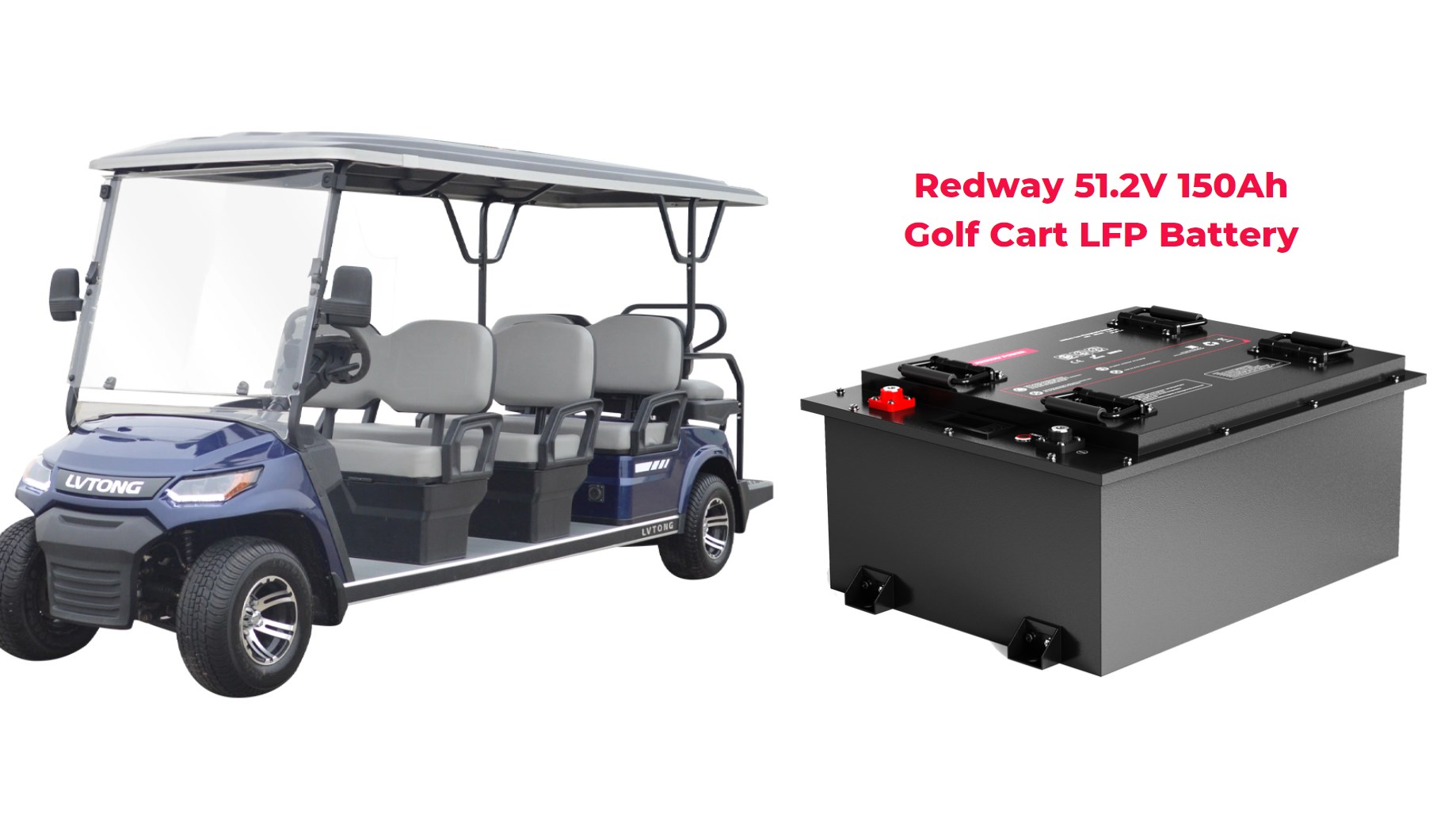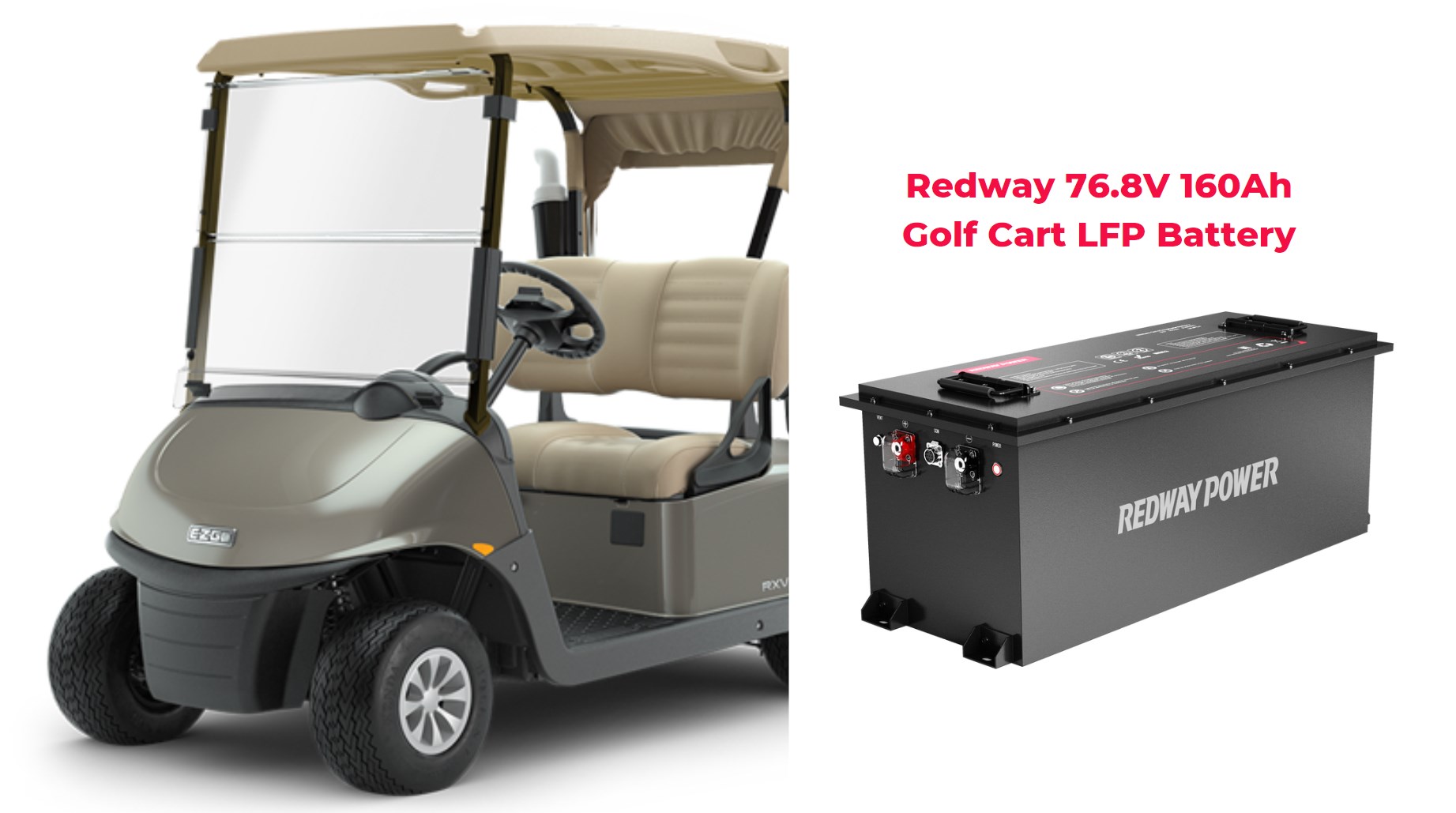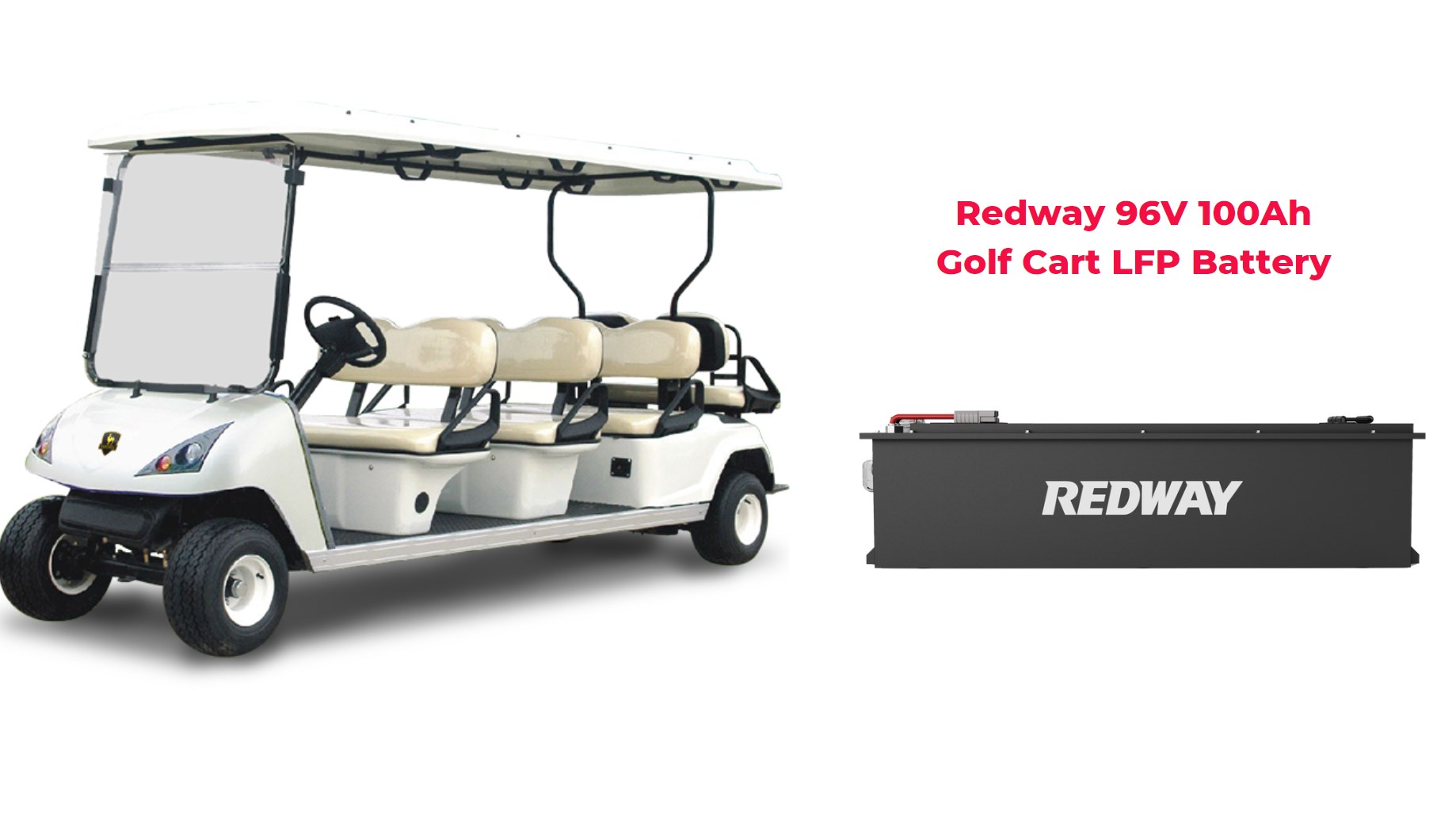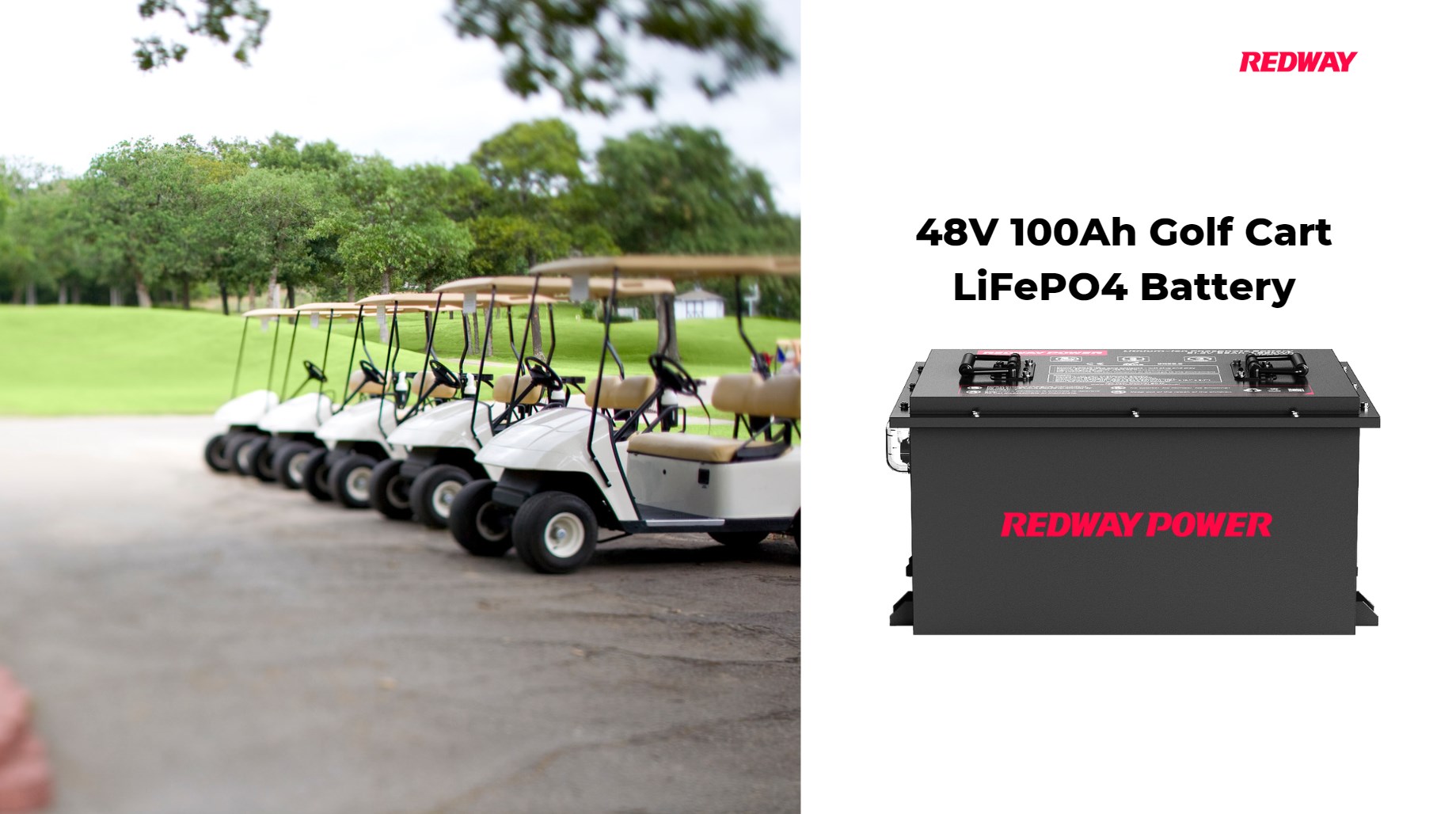
How Do LiFePO4 Batteries Impact Golf Cart Performance?

How Do LiFePO4 Batteries Impact Golf Cart Performance?

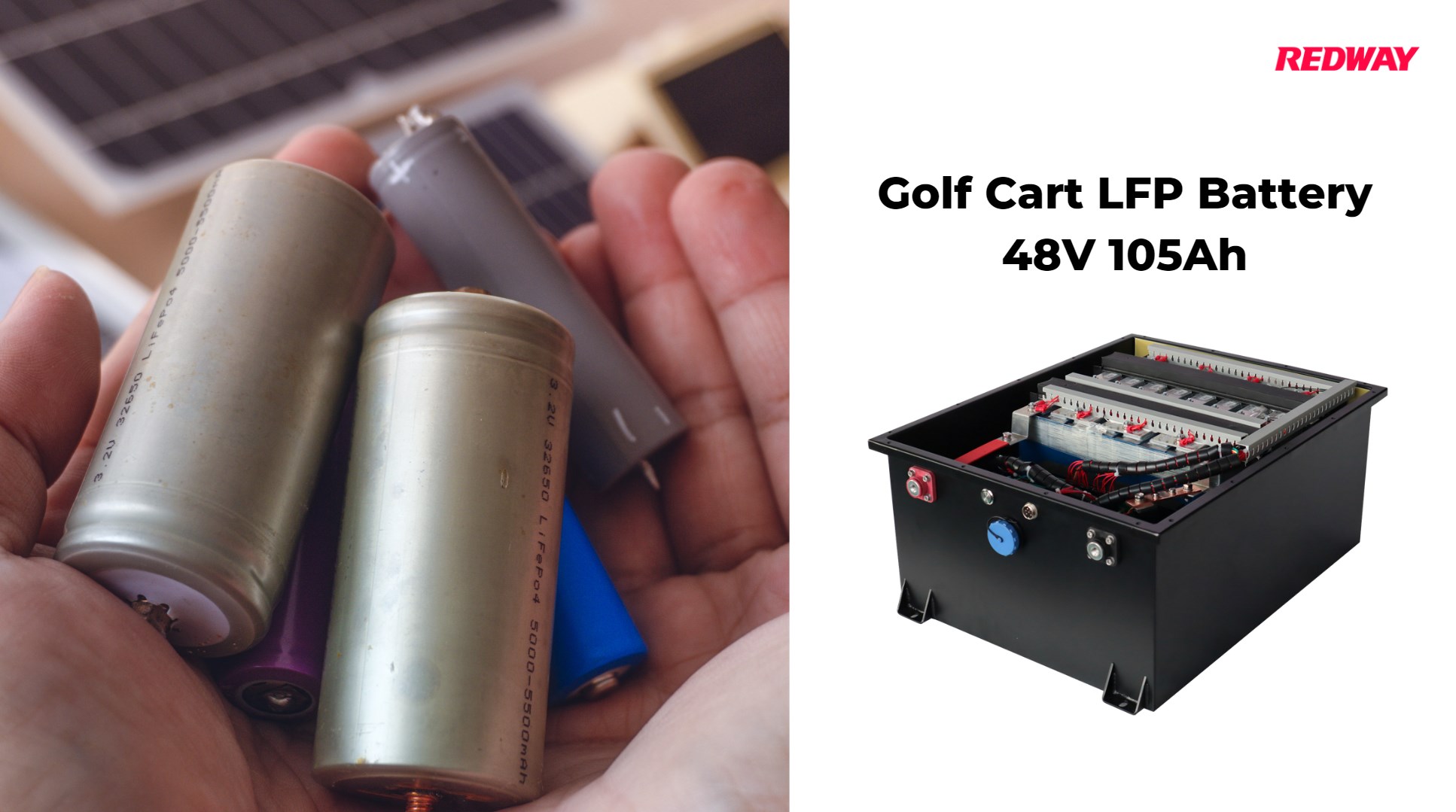
Lithium iron phosphate (LiFePO4) batteries are a type of rechargeable lithium-ion battery that uses lithium iron phosphate as the cathode material. Known for their safety, stability, and longevity, these batteries are increasingly popular in applications like golf carts due to their superior performance characteristics.

How Do LiFePO4 Batteries Enhance Golf Cart Performance?

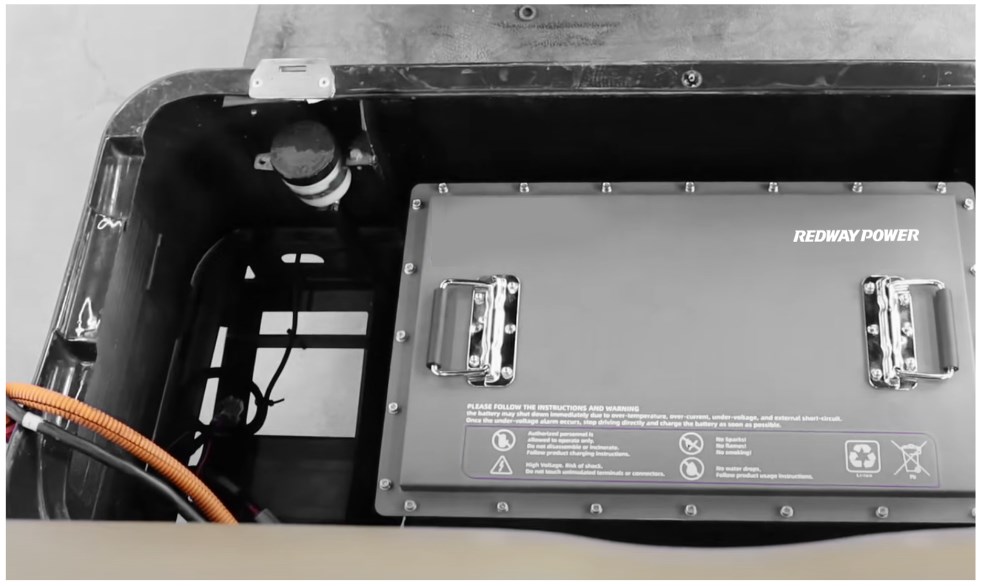
LiFePO4 batteries enhance golf cart performance by delivering consistent power, longer run times, and faster acceleration. Their lightweight design improves handling and efficiency, allowing for a smoother ride and better overall performance on the course.

What Are the Key Benefits of Using LiFePO4 Batteries in Golf Carts?

The key benefits of LiFePO4 batteries in golf carts include longer lifespan (up to 5,000 cycles), faster charging times, lighter weight for improved handling, and enhanced safety features. They also require less maintenance compared to traditional batteries.

The key benefits include:

  • Longer Lifespan: Typically lasting between 8 to 15 years, they outlast lead-acid batteries.
  • Higher Energy Density: More energy stored in a smaller footprint allows for longer driving ranges without frequent recharges.
  • Low Maintenance: Unlike lead-acid options that require regular upkeep, LiFePO4 batteries demand minimal maintenance.

How Do LiFePO4 Batteries Compare to Lead-Acid Batteries?

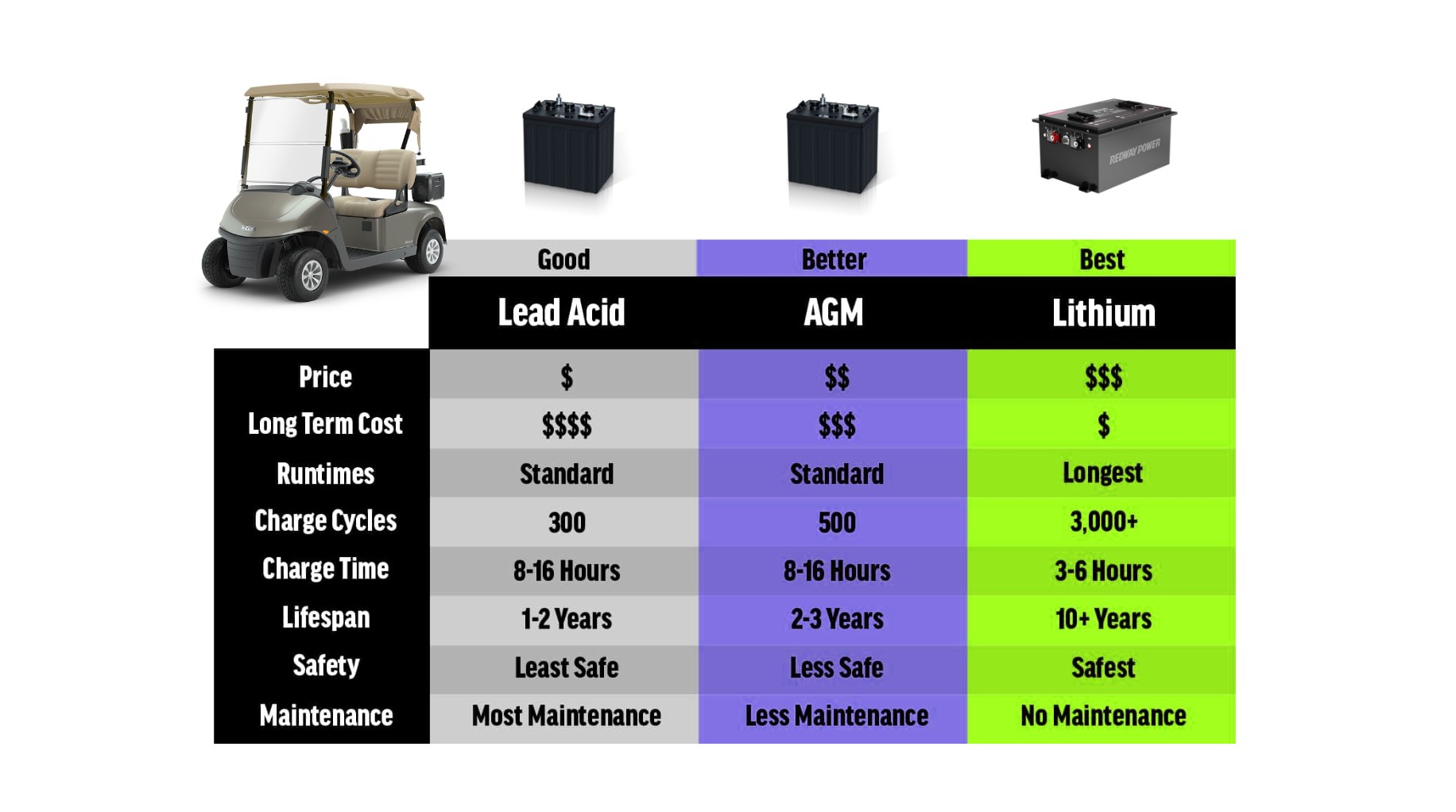
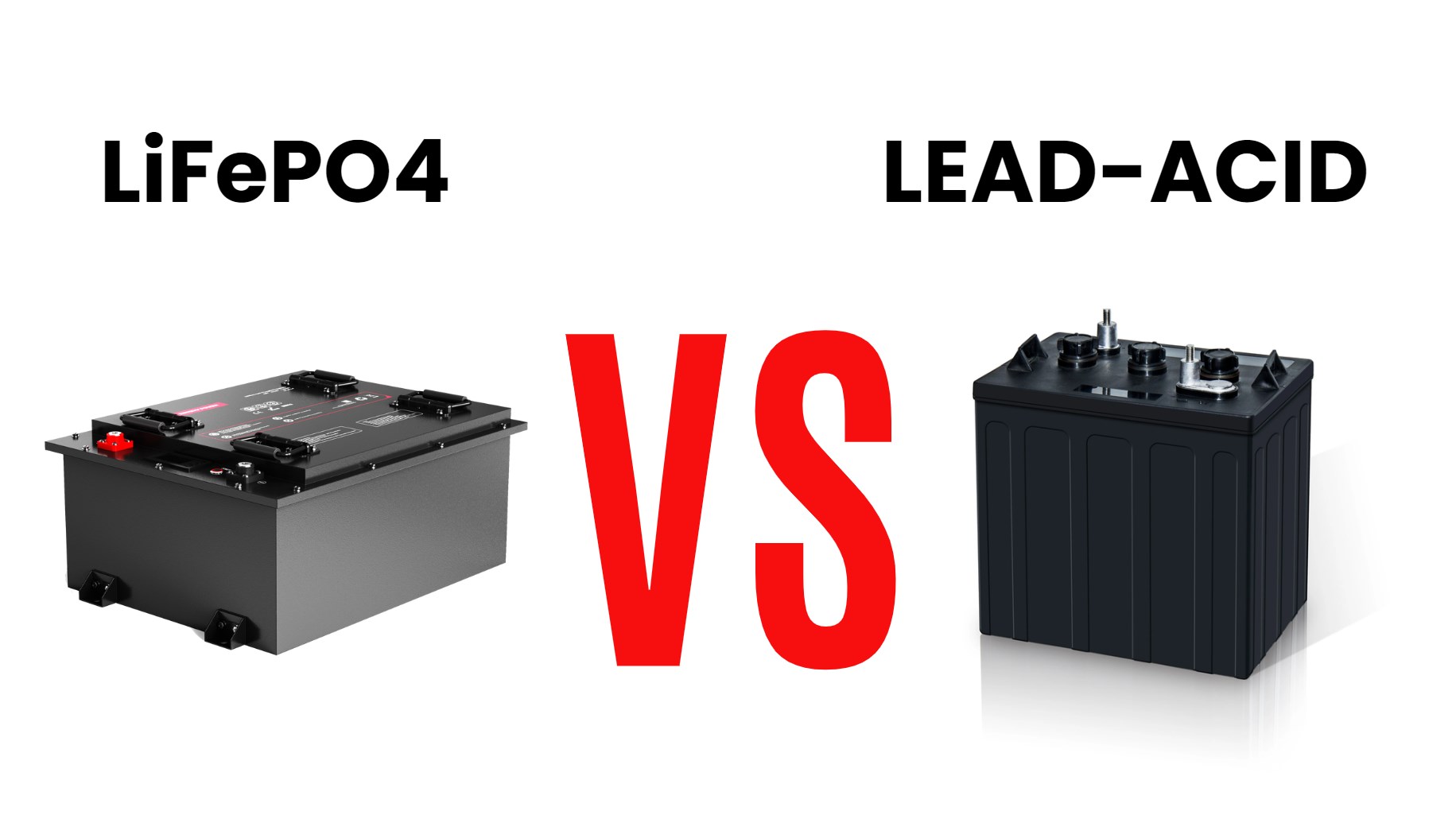
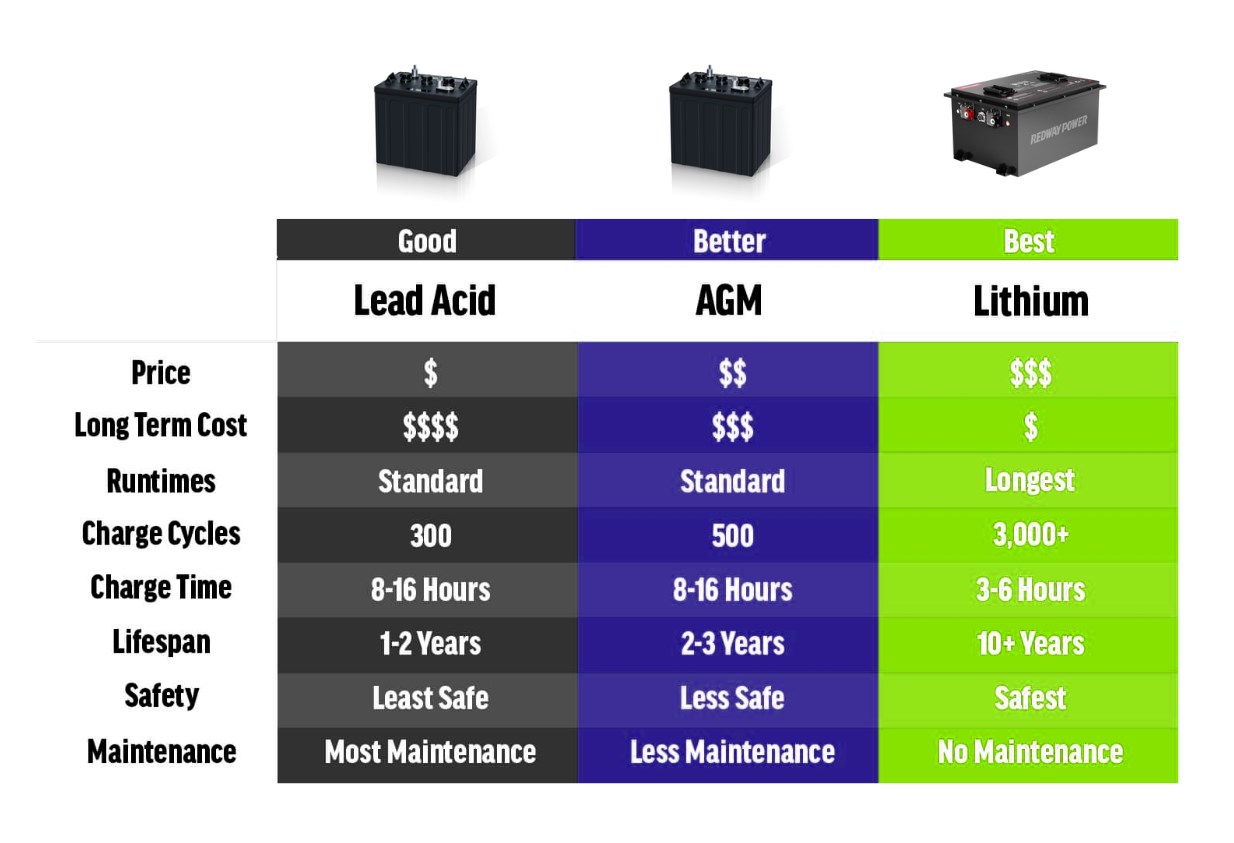
LiFePO4 batteries outperform lead-acid batteries by offering longer lifespans, quicker charging, and lighter weight. They provide stable power throughout their discharge cycle and have lower maintenance needs, making them a more efficient choice for golf carts.

LiFePO4 batteries outperform lead-acid batteries in several areas:

  • They have a longer lifespan (2000-5000 cycles versus 500-1000 for lead-acid).
  • They charge faster and maintain voltage better under load.
  • They are lighter, improving the overall weight-to-performance ratio of golf carts.

What Is the Lifespan of LiFePO4 Batteries?

LiFePO4 batteries typically last between 2,000 to 5,000 charge cycles, significantly longer than lead-acid batteries. This extended lifespan translates to years of reliable use in golf carts and other applications.

Know More:

What Are the Benefits of LiFePO4 Batteries for Golf Carts?
How Much Longer Do LiFePO4 Batteries Last Compared to Traditional Options?
What is the Charging Speed of LiFePO4 Golf Cart Batteries?
How Do LiFePO4 Batteries Impact Golf Cart Performance?

How Do Charging Times Differ Between Battery Types?

LiFePO4 batteries charge much faster than lead-acid batteries, often reaching full charge in 2-4 hours compared to 8-12 hours for lead-acid. This means less downtime and more time on the course for golfers.

What Safety Features Do LiFePO4 Batteries Offer?

LiFePO4 batteries come with several safety features, including thermal stability and built-in protection against overcharging and short circuits. These features minimize risks and ensure safe operation in golf carts.

LiFePO4 batteries come equipped with several safety features:

  • Thermal stability that prevents overheating and thermal runaway.
  • Built-in battery management systems (BMS) that monitor voltage and temperature.
  • Robust structural integrity that resists damage under extreme conditions.

How Do Environmental Conditions Affect LiFePO4 Battery Performance?

LiFePO4 battery performance can be affected by extreme temperatures. They work best in moderate conditions; very high or low temperatures can reduce efficiency and lifespan. Proper storage and usage can help maintain optimal performance.

What Maintenance Is Required for LiFePO4 Golf Cart Batteries?

LiFePO4 batteries require minimal maintenance compared to lead-acid types. Regularly check connections for corrosion and ensure they are charged properly. Keeping the terminals clean helps prolong their lifespan.

LiFePO4 batteries require minimal maintenance but should be regularly inspected for:

  • Proper connections and corrosion at terminals.
  • Monitoring charge cycles to avoid deep discharges.
  • Keeping terminals clean and free from dirt or debris.

What Applications Are Best Suited for LiFePO4 Batteries Beyond Golf Carts?

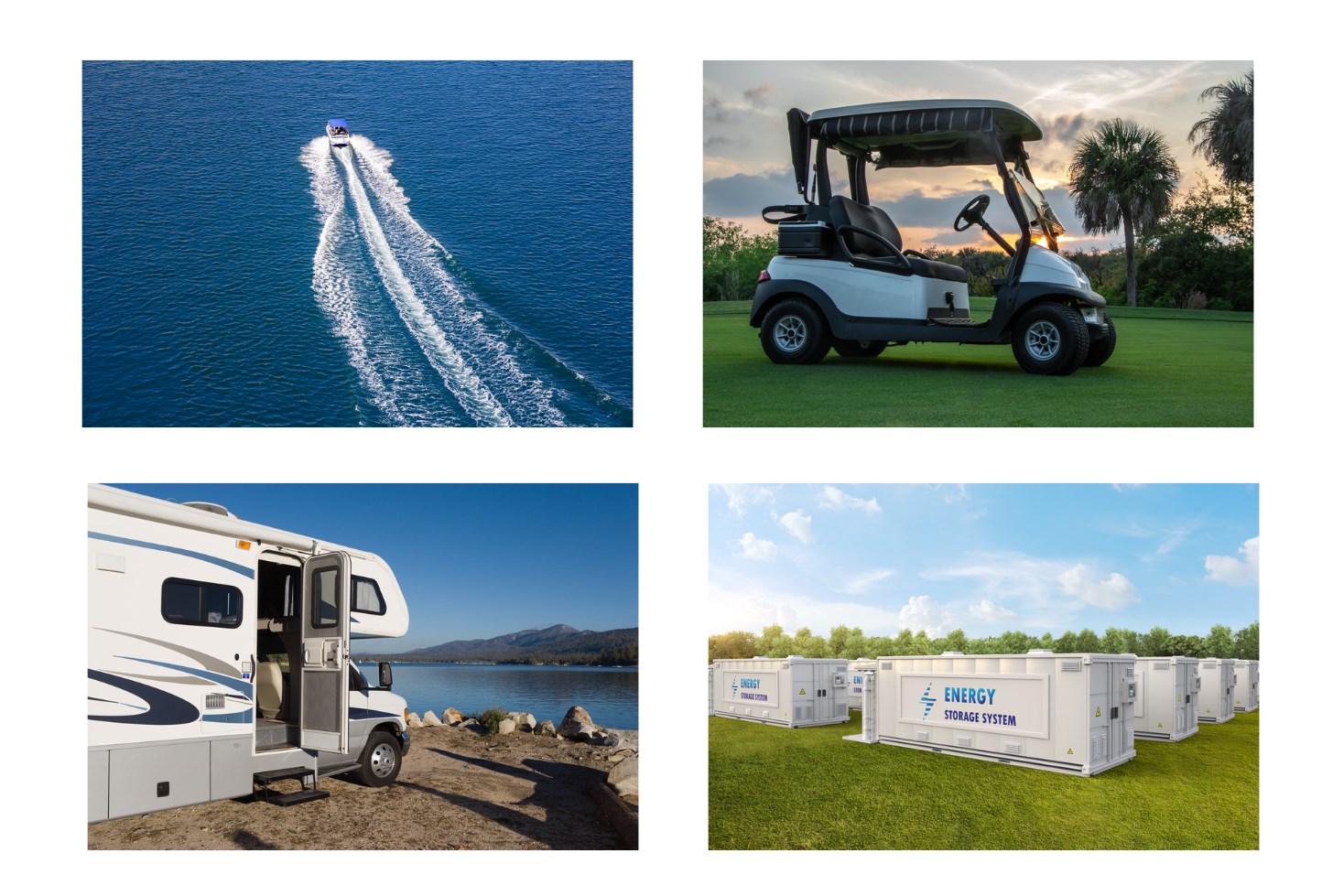
Beyond golf carts, LiFePO4 batteries are ideal for electric vehicles, solar energy storage systems, marine applications, and portable power tools due to their efficiency, safety, and long lifespan.

  • Electric vehicles
  • Renewable energy storage systems
  • Power tools
    These applications benefit from their safety features and long cycle life.

How Do Weight Savings from LiFePO4 Batteries Affect Golf Cart Performance?

The lighter weight of LiFePO4 batteries enhances overall performance by improving acceleration and maneuverability while allowing for increased payload capacity without compromising stability or speed.

Expert Views

“LiFePO4 batteries are revolutionizing golf cart performance,” states an expert from Redway. “Their unique properties not only enhance efficiency but also promote sustainability through longer life cycles.”

Conclusion

In summary, lithium iron phosphate (LiFePO4) batteries have a profound impact on golf cart performance by providing enhanced power output, longer lifespans, and reduced maintenance needs. Understanding these benefits allows users to make informed choices that improve their golfing experience while ensuring safety and efficiency.

FAQ Section

  • What are the main advantages of using LiFePO4 batteries in golf carts?
    They offer enhanced safety, longer lifespan, faster charging times, and reduced maintenance needs compared to lead-acid batteries.
  • How long do LiFePO4 golf cart batteries typically last?
    They can last between 10 to 15 years or more with proper care.
  • Do I need special equipment to charge a LiFePO4 battery?
    Yes, ensure you use a charger specifically designed for lithium iron phosphate technology to optimize performance and safety.
What is the Charging Speed of LiFePO4 Golf Cart Batteries?

What is the Charging Speed of LiFePO4 Golf Cart Batteries?

LiFePO4 golf cart batteries can typically be fully charged in about 2 to 4 hours, depending on the charger used. This is much faster than lead-acid batteries, which can take 6 to 12 hours to charge fully.

How Do LiFePO4 Batteries Compare to Lead-Acid Batteries in Charging Speed?

LiFePO4 batteries charge significantly faster than lead-acid batteries. While LiFePO4 can reach a full charge in 2-4 hours, lead-acid batteries usually require 6-12 hours, making LiFePO4 a more convenient option for quick recharges.

What Factors Influence the Charging Speed of LiFePO4 Batteries?

Charging speed for LiFePO4 batteries is influenced by factors such as the battery’s capacity, the charger’s output (amperage), temperature, and the battery management system (BMS), which ensures safe charging.

Several factors affect how quickly a LiFePO4 battery can charge:

  1. Charger Specifications: The amperage rating of the charger determines how quickly it can deliver power to the battery.
  2. Battery Capacity: Larger batteries may take longer to charge even with a high-output charger.
  3. Temperature: Optimal charging temperatures (typically between 0°C and 45°C) enhance charging efficiency; extreme temperatures can slow down the process.

How Do Temperature Conditions Affect Charging Speed?

Temperature affects charging speed because LiFePO4 batteries charge best between 0°C and 45°C (32°F to 113°F). Extreme temperatures can slow down the charging process or even damage the battery if charged outside this range.

Know More:

What Are the Benefits of LiFePO4 Batteries for Golf Carts?
How Much Longer Do LiFePO4 Batteries Last Compared to Traditional Options?
What is the Charging Speed of LiFePO4 Golf Cart Batteries?
How Do LiFePO4 Batteries Impact Golf Cart Performance?

What Are the Best Chargers for LiFePO4 Golf Cart Batteries?

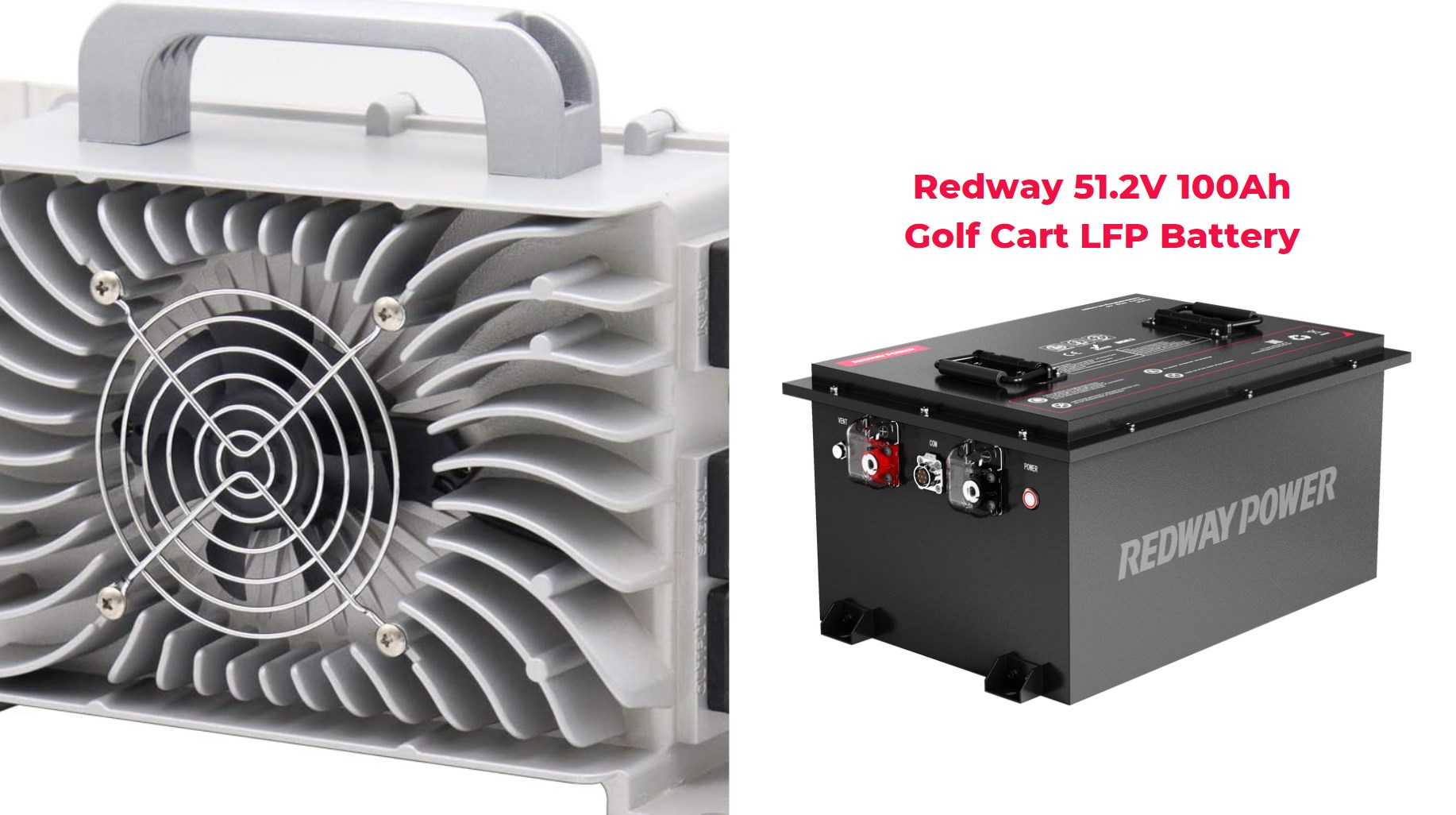
The best chargers for LiFePO4 golf cart batteries are those specifically designed for lithium-ion technology. Look for chargers with appropriate voltage and amperage ratings that match your battery’s specifications to ensure safe and efficient charging.

How Does Depth of Discharge Impact Charging Time?

Depth of discharge (DoD) impacts charging time; a battery that is more deeply discharged will typically take longer to recharge. For optimal longevity, it’s best to recharge LiFePO4 batteries before they reach a low state of charge.

Expert Views:
“LiFePO4 technology revolutionizes how we think about battery charging,” states an expert from Redway. The ability to recharge quickly without compromising safety or lifespan makes these batteries an excellent investment for golf cart users who value both performance and convenience.

Conclusion

LiFePO4 golf cart batteries offer remarkable advantages over traditional lead-acid options when it comes to charging speed. With their ability to reach full charge in just a few hours and minimal downtime between uses, they provide an efficient solution for golf cart operators looking for reliability and performance.

FAQ Section

  • How long does it take to charge a LiFePO4 golf cart battery?
    It typically takes between 2 to 6 hours to fully charge a LiFePO4 golf cart battery.
  • What factors affect the charging speed of these batteries?
    Charging speed is influenced by charger specifications, battery capacity, temperature conditions, and depth of discharge.
  • Are there specific chargers recommended for LiFePO4 batteries?
    Yes, it’s best to use chargers specifically designed for lithium-ion chemistry that include built-in safety features like a Battery Management System.

How Much Longer Do LiFePO4 Batteries Last Compared to Traditional Options?

How Much Longer Do LiFePO4 Batteries Last Compared to Traditional Options?

LiFePO4 batteries typically last significantly longer than traditional lead-acid batteries, often providing between 2,000 to 5,000 charge cycles compared to just 300 to 1,000 for lead-acid options. This extended lifespan translates into lower replacement costs over time, making LiFePO4 a more economical choice in the long run.

What Is the Typical Lifespan of LiFePO4 Batteries?

LiFePO4 batteries typically last between 5 to 10 years or about 2,000 to 10,000 charge cycles, depending on usage and maintenance. This longevity makes them a cost-effective choice for various applications.

How Do Charging Cycles Affect Battery Life?

Charging cycles play a crucial role in determining battery lifespan. A cycle is defined as one complete discharge followed by a recharge. While lead-acid batteries can typically endure around 300 to 1,000 cycles, LiFePO4 batteries can handle between 2,000 and 5,000 cycles due to their superior design and materials.

Why Do LiFePO4 Batteries Last Longer Than Lead-Acid Batteries?

LiFePO4 batteries last longer than lead-acid batteries for several reasons:

  1. Chemical Stability: The lithium iron phosphate chemistry provides greater thermal stability.
  2. Deeper Discharge Capability: They can be discharged down to 20% without damaging the battery, while lead-acid batteries should not be discharged below 50%.
  3. Lower Self-Discharge Rate: This means they retain their charge longer when not in use.

Know More:

What Are the Benefits of LiFePO4 Batteries for Golf Carts?
How Much Longer Do LiFePO4 Batteries Last Compared to Traditional Options?
What is the Charging Speed of LiFePO4 Golf Cart Batteries?
How Do LiFePO4 Batteries Impact Golf Cart Performance?

How Do Temperature and Environmental Conditions Affect Battery Life?

Temperature significantly impacts battery performance; extreme heat can shorten the lifespan of both battery types. However, LiFePO4 batteries perform better in a wider temperature range compared to lead-acid counterparts. Keeping them in moderate conditions helps maximize their longevity.

What Are the Cost Implications of Choosing LiFePO4 Over Lead-Acid?

While the initial cost of LiFePO4 batteries is higher than that of lead-acid batteries, their longer lifespan means they are more cost-effective over time. Users can save money on replacements and maintenance costs due to fewer required interventions throughout their operational life.

How Do Usage Patterns Influence Battery Longevity?

Usage patterns greatly influence battery longevity; frequent deep discharges can reduce the lifespan of lead-acid batteries significantly. In contrast, users can safely discharge LiFePO4 batteries deeper without incurring damage, allowing for more flexibility in usage without compromising battery life.

Expert Views
“Investing in LiFePO4 technology may seem costly upfront but offers remarkable long-term savings,” explains an expert from Redway. “Their longevity and efficiency not only reduce replacement frequency but also enhance overall performance across various applications.”

Conclusion

LiFePO4 batteries clearly outlast traditional lead-acid options by providing significantly more charge cycles and requiring less maintenance over time. Their superior performance characteristics make them an attractive choice for those looking for long-term value in battery technology.

FAQ Section

  • How long do LiFePO4 batteries typically last?
    LiFePO4 batteries usually last between 5 to 10 years with proper maintenance.
  • What factors affect the lifespan of a lead-acid battery?
    Factors include depth of discharge, charging habits, temperature extremes, and overall maintenance practices.
  • Are there any downsides to using LiFePO4 batteries?
    While they have a higher initial cost, their long-term benefits often outweigh this drawback.
What Are the Benefits of LiFePO4 Batteries for Golf Carts?

What Are the Benefits of LiFePO4 Batteries for Golf Carts?

Lithium iron phosphate (LiFePO4) batteries are a type of rechargeable lithium-ion battery that utilizes lithium iron phosphate as the cathode material. Known for their stability and safety, these batteries are increasingly favored in applications like golf carts due to their efficiency and long life.

What Are the Key Benefits of LiFePO4 Batteries for Golf Carts?

LiFePO4 batteries offer several key benefits for golf carts, including longer lifespan (up to 6,000 cycles), faster charging times, lighter weight, and enhanced safety. These features improve performance and reduce maintenance needs, making them a smart choice for golf cart users.

LiFePO4 batteries offer several key benefits for golf carts:

  • Enhanced Safety: They have high thermal stability, reducing risks associated with overheating or combustion.
  • Longer Lifespan: These batteries can last up to 5,000 cycles, significantly outlasting traditional lead-acid batteries.
  • Faster Charging: They charge more quickly than lead-acid options, minimizing downtime during use.

How Do LiFePO4 Batteries Compare to Lead-Acid Batteries?

LiFePO4 batteries outperform lead-acid batteries in longevity, charging speed, and weight. They last significantly longer (2,000-6,000 cycles), charge faster (1-4 hours), and are lighter, enhancing the overall efficiency and handling of golf carts.

LiFePO4 batteries outperform lead-acid batteries in several areas:

  • Longer lifespan (up to 10 times more cycles).
  • Higher energy density, providing more power in a lighter package.
  • Reduced maintenance requirements, as they do not need regular watering or terminal cleaning.

What Is the Lifespan of LiFePO4 Batteries?

The lifespan of LiFePO4 batteries typically ranges from 6 to 10 years or about 2,000 to 6,000 charge cycles. This longevity makes them a cost-effective option over time compared to lead-acid batteries.

Know More:

What Are the Benefits of LiFePO4 Batteries for Golf Carts?
How Much Longer Do LiFePO4 Batteries Last Compared to Traditional Options?
What is the Charging Speed of LiFePO4 Golf Cart Batteries?
How Do LiFePO4 Batteries Impact Golf Cart Performance?

How Do Environmental Conditions Affect LiFePO4 Battery Performance?

Environmental conditions like temperature can impact LiFePO4 battery performance. They operate best between -20°C and 60°C (-4°F to 140°F). Extreme temperatures can reduce efficiency and lifespan, so proper storage is essential.

What Safety Features Do LiFePO4 Batteries Offer?

LiFePO4 batteries have several safety features, including thermal stability that reduces the risk of overheating and thermal runaway. They also include built-in protection against overcharging and short circuits, enhancing overall safety during use.

LiFePO4 batteries come equipped with several safety features:

  • Thermal stability that prevents thermal runaway.
  • Built-in battery management systems (BMS) that monitor voltage and temperature.
  • Robust structural integrity that resists damage under extreme conditions.

How Do Charging Times Differ Between Battery Types?

LiFePO4 batteries charge much faster than lead-acid batteries. They can reach an 80% charge in about 1 hour and a full charge in 2-4 hours, while lead-acid batteries often take 6-12 hours to fully charge.

What Applications Are Best Suited for LiFePO4 Batteries?

LiFePO4 batteries are ideal for various applications beyond golf carts, including electric vehicles, renewable energy storage systems, marine applications, and backup power supplies due to their safety, longevity, and efficiency.

Beyond golf carts, these batteries are also ideal for applications such as:

  • Electric vehicles
  • Renewable energy storage systems
  • Power tools
    These applications benefit from their safety features and long cycle life.

What Maintenance Is Required for LiFePO4 Golf Cart Batteries?

Maintenance for LiFePO4 golf cart batteries includes regularly checking connections for corrosion, keeping the battery clean and dry, monitoring charge levels, and avoiding deep discharges to ensure optimal performance.

  • Proper connections and corrosion at terminals.
  • Monitoring charge cycles to avoid deep discharges.
  • Keeping terminals clean and free from dirt or debris.

How Are LiFePO4 Batteries Manufactured?

LiFePO4 batteries are manufactured by combining lithium iron phosphate with graphite in a controlled environment. The materials are processed into electrodes, assembled into cells, and integrated into battery packs with protective circuitry for safety.

What Are the Cost Considerations When Switching to LiFePO4?

When switching to LiFePO4 batteries, consider the higher initial cost compared to lead-acid batteries. However, their longer lifespan and lower maintenance needs can lead to significant savings over time.

Expert Views

“Switching to LiFePO4 batteries is a transformative step for golf cart users,” states an expert from Redway. “Their benefits not only enhance performance but also promote sustainability through longer life cycles and reduced environmental impact.”

Conclusion

In summary, the benefits of using lithium iron phosphate (LiFePO4) batteries in golf carts are numerous and impactful. By understanding these advantages, users can make informed decisions that enhance their golfing experience while ensuring safety and efficiency.

FAQ Section

  • What are the main advantages of using LiFePO4 batteries in golf carts?
    They offer enhanced safety, longer lifespan, faster charging times, and reduced maintenance needs compared to lead-acid batteries.
  • How long do LiFePO4 golf cart batteries typically last?
    They can last between 10 to 15 years or more with proper care.
  • Do I need special equipment to charge a LiFePO4 battery?
    Yes, ensure you use a charger specifically designed for lithium iron phosphate technology to optimize performance and safety.

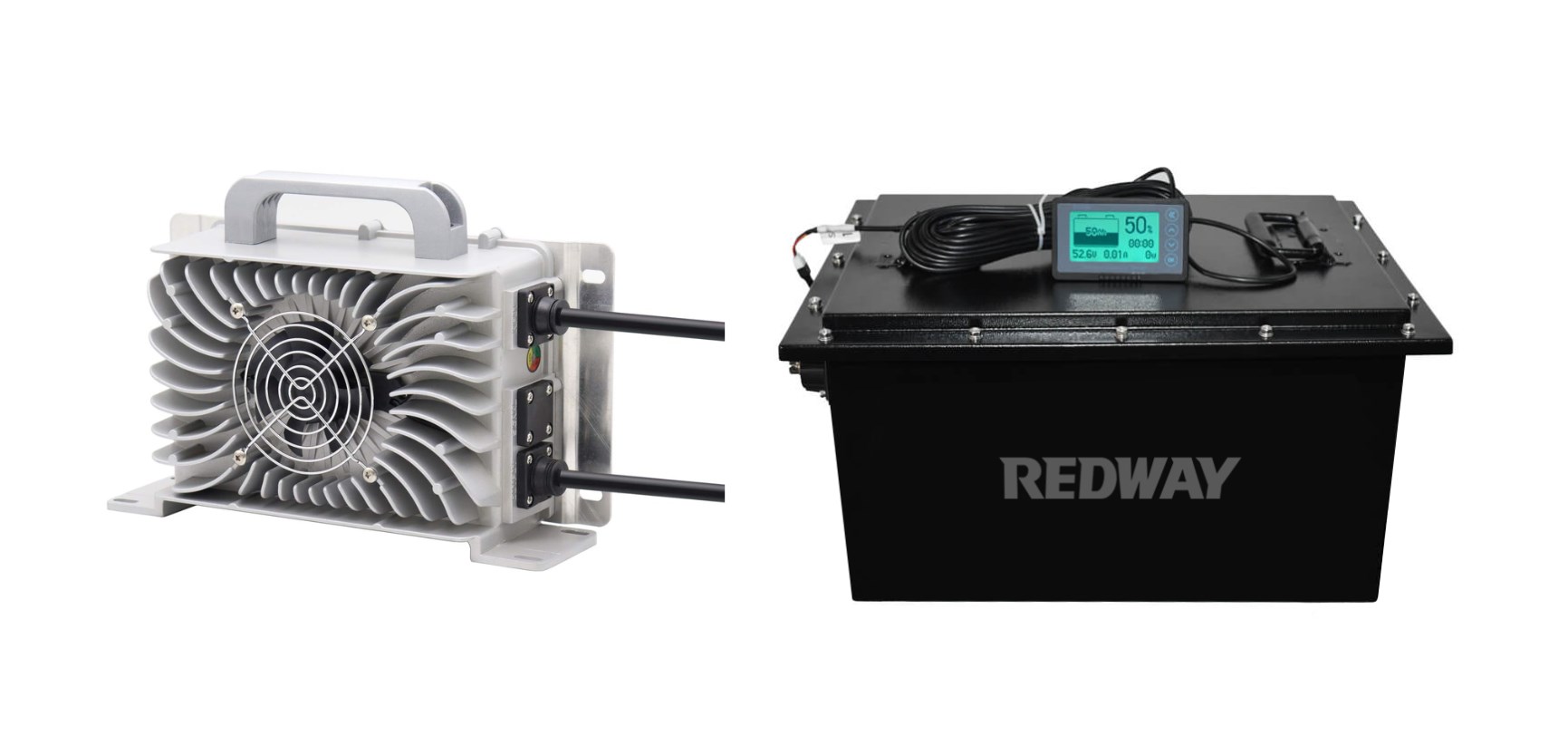
golf cart lfp battery Custom Solutions from Redway Battery

What Are LiFePO4 Golf Cart Batteries?

What Are the Benefits of Using LiFePO4 Golf Cart Batteries?

LiFePO4 golf cart batteries are advanced lithium-ion batteries known for their safety, longevity, and efficiency. These batteries provide significant advantages over traditional lead-acid options, including longer life cycles, faster charging times, and enhanced performance, making them an excellent choice for electric golf carts.

What Are LiFePO4 Golf Cart Batteries?

LiFePO4 golf cart batteries are lithium-ion batteries that use lithium iron phosphate as the cathode material. They are known for their safety, stability, and long lifespan, making them ideal for powering electric golf carts.

How Do LiFePO4 Batteries Work in Golf Carts?

LiFePO4 batteries work by converting chemical energy into electrical energy through electrochemical reactions within their cells. When charged, lithium ions move from the cathode (LiFePO4) to the anode (typically graphite), storing energy. During discharge, these ions flow back to generate power for the golf cart.

What Are the Advantages of Using LiFePO4 Batteries?

Advantages of LiFePO4 batteries include longer lifespan, faster charging, higher safety, and better performance compared to lead-acid batteries. They also have a lower environmental impact due to their non-toxic materials.

The advantages of using LiFePO4 batteries include:

  • Safety: They have a low risk of thermal runaway due to their stable chemistry.
  • Longevity: These batteries can last up to 6,000 cycles compared to 300-500 cycles for lead-acid batteries.
  • High Energy Density: They provide more energy per weight, enhancing overall vehicle performance.
  • Environmental Benefits: Being free from toxic heavy metals makes them more eco-friendly.

How Do LiFePO4 Batteries Compare to Lead-Acid Batteries?

LiFePO4 batteries outperform lead-acid batteries in several areas: they last longer (up to 6,000 cycles), charge faster, are lighter, and provide more consistent power. Lead-acid batteries typically last around 500-1,000 cycles.

LiFePO4 batteries significantly outperform lead-acid batteries in several areas:

  • Weight: They are lighter, improving handling and efficiency.
  • Lifespan: With a lifespan of up to 6 times longer than lead-acid options.
  • Maintenance: Require minimal upkeep; no watering or equalization needed.
  • Charging Efficiency: Higher charge efficiency reduces electricity costs.

Know More:

What Are the Benefits of Using LiFePO4 Golf Cart Batteries?
What is the Chemistry Behind LiFePO4 Batteries?
LiFePO4 Batteries vs Lead-Acid Batteries for Golf Carts
What Are the Key Components of a LiFePO4 Golf Cart Battery?

What Are the Typical Applications for LiFePO4 Batteries?

Typical applications for LiFePO4 batteries include electric vehicles (like golf carts), renewable energy storage, backup power systems, and marine applications. Their versatility makes them suitable for various uses.

LiFePO4 batteries are commonly used in various applications beyond golf carts, including:

  • Electric vehicles (EVs)
  • Recreational vehicles (RVs)
  • Solar energy storage systems
  • Marine applications

How to Maintain LiFePO4 Golf Cart Batteries?

To maintain LiFePO4 golf cart batteries, keep them clean, check connections regularly, avoid deep discharges, and store them in a cool, dry place. Regular monitoring ensures optimal performance and longevity.

To maintain your LiFePO4 golf cart batteries:

  1. Regularly check connections and terminals for corrosion.
  2. Ensure proper charging practices; avoid over-discharging.
  3. Store in a cool, dry place when not in use.
  4. Monitor battery management systems (BMS) for optimal performance.

Expert Views:
Switching to LiFePO4 golf cart batteries can dramatically enhance both performance and safety,” says an expert from Redway. “Their longevity and efficiency not only save money over time but also contribute positively to environmental sustainability.”

Conclusion

LiFePO4 golf cart batteries represent a significant advancement in battery technology, offering numerous benefits over traditional lead-acid options. Their safety features, extended lifespan, and high efficiency make them an ideal choice for anyone looking to improve their golf cart’s performance while minimizing environmental impact.

FAQ Section

  • What is a LiFePO4 battery?
    A LiFePO4 battery is a type of lithium-ion battery that uses lithium iron phosphate as its cathode material, known for its safety and longevity.
  • How long do LiFePO4 golf cart batteries last?
    LiFePO4 golf cart batteries can last between 2,000 to 6,000 charge cycles depending on usage and maintenance.
  • Are there any maintenance requirements for LiFePO4 batteries?
    LiFePO4 batteries require minimal maintenance compared to lead-acid batteries; however, regular checks on connections and proper charging practices are recommended.

Benefits of Using LiFePO4 Batteries in Golf Carts

What Are the Key Components of a LiFePO4 Golf Cart Battery?

What Are the Key Components of a LiFePO4 Golf Cart Battery?

A lithium iron phosphate (LiFePO4) golf cart battery is a type of rechargeable battery specifically designed for use in electric golf carts, utilizing lithium iron phosphate as its cathode material. These batteries are known for their safety, longevity, and efficiency, making them an increasingly popular choice among golf cart users.

What Are the Key Components of a LiFePO4 Battery?

The key components of a LiFePO4 battery include:

  • Cathode: Made from lithium iron phosphate (LiFePO4), it serves as the primary source of lithium ions during discharge.
  • Anode: Typically composed of graphite, it stores lithium ions during charging.
  • Electrolyte: A lithium salt solution that facilitates ion movement between electrodes.
  • Separator: A porous membrane that prevents short-circuiting while allowing ions to pass through.

How Does Each Component Work?

The cathode stores lithium ions during charging, while the anode releases them during discharge. The electrolyte facilitates the movement of ions between the two electrodes, and the separator prevents short circuits while allowing ion transfer.

Each component plays a vital role:

  • The cathode releases lithium ions during discharge, providing energy.
  • The anode absorbs lithium ions during charging, storing energy for future use.
  • The electrolyte enables ion transport while maintaining electrical neutrality.
  • The separator ensures safe operation by preventing direct contact between electrodes.

What Are the Advantages of Using LiFePO4 Batteries in Golf Carts?

Advantages of LiFePO4 batteries in golf carts include longer lifespan (up to 6,000 cycles), faster charging times (1-4 hours), lighter weight, and enhanced safety compared to lead-acid batteries. They also provide consistent power output throughout their discharge cycle.

LiFePO4 batteries offer several advantages:

  • Safety: They have high thermal stability and are less prone to overheating or combustion.
  • Longevity: These batteries can last up to 3,000 cycles or more, significantly exceeding traditional lead-acid batteries.
  • Efficiency: They provide higher energy density, allowing more energy storage in less space.

Know More:

What Are the Benefits of Using LiFePO4 Golf Cart Batteries?
What is the Chemistry Behind LiFePO4 Batteries?
LiFePO4 Batteries vs Lead-Acid Batteries for Golf Carts
What Are the Key Components of a LiFePO4 Golf Cart Battery?

How Do LiFePO4 Batteries Compare to Lead-Acid Batteries?

LiFePO4 batteries outperform lead-acid batteries in several ways: they last longer (2,000-6,000 cycles), charge faster, are lighter, and require less maintenance. Lead-acid batteries typically last only 500-1,000 cycles and need regular watering.

Compared to lead-acid batteries, LiFePO4 batteries have several benefits:

  • Longer lifespan and fewer replacements needed over time.
  • Faster charging capabilities and lower self-discharge rates.
  • Lighter weight, which improves overall vehicle efficiency.

What Is the Role of the Battery Management System (BMS)?

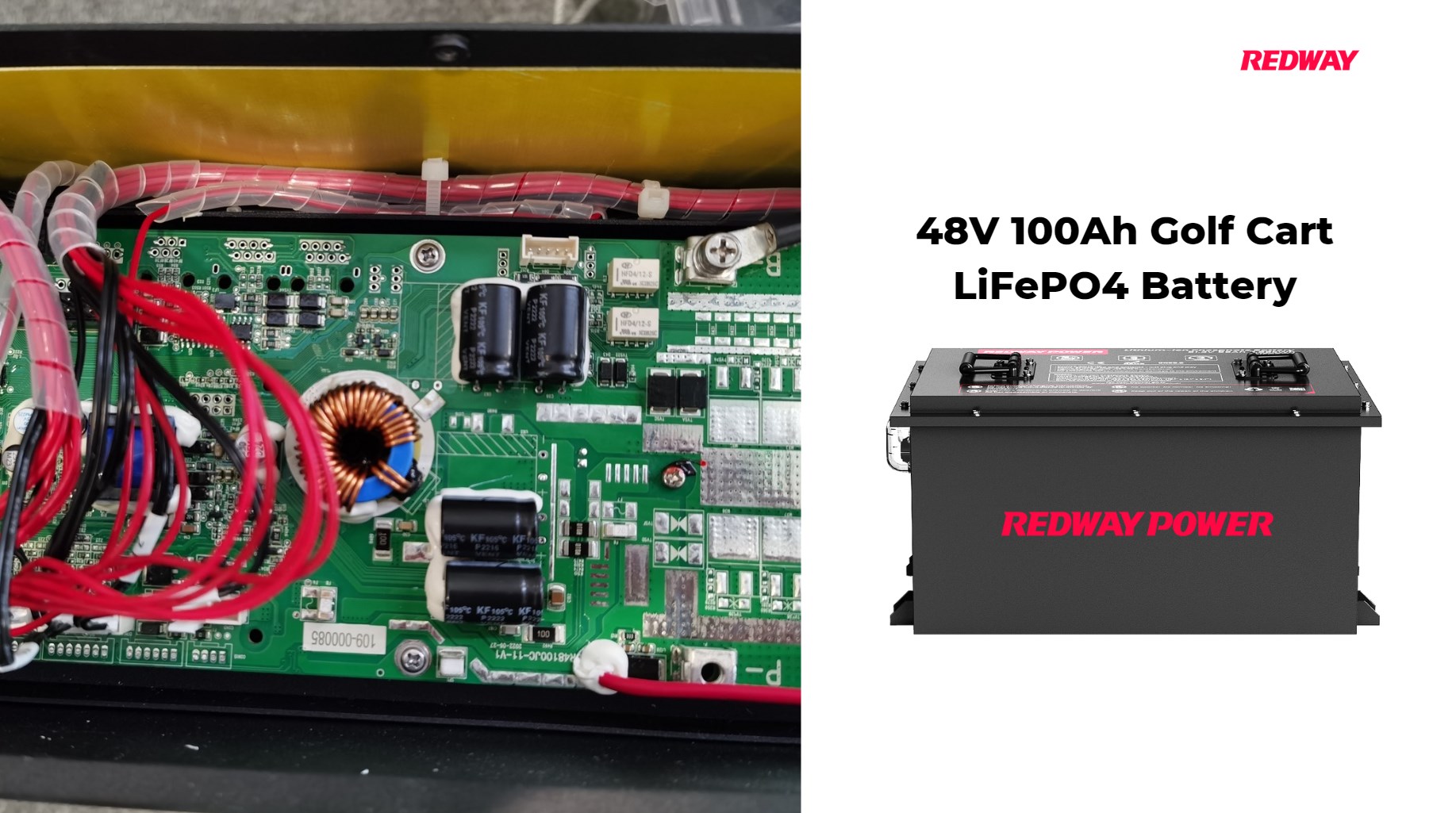
The Battery Management System (BMS) monitors battery health by managing charge levels, balancing cells, and protecting against overcharging or overheating. It ensures safe operation and prolongs battery life.

  • Overcharge and over-discharge protection.
  • Temperature regulation to prevent overheating.
  • Balancing charge levels across individual cells to enhance lifespan.

How Do Environmental Conditions Affect LiFePO4 Battery Performance?

Environmental factors such as temperature can significantly influence performance; while these batteries operate well in various conditions, extreme temperatures may affect their efficiency and lifespan. Proper management systems can help mitigate these effects.

What Maintenance Is Required for LiFePO4 Golf Cart Batteries?

Maintenance for LiFePO4 golf cart batteries includes regularly checking connections for corrosion, keeping the battery clean and dry, monitoring charge levels, and avoiding deep discharges to ensure optimal performance.

  • Proper connections and corrosion at terminals.
  • Monitoring charge cycles to avoid deep discharges.
  • Keeping terminals clean and free from dirt or debris.

What Is the Lifespan of a LiFePO4 Golf Cart Battery?

The lifespan of a LiFePO4 golf cart battery typically ranges from 6 to 10 years or about 2,000 to 6,000 charge cycles. With proper care, they can provide reliable service for many years.

How Are LiFePO4 Batteries Manufactured for Golf Carts?

LiFePO4 batteries are manufactured by combining lithium iron phosphate with graphite in a controlled environment. The materials are processed into electrodes, assembled into cells, and integrated into battery packs with protective circuitry.

What Applications Are Best Suited for LiFePO4 Batteries Beyond Golf Carts?

Beyond golf carts, LiFePO4 batteries are well-suited for applications like electric vehicles, renewable energy storage systems, marine applications, and backup power supplies due to their safety, longevity, and efficiency.

  • Electric vehicles
  • Renewable energy storage systems
  • Power tools
    These applications benefit from their safety features and long cycle life.

Expert Views

“LiFePO4 batteries represent a significant advancement in energy storage technology,” states an expert from Redway. “Their unique properties make them particularly suitable for applications where safety and longevity are critical.”

Conclusion

In summary, understanding the key components of a lithium iron phosphate (LiFePO4) golf cart battery is essential for maximizing its performance and longevity. By recognizing how each part functions within the system, users can make informed decisions about maintenance and usage that enhance their overall experience.

FAQ Section

  • What is a lithium iron phosphate golf cart battery?
    It is a rechargeable battery designed specifically for electric golf carts using lithium iron phosphate as its cathode material.
  • How long do LiFePO4 golf cart batteries last?
    They typically last between 10 to 15 years or more with proper maintenance.
  • What advantages do LiFePO4 batteries have over lead-acid batteries?
    They offer longer lifespans, faster charging times, lower self-discharge rates, and improved safety features.

LiFePO4 Golf Cart Battery's Thermal Management System

How Do LiFePO4 Batteries Compare to Lead-Acid Batteries for Golf Carts?

How Do LiFePO4 Batteries Compare to Lead-Acid Batteries for Golf Carts?

LiFePO4 batteries offer significant advantages over traditional lead-acid batteries in golf carts, including longer lifespan, faster charging times, and improved safety features. While they may have a higher upfront cost, their efficiency and durability make them a more cost-effective option over time.

How Do LiFePO4 Batteries Compare to Lead-Acid Batteries for Golf Carts?

LiFePO4 batteries are increasingly popular in golf carts due to their superior performance characteristics compared to lead-acid batteries. They provide longer life cycles, enhanced safety features, and greater energy efficiency, making them an excellent choice for modern electric golf carts.

What Are the Key Advantages of LiFePO4 Batteries?

LiFePO4 batteries come with several advantages:

  1. Longevity: They can last between 2,000 to 5,000 charge cycles, significantly outlasting lead-acid batteries.
  2. Safety: Their chemical stability reduces risks like thermal runaway.
  3. Efficiency: They maintain consistent voltage throughout their discharge cycle, ensuring reliable performance.
  4. Environmental Impact: They contain no toxic heavy metals like lead, making them more eco-friendly.

How Do Lifespan and Cycle Life Differ Between Battery Types?

LiFePO4 batteries typically offer a lifespan of 2,000 to 5,000 cycles, while lead-acid batteries generally last only 300 to 500 cycles. This difference means that while lead-acid batteries may be cheaper upfront, LiFePO4 batteries prove more economical over time due to fewer replacements.

How Do Charging Times Compare Between Battery Types?

LiFePO4 batteries charge much faster than lead-acid batteries. A LiFePO4 battery can reach full charge in about 2-3 hours, while lead-acid batteries often take 8-12 hours to charge fully. This rapid charging capability enhances convenience for users.

Know More:

What Are the Benefits of Using LiFePO4 Golf Cart Batteries?
What is the Chemistry Behind LiFePO4 Batteries?
LiFePO4 Batteries vs Lead-Acid Batteries for Golf Carts
What Are the Key Components of a LiFePO4 Golf Cart Battery?

What Are the Weight and Size Differences?

LiFePO4 batteries are typically lighter and more compact than lead-acid counterparts. For example, a standard lead-acid battery can weigh around 60-70 pounds, while a similar capacity LiFePO4 battery may weigh only 30-40 pounds. This weight reduction improves overall golf cart performance.

What Are the Environmental Impacts of Each Battery Type?

LiFePO4 batteries are more environmentally friendly as they do not contain harmful materials like lead or cadmium found in traditional lead-acid batteries. This makes them easier to recycle and less harmful when disposed of improperly.

How Does Temperature Affect Battery Performance?

Temperature can significantly impact battery performance; LiFePO4 batteries perform well across a wide temperature range (-20°C to 60°C) without significant capacity loss. In contrast, lead-acid batteries may experience reduced efficiency in extreme temperatures.

Expert Views:
“Choosing between LiFePO4 and lead-acid batteries is crucial for optimizing golf cart performance,” states an expert from Redway. “While initial costs may be higher for LiFePO4, their longevity and efficiency make them a wise investment for serious golfers looking to enhance their experience.”

Conclusion

In summary, LiFePO4 batteries present numerous advantages over traditional lead-acid batteries in golf carts, including longer lifespan, faster charging times, and better environmental impact. While they may require a higher initial investment, their long-term benefits make them an increasingly popular choice among golf cart users.

FAQ Section

  • What is the lifespan of a LiFePO4 battery compared to a lead-acid battery?
    LiFePO4 batteries typically last between 2,000 to 5,000 cycles, while lead-acid batteries last around 300 to 500 cycles.
  • Are LiFePO4 batteries safer than lead-acid batteries?
    Yes, LiFePO4 batteries have enhanced safety features that reduce risks associated with overheating or thermal runaway.
  • How do charging times differ between battery types?
    LiFePO4 batteries can fully charge in about 2-3 hours compared to 8-12 hours for lead-acid batteries.

LiFePO4 vs Lead-Acid Batteries for Golf Carts, Key Comparisons

What is the Chemistry Behind LiFePO4 Batteries?

What is the Chemistry Behind LiFePO4 Batteries?

A lithium iron phosphate (LiFePO4) battery is a type of rechargeable lithium-ion battery that uses lithium iron phosphate as its cathode material. Known for their stability and safety features, these batteries are widely used in various applications ranging from electric vehicles to renewable energy storage systems.

LiFePO4 batteries use lithium iron phosphate as the cathode material. During charging and discharging, lithium ions move between the cathode and anode (usually graphite), allowing the battery to store and release energy efficiently.

How Does the Chemistry of LiFePO4 Batteries Work?

The chemistry involves lithium ions moving in and out of the iron phosphate structure during charge and discharge cycles. This movement generates electrical energy, making LiFePO4 batteries stable and efficient for various applications.

What Are the Key Components of LiFePO4 Batteries?

Key components include:

  • Cathode: Made from lithium iron phosphate (LiFePO4), providing structural stability.
  • Anode: Typically composed of graphite, where lithium ions are stored during charging.
  • Electrolyte: A lithium salt solution that facilitates ion movement between electrodes.
  • Separator: A porous membrane that prevents short-circuiting while allowing ion flow.

What Are the Advantages of Using LiFePO4 Batteries?

Advantages of LiFePO4 batteries include high safety, long lifespan (over 4,000 cycles), fast charging capabilities, and environmental friendliness due to non-toxic materials. They are also less prone to overheating compared to other lithium-ion batteries.

LiFePO4 batteries offer several advantages:

  • Enhanced safety due to thermal stability; they are less prone to overheating or combustion.
  • Longer cycle life, often exceeding 3,000 charge cycles.
  • Environmentally friendly materials, as they do not contain toxic metals like cobalt or nickel.

How Do LiFePO4 Batteries Compare to Other Lithium-Ion Batteries?

LiFePO4 batteries offer superior safety and longer lifespans compared to other lithium-ion types. While typical lithium-ion batteries last around 500-3,000 cycles, LiFePO4 can last over 4,000 cycles, making them more reliable for long-term use.

Know More:

What Are the Benefits of Using LiFePO4 Golf Cart Batteries?
What is the Chemistry Behind LiFePO4 Batteries?
LiFePO4 Batteries vs Lead-Acid Batteries for Golf Carts
What Are the Key Components of a LiFePO4 Golf Cart Battery?

What Is the Charging and Discharging Process of LiFePO4 Batteries?

During charging, lithium ions move from the cathode to the anode, storing energy. When discharging, these ions flow back to the cathode, releasing energy to power devices. This process is efficient and maintains a stable voltage throughout.

What Safety Features Are Associated with LiFePO4 Batteries?

LiFePO4 batteries have several safety features, including resistance to thermal runaway, low risk of fire or explosion, and robust thermal stability. These characteristics make them safer than many other lithium-ion batteries.

Safety features include:

  • Thermal stability that prevents thermal runaway.
  • Chemical stability that mitigates risks during overcharging or short-circuiting.
  • Robust structural integrity that resists damage under extreme conditions.

How Do Environmental Factors Affect LiFePO4 Battery Performance?

Environmental factors like temperature can impact performance. LiFePO4 batteries work best in moderate temperatures (10°C to 40°C). Extreme heat or cold can reduce efficiency and lifespan, so proper storage conditions are essential.

What Is the Lifespan of a LiFePO4 Battery?

The lifespan of a LiFePO4 battery typically ranges from 6 to 10 years or over 4,000 charge-discharge cycles. With proper care and usage, they can provide reliable service for a decade or more.

How Are LiFePO4 Batteries Manufactured?

LiFePO4 batteries are manufactured by combining lithium iron phosphate with graphite in a controlled environment. The materials are processed into electrodes, assembled into cells, and then packaged into battery packs with protective circuitry for safety.

What Applications Are Best Suited for LiFePO4 Batteries?

LiFePO4 batteries are ideal for applications like electric vehicles, renewable energy storage systems (such as solar), backup power supplies, and portable electronics due to their safety, longevity, and efficiency.

LiFePO4 batteries are widely used in applications such as:

  • Electric vehicles
  • Renewable energy storage systems
  • Power tools
  • Medical devices
    These applications benefit from their safety features and long cycle life.

Expert Views

“Understanding the chemistry behind LiFePO4 batteries is crucial for leveraging their advantages in various applications,” states an expert from Redway. “Their unique properties make them a go-to choice for industries prioritizing safety without sacrificing performance.”

Conclusion

In summary, the chemistry behind lithium iron phosphate (LiFePO4) batteries involves complex interactions between lithium ions and electrodes that contribute to their efficiency, safety, and longevity. By understanding these mechanisms, users can make informed choices about utilizing this technology in various applications.

FAQ Section

  • What is a lithium iron phosphate battery?
    It is a type of rechargeable lithium-ion battery that uses lithium iron phosphate as its cathode material.
  • How does charging work in a LiFePO4 battery?
    During charging, lithium ions move from the cathode to the anode through an electrolyte while electrons flow through an external circuit.
  • What are common applications for LiFePO4 batteries?
    They are commonly used in electric vehicles, renewable energy storage systems, power tools, and medical devices.

Applications of LiFePO4 Batteries

Step-by-Step Installation Guide for Lithium Batteries in Your RV

Upgrading to lithium batteries in your RV can significantly enhance your power system’s efficiency and reliability. This guide provides a comprehensive, step-by-step installation process to help you transition smoothly from traditional lead-acid batteries to advanced lithium technology.

To install lithium batteries in your RV:

  1. Gather tools like wrenches and a multimeter,
  2. Turn off the electrical system,
  3. Remove old batteries by disconnecting cables (negative first),
  4. Clean out the battery compartment,
  5. Install new lithium batteries securely,
  6. Reconnect cables (positive first),
  7. Test voltage levels with a multimeter before powering on!

1. Gather the Necessary Tools and Materials

Before starting the installation, ensure you have the following tools and materials:

  • Lithium LiFePO4 batteries
  • Battery management system (BMS) (if not integrated)
  • Appropriate charger for lithium batteries
  • Heavy-duty cables (specific gauge based on current requirements)
  • Battery terminal connectors
  • Fuses and circuit breakers
  • Volt/amp meter for testing
  • Tools: wrenches, screwdrivers, wire strippers, and crimping tool
  • Safety gear: gloves and safety glasses

2. Safety First

  • Disconnect Power: Before starting, disconnect any power sources to the RV, including the main battery disconnect switch.
  • Wear Safety Gear: Always wear gloves and safety glasses to protect yourself from potential battery acid and electrical hazards.

3. Remove the Old Batteries

  • Access Battery Compartment: Open the compartment where the existing batteries are housed. This may require removing panels or covers.
  • Disconnect Cables: Carefully disconnect the negative (-) cable first, followed by the positive (+) cable to avoid short circuits.
  • Remove Batteries: Take out the old lead-acid batteries, noting their positioning for reference.

4. Prepare for Lithium Installation

  • Clean the Compartment: Ensure the battery compartment is clean and free from corrosion or debris.
  • Check Wiring: Inspect the existing wiring for any signs of damage. Replace any frayed or corroded cables to ensure optimal performance.

5. Install Lithium Batteries

  • Position the Batteries: Place the new lithium batteries in the battery compartment. Ensure they are secure and positioned correctly, typically with the terminals facing outward for easy access.
  • Connect the BMS: If your lithium battery does not come with a built-in BMS, connect an external BMS according to the manufacturer’s instructions.

6. Connect the Cables

  • Positive Cable Connection: Start by connecting the positive (+) cable to the positive terminal of the first lithium battery. Use appropriate connectors and ensure a tight fit.
  • Negative Cable Connection: Connect the negative (-) cable to the negative terminal of the battery. Ensure all connections are secure and corrosion-free.

7. Implement Safety Features

  • Fusing: Install fuses and circuit breakers as recommended by the manufacturer. This step is crucial for protecting the system from overloads and potential fires.
  • Wire Routing: Ensure that all wiring is routed properly and secured to prevent movement or contact with other components.

8. Connect to the Charger and Inverter

  • Charger Setup: Connect the charger specifically designed for lithium batteries. Ensure it is compatible with your battery’s voltage and specifications.
  • Inverter Connection: If you are using an inverter, ensure it is compatible with lithium technology. Connect the inverter to the battery system, following the manufacturer’s guidelines.

9. Test the System

  • Power On: Once all connections are made, turn on the main battery disconnect switch and check for any error codes or warnings.
  • Voltage Testing: Use a volt/amp meter to ensure the system is functioning correctly. Confirm that the voltage matches the expected level for your lithium batteries.

10. Monitor Performance

  • Battery Monitor Installation: If your lithium batteries do not include a built-in monitoring system, consider installing a separate battery monitor. This device provides real-time information about the battery’s state of charge (SOC) and health.
  • Routine Checks: Regularly check the battery’s performance, charging cycles, and overall health to ensure optimal operation.

Conclusion

Installing lithium batteries in your RV can provide enhanced performance and longevity compared to traditional lead-acid systems. By following this step-by-step guide, you can ensure a safe and effective installation. Remember to consult the battery manufacturer’s instructions and seek professional assistance if needed. Enjoy the benefits of a reliable power source for your RV adventures!

Latest News

  • Recent articles provide comprehensive guides on safely installing lithium batteries in RVs, emphasizing safety protocols.
  • Innovations in battery management systems are making installations easier and more efficient.
  • RV enthusiasts are increasingly opting for lithium solutions due to their lightweight and long-lasting performance.

Redway Expert Comment
Installing lithium batteries in RVs can significantly enhance your travel experience. Following a step-by-step guide ensures safety and efficiency during installation. It’s essential to consider factors like battery management systems and proper wiring to optimize performance. As more RV owners transition to lithium technology, understanding the installation process becomes crucial for maximizing benefits.”

Search products

Need a Quick Quote on Wholesale Prices? Contact Redway Battery Now.

X
Product has been added to your cart


Shenzhen Redway Power, Inc

Tel: +86 189 7608 1534
Tel: +86 (755) 2801 0506
E-mail: contact@redwaybattery.com
Website: www.redway-tech.com
Youtube: @RedwayPower
TikTok: @redwaybattery

Get a Quick Quote

Hot OEM

Forklift Lithium Battery
Golf Cart Lithium Battery
RV Lithium Battery
Rack-mounted Lithium Battery

Hot Batteries

24V 150Ah Forklift Lithium Battery
24V 200Ah Forklift Lithium Battery
48V 400Ah Forklift Lithium Battery
48V 600Ah Forklift Lithium Battery
80V 400Ah Forklift Lithium Battery
36V 100Ah Golf Cart Lithium Battery
48V 100Ah Golf Cart Lithium Battery
51.2V 50Ah 3U Rack-mounted Lithium Battery
51.2V 100Ah 3U Rack-mounted Lithium Battery
12V 100Ah RV LiFePO4 Lithium Battery (Self-heating)

Hot Blog

Golf Carts
Server Rack Battery
Knowledge