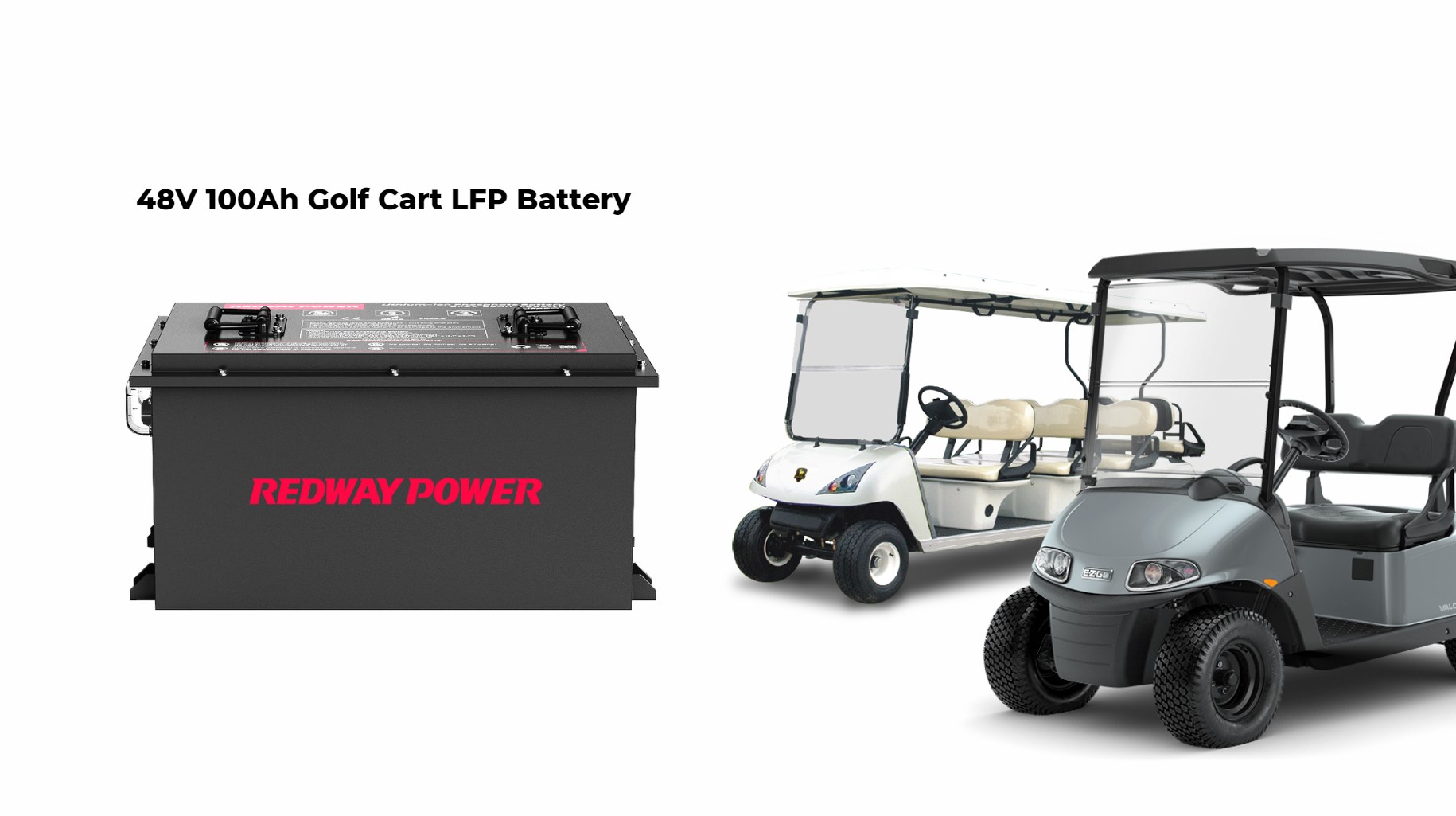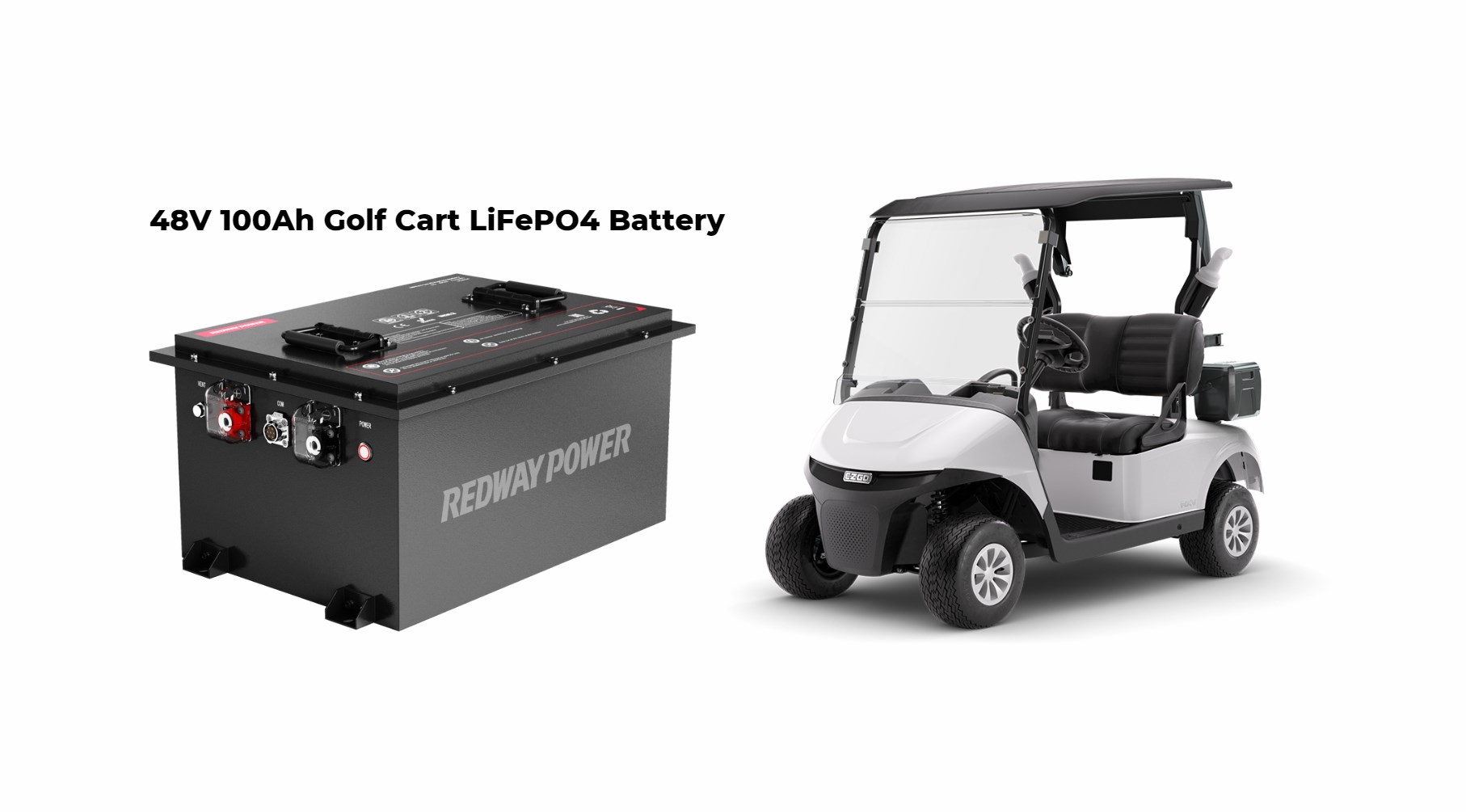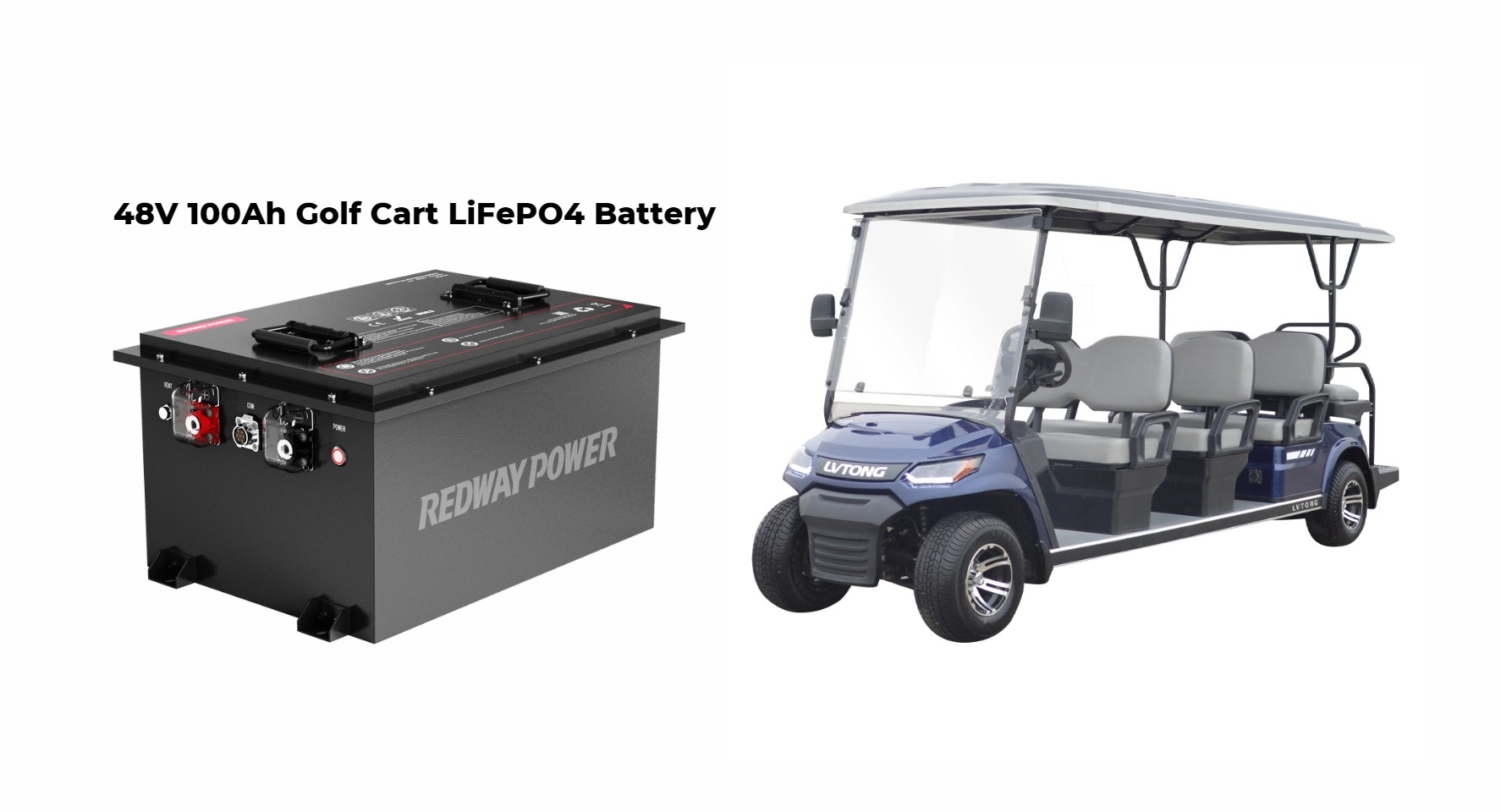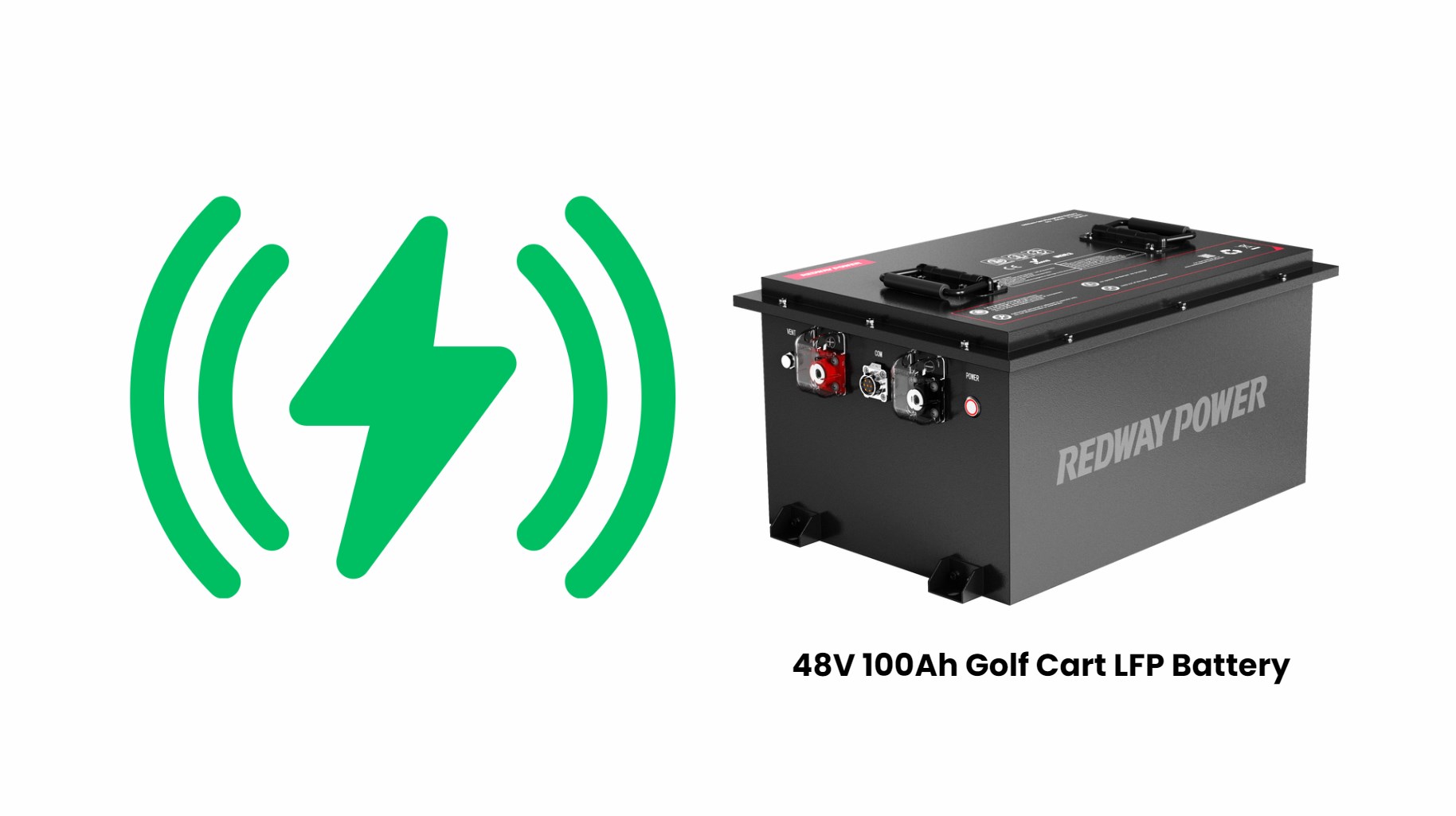
How do you properly charge LiFePO4 golf cart batteries?

How do you properly charge LiFePO4 golf cart batteries?

As golf carts become increasingly popular for both recreational and utility purposes, understanding how to properly charge Lithium Iron Phosphate (LiFePO4) golf cart batteries is essential for maximizing performance and lifespan. At Redway Battery, we specialize in providing high-quality LiFePO4 batteries tailored specifically for golf carts. With over 12 years of experience, we are dedicated to ensuring that our customers are well-informed about best practices for charging these advanced battery systems. This article will outline the key steps and considerations for charging LiFePO4 golf cart batteries effectively.
To charge your LiFePO4 golf cart batteries, use a charger designed for them and monitor charging time (usually 1 to 3 hours). Avoid overcharging by disconnecting once fully charged, and charge in temperatures between 32°F and 104°F for optimal performance!

1. Understanding LiFePO4 Battery Characteristics

1.1. Advantages of LiFePO4 Batteries

LiFePO4 batteries offer numerous benefits compared to traditional lead-acid batteries, including:

  • Higher energy density: This allows for more energy storage in a smaller footprint, making them ideal for compact golf cart designs.
  • Longer cycle life: LiFePO4 batteries can withstand more charge and discharge cycles, typically lasting over 2000 cycles compared to just 500-800 cycles for lead-acid batteries.
  • Enhanced safety features: With a stable chemical composition, LiFePO4 batteries are less prone to overheating and thermal runaway.

1.2. Voltage and Capacity

Understanding the voltage and capacity of your specific LiFePO4 battery is crucial. Most golf cart LiFePO4 batteries operate at a nominal voltage of 12V, 24V, or 48V, depending on the cart’s design. Be sure to consult your battery specifications for precise information on voltage and capacity.

2. Selecting the Right Charger

2.1. Charger Compatibility

Using the correct charger is essential for the safe and efficient charging of LiFePO4 batteries. We recommend selecting a charger specifically designed for LiFePO4 batteries, which will help avoid issues such as overcharging or undercharging. Ensure the charger’s voltage rating matches your battery’s nominal voltage (e.g., 12V, 24V, or 48V).

2.2. Smart Charging Technology

Opt for a charger equipped with smart charging technology. These chargers automatically adjust the charge rate based on the battery’s state of charge, ensuring that your LiFePO4 battery is charged quickly and safely. Features to look for include:

  • Temperature monitoring: Prevents overheating during the charging process.
  • Multi-stage charging: Allows for bulk, absorption, and float charging stages, enhancing battery health and longevity.

3. Charging Procedure for LiFePO4 Batteries

3.1. Preparing for Charging

Before connecting your charger, ensure that:

  • The golf cart is parked in a dry, well-ventilated area.
  • The battery terminals are clean and free from corrosion.
  • The battery is not already fully charged; it’s best to charge when the state of charge is below 20% to prolong battery life.

3.2. Connecting the Charger

  1. Connect the charger to the battery:
    • Attach the positive (+) lead of the charger to the positive terminal of the battery.
    • Connect the negative (-) lead to the negative terminal.
  2. Power on the charger:
    • Once securely connected, plug in the charger and turn it on.

3.3. Monitoring the Charging Process

  • Observe the charger indicators: Most smart chargers will have LED lights or display screens that indicate the charging status. Ensure the charger is functioning correctly and that the battery is charging.
  • Check for excessive heat: While some warmth is normal, excessive heat can indicate a problem. If the battery becomes too hot, disconnect the charger immediately and investigate.
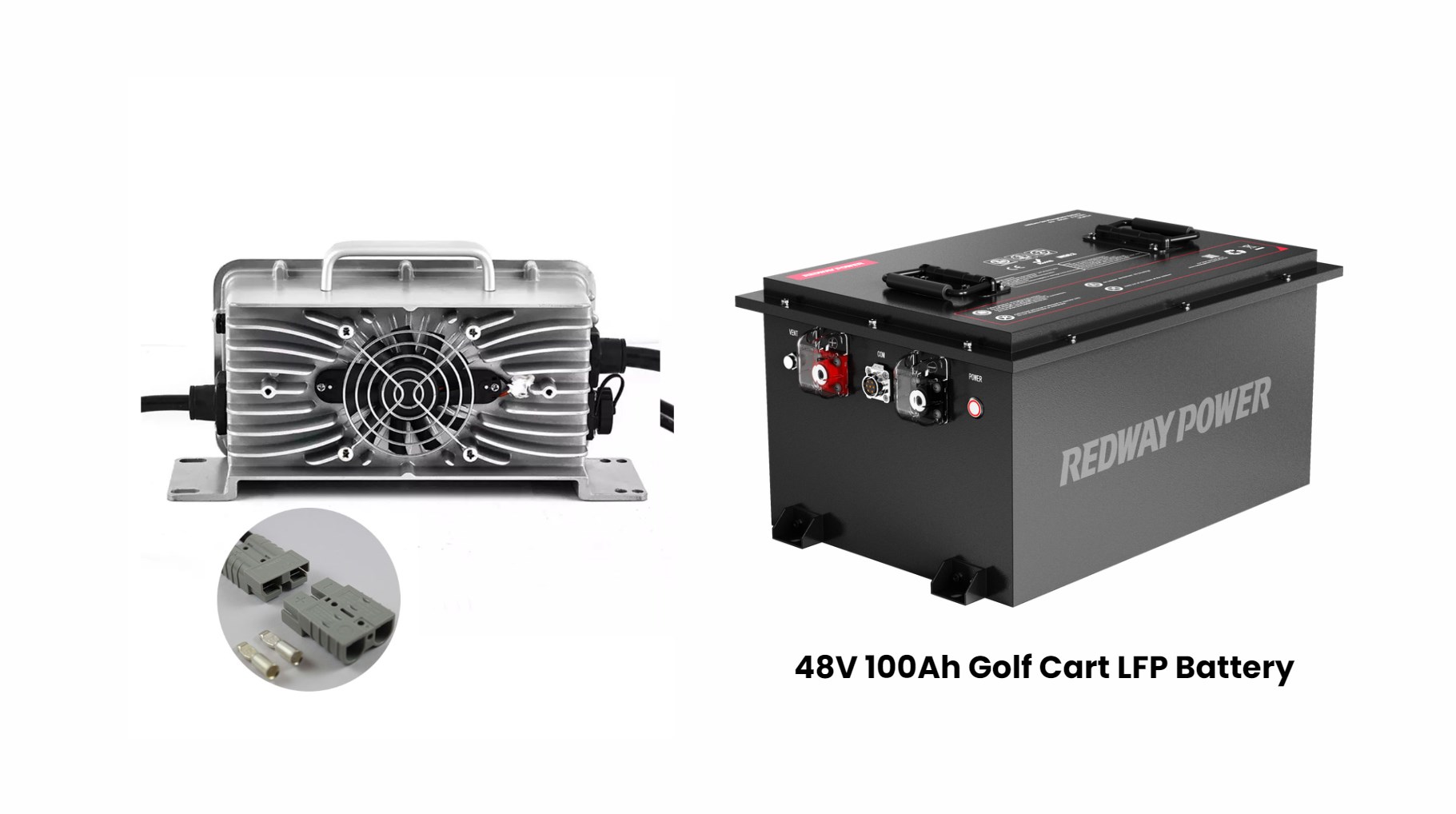
Charging Procedure for golf cart LiFePO4 Batteries

4. Charging Times and Recommendations

4.1. Charge Duration

The duration of charging depends on the battery’s capacity and the charger’s output current. On average:

  • A 20Ah battery will take about 1-2 hours to charge with a 10A charger.
  • A 100Ah battery may require 5-10 hours with a 10A charger.

4.2. Regular Charging Practices

To maintain battery health:

  • Charge after each use: Consistent charging after use prevents deep discharges, extending the battery’s lifespan.
  • Avoid frequent deep discharges: LiFePO4 batteries thrive on partial discharges; discharging them to below 20% can shorten their cycle life.

5. Maintenance Tips for LiFePO4 Batteries

5.1. Routine Inspections

Regularly inspect your battery for:

  • Physical damage: Cracks, swelling, or leakage can indicate a compromised battery.
  • Terminal corrosion: Clean terminals with a mixture of baking soda and water to prevent connectivity issues.

5.2. Optimal Storage Conditions

If your golf cart will not be used for an extended period, store the battery in a cool, dry place and maintain a charge level of around 50% to prevent damage from deep discharge.

6. Troubleshooting Common Charging Issues

6.1. Charger Not Working

If the charger does not appear to be working:

  • Check connections: Ensure all connections are secure.
  • Inspect the charger: Look for visible damage or wear on the charger.

6.2. Slow Charging or Failure to Charge

If the battery charges slowly or not at all, it may indicate:

  • A faulty charger: Test with a different charger to see if the problem persists.
  • Battery issues: The battery may need professional assessment or replacement if it consistently fails to charge.

7. Conclusion

Properly charging LiFePO4 golf cart batteries is crucial for ensuring optimal performance and longevity. By selecting the right charger, following a systematic charging procedure, and adhering to maintenance practices, we can maximize the efficiency and lifespan of our batteries. At Redway Battery, we are committed to providing high-quality LiFePO4 batteries and expert advice to enhance your golf cart experience. For custom lithium golf cart battery solutions, contact us today for a quick quote and ensure your golf cart is powered by the best.

Latest News

  • Charging Best Practices Published: New guidelines emphasize using chargers specifically designed for LiFePO4 chemistry to ensure safety and efficiency during charging cycles.
  • User Education Efforts Increasing: There’s a growing focus on educating consumers about optimal charging techniques tailored specifically for lithium technologies.
  • Safety Alerts Issued: Warnings have been issued against using standard lead-acid chargers due to potential damage risks associated with improper charging methods.

Redway Expert Comment

Properly charging LiFePO4 golf cart batteries is essential for maximizing their lifespan and ensuring safe operation. Always use chargers designed explicitly for lithium chemistry; this prevents potential damage caused by incorrect voltage levels associated with lead-acid chargers. As an expert in this domain, I stress the importance of adhering strictly to manufacturer guidelines when charging these advanced battery systems.
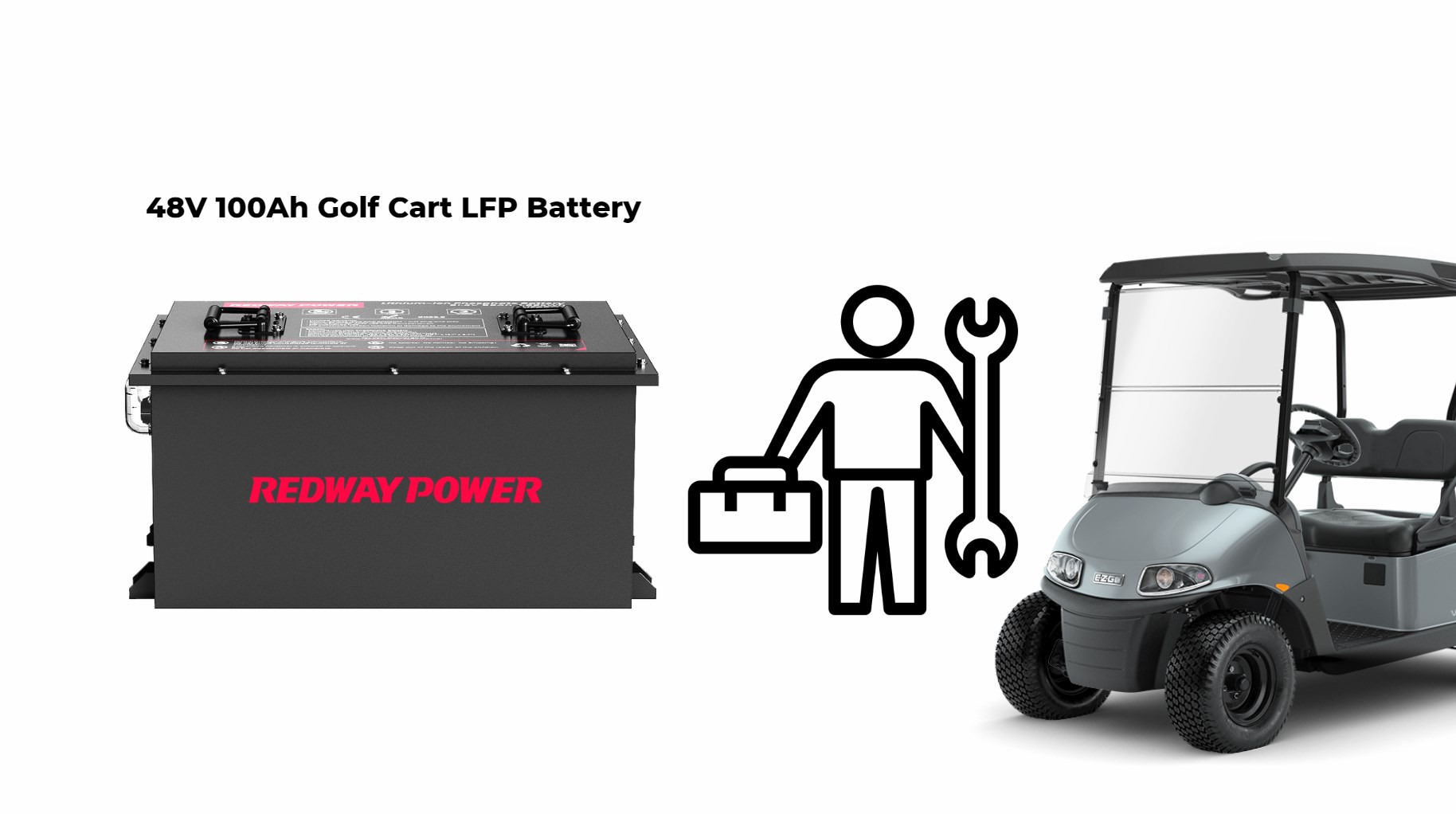
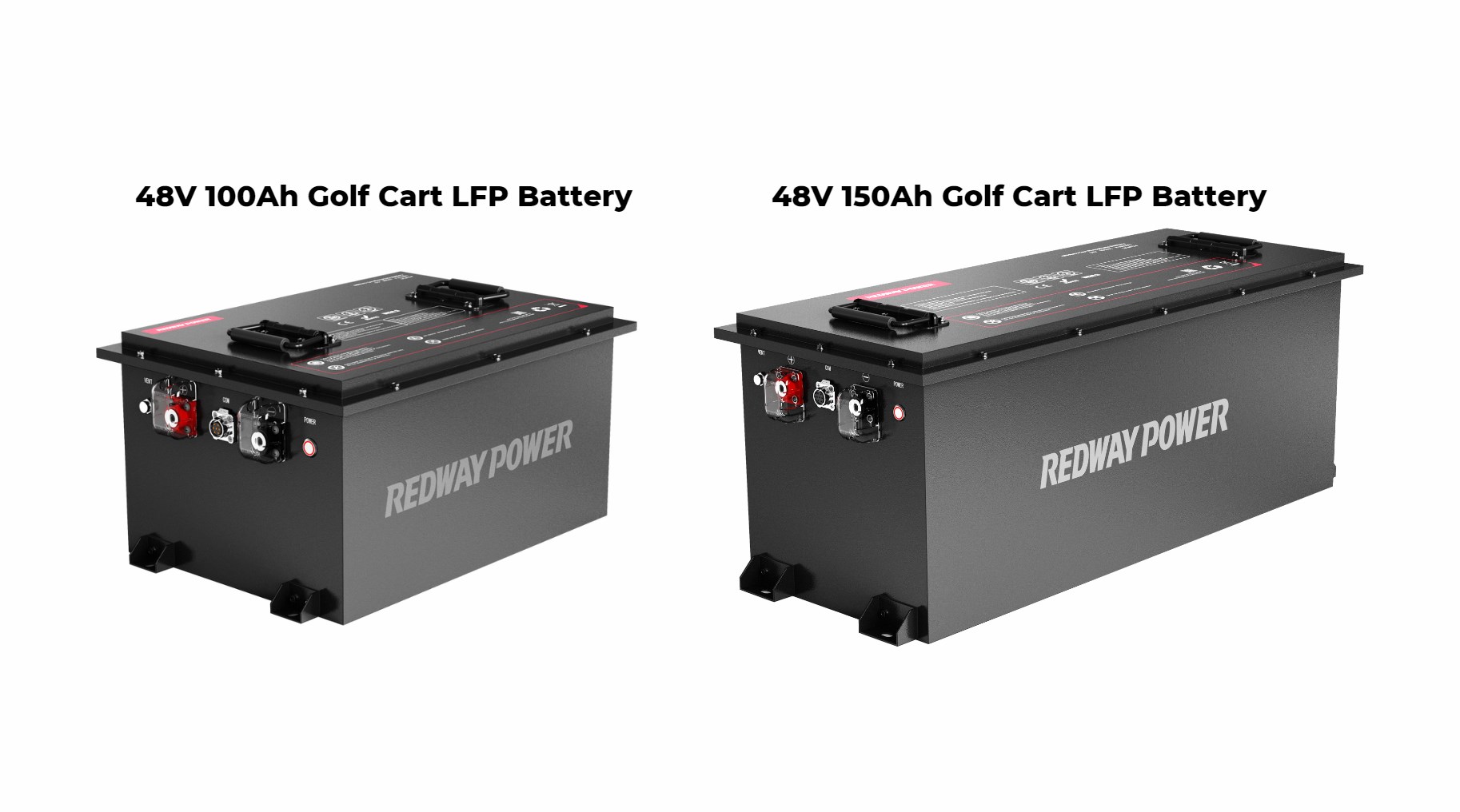
What warranty options are typically available for LiFePO4 golf cart batteries?

What warranty options are typically available for LiFePO4 golf cart batteries?

LiFePO4 golf cart batteries offer reliable energy storage with warranties designed to protect your investment. Redway Battery provides a range of options, typically spanning 3 to 10 years, including full replacement, prorated coverage, and cycle-life guarantees. These warranties ensure long-term performance, capacity retention, and peace of mind for both recreational and commercial users.

How Long Are Standard Warranties for LiFePO4 Golf Cart Batteries?

Most LiFePO4 golf cart batteries come with a standard manufacturer warranty of 3 to 5 years, depending on the brand and model. Redway Battery provides warranties within this range, reflecting the high quality and durability of its lithium battery products. Standard coverage ensures protection against manufacturing defects, premature failure, and loss of capacity beyond guaranteed thresholds.

What Extended Warranty Options Do Manufacturers Offer?

Many users prefer extended warranties for additional security. Redway Battery offers options that add 1 to 3 years beyond the standard coverage. Extended warranties provide long-term reliability and cost-effective protection against unexpected replacement expenses, especially for frequent users. Choosing an extended plan can maximize your investment in high-performance LiFePO4 batteries.

How Are Performance-Based Warranties Structured?

Performance-based warranties focus on cycle-life guarantees, ensuring batteries deliver optimal performance over thousands of charge/discharge cycles. Some warranties promise up to 5,000 cycles. Pro-rated agreements are common, where replacement or refund value decreases as the battery ages. This approach provides financial security while maintaining high operational standards for the battery’s lifespan.

Warranty Type Typical Coverage Cycle Guarantee
Standard 3–5 years ~2000 cycles
Extended +1–3 years ~3000–5000 cycles
Pro-rated Variable Up to 5000 cycles

What Conditions Affect Warranty Validity?

To maintain warranty coverage, proper usage is critical. Guidelines include:

  • Charging Practices: Use manufacturer-recommended chargers.

  • Temperature Control: Keep batteries within the recommended range to prevent damage.

Exclusions often include physical damage from accidents, misuse, or operating the battery outside its intended applications. Following manufacturer guidelines ensures full warranty protection.

How Does Redway Battery Support Warranty Assurance?

Redway Battery offers comprehensive solutions for LiFePO4 golf cart batteries, including:

  • Standard 3–5 Year Warranty: Covers defects and performance issues.

  • Extended Warranties: Provide extra years of protection.

  • Cycle-Based Performance Guarantees: Ensure long-term reliability.

By focusing on quality, Redway Battery delivers durable, high-performance batteries engineered to meet demanding golf cart usage, giving customers confidence in their investment.

What Are the Typical Warranty Structures and Lengths?

LiFePO4 golf cart batteries generally have warranties ranging from 5 to 10 years. Common structures include:

  • 5-Year Warranty: Full coverage during the entire period.

  • 8-Year Tiered Warranty: Full replacement for 3 years, prorated for 5 years.

  • 10-Year Limited Warranty: Extended coverage with some performance clauses.

Years Coverage Type Notes
5 Full Standard protection
8 Tiered 3 years full, 5 years prorated
10 Limited Competitive extended coverage

These warranties often include performance metrics like capacity retention and defined claim processes for efficient support.

What Should Consumers Look for in a Warranty?

Key considerations include:

  • Coverage Period: Longer periods (8–10 years) offer competitive protection.

  • Type of Coverage: Understand full replacement, prorated, or hybrid models.

  • Performance Terms: Confirm capacity retention guarantees.

  • Claim Process: Ensure a straightforward, well-defined procedure.

  • Exclusions: Check for limitations such as improper installation or misuse.

  • Support: Evaluate manufacturer responsiveness for warranty claims.

Where Can Redway Expert Views Provide Insight?

“LiFePO4 battery warranties are a crucial factor in purchasing decisions, reflecting product durability and manufacturer confidence. Consumers should assess coverage periods, cycle guarantees, and claim processes to ensure their investment is protected. At Redway Battery, we prioritize long-term reliability and offer tailored warranties that balance performance, safety, and customer peace of mind.”

Conclusion

Selecting the right warranty for your LiFePO4 golf cart battery ensures longevity, reliability, and financial protection. Redway Battery provides a spectrum of options, from standard warranties to extended and performance-based guarantees, emphasizing quality and customer satisfaction. By following usage guidelines and choosing the appropriate coverage, battery owners can enjoy uninterrupted performance and peace of mind.

FAQs

1. How long do LiFePO4 golf cart battery warranties usually last?
Typically, 3–10 years, depending on standard, extended, or performance-based options.

2. What does a prorated warranty mean?
It provides partial reimbursement for a battery replacement based on the time already used.

3. Are physical damages covered under warranty?
No, most warranties exclude damage from accidents, misuse, or unauthorized modifications.

4. Can I extend the warranty after purchase?
Yes, Redway Battery and other manufacturers offer extended warranties for additional years of coverage.

5. Does warranty coverage include performance guarantees?
Yes, many warranties ensure the battery retains a specific percentage of capacity over its lifespan.

The Environmental Benefits of Choosing Lithium Iron Phosphate Batteries

In recent years, Lithium Iron Phosphate (LiFePO4) batteries have gained significant traction as a sustainable energy solution. As we strive for a greener future, understanding the environmental benefits of these batteries is crucial. This article explores how LiFePO4 batteries contribute to a more sustainable energy landscape.

LiFePO4 batteries are environmentally friendly because they use non-toxic materials and have a long lifespan, resulting in fewer replacements. They are also recyclable, reducing waste and conserving resources. Choosing LiFePO4 helps lower your carbon footprint and supports sustainable energy practices.

1. Reduced Toxicity and Environmental Impact

Non-Toxic Materials

LiFePO4 batteries are made from non-toxic materials compared to traditional lithium-ion batteries that often contain harmful heavy metals such as cobalt and nickel. This means:

  • Safer Disposal: At the end of their life cycle, LiFePO4 batteries pose less risk to the environment during disposal and recycling.
  • Less Harmful Mining Practices: The extraction of materials for LiFePO4 batteries typically involves less environmental disruption compared to cobalt and nickel mining.

Lower Carbon Footprint

The production of LiFePO4 batteries generates a lower carbon footprint:

  • Efficient Manufacturing: The production process for LiFePO4 batteries is generally less energy-intensive, resulting in reduced greenhouse gas emissions.
  • Longer Lifespan: With a longer cycle life (up to 5000 cycles), LiFePO4 batteries require fewer replacements over time, further decreasing their overall environmental impact.

2. Enhanced Energy Efficiency

High Energy Density

LiFePO4 batteries offer high energy density, allowing them to store more energy in a compact form. This efficiency leads to:

  • Reduced Resource Use: Higher energy density means less material is required to produce the same amount of energy compared to lead-acid or traditional lithium-ion batteries.
  • Optimized Transportation: The lightweight nature of LiFePO4 batteries leads to lower transportation emissions, benefiting logistics and supply chain operations.

3. Renewable Energy Integration

Support for Solar Energy Systems

LiFePO4 batteries are particularly suited for renewable energy applications, especially solar energy systems:

  • Reliable Storage: They efficiently store energy generated from solar panels, enabling users to utilize renewable energy even when the sun isn’t shining.
  • Grid Independence: By integrating LiFePO4 batteries with solar systems, users can achieve greater energy independence, reducing reliance on fossil fuels and grid electricity.

4. Reduced Need for Frequent Replacement

Long Cycle Life

One of the standout features of LiFePO4 batteries is their impressive cycle life:

  • Extended Durability: With a lifespan of over 10 years or more, these batteries need fewer replacements, which means reduced waste generation.
  • Lower Resource Consumption: Fewer replacements lead to less demand for raw materials and resources, thus minimizing environmental degradation associated with mining and manufacturing.

5. Efficient Recycling Options

Recyclability

LiFePO4 batteries are recyclable, which contributes to a circular economy:

  • Closed-Loop Systems: Many components of LiFePO4 batteries can be recovered and reused, reducing the need for new raw materials.
  • Emerging Recycling Technologies: Advances in recycling technologies make it easier to extract valuable materials from spent LiFePO4 batteries, further enhancing their sustainability profile.

6. Conclusion

Choosing Lithium Iron Phosphate batteries offers significant environmental benefits, from reduced toxicity and lower carbon footprints to enhanced energy efficiency and recyclability. As we move towards a more sustainable future, the adoption of LiFePO4 batteries plays a crucial role in promoting cleaner energy solutions. By selecting these batteries, individuals and businesses can contribute to a greener planet while enjoying the benefits of reliable and long-lasting energy storage. For high-quality LiFePO4 battery solutions tailored to your needs, contact Redway Battery today.

Latest News

  • Environmental Impact Studies Released: New research highlights how Lithium Iron Phosphate (LiFePO4) batteries contribute less waste compared with traditional lead-acid counterparts throughout their lifecycle including production processes involved therein too!
  • Sustainability Focus Gaining Momentum: More industries recognize environmental benefits associated specifically with adopting such advanced energy storage solutions within operations!

Redway Expert Comment

Choosing Lithium Iron Phosphate (LiFePO4) over traditional lead-acid options provides substantial environmental benefits throughout its lifecycle—from production through disposal phases! This shift not only minimizes waste but also aligns perfectly with growing sustainability initiatives across various sectors today! As an expert advocating responsible energy solutions—I encourage organizations seeking greener alternatives consider investing into these innovative technologies!

Are LiFePO4 Golf Cart Batteries Worth the Investment?

Are LiFePO4 Golf Cart Batteries Worth the Investment?

In recent years, Lithium Iron Phosphate (LiFePO4) batteries have emerged as a compelling alternative to traditional lead-acid batteries for golf carts. With a growing emphasis on sustainability and efficiency, many golf cart owners and operators are evaluating whether the switch to LiFePO4 batteries is worth the investment. At Redway Battery, we have dedicated over 12 years to specializing in the production of LiFePO4 batteries, particularly for golf carts, and we believe that the benefits significantly outweigh the costs. This article delves into the various aspects of LiFePO4 golf cart batteries and why they represent a valuable investment.

Yes, LiFePO4 golf cart batteries are worth the investment! They last longer than lead-acid batteries—up to 10 years—saving you money on replacements. Plus, they offer better performance with faster charging and more efficient energy use, making them an excellent choice for your golf cart.

1. Understanding LiFePO4 Technology

LiFePO4 batteries utilize lithium iron phosphate as their cathode material, offering several advantages over traditional lead-acid batteries. This technology results in batteries that are not only lighter and more efficient but also safer and longer-lasting.

Advantages of LiFePO4 Batteries

  • Higher Energy Density: LiFePO4 batteries provide greater energy density, meaning they can store more energy in a smaller size and weight. This translates to a longer driving range for your golf cart.
  • Longer Lifespan: These batteries can last significantly longer than lead-acid batteries, often providing 2,000 to 5,000 charge cycles compared to the 500 to 1,000 cycles typical of lead-acid batteries.
  • Lower Maintenance: LiFePO4 batteries require minimal maintenance, making them easier to manage compared to lead-acid options, which often need regular water refills and monitoring.

2. Cost-Effectiveness Over Time

While the upfront cost of LiFePO4 batteries is typically higher than that of lead-acid batteries, the long-term savings can make them a more cost-effective choice.

Lower Replacement Frequency

Due to their extended lifespan, LiFePO4 batteries reduce the frequency of replacements. A higher initial investment can be offset by the fact that you won’t need to purchase new batteries every few years, as you would with lead-acid batteries.

Reduced Operating Costs

LiFePO4 batteries also offer higher efficiency in energy usage, meaning more of the energy stored is usable. This efficiency leads to lower overall operating costs since users spend less on charging.

Energy Efficiency

The higher efficiency of LiFePO4 batteries allows for quicker charging times and longer use between charges, resulting in reduced energy bills over time. This advantage is particularly beneficial for golf courses that operate multiple carts and require efficient battery management.

3. Enhanced Performance and Reliability

One of the standout features of LiFePO4 golf cart batteries is their performance.

golf cart lifepo4 battery Enhanced Performance and Reliability

Consistent Power Output

LiFePO4 batteries maintain a consistent voltage output throughout their discharge cycle, ensuring that the golf cart performs optimally even as the battery depletes. In contrast, lead-acid batteries tend to lose power more dramatically as they discharge, leading to decreased performance and efficiency.

Resistance to Extreme Temperatures

LiFePO4 batteries are more resilient to temperature fluctuations, which is critical for golf carts that may be exposed to varying environmental conditions. They perform well in both hot and cold weather, making them suitable for year-round use.

Safety Features

Safety is paramount, and LiFePO4 batteries are inherently safer than traditional lead-acid options. They are less prone to overheating and thermal runaway, and their robust design includes built-in protection mechanisms that enhance user safety.

4. Environmental Impact

As sustainability becomes increasingly important, many consumers are looking for eco-friendly alternatives to traditional products.

Reduced Environmental Footprint

LiFePO4 batteries have a lower environmental impact than lead-acid batteries. They do not contain toxic heavy metals such as lead, making them safer for the environment during production, use, and disposal.

Recyclability

Furthermore, LiFePO4 batteries are easier to recycle than lead-acid batteries, contributing to a circular economy. By choosing LiFePO4 batteries, users can take pride in making an environmentally responsible choice that minimizes their carbon footprint.

5. Custom Solutions for Specific Needs

At Redway Battery, we understand that different customers have different needs. Our custom lithium golf cart battery solutions can be tailored to meet specific requirements, whether for personal use or commercial applications.

Capacity and Design Flexibility

Our LiFePO4 batteries can be customized in terms of capacity and design, ensuring that every user gets a solution that perfectly fits their golf cart and operational requirements. Whether you need a high-capacity battery for extended use or a lightweight option for maneuverability, we have the right product for you.

Quick Turnaround Time

With our extensive manufacturing capabilities, we can provide quick quotes and fast delivery for our custom solutions, ensuring you have the power you need when you need it.

6. Conclusion: The Value Proposition of LiFePO4 Batteries

Investing in LiFePO4 golf cart batteries is not merely about switching battery types; it’s about enhancing performance, reducing long-term costs, and making environmentally friendly choices. While the initial investment may be higher, the long-term benefits, including lower maintenance, extended lifespan, and improved safety, make them a worthwhile investment for both individual users and commercial operators.

At Redway Battery, we are committed to providing high-quality, customized LiFePO4 battery solutions that cater to the unique needs of our customers. If you’re considering upgrading your golf cart battery system, contact us today for a quick quote and discover the advantages of switching to LiFePO4 technology.

Latest News

  • Cost-Benefit Analyses Conducted Recently Indicate That While Initial Investment Costs For Lithium Options May Be Higher—Long-Term Savings On Maintenance And Replacement Costs Make Them A Viable Choice Over Time!
  • Users Report Significant Improvements In Performance And Longevity Compared To Traditional Lead-Acid Systems After Transitioning To Lithium Technologies!
  • Market Trends Show Increasing Demand For These Advanced Battery Solutions Among Golf Cart Owners Seeking Reliable Power Sources!

Redway Expert Comment

Investing In Lithium Iron Phosphate (LiFEpo₄) Golf Cart Batteries Is Worthwhile—Despite Higher Initial Costs—Due To Their Extended Lifespan And Reduced Maintenance Requirements Compared To Conventional Lead-Acid Options! Users Experience Notable Improvements In Performance And Reliability After Transitioning To Lithium Technologies! As An Expert In This Field—I Advocate For Considering Long-Term Benefits When Evaluating Investment Decisions Regarding Energy Storage Solutions!

Future Trends in Lithium Battery Technology for Recreational Vehicles

As the demand for sustainable and efficient energy solutions increases, lithium battery technology is rapidly evolving, particularly in the realm of recreational vehicles (RVs). With their lightweight design, long cycle life, and superior performance, lithium batteries, especially LiFePO4 (Lithium Iron Phosphate) batteries, are becoming the preferred choice for RV owners. This article explores the future trends in lithium battery technology that promise to enhance the RV experience.

Future trends in lithium battery technology for recreational vehicles include lighter batteries with higher energy density and faster charging times. Improved safety features will also enhance user experience by preventing overheating. These advancements will make recreational vehicles more efficient and enjoyable to use.

1. Increased Energy Density

One of the most significant trends in lithium battery technology is the continual improvement in energy density. Higher energy density means that batteries can store more energy in a smaller space. This trend is crucial for RV applications, where space and weight are limited. Innovations in battery chemistry and design are leading to the development of lighter batteries that provide longer ranges and greater power for various onboard systems.

2. Enhanced Safety Features

Safety remains a top priority in lithium battery technology. Future developments will likely include advanced safety mechanisms such as:

  • Smart Battery Management Systems (BMS): These systems will monitor battery performance in real-time, preventing issues such as overcharging, overheating, and short circuits.
  • Thermal Management Solutions: Improved thermal management systems will regulate battery temperature, reducing the risk of thermal runaway and ensuring optimal performance across various temperatures.

3. Integration with Renewable Energy Sources

As RV owners increasingly seek sustainable energy solutions, the integration of lithium batteries with renewable energy sources such as solar power is gaining traction. Future trends may include:

  • Seamless Solar Integration: Advanced systems will allow for easier integration of solar panels with lithium battery systems, enabling RV users to harness solar energy for charging batteries efficiently.
  • Smart Energy Management Systems: These systems will optimize energy usage from solar panels and batteries, ensuring that power is utilized effectively throughout the RV.

4. Longer Lifespan and Better Cycle Performance

The longevity of lithium batteries is a critical factor for RV owners. Future lithium battery technologies will focus on enhancing cycle life and performance. Key developments include:

  • Improved Materials: Research into new materials, such as silicon-based anodes, aims to significantly extend battery lifespan and reduce degradation over time.
  • Advanced Charging Technologies: Innovations in fast-charging technology will allow lithium batteries to recharge more quickly and efficiently, further enhancing their usability in RV applications.

5. Cost Reduction

As lithium battery technology matures, the cost of production is expected to decrease. This trend will make lithium batteries more accessible to RV owners. Future developments may include:

  • Economies of Scale: As demand increases, manufacturers will produce batteries in larger quantities, driving down costs.
  • Recycling Innovations: Enhanced recycling technologies will allow for the recovery of valuable materials from used batteries, reducing the overall cost of new battery production.

6. Modular Battery Systems

The trend toward modular battery systems will offer RV owners greater flexibility and scalability. This innovation allows users to customize their battery systems based on their specific needs:

  • Easily Expandable: Modular designs enable users to add or remove battery modules as needed, accommodating changes in power requirements for different trips or setups.
  • Simplified Maintenance: Modular systems can simplify the maintenance process, allowing for easier replacement of individual battery units without replacing the entire system.

7. Enhanced Connectivity and Smart Features

The future of lithium batteries in RVs will include greater connectivity and smart features that enhance user experience. These advancements may encompass:

  • App Integration: Users will be able to monitor and manage battery performance through smartphone applications, providing real-time data on charge levels, usage, and health.
  • IoT Connectivity: The integration of Internet of Things (IoT) technology will allow batteries to communicate with other RV systems, optimizing power distribution and enhancing overall efficiency.

8. Conclusion: Embracing the Future of RV Power

As technology advances, the future of lithium battery technology for recreational vehicles looks promising. From increased energy density and enhanced safety features to integration with renewable energy sources and modular designs, these trends will significantly improve the RV experience. For those looking to upgrade their power systems, investing in the latest LiFePO4 battery technology from reputable manufacturers like Redway Battery ensures optimal performance and longevity. Contact us today for customized lithium battery solutions tailored to your RV needs!

Latest News

  • Industry Reports Highlight Emerging Trends Such As Increased Energy Density And Faster Charging Capabilities In Next Generation Lithium Battery Technologies Tailored Specifically For Recreational Vehicles!
  • Innovations Include Enhanced Thermal Management Systems Designed To Improve Safety And Efficiency During Use!
  • Consumer Demand Is Shifting Towards Eco-Friendly Solutions Leading Manufacturers To Focus On Sustainable Practices Throughout Production Processes!

Redway Expert Comment

Future trends In Lithium Battery Technology Will Revolutionize Recreational Vehicles By Offering Greater Energy Density Alongside Faster Charging Times! Enhanced Thermal Management Systems Will Ensure Safe Operation While Addressing User Concerns About Efficiency During Use! As An Expert—I Encourage Stakeholders To Stay Abreast Of These Developments That Promise To Transform Energy Storage Solutions Within The RV Market Moving Forward!

What Is the Average Cost of LiFePO4 Batteries for Golf Carts?

What Is the Average Cost of LiFePO4 Batteries for Golf Carts?

As electric golf carts gain popularity for both recreational and commercial use, the demand for high-quality batteries has surged. Among the various battery types, Lithium Iron Phosphate (LiFePO4) batteries stand out due to their impressive performance, longevity, and safety features. At Redway Battery, we have dedicated over 12 years to specializing in the production of LiFePO4 batteries, particularly for golf carts. Understanding the average cost of these batteries is crucial for consumers looking to invest in a reliable power source for their carts. This article will provide an in-depth analysis of the costs associated with LiFePO4 batteries for golf carts, exploring various factors that influence pricing.

LiFePO4 batteries for golf carts usually cost between $800 and $2,000. Prices depend on capacity and brand features like battery management systems. Although they may have a higher initial cost than lead-acid batteries, their long lifespan makes them a worthwhile investment over time.

Understanding LiFePO4 Battery Pricing

The average cost of LiFePO4 batteries for golf carts can range significantly based on several factors, including battery capacity, manufacturer, and additional features. Generally, the price for a single LiFePO4 battery suitable for golf carts can vary from $600 to $2,000 or more. Below, we delve into the key factors that determine the pricing of these batteries.

1. Battery Capacity and Specifications

One of the primary factors affecting the cost of LiFePO4 batteries is their capacity, measured in amp-hours (Ah). Higher capacity batteries typically provide longer runtimes and can handle larger loads, leading to increased costs. For instance:

  • 100Ah Battery: Approximately $600 to $900
  • 200Ah Battery: Ranges from $1,000 to $1,500
  • 300Ah Battery: Can exceed $1,500, depending on the manufacturer and additional features.

The choice of capacity directly influences how long the golf cart can operate on a single charge, making it a critical consideration for potential buyers.

2. Brand and Manufacturer Reputation

The brand and reputation of the manufacturer also play a significant role in determining the cost of LiFePO4 batteries. Established brands like Redway Battery often charge a premium for their products due to their commitment to quality, reliability, and customer service. Factors contributing to brand pricing include:

  • Research and Development: Renowned manufacturers invest heavily in R&D to enhance battery technology, which can elevate prices.
  • Quality Assurance: Trusted brands typically adhere to stringent quality control measures, ensuring their batteries meet high safety and performance standards.

3. Features and Technology

LiFePO4 batteries come with various features that can affect their price. Some of these include:

  • Built-in Battery Management System (BMS): A BMS is essential for monitoring battery health, temperature, and charge levels. Batteries equipped with advanced BMS technology may cost more but offer better performance and safety.
  • Fast Charging Capabilities: Batteries designed to support faster charging can also command higher prices due to the advanced technology involved.
  • RS485 / Bluetooth APP

Investing in features that enhance performance and safety can lead to a higher initial cost but may save money in the long run by improving efficiency and lifespan.

golf cart lifepo4 battery Features and Technology

4. Quantity and Wholesale Pricing

For businesses or individuals looking to purchase multiple batteries, wholesale pricing can significantly reduce overall costs. Many manufacturers, including Redway Battery, offer discounts for bulk orders. The average price per battery may decrease as the order quantity increases, making it more economical for fleet operators or commercial users.

5. Market Trends and Supply Chain Factors

Market trends, including supply chain dynamics and raw material availability, can impact the pricing of LiFePO4 batteries. Recent fluctuations in lithium prices and other essential components have affected the battery market. For example:

  • Supply Chain Disruptions: Events that disrupt the supply chain can lead to increased costs due to scarcity of materials.
  • Demand Fluctuations: Seasonal changes in demand, such as increased purchases during the summer months for golf carts, can also affect pricing.

Staying informed about market trends can help buyers make more strategic purchasing decisions.

6. Warranty and Support

When evaluating the cost of LiFePO4 batteries, it’s essential to consider the warranty and customer support provided by the manufacturer. A longer warranty period can indicate confidence in the product’s longevity and performance. Typically, warranties for LiFePO4 batteries range from 2 to 10 years. Higher-quality batteries with extensive warranties may come at a premium but provide peace of mind regarding the investment.

Average Pricing Examples

To give a clearer picture, here are some example prices for commonly purchased LiFePO4 batteries for golf carts:

  • Redway Battery 100Ah LiFePO4 Battery: Approximately $750 with a 5-year warranty.
  • Redway Battery 200Ah LiFePO4 Battery: Priced around $1,250 with advanced BMS and fast charging capabilities.
  • Third-Party Brand 300Ah Battery: Available for $1,800 but without a comprehensive warranty.

Conclusion

The average cost of LiFePO4 batteries for golf carts varies based on capacity, manufacturer reputation, features, and market trends. As electric golf carts become increasingly popular, investing in high-quality LiFePO4 batteries is essential for optimal performance and longevity. At Redway Battery, we are dedicated to providing custom lithium golf cart battery solutions that meet the unique needs of our customers. For a quick quote or to learn more about our offerings, contact us today!

Latest News

  • Pricing Trends: Recent reports indicate that the average cost of LiFePO4 batteries for golf carts ranges from $800 to $2,000, depending on capacity and brand.
  • Market Growth: The demand for these batteries is increasing as more consumers recognize their long-term financial benefits despite higher upfront costs.
  • Consumer Insights: Users are increasingly willing to invest in LiFePO4 due to their longevity and low maintenance needs compared to traditional lead-acid batteries.

Redway Expert Comment

“The average cost of LiFePO4 batteries for golf carts reflects their superior technology and performance. While they may require a higher initial investment, the long-term savings on maintenance and replacement make them a wise choice. With lifespans that can exceed 10 years, these batteries offer excellent value over time. As an expert in lithium technologies, I encourage consumers to consider total cost of ownership when evaluating battery options.”

Safety First: Key Features to Look for in an RV Lithium Battery

Safety First: Key Features to Look for in an RV Lithium Battery

When selecting a lithium battery for your RV, safety should be your top priority. Lithium batteries, particularly Lithium Iron Phosphate (LiFePO4) batteries, are gaining popularity due to their efficiency and longevity. However, it is crucial to understand the key safety features that distinguish a reliable battery from a potentially hazardous one. This guide outlines the essential safety features to consider when choosing an RV lithium battery.

When choosing an RV lithium battery, look for a reliable Battery Management System (BMS) that prevents overcharging. Ensure it has enough capacity for your needs and is lightweight. Check its temperature tolerance and cycle life to ensure long-lasting performance. These features help keep your RV safe and powered efficiently.

1. Integrated Battery Management System (BMS)

One of the most important features to look for is a built-in Battery Management System (BMS). A robust BMS regulates voltage, current, and temperature, preventing overcharging, deep discharging, and overheating. Key functions of a BMS include:

  • Cell Balancing: Ensures that all cells within the battery are charged equally, extending battery life and maintaining performance.
  • Overvoltage Protection: Prevents the battery from exceeding safe voltage levels during charging.
  • Undervoltage Protection: Shuts down the battery if it reaches a critically low voltage to prevent damage.
  • Overcurrent Protection: Protects the battery from excessive current draw that can lead to overheating or failure.

2. Thermal Management System

Lithium batteries are sensitive to temperature extremes. A good thermal management system is essential to ensure safe operation. This may include:

  • Cooling Mechanisms: Active cooling systems can help maintain optimal temperature during charging and discharging.
  • Heat Shields: Insulation and heat shields can protect the battery from external heat sources, minimizing the risk of overheating.

3. High-Quality Construction Materials

The construction of the battery casing significantly impacts its durability and safety. Look for batteries made from:

  • Fire-Resistant Materials: Casing materials that can withstand high temperatures and are resistant to combustion.
  • Robust Design: A well-designed battery that can withstand vibrations and shocks commonly experienced in RV travel.

4. Short-Circuit Protection

A reliable lithium battery should have built-in short-circuit protection. This feature disconnects the battery from the load in the event of a short circuit, preventing damage to both the battery and connected devices.

5. Overcharge and Over-discharge Protection

To enhance safety, lithium batteries should include features to prevent overcharging and over-discharging:

  • Overcharge Protection: Automatically disconnects the charger once the battery reaches full capacity, preventing potential swelling or leakage.
  • Over-discharge Protection: Prevents the battery from discharging beyond a safe level, which can lead to cell damage and reduced lifespan.

6. Safety Certifications

Always check for safety certifications from recognized standards organizations, such as:

7. Warranty and Support

A strong warranty can be a good indicator of a manufacturer’s confidence in their product. Look for batteries that offer:

  • Extended Warranty: Coverage that lasts several years, reflecting the durability and reliability of the battery.
  • Customer Support: Access to technical support and service should any issues arise.

8. Reviews and Recommendations

Before making a purchase, it is wise to read customer reviews and recommendations. Look for:

  • User Experiences: Insights from fellow RV owners regarding the battery’s performance and reliability.
  • Expert Reviews: Articles or videos from reputable sources that evaluate the safety features and overall quality of the battery.

Conclusion

Choosing the right lithium battery for your RV involves careful consideration of safety features. By focusing on batteries with a robust Battery Management System, effective thermal management, high-quality construction, and proper safety certifications, you can ensure a safe and efficient power solution for your travels. Always prioritize safety to enjoy peace of mind on the road.

Latest News

Redway Expert Comment

When selecting an RV lithium battery, safety should be a top priority. Look for features like a reliable Battery Management System (BMS) that protects against overcharging, short circuits, and thermal runaway. Additionally, check for safety certifications that ensure compliance with industry standards. As an expert in Lithium LiFePO4 technology, I cannot stress enough the importance of investing in batteries that prioritize safety alongside performance.”

How Temperature Affects the Performance of Your Lithium Batteries

How Temperature Affects the Performance of Your Lithium Batteries

Understanding how temperature influences lithium battery performance is essential for optimizing their efficiency and longevity. Lithium batteries, particularly LiFePO4 (Lithium Iron Phosphate) batteries, are widely used in various applications, from electric vehicles to renewable energy storage. In this article, we delve into the effects of temperature on lithium battery performance, providing insights to enhance battery usage and maintenance.

Temperature plays a crucial role in lithium battery performance. High heat can shorten battery life, while cold can reduce capacity. Keeping your batteries within the ideal range of 20°C to 25°C (68°F to 77°F) ensures they operate efficiently and safely.

1. Optimal Operating Temperature Range

Lithium batteries function best within a specific temperature range, typically between 20°C and 25°C (68°F and 77°F). Within this range, the chemical reactions that generate power occur efficiently, allowing for optimal performance. When temperatures fall outside this ideal range, battery efficiency can decline significantly.

2. Effects of High Temperatures

High temperatures can adversely affect lithium batteries in several ways:

  • Increased Chemical Reaction Rates: Elevated temperatures can accelerate the chemical reactions within the battery, leading to increased self-discharge rates. This phenomenon can reduce the battery’s overall capacity and lifespan.
  • Thermal Runaway Risk: At excessively high temperatures, lithium batteries may experience thermal runaway—a condition where the battery’s temperature rises uncontrollably, potentially leading to fire or explosion. This risk highlights the importance of thermal management in battery applications.
  • Decreased Cycle Life: High temperatures can also shorten the cycle life of lithium batteries. For every 10°C increase in temperature, the rate of degradation can double, significantly impacting battery longevity.

3. Effects of Low Temperatures

Conversely, low temperatures also present challenges for lithium battery performance:

  • Reduced Capacity: At low temperatures, the electrochemical reactions in lithium batteries slow down, leading to reduced capacity. Users may notice that their battery drains more quickly when exposed to cold environments.
  • Voltage Drops: Cold temperatures can cause a drop in voltage output. This reduction can impair the battery’s ability to deliver power effectively, especially in high-demand applications like electric vehicles and RVs.
  • Slower Charging Rates: Charging lithium batteries in low temperatures can be less efficient. Many battery management systems (BMS) will limit the charging current to prevent damage, extending charging times.

4. Temperature Management Strategies

To maximize the performance and lifespan of lithium batteries, implementing temperature management strategies is crucial:

  • Insulation and Protection: Use insulating materials to protect batteries from extreme temperatures. This step can help maintain a more stable internal environment and prevent overheating or freezing.
  • Ventilation: Proper ventilation is essential for cooling batteries in high-temperature conditions. Ensure that battery compartments allow heat to dissipate effectively.
  • Temperature Monitoring: Utilize battery management systems equipped with temperature sensors. These systems can monitor the battery’s temperature in real-time, enabling users to take corrective actions as needed.

5. Choosing the Right Battery for Temperature Conditions

When selecting lithium batteries, consider the operating environment. LiFePO4 batteries are generally more stable and have a higher thermal tolerance than other lithium types. They can handle higher temperatures better, making them suitable for various applications, including RVs and renewable energy systems.

6. Conclusion: Maintaining Optimal Performance

Temperature significantly impacts the performance of lithium batteries, influencing factors such as capacity, charging efficiency, and overall lifespan. By understanding these effects and implementing appropriate temperature management strategies, users can enhance the performance and longevity of their lithium batteries.

For high-quality LiFePO4 batteries designed for optimal performance in diverse conditions, look no further than Redway Battery. With over 12 years of experience, we specialize in providing custom lithium battery solutions to meet your specific needs. Contact us today for a quick quote!

Latest News

  • Temperature Studies: Recent studies reveal that extreme temperatures can significantly impact the performance and lifespan of lithium batteries, with optimal operating conditions being between 20°C and 25°C.
  • User Guidelines: Experts recommend proper insulation and temperature management strategies to mitigate performance degradation in extreme conditions.
  • Industry Insights: Manufacturers are working on developing temperature-resistant battery technologies to enhance performance across varying climates.

Redway Expert Comment

“Temperature plays a crucial role in the performance of lithium batteries. Operating outside the optimal range can lead to reduced capacity and shorter lifespans. It’s essential to implement temperature management strategies—such as insulation or climate-controlled storage—to protect your investment. As an expert in LiFePO4 technology, I advise users to be proactive about temperature conditions to ensure optimal battery performance.”

Understanding LiFePO4 RV Batteries: A Complete Guide

Understanding LiFePO4 RV Batteries: A Complete Guide

In the realm of recreational vehicles (RVs), the choice of battery technology is critical for ensuring a reliable power supply. LiFePO4 (Lithium Iron Phosphate) batteries have emerged as a superior option, offering numerous benefits over traditional lead-acid batteries. In this comprehensive guide, we will explore the features, advantages, and considerations of using LiFePO4 batteries in RV applications.
LiFePO4 batteries are ideal for RVs because they are safe and long-lasting. They resist overheating better than other lithium types, ensuring safer use. With high cycle life and stable chemistry, they provide reliable power for your adventures.

What are LiFePO4 Batteries?

LiFePO4 batteries are a type of lithium-ion battery that utilizes lithium iron phosphate as the cathode material. This chemistry provides several distinct advantages, particularly in energy storage and usage scenarios, such as those found in RVs.

Key Advantages of LiFePO4 Batteries for RV Use

1. Long Cycle Life

One of the most significant benefits of LiFePO4 batteries is their impressive cycle life. These batteries can typically endure between 2,000 and 5,000 cycles, depending on usage and maintenance. This longevity means less frequent replacements, making them more cost-effective over time compared to traditional lead-acid batteries, which usually last for about 500 to 1,000 cycles.

2. High Energy Density

LiFePO4 batteries have a high energy density, meaning they can store more energy in a smaller, lighter package. This characteristic is particularly advantageous for RV owners who must manage weight and space efficiently. A higher energy density allows for longer usage of appliances without the bulk of heavier batteries.

3. Enhanced Safety Features

Safety is paramount when it comes to battery technology, especially in mobile applications like RVs. LiFePO4 batteries are known for their thermal stability and reduced risk of thermal runaway. Most come equipped with advanced Battery Management Systems (BMS) that monitor voltage, current, and temperature, preventing issues such as overcharging and overheating.

4. Fast Charging Capabilities

LiFePO4 batteries can accept a higher charge rate, allowing for quicker recharging compared to traditional batteries. This feature is especially beneficial for RV owners who may need to recharge their systems quickly during short stops or overnight stays.

Integrating LiFePO4 Batteries into Your RV

1. Compatibility with Inverters

To effectively utilize LiFePO4 batteries, RV owners must consider inverter compatibility. These batteries work seamlessly with inverters that convert DC power to AC power, allowing the use of standard household appliances. Ensure that the inverter is rated to handle the peak load requirements of your RV’s appliances.

2. Solar Power Integration

Many RV enthusiasts opt for solar panels to power their systems sustainably. LiFePO4 batteries work exceptionally well with solar setups, storing energy generated during the day for use at night or during cloudy weather. This combination enhances energy independence, making it easier to enjoy off-grid adventures.

Installation Considerations

1. Proper Sizing

Choosing the right battery size is crucial for meeting your RV’s energy needs. Calculate the total wattage of your appliances and select a LiFePO4 battery with sufficient capacity. A common recommendation is to aim for a battery that can handle at least 100-200 amp-hours for typical RV usage, but this may vary based on individual needs.

2. Professional Installation

While DIY installations can be tempting, it’s essential to approach them with caution. We recommend consulting with a professional technician to ensure that the battery is installed correctly, adhering to safety standards and optimal configurations.

Maintenance of LiFePO4 Batteries

LiFePO4 batteries require minimal maintenance compared to traditional batteries. However, periodic checks are recommended:

  • Regular Monitoring: Keep an eye on the battery’s state of charge (SOC) and voltage levels using the BMS.
  • Clean Connections: Ensure all connections are clean and secure to prevent resistance and power loss.
  • Temperature Management: Avoid exposing the battery to extreme temperatures, which can affect performance and longevity.

Cost Considerations

Although the initial investment for LiFePO4 batteries can be higher than that of lead-acid options, the long-term savings from their durability and efficiency often outweigh the upfront costs. When calculating the overall expense, consider the number of replacements, maintenance, and potential energy savings over time.

Conclusion

LiFePO4 batteries represent a transformative advancement in battery technology for RV applications. With their long cycle life, high energy density, and robust safety features, these batteries provide RV owners with a reliable and efficient power source. As more adventurers seek sustainable energy solutions, understanding and adopting LiFePO4 batteries can enhance the RV experience.

For more tailored solutions and inquiries regarding custom lithium setups for your RV, reach out to us at Redway Battery for a quick quote today!

Latest News

  • Comprehensive Guides Released: New guides are emerging that provide detailed information about the benefits, installation, and maintenance of LiFePO4 RV batteries.
  • User Testimonials: Many RV owners are reporting enhanced performance and reliability after switching from traditional lead-acid batteries.
  • Market Growth: The popularity of LiFePO4 batteries is increasing as more RV manufacturers begin offering them as standard options.

Redway Expert Comment

“Understanding LiFePO4 RV batteries is essential for maximizing your RV experience. These batteries offer longer lifespans, faster charging times, and lower maintenance compared to traditional options. By investing time into learning about their features and best practices for installation and care, users can significantly enhance their RV’s reliability and efficiency. As an expert in lithium technologies, I encourage all RV owners to explore these benefits fully.”

Can LiFePO4 Batteries Improve Golf Cart Speed and Range?

Can LiFePO4 Batteries Improve Golf Cart Speed and Range?

In recent years, the popularity of LiFePO4 (Lithium Iron Phosphate) batteries has surged, particularly within the golf cart industry. As we seek to enhance the performance and efficiency of golf carts, we must consider whether switching to LiFePO4 batteries can indeed improve speed and range. At Redway Battery, with over 12 years of experience as a leading manufacturer of LiFePO4 batteries, we explore the numerous advantages these batteries offer to golf cart owners and manufacturers alike.

Yes, LiFePO4 batteries can improve golf cart speed and range! They have a higher energy density than lead-acid batteries, allowing for more power without added weight. This results in longer distances traveled on a single charge and faster acceleration, enhancing your golf cart’s performance.

Understanding LiFePO4 Batteries

LiFePO4 batteries stand out in the lithium battery market due to their safety, longevity, and environmental friendliness. Unlike traditional lead-acid batteries, which often limit a golf cart’s performance, LiFePO4 batteries provide a more stable energy source, reducing the risks associated with overheating or thermal runaway. This enhanced safety profile allows for better performance under various conditions, making them an excellent choice for golf carts used in diverse environments.

Enhancing Speed with LiFePO4 Batteries

One of the primary concerns for golf cart owners is achieving optimal speed. The weight and energy density of the battery play crucial roles in this aspect. LiFePO4 batteries are significantly lighter than lead-acid alternatives, contributing to an overall reduction in the cart’s weight. This reduction translates to improved acceleration and higher speeds. With a lower center of gravity, LiFePO4 batteries also enhance the stability of golf carts during operation.

Furthermore, LiFePO4 batteries provide a higher discharge rate, which means they can deliver more power when needed. This capability is particularly beneficial during acceleration, allowing the golf cart to achieve higher speeds more quickly.

Extending Range with LiFePO4 Batteries

Range is another critical factor that golfers consider when evaluating their equipment. Golf carts equipped with LiFePO4 batteries can travel further distances on a single charge compared to those using traditional lead-acid batteries. This extended range is attributed to the superior energy efficiency of LiFePO4 batteries, which can maintain higher voltage levels throughout their discharge cycle.

Typically, a LiFePO4 battery can provide consistent performance until it reaches a lower charge level, whereas lead-acid batteries often experience a significant drop in voltage as they discharge. This feature ensures that golf carts powered by LiFePO4 batteries can cover greater distances without compromising performance.

Custom Lithium Golf Cart Battery Solutions

At Redway Battery, we specialize in providing custom lithium golf cart battery solutions tailored to meet the unique needs of our customers. Our extensive experience allows us to work closely with OEM manufacturers and wholesalers to create high-performance batteries that can enhance the speed and range of golf carts.

We understand that different applications require different specifications. Our custom solutions can include variations in capacity, voltage, and size to fit specific golf cart models. This flexibility ensures that our clients receive the most effective battery solution for their requirements.

Benefits of LiFePO4 Batteries for Golf Carts

The transition to LiFePO4 batteries offers a multitude of benefits beyond just speed and range:

1. Longer Lifespan

LiFePO4 batteries can last up to 10 years or more, significantly outpacing lead-acid batteries, which typically last only 3 to 5 years. This longevity translates to lower overall costs over the life of the battery, making it a smart investment for golf cart owners.

2. Low Maintenance

Unlike lead-acid batteries, which require regular maintenance such as watering and equalization charges, LiFePO4 batteries are virtually maintenance-free. This convenience saves time and reduces the overall cost of ownership.

3. Fast Charging

LiFePO4 batteries can be charged much more quickly than their lead-acid counterparts. Many LiFePO4 batteries can reach a full charge in as little as 1 to 2 hours, allowing golf cart users to spend more time on the course and less time waiting for their batteries to charge.

4. Environmental Considerations

As more people prioritize sustainability, using LiFePO4 batteries aligns with environmentally friendly practices. These batteries are recyclable, and their use reduces reliance on lead, which can be harmful to the environment.

Factors to Consider When Switching to LiFePO4 Batteries

While the benefits are clear, there are several factors to consider when switching to LiFePO4 batteries for golf carts:

1. Initial Cost

The initial investment in LiFePO4 batteries may be higher than that of lead-acid options. However, when considering the long-term savings in maintenance and replacement costs, the switch often pays off.

2. Compatibility

Before making the switch, it is essential to ensure that your golf cart is compatible with LiFePO4 batteries. Our team at Redway Battery can assist in evaluating compatibility and making necessary adjustments.

3. Charging Systems

LiFePO4 batteries require specific charging systems to maintain their performance and longevity. Investing in a quality charger designed for LiFePO4 technology is essential to maximize the benefits of these batteries.

Golf cart lithium battery Factors to Consider When Switching to LiFePO4 Batteries

Conclusion

In conclusion, the switch to LiFePO4 batteries can significantly enhance the speed and range of golf carts. With their lightweight design, higher discharge rates, and longer lifespan, LiFePO4 batteries provide an excellent solution for golf cart owners looking to improve their performance. At Redway Battery, we are committed to providing custom lithium golf cart battery solutions that meet the diverse needs of our clients.

Contact us today for a quick quote and discover how our LiFePO4 batteries can transform your golf cart experience!

Latest News

  • Performance Enhancements Reported: Recent studies indicate that upgrading golf carts with LiFePO4 batteries can lead to improved speed and extended range compared to traditional lead-acid options.
  • User Experiences Shared: Many golfers report noticeable differences in performance after switching to lithium technology.
  • Market Trends: The demand for high-performance golf carts equipped with LiFePO4 is rising as more consumers recognize these benefits.

Redway Expert Comment

“Upgrading golf carts with LiFePO4 batteries can indeed enhance both speed and range significantly. The lightweight nature of lithium technology allows for better acceleration while providing consistent power throughout usage. This upgrade not only improves performance but also extends operational time between charges. As an expert in this field, I highly recommend considering this transition for any serious golfer looking to maximize their experience on the course.”

Comparative Review: The Best LiFePO4 Batteries for RVs in 2024

Comparative Review: The Best LiFePO4 Batteries for RVs in 2024

As the demand for efficient and reliable power sources in recreational vehicles (RVs) continues to rise, LiFePO4 (Lithium Iron Phosphate) batteries have become the preferred choice among RV enthusiasts. In 2024, several brands stand out in the market, offering diverse features to meet various needs. In this comprehensive review, we will compare some of the best LiFePO4 batteries for RVs, focusing on their performance, price, and unique attributes.

The best LiFePO4 batteries for RVs in 2024 include options that excel in capacity, weight, price, and warranty. When selecting a battery, consider your usage needs and budget. Top brands are known for their durability and efficiency, making them ideal for RV owners seeking reliable power solutions.

1. Battle Born LiFePO4 Battery 100Ah

Key Features:

  • Capacity: 100Ah
  • Weight: 29 lbs
  • Cycle Life: 3,000+ cycles
  • Warranty: 10 years

Performance: Battle Born is renowned for its high-quality products, and their 100Ah LiFePO4 battery is no exception. With a robust BMS to prevent overcharging and overheating, it ensures optimal safety and longevity. The lightweight design makes it easy to install in various RVs.

Price: Approximately $999

2. Renogy LiFePO4 Battery 100Ah

Key Features:

  • Capacity: 100Ah
  • Weight: 26.5 lbs
  • Cycle Life: 4,000 cycles
  • Warranty: 5 years

Performance: Renogy’s LiFePO4 battery provides excellent performance with a longer cycle life compared to many competitors. Its compact design allows for versatile installation options. The built-in BMS enhances safety and efficiency, making it a reliable choice for any RV setup.

Price: Approximately $799

3. Aims Power LiFePO4 Battery 100Ah

Key Features:

  • Capacity: 100Ah
  • Weight: 29 lbs
  • Cycle Life: 2,000 cycles
  • Warranty: 5 years

Performance: Aims Power offers a solid option with a straightforward design and reliable performance. Although its cycle life is shorter than others on this list, it provides a great balance between cost and functionality. The battery’s durable casing ensures protection against environmental factors, making it suitable for various conditions.

Price: Approximately $699

4. Victron Energy Smart LiFePO4 Battery 100Ah

Key Features:

  • Capacity: 100Ah
  • Weight: 28.6 lbs
  • Cycle Life: 5,000 cycles
  • Warranty: 5 years

Performance: Victron Energy’s offerings are known for their cutting-edge technology. This model features built-in Bluetooth for easy monitoring via a smartphone app. With an impressive cycle life and efficiency, this battery is a top contender for tech-savvy RV users.

Price: Approximately $1,199

5. Lion Energy Safari UT 1300

Key Features:

  • Capacity: 100Ah
  • Weight: 34 lbs
  • Cycle Life: 2,000 cycles
  • Warranty: 5 years

Performance: The Lion Energy Safari UT 1300 stands out for its user-friendly design. Although it is slightly heavier, it compensates with robust performance. The battery is designed to withstand extreme temperatures, ensuring reliability during adventurous outings.

Price: Approximately $899

Comparative Analysis

Brand Capacity Weight Cycle Life Warranty Price
Battle Born 100Ah 29 lbs 3,000+ 10 years $999
Renogy 100Ah 26.5 lbs 4,000 5 years $799
Aims Power 100Ah 29 lbs 2,000 5 years $699
Victron Energy 100Ah 28.6 lbs 5,000 5 years $1,199
Lion Energy Safari UT 100Ah 34 lbs 2,000 5 years $899

Conclusion

Choosing the right LiFePO4 battery for your RV in 2024 requires careful consideration of your specific needs, including weight, capacity, cycle life, and budget. The Battle Born and Victron Energy options stand out for their longevity and advanced features, while Renogy offers excellent value. Aims Power provides a cost-effective solution, and Lion Energy appeals to users seeking durability in challenging conditions.

Regardless of your choice, investing in a quality LiFePO4 battery will enhance your RV experience by providing reliable, efficient power for all your adventures. For tailored solutions and quick quotes, contact Redway Battery, your trusted provider of custom lithium solutions!

Latest News

  • Product Reviews Released: Comprehensive reviews have emerged comparing top-performing LiFePO4 batteries specifically designed for RV applications.
  • Consumer Preferences Highlighted: Users are increasingly favoring brands known for durability, warranty offerings, and customer support.
  • Market Innovations Noted: New entrants into the market are focusing on delivering higher energy densities at competitive prices.

Redway Expert Comment

“The best LiFePO4 batteries for RVs combine durability with excellent performance metrics tailored specifically for mobile applications. When evaluating options, consider factors like warranty length, customer support availability, and real-world user reviews. As an expert in lithium technologies, I encourage potential buyers to prioritize quality over price; investing in a reliable battery will pay off significantly during your travels.”

Top Benefits of Switching to LiFePO4 Batteries for Your RV

Top Benefits of Switching to LiFePO4 Batteries for Your RV

In recent years, LiFePO4 batteries have emerged as a popular choice for RV enthusiasts looking to enhance their camping experience. Unlike traditional lead-acid batteries, lithium iron phosphate batteries offer a multitude of advantages that can significantly improve the performance and longevity of your RV’s electrical system. Here, we explore the top benefits of switching to LiFePO4 batteries for your recreational vehicle.

Switching to LiFePO4 batteries for your RV has many benefits! They last up to 10 years compared to lead-acid batteries’ shorter lifespan. They’re lighter, charge faster, and have improved safety features. These advantages make them an excellent choice for enhancing your RV experience!

1. Longer Lifespan

One of the most compelling reasons to switch to LiFePO4 batteries is their impressive lifespan. These batteries typically last between 2,000 and 5,000 charge cycles, significantly outlasting traditional lead-acid batteries, which usually only provide 300 to 1,000 cycles. This longevity not only means fewer replacements but also lower overall costs in the long run.

2. Enhanced Safety Features

Safety is paramount when it comes to batteries, especially in mobile applications like RVs. LiFePO4 batteries are known for their excellent thermal stability and lower risk of overheating or catching fire compared to other lithium batteries. Their inherent chemical stability means they are less prone to thermal runaway, making them a safer option for RV users.

3. Weight Efficiency

Weight is a crucial consideration for RV owners, as heavier batteries can affect fuel efficiency and overall vehicle performance. LiFePO4 batteries are significantly lighter than their lead-acid counterparts. For example, a 100 Ah LiFePO4 battery may weigh around 30-40 pounds, while a lead-acid battery of the same capacity can weigh up to 60-70 pounds. This weight reduction allows for better weight distribution and increased storage capacity in your RV.

4. Faster Charging Times

Time is of the essence, especially during camping trips. LiFePO4 batteries charge much faster than lead-acid batteries, typically reaching full charge in about 2-4 hours compared to 8-12 hours for traditional batteries. This rapid charging capability allows RV users to spend less time tethered to a power source and more time enjoying their adventures.

5. Greater Depth of Discharge

LiFePO4 batteries can be discharged to a depth of 80-90% without significant damage, whereas lead-acid batteries typically have a recommended discharge depth of around 50%. This increased depth of discharge means you can utilize more of the battery’s capacity, enhancing the overall efficiency of your RV’s power system.

6. Low Maintenance Requirements

One of the significant advantages of LiFePO4 batteries is their low maintenance needs. Unlike lead-acid batteries, which require regular checks of electrolyte levels and periodic equalization charging, LiFePO4 batteries are sealed and maintenance-free. This convenience allows RV owners to focus more on their travels rather than battery upkeep.

7. Environmental Benefits

As awareness of environmental issues grows, so does the importance of choosing eco-friendly products. LiFePO4 batteries are less harmful to the environment than traditional lead-acid batteries, which contain toxic lead and sulfuric acid. Additionally, lithium batteries are recyclable, contributing to a more sustainable solution for RV power storage.

8. Better Performance in Extreme Temperatures

LiFePO4 batteries perform exceptionally well in extreme temperatures, retaining their efficiency in both hot and cold conditions. This feature is particularly beneficial for RV users who travel in various climates. While lead-acid batteries can lose significant capacity in cold weather, LiFePO4 batteries maintain stable performance, ensuring you have reliable power no matter where your journey takes you.

9. Advanced Battery Management Systems (BMS)

Many LiFePO4 batteries come equipped with sophisticated Battery Management Systems (BMS) that help monitor and regulate battery health. These systems provide essential features such as overcharge protection, short circuit protection, and temperature management. A BMS enhances battery safety and prolongs the life of the battery, ensuring you get the most out of your investment.

10. Increased Resale Value

Investing in LiFePO4 batteries can increase the resale value of your RV. Potential buyers are often attracted to modern, efficient, and reliable power systems. By upgrading to lithium batteries, you enhance your RV’s appeal, making it more competitive in the marketplace.

Conclusion: Upgrade for Enhanced RV Experience

Switching to LiFePO4 batteries is a strategic move for any RV owner seeking improved performance, safety, and efficiency. With their longer lifespan, lighter weight, faster charging, and low maintenance requirements, LiFePO4 batteries offer numerous advantages that enhance your overall RV experience. By investing in this advanced technology, you not only improve your current setup but also contribute to a more sustainable future for outdoor recreation.

For those ready to make the switch, Redway Battery provides high-quality LiFePO4 batteries specifically designed for RV applications. Contact us today for a quick quote and take your RV adventures to the next level!

Latest News

  • Benefits Highlighted: Recent articles emphasize key advantages such as longer lifespan, faster charging times, and lower weight when switching from lead-acid to LiFePO4 batteries in RVs.
  • User Testimonials Shared: Many RV owners report improved experiences after making the switch due to enhanced reliability during trips.
  • Market Trends Noted: The popularity of lithium technology among RV enthusiasts continues to rise as awareness grows about its benefits.

Redway Expert Comment

Switching to LiFePO4 batteries offers numerous benefits for RV owners—from extended lifespans that reduce replacement frequency to faster charging times that enhance convenience during travels. The lightweight nature also contributes significantly by improving overall vehicle handling. As an expert in Lithium technologies, I strongly encourage RV enthusiasts considering this upgrade; it not only enhances your travel experience but also provides long-term value.”

Search products

Need a Quick Quote on Wholesale Prices? Contact Redway Battery Now.

X
Product has been added to your cart


Shenzhen Redway Power, Inc

Tel: +86 189 7608 1534
Tel: +86 (755) 2801 0506
E-mail: contact@redwaybattery.com
Website: www.redway-tech.com
Youtube: @RedwayPower
TikTok: @redwaybattery

Get a Quick Quote

Hot OEM

Forklift Lithium Battery
Golf Cart Lithium Battery
RV Lithium Battery
Rack-mounted Lithium Battery

Hot Batteries

24V 150Ah Forklift Lithium Battery
24V 200Ah Forklift Lithium Battery
48V 400Ah Forklift Lithium Battery
48V 600Ah Forklift Lithium Battery
80V 400Ah Forklift Lithium Battery
36V 100Ah Golf Cart Lithium Battery
48V 100Ah Golf Cart Lithium Battery
51.2V 50Ah 3U Rack-mounted Lithium Battery
51.2V 100Ah 3U Rack-mounted Lithium Battery
12V 100Ah RV LiFePO4 Lithium Battery (Self-heating)

Hot Blog

Golf Carts
Server Rack Battery
Knowledge