
How to Make a Golf Cart Street Legal in Kentucky

To make a golf cart street legal in Kentucky, you must comply with specific state regulations. This includes equipping the cart with essential safety features such as headlights, brake lights, turn signals, and a rearview mirror. Additionally, you need to register the golf cart and obtain a title, ensuring it meets local ordinances for operation on public roads.

Latest News

  • New Legislation for Golf Carts: Recent updates in Kentucky legislation have clarified the requirements for making golf carts street legal, including necessary safety equipment and registration processes.
  • Local Ordinances: Various counties and cities in Kentucky are implementing their own rules regarding golf cart usage on public roads, emphasizing the need for compliance with local laws.
  • Increased Popularity of Golf Carts: As more residents look for eco-friendly transportation options, the demand for street-legal golf carts is rising, prompting discussions about infrastructure improvements.
  • Safety Awareness Campaigns: Local authorities are launching campaigns to educate golf cart owners about safety requirements and best practices for operating their vehicles on public roads.

Redway Expert Comment

At Redway Battery, we recognize the growing trend of using golf carts as a viable transportation option in urban areas. Ensuring these vehicles are street legal not only enhances safety but also promotes responsible usage. Our lithium LiFePO4 batteries provide reliable power for golf carts, supporting their use in various applications, including street legal modifications.”

Understanding Kentucky’s Requirements for Street Legal Golf Carts

1. Essential Equipment for Golf Carts

To comply with Kentucky law, your golf cart must be equipped with specific safety features:

Headlights and Taillights

Golf carts must have functioning headlights and taillights to ensure visibility during low-light conditions.

Turn Signals

Installing turn signals is crucial for indicating lane changes or turns to other drivers on the road.

Brake Lights

Brake lights are necessary to alert other drivers when the golf cart is slowing down or stopping.

Rearview Mirror

A rearview mirror is essential for safe navigation and awareness of surrounding traffic.

Windshield

While not always mandatory, having a windshield can enhance safety and comfort while driving.

2. Registration and Title Requirements

In Kentucky, registering your golf cart is a crucial step in making it street legal:

Obtain a Title

You must secure a title for your golf cart through your local county clerk’s office. This process typically requires proof of purchase or ownership documentation.

Register Your Golf Cart

Once you have the title, register your golf cart with the county clerk’s office. This may involve filling out forms and paying a registration fee.

3. Insurance Requirements

While insurance is not always mandatory for golf carts in Kentucky, it is highly recommended. Having liability insurance can protect you from potential costs associated with accidents or damages while operating your golf cart on public roads.

4. Local Ordinances and Restrictions

It’s essential to check local ordinances regarding golf cart usage on public roads:

Designated Roadways

Some areas may have restrictions on which roads golf carts can travel. Typically, they are allowed on roads with speed limits of 35 mph or lower.

Age Restrictions

Certain municipalities may impose age restrictions on who can operate a street-legal golf cart. Ensure you are aware of these regulations to avoid fines or penalties.

5. Safety Tips for Operating Golf Carts on Public Roads

When driving your golf cart on public roads, consider these safety tips:

Follow Traffic Laws

Obey all traffic signals and signs as you would in a regular vehicle to ensure your safety and that of others.

Use Hand Signals

If your turn signals are not functioning correctly, use hand signals to indicate turns or lane changes.

Stay Visible

Wear bright clothing and consider adding reflective materials to your golf cart to enhance visibility during the day and at night.

Avoid Distracted Driving

Stay focused while driving by avoiding distractions such as mobile devices or loud music.

Conclusion

Making your golf cart street legal in Kentucky involves adhering to specific equipment requirements, obtaining proper registration and title, understanding local ordinances, and prioritizing safety while driving. By following these guidelines, you can enjoy the convenience of using a golf cart as an eco-friendly transportation option within your community. As this trend continues to grow, staying informed about regulations will ensure a safe and enjoyable experience on the road.

FAQs

What are Kentucky’s requirements for street legal golf carts?
In Kentucky, street legal golf carts must meet specific criteria, including a maximum speed of 35 mph, a valid permit from local authorities, and an inspection by the sheriff’s department. They must also display a slow-moving vehicle emblem and have necessary safety equipment such as headlights, taillights, seat belts, and mirrors.

Do golf carts in Kentucky need to be inspected?
Yes, golf carts must be inspected by the local sheriff’s department to ensure compliance with safety standards before being issued a permit. This inspection verifies that the cart has all required safety equipment, including lights, seat belts, and a slow-moving vehicle emblem. The permit must be displayed on the cart at all times.

Is insurance required for golf carts in Kentucky?
Yes, Kentucky law requires golf cart owners to carry insurance. Proof of insurance must be kept inside the golf cart while operating on public roadways. This ensures that operators are financially protected and comply with state regulations regarding liability while driving their golf carts.

Can minors operate golf carts in Kentucky?
No, individuals under 16 years old are prohibited from operating golf carts on public roadways in Kentucky. All operators must possess a valid driver’s license. This regulation aims to enhance safety and reduce risks associated with inexperienced drivers operating these vehicles on public streets.
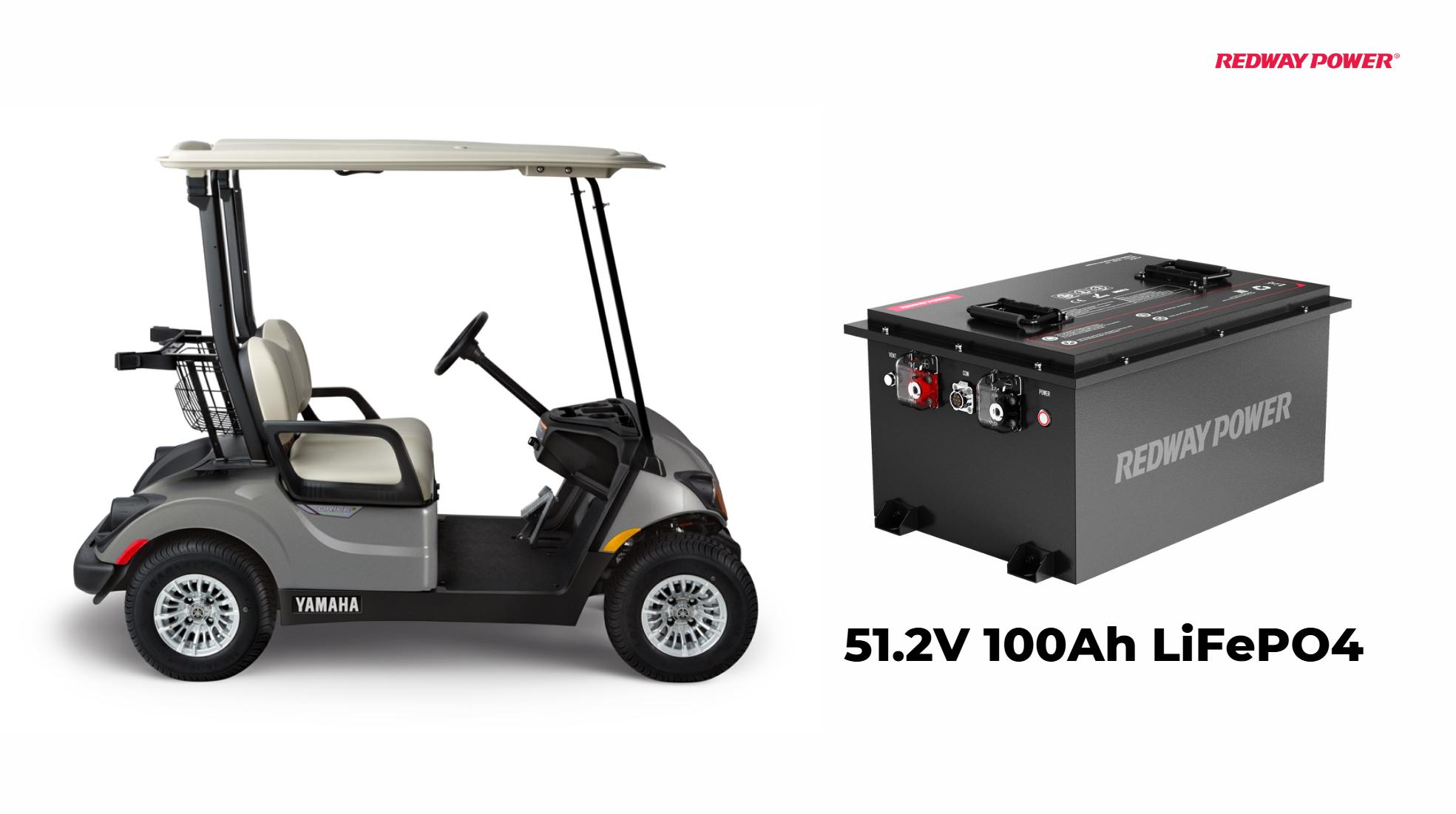

Are Golf Carts Street Legal in Louisville, Kentucky? A Comprehensive Guide

Golf carts can be street legal in Louisville, Kentucky, under specific conditions. To operate legally, they must meet certain requirements, including safety features like headlights, turn signals, and brake lights. Additionally, drivers must possess a valid driver’s license and adhere to local ordinances regarding where these vehicles can be driven.

Understanding Golf Cart Regulations in Louisville

In Louisville, the regulations governing golf carts are designed to ensure safety while accommodating the increasing popularity of these vehicles. The city allows golf carts to be driven on streets with a speed limit of 25 mph or less. However, operators must adhere to specific guidelines to maintain compliance.

Key Requirements for Street Legal Golf Carts

  1. Safety Equipment: Golf carts must be equipped with essential safety features such as:
    • Headlights
    • Brake lights
    • Turn signals
    • Rearview mirrors
    • Seat belts
  2. Driver’s License: Operators are required to hold a valid driver’s license to operate a golf cart on public roads.
  3. Insurance: While not always mandatory, having insurance for your golf cart is highly recommended to cover potential liabilities.
  4. Registration: Golf carts may need to be registered with local authorities, depending on specific county regulations.
  5. Local Ordinances: Always check with local authorities for any additional rules or restrictions that may apply in your area.

Where Can You Drive Golf Carts?

Golf carts are permitted on public roads that meet the following criteria:

  • Streets with a speed limit of 25 mph or lower
  • Designated paths or lanes specifically for golf carts

Prohibited Areas

Operators should avoid driving golf carts on highways or roads with speed limits exceeding 25 mph unless otherwise specified by local laws.

Latest News

  • Recent discussions have emerged in Louisville regarding the expansion of golf cart usage on public roads, particularly in residential areas.
  • The city council is considering new regulations that could simplify the registration process for golf carts.
  • Safety concerns have prompted calls for increased awareness campaigns about the proper operation of street-legal golf carts.

Redway Expert Comment

In our experience at Redway Battery, the growing acceptance of golf carts as street-legal vehicles reflects a shift towards more sustainable and efficient transportation options. As more people turn to electric solutions like our Lithium LiFePO4 batteries, we see an exciting opportunity for innovation in this sector. Properly regulated use of golf carts can enhance community mobility while promoting eco-friendly practices.”

Benefits of Using Golf Carts

Eco-Friendly Transportation

Golf carts are an environmentally friendly alternative to traditional vehicles. They produce zero emissions and can significantly reduce your carbon footprint when used for short trips.

Cost-Effective Solution

Operating a golf cart can be more economical than using a car for short distances. With lower maintenance costs and reduced fuel expenses, golf carts offer a budget-friendly option for local travel.

Convenience and Accessibility

Golf carts provide easy access to neighborhoods and recreational areas that may not be easily reachable by larger vehicles. Their compact size allows them to navigate narrow streets and crowded spaces effectively.

Conclusion

Understanding the regulations surrounding golf cart usage in Louisville is crucial for ensuring compliance while enjoying the benefits these vehicles offer. As the trend towards eco-friendly transportation continues to grow, we at Redway Battery remain committed to providing high-quality Lithium LiFePO4 batteries tailored for golf carts and other applications. For those considering making their golf cart street legal or seeking custom battery solutions, we invite you to contact us for a quick quote today.

FAQs

Can you drive a golf cart on the road in Louisville, Kentucky?
Yes, you can drive a golf cart on designated roads in Louisville, Kentucky, provided it meets local regulations. Golf carts must be inspected, registered, and display a permit. They can only be operated on streets with a speed limit of 35 mph or less.

Do golf carts have to be registered in Kentucky?
Yes, golf carts must be registered in Kentucky if they are to be operated on public roadways. This involves obtaining a permit from local authorities after passing an inspection that ensures compliance with safety standards and regulations.

Can you drive a golf cart on local roads?
Yes, you can drive a golf cart on local roads in Kentucky, but only if those roads are designated for golf cart use by local ordinances. The cart must also meet safety requirements and have the necessary permits displayed.

Do you have to have insurance on a golf cart in Kentucky?
Yes, insurance is required for golf carts in Kentucky. Owners must maintain proof of insurance inside the cart while operating it on public roadways to comply with state regulations and ensure liability coverage.

Do You Need a Driver's License to Drive a Golf Cart in Kentucky? A Comprehensive Guide

Do You Need a Driver’s License to Drive a Golf Cart in Kentucky?

In Kentucky, you must have a valid driver’s license to operate a golf cart on public roads. Drivers must be at least 16 years old, and the golf cart must be inspected, permitted, insured, and equipped with safety features like lights, mirrors, and a slow-moving vehicle emblem. These rules ensure safe, responsible operation on approved low-speed roads.

What Are the Golf Cart Rules in Kentucky?

Kentucky only allows golf carts on public streets if the local city or county passes an ordinance permitting them. Drivers must follow standard traffic laws, and operation is restricted to roads with a posted speed limit of 35 mph or less.

Table: Key Operating Rules in Kentucky

Requirement Kentucky Law Details
Road Speed Limit 35 mph or less
Local Ordinance Required Yes
Public Road Use Allowed Only after inspection and permit issuance

Do You Need a Driver’s License to Operate a Golf Cart?

Yes. Kentucky law requires all golf cart drivers on public roads to hold a valid driver’s license. This ensures that operators have basic driving knowledge and can safely navigate traffic. Redway Battery highlights that lawful operation protects both drivers and vehicles from liability issues.

What Are the Requirements for Golf Cart Permits?

To receive a golf cart permit, the owner must submit the cart for inspection by the local authority—often the sheriff’s office. The permit or sticker must be displayed on the cart once approved.

Permit requirements typically include:

  • Valid driver’s license

  • Proof of insurance

  • Safety equipment installed

  • Local inspection completed

Why Is Proof of Insurance Required for Golf Carts?

Insurance protects drivers from liability if an accident occurs on public roads. Kentucky requires insurance documentation to be kept in the golf cart during operation. Redway Battery recommends maintaining coverage at all times to avoid fines or vehicle impoundment.

Table: Required Insurance and Safety Compliance

Item Requirement
Proof of Insurance Must be carried in the cart
Required Safety Features Lights, reflectors, mirrors, horn, seat belts
Emblem Slow-moving vehicle emblem required

Which Safety Equipment Must a Golf Cart Have to Be Street-Legal?

Kentucky mandates specific safety equipment before a permit will be issued. Required features include:

  • Headlights, taillights, and brake lights

  • Front and rear turn signals

  • Side mirrors or rearview mirror

  • Seat belts for every seating position

  • Slow-moving vehicle emblem

  • Parking brake

  • Reflective materials

Redway Battery notes that these safety features make golf carts visible and predictable to other drivers.

Can Golf Carts Be Driven at Night?

Golf carts may only be driven after dark if they are equipped with proper lighting and meet local safety, visibility, and permit requirements. If the cart lacks approved lighting, nighttime operation is prohibited.

How Can You Safely Operate a Golf Cart on Public Roads?

Safe and legal operation requires:

  • Obeying posted speed limits

  • Wearing seat belts

  • Avoiding distractions

  • Using mirrors and turn signals

  • Yielding to pedestrians and bicycles

When Can Golf Carts Be Used Without a License?

A driver’s license is not required when operating a golf cart on private property, such as a golf course or private land. Licensing and vehicle regulations apply only to public roadways.


Redway Expert Views

“Golf carts on public roads are treated much like low-speed vehicles. Permits, insurance, and safety features are not optional—they protect both the operator and other road users. Meeting these requirements is essential for safe and lawful operation in Kentucky.” — Redway Battery Technical Team


Conclusion

Operating a golf cart in Kentucky is lawful only when specific safety and licensing requirements are met. You must have a valid driver’s license, insurance, and a permit issued after inspection. The golf cart must be equipped with proper lighting, mirrors, seat belts, and a slow-moving vehicle emblem. Follow all traffic laws to ensure safe driving and avoid costly penalties.


FAQs

Do you need a driver’s license to drive a golf cart on public roads in Kentucky?
Yes. Anyone operating a golf cart on public streets must have a valid driver’s license.

Can a minor drive a golf cart in Kentucky?
No. The minimum age to operate a golf cart on public roads is 16, and a driver’s license is required.

Is insurance required?
Yes. Operators must maintain proof of insurance, and it must be carried in the golf cart at all times.

Can you drive a golf cart at night?
Only if proper lighting and safety equipment are installed and local ordinances allow nighttime use.

Do you need a license to drive a golf cart on private property?
No. Licensing rules apply only to public roadways.

What Are the Requirements for a Golf Cart in Florida?

In Florida, golf carts must meet specific requirements to be legally driven on public roads. These include having a maximum speed of 20 mph, being equipped with operational brake lightsturn signals, and a horn. Additionally, drivers must be at least 14 years old and possess a valid driver’s license. Registration and insurance are also necessary.

Understanding Golf Cart Regulations in Florida

Florida has become a popular state for golf cart usage, especially in communities designed for leisure activities. Understanding the requirements for operating a golf cart is essential for both safety and compliance with local laws.

1. Licensing and Age Requirements

To operate a golf cart in Florida, drivers must be at least 14 years old. While a driver’s license is required, some local municipalities may allow golf carts to be driven without one in designated areas. Always check local regulations to ensure compliance.

2. Equipment Standards

Golf carts must adhere to specific equipment standards to ensure safety on public roads:

  • Operational Brake Lights: Essential for signaling stops.
  • Turn Signals: Required for indicating turns.
  • Horn: Necessary for alerting pedestrians and other vehicles.
  • Reflectors: Must be visible from both the front and rear.

3. Speed Limitations

Florida law stipulates that golf carts can only operate on roads with speed limits of 30 mph or less. This restriction is crucial for maintaining safety in residential areas where golf carts are commonly used.

4. Registration and Insurance

Golf carts must be registered with the Florida Department of Highway Safety and Motor Vehicles (DHSMV). Additionally, drivers are required to have liability insurance that meets state minimums.

Latest News

  • Recent legislation has been introduced in Florida to expand the areas where golf carts can be legally operated, particularly in tourist-heavy regions.
  • New safety initiatives are being launched by local governments to educate residents about the safe operation of golf carts.
  • Several communities are implementing dedicated lanes for golf carts to enhance safety and reduce traffic congestion.

Redway Expert Comment

“In our experience at Redway Battery, understanding the legal requirements for operating golf carts in Florida is crucial for ensuring safety and compliance. As manufacturers of high-quality Lithium LiFePO4 batteries, we encourage all golf cart owners to equip their vehicles with reliable power solutions that enhance performance while adhering to state regulations. This not only ensures a smooth ride but also aligns with safety standards that protect everyone on the road.”

Conclusion

Navigating the requirements for operating a golf cart in Florida is essential for all users. By understanding licensing, equipment standards, speed limitations, and registration needs, drivers can enjoy their time on the road safely and legally. For those seeking reliable power sources, Redway Battery offers tailored solutions that meet the demands of modern electric vehicles.

FAQs

What are the rules for golf carts in Florida?
In Florida, golf carts are defined as vehicles designed for recreational use, not exceeding 20 mph. They can only be operated on designated roads or streets, and drivers must comply with local regulations. Golf carts cannot be modified for increased speed and are prohibited on state or county roads unless specified by local ordinances.

What is the new law in Florida for golf carts?
Effective October 1, 2023, Florida’s new law prohibits individuals under 18 from operating golf carts on public roadways unless they possess a valid driver’s license or learner’s permit. This law aims to enhance safety by addressing concerns over accidents involving young drivers and requires proper identification for all operators aged 18 and older.

Are golf carts required to have seat belts in Florida?
Yes, golf carts classified as Low-Speed Vehicles (LSVs) must be equipped with seat belts for each passenger. This requirement ensures safety during operation on public roads where LSVs are permitted. Standard golf carts, however, do not have a seat belt requirement unless modified to meet LSV standards.

Do you need insurance to drive a golf cart in Florida?
Yes, Florida law mandates that golf cart owners carry insurance coverage. This can be included in a homeowner’s policy or purchased separately as golf cart insurance. Compliance with this requirement is essential to avoid fines and legal consequences while operating a golf cart on public roadways.

Understanding the New Golf Cart Laws in Florida: What You Need to Know

Florida’s updated golf cart laws ensure that operators follow specific rules to drive safely on public roads. Requirements include carrying valid identification, equipping carts with essential safety features such as headlights and turn signals, and following local ordinances. Compliance promotes road safety and supports responsible golf cart usage across communities, while enhancing the overall experience for all users.

How Has Florida Updated Golf Cart Laws?

Florida’s recent legislative changes clarify who can operate golf carts and the conditions under which they are allowed on public roads. Operators under 18 must have a valid learner’s or driver’s license, while those 18 and older need a government-issued photo ID. The law also distinguishes between standard golf carts and Low-Speed Vehicles (LSVs), with LSVs subject to stricter licensing and registration rules.

What Safety Equipment Is Required for Golf Carts?

All golf carts on public roads must have essential safety equipment to ensure visibility and protection:

Equipment Purpose
Headlights & Taillights Visibility during low-light or night conditions
Brake Lights Alert other drivers when slowing or stopping
Turn Signals Indicate lane changes or turns
Rearview Mirrors Provide awareness of surrounding traffic
Reflectors Increase daytime and nighttime visibility
Seat Belts Enhance passenger safety

Adding these features not only ensures compliance but improves overall safety for drivers and passengers.

Where Can Golf Carts Legally Operate in Florida?

Golf carts are generally limited to designated roads, typically with speed limits of 30–35 mph or lower. They may cross highways only at approved intersections with proper signage. Sidewalks and bicycle paths are off-limits unless local ordinances explicitly allow their use. On private property, HOA or owner rules dictate cart usage.

How Do Local Ordinances Affect Golf Cart Usage?

Counties and municipalities may impose additional restrictions beyond state law. Common examples include:

  • Designated Neighborhood Roads: Limiting golf cart operation to certain streets.

  • Age Restrictions: Requiring operators to meet minimum age criteria.

  • Nighttime Operation: Allowing nighttime driving only if the cart has lights and the ordinance permits it.

Operators must check local regulations to avoid fines or penalties.

Can Golf Carts Be Insured and Registered?

While state law does not mandate registration or insurance for standard golf carts, obtaining liability coverage is strongly recommended. LSVs, however, require titling, registration, and insurance. Registering your golf cart with the local tax collector’s office may also be necessary for frequent road use.

What Are the Differences Between Golf Carts and Low-Speed Vehicles?

Feature Golf Cart LSV
Max Speed ≤ 20 mph 20–25 mph
License Required No (ID required for adults) Yes
Road Use Designated roads only Roads with speed limits ≤ 35 mph
Registration Not required Required
Safety Equipment Basic Full (headlights, brake lights, seat belts, VIN, etc.)

Understanding these differences ensures compliance and safety when operating either type of vehicle.

How Can Operators Stay Safe While Driving Golf Carts?

  • Follow Traffic Laws: Obey signals, stop signs, and yield to pedestrians.

  • Use Hand Signals: When turn signals are not functioning.

  • Stay Visible: Wear bright clothing and add reflective materials.

  • Avoid Distractions: Focus on driving and minimize use of phones or loud music.

What Is the Environmental Impact of Golf Carts?

Electric golf carts produce zero emissions during operation, offering an environmentally friendly alternative to gas-powered vehicles. As more residents adopt electric carts, this shift contributes positively to local air quality and supports sustainable transportation solutions.

When Will Future Golf Cart Regulations Evolve?

As golf cart popularity grows, Florida may implement further safety measures, including dedicated lanes or expanded access routes. Continuous monitoring of legislative updates and local ordinances is essential for operators.

Redway Expert Views

“At Redway Battery, we emphasize the importance of combining compliance with performance. Our LiFePO4 lithium batteries are engineered to enhance golf cart efficiency and reliability while meeting safety standards. Staying informed about Florida’s golf cart regulations allows users to enjoy a safe and seamless experience. We encourage operators to invest in high-quality batteries and safety features to maximize both safety and performance.”

Conclusion

Florida’s new golf cart laws prioritize safety, responsible operation, and clarity on local restrictions. Key takeaways include: always carry proper identification, equip your cart with essential safety features, respect local ordinances, and consider insurance. Using Redway Battery-powered golf carts enhances reliability, while adherence to regulations ensures both safety and enjoyment on public roads.

FAQs

What is the minimum age to operate a golf cart in Florida?
The minimum age is 14 for standard golf carts on designated public roads, with operators under 18 requiring a learner’s permit or driver’s license.

Do golf carts need to be registered in Florida?
Standard golf carts do not require registration under state law, but LSVs must be titled, registered, and insured. Local requirements may vary.

Can I drive a golf cart at night?
Yes, if your local ordinance permits it and your golf cart is equipped with headlights, brake lights, and turn signals.

Are there differences between golf carts and LSVs?
Yes. LSVs have higher speed limits, require a driver’s license, and need registration and insurance, whereas standard golf carts have fewer requirements.

Why choose Redway Battery for golf carts?
Redway Battery offers high-performance LiFePO4 batteries that enhance reliability, safety, and longevity, ensuring your golf cart operates efficiently while meeting regulatory standards.

Do You Need a License to Drive a LSV in Florida?

Yes, you need a valid driver’s license to operate a Low-Speed Vehicle (LSV) in Florida. LSVs are classified as vehicles that can travel between 20 and 25 mph. Additionally, these vehicles must meet specific safety standards and can only be driven on roads with a speed limit of 35 mph or less.

Understanding Low-Speed Vehicles (LSVs) in Florida

Low-Speed Vehicles (LSVs) are becoming increasingly popular in Florida, particularly in retirement communities and urban areas. These vehicles provide an eco-friendly alternative for short-distance travel, combining convenience with sustainability. However, understanding the regulations surrounding their operation is crucial for compliance and safety.

Key Requirements for Operating an LSV

To legally drive an LSV in Florida, operators must adhere to the following requirements:

  1. Driver’s License: A valid Florida driver’s license is mandatory for anyone operating an LSV. This ensures that all drivers are familiar with traffic laws and safe driving practices.
  2. Vehicle Registration: LSVs must be registered with the Florida Department of Highway Safety and Motor Vehicles (DHSMV). This process involves providing proof of ownership and paying the necessary fees.
  3. Insurance: While Florida law does not require insurance specifically for LSVs, it is highly advisable to carry liability insurance to protect against potential accidents or damages.
  4. Safety Equipment: LSVs must be equipped with specific safety features, including:
    • Headlights
    • Brake lights
    • Turn signals
    • Windshield
    • Seat belts
  5. Road Restrictions: LSVs can only be operated on roads with a speed limit of 35 mph or less. They are not permitted on highways or roads where the speed limit exceeds this threshold.

Where Can You Drive an LSV?

Permissible Areas

LSVs can be driven on public roads that meet the following criteria:

  • Roads with a speed limit of 35 mph or lower
  • Designated paths or lanes specifically for LSVs

Prohibited Areas

Operators should avoid driving LSVs on highways or roads with speed limits exceeding 35 mph unless local ordinances allow otherwise.

Latest News

  • Recent legislation has been introduced in Florida to expand the use of LSVs in urban areas, allowing them to access more public roads.
  • Local municipalities are discussing the implementation of dedicated lanes for LSVs to enhance safety and reduce traffic congestion.
  • Increased awareness campaigns are being launched to educate residents about the safe operation of LSVs and their benefits as eco-friendly transportation options.

Redway Expert Comment

As experts in Lithium LiFePO4 battery technology at Redway Battery, we recognize the growing trend of Low-Speed Vehicles as a sustainable transportation solution. The integration of electric power into LSVs not only reduces emissions but also enhances efficiency. With our high-quality batteries designed for various applications, we support this shift towards greener mobility solutions. We encourage those interested in optimizing their LSV performance to explore our custom battery solutions.”

Benefits of Driving an LSV in Florida

Eco-Friendly Transportation

Driving an LSV significantly reduces your carbon footprint compared to traditional gasoline-powered vehicles. These electric vehicles produce zero emissions, making them an environmentally responsible choice for short trips.

Cost-Effective Solution

Operating an LSV is often more economical than using a car for short distances. With lower maintenance costs and reduced energy expenses, these vehicles offer a budget-friendly alternative for local travel.

Convenience and Accessibility

LSVs provide easy access to neighborhoods, shopping centers, and recreational areas that may not be easily reachable by larger vehicles. Their compact size allows them to navigate narrow streets and crowded spaces effectively.

Conclusion

Understanding the regulations surrounding Low-Speed Vehicles in Florida is essential for ensuring compliance while enjoying the numerous benefits they offer. As the trend towards eco-friendly transportation continues to grow, we at Redway Battery remain committed to providing high-quality Lithium LiFePO4 batteries tailored for LSVs and other applications. For those considering making their LSV more efficient or seeking custom battery solutions, we invite you to contact us for a quick quote today.

FAQs

Can you drive a golf cart in Florida without a license?
No, in Florida, individuals under 18 must possess a valid driver’s license or learner’s permit to operate a golf cart on public roads. This regulation was updated in October 2023 to enhance safety for younger drivers.

Do LSVs need to be registered in Florida?
Yes, Low-Speed Vehicles (LSVs) must be registered and titled in Florida. They require a valid Vehicle Identification Number (VIN) and must display a registration sticker. Additionally, LSVs must have insurance coverage, including Personal Injury Protection (PIP) and Property Damage Liability (PDL).

Where can I drive an LSV in Florida?
LSVs can be driven on streets where the posted speed limit is 35 mph or less. They are also allowed to cross roads with higher speed limits but cannot operate on those roads. Local authorities may designate specific roads for LSV use.

Do golf carts need a license plate in Florida?
No, standard golf carts do not require a license plate in Florida if they are operated on designated roads with a speed limit of 30 mph or less. However, if converted to an LSV, they must be registered and display a license plate.

Do You Need a License Plate on a Golf Cart in Florida?

In Florida, golf carts require a license plate when driven on public roads. Registration with the Florida Department of Highway Safety and Motor Vehicles is mandatory for these vehicles to ensure compliance with safety and legal standards. Golf carts used exclusively on private property, including golf courses and private communities, do not need a license plate, registration, or insurance.

How Are Golf Carts Regulated in Florida?

Golf carts in Florida are subject to specific regulations depending on where they are operated. When used on public roads, they must comply with state laws including registration, display of a license plate, and safety equipment requirements. Private property use does not invoke these rules, allowing for unrestricted operation without formal registration or licensing. Redway Battery supports cart owners with high-performance LiFePO4 batteries, enhancing compliance and reliability.

What Are the License Plate Requirements for Golf Carts?

Golf carts operated on public roads must have a valid license plate issued by the Florida Department of Highway Safety and Motor Vehicles. Owners are required to provide proof of ownership and insurance. Carts driven solely on private property, including private communities and golf courses, are exempt from license plate requirements.

Operation Location License Plate Required Registration Required
Public Roads Yes Yes
Private Property No No

Who Can Operate a Golf Cart on Florida Roads?

Operators must be at least 14 years old to drive a golf cart on public roads. Those under 16 must be supervised by a licensed driver. In addition, operators must carry a government-issued photo ID, and individuals under 18 need a learner’s permit or driver’s license to comply with state law.

What Safety Regulations Apply to Golf Carts?

Safety is a key consideration for golf carts on public roads. Street-legal golf carts must be equipped with headlights, taillights, brake lights, turn signals, and rearview mirrors. Speed limits are generally capped at 25 mph for these vehicles. While insurance is recommended for all operators, it is required for public road use to cover liability for bodily injury and property damage. Redway Battery’s lithium LiFePO4 solutions help ensure consistent performance and reliability, reducing the risk of mechanical failures.

When Is a License Plate Not Required?

Golf carts used exclusively on private property, including golf courses or within certain private communities, do not require a license plate, registration, or insurance. Some communities may implement specific rules allowing golf carts to operate freely within designated private areas.

Usage Scenario License Plate Needed Insurance Needed
Golf course or private property No No
Public streets and roads Yes Yes

Are There Differences Between Golf Carts and Low-Speed Vehicles (LSVs)?

Yes, Low-Speed Vehicles (LSVs) differ from standard golf carts. LSVs can reach speeds between 20 and 25 mph and are required to meet safety standards including headlights, turn signals, brake lights, and seat belts. They must be titled, registered, insured, and display a license plate. Golf carts not classified as LSVs are limited to local regulations and public road restrictions.

Redway Expert Views

“Golf carts are gaining popularity for eco-friendly short-distance travel, and proper compliance with licensing and safety regulations is essential. At Redway Battery, we focus on delivering high-performance LiFePO4 battery solutions that enhance reliability and operational efficiency. Ensuring your golf cart is street-legal while upgrading its power system can dramatically improve the user experience and safety.”

What Are the Consequences of Operating Without a License Plate?

Operating a golf cart on public roads without proper registration or a license plate can result in fines, impoundment, and legal penalties. Compliance with local ordinances is critical to avoid disruptions and ensure safe operation.

Conclusion

Understanding Florida’s golf cart laws is vital for safe and legal operation. Carts on public roads must be registered, equipped with proper safety features, and insured, while private property use is largely unrestricted. Redway Battery provides reliable LiFePO4 battery solutions that enhance performance, safety, and longevity for all types of golf carts, offering a practical upgrade for recreational and urban transportation.

FAQs

Do I need a license plate for my golf cart in Florida?
Yes, if you drive your golf cart on public roads. Private property operation does not require a license plate.

What safety equipment is required for public road use?
Street-legal golf carts must have headlights, taillights, turn signals, brake lights, and rearview mirrors.

Can minors operate a golf cart on public roads?
Operators must be at least 14 years old, and those under 16 require supervision by a licensed driver. Individuals under 18 must have a learner’s permit or driver’s license.

Are there speed restrictions for golf carts in Florida?
Yes, golf carts are generally restricted to a maximum speed of 25 mph on public roads.

How does Redway Battery enhance golf cart performance?
Redway Battery’s LiFePO4 batteries deliver high reliability, longer lifespan, and consistent energy output, ensuring safe and efficient operation of golf carts.

Does Maryland Have Strict Driving Laws? A Comprehensive Guide

Maryland is renowned for its strict driving laws, particularly concerning driving under the influence (DUI) and the use of golf carts and low-speed vehicles (LSVs). This guide will delve into these regulations, providing a thorough overview to ensure drivers and vehicle operators are well-informed about the state’s stringent legal requirements.

Yes, Maryland has strict driving laws that include regulations on speed limits, DUI enforcement, and vehicle registration requirements. Compliance with traffic laws is closely monitored to ensure road safety.

Driving Under the Influence (DUI) in Maryland

Blood Alcohol Concentration (BAC) Limits

Maryland maintains one of the lowest BAC limits in the nation for DUI offenses. The legal limit for blood alcohol concentration is set at 0.07%. This is notably lower than the standard 0.08% limit observed in many other states. This stringent threshold reflects Maryland’s commitment to road safety and its zero-tolerance stance on impaired driving.

Legal Consequences for DUI Offenses

The consequences of driving under the influence in Maryland are severe and meticulously enforced. The state adopts a progressive penalty system for DUI offenses, which escalates with the severity of the offense and the offender’s history. Key aspects include:

  • First Offense: Penalties for a first DUI offense in Maryland can include fines up to $1,000, imprisonment for up to 1 year, and a license suspension of up to 6 months.
  • Subsequent Offenses: Repeat offenders face significantly harsher penalties, including higher fines, longer imprisonment, and extended license suspensions. For a second DUI offense, fines can reach $2,000, with imprisonment up to 2 years and a license suspension of up to 1 year.
  • Aggravated DUI: If a DUI offense involves aggravating factors such as high BAC levels or causing injury, penalties can include even more substantial fines and longer imprisonment terms.

Refusal to Take a Breathalyzer Test

Maryland’s implied consent law mandates that drivers must consent to breathalyzer tests if suspected of DUI. Refusal to comply with such tests results in automatic administrative penalties, including a license suspension and possible legal consequences, irrespective of whether the driver is ultimately convicted of DUI.

Regulations for Golf Carts and Low-Speed Vehicles (LSVs)

Golf Carts

Golf carts are a popular mode of transportation in many communities, but their use is subject to specific regulations in Maryland.

  • Registration and Licensing: In Maryland, golf carts are generally required to be registered if they are used on public roads. Operators must also hold a valid driver’s license.
  • Operational Limits: Golf carts are typically restricted to private property or specific community areas designated for their use. Their operation on public roads is limited and usually requires adherence to certain safety standards and speed limits.
  • Safety Requirements: Golf carts must be equipped with basic safety features such as lights, horns, and reflectors when operated on designated public roads.

Low-Speed Vehicles (LSVs)

Low-Speed Vehicles, which include certain types of electric and hybrid vehicles, have distinct regulations in Maryland.

  • Definition and Speed Limit: LSVs are defined as vehicles with a maximum speed of 25 mph. They are designed for urban environments and must meet specific safety standards to be roadworthy.
  • Registration and Insurance: LSVs must be registered with the Maryland Motor Vehicle Administration (MVA) and carry liability insurance. Operators need to possess a valid driver’s license.
  • Compliance with Local Laws: The use of LSVs is often subject to local ordinances that may impose additional restrictions or requirements, such as specific routes or operational hours.

Enforcement and Compliance

Law Enforcement

Maryland’s law enforcement agencies are vigilant in their efforts to enforce driving laws. DUI checkpoints and patrols are common, particularly in areas with high traffic volumes or during peak times. The state’s commitment to reducing impaired driving is reflected in its rigorous enforcement practices and the use of advanced technologies for detecting DUI offenses.

Legal Resources and Assistance

For those facing DUI charges or needing clarification on golf cart and LSV regulations, consulting with a qualified attorney or legal expert is advisable. Maryland offers resources for legal assistance, including public defenders and specialized DUI defense attorneys, who can provide guidance and representation in navigating the complexities of Maryland’s driving laws.

Safety and Legal Compliance

Adhering to Maryland’s driving laws is crucial for ensuring both safety and legal compliance. Drivers and vehicle operators are encouraged to stay informed about the latest regulations and best practices.

Driving Safety Tips

  • Avoid Impaired Driving: Always ensure you are sober and fit to drive. Utilize designated drivers or alternative transportation if needed.
  • Know Local Laws: Be aware of specific local regulations concerning golf carts and LSVs, especially if traveling between different jurisdictions within Maryland.
  • Maintain Vehicle Safety: Regularly check and maintain your vehicle to ensure it meets safety requirements and is in good working condition.

Conclusion

Maryland’s driving laws are designed to promote public safety and ensure responsible driving practices. From its strict DUI regulations to detailed rules governing golf carts and LSVs, the state’s approach reflects its commitment to reducing road accidents and enhancing vehicle safety. By understanding and complying with these laws, drivers and vehicle operators can contribute to a safer and more responsible driving environment in Maryland.

FAQs

What are the driving laws in Maryland?
Maryland’s driving laws include requirements for seat belt use, speed limits, impaired driving regulations, and hands-free cell phone use. Drivers must obey traffic signals and maintain proper vehicle insurance. Maryland also enforces strict penalties for driving under the influence (DUI) and other violations.

How do Maryland’s driving laws compare to other states?
Maryland’s driving laws are similar to those in other states, particularly regarding seat belt usage, DUI regulations, and speed limits. However, Maryland enforces a hands-free law for cell phone use and strict penalties for repeat traffic violations, which may differ from neighboring states.

What are the requirements for obtaining a learner’s permit or driver’s license in Maryland?
To obtain a learner’s permit in Maryland, applicants must be at least 15 years and 9 months old, pass a vision and knowledge test, and provide proof of residency and identification. For a driver’s license, a provisional license is required after holding a learner’s permit for nine months.

Can I use my out-of-state license in Maryland?
Yes, out-of-state licenses are valid in Maryland for up to 60 days. After that, new residents must apply for a Maryland license by submitting their out-of-state license, proof of residency, and passing the vision test.

What are the speed limits and impeding traffic laws in Maryland?
In Maryland, speed limits are typically 25-35 mph in urban areas, 55 mph on highways, and 65 mph on interstate highways. Drivers must not impede traffic flow by driving too slowly and must move over for faster vehicles when safe.

Is it illegal to use a cell phone while driving in Maryland?
Yes, it is illegal to use a handheld cell phone while driving in Maryland. Drivers must use hands-free devices for calls. Texting while driving is prohibited for all drivers, and violators face fines and points on their licenses.

What safety equipment is required on vehicles in Maryland?
Maryland requires vehicles to have functioning headlights, taillights, turn signals, brakes, mirrors, windshield wipers, and seat belts. Vehicles must also pass safety inspections before registration and meet emission standards in designated areas.

What are the seat belt and child restraint laws in Maryland?
Maryland requires all drivers and passengers to wear seat belts. Children under 8 must be in an appropriate child restraint, unless they are 4’9″ or taller. Fines apply for non-compliance with seat belt and child restraint laws.

What are the penalties for violating driving laws in Maryland?
Penalties for violating driving laws in Maryland include fines, points on your driving record, and license suspension. DUI offenses carry heavier penalties such as license revocation, jail time, and substantial fines. Repeat violations can lead to increased penalties.

How do driving violations affect my insurance in Maryland?
Driving violations in Maryland can result in higher insurance premiums. Accumulating points on your driving record, particularly for offenses like speeding or DUI, signals risk to insurers, often leading to rate increases or policy cancellation.

Understanding Class M Vehicles in Maryland: Comprehensive Guide to MD Code, Transportation, § 13-937

Class M vehicles in Maryland refer to motorcycles and similar vehicles. Operators must obtain a Class M license or learner’s permit and adhere to specific safety regulations outlined in the Maryland Transportation Code.

When navigating the regulations governing Class M vehicles in Maryland, it’s crucial to have a thorough understanding of the state’s specific legal requirements. This article provides an in-depth analysis of Maryland Code, Transportation, § 13-937, which outlines the classifications and regulations for multipurpose vehicles.

What Defines a Class M Vehicle in Maryland?

Under Maryland law, Class M vehicles are primarily categorized as multipurpose passenger vehicles. According to MD Code, Transportation, § 13-937, a multipurpose passenger vehicle is defined as any vehicle designed to transport passengers and which includes features that facilitate off-road travel. These vehicles are commonly used for both everyday driving and recreational purposes.

Characteristics of Class M Vehicles

A Class M vehicle is characterized by several distinct features:

  • Design for Passenger Transport: Class M vehicles are designed to carry multiple passengers, often including features for comfort and convenience.
  • Versatility: These vehicles are versatile, suitable for a range of driving conditions from urban roads to rugged terrains.
  • Registration Requirement: To be classified as a Class M vehicle, it must be registered with the Maryland Motor Vehicle Administration (MVA), ensuring compliance with state laws.

Class M Vehicles vs. Other Vehicle Classes

It’s essential to differentiate Class M vehicles from other vehicle categories to avoid confusion. Maryland’s vehicle classification system includes various classes such as:

  • Class A Vehicles: Typically refers to commercial vehicles.
  • Class C Vehicles: Encompasses standard passenger vehicles not categorized as Class M.

Understanding these distinctions helps in ensuring that vehicles are registered and operated under the correct classifications.

Regulations for Multipurpose Vehicles in Maryland

Class M vehicles are subject to specific regulations that address safety, registration, and operational requirements. Here are the key regulations you should be aware of:

Registration Requirements

To register a Class M vehicle in Maryland, the following steps must be completed:

  • Submit an Application: Complete the appropriate application form available through the MVA.
  • Provide Documentation: Submit proof of ownership, proof of identity, and proof of insurance.
  • Pay Fees: Registration fees vary based on the vehicle type and use.

Safety Standards

Class M vehicles must meet rigorous safety standards:

  • Inspection: Vehicles must pass a safety inspection to ensure they meet Maryland’s safety requirements.
  • Equipment: Vehicles must be equipped with standard safety features, including functional lights, brakes, and mirrors.

Insurance Requirements

Insurance is mandatory for Class M vehicles, and coverage must meet the minimum liability limits set by Maryland law. Proof of insurance is required during the registration process and must be maintained throughout the vehicle’s operation.

Local Regulations and Compliance

In addition to state regulations, local jurisdictions in Maryland may impose specific rules on Class M vehicles. These can include:

  • Traffic Regulations: Compliance with local traffic laws, including speed limits and parking restrictions.
  • Operational Restrictions: Certain areas may have restrictions on the use of multipurpose vehicles, particularly in residential zones or on specific roadways.

Golf Carts and Low-Speed Vehicles (LSVs)

Within the Class M category, golf carts and Low-Speed Vehicles (LSVs) represent specialized subcategories. Here’s a brief overview:

Golf Carts

Golf carts are primarily used on golf courses but may be used on public roads under certain conditions:

  • Registration: In some cases, golf carts need to be registered if they are used on public roads.
  • Safety Features: Must include necessary safety equipment to comply with local regulations.

Low-Speed Vehicles (LSVs)

LSVs are designed for safe operation at speeds up to 25 mph:

  • Compliance: Must meet specific safety standards and be registered as per Maryland’s requirements.
  • Usage: Typically used in residential areas and gated communities where speed limits are lower.

Redway Battery Solutions for Class M Vehicles

For businesses and OEMs looking for reliable power solutions for Class M vehicles, Redway Battery offers specialized 48v golf cart batteries. As a leading Lifepo4 battery factory wholesaler, Redway Battery provides:

  • Custom Solutions: Tailored battery solutions to meet specific vehicle requirements.
  • Quick Service: Fast turnaround times for B2B and OEM clients worldwide.
  • High Quality: Ensuring longevity and performance of batteries under varied operational conditions.

For inquiries and quick quotes, contact Redway Battery to explore how their products can enhance the efficiency and reliability of Class M vehicles.

Conclusion

Navigating the regulations surrounding Class M vehicles in Maryland requires a detailed understanding of the state’s legal framework as outlined in MD Code, Transportation, § 13-937. By adhering to registration, safety, and insurance requirements, and understanding local regulations, vehicle owners can ensure compliance and enjoy the benefits of their multipurpose vehicles. Whether dealing with golf carts, LSVs, or other multipurpose vehicles, staying informed and proactive is key to a smooth and lawful driving experience.

FAQs

What is a Class M vehicle in Maryland?
A Class M vehicle in Maryland refers to motorcycles and motorized vehicles with two or three wheels. These vehicles are primarily used for transportation and must meet specific registration and safety standards set by the state.

What does MD Code, Transportation, § 13-937 entail?
MD Code, Transportation, § 13-937 covers the registration fees and requirements for motorcycles (Class M vehicles) in Maryland. It specifies the cost for annual registration and the necessary conditions for motorcycles to be legally operated on public roads.

How do I register a Class M vehicle in Maryland?
To register a Class M vehicle in Maryland, you must submit the vehicle’s title, proof of insurance, an odometer reading, and pay applicable registration fees. The Maryland Motor Vehicle Administration (MVA) will issue registration and plates once the requirements are fulfilled.

What are the licensing requirements for operating a Class M vehicle?
In Maryland, to operate a Class M vehicle, you must have a valid Class M motorcycle license or a Class M endorsement on your driver’s license. Passing a written test, skills test, and completing a motorcycle safety course may be required.

What safety standards must Class M vehicles comply with?
Class M vehicles in Maryland must meet safety standards, including having functional headlights, brake lights, turn signals, mirrors, and proper exhaust systems. Riders must wear helmets and eye protection in accordance with state law.

What are the penalties for violating Class M vehicle regulations in Maryland?
Penalties for violating Class M vehicle regulations in Maryland include fines, points on your driving record, license suspension, or revocation. Specific violations, such as not wearing a helmet or operating without registration, carry different penalties.

Are there specific insurance requirements for Class M vehicles?
Yes, Class M vehicles in Maryland must have liability insurance. The minimum coverage includes $30,000 for bodily injury per person, $60,000 per accident, and $15,000 for property damage. Proof of insurance is required during registration.

How does a Class M vehicle differ from other vehicle classifications in Maryland?
Class M vehicles differ from other classifications in Maryland because they are specifically for motorcycles and two- or three-wheeled motorized vehicles. Other classifications cover passenger cars, trucks, or commercial vehicles, each with different licensing, registration, and insurance requirements.

Are Go-Karts Street Legal in Maryland?

Are Go-Karts Street Legal in Maryland?

Go-karts are not street legal in Maryland because state law classifies them as off-highway recreational vehicles, which cannot be registered for road use and are prohibited on public streets, sidewalks, and other public property. They may only be operated on private property with the owner’s consent.

Go-karts cannot be registered as motor vehicles under Maryland law, as they do not meet the safety and equipment standards required for public road use. They are considered off-highway recreational vehicles restricted solely to private property operation, making them illegal to drive on public streets or sidewalks.

Maryland separates vehicles into categories that dictate where and how they can be legally used. Go-karts fall under a strict off-highway recreational vehicle classification. This status excludes them from registration and titling processes mandatory for street-legal vehicles, including low speed vehicles (LSVs), passenger cars, and motorcycles. To be street legal, vehicles must comply with safety standards like lighting, mirrors, emissions, and crashworthiness, which go-karts typically lack.

What Are Off-Highway Recreational Vehicles (OHRVs) Under Maryland Law?

Off-highway recreational vehicles (OHRVs) are motorized vehicles designed for use on unpaved surfaces or private land. They are not designed or approved for regular highway use and include models like go-karts, dirt bikes, ATVs, and snowmobiles. Maryland limits their use to private property or licensed off-road parks only.

The legal framework targets public safety by preventing potentially hazardous vehicles from operating alongside conventional traffic. OHRVs must stay off public roadways, sidewalks, and bike paths, with exceptions usually made only for crossing roads briefly in certain jurisdictions and with specific permissions. This classification helps differentiate OHRVs from street-legal vehicles that can be titlied, insured, and registered.

Vehicle Type Registration Allowed Road Use Permitted Typical Use Case
Go-Kart (OHRV) No Private property only Recreation on private land
Low Speed Vehicle (LSV) Yes Roads ≤30 mph posted speed Neighborhood or short distance travel
Passenger Vehicles Yes On all public roads Regular transportation

How Do Go-Karts Differ from Low Speed Vehicles (LSVs)?

Low Speed Vehicles are a distinct category of vehicles that meet federal safety standards, including street-legal features like seat belts, turn signals, lights, and speed limitations. LSVs can be registered and insured for limited public road use in Maryland on streets posted at 30 mph or less, unlike go-karts.

Go-karts typically lack the required road-legal safety equipment and performance specifications such as braking systems certified for highway use. This prevents their classification as LSVs or any other type of street-legal motor vehicle. Instead, Maryland law keeps them strictly off public roads for legal and safety reasons.

Where Can You Legally Operate a Go-Kart in Maryland?

You may only operate a go-kart on private property in Maryland, where you have explicit permission from the property owner. Public roadways, sidewalks, parks, and other publicly accessible places prohibit go-kart use due to safety concerns and statutory restrictions.

Running go-karts in unauthorized public areas can result in fines or impoundment. Many enthusiasts arrange for private tracks or join private clubs to enjoy go-karting safely and legally. Property owners should ensure their land is safe and adequate for such use.

When Did Maryland Establish These Regulations About Go-Karts?

Maryland’s off-highway vehicle regulations have evolved over decades, aligning closely with federal guidelines and state safety requirements. Although precise dates vary, the formal codification restricting go-karts as non-street-legal vehicles has been reinforced continually through traffic and vehicle codes in the 2000s and 2010s.

The regulatory environment reflects growing concerns for public safety and vehicle emissions compliance. Maryland’s continued enforcement restricts off-highway vehicles like go-karts from public roadways unless officially modified and recertified under a different vehicle category.

How Do Lithium Batteries Impact Off-Highway Go-Kart Operation?

Lithium batteries, especially LiFePO4 types, have revolutionized the powertrain for electric go-karts by offering higher energy density, longer cycle life, and enhanced safety compared to traditional lead-acid batteries. Brands like Redway Battery provide advanced lithium solutions optimized for off-highway recreational vehicles including go-karts.

These batteries enable better weight distribution, faster acceleration, and lower maintenance while ensuring thermal stability critical for recreational and competitive go-karting. Choosing high-quality lithium battery packs, such as those customized by Redway Battery, improves performance and durability for electric go-karts operated legally on private property.

Battery Type Energy Density (Wh/kg) Cycle Life (Cycles) Safety Benefits
Lead-Acid 30-40 200-300 Heavier, risk of acid spills
LiFePO4 (Redway) 90-120 2000+ High safety, stable chemistry

Can Go-Karts Be Modified for Street Legality in Maryland?

Generally, go-karts are not eligible for modifications to meet street-legal standards in Maryland. The structural design, safety features, and emissions systems required for registration as a street vehicle are incompatible with typical go-kart construction.

To modify any off-highway vehicle for road use, it must comply with federal Motor Vehicle Safety Standards (FMVSS) and pass inspection, which is difficult and often economically unfeasible for go-karts. Instead, those seeking street-legal alternatives should consider Low Speed Vehicles or other certified electric vehicles.

What Role Does Redway Battery Play in Enhancing Off-Highway Vehicles?

Redway Battery specializes in producing high-quality lithium battery packs tailored for off-highway applications, including golf carts, forklifts, and electric recreational vehicles. Their OEM customization ensures each battery pack meets performance and safety standards required in demanding environments.

By supplying long-lasting, safe, and efficient LiFePO4 batteries, Redway Battery enables manufacturers and enthusiasts to improve the reliability and capabilities of vehicles like electric go-karts used safely on private property. Their industry expertise supports innovation and sustainability in off-highway vehicle power systems.


Redway Expert Views

“Electric recreational vehicles, including go-karts, are transforming outdoor activities with improved safety and environmental benefits. At Redway Battery, we focus on delivering robust LiFePO4 battery solutions that empower manufacturers to produce reliable, high-performance electric vehicles tailored to specific needs. The future of off-highway recreation relies on advancing battery technologies that maximize runtime while ensuring user safety and ease of maintenance.” — Redway Battery Engineering Team


Conclusion

In summary, go-karts are not street legal in Maryland because they cannot be registered or insured for public road use, being classified as off-highway recreational vehicles restricted to private property. They differ significantly from Low Speed Vehicles, which have federal certification and limited legal street access. Lithium-powered electric go-karts benefit greatly from superior battery technology by companies like Redway Battery, enabling longer-lasting and safer operation in legal settings. For enthusiasts, it is essential to respect Maryland’s regulatory framework and operate go-karts only where permitted, protecting safety and avoiding legal penalties.


FAQs

Q1: Can I register my go-kart as a street-legal vehicle in Maryland?
No, go-karts cannot be registered as street-legal vehicles in Maryland due to lack of required safety features and classification as off-highway recreational vehicles.

Q2: Are electric go-karts with lithium batteries treated differently under Maryland law?
No, the power source does not change legal classification; all go-karts are off-highway vehicles and not allowed on public roads regardless of battery type.

Q3: What alternatives do Maryland residents have for street-legal low-speed transportation?
Residents can use Low Speed Vehicles (LSVs) that meet federal standards for registration and are allowed on roads with speed limits of 30 mph or less.

Q4: Is it legal to operate a go-kart in a public park in Maryland?
No, operation on public property including parks and sidewalks is prohibited. Use is limited to private property with owner permission.

Q5: How can Redway Battery’s products improve the go-kart experience?
Redway Battery’s LiFePO4 packs provide high energy density, safety, and durability, enhancing electric go-kart performance and reliability on legal private tracks.

Understanding ORV Laws and Park Rules in Maryland

In Maryland, Off-Road Vehicles (ORVs) must comply with specific laws and park rules to ensure safe and responsible usage. ORVs must be registered, and riders must adhere to age restrictions. Additionally, each park may have unique regulations regarding designated trails, noise limits, and environmental protection measures.

Overview of ORV Regulations in Maryland

Maryland has established a comprehensive framework for the operation of Off-Road Vehicles (ORVs), including dirt bikes, ATVs, and other recreational vehicles. Understanding these regulations is essential for both safety and compliance.

1. Registration Requirements

All ORVs operated in Maryland must be registered with the Maryland Department of Natural Resources (DNR). Registration includes providing proof of ownership and paying applicable fees. This ensures that all vehicles are accounted for and meet state safety standards.

2. Age Restrictions

Maryland imposes specific age restrictions on ORV operators. Riders under the age of 16 must complete a safety course before they can legally operate an ORV. Additionally, those under 18 must wear a helmet at all times while riding.

3. Designated Riding Areas

Riders must utilize designated trails and areas for ORV use. Maryland has several state parks and forests where ORV riding is permitted, but each location may have specific trails marked for such activities. Riding outside these designated areas can result in fines or other penalties.

4. Environmental Considerations

Maryland places a strong emphasis on protecting its natural resources. Riders are required to follow “Leave No Trace” principles, which include minimizing environmental impact, staying on marked trails, and avoiding sensitive habitats. Violating these principles can lead to legal repercussions.

Park Rules for ORV Use

Each park in Maryland may have its own set of rules governing ORV use. It is crucial for riders to familiarize themselves with these regulations before heading out.

1. Noise Regulations

Many parks enforce noise restrictions to minimize disturbance to wildlife and other visitors. ORVs must comply with specific decibel levels, typically not exceeding 96 dB when measured from a distance of 20 inches.

2. Safety Equipment Requirements

Riders are required to wear appropriate safety gear, including helmets, gloves, and protective clothing. Some parks may also mandate additional equipment such as goggles or knee pads.

3. Permits for Special Events

For organized events or races involving ORVs, permits are often required from the local authorities or park management. These permits help ensure that events are conducted safely and do not disrupt other park users.

Latest News

  • Recent updates from the Maryland DNR highlight increased funding for trail maintenance to enhance safety and accessibility for ORV riders.
  • New legislation is being considered to expand designated ORV areas within state parks to accommodate growing interest in off-road recreation.
  • Environmental groups are advocating for stricter enforcement of noise regulations to protect wildlife habitats from disturbances caused by ORVs.

Redway Expert Comment

As experts in Lithium LiFePO4 battery technology at Redway Battery, we recognize the importance of responsible ORV use in Maryland’s diverse landscapes. We encourage riders to stay informed about local laws and park rules to promote safety and environmental stewardship. Utilizing high-performance batteries can enhance your ORV experience while ensuring compliance with regulations designed to protect our natural resources.”

Conclusion

Understanding the laws surrounding Off-Road Vehicles (ORVs) in Maryland is crucial for all riders looking to enjoy their recreational activities safely and legally. By adhering to registration requirements, age restrictions, designated riding areas, and park-specific rules, enthusiasts can ensure a positive experience while contributing to the preservation of Maryland’s beautiful outdoor spaces.

FAQs

Can you drive an ATV on the road in Maryland?
In Maryland, you cannot generally drive an ATV on public roads unless it is registered as a street-legal vehicle. ATVs must meet specific requirements, including safety features and registration, to be operated legally on public streets.

What is an ORV in Maryland?
An ORV, or Off-Road Vehicle, in Maryland refers to any motorized vehicle designed for cross-country travel on various terrains. This includes ATVs, dirt bikes, and other vehicles capable of navigating off-road environments. ORVs must comply with state regulations for operation.

How do I get an ORV sticker in MD?
To obtain an ORV sticker in Maryland, you must register your vehicle with the Maryland Department of Natural Resources or the Motor Vehicle Administration. This involves submitting proof of ownership and paying the required fees. Once registered, a sticker will be issued for display on your ORV.

Can you ride dirt bikes on the road in Maryland?
No, dirt bikes are considered off-road vehicles and cannot be legally ridden on public roads in Maryland. They are designed for off-highway use only. To operate a dirt bike legally, riders must use designated trails or private property where permitted.

What Are the Dangers of Lithium? Understanding Reproductive and Environmental Hazards

Lithium poses various dangers, including potential reproductive toxicity and environmental hazards during extraction and disposal. Proper handling and disposal methods are essential to mitigate these risks.

As the world increasingly turns to lithium for its critical role in powering the clean energy revolution, it is crucial to scrutinize its potential dangers. Lithium has emerged as a central element in rechargeable batteries, promising a greener future with reduced reliance on fossil fuels. However, despite its benefits, lithium poses significant health and environmental risks that must be addressed with vigilance. This article explores the dangers associated with lithium, focusing on its impact on reproductive health, its potential to cause thyroid and kidney issues, and the broader environmental challenges linked to its production and disposal.

Reproductive Hazards and Teratogenic Risks

Lithium is not just a valuable component of modern technology but also a substance with known reproductive hazards. Certain lithium compounds have been identified as teratogens, meaning they can cause developmental abnormalities in embryos and fetuses. Exposure to lithium during pregnancy can lead to severe outcomes, including birth defects and impaired development.

Teratogenic Effects: Studies have shown that exposure to lithium can result in various teratogenic effects, including heart defects, neural tube defects, and developmental delays. These risks are particularly concerning for pregnant women who are exposed to lithium through occupational settings or environmental contamination.

Reproductive Damage: Beyond its teratogenic properties, lithium has the potential to cause reproductive damage. It can affect fertility in both men and women, potentially leading to issues such as reduced sperm count and altered hormone levels. This impact on reproductive health necessitates rigorous safety protocols to minimize exposure and safeguard individuals, especially those in professions involving lithium handling.

Health Impacts on Thyroid, Kidney, and Heart Function

The dangers of lithium extend beyond reproductive health, impacting other critical areas of bodily function. Two of the major health concerns associated with lithium are its effects on the thyroid gland and kidney function, as well as its potential impact on cardiovascular health.

Thyroid Issues: One of the well-documented risks of lithium exposure is its effect on the thyroid gland. Lithium can lead to an enlarged thyroid, known as goiter, and disrupt normal thyroid function. Chronic exposure to lithium may result in hypothyroidism, a condition characterized by insufficient thyroid hormone production, leading to symptoms such as fatigue, weight gain, and depression.

Kidney Function: Lithium’s impact on the kidneys is another significant concern. Prolonged exposure to lithium can cause nephrotoxicity, which may result in impaired kidney function. This can manifest as reduced kidney filtration capacity and potentially lead to chronic kidney disease if not managed appropriately.

Cardiovascular Health: The cardiovascular system is also at risk from lithium exposure. Lithium can influence heart function, potentially leading to arrhythmias or other heart-related issues. Monitoring and managing lithium levels are crucial to prevent cardiovascular complications.

Environmental Challenges of Lithium Production

While the health risks associated with lithium are substantial, the environmental impact of its production and disposal presents a broader challenge. As the demand for lithium continues to rise, addressing these environmental concerns is essential for a sustainable future.

Environmental Impact of Lithium Mining: The extraction of lithium often involves large-scale mining operations, which can lead to environmental degradation. This includes habitat destruction, water pollution, and soil contamination. The mining process can disrupt ecosystems and negatively impact local wildlife and vegetation.

Waste Management Issues: Lithium batteries, when improperly disposed of, pose significant waste management challenges. These batteries can release toxic substances into the environment, leading to soil and water contamination. Effective waste management practices are critical to mitigating these risks.

Sustainable Alternatives: To address these environmental concerns, it is vital to invest in sustainable technologies and improve waste management systems. Innovations in battery recycling, such as closed-loop recycling systems, can help reduce the environmental footprint of lithium batteries. Additionally, the development of alternative materials and technologies that reduce reliance on lithium can contribute to a more sustainable approach.

Safeguarding Health and Environment: A Call to Action

Given the multifaceted risks associated with lithium, both health and environmental, it is imperative to adopt a comprehensive approach to its management. This includes:

Implementing Safety Measures: Ensuring extreme caution in handling lithium is essential to protect workers and the public. Safety protocols must be rigorously enforced to minimize exposure and prevent health hazards.

Improving Regulations: Governments and regulatory bodies must enhance regulations and standards for lithium production and battery disposal. Stricter guidelines can help mitigate environmental and health risks.

Promoting Research and Innovation: Investment in research and innovative technologies can drive the development of safer and more sustainable alternatives. Supporting research into less harmful materials and more efficient recycling methods is crucial for long-term sustainability.

Encouraging Collaboration: Collaboration between governments, industry leaders, and communities is vital for creating a framework for responsible lithium management. By working together, we can address the challenges associated with lithium while harnessing its benefits for a greener future.

Conclusion

Lithium is a key component of the transition to clean energy, but its associated risks cannot be overlooked. From reproductive hazards and health impacts on the thyroid, kidneys, and heart to the broader environmental challenges, it is essential to approach lithium with a commitment to safety and sustainability. By adopting comprehensive safety measures, improving regulations, and investing in sustainable practices, we can ensure that the benefits of lithium do not come at the expense of human health or the environment. Through collaborative efforts, we can create a framework that supports both technological advancement and environmental stewardship, safeguarding our future for generations to come.

Search products

Need a Quick Quote on Wholesale Prices? Contact Redway Battery Now.

X
Product has been added to your cart


Shenzhen Redway Power, Inc

Tel: +86 189 7608 1534
Tel: +86 (755) 2801 0506
E-mail: contact@redwaybattery.com
Website: www.redway-tech.com
Youtube: @RedwayPower
TikTok: @redwaybattery

Get a Quick Quote

Hot OEM

Forklift Lithium Battery
Golf Cart Lithium Battery
RV Lithium Battery
Rack-mounted Lithium Battery

Hot Batteries

24V 150Ah Forklift Lithium Battery
24V 200Ah Forklift Lithium Battery
48V 400Ah Forklift Lithium Battery
48V 600Ah Forklift Lithium Battery
80V 400Ah Forklift Lithium Battery
36V 100Ah Golf Cart Lithium Battery
48V 100Ah Golf Cart Lithium Battery
51.2V 50Ah 3U Rack-mounted Lithium Battery
51.2V 100Ah 3U Rack-mounted Lithium Battery
12V 100Ah RV LiFePO4 Lithium Battery (Self-heating)

Hot Blog

Golf Carts
Server Rack Battery
Knowledge
