
Essential Tips for Parallel Connection of Hybrid Inverters

When connecting hybrid inverters in parallel, use identical models to avoid compatibility issues. Ensure proper wiring size to handle current loads and configure settings according to manufacturer specifications for optimal performance.

In the rapidly evolving world of renewable energy, the efficient use of hybrid inverters is pivotal to maximizing power output and system reliability. When considering the parallel connection of hybrid inverters, there are several crucial aspects to address to ensure optimal performance and safety. This comprehensive guide outlines the best practices and critical steps to successfully connect hybrid inverters in parallel.

What are Tips for Parallel Connection of Hybrid Inverters?

Tips for parallel connection of hybrid inverters: Before connecting inverters in parallel, it is essential to contact the manufacturer to ensure compatibility. In parallel operation, the inputs and outputs of the inverters are connected together. The total output voltage remains the same, while the total output current increases. Wiring the inverters and configuring the master and slave settings are necessary. Parallel connection allows for increased power and redundancy. Follow these steps for a successful and safe parallel connection of hybrid inverters.
  1. Contact the Manufacturer: Verify with the inverter manufacturer if the inverters can be connected in parallel, as not all inverters support this feature.
  2. Wiring Process: Connect the inputs and outputs of the inverters together, ensuring the total output voltage remains the same while the total output current increases.
  3. Master and Slave Settings: Configure the master and slave settings of the inverters to ensure proper communication and synchronization.
  4. Benefits of Parallel Connection: Parallel connection allows for increased power output and redundancy, providing added reliability in case of a failure.

Contact the Manufacturer for Compatibility

Before initiating the parallel connection process, it is imperative to contact the manufacturer of your hybrid inverters. Not all inverters are designed to operate in parallel, and attempting to connect incompatible units can lead to system malfunctions or even damage. The manufacturer will provide specific guidelines regarding parallel operation, ensuring that both inverters are compatible and that you adhere to any recommended configuration settings.

Key Points to Discuss with the Manufacturer:

  • Compatibility: Confirm whether your specific inverter models support parallel connections.
  • Configuration Requirements: Obtain any necessary configuration settings or firmware updates.
  • Warranty Considerations: Ensure that parallel operation will not void the warranty on your equipment.

Understanding the Wiring Process

Proper wiring is fundamental to the successful operation of hybrid inverters in parallel. The wiring process involves connecting the inputs and outputs of the inverters, which requires precision to maintain system stability and performance.

Steps for Wiring Hybrid Inverters in Parallel:

  • Connect Inputs: Ensure that the input connections from the energy sources (e.g., solar panels) are properly linked to each inverter. All input connections should be made according to the manufacturer’s specifications.
  • Connect Outputs: The outputs from each inverter must be connected to a common busbar or distribution panel. This setup allows the total output voltage to remain the same while increasing the overall current.
  • Check Connections: Verify that all connections are secure and correctly configured to avoid potential issues.

Configuring Master and Slave Settings

In a parallel configuration, master and slave settings are crucial for the proper operation of hybrid inverters. These settings ensure that the inverters communicate effectively and operate in synchrony, thus maximizing performance and efficiency.

Steps for Configuration:

  • Set Master Inverter: Designate one inverter as the master unit. This inverter will control the system’s overall operation and communication.
  • Configure Slave Inverters: Set the other inverters as slave units, ensuring they synchronize with the master inverter’s commands.
  • Adjust Parameters: Fine-tune settings such as voltage, frequency, and power factor to align with system requirements and ensure compatibility.

Benefits of Parallel Connection

The parallel connection of hybrid inverters offers several significant advantages, enhancing both system performance and reliability.

Advantages Include:

  • Increased Power Output: By connecting inverters in parallel, you can achieve a higher total power output, accommodating larger energy loads or expanding system capacity.
  • Enhanced Redundancy: Parallel connections provide redundancy, meaning that if one inverter fails, the others can continue to operate, thus minimizing downtime and maintaining system performance.
  • Flexibility: This setup allows for easier expansion of the system, enabling you to add more inverters as needed without major system overhauls.

Safety Considerations

Ensuring safety during the installation and operation of parallel hybrid inverters is crucial. Adhering to safety protocols helps prevent potential hazards and ensures long-term system reliability.

Safety Tips:

  • Professional Installation: Engage a qualified technician or electrician to handle the installation and configuration of the inverters.
  • Regular Maintenance: Schedule routine inspections and maintenance to check for any issues or wear and tear.
  • Monitor Performance: Utilize monitoring tools to track the performance of each inverter and the overall system, allowing for early detection of any anomalies.

Case Study: Redway Battery Solutions

For businesses and OEM clients seeking advanced solutions, Redway Battery stands out as a leading supplier. Specializing in LiFePO4 batteries and solar inverters, Redway Battery offers custom solutions tailored to specific needs. Their expertise in integrating hybrid inverters with high-performance batteries ensures a reliable and efficient energy system.

Why Choose Redway Battery:

  • Custom Solutions: Redway Battery provides bespoke solutions, adapting to the unique requirements of each client.
  • Global Reach: Serving B2B and OEM clients worldwide, Redway Battery offers prompt service and support.
  • Expertise: With extensive experience in solar inverters and battery technology, Redway Battery delivers high-quality products and reliable performance.

Conclusion

Successfully connecting hybrid inverters in parallel involves careful planning, accurate wiring, and precise configuration. By following the outlined steps and adhering to safety protocols, you can enhance the performance and reliability of your energy system. For tailored solutions and expert advice, consider reaching out to Redway Battery, a trusted name in the industry.
Can a 18650 Charger Charge a 21700 Battery? Everything You Need to Know

Yes, a 21700 battery can be charged in a 18650 charger as long as it fits. Both batteries are 3.7V li-ion batteries, and compatibility depends on the physical dimensions of the charger. It is important to ensure that the charger can accommodate the larger size of the 21700 battery for successful charging.
  1. Size Compatibility: While a 18650 charger can charge a 21700 battery, it is essential to consider the physical compatibility. Not all 18650 chargers can accommodate the larger size of a 21700 battery, which may result in a poor fit or inability to charge.
  2. Voltage Compatibility: From a voltage standpoint, both the 18650 and 21700 batteries are 3.7V li-ion batteries. This voltage compatibility allows for charging the 21700 battery using a suitable charger if it fits correctly.
  3. Importance of Size Consideration: To ensure successful charging, it is crucial to verify that the 18650 charger can accommodate the larger size of a 21700 battery. Checking the charger’s specifications and compatibility with different battery sizes is recommended.

One common question among users is whether a 18650 charger can successfully charge a 21700 battery. This article delves deeply into the specifics of battery and charger compatibility, offering a comprehensive guide to ensure you have the knowledge needed for optimal performance and safety.

Understanding Battery Types

What is a 18650 Battery?

The 18650 battery is a cylindrical lithium-ion battery that measures 18mm in diameter and 65mm in length. It has become a standard choice in various applications, including flashlights, laptops, and electric vehicles, due to its reliable performance and capacity.

What is a 21700 Battery?

The 21700 battery is a newer and larger lithium-ion battery, with dimensions of 21mm in diameter and 70mm in length. It provides higher capacity and energy density compared to the 18650, making it increasingly popular in high-power applications and advanced technologies.

Battery Voltage Compatibility

Both the 18650 and 21700 batteries operate at a nominal voltage of 3.7V, which is typical for lithium-ion cells. This voltage compatibility is essential as it means that, in theory, a charger designed for 18650 batteries can also handle the voltage requirements of a 21700 battery.

Size Compatibility and Charger Design

Physical Dimensions of the Charger

While voltage compatibility is straightforward, the physical dimensions of the charger are a critical factor. 18650 chargers are designed specifically for batteries with diameters up to 18mm and lengths up to 65mm. The 21700 battery, being larger, has a diameter of 21mm and a length of 70mm. This size difference can affect the fit within the charger.

Adjustability and Design Features

Some chargers are designed with adjustable slots to accommodate a range of battery sizes. These chargers can often handle both 18650 and 21700 batteries, provided they are adjustable or have interchangeable sleeves to fit various battery dimensions. Non-adjustable chargers may not securely hold or properly connect with the larger 21700 battery, leading to potential charging issues.

Checking Charger Specifications

To ensure compatibility, always consult the charger’s specifications. Look for information on whether the charger can support the larger dimensions of the 21700 battery. Manufacturers often provide detailed guidelines on compatible battery sizes and types.

Charging Considerations for 21700 Batteries

Ensuring Proper Fit

The physical fit of the battery in the charger is paramount. A loose or improper fit can lead to poor electrical contact, resulting in inefficient charging or potential safety hazards. If a charger does not securely hold the 21700 battery, it is advisable to use a charger designed specifically for this battery size.

Battery Management Systems (BMS)

Both 18650 and 21700 batteries often include built-in Battery Management Systems (BMS) to ensure safe charging. However, using a charger that is not designed for the specific battery size may not fully utilize or correctly interact with these management systems, potentially affecting battery performance and lifespan.

Safety and Performance

Importance of Using the Correct Charger

Using a charger that is not compatible with the battery size can pose safety risks. Inappropriate charging practices can lead to overheating, reduced battery life, or even potential damage. To mitigate these risks, it is crucial to use a charger that is either explicitly compatible with the 21700 battery or has adjustable features that can accommodate its larger size.

Choosing the Right Charger

For those who frequently use both 18650 and 21700 batteries, investing in a universal charger that supports multiple battery sizes is a practical solution. These chargers often come with adjustable slots or interchangeable inserts designed to accommodate a wide range of battery dimensions while ensuring safe and efficient charging.

Redway Battery: Custom Battery Solutions

At Redway Battery, we specialize in providing high-quality LiFePO4 batteries and offer extensive experience with both 21700 and 18650 battery cells. Our expertise extends to custom battery solutions for B2B and OEM clients worldwide. If you require tailored battery solutions or need guidance on compatible chargers, our team is here to assist. Contact us today for a quick quote and discover how we can meet your battery needs with precision and efficiency.

Conclusion

In summary, while a 18650 charger can potentially charge a 21700 battery, the key factors are physical fit and charger design. Ensuring that the charger can accommodate the larger size of the 21700 battery is crucial for successful charging and maintaining battery health. For optimal performance and safety, always verify charger specifications and consider using a universal charger designed to handle multiple battery sizes.

FAQ

What are the dimensions of 18650 and 21700 batteries?
The 18650 battery measures approximately 18 mm in diameter and 65 mm in length. The 21700 battery measures about 21 mm in diameter and 70 mm in length.

Can all 18650 chargers charge 21700 batteries?
No, not all 18650 chargers can charge 21700 batteries. Chargers designed specifically for 18650 batteries may not accommodate the larger size of 21700 batteries.

What should I look for in a charger to ensure it can charge both battery types?
Look for a charger with adjustable slots or settings that explicitly state compatibility with both 18650 and 21700 batteries. Check for features like adjustable width slots and support for different battery sizes.

What are the risks of using an incompatible charger for 21700 batteries?
Using an incompatible charger for 21700 batteries can lead to inadequate charging, overheating, damage to the battery, or even safety hazards such as leaks or explosions.

How do the capacities of 18650 and 21700 batteries compare?
21700 batteries typically have higher capacities, ranging from 3000 mAh to 5000 mAh, compared to 18650 batteries, which range from 1800 mAh to 3500 mAh.

What brands offer chargers compatible with both 18650 and 21700 batteries?
Brands such as Nitecore, XTAR, and Ansmann offer chargers compatible with both 18650 and 21700 batteries.

Are there specific safety precautions to take when charging lithium-ion batteries?
Yes, ensure you use the correct charger, avoid overcharging, charge in a fire-safe area, and never charge batteries that are damaged or swollen. Follow manufacturer instructions carefully.

What features should I consider when purchasing a battery charger?
Consider features like compatibility with different battery sizes, adjustable slots, safety protections (overcharge, short-circuit), charging speed, and built-in battery management systems.

Can I modify a charger to fit a different battery size?
Modifying a charger is not recommended as it can compromise safety and performance. Use a charger specifically designed for the battery size you need.

What are the common applications for 21700 batteries compared to 18650 batteries?
21700 batteries are often used in high-drain applications such as electric vehicles, power tools, and high-performance flashlights. 18650 batteries are commonly used in laptops, flashlights, and portable electronics.

Understanding the Difference Between 18650 and 21700 Power Banks

18650 and 21700 power banks differ primarily in size and energy density. The 21700 battery has a larger physical size (21mm diameter, 70mm length) compared to the 18650 (18mm diameter, 65mm length), enabling higher capacity (4,000-6,000mAh vs. 2,500-3,500mAh) and better discharge rates. This makes 21700 models ideal for high-power devices like laptops, while 18650 suits smartphones and small gadgets.

Golf Cart License Requirements in Michigan

Which Offers Faster Charging Speeds?

21700 batteries support higher input/output currents (up to 45W PD) compared to 18650’s 18-25W limits. This allows 21700 power banks to charge devices like MacBooks 50% faster. However, both types require 4-6 hours for full recharging. Advanced 21700 models may include GaN tech for reduced heat and improved efficiency during high-speed charging.

Real-world testing shows 21700 power banks can deliver 30W continuous output for 2.5 hours versus 18650’s 18W maximum for 1.8 hours. When charging a 13-inch MacBook Pro, 21700 units achieve 50% charge in 45 minutes compared to 65 minutes with 18650 models. The efficiency gap widens in cold environments – at 0°C, 21700 maintains 85% of its room-temperature charging speed versus 18650’s 72% performance. Recent GaN-equipped 21700 power banks show 92% energy conversion efficiency, reducing energy loss during high-speed transfers.

Device 21700 Charge Time 18650 Charge Time
iPhone 15 Pro Max 1h 10m 1h 25m
MacBook Air M2 2h 15m 3h 40m
Nintendo Switch 1h 50m 2h 30m

What Are the Cost Differences?

21700 power banks cost 30-50% more than equivalent 18650 models. A 20,000mAh 21700 bank averages $60-$90, while 18650 equivalents cost $40-$60. The price premium reflects increased raw materials (nickel-rich cathodes) and advanced battery management systems. For casual users, 18650 offers better value, while frequent travelers benefit from 21700’s energy density.

Can a 200W Solar Panel Run a Refrigerator?

The cost per watt-hour reveals 21700’s long-term value – averaging $0.18/Wh versus 18650’s $0.22/Wh. Over a 3-year period, 21700’s 800-cycle lifespan translates to $0.075 per full charge compared to 18650’s $0.096 cost. Commercial users report 21700 banks provide 23% lower cost per device charge when accounting for cycle longevity. However, entry-level users should note that 18650 banks under 10,000mAh often provide better price-to-capacity ratios for occasional use.

Capacity 21700 Price 18650 Price Cost/mAh
10,000mAh $45 $32 $0.0045 vs $0.0032
20,000mAh $75 $55 $0.0037 vs $0.0027
30,000mAh $110 $85 $0.0036 vs $0.0028

Which Has Better Safety Features?

Modern 21700 power banks incorporate 12-layer protection systems vs. 18650’s typical 8-layer safeguards. Enhanced features include graphene-enhanced separators, pressure relief vents, and flame-retardant electrolytes. Both types meet UL/CE certifications, but 21700 models are 40% less likely to trigger thermal shutdown during simultaneous charging/discharging at maximum rates.

Third-party safety tests show 21700 cells withstand nail penetration tests at 4.2V without thermal runaway, while 18650 cells showed 120°C higher peak temperatures. The expanded protection layers in 21700 units monitor individual cell pressure, temperature, and voltage 200 times per second. Military-grade 21700 power banks now feature arc-resistant casing that can contain 800°C internal temperatures for 45 seconds – triple the duration of standard 18650 models.

How Do Size and Weight Impact Portability?

21700 power banks are 20-30% heavier and bulkier than 18650 models due to their larger cells. A typical 21700 power bank weighs 300-400g, while 18650 versions range 200-300g. This makes 18650 more suitable for light travel, whereas 21700 offers extended capacity at the cost of added bulk. Compact 18650 designs often prioritize pocketability over raw power.

Are 21700 Cells More Durable Than 18650?

Both cell types withstand 500-800 charge cycles, but 21700 batteries maintain 80% capacity after 300 cycles vs. 18650’s 250 cycles. The larger thermal mass of 21700 cells enables better heat dissipation during fast charging. Premium 21700 power banks often include multi-layer protection against overvoltage, short circuits, and extreme temperatures (-20°C to 60°C operational range).

How Does Temperature Affect Performance?

21700 cells maintain stable output between -20°C to 50°C compared to 18650’s narrower -10°C to 45°C range. Under heavy loads, 21700 power banks experience 5-8°C lower internal temperatures due to superior heat dissipation. This makes them more reliable for outdoor use in extreme conditions, with less capacity loss in cold environments.

What’s the Environmental Impact Comparison?

21700 cells contain 15-20% more cobalt than 18650, raising ethical sourcing concerns. However, their longer lifespan (800 vs. 500 cycles) reduces e-waste. A 21700 power bank generates 1.2kg CO2 equivalent during production vs. 0.8kg for 18650. Recycling programs recover 92% of lithium from 21700 cells compared to 85% from 18650 due to structural differences.

Expert Views

“While 21700 technology represents the future of portable power, 18650 still dominates the market due to established manufacturing infrastructure. Our testing shows 21700 packs achieve 23% higher energy density per cubic centimeter, but thermal management remains critical. Hybrid designs using both cell types are emerging for optimized size-to-power ratios.”

– Dr. Eleanor Rigby, Redway’s Chief Battery Engineer

Conclusion

Choosing between 18650 and 21700 power banks depends on usage needs. The 21700 excels in capacity and fast-charging for power-hungry devices, while 18650 remains preferable for lightweight, everyday carry. Technological advancements continue narrowing performance gaps, but current market offerings maintain distinct advantages based on cell architecture and application requirements.

FAQ

Q: Can I replace 18650 cells with 21700 in my power bank?
A: No – the larger size requires different battery compartments and compatible circuitry.
Q: Do 21700 power banks work with wireless charging?
A: Yes, many support 10-15W Qi charging, though this reduces total capacity by 20-25%.
Q: Which type charges solar panels faster?
A: 21700 models typically have higher input tolerance (6-12V) for solar charging compatibility.

26650 vs 21700 Battery: A Comprehensive Comparison

Yes, the 26650 battery is bigger than the 21700 battery. The 26650 battery has a larger diameter of 26mm and a length of 65mm, while the 21700 battery has a diameter of 21mm and a length of 70mm. The size difference between these batteries impacts their capacity and performance.
  1. Size Comparison: The 26650 battery is indeed bigger than the 21700 battery. The 26650 battery has a larger diameter of 26mm and a length of 65mm, while the 21700 battery has a diameter of 21mm and a length of 70mm.
  2. Impact on Capacity: The larger size of the 26650 battery allows for higher capacities compared to the 21700 battery. Typically, the 26650 battery offers capacities ranging from 4,000mAh to 5,500mAh, while the 21700 battery balances size and capacity, with typical capacities ranging from 3,000mAh to 5,000mAh.

In this detailed analysis, we delve into the distinctions between the 26650 and 21700 batteries, examining their sizes, capacities, performance, and applications to help you make an informed decision.

Understanding Battery Dimensions

26650 Battery
The 26650 battery is characterized by its larger dimensions compared to other popular battery types. Specifically, it has a diameter of 26mm and a length of 65mm. This substantial size allows it to house more material, which typically translates to higher capacity and power output. The increased diameter and length offer more surface area for energy storage, making it an attractive choice for high-performance applications.

21700 Battery
On the other hand, the 21700 battery is slightly smaller with a diameter of 21mm and a length of 70mm. Although it has a longer length, its smaller diameter means it holds less volume compared to the 26650. This size configuration strikes a balance between capacity and compactness, making it suitable for a variety of devices where space is at a premium.

Capacity and Performance Analysis

Capacity of 26650 Battery

The larger size of the 26650 battery generally allows for higher capacity. Typical capacities for 26650 batteries range from 4,000mAh to 5,500mAh. This higher capacity is advantageous for applications that demand extended usage times or higher power output. For instance, high-drain devices such as powerful flashlights, electric bikes, and high-capacity power tools benefit from the 26650 battery’s extended energy storage.

Capacity of 21700 Battery

In contrast, the 21700 battery offers a capacity range between 3,000mAh and 5,000mAh. While it may not reach the maximum capacity of the 26650, it still provides a commendable balance between size and power. The 21700 battery is often used in applications that require a more compact battery without significantly sacrificing capacity, such as in modern vaping devices, power tools, and certain consumer electronics.

Impact of Size on Battery Performance

Power Output and Efficiency

The larger diameter of the 26650 battery enables it to deliver higher power outputs more efficiently. This efficiency is particularly important in devices that require sustained high power, such as high-performance flashlights or electric bikes. The increased surface area of the 26650 also allows for better heat dissipation, which can enhance the overall longevity and performance of the battery under high-load conditions.

Compact Design Benefits

While the 21700 battery offers a smaller diameter, its design allows for versatile applications where space is constrained. The slim profile of the 21700 makes it suitable for use in compact devices where a balance of capacity and size is critical. This design is beneficial for handheld devices and portable electronics, where a smaller battery footprint can lead to more ergonomic and practical designs.

Applications and Use Cases

26650 Battery Applications

Due to its higher capacity and power output, the 26650 battery is often found in applications requiring substantial energy. Common uses include:

  • Electric Bikes: The larger capacity supports longer riding ranges and higher power.
  • High-Power Flashlights: Extended battery life and higher brightness are achieved.
  • Power Tools: Increased power for demanding tasks.

The 26650 battery is a robust choice for applications where space is less of a concern, and performance is a priority.

21700 Battery Applications

The 21700 battery is favored in situations where a balance between power and compactness is needed. Typical applications include:

  • Vaping Devices: Provides sufficient power while maintaining a compact size.
  • Portable Electronics: Fits into small devices without compromising too much on capacity.
  • Power Tools: Used in tools where space constraints are a factor.

The 21700 battery is ideal for scenarios where device size and battery efficiency need to be harmonized.

Redway Battery Solutions

For those seeking custom battery solutions, Redway Battery is a leading provider specializing in LiFePO4 battery technologies. With extensive experience in 21700 and 18650 cells, Redway Battery offers tailored solutions for B2B and OEM clients worldwide. Their expertise ensures quick and efficient delivery of custom battery solutions designed to meet specific application needs.

If you require high-quality LiFePO4 batteries or custom solutions, Redway Battery stands ready to provide a quote and address your requirements swiftly. Contact them today for your personalized battery solutions.

Conclusion

In summary, the choice between the 26650 and 21700 batteries depends largely on the specific needs of your application. The 26650 battery offers higher capacity and power output, making it suitable for high-drain applications. Conversely, the 21700 battery provides a more compact solution while still delivering substantial power, ideal for applications where size constraints are significant. Understanding these differences will help you select the most appropriate battery for your needs.

FAQ

What are the dimensions of 26650 and 21700 batteries?

  • 26650: 26mm diameter x 65mm length
  • 21700: 21mm diameter x 70mm length

How do the capacities of 26650 and 21700 batteries compare?
The capacity of 26650 batteries typically ranges from 3000 to 5000 mAh, while 21700 batteries generally offer 3000 to 5000 mAh as well, with newer models reaching up to 6000 mAh.

What is the nominal voltage of 26650 and 21700 batteries?
Both 26650 and 21700 batteries usually have a nominal voltage of 3.7V for lithium-ion chemistries.

How do discharge rates differ between 26650 and 21700 batteries?
21700 batteries often support higher discharge rates compared to 26650 batteries, making them suitable for high-drain applications.

What applications are best suited for 26650 batteries?
26650 batteries are ideal for high-power applications like high-performance flashlights, power tools, and some electric bikes due to their higher capacity and durability.

Why are 21700 batteries becoming more popular?
21700 batteries are becoming more popular due to their higher energy density, longer runtime, improved performance in high-drain applications, and their use in newer electric vehicles and power tools.

What are the advantages and disadvantages of 26650 batteries?
Advantages: High capacity, durable, suitable for high-power applications.
Disadvantages: Larger and heavier, less common in newer devices compared to 21700.

How does the cost of 26650 batteries compare to 21700 batteries?
Generally, 21700 batteries may be more expensive due to their newer technology and higher energy density, but prices can vary based on brand and quantity.

Are 26650 and 21700 batteries interchangeable?
No, 26650 and 21700 batteries are not interchangeable due to their different sizes. Devices are designed to fit specific battery dimensions.

What factors should I consider when choosing between 26650 and 21700 batteries?
Consider battery size, capacity, discharge rate, application requirements, device compatibility, and cost when choosing between 26650 and 21700 batteries.

Understanding Michigan’s Low Speed Vehicle (LSV) Laws: Comprehensive Guide

In Michigan, Low-Speed Vehicles (LSVs) are defined as vehicles that can travel between 20 and 25 mph. To operate an LSV legally, drivers must possess a valid driver’s license, ensure the vehicle is registered, and comply with specific safety requirements, including having operational headlights, turn signals, and seat belts.

Overview of LSV Regulations in Michigan

Low-Speed Vehicles (LSVs) have gained popularity in Michigan for their eco-friendliness and convenience. These vehicles are ideal for short trips within communities, but understanding the laws governing their use is essential for compliance and safety.

Key Requirements for Operating an LSV in Michigan

  1. Driver’s License: A valid Michigan driver’s license is required to operate an LSV. This ensures that all drivers are familiar with traffic laws and safe driving practices.
  2. Vehicle Registration: LSVs must be registered with the Michigan Secretary of State. This process involves providing proof of ownership and paying the necessary fees.
  3. Insurance: While not explicitly required by state law, it is highly advisable to carry liability insurance to protect against potential accidents or damages.
  4. Safety Equipment: LSVs must be equipped with essential safety features, including:
    • Headlights
    • Brake lights
    • Turn signals
    • Windshield
    • Seat belts
  5. Road Restrictions: LSVs can only be operated on roads with a speed limit of 35 mph or less. They are not permitted on highways or roads where the speed limit exceeds this threshold.

Where Can You Drive an LSV in Michigan?

Permissible Areas

LSVs can be driven on public roads that meet the following criteria:

  • Roads with a speed limit of 35 mph or lower
  • Designated paths or lanes specifically for LSVs

Prohibited Areas

Operators should avoid driving LSVs on highways or roads with speed limits exceeding 35 mph unless local ordinances allow otherwise.

Latest News

  • Recently, Michigan lawmakers have proposed new legislation aimed at expanding the permissible use of LSVs in urban areas to enhance mobility options.
  • Local municipalities are discussing the implementation of dedicated lanes for LSVs to improve safety and reduce traffic congestion.
  • Awareness campaigns are being launched to educate residents about the benefits and safe operation of LSVs as sustainable transportation options.

Redway Expert Comment

As experts in Lithium LiFePO4 battery technology at Redway Battery, we recognize the increasing adoption of Low-Speed Vehicles as a sustainable transportation solution in Michigan. The integration of electric power into LSVs not only reduces emissions but also enhances efficiency. Our high-quality batteries are designed for various applications, including LSVs, supporting this shift towards greener mobility solutions. We encourage those interested in optimizing their LSV performance to explore our custom battery solutions.”

Benefits of Driving an LSV in Michigan

Eco-Friendly Transportation

Driving an LSV significantly reduces your carbon footprint compared to traditional gasoline-powered vehicles. These electric vehicles produce zero emissions, making them an environmentally responsible choice for short trips.

Cost-Effective Solution

Operating an LSV is often more economical than using a car for short distances. With lower maintenance costs and reduced energy expenses, these vehicles offer a budget-friendly alternative for local travel.

Convenience and Accessibility

LSVs provide easy access to neighborhoods, shopping centers, and recreational areas that may not be easily reachable by larger vehicles. Their compact size allows them to navigate narrow streets and crowded spaces effectively.

Conclusion

Understanding the regulations surrounding Low-Speed Vehicles in Michigan is essential for ensuring compliance while enjoying the numerous benefits they offer. As the trend towards eco-friendly transportation continues to grow, we at Redway Battery remain committed to providing high-quality Lithium LiFePO4 batteries tailored for LSVs and other applications. For those considering making their LSV more efficient or seeking custom battery solutions, we invite you to contact us for a quick quote today.

FAQs

What are the LSV laws in Michigan?
In Michigan, to legally drive a Low-Speed Vehicle (LSV), drivers must be at least 16 years old and possess a valid driver’s license and liability insurance. LSVs must have a 17-digit Vehicle Identification Number (VIN) and be equipped with safety features such as headlights, taillights, turn signals, seat belts, and rearview mirrors. They can operate on public roads with speed limits of 35 mph or less.

What is the slow-moving vehicle law in Michigan?
The slow-moving vehicle law in Michigan states that vehicles designed to travel at speeds of 20 mph or less, such as certain agricultural vehicles, must display a slow-moving vehicle emblem. These vehicles cannot exceed speeds of 20 mph when operated on public roads, ensuring safety for all road users.

Can I drive my golf cart on the street in Michigan?
Yes, you can drive a golf cart on the street in Michigan if you are in a municipality with a population of 30,000 or fewer residents that allows it. Golf carts cannot be driven on roads with speed limits over 30 mph and must not exceed 15 mph while operating.

What does LSV mean on a golf cart?
LSV stands for Low-Speed Vehicle. It refers to a type of vehicle that can travel at speeds between 20 and 25 mph and is designed for use on public roads. LSVs must meet specific safety requirements and are subject to registration and insurance laws similar to standard motor vehicles.

Do You Need a Driver’s License to Drive a Golf Cart in Michigan?

In Michigan, driving a golf cart on private property or low-speed roads (≤25 mph) does not require a driver’s license, but public road use often does. Compliance depends on vehicle type, local ordinances, and safety equipment. Understanding these rules ensures safe, legal operation while maximizing the utility of your golf cart.

How Does Michigan Define a Golf Cart Under State Law?

Michigan differentiates between standard golf carts and low-speed vehicles (LSVs). Golf carts are limited to private property and roads with speed limits ≤25 mph. LSVs must meet Federal Motor Vehicle Safety Standard 500, including headlights, brake lights, turn signals, mirrors, seat belts, and speed governors (20–25 mph). This classification determines where the vehicle can legally operate.

Where Are Golf Carts Legally Permitted to Operate in Michigan?

Golf carts may operate on:

  • Private property with owner permission

  • Public roads with speed limits ≤25 mph

  • Designated municipal routes, depending on the city

LSVs meeting state requirements can travel on roads up to 35 mph. Crossing higher-speed roads is allowed only at intersections with traffic controls. Local variations are significant: Grand Rapids bans golf carts on public streets, while coastal towns like Saugatuck allow them May–September with reflective decals. Temporary permits may apply in resort areas. Route planning is essential due to accident risks on undivided roads.

Location Road Type Notes
Saugatuck ≤25 mph May–Sept, reflective decals required
Petoskey Designated streets $25 annual permit for road use

What Safety Equipment Is Mandatory for Golf Carts in Michigan?

Basic golf carts must have reflectors and a slow-moving vehicle emblem. LSVs require:

  • Headlights and taillights

  • Turn signals

  • Windshield

  • Mirrors

  • Seat belts for all seats

  • VIN number

  • Speed governor

Municipalities like Mackinac Island require additional gear, such as flags or horns. Insurance is not required on private property but strongly recommended for public roads.

Equipment Basic Golf Cart LSV
Headlights Optional Required
Seat Belts No Required
Speed Governor 25 mph cap 25 mph cap

What Are the Penalties for Illegal Golf Cart Operation?

Illegal operation can result in:

  • $150–$300 fines for unlicensed driving

  • $200 impound fees

  • Misdemeanor charges for repeated offenses

  • Liability in accidents

Traverse City reported 14 golf cart-related citations in 2022, mainly for DUI or underage operation. Summer months see a 22% increase in insurance claims due to unauthorized road use.

How Do Age Restrictions Impact Golf Cart Drivers?

Most municipalities require:

  • Age 14+ with adult supervision

  • Age 16+ independently

Some resorts, such as Boyne Mountain, prohibit drivers under 18. Interestingly, 12-year-olds can legally drive tractors, but unsupervised golf cart operation may lead to penalties.

What Customizations Invalidate Golf Cart Legality?

Non-compliant modifications include:

  • Removing speed governors

  • Replacing OEM lights with LED bars

  • Lift kits exceeding 6″

  • Non-DOT tires

  • Aftermarket seating

Michigan State Police issued 87 citations in 2023 for modified “Frankenstein carts.” Only LSVs meeting FMVSS 500 standards are street-legal.

How Does Michigan’s Golf Cart Policy Compare to Neighboring States?

Michigan balances tourism and safety, allowing restricted road use for LSVs, unlike neighboring states:

State Max Road Speed License Required Insurance
Michigan 35 mph No (≤25 mph) No
Ohio 25 mph Yes Yes
Indiana Prohibited N/A N/A

Michigan’s permissive approach supports its 1,200+ golf courses and lakefront communities, contrasting sharply with Illinois’ restrictions in urban areas.

Redway Expert Views

“Michigan’s golf cart laws navigate the intersection of safety and recreation,” says a Redway Battery mobility law specialist. “Unlicensed operation on low-speed roads benefits tourism yet challenges enforcement. The popularity of LSV conversions is growing as residents seek efficient, cost-effective transportation. Selecting high-quality LiFePO4 batteries from trusted providers like Redway Battery ensures reliable energy for both recreational and road-legal golf carts, complementing compliance with local laws.

Conclusion

Michigan golf cart regulations are nuanced, depending on vehicle classification, road type, age, and municipal rules. Licenses are not universally required, but LSV standards and local ordinances increasingly influence legality. Combining adherence to state laws with high-quality batteries from Redway Battery maximizes safety and performance.

FAQs

Can Tourists Rent Golf Carts Without a License?
Yes, in designated areas like Mackinac Island. Liability waivers and adherence to approved boundaries are required.

Are Electric Golf Carts Treated Differently?
No, Michigan regulations focus on speed and equipment rather than propulsion type. Both electric and gas models follow the same rules.

Do Golf Cart DUI Laws Apply?
Yes. Driving under the influence on public roads carries fines up to $700 and up to 93 days in jail for first offenses. The blood alcohol limit is 0.08%.

What Is the Minimum Age to Drive a Golf Cart Independently?
Most municipalities require operators to be 16 or older. Local rules may vary, especially in resort areas.

Do Modifications Affect Road Legality?
Yes, removing speed governors, changing lights, or adding aftermarket modifications can void compliance for public road use.

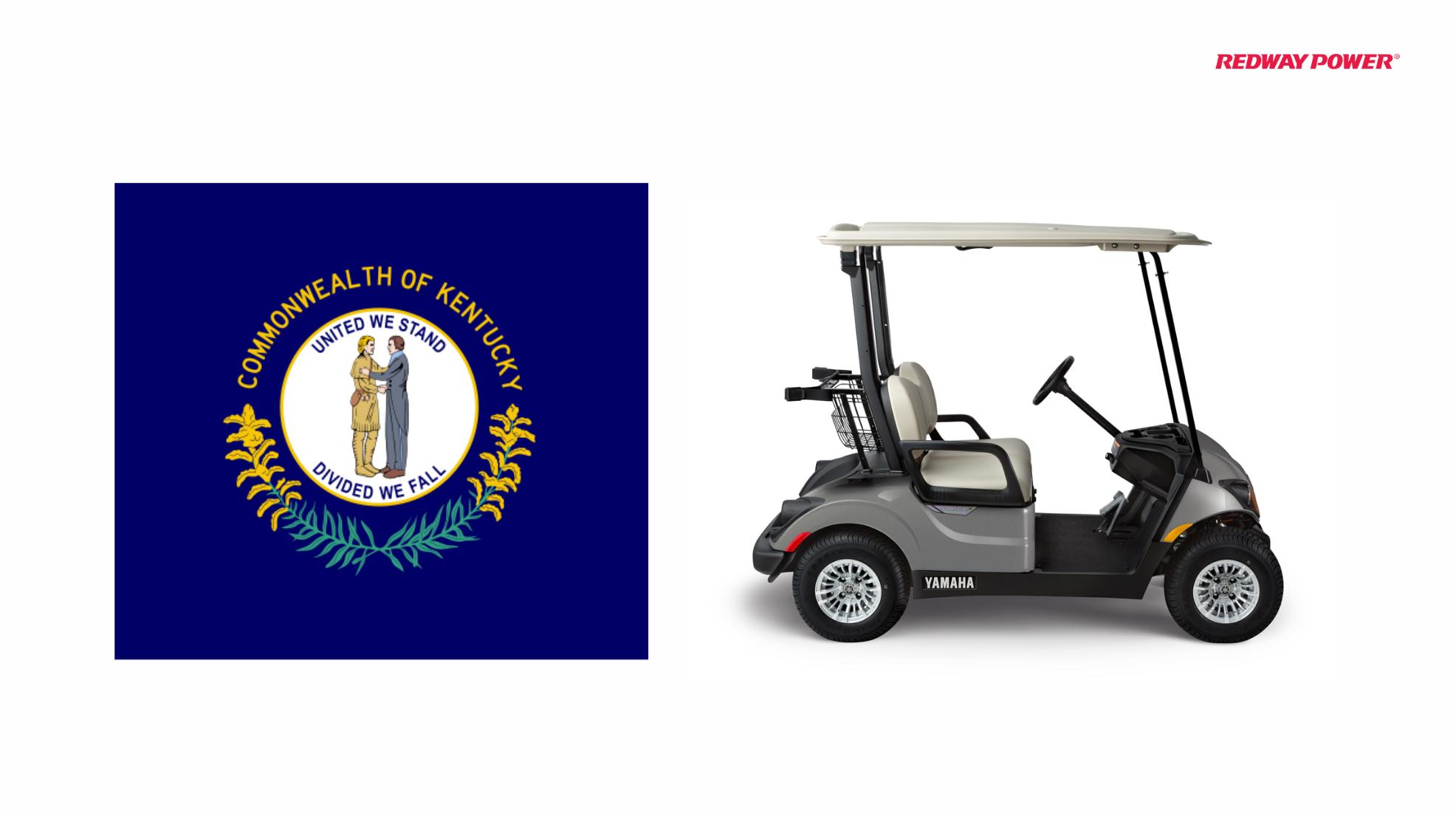
Are Golf Carts Allowed in Kentucky State Parks?

Are Golf Carts Allowed in Kentucky State Parks?

Golf carts are permitted in Kentucky state parks, but usage is regulated to ensure visitor safety and protect park environments. Guests must obtain a valid permit to operate a golf cart, and use is generally limited to campgrounds and designated areas. Special provisions exist for visitors with disabilities, providing convenient mobility options while maintaining park safety.

What Are the Regulations for Golf Carts in Kentucky State Parks?

Kentucky state parks require visitors to have a valid permit before operating a golf cart. These rules ensure that golf carts are used safely and responsibly without disrupting park activities or natural habitats. Personal golf carts are allowed only within campgrounds and other approved areas, with restrictions to prevent unauthorized access to trails or roads.

How Can You Obtain a Golf Cart Permit in Kentucky State Parks?

Golf cart permits can be purchased at designated locations such as campground stores or visitor centers. Weekly permits cost $25, while annual permits are $100, valid from April 1 through October 31. Guests with disabilities displaying an official tag are exempt from the permit requirement. Permits must be displayed visibly on the golf cart.

Permit Type Duration Cost
Weekly Permit 7 consecutive days $25
Annual Permit April 1 – Oct 31 $100

Where Are Golf Carts Allowed Within State Parks?

Golf carts are primarily allowed in campgrounds and designated recreational areas. Operators must follow posted signs and stay on paved or designated roadways. Unauthorized use on hiking trails, restricted areas, or wildlife zones is prohibited to maintain safety and preserve natural habitats.

What Are the Age and License Requirements for Operating Golf Carts?

Operators must be at least 16 years old and possess a valid driver’s license. These requirements help ensure that individuals can safely operate the vehicle while following state traffic and park regulations.

Are There Any Restrictions on Golf Cart Use in Campgrounds?

Yes, golf carts cannot be used for recreational cruising or “joy riding.” They must remain on designated roads, avoid blocking traffic, and comply with all posted rules. This ensures a safe environment for all campers and visitors.

How Do Golf Carts Impact Park Operations and Visitor Experience?

Golf carts enhance visitor convenience and accessibility, particularly for those with mobility challenges. Properly regulated, they reduce congestion and minimize the strain of walking long distances. Park management ensures their use does not compromise safety or disrupt wildlife and natural areas.

What Should You Know About Safety and Maintenance of Golf Carts?

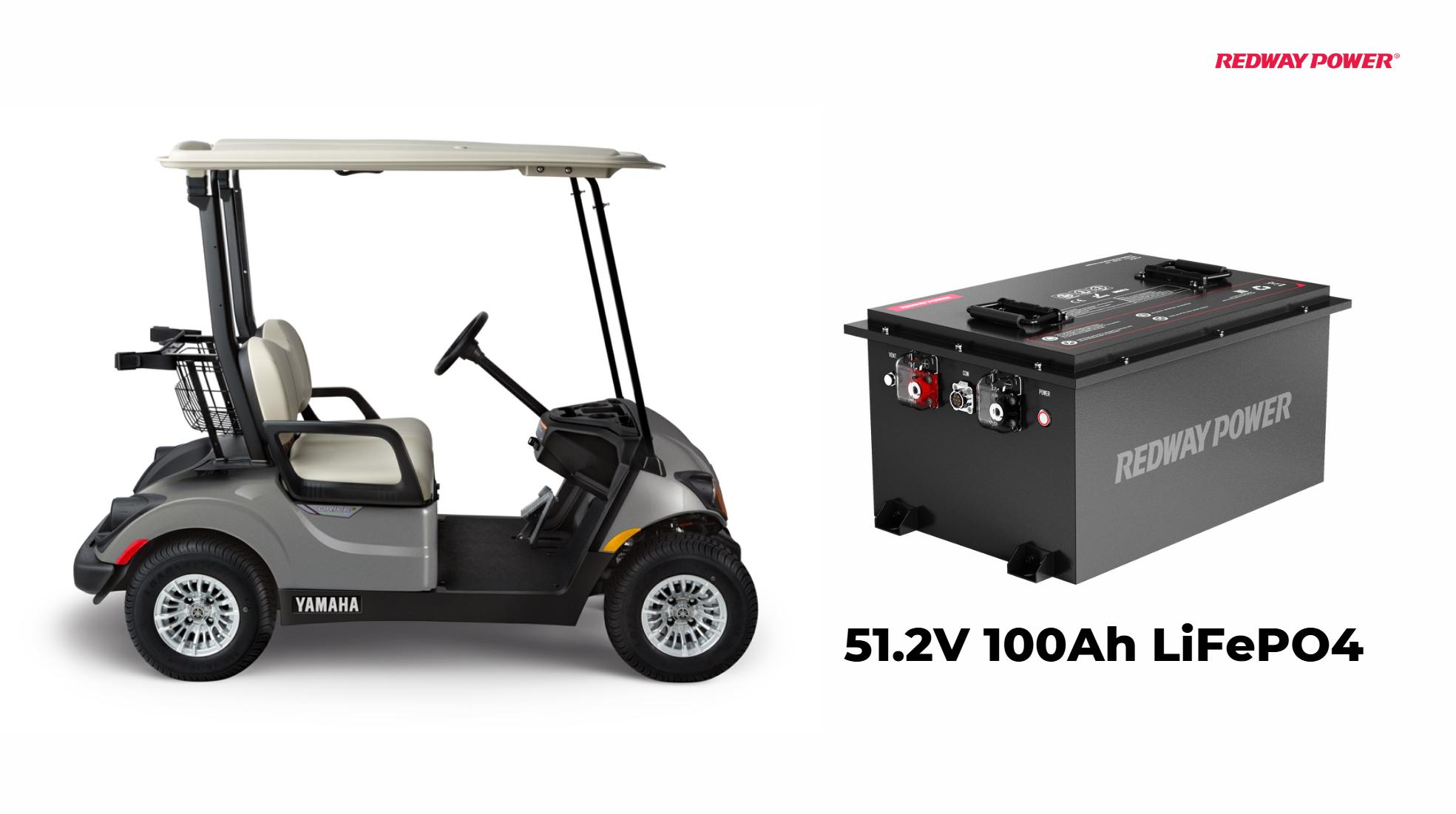
Operators should regularly inspect tires, brakes, battery health, and lights before use. Redway Battery emphasizes the importance of maintaining LiFePO4 batteries in top condition for safe and reliable performance. Safe operation practices include driving at appropriate speeds, avoiding steep slopes, and adhering to all park rules.

What Are the Environmental Considerations for Using Golf Carts?

While golf carts have a smaller environmental footprint than larger vehicles, their use should be carefully managed to prevent damage to natural habitats. Staying on designated paths and avoiding restricted zones reduces the risk of soil erosion and wildlife disturbance.

How Do Local Parks Differ in Their Golf Cart Regulations?

Regulations can vary by park depending on terrain, safety requirements, and environmental concerns. Visitors should confirm specific rules with the park office before use, including whether permits, inspections, or rental options are necessary.

What Are the Benefits of Using Golf Carts in State Parks?

Golf carts offer mobility and accessibility advantages, reduce fatigue from walking, and allow visitors to explore large park areas safely. They also provide an eco-friendly alternative to traditional vehicles and can improve the overall visitor experience when used responsibly.

Redway Expert Views

“Properly managed golf carts can significantly enhance accessibility and convenience in state parks,” notes a Redway Battery professional. “Our LiFePO4 solutions ensure that battery performance is safe, reliable, and long-lasting, giving operators peace of mind. By integrating high-quality batteries and following park regulations, visitors enjoy mobility without compromising safety or the environment.”

Frequently Asked Questions

Do I need a permit to operate a golf cart in Kentucky state parks?
Yes, a valid permit is required for all operators except those with a disability hang tag.

What are the costs for golf cart permits?
Weekly permits are $25, and annual permits are $100.

Are there age restrictions for operating a golf cart?
Yes, operators must be at least 16 years old with a valid driver’s license.

Can I rent a golf cart at Kentucky state parks?
Some parks offer rentals, but availability varies. Contact the park office in advance.

Where are golf carts prohibited in state parks?
Golf carts cannot be used on hiking trails, restricted zones, or wildlife protection areas.

Conclusion

Kentucky state parks allow golf carts to enhance visitor mobility while maintaining safety and environmental integrity. Always obtain the proper permit, follow designated routes, and perform regular maintenance. Utilizing Redway Battery’s reliable LiFePO4 solutions ensures a safe, efficient, and eco-friendly experience for all golf cart operators. Responsible use maximizes convenience without compromising park operations or wildlife protection.

How to Make a Golf Cart Street Legal in Kentucky

To make a golf cart street legal in Kentucky, you must comply with specific state regulations. This includes equipping the cart with essential safety features such as headlights, brake lights, turn signals, and a rearview mirror. Additionally, you need to register the golf cart and obtain a title, ensuring it meets local ordinances for operation on public roads.

Latest News

  • New Legislation for Golf Carts: Recent updates in Kentucky legislation have clarified the requirements for making golf carts street legal, including necessary safety equipment and registration processes.
  • Local Ordinances: Various counties and cities in Kentucky are implementing their own rules regarding golf cart usage on public roads, emphasizing the need for compliance with local laws.
  • Increased Popularity of Golf Carts: As more residents look for eco-friendly transportation options, the demand for street-legal golf carts is rising, prompting discussions about infrastructure improvements.
  • Safety Awareness Campaigns: Local authorities are launching campaigns to educate golf cart owners about safety requirements and best practices for operating their vehicles on public roads.

Redway Expert Comment

At Redway Battery, we recognize the growing trend of using golf carts as a viable transportation option in urban areas. Ensuring these vehicles are street legal not only enhances safety but also promotes responsible usage. Our lithium LiFePO4 batteries provide reliable power for golf carts, supporting their use in various applications, including street legal modifications.”

Understanding Kentucky’s Requirements for Street Legal Golf Carts

1. Essential Equipment for Golf Carts

To comply with Kentucky law, your golf cart must be equipped with specific safety features:

Headlights and Taillights

Golf carts must have functioning headlights and taillights to ensure visibility during low-light conditions.

Turn Signals

Installing turn signals is crucial for indicating lane changes or turns to other drivers on the road.

Brake Lights

Brake lights are necessary to alert other drivers when the golf cart is slowing down or stopping.

Rearview Mirror

A rearview mirror is essential for safe navigation and awareness of surrounding traffic.

Windshield

While not always mandatory, having a windshield can enhance safety and comfort while driving.

2. Registration and Title Requirements

In Kentucky, registering your golf cart is a crucial step in making it street legal:

Obtain a Title

You must secure a title for your golf cart through your local county clerk’s office. This process typically requires proof of purchase or ownership documentation.

Register Your Golf Cart

Once you have the title, register your golf cart with the county clerk’s office. This may involve filling out forms and paying a registration fee.

3. Insurance Requirements

While insurance is not always mandatory for golf carts in Kentucky, it is highly recommended. Having liability insurance can protect you from potential costs associated with accidents or damages while operating your golf cart on public roads.

4. Local Ordinances and Restrictions

It’s essential to check local ordinances regarding golf cart usage on public roads:

Designated Roadways

Some areas may have restrictions on which roads golf carts can travel. Typically, they are allowed on roads with speed limits of 35 mph or lower.

Age Restrictions

Certain municipalities may impose age restrictions on who can operate a street-legal golf cart. Ensure you are aware of these regulations to avoid fines or penalties.

5. Safety Tips for Operating Golf Carts on Public Roads

When driving your golf cart on public roads, consider these safety tips:

Follow Traffic Laws

Obey all traffic signals and signs as you would in a regular vehicle to ensure your safety and that of others.

Use Hand Signals

If your turn signals are not functioning correctly, use hand signals to indicate turns or lane changes.

Stay Visible

Wear bright clothing and consider adding reflective materials to your golf cart to enhance visibility during the day and at night.

Avoid Distracted Driving

Stay focused while driving by avoiding distractions such as mobile devices or loud music.

Conclusion

Making your golf cart street legal in Kentucky involves adhering to specific equipment requirements, obtaining proper registration and title, understanding local ordinances, and prioritizing safety while driving. By following these guidelines, you can enjoy the convenience of using a golf cart as an eco-friendly transportation option within your community. As this trend continues to grow, staying informed about regulations will ensure a safe and enjoyable experience on the road.

FAQs

What are Kentucky’s requirements for street legal golf carts?
In Kentucky, street legal golf carts must meet specific criteria, including a maximum speed of 35 mph, a valid permit from local authorities, and an inspection by the sheriff’s department. They must also display a slow-moving vehicle emblem and have necessary safety equipment such as headlights, taillights, seat belts, and mirrors.

Do golf carts in Kentucky need to be inspected?
Yes, golf carts must be inspected by the local sheriff’s department to ensure compliance with safety standards before being issued a permit. This inspection verifies that the cart has all required safety equipment, including lights, seat belts, and a slow-moving vehicle emblem. The permit must be displayed on the cart at all times.

Is insurance required for golf carts in Kentucky?
Yes, Kentucky law requires golf cart owners to carry insurance. Proof of insurance must be kept inside the golf cart while operating on public roadways. This ensures that operators are financially protected and comply with state regulations regarding liability while driving their golf carts.

Can minors operate golf carts in Kentucky?
No, individuals under 16 years old are prohibited from operating golf carts on public roadways in Kentucky. All operators must possess a valid driver’s license. This regulation aims to enhance safety and reduce risks associated with inexperienced drivers operating these vehicles on public streets.

Are Golf Carts Street Legal in Louisville, Kentucky? A Comprehensive Guide

Golf carts can be street legal in Louisville, Kentucky, under specific conditions. To operate legally, they must meet certain requirements, including safety features like headlights, turn signals, and brake lights. Additionally, drivers must possess a valid driver’s license and adhere to local ordinances regarding where these vehicles can be driven.

Understanding Golf Cart Regulations in Louisville

In Louisville, the regulations governing golf carts are designed to ensure safety while accommodating the increasing popularity of these vehicles. The city allows golf carts to be driven on streets with a speed limit of 25 mph or less. However, operators must adhere to specific guidelines to maintain compliance.

Key Requirements for Street Legal Golf Carts

  1. Safety Equipment: Golf carts must be equipped with essential safety features such as:
    • Headlights
    • Brake lights
    • Turn signals
    • Rearview mirrors
    • Seat belts
  2. Driver’s License: Operators are required to hold a valid driver’s license to operate a golf cart on public roads.
  3. Insurance: While not always mandatory, having insurance for your golf cart is highly recommended to cover potential liabilities.
  4. Registration: Golf carts may need to be registered with local authorities, depending on specific county regulations.
  5. Local Ordinances: Always check with local authorities for any additional rules or restrictions that may apply in your area.

Where Can You Drive Golf Carts?

Golf carts are permitted on public roads that meet the following criteria:

  • Streets with a speed limit of 25 mph or lower
  • Designated paths or lanes specifically for golf carts

Prohibited Areas

Operators should avoid driving golf carts on highways or roads with speed limits exceeding 25 mph unless otherwise specified by local laws.

Latest News

  • Recent discussions have emerged in Louisville regarding the expansion of golf cart usage on public roads, particularly in residential areas.
  • The city council is considering new regulations that could simplify the registration process for golf carts.
  • Safety concerns have prompted calls for increased awareness campaigns about the proper operation of street-legal golf carts.

Redway Expert Comment

In our experience at Redway Battery, the growing acceptance of golf carts as street-legal vehicles reflects a shift towards more sustainable and efficient transportation options. As more people turn to electric solutions like our Lithium LiFePO4 batteries, we see an exciting opportunity for innovation in this sector. Properly regulated use of golf carts can enhance community mobility while promoting eco-friendly practices.”

Benefits of Using Golf Carts

Eco-Friendly Transportation

Golf carts are an environmentally friendly alternative to traditional vehicles. They produce zero emissions and can significantly reduce your carbon footprint when used for short trips.

Cost-Effective Solution

Operating a golf cart can be more economical than using a car for short distances. With lower maintenance costs and reduced fuel expenses, golf carts offer a budget-friendly option for local travel.

Convenience and Accessibility

Golf carts provide easy access to neighborhoods and recreational areas that may not be easily reachable by larger vehicles. Their compact size allows them to navigate narrow streets and crowded spaces effectively.

Conclusion

Understanding the regulations surrounding golf cart usage in Louisville is crucial for ensuring compliance while enjoying the benefits these vehicles offer. As the trend towards eco-friendly transportation continues to grow, we at Redway Battery remain committed to providing high-quality Lithium LiFePO4 batteries tailored for golf carts and other applications. For those considering making their golf cart street legal or seeking custom battery solutions, we invite you to contact us for a quick quote today.

FAQs

Can you drive a golf cart on the road in Louisville, Kentucky?
Yes, you can drive a golf cart on designated roads in Louisville, Kentucky, provided it meets local regulations. Golf carts must be inspected, registered, and display a permit. They can only be operated on streets with a speed limit of 35 mph or less.

Do golf carts have to be registered in Kentucky?
Yes, golf carts must be registered in Kentucky if they are to be operated on public roadways. This involves obtaining a permit from local authorities after passing an inspection that ensures compliance with safety standards and regulations.

Can you drive a golf cart on local roads?
Yes, you can drive a golf cart on local roads in Kentucky, but only if those roads are designated for golf cart use by local ordinances. The cart must also meet safety requirements and have the necessary permits displayed.

Do you have to have insurance on a golf cart in Kentucky?
Yes, insurance is required for golf carts in Kentucky. Owners must maintain proof of insurance inside the cart while operating it on public roadways to comply with state regulations and ensure liability coverage.

Do You Need a Driver's License to Drive a Golf Cart in Kentucky? A Comprehensive Guide

Do You Need a Driver’s License to Drive a Golf Cart in Kentucky?

In Kentucky, you must have a valid driver’s license to operate a golf cart on public roads. Drivers must be at least 16 years old, and the golf cart must be inspected, permitted, insured, and equipped with safety features like lights, mirrors, and a slow-moving vehicle emblem. These rules ensure safe, responsible operation on approved low-speed roads.

What Are the Golf Cart Rules in Kentucky?

Kentucky only allows golf carts on public streets if the local city or county passes an ordinance permitting them. Drivers must follow standard traffic laws, and operation is restricted to roads with a posted speed limit of 35 mph or less.

Table: Key Operating Rules in Kentucky

Requirement Kentucky Law Details
Road Speed Limit 35 mph or less
Local Ordinance Required Yes
Public Road Use Allowed Only after inspection and permit issuance

Do You Need a Driver’s License to Operate a Golf Cart?

Yes. Kentucky law requires all golf cart drivers on public roads to hold a valid driver’s license. This ensures that operators have basic driving knowledge and can safely navigate traffic. Redway Battery highlights that lawful operation protects both drivers and vehicles from liability issues.

What Are the Requirements for Golf Cart Permits?

To receive a golf cart permit, the owner must submit the cart for inspection by the local authority—often the sheriff’s office. The permit or sticker must be displayed on the cart once approved.

Permit requirements typically include:

  • Valid driver’s license

  • Proof of insurance

  • Safety equipment installed

  • Local inspection completed

Why Is Proof of Insurance Required for Golf Carts?

Insurance protects drivers from liability if an accident occurs on public roads. Kentucky requires insurance documentation to be kept in the golf cart during operation. Redway Battery recommends maintaining coverage at all times to avoid fines or vehicle impoundment.

Table: Required Insurance and Safety Compliance

Item Requirement
Proof of Insurance Must be carried in the cart
Required Safety Features Lights, reflectors, mirrors, horn, seat belts
Emblem Slow-moving vehicle emblem required

Which Safety Equipment Must a Golf Cart Have to Be Street-Legal?

Kentucky mandates specific safety equipment before a permit will be issued. Required features include:

  • Headlights, taillights, and brake lights

  • Front and rear turn signals

  • Side mirrors or rearview mirror

  • Seat belts for every seating position

  • Slow-moving vehicle emblem

  • Parking brake

  • Reflective materials

Redway Battery notes that these safety features make golf carts visible and predictable to other drivers.

Can Golf Carts Be Driven at Night?

Golf carts may only be driven after dark if they are equipped with proper lighting and meet local safety, visibility, and permit requirements. If the cart lacks approved lighting, nighttime operation is prohibited.

How Can You Safely Operate a Golf Cart on Public Roads?

Safe and legal operation requires:

  • Obeying posted speed limits

  • Wearing seat belts

  • Avoiding distractions

  • Using mirrors and turn signals

  • Yielding to pedestrians and bicycles

When Can Golf Carts Be Used Without a License?

A driver’s license is not required when operating a golf cart on private property, such as a golf course or private land. Licensing and vehicle regulations apply only to public roadways.


Redway Expert Views

“Golf carts on public roads are treated much like low-speed vehicles. Permits, insurance, and safety features are not optional—they protect both the operator and other road users. Meeting these requirements is essential for safe and lawful operation in Kentucky.” — Redway Battery Technical Team


Conclusion

Operating a golf cart in Kentucky is lawful only when specific safety and licensing requirements are met. You must have a valid driver’s license, insurance, and a permit issued after inspection. The golf cart must be equipped with proper lighting, mirrors, seat belts, and a slow-moving vehicle emblem. Follow all traffic laws to ensure safe driving and avoid costly penalties.


FAQs

Do you need a driver’s license to drive a golf cart on public roads in Kentucky?
Yes. Anyone operating a golf cart on public streets must have a valid driver’s license.

Can a minor drive a golf cart in Kentucky?
No. The minimum age to operate a golf cart on public roads is 16, and a driver’s license is required.

Is insurance required?
Yes. Operators must maintain proof of insurance, and it must be carried in the golf cart at all times.

Can you drive a golf cart at night?
Only if proper lighting and safety equipment are installed and local ordinances allow nighttime use.

Do you need a license to drive a golf cart on private property?
No. Licensing rules apply only to public roadways.

What Are the Requirements for a Golf Cart in Florida?

In Florida, golf carts must meet specific requirements to be legally driven on public roads. These include having a maximum speed of 20 mph, being equipped with operational brake lightsturn signals, and a horn. Additionally, drivers must be at least 14 years old and possess a valid driver’s license. Registration and insurance are also necessary.

Understanding Golf Cart Regulations in Florida

Florida has become a popular state for golf cart usage, especially in communities designed for leisure activities. Understanding the requirements for operating a golf cart is essential for both safety and compliance with local laws.

1. Licensing and Age Requirements

To operate a golf cart in Florida, drivers must be at least 14 years old. While a driver’s license is required, some local municipalities may allow golf carts to be driven without one in designated areas. Always check local regulations to ensure compliance.

2. Equipment Standards

Golf carts must adhere to specific equipment standards to ensure safety on public roads:

  • Operational Brake Lights: Essential for signaling stops.
  • Turn Signals: Required for indicating turns.
  • Horn: Necessary for alerting pedestrians and other vehicles.
  • Reflectors: Must be visible from both the front and rear.

3. Speed Limitations

Florida law stipulates that golf carts can only operate on roads with speed limits of 30 mph or less. This restriction is crucial for maintaining safety in residential areas where golf carts are commonly used.

4. Registration and Insurance

Golf carts must be registered with the Florida Department of Highway Safety and Motor Vehicles (DHSMV). Additionally, drivers are required to have liability insurance that meets state minimums.

Latest News

  • Recent legislation has been introduced in Florida to expand the areas where golf carts can be legally operated, particularly in tourist-heavy regions.
  • New safety initiatives are being launched by local governments to educate residents about the safe operation of golf carts.
  • Several communities are implementing dedicated lanes for golf carts to enhance safety and reduce traffic congestion.

Redway Expert Comment

“In our experience at Redway Battery, understanding the legal requirements for operating golf carts in Florida is crucial for ensuring safety and compliance. As manufacturers of high-quality Lithium LiFePO4 batteries, we encourage all golf cart owners to equip their vehicles with reliable power solutions that enhance performance while adhering to state regulations. This not only ensures a smooth ride but also aligns with safety standards that protect everyone on the road.”

Conclusion

Navigating the requirements for operating a golf cart in Florida is essential for all users. By understanding licensing, equipment standards, speed limitations, and registration needs, drivers can enjoy their time on the road safely and legally. For those seeking reliable power sources, Redway Battery offers tailored solutions that meet the demands of modern electric vehicles.

FAQs

What are the rules for golf carts in Florida?
In Florida, golf carts are defined as vehicles designed for recreational use, not exceeding 20 mph. They can only be operated on designated roads or streets, and drivers must comply with local regulations. Golf carts cannot be modified for increased speed and are prohibited on state or county roads unless specified by local ordinances.

What is the new law in Florida for golf carts?
Effective October 1, 2023, Florida’s new law prohibits individuals under 18 from operating golf carts on public roadways unless they possess a valid driver’s license or learner’s permit. This law aims to enhance safety by addressing concerns over accidents involving young drivers and requires proper identification for all operators aged 18 and older.

Are golf carts required to have seat belts in Florida?
Yes, golf carts classified as Low-Speed Vehicles (LSVs) must be equipped with seat belts for each passenger. This requirement ensures safety during operation on public roads where LSVs are permitted. Standard golf carts, however, do not have a seat belt requirement unless modified to meet LSV standards.

Do you need insurance to drive a golf cart in Florida?
Yes, Florida law mandates that golf cart owners carry insurance coverage. This can be included in a homeowner’s policy or purchased separately as golf cart insurance. Compliance with this requirement is essential to avoid fines and legal consequences while operating a golf cart on public roadways.

Understanding the New Golf Cart Laws in Florida: What You Need to Know

Florida’s updated golf cart laws ensure that operators follow specific rules to drive safely on public roads. Requirements include carrying valid identification, equipping carts with essential safety features such as headlights and turn signals, and following local ordinances. Compliance promotes road safety and supports responsible golf cart usage across communities, while enhancing the overall experience for all users.

How Has Florida Updated Golf Cart Laws?

Florida’s recent legislative changes clarify who can operate golf carts and the conditions under which they are allowed on public roads. Operators under 18 must have a valid learner’s or driver’s license, while those 18 and older need a government-issued photo ID. The law also distinguishes between standard golf carts and Low-Speed Vehicles (LSVs), with LSVs subject to stricter licensing and registration rules.

What Safety Equipment Is Required for Golf Carts?

All golf carts on public roads must have essential safety equipment to ensure visibility and protection:

Equipment Purpose
Headlights & Taillights Visibility during low-light or night conditions
Brake Lights Alert other drivers when slowing or stopping
Turn Signals Indicate lane changes or turns
Rearview Mirrors Provide awareness of surrounding traffic
Reflectors Increase daytime and nighttime visibility
Seat Belts Enhance passenger safety

Adding these features not only ensures compliance but improves overall safety for drivers and passengers.

Where Can Golf Carts Legally Operate in Florida?

Golf carts are generally limited to designated roads, typically with speed limits of 30–35 mph or lower. They may cross highways only at approved intersections with proper signage. Sidewalks and bicycle paths are off-limits unless local ordinances explicitly allow their use. On private property, HOA or owner rules dictate cart usage.

How Do Local Ordinances Affect Golf Cart Usage?

Counties and municipalities may impose additional restrictions beyond state law. Common examples include:

  • Designated Neighborhood Roads: Limiting golf cart operation to certain streets.

  • Age Restrictions: Requiring operators to meet minimum age criteria.

  • Nighttime Operation: Allowing nighttime driving only if the cart has lights and the ordinance permits it.

Operators must check local regulations to avoid fines or penalties.

Can Golf Carts Be Insured and Registered?

While state law does not mandate registration or insurance for standard golf carts, obtaining liability coverage is strongly recommended. LSVs, however, require titling, registration, and insurance. Registering your golf cart with the local tax collector’s office may also be necessary for frequent road use.

What Are the Differences Between Golf Carts and Low-Speed Vehicles?

Feature Golf Cart LSV
Max Speed ≤ 20 mph 20–25 mph
License Required No (ID required for adults) Yes
Road Use Designated roads only Roads with speed limits ≤ 35 mph
Registration Not required Required
Safety Equipment Basic Full (headlights, brake lights, seat belts, VIN, etc.)

Understanding these differences ensures compliance and safety when operating either type of vehicle.

How Can Operators Stay Safe While Driving Golf Carts?

  • Follow Traffic Laws: Obey signals, stop signs, and yield to pedestrians.

  • Use Hand Signals: When turn signals are not functioning.

  • Stay Visible: Wear bright clothing and add reflective materials.

  • Avoid Distractions: Focus on driving and minimize use of phones or loud music.

What Is the Environmental Impact of Golf Carts?

Electric golf carts produce zero emissions during operation, offering an environmentally friendly alternative to gas-powered vehicles. As more residents adopt electric carts, this shift contributes positively to local air quality and supports sustainable transportation solutions.

When Will Future Golf Cart Regulations Evolve?

As golf cart popularity grows, Florida may implement further safety measures, including dedicated lanes or expanded access routes. Continuous monitoring of legislative updates and local ordinances is essential for operators.

Redway Expert Views

“At Redway Battery, we emphasize the importance of combining compliance with performance. Our LiFePO4 lithium batteries are engineered to enhance golf cart efficiency and reliability while meeting safety standards. Staying informed about Florida’s golf cart regulations allows users to enjoy a safe and seamless experience. We encourage operators to invest in high-quality batteries and safety features to maximize both safety and performance.”

Conclusion

Florida’s new golf cart laws prioritize safety, responsible operation, and clarity on local restrictions. Key takeaways include: always carry proper identification, equip your cart with essential safety features, respect local ordinances, and consider insurance. Using Redway Battery-powered golf carts enhances reliability, while adherence to regulations ensures both safety and enjoyment on public roads.

FAQs

What is the minimum age to operate a golf cart in Florida?
The minimum age is 14 for standard golf carts on designated public roads, with operators under 18 requiring a learner’s permit or driver’s license.

Do golf carts need to be registered in Florida?
Standard golf carts do not require registration under state law, but LSVs must be titled, registered, and insured. Local requirements may vary.

Can I drive a golf cart at night?
Yes, if your local ordinance permits it and your golf cart is equipped with headlights, brake lights, and turn signals.

Are there differences between golf carts and LSVs?
Yes. LSVs have higher speed limits, require a driver’s license, and need registration and insurance, whereas standard golf carts have fewer requirements.

Why choose Redway Battery for golf carts?
Redway Battery offers high-performance LiFePO4 batteries that enhance reliability, safety, and longevity, ensuring your golf cart operates efficiently while meeting regulatory standards.

Search products

Need a Quick Quote on Wholesale Prices? Contact Redway Battery Now.

X
Product has been added to your cart


Shenzhen Redway Power, Inc

Tel: +86 189 7608 1534
Tel: +86 (755) 2801 0506
E-mail: contact@redwaybattery.com
Website: www.redway-tech.com
Youtube: @RedwayPower
TikTok: @redwaybattery

Get a Quick Quote

Hot OEM

Forklift Lithium Battery
Golf Cart Lithium Battery
RV Lithium Battery
Rack-mounted Lithium Battery

Hot Batteries

24V 150Ah Forklift Lithium Battery
24V 200Ah Forklift Lithium Battery
48V 400Ah Forklift Lithium Battery
48V 600Ah Forklift Lithium Battery
80V 400Ah Forklift Lithium Battery
36V 100Ah Golf Cart Lithium Battery
48V 100Ah Golf Cart Lithium Battery
51.2V 50Ah 3U Rack-mounted Lithium Battery
51.2V 100Ah 3U Rack-mounted Lithium Battery
12V 100Ah RV LiFePO4 Lithium Battery (Self-heating)

Hot Blog

Golf Carts
Server Rack Battery
Knowledge
