
The Ultimate Guide to Lead-Acid Batteries: Flooded, AGM, and Gel

Lead-acid batteries are a cornerstone of energy storage technology, widely used in various applications from automotive to renewable energy systems. Understanding the differences between flooded, AGM (Absorbent Glass Mat), and gel lead-acid batteries is essential for selecting the right battery for your needs. This comprehensive guide will explore each type’s characteristics, advantages, disadvantages, and maintenance requirements.

What Are Lead-Acid Batteries?

Lead-acid batteries are rechargeable batteries that utilize lead and sulfuric acid to store and convert chemical energy into electrical energy. They consist of two electrodes: a positive electrode (lead dioxide) and a negative electrode (spongy lead), immersed in an electrolyte solution of sulfuric acid. During discharge, a chemical reaction occurs, releasing electrons and generating electrical power.

Types of Lead-Acid Batteries

Lead-acid batteries can be categorized into three main types: flooded, AGM, and gel. Each type has unique features that make it suitable for different applications.

1. Flooded Lead-Acid Batteries

Flooded lead-acid batteries, also known as wet cell batteries, are the traditional type of lead-acid battery. They contain a liquid electrolyte that freely moves within the battery casing.

  • Advantages:
    • Cost-Effective: Generally cheaper than other types of lead-acid batteries.
    • High Power Output: Capable of delivering high bursts of power, making them suitable for starting engines.
  • Disadvantages:
    • Maintenance Required: These batteries need regular topping up with distilled water to prevent damage from electrolyte evaporation.
    • Risk of Spillage: Flooded batteries must be kept upright to avoid leakage of corrosive acid.
    • Ventilation Needed: Gassing during charging requires proper ventilation to prevent the buildup of hydrogen gas.

2. AGM (Absorbent Glass Mat) Batteries

AGM batteries use glass mat separators to absorb and hold the electrolyte, making them spill-proof and maintenance-free.

  • Advantages:
    • Low Maintenance: No need to add water or check electrolyte levels.
    • Better Performance in Extreme Conditions: AGM batteries perform well in cold temperatures and can handle deep discharges better than flooded batteries.
    • Higher Cycle Life: Generally have a longer lifespan compared to flooded batteries.
  • Disadvantages:
    • Higher Cost: AGM batteries are typically more expensive than flooded models.
    • Limited Discharge Depth: While they tolerate deep discharges better than flooded batteries, excessive deep cycling can still reduce their lifespan.

3. Gel Lead-Acid Batteries

Gel batteries contain a silica-based gel that immobilizes the electrolyte, preventing spillage and allowing for versatile installation options.

  • Advantages:
    • Maintenance-Free: Like AGM batteries, gel batteries do not require regular maintenance.
    • Safe Installation: Can be installed in various orientations without risk of leakage.
    • Better Resistance to Vibration: Ideal for applications subject to movement or shock.
  • Disadvantages:
    • Temperature Sensitivity: Gel batteries can be sensitive to high temperatures and may suffer performance issues if charged at too high a voltage.
    • Higher Initial Cost: Typically more expensive than both flooded and AGM options.

Comparison Chart: Flooded vs. AGM vs. Gel Lead-Acid Batteries

Feature Flooded Lead-Acid AGM Gel
Maintenance Requires regular upkeep Maintenance-free Maintenance-free
Cost Lower initial cost Moderate cost Higher initial cost
Lifespan 3-5 years 4-7 years 5-10 years
Discharge Depth Limited Better than flooded Excellent
Installation Orientation Upright only Any position Any position
Performance in Cold Weather Poor Good Good

Applications of Lead-Acid Batteries

Lead-acid batteries are used in various applications across multiple industries:

  • Automotive: Commonly used for starting engines and powering electrical systems in vehicles.
  • Renewable Energy Systems: Used for storing energy generated from solar panels or wind turbines.
  • Telecommunications: Provide backup power for communication systems during outages.
  • Industrial Equipment: Power forklifts, emergency lighting systems, and uninterruptible power supplies (UPS).

Maintaining Your Lead-Acid Battery

To maximize the lifespan and performance of your lead-acid battery, consider the following maintenance tips:

  1. Regularly Check Electrolyte Levels (for Flooded Batteries): Ensure that the electrolyte covers the plates; top up with distilled water as needed.
  2. Keep Terminals Clean: Regularly clean battery terminals to prevent corrosion that can affect performance.
  3. Avoid Deep Discharges: Try not to discharge your battery below 20% capacity to extend its life.
  4. Monitor Charging Voltage: Ensure that charging does not exceed recommended voltage levels to prevent overcharging and gassing.

Latest News

Recent advancements in lead-acid battery technology have highlighted several key trends:

  • New formulations are being developed to improve the efficiency and lifespan of lead-acid batteries.
  • Research into hybrid systems combining lead-acid with lithium technologies is gaining traction for enhanced performance.
  • Regulatory changes are promoting recycling initiatives aimed at minimizing environmental impact from lead-acid battery disposal.

Redway Expert Comment

As experts at Redway Power specializing in Lithium LiFePO4 batteries, we recognize the enduring importance of lead-acid technology in various applications. While newer technologies like lithium-ion offer significant advantages, understanding the capabilities and limitations of flooded, AGM, and gel lead-acid batteries remains crucial for users seeking reliable energy solutions. Our commitment is to provide tailored solutions that meet diverse energy storage needs.”

Conclusion

In summary, selecting the right type of lead-acid battery—whether flooded, AGM, or gel—depends on your specific application requirements and maintenance preferences. Each type offers distinct advantages and disadvantages that should be carefully considered before making a purchase. By understanding these differences and following proper maintenance practices, users can ensure optimal performance and longevity from their lead-acid battery systems.

Mixing AGM and Sealed Acid Batteries in RVs: A Comprehensive Guide

When considering battery options for your RV, many owners wonder if they can mix AGM (Absorbed Glass Mat) batteries with sealed acid batteries. While it is technically possible, doing so can lead to performance issues and potential damage. Understanding the characteristics of each battery type and their compatibility is crucial for optimal performance.

Understanding AGM and Sealed Acid Batteries

What Are AGM Batteries?

AGM batteries are a type of lead-acid battery that uses fiberglass mats to absorb the electrolyte, making them spill-proof and maintenance-free. Key features include:

  • Sealed Design: Prevents leakage and allows for versatile mounting options.
  • Low Self-Discharge Rate: AGM batteries lose only about 3% of their charge per month, making them ideal for RVs that sit idle.
  • Vibration Resistance: Built to withstand the bumps of travel, ensuring reliability on rough terrain.

What Are Sealed Acid Batteries?

Sealed acid batteries, often referred to as sealed lead-acid (SLA) batteries, are also designed to be maintenance-free. They come in two main types: gel and absorbed glass mat. Their characteristics include:

  • Gel Batteries: Use a gelled electrolyte, making them less prone to spillage but sensitive to temperature extremes.
  • Maintenance-Free: Like AGM batteries, sealed acid batteries do not require regular water checks.

Mixing Battery Types: Pros and Cons

Pros of Mixing AGM and Sealed Acid Batteries

  1. Increased Capacity: Combining different types can enhance the overall capacity of your battery system.
  2. Flexibility in Sizing: If space is limited, mixing may allow you to use available space more efficiently.

Cons of Mixing AGM and Sealed Acid Batteries

  1. Voltage Mismatch: Different battery types may have varying voltage characteristics, leading to inefficiencies.
  2. Charging Issues: Chargers designed for one type may not optimally charge another, risking overcharging or undercharging.
  3. Reduced Lifespan: Mixing can lead to uneven wear and tear, potentially shortening the lifespan of both battery types.

Best Practices for Mixing Batteries in RVs

If you decide to mix AGM and sealed acid batteries in your RV, consider the following best practices:

1. Use Similar Capacity Ratings

Ensure that the capacities (measured in amp-hours) of the batteries are similar. This helps maintain balance within the system.

2. Charge with Compatible Equipment

Utilize a charger that is suitable for both battery types. Some smart chargers can automatically adjust their settings based on the battery type being charged.

3. Monitor Performance Regularly

Keep an eye on the performance of both battery types. Look out for signs of underperformance or failure, such as swelling or leakage.

4. Avoid Deep Discharge

Both AGM and sealed acid batteries should not be discharged below 50% of their capacity regularly. This practice helps prolong their lifespan.

Comparative Analysis: AGM vs. Sealed Acid Batteries

Feature AGM Batteries Sealed Acid Batteries
Maintenance Maintenance-free Maintenance-free
Self-Discharge Rate ~3% per month Varies by type
Vibration Resistance Excellent Good
Temperature Sensitivity Moderate High (especially gel)
Lifespan Up to 10 years 5-7 years

Latest News

Recent developments in battery technology have highlighted trends affecting RV owners:

  • As of October 2024, advancements in hybrid battery systems are gaining traction among RV enthusiasts, allowing for better energy management.
  • New regulations are encouraging manufacturers to produce more efficient and environmentally friendly battery options.
  • The demand for AGM batteries continues to rise due to their reliability and low maintenance needs in recreational vehicles.

Redway Expert Comment

In our experience at Redway Power, mixing AGM and sealed acid batteries can be tempting but often leads to complications that could affect performance and longevity. We recommend sticking with one type of battery for optimal efficiency. If you do choose to mix, ensure compatibility in capacity and charging methods to minimize risks.”

What Are the Key Differences Between Flooded Lead and AGM Batteries?

Flooded lead and AGM batteries are both lead-acid types but differ significantly in design, maintenance, performance, and applications. Flooded lead batteries contain free liquid electrolyte and require regular upkeep, while AGM (Absorbed Glass Mat) batteries trap the electrolyte in fiberglass mats, making them maintenance-free, spill-proof, and better suited for high-performance and mobile uses.

What Are Flooded Lead and AGM Batteries?

Flooded lead batteries, also known as wet cell batteries, have lead plates submerged in a freely moving liquid electrolyte solution. They are the traditional battery type used in vehicles, forklifts, and backup power systems requiring ventilation and periodic water replenishment.

AGM batteries, or Absorbed Glass Mat batteries, use microfiber glass mats to absorb and hold the electrolyte in place, creating a sealed, maintenance-free battery. Their design prevents electrolyte spill, reduces internal resistance, and withstands vibration and shock better than flooded types.

How Do Flooded Lead and AGM Batteries Differ in Construction?

Flooded batteries have a straightforward design where the electrolyte floods the entire battery cell, allowing lead plates to be fully immersed in liquid acid. This design requires vent caps and regular maintenance to replace water lost through evaporation.

AGM batteries contain silica fiber glass mats between the plates that soak up the electrolyte via capillary action, immobilizing the fluid inside. The sealed case and internal recombination system mean no gas venting is needed, making AGM batteries spill-proof and safer to handle.

Why Is Maintenance Different Between Flooded Lead and AGM Batteries?

Flooded lead batteries require ongoing maintenance, including checking electrolyte levels and adding distilled water to prevent plate exposure and corrosion. Equalization charges are also necessary to balance cells and prevent sulfation.

AGM batteries are maintenance-free due to their sealed design and internal gas recombination process that converts gases back into liquid electrolyte. This eliminates watering needs and reduces corrosion and acid leaks, simplifying ownership and enhancing safety.

Which Battery Type Performs Better in Different Applications?

Flooded batteries are robust and cost-effective, suitable for stationary applications like off-grid power systems, golf carts, and industrial equipment. They tolerate higher discharge rates but are heavier and more prone to damage from vibration.

AGM batteries excel in applications demanding durability, fast charging, low internal resistance, and resilience to extreme conditions, such as automotive starting batteries, backup power systems in confined spaces, and mobile electronics. They provide higher power output and longer cycle life in cyclical use.

When Should You Choose Flooded Lead vs. AGM Batteries?

Choose flooded lead batteries when budget constraints, simple maintenance capability, and high discharge tolerance are priorities, especially in controlled environments with easy access for upkeep.

Opt for AGM batteries when maintenance-free operation, safety (spill-proof), vibration resistance, and installation flexibility are critical, especially in vehicles, marine, or harsh environments where battery position and handling matter.

How Do Flooded Lead and AGM Batteries Compare in Cost and Lifespan?

Flooded batteries cost less upfront and have a proven track record but typically have shorter service life due to maintenance demands and higher corrosion risks. Lifespan generally ranges between 3 to 5 years with proper care.

AGM batteries are more expensive, sometimes 3-4 times the cost of flooded types, but offer longer life spans—often up to 6-10 years—thanks to lower internal resistance and robust construction. Their premium price reflects performance and convenience benefits.

How Does Temperature Affect Flooded and AGM Batteries?

Flooded batteries are more susceptible to performance degradation under temperature extremes, with increased water evaporation in heat and reduced chemical activity in cold.

AGM batteries have superior temperature tolerance, maintaining stable voltage in freezing and hot conditions due to their sealed design and reduced electrolyte loss, making them preferable for climates with variable or extreme temperatures.

Where Can You Find Reliable Flooded Lead and AGM Batteries Like Those from Redway Battery?

Redway Battery offers high-quality lead-acid solutions including reliable AGM and flooded lead batteries tailored for diverse applications such as golf carts, telecom backup, and energy storage systems. With over 13 years of experience and ISO certification, Redway specializes in durable, safe, and customizable battery packs backed by advanced manufacturing and 24/7 support.

Redway Expert Views

“Flooded lead and AGM batteries continue to be vital in energy storage and transportation due to their dependability and cost-effectiveness. At Redway Battery, we focus on blending traditional technologies with modern enhancements, offering tailored flooded and AGM batteries that meet rigorous industry demands. Our expertise ensures clients receive batteries that balance performance, safety, and lifecycle cost, enabling sustainable and efficient energy solutions worldwide.” – Redway Battery Engineering Team

Summary and Actionable Advice

Flooded lead and AGM batteries serve distinct customer needs: flooded batteries provide affordability and high discharge capabilities but require regular maintenance and ventilation; AGM batteries deliver maintenance-free convenience, improved durability, and safer operation with a higher upfront cost. Evaluate your application environment, maintenance willingness, budget, and performance criteria carefully. Trusted providers like Redway Battery offer expertly crafted solutions to maximize your energy investment and operational reliability.

Frequently Asked Questions

1. Can I replace a flooded battery with an AGM battery in my vehicle?
Yes, AGM batteries are compatible replacements and often provide better performance and maintenance-free convenience.

2. Do flooded lead batteries leak acid?
They can, especially if overfilled or damaged. Proper maintenance and ventilation reduce risks.

3. How often should I maintain a flooded lead battery?
Check electrolyte levels every 1-3 months and add distilled water as needed; perform equalization charging periodically.

4. Are AGM batteries safer to transport than flooded batteries?
Yes, AGM batteries are sealed and spill-proof, making them safer for transport and indoor use.

5. Does Redway Battery offer OEM customization for flooded and AGM batteries?
Yes, Redway provides full OEM/ODM customization to tailor flooded and AGM battery packs for various industrial and commercial needs.

Choosing the Right Battery: A Deep Dive into AGM and Flooded Batteries

When selecting a battery for your needs, understanding the differences between AGM (Absorbent Glass Mat) and flooded batteries is crucial. AGM batteries are maintenance-free, have a longer lifespan, and provide better performance in extreme conditions. Flooded batteries, while cost-effective, require regular maintenance and can handle higher discharge rates but may not perform as well under deep discharge conditions.

Overview of AGM and Flooded Batteries

Lead-acid batteries are categorized primarily into two types: AGM and flooded batteries. Both serve various applications, but their construction and performance characteristics differ significantly.

AGM Batteries

AGM batteries utilize a glass mat separator to absorb the electrolyte, preventing spillage and allowing for versatile installation options. They are often referred to as sealed lead-acid batteries due to their design, which minimizes gas emissions during operation.

  • Key Features:
    • Maintenance-Free: No need to check or add water.
    • Vibration Resistance: Ideal for mobile applications due to their robust design.
    • Fast Charging: Can recharge more quickly than flooded batteries.

Advantages of AGM Batteries

  1. Longer Lifespan: AGM batteries typically last between 4 to 8 years, depending on usage and maintenance practices. Their sealed design reduces sulfation and minimizes water loss.
  2. Better Deep Discharge Performance: AGM batteries can handle deeper discharges without damage, making them ideal for applications with high energy demands.
  3. Safety Features: The sealed design minimizes the risk of acid spills and gas emissions, making them safer for indoor use.
  4. Superior Vibration Resistance: Ideal for vehicles or equipment subject to movement or shock.

Disadvantages of AGM Batteries

  1. Higher Initial Cost: AGM batteries usually come with a higher price tag compared to flooded options.
  2. Sensitivity to Overcharging: AGM batteries require careful charging management to avoid reduced lifespan due to overcharging.

Flooded Batteries

Flooded batteries are the traditional lead-acid battery type, containing liquid electrolyte that freely moves within the battery casing. They require regular maintenance to ensure optimal performance.

  • Key Features:
    • Cost-Effective: Generally cheaper than AGM batteries.
    • High Surge Current: Suitable for applications requiring high power output.
    • Maintenance Required: Regular checks on electrolyte levels are necessary.

Advantages of Flooded Batteries

  1. Lower Cost: Flooded batteries are generally more affordable upfront, making them a budget-friendly option for many users.
  2. High Power Output: They can deliver high bursts of power, suitable for automotive starting applications and heavy-duty industrial equipment.
  3. Proven Technology: With over a century of use, flooded batteries have a long track record of reliability.

Disadvantages of Flooded Batteries

  1. Regular Maintenance Required: Users must routinely check electrolyte levels and top up with distilled water as needed.
  2. Risk of Spillage: Flooded batteries must be kept upright to prevent leaks, which can cause corrosion or damage.
  3. Poor Performance in Extreme Conditions: Flooded batteries may struggle in very cold or hot environments compared to AGM options.

Comparison Chart: AGM vs. Flooded Batteries

Feature AGM Batteries Flooded Batteries
Maintenance Maintenance-free Requires regular upkeep
Lifespan 4-8 years 3-5 years
Cost Higher initial cost Lower initial cost
Deep Discharge Tolerance Excellent Limited
Installation Orientation Any position Upright only
Vibration Resistance High Moderate

Applications of AGM and Flooded Batteries

AGM Battery Applications

  • Renewable energy systems (solar and wind)
  • Automotive (especially for start-stop systems)
  • Marine applications
  • Uninterruptible power supplies (UPS)

Flooded Battery Applications

  • Automotive starting applications
  • Backup power systems
  • Industrial equipment
  • Off-grid renewable energy systems

Latest News

Recent advancements in battery technology have highlighted several key trends regarding AGM and flooded batteries:

  • New formulations in AGM technology are improving lifespan and efficiency across various applications.
  • Research continues into hybrid systems that combine the benefits of both AGM and flooded technologies.
  • Regulatory changes are promoting safer practices in battery manufacturing and disposal.

Redway Expert Comment

As experts at Redway Power specializing in Lithium LiFePO4 batteries, we understand the importance of choosing the right battery type based on specific needs. While AGM batteries offer superior performance and safety features, flooded batteries remain a reliable choice for budget-conscious users who can manage maintenance effectively. Our commitment is to provide tailored solutions that meet diverse energy storage requirements.

Conclusion

Choosing between AGM and flooded batteries ultimately depends on your specific application requirements, budget constraints, and maintenance capabilities. By understanding the advantages and disadvantages of each type, you can make an informed decision that best suits your energy needs. Whether you prioritize longevity, safety, or cost-effectiveness, both battery types offer valuable solutions across various industries.

What is the best way to charge a deep cycle marine battery?

Charging a deep cycle marine battery correctly is essential for maximizing its lifespan and performance. The best method involves using a suitable charger, monitoring the charging process, and following specific charging practices tailored to the battery type. Proper charging ensures the battery remains efficient and reliable for your marine adventures.

Understanding Deep Cycle Marine Batteries

Deep cycle marine batteries are designed to provide a steady amount of power over extended periods. Unlike starter batteries, which deliver short bursts of energy, deep cycle batteries can be discharged and recharged repeatedly, making them ideal for powering onboard appliances and electronics. They come in various types, including lead-acid (flooded, AGM, and gel) and lithium-ion batteries.

Types of Deep Cycle Marine Batteries

  1. Flooded Lead-Acid Batteries: Require regular maintenance and can spill if not handled properly.
  2. AGM (Absorbed Glass Mat) Batteries: Sealed and maintenance-free, offering better performance in rough conditions.
  3. Gel Batteries: Similar to AGM but use a gelled electrolyte; sensitive to temperature extremes.
  4. Lithium-Ion Batteries: Lightweight and capable of deeper discharges without damage; they require specific chargers.

Best Practices for Charging Deep Cycle Marine Batteries

1. Use the Right Charger

Choosing the appropriate charger is crucial for effective charging:

  • Smart Chargers: These chargers automatically adjust their output based on the battery’s state of charge, preventing overcharging and ensuring optimal performance.
  • Multi-Stage Chargers: Ideal for deep cycle batteries, these chargers typically include bulk, absorption, and float stages to enhance battery health.

2. Clean Battery Terminals

Before charging, ensure that the battery terminals are clean and free from corrosion. Dirty terminals can impede the charging process and reduce efficiency.

3. Connect the Charger Properly

Follow these steps when connecting your charger:

  • Connect the red (positive) cable to the red terminal (+).
  • Connect the black (negative) cable to the black terminal (-).
  • Plug in the charger and turn it on.

4. Monitor Charging Progress

Regularly check the battery’s voltage during charging:

  • For lead-acid batteries, avoid discharging below 50% capacity.
  • Lithium-ion batteries can be discharged more deeply but should not be allowed to drop below 20%.

5. Avoid Overcharging

Overcharging can significantly reduce a battery’s lifespan. Ensure that your charger has an automatic shut-off feature or monitor it closely to disconnect once fully charged.

6. Charge After Use

Recharge your battery as soon as possible after use, ideally when it reaches around 50% capacity. This practice helps maintain optimal health and performance.

Charging Techniques by Battery Type

Flooded Lead-Acid Batteries

  • Use a multi-stage charger.
  • Regularly check water levels and top off with distilled water if necessary.
  • Charge at a rate recommended by the manufacturer, typically around 10-20% of the battery’s amp-hour rating.

AGM Batteries

  • AGM batteries can be charged at higher rates than flooded batteries but still require a smart charger.
  • Avoid exceeding 14.7 volts during charging to prevent damage.

Gel Batteries

  • Use a gel-specific charger that maintains lower voltage limits (around 14.1 volts).
  • Avoid rapid charging to prevent overheating.

Lithium-Ion Batteries

  • Use a lithium-compatible charger designed for your specific battery type.
  • Lithium batteries can handle higher charge rates and do not require maintenance like lead-acid options.

Latest News

Recent developments in marine battery technology have highlighted advancements that affect how we charge these essential components:

  • As of October 2024, new regulations are promoting safer charging practices across marine environments.
  • Innovations in smart charger technology are enhancing efficiency and safety in battery management systems.
  • The demand for lithium-ion marine batteries continues to rise due to their lightweight design and superior performance characteristics.

Redway Expert Comment

In our experience at Redway Power, proper charging practices are vital for maintaining deep cycle marine batteries’ longevity and efficiency. We recommend using smart chargers tailored to each battery type to ensure optimal performance while preventing damage from overcharging or improper handling. Understanding your specific battery needs will significantly enhance your marine experience.”

Harnessing the Power of 200-Watt Solar Panels: A Comprehensive Guide

200-watt solar panels are an excellent choice for those looking to harness renewable energy efficiently. These panels can generate between 700Wh and 1300Wh daily, depending on sunlight conditions. Understanding their functionality, efficiency, and applications is essential for maximizing your investment in solar technology.

How Do 200-Watt Solar Panels Work?

The Photovoltaic Effect

200-watt solar panels operate using the photovoltaic effect, where sunlight strikes the solar cells—typically made of silicon—exciting electrons and creating an electrical field. This process converts sunlight into direct current (DC) electricity, which can be used to power homes, charge batteries, or feed into the grid.

Energy Production Calculation

To estimate daily energy production from a 200-watt solar panel, use the formula:
Energy Production (Watt-hours) = Power Rating (Watts) x Peak Sun Hours
For instance, if you receive an average of 5 peak sun hours per day, a 200-watt panel could produce approximately 1000Wh daily.

Efficiency of 200-Watt Solar Panels

Factors Affecting Efficiency

  1. Panel Type: High-efficiency panels can convert more sunlight into electricity. Monocrystalline panels typically offer efficiencies ranging from 14% to 24%.
  2. Installation Angle: Proper angling towards the sun can significantly enhance energy capture.
  3. Temperature: Solar panel efficiency decreases at higher temperatures; thus, cooler conditions can improve performance.

High-Efficiency Options

Many manufacturers now offer high-efficiency 200-watt solar panels that utilize advanced technologies such as half-cut cell designs and monocrystalline cells. These innovations can increase output while occupying less space.

Applications of 200-Watt Solar Panels

Residential Use

200-watt solar panels are ideal for residential applications, especially for homeowners looking to reduce electricity bills or achieve energy independence. They can power various household appliances, lighting systems, and even electric vehicles when combined with battery storage systems.

Off-Grid and Portable Solutions

These panels are also popular for off-grid setups, such as RVs and boats. Their compact size and lightweight design make them easy to transport and install in limited spaces. Additionally, they are perfect for charging batteries in remote locations where grid access is unavailable.

Commercial Applications

Businesses can benefit from installing multiple 200-watt solar panels to offset energy costs significantly. They are particularly effective in commercial settings where roof space is limited but energy demands are high.

Advantages of Using 200-Watt Solar Panels

  1. Cost-Effectiveness: Compared to higher-wattage options, 200-watt panels often come with lower upfront costs while still delivering substantial power.
  2. Space Efficiency: Their smaller footprint allows for installation in areas where larger panels may not fit.
  3. Versatility: Suitable for various applications—from residential rooftops to portable setups—these panels cater to diverse energy needs.

Disadvantages of Using 200-Watt Solar Panels

  1. Limited Power Output: While sufficient for many applications, they may not meet the energy needs of larger households or businesses without additional panels.
  2. Weather Dependency: Their efficiency is directly tied to sunlight availability; cloudy days can significantly reduce output.
  3. Installation Considerations: Proper installation is crucial; incorrect angles or shading from nearby structures can diminish performance.

Latest News

Recent developments in solar technology have highlighted several trends:

  • Advances in solar panel efficiency are enabling newer models to achieve higher outputs while maintaining compact sizes.
  • Regulatory changes are promoting the adoption of renewable energy solutions globally, increasing demand for efficient solar technologies.
  • Research continues into improving battery storage solutions that work seamlessly with solar panel systems, enhancing energy independence.

Redway Expert Comment

In our experience at Redway Power, investing in 200-watt solar panels is a smart move for both residential and commercial users seeking efficient energy solutions. These panels provide a balance of performance and cost-effectiveness while being versatile enough for various applications. As technology evolves, we anticipate even greater advancements that will further optimize solar energy utilization.”

A Comprehensive Guide to the Solar + Storage Blueprint

The Solar + Storage Blueprint serves as a strategic framework for integrating solar energy systems with battery storage solutions. This guide outlines essential steps, benefits, and considerations for implementing solar and storage projects effectively. By understanding this blueprint, stakeholders can optimize energy management, enhance resilience, and leverage financial incentives.

Understanding the Solar + Storage Concept

The combination of solar energy and battery storage creates a dynamic system that allows users to harness renewable energy while ensuring a reliable power supply. Solar panels generate electricity during daylight hours, and excess energy can be stored in batteries for use during peak demand times or outages. This synergy not only reduces dependency on the grid but also contributes to sustainability efforts.

Key Components of the Solar + Storage Blueprint

1. Site Assessment

Before initiating a solar + storage project, conducting a thorough site assessment is crucial. This involves identifying suitable geographical locations for installation, evaluating sunlight exposure, and considering potential obstacles such as shading or structural limitations.

2. Project Savings Assessment

Estimating the financial benefits of a solar + storage system is essential. This includes calculating lifetime savings on energy bills, potential incentives, and the return on investment (ROI). Understanding these financial metrics helps justify the initial costs associated with installation.

3. Procurement and Legal Support

Selecting the right procurement strategy is vital for project success. Stakeholders can choose between Power Purchase Agreements (PPAs) or direct ownership models. Each option has its advantages and legal implications that must be carefully considered. Engaging legal support ensures compliance with regulations and mitigates risks associated with project execution.

Benefits of Solar + Storage Systems

1. Energy Independence

By integrating solar panels with battery storage, users can achieve greater energy independence. This setup allows them to generate their own electricity and store it for later use, reducing reliance on utility providers.

2. Cost Savings

Solar + storage systems can lead to significant cost savings over time. By utilizing stored energy during peak hours when electricity rates are higher, users can lower their overall energy expenses.

3. Enhanced Resilience

Incorporating battery storage enhances system resilience against power outages or grid failures. Users can maintain critical operations during emergencies, making this setup particularly valuable for businesses and essential services.

Challenges in Implementing Solar + Storage

While the benefits are substantial, there are challenges associated with implementing solar + storage systems:

1. Initial Costs

The upfront investment required for purchasing and installing solar panels and battery systems can be significant. However, various financing options and incentives can help mitigate these costs over time.

2. Complexity of Integration

Integrating solar panels with battery storage involves technical complexities that require specialized knowledge. Ensuring compatibility between components and optimizing system performance may necessitate professional assistance.

Latest News

  • Recent advancements in battery technology have led to increased efficiency and reduced costs for solar + storage systems.
  • The U.S. government has introduced new incentives aimed at promoting renewable energy adoption, including tax credits for solar installations.
  • Industry experts emphasize the importance of community engagement in promoting solar + storage projects to enhance public awareness and support.

Redway Expert Comment

“The Solar + Storage Blueprint provides an invaluable framework for stakeholders looking to harness renewable energy effectively. At Redway Power, we recognize the importance of integrating high-quality lithium LiFePO4 batteries into these systems to maximize efficiency and reliability. Our experience in custom battery solutions positions us well to support successful solar + storage implementations.”

Conclusion

In conclusion, the Solar + Storage Blueprint serves as a comprehensive guide for effectively implementing renewable energy solutions that combine solar power with battery storage. By understanding key components such as site assessment, financial evaluation, and procurement strategies, stakeholders can optimize their projects for maximum efficiency and resilience. As technology continues to evolve, embracing this blueprint will play a critical role in advancing sustainable energy practices.

5kW Solar System with the Ideal Battery Storage: A Master Guide

In the quest for sustainable energy solutions, solar power has emerged as a frontrunner, offering a clean and renewable source of electricity. The backbone of any solar system is its battery storage, which ensures that the energy harnessed during the day is readily available when the sun sets. This article delves into the intricacies of selecting the perfect battery storage for a 5kW solar system, providing a comprehensive guide to ensure your solar investment is both efficient and future-proof.

Understanding the Basics: Solar Power and Battery Storage Dynamics

Solar Power Generation Solar panels convert sunlight into electricity, measured in kilowatts (kW). A 5kW solar system is capable of generating 5,000 watts of power under optimal conditions.

Battery Storage Role Battery storage is crucial for managing the intermittent nature of solar power. It stores excess electricity during peak sunlight hours for use during periods of low or no sun.

Calculating the Essential Battery Capacity

Daily Energy Requirements To determine the battery capacity needed for a 5kW system, multiply the system’s power output by the average daily sun hours. Assuming an average of 3 hours of effective sunlight, a 5kW system would require:

[ 5,000 \text{ watts} \times 3 \text{ hours} = 15,000 \text{ watt-hours (Wh)} ]

Battery Storage Capacity A 200Ah battery can store 200 watt-hours of energy per hour. To meet the daily energy requirement, you would need:

[ \frac{15,000 \text{ Wh}}{200 \text{ Wh/hour}} = 75 \text{ Ah} ]

However, considering practical factors such as system efficiency and future expansion, two 200Ah batteries are recommended.

Selecting the Right Battery: Capacity and Chemistry

Amp-Hour Rating (Ah) The Ah rating indicates how much power a battery can supply for a given time at its rated voltage. A 200Ah battery can supply 200 watts continuously for an hour.

Lithium-Ion Battery Advantages Lithium-ion batteries are favored for their high energy density, long cycle life, and low self-discharge rate, making them ideal for solar applications.

Enhancing System Reliability with Parallel Battery Configurations

Redundancy through Multiple Strings In a configuration with multiple battery strings, each string can be equipped with two 200Ah batteries connected in parallel. This setup ensures that if one battery fails, the system can continue to operate using the remaining battery capacity.

Continuous Power Supply Parallel connections increase the overall storage capacity without affecting the voltage, providing a buffer against battery failure and extending the system’s uptime.

Matching Solar Panels to Battery Storage

Efficiency and Wattage The efficiency of solar panels and their total wattage should align with the battery capacity to ensure optimal energy utilization. A mismatch can lead to either underutilization of the solar panels or insufficient battery storage.

Future-Proofing Your System Consider the long-term energy needs and potential for system expansion when selecting solar panels and batteries. Investing in a slightly oversized battery bank can accommodate future upgrades or increased energy consumption.

Advanced Considerations: Monitoring and Maintenance

System Monitoring Implement a monitoring system to track energy production, consumption, and storage status. This data is invaluable for optimizing system performance and planning maintenance.

Regular Maintenance Routine checks and maintenance are essential to prolong the life of both solar panels and batteries. Clean solar panels and inspect batteries for any signs of wear or damage.

Conclusion: Empowering Your Solar System for Maximum Efficiency

Selecting the appropriate battery storage for a 5kW solar system is a critical decision that impacts the system’s efficiency, reliability, and return on investment. By understanding the relationship between solar panel wattage, battery capacity, and system requirements, you can ensure that your solar investment is both sustainable and scalable. With the right combination of high-quality components and proactive management, your solar system can provide a dependable source of clean energy for years to come.

Lithium Iron Phosphate (LFP) vs. Lithium-Ion Batteries: A Comprehensive Analysis

In the rapidly evolving landscape of energy storage, the choice between Lithium Iron Phosphate (LFP) and conventional Lithium-Ion batteries is a critical one. This article delves deep into the nuances of LFP batteries, their advantages, and how they stack up against the more widely recognized lithium-ion batteries, providing insights that can guide manufacturers and consumers in making informed decisions.

LFP Batteries: The Rising Star in Energy Storage

High Energy Density and Performance

LFP batteries, with lithium iron phosphate as their cathode material, are renowned for their high energy density. This attribute is pivotal for applications demanding longevity and resilience, such as electric vehicles and grid energy storage systems. The superior performance of LFP batteries in high-temperature environments is another feather in their cap, making them ideal for use in conditions where thermal stability is a concern.

Safety: A Key Differentiator

Safety is paramount in the battery industry, and LFP batteries excel in this regard. Their inherent stability reduces the risk of thermal runaway, a phenomenon that can lead to catastrophic failures in lithium-ion batteries. This makes LFP batteries a preferred choice for applications where safety is non-negotiable.

Lithium-Ion Batteries: The Established Contender

Versatility in Cathode Materials

Lithium-ion batteries offer versatility with a range of cathode materials, including cobalt oxide, manganese oxide, and nickel oxide. This flexibility allows for customization of battery performance to suit a variety of applications, from consumer electronics to electric vehicles.

Energy Density: A Crucial Factor

While LFP batteries have made strides, lithium-ion batteries still hold the edge in terms of energy density. This allows for the creation of smaller, lighter batteries that can store more energy, a critical advantage for electric vehicles aiming to maximize range.

Cost Considerations: Balancing Production and Performance

LFP Batteries: Economical Production

LFP batteries generally have a lower production cost, which can be a significant advantage for large-scale applications. However, their lower energy density means that more batteries may be required to achieve the same performance as lithium-ion batteries, potentially offsetting the initial cost savings.

Lithium-Ion Batteries: The Trade-Off

On the flip side, lithium-ion batteries, with their higher energy density, may require fewer units to meet energy demands but come at a higher production cost. This trade-off is crucial for manufacturers to consider when balancing cost and performance.

Recycling and Environmental Impact

LFP Batteries: A Greener Option

The recycling process for LFP batteries is more straightforward and environmentally friendly due to the absence of toxic materials and the stable nature of iron phosphate. This makes LFP batteries a more attractive option for those prioritizing sustainability.

Lithium-Ion Batteries: The Challenge of Recycling

In contrast, the recycling of lithium-ion batteries is more complex and involves handling potentially hazardous materials. The process requires meticulous separation of the battery components, highlighting the need for advanced recycling technologies.

Advanced Technologies in Battery Material Processing

Magnetic Separation: A Game Changer

Elcan Industries has pioneered the use of an advanced electromagnetic separator, capable of refining battery powders with exceptional precision. This technology is crucial for removing impurities that can affect battery performance and longevity, setting new benchmarks in the production of high-quality battery powders.

Elbow Jet Air Classifier: A Cutting-Edge Solution

For the fine separation of battery materials, such as down to 2 microns, the Elbow Jet Air Classifier is a superior choice. Its design, devoid of small screen openings, makes it well-suited for handling fine particles without contamination, a critical factor in battery material manufacturing.

Enhancing Battery Performance through Quality and Design

Quality Control and Cell Design

Implementing stringent quality control measures and improving cell design are fundamental to ensuring the production of high-quality battery cells. Utilizing better materials and optimizing cell geometry are key strategies in this endeavor.

Temperature Control and Regular Maintenance

Maintaining optimal temperatures during manufacturing and use, along with proper handling, storage, and regular monitoring, are essential for preventing cell failure and extending battery life.

Conclusion: Navigating the Future of Energy Storage

The choice between LFP and lithium-ion batteries is complex and depends on specific application requirements. As the energy storage industry advances, the development of processing technologies and recycling methods will play a pivotal role in shaping the future of battery technology. With a focus on quality, safety, and sustainability, LFP batteries are emerging as a formidable contender in the quest for efficient and reliable energy storage solutions.

The Ultimate Guide to 200Ah Lithium Batteries: Unveiling Performance and Applications

200Ah lithium batteries have gained significant popularity due to their high energy density, long lifespan, and versatility in various applications. These batteries can deliver a current of 200 amperes for one hour or any combination of current and time that equals 200 amp-hours. This guide will explore the performance, charging methods, and applications of 200Ah lithium batteries.

Understanding 200Ah Lithium Batteries

What is a 200Ah Lithium Battery?

A 200Ah lithium battery is a rechargeable power source that utilizes lithium-ion technology. With a capacity of 200 amp-hours, it is capable of powering devices for extended periods. The battery’s chemistry allows for efficient energy storage and discharge, making it ideal for various applications such as RVs, solar energy systems, and marine use.

Key Features of 200Ah Lithium Batteries

  • High Energy Density: These batteries can store a large amount of energy in a compact size, making them suitable for space-constrained applications.
  • Lightweight Design: Compared to traditional lead-acid batteries, lithium batteries are significantly lighter, enhancing portability.
  • Long Lifespan: With the ability to endure thousands of charge cycles, 200Ah lithium batteries often last longer than their lead-acid counterparts.

Performance Characteristics

1. Capacity and Discharge Rates

The performance of a 200Ah lithium battery can be influenced by its discharge rates and the power requirements of connected devices. For example:

  • A battery can provide 200 amps for one hour or 1 amp for 200 hours.
  • To calculate usage time based on device power consumption (in watts), use the formula:

Usage Time hours =Battery Capacity Ah ×System Voltage V Device Power W 

For instance, in a 12V system:

  • Battery Capacity (Wh) = 200Ah × 12V = 2400Wh

2. Charging Efficiency

Charging time varies based on the power source used:

  • A 200W solar panel can charge a 200Ah battery in approximately 12 hours.
  • A 400W solar panel reduces this time to about 6 hours under optimal conditions.

Charging Conditions Impact

Environmental factors can also affect charging efficiency:

  • On sunny days, solar panels operate at peak efficiency.
  • Cloudy or rainy conditions can significantly extend charging times.

3. Temperature Effects

Temperature plays a crucial role in battery performance:

  • High temperatures can reduce efficiency by increasing internal resistance.
  • Low temperatures may also decrease capacity; it’s essential to operate within recommended temperature ranges for optimal performance.

Applications of 200Ah Lithium Batteries

1. Recreational Vehicles (RVs)

In RVs, a 200Ah lithium battery provides reliable power for appliances such as refrigerators, lights, and entertainment systems. Its lightweight design is particularly advantageous for maintaining vehicle weight limits.

2. Solar Energy Systems

These batteries are perfect for solar energy storage solutions. They store excess energy generated during the day for use at night or during cloudy weather, ensuring a consistent power supply.

3. Marine Applications

200Ah lithium batteries are increasingly used in boats and marine environments due to their ability to withstand harsh conditions while providing reliable power for navigation systems and onboard electronics.

4. Off-Grid Living

For off-grid homes and cabins, these batteries offer an excellent solution for storing solar energy, allowing homeowners to maintain essential services without relying on grid electricity.

Comparative Analysis: Lithium vs. Lead-Acid Batteries

Feature 200Ah Lithium Battery Lead-Acid Battery
Lifespan Up to 10 years 3-5 years
Weight Approximately 45 lbs Approximately 100 lbs
Charge Cycles Up to 4000+ cycles 300-500 cycles
Maintenance Minimal Regular maintenance needed
Depth of Discharge (DoD) Up to 100% Recommended max: 50%

Latest News

Recent advancements in lithium battery technology have highlighted trends affecting consumer choices:

  • As of October 2024, the market for lithium batteries is projected to grow significantly due to increasing demand from renewable energy sectors.
  • Innovations in battery management systems are enhancing safety features and performance monitoring capabilities.
  • Regulatory changes are encouraging the adoption of cleaner energy solutions, further driving the growth of lithium-ion technology.

Redway Expert Comment

“In our experience at Redway Power, the versatility and efficiency of 200Ah lithium batteries make them an excellent choice for various applications. Their lightweight design and long lifespan provide significant advantages over traditional lead-acid options. We recommend considering specific needs—such as weight constraints and power requirements—when selecting the right battery for your application.”

Choosing the Optimal Lithium Battery Configuration: A Comprehensive Guide

When it comes to power storage, the choice between two 100Ah lithium batteries and a single 200Ah lithium battery can be pivotal for your energy needs. This guide aims to dissect the intricacies of each option, providing you with the knowledge to make a decision that aligns with your specific requirements.

The Dual-Battery Advantage: Redundancy and Flexibility

Redundancy in Power Supply The deployment of two 100Ah lithium batteries introduces a layer of redundancy that is invaluable for uninterrupted power supply. In the event of a battery failure, the system remains operational, ensuring that your power needs are met without interruption.

Enhanced Installation Flexibility With two batteries at your disposal, you can distribute them strategically to optimize space and cater to different power demands across various applications. This flexibility allows for a more tailored approach to your energy setup.

The Appeal of Simplicity: Single 200Ah Lithium Battery

Streamlined Management A single 200Ah battery simplifies the management process. With all power storage centralized, maintenance becomes more straightforward, reducing the complexity of your energy system.

Higher Energy Density Potential Often, a single 200Ah battery can offer a higher energy density, translating to a more compact and lighter system. This can be particularly beneficial for applications where space and weight are at a premium.

Detailed Comparison: Weighing the Options

Comparison Table Deep Dive

Criteria Two 100Ah Lithium Batteries One 200Ah Lithium Battery
Redundancy Yes No
Installation Flexibility High Low
Management & Maintenance More Complex Simplified
Energy Density Lower Potentially Higher
Cost Potentially Higher Lower
Spatial Footprint Larger Smaller

Energy Density and Its Impact Understanding energy density is crucial; higher energy density batteries offer more power in a smaller form factor. This can significantly influence the runtime and efficiency of your power storage system.

Cost-Benefit Analysis: Investing in the Future

Initial Cost Considerations While two 100Ah batteries might initially appear more expensive, their redundancy and flexibility can offer long-term savings by reducing the risk of system-wide failure.

Long-Term Operational Efficiency Consider the total cost of ownership, including maintenance and replacement costs. Lithium batteries are known for their longevity and recyclability, which can contribute to a lower overall environmental and economic footprint.

Environmental Stewardship: The Lithium Battery Edge

Longer Lifespan and Recyclability Lithium batteries boast a longer lifespan compared to traditional alternatives, coupled with a high recyclability rate. This not only makes them a sustainable choice but also aligns with the growing emphasis on environmental responsibility.

Decision-Making Factors: Aligning with Your Needs

Assessing Power Requirements Your decision should be guided by a thorough assessment of your power demands. High power needs may be better served by the dual-battery setup, while moderate demands might find the single 200Ah battery sufficient.

Cost-Effectiveness Revisited Cost-effectiveness is not solely about initial investment. It encompasses the entire lifecycle of the batteries, including performance, maintenance, and end-of-life considerations.

Conclusion: The Path to the Ideal Power Storage Solution

The choice between two 100Ah lithium batteries and a single 200Ah lithium battery is nuanced and should be based on a careful evaluation of your operational environment, power demands, and long-term goals. By considering the factors outlined in this guide, you are well-equipped to identify the battery configuration that will serve you best.

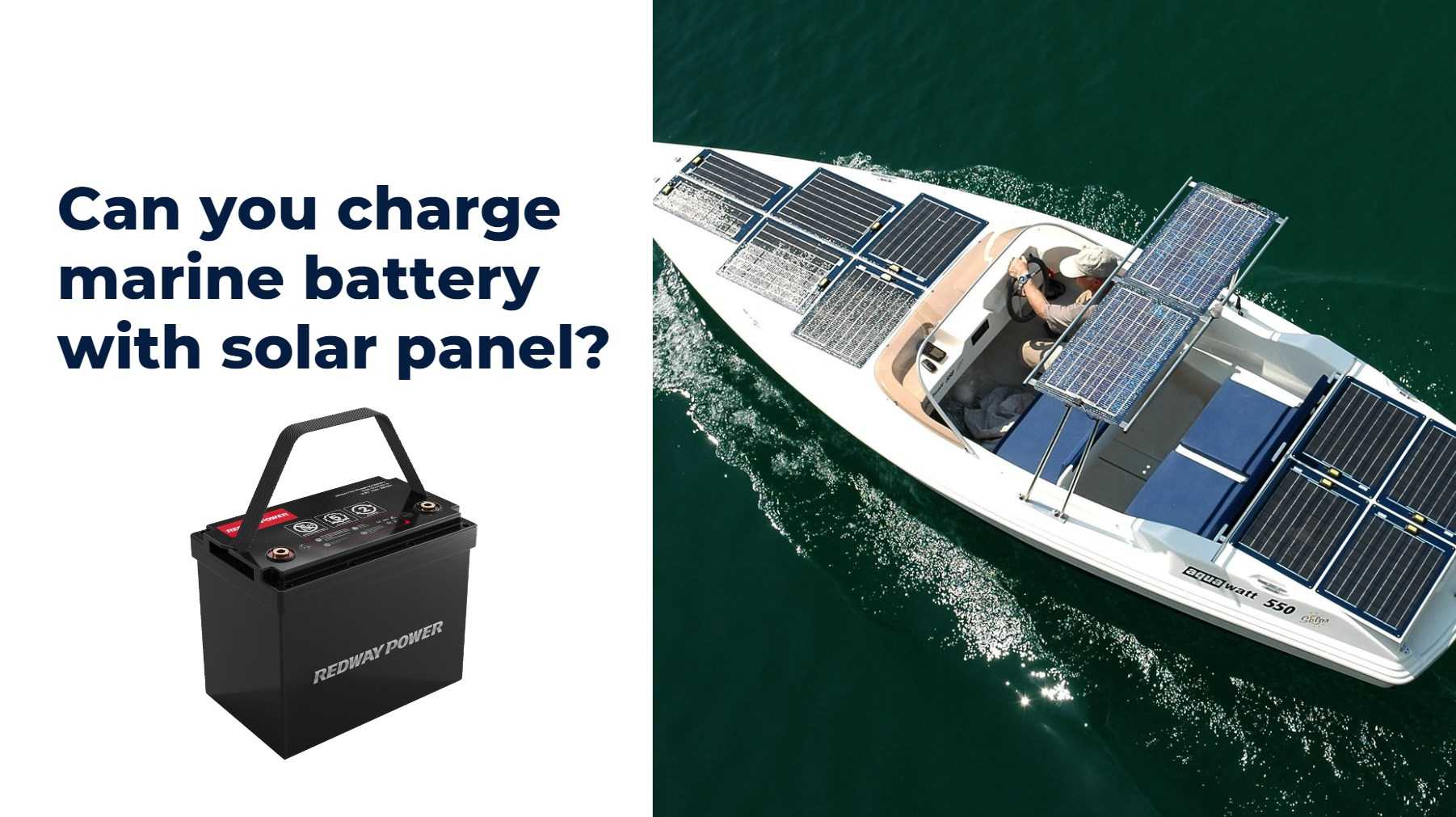
Can you charge marine battery with solar panel?

Can you charge marine battery with solar panel?

Yes, you can charge a marine battery with a solar panel. This eco-friendly solution harnesses sunlight to provide power, making it ideal for boaters. A properly sized solar panel can effectively charge and maintain your marine battery, ensuring you have reliable energy for your adventures on the water.

How Solar Panels Work for Charging Marine Batteries

Solar panels convert sunlight into electricity, which can then be used to charge marine batteries. The process involves several key components:

  1. Solar Panels: These capture sunlight and convert it into direct current (DC) electricity.
  2. Charge Controller: This device regulates the voltage and current coming from the solar panels to prevent overcharging the battery.
  3. Marine Battery: The battery stores the energy generated by the solar panels for later use.

Selecting the Right Solar Panel Size

Choosing the right size solar panel is critical for effectively charging your marine battery. The required wattage will depend on several factors:

  • Battery Capacity: Determine the amp-hour (Ah) rating of your marine battery. For example, a 100Ah battery will require more energy than a 50Ah battery.
  • Daily Energy Needs: Assess how much energy you will need while out on the water. This includes powering lights, electronics, and other devices.
  • Sunlight Availability: The amount of sunlight your location receives will impact how much energy your solar panel can generate.

As a general guideline, a 100-watt solar panel is typically sufficient for maintaining a standard marine battery charge over a short period. For larger boats or higher power demands, consider using multiple panels or larger panels.

Steps to Charge Your Marine Battery with Solar Power

1. Choose an Optimal Location

Select a spot on your boat that receives ample sunlight throughout the day. Ensure that the area is free from obstructions that could cast shadows on the solar panel.

2. Clean Battery Terminals

Before connecting anything, disconnect the marine battery from any power source or devices. Clean the terminals using a wire brush to remove any corrosion or dirt.

3. Connect Solar Panel to Charge Controller

  • Connect the positive terminal of the solar panel to the positive terminal of the charge controller.
  • Connect the negative terminal of the solar panel to the negative terminal of the charge controller.

4. Connect Charge Controller to Marine Battery

  • Connect the positive terminal of the charge controller to the positive terminal of the marine battery.
  • Connect the negative terminal of the charge controller to the negative terminal of the marine battery.

5. Install Charge Regulator

Follow manufacturer instructions to install a charge regulator between the solar panel and battery. This component prevents overcharging and protects your battery’s health.

Benefits of Charging Marine Batteries with Solar Panels

1. Eco-Friendly Solution

Using solar power reduces reliance on fossil fuels and minimizes environmental impact, making it an ideal choice for eco-conscious boaters.

2. Cost Savings

Once installed, solar panels provide free energy from sunlight, reducing ongoing costs associated with traditional charging methods like gas generators.

3. Energy Independence

Solar charging allows boaters to maintain power even when away from shore power sources, enhancing freedom during excursions.

Limitations to Consider

While charging marine batteries with solar panels offers numerous benefits, there are limitations:

  • Weather Dependence: Solar panels rely on sunlight; cloudy days can reduce charging efficiency.
  • Initial Investment: The upfront cost for purchasing and installing solar panels and associated equipment can be significant.
  • Charging Time: Depending on panel size and sunlight availability, charging times may vary significantly.

Latest News

  • Recent advancements in solar technology have led to more efficient panels that can generate greater power output in smaller sizes.
  • New regulations are encouraging boat manufacturers to integrate solar charging systems into new models.
  • The popularity of off-grid living has increased interest in renewable energy solutions like solar-powered marine systems.

Redway Expert Comment

“Charging marine batteries with solar panels is not only feasible but also highly beneficial for boaters looking to maximize their energy independence. At Redway Power, we specialize in high-quality lithium LiFePO4 batteries that work seamlessly with solar systems, ensuring reliable performance while out on the water. Our commitment to innovation helps users enjoy sustainable boating experiences.”

Conclusion

In summary, charging a marine battery with a solar panel is an effective and environmentally friendly solution for boaters. By selecting appropriately sized panels and following proper installation steps, you can ensure reliable power for your adventures on the water. Embracing this renewable energy source not only enhances your boating experience but also contributes positively to sustainability efforts.

FAQs

How can I check and maintain the connections in my solar charging system?
Regularly inspect all connections for signs of corrosion, wear, or loose fittings. Ensure connectors are clean and tightly secured. Use a multimeter to check for proper voltage and continuity. Clean connections with a dry cloth and, if necessary, use electrical contact cleaner. Ensure that wiring is protected from damage and wear.

How do I clean a solar panel to ensure its efficiency?
Gently clean solar panels with a soft, non-abrasive cloth or sponge and mild soap diluted in water. Avoid harsh chemicals or abrasive materials that can scratch the surface. Rinse with clean water to remove any residue. Clean panels early in the morning or late in the afternoon to avoid damage from heat.

How do I securely mount a solar panel on my boat?
Use marine-grade mounting hardware and brackets to secure the solar panel. Ensure the mounting surface is clean and smooth for a secure bond. Apply a marine adhesive or sealant if needed to prevent water ingress. Position the panel to receive maximum sunlight while avoiding obstructions and potential damage from boat movement.

What are the key indicators on a charge controller that I should pay attention to?
Monitor the following indicators:

  • Voltage Levels: Shows the voltage of the battery and solar panels.
  • Current Output: Displays the current being delivered to the battery.
  • Charge Status: Indicates whether the battery is charging, float charging, or fully charged.
  • Error Codes: Alerts to any issues or faults in the system.

How do I monitor the health and performance of my marine battery?
Regularly check the battery voltage with a multimeter to ensure it’s within the proper range. Inspect the battery for any signs of corrosion, leaks, or physical damage. Use a battery monitor to track charge and discharge cycles, and perform periodic load tests to assess the battery’s ability to hold a charge.

Search products

Need a Quick Quote on Wholesale Prices? Contact Redway Battery Now.

X
Product has been added to your cart


Shenzhen Redway Power, Inc

Tel: +86 189 7608 1534
Tel: +86 (755) 2801 0506
E-mail: contact@redwaybattery.com
Website: www.redway-tech.com
Youtube: @RedwayPower
TikTok: @redwaybattery

Get a Quick Quote

Hot OEM

Forklift Lithium Battery
Golf Cart Lithium Battery
RV Lithium Battery
Rack-mounted Lithium Battery

Hot Batteries

24V 150Ah Forklift Lithium Battery
24V 200Ah Forklift Lithium Battery
48V 400Ah Forklift Lithium Battery
48V 600Ah Forklift Lithium Battery
80V 400Ah Forklift Lithium Battery
36V 100Ah Golf Cart Lithium Battery
48V 100Ah Golf Cart Lithium Battery
51.2V 50Ah 3U Rack-mounted Lithium Battery
51.2V 100Ah 3U Rack-mounted Lithium Battery
12V 100Ah RV LiFePO4 Lithium Battery (Self-heating)

Hot Blog

Golf Carts
Server Rack Battery
Knowledge