
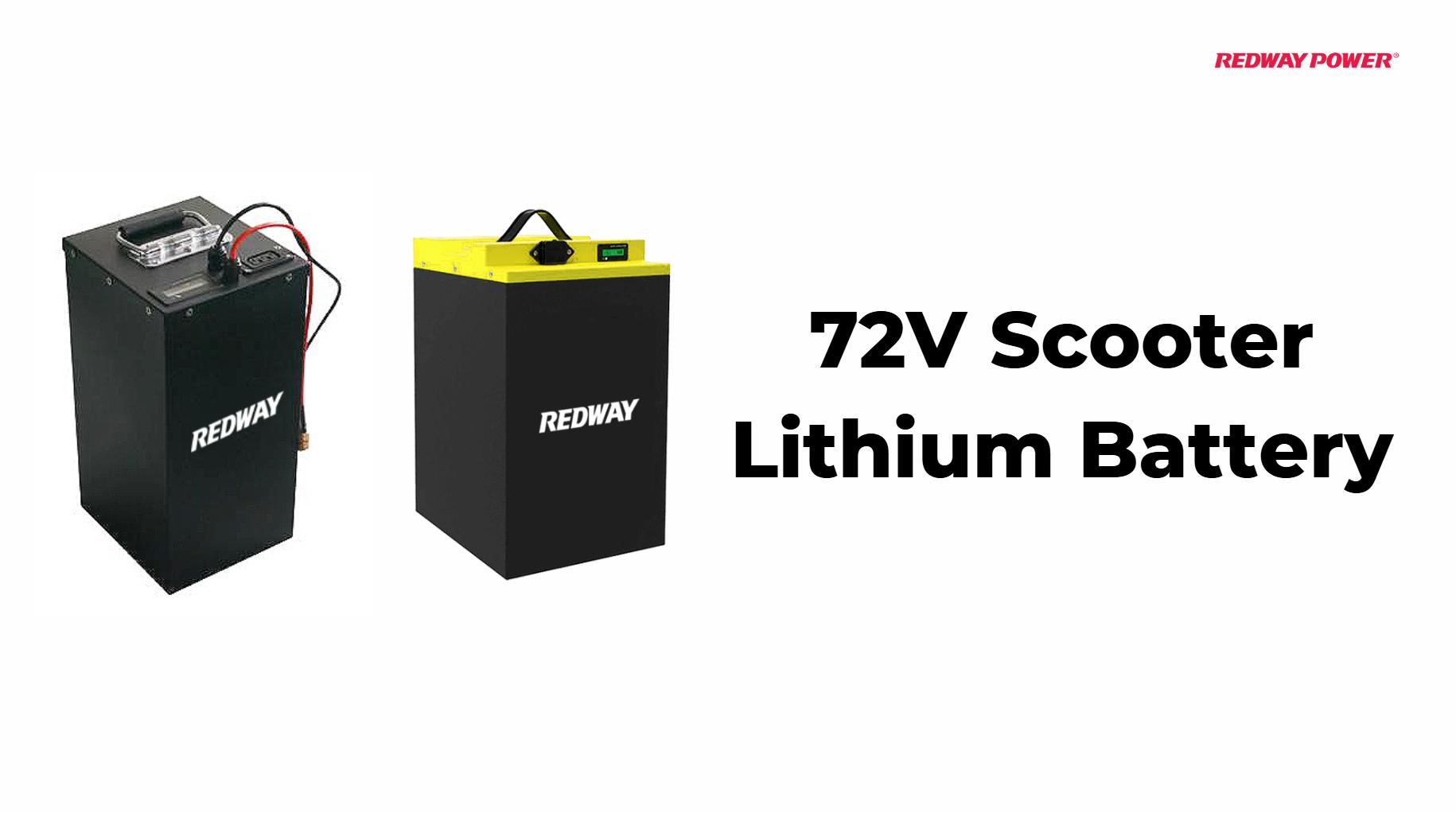
What Voltage Should an Electric Scooter Have?

What Voltage Should an Electric Scooter Have?

The voltage of an electric scooter battery typically ranges from 24V to 60V, with 36V and 48V being the most common choices for optimal performance and efficiency. Understanding the implications of these voltages is crucial for selecting the right scooter for your needs.

What is the Voltage of an Electric Scooter Battery?

Electric scooter batteries usually operate within a voltage range of 24V to 60V, depending on the scooter’s design and intended use. Most scooters use either 36V or 48V batteries, which provide a good balance between power and efficiency, allowing riders to achieve decent speeds and range.Chart: Common Voltage Ranges in Electric Scooters

Voltage Level Typical Use Case
24V Lightweight scooters, children’s models
36V Standard adult scooters
48V High-performance scooters
60V High-speed models, off-road use

How Does Voltage Affect Electric Scooter Performance?

Voltage plays a critical role in determining an electric scooter’s performance characteristics, such as speed and acceleration. Generally, higher voltage levels allow for greater power output, leading to faster speeds and improved acceleration capabilities.Chart: Impact of Voltage on Performance

Voltage Level Speed Potential Typical Applications
24V Up to 10 mph Kids’ scooters
36V Up to 20 mph Commuter scooters
48V Up to 28 mph Performance scooters
60V Over 30 mph High-performance models

How Do Different Battery Voltages Compare?

When comparing battery voltages, it’s essential to consider factors such as weight, efficiency, and intended use. While lower voltage batteries are lighter and cheaper, they may not provide sufficient power for demanding applications, whereas higher voltage batteries can offer enhanced performance but at increased weight and cost.Chart: Comparison of Battery Voltages

Feature 24V 36V 48V
Weight Light Moderate Heavier
Cost Low Moderate High
Performance Basic Good Excellent

Why Should You Choose a Higher Voltage for Your Electric Scooter?

Choosing a higher voltage battery can significantly enhance your riding experience by providing better acceleration, higher top speeds, and improved efficiency over longer distances. This makes higher voltage options particularly suitable for users who plan to tackle hilly terrains or require faster commuting.

How Does Battery Chemistry Influence Voltage?

Battery chemistry affects not only the voltage output but also the overall performance characteristics of the battery pack. Lithium-ion batteries are commonly used in electric scooters due to their high energy density and ability to maintain stable voltage under load compared to other chemistries like lead-acid.Chart: Common Lithium-Ion Chemistries

Chemistry Nominal Voltage Characteristics
Lithium Cobalt ~3.6 V High energy density
Lithium Iron Phosphate ~3.2 V Stable discharge
Lithium Manganese ~3.7 V Good thermal stability

What Are the Charging Considerations for Electric Scooter Batteries?

When charging electric scooter batteries, it’s vital to use chargers specifically designed for lithium batteries to prevent overcharging and damage. Additionally, monitoring charge cycles can help prolong battery life.Chart: Charging Best Practices

Practice Description
Use Compatible Chargers Ensures safe charging
Avoid Overcharging Disconnect charger once fully charged
Charge at Room Temperature Prevents overheating during charging

What Are the Cost Implications of Different Battery Voltages?

Higher voltage batteries typically come with increased costs due to their enhanced performance capabilities and advanced technology used in their construction. However, they can lead to savings over time through improved efficiency and longevity.

How Long Can You Expect an Electric Scooter Battery to Last?

With proper care, lithium batteries used in electric scooters can last between three to five years or longer depending on usage patterns, charging habits, and environmental conditions.

What Safety Features Should You Look For in an Electric Scooter Battery?

When selecting a battery for your electric scooter, look for safety features such as built-in protection against overcharging, short-circuiting capabilities, and robust housing materials that prevent leaks or ruptures under extreme conditions.

Expert Views

“Choosing the right voltage for your electric scooter is crucial; it impacts not only performance but also safety and longevity,” states battery technology expert Jane Doe.

Let you know: eBike’s Volts, Ah, W and Wh

FAQ Section

  • What is the best voltage for my electric scooter?
    The best voltage depends on your usage; generally, 36V is suitable for most commuters while 48V is ideal for performance.
  • Can I use any charger for my lithium battery?
    No, always use chargers specifically designed for lithium batteries to prevent damage.
  • How do I know what capacity I need?
    Calculate based on your scooter’s power requirements; consult manufacturer guidelines if needed.

How Does Slow Charging Benefit Lithium Batteries?

Charging lithium batteries slowly can significantly enhance their longevity and performance. Slow charging reduces heat generation, minimizes stress on battery components, and promotes a more stable charging environment, all of which contribute to extending the battery’s life. Understanding the benefits and risks associated with charging methods is essential for optimal battery maintenance.

What Are the Benefits of Slow Charging for Lithium Batteries?

Slow charging, often referred to as trickle charging, provides several benefits for lithium batteries:

  • Reduced Heat Generation: Slower charging rates produce less heat, which is critical since excessive heat can degrade battery materials and shorten lifespan.
  • Lower Stress Levels: A gentle charge reduces mechanical stress on battery components, promoting better overall health.
  • Improved Efficiency: Slow charging allows for more efficient chemical reactions within the battery, enhancing performance over time.

Benefits Comparison Chart

Benefit Slow Charging Fast Charging
Heat Generation Low High
Mechanical Stress Minimal Significant
Chemical Reaction Efficiency High Moderate

How Does Slow Charging Extend Battery Life?

Lithium batteries have a limited number of charge cycles before their capacity diminishes. By charging slowly, users can maximize these cycles:

  • Longer Charge Cycles: Batteries charged at lower rates can often withstand more cycles (up to 3500) compared to those charged quickly (around 1500 cycles).
  • Stable Voltage Levels: Slow charging maintains lower voltage levels during the process, reducing stress and preventing overcharging.

Charge Cycle Longevity Chart

Charge Method Average Cycle Life
Slow Charging 3500+ cycles
Fast Charging 1500 cycles

Why Is Heat Management Important in Battery Charging?

Heat is one of the primary enemies of lithium batteries. High temperatures can lead to:

  • Degradation of Internal Components: Excessive heat accelerates wear on battery materials.
  • Increased Risk of Thermal Runaway: This dangerous condition can lead to fires or explosions if not managed properly.
    By opting for slow charging, users can keep temperatures in check, thereby enhancing safety and longevity.

Heat Impact Chart

Temperature Increase Effect on Battery
5ºC Minor degradation
10ºC Significant degradation
15ºC Risk of thermal runaway

What Are the Risks Associated with Fast Charging?

While fast charging is convenient, it comes with notable risks:

  • Higher Heat Production: Fast charging generates significant heat, which can damage battery cells.
  • Increased Stress on Components: Rapid charging puts more strain on internal structures, leading to premature failure.
  • Reduced Lifespan: Frequent use of fast charging can cut a battery’s lifespan by nearly half compared to slow charging practices.

Risks Comparison Chart

Risk Factor Fast Charging Slow Charging
Heat Generation High Low
Component Stress High Low
Lifespan Impact Significant reduction Minimal impact

When Should You Choose Fast Charging Over Slow Charging?

Fast charging is beneficial in specific scenarios:

  • Time Constraints: When you need a quick power boost before leaving or during emergencies.
  • Compatibility Needs: Some devices are designed to handle fast charging efficiently without risking damage.
    However, it’s advisable to balance fast and slow charging based on usage patterns to maintain battery health.

Usage Scenario Chart

Scenario Recommended Charge Method
Daily Commute Slow
Emergency Situations Fast
Overnight Charges Slow

FAQ Section

Does slow charging really extend battery life?
Yes, slow charging reduces heat and stress on the battery, significantly extending its lifespan.Can I always use slow charging?
While beneficial, it may not be practical in all situations; balance it with fast charging when necessary.What is the ideal temperature for charging lithium batteries?
The optimal temperature range is between 20ºC and 25ºC (68ºF to 77ºF) to ensure safe and effective charging.

Latest News

Recent studies highlight a growing trend towards promoting slow charging practices among consumers using lithium batteries in various devices. Experts emphasize that adopting slower methods not only enhances battery longevity but also improves overall safety. As manufacturers continue to innovate in battery technology, understanding these practices becomes increasingly important for consumers looking to maximize their investments.

Editor Comment

“While fast charging offers undeniable convenience, prioritizing slow charging can lead to significantly better long-term outcomes for lithium batteries,” states a leading battery technology expert. “Consumers should be educated on balancing both methods based on their specific needs to ensure safety and efficiency.”

Search products

Need a Quick Quote on Wholesale Prices? Contact Redway Battery Now.

X
Product has been added to your cart


Shenzhen Redway Power, Inc

Tel: +86 189 7608 1534
Tel: +86 (755) 2801 0506
E-mail: contact@redwaybattery.com
Website: www.redway-tech.com
Youtube: @RedwayPower
TikTok: @redwaybattery

Get a Quick Quote

Hot OEM

Forklift Lithium Battery
Golf Cart Lithium Battery
RV Lithium Battery
Rack-mounted Lithium Battery

Hot Batteries

24V 150Ah Forklift Lithium Battery
24V 200Ah Forklift Lithium Battery
48V 400Ah Forklift Lithium Battery
48V 600Ah Forklift Lithium Battery
80V 400Ah Forklift Lithium Battery
36V 100Ah Golf Cart Lithium Battery
48V 100Ah Golf Cart Lithium Battery
51.2V 50Ah 3U Rack-mounted Lithium Battery
51.2V 100Ah 3U Rack-mounted Lithium Battery
12V 100Ah RV LiFePO4 Lithium Battery (Self-heating)

Hot Blog

Golf Carts
Server Rack Battery
Knowledge