Unveiling the Truth: Can Lithium Batteries Catch Fire Even When Not in Use?
Can lithium batteries catch fire even when not in use? Lithium batteries have become an essential part of our modern lives. From smartphones and laptops to electric vehicles and power tools, these lightweight and powerful energy sources have revolutionized the way we live and work. But with great power comes great responsibility – and sometimes, unexpected risks.
In recent years, there has been a growing concern surrounding the safety of lithium-ion batteries. Reports of battery fires engulfing homes, airlines grounding flights due to battery-related incidents, and even personal injuries caused by exploding devices have made headlines across the globe.
But what exactly is behind these fiery incidents? Are all lithium batteries prone to catching fire? And most importantly, can they pose a risk even when they are not in use? Let’s delve deeper into the world of lithium-ion batteries and uncover the truth behind their hidden dangers.

The Problem with Lithium Batteries
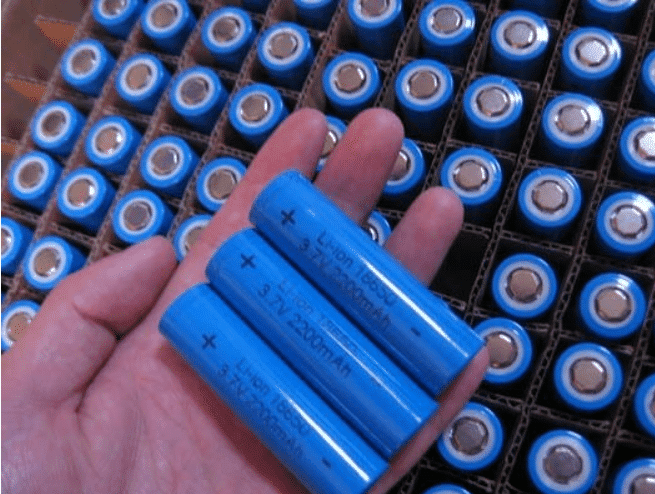
Lithium batteries, despite their numerous advantages, come with a set of challenges. One major concern is their potential to catch fire and explode. This is primarily due to the chemical composition of lithium-ion batteries, which involves highly reactive materials that can cause thermal runaway if not handled properly.
When charged or discharged rapidly or exposed to extreme temperatures, these batteries can become unstable and release an excessive amount of heat. The buildup of pressure inside the battery can lead to internal short circuits and ultimately result in a catastrophic fire or explosion. Understanding these risks is crucial for ensuring the safe use and handling of lithium batteries in our everyday lives.
Recent Lithium-Ion Battery Fire Incidents
Recent Lithium-Ion Battery Fire Incidents
In recent years, there have been several high-profile incidents involving lithium-ion battery fires. These incidents have raised concerns about the safety of these batteries and their potential to catch fire even when not in use. One notable incident involved a smartphone exploding in a passenger’s pocket on an airplane, causing panic and evacuation. Another incident occurred when a hoverboard caught fire while charging, resulting in significant property damage.
The reasons behind these fires are complex, but it’s important to understand that they can occur due to various factors such as manufacturing defects, physical damage, or improper handling and storage. While lithium-ion batteries offer numerous benefits like longer life cycles and higher energy density compared to other battery types, their chemistry makes them susceptible to thermal runaway if certain conditions are met. It is crucial for consumers and businesses alike to be aware of these risks and take necessary precautions to minimize the chances of accidents occurring.
Understanding the Risks of Lithium Batteries
Lithium batteries have become an integral part of our modern lives, powering everything from smartphones to electric vehicles. However, it’s essential to understand the potential risks associated with these powerful energy sources.
One key factor that contributes to the risk is the chemistry of lithium batteries. These batteries use a combination of lithium and other reactive materials, which can pose a fire hazard if not handled properly. Additionally, factors such as overheating, physical damage, or manufacturing defects can further increase the likelihood of a battery fire.
It’s crucial to be aware of these risks and take necessary precautions when using and storing lithium batteries. By understanding the potential dangers and implementing safety measures, we can minimize the risk of fires caused by lithium batteries in our everyday lives.”
Lithium Battery Chemistry Explained
Lithium Battery Chemistry Explained
Understanding the chemistry behind lithium batteries is essential in comprehending their potential fire risks. Unlike traditional batteries, which use chemicals like lead or nickel-cadmium, lithium batteries employ a highly reactive combination of lithium compounds. This chemical makeup allows them to store and release energy efficiently.
Lithium-ion batteries consist of two electrodes – an anode (negative electrode) and a cathode (positive electrode) separated by an electrolyte. The most common types of lithium battery chemistries include Lithium Cobalt Oxide (LiCoO2), Lithium Manganese Oxide (LiMn2O4), and Lithium Iron Phosphate (LiFePO4). Each chemistry has its own advantages and disadvantages in terms of energy density, voltage stability, safety, and cost.
The unique nature of these chemistries makes them susceptible to certain factors that can trigger fires or explosions if not handled properly. It’s crucial to understand how these factors interact with the chemicals inside the battery to mitigate potential risks effectively.
Factors that Can Lead to Lithium Battery Fires
Lithium battery fires can be caused by various factors. One of the main culprits is overheating, which occurs when the battery gets too hot during charging or discharging. This can happen if the battery is exposed to high temperatures or if it undergoes rapid charge and discharge cycles.
Another factor that can lead to lithium battery fires is physical damage. If a battery is dropped or punctured, it can cause internal short circuits and thermal runaway, resulting in a fire. Additionally, manufacturing defects or poor quality control can contribute to the risk of fires in lithium batteries.
It’s important to be aware of these factors and take precautions to minimize the risk of lithium battery fires. By understanding how these factors can impact safety, individuals and businesses alike can make informed decisions when it comes to using and handling lithium batteries.
Can Lithium Batteries Catch Fire When Not in Use?
Lithium batteries have become an essential part of our daily lives, powering everything from smartphones to electric cars. However, with their increasing popularity comes the concern about their safety. Can lithium batteries catch fire even when not in use? The answer may surprise you.
Lithium battery chemistry is complex and can pose risks if mishandled or damaged. Factors such as exposure to high temperatures, physical damage, or manufacturing defects can increase the likelihood of a fire. These risks are not limited to just when the battery is actively being used but also apply during storage and handling. It’s crucial to understand these dangers and take appropriate precautions to minimize the risk of fires caused by lithium batteries
Dormant Risks: The Dangers of Idle Lithium Batteries
Dormant Risks: The Dangers of Idle Lithium Batteries
Lithium batteries may seem harmless when they’re not in use, but don’t be fooled. Even when sitting idle, these powerful energy sources can pose serious risks. It’s important to understand the potential dangers and take necessary precautions to prevent accidents.
One of the biggest concerns with idle lithium batteries is their susceptibility to thermal runaway. This occurs when a battery becomes unstable and releases an excessive amount of heat, leading to a chain reaction that can result in fire or even explosion. Factors such as high temperatures, physical damage, or manufacturing defects can trigger this dangerous phenomenon. So while you might think your unused lithium battery is safe tucked away somewhere, it’s crucial to remember that the risk remains present and should not be ignored.
The key takeaway here is that dormant lithium batteries are not immune from fire hazards. The safety measures put in place during usage also apply during storage periods. By understanding the potential risks and taking proper storage precautions, you can significantly reduce the chances of a catastrophic event occurring due to an idle lithium battery.
Storage and Handling Precautions to Prevent Fires
Storage and handling precautions are crucial in preventing fire incidents related to lithium batteries. When storing these batteries, it is important to keep them in a cool and dry location, away from direct sunlight or extreme temperatures. Avoid storing them near flammable materials or sources of heat.
Additionally, it is important to handle lithium batteries with care to minimize the risk of fires. Always use the appropriate charger designed for the specific battery type and avoid overcharging or using damaged chargers. Inspect the battery regularly for any signs of damage such as swelling or leakage. Properly dispose of damaged or expired batteries according to local regulations.
By following these storage and handling precautions, you can significantly reduce the chances of a fire caused by lithium batteries. Stay vigilant and prioritize safety when dealing with these powerful energy sources!
How to Minimize the Risk
Best Practices for Proper Storage and Disposal
When it comes to minimizing the risk of lithium battery fires, proper storage and disposal are key. It’s important to store lithium batteries in a cool, dry place away from heat sources or direct sunlight. Avoid exposing them to extreme temperatures as this can increase the chances of thermal runaway.
Additionally, never stack or crush lithium batteries together as this can cause damage to the protective casing and potentially lead to short circuits. It’s also crucial to keep them away from flammable materials such as paper or fabric that could easily catch fire if a battery were to malfunction.
Proper disposal is equally important. Never throw lithium batteries in regular trash bins as they can still pose a fire hazard even when depleted. Instead, recycle them at designated collection points or facilities that handle hazardous waste. Taking these simple precautions can go a long way in ensuring the safety of both yourself and others around you.
Best Practices for Proper Storage and Disposal
When it comes to lithium batteries, proper storage and disposal are essential for minimizing the risk of fires. Here are some best practices to keep in mind:
Always store lithium batteries in a cool and dry place away from flammable materials. Avoid exposing them to extreme temperatures or direct sunlight.
Ensure that you dispose of lithium batteries properly. Many communities have designated recycling centers where you can drop off old batteries. Never throw them in the trash as they can pose a serious environmental hazard.
By following these best practices for storage and disposal, you can help prevent potential fire incidents and contribute to a safer environment. Stay informed and stay safe!
Choosing Safe and High-Quality Lithium Batteries
When it comes to choosing lithium batteries, safety should be a top priority. Opting for safe and high-quality batteries not only reduces the risk of fire incidents but also ensures optimal performance and longevity. So, how can you make sure you’re selecting the right ones?
Always look for reputable brands or manufacturers that have a track record of producing reliable lithium batteries. Check for certifications such as UL (Underwriters Laboratories) to ensure compliance with safety standards. Additionally, read customer reviews and ratings to get insights into other users’ experiences with the battery’s safety and performance.
Pay attention to the specific features and specifications of the battery. Look for built-in protection mechanisms like overcharge protection, short circuit protection, and temperature control systems. These features help prevent overheating or overcharging situations that could potentially lead to fires.
Remember – investing in safe and high-quality lithium batteries is crucial for both your personal safety and the overall longevity of your devices!
Taking Action for Safety
Fire Prevention Tips for Lithium Batteries:
1. Store in a cool, dry place: To minimize the risk of fire, it’s important to store lithium batteries in a cool and well-ventilated area. Avoid exposing them to high temperatures or direct sunlight as this can cause overheating and potential ignition.
2. Handle with care: Always handle lithium batteries with caution, avoiding any physical damage such as dropping or puncturing them. Damaged batteries are more prone to thermal runaway and can lead to fires.
What to Do in Case of a Lithium Battery Fire:
1. Evacuate immediately: If a lithium battery catches fire, your safety is paramount. Leave the area promptly and ensure everyone else does too.
2. Use appropriate extinguishers: In case of small fires involving lithium batteries, use Class D fire extinguishers specifically designed for metal fires. Never attempt to put out large or uncontrolled battery fires on your own; instead, call emergency services right away.
Remember, taking proactive measures like proper storage and handling can significantly reduce the risk of lithium battery fires – ensuring both your safety and peace of mind.
Fire Prevention Tips for Lithium Batteries
Fire Prevention Tips for Lithium Batteries:
1. Handle with Care: Always handle lithium batteries with caution, avoiding any physical damage that could potentially lead to a fire. Do not puncture or crush the battery, as it can cause internal short circuits.
2. Proper Storage: Store your lithium batteries in a cool and dry place, away from direct sunlight or extreme temperatures. Avoid storing them near flammable materials such as paper or fabric.
3. Use Approved Chargers: Ensure you use chargers specifically designed for lithium batteries and follow manufacturer instructions carefully. Overcharging or using incompatible chargers can increase the risk of fire.
4. Avoid Overheating: Prevent excessive heat buildup by not overusing devices powered by lithium batteries, especially during high-intensity activities like gaming or video streaming.
5. Unplug When Fully Charged: Once your device is fully charged, disconnect it from the charger promptly to prevent overheating and potential fire risks.
Remember to always prioritize safety when handling lithium batteries to minimize the risk of fires and ensure their safe usage.
What to Do in Case of a Lithium Battery Fire
If you ever find yourself facing a lithium battery fire, it’s crucial to act quickly and cautiously. Safety should be your top priority in such situations. Here are some steps you can take to minimize the risk and ensure your well-being.
First and foremost, remove yourself from immediate danger by evacuating the area as soon as possible. Call emergency services immediately to report the fire and provide them with accurate information about the situation. Avoid trying to extinguish the fire on your own unless you have been trained in handling lithium battery fires and have access to appropriate equipment.
Remember, water is not effective for extinguishing a lithium battery fire; instead, use a Class D dry powder or carbon dioxide (CO2) fire extinguisher if available nearby. It’s important not to breathe in any smoke or fumes emitted by burning batteries, so try to maintain a safe distance while waiting for professional help to arrive.
Note: The next blog section will follow shortly!
Conclusion and Final Thoughts
H2: Conclusion and Final Thoughts
Lithium batteries have undoubtedly revolutionized the way we power our devices, providing high energy density and longer-lasting performance. However, it’s crucial to acknowledge the potential risks associated with these powerful energy sources.
While lithium batteries can catch fire even when not in use, understanding the factors that contribute to these incidents is key in minimizing the risk. Factors such as manufacturing defects, physical damage, exposure to extreme temperatures or humidity, and improper storage or handling can all increase the likelihood of a battery fire.
To ensure safety, it is essential to store and handle lithium batteries correctly. Following best practices like keeping them at appropriate temperatures (neither too hot nor too cold), avoiding exposure to moisture or direct sunlight, using protective cases or containers during transport or storage, and disposing of old or damaged batteries properly can significantly reduce the chances of fires.
When purchasing lithium batteries for your devices, always opt for safe and high-quality options from reputable manufacturers. Look for certifications like UL (Underwriters Laboratories) listing or IEC 62133 compliance which ensures adherence to stringent safety standards.
In case of a lithium battery fire incident:
1. Stay calm but act quickly.
2. Move away from flammable materials if possible.
3. Use a Class D fire extinguisher specifically designed for lithium fires if available.
4. If you don’t have an extinguisher on hand:
– Extinguish small flames with sand or dry powder.
– For larger fires outdoors only: Let them burn out while ensuring no one is endangered.
5. Contact emergency services immediately if necessary.
Remember that prevention is always better than dealing with consequences after an incident occurs. By being proactive about storing and handling your lithium batteries responsibly, you can greatly reduce the risk of fires both when they are in use and while they are idle.
Stay informed about current regulations regarding disposal methods for used batteries specific to your region as well—many recycling centers or electronic stores offer battery disposal services for safe and environmentally friendly handling